Blog

  • CeraVe vs La Roche-Posay: 8 Months of Side-by-Side Use on NC45 Acne-Prone Skin

    CeraVe vs La Roche-Posay: 8 Months of Side-by-Side Use on NC45 Acne-Prone Skin

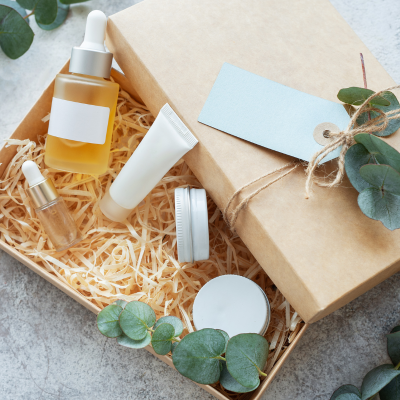
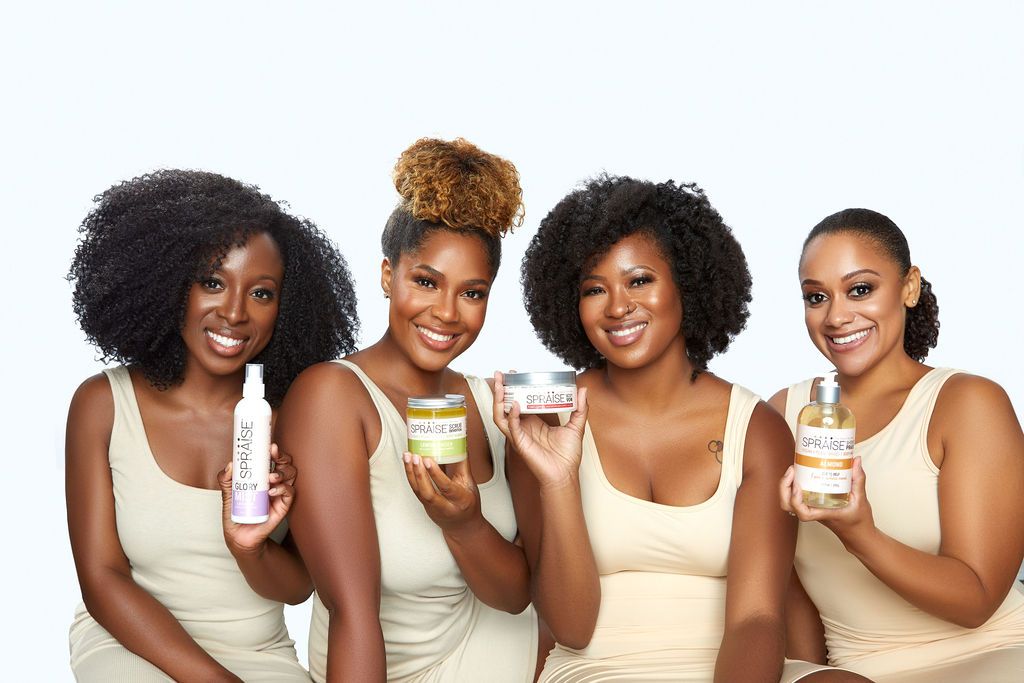
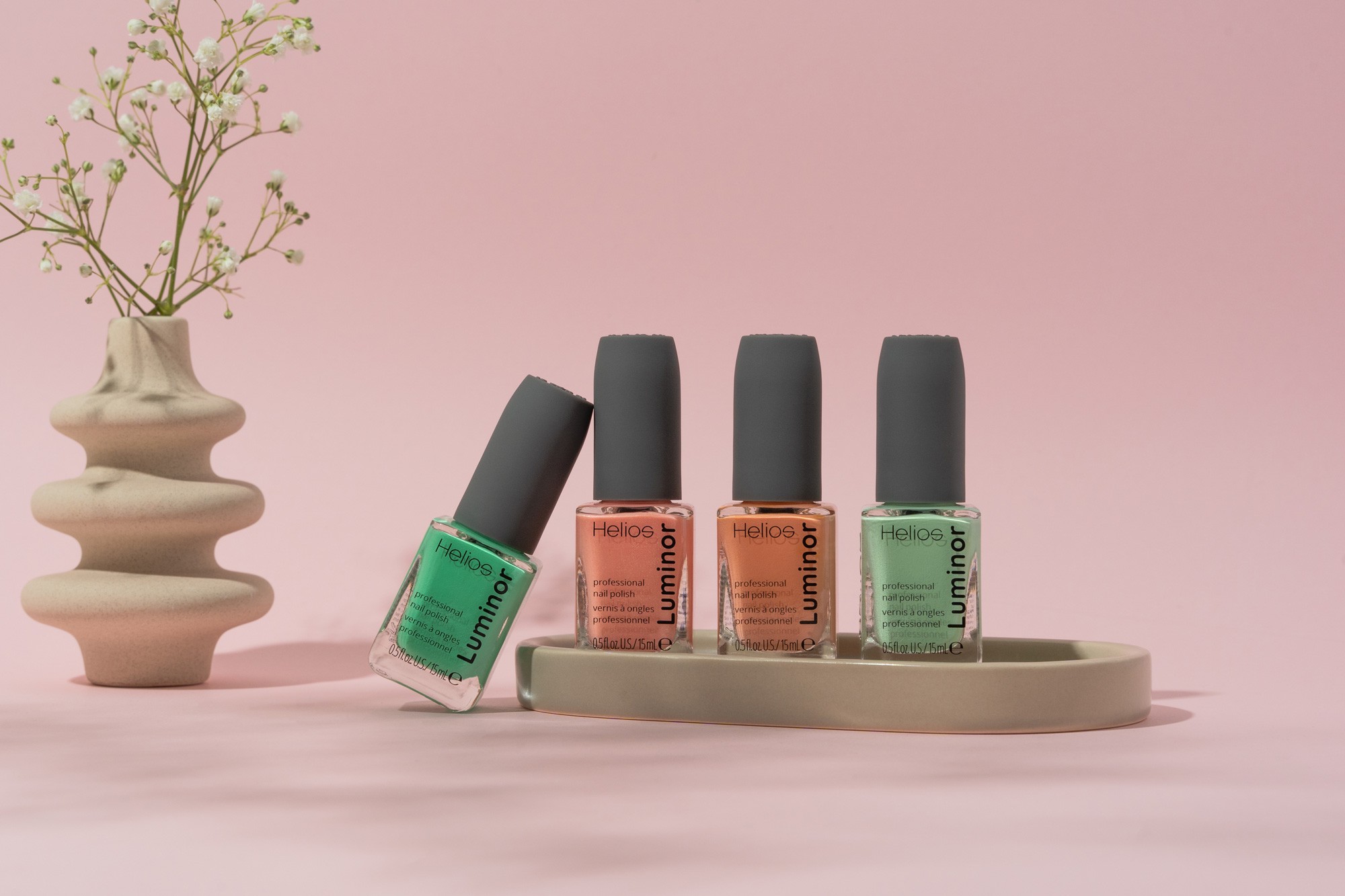
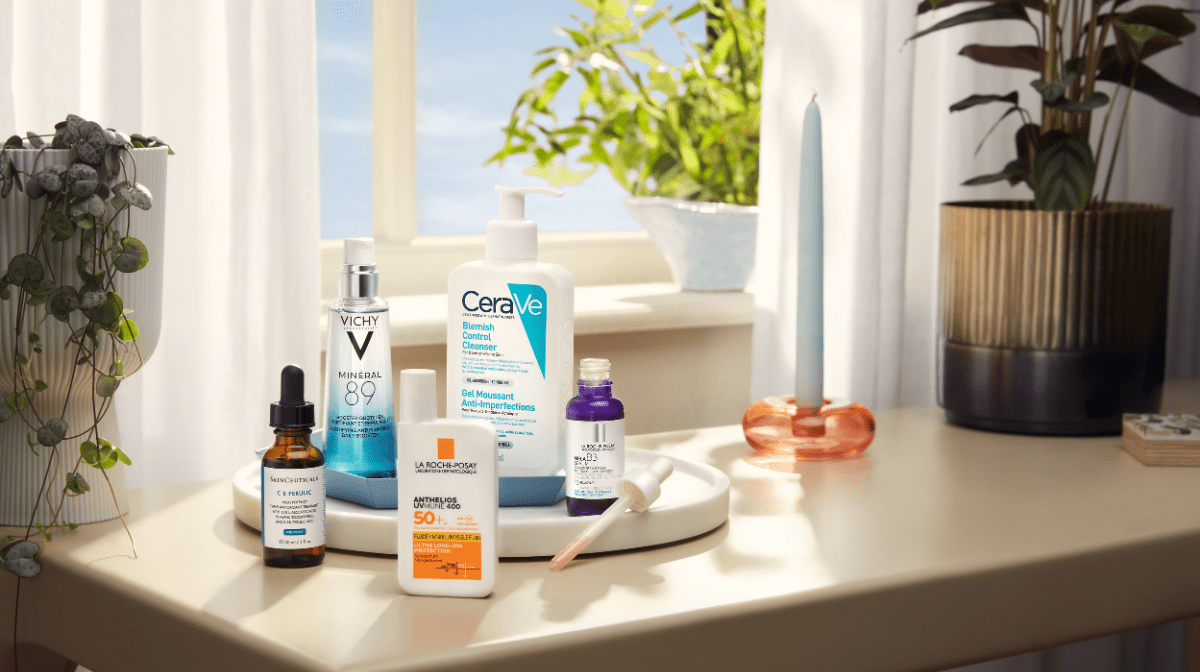
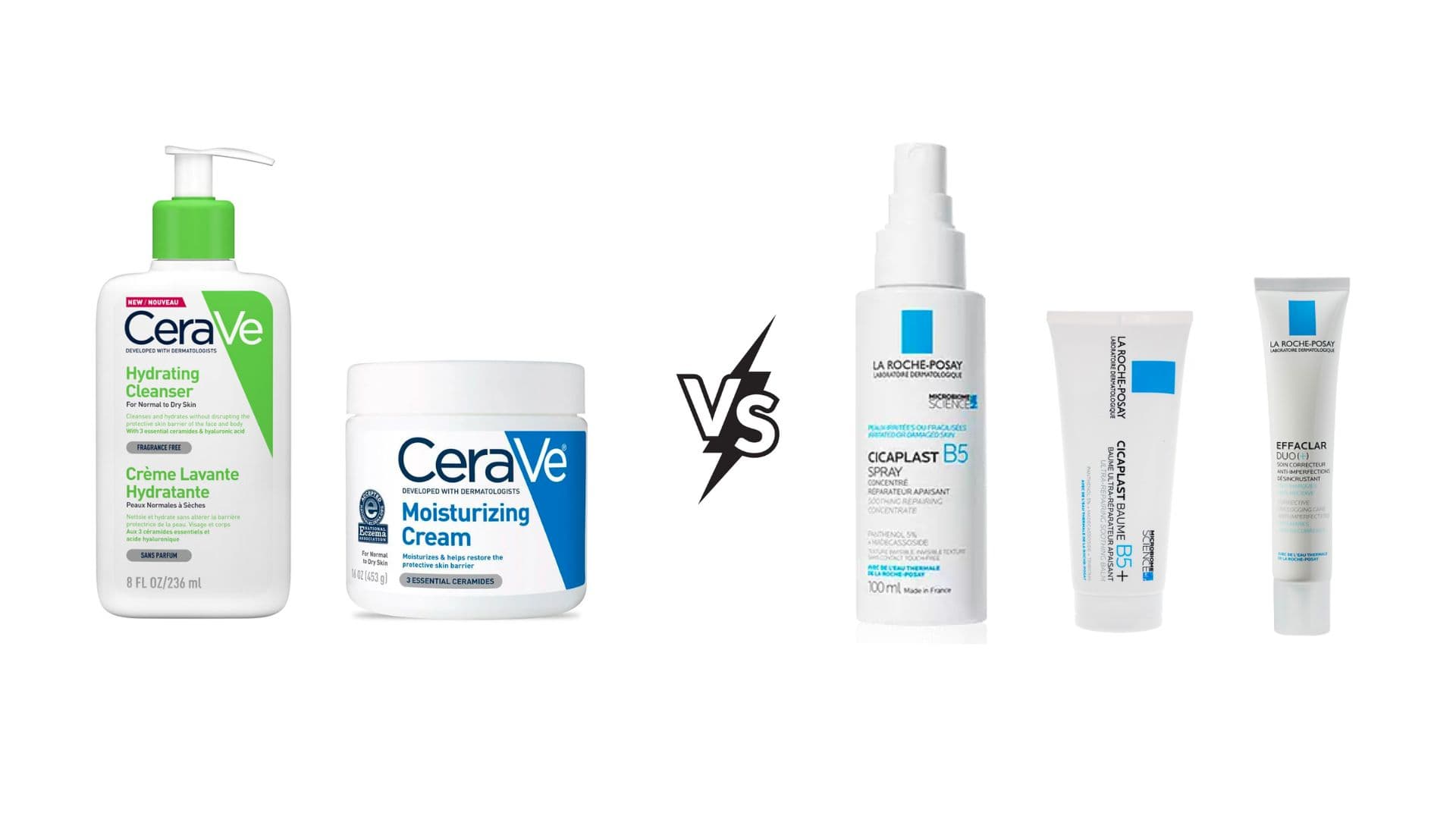
    CeraVe and La Roche-Posay skincare products arranged side by side for comparison

    The cheaper brand wins the daily-routine showdown, but not the categories most people assume. After eight months running both brands on the same NC45 acne-prone face – one side of my routine CeraVe, the other La Roche-Posay – the budget option took the basics and the premium option took the specialty work, which is the inverse of how most beauty editors frame this matchup. Anyone reading “drugstore skincare” thinkpieces would expect the $20 brand to lose the head-to-head against the $30 brand. That is not what happened on my skin. The categories split cleanly, the value math is not subtle, and the verdict is specific enough that I can tell you which jar to put in your cart at Target tonight.

    I am 28, biracial Black-Filipina, neutral-warm undertones, combination skin that runs oily in the t-zone and reactive to fragrance, with hormonal cystic breakouts along the jaw. Both brands sit in the same drugstore aisle, both market themselves as dermatologist-recommended and fragrance-free for sensitive and acne-prone skin, and both are owned by L’Oréal. They are also genuinely different products at different price points, and after eight months testing across cleansers, moisturizers, sunscreens, and treatment, the right answer depends on which step of your routine you are buying for.

    Quick verdict if you only have 30 seconds

    CeraVe wins for daily basics – cleanser, moisturizer, and body care. La Roche-Posay wins for sunscreen and targeted treatment products like the Effaclar Duo and the Cicaplast Baume. If you are building a full routine on a budget, CeraVe gets you 70 percent of the way there for half the spend. If you have a specific skin problem (sensitivity flares, post-acne marks, a need for elegant sunscreen texture under makeup), La Roche-Posay’s specialty pieces are worth the extra ten dollars. Buy both. Just buy the right pieces from each.

    What they are and where they come from

    CeraVe was launched in 2005 by dermatologists, built around a patented MultiVesicular Emulsion that releases three ceramides plus hyaluronic acid over time. L’Oréal acquired it in 2017. Its pitch is barrier-repair basics at drugstore prices, fragrance-free, non-comedogenic, and dermatologist-recommended for eczema, acne, and sensitive skin.

    La Roche-Posay is a French brand that has been around since 1975 and was acquired by L’Oréal in 1989. Its hero ingredient is Thermal Spring Water from the town of La Roche-Posay in central France, marketed for its selenium content. The product range is broader and pricier than CeraVe’s, organized around four specialty lines: Effaclar for acne, Toleriane for sensitivity, Anthelios for sunscreen, Cicaplast for repair. La Roche-Posay wins at the pharmacy counter where buyers want a specific corrective product. CeraVe wins at Target where buyers want a full routine and a $15 jar they can refill every two months without thinking.

    Side-by-side comparison

    Category CeraVe La Roche-Posay
    Price range $13 to $22 $18 to $42
    Hero ingredient Three ceramides plus hyaluronic acid, MVE delivery Thermal Spring Water with selenium, plus targeted actives
    Strongest category Cleansers and moisturizers Sunscreens and treatment products
    Fragrance Fragrance-free across most of the range Fragrance-free across Toleriane and Cicaplast lines
    Best for Daily routine basics on a budget Targeted concerns and sunscreen texture
    Where to buy Target, Walmart, Ulta, Amazon, drugstores Target, Ulta, Amazon, dermatologist offices

    CeraVe: the budget workhorse that earns its hype

    I have used the CeraVe Hydrating Cleanser ($15 for a 12-ounce bottle at Target) for four years on and off, and I tested it head-to-head against the La Roche-Posay Toleriane Hydrating Gentle Cleanser ($17 for 13.5 ounces) for the full eight months. The CeraVe is a low-foam, lotion-textured cleanser I use mornings and on non-makeup nights. It does not strip my skin, does not leave a film, and has reliably kept hormonal jaw breakouts from worsening during the week before my period. The Toleriane is functionally similar and arguably slightly more elegant in feel, but I cannot find $2 worth of skin difference between the two over four months of swapping sides.

    The real CeraVe win is the Moisturizing Cream ($19 for the 19-ounce tub at Target). I have spent more than $19 on a single ounce of moisturizer before, including a Drunk Elephant Lala Retro situation I do not want to talk about, and the CeraVe tub does what those creams do without the perfume notes or the markup. The texture is thick, occlusive enough to seal in actives, and rich enough to slug with on dry winter nights. I use it as a night moisturizer in the colder months and switch to the lighter CeraVe AM Facial Moisturizing Lotion ($18) for daytime in summer.

    What I do not love: the CeraVe serum dropper bottles feel cheap, which matters less than function but matters a little. The Resurfacing Retinol Serum at $20 is meaningfully gentler than the La Roche-Posay Retinol B3 at $42, but the La Roche-Posay version delivers visibly faster results on my post-acne marks. For a beginner retinoid CeraVe wins on tolerability. For someone with three years of retinol use already under their belt, the La Roche-Posay version actually moves the needle.

    The CeraVe Moisturizing Cream is the single best dollar-for-dollar product in this comparison. I keep a tub on my bathroom counter and a smaller jar in my travel kit and I have never regretted the purchase. Pick up the 19-ounce CeraVe Moisturizing Cream tub at Target – the bigger size is significantly better value per ounce than the squeeze tube.
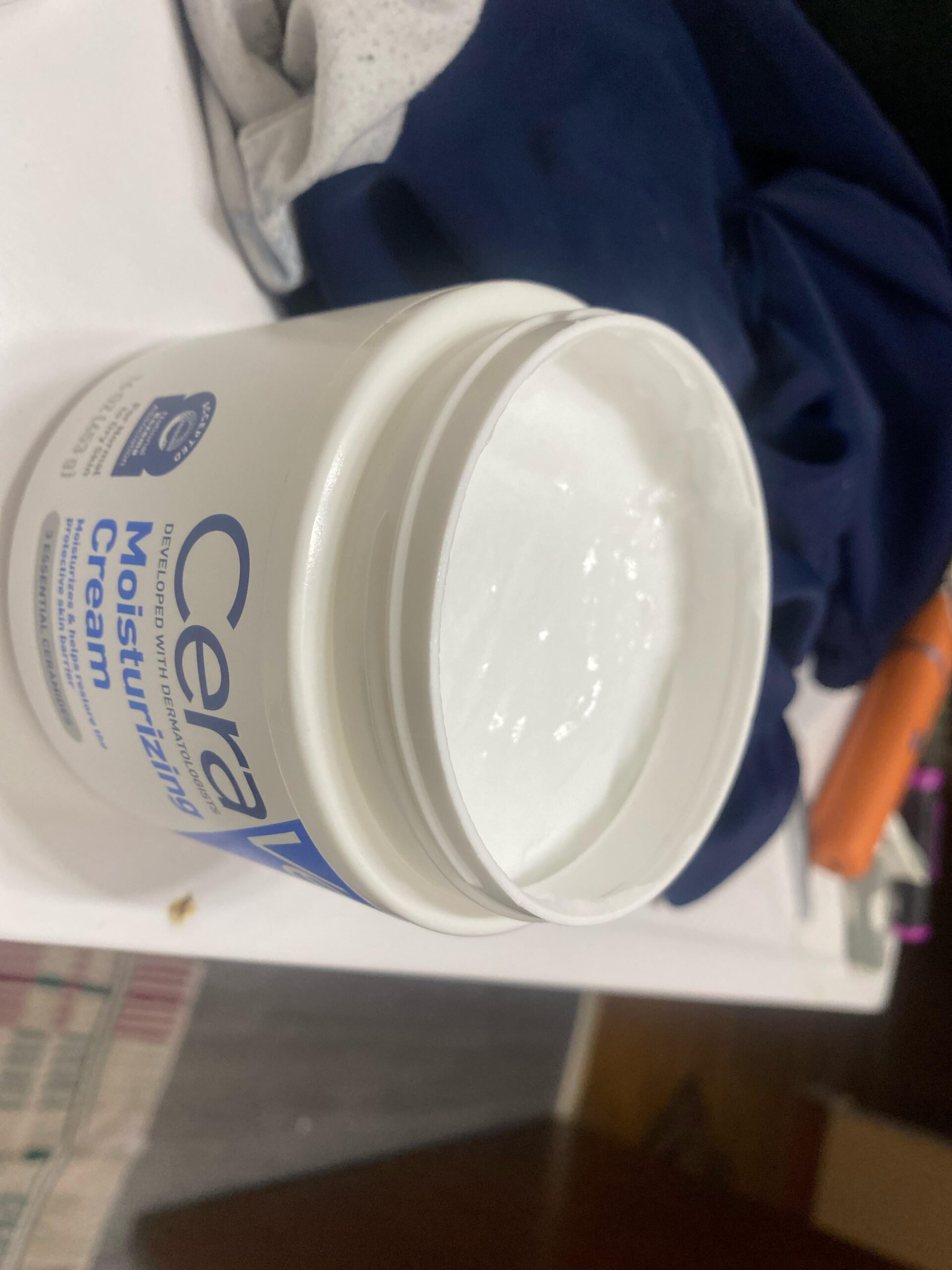
    CeraVe Moisturizing Cream tub open showing the thick cream texture

    La Roche-Posay: the specialty pick that earns the extra ten dollars

    The La Roche-Posay Anthelios Melt-In Milk Sunscreen SPF 60 ($36 for 5 ounces at Ulta) is the reason this brand is in my routine at all. I have tried most drugstore mineral and chemical sunscreens sold in the U.S. and most of them either pill under foundation, leave a gray cast on my NC45 skin, or feel greasy enough that I cannot wear them under a full face. The Anthelios Melt-In Milk genuinely disappears on my undertone, layers under Fenty Pro Filt’r 480 without pilling, and lasts an eight-hour workday without breaking down. I wore it nine hours under makeup at a wedding in August and my skin still looked freshly set at 11pm.

    CeraVe’s sunscreen line (Hydrating Mineral SPF 30 and the AM Facial Moisturizing Lotion with SPF 30) is fine but the mineral version leaves a cast on my undertone, and I do not trust SPF 30 on a face that gets ten hours of Atlanta sun in a typical week. The Anthelios SPF 60, applied at the recommended amount, is the sunscreen I trust under makeup.

    The other La Roche-Posay product that earns its price is the Cicaplast Baume B5 ($17 for 1.35 ounces). This thick, fragrance-free balm was formulated for post-procedure skin (after a peel or a derm appointment) and doubles as the best spot treatment I have used for newly healing acne marks. I dab it on a freshly-popped pimple at night and the next morning the surface is calmer, less inflamed, and the post-acne mark fades faster over the following two weeks than it would with just a moisturizer. CeraVe’s Healing Ointment is comparable in function but heavier – good for cracked lips, less appropriate for layering into a facial routine.

    The Effaclar Duo ($35) is the third La Roche-Posay product I will keep buying. It is a benzoyl peroxide treatment at 5.5 percent with LHA and niacinamide, and it has been my hormonal-cyst spot treatment for three years. CeraVe’s Acne Foaming Cream Cleanser with benzoyl peroxide works on surface acne but does not have the same effect on deep cystic spots. For the specific problem of a cyst on the jawline at 2am the night before a shoot, the Effaclar Duo is what I reach for. The La Roche-Posay Anthelios is at Ulta with the 60-day return window , which matters for sunscreens since you sometimes need a couple of weeks to know if one works under your makeup.
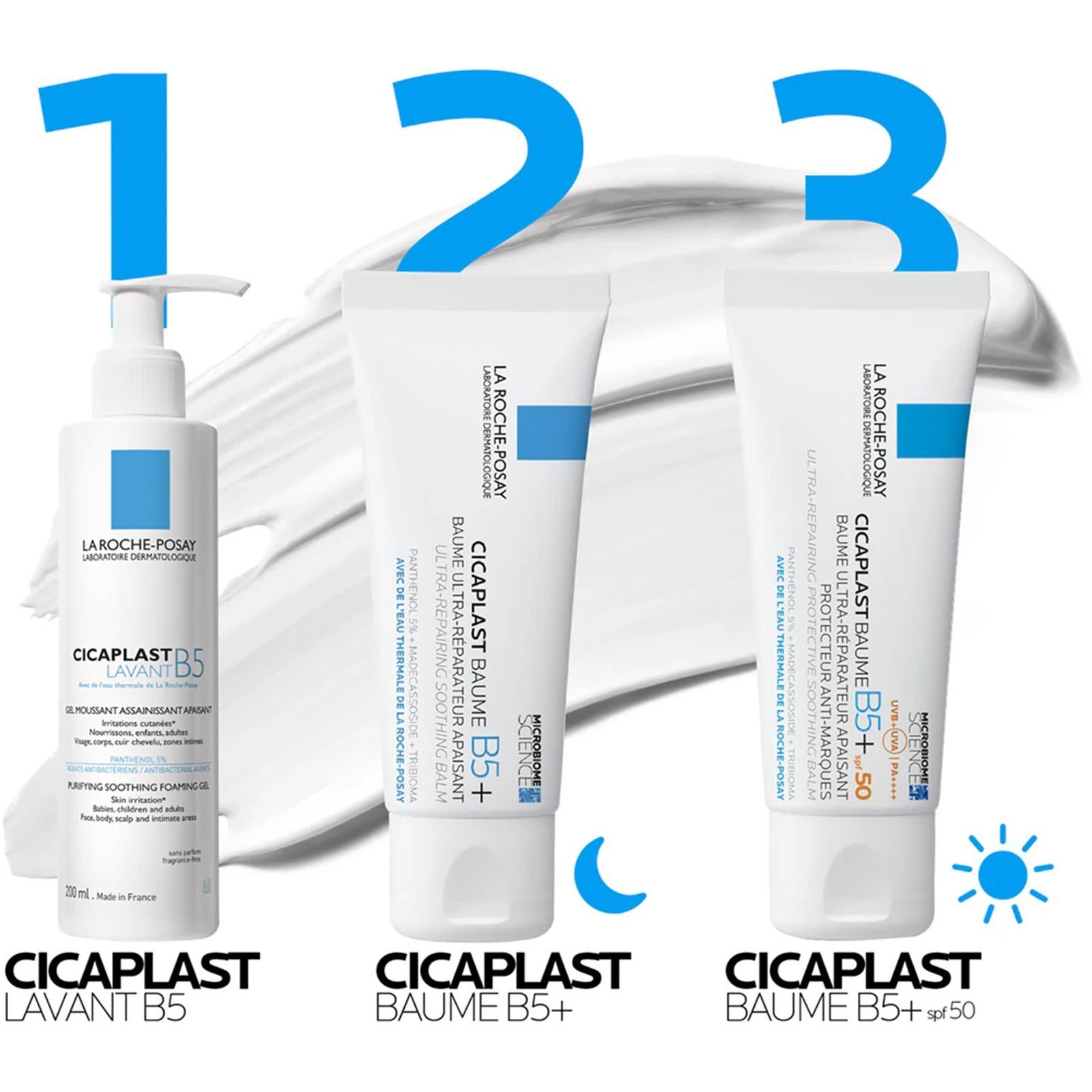
    La Roche-Posay Anthelios sunscreen, Effaclar Duo, and Cicaplast Baume B5 product trio

    Where they overlap and where they actually differ

    The overlap is real. Both brands are fragrance-free across most core lines, both are non-comedogenic, both are dermatologist-recommended for sensitive and acne-prone skin, and both are owned by L’Oréal. For a basic three-step routine (cleanser, moisturizer, sunscreen), either brand gets you a functional setup. The CeraVe Hydrating Cleanser plus Moisturizing Cream versus La Roche-Posay Toleriane Hydrating Gentle Cleanser plus Toleriane Double Repair comparison is close enough that I could not pick a winner on skin results alone. The CeraVe versions are cheaper. That is the deciding factor.

    The differences show up in three places. First, sunscreen elegance – the Anthelios line is meaningfully better under makeup than CeraVe’s sunscreen lineup, especially on deeper skin tones where chemical filters with no white cast are the goal. Second, targeted treatment – the Effaclar Duo and Cicaplast Baume B5 do specific work CeraVe does not have a one-to-one equivalent for. Third, sensory experience – La Roche-Posay’s textures are slightly more pharmacy-shelf feeling. That last one is not worth ten extra dollars on a face wash you use twice a day, but it might be worth it on a moisturizer you smooth in slowly every night.

    Which one for which person

    If you are building a full skincare routine from scratch and you are working with a budget under $60, go almost entirely CeraVe. Hydrating Cleanser, Moisturizing Cream, Resurfacing Retinol Serum for nights, and one La Roche-Posay Anthelios sunscreen for days. That is a four-product routine for around $90 total that will outperform most $300 skincare regimens on combination acne-prone skin.

    If you have a specific skin concern – persistent post-acne marks, hormonal cystic acne, sensitivity flares, sunscreen pilling under makeup – lean La Roche-Posay for the corrective pieces and keep CeraVe for the basics. Toleriane Double Repair for sensitivity, Effaclar Duo for hormonal spots, Cicaplast Baume B5 for recovery, Anthelios for daily sun protection. The corrective products are the ones where the higher price actually returns a visible difference in eight weeks.

    If you have very dry skin with actual flaking, the CeraVe Moisturizing Cream tub will outperform most La Roche-Posay options at the same price point. The ceramide-and-hyaluronic delivery system is genuinely effective at barrier repair. For oily skin types who break out under heavy moisturizers, the La Roche-Posay Toleriane Sensitive Fluide is the lighter pick and worth the upgrade over the CeraVe AM lotion.

    If you are dealing with deeper skin tones and sunscreen white cast is your biggest barrier to consistent SPF use, Anthelios Melt-In Milk is the answer. CeraVe’s mineral options leave a cast on NC40 and above. This is a formulation question, not a budget question.

    Frequently asked questions

    Are CeraVe and La Roche-Posay basically the same because they share a parent company?

    They share L’Oréal as a parent but they are genuinely different formulation philosophies and different price tiers. The CeraVe ceramide delivery system is patented and not used in the La Roche-Posay lineup. La Roche-Posay’s Thermal Spring Water is specific to their range. Same parent, different missions: CeraVe is daily-routine basics, La Roche-Posay is pharmacy specialty.

    Can I use both brands in the same routine without overdoing actives?

    Yes, and this is what I do. The hero pairing for combination acne-prone skin: CeraVe Hydrating Cleanser in the morning, CeraVe Moisturizing Cream at night, Anthelios sunscreen daily, Effaclar Duo on hormonal spots. None of these actives conflict and it costs about $90 for a four-product routine that lasts two to three months.

    Which brand is better for deeper skin tones?

    Anthelios for sunscreen, no question – the chemical filter formula leaves no white cast on NC40 and above. CeraVe’s basics are color-neutral and work for any skin tone. Sunscreen is the only category where the question matters.

    Is the CeraVe Moisturizing Cream really comparable to luxury moisturizers at five times the price?

    For barrier repair function, yes. I have used $80 Drunk Elephant moisturizers, $54 Kiehl’s jars, and the $200 La Mer a friend gave me at a wedding. None of them outperformed the CeraVe tub on dryness or overnight slugging. They smell better and the textures are more refined. They do not work better on my skin.

    Final pick

    CeraVe wins the value head-to-head and earns the bigger share of my daily routine, which is the inverse of what most beauty editors would tell you about a $20 brand versus a $30 brand. Buy CeraVe for cleanser, moisturizer, and body care. Buy La Roche-Posay for sunscreen and targeted treatment. The combined routine costs less than $100 for two to three months of product and outperforms premium skincare lines on combination acne-prone skin. My layering order on a morning my skin is behaving: CeraVe Hydrating Cleanser, La Roche-Posay Toleriane Hydrating Gentle Cleanser only if my skin feels stripped, CeraVe AM Facial Moisturizing Lotion, La Roche-Posay Anthelios Melt-In Milk on top. Save your money on $80 luxury moisturizers, spend it on the Anthelios sunscreen and a tub of CeraVe Moisturizing Cream you can refill without thinking. Grab the CeraVe Moisturizing Cream on Amazon if you have Prime, or pick both brands up at Target where the Effaclar Duo is in stock with their 90-day return policy .
  • The Best Plus-Size Dress for a Wedding Guest in 2026

    The Best Plus-Size Dress for a Wedding Guest in 2026

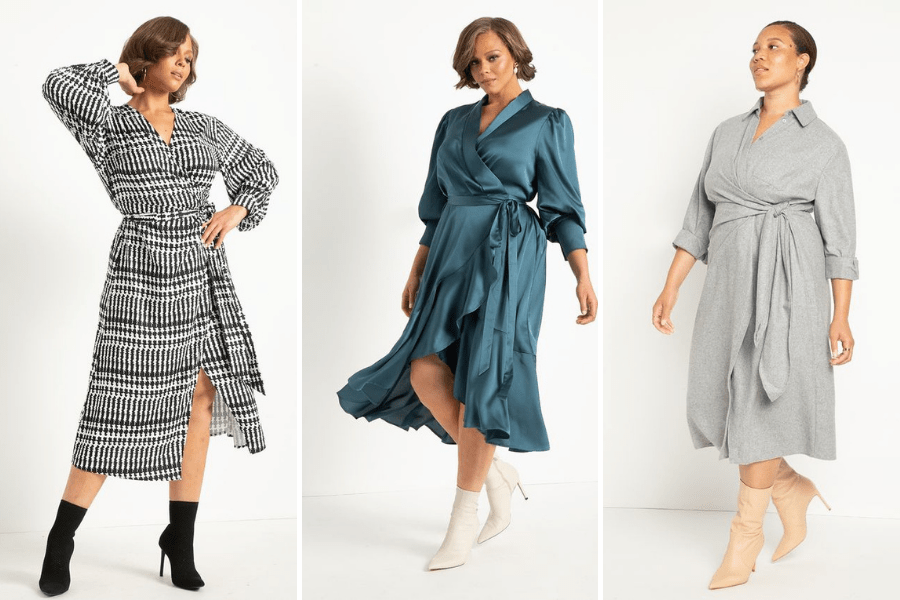
    Seven plus-size wedding guest dresses arranged on a studio rack with accessories

    After three years of covering this category for plus-size readers, I can tell you that the best plus-size wedding guest dress is not one dress. It is a small, deliberate roster of seven silhouettes that cover every dress code you will see on a real 2026 invitation, in sizes that run honestly through 28, from brands with the construction and return policies to back the price. I have written about wedding-guest dressing every spring since I started this beat and tracked which silhouettes the plus-size editors I respect actually keep wearing past one season. The list below is the result.


    The ranking is built on three criteria. First, the dress has to fit a real plus-size body – a defined waist seam at the actual waist, a hem at true midi or maxi without a six-inch alteration, a bodice cut for chest measurements above 38. Second, it has to photograph cleanly in mixed wedding lighting, which favors saturated jewel tones and matte fabrics over bright pastels and high-shine satin. Third, it has to come from a brand that will take it back if the fit is wrong. Universal Standard‘s 60-day return, Eloquii’s 60 days with free returns over $50, and Nordstrom’s open-ended policy carry this list.

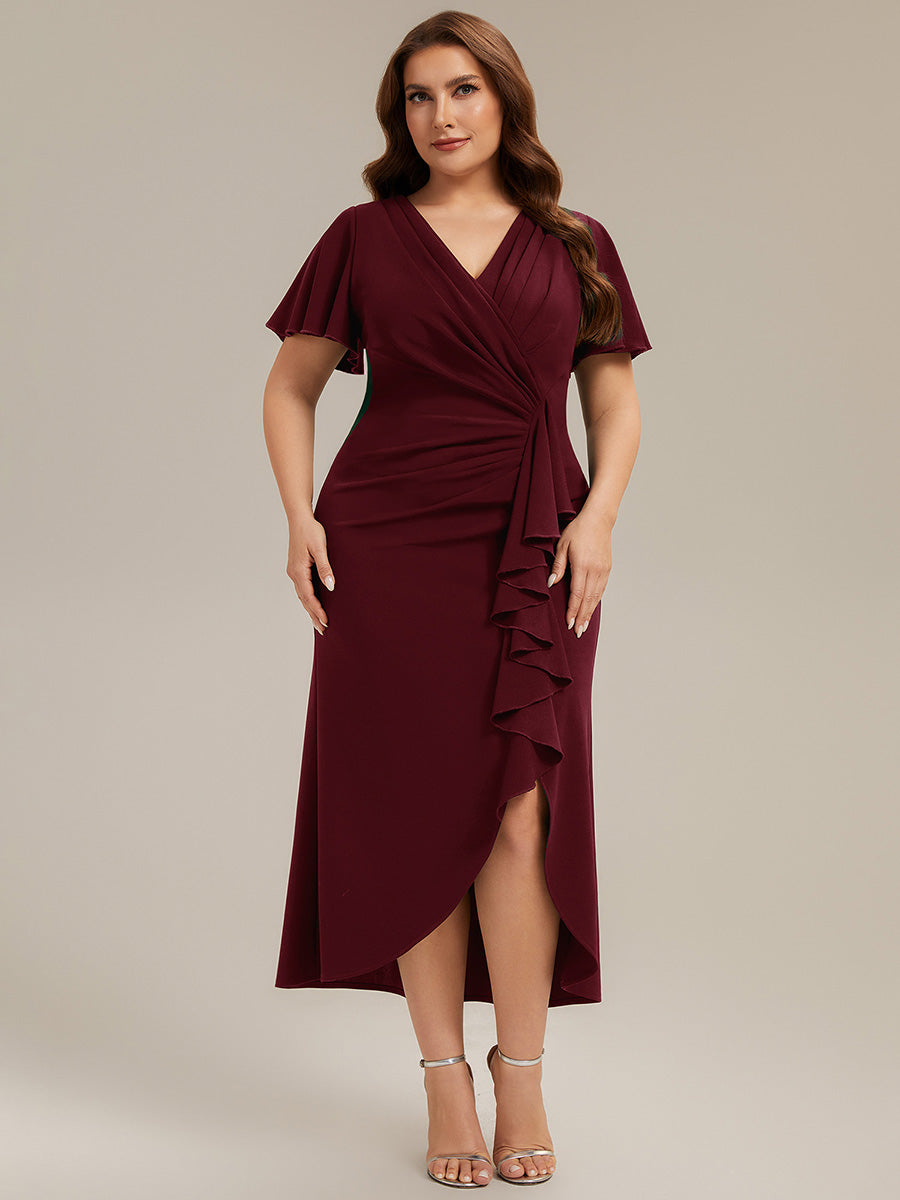
    1. The column gown for black-tie – Eloquii’s asymmetric shoulder gown in oxblood

    Black-tie is the dress code where most plus-size guests default to a safe black sheath and end up indistinguishable from every other guest in the room. The best black-tie plus-size dress is the column silhouette in a saturated jewel tone, full stop. A column reads dressier than an A-line at floor length because the unbroken vertical line is what evening dressing has been built on since the Halston era, and a jewel tone photographs more interestingly than black under the ballroom lighting most black-tie weddings run.

    The dress: the Eloquii asymmetric shoulder column gown in oxblood, around $185, sized through 28. The one-shoulder cut elongates the torso and the structured shoulder reads dressier than strapless in photographs where flash is involved. The crepe is heavy enough to skim the body without clinging. Pair with a closed-toe pointed pump from Naturalizer in wide width at around $110, a small structured clutch, one statement earring, and a thin gold cuff. Skip the necklace – the neckline does the work.

    Plus-size guest in oxblood asymmetric column gown for black-tie wedding

    2. The beaded midi for formal – Adrianna Papell’s beaded cocktail midi in navy

    Formal or black-tie optional is the dress code that trips up plus-size guests more than any other on the list. A floor-length gown works but is not required. A structured midi in a fabric that registers as evening – beading, silk satin, or heavy crepe – is the most flexible choice and reads more deliberate than reaching for the same column gown you wore to last month’s black-tie.

    The dress: the Adrianna Papell beaded midi cocktail dress in navy or deep emerald, around $260, sized through 24W. Adrianna Papell has been making properly-beaded evening pieces for plus-size figures since well before the current inclusivity wave, and the bead density is the actual difference between a $260 dress and a $90 ASOS Curve version. The beadwork catches light in mixed indoor settings – hotel ballrooms, venues with chandelier-and-uplight combinations – in a way that flat fabrics do not. Pair with metallic strappy sandals from Sam Edelman at around $130, a small beaded clutch, and a single cocktail ring rather than a full jewelry stack.

    Plus-size guest in navy beaded midi dress for formal wedding

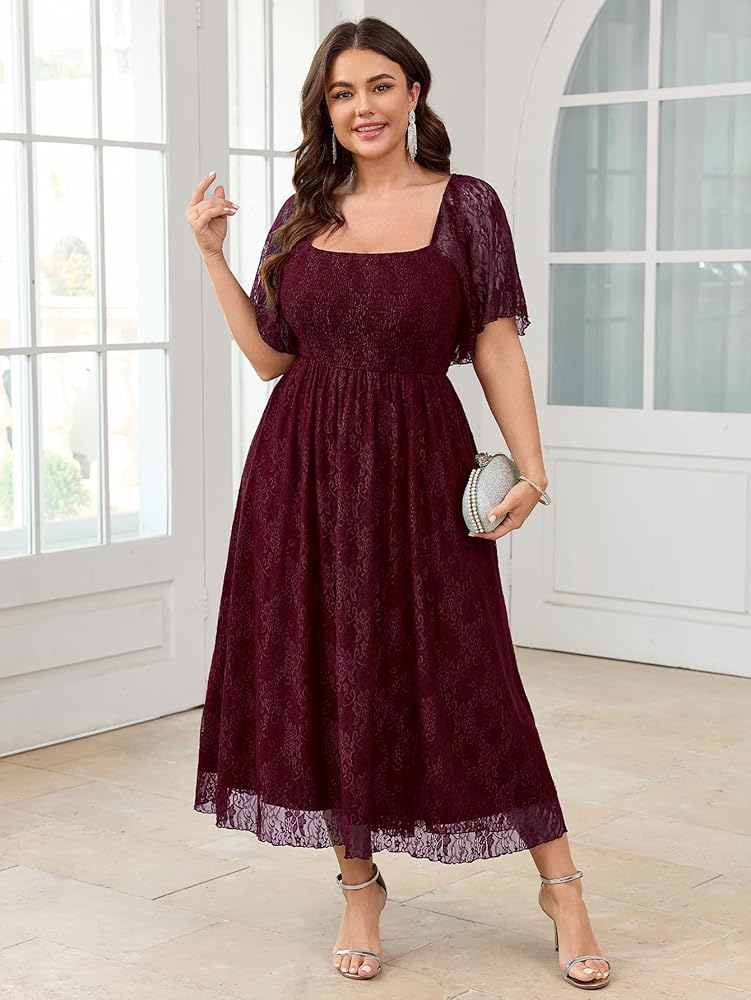
    3. The cocktail midi – Universal Standard‘s Geneva midi in burgundy

    Cocktail is where the plus-size dress market has matured the most in the last five years. The available silhouettes used to default to wrap dresses and shift cuts, both of which solve different problems than what a plus-size body actually needs at a four-hour reception. The current best cocktail dress for plus-size guests is a stretch-crepe midi with a defined waist seam that does not constrict, and the version that delivers on both ends is the one Universal Standard has been refining for the better part of a decade.

    The dress: the Universal Standard Geneva midi dress in burgundy or black, around $148, sized 00-40. The Geneva runs honest – a 16-18 fits a 16-18 – and the stretch crepe holds shape through dinner and dancing without bagging at the waist or pulling at the hip. The hem hits at a true midi length on most heights between 5’4″ and 5’9″. Pair with the Cole Haan Go-To block heel pump in wide width at around $150 because cocktail hour involves standing for two hours straight and your stilettos will betray you by hour three.

    Plus-size guest in burgundy midi dress for cocktail wedding

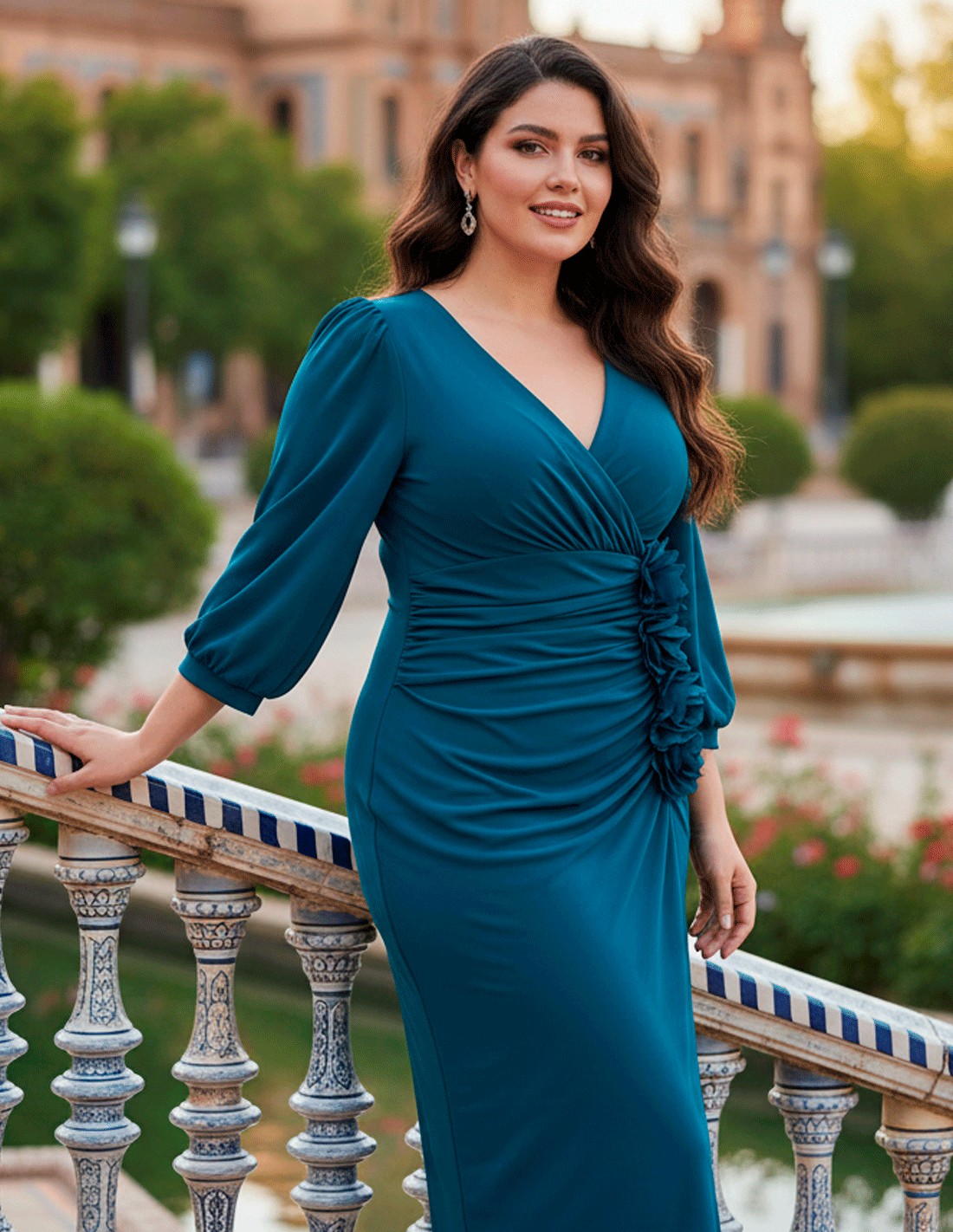
    4. The wrap dress reconsidered – Torrid’s surplice midi for daytime cocktail

    I have been skeptical of wrap dresses on plus-size figures for most of my editing career – the surplice neckline gaps, the tie cinches in the wrong place, the skirt opens at the front when you sit. The 2026 generation of plus-size wrap dressing has fixed enough of these problems that it has earned a slot on this list, specifically for daytime or earlier-evening receptions where the polish-without-stiffness balance is the goal.

    The dress: the Torrid surplice midi wrap dress in deep teal or burnt mustard, around $99, sized through 30. The current Torrid surplice has a snap closure at the bust to prevent the gap and a deeper crossover than older wrap constructions, which together solve the two problems that historically made wraps unwearable for larger busts. Pair with nude block-heel sandals or low pointed pumps, a small leather crossbody, and gold drop earrings. This is the dress that travels well to garden ceremonies, daytime receptions, and rehearsal dinners without reading wrong at any of them.

    Plus-size guest in deep teal wrap midi dress for daytime wedding

    5. The floral midi for garden weddings – Hutch’s tie-shoulder midi

    Garden and outdoor daytime weddings ask for lighter fabric, more pattern, and shoes that survive grass. Most plus-size floral dresses fail one of these tests – the prints are scaled too small to register from across a lawn, or the fabric is so light it shows every shapewear line, or the cut runs short in the hem. The Hutch tie-shoulder midi is the version that gets all three right, and it has been the dress I recommend to plus-size readers prepping for spring and summer wedding season for three years running.

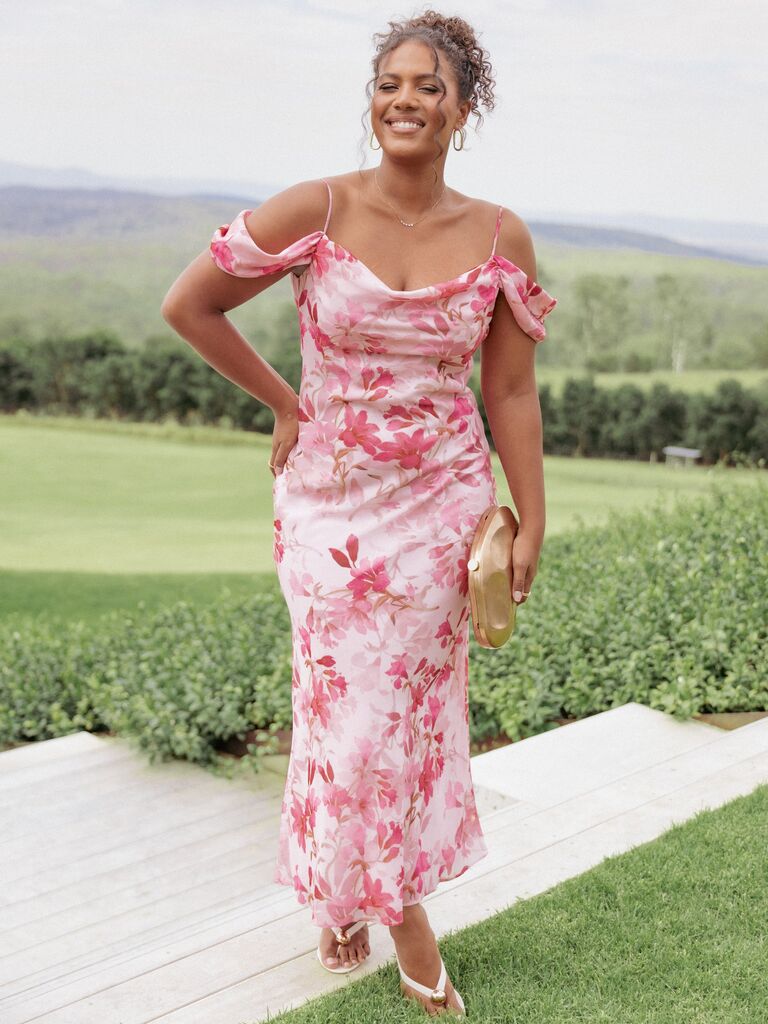
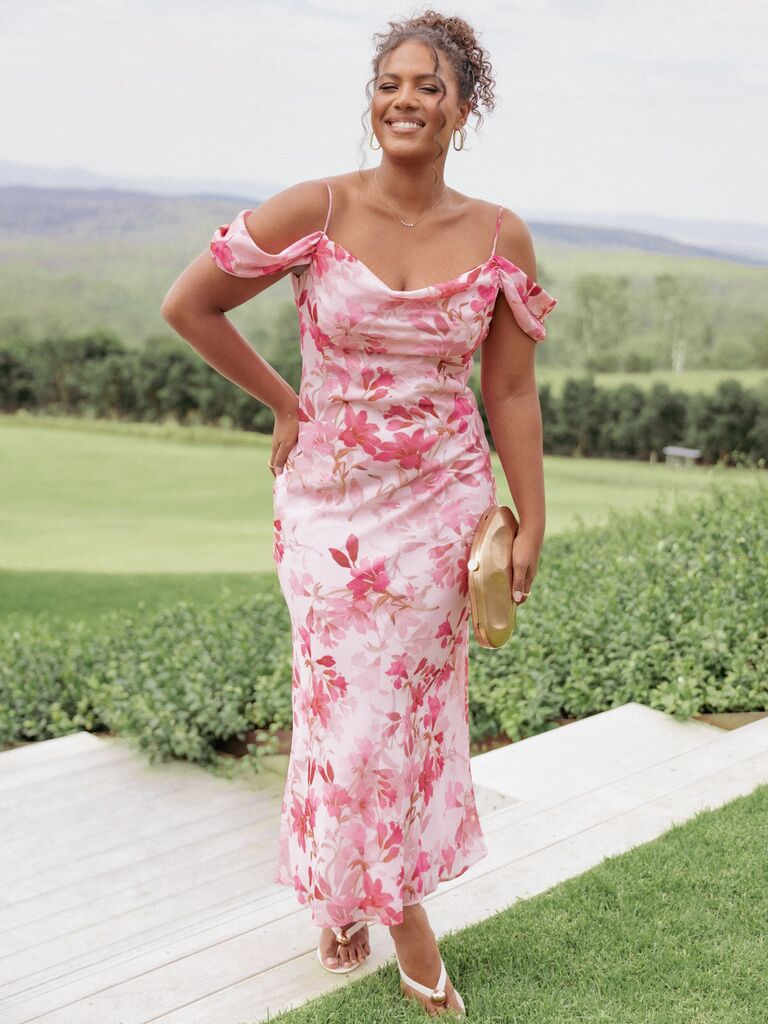
    The dress: the Hutch floral tie-shoulder midi dress in their seasonal print, around $258, sized through 22. Hutch’s prints are large-scale enough to register as garden-appropriate without crossing into bridesmaid-floral territory, and the construction is closer to what you would find at Reformation than at H&M. The tie-shoulder construction lets you adjust the bodice tension which is the make-or-break detail for chest sizes above a D cup. Pair with woven flats or low block-heel sandals – skip stilettos because grass and stilettos do not coexist – a woven raffia clutch, and a delicate gold chain.

    Plus-size guest in floral tie-shoulder midi dress for garden wedding

    6. The velvet long-sleeve for winter – Eloquii’s velvet midi in deep teal

    Winter weddings invite heavier fabrics, deeper colors, and long sleeves that the warmer-weather codes either prohibit or de-emphasize. Velvet is the canonical winter wedding fabric and the reason is that it catches indoor lighting in a way that adds dimension to a plus-size body without horizontal seam lines or hard pattern boundaries. A velvet long-sleeve midi reads occasion-appropriate from arrival through reception without requiring a separate coat or jacket layer, which simplifies the cold-weather styling problem to one piece.

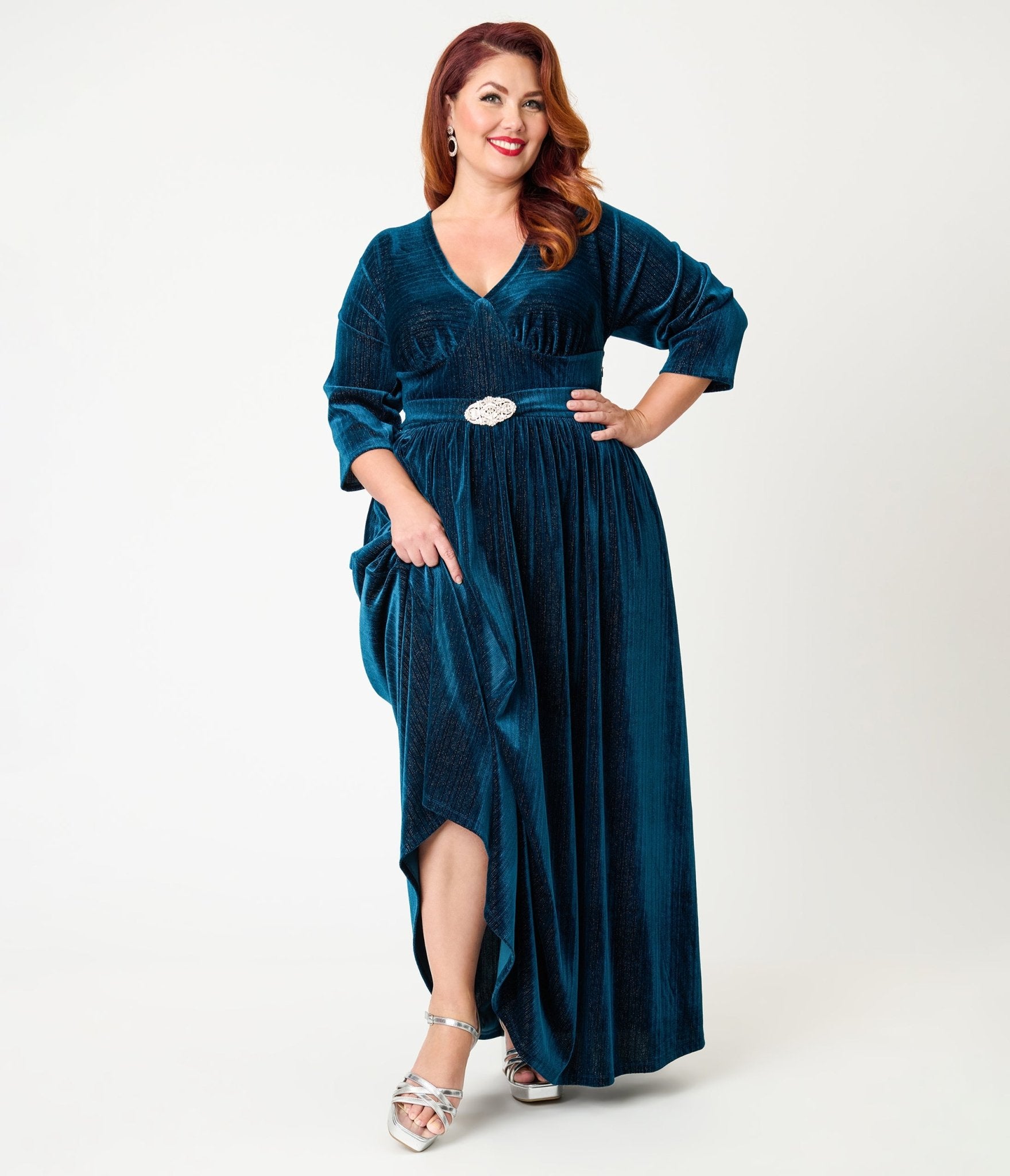
    The dress: the Eloquii velvet long-sleeve midi dress in deep teal or burgundy, around $169, sized through 28. The construction is stretch velvet with a defined waist seam, the sleeves are full-length rather than three-quarter, and the midi length pairs cleanly with closed-toe boots or pumps when the venue has a coat check. Pair with pearl drop earrings, a structured velvet or satin clutch, and either suede heeled boots from Clarks or closed-toe pumps depending on whether the ceremony involves walking on outdoor stone.

    Plus-size guest in deep teal velvet long-sleeve midi dress for winter wedding

    7. The polished sundress for casual – City Chic’s tie-waist sundress

    Casual weddings are rare on actual paper invitations but increasingly common in practice – backyard ceremonies, courthouse celebrations, small destination elopements. The dress code asks for something dressier than what you would wear to brunch but less formal than a cocktail dress. A polished sundress in a non-floral solid – dusty rose, sage, deep navy, cognac brown – is the answer, and the construction details that separate a polished sundress from a basic one are the same details that make a dress photograph well: a defined waist, a hem that hits below the knee, and a fabric weight that drapes rather than crinkles.

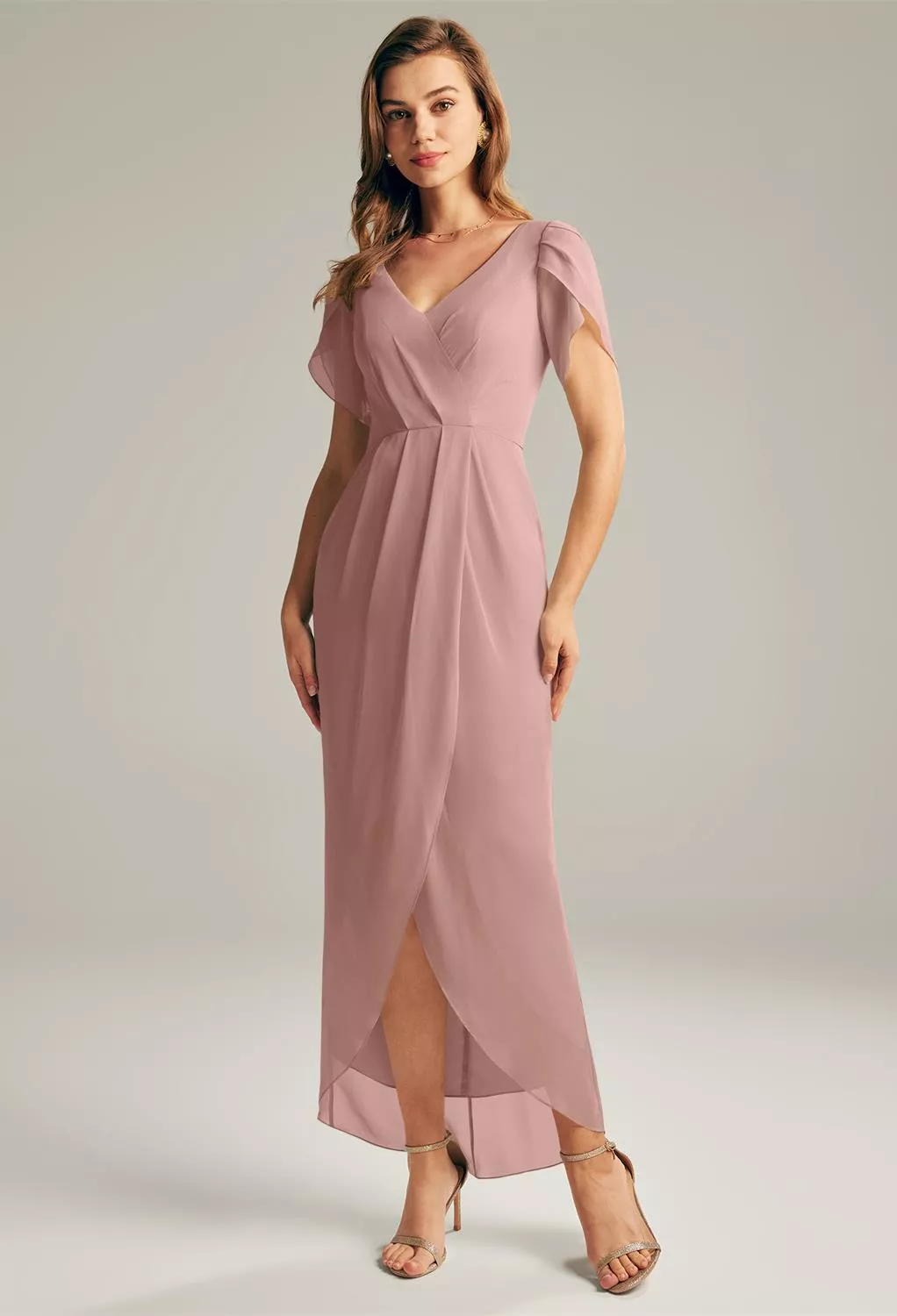
    The dress: the City Chic tie-waist sundress in dusty rose or sage, around $99, sized through 24. City Chic has built a reputation on flattering plus-size summer pieces and the tie-waist construction is forgiving across body shapes – cinch tighter for hourglass emphasis or leave looser for a relaxed line. Pair with woven slide sandals or low block-heel mules from Naturalizer at around $85, a small soft-leather crossbody, and minimal jewelry. Add a structured straw tote if the venue is outdoor.

    Plus-size guest in dusty rose tie-waist sundress for casual wedding

    Styling tips that apply across every dress on this list

    Three rules carry every dress above. First, wear shapewear under any dress that is not fully lined and structured. The Honeylove SuperPower bodysuit at around $98 or the Spanx Suit Yourself at around $88 will change how every dress on this list hangs. The Skims Sculpting bodysuit is the third option worth considering if the dress neckline is low and you need a smoother bust-line transition.

    Second, tailor the dress before the wedding. A $30 bodice or hem alteration is the line between a dress that looks like it cost what you paid and a dress that looks like it cost three times that. Plus-size tailoring specialists are scarce in some markets but worth finding – call ahead to plus-size boutiques in your city and ask which alterations shop they refer to. A take-in or hem is $30. A full bodice rebuild is $200 and rarely works.

    Third, do not wear new shoes to a wedding. Four short wears around the house before the day is the minimum. The fastest way to sabotage a carefully-built outfit is shoe pain at hour three that leaves you sitting through the toasts and the dancing.

    What to avoid when you are dress-shopping

    White, ivory, cream, blush, or any color that photographs as white in indoor flash. The rule is “do not look like the bride,” and the test is to photograph the dress under your phone’s flash before the day and check how it reads. Some couples now explicitly invite white-adjacent outfits, but the default assumption stands: unless the invitation specifies, assume no.

    Bodycon constructions for a six-plus hour event. A dress you cannot sit comfortably through dinner in is a dress you will spend the second half of the wedding pulling down. The defined-waist midi silhouette gives you the cinched look without the all-day compression.

    Brands whose return policy does not back you. Plus-size sizing varies more between labels than straight sizing does. The brands on this list – Universal Standard, Eloquii, Torrid, Nordstrom’s plus department, City Chic – all run real returns. The fast-fashion plus-size retailers I have left off mostly do not.

    Shop the looks at a glance

    The seven dresses on this list cluster around four retailers – Universal Standard, Eloquii, Torrid, and Nordstrom – because those are the four carrying the strongest size runs and the most reliable fit for plus-size formalwear in 2026. Start with the dress code you are most often invited to and build out from there.

    The fastest two-dress starter rotation: the Universal Standard Geneva midi in burgundy and the Eloquii column gown in oxblood. Between the two you have cocktail, formal, semi-formal, and black-tie covered. Add a floral midi for garden season and you have a four-dress rotation that handles a full year of weddings at around $700 total spend, before alterations, before shoes.

    Frequently asked questions

    If I can only buy one plus-size wedding guest dress, which one should it be?

    The Universal Standard Geneva midi in burgundy or black. It covers cocktail and semi-formal weddings cleanly, which together account for the majority of dress codes you will see. It is the most flexible dress on this list and the one whose construction will survive ten-plus wears without losing shape. At around $148 it is also the price point that justifies the cost-per-wear math.

    What size should I order if I am between two sizes on the same dress?

    For wedding occasions order the larger size and tailor down. A wedding dress is one you will sit, stand, walk, dance, and eat in across six hours, and the smaller size will betray you in the seated position by the time the toasts start. A bodice take-in is a $30 alteration. Trying to survive a too-tight dress for a full reception is a six-hour problem you do not need.

    Can I rewear the same plus-size wedding guest dress to multiple weddings?

    Yes, and most wedding photographers will tell you to. The cost-per-wear math on a $200 dress only works at three-plus wears. Switch out the shoes, jewelry, and clutch between weddings, and the same dress photographs differently enough that it reads as a different look. Just check the guest lists if the weddings are close in time and the same people will be at both.

    The shortest version: the best plus-size dress for a wedding guest in 2026 is the Universal Standard Geneva midi in burgundy, size 18, around $148, on universalstandard.com. The link is above. Add the Eloquii oxblood column gown when you graduate to black-tie. Build the rest of the rotation over the next two wedding seasons.

  • Birchbox vs COCOTIQUE – Best Beauty Subscription Box for Women of Color

    Birchbox vs COCOTIQUE – Best Beauty Subscription Box for Women of Color

    Finding beauty products that actually work for melanin-rich skin should not feel like a scavenger hunt, but for too many women of color, that is exactly what the beauty shopping experience has been. Products that look gorgeous on lighter skin tones fall flat on deeper complexions. Skincare formulas that ignore the unique needs of melanin-rich skin can cause more problems than they solve. And shade ranges that stop at medium leave millions of women feeling invisible.

    Beauty subscription boxes were supposed to solve the discovery problem, sending curated products to your door so you could try new things without the frustration of in-store shopping. But for women of color, the question has always been: will the products in this box actually work for me? Two subscription services have emerged as the top contenders for answering that question, Birchbox and COCOTIQUE, and they take very different approaches.

    We have subscribed to both boxes, tested their products over several months, and evaluated them through the lens of what matters most to women of color. Here is our honest, detailed comparison to help you decide which box deserves your subscription dollars.

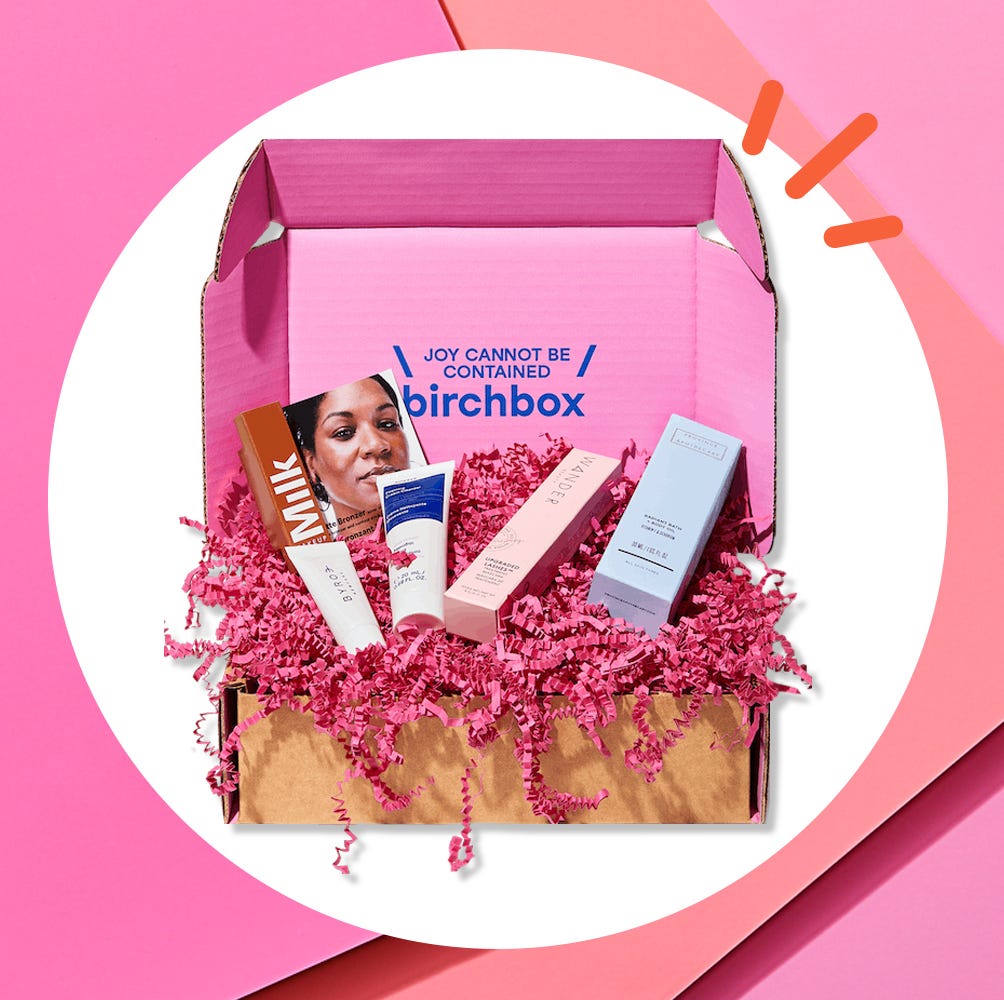
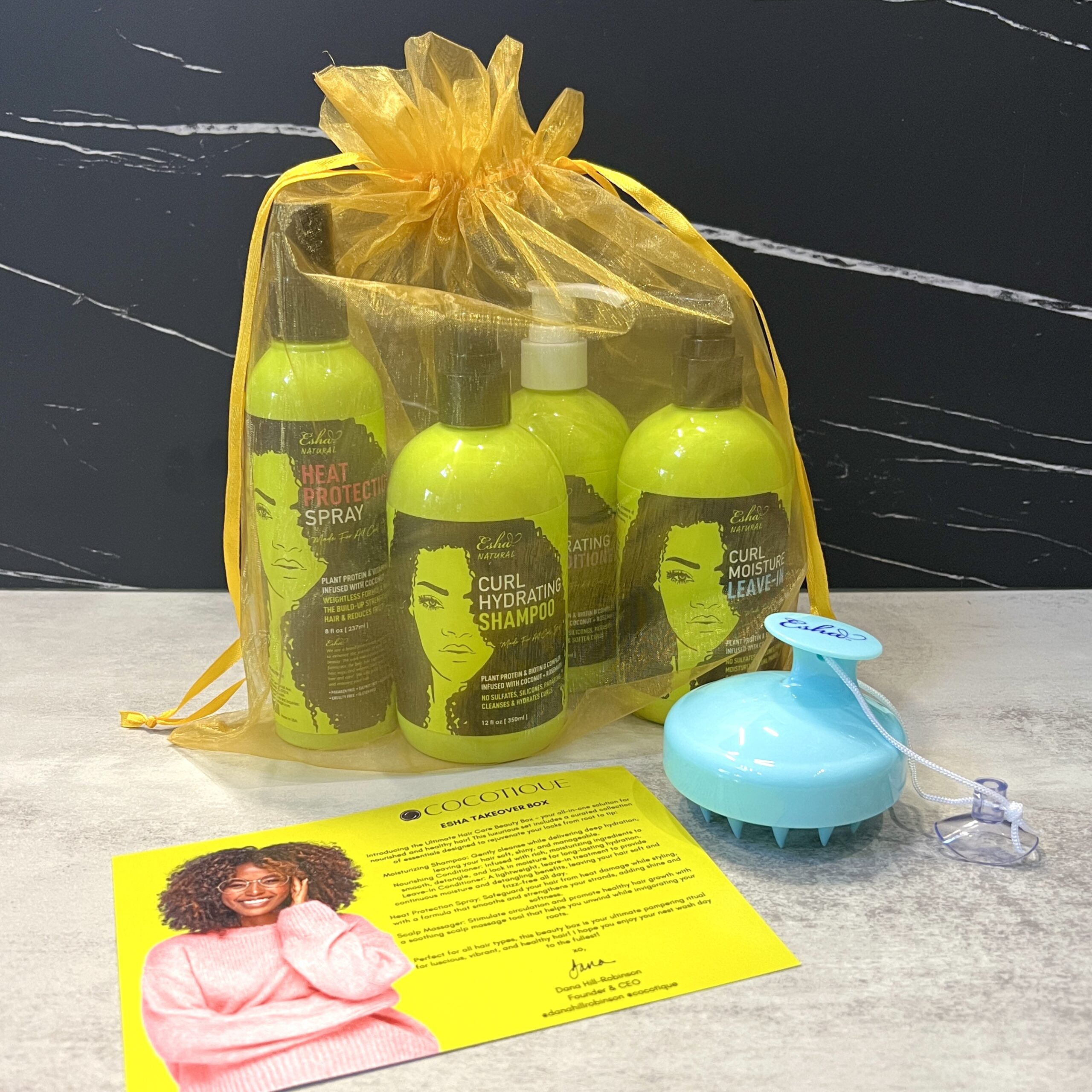
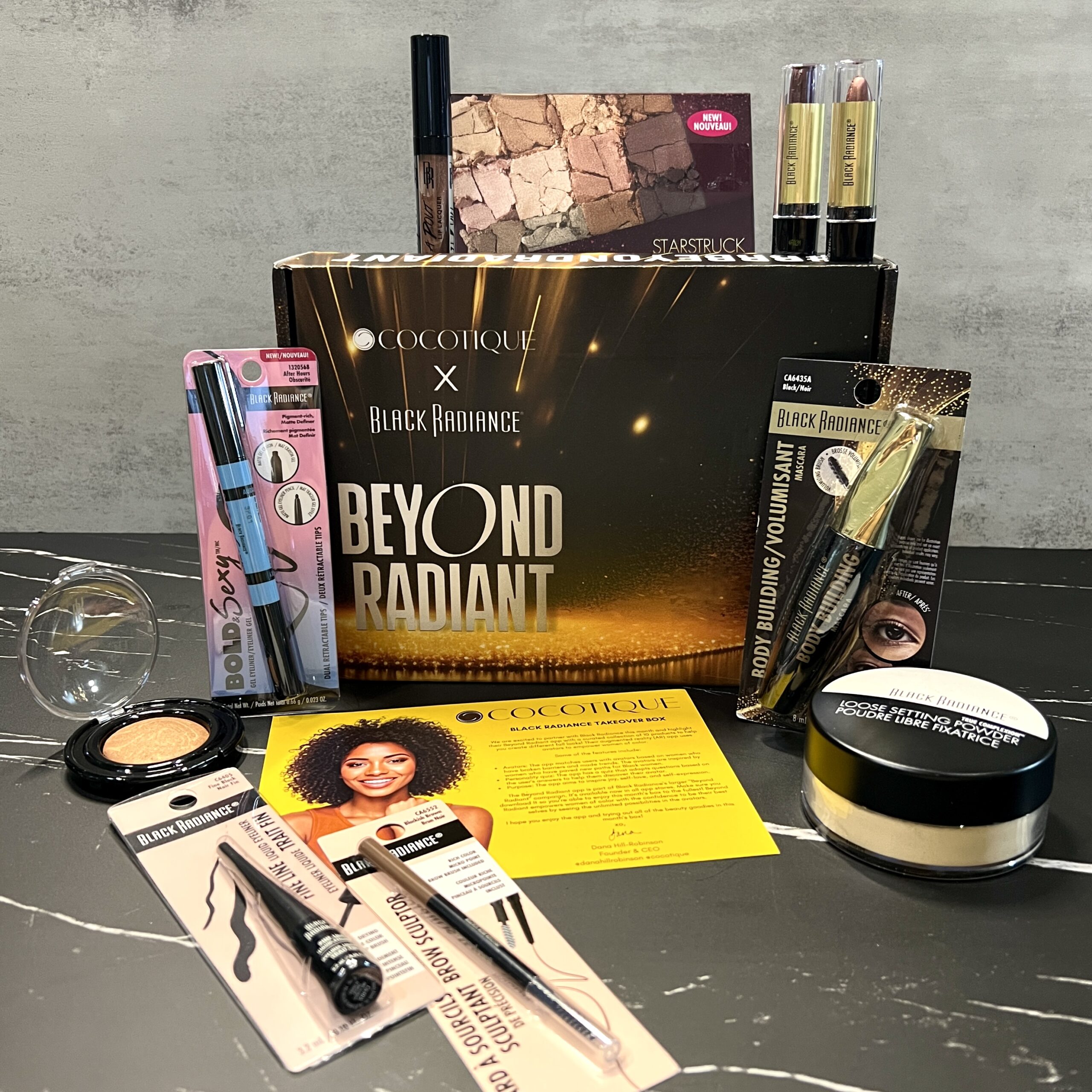
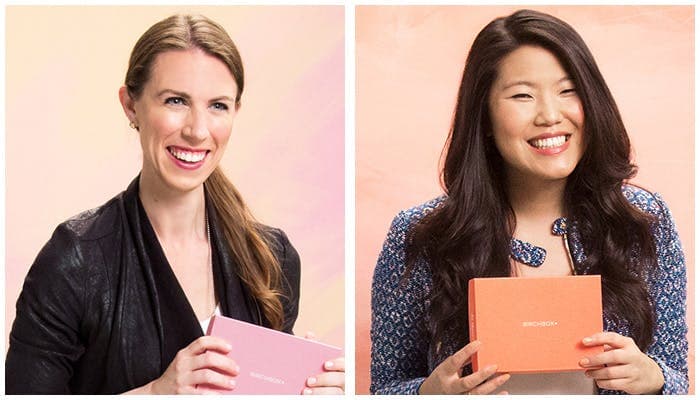
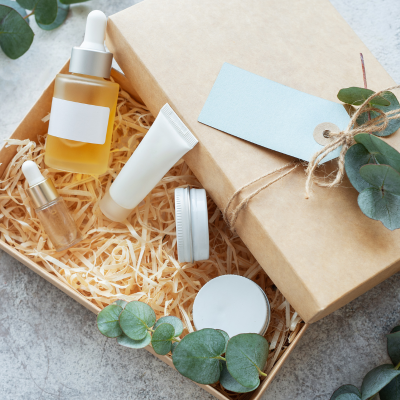
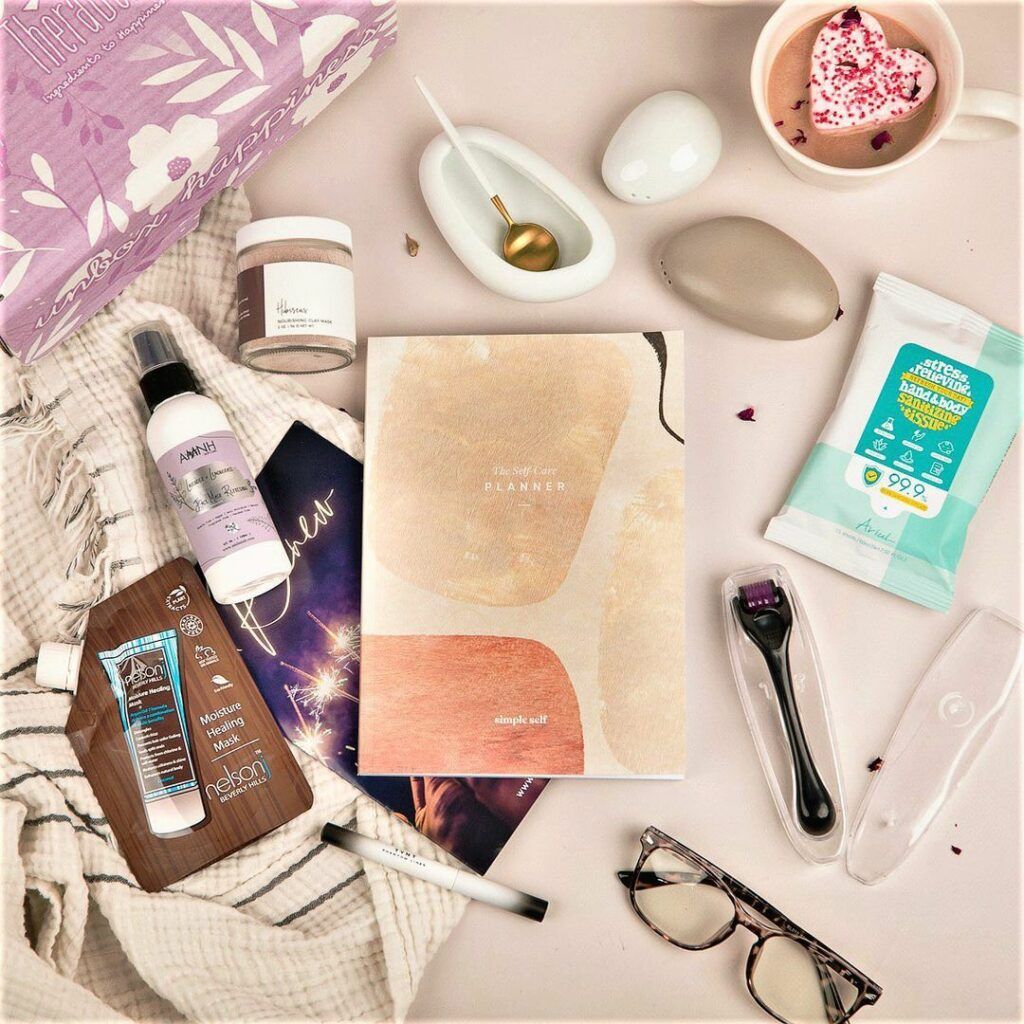
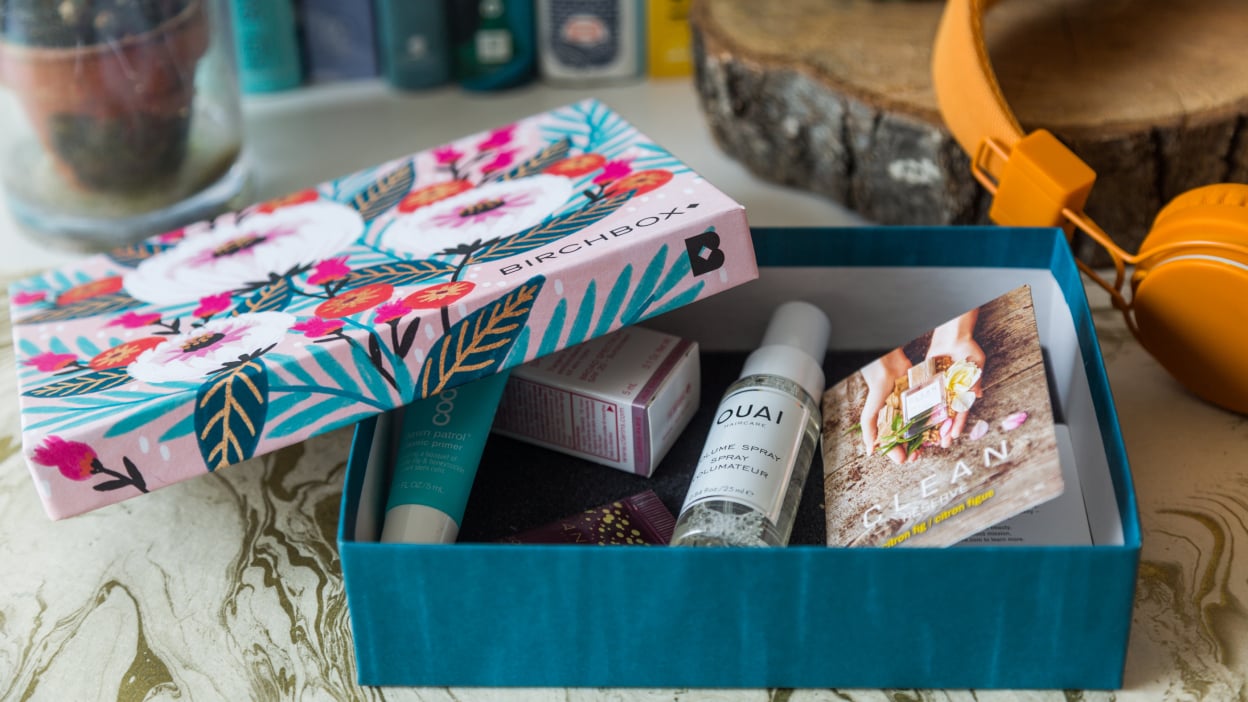
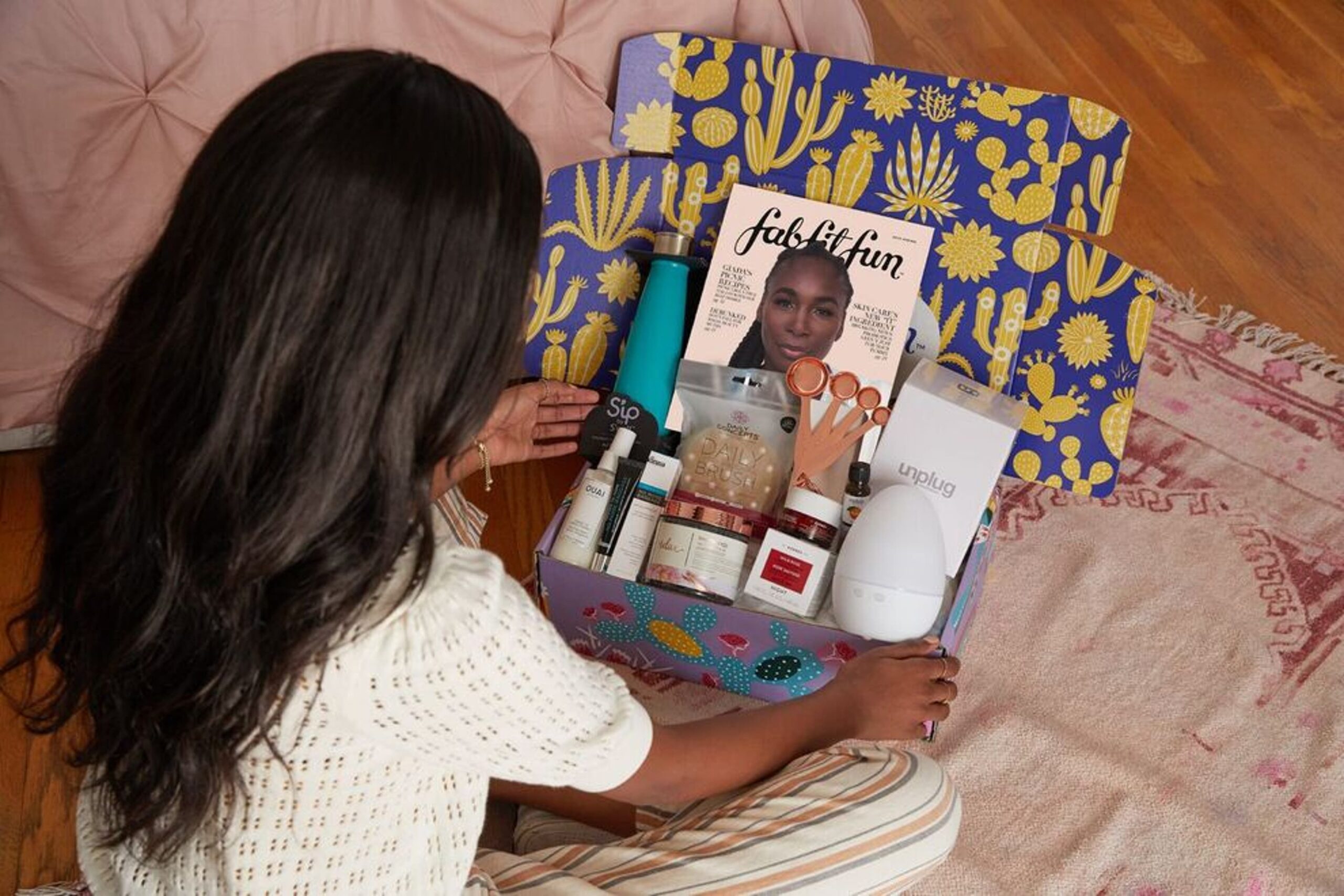
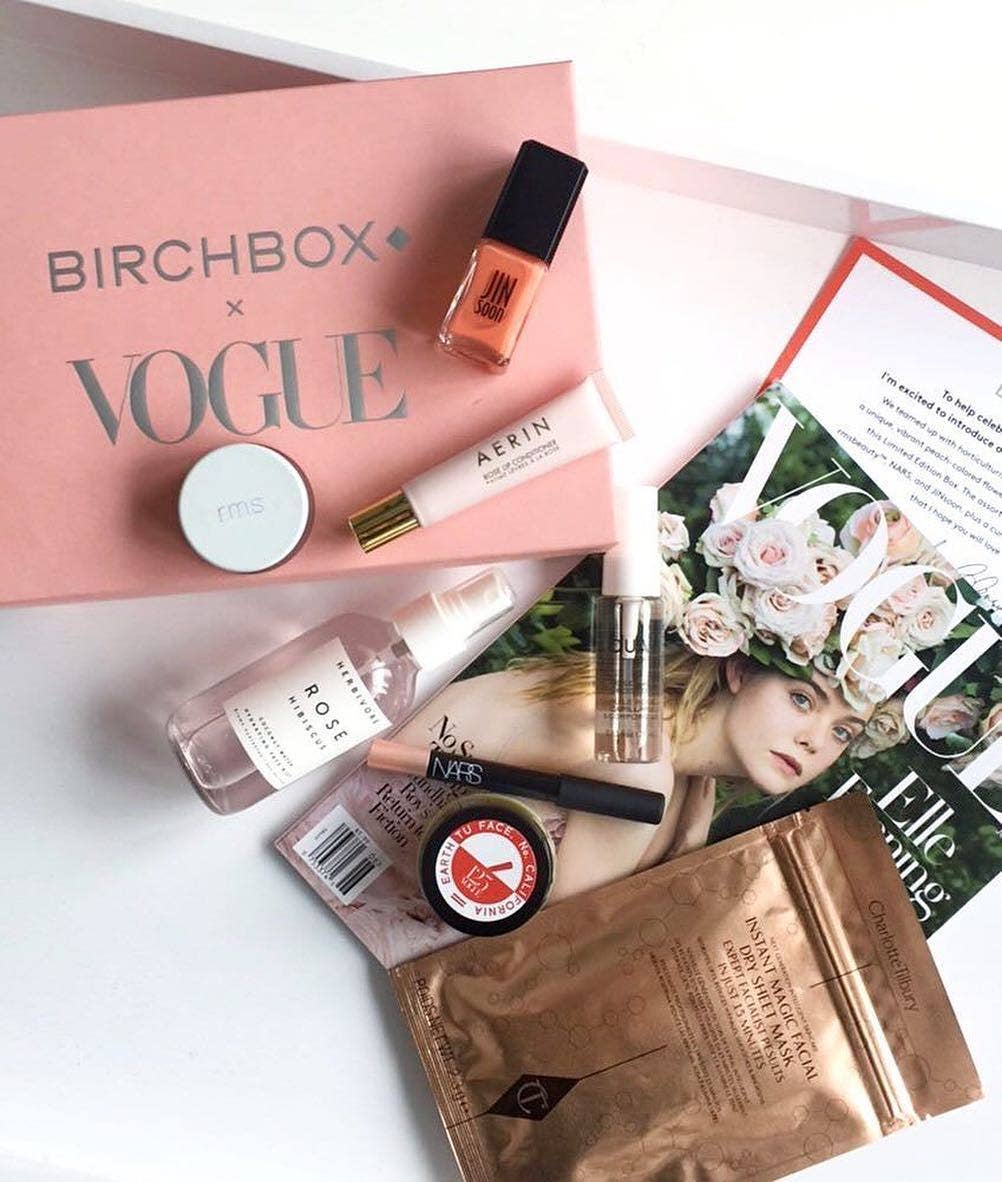
    Birchbox vs COCOTIQUE beauty subscription boxes compared side by side

    Why Representation in Beauty Boxes Matters

    Why Representation in Beauty Boxes Matters

    Before we compare the two boxes, let us talk about why this choice matters so much. For decades, the beauty industry treated women of color as an afterthought. Products were developed for lighter skin tones first, and deeper shades were added later, if at all. Skincare formulas were tested primarily on lighter skin, ignoring the specific concerns that melanin-rich skin faces, from hyperpigmentation to keloid scarring to the unique ways certain ingredients interact with higher melanin levels.

    A beauty subscription box that understands and prioritizes the needs of women of color is not just a nice-to-have. It is a statement that your beauty needs are not secondary, that you deserve products curated with your skin, hair, and beauty goals in mind from the very start. The difference between receiving a box of products designed for you versus a box of products where you might find something that works is the difference between feeling seen and feeling overlooked.

    Both Birchbox and COCOTIQUE recognize this need, but they approach it from fundamentally different angles. Understanding those differences is key to choosing the right subscription for your specific needs and preferences.

    COCOTIQUE Overview and What You Get

    COCOTIQUE Overview and What You Get

    COCOTIQUE was founded with a singular mission: to curate beauty boxes specifically for women of color. Every single product in every box is selected with melanin-rich skin and textured hair in mind. This is not a general beauty box that includes a few deeper shade options. It is a box built from the ground up for women of color, by people who understand the unique beauty needs of this community.

    What’s in the Box

    What's in the Box

    Each monthly COCOTIQUE box includes five to eight products that are a mix of full-sized and deluxe travel-sized items. This is a significant advantage over many competitors that only include sample sizes. Getting full-sized products means you can genuinely integrate them into your routine and evaluate them over weeks rather than days.

    The products span beauty, wellness, self-care, and lifestyle categories. You might receive a rich body butter formulated for melanin-rich skin, a hair mask designed for textured hair, a lipstick in a shade that actually flatters deeper skin tones, or a wellness product like a soothing candle or journal. The variety keeps each box feeling fresh and exciting.

    Brand Curation

    Brand Curation

    COCOTIQUE highlights established and emerging BIPOC-owned brands, giving subscribers the opportunity to discover incredible products from brands they might never encounter in mainstream retail. This commitment to supporting BIPOC entrepreneurs adds another layer of value to the subscription. Every box is an opportunity to discover a new favorite brand that genuinely understands and celebrates your beauty.

    Birchbox Overview and What You Get

    Birchbox Overview and What You Get

    Birchbox is one of the original beauty subscription box services, having pioneered the sample-box model that the entire industry now follows. It is a broader, more mainstream service that caters to all skin tones and types, with personalization features designed to ensure the products you receive are relevant to your individual profile.

    What’s in the Box

    What's in the Box

    Each monthly Birchbox includes four to six deluxe samples tailored to your beauty profile. The emphasis is on sample and deluxe sample sizes, which means you are getting smaller quantities of products compared to COCOTIQUE’s full-sized offerings. However, the upside is the breadth of brands you are exposed to, including many prestige and indie brands that you might not encounter otherwise.

    Personalization

    Personalization

    Birchbox’s strongest feature is its fully customizable beauty profile. When you sign up, you complete a detailed questionnaire about your skin type, hair type, skin tone, beauty preferences, and product priorities. The algorithm uses this information to curate a box that should match your specific needs. You can also update your profile over time as your preferences change.

    Brand Partnerships

    Brand Partnerships

    Birchbox intentionally partners with BIPOC-founded, owned, and run beauty brands, so subscribers of all backgrounds can find options that fit their needs. The platform’s size and reach mean it has partnerships with a wide variety of brands spanning from established luxury names to emerging indie labels.

    Pricing Comparison

    Pricing Comparison

    Understanding the cost and value proposition of each box helps you evaluate which one offers the best return on your investment.

    COCOTIQUE is priced at twenty-five dollars per month, with a special introductory rate of twenty dollars for your first box. Considering that you receive five to eight products including full-sized items, the per-product value is excellent. Many of the full-sized products alone would retail for more than the monthly subscription cost, which means you are getting genuine value beyond what you pay.

    Birchbox pricing has varied over the years and typically runs in the thirteen to sixteen dollar per month range, with discounts available for longer subscription commitments. You receive four to six samples, which means the per-product cost is lower, but the products are also significantly smaller. The value proposition is more about discovery and experimentation than receiving products you will use for weeks.

    When you calculate the retail value of what is in each box, COCOTIQUE typically provides a higher dollar value per box thanks to the full-sized products. Birchbox offers a lower monthly price point but with smaller product sizes. The question is whether you prefer spending a bit more for full-sized products you can truly evaluate, or spending less for a wider variety of sample-sized introductions.

    COCOTIQUE full-size products versus Birchbox sample sizes value comparison

    Product Quality and Brand Selection

    Product Quality and Brand Selection

    Both boxes deliver quality products, but the brand selection philosophies differ significantly.

    COCOTIQUE’s brand selection leans heavily toward BIPOC-owned businesses, which means you are discovering brands that were created by people who share your experiences and understand your beauty needs intimately. The products are formulated with melanin-rich skin and textured hair as the primary consideration, not as an afterthought. This results in products that tend to work beautifully right out of the box because they were designed for you from the start.

    Birchbox offers a broader brand mix that includes mainstream prestige brands, indie brands, and BIPOC-owned brands. The advantage is exposure to a wider variety of products and price points. The potential downside is that some products, despite the personalization algorithm, may not be the best fit for deeper skin tones or textured hair types. Foundations might be in shades that do not match, hair products might not address the specific needs of natural hair, and skincare formulations might not account for melanin-specific concerns.

    In terms of pure product quality, both boxes include well-formulated products from reputable brands. COCOTIQUE has a slight edge in relevance for women of color, while Birchbox has a slight edge in brand variety and exposure to mainstream prestige products.

    Customization and Personalization

    Customization and Personalization

    How well each box tailors its selection to your individual needs is a crucial factor in the value you receive.

    COCOTIQUE does not offer individual customization based on subscriber preferences. The box is curated by the COCOTIQUE team, and all subscribers in a given month receive the same selection of products. While this means you might occasionally receive a product that is not a perfect fit for your specific preferences, the overall curation is strong because the entire box is already filtered through the lens of what works for women of color.

    Birchbox offers significantly more personalization through its beauty profile system. You can specify your skin type, skin tone, hair type, product preferences, and beauty goals, and the algorithm attempts to match products to your profile. You can also sometimes choose one product in your box, giving you a degree of control over what you receive. This personalization can result in more individually tailored selections.

    However, personalization is only as good as the algorithm and the product pool it draws from. If the available product pool does not include many options designed specifically for deeper skin tones, the algorithm cannot magically create them. This is where COCOTIQUE’s focused approach has an inherent advantage: when every product in the pool is designed for women of color, relevance is built into the foundation rather than dependent on an algorithm.

    Shade Range and Skin Tone Compatibility

    Shade Range and Skin Tone Compatibility

    This is arguably the most important factor for women of color considering a beauty subscription box. How often do you actually receive products in shades that work for your skin tone?

    COCOTIQUE excels here because every color cosmetic in the box is selected with melanin-rich skin in mind. Lipstick shades are chosen to flatter deeper skin tones. Foundation samples, when included, come in shades designed for medium to deep complexions. Skincare products are selected for their compatibility with melanin-rich skin, avoiding ingredients that can cause hyperpigmentation or leave unwanted white casts.

    Birchbox makes an effort through its personalization system, but the results can be inconsistent. Subscribers with deeper skin tones sometimes receive products that are not quite right for their complexion, whether it is a foundation sample in a shade too light, a highlighter that does not show up on deeper skin, or a skincare product that leaves a noticeable white cast. The personalization helps, but it cannot fully overcome the limitations of a product pool that was not designed exclusively for women of color.

    Who Should Choose Which Box

    Who Should Choose Which Box

    Choose COCOTIQUE If

    Choose COCOTIQUE If

    You want a box that is designed from the ground up for women of color, with no guesswork about whether the products will work for your skin tone and hair type. You want to discover and support BIPOC-owned beauty brands. You prefer full-sized products that you can genuinely integrate into your routine. You are willing to pay a slightly higher monthly price for products with guaranteed relevance. You value community and representation in the brands and products you use.

    COCOTIQUE’s subscription is the best choice for women of color who want a beauty box that truly understands and celebrates their unique beauty needs without compromise.

    Choose Birchbox If

    Choose Birchbox If

    You want exposure to a wide variety of mainstream and prestige beauty brands. You value individual customization and the ability to influence what products you receive. You prefer a lower monthly price point and do not mind sample sizes. You want to discover products across the broadest possible range of brands and categories. You enjoy the exploration aspect of receiving a curated selection based on your personal beauty profile.

    Birchbox is the better choice for women of color who want mainstream brand exposure with some personalization, understanding that occasional product mismatches may occur.

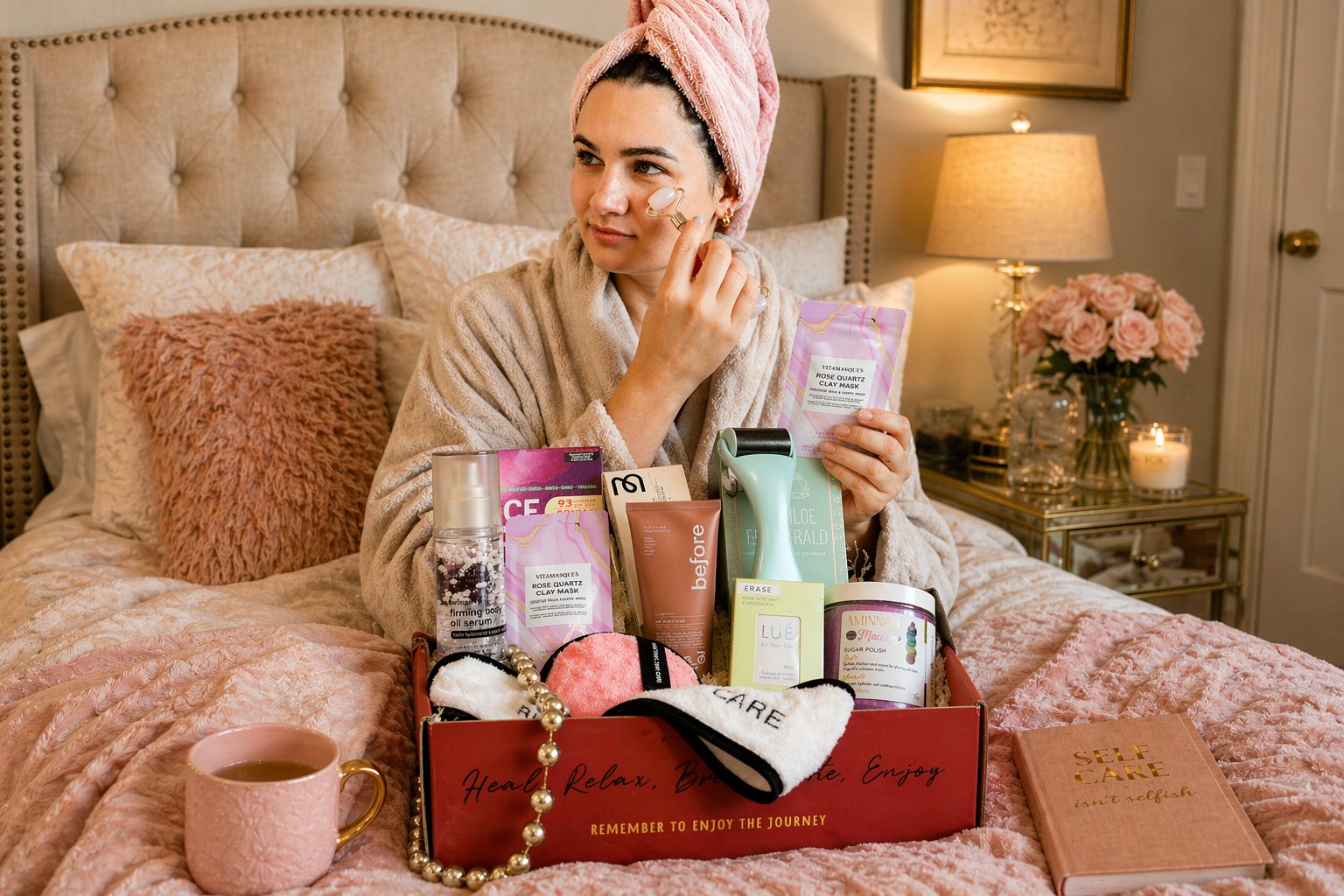
    Confident plus-size woman of color enjoying beauty subscription box products

    Can You Subscribe to Both?

    Can You Subscribe to Both?

    If your budget allows, subscribing to both boxes simultaneously is actually a fantastic strategy. COCOTIQUE gives you the guaranteed-relevant, BIPOC-focused products that you know will work for your skin tone and hair type. Birchbox gives you exposure to a wider world of beauty brands with the possibility of discovering mainstream products that you might never encounter otherwise. Together, they create a comprehensive beauty discovery experience that covers all your bases.

    At a combined cost of roughly thirty-eight to forty-one dollars per month, subscribing to both boxes is still significantly less expensive than shopping blindly at a beauty retailer and hoping products work for your skin tone. The curated approach of both boxes reduces waste and increases the likelihood that you will love what you receive.

    Key Takeaways

    • COCOTIQUE at twenty-five dollars per month is designed specifically for women of color, featuring five to eight full-sized and travel-sized products from BIPOC-owned brands
    • Birchbox at thirteen to sixteen dollars per month offers broader brand variety with personalization features, but product relevance for deeper skin tones can be inconsistent
    • COCOTIQUE provides better per-box retail value thanks to full-sized products, while Birchbox offers a lower entry price with sample sizes
    • For guaranteed shade compatibility and products designed for melanin-rich skin, COCOTIQUE is the clear winner
    • For maximum brand variety and individual customization, Birchbox has the edge
    • Both boxes support BIPOC-owned brands, but COCOTIQUE makes this a central pillar of their curation philosophy

    Frequently Asked Questions

    Is COCOTIQUE only for Black women?

    Is COCOTIQUE only for Black women?

    COCOTIQUE is designed for all women of color, including Black, Latina, South Asian, Middle Eastern, and other women with melanin-rich skin. The products are curated to work beautifully on deeper skin tones and textured hair types across the full spectrum of women of color. Anyone who feels underserved by mainstream beauty products will find value in COCOTIQUE’s thoughtful curation.

    Can I gift a beauty subscription box?

    Both COCOTIQUE and Birchbox offer gift subscription options. COCOTIQUE’s gift subscriptions are available in three, six, and twelve-month options. Birchbox also offers gift subscriptions and gift cards. A beauty subscription box is a particularly thoughtful gift for someone who loves discovering new products, and COCOTIQUE in particular makes a meaningful gift for women of color who may feel overlooked by mainstream beauty boxes.

    What if I receive a product I do not like?

    What if I receive a product I do not like?

    Neither box offers returns on individual products since the subscription model is based on discovery and trying new things. However, both services welcome feedback that helps improve future curation. COCOTIQUE encourages subscribers to share their preferences and feedback. Birchbox allows you to rate products and update your beauty profile, which helps the algorithm select better matches in future boxes.

    Are these subscription boxes worth the money compared to buying products individually?

    Both boxes typically provide products with a retail value that exceeds the subscription cost. COCOTIQUE in particular offers excellent value since many of the full-sized products would individually cost more than the twenty-five dollar monthly fee. Beyond pure dollar value, the discovery element saves you from the time and expense of shopping for, purchasing, and potentially returning products that do not work for your skin tone or hair type.

  • 20 Affordable Plus-Size Clothing Stores Where Everything Is Under $40

    20 Affordable Plus-Size Clothing Stores Where Everything Is Under $40

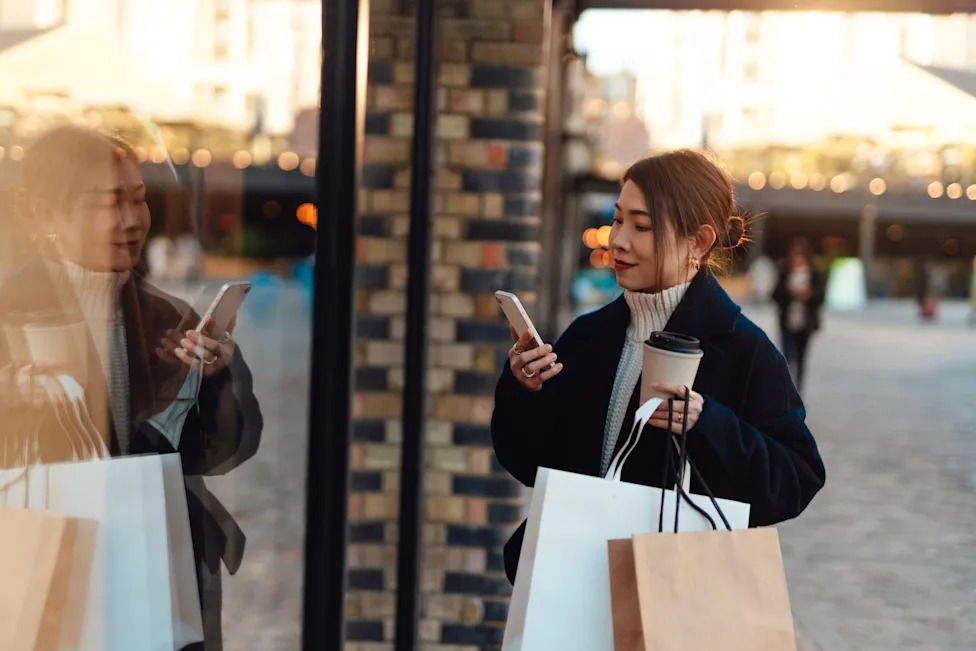
    Happy plus size woman with multiple shopping bags in bright shopping district

    Stylish Plus Size Fashion Does Not Require a Big Budget

    Stylish Plus Size Fashion Does Not Require a Big Budget

    Let us address the elephant in the room: plus size clothing has historically been more expensive than straight-size clothing, and that markup often comes with less style, less variety, and lower quality. It is a frustrating reality that plus size women have dealt with for decades, paying more for less while being told to be grateful for whatever the fashion industry deigned to offer.

    But the budget plus size fashion landscape has transformed in recent years. A new generation of retailers, both online and in-store, now offers trendy, well-made plus size clothing at prices that do not require a second mortgage. We have scoured the market to find 20 stores where you can fill your cart without a single item exceeding $40. Some stores on this list have entire inventories under that threshold, while others require strategic shopping in their sale and budget sections. Either way, every store listed here makes it genuinely possible to build a stylish plus size wardrobe on a tight budget.

    Online Stores Where Everything Is Under $40

    Online Stores Where Everything Is Under $40

    1. BloomChic ($15-$40)

    Sizes: 10-30

    BloomChic is an online women’s apparel brand sizes 10-30 with most everything priced under $40. Their inventory includes casual tops and shorts, patterned sundresses and wedding guest dresses, supportive swimwear and cute coverups. The brand designs specifically for plus size bodies rather than scaling up straight-size patterns, which shows in the flattering cuts and thoughtful design details. Quality is solid for the price point, and the style variety keeps the collection feeling fresh and fashion-forward.

    Shop BloomChic

    2. SHEIN Curve ($3-$30)

    2. SHEIN Curve ($3-$30)

    Sizes: L-4XL

    SHEIN offers some of the lowest prices in plus size fashion with many items under $15. The selection is massive with thousands of styles updated constantly. Quality is inconsistent at these extreme price points, so read reviews carefully and check fabric content before purchasing. Best used for trendy pieces you want to wear for a season rather than wardrobe staples. Always check the size chart as sizing can run small.

    Shop SHEIN Curve

    3. Rainbow ($5-$30)

    Sizes: 14-28

    Rainbow offers women’s plus size clothing at everyday low prices with new affordable styles added daily. Most items fall well under $20, making this one of the most budget-friendly options for trendy plus size fashion. The selection includes casual basics, dresses, denim, and going-out pieces. Quality is basic but acceptable for the price, and the rapid style turnover means there is always something new to discover.

    4. Rue 21 ($8-$35)

    4. Rue 21 ($8-$35)

    Sizes: 1X-4X

    Most of Rue 21’s plus size clothing falls under $40, with frequent sales bringing prices even lower. The brand targets a youthful demographic with trendy, fashion-forward pieces including graphic tees, bodycon dresses, and casual separates. The online selection is broader than most stores, and the style aesthetic is fun and playful.

    5. Forever 21 Plus ($5-$35)

    5. Forever 21 Plus ($5-$35)

    Sizes: 0X-3X

    Forever 21 has prices as low as five dollars with a giant colorful selection covering every trend you see on social media. The brand’s plus size section has expanded significantly, offering bodycon dresses, graphic tees, crop tops, matching sets, and occasion wear all under $40. Quality is fast-fashion basic, but the variety and prices make it ideal for experimentation and trend-testing.

    Shop Forever 21 Plus

    6. Cato Plus ($12-$35)

    6. Cato Plus ($12-$35)

    Sizes: 14-28

    Cato offers stylish plus size apparel in sizes 14-28 at prices that rarely exceed $35. The brand strikes a balance between trendy and classic, making it suitable for both work and casual settings. The online store provides a wider selection than most physical locations, though in-store shopping is available at their numerous locations across the South and Midwest.

    7. Amazon Essentials ($8-$35)

    7. Amazon Essentials ($8-$35)

    Sizes: XS-6X

    Amazon’s in-house basics line offers reliable staples at budget-friendly prices with Prime shipping. T-shirts, leggings, basic dresses, tank tops, and loungewear are all available in extended sizes well under $40. The quality is consistent and appropriate for everyday basics that form the foundation of any wardrobe.

    Shop Amazon Essentials

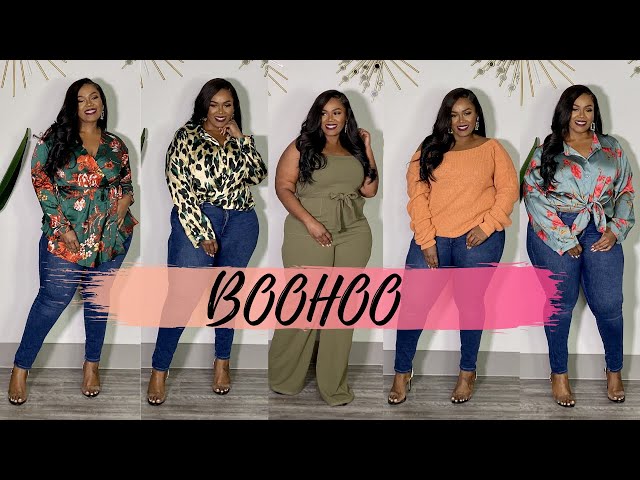
    8. Boohoo Plus ($8-$35)

    8. Boohoo Plus ($8-$35)

    Sizes: 12-26

    Boohoo’s plus size line offers trend-forward fashion at ultra-affordable prices. The brand is known for party dresses, going-out tops, and casual basics that mirror current Instagram and TikTok trends. Frequent sales bring prices even lower, and the variety is impressive for the price point. Quality is fast-fashion standard, so set expectations accordingly.

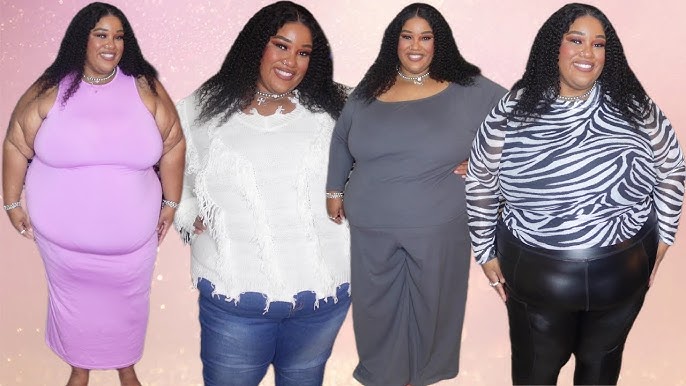
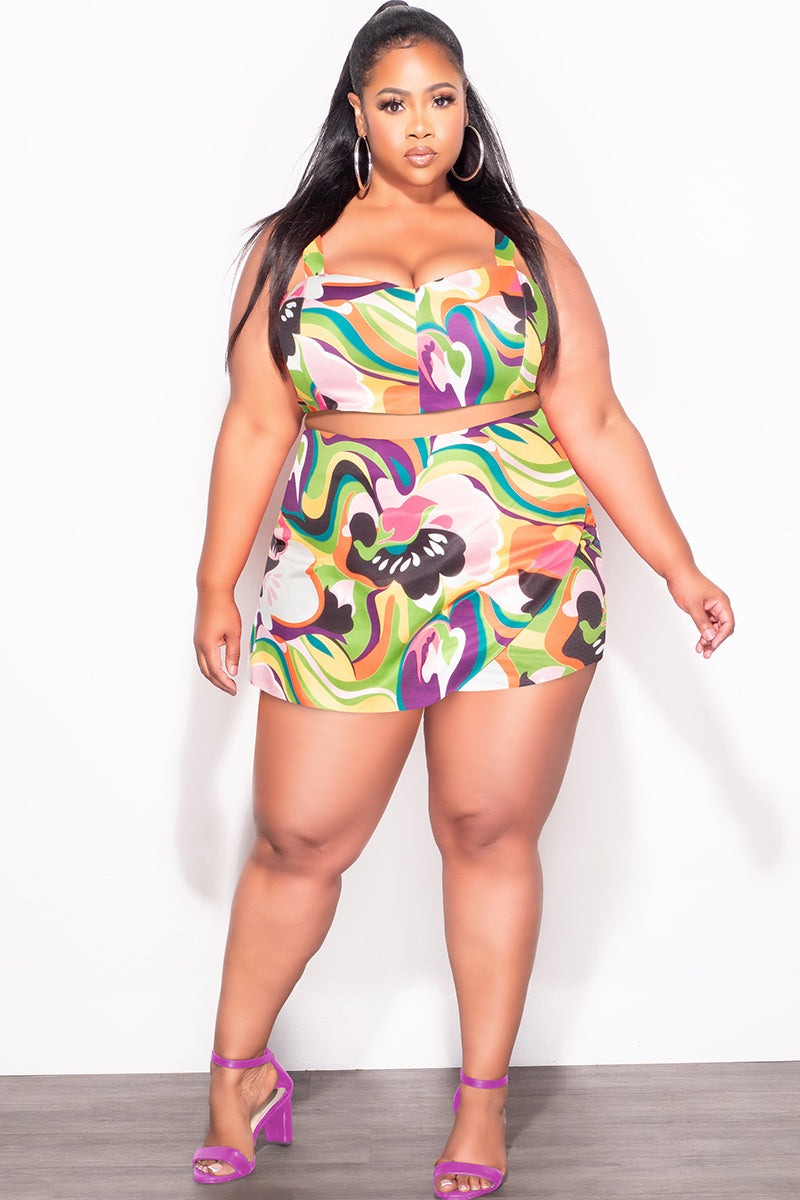
    Colorful collage of affordable plus size outfits with price tags under 40 dollars

    9. Pretty Little Thing Plus ($8-$38)

    9. Pretty Little Thing Plus ($8-$38)

    Sizes: 12-26

    Pretty Little Thing offers fast-fashion trend pieces at very accessible prices. Their plus size section covers everything from loungewear to party dresses. Frequent promotional codes bring prices down even further. The style aesthetic is young and bold, making it ideal for going-out outfits and social media-worthy looks.

    10. Fashion Nova Curve ($10-$40)

    10. Fashion Nova Curve ($10-$40)

    Sizes: 1X-3X

    Fashion Nova built their empire on affordable, body-hugging fashion, and their Curve collection extends that aesthetic to plus sizes. Bodycon dresses, curve-hugging jeans, crop tops, and matching sets dominate the collection. Most items fall under $40, with many under $25. The brand is best known for pieces that celebrate and accentuate curves. Quality varies by item, so read reviews before purchasing.

    Shop Fashion Nova Curve

    In-Store Options Under $40

    In-Store Options Under $40

    11. Target – Ava and Viv ($8-$38)

    11. Target - Ava and Viv ($8-$38)

    Sizes: 14-30W

    Target’s Ava and Viv line is one of the easiest places to pick up something stylish in plus sizes with prices consistently under $40. The rotating designer collaborations and seasonal collections keep the selection fresh. In-store shopping means you can try on before buying, eliminating sizing surprises.

    Shop Ava and Viv at Target

    12. Walmart – Free Assembly and Time and Tru ($5-$35)

    Sizes: 0X-5X

    Walmart has become a strong option for affordable fashion through their in-house brands. Free Assembly offers modern basics with a slightly elevated aesthetic while Time and Tru covers classic casual style. Both lines offer plus sizes under $40 with surprisingly good quality for the price point. Walmart’s massive physical presence means in-store shopping is available in nearly every community.

    Shop Walmart Plus Size Fashion

    13. Old Navy ($10-$39)

    Sizes: XS-4X

    Old Navy offers every single style in sizes 0 through 30 at the same price, with most items under $40 and frequent sales bringing prices even lower. The in-store selection covers basics, denim, activewear, and seasonal pieces. The Bodequality initiative means you never encounter the frustration of finding a style you love that does not come in your size.

    14. Ross Dress for Less ($5-$30)

    14. Ross Dress for Less ($5-$30)

    Sizes: Varies by availability

    Ross offers name-brand clothing at significant discounts, and their plus size section can yield incredible finds from brands that normally price above $40. The selection varies by store and changes frequently, so this is a treasure-hunting experience rather than a targeted shopping trip. For patient shoppers who enjoy the thrill of the hunt, Ross can deliver designer-level plus size finds at budget prices.

    15. TJ Maxx and Marshalls ($10-$35)

    15. TJ Maxx and Marshalls ($10-$35)

    Sizes: Varies by availability

    Similar to Ross, TJ Maxx and Marshalls offer discounted name-brand clothing with rotating inventory. The plus size sections have grown in many locations, and you can find pieces from brands like Calvin Klein, Nike, and other premium labels at 40 to 60 percent off retail. The in-store experience requires patience and frequent visits, but the potential savings are substantial.

    Thrift and Resale Options

    Thrift and Resale Options

    16. ThredUp ($5-$35)

    The largest online consignment store offers secondhand plus size clothing at a fraction of retail prices. You can find premium brands for under $40 that would normally cost $100 or more new.

    17. Poshmark (Prices Vary)

    17. Poshmark (Prices Vary)

    Poshmark’s peer-to-peer resale platform offers plus size clothing from every brand imaginable. Search by your size and price range to find deals on everything from everyday basics to special occasion pieces.

    18. Goodwill and Local Thrift Stores ($3-$15)

    18. Goodwill and Local Thrift Stores ($3-$15)

    Local thrift stores offer the lowest prices for secondhand clothing, and many communities have thrift stores with growing plus size sections. The selection depends entirely on your local market, but the prices cannot be beaten.

    19. Depop ($5-$30)

    Depop specializes in vintage and trendy secondhand clothing with a younger, more fashion-forward user base. The plus size selection is growing, and you can find unique vintage pieces and current trends at discounted prices.

    20. Facebook Marketplace and Buy Nothing Groups (Free-$20)

    20. Facebook Marketplace and Buy Nothing Groups (Free-$20)

    Local Facebook Marketplace listings and Buy Nothing community groups can yield free or very cheap plus size clothing from community members. These hyper-local options are the most budget-friendly way to expand your wardrobe, and they build community connections in the process.

    Well-organized plus size wardrobe closet with affordable outfits on hangers

    Tips for Maximizing Your Fashion Budget

    Tips for Maximizing Your Fashion Budget

    Shop End-of-Season Sales

    Shop End-of-Season Sales

    The deepest discounts happen when retailers clear seasonal inventory. Shop summer clothes in late August through September and winter clothes in February through March for 50 to 75 percent off. This strategy works at nearly every retailer on this list.

    Sign Up for Email Lists and Apps

    Sign Up for Email Lists and Apps

    Nearly every retailer offers a first-purchase discount of 10 to 20 percent for joining their email list. Download store apps for exclusive deals and digital coupons. Stack multiple discounts whenever possible for maximum savings.

    Use Cashback Apps

    Use Cashback Apps

    Apps like Rakuten, Ibotta, and Honey automatically apply coupon codes and earn cashback on purchases from many of the stores on this list. The savings are small per purchase but add up significantly over time.

    Build Around Basics

    Build Around Basics

    Invest your budget in versatile basics that create multiple outfits rather than single-occasion statement pieces. A quality pair of black leggings, three basic tees, and a denim jacket under $40 each gives you more outfit variety than one $120 dress.

    Know Your Measurements

    Know Your Measurements

    When shopping budget brands, especially online, sizing can be inconsistent. Knowing your exact bust, waist, hip, and inseam measurements helps you choose the right size from any brand’s size chart, reducing the need for returns and exchanges.

    Key Takeaways

    • BloomChic, Rainbow, and Forever 21 Plus offer the widest selection of trendy plus size clothing with nearly everything under $40.
    • Target, Walmart, and Old Navy provide the best in-store budget shopping experiences with consistent quality and inclusive size ranges.
    • Secondhand platforms like ThredUp, Poshmark, and local thrift stores offer the most aggressive savings, often delivering premium brands at under $20.
    • Shopping end-of-season sales can reduce prices by 50 to 75 percent at almost every retailer, stretching your budget significantly further.
    • Building a wardrobe around affordable basics and supplementing with trend pieces provides the most outfit variety for the least money.

    Frequently Asked Questions

    What is the cheapest store for plus size clothes?

    What is the cheapest store for plus size clothes?

    SHEIN Curve offers the lowest new-clothing prices with items starting at $3 to $5, though quality is inconsistent. Rainbow and Forever 21 Plus offer many items under $15 with somewhat better quality. For secondhand clothing, local thrift stores and Buy Nothing groups offer the lowest prices, often free or under $5 per item. Among brick-and-mortar retailers, Walmart and Target offer the most affordable new plus size clothing with reliable quality.

    Is it possible to build a complete plus size wardrobe for under $500?

    Absolutely. With strategic shopping at the stores on this list, $500 can easily cover a 25-to-30-piece wardrobe including basics, workwear, casual pieces, and a few special occasion items. The key is prioritizing versatile pieces that create multiple outfits, shopping sales and clearance sections, and mixing a few quality investments with budget pieces. Adding secondhand shopping to your strategy stretches the budget even further.

    Are budget plus size clothes lower quality than regular-priced options?

    Are budget plus size clothes lower quality than regular-priced options?

    At the lowest price points under $15, quality is generally basic and some pieces will not last more than a season of regular wear. However, stores like Target, Old Navy, and Walmart offer budget-friendly plus size clothing with quality that holds up reasonably well through regular wearing and washing. The quality gap between budget and premium brands is real, but it is not as large as it used to be. For basics and everyday casual wear, budget options often deliver acceptable quality. For work clothing and pieces you plan to keep for years, investing a bit more in quality pays off.

    How can I avoid wasting money on budget plus size clothes that do not fit?

    The biggest money-waster when shopping budget plus size clothing is ordering the wrong size and paying for returns, or worse, keeping items that do not fit properly because the return process feels like too much hassle. Start by taking your measurements and comparing them to each store’s specific size chart, since sizing varies widely between budget retailers. Read reviews for fit guidance, focusing on reviewers who share their measurements rather than just their size. When trying a new brand for the first time, order just one or two pieces to test the fit before buying a full haul. Choose stores with free return shipping or easy in-store returns to reduce the financial risk of fit misses.

  • How Much Does a Boudoir Photoshoot Cost? Pricing Guide for Every Budget

    How Much Does a Boudoir Photoshoot Cost? Pricing Guide for Every Budget

    Why Boudoir Photography Is More Popular Than Ever

    Why Boudoir Photography Is More Popular Than Ever

    Boudoir photography has undergone a massive transformation in recent years. What was once considered risque or exclusively a gift for a partner has evolved into a powerful act of self-celebration. Women of all ages, sizes, and backgrounds are booking boudoir sessions as a way to honor their bodies, mark milestones, reclaim their confidence, and create art that celebrates exactly who they are right now.

    The body positivity movement has played a huge role in this shift. As more women reject the idea that only certain bodies deserve to be photographed beautifully, boudoir photography has become a space for genuine empowerment. It is no longer about looking like a supermodel. It is about seeing yourself through the lens of someone who specializes in making every woman look and feel extraordinary.

    Boudoir sessions are booked for weddings, anniversaries, birthdays, divorce celebrations, cancer survivorship, postpartum milestones, weight loss journeys, and simply because a woman decided she deserved to feel beautiful on a random Tuesday. The reasons are as varied as the women who book them, and every single one is valid.

    But before booking, most women want to know the same thing: how much is this going to cost? Boudoir photography pricing can be confusing because it varies enormously between photographers, markets, and package structures. This guide breaks down every cost component so you know exactly what to expect and can find an option that fits your budget.

    Average Boudoir Photoshoot Cost in 2026

    Average Boudoir Photoshoot Cost in 2026

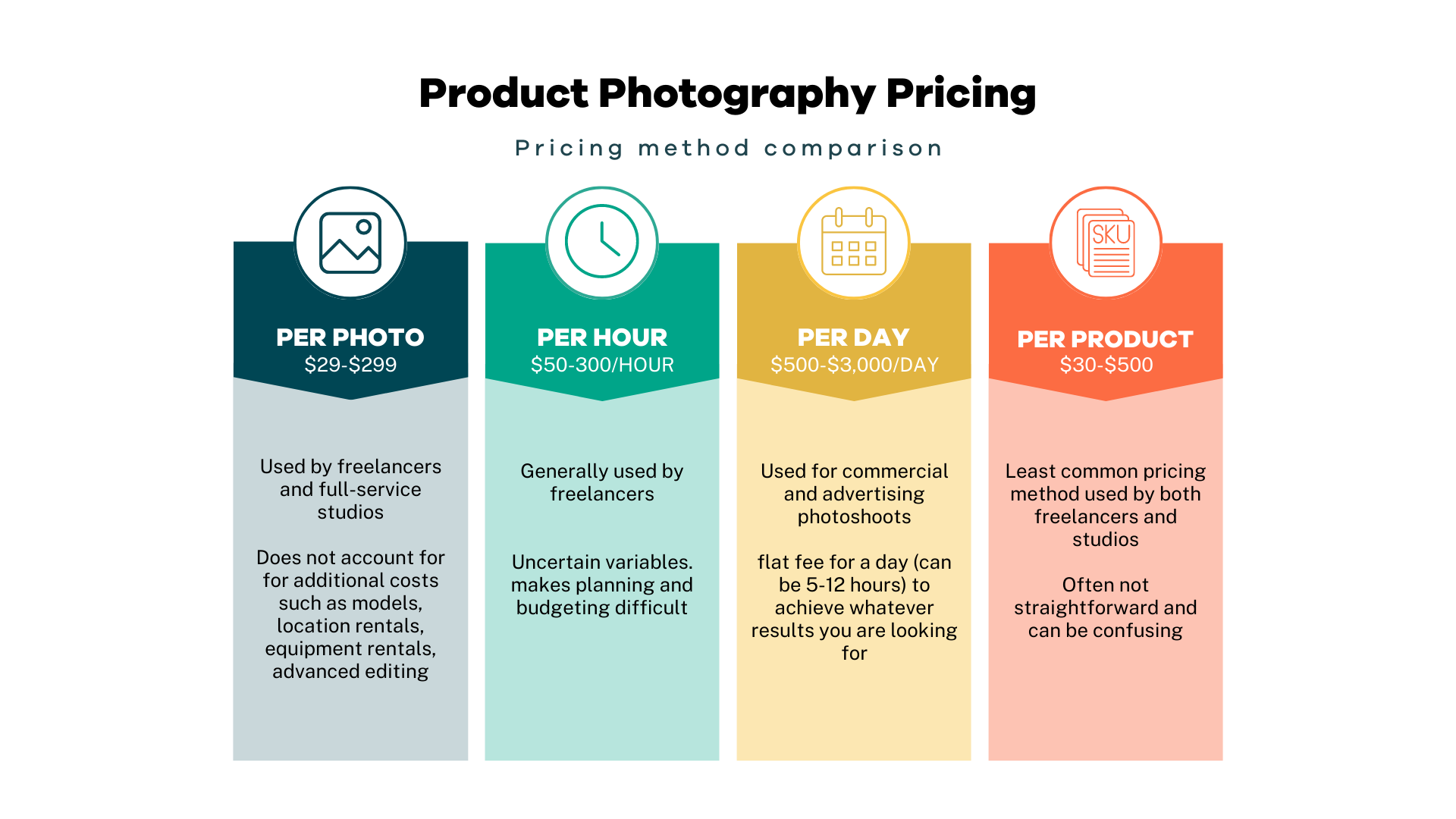
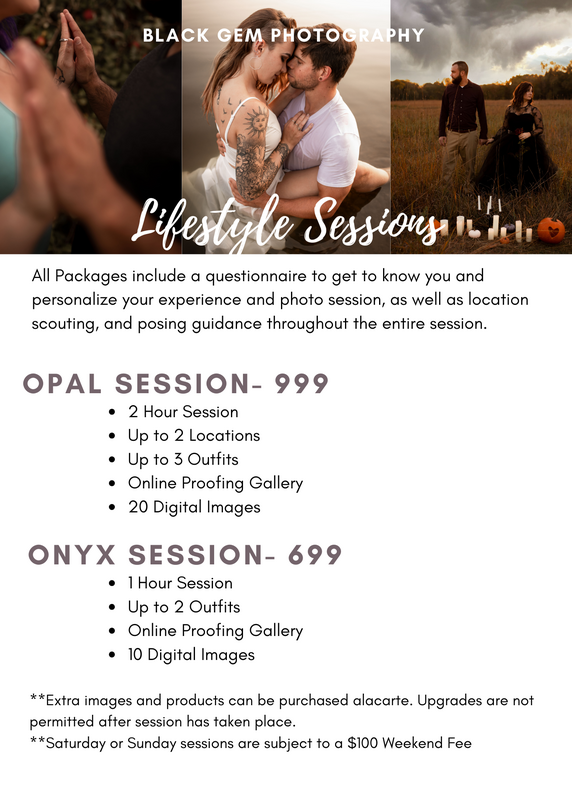
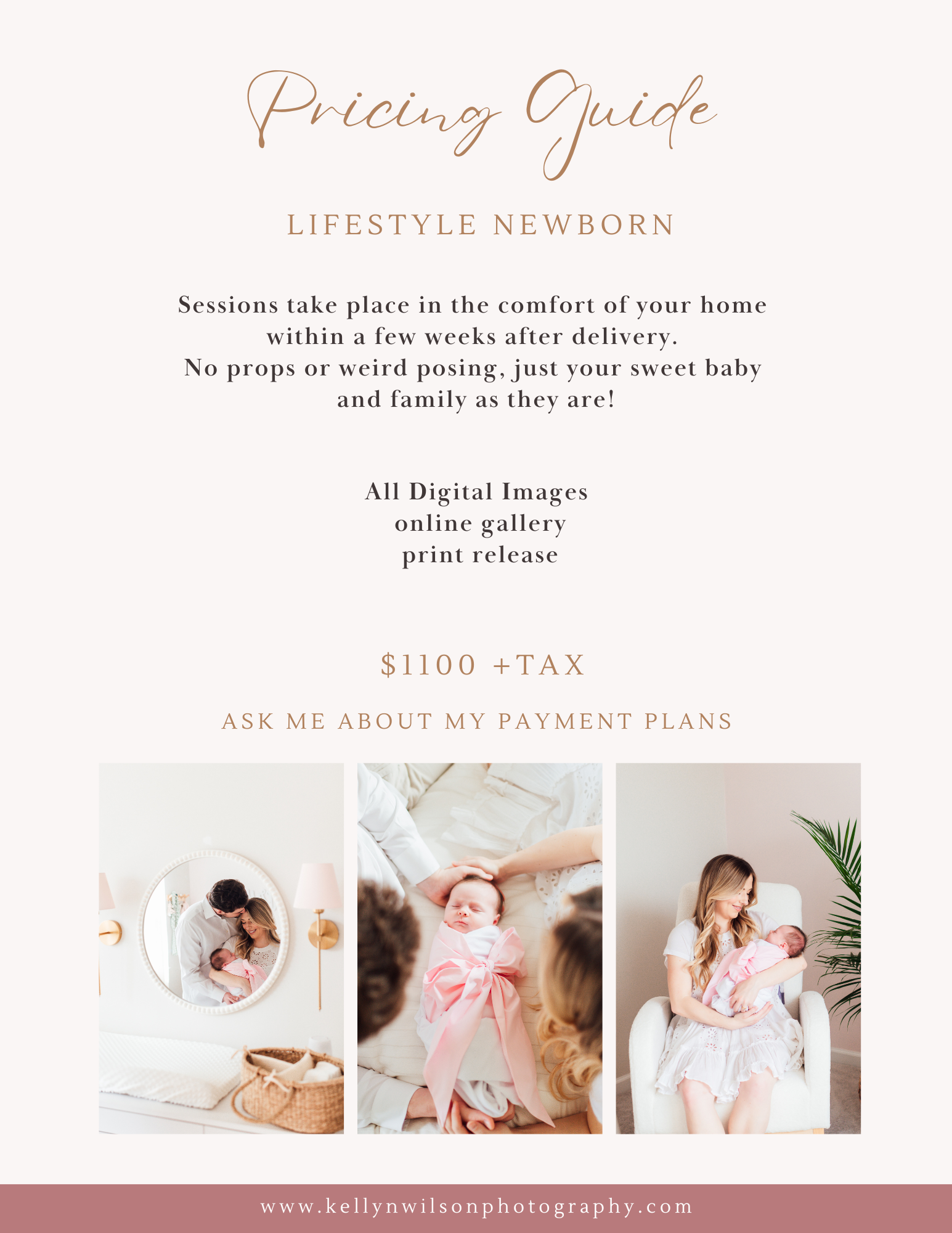
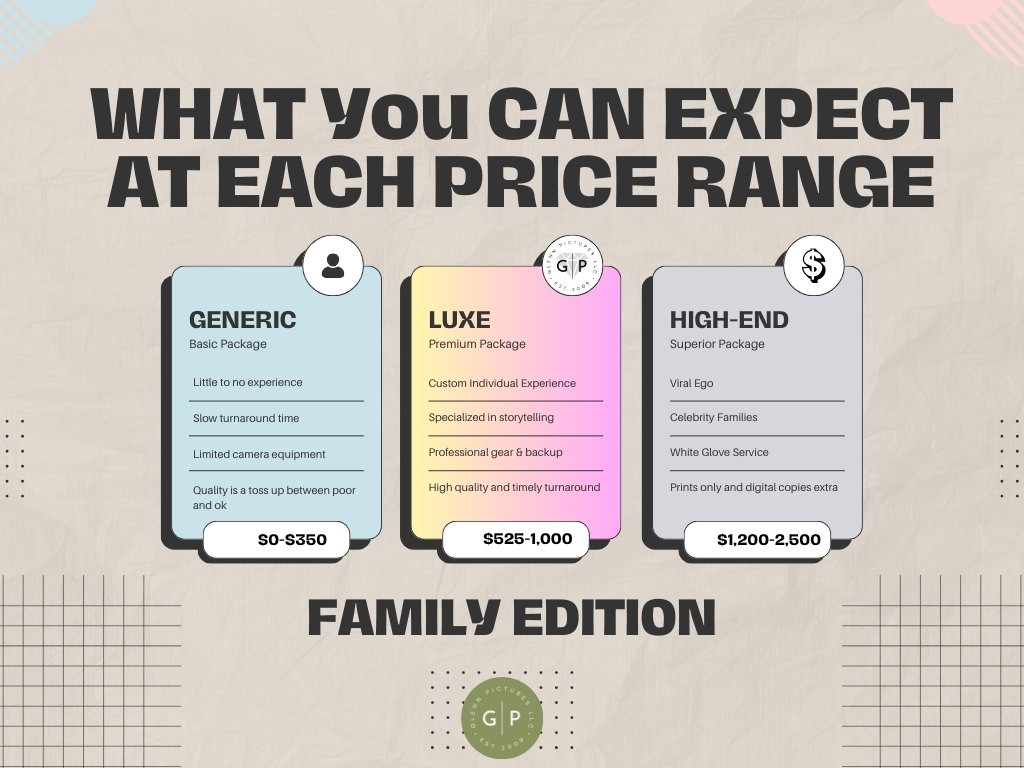
    The total cost of a boudoir photoshoot in 2026 typically ranges from $200 to $5,000 or more, with the average falling between $800 and $2,000 when you factor in the session fee plus the images or products you purchase. That is a wide range, so let us break it down into components to understand where the money goes.

    The session fee – what you pay just to book the shoot and have the photographer show up – ranges from $100 to $500 for most photographers. Some high-end photographers charge $500 to $1,000 or more for the session alone. This fee typically covers the photographer’s time, the use of their studio or location, and basic styling or consultation.

    Images are almost always priced separately from the session fee. This is where costs can escalate quickly if you are not prepared. Digital images range from $25 to $150 each, depending on the photographer. Edited and retouched images cost more than unedited files. Most photographers offer packages that bundle a certain number of images at a lower per-image price.

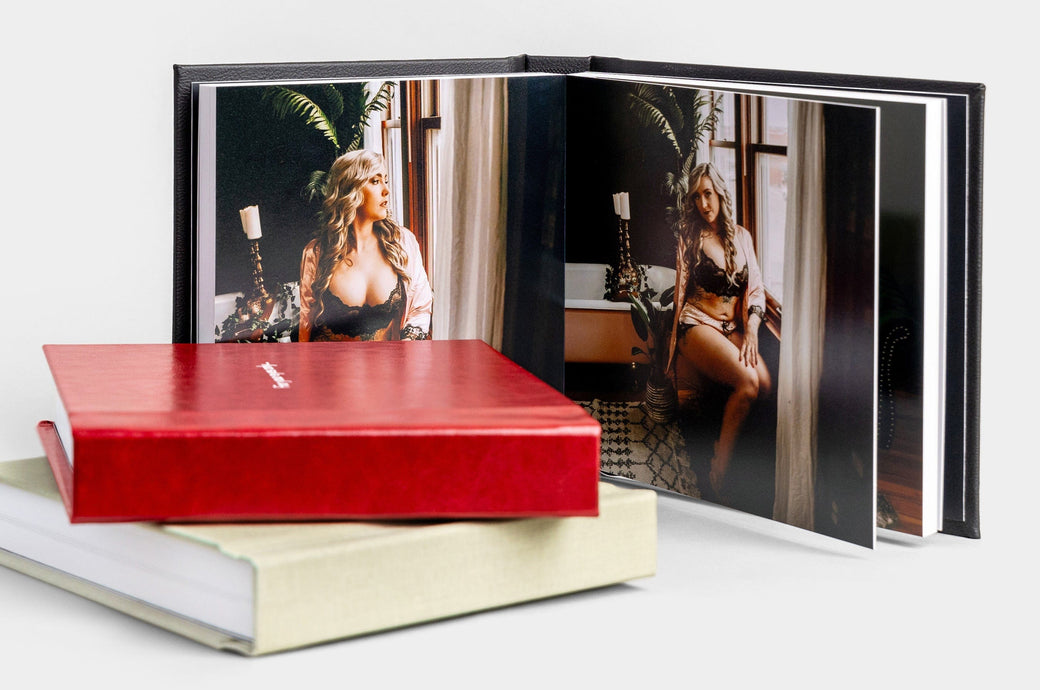
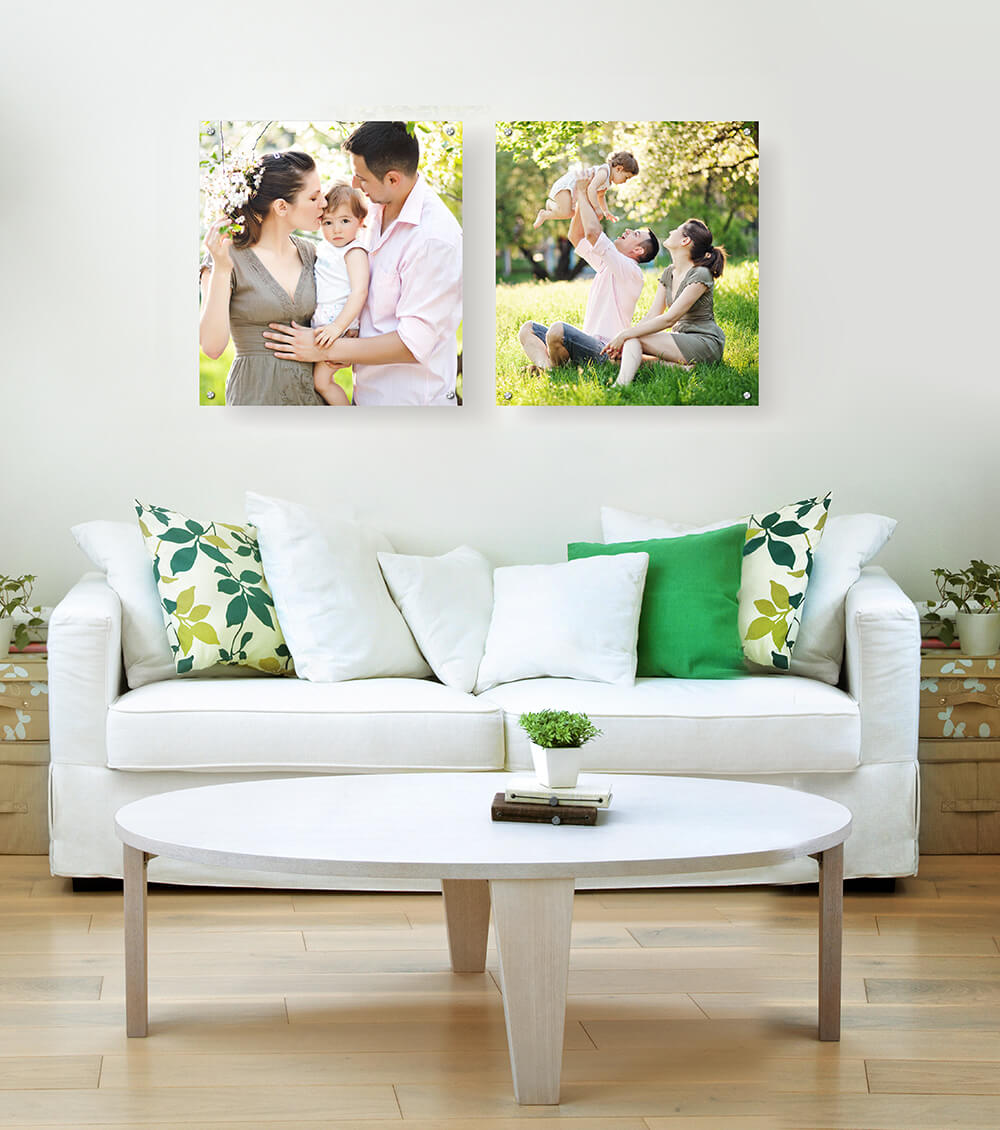
    Products like albums, prints, wall art, and specialty items add to the total cost. A professional boudoir album starts around $300 and can reach $1,500 or more for a premium, custom-designed book. Large format prints and canvas wraps range from $100 to $500 each.

    The total you spend depends on how many images you want and in what format. A budget-conscious client who books an affordable photographer and selects a small digital package might spend $300 to $500 total. A client who wants a luxury experience with a premium album and wall art might spend $2,000 to $5,000. Most women land somewhere in between at $800 to $1,500.

    Elegant boudoir photography studio with professional lighting and decor

    What Is Included in a Boudoir Session Fee

    What Is Included in a Boudoir Session Fee

    The session fee is your entry point, and what it includes varies significantly between photographers. Always ask for a detailed breakdown so you know exactly what you are paying for. Here are the components that may or may not be included.

    Pre-session consultation is offered by most boudoir photographers and is usually included in the session fee. This is a phone call, video chat, or in-person meeting where you discuss your vision, your comfort level, wardrobe options, and what to expect during the shoot. A good consultation sets the stage for a comfortable, enjoyable session.

    The shooting time itself is typically one to three hours depending on the photographer and package level. A one-hour session usually yields enough time for two to three outfit changes and produces thirty to sixty images. A two to three hour session allows for more outfit changes, more variety in poses and setups, and typically produces seventy-five to one hundred fifty or more images to choose from.

    Professional hair and makeup is included by some photographers and charged separately by others. When included, it adds $100 to $300 in value to the session fee. When charged separately, expect to pay $75 to $200 for professional hair and makeup. Having professional glam is highly recommended for boudoir because the camera picks up subtleties in makeup application that differ from everyday makeup.

    Studio use is included when the photographer works from their own studio. If the photographer is location-based and the shoot happens at your home, a hotel room, or a rented space, there may be additional fees for location rental. Hotel boudoir shoots, which are increasingly popular for their luxurious backdrops, can add $100 to $300 for the room rental.

    Some photographers include a set number of edited digital images in their session fee, while others charge for images entirely separately. All-inclusive packages that bundle the session fee with a predetermined number of images tend to offer better value than purchasing each component separately. Always clarify whether any images are included before booking.

    Print and Digital Image Pricing

    Print and Digital Image Pricing

    After the session, the photographer will present you with your images – either all of them or a curated selection of the best shots. This is where you decide what to purchase, and it is the part of the process where costs can surprise you if you are not prepared.

    Individual digital images typically cost $25 to $150 each, depending on the photographer’s market and reputation. Lower-end photographers in smaller markets might charge $25 to $50 per image. Mid-range photographers charge $50 to $100. Premium photographers can charge $100 to $150 or more per individually selected digital file.

    Digital image packages offer better per-image pricing. A package of ten edited digital images might cost $300 to $500, while a package of twenty-five images might be $600 to $1,000. Full gallery purchases – all images from the session – range from $800 to $2,500 and offer the lowest per-image cost.

    Professional prints are offered by many boudoir photographers through their own print labs, which typically produce higher quality results than consumer printing services. Individual 8×10 prints run $30 to $75. Larger format prints, matted prints, and specialty products like metal prints or acrylic displays range from $75 to $300 each.

    A word of advice: decide on your approximate budget for images before your reveal session. When you see your gorgeous photos for the first time, emotion runs high, and it is easy to spend more than you planned in the excitement of the moment. Having a firm number in mind helps you make decisions that you will be happy with both emotionally and financially.

    Boudoir Album and Wall Art Costs

    Boudoir Album and Wall Art Costs

    Boudoir albums and wall art are premium products that many women consider the ultimate way to preserve and display their images. They are also the most expensive add-ons, so understanding the pricing helps you decide whether they fit your budget.

    A professional boudoir album is a custom-designed, professionally printed book featuring your selected images laid out in an artistic, cohesive design. Entry-level albums with basic covers and standard paper start around $300 to $500. Mid-range albums with leather or linen covers and premium paper run $500 to $1,000. Luxury albums with custom covers, lay-flat pages, and fine art printing can cost $1,000 to $2,500.

    The album design process is usually included in the album price. Your photographer designs the layout, you approve or request changes, and the album is printed and shipped. Most albums contain fifteen to thirty images, though this varies. Some photographers offer mini-albums or brag books as a more affordable alternative, starting around $150 to $250.

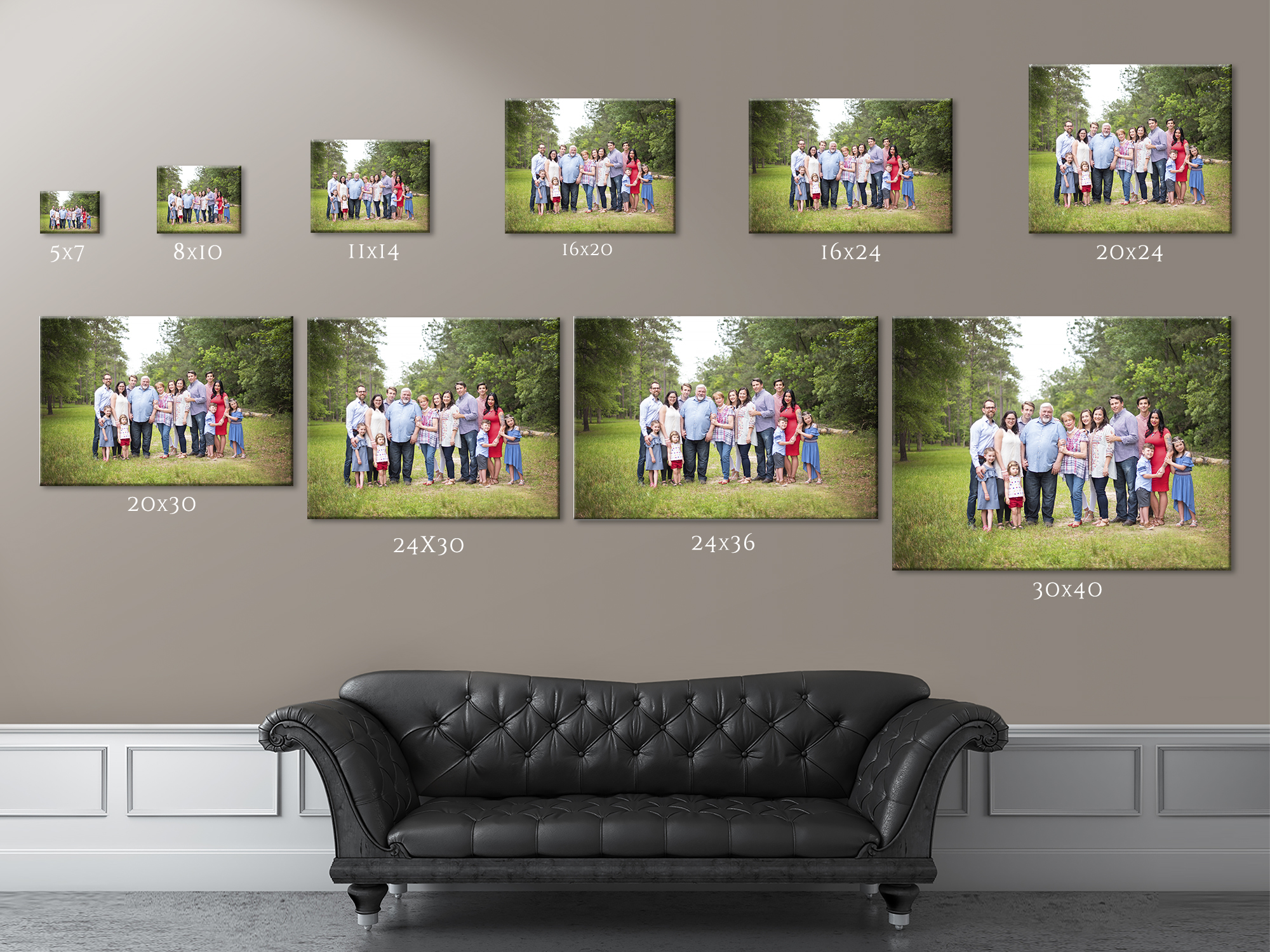
    Wall art transforms your boudoir images into display pieces for your home. Canvas wraps are the most popular option, ranging from $150 to $500 depending on size. Metal prints offer a modern, high-contrast look starting around $100 for small sizes. Framed fine art prints with museum-quality framing run $200 to $600. Multi-panel displays and gallery walls of three to five coordinated pieces can cost $500 to $1,500 for the complete set.

    Wall art from a boudoir session is typically displayed in private spaces like bedrooms or walk-in closets. A large canvas of a tasteful, artistic boudoir image above a bed or dresser creates a stunning personal statement. Some women choose more subtle images for semi-public spaces and save the more intimate shots for truly private areas.

    Budget-Friendly Boudoir Options Under $500

    Budget-Friendly Boudoir Options Under $500

    A beautiful boudoir experience is absolutely possible on a budget. Here are strategies for getting gorgeous images without spending a fortune.

    Look for newer photographers who are building their portfolio. Photographers in the early stages of their boudoir career often offer significantly lower rates to attract clients and build a body of work. Their images can be stunning – the quality of a photographer’s eye for light, composition, and posing is not always correlated with their price point. Check their portfolio carefully, but do not dismiss them based on price alone.

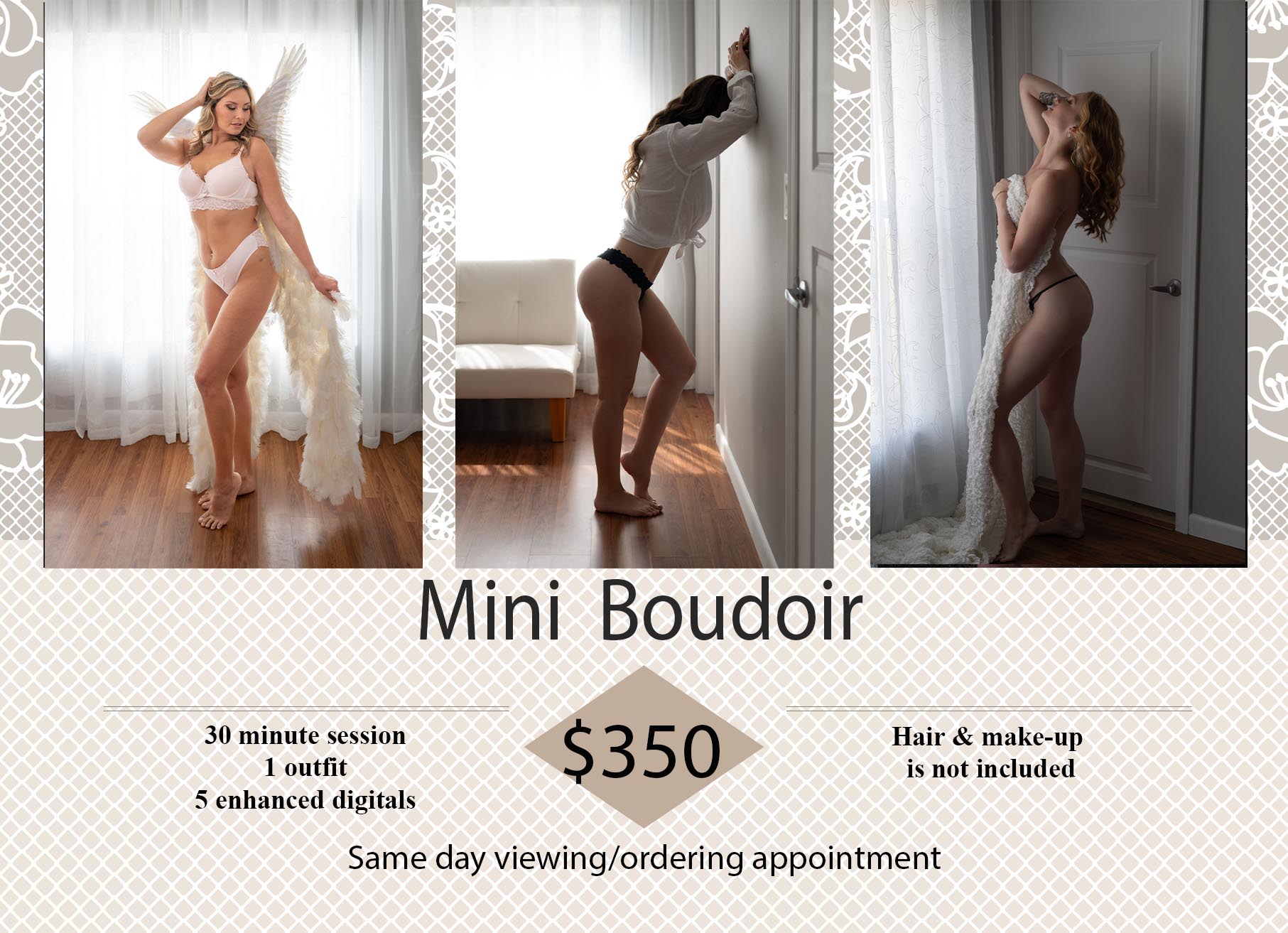
    Mini sessions are a popular budget option offered by many established boudoir photographers. These condensed sessions last thirty to forty-five minutes, include one to two outfit changes, and typically come with three to ten edited digital images. Mini sessions are priced between $200 and $400, making them accessible for women who want the boudoir experience without the full package cost.

    DIY boudoir with a friend or using a tripod and self-timer is the most budget-friendly option. With good natural lighting, a few carefully chosen lingerie pieces from Savage X Fenty , and a smartphone with a quality camera, you can create beautiful intimate images at home for essentially no cost beyond the lingerie. YouTube tutorials on boudoir posing and lighting can guide you through the process.

    Group boudoir sessions, where two or three women share a session, split the photographer’s time and studio costs, and take turns in front of the camera, can bring per-person costs down to $150 to $300. This is also a fun bonding experience and can help with nerves since you are not alone in the studio.

    Watch for seasonal promotions and holiday specials from boudoir photographers. Valentine’s Day, Galentine’s Day, and Women’s History Month are common times for discounted session rates. Following boudoir photographers on social media is the best way to catch these limited-time offers.

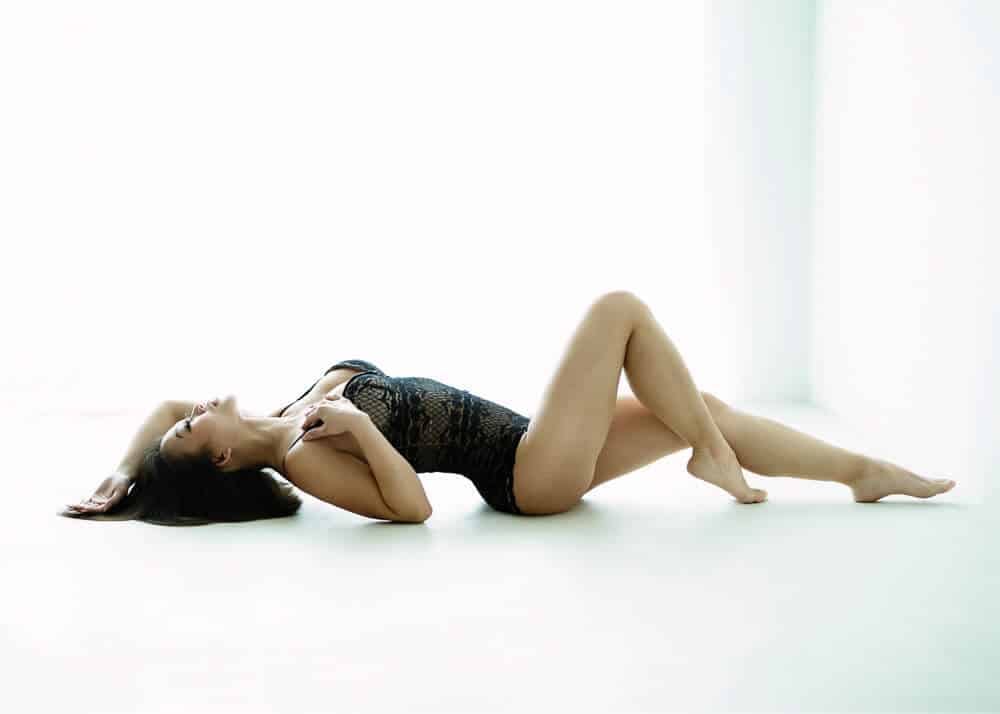
    Elegant boudoir-style portrait of a confident woman in soft natural light

    Mid-Range Boudoir Packages – $500 to $1,500

    Mid-Range Boudoir Packages - $500 to $1,500

    The $500 to $1,500 range is where most women land, and it is the sweet spot for getting a professional, full-featured boudoir experience with quality images and reasonable product options.

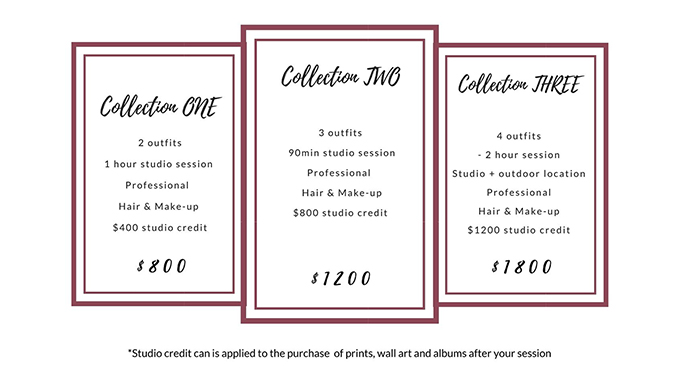
    At this price point, you can expect a one to two hour session with a professional photographer who specializes in boudoir work. Hair and makeup may be included or available as an add-on. You will typically receive fifteen to thirty edited digital images and have access to print and album products at additional cost.

    Many photographers at this level offer tiered packages. A base package at $500 to $700 might include the session, basic retouching, and ten to fifteen digital images. A mid-tier package at $800 to $1,200 might add hair and makeup, more images, and a small album or print credit. The top-tier package at $1,200 to $1,500 typically includes everything – full glam, extended session time, all digital images, and a premium album or wall art piece.

    The mid-range market offers the best balance of quality and affordability. Photographers charging in this range are typically experienced, have strong portfolios, and provide a professional, comfortable experience. They have usually invested in quality lighting, backdrops, and post-processing tools that elevate the final images above what a newer photographer or DIY approach can achieve.

    When evaluating mid-range packages, compare the total cost of getting the images you want, not just the session fee. A photographer with a $150 session fee but $100 per image may cost more in the end than a photographer with a $500 session fee that includes twenty images. Always calculate the total projected cost based on how many images you anticipate wanting to keep.

    Luxury Boudoir Experiences – $1,500 and Above

    Luxury Boudoir Experiences - $1,500 and Above

    Luxury boudoir experiences are the full red-carpet treatment of the boudoir world. They go beyond photography to create a complete pampering experience that many women describe as life-changing.

    At the luxury level, expect three to four hours of shooting time, professional hair, makeup, and sometimes a wardrobe stylist. The studio or location will be exquisitely designed with multiple set options – a bed, a bathtub, a window seat, a chaise, and more. The photographer will have significant experience and a portfolio that speaks for itself.

    Luxury packages typically include all digital images from the session – often fifty to one hundred or more – plus a premium album and at least one wall art piece. Some include a curated wardrobe of lingerie and accessories for clients to use during the session, a champagne toast, and personalized music.

    The images from luxury sessions often feature advanced retouching that goes beyond basic skin smoothing to include artistic effects, composite techniques, and editorial-quality post-processing. The final product is closer to fashion photography than traditional boudoir, with a level of polish that is immediately evident.

    Luxury boudoir experiences in major markets like New York, Los Angeles, and Miami typically start at $2,500 and can reach $5,000 to $10,000 for the most sought-after photographers. In smaller markets, luxury-level quality can sometimes be found in the $1,500 to $3,000 range. For these experiences, complement the session with investment lingerie from Soma Intimates or Savage X Fenty’s luxury collection for the most stunning results.

    Hidden Costs to Watch Out For

    Hidden Costs to Watch Out For

    Boudoir photography pricing can include several costs that are not always obvious upfront. Being aware of these potential add-ons helps you budget accurately and avoid surprises.

    Hair and makeup is the most common hidden cost. When it is not included in the session fee, professional boudoir makeup typically costs $75 to $150 for makeup alone, $50 to $100 for hair, or $125 to $200 for both. Some photographers require that you use their recommended hair and makeup artist, while others allow you to bring your own or do your own.

    Outfit changes beyond the included number may incur additional charges if the session runs long. Most photographers include two to four outfit changes in the session fee, but if you want more variety, additional time may be billed at $50 to $100 per extra set.

    Retouching fees can be separate from image purchasing fees. Basic retouching – skin smoothing, color correction, and minor adjustments – is usually included. Advanced retouching like body sculpting, scar removal, or composite work may cost $25 to $75 per image extra.

    Location rental costs apply when the shoot takes place somewhere other than the photographer’s studio. Boutique hotel rooms commonly used for boudoir shoots run $100 to $300 per day. Some photographers absorb this cost; others pass it directly to the client. Ask before booking.

    Rush fees apply if you need your images faster than the standard turnaround time, which is typically two to four weeks for edited images. Rush processing can cost $50 to $200 depending on how quickly you need the files. If you are planning the shoot as a gift with a deadline, factor in the turnaround time when scheduling.

    How to Budget and Save for Your Boudoir Session

    How to Budget and Save for Your Boudoir Session

    A boudoir session is a meaningful investment in yourself, and planning ahead financially makes the experience stress-free and enjoyable. Here are practical strategies for budgeting and saving.

    Set a total budget first, not just a session budget. Your total budget should cover the session fee, hair and makeup, images, any products like albums or prints, and your wardrobe for the shoot. Having a clear total number prevents piecemeal spending that adds up to more than you intended.

    Save specifically for the shoot. Open a dedicated savings account or set aside a fixed amount from each paycheck for your boudoir fund. Treating it as a planned purchase rather than an impulse decision makes the spending feel intentional and guilt-free. Even $50 per month for six months gives you a $300 starting budget.

    Ask about payment plans. Many boudoir photographers offer payment plans that let you spread the cost over two to four months. This makes higher-end packages accessible without requiring the full amount upfront. Some photographers require a deposit to book and the balance due on the day of the shoot, while others offer extended payment timelines.

    Shop smart for your boudoir wardrobe. You do not need designer lingerie to look stunning. Affordable options from Amazon’s plus size lingerie selection and Target’s Auden collection photograph beautifully. Simple pieces in flattering colors and fabrics often look better on camera than ornate, busy designs.

    Consider what format matters most to you. If you primarily want digital images to keep on your phone or share privately, skip the expensive album and prints. If you want a tangible keepsake, prioritize the album and budget accordingly. You do not need everything – choose the format that will bring you the most long-term joy and allocate your budget there.

    What to Wear and Bring to Your Boudoir Session

    What to Wear and Bring to Your Boudoir Session

    Your wardrobe choices significantly impact the look and feel of your boudoir images, and the good news is that you do not need to spend a fortune on outfits. Here is what to consider when planning your session wardrobe.

    Most photographers recommend two to four outfits that range from fully dressed to more intimate. A typical progression might be: a gorgeous outfit with heels and jewelry, a pretty bra and underwear set, a cozy piece like a boyfriend shirt or silk robe, and something more daring if you are comfortable like a bodysuit or lace set.

    Classic boudoir wardrobe pieces include matching lingerie sets, bodysuits, corsets, silk or satin robes, oversized men’s dress shirts, high-waisted underwear with a bralette, and lace pieces that photograph beautifully. Black, white, deep jewel tones, and nude shades tend to photograph best. Avoid very bright patterns that can distract from you in the images.

    Bring accessories that add personality and visual interest. Statement jewelry, heels, thigh-high stockings, a favorite hat, or a meaningful piece like a sports jersey or leather jacket all add variety and tell your story. Some women bring items from significant relationships, career milestones, or personal passions to make their session uniquely theirs.

    Bring items that make you feel amazing in your own skin. A robe for between-set comfort, your favorite perfume for confidence, a playlist of your power songs, and any personal items that boost your mood. The more comfortable and confident you feel during the session, the more it shows in the images.

    Avoid anything that leaves marks on your skin. Remove tight bras, underwear with elastic edges, socks, and anything with straps at least two hours before the session. These items leave temporary indentations that are visible in photos and difficult to retouch naturally. Wear loose, comfortable clothing to the session and change into your boudoir outfits on site.

    Key Takeaways

    • Boudoir photoshoot costs in 2026 range from $200 for mini sessions to $5,000 or more for luxury experiences, with most women spending $800 to $1,500 total.
    • Session fees ($100 to $500) and image purchases ($25 to $150 each) are usually separate costs – always calculate the total projected spend.
    • Professional albums range from $300 to $2,500 and wall art from $100 to $500, adding significant cost beyond digital images.
    • Budget options include mini sessions, newer photographers, group sessions, and DIY approaches starting under $300.
    • Hair and makeup, location rental, and retouching fees are common hidden costs – ask about all inclusions before booking.
    • Payment plans and dedicated savings make boudoir accessible at any budget when planned ahead of time.

    Frequently Asked Questions

    Is a boudoir photoshoot worth the money?

    Is a boudoir photoshoot worth the money?

    For most women who have done it, absolutely yes. The images become treasured keepsakes, and the experience itself is often described as transformative. The boost in confidence and self-image extends far beyond the photos. If budget is a concern, even a modest mini session can deliver the emotional benefits at a more accessible price point.

    How do I find a good boudoir photographer?

    Look for photographers who specialize in boudoir specifically, not general portrait photographers who offer boudoir as a side service. Review their portfolio for consistency, lighting quality, and most importantly, how they photograph women of different body types. Read reviews from past clients, and schedule a consultation to assess your comfort level with them before booking.

    Do I need to be a certain size or age for boudoir photos?

    Absolutely not. Boudoir photography is for every body, every age, and every stage of life. The best boudoir photographers have experience working with all body types and know how to use lighting, posing, and angles to make every woman look and feel stunning. Your body does not need to change for boudoir – the photographer’s job is to capture how beautiful you already are.

    Can I keep my boudoir photos completely private?

    Yes. Professional boudoir photographers understand the sensitive nature of these images and have strict privacy policies. Most ask for written permission before using any client images in their portfolio or marketing. You can absolutely request that your images never be shared publicly. Your privacy is non-negotiable, and any photographer who does not respect that should not get your business.

    What is the best time of year to book a boudoir session?

    Boudoir sessions can be booked year-round, but demand peaks around Valentine’s Day, wedding season, and the holiday gifting season. Booking during off-peak months like January, March, or September may get you better availability and possibly promotional pricing. Allow at least four to six weeks before you need the final images to account for editing turnaround time.

    Flatlay of boudoir photoshoot wardrobe essentials and accessories
  • 10 Best Beauty Subscription Boxes for Women of Color in 2026

    10 Best Beauty Subscription Boxes for Women of Color in 2026

    If you have ever unboxed a beauty subscription only to find products clearly designed for someone with a completely different skin tone, hair texture, or beauty needs than yours, you already understand why this list exists. The mainstream beauty subscription industry has historically been designed around a narrow definition of beauty that leaves women of color feeling like an afterthought. Products arrive in shades too light, hair products formulated for textures nothing like yours, and skincare that ignores the specific concerns of melanin-rich skin.

    The good news is that 2026 has brought a wave of subscription boxes specifically curated for women of color, along with major improvements in how mainstream boxes personalize their offerings. These boxes are curated by women who understand that deep skin tones need foundation with the right undertones, that textured hair needs moisture-rich formulas, and that melanin-rich skin has unique concerns like hyperpigmentation that require targeted solutions.

    This guide covers the ten best beauty subscription boxes for women of color available in 2026, ranging from budget-friendly to luxury, from makeup-focused to holistic beauty. Each box was evaluated on the quality and relevance of products for darker skin tones and textured hair, the value compared to purchasing products individually, and the overall unboxing experience.

    Why Women of Color Need Curated Beauty Boxes

    Why Women of Color Need Curated Beauty Boxes

    The beauty industry has made progress toward inclusivity, but the gap between marketing and reality remains significant. Many brands that claim to be inclusive still formulate primarily for lighter skin tones and straighter hair textures, with extended ranges that receive less attention in formulation and quality testing.

    Beauty subscription boxes curated specifically for women of color solve this problem by doing the research for you. The curators test products on diverse skin tones and hair textures, select brands that prioritize inclusive formulation, and ensure that every product in the box will actually work for you. This saves you the frustration and expense of trial and error, which studies show women of color spend significantly more on compared to their white counterparts because of the difficulty of finding suitable products.

    Beyond practicality, these boxes also provide a platform for Black and Brown-owned beauty brands that might not have the marketing budgets to reach you through traditional channels. Many of the best products for women of color come from independent brands that are challenging the mainstream industry’s narrow standards, and subscription boxes give these brands a direct path to their ideal customers.

    What to Look for in a Beauty Subscription Box

    What to Look for in a Beauty Subscription Box

    Shade Range and Color Matching

    Shade Range and Color Matching

    Look for boxes that ask detailed questions about your skin tone, undertone, and color preferences during signup. The more specific the quiz, the more personalized your box will be. Boxes that only ask if you are light, medium, or dark are oversimplifying in a way that almost guarantees some products will not work for you. Look for boxes that distinguish between warm, cool, and neutral undertones within each depth category.

    Hair Texture Consideration

    Hair Texture Consideration

    If the box includes hair products, make sure it accounts for textured hair. A box that sends the same hair serum to a woman with 4C coils as it sends to a woman with loose waves is not truly personalizing its selections. The best boxes ask about your hair type, porosity, and primary concerns before selecting hair products.

    Product Quality and Brand Selection

    Product Quality and Brand Selection

    Evaluate the brands included in the box. Are they brands you recognize and trust? Are they indie brands with strong reputations in the WOC beauty community? A good box mixes established favorites with exciting new discoveries, giving you both reliability and the thrill of trying something new.

    Value Proposition

    Value Proposition

    The retail value of the products in the box should significantly exceed the subscription price. Most beauty boxes deliver three to five times their cost in product value, which makes them one of the most affordable ways to build and diversify your beauty collection.

    The 10 Best Beauty Subscription Boxes for 2026

    The 10 Best Beauty Subscription Boxes for 2026

    1. COCOTIQUE – Best Overall for Women of Color

    1. COCOTIQUE - Best Overall for Women of Color

    COCOTIQUE is the gold standard for beauty subscription boxes designed specifically for women of color and diverse ethnicities. Each monthly shipment includes five to eight beauty and lifestyle products in a mix of full-size and deluxe travel sizes. The curation is exceptional, featuring both well-known brands and emerging indie brands that cater specifically to melanin-rich skin and textured hair.

    At $30.99 per month, COCOTIQUE delivers consistent value with boxes that typically contain products worth $75 to $150 at retail. Longer subscription terms reduce the per-month cost, and every box comes with a reusable tote bag. The product mix spans skincare, haircare, makeup, and body care, giving you a well-rounded introduction to new products across every category. This is the box that understands what women of color actually need and consistently delivers on that promise.

    2. Birchbox – Best Mainstream Box With Strong Personalization

    2. Birchbox - Best Mainstream Box With Strong Personalization

    Birchbox has intentionally partnered with BIPOC-founded, owned, and run beauty brands to ensure their boxes reflect the diversity of their customer base. While not exclusively for women of color, their personalization quiz is detailed enough to deliver relevant products for deeper skin tones and varied hair textures. At around $15 per month, it is one of the most affordable options with five curated samples in each box.

    3. IPSY – Best for Makeup Lovers

    3. IPSY - Best for Makeup Lovers

    IPSY’s Glam Bag asks about your skin tone, hair type, eye color, comfort level with makeup, preferred color schemes, and favorite brands during their onboarding quiz. This level of detail means their algorithm can select products that are genuinely relevant for women of color. At $14 per month for five products, the value is excellent, and the makeup focus means you will discover new shades, formulas, and brands every month.

    4. Tribe Beauty Box – Best for Clean Beauty

    4. Tribe Beauty Box - Best for Clean Beauty

    Tribe Beauty Box focuses on clean, cruelty-free beauty products and includes brands that serve a diverse range of skin tones and types. Each bi-monthly box contains four to five full-size products worth over $100. If you prioritize clean ingredients alongside shade inclusivity, this box delivers on both fronts. The $39.99 bi-monthly price makes it a premium option, but the full-size products justify the cost.

    5. BoxyCharm – Best Value for Full-Size Products

    5. BoxyCharm - Best Value for Full-Size Products

    BoxyCharm delivers five full-size products every month for around $30, with a retail value that often exceeds $150. Their quiz includes skin tone matching, and their brand partnerships with inclusive companies like Fenty Beauty, UOMA Beauty, and Pat McGrath Labs mean that women of color frequently receive products in their exact shades. For pure product value, BoxyCharm is hard to beat.

    6. Uoma by Sharon C Beauty Box – Best for Bold Beauty

    6. Uoma by Sharon C Beauty Box - Best for Bold Beauty

    Founded by Nigerian-born Sharon Chuter, UOMA Beauty is built on the principle that beauty should be for everyone. Their curated beauty box features products from the UOMA line alongside complementary brands, all selected with women of color as the primary audience. The shades are rich, the formulas are pigmented, and the overall aesthetic celebrates boldness and self-expression. Available as a quarterly box with pricing around $45.

    7. Curl Box – Best for Natural Hair

    7. Curl Box - Best for Natural Hair

    If your primary beauty focus is your natural hair, CurlBox delivers four to five full-size natural hair products monthly. Every product is selected for textured hair types, from 3A to 4C, and the curation introduces you to brands you might never find on your own. At around $25 per month, the full-size products provide excellent value for natural hair care enthusiasts who love discovering new products.

    8. Margaux Market Box – Best Luxury Option

    For a premium experience, Margaux Market curates luxury beauty and self-care products specifically for women of color. Each quarterly box contains high-end skincare, makeup, and lifestyle products with a retail value that significantly exceeds the subscription price. This box focuses on quality over quantity, featuring brands that are often available exclusively through specialty retailers. The premium pricing reflects the luxury positioning, making it ideal for women who want the best of the best.

    9. Lip Monthly – Best for Lip Product Lovers

    9. Lip Monthly - Best for Lip Product Lovers

    If lipstick is your weakness, Lip Monthly delivers four to five lip products every month for around $13. Their shade selection has improved significantly for deeper skin tones, with rich berries, bold reds, and nude shades that actually flatter darker complexions. For women of color who struggle to find nude lip colors that complement their skin tone, this box is a game changer for discovering new shades that work.

    10. FabFitFun – Best for Lifestyle and Beauty Combined

    10. FabFitFun - Best for Lifestyle and Beauty Combined

    FabFitFun’s seasonal box combines beauty products with wellness, fashion, and home items for around $55 per quarter. Their customization options allow you to select products that match your skin tone and preferences, and their increasing partnerships with inclusive brands mean more relevant options for women of color. The variety makes it feel like a holiday every time the box arrives, with full-size products across multiple lifestyle categories.

    How to Choose the Right Box for You

    Consider Your Primary Interests

    Consider Your Primary Interests

    If makeup is your passion, IPSY or BoxyCharm delivers the most variety in color cosmetics. If natural hair is your focus, CurlBox is the clear winner. If you want a holistic beauty experience that covers every category, COCOTIQUE provides the most well-rounded selection. Match the box to where you spend most of your beauty time and budget.

    Evaluate Your Budget

    Beauty boxes range from $13 per month for niche offerings like Lip Monthly to $55 per quarter for comprehensive lifestyle boxes like FabFitFun. Consider how much you currently spend on beauty products monthly and compare it to the subscription cost. If the box introduces you to even one product you love and continue purchasing, it has likely paid for itself in discovery value.

    Read Recent Reviews

    Read Recent Reviews

    Beauty boxes change their sourcing and curation over time, so recent reviews from women of color are more valuable than older ones. Look for unboxing videos and social media posts from the current year to see what is actually being delivered right now. Pay attention to whether reviewers with similar skin tones and hair types are satisfied with the shade and product selections.

    Getting the Most Value From Your Subscription

    Getting the Most Value From Your Subscription

    Complete Your Profile Thoroughly

    Complete Your Profile Thoroughly

    The more information you provide in your subscriber profile, the better your box will be personalized. Take time to answer every question about your skin tone, undertone, hair type, allergies, and preferences. Update your profile seasonally as your needs change, especially if your skincare routine shifts with the weather.

    Try Everything Before Judging

    Try Everything Before Judging

    Give every product a fair chance before dismissing it. A shade that looks wrong in the pan might look completely different on your skin. A hair product that seems too light might work perfectly as a mid-week refresher. Some of the best beauty discoveries come from products you would never have chosen for yourself.

    Swap or Gift What You Cannot Use

    Swap or Gift What You Cannot Use

    If a product does not work for you, consider gifting it to a friend, donating it to a women’s shelter, or participating in swap communities where subscribers exchange products they received. This ensures nothing goes to waste and someone else gets to enjoy a product that was not right for you.

    Key Takeaways

    • COCOTIQUE is the best overall beauty subscription box designed specifically for women of color, with 5-8 products monthly for $30.99.
    • CurlBox is the best dedicated natural hair subscription, delivering full-size textured hair products monthly.
    • Mainstream boxes like IPSY and Birchbox have improved their personalization for diverse skin tones and hair types.
    • Look for boxes that ask detailed questions about skin tone, undertone, and hair texture during signup for better personalization.
    • BoxyCharm offers the best value with five full-size products monthly, often including shade-inclusive luxury brands.
    • Complete your subscriber profile thoroughly and update it seasonally for the most relevant product selections.
    • These boxes support BIPOC-owned brands and help you discover products you might never find through mainstream retail.

    Frequently Asked Questions

    Can I cancel my beauty subscription at any time?

    Most beauty subscription boxes allow cancellation at any time for month-to-month plans. Longer-term subscriptions at discounted rates usually require you to complete the term before canceling. Check the specific cancellation policy before subscribing, especially if you choose a three-month, six-month, or annual plan. Most boxes make the cancellation process available through your online account.

    What if I receive a product that does not match my skin tone?

    Contact customer service to let them know about the mismatch. Many boxes will send a replacement or credit your account. More importantly, update your profile with more specific information about your shade preferences. If mismatches continue despite accurate profile information, the box may not have enough inclusive options in their brand partnerships, and it might be time to try a different subscription.

    Are beauty subscription boxes worth it financially?

    Are beauty subscription boxes worth it financially?

    On average, beauty boxes deliver three to five times their cost in retail product value. However, the real value depends on whether you actually use the products. If you try and enjoy most of what you receive, the value is exceptional. If boxes of unused products accumulate, the financial equation changes. Start with a month-to-month plan to evaluate whether a specific box works for your needs before committing to longer terms.

    Which box is best for someone new to makeup?

    Which box is best for someone new to makeup?

    IPSY and Birchbox are both excellent for beginners because they send sample and travel sizes that allow you to experiment without committing to full-size products. Their personalization quizzes help match you with products appropriate for your experience level, and the variety in each box exposes you to different product categories and application techniques. COCOTIQUE is also beginner-friendly with its mix of categories and focus on products that work for women of color.

  • Acrylic Nails vs Gel Nails – Which Manicure Type Is Best for You?

    Acrylic Nails vs Gel Nails – Which Manicure Type Is Best for You?

    The Classic Nail Debate

    The Classic Nail Debate

    Acrylic nails and gel nails are the two most popular salon manicure options, and choosing between them is a decision that many nail lovers face regularly. Both can give you beautiful, long-lasting nails that make you feel put-together and polished. But they achieve these results through completely different methods, and the differences matter when it comes to your nails’ appearance, health, and your overall experience.

    Whether you are a nail salon regular trying to decide if it is time to switch, or a newcomer trying to figure out which type to try first, this comprehensive comparison will help you make the smartest choice for your specific needs. We are covering everything from how each type is applied to how it feels to wear, what it costs, how it comes off, and what it does to your natural nails over time.

    By the end of this guide, you will know exactly which manicure type aligns with your priorities – whether that is maximum strength, the most natural look, the easiest maintenance, or the gentlest option for your natural nails.

    How Acrylic Nails Work

    How Acrylic Nails Work

    Acrylic nails are created by combining a liquid monomer with a powder polymer to form a paste that is applied to the nail and shaped before it air-dries into a hard, durable surface. This mixture can be applied over your natural nail for added strength and length, or over a nail tip or form that extends beyond your natural nail for added length.

    The Application Process

    The Application Process

    The acrylic application process begins with nail prep – cuticle pushing, light filing of the natural nail surface, and application of a primer. If you want length, a plastic tip is glued to the end of your natural nail or a paper form is placed underneath it. The technician then dips a brush into the liquid monomer, picks up a bead of acrylic powder, and applies the resulting paste to each nail, sculpting it into the desired shape. The acrylic air-dries and hardens within minutes. The nails are then filed to the final shape, buffed smooth, and often finished with gel polish for color.

    The process typically takes sixty to ninety minutes for a full set and forty-five to sixty minutes for a fill, where new acrylic is added to the growth area at the base of the nail.

    Characteristics of Acrylics

    Characteristics of Acrylics

    Acrylic nails are notably hard and rigid. They provide significant structural strength that can extend nails to dramatic lengths without breaking. They are the thickest of the salon nail options, which gives them durability but can also make them feel heavy or less natural than thinner alternatives. Acrylics have a distinctive look – they can be filed into very precise shapes and provide an excellent canvas for nail art.

    How Gel Nails Work

    How Gel Nails Work

    Gel nails come in two forms – hard gel (also called builder gel) for structure and extension, and soft gel (regular gel polish) for color and finish. Hard gel is the direct competitor to acrylics, while soft gel polish is often applied over acrylics, natural nails, or hard gel. For this comparison, we are primarily discussing hard gel versus acrylics, though gel polish will be mentioned where relevant.

    The Application Process

    The Application Process

    Hard gel application is similar to acrylics in concept but different in execution. After nail prep, the gel is applied in thin layers directly from a pot or tube, with each layer being cured under a UV or LED lamp. This curing process hardens each layer before the next is applied, building up to the desired thickness and shape. Like acrylics, gel can be applied over natural nails for strength or over tips and forms for length.

    Gel polish application is simpler – thin layers of color gel are applied like regular polish and cured under the lamp between coats. This is the more common salon service and takes about forty-five to sixty minutes.

    Characteristics of Gels

    Characteristics of Gels

    Gel nails are more flexible than acrylics, which makes them feel more natural on the nail. They have a naturally glossy finish that many people find more attractive than the matte finish of bare acrylics. Gels tend to look more natural overall because they can be applied in thinner layers. However, this flexibility means they are not as strong as acrylics and are more prone to breaking at very long lengths.

    Appearance and Finish Comparison

    Appearance and Finish Comparison

    Which Looks More Natural

    Which Looks More Natural

    Gel nails win on natural appearance. Their thinner profile, inherent glossiness, and flexibility make them look and feel more like polished natural nails. This is especially true at shorter to medium lengths where the thinness of gel is most apparent. For women who want enhanced nails that do not look obviously artificial, gel is the better choice.

    Acrylics have a slightly thicker, more obvious appearance, especially at the cuticle area where the product meets the natural nail. However, a skilled technician can create acrylics that look very natural, especially with proper filing and a quality gel polish finish on top.

    Which Is Better for Nail Art

    Which Is Better for Nail Art

    Acrylics are the preferred canvas for elaborate nail art, especially 3D designs, intricate hand-painted work, and complex shapes. The rigid surface provides a stable base for detailed work, and the ability to build up acrylic in specific areas allows for sculptural designs that gel cannot easily achieve. If you love elaborate, dramatic nail art, acrylics are your best friend.

    Gel nails work well for simpler designs, including color blocking, glitter, foil, and hand-painted designs on a flat surface. Gel also offers some unique options like cat-eye effects and some shimmer finishes that are harder to achieve with acrylic alone. For trendy, modern nail art that does not require 3D elements, gel performs beautifully. The gel nail art design kits on Amazon include everything needed for creative at-home gel nail art.

    Durability and Strength

    Durability and Strength

    Acrylic Durability

    Acrylic Durability

    Acrylics are the strongest salon nail option. Their rigid structure resists bending, which means they can support very long nail lengths without breaking. For women who want dramatic length – stiletto, coffin, or long almond shapes – acrylics are the most reliable choice. They last two to three weeks before needing a fill, and the full set can last four to six weeks or longer with proper maintenance.

    The downside of acrylic rigidity is that when they do break, they tend to break dramatically rather than chipping gradually. An acrylic nail that catches on something can snap off, sometimes taking part of the natural nail with it. This is uncomfortable and can cause damage to the natural nail bed.

    Gel Durability

    Gel Durability

    Gel nails are durable but less structurally strong than acrylics. Their flexibility is actually an advantage in some ways – they are more likely to bend rather than snap, which can prevent the dramatic breaks that acrylics are prone to. However, this flexibility means they cannot support as much length as acrylics before they start bending, peeling, or breaking.

    Gel polish lasts two to three weeks, and hard gel extensions last about the same before needing maintenance. The maintenance schedule is similar to acrylics, but gels tend to peel at the edges more readily, especially if the nail was not properly prepped before application.

    The Durability Verdict

    The Durability Verdict

    For maximum strength and the ability to wear very long nails, acrylics win. For everyday durability at moderate lengths with more natural flex and less risk of dramatic breaks, gel wins. Your preferred nail length should be a key factor in this decision.

    Cost Breakdown

    Cost Breakdown

    Acrylic Costs

    Acrylic Costs

    A full set of acrylic nails typically costs forty to seventy dollars for basic acrylics with gel polish. Specialty designs, extra length, and nail art can increase this to one hundred dollars or more. Fills every two to three weeks cost thirty to fifty dollars. Over the course of a year with bi-weekly fills and occasional new full sets, acrylic nails cost approximately eight hundred to fifteen hundred dollars.

    Gel Costs

    Gel Costs

    A gel manicure on natural nails costs thirty-five to sixty dollars. Hard gel extensions cost similar to acrylics – forty-five to seventy-five dollars for a full set. Gel polish appointments every two to three weeks cost thirty-five to sixty dollars each. Annual costs for regular gel maintenance range from seven hundred to fourteen hundred dollars, roughly comparable to acrylics.

    The Cost Verdict

    The Cost Verdict

    The cost difference between acrylics and gel is minimal when compared at the same maintenance frequency. Gel polish without extensions is slightly cheaper than acrylics since there is no fill between appointments – you simply get a new gel polish application. But for extensions, the costs are nearly identical. The at-home gel manicure kits at Ulta offer a way to cut costs dramatically for gel polish applications between salon visits.

    Removal and Nail Health

    Removal and Nail Health

    Removing Acrylics

    Removing Acrylics

    Acrylic removal involves filing down the bulk of the acrylic and then soaking in acetone for twenty to thirty minutes to dissolve the remaining product. The process is time-consuming and the extended acetone exposure is harsh on both nails and surrounding skin. Improper removal – particularly pulling or prying acrylics off – can cause severe damage to the natural nail plate.

    Removing Gel

    Removing Gel

    Soft gel polish removal involves filing the top coat and soaking in acetone for ten to fifteen minutes – shorter than acrylics. Hard gel removal requires filing down rather than soaking, as hard gel does not dissolve in acetone. This filing process needs to be done carefully to avoid filing into the natural nail. Both removal methods are gentler than acrylic removal overall.

    Long-Term Nail Health Impact

    Long-Term Nail Health Impact

    Both acrylics and gel can damage natural nails over time through the repeated cycle of application and removal. Acrylics tend to cause more thinning of the natural nail due to heavier filing during application and longer acetone exposure during removal. Gel is generally considered gentler, but the UV lamp exposure during curing is a unique concern that acrylics do not share.

    For the healthiest natural nails, taking periodic breaks from both types of enhancement is recommended. During breaks, using a nail strengthening recovery treatment from Sephora can help restore your natural nails to their strongest condition.

    Which Is Right for Your Lifestyle

    Which Is Right for Your Lifestyle

    Choose Acrylics If

    Choose Acrylics If

    You want very long nails that need maximum structural support. You love elaborate 3D nail art and sculptural designs. You are hard on your nails and need the most durable option. You prefer a salon experience with a skilled technician who can create custom shapes and designs. You do not mind the maintenance schedule of bi-weekly fills.

    Choose Gel If

    Choose Gel If

    You want a more natural look and feel at shorter to medium lengths. You prefer a lighter, more flexible nail enhancement. You want to minimize damage to your natural nails. You want a glossy, high-shine finish without additional top coat. You are comfortable with UV or LED lamp exposure during curing. You want a slightly simpler removal process.

    The Bottom Line

    Acrylics are the power player – stronger, thicker, and better for dramatic lengths and elaborate art. Gel is the natural beauty – thinner, more flexible, and better for a polished, natural-looking enhancement. Neither is objectively better; the right choice depends entirely on your personal nail goals, lifestyle, and priorities. Many women switch between the two depending on the season, their mood, or upcoming events, and there is absolutely nothing wrong with that approach.

    Key Takeaways

    • Acrylic nails are harder, stronger, and better for dramatic lengths and elaborate nail art, while gel nails are thinner, more flexible, and more natural-looking at moderate lengths.
    • Gel nails feel more natural and lightweight on the nail, while acrylics have a thicker, more substantial feel that some women prefer for its perceived durability.
    • Cost is comparable for both options, with annual expenses ranging from seven hundred to fifteen hundred dollars depending on maintenance frequency and complexity.
    • Gel removal is generally gentler and faster than acrylic removal, though both can damage natural nails if done improperly.
    • Your ideal choice depends on your preferred nail length, desired look, nail art preferences, and how important a natural appearance is to you.

    Frequently Asked Questions

    Can I get gel polish on top of acrylic nails?

    Yes, and this is actually very common. Many women get acrylic extensions for the structure and length, then have gel polish applied on top for color and shine. This combination gives you the strength of acrylics with the glossy finish and wide color range of gel polish. Most nail salons offer this as a standard option.

    Which is better for my nails if I type all day?

    Gel nails at a moderate length are generally better for frequent typists. Their flexibility allows them to absorb the repeated impact of typing without cracking, while acrylics may feel cumbersome on a keyboard and are more prone to lifting at the tips from the constant tapping. Keeping nails at a shorter length with either option also helps significantly with typing comfort.

    How do I know if my nail technician is applying them correctly?

    Signs of proper application include smooth, even product without lumps or uneven areas, clean cuticle lines with a small gap between the product and the skin, consistent thickness across the nail, and no burning sensation during application. After application, nails should feel secure but not overly tight or painful. If you experience persistent pain, lifting within days, or visible air bubbles, the application may not have been done correctly.

    Can I switch from acrylics to gel or vice versa?

    Yes, you can switch at any time. The old set will need to be fully removed first, and many nail professionals recommend giving your natural nails a brief rest period between types to recover. During this break, keep nails moisturized and use a strengthening treatment to prepare them for the new application type.

  • Abercrombie Curve Love Jeans Review – Are They Really the Best for Curvy Women?

    Abercrombie Curve Love Jeans Review – Are They Really the Best for Curvy Women?

    The Abercrombie Curve Love Hype – Is It Deserved?

    The Abercrombie Curve Love Hype - Is It Deserved?

    If you spend any time on fashion TikTok or Instagram, you have almost certainly seen someone raving about Abercrombie’s Curve Love jeans. The brand that many of us avoided in our teenage years for its exclusionary sizing has undergone a remarkable transformation, and the Curve Love line has become one of the most talked-about denim collections in the curvy fashion space. Influencers swear by them. Editors recommend them. Your coworker probably just ordered her third pair.

    But does the reality match the hype? We put Curve Love jeans through a comprehensive real-world test to find out. We wore them to the office, out to dinner, grocery shopping, on road trips, and everywhere else that jeans go in daily life. We squatted, sat, walked for miles, and washed them repeatedly. This review covers everything you need to know before investing in a pair.

    What Exactly Is the Curve Love Fit?

    What Exactly Is the Curve Love Fit?

    The Curve Love fit is Abercrombie’s solution to the most common denim frustration for curvy women: the waist-to-hip gap problem. Standard jeans are designed with a relatively uniform ratio between waist and hip measurements. When your hips are significantly wider than your waist, standard jeans either fit in the hips but gap at the waist, or fit at the waist but are impossibly tight in the hips.

    The Curve Love line features an extra 2 inches in the hip and thigh measurements compared to Abercrombie’s regular fit jeans. Crucially, this extra room is added only in the hip and thigh area while the waist stays true to size. This means the jeans accommodate fuller hips and thighs without requiring you to size up and deal with a waistband that is too large. The result is jeans designed to hug your waist while still accommodating your curves, eliminating the frustrating gap that plagues curvy women in standard denim.

    The Curve Love fit is available across nearly all of Abercrombie’s jean styles, including their popular 90s Straight, Ultra High Rise, Dad Jean, Vintage Flare, and Wide Leg silhouettes. This means you are not limited to one or two styles but can find the Curve Love fit in whatever silhouette you prefer.

    Detailed Fit Review

    Detailed Fit Review

    Waist Fit

    Waist Fit

    The waist fit is where Curve Love jeans truly shine. The waistband sits snugly against the natural waist without the dreaded back gap that occurs with standard jeans on curvy bodies. When you sit down, the waistband stays in place rather than pulling away from your lower back. This single feature is the reason Curve Love jeans have earned such a devoted following. For women who have spent years tugging at gaping waistbands, putting on a pair of jeans that actually sits flat against your waist is genuinely emotional.

    Hip and Thigh Fit

    Hip and Thigh Fit

    The extra 2 inches in the hip and thigh area provides comfortable room without creating excess fabric. The fit is smooth through the hip and thigh without pulling, stretching, or creating the horizontal stress lines that indicate jeans are too tight. There is enough room to move freely through your full range of motion, including squatting, sitting cross-legged, and climbing stairs, without feeling restricted.

    Rear Fit

    Rear Fit

    Curve Love jeans are designed to accommodate a fuller rear while maintaining a flattering fit. The back yoke (the seam construction below the waistband) is shaped to follow the natural curve of a fuller backside rather than pulling flat across it. The result is jeans that hug your curves without restricting movement or creating uncomfortable tightness.

    Leg Fit

    Leg Fit

    Below the thigh, the Curve Love fit transitions into whatever leg silhouette you have chosen, whether that is a straight leg, wide leg, bootcut, or skinny. The curvy modifications are concentrated in the waist, hip, and thigh areas, so the lower leg fit matches the standard version of each style.

    Styles We Tested

    Styles We Tested

    90s Straight Curve Love

    90s Straight Curve Love

    The most popular Curve Love style and our top pick. The relaxed straight leg sits below the knee with a slight room that is universally flattering. The ultra-high rise provides excellent waist coverage and a smooth front panel. This is the most versatile style, working with everything from sneakers to heeled boots. The denim has a slightly rigid feel with enough stretch for comfort, and it holds its shape impressively throughout the day.

    Shop 90s Straight Curve Love

    Ultra High Rise Skinny Curve Love

    Ultra High Rise Skinny Curve Love

    For skinny jean lovers, the Curve Love version provides all the benefits of the curvy fit in a close-to-the-body silhouette. The high rise smooths the tummy area and the curvy hip construction prevents the uncomfortable squeezing through the thighs that standard skinny jeans cause on curvy bodies. The stretch content is higher in this style, providing a more flexible, comfortable fit for all-day wear.

    Vintage Flare Curve Love

    Vintage Flare Curve Love

    The flared leg creates a stunning retro silhouette that is particularly flattering on curvy bodies. The fitted hip that opens into a dramatic flare below the knee balances proportions beautifully. Pair with platform shoes or heels for the most elongating effect. The denim in this style has a slightly heavier weight that gives the flare beautiful movement.

    Wide Leg Curve Love

    Wide Leg Curve Love

    The wide-leg version is the most on-trend style for 2026. The fitted waist and hip area that opens into a sweeping wide leg creates an elegant, effortless silhouette. The high rise provides structure and coverage while the wide leg balances curves with volume. This style requires a bit of length, so petite women may need hemming.

    Dad Jean Curve Love

    Dad Jean Curve Love

    The relaxed, slightly baggy Dad Jean silhouette looks intentionally oversized through the leg while the Curve Love waist fit keeps the top of the jeans structured and fitted. This is the most casual style, perfect for weekends with sneakers and an oversized tee. The looser fit through the thigh makes this the most comfortable Curve Love option for all-day wear.

    Sizing Guide and Tips

    Sizing Guide and Tips

    Abercrombie Curve Love jeans run fairly true to size in the waist, though there are important nuances to consider.

    Waist Sizing

    Waist Sizing

    The waist sizing is true to Abercrombie’s size chart. If you know your waist measurement in inches, use that as your starting point. Available in waist sizes 24 to 37, the range covers a broad spectrum of curvy bodies.

    Rigid vs. Stretch Denim

    Rigid vs. Stretch Denim

    For rigid denim styles like the 90s Straight, consider sizing up if you are between sizes. Rigid denim has less give and the initial fit will be snugger than the worn-in fit. For stretch styles like the Ultra High Rise Skinny, true-to-size is usually accurate because the fabric has more give.

    Inseam Options

    Inseam Options

    The brand offers four different inseam lengths: Short (approximately 27 inches), Regular (approximately 29 inches), Long (approximately 31 inches), and Extra Long (approximately 33 inches). This range accommodates women from 5 feet to over 6 feet tall, which is more inclusive than many curvy denim brands.

    Shop All Curve Love Styles

    Quality and Construction Assessment

    Quality and Construction Assessment

    Denim Quality

    Denim Quality

    The denim quality is excellent for the price point. Most Curve Love jeans use rigid or comfort stretch denim with a soft, lived-in feel that gets better with each wear. The fabric has substantial weight that feels premium without being heavy, and the denim holds its color well through multiple washes.

    Construction

    Construction

    Stitching is clean and consistent, rivets are secure, and zippers function smoothly. The hardware quality matches what you would expect from brands charging $150 or more. The back pockets are proportionally sized and well-placed, which seems like a minor detail but is actually important for how the jeans look from behind.

    Durability

    Durability

    After multiple wears and washes, the Curve Love jeans maintained their shape, color, and construction. No pilling in the inner thigh area, no loosening of the waistband, and no premature wear at stress points. These are jeans that will last for years with regular wear and proper care.

    Pricing and Value

    Pricing and Value

    Curve Love jeans range from $80 to $100, which places them in the mid-range of the denim market. This is more expensive than fast-fashion options from brands like Old Navy and Target but significantly less than premium curvy denim from Good American ($149) and NYDJ ($119+). When you factor in the specialized curvy fit, quality denim, and excellent construction, the value proposition is strong. Abercrombie also runs periodic sales that bring prices down to $60 to $75 per pair, making them even more accessible.

    Pros and Cons

    Pros and Cons

    Pros

    Pros

    Exceptional curvy fit: The extra 2 inches in the hip and thigh with a true waist eliminates the gap problem that plagues curvy women in standard jeans.

    Wide style variety: Curve Love is available in virtually every silhouette Abercrombie offers, from skinny to wide leg.

    Four inseam lengths: Options for petite through extra tall ensure the right length for every height.

    Quality construction: Premium denim quality and construction that exceeds expectations for the price point.

    Reasonable pricing: At $80-$100, these compete well against more expensive curvy denim brands.

    Cons

    Cons

    Limited plus size range: Waist sizes top out at 37, which does not extend into the full plus size range. Women who need sizes above approximately 20/22 will not be served by Curve Love.

    Online-only for most sizes: While Abercrombie has physical stores, in-store availability of Curve Love in extended sizes can be limited. Online ordering with returns may be necessary.

    Some styles sell out quickly: Popular styles in popular sizes can sell out and may take time to restock.

    How Curve Love Compares to Competitors

    Curve Love vs. Good American Good Curve ($149)

    Curve Love vs. Good American Good Curve ($149)

    Good American offers a broader size range (00-32) and more advanced stretch technology. The quality is marginally better, but the price is significantly higher. For curvy women within Abercrombie’s size range, Curve Love offers 90 percent of the Good American experience at 60 percent of the price.

    Curve Love vs. American Eagle Curvy ($49-$59)

    Curve Love vs. American Eagle Curvy ($49-$59)

    American Eagle’s curvy line is more affordable but uses more stretch fabric that tends to bag out faster. For everyday casual jeans, AE curvy is a solid budget option. For jeans that maintain their shape and look more polished, Curve Love is worth the premium.

    Shop Good American for Comparison

    Curve Love vs. Levi’s Curvy ($59-$80)

    Curve Love vs. Levi's Curvy ($59-$80)

    Levi’s offers the heritage denim brand credibility and a slightly lower price point. The curvy fit is good but not as precisely engineered as Curve Love. Abercrombie wins on fit precision and style variety, while Levi’s wins on brand heritage and slightly lower pricing.

    Who Should Buy Curve Love Jeans

    Who Should Buy Curve Love Jeans

    Definitely buy if: You have a significant difference between your waist and hip measurements (10+ inches), you are frustrated by waist gapping in standard jeans, your size falls within the 24-37 waist range, and you value quality denim at a reasonable price.

    Consider alternatives if: You need sizes above a 37 waist (try Good American), you want ultra-budget options (try American Eagle curvy), or you prefer a very loose, relaxed fit without any waist definition.

    Key Takeaways

    • Abercrombie Curve Love jeans add 2 extra inches in the hip and thigh while keeping the waist true to size, effectively solving the waist-gap problem for curvy bodies.
    • The 90s Straight Curve Love is the most versatile and universally flattering style, making it the best starting point for new Curve Love buyers.
    • At $80-$100, Curve Love offers excellent value compared to premium curvy denim brands while delivering superior fit to budget alternatives.
    • Four inseam lengths from Short to Extra Long accommodate women of virtually every height.
    • The main limitation is the size range topping out at waist 37, which excludes women in higher plus sizes who would benefit from the curvy fit.

    Frequently Asked Questions

    Do Abercrombie Curve Love jeans run true to size?

    Do Abercrombie Curve Love jeans run true to size?

    Yes, Curve Love jeans run fairly true to size in the waist. The curvy modifications are in the hip and thigh area, not the waist, so your standard waist size should be accurate. For rigid denim styles, consider sizing up one if you are between sizes. For stretch styles, true to size works well. Always check the size chart and use your measured waist size rather than your size from other brands.

    What is the difference between Curve Love and regular Abercrombie jeans?

    The Curve Love fit adds approximately 2 extra inches in the hip and thigh measurements compared to Abercrombie’s regular fit, while keeping the waist measurement the same. This means Curve Love jeans accommodate a larger difference between waist and hip sizes. If you have an hourglass, pear, or curvy body shape with hips significantly wider than your waist, Curve Love will fit better than the regular cut.

    Are Curve Love jeans worth $80 to $100?

    Are Curve Love jeans worth $80 to $100?

    For curvy women who have struggled to find well-fitting jeans, absolutely yes. The specialized curvy fit, quality denim, multiple inseam options, and wide style variety make Curve Love a strong value at this price point. When you compare to premium curvy brands like Good American at $149, the value becomes even clearer. Shopping during Abercrombie sales can bring the price down to $60-$75, making them an exceptional deal.

    Do Curve Love jeans work for plus size women?

    Do Curve Love jeans work for plus size women?

    Curve Love jeans work for plus size women within their size range of waist sizes 24-37, which approximately corresponds to sizes 0-20. For women who need sizes above 20, the size range may not be sufficient, and brands like Good American (up to size 32) or Universal Standard (up to size 40) offer curvy and plus size options in broader size ranges. If you fall within the Curve Love size range, they are one of the best options available regardless of whether you identify as plus size, mid-size, or curvy.

  • Best All-Inclusive Resorts for Plus-Size Women – Caribbean and Mexico Edition

    Best All-Inclusive Resorts for Plus-Size Women – Caribbean and Mexico Edition

    Why All-Inclusive Is Perfect for Plus-Size Travelers

    Why All-Inclusive Is Perfect for Plus-Size Travelers

    All-inclusive resorts eliminate one of the biggest stress factors of vacation planning: the constant mental calculation of whether something is going to cost extra, whether you are eating too much, or whether ordering another drink will blow your budget. When everything is included, from meals and drinks to activities and entertainment, you can truly relax and enjoy your vacation without the nagging anxiety of accumulating charges. For plus-size women, this freedom is particularly liberating.

    There is something deeply joyful about sitting at a resort restaurant, ordering whatever sounds delicious, and enjoying it without guilt, judgment, or a running mental tab. All-inclusive dining removes the transactional element from eating, transforming meals into pure enjoyment. You try the lobster because it sounds amazing. You order dessert because life is short and you are on vacation. You have a cocktail by the pool because the sun is shining and you are living your best life. No one is counting, no one is judging, and the only thing on your bill at the end is zero.

    Beyond the financial freedom, all-inclusive resorts in the Caribbean and Mexico offer logistical convenience that simplifies travel. You arrive, unpack, and everything you need is right there: restaurants, pools, beaches, entertainment, and activities. For plus-size travelers who might prefer to scope out a property’s accommodations before venturing off-site, having everything within walking distance provides both comfort and confidence.

    The Caribbean and Mexico are home to some of the world’s best all-inclusive resorts, spanning every budget from affordable to ultra-luxury. In 2026, the all-inclusive sector is experiencing explosive growth, with new properties opening across the region and existing resorts upgrading their offerings to compete for increasingly discerning travelers. This competition benefits us as consumers, driving improvements in food quality, room design, activity offerings, and, importantly, size inclusivity.

    What Makes a Resort Truly Size-Inclusive

    What Makes a Resort Truly Size-Inclusive

    We evaluate all-inclusive resorts for plus-size friendliness across several specific categories that mainstream travel reviewers typically overlook.

    Furniture Comfort. Pool loungers, beach chairs, restaurant seating, and room furniture should be comfortable and sturdy for guests of all sizes. We look for resorts that offer armless chairs, wide loungers, and table seating alternatives to booths. Weight capacity information is not always publicly available, but quality resorts will share this information when asked directly.

    Room and Bathroom Space. Standard resort rooms can feel cramped for plus-size guests, particularly bathrooms with narrow shower stalls or bathtub-only options. We prioritize resorts with spacious bathrooms, walk-in showers, and enough room to move comfortably. Upgrading to a suite or preferred room category often provides significantly more space and is frequently worth the additional investment.

    Dining Experience. Beyond food quality, we evaluate restaurant seating comfort, the availability of table seating versus restrictive booths, buffet accessibility with comfortable walking space, and the overall dining atmosphere. Resorts where staff treat every guest with equal warmth and attentiveness regardless of size score highest in our evaluations.

    Activity Accessibility. We check weight limits and size restrictions for all advertised activities, from water sports to excursions to fitness classes. Resorts that offer a wide range of activities accessible to all body types, including swimming, snorkeling, kayaking, yoga, and cultural experiences, provide the most inclusive vacation experience.

    Spa and Wellness. Massage table weight limits, robe sizes, and the overall spa experience for plus-size guests are important factors. The best resorts stock robes in extended sizes, have massage tables rated for higher weights, and employ therapists who are professional and experienced with diverse body types.

    Best All-Inclusive Resorts in Mexico for Plus-Size Women

    Best All-Inclusive Resorts in Mexico for Plus-Size Women

    Excellence Playa Mujeres, Cancun Area. This adults-only luxury property in the exclusive Playa Mujeres area north of Cancun consistently earns our top recommendation for plus-size travelers in Mexico. The rooms are spacious with large bathrooms, the pool areas feature wide cushioned loungers, and the multiple dining venues offer comfortable seating throughout. The staff is professional and welcoming, creating an atmosphere of relaxed luxury that extends to every guest. The location, slightly removed from the crowded Cancun hotel zone, provides a more peaceful, exclusive experience. Rates start around four hundred dollars per night for two adults, all-inclusive.

    Grand Velas Riviera Maya. For travelers who want the most luxurious all-inclusive experience Mexico offers, Grand Velas Riviera Maya delivers on every level. The suites are enormous with premium bathrooms, the gourmet dining rivals top standalone restaurants, and the SE Spa is one of the finest in the country. For plus-size guests, the spaciousness of everything, from rooms to restaurants to pool areas, creates an inherently comfortable experience. This is a premium-priced property, but the quality matches the investment. Rates start around six hundred dollars per night, all-inclusive.

    Hyatt Ziva Cancun. The Hyatt Ziva offers a more accessible price point while maintaining the quality and consistency of a major hotel brand. The beachfront location on a peninsula provides stunning views and access to both calm and active beaches. Rooms are modern and well-maintained, and the all-inclusive package includes multiple restaurants, unlimited drinks, and a range of activities. The Hyatt brand’s attention to accessibility translates to generally comfortable accommodations for plus-size guests. Rates start around three hundred dollars per night, all-inclusive.

    Hotel Xcaret Mexico, Riviera Maya. For nature-loving plus-size travelers, Hotel Xcaret offers a unique all-inclusive concept that includes unlimited access to all Xcaret parks and tours in the Riviera Maya. The property is stunning, carved into the natural landscape with rivers, cenotes, and lush vegetation throughout. The rooms are spacious with eco-luxury design, and the dining options span over ten restaurants. The inclusion of park access adds tremendous value and provides activities like snorkeling in cenotes, nature walks, and cultural experiences that are accessible to all body types.

    Best All-Inclusive Resorts in Jamaica for Plus-Size Women

    Best All-Inclusive Resorts in Jamaica for Plus-Size Women

    Sandals Royal Plantation, Ocho Rios. This intimate, boutique-style Sandals property offers a more refined experience than larger all-inclusive resorts, with only sixty-four suites and a staff-to-guest ratio that ensures personalized attention. The smaller scale means less crowded pools, more personal dining experiences, and staff who genuinely get to know each guest. The suites are spacious and well-appointed, and the property’s location on a beautiful stretch of Jamaican coastline provides stunning views and easy beach access. The intimate atmosphere creates a level of comfort and personalization that larger resorts struggle to match.

    Sandals Dunn’s River, Ocho Rios. One of the newer Sandals properties, Dunn’s River offers modern design, expansive rooms, and the comprehensive Sandals all-inclusive experience. The newer construction means rooms and public spaces were designed with contemporary standards for accessibility and space. Multiple pools, including swim-up suites, provide plenty of water options, and the proximity to Dunn’s River Falls makes it an excellent base for exploring one of Jamaica’s most iconic attractions.

    Hyatt Zilara Rose Hall, Montego Bay. This adults-only property offers a polished, modern all-inclusive experience with the reliability of the Hyatt brand. The rooms are spacious and contemporary, with large bathrooms that include walk-in showers. The pool area features comfortable loungers with adequate spacing, and the dining options span multiple cuisines with comfortable seating throughout. The Montego Bay location provides easy access to shopping, off-property restaurants, and excursions.

    Hilton Rose Hall Resort and Spa. For budget-conscious plus-size travelers, the Hilton Rose Hall offers the best value all-inclusive experience in Jamaica. The rates are significantly lower than Sandals or Hyatt properties while still providing quality accommodations, good dining, and a range of activities. The waterpark is a particular highlight, and the beach is well-maintained with comfortable lounging options. The Hilton brand brings consistency and reliability that budget travelers can count on.

    Best All-Inclusive Resorts in the Dominican Republic

    Best All-Inclusive Resorts in the Dominican Republic

    Secrets Cap Cana Resort and Spa. This adults-only property in the exclusive Cap Cana development offers a romantic, sophisticated all-inclusive experience. The preferred club suites provide the best experience for plus-size guests, with larger rooms, upgraded bathrooms, and access to a more private pool area. The dining is excellent by all-inclusive standards, and the beach is stunning. The Cap Cana location is quieter and more exclusive than the Punta Cana hotel zone, providing a more relaxed atmosphere.

    Hyatt Zilara Cap Cana. The Hyatt brand brings its signature attention to quality and service to this adults-only Cap Cana property. Modern rooms with spacious bathrooms, comfortable pool and beach areas, and multiple dining options create a well-rounded all-inclusive experience. The swim-up suites are particularly appealing, and the overall design is contemporary and inviting. The Hyatt loyalty program integration adds value for frequent travelers.

    Casa de Campo Resort and Villas. For plus-size travelers who want a more active vacation, Casa de Campo offers a resort experience built around golf, horseback riding, tennis, and water sports. The property is massive, with villa-style accommodations that provide the most space of any resort on this list. The dining village, Altos de Chavon, is a recreated sixteenth-century Mediterranean village with multiple restaurants and shops. While not strictly all-inclusive, optional all-inclusive packages are available, and the villa accommodations provide privacy and space that traditional resort rooms cannot match.

    Other Caribbean Islands Worth Considering

    Other Caribbean Islands Worth Considering

    St. Lucia – The BodyHoliday. We have already featured The BodyHoliday in our body-positive resorts guide, but it deserves mention here as well. The all-inclusive model includes daily spa treatments, activities, and gourmet dining in a wellness-focused environment that celebrates health without diet culture. For plus-size travelers who want a Caribbean vacation centered on feeling good in their bodies, The BodyHoliday is unmatched.

    Antigua – Curtain Bluff. This intimate all-inclusive on a dramatic bluff with beaches on both sides provides a classic Caribbean vacation experience with personalized service. The all-inclusive rate covers everything including premium drinks, water sports, and tennis, with no hidden costs or tipping expectations. The intimate size of the resort, fewer than one hundred rooms, means attentive service and a relaxed atmosphere.

    Turks and Caicos – Beaches. For families, Beaches Turks and Caicos offers the most comprehensive all-inclusive family vacation in the Caribbean. The multiple pools, waterpark, kids’ programs, and family-friendly activities keep every family member entertained. The resort sits on Grace Bay Beach, one of the most beautiful beaches in the world, and the all-inclusive model means families can relax without worrying about accumulating costs.

    Barbados – Sandals Royal Barbados. The only Sandals property in Barbados offers a unique combination of resort luxury and easy access to the island’s vibrant culture, restaurants, and attractions. The location on the Maxwell Coast puts you within easy reach of Oistins Fish Fry, St. Lawrence Gap, and Bridgetown, making it ideal for travelers who want to explore beyond the resort grounds.

    New All-Inclusive Resorts Opening in 2026

    New All-Inclusive Resorts Opening in 2026

    The all-inclusive sector in the Caribbean and Mexico is booming in 2026, with several exciting new properties opening that plus-size travelers should have on their radar. The year is set to be a blockbuster for luxury all-inclusive travel, with major brands expanding their portfolios across the region.

    JW Marriott is debuting new properties in the Caribbean, bringing the brand’s signature luxury and attention to service to the all-inclusive market. Moon Palace and Royalton are expanding their established portfolios with new openings in popular destinations. These new properties benefit from modern construction standards that tend to include larger rooms, more spacious bathrooms, and wider public areas than older resort designs.

    New resort openings often represent the best value, as properties run introductory pricing and promotional offers to build their reputation and reviews. Booking a new resort within its first year of operation can save twenty to thirty percent compared to established properties at the same quality level. The tradeoff is that new resorts may still be working out operational details, so flexibility and patience are helpful.

    When considering new properties, check reviews from the first few months of operation for real guest experiences, and do not hesitate to contact the resort directly with specific questions about plus-size accommodations. New resorts are particularly motivated to provide excellent service and earn positive reviews, which can work in your favor when making special requests.

    Budget Tips for All-Inclusive Vacations

    Budget Tips for All-Inclusive Vacations

    All-inclusive vacations can range from surprisingly affordable to eye-wateringly expensive, and there are strategies for getting the best possible value regardless of your budget.

    Book during shoulder season. The Caribbean and Mexico offer the best all-inclusive rates during shoulder season, typically late April through mid-June and mid-November through mid-December. You will find rates thirty to fifty percent lower than peak winter season, with weather that is still excellent and crowds that are significantly reduced. The tradeoff is slightly higher humidity and occasional rain, which is a worthwhile exchange for the savings.

    Compare total cost, not nightly rate. When evaluating all-inclusive resorts, calculate the total cost of your stay including flights, transfers, and the nightly rate. A slightly more expensive resort that includes airport transfers saves you the cost of separate transportation. Some resorts also include excursions or spa credits in their all-inclusive package, which adds significant value.

    Use travel agent deals. All-inclusive resorts frequently offer exclusive rates through travel agents that are not available through direct booking or online travel agencies. A knowledgeable travel agent can also help negotiate room upgrades, resort credits, and special amenities that enhance your experience without increasing the base cost.

    Look for resort credit promotions. Many all-inclusive resorts run promotions that include resort credits, free room upgrades, or spa credits. These promotions are most common during shoulder season and can add hundreds of dollars in value to your booking. Sign up for resort email newsletters and follow them on social media to catch these offers when they launch.

    For your trip, pack smart with a quality Samsonite spinner suitcase that makes navigating airports comfortable, and bring a set of packing cubes to keep your resort wardrobe organized throughout your stay.

    What to Pack for Your All-Inclusive Vacation

    What to Pack for Your All-Inclusive Vacation

    Packing for an all-inclusive vacation is actually simpler than most trips because you know exactly what you will be doing: eating, drinking, swimming, lounging, and maybe some activities and excursions. Here is your essential packing list.

    Bring at least two swimsuits so you always have a dry option. A gorgeous Torrid one-piece and a fun ASOS Curve bikini give you variety and ensure you always have something dry to wear. Add two or three cover-ups for pool-to-restaurant transitions, three to four casual outfits for daytime, and two dressier outfits for evening dining.

    Do not forget the practical essentials: reef-safe sunscreen to protect both your skin and the ocean, anti-chafe products for warm weather comfort, a reusable water bottle for staying hydrated, and comfortable walking shoes for any excursions. A waterproof phone pouch is invaluable for pool and beach photos, and a small crossbody bag keeps your essentials accessible during the day.

    Pack light and plan to do laundry at the resort if your stay is longer than a week. Most all-inclusive resorts offer laundry service, and some include it in the all-inclusive rate. This allows you to pack a carry-on sized wardrobe even for extended stays, saving you checked bag fees and airport hassle.

    Booking Tips for the Best Experience

    Booking Tips for the Best Experience

    Book directly with the resort for special requests. While online travel agencies often have competitive rates, booking directly with the resort gives you a direct line of communication for special requests. You can ask about room locations, bathroom configurations, and plus-size accommodations more easily when your reservation is directly with the property.

    Request a specific room in advance. Once you have booked, contact the resort directly to request a room with a walk-in shower, ground floor or easy elevator access, and a room location that minimizes walking distance to pools and restaurants. These requests are not guaranteed, but properties will do their best to accommodate them, especially for direct bookings.

    Upgrade if your budget allows. At all-inclusive resorts, the difference between standard rooms and preferred or premium rooms is often significant in terms of space, bathroom size, and proximity to amenities. For plus-size guests, the additional space of an upgraded room category provides meaningfully more comfort. The upgrade often also includes additional perks like preferred restaurant reservations, a private pool area, and upgraded minibar selections.

    Read reviews from plus-size travelers. Search specifically for reviews from plus-size guests on TripAdvisor, Google, and travel blogs. These reviews will mention details about furniture comfort, bathroom space, and staff attitude that mainstream reviews overlook. Plus-size travel bloggers and Instagram creators are also excellent resources for firsthand experiences at specific properties.

    Key Takeaways

    • All-inclusive resorts eliminate financial anxiety around food and drink, creating a more relaxed and joyful vacation experience for plus-size travelers.
    • Excellence Playa Mujeres and Grand Velas Riviera Maya are our top Mexico recommendations for combining luxury, space, and size inclusivity.
    • Sandals Royal Plantation in Jamaica offers the most personalized all-inclusive experience thanks to its intimate, sixty-four suite scale.
    • Hilton Rose Hall in Jamaica provides the best value for budget-conscious plus-size travelers seeking a reliable all-inclusive experience.
    • Shoulder season booking (late April to mid-June, mid-November to mid-December) saves thirty to fifty percent on rates with minimal weather compromise.
    • Upgrading to a preferred or premium room category is almost always worth the investment for plus-size guests who need additional space.
    • New resorts opening in 2026 offer introductory pricing and modern construction with more spacious rooms and public areas.

    Frequently Asked Questions

    Are all-inclusive resorts really worth it for plus-size travelers?

    Are all-inclusive resorts really worth it for plus-size travelers?

    Absolutely. The financial freedom of not counting meals, drinks, or activities removes a significant source of stress and self-consciousness. You can eat what you want, when you want, without anyone tallying charges. The convenience of having everything on-site also means you can scope out the property’s accommodations and find your most comfortable spots without needing to venture off-site until you are ready.

    Which Caribbean island is best for plus-size travelers?

    Which Caribbean island is best for plus-size travelers?

    Jamaica and Mexico’s Riviera Maya offer the widest selection of plus-size friendly all-inclusive resorts at various price points. Both destinations have strong competition among resorts, which drives improvements in service and accommodations. Jamaica in particular has a culturally welcoming attitude toward diverse body types that many plus-size travelers find refreshing and affirming.

    Should I upgrade to a suite at an all-inclusive resort?

    If your budget allows, yes. The difference in room and bathroom space between standard rooms and suites at all-inclusive resorts is often dramatic. Suites provide more comfortable bathroom space, larger furniture, and often include additional perks like preferred dining reservations and premium pool access. For a vacation focused on relaxation and comfort, the upgrade is one of the best investments you can make.

    Can I request specific room accommodations at an all-inclusive resort?

    Yes, and you should. Contact the resort directly after booking to request a room with a walk-in shower, comfortable furniture, and a convenient location. Ask about robe sizes, towel sizes, and any other specific needs. Quality resorts will note your requests and do their best to accommodate them. The earlier you make these requests, the better the chances they will be fulfilled.

  • Best Airlines for Plus-Size Passengers – Ranked by Seat Width and Policies

    Best Airlines for Plus-Size Passengers – Ranked by Seat Width and Policies

    Why Flying as a Plus-Size Passenger Is Still a Challenge

    Air travel in 2026 is still not designed for larger bodies. The average economy airline seat is 17 to 18 inches wide – a width that was established decades ago when the average American body was significantly smaller. Today, this seat width is uncomfortable for many average-sized adults and genuinely painful for plus-size passengers. Add narrow armrests, tight seatbelt lengths, and the anxiety of potentially being asked to purchase an additional seat, and flying becomes a source of stress rather than excitement.

    The good news is that awareness is growing, policies are slowly improving, and some airlines are significantly better than others for plus-size passengers. Knowing which airlines offer more space, better policies, and more respectful treatment can transform your flying experience from dreaded to manageable, and in some cases, genuinely comfortable.

    This guide ranks airlines based on three factors that matter most to plus-size passengers: seat width in economy class, their official policy regarding passengers of size, and real-world experiences reported by plus-size travelers. Because you deserve to travel wherever you want without your body being treated as a problem to solve.

    What to Look For in an Airline as a Plus-Size Passenger

    What to Look For in an Airline as a Plus-Size Passenger

    Seat Width

    Seat Width

    Seat width is measured from the inside of one armrest to the inside of the other armrest. For economy class, the industry standard ranges from 17 to 18.5 inches, but some airlines go as low as 16.5 inches. Every half inch matters when you are a larger person. For reference, a plus-size woman wearing a size 18 to 20 typically has a seated hip width of approximately 20 to 22 inches. That means even the widest economy seats are a tight squeeze, and the narrowest ones are nearly impossible.

    Seat Pitch

    Seat Pitch

    Seat pitch refers to the distance between your seat and the one in front of you. Standard economy pitch ranges from 28 to 34 inches. More pitch means more legroom, which matters if you carry weight in your thighs and belly. Extra legroom seats (often available for an upgrade fee) can make a significant difference in comfort.

    Armrest Configuration

    Armrest Configuration

    Fixed versus movable armrests can make or break your comfort. Movable armrests allow you to lift them up for more hip room, which is a game-changer for plus-size passengers. Many airlines have at least some rows with movable armrests, but window-side and aisle-side armrests are typically fixed.

    Seatbelt Length

    Seatbelt Length

    Standard airline seatbelts are approximately 45 inches long, which is not long enough for many plus-size passengers. Seatbelt extenders add 12 to 25 inches of additional length. Most airlines provide them upon request, but asking can feel embarrassing. Knowing the policy in advance and requesting discreetly helps.

    Customer-of-Size Policy

    Customer-of-Size Policy

    Each airline has its own policy regarding passengers who need more than one seat. Some require you to purchase a second seat at full price. Some offer complimentary second seats or refunds for second seats. Some handle it on a case-by-case basis. Knowing the policy before you book saves you from unpleasant surprises at the gate.

    Best U.S. Airlines for Plus-Size Passengers

    Best U.S. Airlines for Plus-Size Passengers

    1. Southwest Airlines – Best Overall for Plus-Size Passengers

    1. Southwest Airlines - Best Overall for Plus-Size Passengers

    Southwest Airlines has the best customer-of-size policy in the U.S. airline industry, and it is not even close. If you need additional space, Southwest allows you to purchase a second seat and then receive a full refund for it after your flight. Essentially, you fly with an empty seat next to you at no additional cost. To use this policy, purchase two seats at the lowest fare, then contact Southwest customer service to request a refund for the extra seat after travel. Southwest’s economy seats are 17 inches wide with 32 to 33 inches of pitch, which is average, but the free second seat policy more than compensates.

    2. JetBlue – Most Comfortable Economy Seats

    2. JetBlue - Most Comfortable Economy Seats

    JetBlue offers some of the most generous seat dimensions in U.S. economy class, with seats measuring 18 to 18.4 inches wide and pitch ranging from 32 to 34 inches. Their “Even More Space” seats offer up to 38 inches of pitch, which is approaching premium economy comfort. JetBlue does not have a formal customer-of-size policy, but their wider seats mean many plus-size passengers fit comfortably in a single seat. JetBlue’s service is also consistently rated highly for courtesy and respect.

    3. Delta Air Lines – Best Premium Economy Option

    3. Delta Air Lines - Best Premium Economy Option

    Delta’s standard economy seats are 17.2 to 18.6 inches wide depending on the aircraft, with 31 to 33 inches of pitch. Their Comfort Plus class offers 34 to 36 inches of pitch with wider seats on some aircraft. Delta does not have a formal free second seat policy, but their gate agents are generally trained to handle passenger-of-size situations with discretion. Delta’s newer aircraft (particularly the A321neo) tend to have the most generous dimensions.

    4. Alaska Airlines – Good Dimensions with Upgrade Options

    4. Alaska Airlines - Good Dimensions with Upgrade Options

    Alaska Airlines’ economy seats are 17 to 18 inches wide with 31 to 32 inches of pitch. Their Premium Class seats offer significantly more legroom (35 to 40 inches) at a modest upgrade cost. Alaska’s customer service is well-regarded, and plus-size passengers report generally positive experiences. Alaska does not offer free second seats but their upgrade pricing to Premium Class is often reasonable.

    5. United Airlines – Improving but Still Average

    United’s standard economy seats range from 17 to 18 inches wide depending on the aircraft. Their Economy Plus seats offer 34 to 35 inches of pitch, which is a meaningful improvement. United does not have a customer-of-size policy and may require passengers to purchase a second seat without refund options. United’s newer Polaris business class seats on international flights are spacious and comfortable for larger passengers.

    Airlines to Use with Caution

    Airlines to Use with Caution

    Spirit Airlines and Frontier Airlines have some of the narrowest seats in the industry (as low as 17 inches wide with 28 inches of pitch) and limited customer-of-size accommodations. While their low fares are appealing, the cramped seating can make the experience miserable for plus-size passengers. If you fly these carriers, seriously consider upgrading to an exit row or Big Front Seat (Spirit) for a more comfortable experience.

    Best International Airlines for Plus-Size Passengers

    Best International Airlines for Plus-Size Passengers

    Emirates

    Emirates

    Emirates’ economy class seats are among the widest internationally at 18 to 18.5 inches, with 32 to 34 inches of pitch. Their newer aircraft (A380 and 777X) offer the most space. Emirates’ service culture emphasizes comfort and hospitality, and plus-size passengers report respectful, accommodating treatment. Their business class seats are among the most spacious in the world.

    Singapore Airlines

    Singapore Airlines

    Singapore Airlines offers economy seats measuring 18 to 19 inches wide with 32 inches of pitch. Their A380 economy class is particularly generous. Singapore Airlines is consistently rated the world’s best airline for service quality, and their inclusive, respectful approach extends to passengers of all sizes.

    Air New Zealand

    Air New Zealand

    Air New Zealand stands out for its innovative Skycouch product – a row of three economy seats that converts into a flat surface, essentially creating a mini bed. This option, while designed for couples or families, is a game-changer for plus-size passengers on long-haul flights who need extra space. Their standard economy seats are 17.2 inches wide.

    Lufthansa

    Lufthansa

    Lufthansa’s economy seats are 17 to 18 inches wide with 31 to 32 inches of pitch. Their Premium Economy offers 18.5-inch-wide seats with 38 inches of pitch, making it one of the most comfortable premium economy products for larger passengers. Lufthansa’s service is professional and respectful.

    Qantas

    Qantas

    Qantas offers economy seats of 17.5 inches wide with 31 inches of pitch. Their customer-of-size policy is relatively accommodating – they will work with passengers who need additional space on a case-by-case basis. Qantas Premium Economy seats are 19.5 inches wide, which is among the widest premium economy seats available.

    Know Your Rights and Airline Policies

    Know Your Rights and Airline Policies

    Understanding your rights as a plus-size airline passenger helps you advocate for yourself and avoid mistreatment.

    U.S. Department of Transportation Guidelines

    U.S. Department of Transportation Guidelines

    In the U.S., there is no federal law requiring airlines to provide accommodations for passengers of size (unlike disability accommodations, which are protected under the Air Carrier Access Act). Each airline sets its own policy. However, you cannot be removed from a flight solely because of your size if you have purchased a seat and can properly fasten your seatbelt (with an extender if needed). If an airline requires you to purchase a second seat, they must inform you of this policy at the time of booking.

    Canadian Regulations

    Canadian Regulations

    Canada has stronger protections. The Canadian Transportation Agency’s “one person, one fare” policy requires Canadian airlines to provide a second seat at no additional cost to passengers who need it due to size or disability. This applies to domestic flights within Canada on Canadian carriers.

    How to Request Accommodations

    How to Request Accommodations

    Call the airline directly before your flight to discuss your needs. This is more effective than trying to handle things at the gate. Ask about seatbelt extender availability, movable armrests, and their customer-of-size policy. Request to be seated in a row with an empty middle seat if possible. Some airlines will note your request in your reservation, increasing the chances of a comfortable experience.

    Seatbelt Extenders

    Seatbelt Extenders

    All U.S. airlines are required to have seatbelt extenders available on every flight. You can request one from a flight attendant before takeoff. If you prefer not to ask in front of other passengers, board early and make your request as you pass a flight attendant. You can also purchase your own FAA-approved seatbelt extender to bring on flights, which eliminates the need to ask entirely. FAA-approved airline seatbelt extenders are available online and are universally compatible with most airline seatbelt types.

    Tips for a More Comfortable Flight

    Tips for a More Comfortable Flight

    Choose Your Seat Strategically

    Choose Your Seat Strategically

    Aisle seats give you the ability to lean slightly into the aisle for extra shoulder room. Exit row seats offer significantly more legroom. Bulkhead seats (the first row of a cabin) have no seat in front to crowd your space. Window seats can be more comfortable if you like leaning against the wall for support. Use SeatGuru.com to check specific seat dimensions and reviews for your exact aircraft before choosing.

    Board Early

    Board Early

    Take advantage of early boarding options (many airlines offer them for purchase or through loyalty programs) so you can settle in, stow your bag, request a seatbelt extender, and get comfortable without the pressure of a line of passengers behind you. Southwest’s open seating policy actually works in your favor – boarding in the A group gives you the best seat selection.

    Wear Comfortable Clothes

    Wear Comfortable Clothes

    Tight jeans and restrictive waistbands make a cramped seat feel even worse. Wear stretchy, comfortable clothing – leggings, joggers, or soft pants with elastic waists. Plus-size travel joggers with pockets give you comfort without sacrificing functionality. Layers help you adjust to varying cabin temperatures.

    Bring Your Own Comforts

    Bring Your Own Comforts

    A neck pillow, compression socks, noise-canceling headphones, snacks, and a large water bottle make any flight more tolerable. A personal blanket or shawl provides warmth without the thin airline blanket that barely covers your shoulders. Having your own comfort items reduces your dependence on airline provisions that are often designed for smaller bodies.

    Stay Hydrated and Move

    Stay Hydrated and Move

    Airplane cabins have extremely low humidity, which dehydrates your skin and body. Drink water throughout the flight and avoid excessive alcohol and caffeine, which increase dehydration. Get up and walk the aisle every hour or two on longer flights to reduce swelling, prevent blood clots, and relieve stiffness. Seated stretches – ankle circles, calf raises, and gentle torso twists – also help.

    What to Do If You Are Treated Unfairly

    What to Do If You Are Treated Unfairly

    Unfortunately, size discrimination by airline staff does happen. Knowing how to respond protects your rights and your dignity.

    If you are asked to purchase a second seat or are threatened with removal, remain calm and ask for the specific written policy that supports their request. Ask for the gate supervisor or a customer service manager. Document the interaction – names, times, and exactly what was said. If you feel you have been discriminated against, file a complaint with the airline’s customer service department after the flight and with the U.S. Department of Transportation.

    Record everything in writing. Keep confirmation emails, boarding passes, and any receipts for additional seats purchased. If you were treated disrespectfully, describe the specific behavior in your complaint rather than making general statements. Specific details are harder to dismiss and more likely to result in meaningful response.

    Consider sharing your experience (after filing the formal complaint) on social media. Airlines are responsive to public accountability, and your experience can help other plus-size travelers know what to expect. Use your voice not just for yourself but for the community – every complaint filed and every experience shared moves the industry toward better treatment of larger passengers.

    Key Takeaways

    • Southwest Airlines has the best customer-of-size policy in the U.S. with free second seats (purchased then refunded after travel).
    • JetBlue offers the widest standard economy seats among U.S. carriers at 18 to 18.4 inches.
    • Seat width, pitch, armrest type, and seatbelt length are the four dimensions that matter most for plus-size comfort.
    • Always call the airline before your flight to discuss accommodations rather than trying to handle things at the gate.
    • You can purchase your own FAA-approved seatbelt extender to avoid the awkwardness of requesting one on board.
    • If you experience discrimination, document everything and file complaints with both the airline and the Department of Transportation.

    Frequently Asked Questions

    Do I have to buy two seats if I am plus size?

    It depends on the airline and your specific size. Most airlines state that if you cannot lower both armrests and need to “encroach” on the adjacent seat, you may be required to purchase a second seat. However, Southwest Airlines offers a policy where the second seat cost is refunded. Many plus-size passengers in the size 18 to 22 range fit in a single economy seat comfortably on airlines with wider seats (JetBlue, Emirates). If you are unsure, call the airline to discuss your specific situation before booking.

    Can I bring my own seatbelt extender on a plane?

    Yes, but it must be FAA-approved and Type A certified. FAA-approved extenders are widely available online and compatible with most airline seatbelt types. Having your own eliminates the need to ask a flight attendant, which many plus-size passengers find embarrassing. Keep it in your carry-on bag for easy access during boarding.

    Which seat should I choose for maximum comfort?

    Which seat should I choose for maximum comfort?

    Aisle seats give you the most flexibility to lean out for extra shoulder room and make it easier to get up and move. Exit row seats provide significantly more legroom. Bulkhead seats offer no obstruction in front of you. Avoid middle seats whenever possible, as you are squeezed between two fixed armrests with no room to expand. Use seat selection tools like SeatGuru to check the specific dimensions and reviews for seats on your aircraft type.

    Are first class or business class seats worth the extra cost?

    If your budget allows, premium cabins offer dramatically more space for plus-size passengers. Domestic first class seats are typically 20 to 21 inches wide with 36 or more inches of pitch. International business class seats often convert to fully flat beds. The comfort difference is significant, and many plus-size travelers find that the reduced stress and physical discomfort is worth the additional investment, especially on longer flights. Watch for fare sales and use credit card points to make premium cabins more accessible.