Blog

  • Plus Size Halloween Costumes That Are Not a Joke: Where Sizing Actually Goes to 5X

    Plus Size Halloween Costumes That Are Not a Joke: Where Sizing Actually Goes to 5X

    Every October the same thing happens in the costume aisle. You find the one you want, you check the size tab, and the run stops at XL. Then you look one rack over and there is a whole section that does go up in size, except every option there is a hot dog, an inflatable dinosaur, or something with a name that is meant to be a punchline. The message is not subtle. Cute is for one body, funny is for another, and if you want to be the witch instead of the gag, you can go home and improvise. That is not a costume problem. That is a retail problem, and it has workarounds.

    This guide is about those workarounds. Some of it is knowing which retailers genuinely grade past 3X instead of relabeling a stretched-out XL. Most of it is a different approach entirely, which is building the costume from clothes rather than buying it in a bag. Once you shift to that method, the ceiling disappears, because your own wardrobe already fits you and accessories have no size at all. Add in a bit of planning about timing and comfort, and you get a night you actually enjoy instead of one you survive.

    Why the costume aisle fails past XL

    Seasonal costumes are made fast, cheap, and in one narrow set of patterns, then sized by stretching that pattern outward rather than redrafting it. That is why a 3X costume so often has sleeves that bind, a bodice that lands in the wrong place, and a hem that sits at an odd height. Costumes are also unlined, thin, and built to survive one night, so there is no seam allowance to let out and no structure to work with. The industry treats extended sizing as a separate novelty category rather than as part of the main range, which is exactly how you end up with rows of “funny” options at 3X while the appealing designs stop three sizes earlier.

    Knowing that changes how you shop. Stop expecting a bagged costume to be your whole outfit and start treating it as one component, or skip it entirely. The people who consistently look great on Halloween at 4X and 5X are almost never wearing head-to-toe packaged costumes. They are wearing real clothes, chosen for silhouette and color, with two or three sharp accessories doing the identification work. It fits properly, you can sit down in it, and it survives being worn for eight hours in a warm room. There is a second advantage too, which is that a costume built from clothing photographs like an outfit rather than like a rental, so you look like yourself in the pictures afterwards.
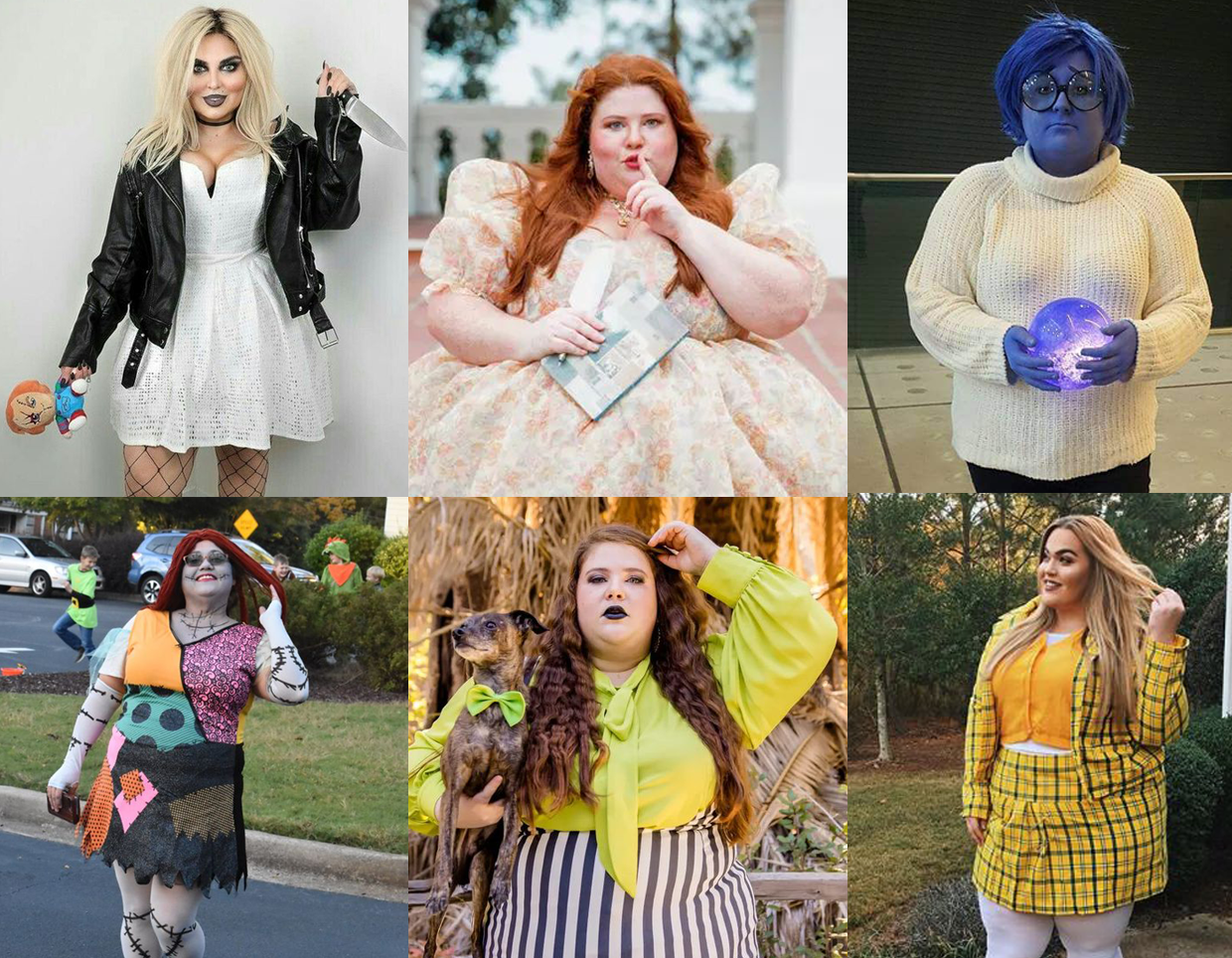
    Plus size woman in a homemade Halloween costume made from regular clothing
    The best-fitting costumes are usually assembled, not bought in a bag.

    Where extended sizing genuinely exists

    There are real options and it helps to know the three categories. First, specialty plus retailers run seasonal costume capsules, and because those brands already draft for larger bodies, the fit is on a different level from a generic costume brand’s largest size. Check the seasonal drop at Torrid and similar plus-first labels, since those pieces are often wearable clothing that happens to read as a costume. Second, large marketplaces carry independent sellers who list genuine 4X and 5X, though you have to read the seller’s own measurement chart rather than trusting the letter size.

    Third, and easiest to overlook, is the regular clothing route. A black maxi dress from a plus retailer is a witch, a vampire, Morticia, or a sea witch depending on what you put with it. That is the same skill you use when hunting a formal outfit, and the sizing logic from our guide to wedding guest dresses in size 26 and up applies directly here. Whichever route you take, ignore the letter on the tag and go straight to the measurements. Costume sizing is not standardized in any meaningful way, and a costume 4X and a clothing 4X are frequently two different garments.

    The closet costume method, in detail

    This is the most reliable route past 4X and it deserves more than a passing mention. Start from silhouette rather than from character. Open your wardrobe and sort what you own into shapes: a long dress, a fitted dress, a slip dress, wide trousers, a jumpsuit, a blazer, a denim jacket, a long cardigan, a plain tee, a long skirt. Each of those shapes maps onto a whole family of characters. A blazer over a tee reads as a detective, an agent, a reporter, or half the cast of any workplace show. A slip dress plus long gloves reads as old Hollywood. A jumpsuit reads as a pilot, a mechanic, a spy, or an astronaut with the right patch.

    Once you have the shape, the accessories do the identifying, and this is where the sizing ceiling vanishes completely. Hats, wigs, glasses, gloves, belts, jewelry, face paint, and props are one size, cheap, and available all season, and a bundled Halloween costume accessory kit often covers three characters at once. A witch hat over a black dress is unambiguous. A pearl choker and cat-eye liner turn a black dress into a specific decade. Two or three strong signals are enough, and adding more usually makes the costume read as cluttered rather than clearer. Build the base from what fits, buy the signals, and you have spent very little for something that photographs well.

    Base piece you already own Add these signals Reads as
    Black maxi dress Pointed hat, dark lip, broom Witch
    Denim jacket and jeans Bandana, work gloves, red lip Rosie the Riveter
    Blazer and plain tee Badge, notebook, sunglasses Detective or agent
    Slip dress and long gloves Finger wave wig, statement earrings Old Hollywood star
    Jumpsuit or coveralls Patch, tool belt, aviators Pilot or mechanic
    All-white outfit Wings, halo, glitter liner Angel or celestial
    Red dress or top Horns, cape, dramatic liner Devil or villain

    When to go custom or handmade

    Sometimes the character you love genuinely needs a made piece, and that is a fair reason to pay for one. Independent makers on craft marketplaces will sew to your measurements, and if you order in late summer rather than October you get normal pricing and a normal turnaround. Local alterations shops are the underrated option here. Taking a thrifted dress or a cheap costume two sizes up to a tailor and having it fitted often costs less than a made-to-measure piece and produces something that fits far better than anything off the rack.

    There is also the middle path of modifying rather than making. Cut and fray a hem, add a cape, sew on trim, or safety-pin panels into a garment you already own. None of that requires sewing skill beyond a straight line, and it lets you use a base that already fits your shoulders and bust, which is the part nobody can fake. If you do commission something, send actual measurements plus a photo of yourself in a fitted top, and ask the maker to confirm bust, waist, hip, and sleeve before they cut.
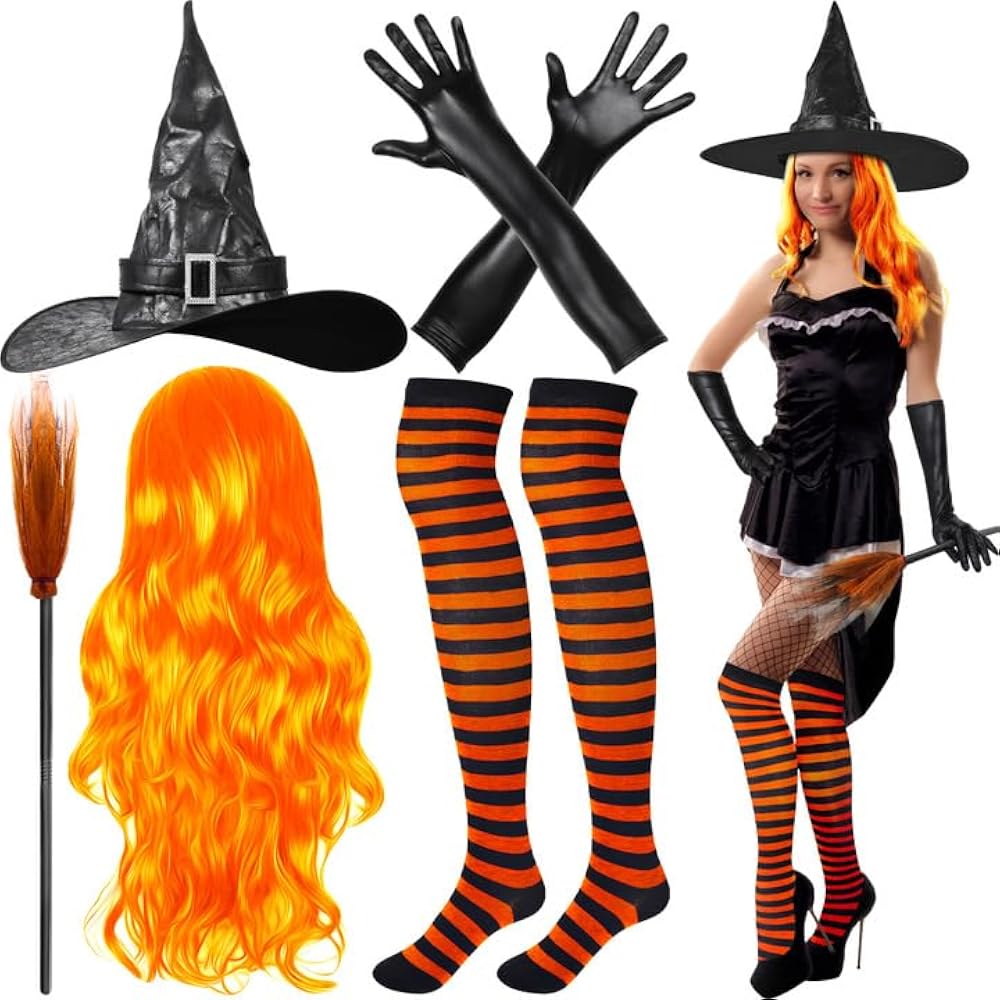
    Rack of Halloween costume accessories including hats wigs and gloves
    Accessories carry the character and they come in one size, which is the whole trick.

    Group costumes without being handed the funny one

    Group themes are where things get quietly unfair. The plus friend gets assigned the comic character, the sidekick, or the one whose entire joke is size, and it happens so smoothly that nobody in the group thinks they did anything. You are allowed to name it. Say early, before roles harden, which character you want, and say it in the group chat rather than waiting to be asked. Being first is most of the battle, because assignments in these groups tend to be decided by whoever speaks up rather than by any real discussion.

    Themes that avoid the problem entirely are worth steering toward. Pick a concept where every role is equal: a deck of cards, a color palette, a decade, a set of tarot cards, a group of villains, a band. Nobody is the punchline when the theme has no hierarchy. If your group insists on a franchise with fixed characters, propose that everyone picks their own rather than being cast. And if a friend pushes the joke costume on you anyway, the answer is simply that you have already chosen something else. You do not owe anyone a negotiation about it.

    Comfort engineering for a long night

    A costume that hurts by nine o’clock ruins the night, and the fixes are boring and effective. Tights are the classic failure point, since standard tights roll down under a belly and cut in at the thigh. Buy plus-specific opaque tights sized by height and weight on the brand’s own chart, look for a wide non-elastic waistband, and consider sizing up one for length rather than width. A pair of plus size opaque tights with a wide waistband makes more difference to a night than almost any other single purchase.

    Shoes are the next one. Halloween involves standing on hard floors for hours, or walking a neighborhood in the cold, so wear something you have already broken in and hide it under the costume rather than debuting heels. Chafing between the thighs matters if your costume is a dress, so wear shorts or an anti-chafe balm underneath. And plan for temperature: indoor parties run hot and outdoor trick-or-treating runs cold, so build the costume in layers you can shed, with a cardigan or coat that works with the look instead of ruining it. Pockets, or a small crossbody bag that reads as part of the outfit, save you from carrying a phone in your hand all night.

    Timing: shop the seasonal drop early

    This is the most actionable thing in the whole guide. Extended sizes sell out first and they do not restock. Seasonal costume ranges are produced in small quantities per size, the largest sizes get the smallest allocation, and once 4X and 5X are gone in October they are gone for the year. That is why the aisle in late October looks like it never had your size at all. It did, briefly, in September. The same pattern shows up online, where the size dropdown greys out one option at a time until only the smallest and largest ends of the run remain, and by then the restock message you are waiting for is never coming.

    So shop the seasonal drop as it lands, which for most plus retailers is late August into early September. Buy the base pieces then and add accessories later, since one-size items stay available all season and often go on sale. If you are commissioning anything made to measure, contact the maker in August. Build a saved list of characters through the year so you are not deciding under pressure. Waiting until the second week of October is exactly how people end up in a hot dog suit they did not choose.

    Person browsing Halloween costume section in early autumn store display
    Extended sizes sell through first, so the September drop is the real shopping window.

    Quick answers to the questions everyone asks

    Do Halloween costumes run small? Very often, yes. Costume sizing is not standardized and a costume labelled 3X can measure smaller than a 2X in regular clothing. Always find the seller’s measurement chart and compare bust, waist, and hip against a garment you own. When a listing gives no measurements at all, treat that as a warning and move on.

    What is the easiest costume to build from clothes I own? A witch, and it is easy for a reason. Any black dress or black top with black trousers works as the base, and a pointed hat plus a dark lip does the rest. A detective in a blazer and a Rosie the Riveter in denim with a bandana are equally simple. Start from silhouette, then add two signals.

    Where can I find genuine 5X costumes? Three places tend to deliver. Seasonal capsules from plus-first clothing retailers, independent sellers on craft and marketplace sites who list real measurements, and made-to-measure sewists. General costume brands rarely go past 3X in anything appealing. Search by measurement rather than by size label to avoid relabeled XL products.

    How do I stop tights from rolling down? Buy plus-specific tights sized on the brand’s height and weight chart, not by a generic size letter. Look for a wide, flat, non-elastic waistband that sits above the belly rather than under it. Sizing up gains you length in the body, which is usually the real problem. Shorts underneath also help.

    When should I start shopping? Late August into early September, as the seasonal ranges land. Extended sizes get the smallest production run and sell through first, and they generally do not restock before the holiday. Buy the fitted base pieces early, then pick up accessories later, since one-size items stay in stock and often drop in price.

    Claim the costume you actually wanted

    The aisle is going to keep offering you the joke. You do not have to take it. Build from a base that fits, buy the hat and the gloves and the wig, put your name on the character before anyone else assigns you one, and do the shopping in September while your size still exists. That is the whole method, and it produces the version of Halloween where you are in the photos on purpose, comfortable, in something you chose. Pick the character you have quietly wanted for years and start assembling.
  • Office and Desk Chairs That Actually Hold Up: A Plus Size Buying Guide

    Office and Desk Chairs That Actually Hold Up: A Plus Size Buying Guide

    A desk chair usually fails slowly, then all at once. First it develops a lean, then the seat starts sinking a few inches every hour so you spend the afternoon pumping the lever, and then one day the whole thing drops or a caster snaps off the base while you are reaching for a pen. If that has happened to you more than once, the story you were probably told is that the chair was not made for a body like yours. The more useful version is that most office chairs are built to a price against a rating that assumes an average sitter, and the parts that give out are entirely predictable. Once you know which spec lines matter and which are marketing, buying a chair that lasts becomes a straightforward job.

    What a weight rating actually promises

    Every chair carries a capacity figure, and it is far less generous than it sounds. Most published ratings describe a static load, meaning a weight resting evenly on a seat that is not moving, tested for a defined period under laboratory conditions. Real sitting is dynamic: you drop into the seat, you push back, you lean, you swivel, you roll across a floor, and every one of those actions loads the cylinder and the base with more force than your body weight alone. Testing standards for commercial furniture cover cycles of that kind of use, but a rating on its own does not tell you which standard was applied or how long the chair is expected to survive at the top of its range. Treat the number as a ceiling, not a target.

    Why you buy above your weight, not at it

    The practical rule that saves most people a repeat purchase is to buy a chair rated meaningfully above your own weight rather than one that just clears it. Sitting at the very top of a chair’s range means every component spends its whole life at maximum stress, and the failure that follows is a lifespan problem rather than a dramatic one: the cylinder starts leaking, the seat foam flattens into a dish, the base flexes, the tilt mechanism develops play. Give yourself real headroom and the same components coast. This is also why a chair rated for a higher capacity often feels better from day one, since the extra rating is usually delivered through a thicker cylinder, a steel base, denser foam, and a heavier frame rather than through a sticker.

    Office chair viewed from below showing a five point base with casters and a gas cylinder
    The unglamorous parts underneath are the ones that decide how long a chair lasts.

    Seat width is a separate spec from capacity

    A chair can be rated for a very high capacity and still be too narrow to sit in comfortably, because capacity is about load and width is about geometry. Manufacturers usually publish a seat width and sometimes a seat depth in the specification table, and those are the numbers to compare, not the marketing copy. Measure yourself sitting rather than standing: sit on a firm bench, measure across the widest point of your hips and thighs where they meet the seat, and look for a seat pan wider than that measurement with room to spare on both sides. Depth matters too, because a seat that is too deep forces you to perch forward and lose the backrest entirely, which is why a sliding seat depth adjustment is worth more than most premium features.

    Arms are the hidden width limit

    The specification says the seat is wide. The armrests say otherwise. Fixed arms mounted close to the seat pan narrow the usable width dramatically, and they are the single most common reason a chair that looked right online feels wrong in the room. There are three good answers. Width adjustable arms slide outward on a track and are the best option when you can find them. Removable arms let you take them off entirely, which many people prefer once they try it. Fully armless chairs, sometimes sold as task or drafting chairs, sidestep the problem completely and often cost less. Check whether arms are height adjustable as well, since arms that sit too high push your shoulders up and undo any good the seat is doing.

    The gas cylinder is where chairs die

    Ask anybody who repairs office furniture what fails first and the answer is almost always the pneumatic cylinder. It is the sealed gas strut in the column that lets the seat rise and fall, and when it wears it either sinks under load or refuses to hold height at all. Cylinders are graded by class, with the higher classes built for heavier loads and longer cycle life, and a chair sold for higher capacities should specify a heavy duty or high class cylinder rather than staying silent about it. The genuinely good news is that a cylinder is a replaceable part on most chairs and generally inexpensive, so a sinking seat is a repair rather than a write off. If a listing will not tell you the cylinder class, that silence is information.

    Steel base, five points, and the parts nobody photographs

    Underneath the seat, the base is the other component that separates a chair that survives from one that cracks. Nylon and reinforced plastic are standard on cheaper chairs, while steel and aluminium are what serious capacity ratings are built on. Look for five points and a wide footprint, since a wider spread resists tipping. Casters matter more than they look, and larger diameter wheels roll better under weight while stressing the base less.

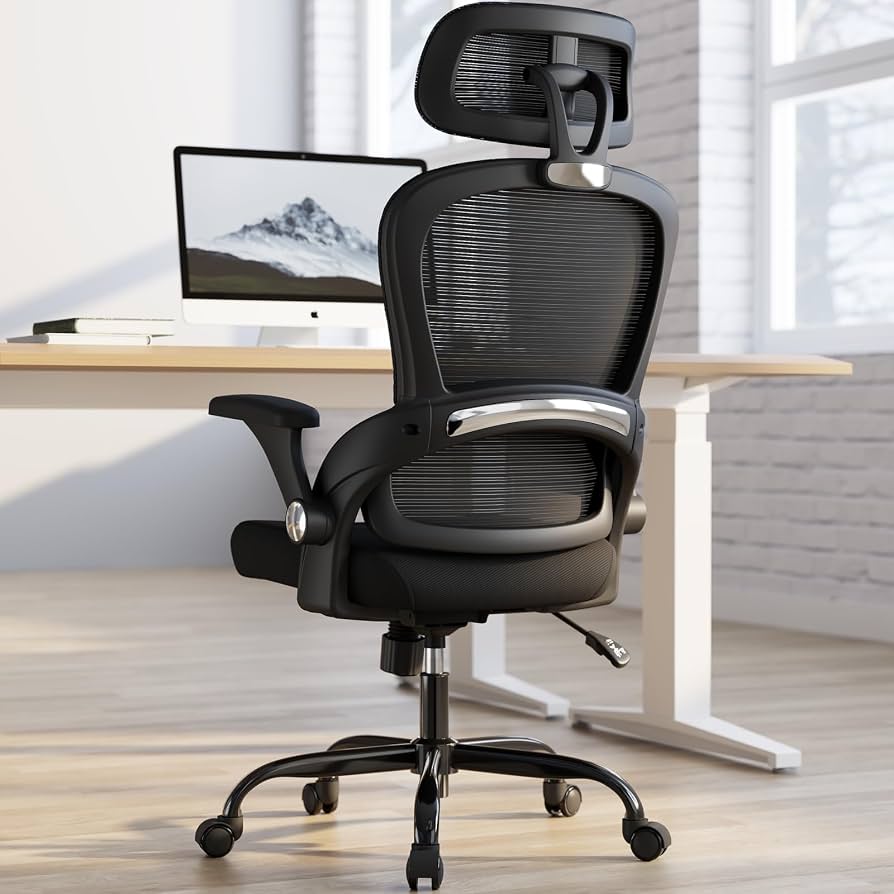
    Wide ergonomic office chair with mesh back beside a desk in a home workspace
    Seat width and adjustable arms decide comfort long before the fabric choice does.

    Big and tall chairs, explained honestly

    Big and tall is a furniture category, not a compliment or an insult, and it is worth understanding on its own terms. It generally means a chair engineered for higher capacity and larger dimensions, which in practice tends to bring a steel base, a heavier duty cylinder, a wider and deeper seat, a taller backrest, and thicker foam. Some of the category is genuinely well built. Some of it is an ordinary chair with a higher number printed on the box and a bulkier appearance, particularly in the executive style with thick padded upholstery that flattens within a year. The useful test is to ignore the label and read the specification: base material, cylinder class, seat width, warranty terms. If a product is truly built for the job it will publish those numbers without being asked.

    Warranty length is the real quality signal

    Of every number attached to an office chair, the warranty tells you the most, because it is the manufacturer betting its own money on how long the chair will survive. Read what is actually covered rather than the headline figure. A chair may carry one term on the frame, a shorter one on mechanisms and the cylinder, and a shorter one again on foam and upholstery, and those component terms are the honest ones. Check whether the warranty is stated at your weight, since some are reduced or voided above a certain load or for use beyond a set number of hours per day. A long, plainly written warranty that covers the cylinder and the base at your capacity is a stronger buying signal than any material or ergonomic claim on the page.

    Spec line What to look for Why it matters
    Capacity rating Comfortably above your weight, not just clearing it Parts sitting at maximum load wear out fastest
    Seat width A published measurement wider than your seated hips Capacity and width are separate specs
    Armrests Width adjustable, removable, or absent Arms, not the seat pan, usually set the real width
    Gas cylinder A stated heavy duty or high class rating The most common failure point, and replaceable
    Base Steel or aluminium, five points, wide footprint Resists cracking and tipping under load
    Warranty Component terms, stated at your weight The maker’s own bet on how long it lasts

    Budget, mid range, and premium: what more money buys

    Prices move constantly, so think in tiers rather than figures. At the budget end you get plastic bases, standard cylinders, thin foam, and fixed arms, and a chair here can work for light use if the rating has real headroom, though it is a chair you expect to replace. The mid tier is where most people should shop: steel base, upgraded cylinder, adjustable or removable arms, adjustable lumbar, and a warranty measured in years rather than months. Premium buys durability and adjustability rather than luxury, meaning long component warranties, replaceable parts sold individually, and mechanisms that hold their settings for a decade. A well specified heavy duty office chair with a steel base from the middle tier outlasts two cheap ones and usually costs less across the same years.

    Home setups that skip the office chair entirely

    Not every desk needs a wheeled task chair, and some of the most comfortable home offices do not have one. A sturdy dining or side chair with a wide flat seat and no arms works well for a desk used a few hours a day, especially with a cushion for support. Bench seating suits shared or craft desks and removes the width question completely, though it gives you no back support, so it is best for short sessions or paired with a wall. Stools and saddle seats encourage an open hip angle that some people find far more comfortable than a bucket shaped seat, but capacity ratings on stools tend to run lower than on office chairs and are often quoted vaguely, so check the figure before you buy. A high capacity armless wide seat task chair is often the simplest fix of all.

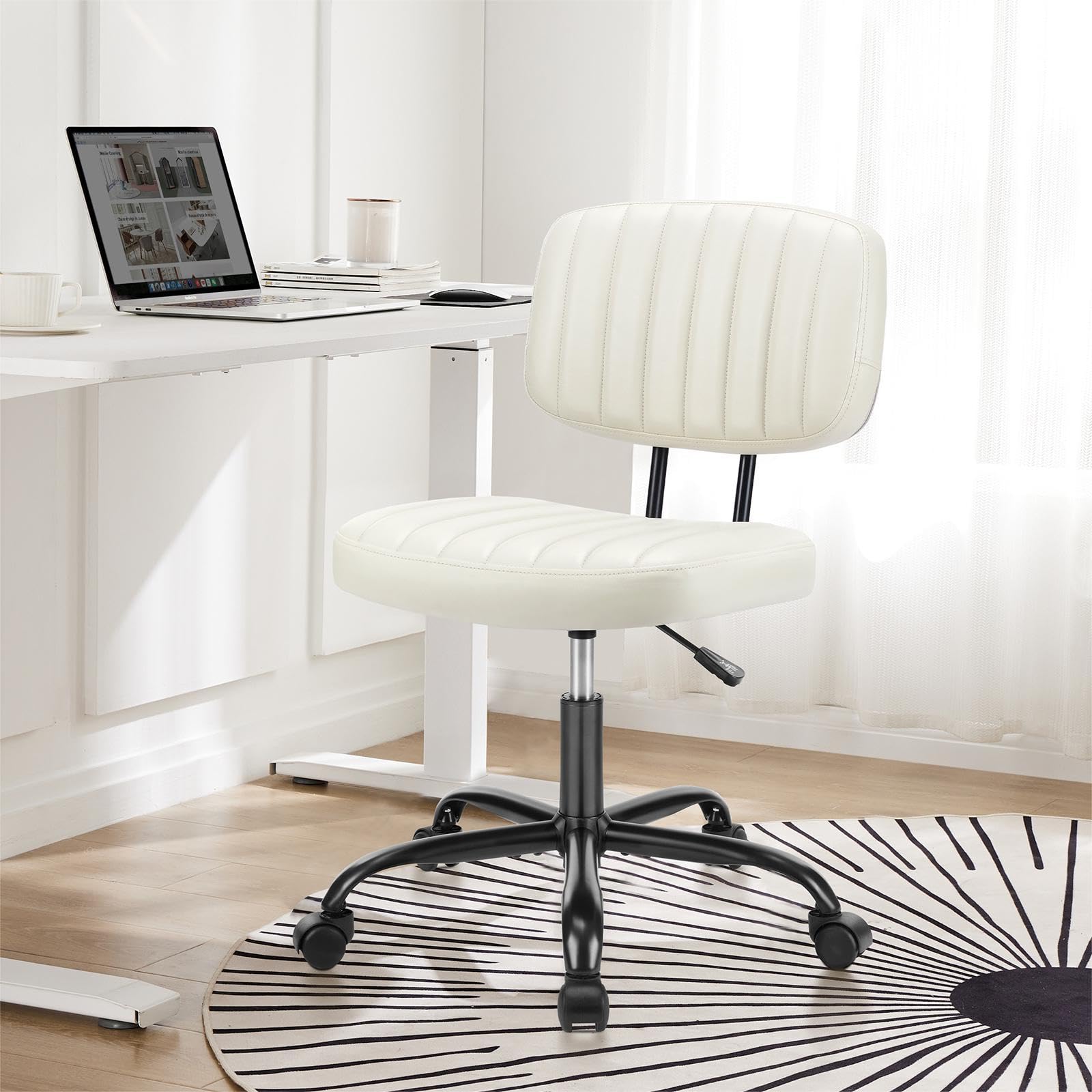
    Home office desk with a simple armless chair and a laptop by a window
    An armless chair with a wide flat seat solves more problems than most ergonomic features.

    Setting the chair up once you have it

    A good chair set badly is a bad chair. Start with height: feet flat on the floor, thighs roughly level, and a footrest if the desk forces the seat up. Set seat depth so there is a small gap behind your knees, then bring the lumbar support to the curve of your lower back rather than to your waistband. Then unlock the tilt, because chairs are designed to move and a locked upright seat holds you in one posture all day.

    Quick answers to the questions everyone asks

    How much above my weight should a chair be rated? Give yourself real headroom rather than buying a chair that only just clears your weight. Sitting at the top of the range keeps the cylinder, base, and foam under maximum stress all day, which shortens their life. Higher rated chairs also tend to include a steel base and a heavier cylinder, which is the durability you are actually paying for.

    Why does my office chair keep sinking down? Almost always a worn pneumatic cylinder, which is the sealed gas strut inside the column. Under repeated load it loses the ability to hold height. It is a replaceable part on most chairs and generally inexpensive, so a sinking seat is usually a repair rather than a reason to replace the whole chair.

    Is a big and tall chair genuinely different? Sometimes. The label describes a category built for higher capacity and larger dimensions, and the good ones bring a steel base, a heavy duty cylinder, a wider seat, and thicker foam. Others are ordinary chairs with a bigger number printed on the box, so read the specification rather than the label.

    Should I get a chair with arms or without? Armless or width adjustable arms if hip room is your priority, because fixed arms usually set the real width limit regardless of the seat measurement. Removable arms give you the choice later. If you keep arms, make sure they adjust for height so your shoulders stay relaxed rather than lifted.

    What is the single best quality signal on a listing? The warranty, read in detail. Component terms covering the frame, mechanisms, cylinder, and foam tell you what the manufacturer expects to fail and when. Check whether cover is reduced or voided above a certain weight or beyond a set number of hours per day, since that clause changes what the headline term means.

    A chair you stop thinking about

    The measure of a good desk chair is that it disappears. You sit down in the morning, the seat holds its height until you get up, nothing digs into your hips, and you never once think about the mechanism underneath you. Getting there is mostly about ignoring the parts of a listing designed to impress and reading the four lines that matter: seat width, cylinder, base, warranty. Buy with headroom above your weight, choose arms you can move or remove, and keep the receipt and the warranty document somewhere you can find them. If seating in public spaces is the other half of this problem for you, our guide to seats in restaurants, stadiums, and theaters covers the chairs you do not get to choose.

  • Minimizer Bras, Honestly Explained: What They Do, What They Cannot Do, and Who They Actually Help

    Minimizer Bras, Honestly Explained: What They Do, What They Cannot Do, and Who They Actually Help

    The phrase does most of the damage. Minimizer sounds like a promise to make you smaller, and that is not what the garment is or has ever been. What a minimizer actually does is move volume around, and the people who love theirs are almost always the people who understood that before they bought it. If you are shopping because a button down shirt keeps gaping, or because a blazer will not close over your chest without straining, a minimizer is a genuinely useful tool. If you are shopping because you want to look like you have a smaller bust from every angle, you are about to be let down by a perfectly good bra. It is worth being clear about which of those two shoppers you are before you spend anything.

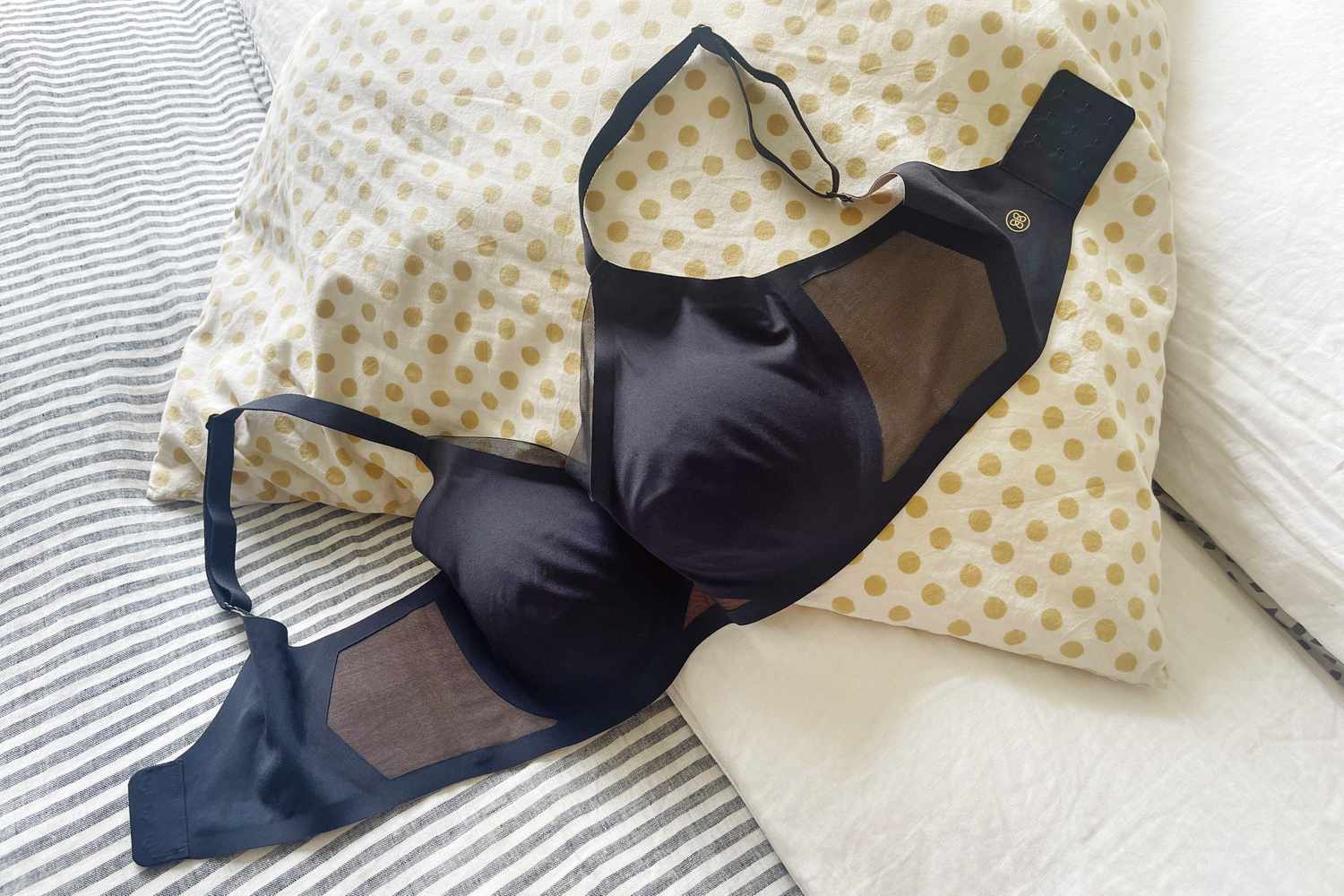
    A structured full coverage bra laid flat showing seamed cups
    Seamed, full coverage cups are the actual mechanism. The word on the label is marketing.

    What a minimizer bra actually does

    A minimizer redistributes breast tissue rather than reducing it. The cup is shaped to spread volume outward toward the side seam and slightly downward, instead of pushing it forward and up the way a standard moulded or push up cup does. Because your profile from the side is what people register as size, moving that same volume sideways makes the chest read as less prominent from the front and in a photograph. Manufacturers commonly describe the effect as reducing apparent projection by roughly an inch, and that figure is best treated as an approximation rather than a measurement you can hold anyone to. It depends heavily on your tissue, your starting shape, and how well the band fits. Some people see a clear difference the moment they put a shirt on over it, some see very little, and neither response means the bra is defective.

    What it cannot do, no matter what the packaging says

    It cannot make your breasts smaller. Nothing you put on top of tissue removes tissue, and any product implying otherwise is selling you a feeling rather than a function. It also cannot compensate for a band that is the wrong size. This is the single most common disappointment in the category. A minimizer worn on a band that rides up your back is doing almost nothing, because the shaping depends on the garment being anchored, and an unanchored garment simply travels with you. It will not fix straps digging into your shoulders either, since that is a symptom of the band failing to carry the weight. And it will not make a shirt fit that was cut too narrow across the chest to begin with. Those are all separate problems with separate fixes, and buying a minimizer to solve them is how people end up with a drawer of bras they never wear.

    Who this actually helps

    Three groups get real value here. The first is anyone who lives in button front shirts and is tired of the gap that opens between buttons at the fullest point, because reducing projection is exactly what closes that gap. The second is anyone who wears tailored jackets, blazers, or structured coats and finds that the garment strains at the front and hangs wrong at the shoulder as a result, since a flatter front profile lets the lapel sit closer to the body and the whole line of the jacket improves. The third, and the one people mention least, is anyone who simply wants less bounce and less forward weight during a normal day of walking, commuting, and reaching. Full coverage minimizers tend to be built solidly, and that solidity produces a steadier, calmer feeling that has nothing to do with appearance at all.

    The construction that actually matters

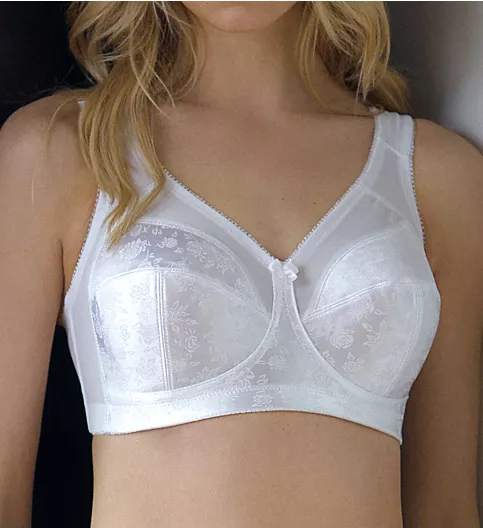
    Ignore the word minimizer on the tag and look at how the bra is built, because the mechanism is entirely structural. You want a full cup that covers the whole breast, since a demi or balconette cup cannot redistribute what it does not enclose. You want seamed cups rather than a smooth moulded shell, because seams are what shape fabric in three dimensions and a moulded cup can only ever hold the shape it was pressed into. Two or three part cups with a horizontal or diagonal seam across the front are the classic construction and still the most effective. You also want a wide, firm band with several hook rows and side panels tall enough to contain tissue that migrates toward the underarm. A wide, slightly angled strap helps with comfort but does not contribute to the shaping. If a bra has all of that and does not use the word minimizer anywhere, it will still minimize.

    Side view of a woman wearing a crisp button front shirt that closes cleanly
    Closing the gap on a button front shirt is the most reliable thing a minimizer does.

    The honest trade off nobody mentions in the ad

    Volume moved sideways is still volume. A minimizer trades a smaller front to back profile for a wider silhouette across the chest, and depending on your frame that can read as broader through the shoulders and rib area rather than smaller overall. There is usually some flattening too, meaning less separation and a rounder, softer shape than a supportive everyday bra gives you. Under a crisp shirt that is precisely the point, and it looks tidy. Under a fine knit or a fitted dress, where a defined shape is doing half the work of the outfit, that same flattening can look heavy and slightly shapeless. This is why almost nobody who wears minimizers wears them exclusively. They are a tool for specific clothes, not a replacement for the bra you reach for by default.

    Band fit still does all of the work

    Everything above depends on the band, so it is worth stating plainly: a minimizer in the wrong size is not a weaker minimizer, it is just an uncomfortable bra. The band should be firm and level around your body, sitting horizontally rather than riding up at the back, and it should feel snug on the loosest hook when the bra is new so you have somewhere to go as it relaxes. If you can pull it more than about an inch away from your back, it is too big and the shaping is compromised before you have even done up the buttons on your shirt. Cup volume then has to be genuinely sufficient, because tissue squeezed out at the top or the underarm creates the exact bulge you were trying to avoid. If you have never had a proper measurement, that is the thing to fix first, and our guide to bra fitting for large breasts walks through the method in detail. A well fitted band in a full coverage minimizer with seamed cups will outperform an expensive bra in the wrong size every single time.

    What it looks like under clothes

    Seamed cups show under thin fabric. That is the practical cost of the construction that makes the bra work, and there is no clever way around it. Under a cotton shirt, a blouse, a jacket, or anything with body, the seams are invisible and irrelevant. Under a thin white tee or a clingy jersey, you will see the lines, so that is the day for a smooth moulded bra instead. Colour matters more than most people expect as well. A shade close to your own skin disappears under pale fabric far better than white does, which still surprises people who grew up being told to wear white under white. If your main use case is workwear, buying the same style in two shades and treating it as a uniform piece is the least fussy way to handle it, and a wide band style in a neutral close to your skin tone covers most of what a working wardrobe demands.

    When a well fitted regular bra beats a minimizer

    Often, honestly. A large share of the people who go looking for a minimizer are wearing a band too loose and a cup too small, and what they are actually experiencing is a bust that sits low and spreads forward because nothing is supporting it. Correct the fit and the profile improves on its own, sometimes dramatically, because lifted tissue takes up less horizontal space across the front of the body. A properly fitted full coverage bra with a firm band frequently delivers most of what people hoped a minimizer would deliver, while keeping shape and separation that the minimizer flattens away. So the sensible order is to get the fit right first and only then decide whether you still have a projection problem to solve. If the shirt still gapes after your band and cup are correct, that is when the minimizer earns its place in the drawer.

    Neatly folded bras in neutral shades arranged in a drawer
    Two or three shades, one style that fits properly, and the daily decision gets easier.

    Quick answers to the questions everyone asks

    Do minimizer bras really work? They work at the job they were designed for, which is reducing how far the bust projects forward. Brands often describe that as roughly an inch, and it varies a lot by body. They do not make you smaller and they do not change your cup size. Judge them by whether your shirt closes, not by the number on the label.

    Will a minimizer make my chest look wider? Sometimes, yes. The volume has to go somewhere, and a minimizer sends it sideways and slightly down. Under a structured shirt or jacket that reads as neat. On a narrow frame, or under a fitted knit, the broader line can be more noticeable than the reduced projection, which is worth checking in a mirror.

    Are minimizer bras uncomfortable? Not inherently. They tend to be firmly constructed, so a poorly fitting one feels worse than a poorly fitting soft bra, and that is where the reputation comes from. In the correct band and cup, a full coverage minimizer is usually more comfortable than a smaller bra, because the weight is properly carried by the band.

    Can I wear a minimizer every day? You can, and many people do for work. The thing to watch is that seamed cups show under thin fabric and the shaping flattens rather than defines. Most people end up rotating, using the minimizer for shirts and tailoring and a smoother, more supportive bra for knits and casual days.

    What size should I buy in a minimizer? The same size you wear in a well fitted regular bra, assuming that size is genuinely correct. Do not size the cup down to encourage the effect, because that pushes tissue into the underarm and creates bulges. If you are unsure, measure first and treat the band as the priority.

    The shirt test that settles it

    Put the bra on, put your most difficult button front shirt over it, and sit down at a table. If the gap between buttons stays closed while you reach for something, the bra is doing its job and the money was well spent. If the gap still opens, look at the band before you blame the style, because a band that rides up cannot shape anything. That one test tells you more than a fitting room mirror and far more than the copy on the packaging, and it takes about a minute. Buy for the clothes that are currently annoying you, keep a smooth bra in the rotation for everything else, and stop expecting a label to do a job that only fit can do.

  • Swim Dresses and Swim Skirts for Plus Size Bodies: The Styles That Work and the Ones That Fight You

    Swim Dresses and Swim Skirts for Plus Size Bodies: The Styles That Work and the Ones That Fight You

    Every spring somebody asks a plus size group whether a swim dress is the “safe” choice, and the replies split down the middle inside an hour. Half the thread says swim dresses are matronly. The other half says a swim dress is the only thing standing between their thighs and a raw, stinging walk back to the car. Both groups are right, because they are describing two completely different garments that happen to share a name. A swim dress built with a weighted, well anchored skirt over a real attached brief is a piece of technical clothing that solves specific problems. A swim dress made from thin jersey with a loose flap of fabric hanging off the hip is a costume, and it will float up around your ribs the first time you walk into moving water. Learning to tell those two apart before you spend money is the whole job.

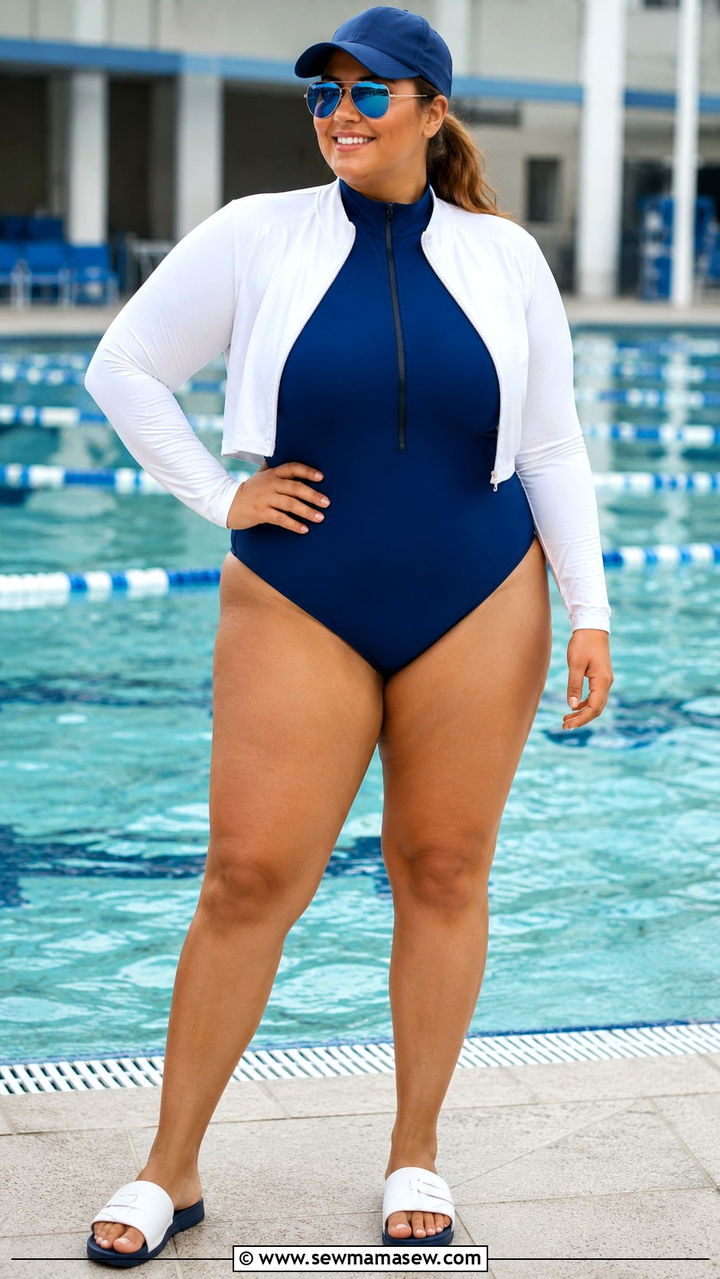
    Plus size woman in a navy swim dress standing at the edge of an outdoor pool
    A swim dress earns its place when the construction is right, not because of what size you wear.

    Who a swim dress genuinely serves

    There are three honest reasons to reach for a swim dress, and none of them is embarrassment. The first is chafe protection. If your thighs touch, a skirt that sits over an attached short or brief gives you a soft barrier at exactly the spot where wet skin plus salt plus friction turns into a burn by hour three. The second is sun coverage. A skirt shades the upper thigh and the hip crease, which are the places people forget to reapply sunscreen and the places that blister worst. The third is simple preference. Some of us feel more like ourselves with a bit of drape at the hip, and that is a complete reason on its own. Notice that all three are about function or feeling, not about hiding.

    The myth that a bigger body owes anyone coverage

    The idea that swim dresses are “what bigger bodies should wear” got baked into retail so long ago that plenty of brands still bury their extended sizes behind a wall of skirted styles while the straight size page is all high cut one pieces and bikinis. That is a merchandising decision, not a rule about your body, and it has quietly taught a lot of women that the skirt is a requirement rather than an option. Coverage is a choice. If a swim dress makes your day easier, wear it because it works. If a skirt makes you feel like you are apologizing for taking up space in a pool, skip it entirely and lose nothing. The only wrong swimsuit is the one that stops you from getting in the water.

    What is under the skirt matters more than the skirt

    Turn the garment inside out before you look at the print. You are checking for one thing: is there an attached brief or short sewn into the body of the suit, or is the skirt simply hanging loose from a seam? A loose skirt over a bare bottom half is the single most common failure in this category. It rides, it bunches, it flips, and it leaves you tugging all afternoon. An attached brief anchors the skirt from underneath so the fabric moves with you instead of against you. Better versions use an attached short with a few inches of leg, which is the version that actually does the anti chafe job. If the product page will not tell you which one you are getting, that silence is usually the answer.

    Close view of a swimsuit turned inside out showing an attached brief and lining
    The inside seam tells you more about how a swim dress will behave than any photo on the product page.

    Fabric weight, and why a cheap skirt floats

    Skirts float for a simple reason. Light, airy fabric traps air and then loses to buoyancy the moment you step into water deeper than your knees. What you want is a skirt cut from the same weight of swim fabric as the body of the suit, ideally with a little spandex content and a hem that is finished rather than raw. Hold the skirt up and let it fall. If it drops straight down and holds a soft line, it will behave when wet. If it drifts, it will drift in the pool too. The other failure mode is the opposite problem: very thin fabric that goes transparent and shrink wraps to every contour the second it is soaked, which defeats the entire point of choosing coverage in the first place. Weight solves both.

    Built-in support, and what a shelf bra can and cannot do

    Most swim dresses advertise “built-in support,” which in practice usually means a shelf bra: a band of elastic and a layer of lining. On a smaller chest that is fine. From a D cup upward it is decoration. What you want instead is a suit with real bra architecture, meaning underwire or molded cups, adjustable straps, and a hook closure or a wide, firm underband that sits level and does not ride up your back. If you already own a swimsuit that fits your bust properly, learning what its band and cup construction looks like will make you much faster at spotting the fakes. Compression through the torso is a separate question with its own tradeoffs, and if that is what you are after, our guide to tummy control swimsuits gets into which panels actually hold and which just squeeze.

    Length, chafe protection, and the gap you need to close

    Here is the trap. A mid thigh skirt looks like coverage but often provides no chafe protection at all, because the skirt ends above the point where your thighs touch and it is not attached to anything that reaches down there. The protection comes from the layer underneath, not the skirt. So decide what you want: if the goal is anti chafe, look for an attached short with roughly three to five inches of inseam, or plan to wear a separate pair of swim shorts under whatever you buy. If the goal is sun coverage or drape, skirt length is a style call and you can pick whatever you like the look of. A pair of quick dry swim shorts under a shorter skirt tends to outperform a long skirt with nothing underneath it.

    Mixing a swim skirt with a separate top when you size split

    A swim dress is a one piece, which means it has to fit your bust, your torso length, and your hips using a single number. Plenty of us do not work that way. If you wear a G cup and a size 18 hip, or a 26 hip and a modest bust, the one piece will always compromise somewhere, usually by pulling the crotch upward or leaving the cups gaping. Buying a swim skirt separately fixes this cleanly. You pick the skirt for your hips, the top for your bust, and nothing has to negotiate. It also lets you replace one half when the elastic goes rather than binning the whole suit. Look for a skirt with a wide, flat waistband and an attached brief, and check that the waistband sits where you actually want it rather than at the narrowest point of a fit model.

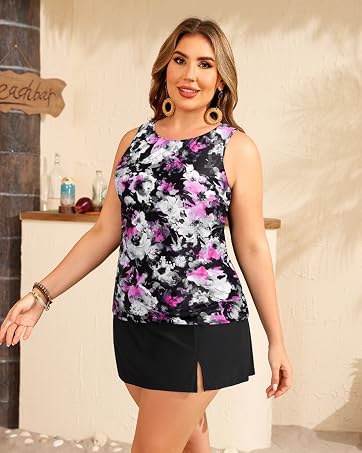
    Plus size woman wearing a black swim skirt with a separate patterned tankini top
    Buying the skirt and the top separately is the simplest fix for a body that sizes differently top and bottom.

    When a one-piece plus swim shorts beats a swim dress

    If you swim rather than wade, this combination usually wins. A skirt drags in the water, wraps around your legs mid stroke, and slows you down, which is why you will not see one on a lap swimmer. A plain one piece with a pair of fitted swim shorts pulled over the top gives you more thigh protection than most swim dresses, moves cleanly through water, dries faster, and costs less because you can buy the two halves at different times. It is also the more forgiving option for a long active day, since shorts stay put on a water slide and a loose skirt absolutely does not. The table below is roughly how I decide.

    What the day involves Best pick Why
    Lounging, shallow water, long sun exposure Swim dress with attached short Shade at the thigh and hip, drape you like
    Actual swimming or laps One piece plus swim shorts Nothing wraps your legs mid stroke
    Bust and hip sizes far apart Swim skirt plus separate top Each half fits on its own terms
    Water slides, waves, tubing One piece plus swim shorts A loose skirt will not stay down
    Chafe is the main worry Anything with a fitted leg underneath Protection comes from the layer, not the skirt

    Quick answers to the questions everyone asks

    Do swim dresses make you look bigger? A badly fitted one adds bulk at the hip because the fabric bunches, which is a fit problem rather than a size problem. A skirt cut with a slight A line and anchored to a brief reads smooth. But the more useful question is whether you like wearing it, since nobody at the pool is running an assessment on your silhouette.

    Will a swim dress skirt float up? It floats if the fabric is too light or the skirt hangs loose from a seam with nothing underneath. A skirt cut from full weight swim fabric and attached to a brief or short stays down in normal pool use. Deep water and surf will lift almost any skirt, so pack shorts for those days.

    Can I wear a swim dress if I actually swim? You can, but you will feel the drag and the skirt will wrap your thighs on every kick. For real swimming, most people are happier in a one piece with shorts. Save the swim dress for the days you are mostly in and out of shallow water.

    How do I stop thigh chafing in swimwear? Cover the contact point with a fitted layer, meaning an attached short with a few inches of inseam or separate swim shorts. Skirt length alone will not do it. An anti chafe balm helps for short exposure, though it washes off in water faster than most labels suggest, so reapply.

    Are swim skirts and swim dresses the same thing? No. A swim dress is a one piece with the skirt built in, so one size has to serve your bust and hips together. A swim skirt is a separate bottom you pair with any top, which is the better route if your top and bottom sizes are more than a step apart.

    What I pack when the pool day is a whole day

    My bag has a plain one piece I trust, a pair of swim shorts, and one swim dress with an attached short that I bought after checking the seam rather than the photo. The one piece and shorts go on for the water. The swim dress goes on for the long stretch on a lounger when the sun is high and my thighs have already had enough. None of that is about looking smaller. It is about a body that gets sunburned, chafed, and tired in predictable places, and clothing that answers those specific things. Buy for the day you are actually having, check what is sewn underneath before you check the print, and wear the skirt only on the days you want it.

  • The Plus Size Guide to Seats That Are Not Built for Us: Restaurants, Stadiums, Theaters and Rollercoasters

    The Plus Size Guide to Seats That Are Not Built for Us: Restaurants, Stadiums, Theaters and Rollercoasters

    There is a particular half second that most plus size people know by heart. You walk into a restaurant, the host gestures toward a booth, and your brain does a fast, silent calculation about the gap between the table edge and the bench. Nobody else at the door notices it happening. You notice, and then you spend the first ten minutes of dinner managing a table edge pressing into your ribs instead of reading the menu. That calculation is not vanity and it is not anxiety. It is a reasonable response to furniture that was specified to a set of body measurements you were never included in. This guide is about doing that calculation ahead of time, in daylight, with real information, so that the seat stops being the thing that decides whether you enjoy your evening.

    The seat is the problem, not your body

    Almost every fixed seat you meet in public was sized from an old standard, then narrowed further because a venue wanted more seats in the same square footage. Booths get bolted at a fixed distance from the table. Stadium rows get compressed to sell an extra column. Theater armrests get welded in place because a fixed armrest is cheaper than a hinge. None of those decisions were made about you, and none of them are a verdict on you. Holding that clearly in your head changes how you ask for things, because a person who believes the furniture is at fault asks calmly for an alternative, while a person who believes their body is at fault apologizes and then accepts whatever they are given. The first version gets a better table.

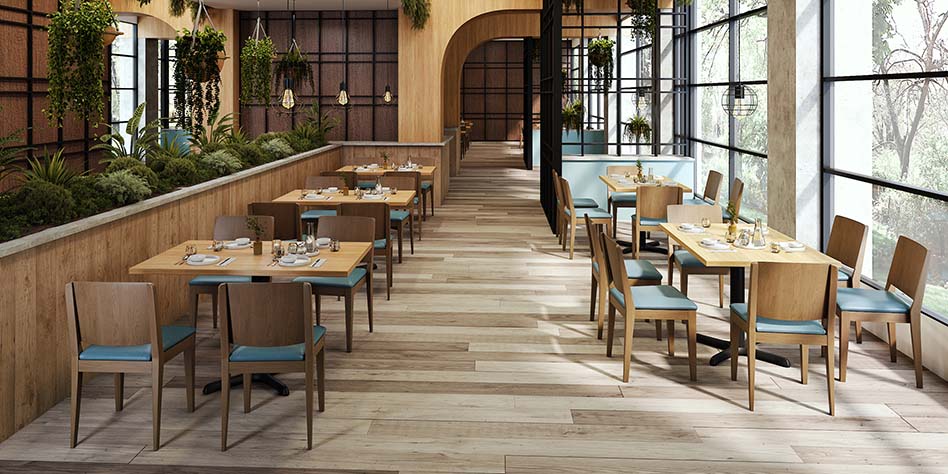
    Interior of a restaurant showing a row of fixed booths beside movable tables and chairs
    Booths are bolted at a fixed distance from the table, which is exactly why a movable table is the better ask.

    Restaurants: the booth question and how to ask for a table

    The booth is the least adjustable seat in any restaurant, because the table is anchored and the bench is anchored and neither will move for you. A table with chairs, by contrast, is entirely adjustable: you can push it away, turn a chair, or pull the chair back and sit slightly angled. So the single most useful sentence in your dining life is short and requires no explanation. “We would prefer a table rather than a booth, please.” That is a complete request. Hosts hear seating preferences all night from people with bad backs, big bags, small children, and long legs, and they do not require a reason from any of them. If the host says the booths are all that is free, ask how long the wait for a table is, then decide. You are allowed to wait.

    Why the armless chair is the quiet win

    Arms on a dining chair are the thing that turns a comfortable seat into a narrow one, and most restaurants own both kinds. Captain chairs with arms usually go at the head of a table, while the side chairs are frequently armless, so simply choosing the side seat solves the problem without a word to anybody. When you sit down, check what is under you as much as beside you: a chair with a wide, flat seat pan and four straight legs takes weight far more comfortably than a tapered seat perched on a narrow pedestal or a wobbly bistro frame. Outdoor patios are worth extra attention, because folding metal and thin plastic stacking chairs are the least sturdy seats most venues own and they tend to be the ones set out for overflow.

    Stadiums and arenas: what seat width really means

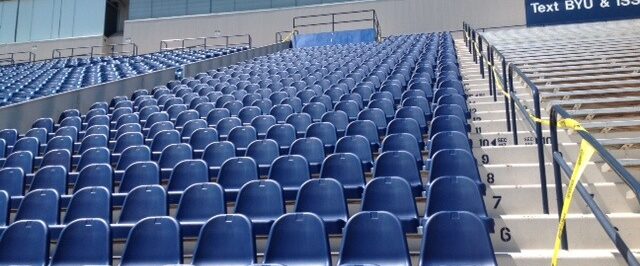
    Stadium seats are sold with a listed width, and that number is measured differently from venue to venue, which is why two seats described identically can feel nothing alike. Newer builds tend to be more generous while older ballparks and legacy arenas often run notably narrower, and the fixed armrest between seats is usually what limits you rather than the seat pan itself. Two things help. First, look for seats sold as club, box, loge, or premium level, because those are frequently wider and sometimes have movable or absent armrests. Second, buying two adjacent seats is a completely legitimate solution that plenty of people quietly use, and it needs no justification at the gate. Aisle seats also give you one side with no neighbor, which is often the difference that matters most over three hours.

    Rows of empty stadium seats with fixed armrests between each seat
    In most arenas the fixed armrest, not the seat pan, is what sets the real limit.

    Accessible and companion seating, and who it is for

    Accessible seating sections exist for people with a range of mobility and access needs, and many venues sell them with a companion seat alongside. These areas usually have movable chairs rather than fixed ones, wider spacing, and shorter distances to walk from the entrance, which can matter as much as the seat itself. Policies vary widely on who may book them and whether documentation is requested, so the honest answer is that you should call the venue’s accessibility line and ask directly rather than guess from a forum post. Ask what the seating actually consists of, whether chairs are fixed or loose, and whether a companion ticket is available. Plenty of venues will simply help. Some will not, and knowing which one you are dealing with before you buy is the entire point of calling.
    Theaters: recliners, fixed armrests, and reading a seat map

    Cinemas have quietly split into two very different experiences. Recliner houses have wide, individually mounted seats, usually with a hinged or removable armrest and a footrest, and they are far and away the more comfortable option for most bigger bodies. Traditional houses have narrow seats in a continuous row with armrests that do not move at all. The seat map on the booking site rarely tells you which you are getting, but the ticket price and the words “luxury,” “recliner,” or “premium” in the auditorium name usually do. Live theaters are a harder case, since historic buildings often have the tightest rows in town and very little that can be changed about them. For those, call the box office and ask about the widest seats in the house, which are typically at the end of a row or in a box.

    Rollercoasters: restraints, test seats, and what to check first

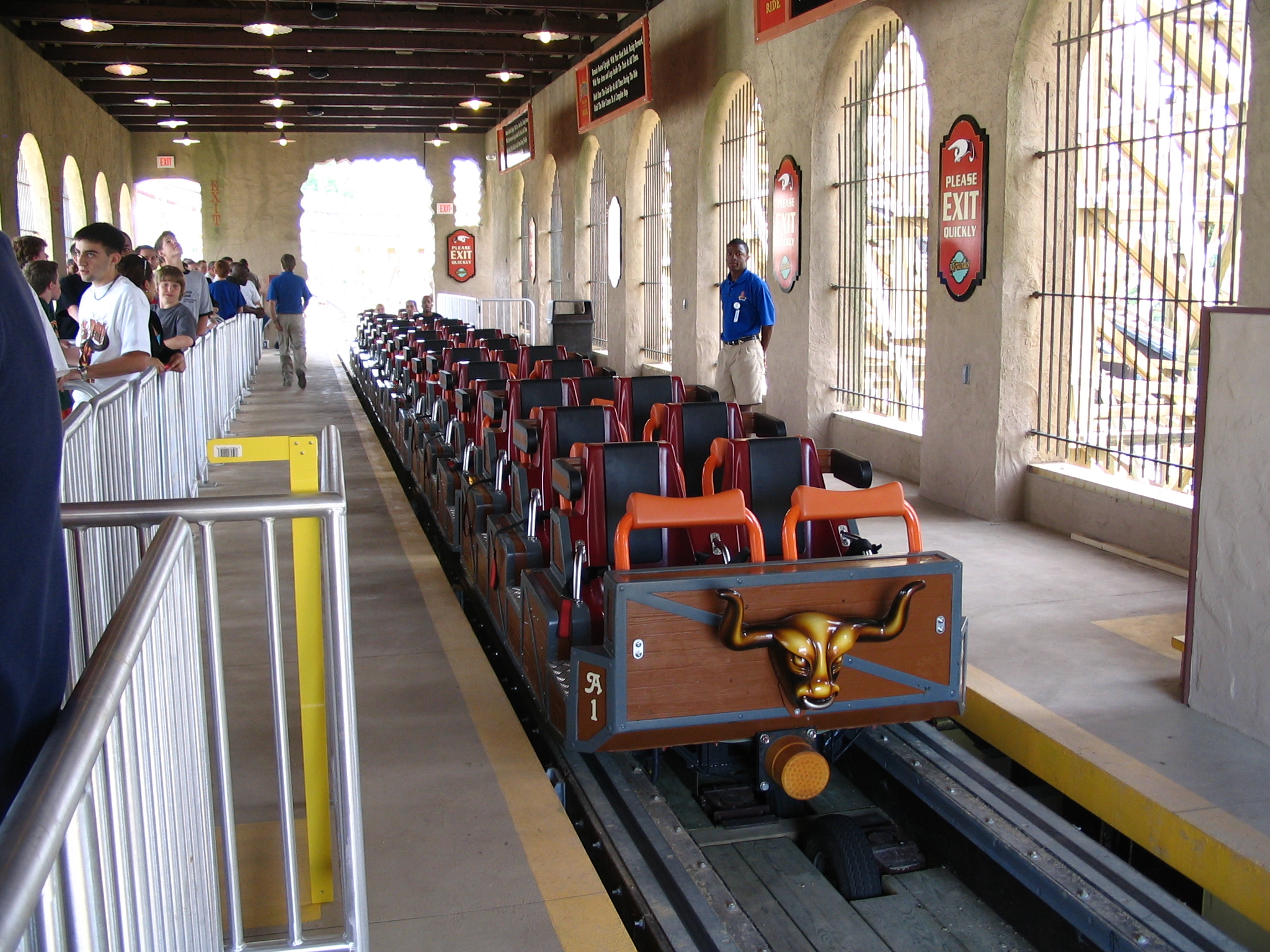
    Rides are the one category where the fit question is a genuine safety mechanism rather than a comfort preference, and it is worth treating it that way. The restraint style determines nearly everything. Lap bars generally accommodate a wider range of bodies than over the shoulder harnesses, and rides with belts that must click into a fixed buckle are usually the strictest of all. Most large parks place a test seat at the entrance to each major ride precisely so you can check privately before joining a queue, and using it is completely normal. Modern coasters increasingly offer a modified seat with an extended belt, sometimes marked on the ride or on the park map. Our detailed walkthrough of ride fit at Cedar Point shows exactly how to work through a park ride by ride.

    Rollercoaster train with over the shoulder restraints waiting at a station platform
    Restraint style, not the ride’s height or speed, is what decides whether a coaster will fit you.

    Scripts that get you a real answer

    Vague questions get vague answers, and “is it plus size friendly?” is the vaguest question of all, because the person answering has no idea what you mean and will usually say yes to be kind. Ask about the furniture instead. Every question below is neutral, specific, and answerable by whoever picks up the phone, and none of them requires you to describe your body to a stranger. Phrase it as logistics, the same way somebody planning around a wheelchair, a stroller, or a large group would, because that is genuinely what it is. Email works just as well if calling feels like too much, and it has the advantage of giving you the answer in writing to show at the door.

    Venue What to ask What the answer tells you
    Restaurant Do you have tables with movable chairs, or is it all booth seating? Whether you can adjust anything once seated
    Restaurant Are your dining chairs armless? The real width of the seat
    Arena or stadium Do any sections have seats without fixed armrests? Where the wider seating actually is
    Cinema Which auditoriums have recliner seating? Wide seats with a movable armrest
    Live theater Which seats in the house are the widest, and where are the boxes? Your best option in an old building
    Theme park Which rides have test seats at the entrance? Where you can check privately

    The plan-ahead checklist

    Doing this in advance takes about ten minutes and removes nearly all of the doorway math. Before you book, check the venue’s own accessibility page, because it is often more detailed than the ticket site and it frequently lists seat dimensions or seating types outright. Look at recent photos rather than the marketing gallery, since customer photos show the actual chairs. Book an aisle or end of row seat where one is available. If it is a long event, a portable cushion earns its place in a bag, and a slim wide stadium seat cushion takes the edge off a hard bench without adding width. For outdoor events where you bring your own chair, an extra wide folding chair with a high weight rating is the one purchase that reliably pays for itself.

    Quick answers to the questions everyone asks

    How do I ask for a table instead of a booth without explaining myself? Say it as a preference at the host stand: “We would prefer a table rather than a booth, please.” Hosts take seating preferences constantly and rarely ask why. If only booths are free, ask about the wait for a table. Choosing to wait is a normal thing that customers do.

    Is it acceptable to buy two stadium seats for one person? Yes, and plenty of people do it without ever being questioned. You have paid for both seats, so the space is yours. Nobody at the gate needs an explanation. If the row is tight, an aisle pair gives you a free side as well, which usually helps more than the extra seat alone.

    Can I use accessible seating as a plus size person? Policies differ by venue, so call the accessibility line and ask rather than assuming either way. Some venues welcome any patron whose access needs are met by that seating, others apply narrower criteria. Ask what the seating physically consists of too, since movable chairs matter more than the label.

    Which cinema seats are best for a bigger body? Recliner auditoriums, almost always. The seats are wider, individually mounted, and the armrest usually lifts or slides away, which is the part that makes the difference. Look for the words recliner, luxury, or premium in the auditorium name when you book, since the seat map rarely says outright.

    How do I know if I will fit on a rollercoaster before queueing? Use the test seat at the ride entrance, which most large parks provide for exactly this reason. Check the restraint style first, because lap bars generally suit a wider range of bodies than over the shoulder harnesses. Park apps and ride pages sometimes list modified seats with extended belts.

    Walking in already knowing where you are sitting

    The good version of a night out starts before you leave the house, with a two minute phone call and a booking made on purpose. You know the restaurant has tables with real chairs. You know your row has an aisle end. You know which auditorium has the recliners and which coaster has a test seat by the gate. What that planning buys you is not just comfort, it is attention: the whole evening spent on the food, the game, the film, the person across from you, rather than on a table edge in your ribs. Venues get this right slowly and unevenly, so until they do, the information is the tool. Ask the specific question, take the seat that works, and let the furniture carry the blame it has always deserved.

  • Plus Size Bridesmaid Dresses That Actually Come in Size 30 and Up: Real Options by Color and Budget

    Plus Size Bridesmaid Dresses That Actually Come in Size 30 and Up: Real Options by Color and Budget

    The text lands in the group chat with a color swatch and a link, and everyone else clicks through and picks a style within an hour. You click through and the size dropdown ends at 26. Sometimes 24. That is the moment a lot of us have had, standing in a kitchen with a phone in one hand, deciding whether to say something in the chat or quietly start googling on our own. It is not a small thing. Being in someone’s wedding party means being photographed, standing at the front, wearing the same color as five other people, and the shopping part should not be the hardest part of the whole year. The good news is that size 30 and up is genuinely servable now, but you have to know which corner of the market to shop in, because the mainstream corner will keep telling you no.

    Why most bridesmaid lines stop right where you need them to start

    Bridesmaid dresses are made differently from regular retail clothing. Most of them are produced by a handful of bridal manufacturers who cut to a house size chart, then sell through boutiques and online storefronts. Those house charts were historically built out to a 24 or 26 and then stopped, partly because bridal fit models rarely go past that point and partly because grading a formal pattern upward is real technical work. Grading is not scaling. A dress that hangs correctly at a size 14 does not simply get bigger at a 30, it needs the bust apex moved, the armhole reshaped, and the waist seam redrawn. Lines that skip that work either stop at 26 or push out a stretched version that pulls across the chest. Knowing this tells you what to look for: not a bigger number in the dropdown, but a brand that talks about how it drafts for larger bodies.

    Plus size bridesmaids in matching dusty blue chiffon dresses standing together
    Matching a party across different size ranges works best when you match color and fabric first, silhouette second.

    Which kinds of retailers genuinely serve size 30 and up

    There are four categories worth your time, and they behave very differently. Online bridal specialists such as Azazie and Birdy Grey have pushed their extended ranges further than most boutique lines, and importantly some of their styles are offered in a made to measure option rather than a fixed size. David’s Bridal carries extended sizing in store and online, with the advantage that you can physically try a sample on and see how a color reads on your skin before committing. Independent custom dressmakers and Etsy sellers who specialize in formalwear will cut to your measurements outright, which removes the size chart from the conversation entirely. And plus size fashion brands with occasion categories, including Torrid’s formal maxi dresses, sometimes carry a long dress in a wedding-friendly color that a flexible bride will happily approve. Verify the size range on the specific style you want, because ranges shift dress by dress inside the same brand.

    How custom measurement ordering actually works

    Custom measurement, sometimes labeled made to measure or custom size, is the single most useful thing in this whole category and most people have never used it. You submit a set of measurements instead of choosing a number: usually bust, waist, hips, hollow to hem, and often shoulder to bust point and arm circumference. The dress is then cut to those numbers rather than to the nearest standard size. At a size 30 and above, this matters more than it does at a 14, because standard grading assumes a fixed relationship between bust, waist, and hip that fewer bodies match the further out the chart goes. If your hip and bust are four sizes apart, standard sizing forces you to buy for the largest measurement and alter everything else down, which is expensive and can wreck the line of the dress. Custom sidesteps that. Measure in the underwear you plan to wear, have someone else hold the tape, and do not suck anything in.

    Comparing your realistic options

    Option Typical size reach Lead time Budget tier Best when
    Online bridal with custom measurement Beyond standard charts, cut to your numbers Longest, order early Mid Your measurements do not match one standard size
    Online bridal, standard extended sizes Varies by style, verify per dress Moderate Entry to mid You are close to a chart size and want speed
    National bridal retailer with extended sizing Extended, try on in store Moderate, some in stock Mid You want to see the color in person first
    Independent custom dressmaker No ceiling Longest, plus fittings Higher You want a specific neckline or sleeve nobody sells
    Plus size brand occasion dress Brand’s full range Shortest Entry The bride is flexible on exact style

    Fabric honesty: chiffon, satin, crepe, and velvet

    This is where I will be blunt, because a lot of bridal content is not. Chiffon is the workhorse of the bridesmaid world for a reason. It is light, it skims rather than grips, it moves when you walk, and a chiffon A-line over a smooth lining is genuinely forgiving through the midsection while still looking expensive in photographs. Matte satin is the opposite personality. It is heavier, it has a sheen that catches every light source in the room, and it clings to whatever is underneath it, which means every seam of your underwear becomes part of the outfit. That does not make satin off limits, but you need a good slip and you need to accept the clinging rather than be surprised by it on the day. Stretch crepe sits between the two and travels well. Velvet reads gorgeous in winter photos and holds structure beautifully, but it is warm enough that an outdoor summer wedding in it is a mistake you only make once.

    Close up of emerald satin and dusty rose chiffon fabric swatches side by side
    Ask for swatches before ordering. Screen color is unreliable, and fabric weight tells you more than the photo does.

    Silhouettes that hold up through a whole wedding day

    An A-line with a defined waist seam is the most reliable shape available in this category. It gives the eye a waist, it releases fabric over the hip and thigh instead of fighting them, and it lets you sit down at the reception without recalculating your whole posture. Empire waists work well if the seam actually sits under your bust rather than across it, which is exactly the detail that gets lost in a stretched size chart and exactly what custom measurement fixes. Wrap and faux wrap bodices are adjustable but need a stitch at the crossover unless you enjoy monitoring your own neckline all evening. Full length hides comfortable shoes, which is a bigger win than it sounds when you are standing through a ceremony and two hours of photographs. If sleeves matter to you, ask early. Many custom sellers will add a flutter or elbow sleeve for a modest upcharge, and almost none will add one after cutting.

    Matching the rest of the party without matching the retailer

    Here is the strategy that saves the most weddings: match on color and fabric, not on brand. If the other bridesmaids are ordering a dusty blue chiffon and your size lives in a different line, order a swatch from each retailer and compare them in daylight before anyone commits. Bridal color names are marketing, not standards, and two brands calling something sage will not photograph as the same green. The mismatched bridesmaid look has been normal for years now, so a different neckline or skirt shape reads as intentional rather than as a compromise. A fabric mismatch does not, because matte and shiny in the same photo row look like an accident even when the colors line up. Bring this up with the bride early and frame it as a plan, because most brides just want everyone comfortable and photographed well. If you are also shopping for other weddings this season, our guide to wedding guest dresses in size 26 and up covers the non-party version of this same hunt.

    Budget tiers and what your money actually buys

    Skip the exact numbers you see quoted online, because bridal pricing moves constantly and varies by style, fabric quantity, and season. Think in three tiers instead. The entry tier is an occasion dress from a plus size fashion brand or a basic style from an online bridal specialist, usually unlined or lightly lined, with simpler seaming. The mid tier is where most custom measurement bridal ordering sits, and the extra money is buying you drafting, better lining, and a fabric that holds its shape. The upper tier is an independent dressmaker or a designer bridal line, where you are paying for fittings and for a garment built to your body from scratch. Budget separately for three things people forget: alterations, foundation garments, and shoes. A well-fitting smoothing slip does more for how a satin dress photographs than any amount of extra spend on the dress itself, and something like a plus size smoothing full slip is the cheapest upgrade in the entire outfit.

    Alterations: what to expect and how much time to leave

    Even a custom measured dress usually needs something. Bodies change between the measuring appointment and the wedding, and hem length depends on the shoes you have not bought yet. Plan on at least two fittings, and treat six to eight weeks before the date as your target for the first one. Bring the exact bra, slip, and shoes every time, because a hem pinned in flats and worn in heels will drag on the floor. The alterations most commonly needed at this size are hem, strap shortening, side seam adjustment through the waist, and a bust dart tweak so the fullest part of the cup lands where your bust actually is. Ask your seamstress upfront whether she works with formalwear and heavier linings, and ask for a price per adjustment rather than a vague total. If your feet are going to carry you through all of it, a supportive pair of wide width block heel dress shoes is worth choosing before the hem gets pinned.

    Quick answers to the questions everyone asks

    Do any bridesmaid brands really go past size 26? Yes, but unevenly. Online bridal specialists and national bridal retailers have pushed extended ranges out further than boutique lines, and several offer custom measurement instead of a fixed size. Ranges differ style by style inside the same brand, so check the dropdown on the exact dress you want rather than trusting a general brand claim.

    Is custom measurement worth the extra cost? Usually yes at this size, because standard grading assumes a fixed bust to waist to hip relationship that many bodies do not match. Buying up to fit your largest measurement then altering everything else down often costs more in alterations than custom would have cost, and it can distort the dress lines permanently.

    How early should I order? Earlier than feels necessary. Custom and made to measure dresses have the longest production windows, and international shipping adds unpredictable time on top. Aim to order as soon as the color is settled, and build in enough cushion that a delayed delivery still leaves room for two fittings before the wedding date.

    What if I do not match the other bridesmaids exactly? That is completely normal now. Match the color and the fabric finish, then let the silhouette differ. Compare physical swatches in daylight rather than trusting screen colors, and tell the bride your plan early so the difference reads as a deliberate styling choice in the photographs.

    Can I return a custom measured dress? Generally no, or only with a restocking fee, because it was cut for you. Read the return policy before you submit measurements, take the measurements twice on different days, and photograph the confirmation screen. Some sellers offer a small alteration credit instead of returns, which is worth asking about upfront.

    Your shopping order of operations

    Start with the color, because it is the only thing the bride truly controls and everything else follows from it. Order swatches from two retailers in that color and compare them next to each other in daylight. Get measured properly, in the underwear you plan to wear, with someone else holding the tape. Then choose your lane: custom measurement if your proportions do not match a chart, extended standard sizing if they roughly do and you want a shorter wait, an independent dressmaker if you want a neckline or sleeve nobody stocks. Book the seamstress the same week you order the dress, not the week it arrives. And keep the group chat informed as you go, because the friend who says “mine ships in ten weeks, here is my swatch” is the friend who makes the whole party easier to coordinate.

  • Bra Straps Digging Into Your Shoulders: Why It Happens and How to Actually Fix It

    Bra Straps Digging Into Your Shoulders: Why It Happens and How to Actually Fix It

    You take the bra off at the end of the day and there they are: two red channels carved across the tops of your shoulders, deep enough that you can still see them an hour later. Maybe they ache when you press them. Maybe you have had them so long you assume they are just part of having a big chest. They are not. Grooved shoulders are a symptom, and almost every time the culprit is not the straps at all. It is the band. Once you understand why, the fix stops being about hunting for a magically softer strap and becomes about changing what is actually holding your bust up, which is a much shorter and much more satisfying project.

    Straps position, bands support

    Here is the piece of information that reframes everything. In a properly fitted bra, the band does roughly eighty percent of the lifting. It is the firm horizontal ring around your ribcage, and because it is anchored against bone and muscle it can carry weight without pain. The straps exist to hold the cups against your body and keep the whole thing sitting where you put it. They are positioners. When the band is too loose, it rides up your back instead of staying level, and everything it was supposed to be carrying transfers straight onto two narrow bits of elastic resting on soft tissue over your collarbones. That is what a groove is: your body being asked to carry your entire bust on a surface area of about an inch. No amount of strap padding changes the physics of that. You have to give the load back to the band.

    Back view showing a bra band riding up between the shoulder blades
    If the band arcs upward at the back, it is not carrying weight. Your shoulders are.

    The band-first diagnosis you can do right now

    Stand in front of a mirror in the bra you wear most, sideways first, then facing away. The band should run parallel to the floor all the way around. If it curves up toward your shoulder blades at the back, it is too big, full stop. Next, slide two fingers under the band at your sternum and pull forward. If it lifts more than about two inches away from your body, it is loose. Then do the strap test: slip both straps off your shoulders and let them hang at your elbows. If your bust drops noticeably, your straps were doing the support work. In a well fitted bra you can shed the straps and the cups stay more or less where they were, held by the band alone. Finally, check which hook you are on. If you have lived on the tightest hook since the day you bought it, that bra was too big when you bought it and there is nowhere left to go.

    Sister sizing, the fix nobody explains properly

    Once you know the band is too big, the instinct is to just buy the same bra one band size down. That is half right. Bra sizing is proportional, so if you drop the band and keep the same cup letter you also shrink the actual cup volume, which is why a 42D down to a 40D suddenly spills. Sister sizing keeps the volume constant while changing the band: go down one band size and up one cup letter, or up one band size and down one cup letter. A 42D and a 40DD hold the same amount of breast tissue. Write your current size down, then write both sister sizes either side of it, and take all three into the fitting room. Most people who have lived with grooved shoulders for years are wearing a band two sizes too large and a cup two letters too small, and the corrected size looks alarming on paper right up until they put it on.

    How the numbers move when you sister size

    If you currently wear Tighter band, same volume Two bands tighter, same volume
    44C 42D 40DD
    42D 40DD 38F
    40DD 38F 36G
    38DDD 36G 34H
    46B 44C 42D

    Cup letter conventions differ between American and British sizing, so treat that table as a direction of travel rather than a fixed conversion chart. What matters is the fit test, not the label. Try the size on and judge it by whether the band stays level all the way around your back, whether the cups contain everything without gaping at the top edge or cutting in at the side, and whether the underwire sits flat against your ribcage behind the breast tissue rather than on top of it. If two of those three are right and one is off, adjust that one variable and try again. Bring a friend or a fitter if you can, because the back view is the part you cannot see and the part that gives the answer away.

    Cup construction matters more than strap padding

    A band can only carry the load if the cup actually holds your breast tissue in place. This is where full-cup and side-support construction earns its keep. A full-cup bra covers the whole breast rather than cutting across it, which stops tissue from being pushed upward and out over the top edge, and a bra with a separate side sling or side panel pushes tissue forward and inward instead of letting it migrate toward your armpit. Both of those things keep the weight closer to your centre of gravity, and weight held close to the body pulls down on the straps far less than weight allowed to swing forward. Three-part or four-part cup construction, seamed rather than molded, is generally better at this in larger sizes than a smooth foam cup, which is drafted to one fixed shape. If you have been buying molded T-shirt bras and fighting grooves, a seamed full-cup style in your corrected sister size is the single biggest change you can make.

    Seamed full cup bra with wide cushioned straps laid flat on a bed
    Wide, adjustable straps set closer to the neck stay put better than narrow straps set wide.

    Wide straps and cushioning: helpful, but not the cure

    Wider straps spread the same load across more surface area, so the pressure per square inch drops and the groove is shallower. Cushioned or padded straps do the same thing with a softer interface. Leotard-back and racerback styles pull the straps inward so they sit on a flatter part of the shoulder instead of sliding toward the slope. All of these genuinely help, and if you are on your feet all day they are worth having. What they do not do is fix a loose band, and this is where a lot of shopping money gets wasted. Padding a strap that is carrying eighty percent of your bust just gives you a softer version of the same problem. Use these as mitigation on top of a correct band, not as a substitute for one. A set of cushioned bra strap pads is a reasonable few dollars once your band is right, and a waste of money before that.

    Posture, and when a groove needs more than a new bra

    Time to be honest about the part that gets glossed over. Persistent deep grooves are associated with real symptoms in people with large breasts: aching across the trapezius, tension headaches, and a habit of rounding the shoulders forward that eventually becomes the resting posture. Some of that unwinds once the load moves to your band, because you stop bracing against the pull. Some of it needs actual attention. If the grooves are still visible hours after you undress, if you have numbness or tingling down your arms, or if the skin in the groove is broken or discoloured, that is not a shopping problem. Get a professional refit from someone who fits above a DD as routine, and if symptoms persist in a correctly fitted bra, raise it with your doctor. Strengthening the upper back helps too, but it is support, not a substitute for a bra that fits. Our full guide to bra fitting for large breasts walks through the measuring process in detail.

    Woman in a supportive high impact sports bra adjusting the shoulder straps
    Sports bra straps need to be snug without carrying the load, same rule as everyday bras.

    Sports bras have their own version of this problem

    Sports bras dig for a slightly different reason. Compression styles work by flattening tissue against the chest, which spreads pressure across the whole garment, but they are often sized in vague small to extra large ranges that ignore the band and cup relationship entirely. On a larger bust that usually means the band is not firm enough and the straps end up taking impact loads, which are far higher than static weight because your bust is accelerating and decelerating with every step. Look for encapsulation styles, meaning separate cups rather than a single compression tube, and buy them in real band and cup sizing. Adjustable straps matter more here than anywhere else, because you want them snug enough to control bounce without hanging your weight from them. If the band lets you get two fingers under it easily while you are standing still, it will not hold under running. A properly sized high impact encapsulation sports bra is worth the extra spend if you train more than occasionally.

    Quick answers to the questions everyone asks

    Why do my straps dig even when I loosen them? Because loosening a strap on a loose band just lets your bust drop lower without removing the weight from your shoulders. The strap still carries the load, it simply carries it at a lower position. Tighten the band or drop a band size using sister sizing, then reset the strap length afterward.

    Will wide straps fix grooving on their own? They reduce it rather than fix it. A wider strap spreads the same weight over more skin, so the mark is shallower and less painful. The underlying load is unchanged, so if your band is riding up your back you will still ache by evening. Correct the band first, then choose wide straps as well.

    Is a tighter band supposed to feel uncomfortable? Snug is normal, painful is not. A correct band feels firm and noticeable for the first few wears, especially if you have worn loose bands for years. It should not restrict breathing, roll, or leave deep marks around your ribs. Fasten new bras on the loosest hook so there is room to tighten later.

    Do my straps need to be off my shoulders entirely? No. Straps should be snug enough to keep the cups against your body, roughly two fingers of give. The test is diagnostic only: if dropping both straps makes your bust fall noticeably, the band is not doing its job. In a good fit, the cups barely move without the straps.

    Should I see a doctor about shoulder grooving? Consider it if grooves stay visible hours after undressing, if the skin is broken or discoloured, or if you have numbness or tingling in your arms. Those signs go beyond a fit issue. Try a professional refit first, and if symptoms continue in a correctly fitted bra, bring it up at your next appointment.

    Start with the band tonight

    Pick up the bra you wore today and check the back in a mirror. If the band arcs up between your shoulder blades, or if you are living on the tightest hook, you already have your answer and you do not need a measuring tape to confirm it. Write down your current size, write the two sister sizes either side of it, and order or try on all three in a seamed full-cup style. Give the tighter band a few wears before you judge it, because a firm band feels strange when your body is used to hanging from its shoulders. The grooves fade over a week or two once the weight moves off them, and the day you notice they are gone is usually the day you realise how much the ache had become background noise.

  • Amazon Essentials Plus Size, Honestly Reviewed: The Basics Worth Buying and the Ones to Skip

    Amazon Essentials Plus Size, Honestly Reviewed: The Basics Worth Buying and the Ones to Skip

    Every plus size wardrobe has a boring layer underneath the good stuff. The tank you wear under everything, the leggings you pull on for school runs, the cardigan that lives on the back of a chair. Nobody photographs that layer, and it is the layer that decides whether getting dressed feels easy or exhausting. Amazon Essentials is aimed squarely at it, and the honest verdict is that the line is excellent at some of those jobs and genuinely bad at others. The trouble is that everything sits under one brand name at one broad price tier, so the tank that works beautifully and the blazer that fits nobody look like equal bets on the same search results page. Sorting one from the other is the whole skill.

    Neatly folded basic tops and leggings arranged on a bed
    The basics layer is where Amazon Essentials competes hardest, and where it deserves the most attention.

    What Amazon Essentials actually is

    Amazon Essentials is Amazon’s own house label for everyday clothing, built to be cheap, always in stock, and searchable rather than aspirational. It is not a boutique plus brand and it does not pretend to be. The line runs across women’s, men’s, and kids, and the women’s assortment carries extended sizes on a large share of styles, typically listed alongside straight sizes on the same product page with a single size dropdown. That single dropdown is important, because it means the plus sizes are graded from the same base pattern as the straight sizes rather than designed separately. Sometimes that works fine, particularly on knits with stretch. On anything with structure it is exactly the reason the fit goes sideways. Knowing which side of that line a product sits on tells you most of what you need before you read a single review.

    Where house basics genuinely earn their place

    Tees, tanks, and camisoles are the strongest part of the range. The classic short sleeve crewneck and the fitted tank both come in the kind of long body length that plus shoppers rarely get at this price, which means they stay tucked and do not ride up over the midsection when you reach. Shoppers commonly describe them as true to size with a relaxed rather than clingy drape, and the multipacks make it painless to buy the same shape in four colors once you know it works. These are the pieces to stock deeply, because the failure mode is mild: a slightly thin fabric in the palest colors. Buy them in navy, black, olive, and burgundy and that complaint mostly disappears. If you want a starting point, the plus size tank tops in a multipack are the piece most people end up reordering.

    Leggings and lounge: the quiet win

    Leggings are the second reliable category, and they surprise people. The plus size leggings are cut with a high rise that actually sits at the natural waist rather than under the belly, the waistband is wide enough not to fold over on itself, and the knit has enough recovery to survive a full day without bagging at the knee. Shoppers generally report the fit runs true to size with a compression level closer to lounge than workout, which is the right expectation to set. They are not a substitute for a technical legging on a long run, and they are entirely adequate for errands, work from home, travel days, and layering under a dress in winter. The same fabric logic applies to the joggers and the lounge sets, which fit predictably because there is nothing structural to get wrong.

    The one failure to watch for is sheerness on the lighter colors when the fabric stretches across the seat and thigh. That is a density problem, not a sizing problem, and sizing up makes it worse rather than better, because the same amount of yarn gets pulled across more surface. Stay with the darker shades and it stops being an issue almost entirely. The other habit worth adopting is the bend test in a mirror at home before you cut the tags, since a pair that reads opaque standing still can behave differently in a squat. Doing that once tells you whether a color is safe for the school run or strictly a layering piece under a longer tunic, and it takes about ten seconds.

    Layering pieces that hold up better than expected

    Open front cardigans, lightweight fleece pullovers, and the quilted or puffer style jackets are the third category worth trusting. All three succeed for the same reason: they have no fitted waist, no bust darts, and no fastening that has to close across your widest point. An open cardigan cannot gape. A pullover fleece has nowhere to pull. The plus sizing on these tends to run generous through the body with sleeves that are cut a touch narrow, which is the usual pattern when a garment is graded up without adjusting the arm circumference. If your upper arms are fuller, sizing up one is the standard fix and costs you very little in overall fit because the silhouette is loose anyway. These are the pieces that make a wardrobe feel finished for very little money.

    Woman wearing an open front cardigan over a simple tank top
    Open front layers succeed because there is nothing that has to close across the bust or hip.

    Where it falls apart: structure, wovens, and tailoring

    Anything with a defined shape is where the line stops being a bargain and starts being a return. Button front shirts gape at the bust, because the placket spacing is graded evenly rather than redistributed where the strain actually is. Blazers and structured jackets have shoulder seams that land wrong and armholes cut too high, which makes the whole garment pull the moment you move. Woven dresses with a waist seam place that seam by a straight size proportion, so it rides up above the natural waist on a longer or fuller torso. Trousers with a flat front and no stretch fit one measurement and ignore the other. None of this is a manufacturing defect. It is what happens when a plus size is a scaled copy of a smaller pattern rather than its own draft, and no price point makes that invisible.

    Fabric weight is the whole story

    If you only take one filter away from this review, make it fabric weight. Amazon Essentials products land in an under premium tier, and at that tier the design work is usually fine while the material is where money gets saved. The pieces people love are the ones where thin fabric does not matter much: a tank worn under something, a legging where stretch is the point, a fleece where the loft does the work. The pieces people hate are the ones where the fabric was supposed to hold a shape and cannot. A crisp poplin shirt made in a limp cotton blend reads cheap immediately, and a lined blazer in a thin suiting fabric wrinkles into a shape it never leaves. Read the fabric composition and the item weight on the listing before you read anything else, because it predicts satisfaction better than any other single field.

    How consistent is the sizing across the line?

    Reasonably consistent within a category, unreliable across categories. A 2X in the tank and a 2X in the legging will generally behave the way you expect, and shoppers who find their size in one knit usually keep it in the next. Move to a woven and that stops being true, because a different manufacturer and a different base pattern sit behind the same brand name. Amazon Essentials is a label applied across many production sources rather than a single design house with one fit block, which is exactly why the same shopper can call it true to size on one product page and two sizes off on another. Both reviews are accurate. If you are cross referencing against brands you already know, our size conversion chart for Torrid, Lane Bryant, and Eloquii gives you a stable reference point to translate from.

    Category by category, at a glance

    Category Fit read Quality at the tier Verdict
    Tees and tanks True to size, long body Thin in pale colors Stock up in dark shades
    Camisoles and layering tops True to size, generous Adequate Buy in multipacks
    Leggings True to size, high rise sits well Good recovery, lounge level compression Buy with confidence
    Joggers and lounge sets Relaxed, true to size Soft, holds shape Safe online order
    Open front cardigans Generous body, narrow sleeve Better than expected Size up for fuller arms
    Fleece and puffer layers Roomy, true to size Strong for the price Buy with confidence
    Button front shirts Gaping at bust, short body Limp fabric, wrinkles Skip
    Blazers and structured jackets High armhole, wrong shoulder Thin suiting Skip
    Woven waist seam dresses Waist sits high Inconsistent Skip unless unstructured
    Flat front trousers Fits waist or hip, rarely both Little stretch Skip

    Using size charts and reviews properly when you buy plus online

    Buying plus size online without a fitting room is a skill, and most of it comes down to refusing to guess. Measure your bust, waist, hip, and inseam once, write them down, and keep them in your notes app so the number is never a memory. Then open the specific size chart on the product page rather than the brand’s general chart, because the two often disagree. When your measurements straddle two sizes, let the fabric decide: go smaller in a stretch knit that needs to hug, go larger in a woven that has to accommodate. Ignore the overall star average entirely, since it blends every size in one number. Filter reviews to your own size instead, sort by most recent because production changes over time, and read the photo reviews from bodies shaped like yours before you read anything written by a shopper four sizes away.

    Tape measure and notebook beside a laptop showing a clothing size chart
    Measurements written down once beat guesswork on every future order.

    Returns, reordering, and building a real basics stack

    The return process is genuinely the strongest argument for buying basics this way. Returns are free and label free at most drop off points for eligible items, and the window is wide enough that you can wear a piece around the house before deciding. That changes the maths on ordering two sizes of something uncertain, since the cost of being wrong is a short trip rather than a lost payment. Where people go wrong is treating a good result as a one off. When a tee or a legging works, note the exact product name and the size, then reorder the same one instead of clicking whatever appears in search next season. Listings change, sellers change, and the visually identical item two rows down is often a different product entirely. Building a stack means reordering a known quantity. The plus size high rise leggings are the piece most worth locking in that way.

    Quick answers to the questions everyone asks

    Does Amazon Essentials run true to size in plus? Within knits, generally yes. Tanks, tees, leggings, and lounge pieces behave predictably and shoppers usually keep the same size across them. Wovens and structured items are far less reliable, because different production sources sit behind the same label. Check the size chart on each individual listing rather than assuming consistency.

    Is the quality good enough to be worth it? For basics, yes. The line sits in an under premium tier where the fabric is the compromise, so it performs well when thinness does not matter and poorly when a garment has to hold a shape. Judge each item by its fabric composition rather than by the brand name as a whole.

    What should I avoid buying from the line? Button front shirts, blazers, structured jackets, flat front trousers, and woven dresses with a waist seam. All of these depend on a pattern drafted for a plus body, and this line grades up from a straight size block instead. Unstructured knit versions of the same categories are much safer.

    Why do the reviews contradict each other so much? Because the star average blends every size, every colorway, and sometimes multiple production runs into one number. A shopper two sizes below you had a different garment experience than you will. Filter to your size, sort by most recent, and weight photo reviews far above text only ones.

    How does it compare to dedicated plus size brands? Dedicated brands draft for a plus body and charge for it, which shows up immediately in anything structured. Amazon Essentials competes on price and availability in the basics layer, where design complexity is low. Use it for the foundation pieces and spend your budget where fit engineering actually matters.

    The basics stack I keep reordering

    What survives in my drawer is narrow and repetitive, and that is the point. Four tanks in dark colors, two pairs of high rise leggings, a fleece pullover I wear more than anything I paid real money for, and a black cardigan that has been through enough washes to earn its keep. Nothing structured made the cut, and nothing structured ever has. That is a fair deal for a house label built to be cheap and reliably in stock rather than beautifully cut. Treat Amazon Essentials as the foundation layer of a plus size wardrobe, hold your budget for the pieces where fit engineering earns its price, and reorder the exact listing that already worked instead of gambling on a new one.

  • Plus Size Rash Guards and Swim Tops: Sun Protection That Actually Fits

    Plus Size Rash Guards and Swim Tops: Sun Protection That Actually Fits

    The moment a rash guard proves its worth is rarely at the beach. It is the following morning, when you get dressed and your shoulders do not scream, when the strip of skin under your bra band is not hot to the touch, and when the soft place where your upper arm meets your side has no raw patch from four hours of a wet swimsuit strap sawing at it. Sunscreen is wonderful and you should still wear it. But it has to be reapplied, it slides off in water, and reaching the middle of your own back is a task nobody has solved. Fabric does not need reapplying.

    The catch is that shopping for a plus-size rash guard drops you into the worst habits of swimwear retail. Half the options are cut like a men’s surf shirt with a wider chest and no thought given to a bust. The other half are sold as “swim cover-ups” in fabrics that go transparent the second they get wet. Somewhere in the middle sit the tops that genuinely work, and finding them comes down to four or five details you can check before you spend money. Here they are in the order they matter once you are standing in the water.

    What a rash guard is actually for

    The name comes from surfing, where a snug shirt stopped board wax and fiberglass from scraping the chest raw. That original job still exists and it translates well to bodies of every size. A rash guard is a barrier between your skin and anything abrasive: a paddleboard deck, a pool ladder, a kayak seat, a bodyboard, wet sand, and crucially the seams and straps of your own swimsuit. If you have ever finished a long day in the water with a red line under each arm or a tender spot where a strap sat, a smooth layer between suit and skin solves that quietly.

    The bigger reason most people buy one now is sun. A tightly woven, purpose-made swim top gives you continuous coverage across the shoulders, upper back, and chest, which are the three places that burn first and the three places sunscreen gets missed most. It also buys you time, because the sunscreen you do apply goes on a smaller area and lasts longer. That is not vanity or hiding. Sun protection is a maintenance decision, the same as wearing sunglasses, and covering skin at the beach is a choice you are allowed to make for any reason, including simply preferring it.

    Plus size woman in a long sleeve rash guard standing in shallow ocean water
    Coverage across the shoulders and upper back is the part sunscreen almost always misses.

    Compression or loose: two tops wearing the same name

    This is the single biggest source of disappointment, because both styles get filed under “rash guard” and they behave nothing alike. A compression rash guard is cut close, made from a swim-weight blend with real spandex content, and is designed to sit against skin without moving. It will not billow when you swim, it does not float up around your ribs when you sit down in the water, and it dries fast because there is less fabric holding water. The tradeoff is that it is a snug garment, and shopping by size number rather than by measurement lands you in something uncomfortable across the bust and upper arms.

    A loose swim shirt is the opposite bargain. It skims rather than grips, it is far easier to pull on over wet skin, and it feels cooler standing on the sand. In the water it will lift, drift, and wrap around you, which is fine if you are wading and chatting and irritating if you are actually swimming. My honest rule: if the water is the destination, buy compression. If the beach chair is the destination, a loose swim shirt is the more comfortable choice. There is no shame in owning one of each, since they solve different days.

    The bust problem nobody puts on the hangtag

    Here is the structural truth. A rash guard is a shirt. It has no shelf bra, no underwire channel, no molded cup, and no real internal support, and any support it appears to offer is just compression flattening rather than lifting. For a D cup and up that is not a small detail, because it decides whether you swim or spend the whole afternoon quietly adjusting yourself. The fix is layering, and it is genuinely easy once you stop expecting the rash guard to do a job it was never built for.

    Put the support underneath. A supportive one-piece with a built-in bra, worn under the rash guard, gives you structure plus a smooth surface for the top to sit on, and it means you can peel the rash guard off for lunch without a wardrobe crisis. A swim bra or bra-sized bikini top works the same way, and our guide to the best tummy control swimsuits covers the construction worth paying for. Sizing up to accommodate a full bust usually backfires, because you gain chest room but also a gaping neckline and sleeves that slide. Fit the shoulders and buy from brands that grade the chest properly, like the extended swim range at Torrid, rather than sizing up and hoping.

    Length, ride-up, and being honest about torsos

    Ride-up is the number one complaint and it is almost always a torso length problem rather than a width problem. Many rash guards are graded outward as sizes increase without being graded longer, so a top that looks generous on the hanger sits inches too short on a long torso and starts creeping the moment you raise your arms. Once it creeps it stays creeped, and you spend the afternoon tugging instead of swimming. Before you buy, find the stated body length in the size chart, then measure a top you already own from shoulder seam to hem and compare. That one comparison prevents most returns.

    The other half of the fix is what you pair it with. High-waisted swim bottoms or swim shorts that come up to or above your natural waist create an overlap zone, so even if the top shifts an inch there is no gap and no exposed strip getting sun. A boyshort or swim legging does the same job and adds thigh coverage, which matters if chafing is a factor. If your torso runs short, the opposite problem shows up as bunching at the waist, and a hip-length rather than tunic-length cut fixes it.

    High waisted swim bottoms paired with a fitted swim top on a plus size body
    A high-waisted bottom creates overlap, so a little ride-up never becomes a gap.

    UPF, fabric weight, and reading the label properly

    UPF stands for Ultraviolet Protection Factor and it describes how much UV a fabric lets through to your skin. The number is a fraction: UPF 50 means roughly one fiftieth of the ultraviolet radiation gets through, which is why UPF 50+ is treated as the practical ceiling and anything above it is marketing. Two things to know: protection comes from weave density, fiber type, and color, so a dark, tightly knit polyester or nylon blend protects better than a pale loose cotton knit, and any fabric protects less when stretched thin over the body or soaked and clinging.

    Weight is the other spec worth caring about and it is almost never stated in numbers, so judge it by feel and by fiber content. A swim-weight knit with meaningful elastane feels dense, springs back when you stretch it, and does not go see-through when wet. A thin jersey top marketed for the beach will cling, sag, and stay damp for hours. Quick-dry matters more than it sounds: a fast-drying top is one you keep wearing after you leave the water, while a heavy one gets peeled off and stops protecting you.

    What the label says What it means for you
    UPF 50+ The practical maximum. Choose this for full days outdoors and for reflective settings like open water.
    UPF 30 to 40 Solid everyday protection. Fine for a mixed day of shade, swimming, and cover-ups.
    No UPF rating Unknown. A dense dark swim knit still helps, but a thin light-colored jersey offers little.
    Nylon or polyester with spandex Swim-weight, chlorine-tolerant, quick-dry. The blend you want for anything active.
    Cotton or cotton blend Absorbs water, stretches out, protection drops sharply. Dry land only.

    Why a zip front earns its keep

    Pulling a wet compression top over your head is a genuinely miserable two-minute wrestling match, and it is worse when your arms are damp and sandy. A quarter-zip or full-zip front removes the wrestling entirely, and it is the detail most people wish they had prioritized. You get in and out without disturbing your hair or sunglasses, you can vent the neckline when you overheat, and you can adjust coverage through the day. For a full bust, a zip also gives you a way to fine-tune the fit across the chest that a fixed neckline does not offer.

    The tradeoffs are real but small. Zips add a hard element that can press against you when you are lying on a board, and a cheap zip will corrode in salt water, so look for a coated or plastic-toothed zip with a fabric guard behind it. If you are swimming laps, a smooth pullover is marginally faster through the water. For every other use, the convenience wins. A well-reviewed zip-front option like a plus-size zip front UPF 50 rash guard is the version most people end up reaching for by default.

    Match the top to what you are actually doing

    Pool laps ask for the least fabric and the most stretch. You want a compression fit, short or long sleeves depending on whether you are outdoors, a chlorine-resistant blend, and no zip. Anything loose creates drag and rides up on every stroke. A beach day is the opposite. You are in and out of the water, sitting, walking, and eating, so a zip front and a slightly easier fit make the day pleasant, and a longer hem keeps sand and sun off your lower back while you lie down on a towel.

    Paddleboarding, kayaking, and anything on a board sits in its own category because you are on your knees, lying on your front, and getting splashed constantly while the water reflects sun straight up at you. Long sleeves are not optional there. Neither is a hem that stays put when you are prone on a board, which usually means compression fit plus a high-waisted bottom or a pair of UPF swim leggings. Water parks deserve a mention too, since slide abrasion is real and a rash guard saves your shoulders from the friction.

    Woman paddleboarding in long sleeve sun protective swim top on calm water
    On a board the sun comes from above and reflects back up, so sleeves stop being optional.

    Making it last past one season

    Chlorine and salt are what kill swim fabric, and both are easy to manage. Rinse the top in cool fresh water before it dries, because residue keeps working on the elastane while the garment sits in a bag. Wash by hand or on a gentle cycle, skip fabric softener since it coats fibers, and never use a dryer, because heat destroys stretch. Dry it flat in shade. When a top starts looking thin or translucent when wet, its UV protection has dropped along with its shape, and it has become a gardening shirt.

    Quick answers to the questions everyone asks

    Do I need a bra under a rash guard? Not a regular bra, but yes to support. Rash guards are unstructured shirts with no shelf bra, so a full bust will feel unsupported. Wear a supportive one-piece, a swim bra, or a bra-sized bikini top underneath. That combination also lets you remove the rash guard for lunch without a scramble.

    Is a rash guard hot to wear in summer? Less than you expect. A thin, light-colored swim-weight knit stays cooler than bare skin under direct sun once it is damp, because the wet fabric cools as it evaporates. Heavy cotton or a dark, thick top does get warm, especially on dry land. Choose light colors and a loose swim shirt for hot, dry days.

    Should I size up in a rash guard? Usually no. Sizing up a compression top gives you a gaping neckline, sliding sleeves, and more ride-up, not better comfort. Fit the shoulders and chest using the brand size chart, and check the stated body length separately. If you genuinely need more room across the bust, look for a zip front instead.

    Does UPF wash out over time? The rating applies to the fabric as made, and it drops as the fabric wears. Stretching, fading, thinning, and repeated hot washing all reduce protection. A top that has gone translucent or slack when wet is protecting far less than the label claims. Wash cool, dry flat, and replace when the fabric looks tired.

    Can I wear a rash guard instead of sunscreen? Under the fabric, yes, that is the point. Everywhere else, no. Your face, neck, ears, hands, feet, and any skin the top does not cover still need sunscreen, and so does the back of your neck if the collar is low. Think of the top as covering the hard-to-reach areas so sunscreen handles the rest.

    The swim top that keeps you in the water longer

    The measure of a good rash guard is boring: you stop thinking about it. It stays where you put it, it does not need tugging, the zip works after a summer of salt, and you get out of the water without a single tender pink stripe. Pair a compression top with a high-waisted bottom, wear a supportive suit underneath it, check the body length before you buy, and pick UPF 50+ in a swim-weight blend. That is the whole formula. Everything else is color, and color is the fun part, so choose the loud one.

  • Fashion Nova Curve, Honestly Reviewed: The Fit, the Fabric and What the Photos Don’t Show

    Fashion Nova Curve, Honestly Reviewed: The Fit, the Fabric and What the Photos Don’t Show

    There is a specific feeling that comes with opening a Fashion Nova Curve parcel, and most plus size shoppers know it. You hold the jeans up and they look like they were made for a doll. Then you put them on, wrestle them past the hip, do the little jump everyone does, and they fit like they were poured on. That gap between how a piece looks flat and how it behaves on a body is the whole story of this brand. Fashion Nova Curve is not designed to hang gracefully on a hanger. It is designed to grip, hold and shape, and once you know that is the intent rather than a manufacturing accident, the sizing advice starts making sense.

    Plus size woman in high waisted jeans standing in front of a mirror
    The brand builds for grip rather than drape, which is why pieces look far smaller flat than they wear.

    What the brand genuinely does well

    Two things keep Fashion Nova Curve in the conversation. The first is that the cuts are actually drafted with a curve in mind rather than scaled up from a straight size sample and hoped for the best. The bodycon silhouettes assume a waist to hip difference exists, the rises sit high enough to cover rather than cut, and the stretch denim is engineered to hold shape across a hip instead of surrendering at the seam. For a lot of hourglass and pear shaped women, that is a rarer proposition than it should be at any price point. The second strength is speed. Trends land here fast, in extended sizes, at the same time they land in straight sizes, which is still not the norm across the wider industry.

    Range matters too. Curve typically runs from 1X through 3X and often into numeric denim sizes reaching the high teens and low twenties. It is not the deepest extended range available, and shoppers above roughly a 3X will find the assortment thins noticeably, which is a real limitation worth naming. Within the sizes it does cover, though, the styling is not watered down. You get the same cutouts, washes and going out pieces rather than a sanitised plus version of a straight size collection, which still counts for something in a market where extended ranges are so often the muted afterthought hanging at the back of the site.

    The compression fit intent and why sizing up is standard advice

    The most repeated complaint about this brand is that it runs small, and that is true in the sense that your usual size will often feel tighter than expected. What is less often explained is that the tightness is deliberate. Much of the range is drafted as compression fit, meaning the pattern is intentionally cut under body measurement so the fabric stretches to smooth and hold. That is the same principle shapewear works on. It produces the sculpted look in the product photography, and it also produces the moment where a woman who wears a 2X everywhere else finds herself unable to fasten a 2X here and concludes something is wrong with her.

    Nothing is wrong with her. The practical response is to size up by one on anything fitted, and by two on anything with limited stretch, boning, a zip or a lined construction. On genuinely stretchy knits your usual size works if you want the compression effect and one up works if you want to breathe. Checking the model note helps too, since listings frequently state the model’s height and the size she is wearing. What does not help is assuming one rule covers the whole catalogue, because fabric content changes the answer item by item.

    Jeans: the category that built the reputation

    Denim is the reason this brand has loyal plus size customers, and the praise is earned. The high rise stretch jeans are the standout, with enough recovery in the fabric to hold through a full day rather than bagging at the knee and seat by mid afternoon, which is the failure mode that ruins cheap plus denim elsewhere. The rise genuinely sits high, so there is no constant hitching, and the back rise is usually cut deep enough to avoid the gap that plagues so many curvy fits. Sizing runs snug, as everywhere else in the range, so ordering one size up from your usual denim number is the sensible default and you can always take in a waistband.

    The catch is that not every wash performs the same. Lighter, softer, heavily distressed styles tend to have more give and less recovery, which means they feel amazing at hour one and looser by hour six. Darker rigid leaning washes hold their shape considerably better. Inseam length is also a recurring frustration, since the standard length assumes a taller frame than many shoppers have, and petite options are limited. If denim fit is the thing that keeps defeating you across brands, our guide to finding jeans that fit when you are plus size and curvy covers the measuring and alteration tricks that make the difference regardless of where you shop.

    Rack of dark wash stretch denim jeans in a boutique
    Darker rigid leaning washes hold their shape far better than the soft distressed styles.

    Tops: where sheerness and length become the problem

    Tops are the weakest category and the one that generates the most disappointed reviews. Two issues recur. The first is length, because a great many styles are cut cropped or near cropped even when the product photo does not read that way, and on a longer torso a top that photographed as regular length arrives sitting at the lower rib. The second is opacity. Light coloured jersey, mesh panels and thin ribbed knits are frequently semi sheer in daylight, and the studio lighting in the photography hides that completely. Neither is a defect exactly, since the aesthetic is deliberately body conscious, but neither is visible before you order either.

    There are workarounds that make the category usable. Buy tops in darker colours where you can, size up if you have any torso length at all, and treat cropped pieces as layering over a longer tank rather than as standalone items. Bodysuits are quietly the strongest thing in this section, because the snap closure removes the length question entirely and keeps everything tucked without riding up. A roll of double sided fashion tape in the drawer solves most of the gaping and slipping issues that low cut styles create, and costs less than returning something you actually liked.

    Dresses: the club length honesty nobody puts on the listing

    Fashion Nova Curve dresses are, overwhelmingly, going out dresses. That is not a criticism, it is a description of the design brief. What causes trouble is that the hem length on a model of a certain height translates very differently onto shoppers of other heights, and the plus range compounds it because a bodycon dress riding over a fuller hip pulls the hem up further than the flat measurement suggests. A dress photographed at mid thigh can land considerably shorter in practice. The fix is unglamorous but effective: check the stated garment length in inches, compare it against a dress you already own and measure flat, and adjust your expectations from there rather than from the picture.

    Structure is the other variable. Unlined bodycon knits are forgiving and pull on easily. Anything with a corset panel, boning, a side zip or a lined bodice needs at least one extra size and sometimes two, because those constructions have almost no give and the compression drafting is unchanged underneath. Maxi styles and slip dresses are the lowest risk purchases in the category, since the length problem disappears and the fabric drapes rather than grips. If you want a fitted dress to sit smoothly, a pair of plus size smoothing shorts underneath does more for the finished look than sizing down ever will.

    What the product photos do not show

    Every fast fashion brand styles its imagery, and the gap between image and garment is worth naming plainly here because the aesthetic depends so heavily on presentation. Product shots are professionally lit, colour graded and often clipped at the back so the front hangs perfectly, which is standard practice and still means the fabric you receive will have more visible texture and less structure than it appeared to have. Social media amplifies it further, since the influencer images that drive most discovery are filtered, posed and frequently shot in a single flattering angle. None of that is fraud. It just means the picture is an advertisement rather than a preview.

    The most useful correction is customer review photos, which show the same garments under kitchen lighting on bodies that have not been posed. Look for reviewers who list a height and a size, and pay attention to anything they say about fabric feel, because thinness and cling are exactly what studio images cannot communicate. The composition line is the second check. Heavy stretch denim, thick ponte and lined knits behave, while unlabelled lightweight polyester, mesh and slinky jersey are where the disappointment concentrates. Between those two checks you can usually predict how a piece will land before you spend anything, which is a more reliable filter than the star rating on the listing.

    Category by category, at a glance

    Category Fit read Main risk Verdict
    High rise stretch jeans, dark wash Snug, size up one Long inseam The reason to shop here
    Distressed or light wash denim Softer, gives through the day Weak recovery Buy for looks, not longevity
    Bodysuits Compression fit, size up one Snap gap on longer torsos Best top option
    Crop and jersey tops Shorter than photographed Semi sheer in pale colours Dark shades, layer them
    Unlined bodycon dresses Forgiving, true with stretch Hem rides higher than pictured Fine if length is checked
    Corset and boned dresses Very tight, size up two Zip strain, no give Order cautiously
    Maxi and slip dresses Drapes rather than grips Thin fabric shows lines Lowest risk dress buy
    Leggings and loungewear Compression, usually true Pale colours go sheer Solid everyday value
    Blazers and outerwear Shoulder often narrow Limited stretch to rescue it Size up or skip
    Sizes above 3X Assortment thins sharply Style choice narrows Check range before browsing

    Shipping, returns and the final sale trap

    The after sale experience is the part most reviews underplay. Returns are handled through the online portal rather than at a counter, they need to be initiated within a set window from delivery, and return shipping is commonly deducted from the refund or covered by a prepaid label depending on your region and the option you choose. The detail that catches people out is that clearance and heavily discounted items are frequently marked final sale, which means the cheapest thing in your cart is often the one you cannot send back. Swimwear and intimates carry the usual hygiene exclusions on top of that.

    Store credit is also a common refund route rather than a return to your original payment method, which matters if you were treating the order as a one off experiment. The workaround is straightforward. Read the returns note before checkout, keep tags intact until you have worn the piece around the house, and avoid stacking your whole order out of the final sale section. Ordering two sizes of one item you really want beats six items you are lukewarm on and cannot return. That single change in ordering habit does more for your keep rate than any amount of squinting at product photography.

    Woman in a fitted knit dress adjusting the hem at home
    Checking a stated garment length against a dress you already own beats trusting the product photo.

    Styling it for a life that is not all nights out

    The brand’s aesthetic skews toward going out, but the pieces are more versatile than the marketing suggests once you break up the head to toe look. A bodycon knit dress under an oversized blazer with flat boots reads as considered rather than clubby. High rise stretch jeans with a heavier ribbed knit and loafers is a straightforward weekend outfit that borrows the good denim without the rest. Bodysuits under wide leg trousers give you the smooth tucked line without the fight. The general principle is to take one fitted piece and surround it with volume, which keeps the flattering cut and drops the intensity.

    Layering also solves most of the sheerness and length complaints at once. A longline seamless tank under a cropped top adds coverage, removes the visible waistband issue and rescues pieces that would otherwise sit in a drawer. Smoothing shorts under anything fitted stop the fabric catching. None of this is about hiding anything. It is about making cheap fabric behave like better fabric, which is the highest return habit in budget plus size shopping. Two well chosen base layers will quietly extend the usable life of half a wardrobe, and they cost less than the pieces they rescue.

    Quick answers to the questions everyone asks

    Does Fashion Nova Curve run small? Yes, and mostly on purpose. Much of the range is drafted as compression fit, cut under body measurement so the fabric stretches to smooth and hold. Sizing up one on fitted pieces and two on anything boned, zipped or lined is the standard adjustment most long term shoppers settle on.

    What is the best thing to buy from Curve? The high rise stretch jeans in a darker wash. The recovery in the denim holds shape through a full day, the rise genuinely covers, and the back rise is cut deep enough to avoid waist gap. Bodysuits are the strongest option in tops for similar reasons.

    Why do the tops look different from the photos? Studio lighting and colour grading hide fabric thinness, and many styles are cut shorter than the imagery reads on a taller model. Pale jersey and mesh panels are frequently semi sheer in daylight. Reading buyer review photos gives you a far more accurate preview than the listing images.

    Can I return things that do not fit? Usually, if you start the return inside the stated window through the online portal. Return shipping is commonly deducted, refunds sometimes come as store credit, and clearance items are often marked final sale. Check the returns note on each product page before you add anything to the cart.

    How far does the size range go? Curve typically covers 1X through 3X with numeric denim reaching into the high teens and low twenties on many styles. Above roughly a 3X the assortment thins noticeably, so shoppers in the upper end of the plus range will find fewer options rather than a full parallel collection.

    The pieces that earn a second wear

    The fairest verdict on this brand comes from looking at what gets worn twice rather than what photographs well once. The dark wash high rise jeans have outlasted denim from shops charging three times as much. Two bodysuits have quietly become the base of half my outfits. A knit midi dress has survived more washes than it had any right to. Against that, a corset top that never zipped, a pale crop top that turned out transparent and a blazer whose shoulders belonged to someone else went straight back out. Size up, favour the denim and the bodysuits, treat pale fabrics with suspicion, and read the returns line before you pay. Shopped that way, Fashion Nova Curve delivers exactly what it promises, which is more than a lot of brands twice its price manage.