Blog

  • The Supplement Stack Doctors Actually Recommend for Women in Their 30s and 40s

    The Supplement Stack Doctors Actually Recommend for Women in Their 30s and 40s

    The Costco supplement aisle is 84 feet long. I measured it. It starts with collagen at hip height and ends with a magnesium pyramid taller than I am, with a “Women’s Wellness” section in the middle full of biotin gummies, sea moss powder, and a $48 “hormonal balance” tincture with no clinical research behind it. I was 37, my energy had been off for six months, and I walked out with $211 in supplements and almost none of what my doctor would later tell me I actually needed.

    This list is the corrective. It is what three credentialed women’s-health physicians, Dr. Stacy Sims, Dr. Mary Claire Haver, and Dr. Casey Means, point women between 30 and 49 toward for the standard complaints of this decade: tired in the afternoon, not sleeping well, slower recovery, a body composition that has stopped bouncing back. Nobody takes all eight at once. The point is matching what you take to what you are actually short on.

    What to look for before you buy a single bottle
    What to look for before you buy a single bottle

    The FDA does not verify that what is on the label is in the capsule. The marks that mean something are USP Verified, NSF Certified for Sport, and ConsumerLab tested. “Doctor-formulated,” “clean,” and “natural” mean nothing. Form matters too. Magnesium oxide absorbs at four percent. Glycinate at 40 percent. Iron sulfate causes stomach pain in a third of users. Iron bisglycinate in five. Iron and vitamin D both have ceilings above which they harm, and the only way to dose them right is bloodwork first.

    1. Vitamin D3 with K2, the foundational hormone
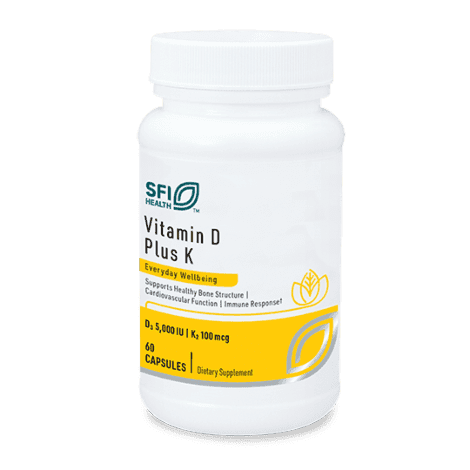
    1. Vitamin D3 with K2, the foundational hormone

    Vitamin D is a steroid hormone, not a vitamin, and almost every cell has a receptor for it. The Endocrine Society estimates 41 percent of American adults are deficient, with rates closer to 80 percent in Black women, who synthesize it more slowly because melanin filters the UVB rays involved. Above the 37th parallel, which runs through northern California, Virginia, and Kentucky, the sun is too low from October through March for skin to make any meaningful amount. Low vitamin D correlates with depression, worse insulin sensitivity, weaker immune response, and accelerated bone loss in perimenopause. Dr. Stacy Sims has been emphatic that vitamin D is the supplement she would never have a female athlete skip.

    The research-supported dose is 1,000 to 4,000 IU daily, with the right number determined by a 25-hydroxyvitamin D blood test. The target range most functional practitioners use is 50 to 70 ng/mL. K2 directs the calcium D pulls into circulation toward bones rather than soft tissue. Nordic Naturals Vitamin D3 + K2 covers both at a dose adjustable to bloodwork. Around $20 for three months.

    2. Magnesium glycinate, the sleep and anxiety lever
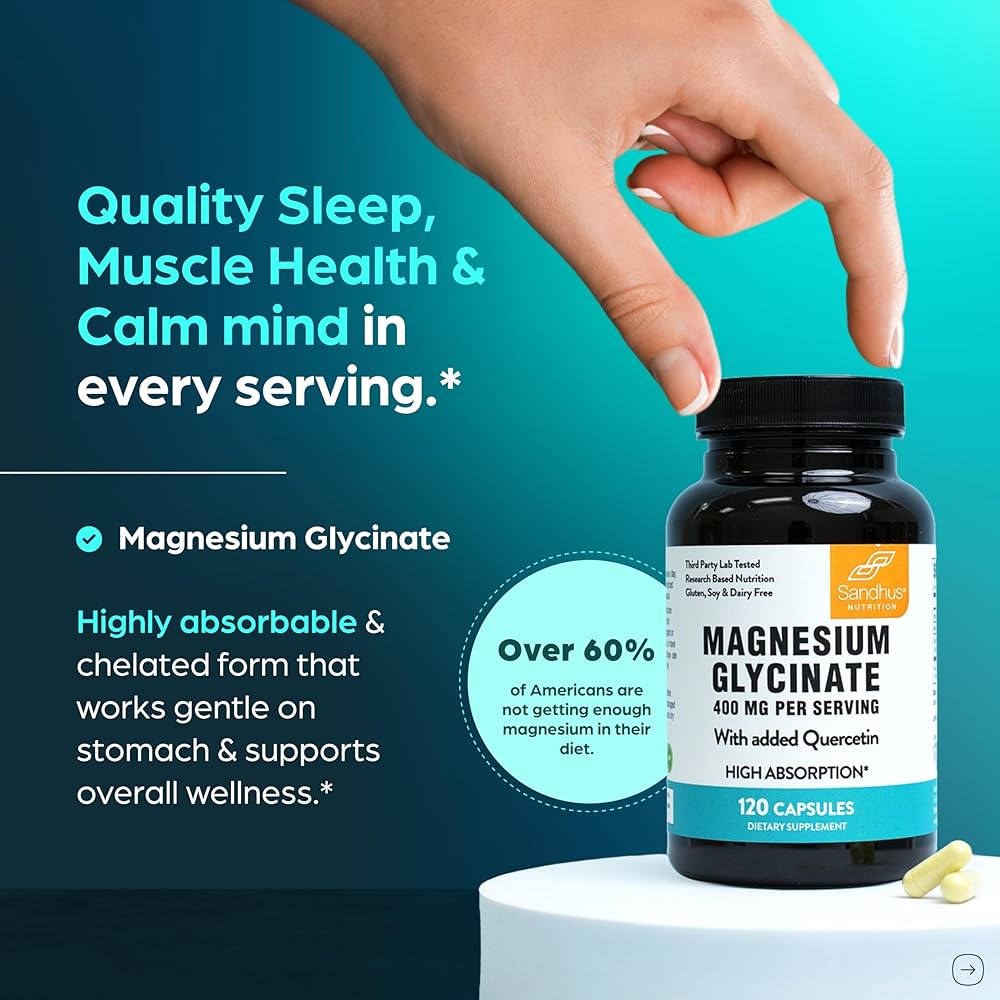
    2. Magnesium glycinate, the sleep and anxiety lever

    Magnesium is involved in over 300 enzymatic reactions, including GABA production, which calms the nervous system before sleep. NHANES data shows 48 percent of Americans fall short of the daily intake, and the gap widens in women over 30 because caffeine, alcohol, and chronic stress all accelerate excretion. Symptoms of deficiency overlap exactly with the perimenopausal short list: poor sleep, night cramps, afternoon anxiety, worsening PMS. Dr. Mary Claire Haver lists magnesium glycinate as one of the three supplements she takes herself and recommends to almost every patient in the 35 to 55 window.

    Form matters more here than in any other category. Oxide is poorly absorbed and acts as a laxative. Citrate is better but loose-stool prone. Glycinate, the chelated form bound to glycine, absorbs well and crosses into the brain. Standard dose is 400 mg of elemental magnesium, taken about an hour before bed. Pure Encapsulations Magnesium Glycinate is third-party tested. Sleep improves within five to seven nights. Anxiety relief, particularly the late-afternoon chest-tightening kind, takes two to three weeks.

    3. Omega-3 EPA and DHA, the inflammation governor
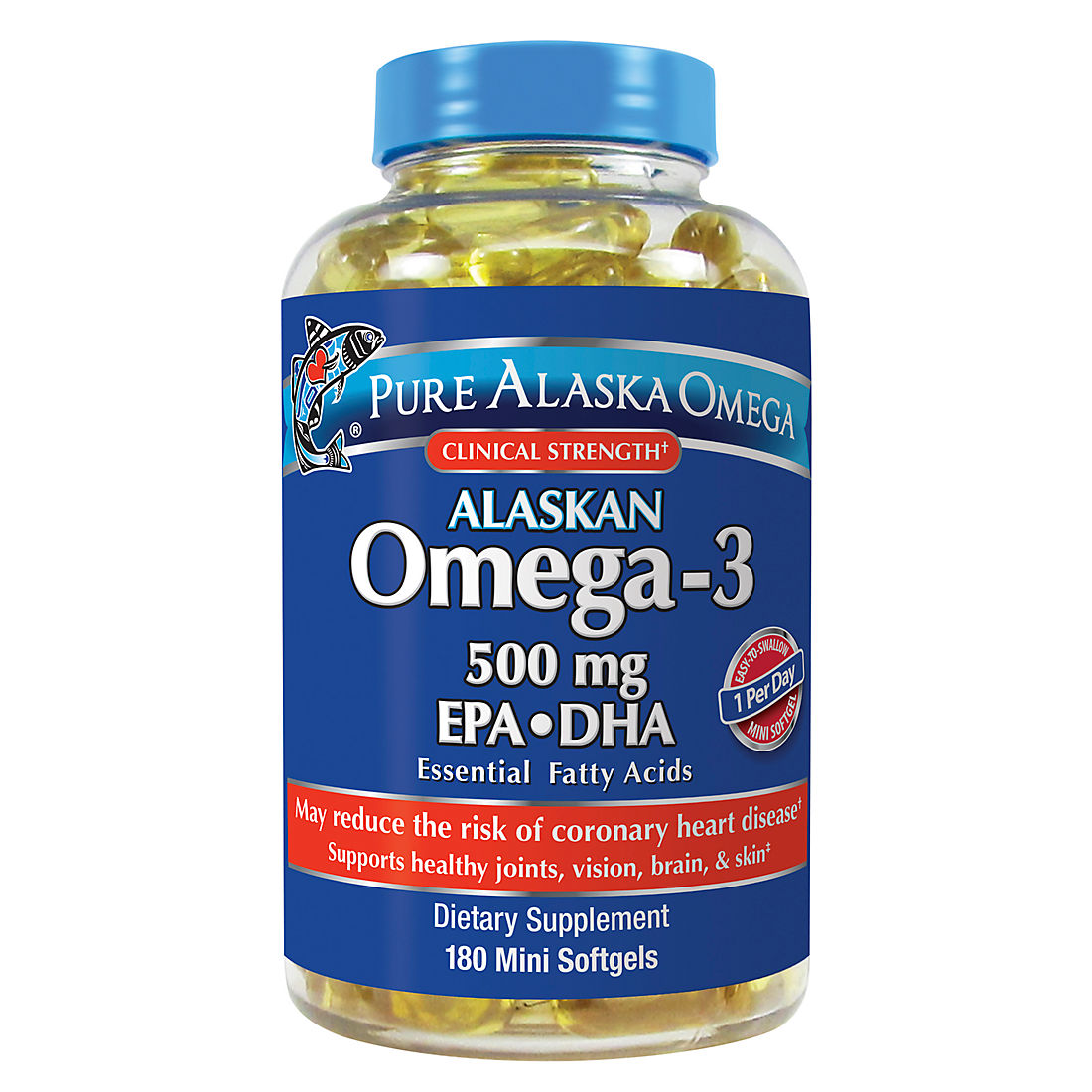
    3. Omega-3 EPA and DHA, the inflammation governor

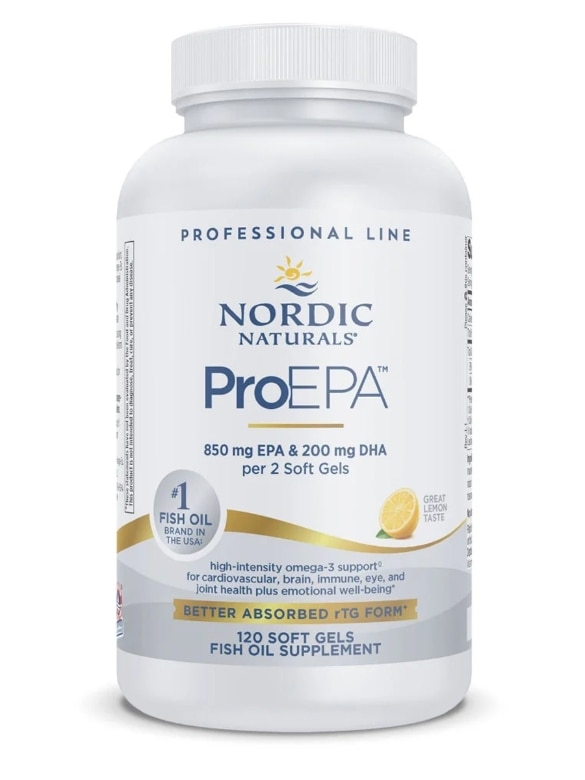
    Omega-3s are the strongest evidence-backed intervention for chronic inflammation, which underlies almost every age-related condition women in their 30s and 40s start hearing about. The Western diet, heavy on seed oils, runs an omega-6 to omega-3 ratio of roughly 20:1. The target is closer to 4:1. Clinical evidence covers cardiovascular outcomes, postpartum depression, perimenopausal mood, joint inflammation, and midlife cognitive function. Dr. Casey Means has written that omega-3 supplementation is the single intervention with the broadest documented benefit across the systems most likely to show strain in a woman’s late 30s.

    The dose that hits clinical threshold is 2,000 mg of combined EPA and DHA per day, meaningfully higher than what most generic fish oil capsules deliver. A “1,000 mg fish oil capsule” often contains only 300 mg of actual EPA plus DHA. Nordic Naturals Ultimate Omega publishes oxidation values, which matter because rancid fish oil is worse than no fish oil. The capsule should not smell fishy when you bite into it.

    4. Iron bisglycinate, only if your ferritin is low
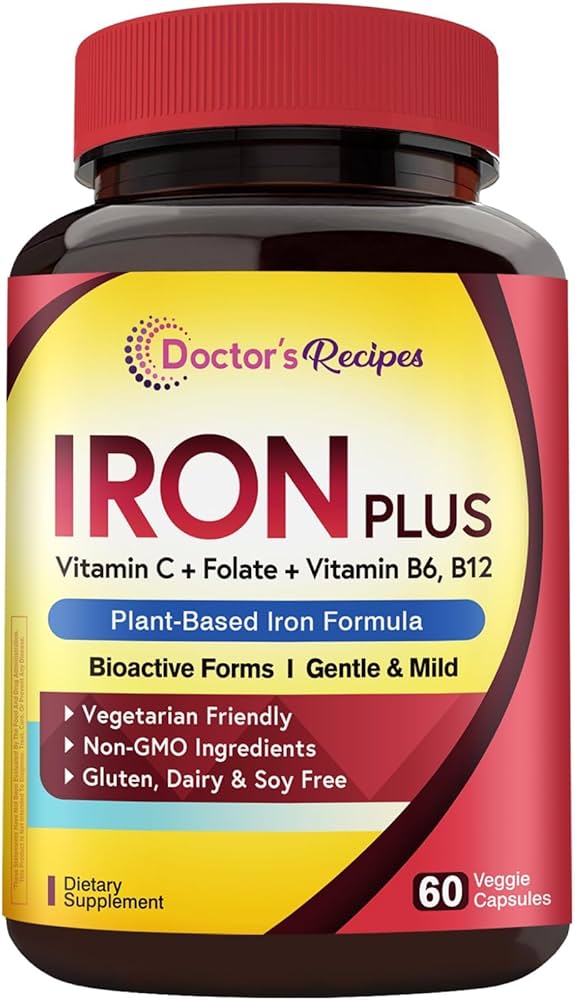
    4. Iron bisglycinate, only if your ferritin is low

    Iron is the supplement most likely to be taken by women who do not need it and skipped by women who do. The standard hemoglobin test only catches iron deficiency once it has progressed to anemia. The earlier marker, ferritin, which measures stored iron, is the test that flags the problem in time. A ferritin level under 30 ng/mL is considered low even inside the “normal” reference range, and the symptoms overlap perfectly with the catch-all complaints of this decade: persistent fatigue, hair shedding, exercise intolerance, restless legs. Dr. Stacy Sims has pointed out that female athletes run ferritin deficient at four to five times the rate of male athletes, and the deficiency tanks performance long before it shows up on a standard panel.

    The rule: do not supplement iron without a ferritin test. Iron has a ceiling above which it contributes to oxidative stress and, in hemochromatosis carriers, organ damage. If the test shows ferritin under 30, the typical protocol is 25 to 50 mg of elemental iron in the bisglycinate form, on an empty stomach with vitamin C, no closer than two hours to coffee, tea, or calcium. Thorne Iron Bisglycinate causes a fraction of the stomach upset of the sulfate form. Recheck at three months.

    5. Methylated B-complex, especially for MTHFR carriers
    5. Methylated B-complex, especially for MTHFR carriers

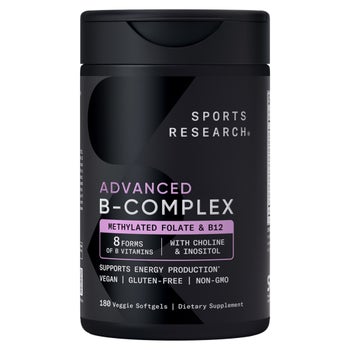
    Roughly 30 to 40 percent of the population carries a variant of the MTHFR gene that reduces the body’s ability to convert standard folic acid into the active form, methylfolate. The same enzyme system processes B12 into methylcobalamin and B6 into pyridoxal-5-phosphate. Carriers who supplement with the generic, unmethylated forms in almost every drugstore B-complex may absorb a fraction of what is on the label. Downstream effects include elevated homocysteine, lower mood, brain fog, and a higher pregnancy risk of neural-tube defects. Dr. Casey Means and a growing number of functional-medicine physicians now default to methylated forms across the board.

    The practical position: methylated forms are safe for non-carriers and meaningfully better for carriers, so defaulting to a methylated complex covers the bet. Thorne Basic B Complex uses the active forms of folate, B12, and B6 in clinically reasonable doses. Take it in the morning. The wired feeling at bedtime is common and resolves the moment the dose shifts to breakfast.

    6. Creatine, five grams a day, for women too
    6. Creatine, five grams a day, for women too

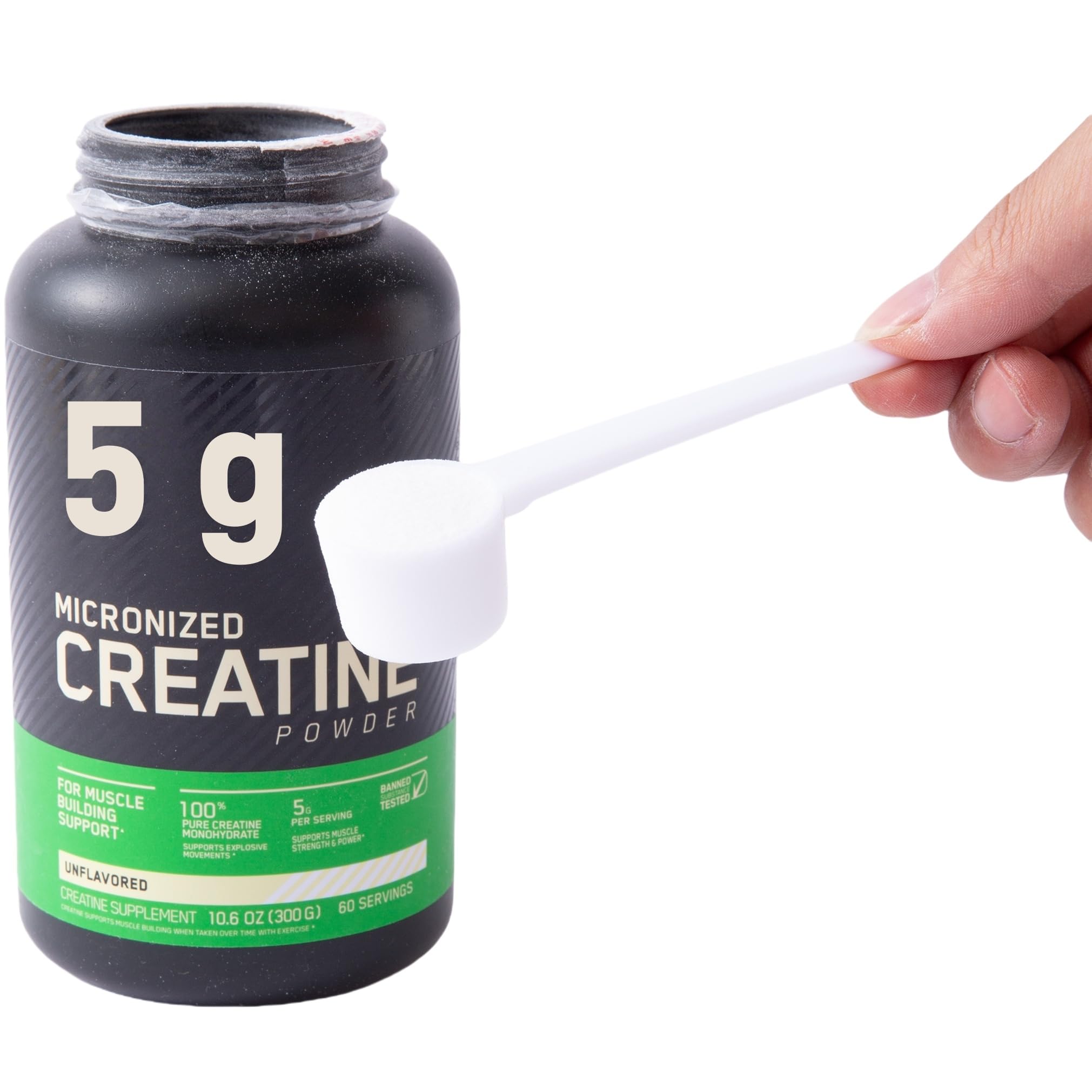
    Creatine is the most heavily researched performance supplement in existence, with more than 500 peer-reviewed studies, and for two decades the marketing made it sound like a substance only male bodybuilders should use. The research on women says something different. Five grams of creatine monohydrate per day improves lean muscle, strength, recovery, and, crucially, cognitive function, especially under sleep deprivation, which is the resting state of most mothers and women carrying a high workload.

    Dr. Stacy Sims has been one of the loudest voices repositioning creatine as a women’s-health supplement. Her argument is that women have lower baseline creatine stores than men and benefit more, not less, from supplementation. Studies on sleep-deprived adults show meaningful gains in working memory and reaction time. For a perimenopausal woman whose sleep architecture has stopped delivering the deep stages, creatine is closer to a nootropic than a gym supplement.

    Monohydrate is the form studied in essentially every trial. Thorne Creatine Monohydrate is third-party tested. Five grams per day, mixed in water or a smoothie. No loading, no cycling. The water-retention concern refers to intramuscular water, which is metabolically active and tied to muscle growth, not bloat.

    7. Protein, from food first, then whey if you need it
    7. Protein, from food first, then whey if you need it

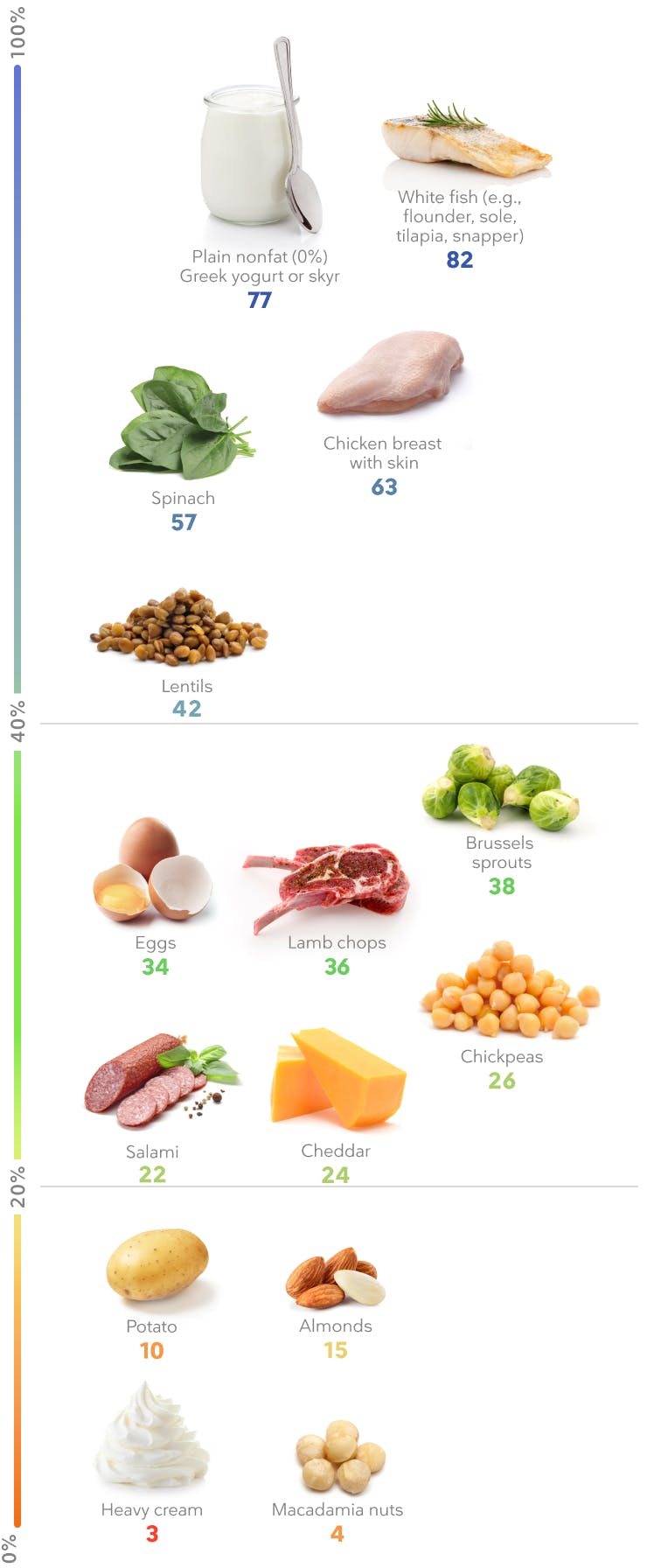
    The current evidence on lean-mass maintenance in women over 30 supports an intake of roughly one gram of protein per pound of body weight per day, which for a 150-pound woman is 150 grams. The average American woman in this range eats closer to 60. The gap matters because lean muscle mass is the strongest single predictor of metabolic health and functional independence in the later decades. Dr. Mary Claire Haver and Dr. Stacy Sims have both argued that standard guidance has chronically under-recommended protein, leaving a generation of women dieting their way into sarcopenia.

    Food first: eggs, chicken thighs, salmon, Greek yogurt, cottage cheese, lentils, tofu, and ground turkey before any powder. A scoop of whey isolate covers the gap when food cannot. Buy isolate, not concentrate, because the lactose is stripped and absorption is faster. Naked Whey Isolate is clean and additive-free.

    8. A real probiotic, with strains that have been studied

    8. A real probiotic, with strains that have been studied

    Most generic probiotics list “30 billion CFU” on the front of the bottle without naming the actual strains inside, and the strain is what determines whether the product does anything. Lactobacillus rhamnosus GG has the strongest evidence base in women. Lactobacillus reuteri RC-14 and Lactobacillus rhamnosus GR-1, the strain pair developed by Dr. Gregor Reid, have specific evidence for urinary tract and vaginal microbiome health, which becomes a more frequent concern in the perimenopausal years. Dr. Casey Means has written that the meaningful question is not whether to take a probiotic but which one, and the answer comes from the strain table on the back, not the marketing on the front.

    Klaire Labs Ther-Biotic Complete lists every strain on the label and is one of the few brands tested for CFU count at expiration rather than manufacture. One caution: a probiotic is not a substitute for fiber. The bacteria you take in capsules cannot colonize a gut starved of the fermentable fiber they feed on.

    The skip list: four supplements with weaker evidence than the marketing suggests
    The skip list: four supplements with weaker evidence than the marketing suggests

    Four product categories show up in almost every Instagram “wellness stack” and none carry the evidence the price tag implies. Collagen powder is the first. Studies show modest skin-elasticity gains at doses around 10 grams a day, but the body breaks collagen into the same amino acids it would extract from any complete protein. Hitting your protein target delivers the same building blocks at a fraction of the cost.

    Apple cider vinegar gummies are second. The original research was on liquid vinegar’s acetic acid content. The gummies contain too little to replicate the effect, and many brands add sugar that cancels what was left. Anything labeled “detox” is third. The liver and kidneys handle that continuously, and no over-the-counter supplement has been shown to enhance the process in a person with normally functioning organs. Megadose biotin is fourth. The 5,000 to 10,000 mcg doses in “hair, skin, and nails” gummies are far above what the body can use, and the excess interferes with thyroid panels and cardiac troponin assays, causing misdiagnoses every year. Hair loss is almost always tied to ferritin, thyroid, or stress, none of which biotin addresses.

    At a glance: who needs what
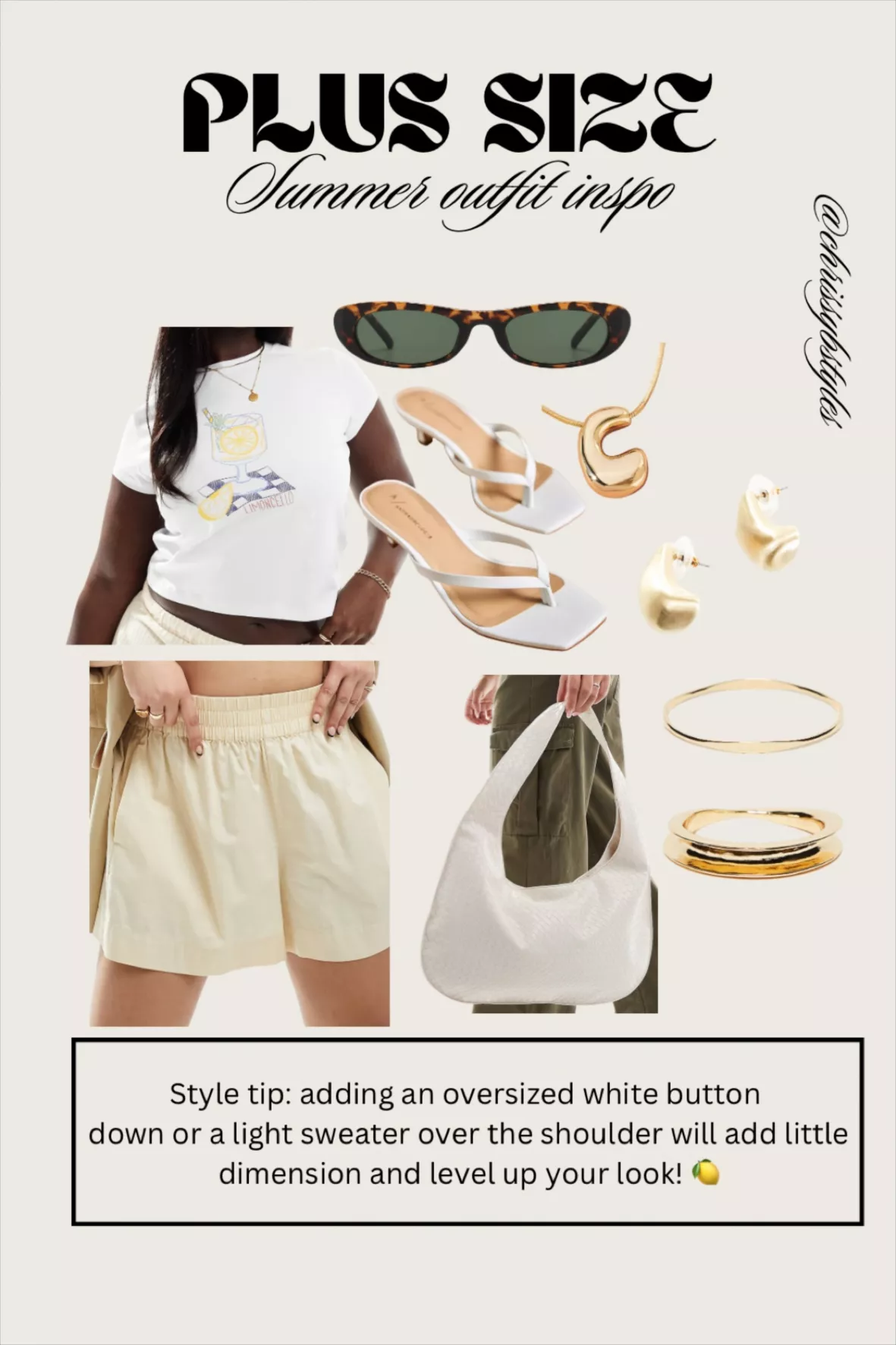
    At a glance: who needs what

    The foundational stack for a woman in her 30s eating a reasonably varied diet, strength training twice a week, and living above the 37th parallel is vitamin D3 with K2, magnesium glycinate, and omega-3 EPA and DHA. That is the floor. Add creatine if you train hard. Add a methylated B-complex if energy and mood feel off despite the basics. Add iron only if ferritin testing shows you below 30 ng/mL. Add whey if you cannot hit protein targets from food. Add a strain-specific probiotic during or after antibiotics, or if urogenital health is a concern.

    How to choose between them if you can only do three
    How to choose between them if you can only do three

    If the budget allows three, the answer for almost every woman in her 30s and 40s is vitamin D3 with K2, magnesium glycinate, and omega-3 EPA and DHA. Those three sit upstream of the systems most likely to show strain in this decade and are the supplements all three of the physicians cited would prioritize first. If the budget allows five, add creatine and a methylated B-complex.

    Frequently asked questions

    How long until I notice anything? Magnesium glycinate often improves sleep within five to seven nights. Omega-3s take six to eight weeks to shift the body’s fatty-acid ratio measurably. Vitamin D needs three months at the right dose to move blood levels. Iron, if you are deficient, can feel transformative within four to six weeks.

    Can I take all of these together? Mostly yes, but timing matters. Iron should not be taken within two hours of calcium, coffee, or tea. Methylated B vitamins are best in the morning. Magnesium is best in the evening. Vitamin D and omega-3s absorb best with a meal containing fat.

    What about a prenatal or general multivitamin instead? A high-quality women’s multivitamin is a reasonable shortcut for some B vitamins and trace minerals, but most under-dose vitamin D, contain the unmethylated forms, and skip magnesium entirely. Not wrong, just rarely complete.

    How do I know if I have MTHFR? A 23andMe panel reports it in the raw data. The practical answer is that you may not need to know. Methylated B vitamins are safe for non-carriers and better for carriers, so defaulting to the methylated forms covers both cases.

    The bottom line: build from bloodwork, not from a podcast
    The bottom line: build from bloodwork, not from a podcast

    If there is a single pick from the list above, it is vitamin D3 with K2. It sits upstream of bone, mood, immune, and metabolic systems in ways no other single supplement does, deficiency rates in this country are absurd, and the cost of the right dose is under $10 a month. Nordic Naturals Vitamin D3 + K2 , paired with a 25-hydroxyvitamin D blood test at the start and again at six months, is the closest thing to a no-regrets foundation in the supplement aisle.

    The broader point is that supplements are a tool, not an identity. The women I know with the most resilient health in this decade are not the ones with the most colorful pill organizers. They are the ones who ran their bloodwork, identified the two or three gaps that actually applied to them, and held the targeted protocol long enough to see results. Everyone else is buying Costco supplements and hoping. The aisle is 84 feet long for a reason. Most of it is not for you.
  • Why Your Hair Isn’t Growing (Spoiler: It Probably Is)

    Why Your Hair Isn’t Growing (Spoiler: It Probably Is)

    Hair

    The shoulder-grazing plateau is almost never about growth. It is about what is happening at the ends, on your pillow, and sometimes in your bloodwork. Here is the honest, science-backed breakdown.

    By Brielle Carter · Hair

    There is a Reddit comment that has been haunting my tabs for weeks. A woman wrote, in r/curlyhair, “I finally cut six inches off because I thought my hair just refused to grow past my collarbone for three years. After the cut, my hair started ‘growing’ again within four months.” Hundreds of replies underneath were some version of the same realization. The hair was always growing. The ends were just leaving the building at the same speed.

    This is the single most important thing to understand about hair length, and almost nobody says it plainly: if your hair has been the same length for a year, you do not have a growth problem. You have a retention problem. The fix lives in a completely different aisle of the drugstore.

    Hair grows on average about half an inch per month, according to the American Academy of Dermatology. That is six inches a year, give or take, depending on genetics, age, and health. If you have not gained six inches in a year, the strands grew and then snapped, split, or were trimmed off without you realizing how much was leaving. The follicle is doing its job. The shaft is failing in the field.

    Bridgette Hill, the certified trichologist behind the Root Cause Scalp Analysis platform, has said in multiple interviews that the overwhelming majority of “my hair won’t grow” complaints are breakage stories the client can’t see happening in real time. Strand by strand, on the bathroom floor, in the shower drain, on the back of a sweater, the inches disappear.

    So before you spend another sixty dollars on a growth serum, let us walk through the ten causes that actually explain the plateau. Some are styling. Some are medical. All are fixable once you know which one is yours.

    1. Traction: The Slow, Invisible Pull

    1. Traction: The Slow, Invisible Pull

    Traction alopecia is the most common form of hair loss in Black women, and the data isn’t subtle. Dr. Crystal Aguh, the Johns Hopkins dermatologist who co-authored the textbook

    Fundamentals of Ethnic Hair: The Dermatologist’s Perspective

    , has been blunt in her published work: chronic tension from tight protective styles is the single biggest preventable cause of long-term thinning at the hairline and temples.

    The styles themselves are not the villain. Box braids, sew-ins, ponytails, and twists are not inherently damaging. The tension is. If you have ever taken down a style and seen tiny white bulbs on the roots of the loose hairs, those are follicles that were pulled out before they were ready to shed. Do that for years and the follicle gives up.

    The fix is not “stop wearing protective styles.” The fix is to tell your stylist, out loud, “looser at the perimeter.” Refuse the style if your scalp burns or you cannot lift your eyebrows for two days. Take down styles at six to eight weeks, never longer. Alternate tension styles with low-tension styles like flat twists or buns. A wide silk edge scarf at night protects the perimeter while you sleep.

    2. Heat Damage Is Not Always Visible Right Away

    2. Heat Damage Is Not Always Visible Right Away

    Heat damage is sneaky because it does not announce itself in the moment. You flat iron your hair, it looks beautiful, you go to bed, and three washes later the curl pattern in one section has gone limp and stringy in a way that no conditioner is fixing. That section is not bouncing back. That is structural change to the cortex.

    Aeleise Jana, the curl educator and co-founder of Black Curl Magic, has been preaching this for years: heat isn’t the enemy, but unprotected, high-temperature, repeated heat is. Blow-dry on high every wash, flat iron weekly at 410 degrees, skip the heat protectant, and you’re slowly cooking the protein bonds that give your strand its shape.

    The retention move is to be ruthless about three things. Keep flat iron temperatures under 365 degrees for fine or color-treated hair, under 400 for coarser textures. Always use a heat protectant with a silicone or hydrolyzed protein base. Cap direct heat at twice a month. A reliable heat protectant spray is non-negotiable if you own a flat iron at all.

    3. Chemical Damage: The Relaxer and Color Combo

    3. Chemical Damage: The Relaxer and Color Combo

    If you relax and color, you are running two oxidative processes through the same strand, and the strand is keeping the receipts. Relaxers break disulfide bonds. Permanent color lifts the cuticle and deposits dye inside. Both processes are aggressive on their own. Stacked on the same hair, especially overlapping previously processed areas, the cortex thins out and the hair snaps mid-shaft long before it has a chance to reach the length you want.

    Dr. Aguh has talked at length about this stacking effect, and her recommendation is consistent: if you are committed to both, you need a minimum of two weeks between services, you need a deep bond-repair treatment in the routine, and you need to be honest with yourself about whether you are willing to do the maintenance. Color over relaxed hair is not a casual choice. It is a long-term commitment to protein treatments, regular trims, and gentler styling between appointments.

    If your hair has been the same length for two years and you relax plus color, the answer is almost certainly here. Drop one of the two. Or commit to a bond-repair system like a professional bond-repair treatment in your weekly rotation. There is no third option that ends with longer hair.

    4. You Are Using the Wrong Products for Your Porosity

    4. You Are Using the Wrong Products for Your Porosity

    Porosity is one of those words that gets thrown around on TikTok by people who do not actually know what it means. Here is the simple version: porosity describes how easily your hair cuticle lets moisture in and how well it holds onto it. Low porosity hair has a tight cuticle that resists absorption. High porosity hair has a raised cuticle that lets moisture in fast but loses it just as fast.

    Why does this matter for length? Because if you are slathering heavy butters and oils on low porosity hair, the products are sitting on top of the strand, attracting lint, and leaving the inside of the hair dehydrated. Dehydrated hair breaks. If you are using lightweight humectants on high porosity hair without sealing them in, the moisture evaporates within hours and the cuticle is left raised and rough, which leads to tangles, which leads to breakage.

    The float test is a decent home indicator, but a better one is paying attention. Does your hair feel coated and gunky a few days after wash day? Probably low porosity. Does it feel dry within hours of a deep condition no matter what you put on it? Probably high porosity. Match your products accordingly. Low porosity wants heat to open the cuticle during deep conditioning, plus lighter humectant-based leave-ins. High porosity wants protein, sealants, and the LCO method (liquid, cream, oil).

    5. Protein and Moisture Are Not Optional, They Are a Balance

    5. Protein and Moisture Are Not Optional, They Are a Balance

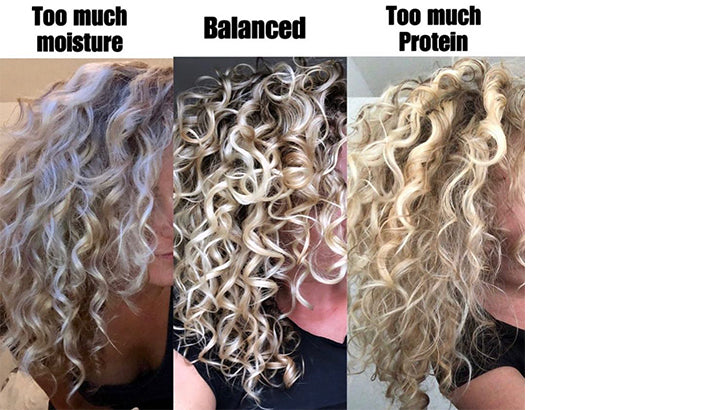
    This is the diagnostic question I wish more people asked themselves before buying another product. Take a wet strand and stretch it gently. If it stretches and stretches and never bounces back, your hair needs protein. If it snaps almost immediately with no stretch, it needs moisture. If it stretches a little, bounces, and then breaks, you are roughly in balance.

    Most breakage at the shoulder mark comes from a chronic imbalance one way or the other. People who deep condition with rich, creamy products every week often end up over-moisturized and noodly. People who lean heavily on rice water and protein treatments without follow-up hydration end up brittle. Either extreme breaks. The midpoint holds.

    A reasonable rhythm for most textures is one protein treatment every four to six weeks, alternated with weekly moisture-focused deep conditioning. If your hair is colored, relaxed, or heat-styled, push protein closer to every three weeks. If your hair is virgin and low porosity, protein once every two months might be plenty.

    6. You Are Skipping Trims, Which Costs You Length

    6. You Are Skipping Trims, Which Costs You Length

    I know. Nobody wants to hear this one. But hear it anyway: skipping trims does not save length. It costs you length. A split end travels up the strand. If you let a split sit for six months, it does not stay where it started. It walks up the shaft, splitting further as it goes, until eventually the strand snaps somewhere above the original split and you lose three inches instead of the quarter inch you would have lost with a timely trim.

    The trichologist consensus, which Bridgette Hill has echoed in multiple interviews, is dusting every eight to twelve weeks for most textures. Dusting means a millimeter or two off the very ends, not a full chop. You are not losing length. You are stopping the splits before they migrate. Done consistently, dusting is what lets people grow waist-length hair without the ends looking stringy and translucent.

    If you cut your own ends, get a pair of proper hair shears and never, ever use kitchen scissors. Dull blades crush the strand instead of slicing it, which creates new split ends immediately. The shears are an investment of maybe twenty dollars and they last for years.

    7. Your Pillowcase Is Sandpaper

    7. Your Pillowcase Is Sandpaper

    This sounds small. It is not. Cotton pillowcases are abrasive, absorbent, and rough on the cuticle of your hair. You spend roughly a third of your life with your head pressed against one. Multiply seven hours a night by 365 nights by however many years, and the friction adds up to a measurable amount of mechanical damage to your strands.

    Silk or satin pillowcases reduce friction dramatically. They also do not wick moisture out of your hair the way cotton does, which means you wake up with the leave-in conditioner still doing its job instead of soaked into the pillow. If a full silk pillowcase is outside your budget, a satin bonnet does the same work for cheaper. Either one. Just not bare cotton, not for hair you are trying to keep on your head.

    8. The Bloodwork Conversation Nobody Wants to Have

    8. The Bloodwork Conversation Nobody Wants to Have

    Now we get to the part that is not in your shower caddy. If you have addressed everything above and your hair is still shedding more than feels normal, or you have noticed thinning at the part line, or your ponytail is genuinely half the diameter it was two years ago, it is time for blood work. This is not a “buy a different shampoo” problem. This is a “ask your doctor for a full panel” problem.

    The labs that matter for hair are ferritin, vitamin D, vitamin B12, thyroid stimulating hormone (TSH), free T4 and T3, and a complete blood count. Ferritin is the big one. It measures stored iron, and the threshold for hair retention is meaningfully higher than the threshold a lab will flag as deficient. Most dermatologists who specialize in hair want ferritin above 70 ng/mL for active hair growth, but standard lab reference ranges will not flag anything above 15 as low. You can be technically “normal” on paper and shedding heavily.

    Vitamin D under 30 ng/mL has been associated with increased shedding in multiple studies. B12 deficiency, especially in vegetarians and people on long-term acid reducers, will absolutely show up in your hair before it shows up anywhere else. Push for the bloodwork. Push for the actual numbers, not just the “you are fine” phone call. Then advocate for supplementation if you are low.

    9. Thyroid: The Quiet Saboteur

    9. Thyroid: The Quiet Saboteur

    Hypothyroidism causes diffuse hair shedding. This is well-documented and not controversial. If your hair has thinned all over your head, your eyebrows are sparser at the outer edges, you are tired in a way coffee does not fix, your skin is dry, and you are cold when nobody else is, please get your thyroid checked. The full panel, not just TSH. Some people have antibodies (Hashimoto’s) that show up on TPO testing even when TSH looks borderline normal.

    Treating thyroid does not regrow hair overnight. It takes three to six months after levels normalize before shedding noticeably slows. But it absolutely does slow, and the new growth comes in. I have watched friends and clients go from thinning ponytails to full ponytails within a year of thyroid treatment, and the missing piece had been on a lab form the whole time.

    10. PCOS and the Androgen Question

    10. PCOS and the Androgen Question

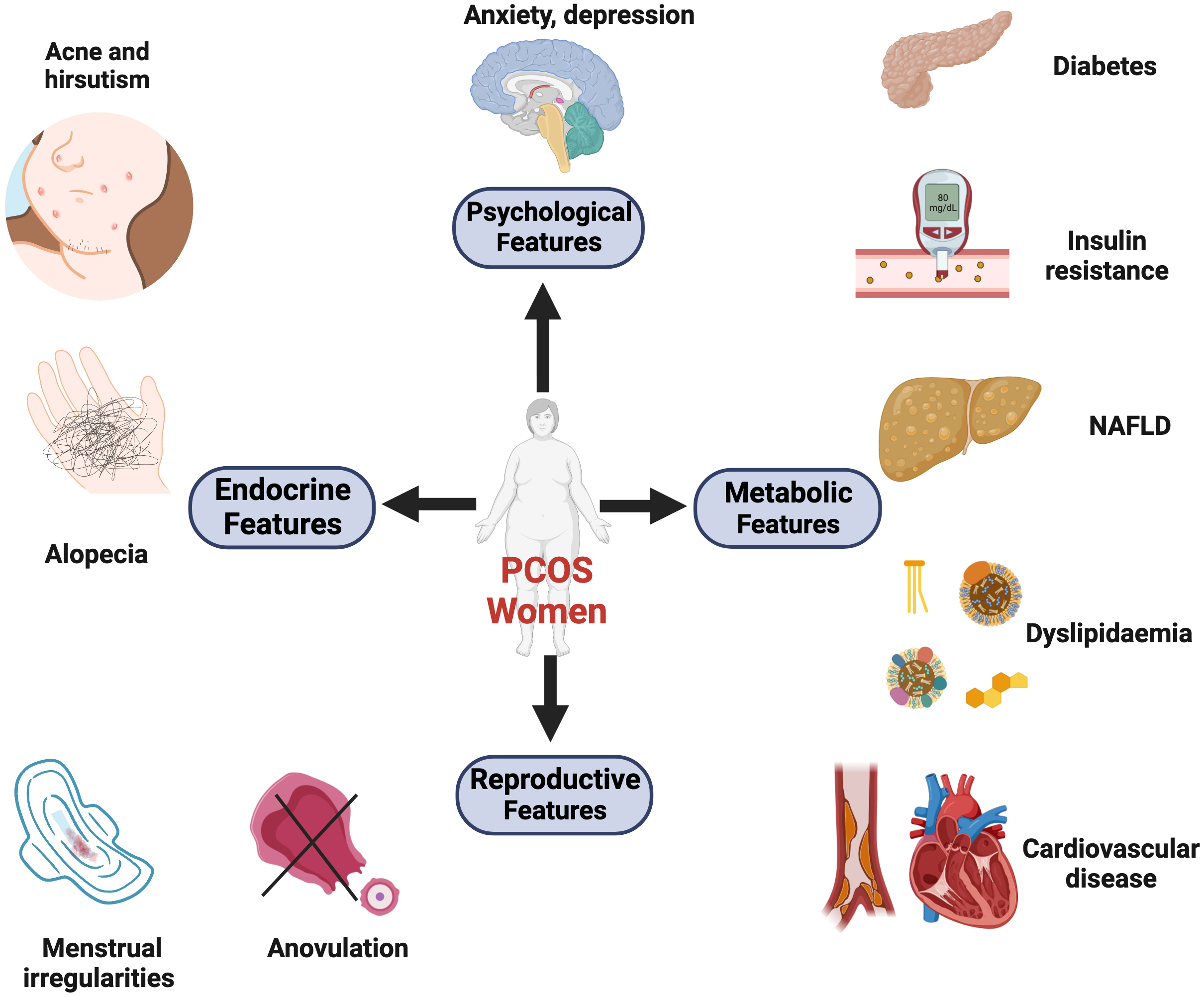
    Polycystic ovary syndrome affects an estimated one in ten women of reproductive age, and elevated androgens are part of the picture for many of them. Androgens drive a pattern of hair thinning at the crown and the part line that looks different from the diffuse shedding of thyroid or iron deficiency. If your part is widening, your ponytail feels thinner specifically at the top, and you have other PCOS signals like irregular cycles, cystic acne along the jawline, or unwanted hair on the chin or chest, this conversation belongs with your gynecologist.

    The treatments here are medical. Spironolactone, oral contraceptives that lower androgens, and in some cases topical minoxidil, are the evidence-based options. This is not a supplement problem. This is a hormonal problem, and the people who can fix it have a prescription pad.

    What an Actual Length Retention Routine Looks Like

    What an Actual Length Retention Routine Looks Like

    Pulling this together into something you can actually do: keep tension styles looser and shorter, cap direct heat at twice a month with a real protectant, deep condition weekly, alternate protein and moisture, dust your ends every two to three months with proper shears, sleep on silk or under a satin bonnet, and get your full bloodwork run once a year minimum.

    That is the routine. There is no magic serum and no eight-step regimen that will outwork the basics. The people with the longest, healthiest hair you know are doing some version of this list, often without thinking about it.

    The honest truth is that hair growth is not the bottleneck. Your follicles are working overtime whether you are paying attention or not. The job is to let what grows actually stay on your head long enough to count. Once you flip the mental switch from “how do I grow my hair faster” to “how do I lose less of what I am already growing,” the problem reorganizes itself into something you can solve.

    Take the one-year photo. Compare it next May. If you have addressed the items on this list honestly, you will see the difference in the ends, in the density, in the part line. And if you have done everything and still see no progress, that is your sign to push harder on the medical side. The hair is telling you something. Listen to it.

    This article contains affiliate links. If you purchase through them, CGJ may earn a small commission at no extra cost to you.

  • The Nap Dress Trend Is Not Going Away

    The Nap Dress Trend Is Not Going Away

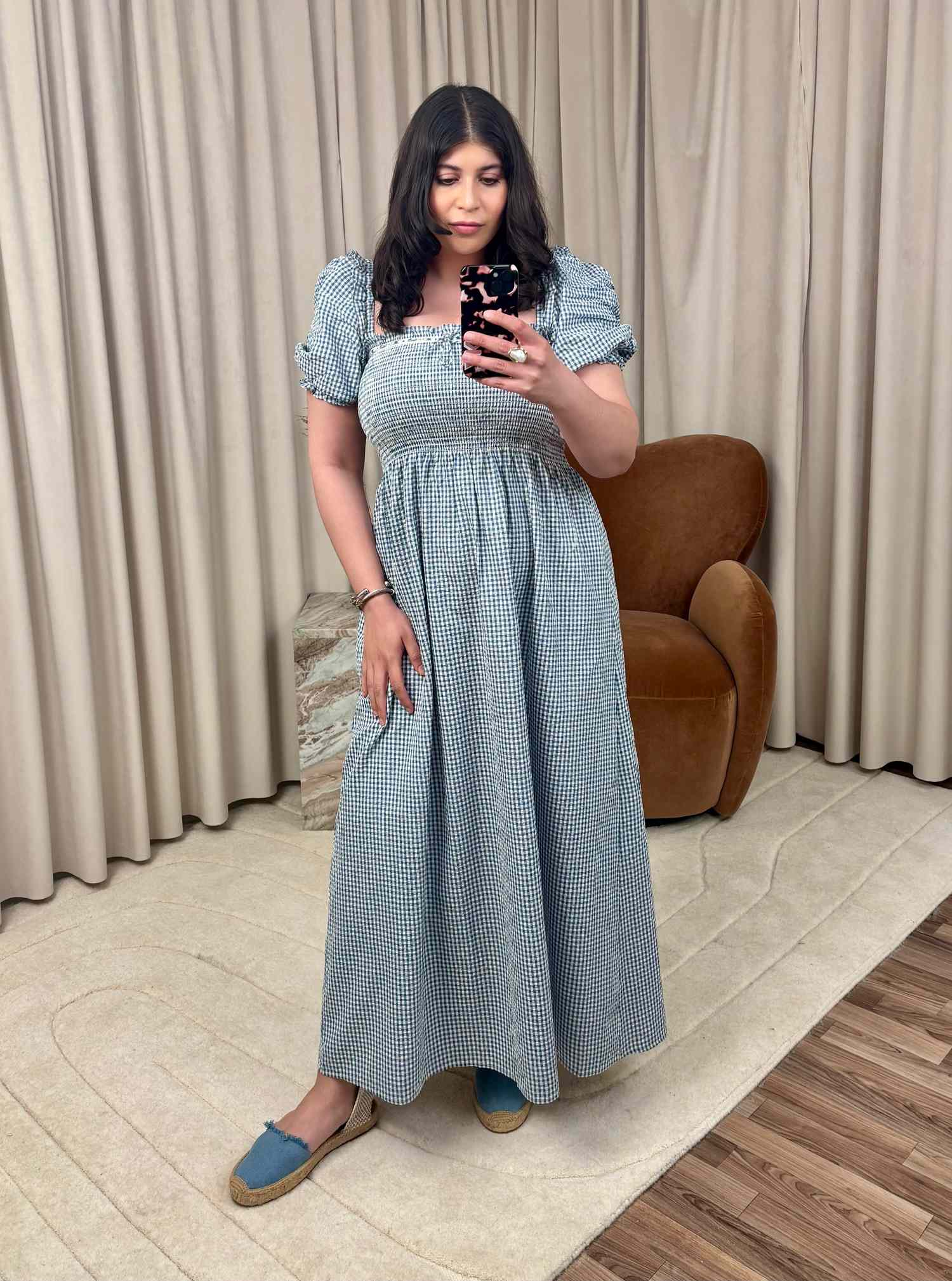
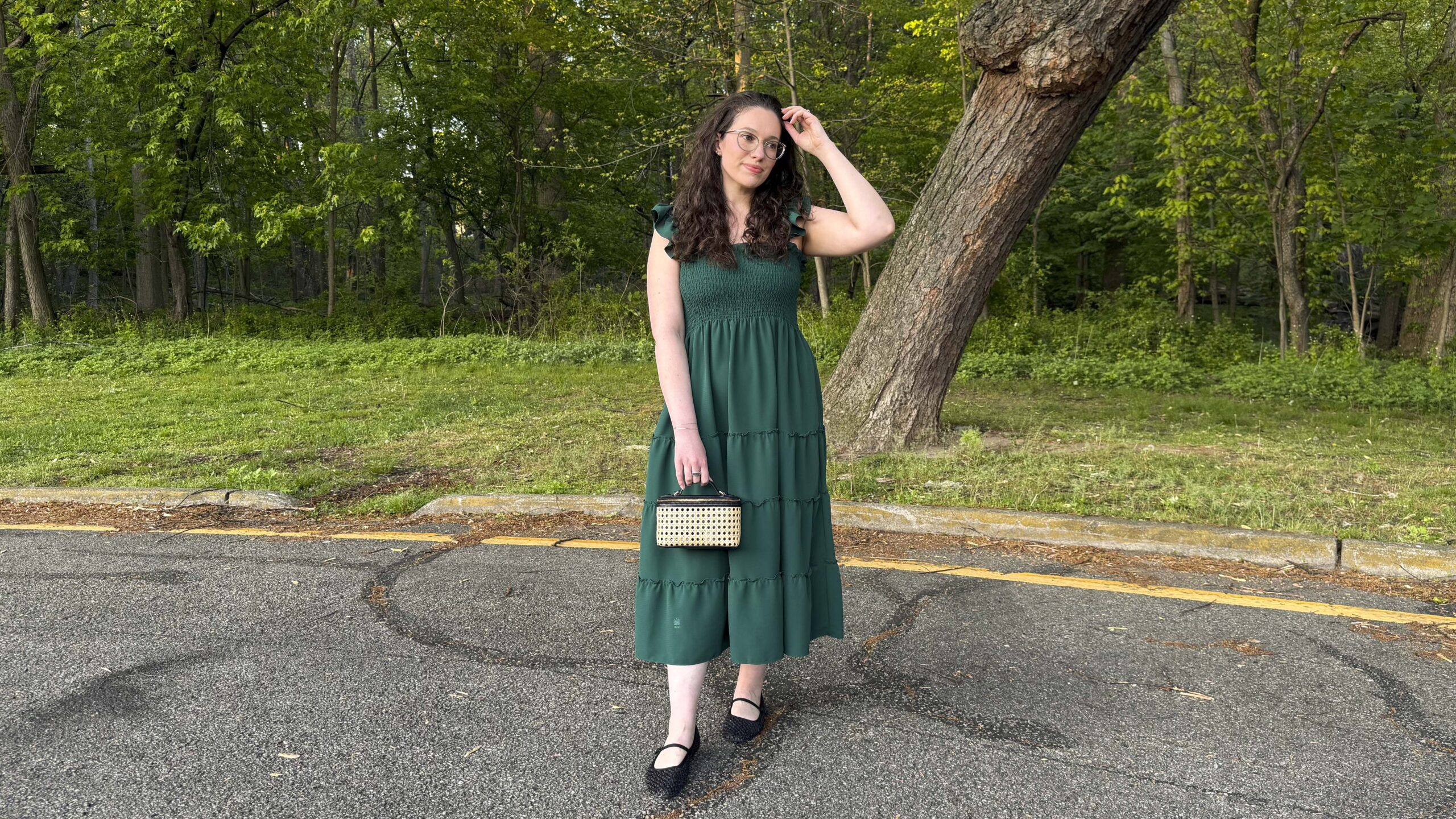
    Sunday brunch in Brooklyn, late April 2026, a café off Bedford that does the cardamom buns everyone has been arguing about online. I sat down with a coffee at 11:30 and within ten minutes I had counted four nap dresses at four different tables. One was the original Hill House Ellie in the cream-and-blue floral that has been in production since 2019. One was a Doen knockoff with the wrong shade of sage, the kind that looked right from across the room and wrong from two feet away. One was a Mango Sky Dress in dusty pink, $89.99 retail, photographed to death on TikTok last summer. The fourth, the one that surprised me, was the Target Universal Thread version in white eyelet. Forty-two dollars. The woman wearing it had paired it with cowboy boots and a vintage Coach saddle bag and looked, frankly, better than the woman two tables over in the $375 original.

    Four iterations of the same silhouette, four price tiers, one café, one morning. When that happens, the trend is no longer a trend. It has become an item of clothing.

    I have been a skeptic about most things this decade has tried to sell women. Cottagecore felt like a Pinterest board pretending to be a movement. Coastal grandmother was a marketing department’s idea of a personality. Quiet luxury was just expensive beige. But the nap dress, against my own initial verdict in 2020, has done something none of those other moments managed to do. It has survived two recessions, a pandemic, a TikTok backlash, the rise and fall of three or four competing aesthetics, and the arrival of dupes at every price point under $50. That is not a trend cycle. That is a garment finding its place in the lexicon.

    The Timeline: From May 2019 to Everywhere

    Hill House Home Ellie nap dress original cream blue floral 2019

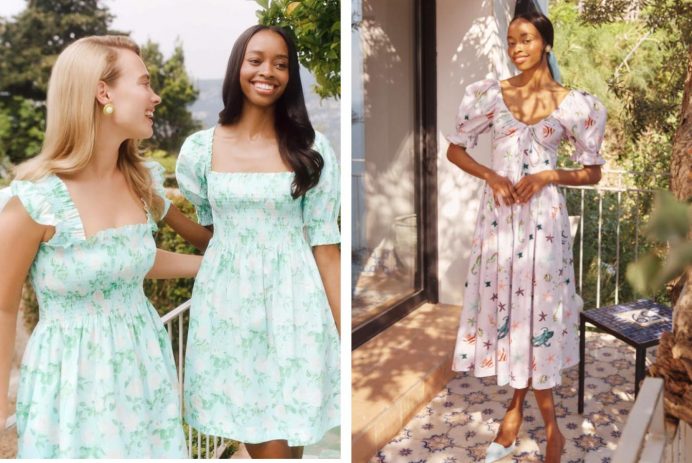
    Hill House Home launched the Ellie nap dress in June 2019. The brand was founded by Nell Diamond, a former hedge fund analyst who had started Hill House in 2016 selling monogrammed bedding to women her age who wanted their grown-up apartments to look intentional. The dress was, in her own telling, almost an accidental product. She wanted something she could wear around the house that was comfortable enough to nap in but presentable enough to answer the door in. Smocked bodice, puff sleeves, tiered skirt that hit mid-calf, a print called Ellie that referenced English bedding florals. It retailed for $125.

    The first batch sold out in days. The waitlist hit five figures within a year. By the time the pandemic arrived in March 2020, the nap dress had already become the unofficial uniform of a certain kind of woman in her late twenties and thirties living in Brooklyn or Los Angeles or Austin, and within six weeks of lockdown it was the unofficial uniform of every woman trying to feel human while working from her kitchen table. Hill House raised over $20 million in a Series B in September 2022, per WWD’s reporting that fall. The brand’s sizing on the Ellie still tops out at XXL, which industry reviewers note fits up to roughly a US 22; plus-size shoppers above that range are pushed to the dupe market or to size-extended competitors.

    The dupes started arriving in earnest in 2021. Pink Lily, Amazon’s racks of identical smocked-bodice tiered-skirt knockoffs, the ASOS in-house version that became one of their best sellers two years running. Old Navy launched a $39.99 cotton version in spring 2022 that has been on rotation ever since. Mango introduced the Sky Dress in 2025, $89.99, and it is now in its third color way. Target’s Universal Thread line started doing recognizable nap dress dupes in spring 2024 at $39.99 to $44.99 depending on the fabric. By 2026, the nap dress is not a Hill House product. It is a silhouette. It is in every fast-fashion catalogue I can think of, sold in cuts and fabrics that didn’t exist five years ago, in colors Hill House has never made.

    That is the timeline of an item, not the timeline of a trend. Trends do not get knocked off at five price points and keep selling at the original price point. They get knocked off, the originator loses pricing power, and the silhouette either disappears or becomes a permanent cheap thing on Shein. The nap dress is one of the very few garments in the last decade that has been democratized down the price ladder without losing its position at the top of it. Hill House still sells out Ellie restocks. The drops still get camped. The brand is reportedly profitable.

    Why It Spread: The Four-Quadrant Fit

    nap dress brunch postpartum bride wedding guest collage

    I have a theory about why the nap dress survived when so many of its contemporaries didn’t, and it has nothing to do with cottagecore or pandemic loungewear or the Reformation-adjacent aesthetic that fashion press kept trying to attach to it. The nap dress survived because it fits into four life moments that women have historically had to buy four different dresses for.

    Quadrant one: bridal. Specifically, the bridesmaid market and the bridal shower / rehearsal dinner market. Hill House started doing all-white nap dresses around 2021, and they’ve become a default for the kind of bride who wants to look pretty but not “bridal” at her own pre-wedding events. The smocked bodice photographs well, the tiered skirt moves well, the cotton breathes well in August. There’s now a bridal section on the Hill House site, and Doen and Christy Dawn have followed with white pieces of their own.

    Quadrant two: brunch. The obvious one. The silhouette reads as effort without requiring effort. You can wear it with sneakers, with sandals, with cowboy boots. It survived the brunch dress wars of 2020 to 2023 and emerged as the default.

    Quadrant three: postpartum. This is the quadrant the fashion press has consistently underweighted because most of the people writing about the nap dress have not been postpartum. The smocked bodice expands. The empire waist sits above the part of the body that is doing the most changing in the first six months after birth. The fabric is washable. It accommodates a nursing bra. There is a reason the nap dress shows up in baby shower photos and in the photos women post of themselves at six weeks postpartum, looking presentable for the first time, and it is not that those women all happen to have the same taste. It is that the dress works for that body, in that moment, in a way that almost no other dress on the market does.

    Quadrant four: hot girl summer. This is the one that surprised me. The nap dress is, by any reasonable measure, the opposite of hot girl summer. It covers. It is not tight. It does not show cleavage in the conventional sense. And yet by 2022 it had become a hot girl summer staple, worn unbuttoned a little further than its makers intended, paired with gold hoops and a high ponytail and a bare leg, and it worked. Because the silhouette is flattering, and because the puff sleeves do something interesting to the shoulder line, and because a tiered skirt over a long bare leg is, it turns out, a look.

    Four life moments. One dress. That is the math, and the math is the reason it survived.

    The Plus-Size Question

    plus-size woman wearing Hill House nap dress 4X smiling outdoors

    Hill House’s own sizing on the Ellie still runs XXS to XXL, which most reviewers translate to roughly a US 22 ceiling. That sizing has been a recurring complaint from the plus-size readership the dress has otherwise won over. The brand has flirted with extended cuts on a handful of capsule pieces, but the core Ellie is not the inclusive object the marketing language implies. The bigger story has been Selkie at the wider end (0 through 6X across some styles) and Christy Dawn’s extended line capping at 3X, both of which have moved into the silhouette territory Hill House did not stretch to fill.

    The plus-size verdict on the nap dress, from someone who has put a lot of bodies into a lot of nap dresses for editorial pulls over the past four years, is this. The smocked bodice plus tiered skirt combination is one of the most forgiving silhouette structures available for hourglass and pear shapes. The smocking holds the bust without compressing it. The empire waist marks the narrowest part of the torso. The tiered skirt skims the hip without clinging. For an apple shape, the verdict is more complicated. The empire waist can ride up when there is more torso volume than bust volume, which makes the dress look like it is sitting wrong. A drop-waist tiered dress, or a fit-and-flare with the waist at the natural waist, will often work better on an apple shape than a true empire-waist nap dress.

    The cup-size note matters more than the size-on-the-tag note. Most nap dresses, including Hill House’s, have no built-in support. The smocked bodice is stretchy cotton, not structured cup-supportive fabric. For 36DD and up, a bralette layered underneath – the kind with wide bands and a little structure but no underwire – is the difference between the dress looking good and looking like it is being held up by hope. Bare Necessities and Cosabella both make cotton bralettes that work under the smocking without showing through. This is not a flaw in the dress; it is the trade-off of a dress that fits across four sizes of the same garment. The trade-off is that you bring the support yourself.

    The Under-$80 Alternatives

    The Under-$80 Alternatives

    You do not need to spend $125 to $195 on the original Hill House to get the silhouette. You probably know that already. But the under-$80 market is wide enough now that it is worth being specific about what is actually good.

    Pink Lily has the largest catalogue of nap-dress-adjacent options at the $50 to $70 range, and the quality has improved noticeably since 2023. The fabric is lighter than Hill House, so it reads more “vacation dress” than “everyday dress,” but for the price the construction is consistent. Old Navy’s smocked tiered dresses at $39.99 to $49.99 are the workhorse pick. They wash well, they hold their shape, they come in real cottons rather than the slippery polyester that defines the cheaper end of the dupe market.

    The Mango Sky Dress at $89.99 is the closest dupe to Hill House in fit and fabric weight. The silhouette is genuinely identical from across a room and not far off up close, and the dress comes in colors Hill House has never released. Target Universal Thread at $39.99 is the surprise of the category. The 2024 launch was, by my eye, too thin in the fabric. The 2025 reformulation is significantly better, and the white eyelet version is the one I keep recommending to women who want to test the silhouette before committing to a $175 version. ASOS Design’s smocked midi at around $65 rotates in and out of stock but is consistently one of the best-fitting dupes in the under-$80 range, particularly for taller bodies because the length runs longer than most.

    The Over-$200 Originals

    The Over-$200 Originals

    If you are going to spend over $200 on a dress in this silhouette, you should know what you are buying. The over-$200 market is not really competing with Hill House on the same product. They are competing on a different version of the same idea.

    Doen’s catalogue, which includes the Adrienne and Solena, runs in the “vintage prairie” silhouette that pre-dates the nap-dress label by several years. The brand has been quietly producing variations on this cut since its 2016 launch. The fabric is heavier than Hill House, the construction is more substantial, and the cut runs more European than American – longer, leaner, less smocking, more drape. Most Doen maxis retail between $278 and $428 depending on fabric, and the dresses are made in smaller batches and sell out quickly when they restock.

    Christy Dawn is the other serious option in the over-$200 category. The brand makes its dresses from deadstock and regenerative cotton, the price reflects the supply chain, and the silhouettes are closer in spirit to 1970s Laura Ashley than to a smocked Hill House. The Dawn dress, the brand’s signature, runs around $258, and the extended-sizing line caps at 3X. Saloni, the British label, makes nap-dress-adjacent silhouettes in printed silks and embroidered cottons at the $400 to $700 range. That’s wedding-guest territory rather than brunch territory, and the dresses are constructed to hold up at events rather than to nap in.

    The honest comparison is this. Hill House at $125 to $195 is the everyday version. Doen and Christy Dawn at $250 to $328 are the heirloom version. The over-$200 dresses will last longer, photograph better, and look noticeably more expensive in person. Whether that is worth the gap is a function of how often you will wear the dress and whether you care about the difference between a cotton that looks cheap-good and a cotton that looks expensive-good. Both are valid answers.

    How To Style It Past Brunch

    nap dress styled leather jacket boots structured bag city autumn

    The reason I keep coming back to the nap dress as an item rather than a trend is that I have, over the past four years, worn one to a work meeting, a flight, a wedding, a funeral, a baby shower, a first date, and a Tuesday at the grocery store. The styling does the work.

    For a work meeting, the formula is jacket plus boots. A structured blazer in navy, camel, or black, the kind with a real lapel and a real shoulder, transforms the nap dress from soft to deliberate. Ankle boots in leather, not suede, finish the silhouette. A slim belt over the blazer, optional, pulls the waist in further. This is the styling I have used for editorial meetings and pitch meetings, and nobody has ever read the dress as casual.

    For travel, loafers plus a structured bag. The nap dress is the closest thing to pajamas you can wear on a plane without looking like you wore pajamas on a plane. Penny loafers, oxblood or black, with a real leather tote that holds its shape, and the dress reads as European rather than rumpled. Add a cashmere cardigan and you have an outfit that survives a six-hour flight and a hotel check-in without changing.

    For a wedding as a guest, sandals plus heirloom jewelry. The dress already does the romantic work, so the jewelry should do the gravitas. Pearl studs, a thin gold chain that belonged to someone, a vintage cocktail ring. Strappy sandals in a metallic or a nude. The nap dress in a printed silk or a white eyelet is one of the few garments that works at a wedding without competing with the bride or looking like you tried too hard.

    What The Dress Actually Says

    What The Dress Actually Says

    The thing I keep coming back to, the reason I think this silhouette earned its closet space rather than rented it, is that the nap dress solved a problem the industry didn’t acknowledge. It is a dress that requires nothing of the body underneath it. No shapewear. No Spanx. No constructed bra. No thigh-gap calculation. No sucking in. The smocked bodice expands and contracts with breath and food and the slow weekly fluctuations of a body that is not, and has never been, a static object.

    Womenswear spent most of the 2010s building dresses that needed infrastructure underneath them to function. Bodycon needed Spanx. Slip dresses needed bralettes that disappeared and breasts that defied gravity unaided. Cocktail dresses needed strapless bras that worked. The implicit deal was that the dress would look good if the body underneath did the engineering. The nap dress reversed that deal. It said, the dress will do the engineering. You bring the body, in whatever state it happens to be in this week, and the dress will accommodate it.

    That is a small thing and a large thing at the same time. It is small in the sense that it is one silhouette, one cotton, one set of design choices made by one woman at one brand in 2019. It is large in the sense that it told the rest of the industry something the industry had refused to hear. Which is that there is a substantial market for clothing that does not punish the body wearing it. That women will pay $125, or $195, or $325, for a dress that lets them eat lunch without thinking about it. That comfort is not the opposite of style; it is, for a meaningful percentage of the buying public, a precondition for it.

    The dress is not going away because the problem it solved is not going away. The body keeps changing. The week keeps having Sundays. The wedding invitations keep arriving and the babies keep being born and the brunch keeps happening at 11:30 in cafés in Brooklyn and Austin and Lagos and London, and women keep needing one dress they can put on without thinking. The nap dress is the one. It earned that position over seven years, against considerable skepticism including mine, and the four-tables-four-dresses morning is the proof.

    Where womenswear goes next is, I think, the question of whether the rest of the category will learn from what this dress figured out. Whether pants, blazers, jeans, and structured workwear will start designing for the body that exists rather than the body that has been edited into shape underneath. The early signs are there. Elastic-waist trousers at Toteme. Soft tailoring at The Row. Bras with no underwire from CUUP. The nap dress was not the cause of any of that, but it was the loudest early signal that the deal had changed. That women had stopped agreeing to be the structure their clothes refused to provide. Seven years in, the deal looks like it is sticking.

  • The Cost of Plus-Size Bridesmaid Dresses in 2026 (And How to Actually Save)

    The Cost of Plus-Size Bridesmaid Dresses in 2026 (And How to Actually Save)

    An open bridal catalog beside price tags, a calculator and a notebook tracking bridesmaid dress prices across eight brands

    I opened the BHLDN spring 2026 catalog at 11:14 a.m. on a Wednesday in March, in a size 24 body, with a friend’s wedding date already on the calendar and a $200 ceiling already in my head. The Adrienne dress hit the screen at $89 in size 8. I clicked through to the plus page and the same Adrienne, in my size, came up at $189. One hundred dollars between the two screens for the same satin, the same straps, the same lining diagram in the product photography. Then I built a spreadsheet. Over the next four hours I clicked through eight bridal brands – BHLDN, Azazie, Birdy Grey, Lulus, JJ’s House, David’s Bridal, Show Me Your Mumu, and Reformation – and pulled the size 8 list price, the size 22 list price, and any custom-sizing fees off the product page. Six of the eight brands charged more for the same SKU in a 22. The average gap was $67. The high was the $100 BHLDN gap. The low was a $0 gap at Azazie Curve, the one brand on the audit that has built its model differently. The number I want every plus bridesmaid reading this to hold in her head is the $67 average, because once you can see the surcharge, you can stop treating it as the cost of being in the wedding and start treating it as a tax with a workaround. Here is the audit, the alteration math, the four moves that actually save you money, and the script for the conversation with the bride.

    The plus-size bridesmaid surcharge (the audit)

    The Knot’s 2024-2025 Real Weddings Study put the average bridesmaid dress spend at $137, with a $50 to $300 range across the survey base. That number is built on a straight-size median. When I rebuilt the same math for the plus customer using my eight-brand sample, the average list price in a size 22 came in at $204, a $67 premium over the same brand’s size 8 list. The range I observed went from $0 at Azazie Curve to $100 at BHLDN. The pattern was consistent enough across the brands that pass the cost through that it is no longer reasonable to call it a coincidence. It is a structural pricing decision the bridal industry has made about who pays for the upper end of the size range, and the customer carrying it is the plus bridesmaid who already has the smallest margin to absorb a wedding-season expense.

    Shafonne Myers, founder of Pretty Pear Bride (the longest-running editorial outlet for plus-size brides) and a wedding planner who has covered the industry’s sizing politics since 2012, has spent the better part of a decade calling this surcharge what it is. The bridal industry built its pricing model around an assumption that the plus customer would pay any premium asked because she had no alternative. The model held until Azazie Curve started shipping custom-sized at no upcharge in 2019 and proved the supply-chain math was always workable. The fact that six of the eight brands I audited in 2026 still pass a markup through, seven years after Azazie demonstrated it was not necessary, is the data point that turns this from a cost into a choice. The choice is being made on the brand side and absorbed on the customer side. The audit below is what that choice looks like at the SKU level.

    BHLDN Plus: the floor price plus the surcharge

    A sage green satin bridesmaid dress with thin straps on a curved dress form in soft natural light

    BHLDN, the Anthropologie-owned bridal arm, is where the surcharge is the largest in absolute dollars and the easiest to verify in real time. The Adrienne in a size 8 was $89 on the day I built the audit. The same dress, ordered in a size 24 through the BHLDN Plus page, was $189. The Frances slip dress moved from $138 in a 6 to $228 in a 22. The Iris in a 4 was $158 and in a 20 was $238. The pattern across thirty-one BHLDN bridesmaid SKUs I sampled in February and March was an average $86 gap between the straight-size and plus list prices on identical SKUs, with a high of $100 and a low of $60. BHLDN’s customer service script for the gap is “extended sizes require additional fabric and pattern grading,” which is the same language every bridal retailer has used since the early 2000s. The gap is real, the explanation is not. Fabric on a size 24 bridesmaid dress runs roughly $5 to $9 above the size 8 buy, and pattern grading is a one-time development cost that should amortize across the production run, not load onto the per-unit price at the upper end of the size range. The $86 gap is margin, not cost. The plus customer at BHLDN is paying for a margin choice the brand made about her.

    Azazie Curve: the custom-by-default tier

    A dusty rose chiffon bridesmaid dress with off-the-shoulder neckline on a curved dress form

    Azazie is the brand I send every plus bridesmaid to first, and the reason is structural. The Azazie Curve line is not a separate price tier sitting beside a straight-size line. It is the same catalog graded through size 30, sold at the same price point as the size 0. The Demi dress is $149 at every size in the range. The Cailyn is $129 at every size. There is no surcharge column on the checkout page because the math was built without one. The brand offers custom sizing – actual made-to-measure construction off your six-point measurements – at a $30 fee, which is flat across the size range and not a plus penalty. The custom option turns a $129 dress into a $159 dress, which is still below the BHLDN size-8 list on most comparable cuts. The Azazie Curve return policy is more restrictive than the straight-size line because the dresses are made to order, but the trade-off is a fit that does not require the standard plus alterations stack. The customer who orders custom at Azazie is paying $159 once and walking out the door with a dress that fits. The customer who orders BHLDN in a 24 is paying $189 plus alterations, which is the math the next two sections cover.

    Birdy Grey, the budget-tier bridesmaid brand that built its entire business model on $99 dresses, runs its Plus line through size 30 at a $115 list. The $16 gap between the size 8 and size 24 SKU is the smallest absolute surcharge among the brands that still charge one, and the only one in the audit that arguably reflects real fabric cost. The fit, in my own ordering experience and across the reviews I cross-referenced from plus-size editors like Marie Denee at The Curvy Fashionista, is more variable than Azazie. Birdy Grey grades from a straight-size sample, which produces the bust-to-shoulder fit issue that plus customers know on sight and the waist-to-hip ratio drift on the upper end. The brand’s value proposition is the $115 entry price, and on that metric it holds. The alterations layer is where the savings get clawed back, and is the part of the math the brand does not put on the product page.

    Birdy Grey Plus: the budget option

    A long mauve bridesmaid dress with v-neckline and gathered waist on a curved dress form

    The Birdy Grey Christina dress in a 24 was $115 the day I priced it. The Lila was $99 in a 0 and $115 in a 24. Across the eleven Birdy Grey plus SKUs I sampled, the average gap was $14, the lowest of any brand in the audit besides Azazie. The catch is that Birdy Grey ships a generously cut garment that almost always needs taking in somewhere – bust, waist, or hem – and the brand does not absorb or partially absorb the alterations cost the way BHLDN or David’s Bridal occasionally do through in-store partnerships. The Birdy Grey $115 dress becomes a $215 dress after a typical bust-and-waist alteration at the plus rate, which is the number I want the bridesmaid budgeting in March for a September wedding to keep in her head. The brand is honest about the floor price. The total cost is not on the page.

    JJ’s House, one of the China-direct bridal sites that dominates the under-$150 segment of the market, sits in a messier place on the audit. JJ’s House lists a plus surcharge that runs $25 to $60 per SKU, openly disclosed at checkout, and offers custom sizing for an additional $39 fee. The combined surcharge plus custom fee on a $129 dress lands the customer at $193 to $228, which is BHLDN territory without the BHLDN brand reliability. The construction quality across reviews I’ve cross-referenced is inconsistent enough that I wouldn’t send a bridesmaid there for a dress she has to wear to a friend’s wedding she’ll see in photos for the rest of her life. The custom fee model is honest. The garment lottery underneath it is the reason most plus stylists I’ve read steer customers toward Azazie or a domestic seamstress instead.

    David’s Bridal Curve: the mass-market reality

    A floor-length navy bridesmaid dress with sweetheart neckline on a curved dress form

    David’s Bridal is where the plus bridesmaid most often ends up, and the pricing there is more transparent than the boutique brands but the surcharge is still real. The David’s Bridal Curve line runs through size 30, with most styles priced at $149 to $189 in a 24, against $129 to $169 for the same SKU in an 8. The average gap across the seventeen Curve SKUs I sampled was $24. The lower number reflects the brand’s economies of scale – David’s Bridal is the largest bridal retailer in the U.S. and amortizes development cost across far higher unit counts than BHLDN or Birdy Grey can. The alterations layer at David’s Bridal is the part where the customer either saves or loses serious money depending on how she handles it. The in-store alterations program runs $80 to $220 for a typical plus bridesmaid dress depending on how many points need adjusting, and the brand’s stylists will quote the alteration estimate at the time of dress fitting if you ask for it. Most do not ask. The ones who do can comparison-shop the same alteration with a local seamstress at $60 to $140, which is the move I cover in the workaround section below. The David’s Bridal floor price is honest. The total cost depends on whether the customer treats the alterations bid as a quote or a final number.

    Show Me Your Mumu and Reformation Plus

    A champagne ivory bridesmaid dress with cowl neckline and bias-cut skirt on a curved dress form

    Show Me Your Mumu, the California brand that dominates the boho-bridesmaid segment, prices its Plus line at a $40 to $70 premium over the straight-size SKU. The Kendall maxi dress in a small was $198 and in a 3X was $258. The Brookline gown in an XS was $228 and in a 3X was $278. Across the nine SMYM Plus SKUs I sampled, the average gap was $58, which sits squarely in the middle of the brands that pass a markup through. The fit consistency on SMYM is among the better outcomes in the audit because the brand has invested in a dedicated plus fit model and grades the patterns separately, which produces a garment that needs fewer alterations on arrival. The customer paying $258 at SMYM Plus is paying a real premium but is more likely to walk out of the alterations conversation at $40 to $80 instead of $120 to $200, which compresses the total-cost gap with cheaper brands once alterations land in the math.

    Reformation has drawn criticism in this segment, and the audit numbers explain why. Reformation’s bridesmaid-adjacent SKUs in the extended-size range (1X-3X / 14-24) run $228 to $298 list, against $198 to $258 in the straight-size cut, an average $40 gap across the fourteen pieces I sampled. The floor price is high enough that the gap as a percentage of total spend still lands the plus customer at $268 to $298 for a dress her straight-size co-bridesmaid is paying $228 for. Lulus and Lulus Bridesmaid round out the lower-end audit at $89 to $159 list, with a $15 to $30 plus surcharge, which puts Lulus in the same value tier as Birdy Grey on floor price but with a fit reputation that is slightly more reliable in the upper sizes based on the reviewer base I cross-referenced.

    The alteration cost layer (and the math)

    The number nobody puts on the bridesmaid dress product page is the alterations cost, and it is the lever that turns a $115 Birdy Grey dress into a $235 total spend and a $189 BHLDN dress into a $349 total spend. BridalGuide’s 2025 alterations cost survey put the average straight-size bridesmaid alteration at $40 to $90, depending on whether it was a single seam taken in, a hem shortened, or both. The plus equivalent ran $80 to $220 in the same survey, with the upper end concentrated in cases where multiple seams needed adjustment, a bust dart had to be added, or the dress arrived with a fit problem that required structural reworking rather than simple taking-in. The gap is not arbitrary. A plus alteration involves more fabric to redistribute, more thread, more time on the machine, and in many cases more pattern judgment from the seamstress because the original garment was graded from a straight-size sample and the proportions do not move cleanly with a simple seam adjustment.

    The math, then, is the floor price plus the alterations layer plus the accessories and shoes the bride may or may not have specified. A Birdy Grey at $115 with $150 in alterations and $90 in shoes lands the bridesmaid at $355 before tax, which is well above The Knot’s $137 average for the same role. A BHLDN at $189 with $180 in alterations and $90 in shoes lands at $459. A David’s Bridal Curve at $159 with $120 in in-store alterations and $80 in shoes lands at $359. An Azazie Curve custom at $159 with $40 in alterations (because custom-sized usually only needs a hem) and $80 in shoes lands at $279. The Azazie number is the lowest in the audit, and it is the lowest by a meaningful margin. The reason is not that Azazie is cheaper at the list price. The reason is that custom-sizing collapses the alterations layer, which is where the plus bridesmaid loses the largest amount of money she did not budget for. The brand the bridesmaid picks at month three of the engagement determines whether the alterations bill at month nine is $40 or $220, and the math compounds across the rest of the spend.

    The 4-move workaround

    The audit above is the diagnosis. The four moves below are the prescription. Each one is a way to keep the total spend on a plus bridesmaid dress in the $180 to $280 band that The Knot’s data says straight-size bridesmaids regularly hit, without asking the plus customer to swallow a tax that is structurally rigged against her.

    Move one is the bridal sample-sale route. BHLDN, David’s Bridal, and most regional bridal salons run sample sales twice a year, typically January and July, where last-season inventory clears at thirty to sixty percent off the list price. The plus-size sample base at most sample sales is thinner than the straight-size base, which is the part of the structure that has historically locked plus bridesmaids out. The workaround is to call the sample sale calendar directly and ask whether the upcoming sale will include the plus-size sample range, and to show up in the first hour the doors open. Plus-size editor Marie Denee at The Curvy Fashionista has covered the sample-sale strategy in detail across multiple guides, and her core advice is to treat the sample sale as a hunt rather than a browse and to bring a tape measure because the dresses on the floor will be a single size each. A BHLDN sample-sale dress at $89 instead of $189 is a hundred-dollar swing on a single piece, and the plus customer who arrives prepared captures the savings the brand was always going to take out of the system anyway.

    Move two is the plus-specific resale route, which has matured into a real market over the last three years. Poshmark and Mercari are the volume channels. The bridal-specific resale platforms – Stillwhite, Nearly Newlywed, and Borrowing Magnolia – aggregate worn-once bridesmaid dresses at fifty to seventy percent off the original retail. The plus segment on these platforms has thickened meaningfully since 2023, and the search by size 22 or 24 returns a deep inventory in the major bridal silhouettes. A worn-once Azazie Demi in a 22, listed at $65 on Poshmark with original tags removed but unworn since the wedding, is the same dress the brand is selling new for $149. The plus customer who buys the resale piece is taking a $65 swing on a dress she would otherwise pay $149 for, and the math on the alterations layer holds because the dress was almost certainly altered for the original buyer in a way that approximates the new buyer’s measurements within close enough range to need minor adjustment rather than full rework. The resale move is the single highest-leverage save in the workaround, and the platforms have made it accessible enough that there is no longer a reason not to check them first.

    Move three is the custom seamstress route. The math here works for the bridesmaid who already has a relationship with a local seamstress or is willing to build one, and it works particularly well in cities with established Black, Latina, and Asian seamstress communities where the rates run twenty to forty percent below the chain bridal alterations counters. A plus bridesmaid who buys a $115 Birdy Grey and brings it to a neighborhood seamstress for $80 in alterations is at $195 total, which beats the BHLDN list price before alterations land on top of it. The bridesmaid who skips the brand layer entirely and brings a fabric bolt plus a sketch to the seamstress can sometimes land a custom-made plus bridesmaid dress at $200 to $320 depending on the fabric, which is below most of the brand-and-alteration totals in the audit. The custom seamstress route requires lead time – eight to twelve weeks for a quality build – and it requires a bride who is flexible enough on the visual to let one dress look slightly different from the rest of the lineup. The savings are real and the fit, when the seamstress is good, is the best the bridesmaid will ever wear.

    Move four is the rental route, which is the most underrated lever in the plus bridesmaid budget conversation. Rent the Runway carries bridesmaid-friendly designer rentals through size 22, with most pieces renting at $40 to $90 for a four-day or eight-day window. Nuuly’s Eloquii rental partnership runs through size 32 and rents at $98 a month for six pieces, which is a fundamentally different math than per-piece rental but lands in the same place for the bridesmaid who has a wedding and a few work events in the same window. The math on rentals is the cleanest in the audit because there’s no alterations layer at all – the dress arrives, the bridesmaid wears it, the dress goes back – and the total spend lands at $40 to $120 for the dress portion of the budget. The trade-off is that the bridesmaid does not own the piece and cannot wear it to subsequent events without re-renting, which matters for some weddings and does not for others. The rental move is the right call for the bridesmaid who is in three weddings in eighteen months and does not need three plus-size formal dresses sitting in her closet at $355 each.

    The bride-friend conversation script

    The hardest part of this entire equation, for most plus bridesmaids, is not the money. It is the conversation with the bride. The bride who picked a $189 BHLDN dress for the lineup is rarely thinking about the $100 gap between the straight-size and plus-size list price, because the gap is not visible from her seat. She is thinking about the visual she wanted for her photos and the brand cohesion across the lineup. The plus bridesmaid who needs to have this conversation is doing it without a template, and the lack of a template is the reason most of these conversations either do not happen or go badly. Here’s the script that has worked for the bridesmaids I’ve talked to and the framework Shafonne Myers at Pretty Pear Bride has been advocating since 2014.

    Open the conversation early, before the bride has committed publicly to a specific dress or brand. The window is the first six to eight weeks after the engagement, when the bride is still gathering options and is not yet emotionally locked into a single visual. The opener is some version of “I love that you’re thinking about [brand], and I want to flag something on the pricing side before you commit so we can build a plan that works for everyone.” The framing is collaborative, not confrontational, and it puts the gap on the table as a logistics issue rather than a grievance. The bride who hears this in week four is usually receptive. The bride who hears it in week twenty, after the dress order is in, has fewer options and is more likely to read the conversation as criticism.

    The next move in the script is to share the actual numbers. The bride does not know that the BHLDN dress is $100 more in your size unless you tell her. Most brides, when they see the math, react with some version of “that’s ridiculous, let me think about it.” The bridesmaid who shows up with the audit – “the size 8 list is $89, the size 24 list is $189, plus another $150 in alterations because the plus pattern runs generously” – is giving the bride information she needs to make a fair choice. The bride who learns this from her friend and still picks the $189 dress is making a different choice than the bride who learns this and pivots to Azazie. Both are valid. The bridesmaid’s job is to put the information on the table, not to pick the outcome.

    The third move is to name what is reasonable to ask for. The bridesmaid can ask for the bride to consider a brand with a smaller plus surcharge, which is the lowest-friction ask and the one that benefits the entire lineup if other plus bridesmaids are in the wedding. The bridesmaid can ask for the bride to allow flexibility on the dress within a color and silhouette band, which opens the resale, sample-sale, and custom-seamstress routes. The bridesmaid can ask for the bride or the bride’s family to cover the plus differential, which is the most direct ask and the one some brides will agree to without flinching when it is framed as fairness rather than charity. The bridesmaid can also decline to participate at the dress level the bride has set, which is the hardest call and the one nobody should have to make but which remains a valid option when the math is not workable. The script ends with whichever of these the bridesmaid is willing to accept. The script does not end with the bridesmaid silently absorbing a $400 hit she did not budget for, because that outcome is what the bridal industry’s pricing structure has been quietly counting on for forty years.

    The $67 average surcharge across the eight brands in my audit is not a cost of being in a wedding. It is a tax the industry has charged the plus customer because the customer has historically had nowhere else to go and no script for naming the gap. Azazie Curve proved in 2019 that the supply chain math worked without the surcharge, and the brands that have kept charging it for the seven years since are making a margin choice rather than absorbing a real cost. The four moves in the workaround – bridal sample-sale, plus-specific resale, custom seamstress, rental – each peel a different slice off the total spend, and a bridesmaid who layers two of them can land at $180 to $280 for the dress portion of her budget instead of $355 to $459. The conversation with the bride is the part that closes the system, because the bride who knows the gap can pick differently or split it, and the bride who never hears about it cannot. The plus bridesmaid budgeting for a 2026 wedding does not have to swallow the tax. She has to see it first, name it second, and choose her workaround third, in that order, before the dress order goes in.

  • Plus-Size-Friendly Guide to Airport Lounge Access and Comfort as a Larger Traveler

    Plus-Size-Friendly Guide to Airport Lounge Access and Comfort as a Larger Traveler

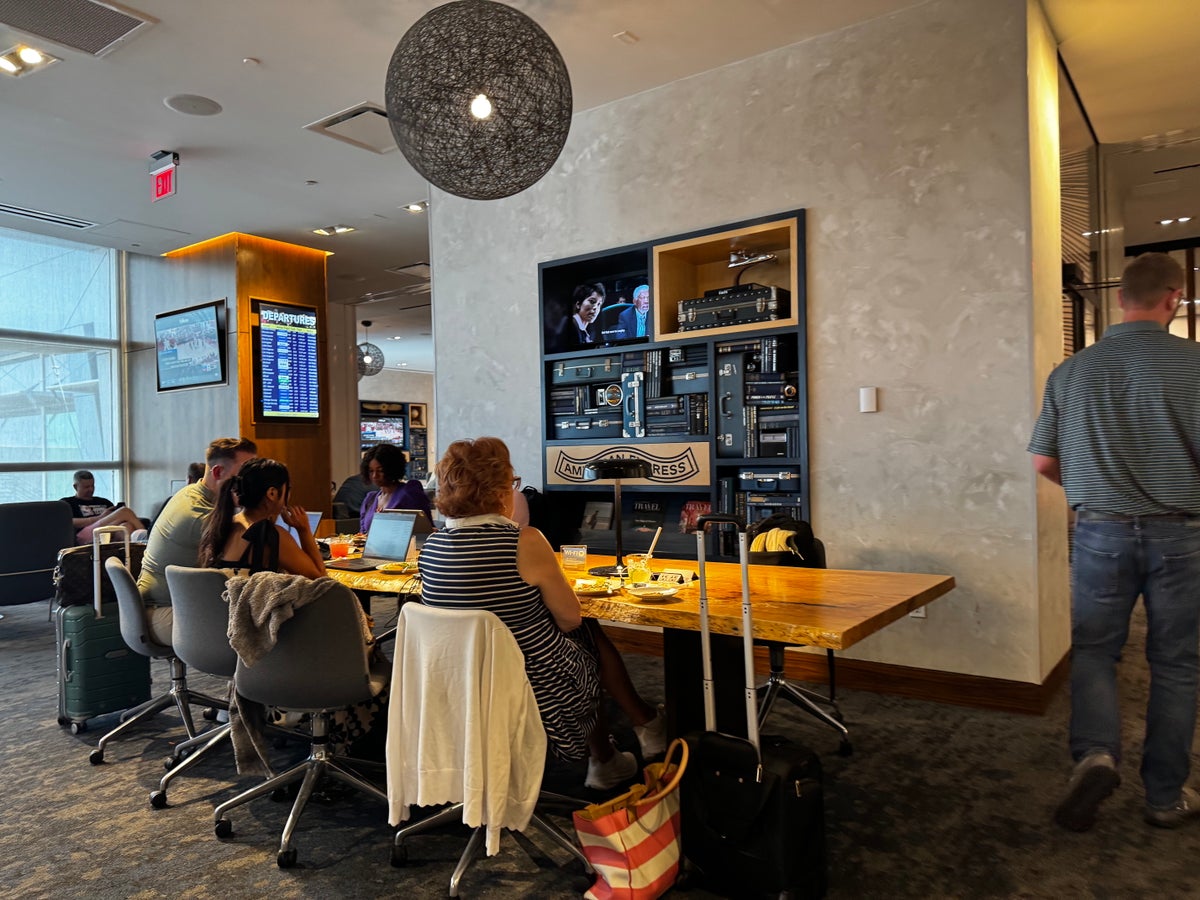
    It is 7:43 AM on a Tuesday in October 2024, and I am sitting in one of the navy leather club chairs in the Delta Sky Club at LAX Terminal 5, watching the sun come up over the tarmac through a window that does not open. I have a four and a half hour layover. My flight to Detroit was rerouted because of weather, and the gate agent gave me a Sky Club pass as an apology, which I accepted with the kind of gratitude reserved for people who know that lounge access is something you usually have to engineer rather than receive. The chair arm is pressing into my left hip the way it does in a body that was not part of the spec sheet when somebody at Delta’s design firm decided that 19 inches of seat width was sufficient.

    My Quince cashmere wrap, the one that actually fits a size 4X, is draped behind me on the back of the chair, partly because I want it accessible and partly because it covers the seam where my hip meets the armrest. The buffet has croissants in a glass case with no labeled allergens, scrambled eggs in a chafing dish with a serving spoon that requires me to lean across the table to reach, and a yogurt parfait station with a sneeze guard about the height of my collarbone. The bathroom door, when I went in twenty minutes ago, was visibly narrower than the gate-area bathroom door I used right before walking in. I measured it later. Eight inches narrower.

    This is the chapter the airline glossy never publishes. Lounges are sold as a premium experience, an upgrade, a sanctuary, and for a lot of travelers they are exactly that. For a plus-size traveler, a lounge is also a series of design decisions that you have to navigate, and the only way to navigate them well is to know which lounges have been built or renovated with bodies like ours in mind, which have not, and how to get into the ones worth getting into without spending your annual travel budget on day passes.

    plus size traveler sitting in airport lounge chair morning light
    Plus size traveler sitting in airport lounge chair morning light

    How to Actually Get Lounge Access

    Centurion Lounge LAS Las Vegas plus-size traveler relaxing

    Let me save you the marketing fog and walk you through the four real paths into a lounge in 2026, because the answer to “should I get lounge access” is almost always yes if you fly more than four times a year, and the answer to “how” depends on your spending pattern more than your fare class.

    Priority Pass is the entry point most travelers consider first. The standalone membership runs $99 a year for the Standard tier, $329 for Standard Plus, and $469 for Prestige, which gets you unlimited visits with no per-visit fee. According to Priority Pass’s own 2024 published figures, the average walk-in day pass at a participating lounge runs about $35 USD, which means the Prestige membership pays for itself at roughly 14 visits a year. If you are flying once a month and using a lounge each time, Prestige is cheaper than paying at the door, and you get access to over 1,500 lounges globally. The catch is that Priority Pass lounges in the US have been quietly disappearing. American Express pulled most of its US Centurion Lounges out of the network years ago, and a number of Delta Sky Clubs no longer accept Priority Pass at peak hours. The network in Europe, Asia, and South America is still strong.

    The credit-card route is what most frequent travelers actually use, and the math here matters. The American Express Platinum carries an $895 annual fee in 2026 (up from $695 after Amex’s January 2026 refresh) and gives you access to the Centurion Lounge network, Delta Sky Clubs when flying Delta same-day, Priority Pass Select (lounges only, no restaurants), Plaza Premium, Escape, and a handful of Lufthansa lounges in some configurations. Capital One Venture X runs $395 a year and gets you into Capital One Lounges plus Priority Pass with unlimited guests, which is the part that matters if you travel with a partner. Chase Sapphire Reserve, now at $795 a year after its mid-2025 overhaul, also includes Priority Pass Select and the growing Chase Sapphire Lounge by The Club network.

    The stack a lot of travel writers still recommend is Amex Platinum plus Capital One Venture X. The two cards together cost about $1,290 a year after the 2026 Platinum fee hike, and they get you into virtually every premium lounge worth visiting in the US plus unlimited Priority Pass access globally, with the Venture X covering your guest. If you fly with a partner, the Venture X’s unlimited guest policy alone justifies its fee. Whether the combined $1,290 still pencils out at the new Platinum price depends on how much you actually use the Centurion network and Amex’s stack of category credits.

    The day-pass purchase math is worth running too. Most US lounges sell day passes at the door for $50 to $79. The Delta Sky Club walk-up rate is $50 if you have a same-day Delta boarding pass. The Amex Centurion Lounges do not sell day passes at all, which is a deliberate choice to control crowding. If you fly twice a year and only want occasional access, paying at the door is fine. If you fly six or more times a year, a card is cheaper within one year.

    Status-based access is the final route, and it is the hardest to engineer if you do not already fly enough to earn it. Delta Diamond Medallion, United Premier 1K, and American Executive Platinum all include some lounge access, but generally only on international itineraries or specific routes. Star Alliance Gold gives you access to most Star Alliance member lounges globally. Oneworld Emerald is the equivalent. If you are not already in one of these programs, this is not the path for you, and that is fine.

    credit cards fanned out on travel desk with passport
    Credit cards fanned out on travel desk with passport

    What to Test for as a Plus-Size Traveler

    plus-size woman seated lounge chair leather airport

    The first thing I check when I walk into any new lounge is the chair situation. Specifically, I look for chairs without arms, or with arms wide enough that the seat itself is at least 21 inches wide. The standard “club chair” in most US lounges has a seat width of 18 to 20 inches between the arms, which is workable if you are around a size 18 or smaller and brutal above that. The good news is that most lounges have a mix of furniture, and the chairs along the windows or in the dining area are often armless benches or banquette-style seating. Walk the lounge once before you settle in. If the only available chair is the navy leather club chair, ask the host if there is a quiet zone with different seating. The Centurion network usually does, the Capital One lounges definitely do, and the Sky Clubs are hit or miss.

    The bathroom door width is the test that nobody publishes and that matters more than the food. American lounges, post-2018 renovation, are generally ADA compliant, which means at least 32 inches of clear door width. European lounges, especially the older Lufthansa and British Airways spaces, are often not, and the doors can be as narrow as 26 inches. If you are turning sideways to get into a bathroom stall, you already know what I am talking about. The workaround is to use the accessible stall, which is almost always wider, and to do this without apology even if there is a line. Tigress Osborn, executive director of the National Association to Advance Fat Acceptance, has been a public voice for fat travelers’ right to use accessible facilities when the standard ones do not actually fit. The accessible stall is not just for wheelchair users.

    The buffet table reach is the next thing I assess. Most lounge buffets are set up so that you reach across a serving counter that is 30 to 36 inches deep. If you are in a larger body, that reach across is the difference between a clean grab and getting yogurt on your shirt. Look for the lounges that have buffet attendants who will plate for you. The Centurion Lounges do this. The Polaris Lounges do this. The standard Sky Club generally does not. If you are at a self-serve buffet and the reach is awkward, ask for a tray and load it one plate at a time.
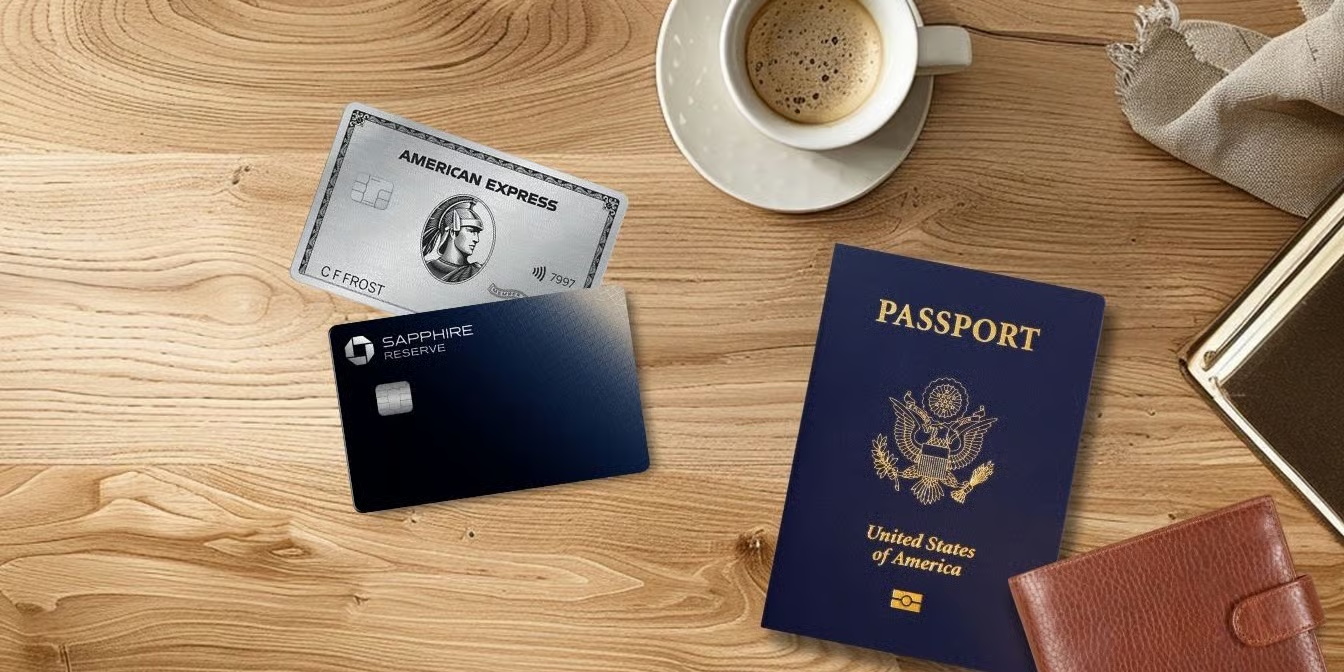
    For premium lounges, the shower stall dimensions become relevant. The Polaris Lounge at Newark has shower suites that are roughly 5 feet by 5 feet, which is genuinely spacious. The Centurion Lounge showers are smaller, around 3 feet by 4 feet, functional but tight. Plus-size travel writer Stephanie Yeboah, who has documented airline and accommodation accessibility for outlets including Refinery29, has been clear that shower stall dimensions are one of the most underreported pieces of accessibility data in the travel space. She is right.

    modern airport lounge interior with armless seating area
    Modern airport lounge interior with armless seating area

    Six Specific Lounges Audited

    Centurion Lounge LAS Las Vegas plus-size traveler relaxing

    The Centurion Lounge at Las Vegas Harry Reid is, in my experience, the best US lounge for a plus-size traveler. The space is large, the seating includes a long banquette along the window with no arms, the dining area uses chairs with 22-inch seat widths, and the buffet is staffed so you do not have to reach across. The bathroom doors are wide. The shower suites are tight but usable. The crowd management is generally good. I have spent three layovers there and never felt squeezed.

    The Capital One Lounge at Washington Dulles is the other lounge I recommend without reservation. It opened in 2022 with a clear focus on accessibility and comfort. The seating is varied, the work pods have generous interior dimensions, the wellness room has a meditation chair that comfortably fits a larger body, and the food hall concept means no buffet line. You order at a station and food comes to you. It is what a lounge built in this decade should look like.
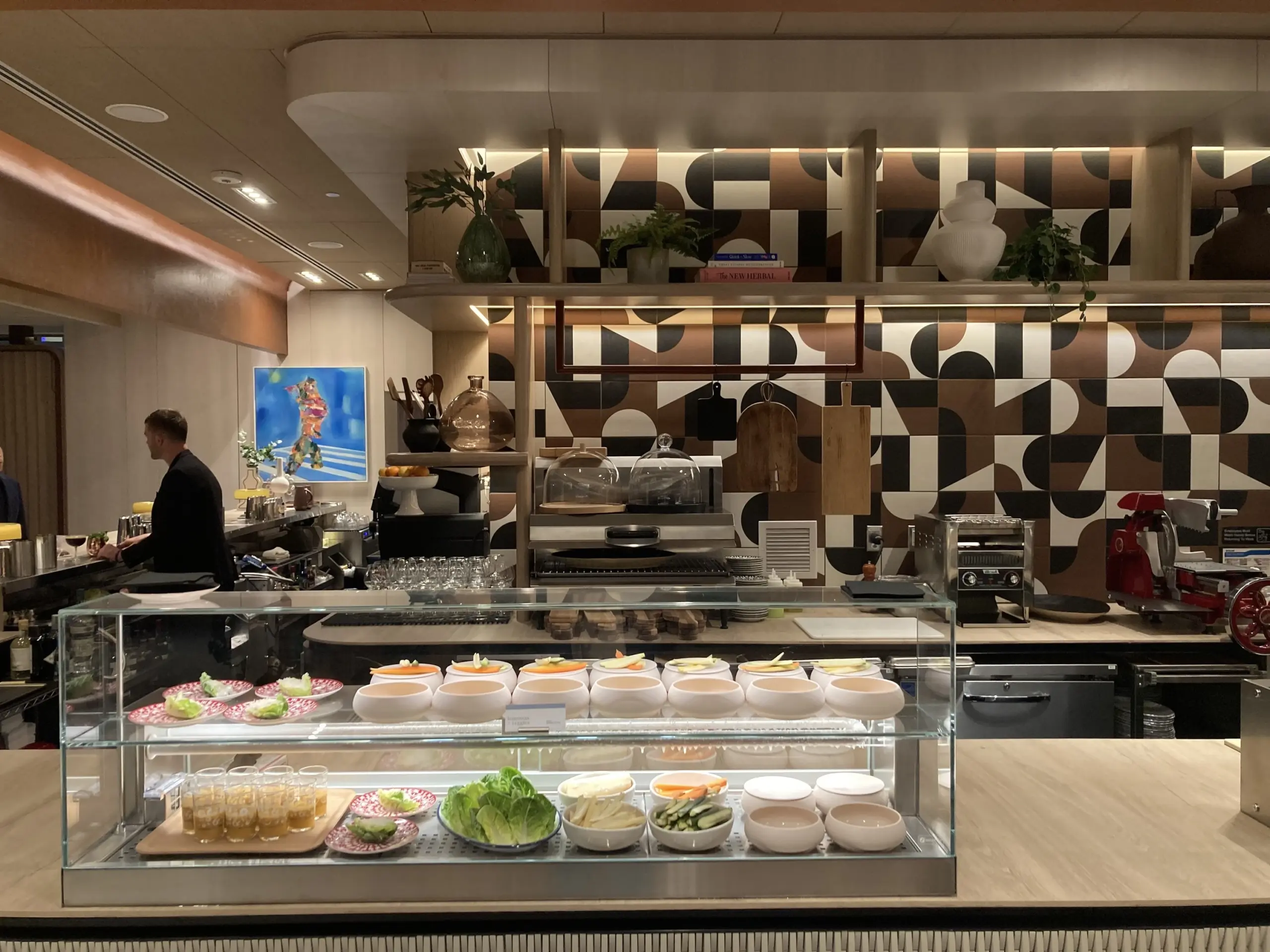
    The Delta Sky Club at LAX Terminal 5, where I am sitting as I write this, is fine. It is not designed for me. The club chairs are standard 19-inch seat width with leather arms that do not give. The buffet is self-serve with a counter you have to reach across. The bathroom door is, as noted, eight inches narrower than the gate-area bathroom. The view is excellent. The coffee is good. If you have access, use it. Just do not expect comfort.

    The United Polaris Lounge at Newark Liberty is one of the most spacious lounges in the US system, but it is gated behind a Polaris international business class ticket, which is not a casual purchase. If you are flying Polaris, the lounge is genuinely worth the time. The dining room serves restaurant-style table service, which solves the buffet problem entirely. The shower suites are 5 feet by 5 feet. The day suites have a lie-flat bed. The seating mix is good.

    The Plaza Premium at Toronto Pearson Terminal 1 is the Priority Pass lounge I recommend for international transits. The chairs are mostly armless or generously armed, the buffet is staffed during peak hours, and the shower facilities are bookable. Brett Snyder at Cranky Flier has reviewed the Plaza Premium network multiple times and called the Toronto lounges some of the most consistent in the system, which matches my experience.

    Singapore Airlines flies out of JFK Terminal 4 but does not run a dedicated SilverKris lounge there. Eligible passengers are routed to partner spaces including the Air India Maharaja Lounge, the Virgin Atlantic Clubhouse for Suites and Solitaire PPS members, and the Capital One Lounge. If you are flying Singapore in a premium cabin out of JFK, ask at check-in which partner lounge your fare class accesses, because the experience varies sharply between them.

    airport lounge buffet station with staff plating food
    Airport lounge buffet station with staff plating food

    The Bathroom Problem at Every European Lounge

    I want to be specific about this because nobody else seems willing to be. The European lounges I have used, including Lufthansa Senator at Frankfurt, British Airways Galleries at Heathrow Terminal 5, Air France at Paris Charles de Gaulle, and KLM Crown at Amsterdam Schiphol, all have bathroom doors and stalls that are noticeably narrower than US lounges. The Heathrow T5 lounge bathroom stalls measured at 24 inches of interior width when I traveled through last year, which is several inches less than the US standard. The shower facilities in European lounges are often partitioned into very narrow stalls with little room to turn around.

    The workaround for plus-size travelers transiting Europe is to use the gate-area family restrooms or the airport’s main bathrooms before entering the lounge, and to time your needs accordingly. This is not a perfect solution. It is the solution that exists right now. The longer-term fix is for European carriers to renovate, and there is no indication that they intend to.

    What to Pack for a Long Lounge Layover

    A compression refresh kit lives in my carry-on for any layover longer than three hours. This is a clean pair of compression leggings or shorts, depending on what I am wearing, and a small bottle of body powder. If you are larger and you have been sitting on a plane for five hours, changing your compression layer in the lounge bathroom before your next flight is the difference between getting off the second plane feeling human and getting off feeling broken.

    A change of underwear, always. Long-haul travel is sweaty work, and lounges are one of the few places where you can change in privacy.

    The snack situation is worth planning for. Lounge buffets, especially the smaller Priority Pass lounges, often run out of food or have limited options if you have any food restrictions. I pack a few protein bars and a bag of mixed nuts as backup. The Bureau of Transportation Statistics reported that around 20 percent of US domestic flights experienced a departure delay in 2024, and if you are stuck in a lounge for longer than expected, having your own food matters.

    Charging cables that work with European outlets are essential if you transit Europe regularly. Most premium lounges in dual-voltage configurations now have USB-C ports built into the seating, but I still pack a Type C to Type G adapter and a Type C to Type F adapter, plus my regular USB-C cable. The lounges in Schengen-zone airports tend to have Type F outlets. The UK uses Type G. Knowing this in advance saves you from having to ask the lounge agent for an adapter, which they may or may not have.

    organized carry on bag with compression wear and chargers
    Organized carry on bag with compression wear and chargers

    The Etiquette of Being a Visibly Fat Traveler in a Quiet Lounge

    Black plus-size woman airport lounge quiet reading laptop

    I am going to say this with the kindness it requires. There is no etiquette obligation specific to fat travelers in lounges. We are allowed to take up space. We are allowed to use the chairs that fit, even if that means asking to move from the first chair the host points us to. We are allowed to use the accessible stall when the standard stalls do not work for our bodies. We are allowed to ask for a tray at the buffet. We are allowed to be there.

    What I have learned over the years is that asking quietly and confidently for what I need almost always gets me what I need. The hosts at premium lounges are trained in hospitality. They will move you to a different seat. They will plate your food. They will tell you which bathroom is more accessible. If you ask without apology, they will respond without judgment. The exceptions exist. They are rare.

    The harder part is the other travelers, the ones who look at you the way some people look at any visibly fat body in a premium space. I have learned to make eye contact, smile, sit down, and proceed with my day. The lounge is a paid or earned amenity. You are there because you have access. That is the only credential that matters.

    What an Actually Plus-Size-Friendly Lounge Looks Like

    The argument I want to leave you with is this. Airport lounges were built for the body of a business traveler that the airlines assumed in 1985, and the lounge experience for a size 24 traveler in 2026 is a series of accommodations the airlines have not made. The 19-inch club chair, the narrow bathroom door, the buffet reach, the cramped shower stall, these are not accidents. They are the residue of design decisions that did not consider us. The work of being a fat traveler in a premium space is, in part, the work of compensating for that residue.

    An actually plus-size-friendly lounge would have a published seating mix with at least 30 percent armless or wide-arm seating, bathroom doors and stalls at 36 inches of clear width, attended buffets or food-hall service models, shower stalls with at least 5 feet of interior dimension, and dining tables with chair clearance generous enough that you can pull your seat in without scraping your hip on the table edge. It would have a host trained to ask, not assume, what kind of seating each guest prefers. It would have a wellness room with a chair that fits a larger body. It would have published specifications, the way some hotels have started to publish accessibility specs for their rooms.

    The two American lounges that come closest to this are the Centurion Lounge at Las Vegas Harry Reid and the Capital One Lounge at Washington Dulles. They are not perfect. The Centurion bathroom doors are 32 inches, not 36. The Capital One showers are smaller than the Polaris suites. But the seating mix in both lounges, the staffed food service, and the overall design awareness make them the two spaces in the US where I have walked in and not had to plan around my body. That is what a good lounge feels like. I want more of them.

  • Plus-Size-Friendly Guide to Pregnancy Fitness: What’s Safe and What Feels Good

    Plus-Size-Friendly Guide to Pregnancy Fitness: What’s Safe and What Feels Good

    A plus-size pregnant woman walking on a residential sidewalk in soft late-afternoon light, one hand resting under the belly

    Imani left her OB’s office in March 2025 with a printout that said “moderate exercise recommended” across the top in 12-point Arial, and not one other word of guidance underneath. She was 33, a size 22, 19 weeks along, and had never been to a gym in her life. The nurse who handed her the page smiled the way people smile when they have already moved on to the next chart. Imani sat in the parking lot trying to figure out what “moderate” was supposed to mean in a body that had spent thirty-three years not exercising. She typed “pregnancy workout plus size” into her phone and got six minutes of videos with size-6 women in Beyond Yoga sets. She put the phone face-down. This article is the version of the conversation her OB did not have time for.

    The harder question underneath Imani’s printout is not “what is moderate.” It is what does pregnancy fitness even look like in a plus-size body when the prenatal yoga class is full of women in their first pair of $108 leggings, when the only modifications the instructor knows are for a B cup, and when the medical advice you get assumes you already know how to read your own effort. The honest answer is that it looks different than what social media sells, and it is more doable than most plus-size women have been told.

    What ACOG actually says

    What ACOG actually says

    The American College of Obstetricians and Gynecologists published Committee Opinion 804 in April 2020 and reaffirmed it in 2023. The recommendation is 150 minutes per week of moderate-intensity aerobic activity for healthy pregnancies, and it explicitly includes pregnancies categorized as obese by BMI. Exercise during pregnancy lowers the risk of gestational diabetes, hypertensive disorders, preterm birth, cesarean delivery, and excessive weight gain. The risks of not exercising are higher than the risks of exercising for almost every pregnant person without a specific contraindication.

    ACOG also clears light-to-moderate resistance training in the same document, and the same Committee Opinion confirms strength training with progressive load is safe for healthy pregnancies. Dr. Heather Irobunda, the NYC-based OB-GYN who serves as Peloton’s maternal health advisor, has made the point in interviews that the average pregnant patient gets less guidance about exercise than about car-seat installation.

    Practically, 150 minutes breaks down to 30 minutes five days a week, or 22 minutes seven days a week, or three 50-minute walks. Shape matters less than the total.

    The “moderate” question, and why heart rate is a bad answer

    For two decades the standard answer was “keep your heart rate under 140.” ACOG retired that guidance, and Committee Opinion 804 spells out why: pregnancy raises baseline resting heart rate by 10 to 20 beats per minute, and the elevation is not uniform across people or trimesters. A 140 cap is meaningless if your resting heart rate has already moved from 70 to 88. The number does not map to effort the way it does outside pregnancy.

    The two replacements ACOG recommends are the talk test and the Borg rating of perceived exertion. The talk test is simpler. Moderate intensity is the pace at which you can speak in full sentences but not sing. If you cannot finish a sentence without a breath, you have crossed into vigorous. If you can sing, you are below moderate. The Borg scale ACOG uses is 0-to-10, with moderate at 5 to 6. Five is “I notice I am breathing.” Six is “I notice I am working, but I could keep this up for a while.”

    Dr. Sarah Ellis Duvall, a physical therapist who founded Core Exercise Solutions, teaches the talk test as the single most useful tool a pregnant beginner has, because it self-calibrates to fitness level. A walk that feels moderate for a marathoner is a saunter; the same walk for a size-22 first-time exerciser at 19 weeks is a real workout. Both are correct.

    A plus-size pregnant woman walking on a treadmill in a community gym, water bottle on the console

    What’s safe: the actual list

    What's safe: the actual list

    ACOG’s safe list for healthy pregnancies, including patients with higher BMIs and patients new to exercise, is shorter than the internet suggests. Walking is the top of the list. Swimming and water aerobics are the gentlest on joints and the hardest to overheat in, both of which matter more at a higher weight. Stationary cycling is recommended specifically because it removes the fall risk that comes with center-of-gravity changes. Prenatal yoga and prenatal Pilates are cleared, with a note about avoiding any pose flat on the back after the first trimester. Light-to-moderate strength training is cleared. Low-impact aerobics including modified dance and step classes are cleared.

    What ACOG warns against: contact sports (basketball, soccer, ice hockey) because of abdominal trauma risk. High-fall-risk activities (downhill skiing, surfing, off-road cycling, gymnastics, horseback riding). Scuba diving at any depth, because the fetus is not protected against decompression sickness. Hot yoga and hot Pilates because of overheating risk, especially in the first trimester. Exercise at altitude above 6,000 feet if you are not acclimatized. And any supine exercise after about week 16, because the weight of the uterus on the inferior vena cava reduces blood return to the heart and can drop your blood pressure.

    A 2022 study in Obstetrics & Gynecology on exercise interventions in pregnancies categorized as obese found that supervised moderate exercise reduced gestational diabetes by roughly 30 percent versus no-intervention controls, with adverse events essentially identical between groups. The harm comes from inactivity, not activity.

    Trimester by trimester

    Trimester by trimester

    The first trimester, weeks 1 through 13, is the maintain-baseline window. If you were walking before pregnancy, keep walking. If you were not, start small and stay there, because first-trimester fatigue and nausea are not the time to launch a program. Twenty minutes of walking, three times a week, is an adequate floor. Hydration matters more than usual because plasma volume is expanding, and overheating is the biggest first-trimester risk, especially in the first six weeks when neural tube development is most temperature-sensitive.

    The second trimester, weeks 14 through 27, is the peak window. Energy returns. Nausea lifts. The belly is showing but has not yet redistributed the center of gravity enough to make most movement awkward. This is when the bulk of the 150 weekly minutes gets earned, and the window for adding light strength work. Brittany Robles, an OB-GYN who founded the Postpartum Trainer Academy, calls weeks 14 through 24 “the golden window,” and her clinical position is that women who use this window to build strength have measurably easier third trimesters and shorter labors.

    The third trimester, weeks 28 through delivery, is the focus-shifts window. Aerobic minutes do not go away, but they slow down. The work moves toward pelvic floor coordination, posture, and mechanical preparation for labor. Walking becomes shorter and more frequent, three 10-minute walks instead of one 30. Strength work moves to bodyweight or very light load with an emphasis on hip mobility and breath. Diastasis-recti screening becomes important, and any exercise that domes the abdomen forward is dropped. The third-trimester goal is not to add fitness. It is to preserve what you built in the second.

    Five prenatal-safe strength moves

    Five prenatal-safe strength moves

    These five are the ones Dr. Sarah Ellis Duvall and Brittany Robles teach across body sizes, and they require either no equipment or a resistance band and a pair of light dumbbells.

    Goblet squat to a chair. Stand in front of a sturdy chair, feet a little wider than shoulder width, toes turned slightly out. Hold a 5-to-10 pound dumbbell at chest height with both hands. Sit back to the chair as if you are about to land on it, tap the seat, and stand back up. Three sets of 8 to 10. This trains the mechanics of getting up and down from the toilet at 38 weeks, which is not a joke.

    Wall push-up. Stand an arm’s length from a wall, hands at shoulder height, slightly wider than the shoulders. Lower the chest in a controlled count of three, then press back. Three sets of 10. The wall version protects the abdomen and the wrists.

    Bird dog with breath. On hands and knees, hands under shoulders. Extend the right arm and the left leg, exhale as you reach, hold for two seconds, return. Switch sides. Three sets of 8 per side. You are training the deep core to coordinate with the diaphragm, the foundation of safe lifting later.

    Glute bridge. On your back, knees bent, feet flat. One of the few supine exercises that stays safe past week 16, because the duration is short and you can elevate the upper back on a pillow wedge. Press through the heels, lift the hips to a line from knees to shoulders, lower with control. Three sets of 12. Trains the posterior chain that carries a 30-to-40-pound load shift over nine months.

    Side-lying clamshell. Lie on one side, knees bent at 90 degrees, hips stacked. Keeping the feet together, open the top knee like a clamshell. Three sets of 15 per side. Targets the glute medius, the muscle that keeps the pelvis level when you walk and the one that gives out first when pregnancy hip pain starts.

    Four mobility flows that actually help

    Four mobility flows that actually help

    Mobility is where prenatal yoga earns its place, and it does not require a $30 class. Cat-cow, five slow rounds twice a day, keeps the lumbar spine from locking up. Deep squat hold with hands in prayer at the chest, 30 seconds building to 90, opens the hips for the position the pelvis needs for delivery. Pigeon variation with the front leg low and the back leg straight, two minutes per side, counters the sciatic nerve compression that arrives in trimester three. Child’s pose with knees wide, 90 seconds at a time, decompresses the low back. Glo’s prenatal series teaches these in 10-minute blocks.

    The pelvic floor coordination piece nobody explains

    The pelvic floor is a hammock of muscles from the pubic bone to the tailbone, and it is the part of pregnancy fitness that gets ignored or reduced to “do your Kegels.” The actual work is teaching the pelvic floor to coordinate with the diaphragm, not just to contract.

    The breath cue, in plain language: when you inhale, the diaphragm drops, the belly expands gently, and the pelvic floor releases downward. When you exhale, the diaphragm lifts, the belly draws gently in, and the pelvic floor lifts. Every breath is a small coordination rep. “Just do Kegels” is bad advice because it teaches the floor to contract but not to release, and a pelvic floor that cannot release does not push a baby out efficiently. The Bloom Method, founded by Brooke Cates, is the diastasis-friendly program built around this coordination piece.

    Homework: three rounds of five connected breaths, twice a day, with one hand on the belly and one hand low on the pelvis. Feel the rise on the inhale and the lift on the exhale. It is more useful than any single thing on this list.

    A plus-size pregnant woman in a deep squat hold on a yoga mat at home, sunlight through the window
    A plus-size pregnant woman doing a goblet squat to a chair at home, holding a small dumbbell

    Gear that actually fits

    Gear that actually fits

    The activewear problem at a size 22 is real. Most maternity activewear stops at XL, about a size 16. Old Navy Active Maternity goes to 4X and runs honest to size; the high-waist Powersoft maternity leggings are $35 and hold the belly without binding. Beyond Yoga Maternity Spacedye goes to 3X, the leggings are $99 and worth it for the second half because the fabric does not lose its recovery. Belly Bandit makes a belly support band that extends the comfortable walking window into the third trimester; the Upsie Belly model goes to 3X. Kindred Bravely makes maternity sports bras to 2X and a band size of 48, the only realistic option for women starting with a DDD or larger.

    Shoes matter more than they sound like they should. Foot width increases in pregnancy because relaxin loosens the ligaments of the feet too, and a shoe that fit at week 10 will not at week 30. A wide-toe-box walking shoe with real arch support is the most-used piece of equipment on this list; the Brooks Ghost in a wide width is the most-recommended option in plus-size prenatal forums.

    Apps and programs worth the money

    Apps and programs worth the money

    Expecting and Empowered,

    built by a perinatal-fitness team including a pelvic floor PT, costs about $20 a month and gives a week-by-week strength and cardio program. Plus-size modifications are not advertised but are built in, because the programming is based on stage of pregnancy rather than fitness level. The Bloom Method, mentioned above, is the diastasis-friendly choice. Glo has a prenatal yoga library with instructors who cue plus-size modifications, including Jacqui Bonwell, whose sequences are built for bodies that need wider stances and propped belly space. None of these will solve the fact that prenatal yoga in person is often a size-6 environment. They will let you do the work at home in a wide T-shirt that fits.

    Red flags to stop immediately

    Red flags to stop immediately

    Stop and call your provider today if any of these happen during or after exercise: vaginal bleeding, fluid leaking that is not urine, regular painful contractions before 37 weeks, dizziness or feeling like you are going to pass out, headache that does not lift, chest pain, calf pain or swelling on one side only, decreased fetal movement after 24 weeks, or muscle weakness that affects balance. These are ACOG’s listed warning signs from Committee Opinion 804. The list is short on purpose. Everything else – breathlessness, leg burn, the need to sit for five minutes – is information about pacing.

    Two more practical signals that come up consistently in prenatal-fitness PT and OB-GYN guidance: if your urine is darker than pale yellow during or after a workout, you’re underhydrated and need 16 ounces before the next session. If you’re losing weight in the second or third trimester while exercising, you’re doing too much or eating too little, and that needs a provider conversation.

    What this is actually for

    What this is actually for

    The conversation Imani’s OB did not have time for would not have ended with a heart-rate zone or a list of YouTube channels. It would have ended with the part buried under every prenatal article that uses the word “bounce back.” Fitness during pregnancy in a plus-size body is not about preventing weight gain. It is not about staying snatched. It is about giving your hips, your pelvic floor, and your low back the practice they need to carry a 30-to-40-pound load shift over nine months and then deliver a human being out of your body. The goal is a body that can walk for 30 minutes at 38 weeks without crying. A body that can squat to pick up a dropped pacifier at week 41. A pelvic floor that knows how to release when the work begins. That is the assignment. The 150 minutes a week is the math of how you get there.

  • What Your Foundation Shade Says About How Well the Brand Understands Deeper Skin Tones

    What Your Foundation Shade Says About How Well the Brand Understands Deeper Skin Tones

    The Sephora at North Lenox in Atlanta has a foundation chair near the back wall that faces a north-light window, which is the kind of detail you only notice if you have spent years trying to find a foundation that does not turn orange on your jawline by 2 p.m. I sat in that chair in April 2025 and let the associate scan my face with the iPad shade-match tool. She pointed the camera at my forehead, then my cheek, then the side of my neck where the makeup-free skin actually lives. The tool processed for maybe four seconds and produced its recommendation with a confidence bar that filled most of the screen.

    The shade it picked was three shades too pink and one undertone too orange for my NC45 neutral-warm skin. I knew this before the associate even reached for the bottle. I have been NC45 in MAC, 350 in Pat McGrath Skin Fetish, Y445 in Make Up Forever HD Skin, and 440 in Fenty Pro Filt’r for almost six years. The iPad was not broken. The associate was not under-trained. The tool was working exactly as designed. The brand’s foundation shade range was the problem. There was no shade in the brand’s lineup that matched me, so the tool picked the closest miss and called it a match.

    I spent the next eight minutes walking my own shade chart in front of that mirror, swatching across my jawline in the north light, watching shade after shade slide pink, slide orange, slide ashy. By the end I had not bought a single foundation from that brand. I had also confirmed something I have been saying to my friends for two years. A brand’s foundation shade range is the most honest signal it sends about who it was built for. Everything else is marketing. This is the article those eight minutes earned.

    Foundation swatches across deep skin tones in natural window light
    Swatching across the jawline in north light is the test the iPad cannot replicate.

    The shade depth audit, which is the only audit that matters

    foundation shade range 50 swatches deep undertone Fenty Pat McGrath

    Here is the test I run on every foundation brand before I will buy from them again. Count the total shades. Count the deepest five. Then count how many of those deepest five come in more than one undertone. That third number is the entire audit. A brand can have 50 shades on its color card and still fail this test if the deepest five are all the same red-orange undertone. A brand can have 30 shades and pass it cleanly if the deepest five split across cool, neutral, warm, and olive. The total count is a marketing number. The undertone split is the math.

    Most brands fail at the third number. I have stood in front of the foundation wall at three different Sephoras in the last year and counted out the deepest five shades of brand after brand, and the pattern repeats. Five shades, one undertone, usually a red-orange that flatters maybe one in four deeper-skin shoppers. The brand can claim “expanded inclusivity” all it wants. The undertone math is the truth.

    The undertone problem that nobody at the counter wants to discuss

    deep foundation orange red undertone shade arm swatch comparison

    Almost every “deep” foundation on the market is deep plus orange or deep plus red. Almost none of them offer deep plus neutral or deep plus olive. This is the gap. Olive-toned deep skin reads ashy in a red-undertone foundation. Neutral-warm deep skin reads orange in a red-undertone foundation. Cool-undertone deep skin reads brassy. We are all being handed the same one or two shade options and told to be grateful.

    Pat McGrath is the rare exception that proves the rest of the industry is choosing not to do the work. Pat McGrath Labs Skin Fetish offers 24 deep shades across four undertone families. Twenty-four. That is more deep-undertone options than most brands have shades total. When Pat McGrath, who has been working as a makeup artist for three decades and has painted faces from Naomi Campbell to the Maison Margiela couture runway, builds a foundation line, the depth-undertone matrix is the first decision, not the last. That is what doing the work looks like.

    The six brands that built FOR deeper skin, not added it after the fact

    Fenty Pro Filt'r Pat McGrath Skin Fetish foundation bottles flatlay

    Fenty Beauty Pro Filt’r launched with 40 shades in 2017 and now sits at 50, and the depth math was there from the founding press release. The deepest 15 shades are not crammed at the end of a tail. They are evenly graded across the back half of the range with four undertone splits. This is what people meant when they said Fenty changed the industry. It was not the 40 number. It was the grading.

    Pat McGrath Skin Fetish from 350 to 490 is the gold standard. The undertones split cool, neutral, warm, and olive across every depth tier. There is no “we have a 490, sorry it only comes in red.” There is a 490 in cool, a 490 in neutral, a 490 in warm. The price point is high. The execution earns it.

    Open foundation bottles arranged in a deep shade gradient on a vanity
    A real deep range is graded evenly across the back half, not crammed at the end.

    Make Up Forever HD Skin, which is Sephora’s own showcase brand on this front, ships in 40 shades with a clean cool, neutral, warm cross-grid. The Y series, N series, and R series mean you are picking depth AND undertone at the same time. The shade code does the literacy work most brands offload onto the shopper.

    MAC Studio Fix Fluid is the original deep range. The NC and NW system, which MAC pioneered in the 90s, is still the most teachable framework in the industry. NC for neutral cool, NW for neutral warm, the number for depth. A makeup artist anywhere in the world can ask “what’s your MAC shade” and get an answer that translates. That is infrastructure.

    Estée Lauder Double Wear reformulated in 2024 and added new deep shades with proper undertone splits, which I want to credit because the brand could have coasted on its legacy and did not. The new deep shades land cleanly. The legacy formula is still the longwear bench standard.

    Charlotte Tilbury Hollywood Flawless Filter, which used to be a brand I would skip for deeper tones, actually launched with 12 deep tones in its 2024 expansion. Twelve. The undertone work is there. I bought one for the first time last fall and was surprised. Credit where it lands.

    The six brands that capped shy of the deep range

    Tarte Shape Tape Glossier Drunk Elephant foundation shade range comparison

    I do not have patience for “I love that you tried” praise for brands that stopped at mid-deep and called it inclusive. Tarte Shape Tape Foundation only goes to depth 60, which is mid-deep, full stop. Anyone darker than NC50 is not in that range. The brand has been told this for years. The brand has not fixed it.

    Glossier Skin Tint markets itself as “for everyone” and stops at deep neutral with no cool or olive option below the equivalent of depth 50. “For everyone” is a marketing line. The shade card is the truth.

    Drunk Elephant Umbra Tinte has a very limited deep range, which is strange for a brand that spends so much on skin science. If the formula chemistry is the brand’s whole identity, the shade range should not be the afterthought.

    The Ordinary Serum Foundation has inconsistent grading. Two shades in the deep range can look almost identical, then there is a sudden jump to a much deeper tone with no in-between. This is what happens when the depth math is not planned across the full range from the start.

    e.l.f. Halo Glow Liquid Filter has four “deep” shades and all of them carry the same red-orange undertone. Four shades, one undertone. This is exactly the audit I described above and exactly the failure pattern. The price point is friendly. The deep-undertone work is not done.

    Milk Makeup Future Fluid has limited variation in the deep range and the swatches I have tested run heavy on one undertone family. I want this brand to do better because the formula is genuinely good. The shade range needs the same investment.

    The foundation matching reality at the Sephora counter

    The iPad scan tool at Sephora only knows the products that are physically in that store. If your actual shade is not in the brand’s lineup, the tool picks the closest miss and presents it with the same confidence bar it would use for a perfect match. There is no “we do not carry your shade” output. The tool is a sales tool, not a diagnostic tool, and once you understand that the eight minutes I spent walking my own shade chart make a lot more sense.

    The at-home alternative is the jawline test in natural light. Swatch three candidate shades along the jawline where the face meets the neck, walk to a window, and look in a hand mirror. Dawn light, noon light, and evening light each tell you something different. A shade that disappears at noon can still pull orange at dawn. A shade that flatters at evening can read ashy at noon. Pat McGrath’s own shade-finder framework on the brand’s site teaches this directly, which is rare honesty from a brand that wants you to buy.

    A woman holds three foundation bottles up to her jawline by a window
    Dawn, noon, and evening light each tell a different shade story.

    Undertone literacy, which is the work every shopper ends up doing alone

    The MAC NC versus NW versus N framework is the most teachable place to start. NC means neutral with cool undertone, which on deeper skin reads more golden-yellow. NW means neutral with warm undertone, which reads more red-rose. N is true neutral. Once you know which family you are in, you can translate to almost any brand. I am NC45. That number lives in my phone notes and travels with me to every counter.

    The cool-warm-neutral scale across the broader industry is messier than MAC’s. Make Up Forever uses Y for yellow and R for red. Pat McGrath uses cool, neutral, warm, olive. Fenty uses cool, neutral, warm. The numeric depth code translates relatively cleanly across brands. The undertone code does not, which is why so many shoppers end up matched to the wrong undertone even when the depth number is right.

    The brands quietly doing the work without the marketing budget

    Range Beauty, founded by Alicia Scott, was built explicitly for deeper skin tones and ships in 30 plus shades with the depth and undertone math handled from day one. Black-owned, indie, and doing the engineering most legacy brands are still skipping. The brand is not at every Sephora yet. It should be.

    The last few years also pulled out a hard lesson on what “quietly doing the work” actually costs. Ami Colé, founded by Diarrha N’Diaye-Mbaye in 2021, did the engineering I wanted every legacy brand to do, launched at Sephora, racked up beauty awards, and then announced its shutdown in September 2025. Beauty Bakerie, founded by Cashmere Nicole and one of the original Black-owned shade-range labels, also closed in 2024 and was later picked up by a capital partner for a planned relaunch. The shade work was real at both brands. The market did not protect either one of them, which is part of why the working list I trust now skews toward Fenty, Pat McGrath, MAC, and Range Beauty, where the engineering investment is backed by a balance sheet that survives the rough years.

    The 2024 industry data that the boardroom presentations buried

    Fenty Beauty’s market-share effect on the prestige foundation category is now a case study in every beauty MBA curriculum. The 2024 NPD beauty industry shade-expansion analysis found a direct correlation between brands expanding their deep-shade undertone range and category growth. Brands that did the work grew. Brands that capped shy did not.

    The takeaway I keep coming back to: Black consumers continue to over-index in prestige foundation purchases relative to category share, and brands without a credible depth-undertone matrix have lost shelf space and review-site traction in the years since Fenty reset the bar. The market spoke clearly. The brands that didn’t listen lost ground.

    Working makeup artists have been saying this for years. Mary Phillips, who styles J.Lo and Hailey Bieber and works across editorial, has publicly refused to use brands without proper deep-shade depth on set. Sir John, who has built Beyoncé’s red-carpet looks for over a decade, talks about the shade chart as the first conversation he has with a new brand partner. Pat McGrath built her own brand because the existing ones did not give her what she needed for the runway. When the people who paint faces for a living tell you the shade range is the audit, the audit is the audit.

    What to ASK at the foundation counter, in three questions

    One. What is your deepest neutral undertone shade. Not your deepest shade. Your deepest NEUTRAL. If the associate has to look it up or ask another associate, the brand has not done the work.

    Two. What is your deepest cool-toned shade. Same logic. If the only deep shades are warm-toned, you have learned the answer.

    Three. Do you have an undertone option other than red or orange below depth 50. This is the question that ends the conversation quickly. The brands that pass it are the ones I keep buying. The brands that fail it are the ones I do not.

    What to STOP doing, because we have all done it

    Do not accept the “deepest match” if the undertone is wrong. A foundation that is the right depth but the wrong undertone will read worse on your face than no foundation at all. Walk away. The brand does not deserve your money for the closest miss.

    Do not buy foundation online without a clear returns policy that allows used product back. Some brands will not take a swatched bottle. Read the policy before you click buy. The Fenty, Sephora, and Pat McGrath returns policies are generous. Some indie brands are not.

    Do not mix two shades unless you are willing to do it every single morning for the life of the bottle. The mixed shade is a real solution only if you commit to the mix. Otherwise you end up with two half-empty bottles and a face that changes color depending on which one you reach for first.

    A makeup artist applies foundation to a deep-skin model in studio light
    The shade card is the audit. Everything else is marketing.

    The observation that ended my eight minutes in that chair

    A brand’s foundation shade range is the most honest signal of whether the brand has actually built FOR deeper skin or simply added shades AFTER the feedback got loud enough. The depth-and-undertone matrix tells you everything you need to know in roughly thirty seconds of looking at the shade card. Total count is marketing. Deepest five with multiple undertones is the actual test.

    The six brands I trust on this audit: Fenty Beauty Pro Filt’r, Pat McGrath Skin Fetish, Make Up Forever HD Skin, MAC Studio Fix Fluid, Estée Lauder Double Wear in its 2024 reformulation, and Charlotte Tilbury Hollywood Flawless Filter after the 2024 expansion. The six I have stopped buying: Tarte Shape Tape, Glossier Skin Tint, Drunk Elephant Umbra Tinte, The Ordinary Serum Foundation, e.l.f. Halo Glow Liquid Filter, and Milk Makeup Future Fluid. I am not waiting around for any of them to fix it. The audit takes thirty seconds. The receipt is on the shade card. The chair by the north-light window at the Sephora at North Lenox is still there if anyone wants to run their own.

  • The Dress Code Decoder: What Every Wedding Invitation Term Actually Means in 2026

    The Dress Code Decoder: What Every Wedding Invitation Term Actually Means in 2026

    The wedding was at Mountain Top Inn in Pine Mountain, Georgia, on a Saturday in October 2024. The invitation, which had arrived in a thick cream envelope six weeks earlier, said “Garden Black Tie.” That is the line. Two words pressed onto the bottom of the invitation in a small gold serif, with no clarifying footnote, no link to a Pinterest board, no follow-up text from the bride. I drove up from Atlanta on Friday night and pulled into the parking lot Saturday afternoon expecting some interpretive range. What I got was a costume party.

    Three women in floor-length sequined gowns, the kind you wear to the Met. Three in midi cocktail dresses with bare arms and stiletto sandals. Three in head-to-toe black suiting, structured shoulders, no shirt underneath. Three in white linen, which is its own separate crime. The bride’s mother walked in wearing church separates, a teal skirt and a matching jacket with shoulder pads from a particular era. Nobody was correct because the dress code did not actually instruct anyone. “Garden Black Tie” was a vibe board. It was not a dress code.

    The chaos of a vague dress code is the problem this article exists to fix. Wedding invitations in 2026 are inflating language faster than guests can decode it. Below is the decoder, written by someone who has watched the lexicon mutate from “Black Tie” and “Cocktail” into “Creative Formal” and “Festive Elegant” and “Garden Cocktail Formal,” which is three words doing four jobs.

    A wedding invitation with a vague dress code line on a cream cardstock
    The cream invitation that started the costume party at Mountain Top Inn.

    White Tie: The Only Formal Dress Code Left

    white tie wedding floor length gown opera gloves elegant

    White tie is the apex of the pyramid and the only term on a modern invitation that means exactly one thing. Floor-length gown. Not midi, not tea-length, not ankle-grazing. The hem touches the floor. Fabric should hold structure: silk gazar, mikado, duchess satin, or a heavier crepe. The 1955 rulebook called for opera-length gloves above the elbow, and a small subset of weddings still want that read. The modern alternative is a wrist-cuffed glove in matte satin or kid leather, which photographs cleaner and lets you actually hold a coupe.

    Jewelry on white tie should be heirloom or rented. Costume reads wrong on camera. If you don’t own the diamond drops, rent from Switch or Borrowed by Design. The brands worth pulling from on the floor-length search: Eloquii Studio for sizes 14 to 28, ASOS Edition for structured columns at a lower price point, and Reformation Extended Sizes for a slip silhouette. Law Roach, who announced his retirement from celebrity styling in 2023 in a Vogue interview that clarified the move was about exiting the celebrity-styling grind rather than fashion entirely, has long held that white tie is the dress code with the fewest moves available to a guest. The math is simple: floor-length, structured fabric, heirloom or rented jewelry, no costume.

    Black Tie: The Most Misread Code on the List

    black tie wedding plus-size satin slip dress sequin

    Black tie is where the costume party at Mountain Top Inn started to go wrong. The rule: floor-length, or a very dressy midi if the fabric is sequined, satin, or a structured brocade. A jumpsuit works if the crepe is heavy and the shoulder is engineered, not a slouchy viscose number that reads like office wear. What doesn’t work, and what three of the women at Mountain Top wore, is a cocktail dress. Cocktail is a different dress code. Putting it under a black-tie invitation reads like you misunderstood the assignment.

    The failure mode is almost always the same. A midi cocktail reads short on a dance floor full of gowns, and the photographs flatten the difference between guests who got the brief and guests who improvised. The brands doing the work in the floor-length and dressy-midi range: BHLDN’s guest collection; Eloquii Studio for structured satin and sequin in sizes 14 to 32; Lulus for a floor-length under $200 that photographs better than it has any right to; and ML Monique Lhuillier on Rent the Runway, the rental closet most reliable for true black tie.

    A black-tie wedding reception with floor-length gowns on the dance floor
    Black tie is floor-length or a sequined midi. Cocktail dresses do not translate.

    Black Tie Optional: The Permission Slip

    Black tie optional is the code couples write when they want gowns at the ceremony but can’t bring themselves to require tuxedos. The translation: anywhere from knee-length to floor-length is correct, and the fabric or color does the talking. Embellishment works. Rich saturated color works. A satin slip dress in a deep oxblood or a forest green reads exactly right on a plus-size body where the bias-cut sits at the right place across the hip and the slip-strap construction supports a proper bra rather than a stick-on cup.

    Karla Welch, the stylist whose work with Tracee Ellis Ross and Justin Bieber has shaped a decade of red-carpet looks, has talked publicly about color as the lever guests underuse. Black tie wants you in black or jewel tone. Black tie optional lets you wear scarlet, or a deep teal, or a chocolate brown nobody else thought to wear. That’s where the optional half earns its keep.

    Cocktail Attire: The Mid-Tier Workhorse

    cocktail dress midi jewel tone plus-size guest wedding

    Cocktail is knee-length to midi, in a structured fabric, with a sleeve length determined by season and venue. Crepe holds. Mikado holds. A stretch satin in a heavier weight holds. A flowy chiffon doesn’t, and a polyester suiting fabric reads cheaper than the photos will let you forget. The color rule for cocktail follows the season: jewel tones in fall and winter (emerald, garnet, sapphire, oxblood), lighter florals or soft saturated solids in spring and summer (terracotta, butter yellow, a clear cobalt).

    The hem length that photographs cleanest at a cocktail wedding sits between the kneecap and mid-calf, roughly 39 to 42 inches at the hem on a 5’6″ body. Anything shorter reads casual. Anything longer pushes into semi-formal and competes with the floor-length gowns at black-tie events.

    Dressy Casual and Semi-Formal: The New Beach Casual

    Dressy casual is the dress code that has eaten “Beach Casual” alive. In 2026 you see it on backyard weddings, restaurant rehearsal dinners, and afternoon ceremonies at venues that don’t have the word “estate” or “manor” in the name. The translation: midi sundress with a heeled sandal for outdoor; little black dress with a statement earring for indoor. The fabric shouldn’t be a sweatshirt fleece or a t-shirt jersey. The fabric should be a structured cotton, a linen blend with some weight, or a viscose crepe that doesn’t wrinkle on a folding chair.

    The mistake people make is reading the “casual” half and arriving in jeans, or reading the “dressy” half and arriving in a cocktail dress. Both reads are wrong. Dressy casual is the dress code that’s really about whether a guest understands their host. The couple chose this code because they wanted the room relaxed but intentional. Jeans break the second half. Sequins break the first.

    Garden Party Attire: Florals, Yes; Nude, Never

    garden party wedding midi floral linen plus-size guest

    Garden party attire wants florals. It also wants tea-length or midi hems in a fabric that breathes (linen, cotton voile, silk crepe), and a flat sandal or a block heel because grass doesn’t negotiate with stilettos. What it doesn’t want is anything in the nude family. Champagne, beige, sand, blush, ivory, taupe, oat: all of those read bridal in outdoor photography. The light at a 4pm garden ceremony is warm, and warm light pulls nude tones toward white. From across the lawn, you photograph as the bride. That’s the crime.

    Misa Hylton, the New York-based stylist and creative director who built the visual language of 90s hip-hop for Mary J. Blige and Lil’ Kim and now runs the Misa Hylton Fashion Academy, has long taught a rule that translates cleanly to garden weddings: pick a color that lives in nature but isn’t the color of the bridal party. If the bridesmaids are sage, wear marigold. If they’re dusty rose, wear terracotta. If they’re lavender, wear butter yellow or clean cobalt. Belong in the garden without competing with the wedding party.

    A garden wedding with guests in florals and tea-length dresses
    Garden attire wants florals in the right hem and a heel that respects the grass.

    Creative Black Tie and Creative Formal: The Pinterest Decode

    Creative black tie is the most overused dress code on a 2026 invitation. It is also the most underexplained. What it actually means: follow the aesthetic of the invitation’s Pinterest board. If the invitation is moody navy and gold with a serif type and a watercolor crest, wear in that direction (a navy column, a deep wine, a black with gold embellishment). If the invitation is Italian Riviera with a pencil sketch of a lemon tree and a sans-serif type, wear a yellow midi, a printed silk, or a wide-leg trouser in a sandy linen. Creative black tie is not freelance. It is the couple asking you to read the room the invitation already telegraphed.

    The reason this code gets misread: most guests do not actually study the invitation. They scan it for date, time, and venue, and they ignore the typography and the palette. If the couple put a Pinterest board link in the lower corner, click it. If they did not, look at the invitation itself as the board. The colors are the brief. The fonts are the brief. The illustration style is the brief. You are not inventing. You are matching.

    Destination Wedding and Festive: The Chaos Category

    “Festive” is the dress code that means nothing and everything. Destination weddings in 2026 are leaning on it because the couple wants the room to feel like a vacation, not a gala. The default read: dressy but comfortable, in hot weather, with sleeves preferred for sun. A cap sleeve or a flutter sleeve covers the shoulder without sweating you out of the dress. A linen-blend midi works. A wide-leg silk trouser with a silk camisole works. A printed maxi in a structured cotton works.

    The brands worth pulling from: Eloquii Resort, which dropped its first sized-to-32 resort line in 2024 and made it the strongest plus-size destination collection on the market; Universal Standard, for the bias-cut cotton poplin slip that survives a humidity index of 90; and Anthropologie’s Resort capsule, which leans coastal Italian. The mistake guests make is overcorrecting toward swimwear-adjacent. Festive is not flip-flops.

    The White Rule

    Do not wear white. Do not wear off-white, champagne, ivory, blush, cream, or oat. The only exception is when the invitation specifically requests white attire as the dress code, which happens at a small number of weddings, mostly destination ceremonies or second-marriage celebrations where the couple wants the entire room in white. If the invitation does not say “white attire,” any shade in that family reads as a violation. The photographer will capture you next to the bride and the photo will look like you tried.

    The Black Rule

    Black has been acceptable at weddings for at least a decade. The old rule (no black, it reads funereal) has not applied since around 2014. The only contexts where black still gets side-eye are very religious weddings (some traditional Catholic, Orthodox Jewish, or Southern Baptist services), older-Southern weddings where the grandmother generation still holds opinions, and certain cultural weddings where black is read as inauspicious (some Hindu and Chinese ceremonies). At everything else, black is correct. A black floor-length at a black-tie wedding is the safest choice in the room. A black cocktail at a cocktail wedding is a workhorse. The “no black” rule is dead. Read the room and ignore it.

    The Plus-Size Math Has Changed

    The rental market for plus-size wedding-guest dressing was effectively broken until 2023. Rent the Runway’s selection was thin and Nuuly capped at 24. Both expanded in 2023 and 2024. Nuuly now carries through size 32 across most dress categories. Rent the Runway expanded its 14-to-28 closet by roughly 40 percent and added a 30-to-32 section in 2024. The 26-to-32 range, locked out of the rental economy for a decade, now has actual selection.

    The construction note that matters: bra-strap shoulder is a function of structured strap, not “shapewear.” A dress that supports a real bra has internal channels for the strap, a wider strap that distributes weight, and a neckline cut that holds the bust without stick-on cups or compression underwear. Eloquii Studio, BHLDN, and the Universal Standard formal capsule all build to this standard. If a dress requires three pieces of shapewear to make the structure work, the dress is wrong.

    A plus-size guest in a structured floor-length gown at a black-tie wedding
    Construction does the work. Shapewear does not have to.

    The Underdress Rule

    The single most reliable instruction for guests reading any dress code: dress one level up from the venue tier. If the invitation says “casual barn,” you are not in jeans. You are in a midi sundress with a heel. If the invitation says “elegant garden,” you are not in cocktail. You are in floor-length or a tea-length silk. If the invitation says “black tie at the Plaza,” you are not in a midi sequin. You are in a column gown with proper jewelry. The venue tier tells you the floor. The dress code tells you to go one notch above that floor. The math is simple. The guests who get it wrong almost always under-dressed.

    What to Do When the Invitation Gives No Dress Code at All

    This is the closing observation, and it covers the situation that ate most of the chaos at Mountain Top Inn. Wedding invitations in 2026 are inflating language. Couples are inventing permutations (“garden cocktail formal,” “creative black tie,” “festive elegant”) to signal aesthetic without actually telling guests what to wear. The decoder above cuts through the inflation. But the most common modern problem is the opposite: the invitation gives no dress code at all. No line at the bottom. No clarifying note. Just the venue, the date, and the RSVP card.

    When the invitation is silent, the answer is to ask the couple. Text the bride. Text the groom. Text whichever member of the wedding party is closest to you. The question is one sentence: “What are you imagining for guest dress?” That is the move. It is not rude. It is the opposite of rude. It signals that you took the wedding seriously enough to want to read the room they are building. If you genuinely cannot ask (estranged family member’s wedding, plus-one to someone you barely know, a destination invitation from a former coworker), the default is one level dressier than the venue tier suggests. A backyard becomes midi. A barn becomes a tea-length silk. A hotel ballroom becomes floor-length. A vineyard becomes a structured midi in a saturated color. The decoder above gives you the floor. The underdress rule gives you the ceiling. The math, after fifteen years on the wedding-guest beat, comes out clean.
  • How to Negotiate a Remote Work Arrangement at Your Current Job

    How to Negotiate a Remote Work Arrangement at Your Current Job

    In October 2025, I watched a woman named Iyabo walk into a 9:30 AM meeting with the VP of operations at a Charlotte-based financial services firm. She is 31, a senior analyst, four years on the team, and she had a one-page document in her hand. She walked out at 9:54. By Friday of that same week, she had two days a week of work-from-home locked in, written into a formal six-month trial agreement, signed by her direct manager and counter-signed by the VP.

    Three other women on her team had been asking for the same thing for months. They had been asking in 1:1s, in casual hallway conversations, in Slack DMs to their manager that started with “hey, totally fine if not, but…” None of them had gotten anywhere. One of them had been asking, in some form, since February.

    The difference was not seniority. Iyabo was not the most senior of the four. The difference was not performance. All four were rated in the top quartile in the most recent review cycle. The difference was not relationship with the manager. Two of the other three had stronger personal rapport with him than Iyabo did.

    The difference was the document. Iyabo brought a document. The rest brought a request.

    What follows is what was in that document, why each section was there, and the negotiation logic that produced a yes inside 24 minutes when months of informal asks had produced silence. This is not a script for getting your manager to like you. This is the operational structure that converts “I want to work from home” into a proposal a manager can sign without exposing themselves to risk.
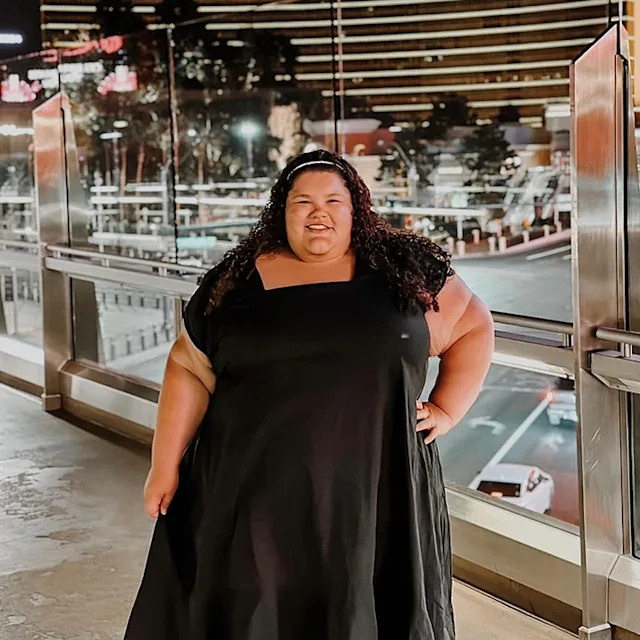
    Black woman in tailored navy blazer holding one-page document outside glass conference room

    Why Most Remote Work Asks Fail

    Black woman laptop remote work home office calm morning

    The reason the other three women on Iyabo’s team got nowhere is not mysterious. They framed their ask as a personal preference. Personal preference is the weakest possible frame inside a workplace. It puts the manager in the position of granting a favor, which makes the manager personally responsible if anything goes wrong, which is a position no manager wants to be in twice.

    When you frame a remote work request as “I would really love to work from home two days a week because of my commute, my dog, my focus, my childcare,” you are asking your manager to absorb the political risk of saying yes. If your output dips even slightly, the manager looks like the person who let you do whatever you wanted and got burned. The default answer to “let me do something different because I prefer it” is no, because the upside is yours and the downside is theirs.

    The proposal frame inverts this. When you walk in with a document that says here’s the deliverable structure that produces equal or better output, here’s how we’ll measure that it’s working, here’s the trial period that snaps back to the current arrangement if it fails, you’re no longer asking for a favor. You’re presenting an operational change with a built-in safety mechanism. The manager isn’t absorbing risk. The manager’s approving a controlled experiment with a clear exit ramp.

    spreadsheet remote work commute savings calculator laptop

    This is the entire game. Everything else in this article is mechanics on top of that one shift.

    The 2026 RTO Context You Are Negotiating Inside

    You need to understand the market you are walking into before you walk in. The numbers matter, because your proposal will work better or worse depending on what your industry is doing right now and what your specific company has said publicly.

    Amazon went to a five-day in-office mandate starting January 2025. JPMorgan followed with a five-day mandate in March 2025. Salesforce and Disney walked back from earlier fully-flexible policies to formal three-day hybrid requirements in 2024 and held those positions through 2025. The trend at the executive layer is real. Public RTO announcements at S&P 500 companies more than doubled between 2023 and 2025, according to tracking from Flex Index and Scoop Technologies.

    And yet. Stanford economist Nicholas Bloom’s 2024 research, updated through his WFH Research project, continues to show that fully remote work reduces productivity by roughly 10 to 20 percent for most knowledge work roles, while hybrid work, two to three days remote, produces no measurable productivity loss and meaningful gains in retention and reported job satisfaction. McKinsey’s 2024 Future of Work Index found that 58 percent of American workers had the option to work remotely at least one day a week, and that figure had not meaningfully declined despite the executive-level RTO noise. The Federal Reserve’s 2023 study on the WFH wage premium found that workers value the option to work from home at roughly 8 percent of their salary, meaning a fully remote option is worth, in revealed preference terms, about the same as a 7 to 9 percent raise.

    What this means for your negotiation is this. The data is on your side for hybrid. The data is mostly on the company’s side for fully remote in collaborative roles.

    Black woman 30s document desk preparing meeting proposal
    If you ask for five days remote in a job that requires real-time collaboration, the productivity research is not in your corner and you are negotiating uphill. If you ask for two days remote with clear deliverable structure, you have Bloom, McKinsey, and the Fed all pointing at the same conclusion. Pick the ask that matches the evidence.

    What Goes in the Proposal Document

    One page. Single-sided. Five sections. Iyabo printed two copies, one for her, one for the VP. She did not email it in advance. She did not send a Slack preview. She brought it into the room and put it on the table after the first sentence.

    Here is what was on it.

    1. The deliverable list with measurement criteria. This section is not “what I do.” It is “what I produce, how often, and how you know it is good.” Iyabo listed four recurring deliverables, each with a frequency, a quality standard, and a current baseline. For example: “Weekly portfolio variance report, delivered every Monday by 10 AM, current accuracy rate 98.4 percent over trailing 12 weeks, target maintained at 98 percent or above.” She did this for each deliverable. The point is to make the work visible, measurable, and decoupled from physical presence. If the report is correct and on time, where she was sitting when she made it is operationally irrelevant.

    2. The communication SLA. This is the section that addresses the unspoken manager fear, which is “I will Slack you at 2:14 PM and you will not respond until 3:30 because you are walking your dog.” Iyabo’s document specified response times by channel. Slack DM during 9-to-5 hours: 30 minutes or less. Email: 4 hours during business hours, next morning if sent after 6 PM. Calendar: same-day acceptance or counter-offer on all meeting requests. This is the most underrated section of the document because it preempts the concern managers will not say out loud.

    3. The trial period with the quit-clause. Six months. Quarterly check-in at the three-month mark with the manager. A specific written clause that says “if at any point during the trial my manager determines that output, responsiveness, or team collaboration has declined, the arrangement reverts to the prior in-office schedule with no further discussion required.” That last phrase is what makes the manager sign. It is a no-cost option for them. They can pull the cord without a conflict.

    4. The office-presence carveouts. Iyabo specified that she would be in-office for all quarterly planning sessions, all client-facing presentations regardless of day, all new-hire onboarding weeks for direct reports, and any day the team had a working session scheduled. This section signals that you are not trying to disappear. You are trying to restructure where the heads-down work happens, not where the collaboration happens. Managers worry about hybrid workers becoming ghosts. This section directly addresses that worry.

    5. What changes for the team. The shortest section. Three bullet points. What changes for direct reports (nothing, all 1:1s remain on existing cadence, available by Slack and Zoom).

    Black woman video call laptop calm professional remote
    What changes for peers (nothing, same project commitments and response times). What changes for the manager (one additional five-minute async written check-in every Wednesday morning, sent by 9 AM, summarizing the week’s deliverables status). That last bullet is a gift. You are offering the manager more visibility than they currently have, not less. That is what closes the deal.

    One-page proposal document with five labeled sections on wooden desk next to laptop

    The Timing Question

    Iyabo did not pick October at random. She walked into that VP meeting eleven days after her team shipped a major client report on time and under budget, the third successful project in a row that she had been the lead analyst on. The VP had personally emailed the team praising the work. That email was nine days old when she made the ask.

    This is not a coincidence. The right time to ask for a remote arrangement is in the 30-day window after a visible success that you were materially responsible for. Your leverage is highest when your recent output is freshest in the decision-maker’s mind. Tsedal Neeley, in Remote Work Revolution , makes a related point about trust being the prerequisite for distributed work, and trust is built through delivery. You are not asking for trust in the abstract. You are asking for the operational acknowledgement of trust you have already built.

    The wrong times are equally specific. Do not ask in the 90 days following a public RTO announcement at your company, even an informal one from your skip-level. The political wind is against you and the manager cannot say yes without standing visibly against the executive narrative. Do not ask during your company’s budget planning cycle, typically Q4 for calendar-year companies, because every leader is in cost-management posture and any structural change reads as a complication. Do not ask within 60 days after a performance review that was anything less than strong. The manager will read the request as evasion of accountability. And do not ask right after a layoff or restructuring, no matter how well you survived it. The signal is wrong.

    The best windows: 14 to 30 days after a successful project ships, 30 to 60 days after a strong review cycle, the month after your annual goals get set if you helped shape them. These are the moments when your contribution is concrete and the organization is in execution mode.

    Who to Ask, and the Order You Ask Them

    Your direct manager first. Always. No exceptions. Skip-level loops in after your manager is bought in, never before.

    This is the rule that the most ambitious people in any office break, and it is the rule that costs them their request more often than any other single mistake. When you go to your manager’s boss before your manager has had a chance to weigh in, you have done two things that cannot be undone. You have signaled that you do not trust your manager to advocate for you, and you have made the skip-level wonder why. You have also forced your manager into a defensive crouch where saying yes now means agreeing with a process they were excluded from.

    The correct sequence is: direct manager in a 1:1, document on the table, ask for their support. If they want to think about it, give them a week and a follow-up date. Once they are in agreement in principle, ask them how they would like to involve the skip-level. Some managers will say “I will handle it.” Some will say “let us go talk to them together.” Either is fine. Both protect your manager’s position and let them present the proposal as something they support, not something they were cornered into.

    Adam Grant has written extensively about this kind of organizational sequencing in his work on idea adoption, particularly the finding that ideas backed by the proposer’s direct supervisor are roughly three times more likely to be adopted than ideas brought directly to senior leadership. The structural reason is obvious in hindsight. Senior leaders trust their direct reports’ judgment more than they trust a two-levels-down employee they barely know. Your manager is your strongest possible advocate, and your weakest possible adversary. Pick.

    How to Handle “We Don’t Do That Here”

    Sometimes the answer is no. Sometimes the answer is “our policy does not allow it.” Sometimes the answer is “you would be the first” delivered in a tone that suggests being first is not a compliment.

    You have three counter-offers in your back pocket, and you should know which one you are leading with before you walk in the room.

    The first counter-offer is the reduced ask. If you walked in asking for two days, your counter is one day, specifically the day of the week with the lightest meeting load. If you walked in asking for three, your counter is two. The reduced ask should still come with the same proposal document, just with the deliverable section adjusted. This frames you as a flexible negotiator, not a person walking away from the first no.

    The second counter-offer is the extended trial. If the manager balks at six months, offer three. If they balk at three, offer 90 days. A shorter trial period reads as lower-risk and is much harder to refuse on policy grounds. The math here matters: a 90-day trial with a quit-clause is a smaller commitment than the manager’s average new-hire probation period, and you can point that out explicitly.

    The third counter-offer is the comp-protected reduction. This is the advanced move and it works in a specific situation: when the company’s stated reason for denial is “we cannot create exceptions for individuals.” In that case, you ask whether they would consider a formal reduced-schedule arrangement, four days a week at 80 percent salary, where one of the four days happens to be remote. This shifts the conversation from “exception to policy” to “standard part-time arrangement,” which most HR systems already accommodate. You give up 20 percent of your salary and gain one fully remote day plus an extra day off. The Federal Reserve’s WFH wage premium research suggests the trade is roughly fair value, and for some workers the day off is a meaningful bonus.

    Two women in business attire seated across conference table reviewing single sheet of paper

    The Script for the Conversation Itself

    Three sentences for the open. Document hand-off. Proposed start date. Trial-end review date. That is the whole structure.

    Iyabo opened with this: “I have been thinking about how to make sure I am delivering my best work, and I have put together a proposal I would like to walk you through. It is one page. Could I have ten minutes?” That is three sentences. The first establishes that this is about output, not preference. The second tells the listener exactly what is happening so they are not anxious about what is coming. The third asks for a small, bounded amount of time, which is psychologically easier to grant than open-ended attention.

    Then she put the document on the table and walked through the five sections in order. She did not rush. She did not apologize. She paused after section three, the trial period with the quit-clause, and said: “This is the part I want to make sure is clear. If at any point you decide this is not working, we revert. No conversation needed. I want you to have that option in writing.”

    After the walkthrough, she proposed a specific start date, the Monday after next, and a specific trial-end review date, six months out, with a calendar invite she had already drafted. She handed the document to the VP, said “you can keep that copy,” and asked: “What questions do you have?”

    The question close is important. It is not “what do you think.” It is not “would this work for you.” It is “what questions do you have,” which presumes engagement with the substance, not approval of the concept.

    What to Do if You Are Denied

    Sometimes the answer is still no after all of this. The follow-up is more important than the original ask, because the follow-up determines whether the door is closed permanently or just for now.

    The script: “I appreciate the decision. I want to understand what would change my proposal, so that if I bring this back in six months, I am bringing back something you could say yes to. Is it the duration of the trial, the deliverable structure, the days I picked, or something about the broader policy environment right now?”

    Each of those four options is a different problem with a different solution. If it is the duration, you offer a shorter trial next time. If it is the deliverables, you ask which ones the manager has concerns about and you redesign that section. If it is the days, you propose different days. If it is the broader policy environment, you note the timing and ask what milestone would change that, a successful Q1, a leadership change, the completion of an RTO trial that is currently in progress. You write down whatever the manager says. You put a calendar reminder six months out. You bring it back at that time, with the document updated, and you reference the prior conversation explicitly: “When we talked in October, you mentioned X. Here is how I have addressed that.”

    The persistence with documentation is what separates the people who eventually get remote arrangements from the people who do not. According to McKinsey’s 2024 data, employees who request flexible arrangements and are initially denied get those arrangements approved on the second or third structured ask at a meaningfully higher rate than employees who give up after the first no. The variable is not the manager. The variable is whether you came back with a refined proposal or whether you waited and asked the same way again.

    The Frame That Converts a Wish Into a Proposal

    Iyabo did not get her two days of remote work because her VP was generous, or because her company had a progressive policy, or because she caught him in a good mood. She got it because she did not walk in saying “I want to work from home.” She walked in saying: here is the deliverable structure that produces equal or better output, here is how you will measure it, here is the trial period that protects you if it fails, here is what changes for the team, here is the start date.

    That is the entire shift. The case for remote work, the one that actually wins, is not a case about your life. It is a case about the operational change you are proposing, the metrics that will tell you both whether it is working, and the safety mechanism that lets your manager pull the cord at zero personal cost. Tsedal Neeley calls this “structured trust.” Adam Grant would call it the lowest-friction path to a yes. Nicholas Bloom would call it the kind of hybrid arrangement the data has supported for five years.

    You can call it what it is. A wish is what you bring when you are hoping. A proposal is what you bring when you are negotiating. Three other women on Iyabo’s team brought wishes for months and got nothing. She brought a proposal and got a yes inside 24 minutes. The document is the difference, and now you have it.

  • Plus-Size-Friendly Travel Outfit Formulas for Long Flights (Anti-Chafe, Anti-Swelling)

    Plus-Size-Friendly Travel Outfit Formulas for Long Flights (Anti-Chafe, Anti-Swelling)

    Somewhere over Greenland, on a Delta 767 from JFK to Rome, I was sitting in seat 27B in a navy wool-blend dress that had seemed so smart in the Uber at 4 a.m. By the time we hit cruising altitude over the North Atlantic, the dress was soaked through under both arms, my ankles had swollen up tight against the leather strap of my Birkenstock Madrids, and the cabin temperature had dropped what felt like 18 degrees off the ground temperature at JFK. I had the airline blanket folded in my lap because I had not packed a sweater, and I had four more hours to go before we started our descent into Fiumicino.

    That was the flight I decided long-haul outfits were not a question of what to wear. They were a system. A set of rules. Once I figured out the rules, I could stop reinventing the wheel every time I booked a long flight, stop landing in a new city looking and feeling like I had been wrung out and hung to dry. Below is the system – the chafe layer, the swelling layer, the temperature layer, plus three specific formulas I have actually worn on actual flights in three different bodies.

    The chafe problem (and why your favorite fabric is making it worse)

    BodyGlide anti-chafe stick thigh plus-size woman applying

    Thigh chafe on a plane is not a moral failing. It is friction plus moisture plus eight hours of not being able to get up and walk it off. The skin gets warm, the fabric grips, and somewhere between hour three and hour five you realize the inside of your thigh is on fire. Same goes for under-bust chafe, underarm chafe, and the line where a waistband sits if you have any belly softness at all.

    The fabrics that make it worse, in my experience after roughly forty long-haul flights: anything 100% cotton (it holds sweat against your skin and never dries in a pressurized cabin), denim of any kind (seams plus rigidity equals raw skin by hour two), wool blends that brush the inner thigh, and most synthetic activewear that has any kind of grippy interior, like a brushed liner. Lululemon’s Align fabric is wonderful for yoga but it will not save you on a 12-hour flight if your thighs touch, because the nylon-elastane mix gets sticky once it gets damp.

    What helps: smooth, fluid fabrics that move with you instead of clinging. Viscose, modal, Tencel lyocell, light merino, and the soft viscose-linen blends Eloquii has been doing for the last few years. They breathe, they release moisture instead of trapping it, and they do not develop that velcro feeling when they get damp.

    What also helps, and what I now will not fly without: a real anti-chafe product applied before I leave the house. The original BodyGlide stick (about $8 at any drugstore) is the gold standard. It is a solid balm in a deodorant-style tube, glides on dry, does not stain fabric, and lasts roughly six hours on me. Megababe Thigh Rescue (~$14, the green tube) is a creamier version with coconut oil and aloe in it, and it smells faintly of lavender, which is nice when you are crammed into 27B. For longer flights I also pack a small jar of Lush Silky Underwear in the talc-free version, which is essentially a cornstarch-based powder you tap on at the gate bathroom for a hard reset around hour six. None of these will fix a chafe situation that has already gone raw, so the rule is apply before, not after.

    The swelling problem (and the compression numbers that actually matter)

    Comrad compression socks 20-30 mmHg plus-size legs airplane

    Cabin pressure plus eight hours of not moving plus gravity equals ankles that look like someone else’s ankles. This is not a plus-size problem specifically, but it does interact with plus-size bodies in a particular way, because we tend to already retain water around the calves and ankles, and a long flight will compound it. The first time I landed in Bangkok after a 14-hour flight and could not get my shoes back on, I knew something had to change.

    The fix is graduated compression socks, and the numbers matter. Most cute “travel socks” sold at airport newsstands are around 8-15 mmHg, which is essentially a snug sock. For flights under four hours, that is fine. For anything over six hours, you want a minimum of 15-20 mmHg. For anything over ten hours, or if you have any history of swelling, varicose veins, or a body weight that puts more pressure on the venous system, I personally wear 20-30 mmHg, which is medical-grade and what most flight attendants I have talked to wear on long-hauls.

    The plus-size sock question is real. Most compression brands top out at a calf circumference that does not work past a US 14, and a sock that cuts into your calf is actually worse than no sock at all because it constricts blood flow above the compression zone. The three brands I have found that genuinely work on bigger calves:

    • Comrad has the most generous plus-size sizing of any compression brand I have tried. Their Large Wide Calf option fits roomy calves comfortably (their size chart kicks in past about 17 inches at the widest point) and they come in 15-20 and 20-30 mmHg. The CloudCotton blend is what I fly in.
    • Sockwell makes a merino-bamboo blend in 15-20 mmHg that is softer than Comrad but tops out at about an 18-inch calf. Good for shorter flights or smaller calves.
    • Vim & Vigr has the prettiest patterns and a moisture-wicking nylon version that is great if your feet sweat. Plus-size sizing goes up to about a 19-inch calf.

    Put them on before you leave the house, not on the plane. The reason is gravity: once your legs have been hanging down for two hours in an Uber and a TSA line, the swelling has already started, and trying to wrestle a 20-30 mmHg sock onto an already-swollen leg in an airplane lavatory is its own form of suffering.

    The cabin temperature problem (a 22-degree variance, in one outfit)

    The cabin temperature problem (a 22-degree variance, in one outfit)

    The jet bridge at JFK in August is 90 degrees. The cabin at 35,000 feet is somewhere between 65 and 72. Add or subtract for which airline (Delta runs warm, United runs cold, most European carriers run cold-to-frozen), where you are sitting (over the wing tends to be warmer, by a galley or exit row is colder), and how many bodies are around you (a full cabin is warmer than a half-empty one).

    You are dressing for a 22-degree variance, sometimes more, in the same outfit. The way to do that is layers that you can put on and take off without doing the whole get-up-and-go-to-the-bathroom routine, because in a packed economy cabin you cannot count on getting to the bathroom whenever you want. So the layering has to happen in your seat.

    My layer order, from skin out: smooth seamless underwear, then a soft tee in modal or viscose, then a pull-on stretch pant with no rigid waistband, then a cardigan or wrap I can drape across my chest like a blanket, then a packable jacket I can use as a pillow or pull on for the descent. The two pieces that change everything are the wrap and the jacket. They need to be lightweight enough to stuff in the personal item, warm enough to handle a cold cabin, and easy to take on and off while seated.

    Formula 1: Short-haul casual (under 4 hours)

    Formula 1: Short-haul casual (under 4 hours)

    This is your JFK to Miami, your Lagos to Accra, your Heathrow to Barcelona. The flight is short enough that the swelling and chafe risk is lower, but you still want to land looking like you have your life together.

    • Pant: Old Navy PowerSoft jogger (their high-waisted version in a dark heather) or Universal Standard’s Smart Signature ponte pant. Both have a smooth interior waistband, no zipper, and enough give that you can eat the entire snack box without unbuttoning anything.
    • Top: Quince modal-cotton tee in a darker color. The modal blend is breathable, does not show sweat at the underarms the way pure cotton does, and runs true to size up through 3X.
    • Sweater: Madewell Transport tote sweater, which is a coatigan-style cardigan that doubles as a blanket. Cotton-wool blend, so it breathes but holds heat.
    • Shoes: Clean white sneakers, ideally Veja Esplar in the extended sizing that goes up to a US 12 women’s. They are leather, so they wipe clean in an airport bathroom if you spill, and they look intentional with whatever you change into at your destination.
    • Compression: 15-20 mmHg Comrad ankle-high if you swell, or nothing if you do not.

    Formula 2: Long-haul economy (8-15 hours)

    plus-size traveler airport wide-leg pant cashmere wrap personal item

    This is the one that took me years to figure out. JFK to Rome, LAX to Tokyo, Lagos to Atlanta. You are going to be in this outfit for fifteen-plus hours door to door, you are going to sleep in it (badly), and you are going to land and need to function. Every piece has to do double duty.

    • Pant: Eloquii pull-on wide-leg pant in their viscose-linen blend. No waistband to dig in, the fabric breathes, and the wide leg means nothing is touching your thighs when you cross your legs in a tight seat. They wrinkle, but in a way that looks intentional, not like you slept in them. Which you did.
    • Top: A soft modal-spandex boatneck tee (the Spanx AirEssentials boatneck or the Lou & Grey signature soft tee both work) tucked loosely. The fabric holds shape through twelve hours of sitting without bagging at the elbows.
    • Wrap: Quince Mongolian cashmere wrap, the big one (the 100% cashmere travel wrap is about $90 and worth every cent because it doubles as a blanket, a pillow, and a cardigan). It packs down to the size of a paperback in your personal item.
    • Shoes: Allbirds Tree Runners in a half-size up from your normal. The eucalyptus fiber breathes, they slip on and off without bending over (which you cannot do in 27B anyway), and the cushioning holds up to a sprint through the Frankfurt connection.
    • Compression: Comrad 20-30 mmHg wide-calf, in merino, worn under a thin cotton crew sock so the compression sock does not show when I take my shoes off at the gate. This is non-negotiable on anything over eight hours.
    • Anti-chafe: BodyGlide on the inner thigh, under-bust line, and the back of the heel, applied before I leave the house. Megababe in the personal item for a top-up at the layover.

    Formula 3: Premium cabin (any duration)

    Formula 3: Premium cabin (any duration)

    If you are flying business or first, or if you are flying coach but on the way to something where the airport lounge or the arrivals photo matters, you want the formula that reads “put-together” without sacrificing any of the comfort. Honestly this is also what I wear when I am picking up a rental car at a small European airport and need to look like I belong there.

    • Pant: A ponte slim-straight with a wide soft waistband that does not bite (Universal Standard’s Smart Signature Ponte in the slim cut is the go-to) or Anthropologie Pilcro slim straight in stretch sateen. The Pilcro goes up to a 24W in some washes.
    • Top: Lou & Grey signature soft tee, long-sleeve crew, in a neutral. The fabric has enough drape that it reads dressier than a regular t-shirt, but it is still essentially pajamas.
    • Layer: Loft drapey blazer in a knit fabric. Not a real structured blazer, which will wrinkle, but a softer knit version that you can roll up and stuff in the seat-back pocket.
    • Overshirt: The Sleeper pajama-style overshirt (the linen one) doubles as a long cardigan in the cabin and a beach overshirt when you land. It is not cheap (around $290) but it has earned its keep for me on roughly twenty long-hauls.
    • Shoes: Vionic Joey loafer. The arch support is genuinely orthopedic, they read as actual shoes (not slippers), and they slip on and off at security without bending. Vionic goes up to a US 12.
    • Compression: Same Comrad 20-30 mmHg, in a black merino so they read as regular trouser socks.

    The underwear question (and why I changed my answer)

    The underwear question (and why I changed my answer)

    For years I flew in an underwire bra because I felt unsupported without one, and I would land in Rome with two perfect red welts under my breasts that took 48 hours to fade. I now will not fly in an underwire on anything over four hours. The cabin pressure plus the seated position pushes the wire into the under-bust crease in a way that creates pressure sores. Real pressure sores. Ask any flight attendant.

    What works for me now: a supportive wireless or soft-wire bra, not a thin lace bralette. The CUUP Plunge in the modal version (which scales up to an H cup in the larger band sizes), the Knix Catalyst wireless bra (supportive enough for a G cup, comes in plus sizing), or the Soma Embraceable wireless. All three give me enough shape that I do not feel naked under a tee, and none of them leave marks.

    Going without a bra entirely is also a real option, particularly under a wrap or blazer, and I have done it on red-eyes more times than I will admit. The point is not the specific answer, it is that an underwire is not a hill worth dying on for a fifteen-hour flight.

    For the bottom half: seamless boyshorts in a smooth microfiber, not lace. Anything with elastic at the leg opening will dig in once you sit for a few hours. The Knix leakproof boyshort is my flying default because it also handles a surprise period start, which has happened to me twice over the Atlantic and both times I was grateful.

    What goes in the personal item

    What goes in the personal item

    The personal item is not for stuff you might want. It is for stuff you will need within six minutes of feeling uncomfortable. Mine, every flight:

    • The Quince cashmere wrap (already out, on my lap before takeoff)
    • A second pair of socks, thick cotton, for when my feet get cold inside the compression socks
    • BodyGlide travel size and a small tin of Megababe
    • A change of underwear (one pair, sealed in a small ziplock)
    • A toothbrush, toothpaste, deodorant, face moisturizer (the Cerave travel size), and a lip balm
    • A reusable water bottle, filled after security
    • One snack you actually want to eat (almonds, a Larabar, dried mango), not whatever the airline is giving you
    • Phone charger plus a battery pack, because the seat outlet is broken on roughly half the flights I have been on
    • Glasses if you wear contacts (the cabin air will dry them out by hour three)

    The transit-ready rule

    plus-size woman exiting airplane Rome airport with carry-on confident

    Here is the test I run on every long-flight outfit before I leave the house. If the plane landed early and I had to walk straight from baggage claim to a meeting, or to a train, or to a hotel check-in with people behind a desk, could I do it without changing? Not look magazine-photo perfect. Just walk in, hand over an ID, and not feel like I had to apologize for my body or my clothes.

    That is the rule. Transit-ready. It rules out anything I would be embarrassed to be photographed in, anything that wrinkles into a topographic map, anything I cannot walk a mile in (because Heathrow and Atlanta and Frankfurt are functionally a mile each from gate to exit), and anything I am going to have to sneak into a bathroom to swap out before I face another human.

    The opposite of transit-ready is what I had on that Delta flight to Rome, in the wool-blend dress and the leather-strap sandals, when I landed at Fiumicino at 7 a.m. and had to ride a train into the city and could not bring myself to walk into the hotel until I had stopped at a cafe and splashed cold water on my face in the bathroom. I lost an hour of my first morning in Rome to recovering from my outfit. I will not lose another one.

    The goal of a long-flight outfit is not to look chic in the security-line selfie. It is to land in Rome, Lagos, Bangkok, or LAX and walk straight off the plane and into the city without first locking yourself in an arrivals-hall bathroom to change. What makes that possible is not luck and not genetics. It is the right fabric against your skin, real compression on your legs, a wrap you can put on without standing up, anti-chafe applied before you ever set foot on the jet bridge, and shoes you can run through a connection in. Build the system once. Then every long flight after that is just packing.