Tag: evergreen

  • How to Dress for a Concert When You’re Curvy – the Ultimate Size-Inclusive Guide to Show Outfits

    How to Dress for a Concert When You’re Curvy – the Ultimate Size-Inclusive Guide to Show Outfits

    The bass hits, the lights drop, and forty thousand people scream the same lyric at once. That is the moment you bought the ticket for. And the last thing you want to be thinking about in that moment is whether your waistband is digging in, whether your shoes have turned your heels into a blister museum, or whether the top you grabbed because it “looked fine in the mirror” is now sticking to your back. A great show outfit does one job above all others – it disappears, so that you can be fully present, arms up, hips moving, voice gone by the encore.

    Getting there is not about squeezing yourself into something. It is about dressing a body you already love for a night it deserves. Curvy and plus-size women have more genuinely good options in 2026 than ever before, from brands that finally cut for real bodies to fabrics engineered to move and breathe. What follows is a practical map – how to read the genre, how to stay comfortable without going boring, where to actually buy the pieces, and how to walk in like the show is partly about you.

    Reading the Room: Dressing for the Genre and the Vibe
    Reading the Room: Dressing for the Genre and the Vibe

    Every kind of show has its own unspoken dress code, and leaning into it is half the fun. You are not obligated to follow it, but knowing the language lets you choose what to speak.

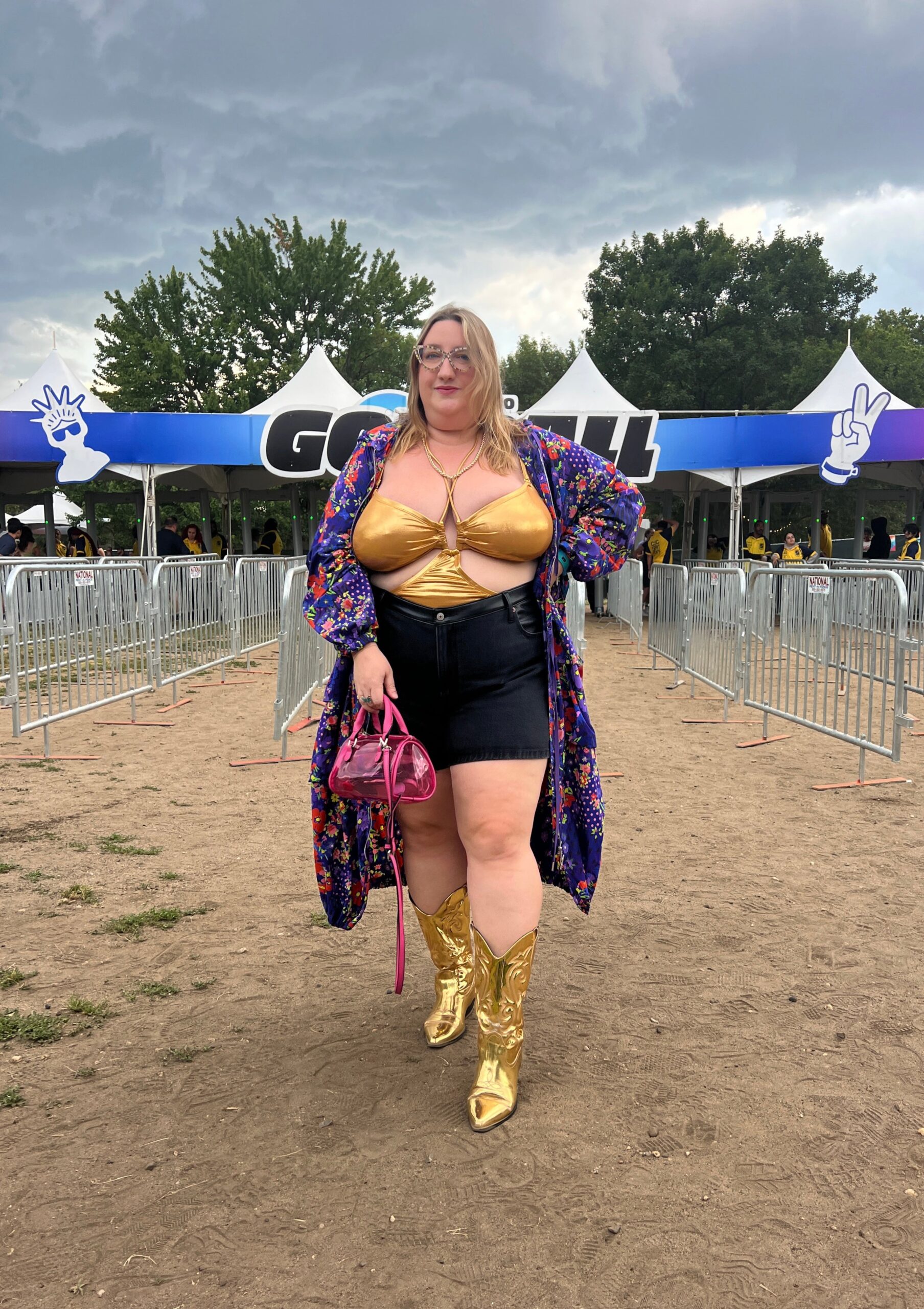
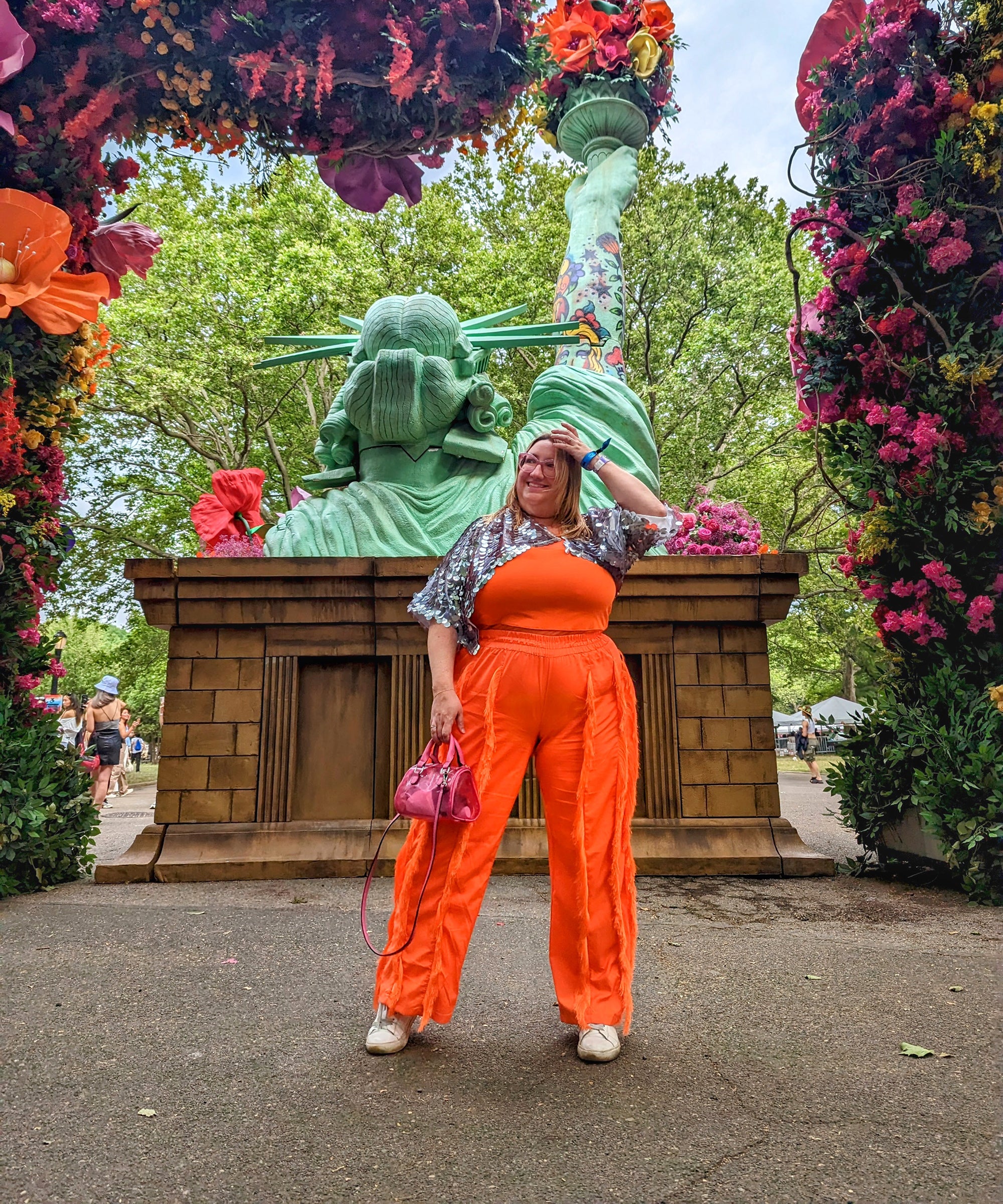
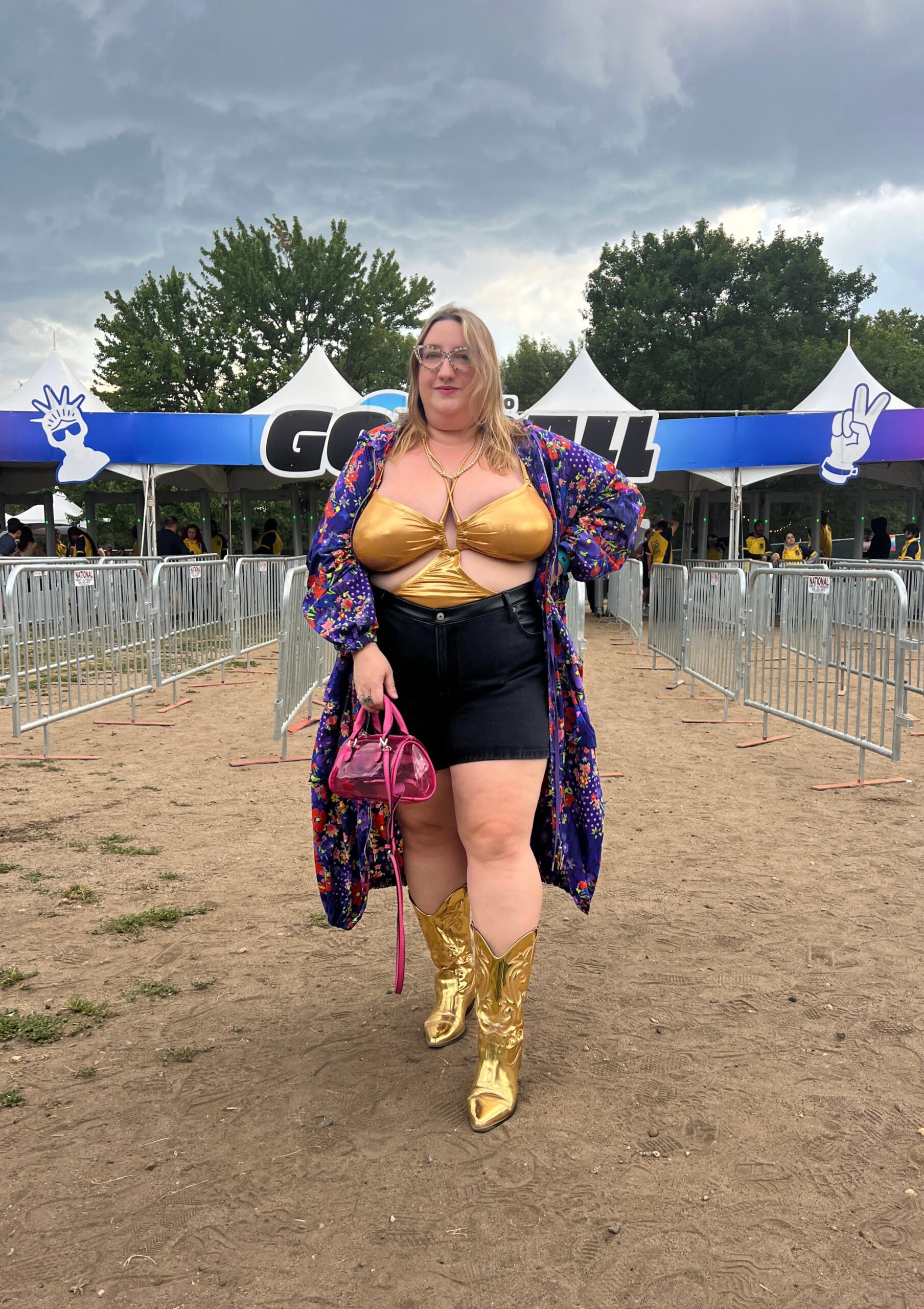
    A pop concert – your Beyonce, your Sabrina Carpenter, your Dua Lipa arena night – rewards sparkle and a little theater. Sequins, metallics, a bodysuit layered under a mesh skirt, or a slip dress with a denim jacket all read perfectly. Pop crowds dress to be seen, so a curvy frame in a column of liquid sequins is not hiding anything, it is the whole point. If a full sequin look feels like a lot, a single statement piece – rhinestone-fringed boots, a sparkly bralette under an open shirt, a metallic midi skirt with a plain fitted tee – carries the same energy with less commitment.

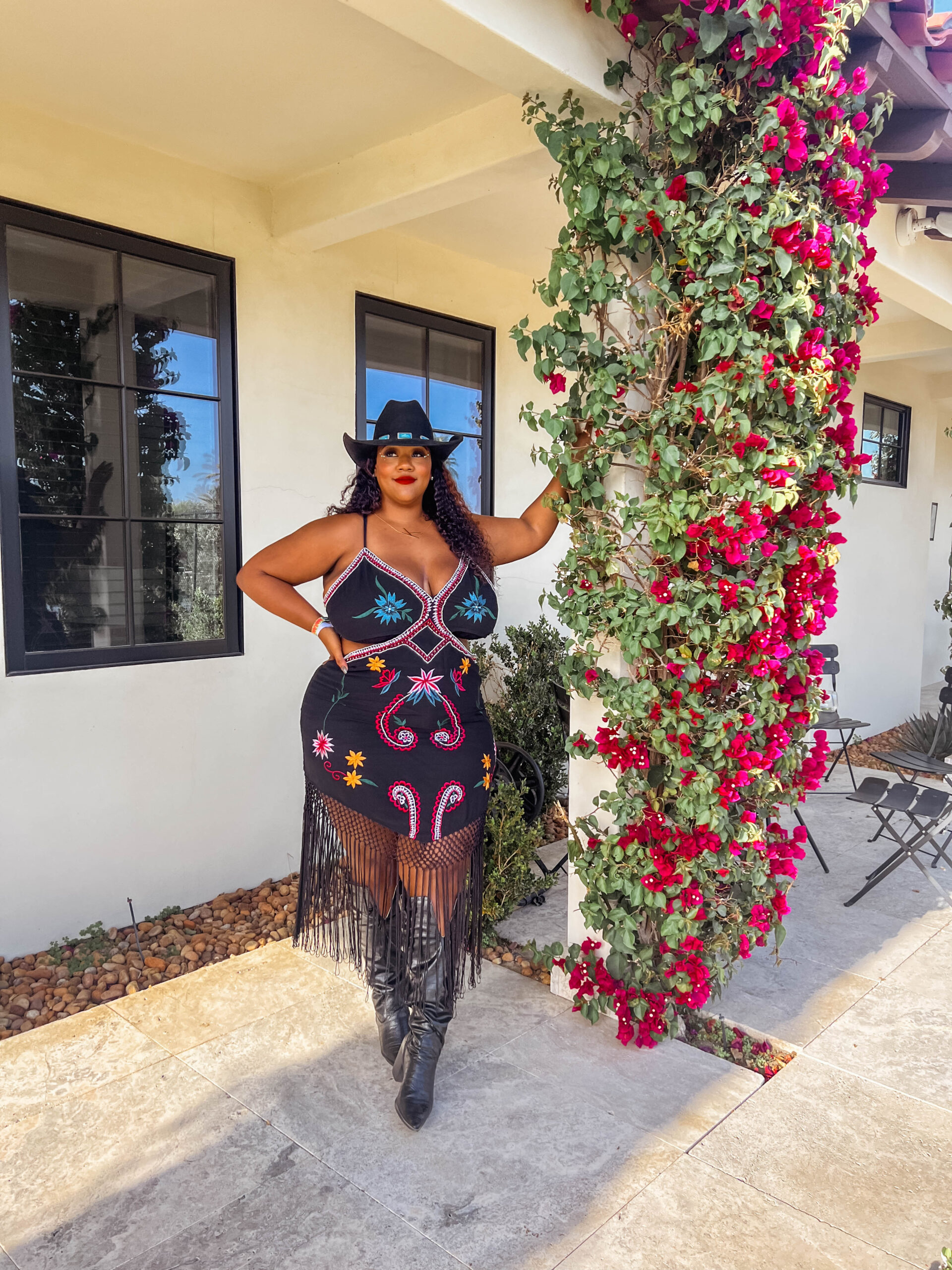
    Country shows are having an enormous moment, and the uniform is joyfully easy to wear on a fuller figure. Think a flowy floral or gingham dress with cowboy boots, high-rise denim shorts with a knotted Western shirt, or a slip skirt and a fringed jacket. Country style leans on movement and softness, which is forgiving for long days and flattering in the truest sense – it lets the fabric skim rather than cling. A wide belt at the natural waist defines a curvy silhouette beautifully here if you want shape.

    Festivals are their own animal, and we will come back to them, but the festival “vibe” – boho, free, a little undone – travels well to any outdoor or general-admission show. Crochet tops, tiered skirts, breezy co-ord sets, bold prints, and a crossbody bag you can dance with all belong.

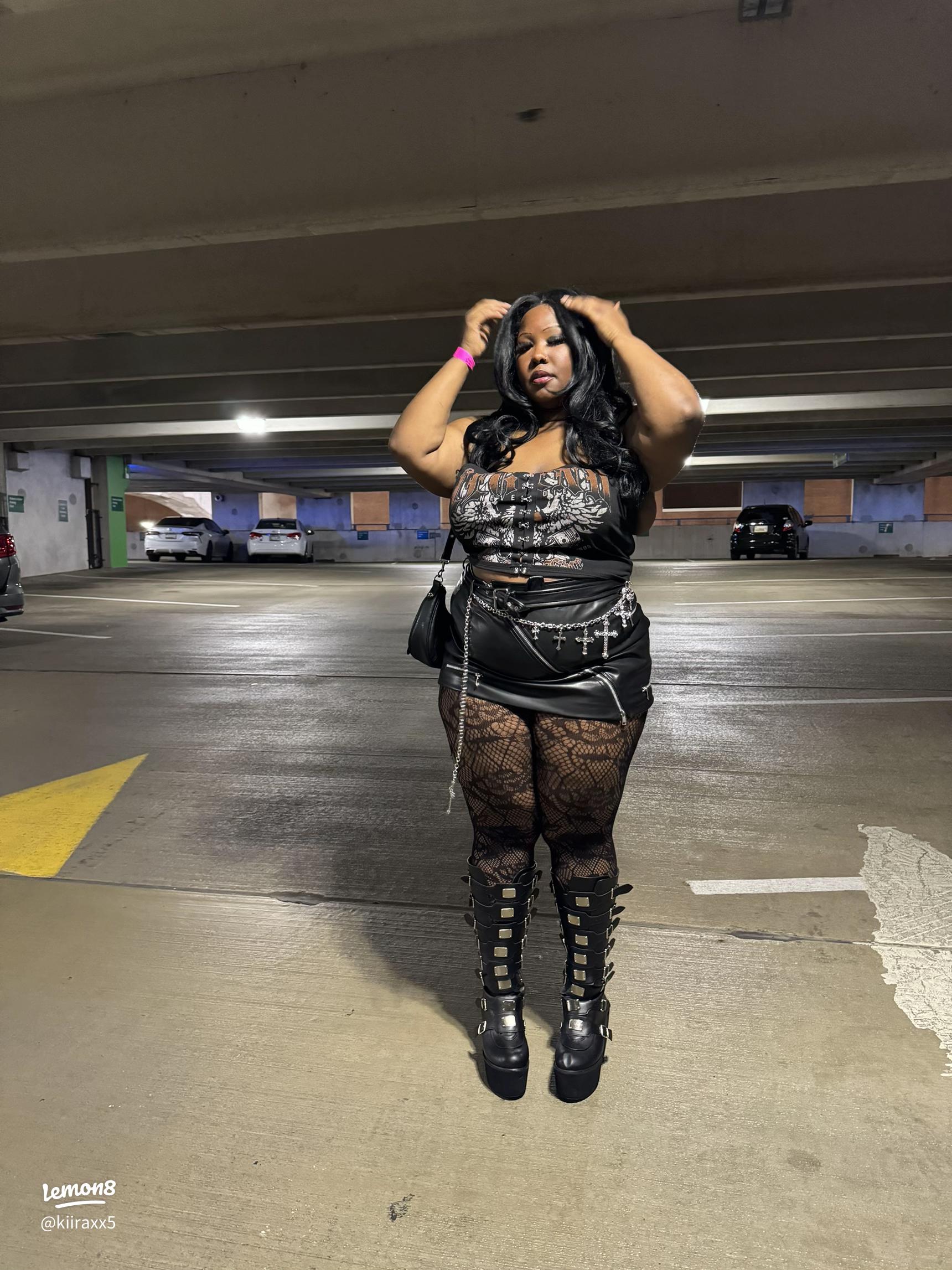
    Rock and alternative shows skew darker and tougher, which is a gift to anyone who loves a bit of edge. A graphic band tee knotted at the hip over leggings or wide-leg trousers, a faux-leather skirt with chunky boots, fishnets under distressed denim, a slip dress with a moto jacket. Black does a lot of quiet work at a rock show, but so does a red lip and a confident stance.

    R&B and soul nights invite softness and shine – a satin slip, a wrap dress that moves with you, a bodycon with a long duster coat, gold hoops, a sleek bun. The mood is grown, sensual, unhurried. Curvy bodies were made for the drape of good satin, and an R&B show is the place to prove it.

    Comfort That Does Not Kill the Look

    Here is the truth no styling video tells you – you will be on your feet for three to six hours, possibly in heat, possibly in a crowd that does not care about your personal space. The outfit has to survive that, or the photos will be the only good part.

    Start from the feet, because nothing ends a night faster than ruined shoes. Footwear pros and podiatry-minded brands agree on the basics: cushioned insoles, real arch support, breathable uppers, and – this is non-negotiable – shoes you have already broken in. A concert is the worst possible debut for a new pair. Supportive sneakers are the gold standard for standing all day; models like the Brooks Ghost, HOKA Clifton, and roomy New Balance trainers are repeatedly named as crowd-pleasers for marathon festival schedules because of plush cushioning and a generous toe box. If sneakers feel too casual for your look, a sturdy block-heel ankle boot or a cushioned ballet flat (Tieks built a following on exactly this use case) splits the difference. Skip stilettos and brand-new sandals for any general-admission show, where you will stand the whole time and the floor is sticky.

    Fabric is the next quiet hero. For long, warm shows, breathable and forgiving wins: cotton, linen, modal, jersey, and lightweight knits move air and stretch with you. Avoid anything stiff or heavily synthetic that traps heat against the skin. A loose, flowing silhouette over a clingy one keeps you cooler and lets you actually breathe when the floor packs in – and it photographs as effortless, not as effort.

    Then there is the unglamorous, completely essential matter of anti-chafe. For curvy women, inner-thigh friction over a six-hour day is a real thing, and the fix is simple and well established. Anti-chafing thigh bands – Bandelettes is the best-known name, with Thigh Society and others making slip shorts in the same vein – work by replacing skin-on-skin rubbing with a smooth, lightly compressive layer. Measure the thickest part of your bare thigh while standing and size accordingly so the band covers the full friction zone and grips without sliding. For very hot or very long days, full-coverage slip shorts under a dress or skirt are the more complete solution, and they double as a smoothing layer if you want one. A small balm or a backup pair tucked in your bag is cheap insurance.

    Layers solve the weather problem before it starts. Indoor arenas swing from sweltering at floor level to chilly near the doors; outdoor shows can drop fifteen degrees after sunset. A packable jacket, an oversized shirt you can tie around your waist, or a light cardigan means you adjust instead of suffer. And give a thought to where your phone goes – a crossbody bag worn across the body (not a tote that slides off your shoulder when your arms go up) or a fanny pack keeps your phone, ID, card, and lip product secure and hands-free for dancing. Many general-admission venues now require clear or small bags, so check the venue policy before you pack.

    Statement Pieces and the Power of an Accessory
    Statement Pieces and the Power of an Accessory

    Once the practical layer is handled, this is where the joy lives. Accessories let you turn a simple, comfortable base into something that feels like a moment, and they do the loudest talking for the least effort.

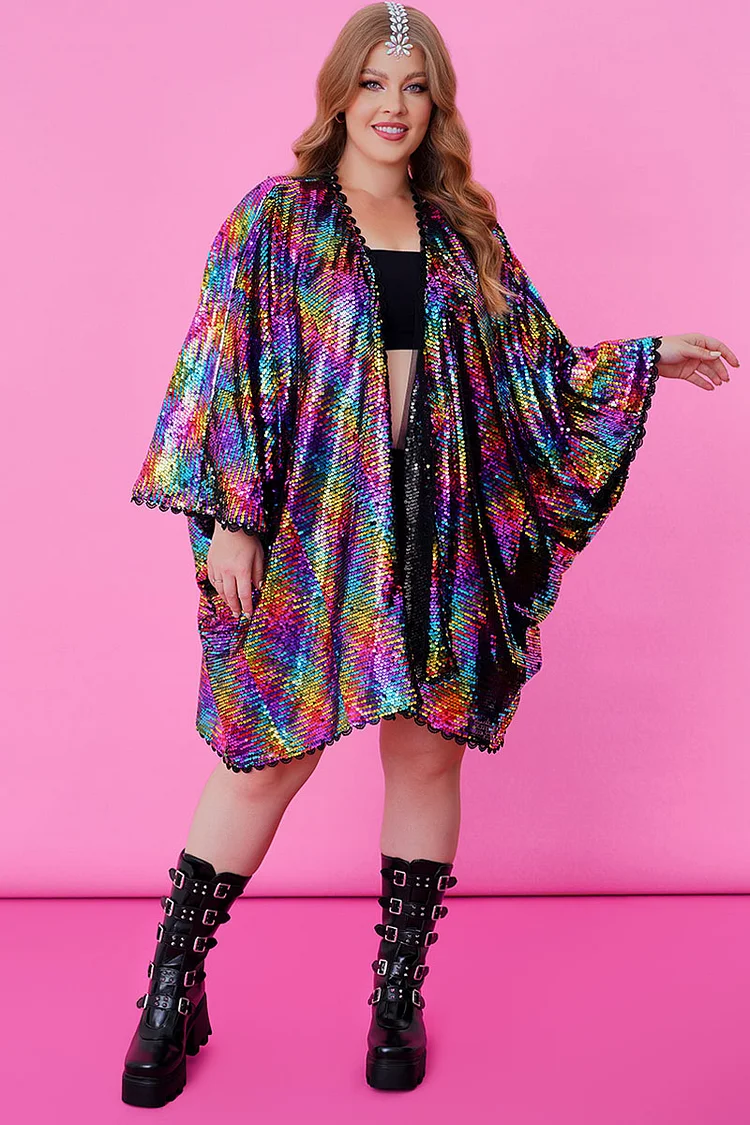
    Build around a hero. Pick one piece to be the star – a metallic skirt, a fringed jacket, a bold bodysuit, cowboy boots, oversized hoops – and keep the rest of the outfit calm so it has room to shine. A plain black tank and good jeans become a whole look the second you add a sequin blazer and a stack of gold bangles.

    Jewelry reads beautifully from a distance and survives the whole night. Statement earrings, layered chains, a cuff, stacked rings – none of it chafes, overheats, or needs adjusting. Belts pull double duty for curvy frames, defining the waist and breaking up a column of fabric while staying comfortable. A bold lip is the single most efficient confidence move in the building; it shows up in every photo and asks nothing of your feet.

    A few small touches earn their place in your bag too: blue-light-friendly sunglasses for daytime outdoor sets, a hair tie and a couple of pins for when the dancing wins, a tiny powder or blotting sheets, and a portable charger so the night does not end when your battery does. None of this is about covering anything up. It is about giving yourself everything you need to stay out there, fully in it, until the lights come up.

    The Festival Versus Arena Difference
    The Festival Versus Arena Difference

    Where the show happens changes the brief entirely, and dressing for the wrong one is a long, uncomfortable mistake.

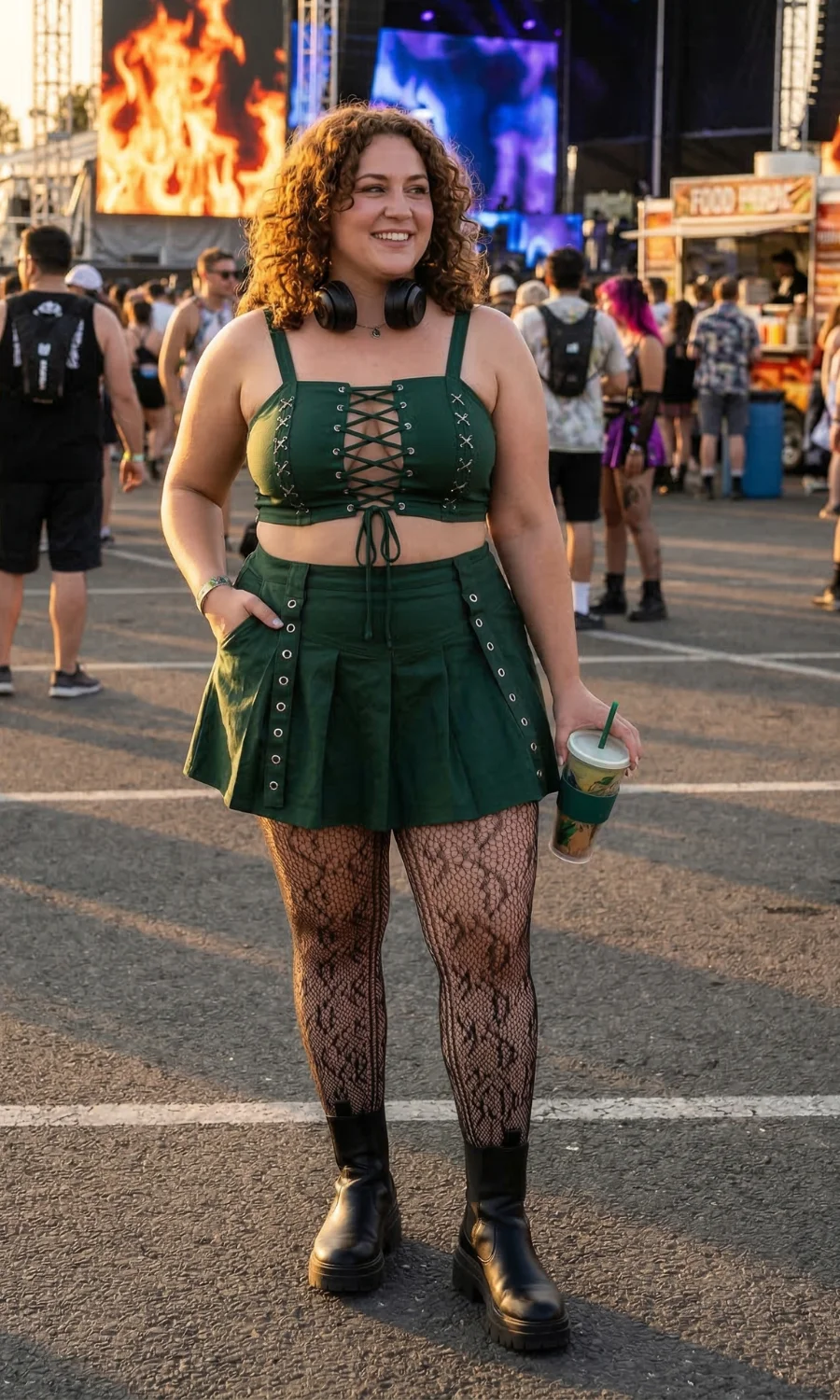
    A festival is an endurance event. You are outdoors for eight to twelve hours, often across multiple days, walking miles between stages, exposed to sun, dust, possible rain, and temperatures that swing hard from afternoon to night. The festival wardrobe is built for that reality: breathable fabrics, a hat and sunscreen, closed or sturdy shoes that handle uneven ground (chunky sneakers, lace-up boots, sport sandals with a real footbed – never brand-new anything), a crossbody or fanny pack, and layers for the temperature drop. This is the home of the boho and rave aesthetics – crochet, fringe, bold prints, bodysuits, co-ord sets, and statement sunglasses – precisely because those looks are designed to move and breathe through a marathon day. Comfort is not the enemy of the festival look, it is the foundation of it.

    An arena or theater show is a sprint by comparison. You are indoors, climate-controlled, on your feet for a couple of hours at most, and you arrived by car or transit rather than hiking in. That frees you up to dress with more polish and less armor: the sequin look, the satin slip, the heeled boot, the dressier bag. You still want broken-in shoes and a layer for the AC, but you can let glamour take the lead. The mental shortcut is simple – festival rewards stamina, arena rewards shine. Pack for the one you are actually attending.

    Where to Shop Plus-Size Show Outfits
    Where to Shop Plus-Size Show Outfits

    The genuinely good news is that real retailers now cut for real bodies, with extended ranges that go well beyond a token size or two.

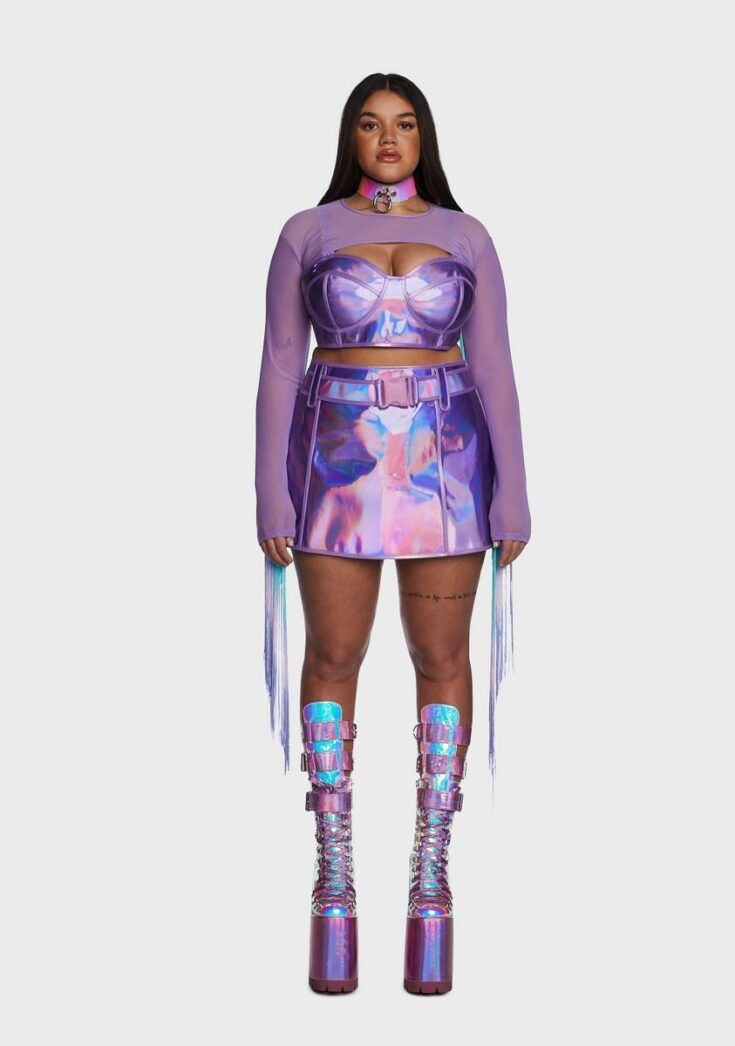
    For festival and concert specifics, Torrid is a go-to, running a dedicated “Festi” collection each season with bodysuits, sets, and dresses cut for curves across roughly sizes 10 through 30. Yours Clothing carries a full festival edit spanning roughly US sizes 8 to 36, heavy on crochet, boho, and bright prints. For rave-leaning and bold festival pieces with extended sizing built in, Freedom Rave Wear and Xpluswear both specialize in the genre.

    For the broader closet – the slip dresses, satin, denim, and tailored pieces that carry an arena or R&B night – Universal Standard is the standout, offering essentially every style from a US 00 to 40 (their 4XS to 4XL range) with the same price and fit-testing across the whole spectrum. Eloquii cuts contemporary, trend-forward pieces in sizes 14 to 28 and beyond, and is reliably strong on dresses, jumpsuits, and going-out looks. Lane Bryant and Torrid both anchor the mall-brand middle with denim, tops, and event dresses in deep size ranges, and Old Navy’s extended sizing makes it an easy, affordable source for the basics – tanks, tees, and high-rise shorts – that form the base of so many looks.

    Fast-fashion players like PrettyLittleThing and ASOS carry large plus ranges with on-trend festival and concert pieces at low prices, useful when you want something disposable for one specific night. Expect to spend roughly $25 to $60 for a fast-fashion festival piece, $40 to $90 for a Torrid or Eloquii dress or set, and $100 and up for Universal Standard’s investment-quality basics. Whatever the source, check the brand’s own size chart and measure yourself rather than trusting a label number, since plus sizing still varies wildly between retailers.

    Confidence and the Day-of Plan
    Confidence and the Day-of Plan

    The best-dressed person at any show is not the one in the most expensive outfit. It is the one who clearly forgot to worry about how she looks because she is too busy having the time of her life. Confidence is the accessory that makes everything else work, and it is built before you leave the house.

    Do a real trial run. Put the full outfit on a few days early, shoes and bag and all, and move in it – sit, reach overhead, walk the block. Anything that pinches, slides, or rides up now will be unbearable in hour four, so swap it before the day instead of suffering on the night. Pack a small kit you can carry hands-free: anti-chafe band or balm, a couple of bandages for surprise blisters, hair ties, charged phone and charger, ID, card, and a refillable water bottle if the venue allows one. Eat before you go and keep hydrating through the show; comfort is as much about your body as your clothes.

    Then, when you get there, give yourself permission to take up space. You bought the ticket. You are allowed to dance with your whole body, sing every word badly, throw your arms up, and let the photos be blurry because you were too busy living to pose. The outfit was only ever there to make that easier.

    The Encore

    So here is the picture: comfortable shoes already broken in, a fabric that breathes, a thigh band doing its quiet job, a crossbody holding your phone, and one bold piece – the sequins, the boots, the red lip – that makes you feel like the night is partly yours. You walk into the venue, the lights go down, the first chord lands, and your only thought is the music. That is the whole job done. Grab the ticket, build the look around how you want to feel, and go be loud.

  • Reese Witherspoon’s Relationship Era: What Her Dating Life Teaches Us About Love, Self-Worth, and Starting Over

    Reese Witherspoon’s Relationship Era: What Her Dating Life Teaches Us About Love, Self-Worth, and Starting Over

    Picture a woman who has spent decades being told exactly who she is. America’s sweetheart. The girl-next-door with the Southern drawl. The one who plays the underestimated heroine so well because, for a long stretch, the world quietly underestimated her too. Now picture that same woman at 50, building a company worth hundreds of millions, raising three children across two chapters of her life, and stepping into a new relationship on her own terms, with nobody’s permission but her own. That is the version of Reese Witherspoon worth paying attention to, and not because her love life is anyone’s business to dissect. It is because the way she has moved through love, loss, and reinvention offers a quiet blueprint for any woman who has ever wondered whether the next chapter could be better than the last.

    The headlines tend to flatten her into either a romance or a divorce. The fuller story is more useful, and far more encouraging.

    A Love Story That Started Young

    A Love Story That Started Young

    Reese Witherspoon’s first great public love began when she was barely out of her teens. She met actor Ryan Phillippe in the late 1990s, around the time they filmed “Cruel Intentions” together, and the two married in 1999 when she was just 23. They went on to have two children, daughter Ava and son Deacon, and for years they were one of Hollywood’s recognizable young couples, building careers and a family at the same time.

    That marriage ended. The pair announced their separation in 2006 and divorced in the years that followed, after roughly seven years together. What is striking, looking back across two decades, is not the breakup itself but what came after it. Witherspoon and Phillippe found a way to keep co-parenting their children with steadiness. Their grown kids have appeared at family milestones with both parents present and warm. A marriage that did not last for life still produced something durable, which is a quietly radical idea: a relationship can end and still be considered a success if the people in it grow and the children are loved well.

    For any woman reading this who carries the private ache of a divorce, especially one that happened young, that detail matters. Ending a marriage is not the same as failing at love. Sometimes it is the beginning of learning what love actually requires.

    The Second Marriage, and the Public Grace of Letting Go

    A few years later, in March 2011, Witherspoon married talent agent Jim Toth. They welcomed a son, Tennessee, and built a life together for over a decade. By most outward measures, it looked settled and steady, the kind of marriage that reads as a happy ending in a magazine profile.

    In March 2023, after nearly twelve years together, the couple announced they were divorcing. The way they did it is the part worth holding onto. In a joint statement, they described the choice as a difficult one made with care, and said they were moving forward with deep love, kindness, and mutual respect for everything they had built. They named their son and their family as the priority and asked, simply, for privacy. The divorce was settled within months, handled with the same restraint it began with.

    There were no public accusations, no airing of grievances, no scramble to assign blame. That kind of composure is not coldness. It is a form of self-respect. It is possible to honor years you shared with someone and still know, clearly, that the relationship has run its course. Letting go without bitterness is one of the hardest emotional skills there is, and Witherspoon modeled it on one of the most-watched stages in the world.

    It would have been easy, and maybe even expected by a public hungry for drama, to turn the ending into a spectacle. She chose the harder path of dignity instead. For a woman who has built so much of her work around telling honest stories about other women, there is something fitting about the way she protected the truth of her own. Not every chapter needs to be narrated for an audience. Some of the strongest things a person does are the things she keeps quietly, between herself and the people she loves.

    The lesson lands gently. You can grieve a relationship and protect your peace at the same time. You can speak about someone you once loved with grace, not because you owe the public a polished story, but because how you leave a chapter says as much about you as how you entered it.

    Knowing Your Worth Means Refusing to Shrink

    Knowing Your Worth Means Refusing to Shrink

    Somewhere in the conversation about Witherspoon’s relationships, an easy assumption hides: that a woman in her late 40s navigating a second divorce might dim, retreat, or settle. The opposite happened. The years around her marriages were also the years she became one of the most powerful figures in her industry, and that is not a coincidence. A woman who knows her worth does not measure it by whether a relationship lasts.

    This is the part of her story that speaks loudest to readers who have ever made themselves smaller to keep a relationship comfortable. There is a temptation, especially for women, to soften our ambitions, mute our opinions, or fold ourselves into the shape someone else prefers. Witherspoon’s life is a counterargument. Her self-worth was never on loan from a partner. It came from somewhere she built herself.

    That distinction changes everything about how a person dates and loves. When your sense of value is rooted in your own work, your own friendships, your own children, your own faith in yourself, you stop auditioning for approval. You can choose a partner from a place of fullness rather than need. And you can walk away from one without losing your sense of who you are, because you never outsourced that to begin with.

    Building an Empire as an Act of Self-Belief

    The clearest evidence of that inner foundation is what she built. Frustrated by an industry that offered women too few rich, complicated roles, Witherspoon founded the production company Hello Sunshine in 2016 with a mission centered on women’s stories. She did not wait for permission. She backed projects that put complicated female characters at the center, championed books written by and about women through her wildly popular book club, and turned overlooked stories into acclaimed series.

    In 2021, that bet paid off in spectacular fashion. Hello Sunshine sold for a reported figure north of 900 million dollars to a media company backed by a major investment firm, with Witherspoon staying on to help lead it. She had taken a problem nobody was rushing to fix and turned it into one of the most significant business stories an actor has ever authored.

    Here is why that belongs in an article about love and self-worth. Witherspoon’s empire is not separate from her sense of self. It is an expression of it. She proved that a woman can be ambitious, financially independent, and creatively bold, and that none of those things make her less worthy of tenderness or partnership. Independence is not the opposite of love. It is the strongest possible ground to stand on while you choose it.

    For women who have been quietly told that success makes them intimidating, or that being too capable will scare off connection, her trajectory offers a different truth. The right person is not threatened by your fullness. The right person is drawn to it.

    Starting Over With Confidence, at Any Age

    Then comes the part the headlines fixate on, and it deserves to be handled with care rather than gossip. In the period after her second divorce, Witherspoon has been publicly reported to be in a new relationship, dating businessman Oliver Haarmann. The couple have been seen together and made a public appearance as a pair, and reporting from established outlets has framed it as a steady, joyful chapter rather than a fleeting one. She has spoken, in the broad sense, about enjoying this season of her life.

    The specifics of someone else’s romance are not the point, and they are not ours to mine. The point is the posture. A woman in her 50s, after two marriages and a very public divorce, choosing to open herself to love again is not a footnote. It is an act of courage. So much of the cultural script tells women that their romantic story has a shelf life, that starting over after 40 or 50 is something to apologize for or rush past quietly. Watching a high-profile woman simply live it, without shame and without performance, rewrites that script in real time.

    Starting over does not require a fresh start to look impressive from the outside. It only requires the willingness to believe that you are still worthy of joy, connection, and being chosen, no matter what has come before. Age does not close that door. Divorce does not close it. The number of chapters already written does not close it. The door stays open as long as you decide it does.

    How to Carry These Lessons Into Your Own Life

    How to Carry These Lessons Into Your Own Life

    It is easy to admire a famous woman’s resilience from a distance and harder to translate it into an ordinary Tuesday. So let these lessons come down to earth.

    Start by separating your worth from your relationship status. Whether you are single, dating, married, or rebuilding after a split, your value is not pending anyone’s verdict. Write down the things that make you you, the work you are proud of, the people who love you, the ways you show up, and read that list on the days you feel small. Witherspoon did not wait to be told she mattered. She built a life that reflected back what she already knew.

    When a relationship ends, give yourself permission to grieve it without declaring yourself a failure. You can honor what was real, keep your dignity intact, and speak about a former partner with grace. That grace is not for them. It is for you, and for any children watching how you handle hard things. The way you carry a loss becomes part of what you pass on, and there is real power in showing the people around you that endings can be met with steadiness rather than scorched earth.

    Refuse to shrink. If you have been muting your ambitions or your opinions to keep the peace, notice it. The person who is right for you will not need you smaller. Pour into the things that are genuinely yours, a project, a skill, a community, a long-postponed dream, because that fullness is what lets you love from strength instead of fear.

    And if you are standing at the edge of starting over, at 30 or 45 or 60 or beyond, let the size of the canvas stop intimidating you. A new beginning does not have to be dramatic to be real. It can be one honest conversation, one boundary you finally hold, one yes to something that scares and excites you in equal measure. You are allowed to want more. You are allowed to begin again.

    The Real Takeaway

    The Real Takeaway

    Reese Witherspoon’s story works as more than celebrity narrative because, underneath the fame, it is profoundly ordinary in the best way. She loved young and lost. She loved again and let go with grace. She built something that nobody handed her, and she did it while raising children and surviving the kind of public scrutiny most of us will never know. Through all of it, the thread that holds is the same thread available to any woman: a refusal to let circumstance decide her worth.

    So if you are reading this between chapters of your own, hold onto the part that has nothing to do with red carpets. Your value was never up for negotiation. Your capacity to begin again was never spent. Today, with whatever is in front of you, you get to decide that you are still worthy of love, still capable of building, and still allowed to walk into the next room with your head up. That decision is yours, and it always has been.

  • State Fair Season Style Guide – Cute, Comfortable Outfits for Curvy Women That Survive a Full Day on Your Feet

    State Fair Season Style Guide – Cute, Comfortable Outfits for Curvy Women That Survive a Full Day on Your Feet

    Funnel cake at noon, a tilt-a-whirl by three, fireworks after dark, and somewhere in between, roughly twelve thousand steps across gravel, grass, and sticky midway asphalt. That is a real state fair day, and the outfit you choose at 9 a.m. has to still feel good when your feet hit the parking lot at 10 p.m. The good news for curvy women in 2026 is that the brands worth shopping have finally caught up, the cute options run all the way through extended sizes, and dressing for a long day on your feet no longer means choosing between looking good and feeling human.

    The trick is building outfits backward from comfort instead of forward from a Pinterest photo. Comfort is the foundation, and style sits on top of it, not the other way around. Get the fabric, the fit, the shoes, and the anti-chafe layer right, and almost any cute formula will hold up from the first corn dog to the last roller coaster.

    Why Your Feet and Your Fabric Decide the Whole Day

    Why Your Feet and Your Fabric Decide the Whole Day

    A full fair day is an endurance event dressed up as a fun one. You will stand in lines, walk fairgrounds the size of small towns, and sweat through afternoon heat that often climbs past 90 degrees. The body that carries you through all of that deserves clothing that works with it, not against it. That starts with fabric, and the rule is simple: choose anything that breathes and moves.

    Cotton, linen blends, modal, viscose, and lightweight rayon let air circulate and pull moisture off your skin. They drape softly over curves without clinging when you sweat. Skip anything heavy, stiff, or fully synthetic with no stretch, because polyester that traps heat turns a fun afternoon into a sticky ordeal by hour four. If a piece has a touch of spandex woven in, even better, because that little bit of give means the waistband and seams move when you bend, reach, and climb into a Ferris wheel car.

    Fit matters just as much as fabric. Pieces that skim the body let air flow and prevent the bunching that leads to chafing. That does not mean baggy or shapeless. A skimming fit follows your shape with a hair of breathing room, so a flowy top still shows your waist and an easy dress still nods to your curves. The point is movement. You want to lift your arms for a photo, sit down on a hay bale, and chase a kid toward the petting zoo without a single seam digging in.

    One more thing worth saying plainly: this is your day, and your body is built for fun, not for sucking in. Skip the shapewear that squeezes the breath out of you by the second hour, skip the waistband you have to unbutton to eat, and skip any voice in your head that says comfort and cute cannot share an outfit. They can, and the whole point of dressing well for a fair is that you forget what you are wearing and remember the day instead. A curvy body that gets to move freely, eat the funnel cake, and ride the Ferris wheel without flinching is the entire goal here. Everything below is just the toolkit that gets you there.

    The Cute-But-Comfortable Outfit Formulas

    The Cute-But-Comfortable Outfit Formulas

    The easiest way to get dressed for a fair is to lean on formulas that have been stress-tested by real bodies on real long days. Each one balances looking put-together with surviving the heat and the steps.

    Denim shorts plus a flowy top is the classic for a reason. A pair of mid-rise or high-rise denim shorts with a touch of stretch holds everything in place without a tight waistband, and a billowy, breathable top floats over the midsection while keeping you cool. Look for shorts with at least a four or five inch inseam so the legs do not ride up while you walk, which is exactly the kind of small detail that prevents thigh friction later. Old Navy carries plus denim shorts in soft, stretchy washes for around 30 to 40 dollars, and Torrid does roomier, longer-inseam cuts if you want more coverage.

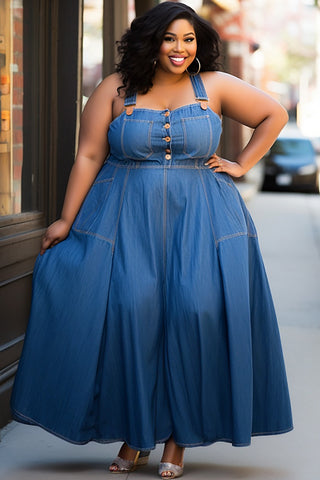
    The easy dress is the lowest-effort win on the list. One piece, zero coordinating, instant outfit. A tiered cotton midi, a soft T-shirt dress, or a swingy sundress in a forgiving knit lets air move freely and never pinches. A dress that skims rather than clings reads cute in every photo and feels like wearing almost nothing in the heat. Pair it with bike shorts or anti-chafe shorts underneath, and you have full freedom to climb onto rides without a second thought. Universal Standard makes beautifully simple knit dresses in sizes from 4XS to 4XL, often in the 80 to 120 dollar range, and Old Navy has playful printed sundresses for far less.

    Overalls are the underrated MVP of fair style. They are roomy, adjustable at the straps, endlessly cute, and they free your hands and waist from any pinching. Wear them over a fitted tank or a cropped tee, roll the cuffs, and you look effortlessly styled while feeling like you are in your comfiest clothes. The bib doubles as a casual phone pocket in a pinch. Plenty of plus retailers carry denim and twill overalls, and they photograph as charming as they feel.

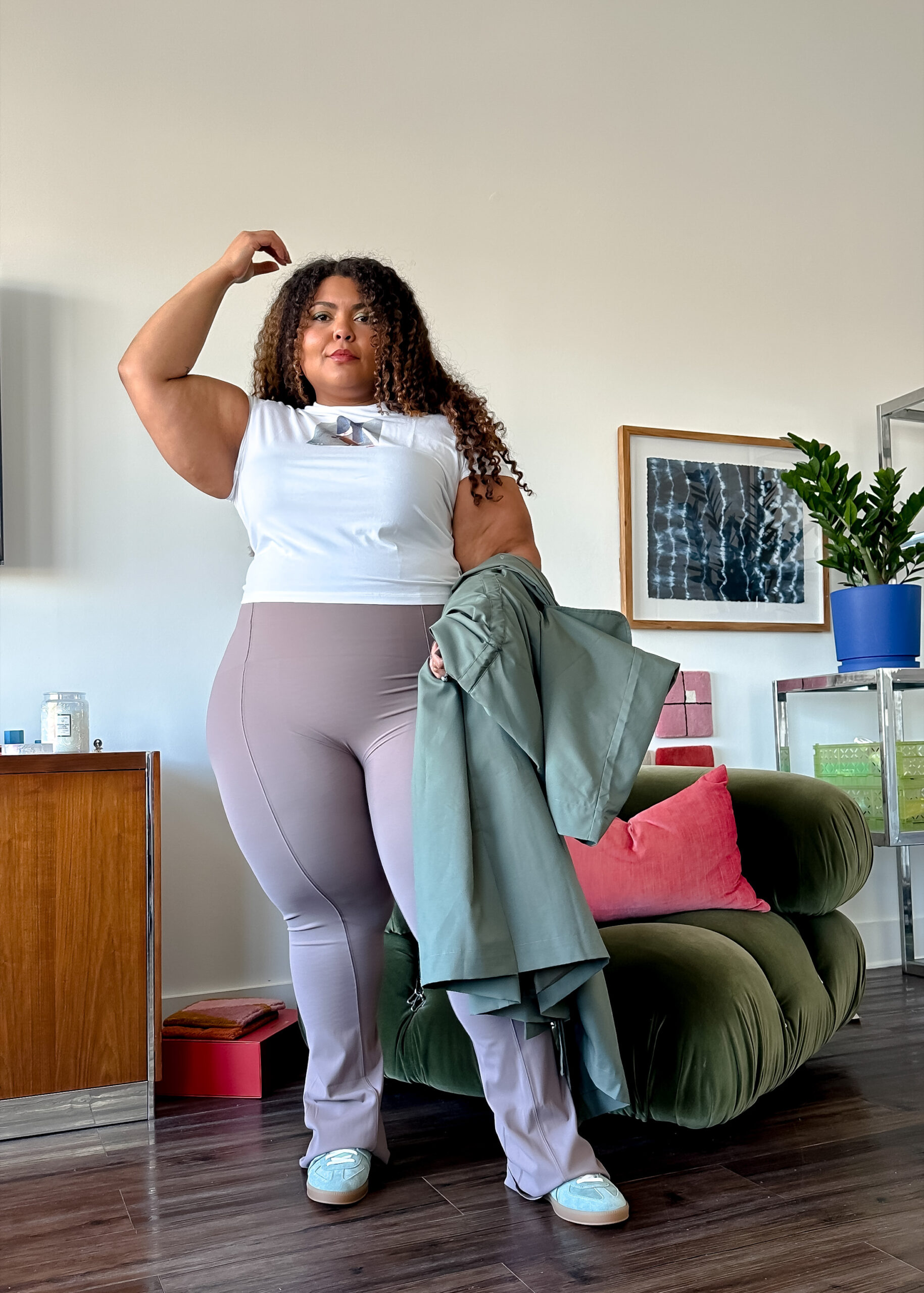
    Athleisure-meets-cute is for the woman who refuses to suffer for fashion and should not have to. Think a pair of wide-leg or straight-leg knit pants or premium leggings with a cute, slightly oversized graphic tee or a soft button-down knotted at the waist. Add gold hoops and a structured crossbody bag and the whole look reads intentional rather than gym-bound. This formula breathes, stretches, and moves through a full day better than almost anything else, and it transitions straight into the cooler evening hours.

    Whatever formula you pick, the move is to build in a layer for the temperature swing. Fairs are hot at 2 p.m. and breezy at 9 p.m., so a packable denim jacket, a light cardigan, or an oversized flannel tied at your waist earns its keep when the sun goes down.

    Shoes That Actually Survive the Fair

    Shoes That Actually Survive the Fair

    Footwear is where most fair outfits quietly fall apart, and where curvy women carrying a little more deserve genuine support rather than a flat, flimsy sole. This is the single most important decision of the day. Cute sandals with no cushioning will betray you by hour two, and you will spend the fireworks wishing you were barefoot.

    Reach for cushioned, broken-in shoes you have already walked miles in. A clean pair of white leather sneakers goes with every formula above and gives your arches real support across hours of standing. Chunky retro trainers are having a moment and they hide a surprising amount of comfort tech. If you want a sandal, choose a supportive footbed brand built for walking, with a contoured arch and a secure strap across the foot rather than a single thin band. Sporty slides with molded cushioning have come a long way and look genuinely cute with a sundress.

    There is a quiet reason supportive shoes matter even more when you carry more curves: every step asks a little extra of your feet, knees, and lower back, and a cushioned, well-built shoe spreads that load instead of letting it land hard on your heels and arches. That is not a knock on your body, it is just physics, and it is the difference between dancing to the cover band at nine and limping to the car at ten. If you have wider feet, look for brands that offer a true wide width rather than a snug shoe you hope will stretch, because cramped toes turn into hot spots fast. A removable cushioned insole is the cheapest upgrade going, and you can slip a fresh gel insert into almost any sneaker for a few dollars and feel the difference by the end of the night.

    Two rules make or break the day. First, never wear a brand-new shoe to a fair, because fresh shoes and 10 p.m. blisters are an unbreakable pair. Break them in for a week of normal errands first. Second, wear real socks with closed shoes, ideally moisture-wicking ones, because damp cotton socks are how hot spots become blisters. Toss a pair of blister-prevention bandages or a small anti-friction balm stick in your bag, and slick it on your heels before you leave the house, not after the rubbing starts.

    Anti-Chafe and the Practical Must-Haves

    Anti-Chafe and the Practical Must-Haves

    Thigh chafe is the great unspoken saboteur of summer, and there is zero reason to white-knuckle through it in 2026. Curvy thighs that touch are completely normal, and the fix is simple, cheap, and effective. Handle this layer before you leave and the whole day gets easier.

    A pair of anti-chafe shorts under a dress or skirt is the gold standard. Thigh Society makes slip shorts specifically designed and fit-tested on plus-size bodies, with styles running through 3XL and 4XL and roughly 14 to 26 in numeric sizing, priced around 30 to 40 dollars a pair. Their Cooling style is built for exactly this kind of hot, high-movement day. If you prefer something less full-coverage, Bandelettes are lace thigh bands that stay put through XL and XXL thigh measurements and tuck invisibly under any hem, usually around 20 dollars. Either way, a swipe of anti-chafe balm along the inner thigh is a smart backup. The goal is to move freely all day and never think about it again.

    Then there is the eternal question of where to stash your phone, your cash, and your keys. A crossbody bag worn snug to the body is the answer, hands-free and harder to lose on a ride than anything that dangles. Choose one with a zip top so nothing flies out on the swings, and keep it small so you are not lugging weight around all day. If your outfit has real pockets, treasure them, but still bring the crossbody for the essentials you cannot afford to drop into the cotton-candy crowd.

    Sun, Weather, and What to Actually Carry

    Sun, Weather, and What to Actually Carry

    Fairgrounds are famously short on shade. You are exposed for hours, so sun protection is not a nice-to-have, it is part of the outfit. Apply a broad-spectrum SPF 30 or higher before you dress, and tuck a travel-size tube in your bag for reapplying after you sweat. A wide-brim hat or a cute bucket hat shields your face and doubles as a styling piece, and sunglasses save your eyes from squinting through the whole midway.

    Weather can pivot fast in summer, so glance at the forecast and plan for the swing. Pack that light layer for the evening chill and a compact, packable rain poncho or a small umbrella if there is any chance of a pop-up storm, because nothing ends a fair day faster than a soaked outfit and no backup. Heat is the bigger daily threat for most fairs, which makes a refillable water bottle one of the smartest things you can carry. Staying hydrated keeps your energy up across all those steps, and many fairgrounds have free refill stations.

    Keep the carry list short and intentional. Phone, ID, a card and a little cash, sunscreen, balm, a couple of bandages, a hair tie, and water. Everything else is optional weight you will resent by the funnel-cake stand. The lighter your bag, the lighter your whole day feels.

    Where to Shop Plus Sizes With Confidence

    The era of digging through a sad back corner for anything above a 14 is over, and these names deliver genuinely cute fair-ready pieces in real extended ranges.

    Torrid is the dedicated plus specialist, running sizes 10 through 30, and it is the place for denim shorts, easy dresses, and tops cut for curves from the start rather than scaled up as an afterthought. Expect tops and shorts in the 30 to 50 dollar range and dresses a bit higher.

    Old Navy is the budget hero for fair season. The plus line covers the formulas above, sundresses, denim shorts, soft tees, and easy knit pants, at prices that make it painless to grab a few options, often 20 to 40 dollars a piece.

    Universal Standard is the splurge-worthy pick for elevated basics, with one of the widest size ranges in fashion, 4XS to 4XL, and knit dresses and pants that look polished while feeling like loungewear. Pieces generally run 80 to 130 dollars and last for years.

    Madewell Plus brings the elevated-denim energy, with jeans and shorts running through size 28W, including dedicated Curvy fits designed and tested on plus bodies so the waistband actually holds. Denim typically lands in the 90 to 130 dollar range.

    For the anti-chafe layer, Thigh Society and Bandelettes both carry true plus sizing and solve the exact problem a long fair day creates. Between these names, every formula in this guide is buildable in your size, in fabrics that breathe, at a price point that fits the budget.

    Get Dressed and Go

    Lay it all out the night before: the breathable dress or the denim-shorts combo, the anti-chafe shorts folded on top, the broken-in sneakers with real socks tucked inside, the zip crossbody loaded with sunscreen and a couple of bandages, the light layer for when the sun drops. Set the refillable water bottle by the door so you cannot forget it. Slick the balm on your heels and inner thighs while your coffee brews, clip the crossbody snug, and pull the bucket hat on at a slight tilt because it looks better that way.

    Then walk out the door and order the funnel cake first, because you earned it before you even arrived, and your outfit is built to carry you straight through to the last firework.

  • The Best Meta Smart Glasses for Women – Stylish Frames That Actually Flatter Every Face Shape

    The Best Meta Smart Glasses for Women – Stylish Frames That Actually Flatter Every Face Shape

    Smart glasses used to mean a chunky, tech-bro silhouette that announced itself before you said a word. That era is over. The frames coming out of the Ray-Ban, Oakley, and Meta partnership in 2026 look like glasses you would actually reach for on a regular Tuesday, and a few of them photograph genuinely well on fuller faces and softer features. That last part matters, because most “best smart glasses” roundups are written by people who have never once thought about how a frame sits on a rounder cheek or a wider jaw, and it shows.

    So here is a real one. A look at what is actually in the lineup right now, what each pair costs, which shapes tend to sit beautifully on which faces, how to wear them like an accessory instead of a gadget, and an honest read on whether the tech is worth the money. Every spec and price below was verified against Meta, Ray-Ban, and Oakley listings and current 2026 reporting, and they are noted as approximate because color and lens add-ons move the number around.

    What the 2026 Meta Smart Glasses Lineup Actually Looks Like

    What the 2026 Meta Smart Glasses Lineup Actually Looks Like

    There are now four distinct families to know, and they serve very different shoppers.

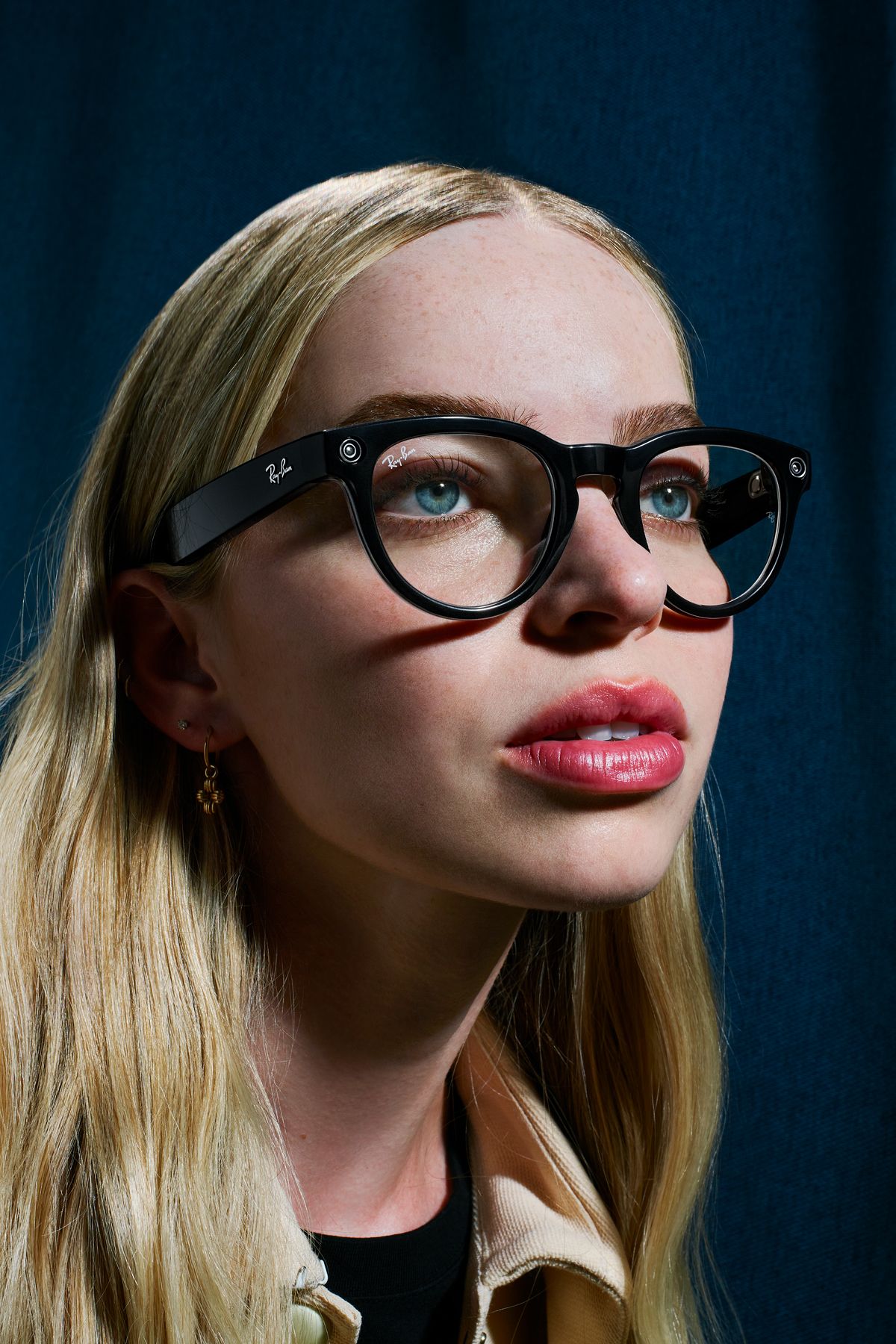
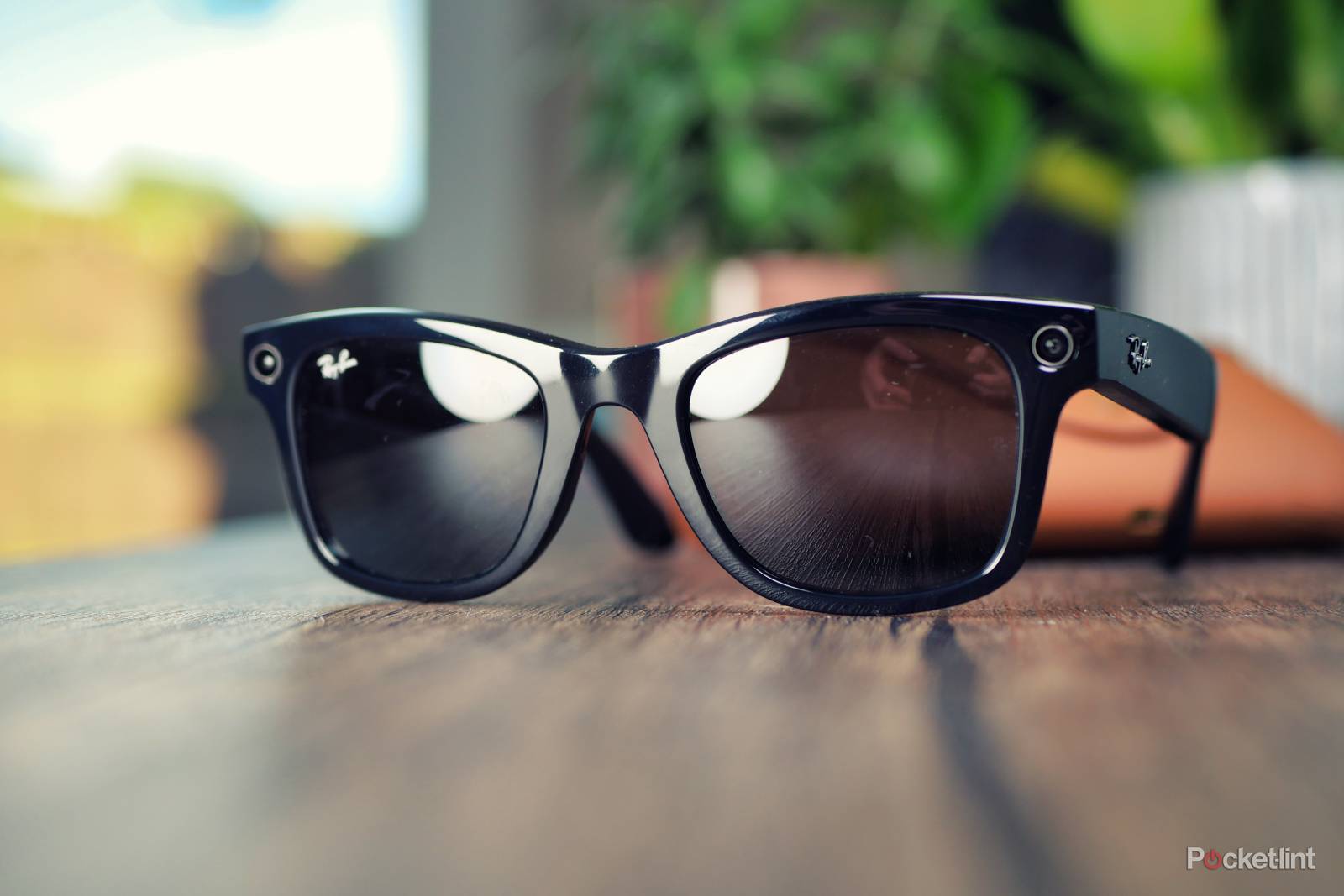
    The Ray-Ban Meta Gen 2 is the everyday hero and the one most women will gravitate toward. It comes in three frame shapes – the Wayfarer, the Headliner, and the Skyler – and pricing starts around $379 with lenses included, with Transitions lens upgrades pushing certain colorways to roughly $409 to $459 (prices as of mid-2026). The Gen 2 carries an ultra-wide 12MP camera that now shoots 3K video, up to eight hours of battery on a charge, a charging case that adds dozens more hours, a five-mic audio system, open-ear speakers, and hands-free Meta AI running on the Llama 4 model. A new “conversation focus” feature amplifies the voice of whoever you are talking to in a noisy cafe, which is a quietly brilliant addition.

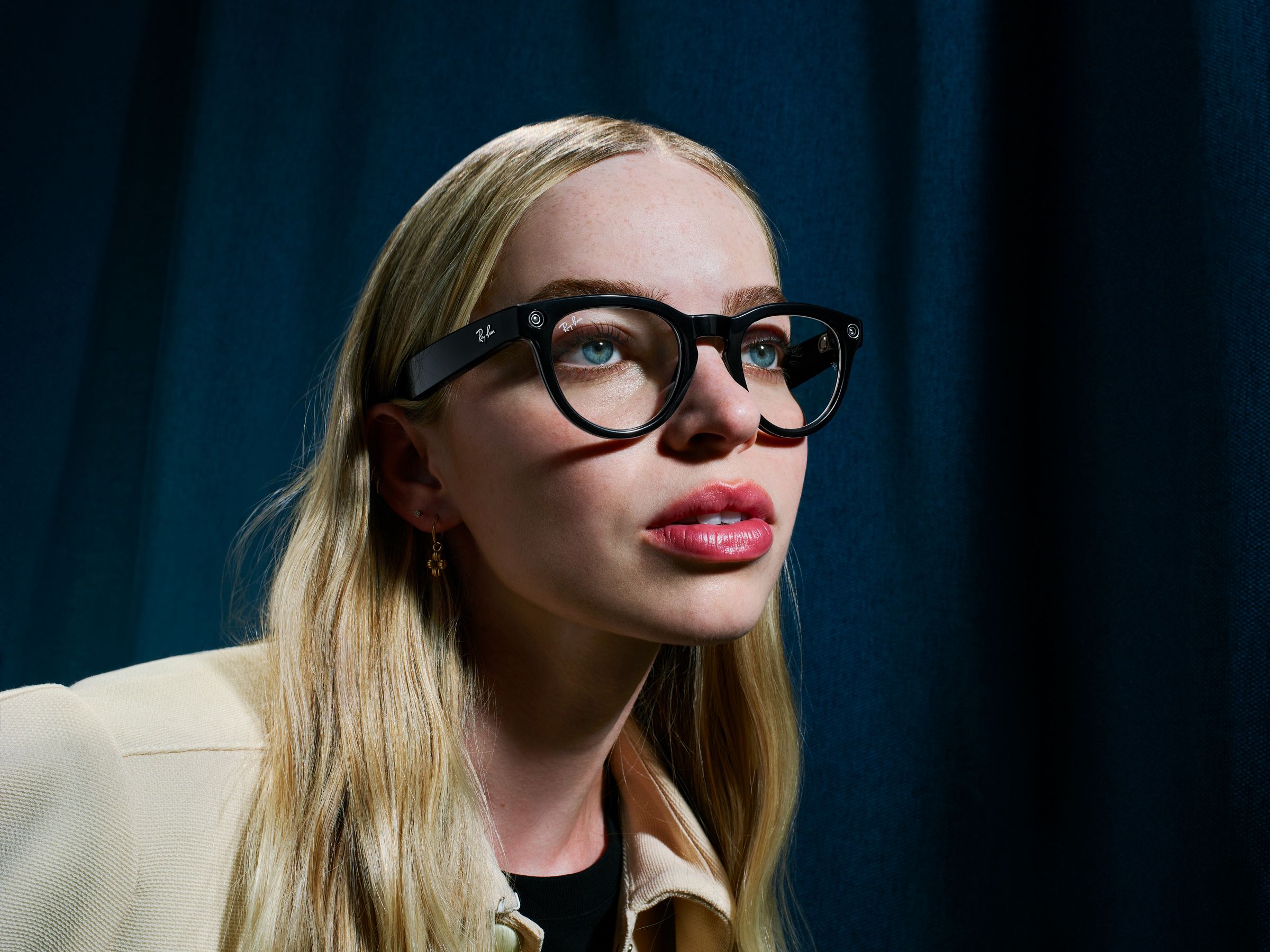
    The Ray-Ban Meta Optics styles – the Blayzer and the Scriber – landed in 2026 specifically for prescription wearers and start around $499. The Blayzer is a sleek rectangular frame offered in standard and large sizes; the Scriber is a softer, rounder shape in a single size. Both were built for all-day comfort, with overextension hinges that open about 10 degrees wider than standard for less pressure on the sides of your head, interchangeable nose pads, and optician-adjustable temple tips. They support single-vision, progressive, and Transitions lenses across a prescription range of roughly -6.00 to +4.00, which covers the vast majority of wearers. If you have always felt left out of the smart glasses conversation because you need an actual prescription, these are the pair built for you.

    The Oakley Meta line is the sportier branch. The Oakley Meta HSTN starts around $399 (with a limited edition near $499) and brings the same 12MP camera and 3K video in a bolder, more athletic frame. The Oakley Meta Vanguard, around $499, is the performance pair aimed at runners and cyclists, with a wraparound shield shape, an IP67 dust-and-water rating, louder open-ear speakers, a five-mic array tuned to cut wind noise, and integration with Garmin, Strava, and Apple Health. The Vanguard is a specialist tool, not an everyday accessory, but worth knowing if your life runs on movement.

    At the top sits the Meta Ray-Ban Display, starting around $799, which includes both the glasses and a Meta Neural Band. This is the only pair with an actual screen – a full-color 600×600 display built into the right lens, bright enough to read in sunlight – and the wristband reads tiny finger movements to let you scroll and tap in the air. It is remarkable and it is niche. Battery runs about six hours of mixed use on the glasses, with the wristband lasting all day. The Neural Band comes in three sizes.

    And the newest wrinkle, announced in June 2026, is Meta’s first own-brand line that drops the Ray-Ban name entirely: the Adventurer and the Fury, both starting around $299, plus a Kylie Jenner co-designed edition around $399. The Adventurer leans slim and everyday; the Fury goes bigger and more rectangular. Same core camera-and-AI hardware as the Gen 2, roughly $80 cheaper, no luxury-brand premium. For a first pair, this is suddenly the value play.

    Matching Frames to Your Face Shape

    Matching Frames to Your Face Shape

    Every face shape is a good face shape. This is not about fixing anything, because there is nothing to fix. It is about proportion – choosing a frame that plays nicely with the lines you already have, the same way you would pick a neckline or an earring length. Here is how the current Meta shapes tend to behave on different faces, using classic eyewear-fit logic.

    Round faces (soft curves, similar width and length, fuller cheeks) usually look striking in frames that introduce a little structure and angle. The Wayfarer is the natural pick here – its squarer, more defined corners add definition and length, balancing softer curves beautifully. The Blayzer rectangular Optics frame does the same job if you need a prescription. Lean toward a frame that is a touch wider than the broadest part of your face so the eye reads it as balanced.

    Oval faces (gently balanced, slightly longer than wide) get to play, frankly, because most shapes cooperate. The Headliner and the Skyler both sit gorgeously, and you can go a little bolder or a little softer depending on your mood. If anything, just avoid frames so oversized they swallow your features. This is the face shape that can pull off the new Fury’s bigger silhouette without it taking over.

    Square faces (strong jaw, broad forehead, defined angles – a genuinely striking bone structure) tend to glow in softer, rounder frames that contrast the angles. The Skyler, with its gentle curves, and the rounded Scriber Optics frame are your friends. They soften without hiding, and they keep the look from reading too sharp.

    Heart-shaped faces (wider forehead and cheekbones narrowing to a delicate chin) are flattered by frames that add a little visual weight low and keep the top line light. The Headliner works well, as does the Skyler, since rounder or bottom-balanced shapes draw the eye downward and even out the proportions. Avoid anything too heavy or embellished across the top brow.

    Diamond faces (narrower forehead and jaw, dramatic cheekbones) look wonderful in frames with some presence across the brow line and gentle curves, which is why the Headliner and Skyler flatter here too. They highlight those cheekbones rather than competing with them.

    If your face is fuller or wider overall, two small things help across every shape: pick a frame whose width roughly matches or slightly exceeds your widest point so it looks intentional, and favor frames where the temples attach higher on the side, which lifts the whole look. None of this is a rule you must obey. It is a starting point. Trust the mirror over any chart.

    Styling Them Like a Real Accessory, Not a Gadget

    Styling Them Like a Real Accessory, Not a Gadget

    The trick to wearing smart glasses well is treating them exactly like you would treat any other pair – because, visually, that is all anyone else sees. The camera is discreet enough that these read as ordinary Ray-Bans or Oakleys to a passerby.

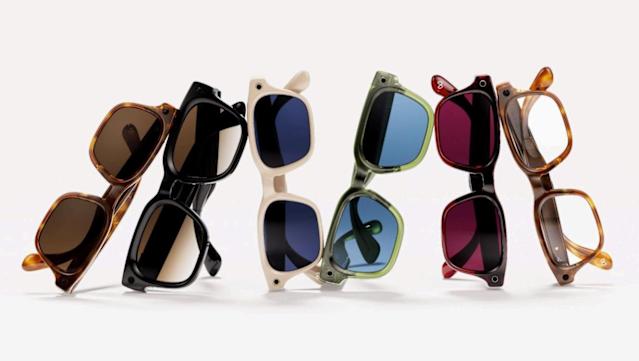
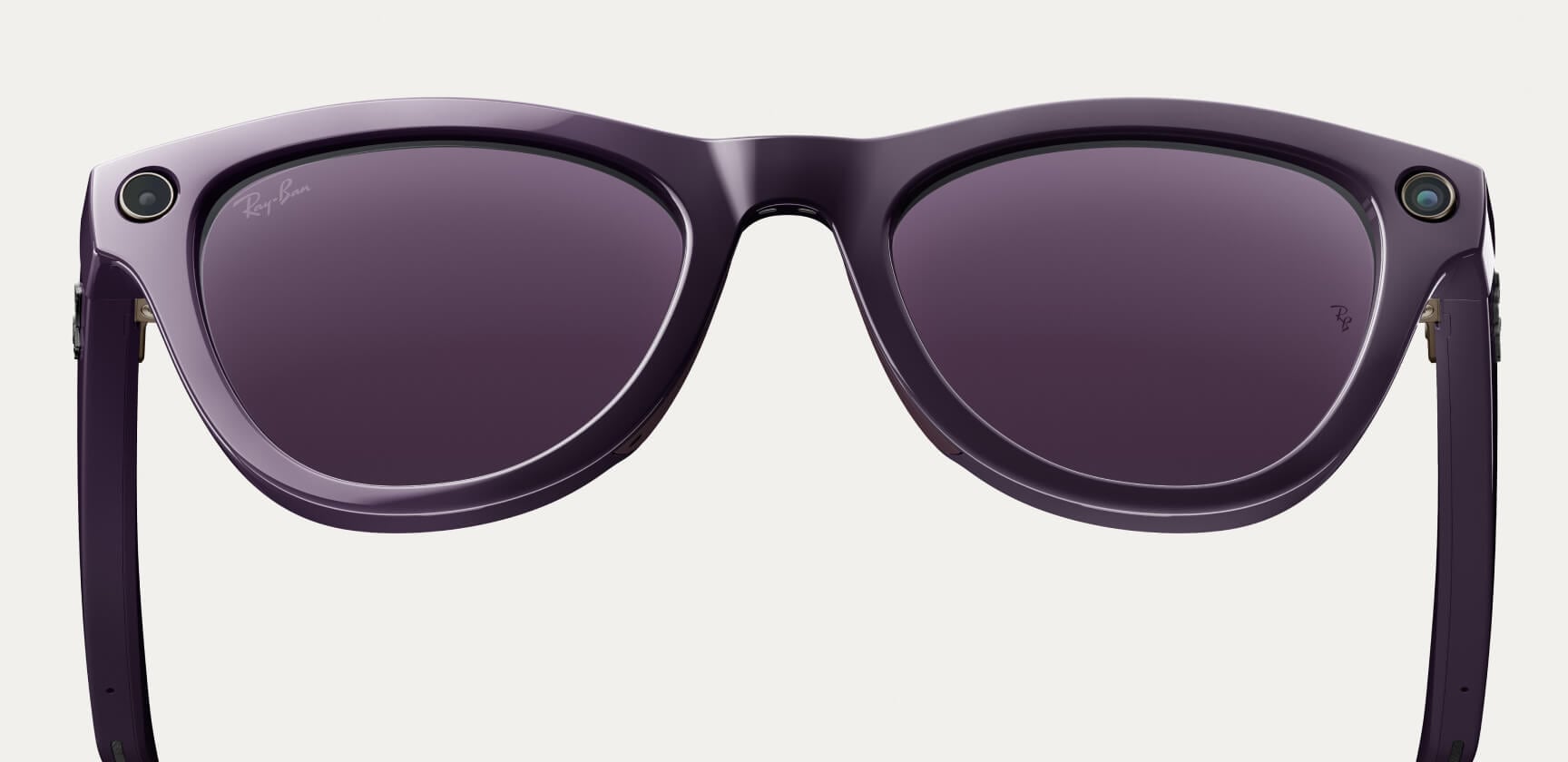
    Color does most of the heavy lifting. The 2026 palette is genuinely fun: Skyler comes in a Shiny Mystic Violet and a Shiny Transparent Peach, the Headliner in a Matte Transparent Peach, and the Wayfarer in a Shiny Transparent Grey with Sapphire Transitions lenses, among more than 150 frame-and-lens combinations across the Gen 2 range. Transparent and tinted-translucent frames are everywhere this year, and they are wonderfully forgiving – they soften the look, catch the light, and read more like a styling choice than a tech purchase. A warm peach or honey translucent frame flatters deeper and warmer skin tones especially well.

    Think about contrast. A bold dark Wayfarer is a punctuation mark against soft knits and neutral tailoring. A translucent peach Skyler disappears prettily into a monochrome look and lets your earrings or lip color lead. Match the metal or undertone loosely to your everyday jewelry so the glasses feel like part of your edit rather than a one-off.

    And remember they are now a two-piece story if you go for the Display model, because the Neural Band lives on your wrist. Treat it like a slim cuff. It will sit next to your watch or your bracelets, so a clean, understated band reads best.

    The Women’s-Fit Angle: Narrower Frames and Real Comfort

    The Women's-Fit Angle: Narrower Frames and Real Comfort

    Here is where the lineup has genuinely improved, and where it still has gaps. Smart glasses have historically run large, because the electronics need somewhere to live, and that has meant a lot of women with narrower or shorter faces ending up in frames that slid, gapped at the temple, or simply overwhelmed their features.

    The Skyler is the answer most often pointed to for smaller faces. Its narrower front and gentle curves were designed with that in mind, and it comes in a 52-20 size (a 52mm lens width and 20mm bridge) that suits a medium build without going oversized. It is the most petite-friendly of the three Gen 2 shapes by a clear margin.

    The Optics styles are the comfort story. Because the Blayzer and Scriber were engineered for all-day prescription wear, they bring features that matter for fit far more than they sound: interchangeable nose pads let you stop a frame from sitting too low or pinching, the optician-adjustable temple tips can be shaped to your head rather than fighting it, and the overextension hinges relieve pressure if a frame has always felt like it was clamping the sides of your face. The Scriber’s single rounded size and the Blayzer’s standard option are the most realistic picks for a smaller face that also needs a prescription.

    The honest gap: even the smaller options skew unisex-to-large, and there is no dedicated petite or narrow-bridge electronic frame yet the way you might find in a regular eyewear wall. If you have a very small face, try before you buy, and lean Skyler or Scriber. The Display model in particular is on the larger, heavier side and is the least petite-friendly of everything here.

    What They Actually Do (and What They Don’t)

    What They Actually Do (and What They Don't)

    The day-to-day reality is better than the marketing in some ways and thinner in others.

    What they do well: the camera is the killer feature. Capturing a photo or a 3K video of your kid, your plate, your view, completely hands-free, from your own eye level, is the thing people end up loving. The open-ear audio is genuinely good for podcasts and calls on a walk because it leaves your ears open to the world, which feels safer and less isolating than earbuds. Meta AI can answer a quick question, translate a menu or a conversation, identify what you are looking at, and set a reminder, all by voice. The conversation-focus feature on the Gen 2 is a real quality-of-life win in loud rooms. Battery comfortably covers a normal day with the case.

    What they do not do: there is no screen on any model except the Display, so you are talking to them and listening, not reading texts off your lens on the standard pairs. The AI is helpful but not magic, and it stumbles on anything complicated. The camera light that signals recording is small, so be the considerate one and tell people when you are filming. And the Display’s neural-band gesture control, while genuinely futuristic, has a learning curve and adds cost and bulk most people do not need yet.

    Is It Worth It?

    It depends entirely on what you want from them, so here is the plain math.

    If you want a beautiful everyday pair that quietly captures life hands-free and pipes audio without blocking your ears, the Ray-Ban Meta Gen 2 at around $379, or the new own-brand Adventurer or Fury at around $299, is the sweet spot. You are paying a real but not outrageous premium over normal designer sunglasses for the camera and AI, and if you would have bought nice Ray-Bans anyway, the gap shrinks fast.

    If you need a prescription and have felt shut out until now, the Optics Blayzer or Scriber at around $499 is the pair that finally includes you, and the comfort engineering justifies the step up.

    If you run, ride, or train, the Oakley Meta Vanguard at around $499 earns its keep with the durability and fitness integration, but it is a specialist, not a daily accessory.

    If you specifically want a screen in your glasses and the sci-fi wristband, the Meta Ray-Ban Display at around $799 is the only option, and it is for early adopters who want the frontier and can carry a larger frame comfortably. For most women, it is more glasses than the moment calls for.

    The pairs that are not worth it are the ones bought for the wrong reason: do not buy the Display for the camera alone when the Gen 2 does that for less than half the price, and do not buy the Vanguard’s wraparound sport shield as an everyday fashion frame.

    Picking your first pair

    Walk into a LensCrafters, Sunglass Hut, Best Buy, or a Ray-Ban store and put three pairs on your actual face before you spend a cent. Try a Skyler if your face is on the smaller side, a Wayfarer if you want structure against softer curves, and a Headliner if you want something easy that flatters nearly everyone. Pick the color that makes you smile in the mirror, check that the frame width looks balanced against your widest point, and make sure the arms sit without pinching. The right pair is the one that looks like it belongs on you and happens to take a great photo when you ask it to.

  • Flying While Curvy – The Complete Guide to Comfortable, Stress-Free Air Travel for Plus-Size Women

    Flying While Curvy – The Complete Guide to Comfortable, Stress-Free Air Travel for Plus-Size Women

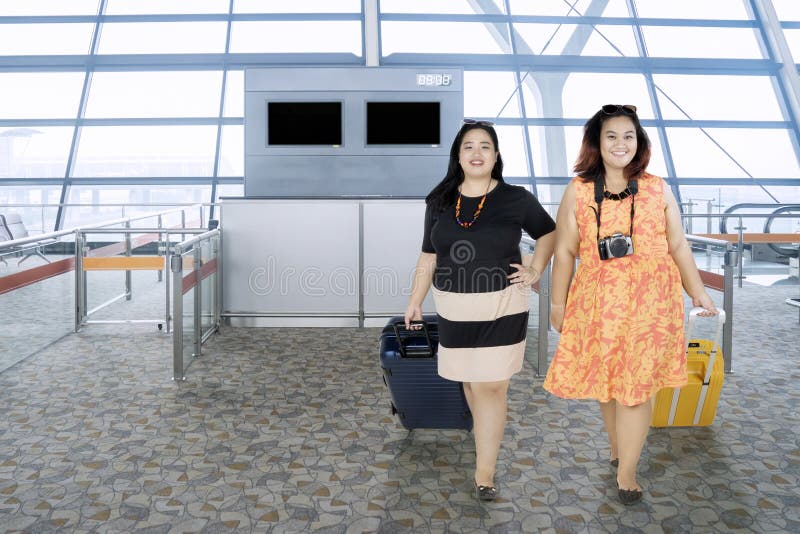
    Boarding a plane should feel like the start of something good – a beach, a reunion, a city you have been dreaming about. For a lot of curvy women, though, the airport carries a low hum of dread that has nothing to do with turbulence and everything to do with armrests, seatbelts, and the fear of a side-eye from a stranger in 14B. That dread is not yours to carry. The seats are too narrow, the policies are inconsistent, and the industry has been slow to catch up to the bodies it actually serves. None of that is a personal failing. With the right information and a little planning, you can walk through that jet bridge knowing exactly what to expect, what your rights are, and how to make the whole experience genuinely comfortable.

    What follows is the practical, dignity-first playbook: real airline policies, verified as of mid-2026, with the caveat that these rules shift often, so always confirm before you book.

    The seatbelt extender question (and the FAA rule)

    Let’s clear up the single most misunderstood part of plus-size flying first, because it trips up even seasoned travelers. You cannot bring your own seatbelt extender onto a U.S. commercial flight. People buy them online all the time, see the “FAA approved” label, and assume they are set. They are not. The Federal Aviation Administration treats a seatbelt extender as part of the aircraft seat itself, which means it has to be inspected and maintained under the airline’s FAA-accepted Continuous Airworthiness Maintenance Program. A personal extender, no matter what its packaging claims, has never been inspected under that program, so crew are instructed not to allow it.

    Here is the good news that the worry usually drowns out: airlines are required to provide extenders free of charge, and they keep them stocked. You do not pay for one, you do not pre-order one in most cases, and you do not owe anyone an explanation. When you board, quietly tell the flight attendant at the door, “I’d like a seatbelt extender, please.” That is the entire transaction. They hand it to you, often folded discreetly, and you buckle in like everyone else. Cabin crew handle this request constantly and think nothing of it.

    A couple of practical notes. Different aircraft use slightly different extenders, so the one you used on your outbound flight may not be the one offered on the way home, and an extender you kept from a previous trip will not be accepted. Ask fresh each time. If you would rather not flag down a busy attendant in the aisle, mention it as you step through the cabin door, when crew are stationed right there and the moment is private. Owning the request, calmly and early, takes all the heat out of it.

    Choosing your seat strategically

    Choosing your seat strategically

    Where you sit shapes the entire flight, and a few smart choices make a real difference. The window seat is the quiet favorite for many curvy travelers. You get a wall to lean into instead of an aisle full of passing carts and elbows, you control the shade, and you are not the one being climbed over. The trade-off is asking to get up for the restroom, so weigh that against your own comfort. The aisle seat suits anyone who wants to stand, stretch, or move freely without disturbing a seatmate, and it gives one hip a few extra inches of breathing room into the aisle, though watch for the beverage cart.

    The middle seat is the one to avoid when you can, and most of the time you can. Bulkhead rows (the front row of a cabin section) sometimes offer a touch more room and no seat reclining into your knees, but the armrests there are often fixed because the tray tables fold into them, which can mean less width, so read seat maps carefully. Exit rows promise extra legroom, but crew may relocate anyone who cannot fasten the standard belt without an extender, since exit-row passengers must meet specific safety requirements. Legroom is not the same as seat width, so do not let the legroom hype override the fit question.

    A tool worth bookmarking is SeatGuru, which maps the actual seat dimensions and quirks of specific aircraft. Seat width varies more than people realize, often between 17 and 18.5 inches in economy, and a single inch is the difference between a tense flight and an easy one. Book your seat assignment as early as you can, ideally the moment you purchase the ticket. If two of you are traveling together, booking the window and aisle of a three-seat row is a known trick: middle seats fill last, so you may end up with an empty buffer between you, and even if someone takes it, you are flanking them rather than being flanked.

    The airline ‘customer of size’ policies, compared (verified)

    The airline 'customer of size' policies, compared (verified)

    This is where careful research pays off, because no two airlines handle plus-size passengers the same way, and several changed their rules within the past year. Confirm directly with the carrier before you book, since these policies move quickly.

    Southwest remains the most generous of the major U.S. carriers, and that matters because the airline briefly tightened its rules in early 2026 before reversing course. As of late May 2026, a customer who needs extra space is not required to buy a second seat in advance. You can request a complimentary additional seat at the gate when space allows, or buy one ahead and apply for a refund afterward. That refund still stands under specific conditions: the flight cannot be sold out, the seats must be in the same fare class, and you must request the refund within 90 days of travel. One catch worth knowing – if any leg of your trip is flown by a partner airline rather than Southwest itself, the extra seat is non-refundable. If no additional seat is available on your flight, Southwest works to move you to a later one with room.

    Alaska Airlines has a clear, fair policy. If you cannot comfortably lower both armrests around you, you purchase a second seat at the same fare as your first. The reassuring part is the refund: if every leg of your journey departs with at least one empty seat on board, you get the cost of that second seat back. You contact the airline shortly after you fly to request it. The refund is reserved for passengers who genuinely need the space, not for anyone simply wanting an empty seat next to them.

    American Airlines asks passengers who need a seatbelt extension plus extra space beyond a single seat to buy an additional seat. You book it by calling Reservations rather than online, and the agent secures two adjacent seats at the same fare. If they can only seat you in a higher class of service, you may owe the fare difference. American does not advertise the same automatic post-trip refund that Southwest and Alaska offer, so treat the second seat as a planned cost and confirm any reimbursement options with the airline directly when you call.

    Delta takes a notably relaxed stance. Delta does not require you to buy an extra seat for needing a seatbelt extender, provided two things are true: the airline’s extender lets you buckle in safely, and you can keep both armrests down for the flight. The airline’s stated concern is safety and not significantly encroaching on a neighbor’s space. If a genuine space conflict arises onboard, crew may move you to a roomier spot or, in some cases, ask you to take a later flight with more open seats. Delta has no formal customer-of-size refund program because it generally does not require the second purchase in the first place.

    United Airlines requires an extra seat for any economy passenger who cannot fit in a single seat with the armrests down, or who needs more than one seatbelt extender. You can buy the second seat in advance, and if you do not, you may be asked to purchase it on the day of departure at that day’s fare, which is often higher. United also offers an alternative many travelers overlook: instead of a second economy seat, you can book or upgrade to a premium cabin, where the seats are wider. For some itineraries the math on a single wider seat works out better than two narrow ones.

    The honest summary: Delta is the most forgiving if an extender and both armrests work for you, Southwest and Alaska are the friendliest on refunds, and American and United expect more advance planning. Verify on the carrier’s own site before paying.

    What to wear to fly comfortable

    What to wear to fly comfortable

    Clothing is your first comfort tool, and the cabin gives you two competing problems to dress for: long stretches of sitting and a temperature that swings from stuffy at the gate to chilly at altitude. Layering solves both. A soft, breathable base layer under a cardigan, zip hoodie, or wrap means you can adjust without packing a suitcase of options. Natural fibers and good stretch blends move with you and breathe better than stiff synthetics that trap heat.

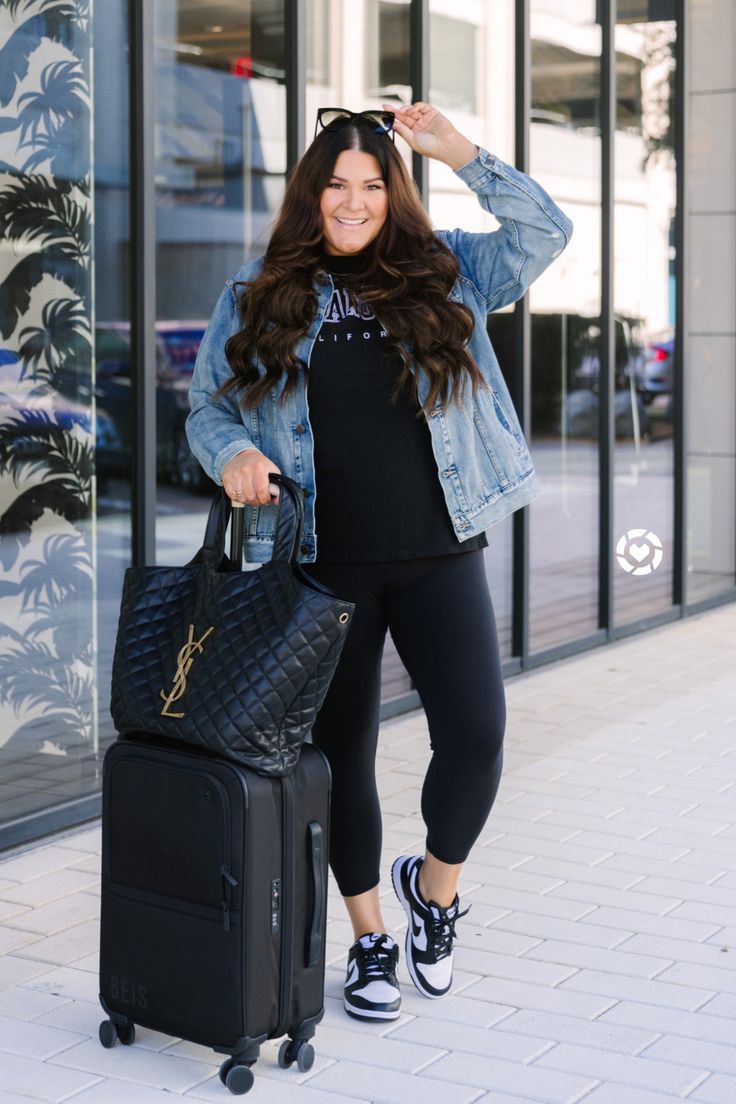
    Reach for fabrics with give. A ponte knit dress, wide-leg trousers with an elastic or drawstring waist, or your most trusted leggings paired with a longer tunic all let you settle in without a waistband digging in after hour two. Avoid anything with hardware that presses against you when you sit, like thick belts, stiff zippers along the hip, or rigid seams across the belly. Slip-on shoes or sneakers you can loosen are kinder than anything you have to wrestle with at security, and feet swell at altitude, so a half-size of breathing room helps. Bring a pair of grippy socks for padding around the cabin if you like to slip your shoes off. A large, soft scarf doubles as a blanket, a pillow, or a privacy layer, and weighs almost nothing. Dressing for the body you have on the day you fly, in pieces that already feel good, is the whole strategy.

    What to pack

    What to pack

    Pack for comfort first and you will thank yourself somewhere over the ocean. Hydration is the quiet hero of any flight, since cabin air is famously dry, so bring an empty refillable bottle through security and fill it at a fountain past the checkpoint. Snacks you actually enjoy and that travel well, like nuts, protein bars, or fruit, spare you from depending on a cart that may never reach the back rows or stock anything you want.

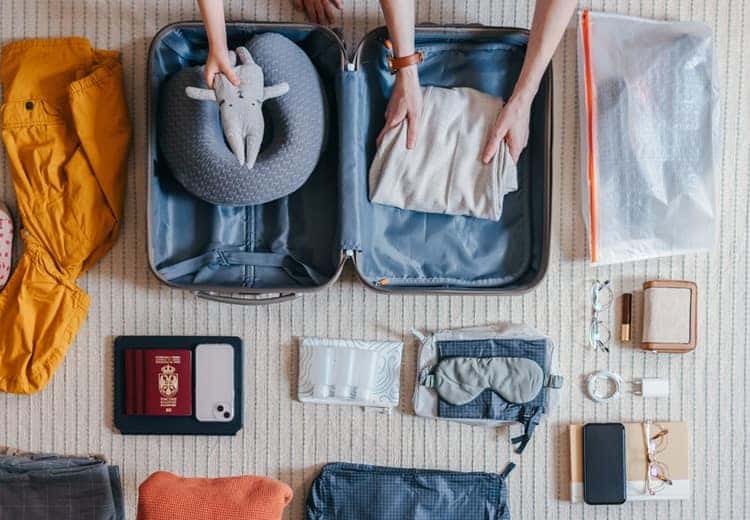
    Compression socks are worth considering for any flight over a couple of hours, since sitting still raises the risk of swelling and circulation issues for everyone, not just plus-size flyers. They are optional and a personal call, not a requirement, so choose what feels right for your body. A small comfort kit earns its space in your carry-on: lip balm and hand lotion for the dry air, any medications in their original packaging, a phone charger and a battery pack, noise-cancelling headphones or earplugs, an eye mask, and a neck pillow if you sleep upright. Keep a light wrap or shawl on top for the inevitable cabin chill. Stash a refresh pouch with wipes, deodorant, and a toothbrush for long-haul mornings. If you use any personal comfort items for sitting, a seat cushion or a small lumbar support, those are entirely allowed and nobody’s business but yours. Packing with intention turns a cramped few hours into a manageable, even pleasant, stretch of your trip.

    Navigating the airport with confidence

    Navigating the airport with confidence

    The terminal can feel like an obstacle course, so give yourself the gift of time. Arriving early erases the frantic, sweaty dash that makes everything harder, and it means you can move at your own pace through check-in, security, and the long walk to the gate. Wear or pack those slip-on shoes for the security line, where you will move faster and with less fuss. Consider TSA PreCheck if you fly even a few times a year, since it lets you keep your shoes on and skip the most cramped part of the screening process.

    Airports are large, and gates can be a serious walk apart. There is zero shame in using the moving walkways, requesting wheelchair or cart assistance if a long concourse is hard on your body, or pausing on a bench to catch your breath. Assistance is a service the airport provides on purpose, and using it is smart, not weak. Once through security, find a comfortable spot to settle rather than hovering in the crush. When boarding opens, you are entitled to ask the gate agent about your seat or confirm an empty adjacent seat. Approach the desk with a calm, matter-of-fact tone, because you belong there as much as anyone holding a boarding pass.

    If anxiety creeps in, name it for what it is – a response to an environment built without your comfort in mind, not a verdict on you. Slow your breath, ground yourself with a familiar playlist queued up before you board, and remember that most fellow passengers are absorbed in their own travel and not watching you at all. Should you ever encounter rudeness, you owe no one a performance of apology for the space your body occupies. A neutral “excuse me” and a steady posture handle nearly every awkward moment, and a quiet word with a flight attendant resolves most discomforts faster than you would expect.

    Booking your next trip with your shoulders down

    Comfort in the air comes down to a handful of moves you now have in hand: ask for the free extender at the door, book your window or aisle seat the moment you buy the ticket, check the seat width on SeatGuru before you commit, and read the customer-of-size policy of whichever airline you are flying. Pack the water bottle, the snacks, the soft layers, and arrive with time to spare. Pick the carrier whose rules fit your needs – Delta if an extender and armrests work for you, Southwest or Alaska if you want a second seat with a real shot at a refund. Save this list to your phone and pull it up the next time you book. The window seat is yours, the snacks are packed, and the destination is waiting.

  • Jada Pinkett Smith’s Most Powerful Quotes on Self-Worth, Body Image, and Loving Yourself Unapologetically

    Jada Pinkett Smith’s Most Powerful Quotes on Self-Worth, Body Image, and Loving Yourself Unapologetically

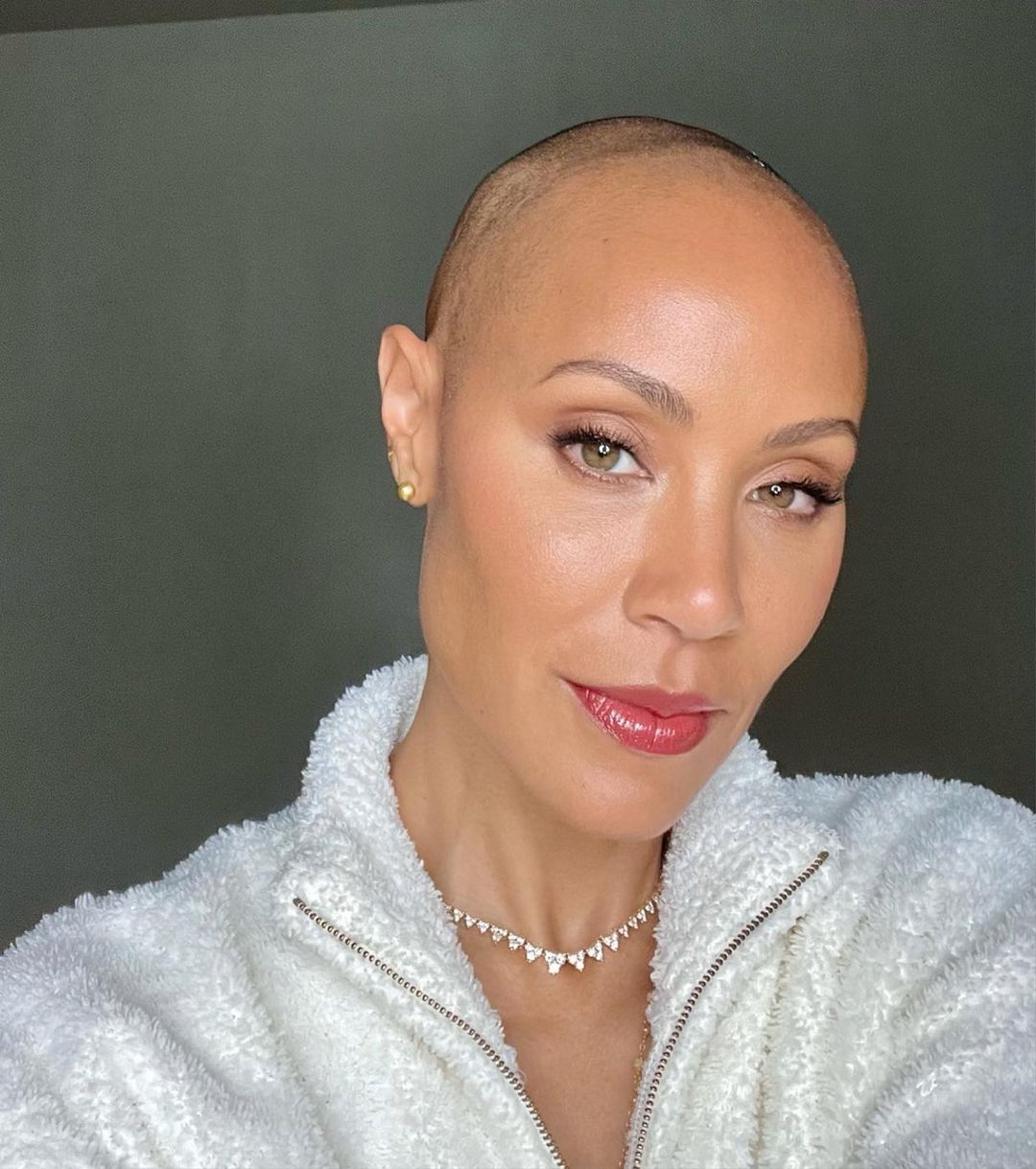
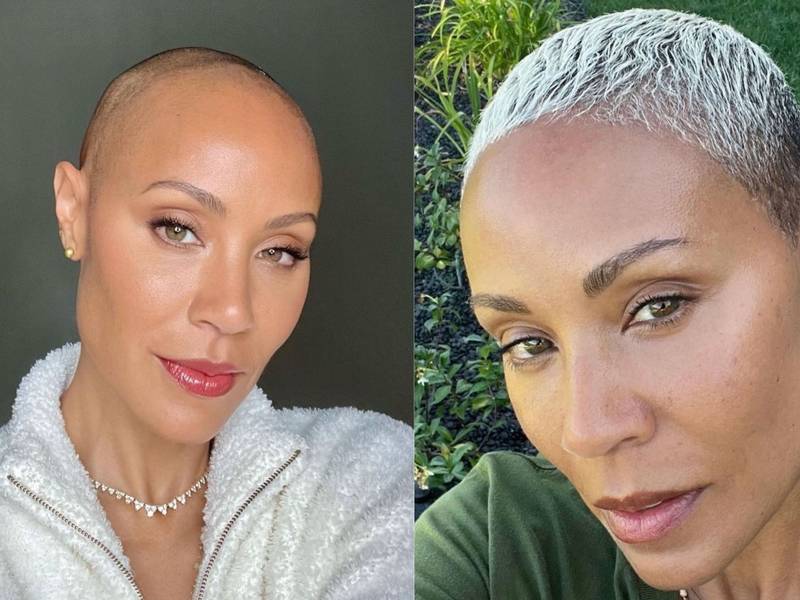
    “Me and this alopecia are going to be friends … period!” That was the line Jada Pinkett Smith chose in late 2021, recording herself on Instagram, fingers tracing the bald patches along her scalp, laughing instead of hiding. It is a small sentence that carries an enormous amount of weight. Here was a woman who had spent years grieving her hair, shaking with fear in the shower as it came out in handfuls, deciding out loud that she would stop fighting her own body and start befriending it. That pivot, from fear to friendship, is the heart of everything she has shared about worthiness. And it is exactly the kind of permission so many of us are still waiting to give ourselves.

    Who She Is and Why Her Voice on Self-Worth Lands So Hard

    Who She Is and Why Her Voice on Self-Worth Lands So Hard

    Jada Pinkett Smith has been famous since the early 1990s, an actress from Baltimore who built a career, a family, and eventually one of the most candid talk shows on the internet. Through “Red Table Talk,” she sat across from her daughter Willow and her mother Adrienne and turned her own living room into a space where Black women, in particular, could say the unsayable about pain, marriage, mental health, and bodies that do not behave the way we are told they should.

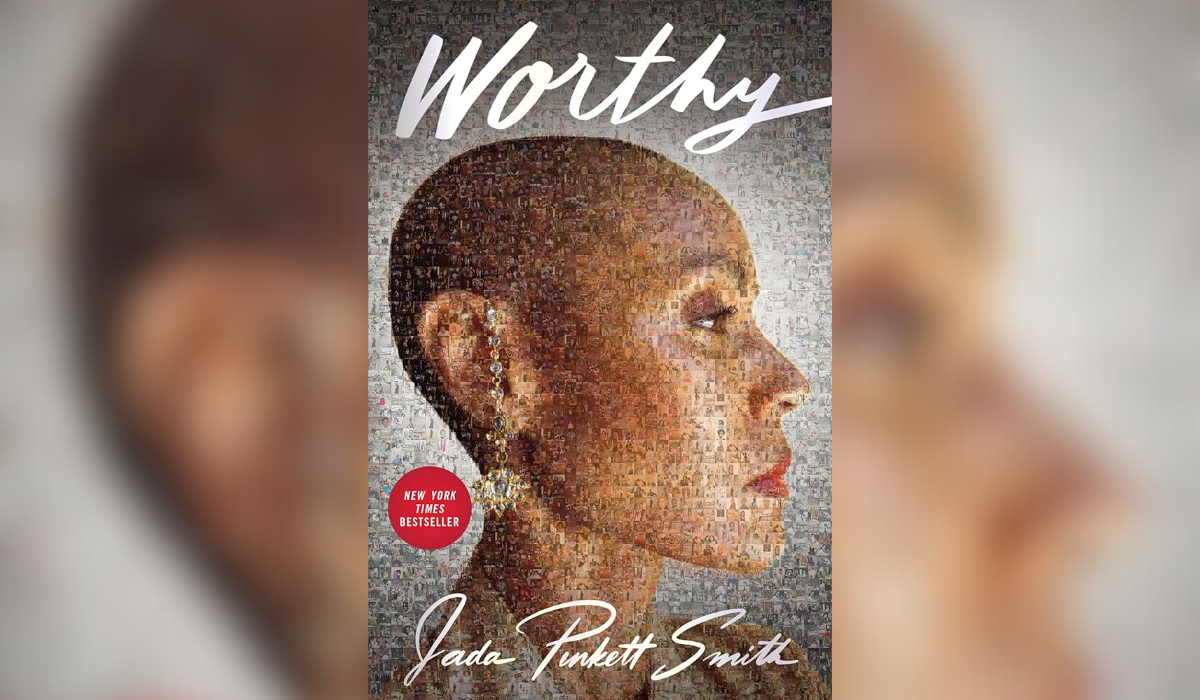
    What makes her words on self-worth resonate is that she did not arrive at them from a place of ease. In her 2023 memoir “Worthy,” she writes openly about a period before her 40th birthday when she contemplated suicide, about complex trauma she had never named, about a marriage that reached a breaking point. She titled the book “Worthy” precisely because worthiness was the thing she had to fight to believe about herself. When a woman who has lived through that much tells you that you are enough, it does not sound like a slogan. It sounds like a report from someone who walked the whole road.

    For curvy and plus-size women especially, that journey translates. The condition Jada lives with, alopecia, changed her appearance in a way she could not control and could not hide. She knows what it is to look in the mirror and meet a body that the world did not prepare you to love. Her wisdom is not about having the “right” body. It is about belonging to yourself no matter what your body does.

    On Self-Worth and Worthiness

    On Self-Worth and Worthiness

    The center of Jada’s message is deceptively simple: your worth is not negotiable, and it is not earned by performance or by being adored.

    In interviews around the release of her memoir, she has been honest that this was a hard-won lesson rather than a natural gift. Reflecting on her younger self, she has said, “I did not have a level of self love about me, so that was the thing that needed to be healed.” That admission matters. So many of us assume the confident women we admire were simply born sure of themselves. Jada is telling you the opposite. Self-love was a wound she had to tend, not a trait she inherited. If you have spent decades waiting to “feel” worthy before you treat yourself well, her story flips the order. You tend the wound first. The feeling follows.

    She has also been clear that self-worth is the foundation everything else is built on. Writing in “Worthy” about the strain in her marriage, she reflected, “As much as I wanted him to love me, that would never happen if I didn’t love myself.” Read that slowly. She is not saying love is conditional. She is saying that no amount of love from another person can fill a hole where your own self-regard should be. For anyone who has ever tried to shrink, fix, or apologize for her body in hopes of finally deserving love, this is a gentle and necessary correction. The love you are chasing on the outside has to first take root on the inside.

    And on the practical work of self-worth, she has named the saboteur directly. “Women need to attack those negative voices they have in their head,” she has said. Notice the verb. Not “manage,” not “tolerate.” Attack. The cruel inner commentary about your stomach, your arms, your reflection in a dressing room mirror is not the truth. It is a voice to be confronted. Jada gives you permission to stop treating that voice as a fair witness.

    On Body Image and the Alopecia Journey

    On Body Image and the Alopecia Journey

    Jada’s relationship with her hair, and then her scalp, is one of the most public body-image journeys any celebrity has shared. It did not start with acceptance. It started with grief.

    When she first opened up on “Red Table Talk,” she described hair as something deeply tied to her sense of self, and she did not pretend the loss was easy. For a long time, wrapping her head became the way she reclaimed dignity from the condition. “When my hair is wrapped, I feel like a queen,” she said. There is something worth holding onto in that line. She did not wait until she felt fully healed to feel beautiful. She found a ritual, a turban, a wrap, that let her meet herself as royalty in the middle of the struggle. You are allowed to build small rituals that make you feel regal right now, in the body and the circumstances you currently have, without waiting for some finished version of yourself to arrive.

    The turning point came in stages. In July 2021, she shaved her head, crediting her daughter for the nudge. “Willow made me do it because it was time to let go,” she wrote, adding that her fifties were “’bout to be Divinely lit with this shed.” Letting go is its own kind of strength. So much of body-image pain comes from clinging to an image of ourselves we think we are supposed to maintain. Jada chose release, and she framed it not as defeat but as something divine.

    Then came that 2021 video and its declaration of friendship with the very thing she once feared. She has spoken about decorating her bare scalp, joking about adding rhinestones and making herself a little crown, turning the site of her loss into something she could play with and adorn. That is alchemy. She took the part of her body the world might pity and decided to bedazzle it.

    Underneath all of it sits a principle she stated years earlier about refusing to let her appearance set the terms of her worth: “If you can’t love me with short hair, and you telling me I got to have long hair to be loved, guess what, I ain’t the one for you.” Swap “short hair” for “soft belly,” “fuller arms,” “stretch marks,” or “a size that isn’t sample size,” and the line holds. Anyone who requires you to alter your body to qualify for love is telling you they are not for you. Believe them, and keep your peace.

    On Healing and Self-Love

    On Healing and Self-Love

    Jada draws a careful line between self-love and the pretty, painless version of “self-care” that gets sold to us. For her, loving yourself is the hard internal work, the willingness to look at your shadow as well as your light.

    Speaking about the most public and painful season of her life, she reframed even crisis as curriculum. As she put it, “this is your lesson, this is where you have to learn how to love yourself and love Will in the light and in the shadow.” Loving yourself in the light is easy. Loving yourself in the shadow, on the days the photos disappoint you, on the days the scale or the mirror tries to ruin you, is the real practice. Jada is not promising you a self-love that only shows up when you feel great. She is describing one sturdy enough to stay when you do not.

    Her memoir’s larger argument is that healing is possible even from the lowest places. She has been open that she once described her despair as a kind of “hellfire,” a walk along “the plank of doom,” language that does not sugarcoat how dark it got. And yet the book exists because she came back. The very fact that “Worthy” was written by someone who once doubted whether she wanted to be here is the most encouraging part of all. If worthiness can be rebuilt from that foundation, it can be rebuilt from yours.

    She has also modeled rest as part of healing rather than a reward for productivity. “When I’m tired, I rest. I say, ‘I can’t be a superwoman today,’” she has said. For women, and especially for women who have made caretaking their whole identity, that permission is radical. Resting your body, feeding it, being gentle with it, is not laziness. It is part of how you tell yourself you are worth caring for.

    On Women Supporting Women

    On Women Supporting Women

    Jada’s vision of worthiness has never been just personal. She consistently turns it outward, toward how women treat one another and how we make room for each other to be whole.

    One of her most quoted reflections names the impossible bind women are placed in: “We have to nurture our young women and understand the beauty and the strength of being a woman. It’s kind of a catch-22: Strength in women isn’t appreciated, and vulnerability in women isn’t appreciated. It’s like, ‘What the hell do you do?’ What you do is you don’t allow anyone to dictate who you are.” That last instruction is the whole philosophy in one breath. The culture will criticize you for being too much and for being too soft, for taking up space and for hiding. Since you cannot win the approval game, you stop playing it and define yourself instead.

    She extends the same grace to other women’s choices. “I just think, as women, we have to give ourselves room to be individuals,” she has said. “So when a woman makes a decision for herself, we as women shouldn’t set those hardcore boundaries for another woman. Just like we don’t want men setting hardcore boundaries for us.” Body acceptance gets so much easier in community. When you stop policing other women’s bodies and choices, you quietly loosen the grip of judgment on your own. The kindness you extend outward tends to find its way back home.

    And on the ultimate measuring stick, Jada keeps returning to one private, unglamorous question. “At the end of the day, all that matters is: Do you love what you see when you look in the mirror? That is it, baby.” Not whether the world approves. Not whether the comments are kind. Whether you can stand in front of your own reflection and feel love. That is the only scoreboard that counts.

    How to Apply It in Your Own Life

    Jada’s words are warm, but they are also usable. A few ways to carry them into an ordinary week:

    Start a “queen” ritual. She felt like royalty in a head wrap before she felt healed. Find your version. A lipstick, a robe, a piece of jewelry, a song you play while you get dressed. Let it be a small, repeatable act that meets you as worthy now, not after some goal.

    Befriend the part you have been fighting. She made friends with her alopecia. Pick the one feature you have warred with longest and try a single day of treating it as a companion rather than an enemy. Speak to it the way you would speak to a friend’s body, which is to say, with mercy.

    Catch and confront the voice. When the inner critic starts narrating your reflection, do what she said and challenge it directly. Name it as a voice, not a verdict. Ask whether you would ever say those words to a daughter or a friend.

    Lead with self-love, not after it. Stop waiting to feel worthy before you act worthy. Feed yourself well, rest when you are tired, wear the thing you have been “saving.” Worthiness is built by treating yourself as worthy, not by finally believing it one distant day.

    Make your circle a soft place. Stop critiquing other women’s bodies out loud, even casually. The standard you stop enforcing on them is the standard that stops haunting you.

    A Closing Worth Keeping

    Jada Pinkett Smith stood in front of a camera, ran her hand over a bald scalp the world had mocked, and laughed. She wrapped her head and called herself a queen. She wrote an entire book to argue that she, and by extension you, were worthy all along. None of that required a different body. It required a different relationship with the one she has.

    So tonight, when you pass a mirror, borrow her question and answer it honestly: do you love what you see? If the answer is not yet a full yes, let that be the starting line, not a failure. Wrap your head, soften your voice, rest your body, and treat yourself like the treasure you already are. The friendship Jada made with her own reflection is available to you too, starting with the next time you look.

  • The Best Swimsuits for Curvy Women in 2026 – Styles That Actually Fit and Flatter

    The Best Swimsuits for Curvy Women in 2026 – Styles That Actually Fit and Flatter

    Standing in front of a poorly lit dressing room mirror, tugging at a suit that gaps at the bust and digs into the hips, is a rite of passage almost every curvy woman knows too well. The good news for 2026 is that the swimwear world has finally caught up. Brands that once stopped at a size 14 now cut suits through a size 30 and beyond, with real underwire support, longer torsos, and fabric that holds you without flattening you into something you are not. A swimsuit that fits well does not hide anything. It simply moves with you, stays put when you dive, and lets you think about the water instead of your waistband.

    So let’s talk honestly about the word in that title. “Flatter” gets thrown around in swim marketing as code for “make you look smaller,” and that framing deserves to go in the bin. Here, flatter means a suit that fits your actual proportions, supports the parts of you that want support, and feels good enough that you forget you are wearing it. A great suit is not about correction. It is about fit, comfort, and the kind of quiet confidence that comes from clothing that was built for your body in the first place.

    How to shop swim for your body, not against it

    How to shop swim for your body, not against it

    The single biggest upgrade you can make is to stop shopping by dress size alone and start shopping by your three real measurements: bust, waist, and torso length. Plus-size bodies vary enormously, and two women who both wear a size 22 in jeans can need completely different swimsuits. Pull out a soft tape measure, write your numbers down, and check them against each brand’s size chart rather than guessing. Lands’ End, Andie, Cupshe, and Hanna Nikole all publish detailed charts with bust, waist, and hip measurements, and using them saves you the return-shipping shuffle.

    Support is where the right suit earns its keep. If you carry a fuller bust, look for genuine underwire, molded cups, adjustable and wide-set straps, and a band that anchors under the bust rather than relying on the neck to hold everything up. A thin string halter will leave you sore by mid-afternoon. Brands like Swimsuits For All and its GabiFresh collaborations build underwire suits in cup sizes running from D/DD up through G/H, which is a different universe from the one-size-fits-most padding you find in cheaper suits.

    Torso length is the quietly important measurement nobody mentions. If you are tall or long-waisted, a standard one-piece will ride up and pull down on your shoulders all day, and no amount of strap adjustment fixes it. Lands’ End makes a dedicated long-torso plus range, and Andie cuts several styles with added length for exactly this reason. If you are petite or short-waisted, the opposite applies, and you want a suit that does not bag at the middle. Coverage is a personal call, not a rule. Some days you want a high neck and full back, other days a plunge and a cheeky cut feel right, and both are completely valid.

    The best one-pieces for curves

    The best one-pieces for curves

    The one-piece is the workhorse of a curvy swim wardrobe, and the category has grown up. A well-built maillot gives you a smooth line, often a hidden shelf bra or underwire, and the freedom to actually swim rather than constantly readjust. Lands’ End is the reliable anchor here. Its plus one-pieces run from roughly a 16W up through a 26W, with soft-cup or underwire support, adjustable straps, and optional tummy-control panels for anyone who wants a firmer hold around the middle. Prices generally sit in the $70 to $100 range, and the construction earns it.

    Andie Swim has become a favorite for women who want a modern, minimalist suit that still holds up. Its plus range reaches up to a 3X, with styles like the Mykonos built to support a fuller bust and a longer body. Expect to pay somewhere around $100 to $130, and expect a suit that lasts more than one season. For a livelier, color-forward one-piece, Swimsuits For All offers a deep bench of underwire maillots, often in the $50 to $90 range, frequently discounted. If you swim laps or chase kids in the pool, Speedo and Nike both run dedicated plus one-pieces built for athletic use, with compressive, chlorine-resistant fabric and racer or wide-strap backs that stay put through real movement.

    Tankinis and separates that let you mix sizes

    Tankinis and separates that let you mix sizes

    Separates are the unsung heroes of plus-size swim, and the reason is simple: your top and bottom rarely wear the same number. Buying a tankini or a two-piece set as separate pieces means you can size your top for your bust and your bottom for your hips without compromise. Torrid built much of its swim reputation on this, sizing tops and bottoms individually from a 14 up to a 30, with side boning, wire-free and underwire options, and bottoms in everything from briefs to high-waisted to skirted. Most pieces land in the $40 to $60 range.

    Tankinis themselves get an unfair reputation as the “safe” option, but a good one is genuinely practical. It gives you the coverage and support of a one-piece with the bathroom convenience of a two-piece, and a longer tankini top paired with a high-waisted bottom covers the midsection without a hint of compromise on comfort. Lands’ End and Hanna Nikole both make strong tankinis with built-in bust support and adjustable lengths. Cupshe, which sizes its plus range from roughly a 0X to a 4X, offers budget-friendly sets and separates in the $30 to $45 range, which makes it an easy place to experiment with a print or a silhouette before committing more money elsewhere.

    High-waisted and bikini options for curvy bodies

    High-waisted and bikini options for curvy bodies

    Anyone who still believes curvy women cannot wear bikinis has not been paying attention. The high-waisted bikini is, for many, the perfect bridge: it sits at the natural waist, gives genuine core comfort and coverage, and pairs beautifully with an underwire top that actually supports a fuller chest. Swimsuits For All and the GabiFresh collaborations practically pioneered this look for the plus market, building bold, cut-out and color-blocked sets with underwire tops in cup sizes through G/H and bottoms that hold their shape. Sets typically run $60 to $100.

    If you want a more classic bikini, the key is buying the top and bottom as separates, which most plus-focused brands now allow. Torrid and Cupshe both shine here. Look for tops with underwire or thick supportive bands, wide adjustable straps, and back closures rather than tie-only necks if you carry weight up top. For bottoms, high-waisted and mid-rise cuts give the most all-day comfort, while a classic brief or a cheeky cut works well when you want less coverage. The fabric matters as much as the cut: a thicker, double-lined fabric with good spandex content keeps its shape in and out of the water, and it is worth paying a little more for. Aerie carries a fun, youthful bikini selection with mix-and-match separates, with extended swim running up to roughly a size 20 on most one-pieces and a 22 on some separates, at friendly prices around $30 to $50 per piece.

    Swimdresses and extra coverage that feel good

    Swimdresses and extra coverage that feel good

    A swimdress is not a consolation prize. It is a genuinely comfortable, breezy option that gives you a soft skirted layer over the hips and thighs while keeping the built-in support of a one-piece underneath. On a long beach day, or for anyone who simply prefers more coverage, a good swimdress feels closer to wearing a favorite sundress than a swimsuit. Hanna Nikole specializes in exactly this, with one-piece swimdresses, skirted suits, and keyhole styles sized through the plus range, typically in the $35 to $55 band and widely available, which makes it a low-risk place to start.

    Lands’ End makes some of the most durable swimdresses on the market, with real bust support, longer skirts, and the same tummy-control fabric option found across its line, usually around $80 to $110. For more coverage without going full swimdress, look at high-neck one-pieces, longer-line tankinis, rash guards and swim leggings, and board shorts. Brands like Speedo and Lands’ End both offer swim tops with sleeves and longer bottoms for anyone who wants more sun protection or simply prefers their shoulders and legs covered. Coverage is a comfort preference, full stop, and there is no version of it that needs justifying.

    The brands that genuinely size-include

    A quick honest map of who actually serves curvy bodies in 2026, because not every brand that says “inclusive” means it. Torrid is the plus-size specialist, sizing swim from a 14 to a 30 with separates you can mix. Swimsuits For All, and its GabiFresh collaborations, runs roughly a size 10 to 26 with serious underwire support up to G/H cups. Hanna Nikole focuses on affordable plus swimdresses and one-pieces, widely available online. Cupshe sizes its plus collection from about 0X to 4X at budget prices. Lands’ End is the quality classic, with plus running into the mid-20W range plus dedicated long-torso and tummy-control lines. Andie offers modern minimalist suits up to a 3X.

    Aerie brings a younger, body-positive sensibility with swim extending to around a size 20 to 22, though its very largest sizes are less consistent across the catalog, so check the specific piece. Speedo and Nike both run dedicated plus ranges for swimmers who want athletic, chlorine-ready performance suits rather than fashion pieces. The pattern worth noticing: the brands built around curves from the start, like Torrid, Swimsuits For All, and Hanna Nikole, tend to offer the most consistent fit and the widest true size range, while mainstream brands like Aerie and Nike are expanding but still cap out lower. When in doubt, the brand’s own size chart is the only source that matters.

    Confidence and the ‘beach body’ myth

    Here is the truth the magazines spent decades hiding: a beach body is a body that is at the beach. There is no qualifying round, no before photo, no waiting until some future version of yourself earns the right to wear a swimsuit in public. The pool does not check your dress size at the gate. The ocean has never once asked anyone to suck it in. The entire concept of getting a body “ready” for summer was invented to sell things, and you are allowed to opt out of it completely.

    What actually changes how you feel in a suit is not shrinking yourself. It is wearing something that fits, that supports you where you want support, and that you genuinely like the look of. Confidence at the beach is far more about the right straps and a band that stays put than it is about any number on a tag. The women who look most at ease in the water are rarely the smallest ones. They are the ones who stopped performing for the shoreline and started enjoying it. Buy the bright print. Wear the cut-out if it makes you grin. Your job at the beach is to have a good time, not to apologize for taking up space in a chair.

    Where to start this week

    Pull out a tape measure and write down your bust, waist, and torso length, because every smart swim decision flows from those three numbers. Then pick one brand that matches your priority. If support for a fuller bust is the goal, start with Swimsuits For All or the GabiFresh underwire styles. If you want to mix a top and bottom in different sizes, go straight to Torrid. If you are long-waisted, Lands’ End and Andie are built for you. If you want to test a swimdress without spending much, Hanna Nikole and Cupshe make that easy and cheap.

    Order two sizes of the style that catches your eye, try them on at home in good light with the door closed and nobody rushing you, and keep the one that lets you raise your arms, twist, and sit without a single adjustment. Send the other one back. That is the whole method. A suit that passes that test is the one that will be balled up in your beach bag all summer, and the moment you stop noticing what you are wearing in the water is the moment the right suit has done its job.