Tag: evergreen

  • Gut Health Red Flags Every Woman Should Know – Digestion, Food Safety, and When to See a Doctor

    Gut Health Red Flags Every Woman Should Know – Digestion, Food Safety, and When to See a Doctor

    The waistband that felt fine at breakfast is cutting in by mid-afternoon. A meal that used to sit easy now leaves a heaviness that lingers into the evening. Maybe it is a stretch of days where a trip to the bathroom feels different, or a stomach that grumbles louder than the room. Most of us have learned to read these small shifts as background noise, the ordinary weather of being a woman with a body and a busy life. And most of the time, that reading is correct. The gut is a talkative organ, and a lot of what it says is nothing more than a comment on last night’s dinner.

    But there is a difference between the gut clearing its throat and the gut raising its hand. Knowing which is which does not require a medical degree or a spiral into worst-case thinking. It requires a short, practical vocabulary: a handful of signals worth paying attention to, a few basic habits that keep food from making you sick in the first place, and a clear sense of the moment to stop guessing and let a professional take a look.

    A note before anything else. What follows is general educational information, not medical advice, and it cannot diagnose anything. Your body, your history, and your circumstances are specific to you in ways an article can never be. If something feels wrong, persists, or worries you, the right move is always to check in with a doctor rather than to talk yourself out of it.

    The Everyday Gut, and Why Most Rumbles Are Harmless
    The Everyday Gut, and Why Most Rumbles Are Harmless

    Here is the reassuring truth that rarely leads the conversation: the overwhelming majority of digestive complaints are benign and manageable. Bloating after a big or salty meal, gas after beans or a fizzy drink, a bathroom rhythm that speeds up when you travel or slows down when you are stressed, the occasional cramp that passes on its own. These are the gut doing its job in a body that is alive, hormonal, and reacting to real life.

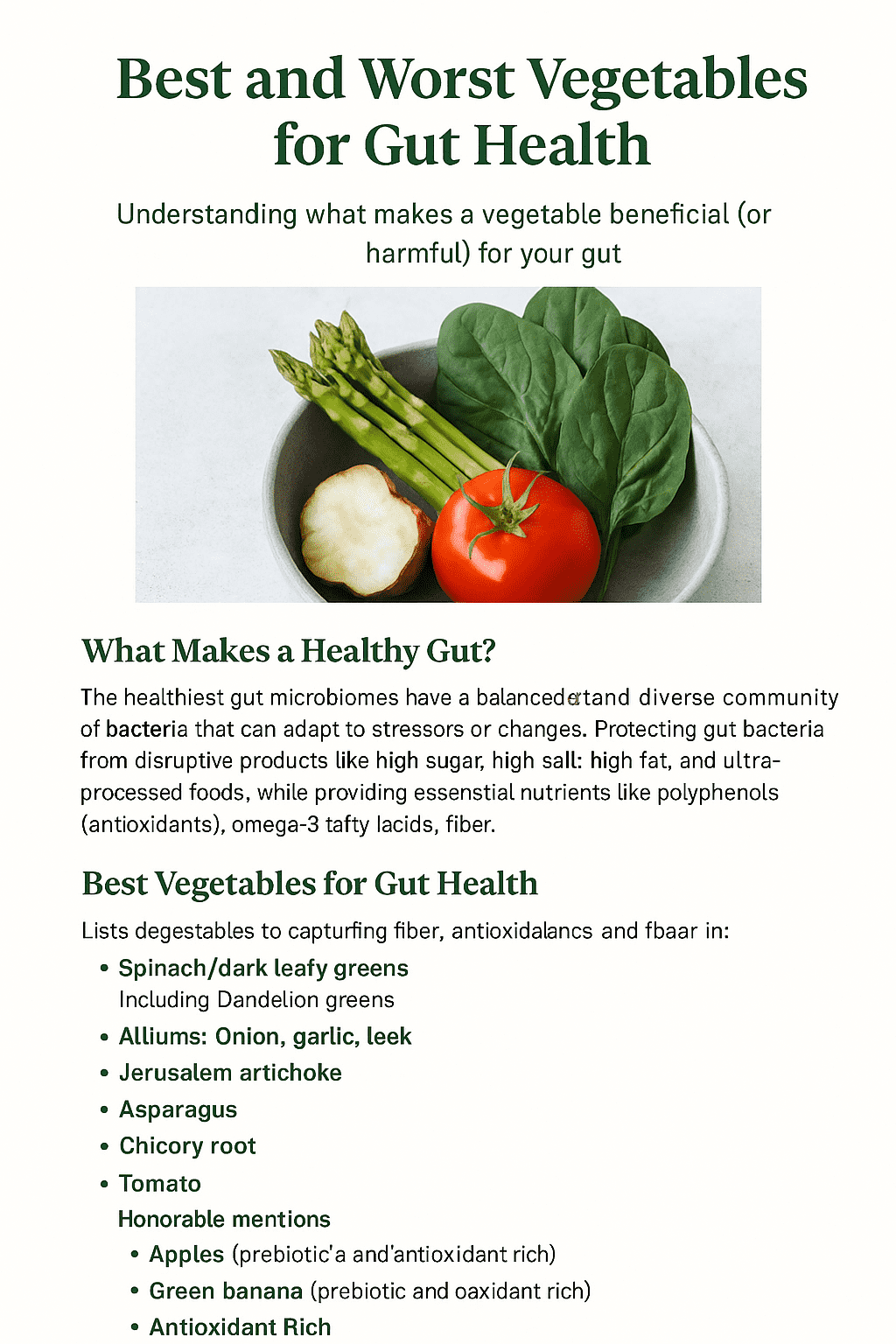
    Irritable bowel syndrome, one of the most common digestive conditions, is a clear example of how uncomfortable does not have to mean dangerous. It affects a meaningful slice of the population and can genuinely disrupt daily life with pain, bloating, and changes in bowel habits, yet it does not damage the bowel or raise the risk of more serious disease. It is a condition to be managed, not feared. According to the American College of Gastroenterology and clinics like Mayo, many people find real relief through unglamorous, evidence-informed steps: identifying personal trigger foods, adjusting fiber (soluble fiber in particular tends to help with both bloating and stool consistency), staying hydrated, moving your body, and working with a clinician on an approach that fits your specific pattern.

    The point of learning red flags, then, is not to turn every gurgle into an emergency. It is the opposite. When you know the small number of signals that genuinely deserve attention, you can let go of the anxiety around all the ones that do not. Awareness is what makes calm possible.

    The Signals Worth Bringing to a Doctor

    The Signals Worth Bringing to a Doctor

    Reputable sources including Mayo Clinic, Cleveland Clinic, and the NHS point to a consistent short list of symptoms that are worth discussing with a healthcare provider, especially when they are persistent, new for you, or getting worse. None of these automatically means something is seriously wrong. Each simply earns a conversation.

    Persistent bloating. Bloating that comes and goes with meals and your cycle is ordinary. Bloating that stays, that feels like a genuine and lasting change in how your abdomen looks and feels, or that keeps showing up over weeks, is worth flagging. For women, this signal carries a little extra weight. Persistent bloating, feeling full quickly, and appetite changes that last for weeks are also among the symptoms associated with ovarian cancer. That is not a reason to panic, and the far more likely explanations are benign, including IBS and ovarian cysts. It is precisely a reason not to dismiss bloating as “just being a woman” when it lingers. The NHS guidance is practical here: if bloating, feeling full quickly, or lower-belly discomfort persists for around three weeks or shows up on most days, get it checked.

    A lasting change in bowel habits. New constipation or diarrhea that hangs around, stools that are consistently thinner than usual, or a persistent feeling that the bowel has not fully emptied are all changes worth mentioning. A stomach bug or a new medication can shift things temporarily, and that is normal. It is the change that settles in and stays, typically for three weeks or more, that deserves a look.

    Unexplained weight loss. Losing weight without trying, when you have not changed how you eat or move, is one of the signals doctors take seriously. Weight that comes off on purpose is a different story. Weight that leaves on its own is a question worth asking.

    Blood in the stool or rectal bleeding. This one understandably alarms people, so here is the honest context. The most common cause of rectal bleeding is hemorrhoids, followed by small tears called anal fissures, both of which are common and very treatable. So bleeding is not a verdict. It is a symptom that should always be evaluated rather than watched, because it is one of the more important signals and because catching the less common causes early makes them far easier to treat. See a doctor for bleeding that lasts more than a day or two, and treat black, tarry stools, vomiting blood, or a large amount of blood as reasons to seek urgent care right away.

    Persistent abdominal pain. Cramps that come and go with digestion are one thing. Pain that is severe, that keeps returning, that wakes you at night, or that comes with any of the signals above is another. Persistent or worsening belly pain is worth a professional opinion rather than another week of hoping it fades.

    The quieter companions. Ongoing fatigue with no obvious cause and a noticeable lump in the abdomen round out the list that clinicians commonly cite. On their own each can have plenty of harmless explanations. Alongside the signals above, they add to the case for getting checked.

    Food Safety, the Unsexy Habit That Prevents a Lot of Misery
    Food Safety, the Unsexy Habit That Prevents a Lot of Misery

    A surprising share of “something I ate” is exactly that, and much of it is preventable with a few basic habits. Food safety is not about fear of your own kitchen. It is a small routine that spares you an unpleasant night and, occasionally, something worse. The core guidance from the USDA and FoodSafety.gov comes down to four familiar words: clean, separate, cook, and chill.

    Cook to a safe temperature. Color is a poor judge of doneness, so a simple food thermometer earns its place in the drawer. The safe minimum internal temperatures are steady and worth memorizing: whole cuts of beef, pork, and lamb reach 145 degrees Fahrenheit with a three-minute rest, ground meats reach 160, and all poultry reaches 165. These numbers are where common bacteria stop being a threat.

    Respect the two-hour rule. Bacteria multiply fastest in the “danger zone” between 40 and 140 degrees Fahrenheit, doubling in as little as twenty minutes. So perishable food should not sit at room temperature for more than two hours, and no more than one hour when it is hot outside, above 90 degrees, such as a summer picnic. Get leftovers into the fridge within that window, and cool large amounts quickly by dividing them into shallow containers rather than storing one deep pot.

    Separate to prevent cross-contamination. Raw meat, poultry, and their juices are the usual culprits, so keep them away from foods that will not be cooked again. That means a dedicated cutting board for raw meat, wrapping raw items securely so their juices do not drip onto produce, and washing hands, boards, and utensils thoroughly after they touch anything raw.

    Chill and use leftovers sensibly. Keep the refrigerator at or below 40 degrees Fahrenheit, and reheat leftovers thoroughly. When you are unsure how long something has been sitting or lurking in the back of the fridge, the oldest food-safety wisdom still holds: when in doubt, throw it out.

    When a Stomach Bug Crosses Into Something More
    When a Stomach Bug Crosses Into Something More

    Most foodborne illness is thoroughly unpleasant and thoroughly self-limiting. The nausea, cramping, and diarrhea run their course over a day or two, and the main job is staying hydrated while your body sorts itself out. Sip water or an oral rehydration solution, rest, and ease back into plain foods as your appetite returns.

    The CDC names a clear set of signs that mean a bout of food poisoning has crossed from “ride it out” to “get medical care.” Reach out to a professional if you have bloody diarrhea, a fever above 102 degrees Fahrenheit, vomiting so persistent that you cannot keep liquids down, diarrhea lasting more than three days, or signs of dehydration such as very little urination, unusually dark urine, a dry mouth, or dizziness when you stand. These are the markers that separate an ordinary bad night from something that deserves attention, and they are worth knowing before you need them.

    A brief, non-alarmist word on parasites, since they tend to attract more drama than they deserve. Intestinal parasites are real, but in places with reliable clean water and modern food handling they are an uncommon cause of everyday digestive trouble, and they are far more relevant in specific situations such as travel to certain regions. If a parasite is genuinely the issue, it is diagnosed with a proper test and treated with targeted medication prescribed by a clinician. What it is not solved by is a “parasite cleanse,” a “detox,” or a supplement marketed with unsettling before-and-after imagery. Those products are not evidence-based, they can be a waste of money at best, and they can delay real care at worst. If you suspect a parasite, especially after travel, the answer is a doctor’s visit and a real test, not a checkout cart.

    Small Habits That Keep the Gut in Good Standing
    Small Habits That Keep the Gut in Good Standing

    Between the reassurance and the red flags sits the everyday, where most of gut health actually lives. None of this is a cure or a guarantee, and none of it replaces medical care when a symptom warrants it. But these are the unremarkable practices that tend to keep digestion steady and give you a clearer sense of your own normal.

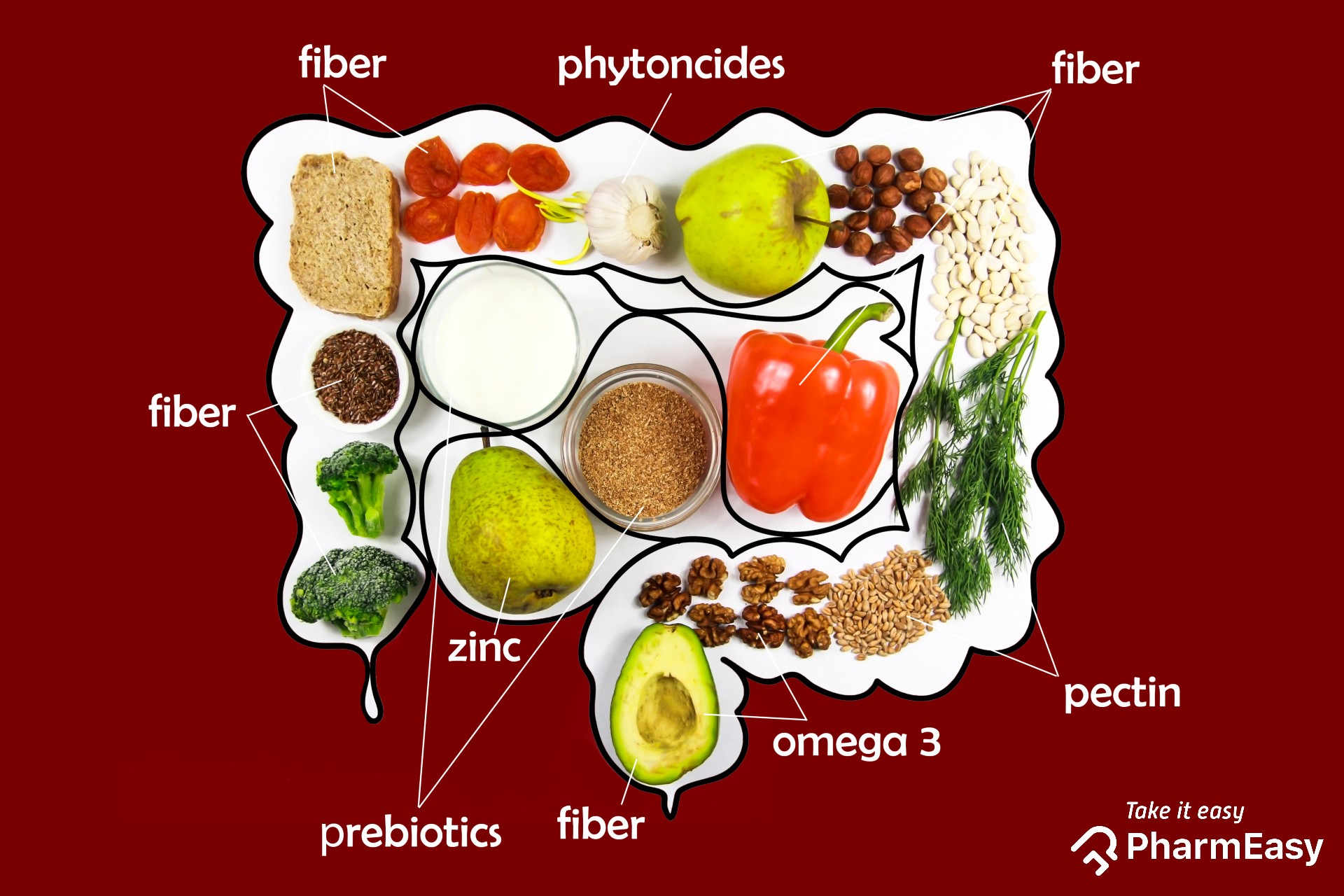
    Eat in a way that includes a range of plants and enough fiber, and let your gut adjust to increases gradually rather than all at once, since a sudden fiber surge can cause the very bloating you were hoping to avoid. Drink enough water. Move your body regularly, because motion helps the bowel keep its rhythm. Notice, without obsessing, which foods reliably disagree with you, since a personal pattern is far more useful than any one-size-fits-all rule. Pay attention to stress, which is a genuine player in gut symptoms rather than an imaginary one, and give sleep the respect it deserves.

    Perhaps the most useful habit of all is simply knowing your own baseline. When you have a rough sense of your ordinary rhythm, your typical response to certain meals, the way your body behaves across your cycle, you are far better equipped to notice when something has genuinely shifted. That noticing, calm and specific rather than anxious and vague, is what turns a vague worry into a useful sentence you can bring to a doctor.

    Trusting the Signal Over the Story You Tell Yourself

    The gut rewards a particular kind of attention: interested but not fearful, informed but not self-diagnosing. It is the attention that lets you shrug off the ordinary bloat after a salty dinner and, in the same breath, take seriously the bleeding or the persistent change that you might once have talked yourself out of mentioning. Women in particular are practiced at minimizing their own symptoms, at deciding the appointment can wait, at absorbing discomfort as the cost of a full life. The quiet skill worth building is the willingness to override that instinct when a signal repeats itself.

    You do not need to memorize a textbook. You need a short list, a few kitchen habits, and the honesty to book the visit when a symptom lingers, worsens, or simply refuses to sit right with you. Everything else, the gurgles and the grumbles and the meals that did not agree with you, can go back to being ordinary life. And if a symptom is speaking up in a way you cannot quite dismiss, that is not a reason to spiral. It is a reason to make the call and let someone qualified listen with you.

    This is a sensitive health topic, and everyone’s body and history are different, so please treat this as general information only and consult a qualified healthcare professional about any personal concerns or persistent symptoms.
  • Martha Stewart’s Timeless Self-Care Secrets and What Women Can Learn From Her Ageless Energy

    Martha Stewart’s Timeless Self-Care Secrets and What Women Can Learn From Her Ageless Energy

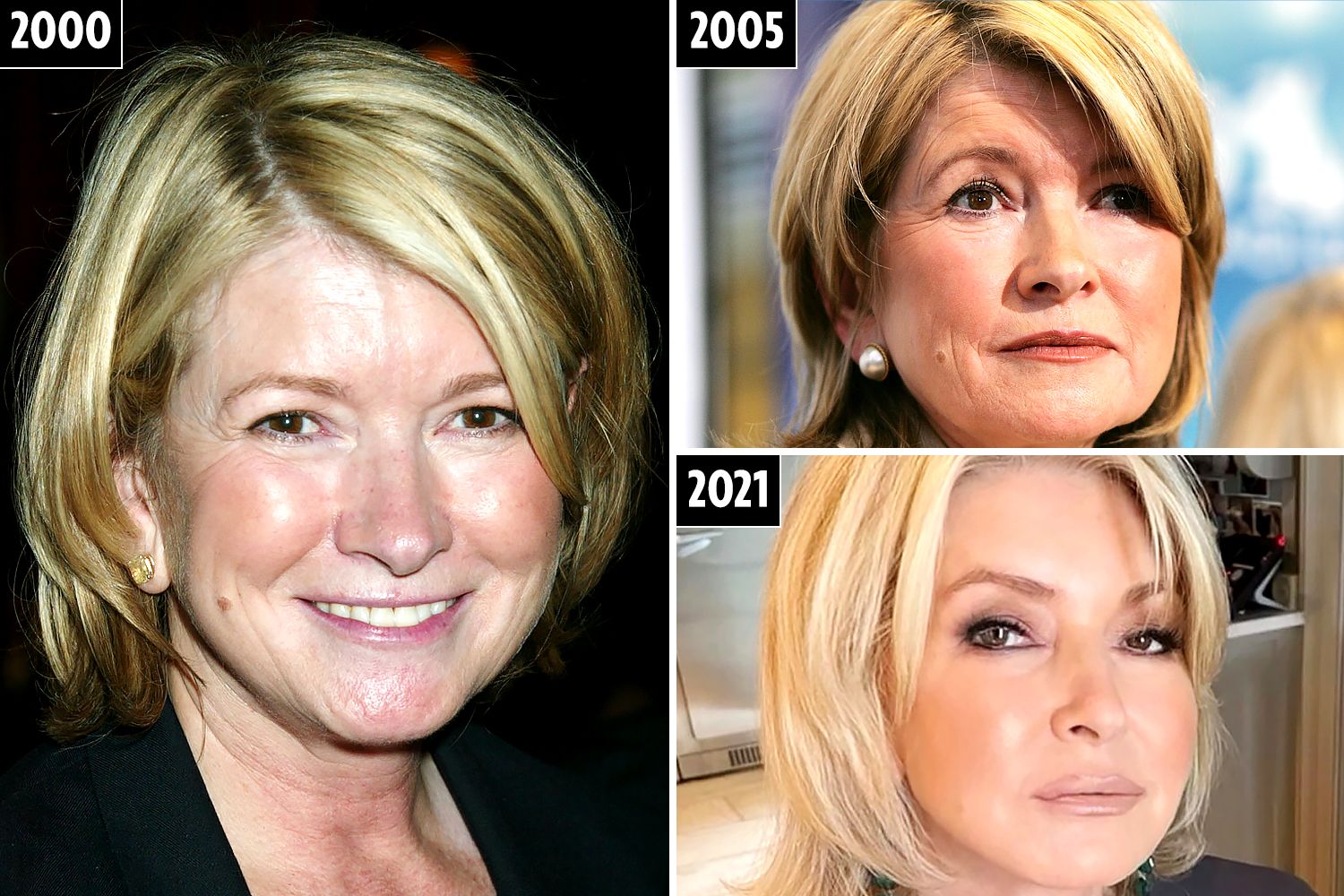
    Before most of the country has stirred, a kitchen light is already on somewhere in Bedford, New York. A juicer hums. Celery leaves, cucumber, a fistful of parsley, ginger, citrus with the peel still on, two kinds of spinach and a scatter of mint go in, and out comes a tall green glass that has become almost as famous as the woman who drinks it. The clock reads a little after four. This is not a photo shoot or a stunt. It is a Tuesday, and it is exactly how Martha Stewart has decided to live.

    There is something quietly radical about a woman in her eighties who wakes before dawn not out of anxiety but out of appetite for the day. Stewart has spent decades teaching people how to set a table, fold a napkin and grow a tomato, but the habit worth studying now is subtler than any recipe. It is the way she treats her own upkeep as seriously as she treats a dinner party. For women who have been told that self-care means bubble baths and the occasional face mask, her approach is a useful correction. Self-care, in her hands, looks a lot more like a system, and it is a system anyone can learn to read.

    The Morning Glass That Started It All

    The Morning Glass That Started It All

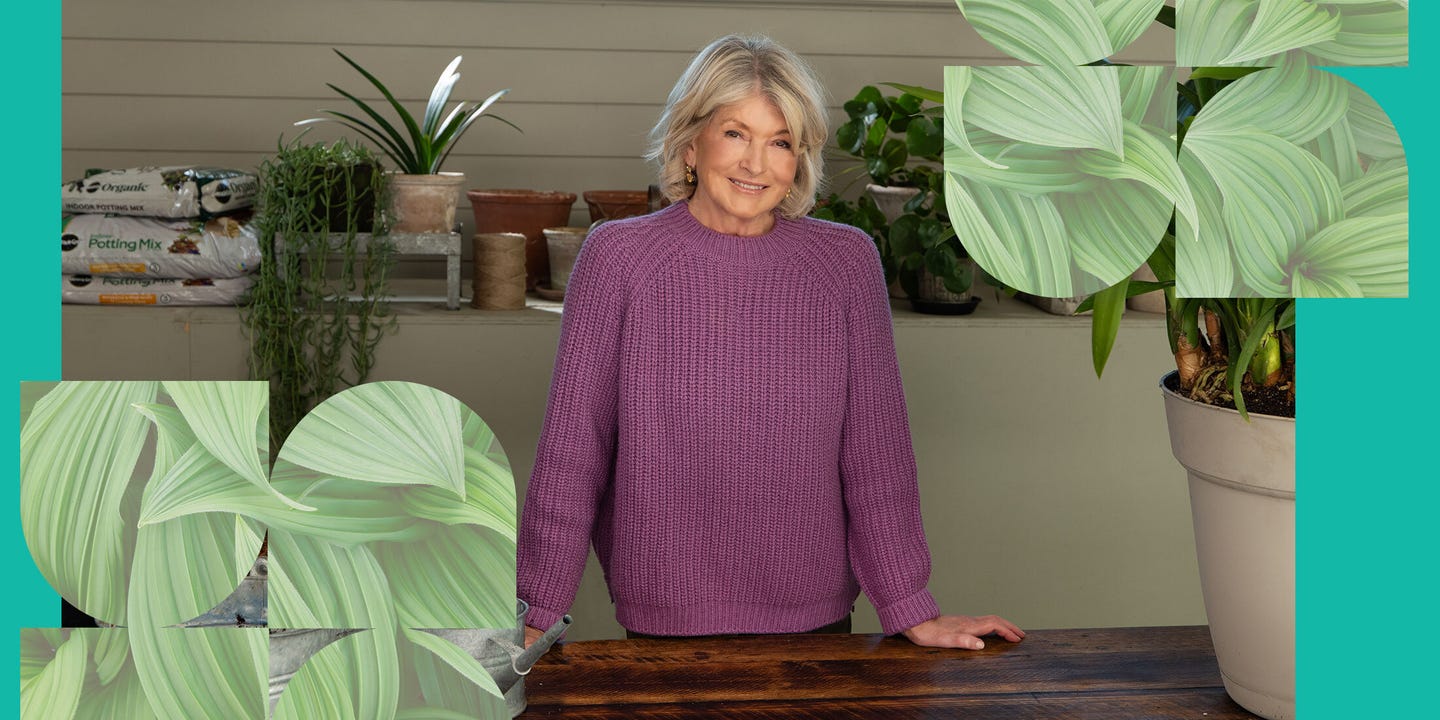
    The green juice is the entry point, and it deserves its reputation. Stewart makes it fresh nearly every day, and she has been open that it is not a fad she picked up but a fixture she built. She grows most of the vegetables herself, which changes the entire relationship to the drink. It is not something bought and consumed. It is something planted, tended and harvested, then turned into breakfast. There is a whole small economy of care hidden in that one glass, and it starts in the soil long before it reaches the counter.

    The recipe she has shared is generous and green. Celery, including the nutritious leaves that most people toss. Whole cucumbers. Parsley for that earthy backbone. Pineapple with the peel for sweetness and a little tang. Ginger for heat. Lemon and orange, peels and all, for brightness. Fresh mint and a couple of handfuls of spinach to round it out. She has described it as an essential part of her everyday diet and credited it, in her characteristically no-nonsense way, with what she prefers to call successful aging rather than anti-aging. The distinction matters to her, and it is worth sitting with. Anti-aging implies a fight against the clock. Successful aging implies partnership with it.

    What women can borrow here is not the exact ingredient list, though it is a good one. It is the principle underneath it: one non-negotiable daily habit that quietly compounds. Stewart does not agonize over whether she will make her juice. The decision was made years ago. She simply varies it with whatever is fresh in the refrigerator or ripe in the garden and keeps going. That is the part worth stealing. A single anchor habit, repeated without drama, does more over a decade than any three-week cleanse ever could. If a green juice feels like too much, the lesson still holds. Pick one thing you can do every single morning without negotiating with yourself, and let it become the floor you build the rest of your day on top of.

    Skin as a Long Game, Not a Quick Fix

    Skin as a Long Game, Not a Quick Fix

    If there is a Stewart philosophy that translates to almost any area of life, it is this: no shortcuts. She has said as much directly about her skin, telling interviewers that the secret to good skin is refusing to cut corners. Coming from someone who has spent a lifetime obsessing over how things are done properly, it lands as more than a soundbite. It is the same discipline she has always brought to a pie crust or a flower bed, simply pointed at herself.

    Her routine has real structure. Mornings can begin with a very hot face cloth pressed to the skin, followed by a cold one, a simple ritual she says calms her complexion and closes her pores. Her product shelf reads like a dermatologist’s shortlist: hyaluronic acid, vitamin C, peptides and rich creams. She is religious about sunscreen, favoring a tinted SPF 50 and saying plainly that she does not leave the house without it. She stays out of the sun when she can, which for a lifelong gardener takes genuine discipline, since her whole life pulls her outdoors.

    At night, the rule is absolute. She never goes to bed in makeup. She cleanses thoroughly with a cleansing oil and a warm cloth until every trace is gone. It is unglamorous and it is consistent, and consistency is the whole point. Notice how little of this is expensive or exotic. A hot cloth and a cold cloth cost nothing. Washing your face before bed costs nothing. Sunscreen is the single most effective and least glamorous anti-aging product on any shelf, and she treats it as mandatory rather than optional.

    Stewart also does not pretend she does this entirely alone. She has credited her dermatologists for helping maintain her glow, and she has been candid that she has received facials from the same skincare house for roughly forty years. That honesty is refreshing in a culture that loves to sell the idea of effortless results. She treats professional help as maintenance, the same way you would service a car or prune an orchard, not as vanity to hide. For women weighing whether a facial or a dermatology visit is a frivolous expense, her framing reframes it entirely: this is upkeep, and upkeep is normal. There is no shame in getting help with the things that matter to you.

    Movement That Keeps Her Independent

    Movement That Keeps Her Independent

    Stewart is not chasing a beach body or punishing herself in a gym. Her fitness routine is built around something more durable: the ability to keep doing everything she wants to do. She practices Pilates several times a week, often in the early morning, and she mixes it with yoga and weight training to hold onto her muscle mass and flexibility. It is a deliberately unflashy combination, and that is exactly why it lasts.

    The word that keeps coming up when she talks about exercise is functional. She is training so she can garden, travel, carry things, get up and down, and stay mobile and independent in her daily life. That is a profoundly different goal than the one most fitness marketing sells, and it is a far more sustainable one. Pilates and yoga are low-impact by design, which means they are kinder to aging joints while still building the core strength and balance that protect against the falls and stiffness that quietly shrink so many lives. Weight training, meanwhile, does the unglamorous work of preserving muscle, which the body sheds steadily with age unless it is given a reason to keep it.

    There is a lesson here for any woman who has ever felt alienated by the aggression of workout culture. Movement does not have to be a war on your body. It can be a partnership with it. Stewart’s approach suggests picking exercise you can imagine still doing in twenty years, then actually doing it on a schedule, rather than burning out on something intense and abandoning it by February. The best workout is not the hardest one. It is the one you will still be doing when you are old enough to be grateful you did.

    The Garden as a Second Skincare Routine

    The Garden as a Second Skincare Routine

    It would be easy to file gardening under hobby and move on, but for Stewart it functions as something closer to a wellness practice, and it is worth pulling out on its own. Her garden is where the green juice begins, which means her nutrition is tied directly to her hands in the dirt. Growing your own vegetables is not just about freshness, though the produce is fresher. It is about the low, steady, purposeful movement of tending something, the daily reasons it gives you to go outside, and the way it quietly folds exercise, sunlight in moderation and real food into a single unhurried habit.

    There is also the mental dimension, which rarely gets enough credit. Gardening is patience made physical. You plant things that will not reward you for weeks or months, you attend to them without immediate payoff, and you learn, season after season, that good outcomes come from consistent small care rather than dramatic intervention. That is arguably the same philosophy that governs her skin, her fitness and her career. The garden is not separate from her self-care. It is the through-line that connects all of it, a living argument for doing things slowly and properly.

    For women who cannot plant an estate’s worth of vegetables, the principle still scales down beautifully. A few pots on a balcony, a windowsill of herbs, a single tomato plant. The point is not the size of the harvest. It is the ritual of tending something living, getting your hands busy and your face into daylight, and being reminded that growth is not instant for anyone, not even for Martha Stewart.

    The Cover That Rewrote the Rules

    The Cover That Rewrote the Rules

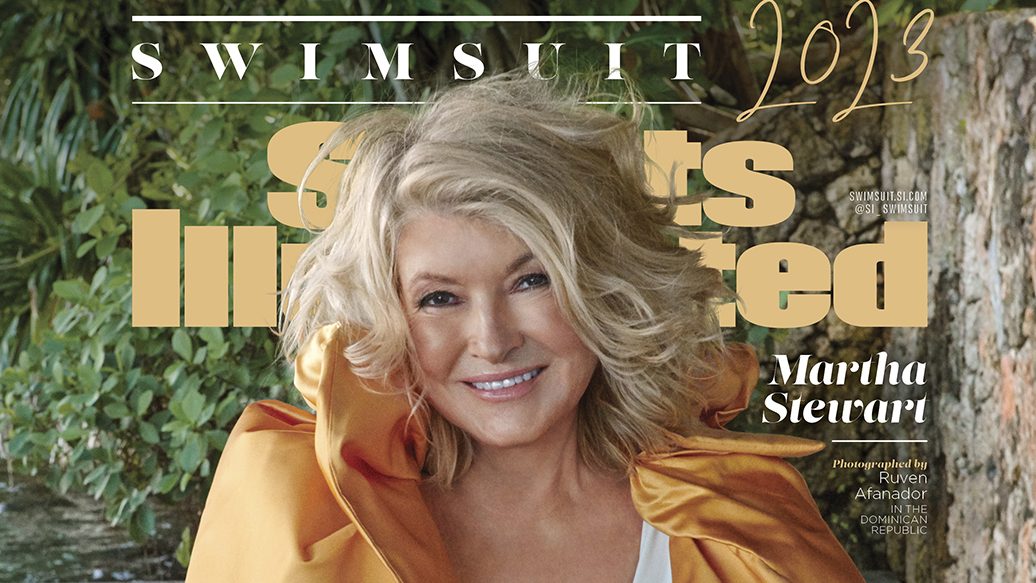
    In 2023, at eighty-one, Stewart became the oldest cover model in the history of the Sports Illustrated Swimsuit issue. Photographed by Ruven Afanador in the Dominican Republic, she posed with the same steady confidence she brings to everything else. It was, by any measure, a cultural moment. A woman who had been famous for four decades for domestic perfection was suddenly on a magazine cover that the world associates almost exclusively with youth.

    What makes the moment worth returning to is how she talked about it. She was refreshingly unromantic. She had prepared, she said, by living clean anyway, eating well, exercising, keeping her skincare in order, and in the run-up she had cut back on bread and pasta. There was no miracle involved. There was the accumulated interest on years of ordinary discipline. She framed the whole thing as proof that women can look good and feel great at any age, and that age itself is not the thing that determines a person’s friendships, success or worth. What people do, how they think and how they act, she argued, matters far more than the number attached to them.

    For a body-positive audience, the takeaway is not that every woman should aspire to a swimsuit cover. It is that Stewart refused to accept the expiration date the culture tried to hand her. She walked into a space designed to exclude women like her and simply took up room. That posture, more than any single photograph, is the thing to carry forward. Confidence, in her version of the story, is not a costume you put on for a camera. It is the natural byproduct of years spent actually caring for yourself, so that when the moment comes, you have nothing to fake.

    Curiosity as an Anti-Aging Ingredient

    Ask Stewart about aging and she tends to swat the question away. She has said aging is not something she thinks about, that she does not dwell on getting older or slowing down or retiring, and that to her the idea is about living well rather than the alternative. What she does dwell on is work, learning and going places. She has been open that she likes to be busy, and she treats a full calendar not as a burden but as the point.

    She is unusually blunt about the value of curiosity. She once described being baffled that some of her friends do not even take photos with their phones, calling that lack of curiosity boring to her. It is a small anecdote that reveals a whole worldview. Stewart keeps a wide circle of friends, many of them decades younger, and she keeps taking on projects that would intimidate people half her age, including continuing to write books and put her own life story on the page in her own words. These are hard, years-long undertakings, and she pursues them precisely because she does not want to arrive at the end of her life carrying regret.

    This may be the most portable secret of all, because it costs nothing and requires no garden or trainer. Staying curious, staying engaged, refusing to let the mind coast is the kind of self-care that never shows up in a beauty aisle. Stewart’s summary of how to age well is disarmingly simple: look good, feel good, be good. The last part, the being good, the staying interested, the keeping busy, is the part most people forget to schedule. It is also the part that keeps company with younger friends, learns new tools instead of dismissing them, and treats each new decade as more material rather than less runway.

    What the Green Glass Actually Teaches

    Strip away the celebrity and the swimsuit cover and what is left is a woman who decided, a long time ago, that she was worth taking care of, and then organized her days around that decision. The green juice, the hot and cold cloths, the sunscreen, the Pilates, the refusal to sleep in makeup, the standing appointments, the garden, the books she is still writing at an age when most people have stopped starting things. None of it is exotic. All of it is repeated.

    That repetition is the real inheritance here, and it is available to anyone. You do not need Stewart’s garden or her budget to adopt her mindset. You need one anchor habit you refuse to skip, a skincare routine you actually follow, movement you can sustain, and a curiosity you keep feeding. Notice, too, that not one of these things depends on being a particular size or shape. Stewart’s version of aging well is about capacity and consistency, about a body that can do what she asks of it and a mind that still wants to be asked.

    So the next time the kitchen is quiet and the day has not quite begun, the invitation is not to imitate Martha Stewart exactly. It is to do what she did decades ago, before any of it looked remarkable: choose one small thing, put it on the calendar, and keep it there long enough for it to become the person you are.

  • Faith Hill’s Ageless Style Evolution – How to Dress With Her Effortless Country-Glam Confidence at Any Size

    Faith Hill’s Ageless Style Evolution – How to Dress With Her Effortless Country-Glam Confidence at Any Size

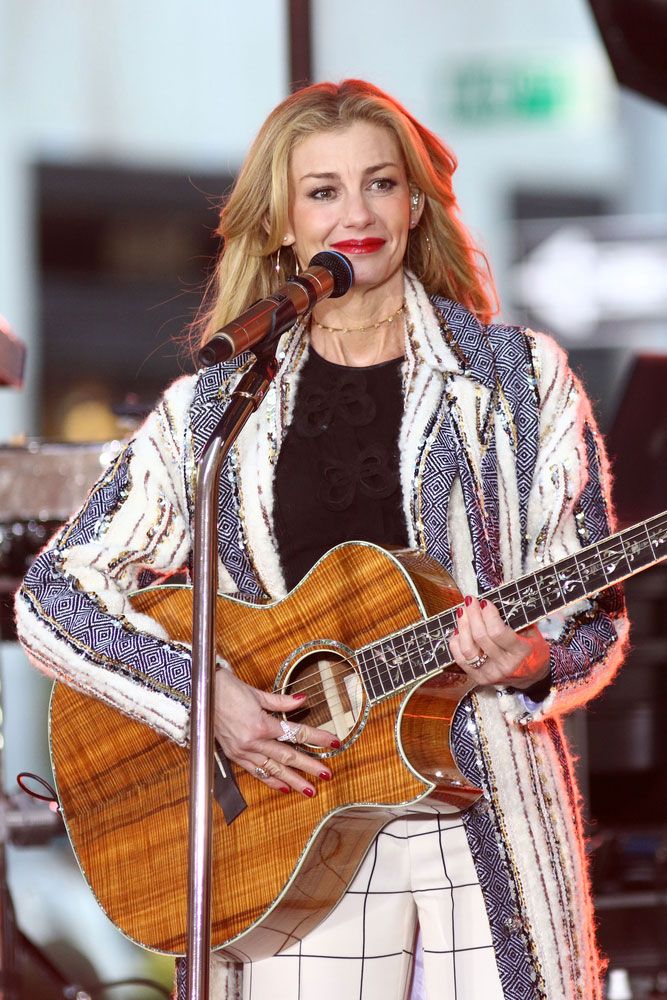
    Picture a stage washed in warm light, a slow country ballad building, and a woman in a floor-length gown stepping to the microphone with the ease of someone who has never once questioned whether she belongs there. That is the Faith Hill effect. For three decades she has moved between two worlds that rarely coexist so gracefully – the dusty, honest heart of country music and the polished shimmer of a Hollywood red carpet – and made both look like home. She has worn beaded gowns to the Grammys and a wool prairie vest on the plains of a television Western, and somehow the through-line is always the same: unshakable, warm, grown-woman confidence.

    That confidence is the real style lesson here, and it happens to translate beautifully for curvy women who love a polished, feminine look but want it to feel lived-in rather than fussy. You do not need a stylist or a stadium tour to borrow it. You need a handful of pieces that fit your actual body, a point of view about what makes you feel like yourself, and permission to take up space in the room. Faith Hill built a signature out of exactly those three things. So can you.

    The Two Faces of Faith Hill’s Style, and Why Both Matter

    The Two Faces of Faith Hill's Style, and Why Both Matter

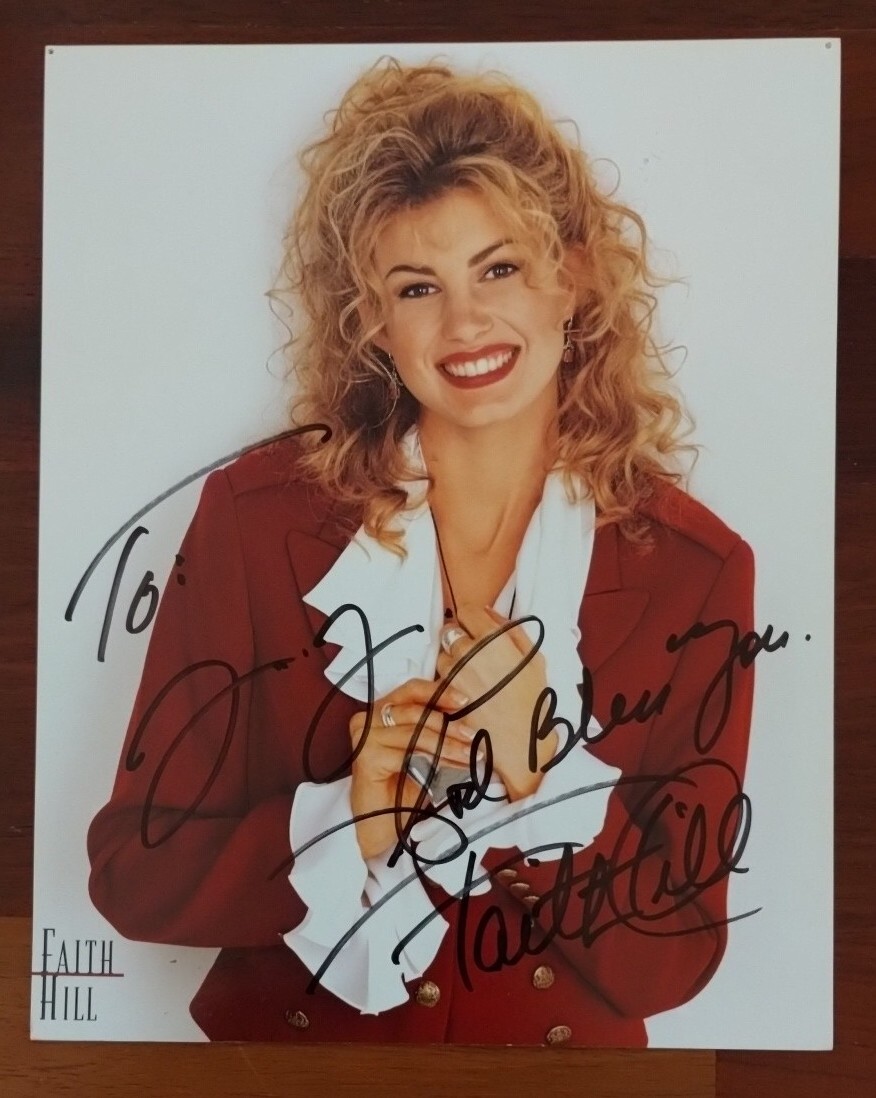
    Faith Hill’s fashion has evolved right alongside her music, and tracing it is a small masterclass in growing into your own taste. In the mid-1990s, when she was breaking through, her look leaned covered and countrified – vintage-inspired prints, softer silhouettes, the kind of easy Nashville wardrobe that reads warm and approachable. Then came the crossover era. Her albums Faith in 1998 and Breathe in 1999 turned her into a genuine pop star, with “This Kiss” climbing the charts and the title track “Breathe” reaching number two on the Billboard Hot 100. As her audience widened, so did her wardrobe. The prints gave way to glamorous, figure-conscious gowns, beadwork, sheer panels, and a growing love of black that has become one of her signatures.

    By the early 2000s she was one of country’s most reliable red-carpet stars, drawn to glitzy dresses with intricate detail and unafraid of a bold neckline. Her dress at the 2000 Grammy Awards remains one of her most talked-about, daring looks. She has worn white and black in equal measure, then broken the pattern with a vivid red or a cool aqua when the moment called for color.

    What is worth noting for the rest of us is that neither version of Faith Hill cancels the other out. The barefaced, jeans-and-vintage-print Faith and the beaded-gown-on-the-carpet Faith are the same woman, and both are authentically hers. That is the permission slip. You are allowed to own a range. You can be the person in the effortless denim on Saturday and the person in the column gown at the winter gala, and neither is a costume if both feel like you.

    Country-Glam, Defined – The Signatures Worth Stealing

    Country-Glam, Defined - The Signatures Worth Stealing

    Before we get to the shopping, it helps to name the ingredients. Faith Hill’s country-glam formula, distilled, comes down to a few recurring signatures that you can dial up or down for your own life.

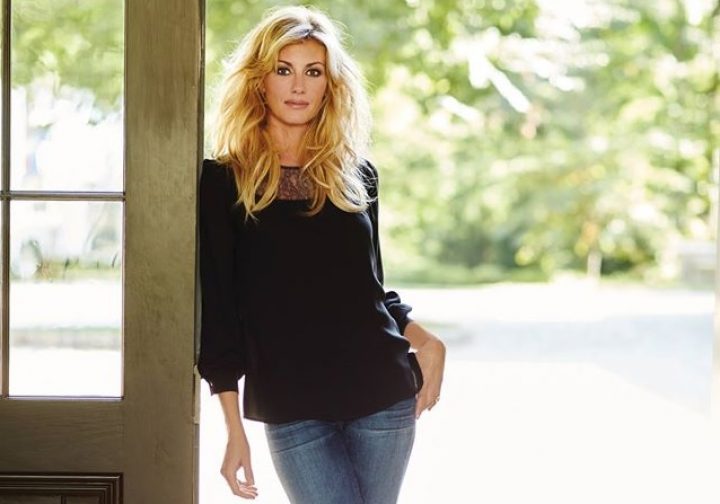
    First, the polished foundation. Even her most casual looks read intentional. A clean line, a good fabric, nothing sloppy. Second, a love of long, uninterrupted silhouettes – the floor-skimming gown, the tailored trouser, the maxi dress – that draw the eye up and down rather than chopping the body into segments. Third, strategic shine. Beadwork, satin, a metallic thread, a sequin, used as a focal point rather than head to toe. Fourth, a disciplined color story built on black, white, and rich neutrals, with the occasional decisive pop of color. And fifth, that famous hair – soft, full, blown-out waves that frame the face and add an instant dose of glamour to even the simplest outfit.

    Every one of those signatures is size-friendly. A long line flatters a fuller figure. A focal point of shine lets you decide exactly where the eye lands. A grounded neutral palette is endlessly repeatable and easy to shop for at every size. And great hair costs you nothing but a round brush and ten minutes. The genius of this aesthetic is that it was never about being a sample size. It was about proportion, polish, and knowing your own angles.

    Recreate the Red-Carpet Gown Moment at Any Size

    Recreate the Red-Carpet Gown Moment at Any Size

    Let us start with the showstopper, because it is the look people assume is off-limits and it absolutely is not. Faith Hill’s gown moments are all about a long, clean column that skims the body, a considered neckline, and one point of drama – beading at the shoulder, a thoughtful cutout, or a sweep of satin that catches the light.

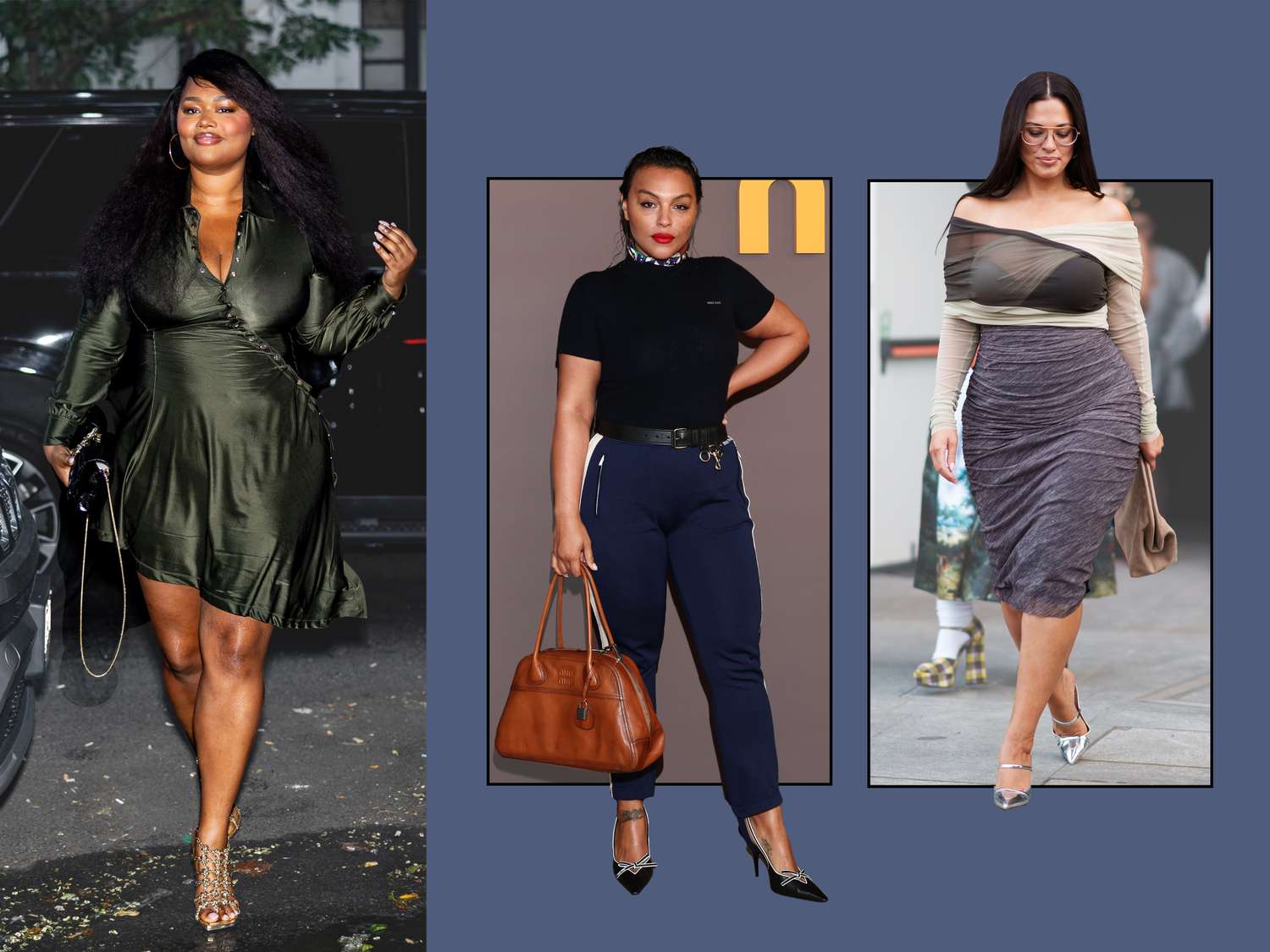
    To build your own version, begin with silhouette rather than size. A column or slightly A-line gown in a fluid fabric does the heavy lifting for a curvy frame because it moves with you instead of fighting you. Torrid has become a reliable destination for occasion dresses cut specifically for plus bodies, with gowns that account for bust, hips, and length in a way straight-size formalwear rarely does. Eloquii is the place to look when you want the fashion-forward detail – a dramatic sleeve, an interesting drape, a bit of that red-carpet edge Faith Hill favors. Lane Bryant rounds out the trio with polished, wear-it-again evening pieces and the foundation garments that make everything sit cleanly.

    For the neckline, take a page from her book and choose one focal area. A deep-but-supported V, an off-the-shoulder line, or a keyhole draws the eye exactly where you want it while keeping the rest simple. If you love the idea of a bold neckline but want reassurance, a wide-set strap or a built-in structured bodice gives you the drama with the security. Estimate spending somewhere in the range of a nice-restaurant dinner for two for a well-made occasion gown from these brands, more if you want heavy beading, though prices shift constantly and sales are frequent, so treat any number as a ballpark rather than a promise.

    One thing worth borrowing from her fittings mindset: think in terms of structure before decoration. A gown with a built-in bodice, a bit of internal boning, or a supportive lining will always sit more beautifully on a curvy frame than a flimsier one, no matter how pretty the fabric. Shapewear is optional and entirely your call, but the right undergarments in a smooth, seam-free style can make even a snug column dress feel effortless to move in. Faith Hill’s gowns always look like they were made for standing under hot lights for hours, and that ease is not an accident. It is engineering, and you can shop for it on purpose by reading product descriptions for words like lined, structured, and stretch.

    Finish with the Faith Hill flourishes: a single statement earring set, a metallic or nude heel to lengthen the line, and hair with genuine volume. The gown is only half the look. The posture and the blowout are the other half.

    The Everyday Country-Casual Formula – Denim Done With Polish

    The Everyday Country-Casual Formula - Denim Done With Polish

    Not every day is a gala, and this is where Faith Hill’s early, more grounded style earns its keep. The country-casual side of her look is denim and knits worn with just enough intention to never read as thrown-together. The trick is fit and finish rather than fanciness.

    Start with the jeans, the anchor of the whole thing. A dark-wash, high-rise, well-constructed pair does more for a polished silhouette than almost anything else in the closet, because a high rise smooths the midsection and a dark wash reads dressier than a faded one. Universal Standard has built its reputation on denim engineered for curves with a genuinely wide size range, and it is a strong starting point if you want a jean that holds its shape all day. Old Navy is the value pick, with a deep bench of curvy-fit and high-rise styles that let you experiment with cut without a big commitment. ASOS Curve is worth a scroll when you want something a little more of-the-moment – a wide leg, a trouser jean, a fresh silhouette to update the formula.

    From there, build the country-glam ease on top. A crisp white button-down worn slightly undone, a fine-gauge knit in cream or camel, or a soft western-inspired shirt tucked into that high waist. Layer a tailored blazer or a suede-look jacket for the polish that separates her from ordinary casual. Add a pointed boot or a clean heeled bootie, a leather belt, and one warm-metal piece of jewelry. The whole outfit should feel like it took five minutes and looks like it took thirty. That gap is the entire aesthetic.

    Channeling Margaret Dutton – The Prairie-Glam Chapter

    Channeling Margaret Dutton - The Prairie-Glam Chapter

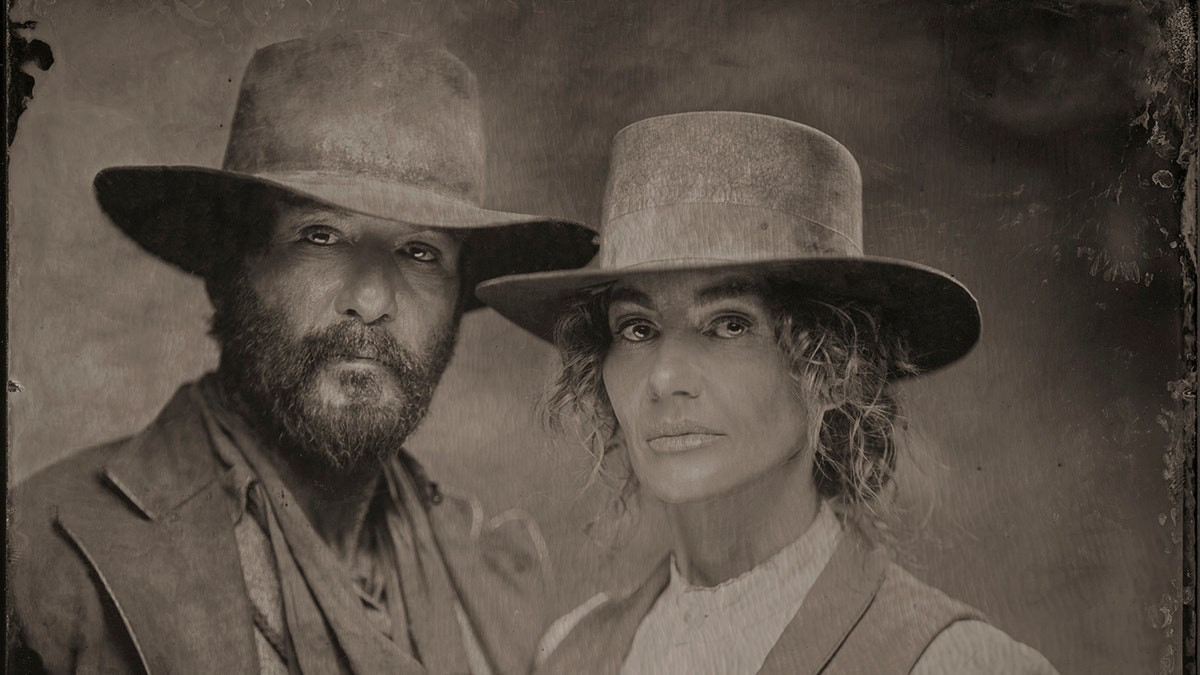
    Faith Hill’s turn as Margaret Dutton in the Western drama 1883, opposite her real-life husband Tim McGraw as James Dutton, added a whole new texture to her style story. The costumes, designed by Emmy-winning costume designer Janie Bryant, dressed her in dusty period fabrics, structured vests, and long coats that were built for a hard journey yet carried a quiet, weathered elegance. Bryant even sourced a dusty pink fabric in England for the character, the kind of detail that gives a costume real soul.

    You do not have to live on the frontier to borrow the mood, and honestly it is one of the most forgiving looks in the whole Faith Hill catalog because it is built on layers and structure. Think of it as prairie-glam: a long, unstructured duster or maxi coat over a simple base, a fitted vest that nips the waist, earthy tones like rust, sand, cream, and faded rose, and natural fabrics that drape rather than cling.

    For curvy bodies, this chapter is a gift. A vest is a stealth tailoring tool, drawing a vertical line down the center and defining the waist without a single restrictive seam. A long coat left open creates that same flattering column the red-carpet gowns rely on, just in daytime clothing. Build it with a maxi skirt or a wide trouser from Universal Standard or ASOS Curve, a soft prairie blouse or a simple knit, and a vest or duster layered over the top. Ground it with a heeled ankle boot and a wide-brim hat if you are feeling brave. It is the rare trend that looks expensive, covers exactly as much as you want covered, and photographs beautifully.

    The Confidence Is the Real Wardrobe

    Here is the part no store can sell you. Watch Faith Hill in any era, in a gown or a duster or a plain white tee, and the constant is not the clothing. It is the way she wears it. Shoulders back, chin level, a settled sense that the outfit is serving her rather than the other way around. Style people call it presence. It reads as confidence, and confidence is the one accessory that makes everything else look more expensive.

    The practical version of that lesson for curvy women is this. Buy for the body you have today, not the one a vanity size tag wants you to squeeze into, because clothing that actually fits is the fastest route to looking and feeling polished. Tailor the pieces you love, since a small nip at the waist or a hemmed length turns a good dress into your dress. Pick your focal point on purpose and let the rest go quiet. Invest in the blowout, the posture, and the two or three foundation pieces you reach for constantly. And treat getting dressed as an act of self-respect rather than self-criticism, which is the shift that changes how a whole outfit lands.

    It also helps to build a small uniform, the way she clearly has. Notice how often the same ingredients reappear across her looks: the long line, the neutral base, the single glamorous detail, the voluminous hair. A personal uniform is not boring, it is efficient, and it is how stylish people get dressed quickly and still look intentional every time. Decide on your own three or four non-negotiables, the pieces and finishing touches that make you feel most like yourself, and let those become your signature. When getting dressed is a variation on a theme you already trust rather than a blank slate every morning, confidence stops being a performance and starts being a habit.

    Faith Hill did not become a style figure by chasing every trend or shrinking herself into a narrower silhouette. She figured out what made her feel like the fullest version of herself – the long clean line, the well-placed shine, the great hair, the black gown, the honest denim – and she wore it like she meant it, decade after decade. That is a formula with no size limit written anywhere on it. Pick your favorite chapter of her style story, translate it into pieces cut for your actual body from brands that were built for it, and walk into the room the way she walks onto the stage. The clothes will follow your lead.

  • Love Island Fashion 2026 – How to Get the Islanders’ Best Looks in Plus Sizes

    Love Island Fashion 2026 – How to Get the Islanders’ Best Looks in Plus Sizes

    Picture the moment the sun dips behind the villa and the string lights flicker on. Somebody is reapplying gloss by the firepit. Somebody else is sliding into a slip dress that catches the last of the gold light. The whole aesthetic of the show lives in that hour – skin warm from the day, drinks sweating in hands, everyone dressed like the night could turn into anything. That energy is the real export of the series. Not the drama, not the recoupling, but the feeling that getting dressed should be a little reckless, a little glittery, and entirely yours.

    Here is the thing nobody tells you when you fall for those looks on screen: almost every one of them is buildable in a size 16, 22, or 28. The silhouettes that read as “Love Island” – the slinky going-out dress, the cutout one-piece, the citrus-bright two-piece, the strappy heel that means business – are not the property of a single body type. They are just shapes and colors and confidence. And confidence happens to be the one accessory that comes in every size for free.

    So let’s translate the villa wardrobe into a closet that actually fits your life, your curves, and your budget. Real brands, real shapes, no gatekeeping.

    What the Villa Aesthetic Is Actually Made Of

    What the Villa Aesthetic Is Actually Made Of

    Before you shop, it helps to name the formula. The on-screen style is deceptively simple once you break it down, and that simplicity is exactly why it scales so beautifully to fuller figures.

    Daytime in the villa is all about the swim moment. Think high-cut one-pieces, ring-detail bikinis, sarongs knotted at the hip, and slides you could chase someone across the lawn in. Evening flips the switch to glamour: body-skimming mini dresses, satin slips, cutout midis, and bold monochrome separates. The color story leans into what looks good against a tan and reads loud on camera – tangerine, hot pink, lime, cobalt, buttery yellow, and the occasional all-white reset.

    There is also a sustainability thread running through the recent UK seasons worth knowing about. eBay UK has been the show’s headline fashion sponsor across several series, with a Pre-Loved Style Director curating a shared villa wardrobe that blends luxury pieces with high-street finds. Searches for pre-loved fashion reportedly surged more than 400 percent on the platform after the summer 2024 season, and Gen Z has led the secondhand charge. The takeaway for curvy shoppers is genuinely useful: you do not have to buy everything new to nail this look. Resale and pre-loved racks are part of the official aesthetic now, which means a vintage slip or a barely-worn designer cutout dress is fair game and often the most flattering option on the rack.

    Once you see the formula – sun-warm color, body-confident silhouette, a touch of shine – you can recreate any islander’s best night without copying a single specific outfit.

    The Going-Out Mini Dress, Built for Curves

    The Going-Out Mini Dress, Built for Curves

    The mini dress is the heartbeat of villa evening style, and it is also where a lot of plus-size shoppers get nervous. They shouldn’t. A short hem on a fuller figure reads as legs-for-days, not exposure, when the fit is right through the bust and waist.

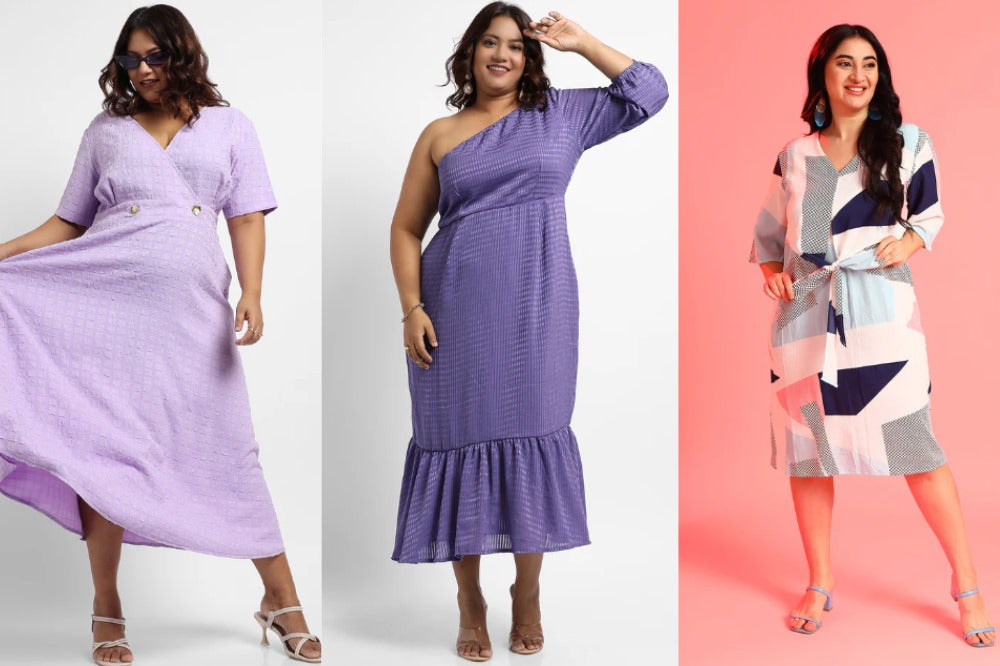
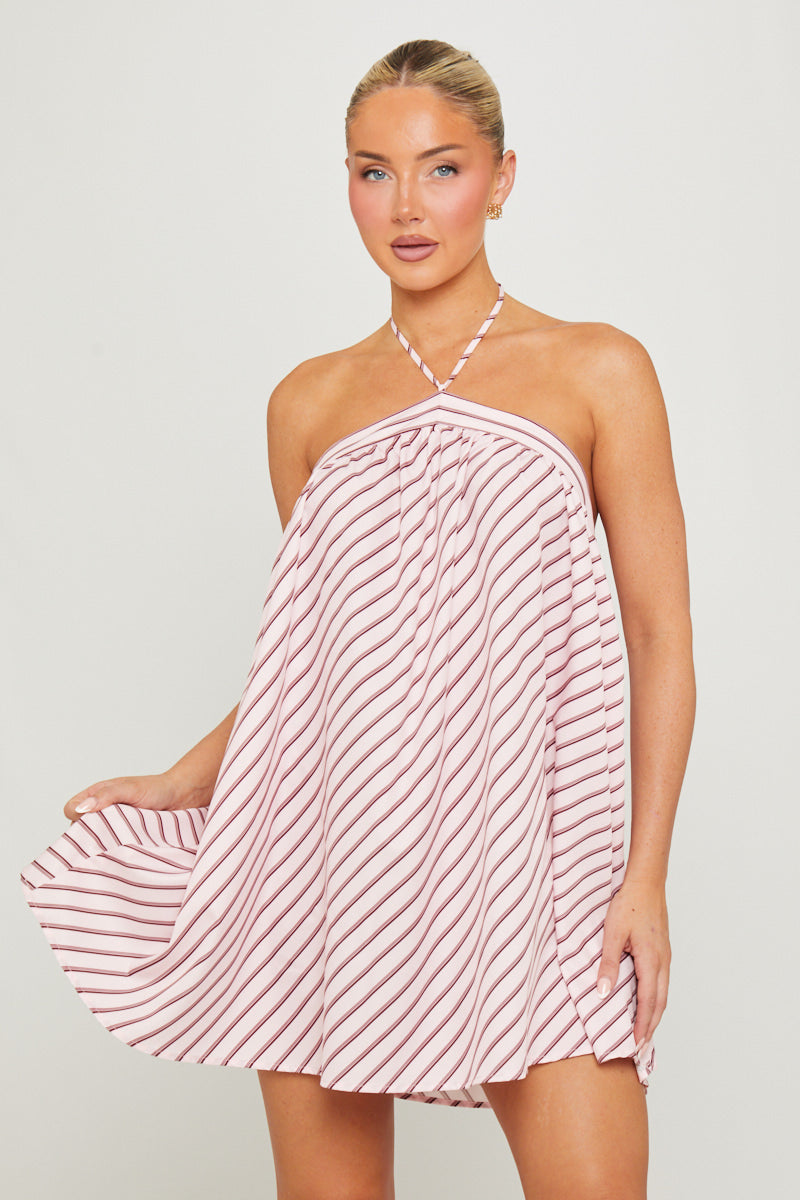
    Look for a few specific things. A ruched bodycon in a stretchy ponte or scuba fabric holds its shape and skims rather than clings to every ripple – Fashion Nova Curve and PrettyLittleThing Curve both do this category well, usually in the rough range of 20 to 45 dollars, so you can experiment without guilt. If you want something with more structure, Torrid‘s going-out dresses tend to have built-in support and slightly heavier fabric that does the smoothing for you. For a more elevated take, ASOS Curve carries cowl-neck satin minis and ruched mesh styles that photograph exactly like the villa firepit moments.

    The styling move that makes a mini feel intentional rather than just short: pair it with a strappy block heel instead of a stiletto. You get the leg-lengthening line without the wobble across grass or a sticky club floor. Add small hoop earrings, a couple of stacked rings, and let the dress do the talking. Resist the urge to add a jacket that covers the silhouette you came to show.

    If a true mini feels like too much leg for your comfort, a fitted mid-thigh length in the same fabric gives you ninety percent of the effect with twice the ease. The goal is feeling like the most magnetic person at the firepit, and you cannot do that while tugging at a hem all night.

    Cutouts and Cleverness, Without the Anxiety

    Cutouts and Cleverness, Without the Anxiety

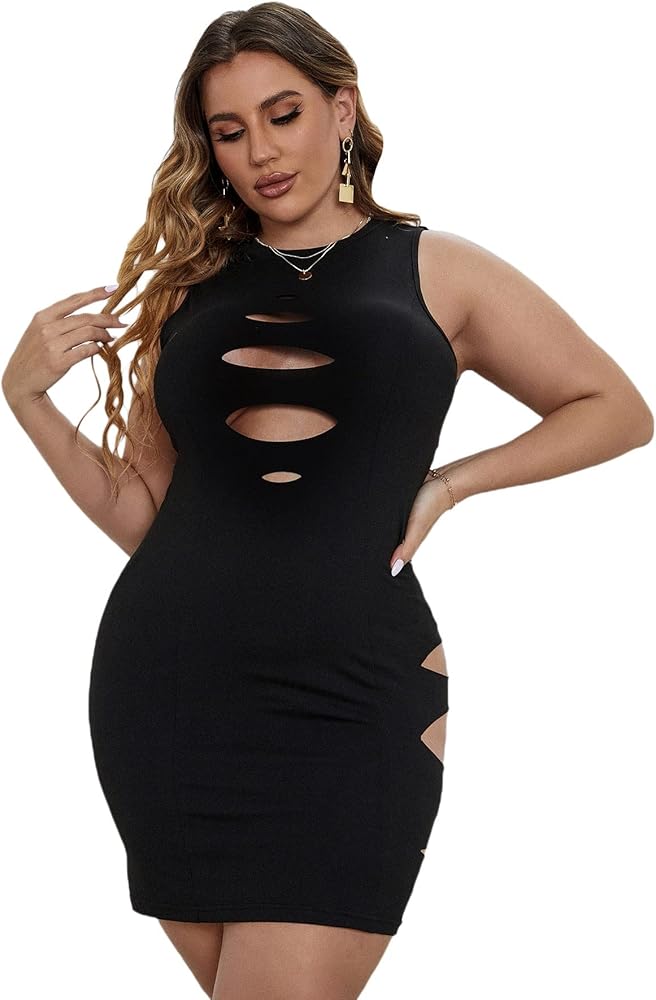
    Cutouts are everywhere in villa fashion – a slice at the waist, a keyhole at the bust, a strappy back that turns a basic dress into a moment. They tend to scare people in larger sizes, and the fear is almost always misplaced. A well-placed cutout is one of the most flattering tricks in the book because it draws the eye exactly where you want it.

    The principle is to place the opening at your narrowest or most confident point. A single waist cutout on a column dress carves out a defined middle and elongates the whole torso. An underbust or side-waist slice does similar work. Universal Standard, which builds genuinely thoughtful pieces across an enormous size range, often nails these proportions because the cutouts are engineered for fuller figures rather than scaled up from a sample size. Lane Bryant has leaned into the trend too, with cutout maxi and midi dresses that feel dressy without tipping into costume.

    A practical note that saves outfits: any cutout near the bust or waist needs the right understructure. Fashion tape is your best friend, and a longline bralette in a matching tone can turn a too-revealing keyhole into a deliberate layered look. Many curve-focused brands now build in light support, so check the product description before assuming you need to add your own.

    If a dramatic cutout still feels like a lot, start with a back detail. A low strappy back or a single shoulder cutout gives you the trend energy from behind while keeping the front clean and comfortable. It is the gateway cutout, and it converts skeptics fast.

    Beachwear That Earns the Day Pass

    Beachwear That Earns the Day Pass

    The swim moment is non-negotiable in villa style, and curvy women have more genuinely good options now than at any point in memory. The trick is choosing pieces designed for your shape rather than enlarged from a straight-size pattern, because the difference shows up the second you move.

    A high-leg one-piece is the workhorse. It elongates the leg, defines the waist, and reads every bit as glamorous as the two-pieces on screen. Torrid and Lane Bryant both carry one-pieces with underwire and adjustable straps, which matters enormously past a D cup – you want lift and security, not a swimsuit you are constantly adjusting. Estimate somewhere in the 40 to 70 dollar range for a well-built one, which is money well spent on something you will actually relax in.

    If you want the two-piece look, a high-waisted bikini bottom paired with a supportive underwire top gives you that villa-lounger silhouette with coverage exactly where you want it. Ring details, tie sides, and bold tropical prints keep it firmly on-trend. ASOS Curve runs a deep swim range each season with the louder colors and cutout one-pieces that mirror the screen aesthetic closely.

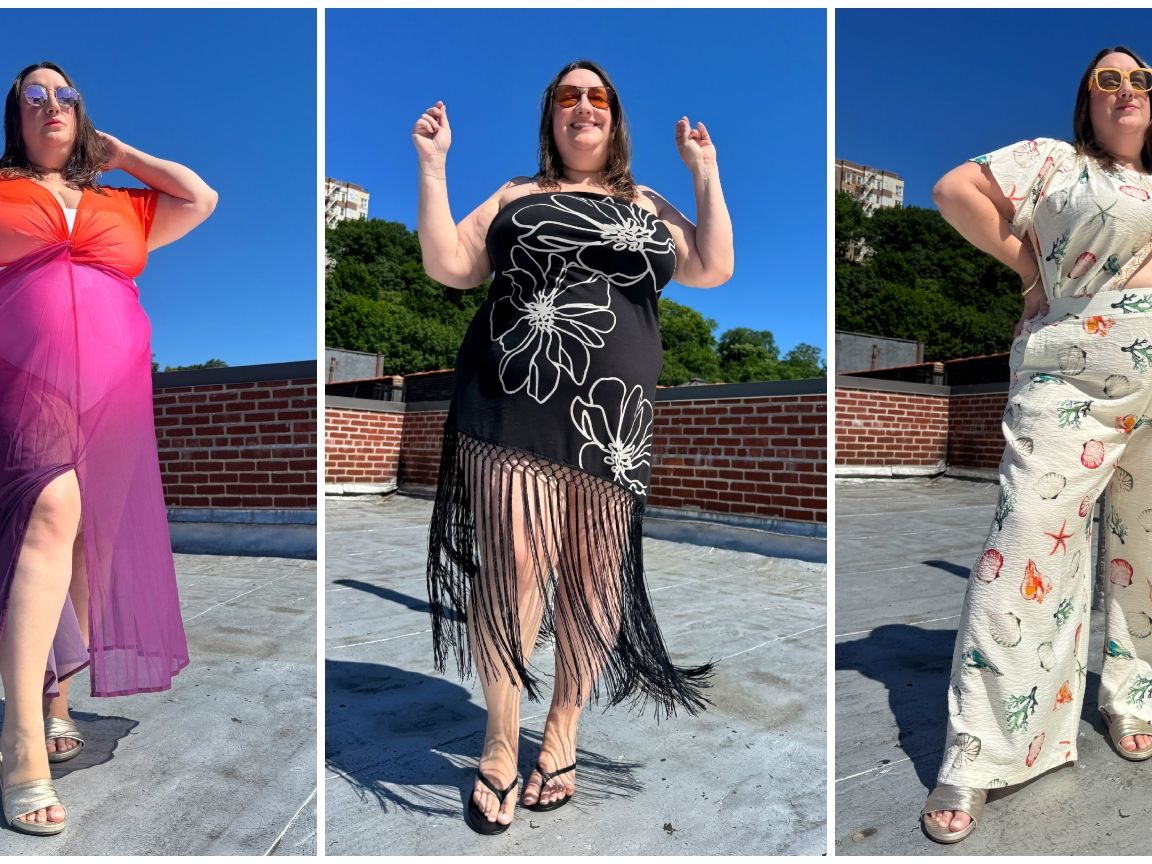
    Then comes the part that makes beachwear feel like fashion rather than function: the cover-up. A sheer sarong knotted low on the hip, an oversized linen shirt left open, or a crochet midi thrown over your suit transforms a poolside look into an outfit. This is where you play. The cover-up is also where pre-loved shopping shines, since a vintage kaftan or secondhand resort shirt often beats anything on the new rack for character and drape.

    The Color Story That Photographs Like a Dream

    The Color Story That Photographs Like a Dream

    Villa style is loud, and that loudness is a gift to curvy women who have spent years being told to hide in black. The bright, saturated palette of the show is not just camera-friendly; it is genuinely flattering, and leaning into it is one of the fastest ways to capture the aesthetic.

    Tangerine, hot pink, lime, and cobalt all read as confident and sun-soaked. The instinct to fear bold color on a fuller body is a holdover from outdated advice, and it deserves to be ignored. A monochrome look – a single bright shade head to toe – actually creates a long, uninterrupted line that flatters more than a busy print ever could. A lime co-ord set or an all-tangerine slip dress will turn heads precisely because it commits.

    If full saturation feels like a leap, start with one hero piece. A cobalt cutout dress with neutral sandals, or a hot-pink bikini under a white sarong, lets the color be the statement while the rest stays grounded. Fashion Nova Curve and PrettyLittleThing Curve stock the brightest end of the spectrum at the lowest prices, so a bold experiment costs less than a lunch out. For something with a more refined finish, Universal Standard and ASOS Curve carry the same energy in better fabrics.

    The all-white villa look deserves its own mention. White on a curvy frame is endlessly chic and reads expensive even when it isn’t, but it lives and dies by the lining. Check that any white piece is fully lined before you buy, hold it up to the light if you can, and you will get that crisp, fresh, just-stepped-out-of-the-pool finish every time.

    Shoes, Glow, and the Finishing Touches

    The outfit is the canvas, but the villa look is finished in the details, and these are the most size-neutral elements of the entire aesthetic. Everyone, regardless of dress size, can borrow these moves wholesale.

    Footwear leans toward strappy heels for evening and slides for day. For curvy women who want comfort that lasts a full night, a block heel or a wedge gives you height and stability without the ankle strain of a thin stiletto. A nude or tan strappy sandal lengthens the leg visually, which is a small trick that pays off in every photo. For daytime, embellished slides or simple gold sandals keep things effortless.

    Then there is the glow, which is arguably the most defining villa signature of all. The look is dewy, sun-kissed, and warm – a bronzed cheek, a glossy lip, beachy waves or a slicked-back bun. None of this requires a particular body. A good gradual tan or bronzing drops, a highlighter on the high points, and a clear or tinted gloss recreate the lit-from-within finish that ties every villa look together.

    Jewelry stays delicate and stacked. Thin gold hoops, layered necklaces, and a few rings read as expensive and put-together without competing with a bold dress. The overall principle is restraint in the accessories so the silhouette and color can sing. Get the glow and the gold right, and even a simple slip dress starts to look like prime-time television.

    Your Villa-Ready Starter Edit

    If you want to build this from scratch, here is the short list that covers ninety percent of the aesthetic without overspending. One ruched going-out mini in a bold shade from Fashion Nova Curve or PrettyLittleThing Curve. One waist-cutout midi from Universal Standard or Lane Bryant for the elevated nights. A high-leg supportive one-piece from Torrid plus a sheer sarong to layer. A bright monochrome co-ord from ASOS Curve for daytime swagger. A pair of nude block-heel sandals and a set of thin gold hoops to finish everything.

    That edit travels. It works for a real holiday, a rooftop birthday, a date that might go somewhere good, or simply a Tuesday when you want to feel like the main character. None of it asks you to be a different size, hide a single curve, or wait until some future version of your body shows up. The villa aesthetic was never about a body. It was about walking into the warm light like the night was made for you, and that is something you can do this weekend, in the size you are right now, with a gloss in your bag and your favorite bright thing on.

  • When Your Go-To Store Goes Dark: The Best Size-Inclusive Places to Shop for Curvy Bodies

    When Your Go-To Store Goes Dark: The Best Size-Inclusive Places to Shop for Curvy Bodies

    The mall on a Saturday afternoon has a rhythm you learn without meaning to. You know which anchor store to head for when you need a bra that actually fits, a work blazer that closes over your bust, a swimsuit before a trip. For a lot of women, that anchor was JCPenney – the reliable one with a real plus-size section, fitting rooms with good light, and prices that did not make you flinch. So when the news started rolling in that some of those stores were closing, it landed as more than a headline. It felt like losing a place that had your measurements memorized.

    Here is the honest version of what is happening, and then the part that actually matters: where to shop now.

    What Is Actually Going On With JCPenney

    What Is Actually Going On With JCPenney

    Let us separate the noise from the facts, because the internet loves a “the end of an era” story and this is not quite that.

    JCPenney is closing some stores, but it is not going dark. In 2025 the chain shuttered a small handful of locations – reporting at the time counted roughly eight stores across eight states, which worked out to less than two percent of its footprint. Into 2026, a few more have closed their doors, including locations in California, Virginia, and Florida, some of them after decades in the same shopping center. There was also a larger real-estate deal involving a portfolio of stores that reportedly fell apart late last year, which kept the chain in the closure headlines.

    But the scale is worth keeping in perspective. As of the middle of 2026, JCPenney still operated somewhere north of 640 stores across all fifty states, and the company has said it does not have plans to dramatically shrink that number. So if your local one is still open, it is very possibly staying open. Check the store locator before you assume anything, because a lot of the panic online is stitched together from old lists and recycled headlines rather than a fresh announcement.

    The takeaway is calm, not catastrophic. Some doors are closing. Many more are not. And either way, the smart move is the same one savvy shoppers always make – never rely on a single store to dress you. Spread your options around, know who does what well, and you are covered no matter which sign comes down. So let us build that map.

    The Trend-Forward Names: Torrid, Lane Bryant, and Eloquii

    The Trend-Forward Names: Torrid, Lane Bryant, and Eloquii

    Start with the brands built for curves from the first sketch, not scaled up as an afterthought.

    Torrid is the one to know if your closet leans bold. This is a plus-focused specialty retailer, generally running roughly sizes 10 through 30, and it leans into fashion rather than playing it safe. Think going-out tops, faux-leather leggings, statement dresses, and a genuinely strong lingerie and bra program with extended band and cup sizes. Torrid also nails the stuff that is hard to find cut well for fuller figures, like jumpsuits and fitted denim. Prices sit in the mid range – not fast-fashion cheap, but frequent sales and a rewards program make it friendlier than the tags suggest. Come here when you want to feel a little bit dangerous.

    Lane Bryant is the seasoned veteran, and for a lot of women it is the emotional replacement for that department-store plus section. It carries a broad range across everyday basics, workwear, and one of the most trusted bra fitting experiences in plus retail – the Cacique line inside Lane Bryant is a genuine reason to visit. If you need well-made trousers that fit through the hip and thigh, wrap dresses that photograph well, and bras you can actually get sized for, this is a first stop. It skews slightly more classic and grown than Torrid, which is exactly what many shoppers want.

    Eloquii deserves a spot for the woman who dresses for a life with meetings, weddings, and dinners out. It built its name on elevated, on-trend plus fashion – sharp blazers, occasion dresses, prints that feel current rather than “plus-size safe.” Sizes generally run from around 14 upward. It has changed corporate hands over the years and now sits under a plus-focused fashion group, but the design point of view has stayed consistent: clothes that look like they cost more than they do. Save it for when you need to show up looking deliberate.

    The Everyday Workhorses: Old Navy, Target, and Walmart

    The Everyday Workhorses: Old Navy, Target, and Walmart

    Not every shopping trip is an event. Most of them are leggings, tees, a cardigan, something for the kids, and getting out the door. This is where the big-box and mass names quietly earn their keep – and their extended sizing has gotten dramatically better.

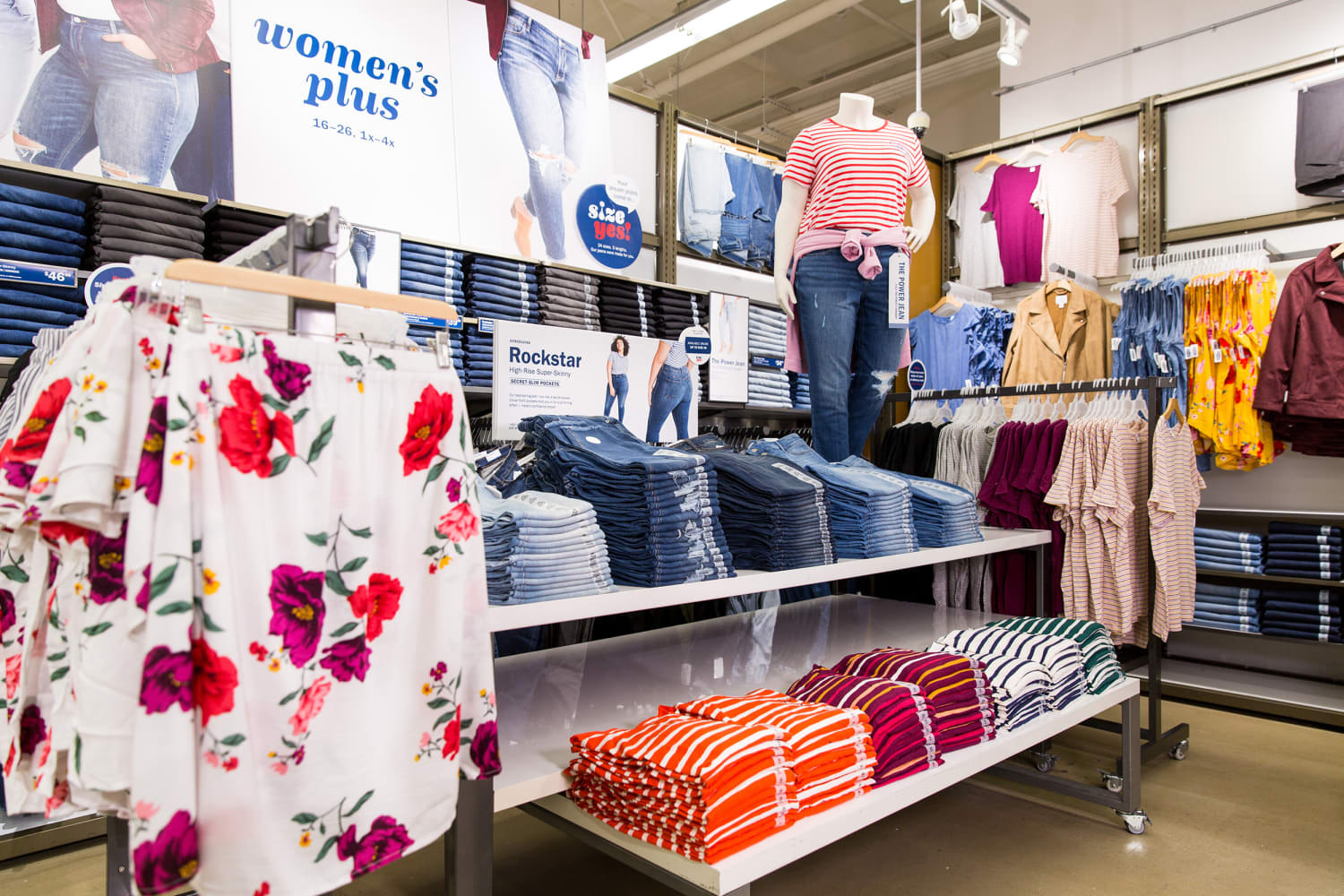
    Old Navy made real news a few years back when it committed to size inclusivity across its women’s line, offering an extended range online and mannequins in multiple body shapes in stores. For curvy shoppers this matters because Old Navy is where you stock the basics without overthinking – active leggings, denim in a range of rises, cozy sweaters, and kids’ and family pieces in the same trip. The fit runs generous and the prices are low enough that refreshing your basics twice a year does not sting. This is your foundation-layer store.

    Target keeps its plus offering under names worth learning. Ava & Viv is the in-house plus-size line, and it covers the sweet spot of casual dresses, tees, denim, and loungewear at approachable prices, generally in an extended plus range. Target also stocks other size-inclusive brands and swim lines, so it is a strong one-stop for a cart that mixes clothing with everything else you needed anyway. Come here for cute, easy, and affordable without a special trip.

    Walmart is the underrated one, and its Terra & Sky line is the reason. Terra & Sky is Walmart’s dedicated plus label, typically running through the upper end of the plus range, and it delivers genuinely wearable basics – flowy tops, everyday dresses, jeans, and layering pieces – at some of the lowest prices anywhere. It will not give you a fashion moment, but for the pieces you wear until they wear out, it is hard to beat on value. Treat it as your restock button.

    The Fit-First Splurge: Universal Standard

    The Fit-First Splurge: Universal Standard

    Some categories are worth spending a bit more on, and Universal Standard exists for exactly that shopper.

    What makes this brand different is philosophical, not just practical. Universal Standard carries an unusually wide range – roughly sizes 00 through 40 – across its whole line, with no separate “plus” section tucked away in the back. A size 40 and a size 2 hang on the same rack at the same price. The brand is known for fit-testing its core garments across that full range rather than simply grading a small sample up, which is the reason its clothes tend to actually fit rather than merely come in your number.

    Where it shines is elevated essentials: the perfect black trousers, a blazer that means business, tees and knits with a substantial hand, and denim cut to sit right on a curvy frame. It sits at a higher price point than the mass names, so this is not where you buy ten things – it is where you buy the two or three pieces you want to reach for constantly and have last. If you have been burned by clothes that fit in the store and betrayed you by lunch, this is the reset button. Build your capsule wardrobe here and fill in around it elsewhere.

    The Department-Store and Big-Marketplace Route: Nordstrom, Kohl’s, ASOS Curve, and Amazon

    The Department-Store and Big-Marketplace Route: Nordstrom, Kohl's, ASOS Curve, and Amazon

    If part of what you will miss about a department store is the sheer variety under one roof – many brands, many price points, one checkout – these options fill that gap in different ways.

    Nordstrom is the elevated end of that experience. Its plus and extended-size assortment pulls together a wide swath of designer and contemporary labels, which means you can find occasion wear, quality denim, outerwear, and shoes without hunting brand by brand. Prices run higher, but the styling, the fabric quality, and the customer service (including generous returns) make it the place to go when the outfit matters and you would rather get it right once. It is also strong for the harder categories like coats and structured dresses. Bookmark it for the big moments.

    Kohl’s is the mid-market all-rounder and a natural fit for anyone who liked the JCPenney formula. It carries a solid extended-size selection across a mix of its own labels and national brands, covers the whole family, and is famous for stacking sales and rewards that make already-reasonable prices genuinely low. It is a comfortable, unintimidating place to shop for real-life clothes, and many locations put the plus section front and center rather than hiding it. Think of it as the closest spiritual cousin to what you may be losing.

    ASOS Curve is the online-first pick for the fashion-hungry, especially younger shoppers or anyone who wants trend-driven pieces in an extended plus range. The catalog is enormous, it moves fast with the trends, and it is a reliable source for event outfits, going-out looks, and of-the-moment silhouettes you will not find in a mall anchor. Because it is UK-based, give yourself a little grace on shipping timelines and check the size guide carefully. This is your play for looking current on a budget.

    Amazon rounds it out as the utility player. It is not a curated boutique, but the breadth is unmatched – you can find plus basics, shapewear, swimwear, activewear, and specific hard-to-source items like extended-size bras or wide-calf boots, often with fast delivery and easy returns. The trick is to shop it deliberately: read the reviews, especially ones with photos from shoppers who list their measurements, and lean on brands that have earned a following rather than the cheapest unknown listing. Used well, it is the fastest way to solve a “I need this by Friday” problem.

    Building a Wardrobe That Does Not Depend on One Store

    Here is the quiet lesson underneath all of this. The reason a single store closing feels so destabilizing is that we let one place carry too much. When your bras, your work clothes, your swimsuit, and your everyday basics all come from the same anchor, that anchor becomes a single point of failure. Spread the load and no headline can rattle your closet.

    A simple way to think about it: match the store to the job. Foundations and fit-critical pieces – bras, tailored trousers, the blazer you live in – are worth the trip to a fitting-focused name like Lane Bryant, or the splurge on Universal Standard. Everyday volume – leggings, tees, layering knits, family basics – belongs at Old Navy, Target’s Ava & Viv, or Walmart’s Terra & Sky, where the value lets you restock without guilt. Fashion and occasion moments go to Torrid, Eloquii, ASOS Curve, or Nordstrom depending on your vibe and budget. And Amazon stays in your back pocket for the specific, urgent, hard-to-find fixes.

    Two more habits will save you real money and heartache. First, learn your measurements – bust, waist, hip, inseam – and keep them in your phone, because it makes online shopping across all these brands infinitely more accurate than guessing at a size number that means something different everywhere. Prices, by the way, shift constantly with sales and seasons, so treat any figure you see quoted as a rough estimate and time your bigger buys around clearance and rewards events. Second, when you find a garment that fits beautifully, note the brand and the exact style so you can rebuy it or find its siblings later.

    Your Move This Weekend

    Before you mourn anything, do the five-minute version of a plan. Pull up JCPenney’s store locator and confirm whether your location is actually one of the closing ones, because it may not be. Then pick two names from this list to try first – one workhorse for your basics and one fit-focused stop for the pieces that have to be right – and order or visit with your measurements in hand. Keep your receipts, take advantage of the free-return policies most of these retailers offer, and let the ones that fit your body and your budget earn a permanent spot in your rotation. A store closing its doors is not the end of dressing well as a curvy woman. It is just the nudge to build a smarter, sturdier map – one that belongs entirely to you.

  • How to Dress for Extreme Heat This Summer – The Best Breathable, Stylish Outfits for Plus-Size Women

    How to Dress for Extreme Heat This Summer – The Best Breathable, Stylish Outfits for Plus-Size Women

    The thermometer on the bank sign read triple digits before nine in the morning, and the asphalt parking lot already shimmered like a mirage. A woman stepped out of her car in a flowing linen dress the color of fresh cream, sunglasses pushed up into her hair, and walked toward the farmers market looking like she had all the time in the world. No tugging at fabric stuck to her back. No darting for shade. Just ease, movement, and a hemline catching the hot breeze. That kind of comfort in a heat wave is not luck or genetics. It is a set of choices anyone can make, and the women who look unbothered when everyone else is wilting have simply learned which fabrics, cuts, and small tricks keep a fuller body cool and confident when the air turns to soup.

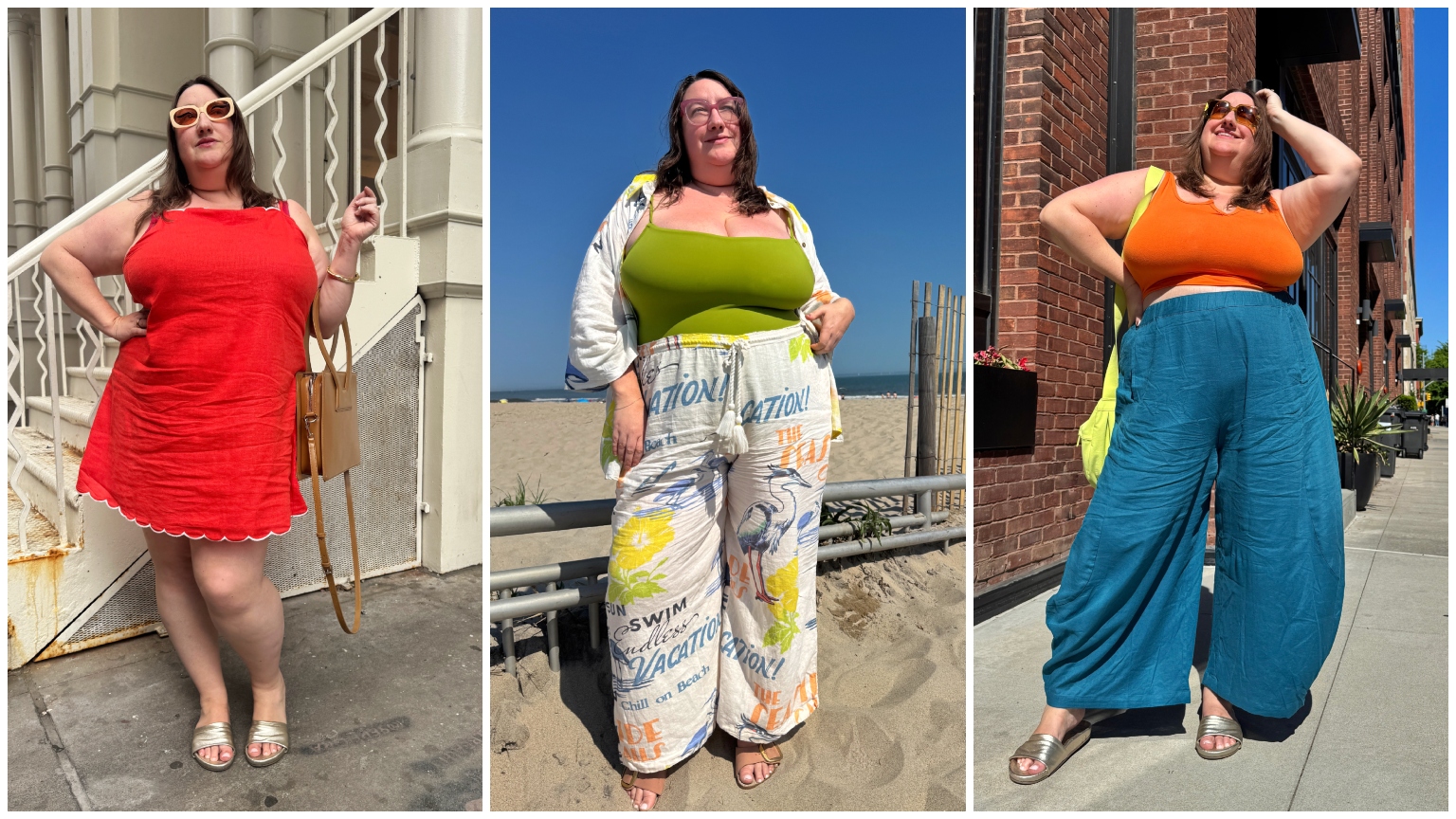
    Heat is a particular kind of challenge when you carry more curves. Skin meets skin in more places. Fabric clings where it would rather not. The synthetic dresses that photographed beautifully in spring suddenly feel like a sauna suit. But the answer is never to hide in oversized tunics or sweat through the season in misery. The answer is smarter clothing, built around how heat actually moves through cloth and how a real body actually lives in summer. What follows is a practical, lived-in guide to staying genuinely comfortable and looking like the most pulled-together person at the cookout.

    Why Fabric Is the Whole Game

    Why Fabric Is the Whole Game

    Before silhouette, before color, before any styling trick, there is fiber. The single biggest decision you make when getting dressed for a heat wave is what your clothes are made of, and it is the one most people get wrong by reaching for whatever is cute on the rack.

    Natural and semi-natural fibers win because they let your skin breathe and they pull moisture away instead of trapping it. Linen is the undisputed champion of hot weather. It is woven loosely, dries fast, and actually feels cooler against skin as the day heats up. Yes, it wrinkles, and that is the point. Those soft creases are the look now, not a flaw to iron out. Cotton, especially lightweight cotton lawn, voile, or gauze, breathes beautifully and feels soft against areas prone to irritation. Modal and rayon, made from plant cellulose, drape gorgeously over curves and wick moisture better than most people expect, which is why so many comfortable summer dresses are cut from them. Bamboo-derived viscose has a similar cool, fluid hand.

    The fibers to treat with suspicion are the slick synthetics: polyester and nylon in tight weaves trap heat against the body and hold onto odor. There is one important exception, and it matters for fuller figures: purpose-built moisture-wicking athletic fabric. The technical knits used in performance shorts and activewear are engineered specifically to move sweat off the skin and dry quickly, which makes them excellent for the layers worn underneath dresses to prevent chafing, even though you would not want a full outfit cut from them in July.

    Old Navy is a reliable, budget-friendly place to find linen-blend dresses and cotton-gauze separates in extended sizing, often for well under fifty dollars. Universal Standard builds much of its range around soft, structured fabrics that hold their shape without clinging, and its sizing runs genuinely inclusive, from very small to 4X and beyond. When you shop, flip the garment and read the content tag before you fall for the print. The label tells you more about how an outfit will feel at noon than any photo ever could.

    The Anti-Chafing Strategy Nobody Talks About Enough

    The Anti-Chafing Strategy Nobody Talks About Enough

    Let us name the thing that ruins more summer days than any heat index: chafing. Thighs that touch, which is most thighs, rub together when you walk, and in heat with sweat that friction turns into raw, stinging skin within a few blocks. No outfit is stylish if you are walking like a cowboy by lunchtime. The good news is that this is completely solvable, and once you solve it, your whole relationship with summer dresses changes.

    The most popular fix is a pair of slip shorts worn under dresses and skirts. Thigh Society makes anti-chafing shorts in a wide size range that are beloved specifically because they are long enough to actually cover where thighs meet, breathable, and they stay put without rolling up – the rolling-up problem being the reason cheaper bike shorts fail. They run somewhere in the twenty-five to forty dollar range depending on style, and most women who try them buy several. Bandelettes take a different approach: lacy thigh bands that wrap just the upper thigh, leaving the rest bare, which is ideal under shorter dresses when you do not want a full short. They come in skin tones and have a silicone strip to keep them from sliding.

    If you prefer to skip dedicated products, a swipe of an anti-chafe balm or even plain unscented deodorant along the inner thigh creates a slick barrier that buys you hours. The key insight is to address chafing before you leave the house, not after you feel the burn. Build it into getting dressed the way you build in deodorant. Do this once and the panic of “can I wear this dress if I have to walk anywhere” disappears for good.

    Loose Silhouettes That Flatter Instead of Drown

    Loose Silhouettes That Flatter Instead of Drown

    There is a stubborn myth that the way to dress a bigger body in heat is to drape it in the largest, most shapeless thing available. The opposite is true. Tents make you look bigger and, worse, they trap a column of hot air against your torso. The goal in heat is a silhouette that skims rather than clings and that lets air circulate, while still showing you have a shape.

    The A-line dress is the workhorse here. Fitted or defined through the bust and shoulders, then released into a skirt that flows away from the hips and thighs, it keeps fabric off the parts of the body that sweat most and reads as intentional and elegant. A defined waist matters more than you might think; a tie, a smocked panel, or a wrap closure at the smallest part of your midsection gives the eye a place to land and keeps a roomy dress from looking like a sack. Wrap dresses do this automatically, which is part of why they are so universally flattering, and a linen or modal wrap is a heat-wave hero.

    Wide-leg pants and palazzo styles in linen or rayon are the trouser answer. They keep your legs covered for sun protection and modesty while letting air move freely up each leg, and they pair with a simple fitted tank for an outfit that looks composed in any temperature. For tops, look for relaxed cuts with structure: a boxy linen camp shirt left open over a tank, a flutter sleeve that covers the upper arm without hugging it, a square neckline that sits away from the chest. Torrid and Lane Bryant both specialize in this territory, cutting flowy dresses and breezy tops specifically for curvier proportions, so the armholes, bust darts, and hip room are placed where they actually need to be rather than scaled up from a straight-size pattern. ASOS Curve is a strong source for trend-forward versions of all of this – tiered linen midis, wide-leg sets, cutout maxis – usually at an accessible price.

    Color, Sun, and Skin That Stays Covered Without Cooking

    Color, Sun, and Skin That Stays Covered Without Cooking

    What you wear matters for staying cool, but so does protecting the skin underneath, and the two goals can work together. Lighter colors reflect sunlight rather than absorbing it, so whites, creams, soft pastels, and warm neutrals genuinely run a few degrees cooler in direct sun than black or deep navy. That does not mean you have to abandon dark clothes you love; it means that on the hottest, sunniest days, reaching for the pale linen over the black one is a small physical advantage.

    Counterintuitively, covering up can keep you cooler and safer than baring it all. A loose long-sleeve linen shirt or a flowing duster over a tank shades your skin from direct sun while still letting air pass through, which is exactly the logic behind the robes worn in the world’s hottest climates. The cover-up to avoid is anything tight or synthetic; the cover-up that works is loose, woven, and breathable. Many brands now make pieces rated with a UPF number, which tells you how much UV the fabric blocks, and a UPF top is worth seeking out for long days outdoors. A wide-brimmed hat does more than finish a look – it shades your face, neck, and shoulders, the spots that burn first. Pair it with real sunglasses and a non-greasy sunscreen on any exposed skin, reapplied through the day, and you have genuine protection rather than the illusion of it.

    Breathable does not have to mean boring, either. A flowing kaftan in a bold print, a linen jumpsuit in a sunset orange, a gauzy maxi with a slit that shows movement when you walk – these read as confident and stylish precisely because they are made for the weather instead of fighting it.

    Shoes, Underthings, and the Details That Decide Your Day

    Shoes, Underthings, and the Details That Decide Your Day

    The outfit can be perfect and the day can still fall apart at the extremities, so the small choices deserve real attention. Feet swell in heat, so closed, stiff shoes that fit at breakfast can feel like a vice by afternoon. Leather or cork footbeds that mold to your foot, like classic slide sandals, and styles with a little adjustability across the top of the foot keep you comfortable as the day stretches on. A slight platform or a cushioned footbed beats a flat with no support if you will be on your feet, and a back strap stops the constant gripping with your toes that flip-flops demand.

    Underneath, the right bra changes everything in heat. A soft, breathable bra in cotton or a moisture-managing fabric, ideally without a thick foam-molded cup that holds heat and sweat against the skin, makes a long hot day bearable. Many curvier women find a supportive bralette or a lightly lined style far more comfortable in summer than their heavily structured everyday bra, and it is worth keeping a dedicated hot-weather option in the rotation. The same logic applies to undies: cotton gussets breathe; full synthetic does not.

    Then there are the tiny conveniences that compound. A packable folding fan in your bag is not a quaint gesture, it genuinely cools you in a line or on a hot platform. A small cooling towel that activates with water draped around the neck cools the blood passing through the major vessels there, which lowers how hot your whole body feels. Keeping a refillable water bottle on you matters more than any garment, because a dehydrated body cannot cool itself no matter how breathable the dress. And a thin, crushable layer in your bag – a linen overshirt, a light scarf – rescues you when you walk from a hundred-degree street into an over-air-conditioned restaurant where you suddenly feel like you are in a meat locker.

    Building a Heat-Wave Capsule You Can Actually Reach For

    The fastest way to stop dreading hot mornings is to make a small set of pieces that all work together, so getting dressed in the heat takes thirty seconds and never goes wrong. You do not need a huge wardrobe. You need a handful of right ones.

    Start with two or three breathable dresses you trust completely: perhaps a linen A-line for errands and work, a wrap dress in modal that dresses up or down, and one flowing maxi for the days you want drama with zero effort. Add wide-leg linen pants and a couple of relaxed tank tops and camp shirts that mix with them. Keep one good cover-up – a long linen shirt or a duster – that goes over any of it for sun or air conditioning. Stock the supporting cast: a few pairs of anti-chafing shorts so a clean pair is always ready, a soft summer bra, two reliable pairs of sandals, a hat, sunglasses, the folding fan, the water bottle. That is a complete heat-wave system, and most of it can be sourced affordably across Old Navy, Torrid, Lane Bryant, Universal Standard, and ASOS Curve depending on your budget and taste.

    The quiet truth underneath all of this is that comfort and style were never opponents. The woman crossing that blazing parking lot in her cream linen dress was not sacrificing one for the other. She had simply built a wardrobe around how heat behaves and how her body lives, and the result looked effortless because the effort happened earlier, at the rack and in the drawer. Make those choices once, lay the pieces out the night before a scorcher, and you get to spend the hottest days of the year being fully present at the market, the party, the long walk by the water – cool, covered where it counts, and dressed like you mean it.

  • The Rise of the Hot Dad – and What Your For You Page Is Quietly Telling You About Attraction

    The Rise of the Hot Dad – and What Your For You Page Is Quietly Telling You About Attraction

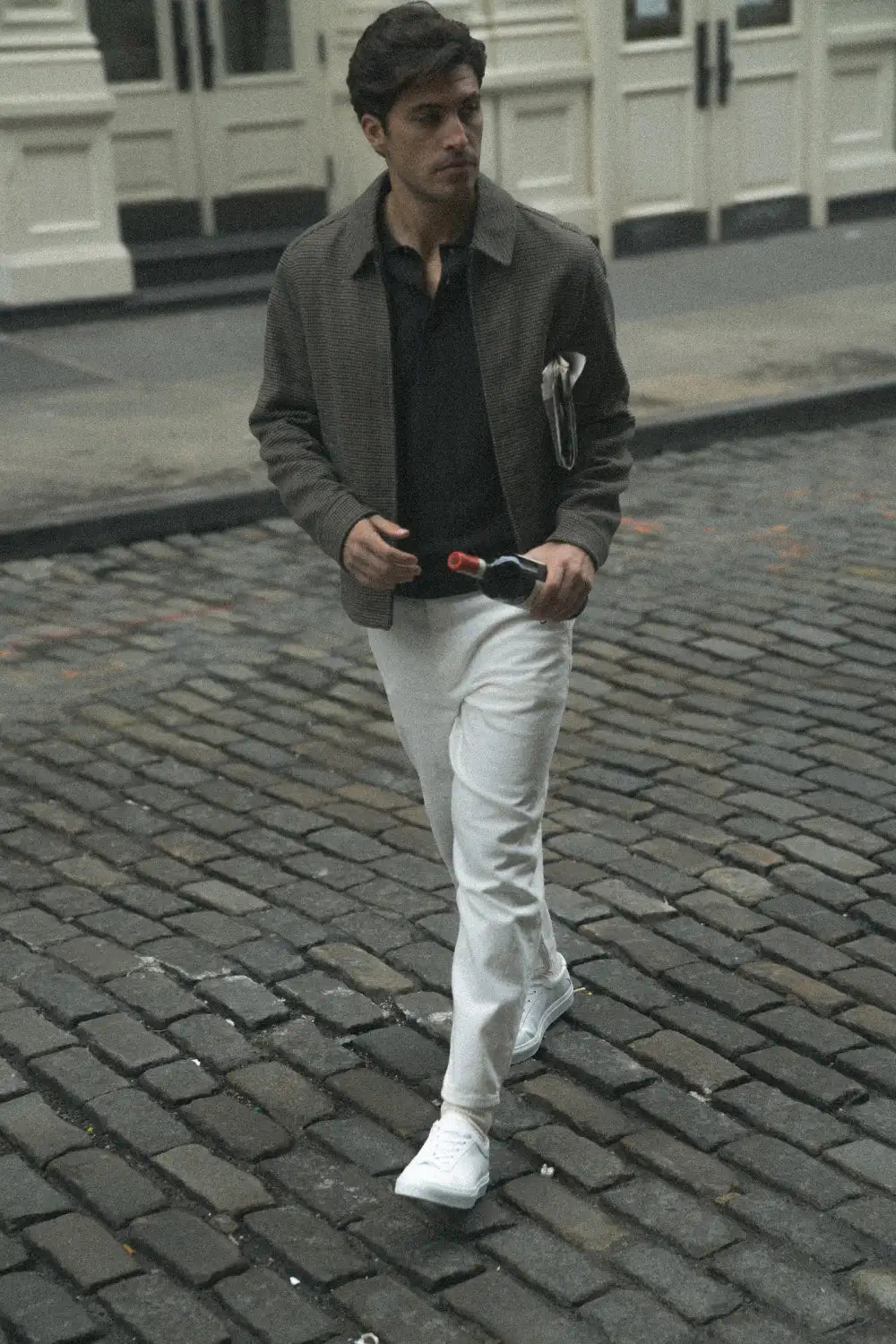
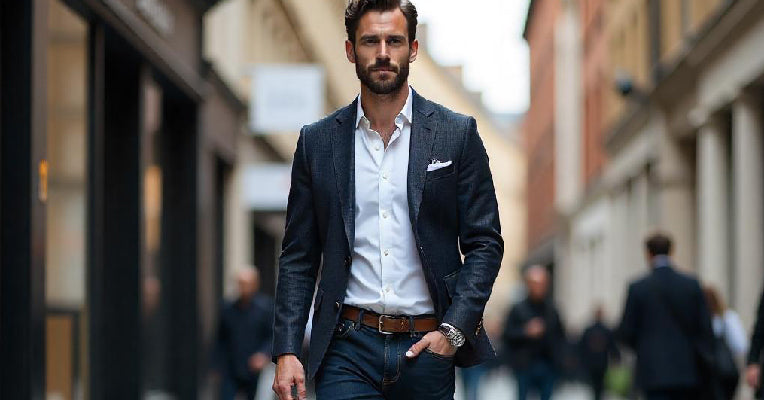
    Scroll far enough on any given evening and you will meet him. He is standing in a grocery aisle in a faded ball cap, one hand steering a cart, the other loosely holding a phone. He is wearing a plain crewneck that has clearly been washed a hundred times, jeans that fit without trying too hard, and a pair of slightly chunky sneakers that your teenage self would have called deeply uncool. The caption is three words, sometimes fewer. The comment section is thousands of people losing their composure over a man buying oat milk.

    This is the hot dad. Not necessarily a literal father, though he might be. More a whole vibe, a category of appeal that has quietly taken over social feeds and refused to leave. He is relaxed. He is confident in a way that has nothing to prove. He looks like he sleeps well and returns his shopping cart. And the internet, particularly the corners of it run by and for women, cannot get enough of him.

    It would be easy to file this under “silly seasonal trend” and move on. But the hot dad is worth pausing on, because trends like this one are rarely just about the specific thing everyone is fawning over. They are a window into what people actually want, underneath all the marketing and the airbrushing and the years of being told what desirable is supposed to look like. And what this particular window shows is genuinely lovely news for the rest of us.

    Where This Whole Thing Came From

    Where This Whole Thing Came From

    The hot dad did not appear out of nowhere. He is the natural endpoint of a few things converging at once.

    For years, the dominant male ideal online leaned hard into a very specific look: chiseled, gym-optimized, filtered to within an inch of its life, usually shirtless, usually flexing. It was aspirational in the way a billboard is aspirational, which is to say slightly exhausting and not especially warm. You admired it the way you admire a sports car you will never drive. Around the same time, women were being sold their own relentless version of that same pressure, and a lot of people, understandably, got tired.

    Then came the pushback, which usually looks like people simply gravitating toward something that feels better. The “dad” look started as a bit of gentle self-deprecating humor. Dad sneakers, those deliberately unglamorous chunky trainers that New Balance rode straight back into fashion, went from punchline to genuine style flex. The dad hat, low and soft and unbothered, became a staple. Then the joke curdled into something sincere. People realized they were not laughing at the aesthetic. They actually liked it.

    By 2026, “dad style” has settled into a recognizable set of signals: comfortable clothes that fit properly rather than tightly, natural fabrics, muted colors, an overall impression of a man who dresses for his own comfort and not for anyone’s approval. The look reads as lived-in, capable, and calm. Fashion writers describe it as quietly confident and not trend-led, which is funny, because it absolutely became a trend. But the reason it caught fire is not the New Balances. It is what the New Balances are standing in for.

    It Was Never Really About the Sneakers

    It Was Never Really About the Sneakers

    Here is the part that matters. When thousands of people react to a video of an ordinary-looking man doing an ordinary thing, they are not responding to a jawline. They are responding to a feeling the man gives off.

    Watch the videos and read what people actually say in the comments, and a pattern emerges that has almost nothing to do with physical perfection. The words that come up are things like “he seems so calm,” “the way he looks at her,” “you can tell he is a good person,” “the energy is just safe.” Nobody is analyzing his body fat percentage. They are picking up on something much harder to fake: he seems settled. He seems like he would be easy to be around. He seems like a person who has done some living and made peace with himself.

    That is the whole engine of the hot dad phenomenon. It is a mass, semi-anonymous vote for warmth over intensity, for security over spectacle, for a person who is comfortable in their own skin over a person who is performing an ideal. The aesthetic details, the cap and the crewneck and the shoes, are just the visual shorthand for an internal quality. They signal a man who has stopped auditioning.

    And once you see that clearly, the whole trend flips. The hot dad is not a new beauty standard sneaking in through the side door. He is the opposite. He is people quietly admitting that the old beauty standard was never the thing they actually wanted in the first place.

    What Women Are Actually Signaling Here

    What Women Are Actually Signaling Here

    There is a version of this conversation that gets a little condescending, where people act surprised that women could possibly be attracted to something other than abs. Let us not do that version. Women have always known this. What is new is not the preference. What is new is that the preference is finally the loud one, out in the open, getting millions of likes instead of being treated as the sensible-but-boring option.

    For a long time the cultural script insisted that attraction ran on a narrow set of visual metrics, and that anyone who claimed otherwise was either lying or settling. The hot dad trend is a very public rejection of that script. It says, out loud and at scale, that the qualities that make someone genuinely magnetic are things like ease, kindness, steadiness, presence, and the particular confidence that only comes from no longer needing to impress a room.

    Think about what actually draws you to a person once you are in the room with them. It is rarely a measurement. It is the way they listen. Whether they make you feel relaxed or slightly on edge. Whether they seem to like their own life. Whether their attention feels generous or performative. None of that shows up in a photo. All of it shows up in about ninety seconds of being near someone. The hot dad trend is the internet finally catching up to what your own nervous system has always known: safety and warmth are deeply, deeply attractive, and no amount of sculpting substitutes for them.

    There is also something quietly revolutionary in celebrating a body that has aged, softened, and lived. The hot dad often has a bit of a belly, some grey, some lines around the eyes. The trend does not ask him to fix any of it. It finds the lived-in-ness charming precisely because it reads as honesty. A body that has been somewhere. A face that has felt things. That is a very different value system from the one that treats every human feature as a problem to be corrected.

    The Part That Is Actually About You

    The Part That Is Actually About You

    Now for the turn, because this trend is not just a fun thing to observe from the outside. It is a mirror, and it is holding up something worth looking at.

    If you have spent years absorbing the idea that you will be desirable once you shrink, tone, tighten, or otherwise fix yourself into an acceptable shape, the hot dad is quietly dismantling that idea in real time, using the exact same logic, just pointed the other direction. Because the thing everyone finds so attractive about him is not that he achieved a look. It is that he stopped fighting himself. He wears clothes that fit the body he has. He moves like he is allowed to take up space. He is not sucking anything in. And that ease, that permission he has clearly given himself, is the single most magnetic thing about him.

    You are allowed to have that too. In fact, you already have access to the exact quality that makes the whole aesthetic work, and it costs nothing and requires no particular body.

    Consider how much of “hot dad energy” is really just self-acceptance made visible. The relaxed posture. The clothes chosen for comfort and fit rather than for hiding. The absence of apology. The willingness to be photographed doing a boring errand without panic. These are not physical traits. They are a relationship with yourself, and it is one you can build regardless of your size, your age, or how many things a magazine once told you to change.

    The women flooding those comment sections are, whether they realize it or not, telling on themselves in the best way. They are announcing that the thing they find irresistible is a person at peace in their own body. Which means the most attractive move available to you was never to become someone else. It was always to become more comfortably, more unapologetically yourself. Confidence is not a reward you earn after the transformation. It reads as attractive because it is the transformation.

    How to Borrow the Energy for Yourself

    How to Borrow the Energy for Yourself

    None of this is abstract. You can take the actual mechanics of what makes the hot dad work and apply them to your own life this week, no makeover required.

    Start with the clothes, because it is the easiest lever. The hot dad wears things that fit the body he has right now, today, not the body he keeps promising himself. That is the whole secret. Nothing ages a person or shrinks their presence faster than clothes chosen to hide. Well-fitting clothes in fabrics that feel good against your skin do something almost magical: they let you forget your body and get on with your day, which is exactly the ease everyone finds so appealing. Buy for the size you are. Give away anything that only fits the hypothetical you.

    Then borrow the posture, and not in a rigid, shoulders-back way. The relaxed openness is the point. He is not braced for judgment. Practicing taking up your full space, in a chair, in a doorway, in a photo, retrains your body out of the flinch that years of self-criticism installed. It feels strange at first and then it feels like relief.

    Borrow the pace, too. Part of what reads as attractive in these videos is unhurriedness, a person who is not frantic, not performing, not scanning for approval. You can practice that. Move through your day like someone who is allowed to be there, because you are.

    And borrow, most of all, the permission. The hot dad is not waiting until he looks a certain way to enjoy his life, dress well, be photographed, or believe he is worth someone’s full attention. He simply decided he already was. You get to make that same decision, and you do not have to earn it first. That is not a consolation prize for people who cannot achieve the “real” ideal. Increasingly, and the whole internet is voting on it, it is the real ideal.

    A Man in a Ball Cap Buying Oat Milk, One Last Time

    Go back to that grocery aisle where this started. Look at what is actually happening in the frame. A person who likes their life, comfortable in their body, present in the moment, doing something small and ordinary without a shred of self-consciousness. That is it. That is the entire recipe, and there is not one ingredient in it you cannot have.

    The hot dad became a phenomenon because he accidentally proved something the beauty industry spent decades trying to make you forget: that the most attractive quality a human can have is being at home in themselves. He did not diet his way there. He did not filter his way there. He just stopped treating his own body as a problem and let himself be a whole person out loud.

    So the next time one of those videos crosses your feed and you feel that little pull of “why is this so appealing,” take the answer seriously and then turn it around. What you are responding to is self-acceptance. What you are watching is what confidence actually looks like from the outside. And every bit of it, the ease, the warmth, the unbothered presence that makes a stranger buying oat milk suddenly captivating, is available to you exactly as you are, at exactly the size you are, starting the moment you decide, like he clearly did, that you were never the thing that needed fixing.

  • Who Is Katseye? Meet the Girl Group Rewriting the Rules of Beauty and Global Pop

    Who Is Katseye? Meet the Girl Group Rewriting the Rules of Beauty and Global Pop

    Picture a stage in Los Angeles washed in violet light, six women stepping into formation, and a crowd that has flown in from Manila, Mumbai, Lagos, London, and Seoul, all singing the same hook back word for word. No single accent leads the chant. No single face gets to be the “standard” one. That scene, repeated in arena after arena through 2025, is the clearest way to understand a group that has become one of the most talked-about acts in pop. Six voices, six passports, one sound – and a room full of people who finally see some version of themselves at the center of the frame.

    The group is Katseye, and the reason they keep coming up in conversations about representation is not marketing spin. It is baked into how they were built, who got picked, and what the members have chosen to say out loud once the spotlight found them. For a magazine like this one, which cares less about whether a woman fits the mold and more about whether the mold ever deserved that much power, Katseye is a story worth slowing down for.

    From a Global Casting Experiment to a Real Group

    From a Global Casting Experiment to a Real Group

    Katseye did not form the way most Western pop groups do. They were assembled through a large-scale audition project called The Debut: Dream Academy, a collaboration between the South Korean company HYBE (the label home of BTS) and Geffen Records in the United States. The idea was ambitious on paper and risky in practice: run a worldwide search, bring in trainees from different countries, put them through the intense, months-long development process associated with K-pop, and let a global group emerge from the other side.

    Thousands auditioned. A pool of trainees was narrowed down through rounds of evaluation, performance missions, and eliminations, and the final lineup was revealed at the end of the competition. The whole arc was later documented in the Netflix docuseries Pop Star Academy: Katseye, which pulled back the curtain on the sweat, the self-doubt, and the goodbyes that came with the process. It is not always a comfortable watch. The series shows young women being ranked, cut, and rebuilt, which is exactly why the group’s eventual message about self-worth lands with more weight. They came out of a system that measures people constantly and still arrived at something that reads as genuinely celebratory.

    Based in Los Angeles, Katseye debuted in June 2024 with a single fittingly titled “Debut,” followed by the song that first made a lot of people stop scrolling: “Touch.” Their first EP, SIS (Soft Is Strong), arrived later that year, and the title alone signals the tone the group wanted to set. Softness, warmth, and vulnerability treated not as weaknesses to hide but as a form of strength worth naming.

    Six Members, Six Backgrounds, One Lineup

    Six Members, Six Backgrounds, One Lineup

    What makes Katseye feel different the moment you look at them is the lineup itself. The six members come from a genuinely wide spread of heritages and hometowns, and the group is regularly described as a global girl group for good reason.

    The members are Sophia Laforteza, Daniela Avanzini, Lara Raj, Manon Bannerman, Megan Skiendiel, and Yoonchae Jeung. Sophia Laforteza is Filipino-American, born in New York and raised in Manila, and she has often carried the emotional weight of representing Filipino fans who rarely see themselves at this level of global pop. Daniela Avanzini brings Cuban and Venezuelan roots and grew up steeped in Latin music and dance. Lara Raj is Indian-American, and her presence has meant a great deal to South Asian listeners who almost never get a mainstream pop idol to point to. Manon Bannerman is of Swiss and Ghanaian heritage, folding both European and West African identity into the group. Megan Skiendiel has Chinese-Singaporean background, and Yoonchae Jeung is South Korean, the member who most directly links the group back to the K-pop training tradition it grew out of.

    That is not a token spread designed for a photo. It shows up in the way they perform, the languages that surface in interviews, and the range of fans who show up to shows. When a group’s own members trace back to the Philippines, Cuba, Venezuela, India, Ghana, Switzerland, Singapore, China, South Korea, and the United States, “diversity” stops being a press-release word and starts being the actual shape of the thing.

    It is worth noting that the lineup has not always been at full strength in the way a fixed roster implies. Members have taken time to prioritize health and wellbeing, and reporting through 2025 and into 2026 indicated at least one temporary hiatus within the group. Rather than pretending the pressure of this level of fame is nothing, the group and its team have at times chosen rest, which is its own quiet statement in an industry that historically pushed young performers past their limits.

    The Sound That Broke Through

    The Sound That Broke Through

    A meaningful backstory only carries a group so far. The music had to work, and by 2025 it clearly did. After the early momentum of “Touch,” Katseye escalated fast. In April 2025 they released “Gnarly,” a deliberately strange, sharp-edged single that served as the lead track for their second EP. It split opinion in the best possible way, the kind of song people argue about precisely because it refuses to sound like everything else on the radio. What was striking was how the group treated that risk as a feature rather than a fear. A year into a career, most new acts play it safe and chase the sound that already worked. Katseye did the opposite, betting that a distinctive, slightly chaotic single would say more about who they were than a polished retread of “Touch” ever could. That instinct to trust their own strangeness has become part of the group’s identity, and it maps neatly onto the wider point they keep making about beauty: the thing that makes you stand out is rarely the thing you should sand down.

    That EP, Beautiful Chaos, arrived on June 27, 2025, and it marked a real commercial leap. The project debuted at number four on the Billboard 200, reported as the group’s highest-charting release to that point. For an act that had existed publicly for barely a year, cracking the top five of the American albums chart was a serious signal that Katseye was not a novelty built on a TV format but a group with staying power.

    Then came “Gabriela.” Co-written by Charli XCX and widely described as a modern, twisty reimagining of the emotional territory of Dolly Parton’s “Jolene,” the song reached into the top 40 of the Billboard Hot 100 and became the group’s most decorated moment to date. It earned a Grammy nomination for Best Pop Duo/Group Performance, and Katseye also picked up a nomination for Best New Artist at the 2026 Grammys, where they performed. Two Grammy nominations inside their first couple of years is the kind of validation that turns industry skeptics into believers.

    The throughline across these releases is confidence. Katseye’s catalogue is not built on shrinking or apologizing. It leans into desire, attitude, softness, and swagger, sometimes within the same song, which mirrors the way the members present themselves off the record.

    Why the Beauty Conversation Follows Them Everywhere

    Why the Beauty Conversation Follows Them Everywhere

    Here is where Katseye becomes more than a chart story. Global pop, and K-pop-adjacent pop in particular, has long carried a narrow and demanding beauty template: a specific body type, a specific set of features, a specific idea of what a “visual” is supposed to look like. Katseye keeps colliding with that template simply by existing as they are, and several members have decided not to stay quiet about it.

    Lara Raj, in particular, has spoken directly against body-shaming. Reporting in early 2026 covered a message she posted responding to cruel commentary about her body during touring, in which she pushed back on the fixation with ultra-thin ideals and defended what a healthy woman’s body actually looks like in motion. The specifics matter less than the posture. A young woman at the peak of her visibility chose to name the shaming out loud instead of absorbing it silently, and she did it while fully embracing her own body rather than promising to change it.

    That is body positivity in its truest, least sanitized form. Not a brand campaign, not a slogan on a tote bag, but a person under a spotlight refusing to accept that her worth is up for public debate. For readers who have ever been told their stomach, their curves, or their frame was a problem to be solved, that refusal reads as permission. Permission to take up space, to move, to perform, to be seen, without first shrinking to fit someone else’s comfort.

    What gives the moment staying power is that it did not come wrapped in a careful publicist’s statement. It read as a real person reaching a limit and saying so plainly, which is why it traveled so far and why so many fans quoted it back to one another. In a corner of pop culture where performers are often coached into a permanent, unbothered smile, a flash of honest frustration about being picked apart felt less like a scandal and more like relief. It confirmed something readers of this magazine already believe, which is that the people we admire on stage are dealing with the exact same commentary the rest of us hear in everyday life, only louder and in public.

    The members have also stretched the definition of representation beyond body image. Reporting has noted that members of the group have spoken openly about their queer identities, and the group has used performance moments to signal support for transgender visibility, including through wardrobe choices and casting decisions in their visuals. Whatever a given fan’s own identity, the message is consistent: there is room here, and the door is being held open on purpose.

    What a Curvy, Global, Unbothered Fanbase Actually Looks Like

    What a Curvy, Global, Unbothered Fanbase Actually Looks Like

    Spend any time in Katseye’s online communities and you notice the tone quickly. It is protective, it is celebratory, and it is startlingly diverse. There are South Asian fans posting about finally having a pop idol who shares their heritage. There are Filipino fans treating Sophia’s every milestone like a national event. There are Black fans, Latina fans, plus-size fans, and queer fans who talk about the group less like distant stars and more like proof of something they had stopped expecting to see.

    That kind of fan energy is not an accident. It is the natural return on a group that was built to look like the actual world rather than a single narrow slice of it. When six women on a stage represent that many origins and that many body types and that many ways of being a woman, the fanbase reorganizes itself around belonging instead of exclusion. People do not have to perform a version of themselves to feel welcome. They show up as they are because the group models exactly that.

    There is also something quietly radical in how ordinary the members make it all feel. They are not framing their diversity as a heroic burden or a marketing hook to be constantly explained. They dance, they joke, they release strange and catchy songs, they get nominated for Grammys, and their range of backgrounds is simply the texture of the group rather than its gimmick. Representation stops feeling like a lesson and starts feeling like the default, which is arguably the point representation was always driving toward.

    Katseye as a Mirror, Not a Mold

    The most useful way to hold Katseye is not as a group that happens to be diverse, but as a working argument against the idea that pop stardom requires a single approved face and a single approved body. Every part of their story pushes against that idea. A worldwide casting net instead of a narrow one. A lineup that spans continents instead of flattening into sameness. Members who protect their health instead of grinding themselves down, and who answer body-shaming with self-possession instead of silence. Music confident enough to be weird, and a fanbase that finally feels reflected.

    None of this means the pressure has vanished. The commentary Lara Raj answered proves the old beauty policing is still very much alive, and no single group dismantles decades of it. But Katseye keeps offering the same steady counter-message with every release and every red carpet: you were never the one who needed fixing. The frame was always too small. Six women from opposite ends of the map made a habit of standing in the center of it anyway, and in doing so they handed a whole generation of listeners a simpler, kinder instruction. Take up the space. It was always meant for you too.

  • Pink Footwear Is Having a Major Moment – How to Style Bold Pink Shoes for Every Body Type

    Pink Footwear Is Having a Major Moment – How to Style Bold Pink Shoes for Every Body Type

    The first thing you notice walking into any shoe department this season is the wash of color spilling out of the usual sea of black and tan. Soft blush ballet flats sit beside electric fuchsia sneakers, and a row of bubblegum boots catches the overhead light like candy in a jar. Pink has quietly elbowed its way out of the “occasion only” corner and planted itself at the center of everyday dressing. For a long time, bold footwear felt like a privilege reserved for sample-size feet and editorial shoots. That gatekeeping is over. The shade that used to whisper now speaks at full volume, and it looks good on every leg, every ankle, and every body that decides to wear it.

    What makes pink so interesting right now is its range. This is not one color but a whole spectrum, from the palest petal to a saturated magenta that practically hums. Each tone behaves differently against skin, against an outfit, and against the proportions of the wearer. Learning how to read those differences is the difference between shoes that feel like an afterthought and shoes that pull a whole look together. Below is a warm, practical guide to wearing the trend with confidence, no matter your height, your shoe width, or the part of your body you most want a great pair of shoes to celebrate.

    Why Pink Earned Its Spot in the Rotation

    Why Pink Earned Its Spot in the Rotation

    Color trends usually arrive and leave on a tight schedule, but pink footwear has shown unusual staying power, and the reason is simple. It is the rare bold color that reads as both playful and grounded. A blush tone sits close enough to nude that it behaves like a neutral, lengthening the leg and slipping under almost any palette. A hot pink, by contrast, functions like jewelry for the feet, turning a plain outfit into a deliberate one with zero extra effort.

    There is also a quiet body-positive thread running through the trend. For years, the advice handed to women in larger sizes was to disappear: dark colors, low contrast, nothing that draws the eye. Pink shoes do the opposite. They invite attention to the body and reframe it as something worth noticing rather than something to minimize. Choosing a loud shoe is a small act of taking up space on purpose, and a lot of women have decided they are done shrinking.

    The market has caught up, too. Size-inclusive footwear used to mean a sad handful of styles in muddy colors. Now brands that build for wider feet and fuller calves are producing pink in real variety. Torrid carries bold flats and heels in wide and extra-wide widths. Universal Standard has leaned into clean, modern shoe shapes designed to flatter a range of bodies. Naturalizer and Clarks both offer genuine wide-width options with the arch support that makes a colorful shoe wearable for a full day, not just a photo. The trend stopped being aspirational and became something you can actually buy in your size.

    Finding Your Shade Across the Pink Spectrum

    Finding Your Shade Across the Pink Spectrum

    Pink is not a single decision, and treating it like one is where most people go wrong. The first move is figuring out which family of pink loves your skin and your wardrobe back.

    Soft blush and ballet pink lean warm and powdery. They flatter most skin tones because they sit so close to neutral, and they are the easiest entry point if loud shoes feel intimidating. A blush flat or a dusty-rose mule reads almost like a nude from across the room, then reveals its color up close. These are the workhorses, the pair you can wear three times a week without anyone noticing they are the same shoes.

    Mid-tone rose and coral-pink bring more energy. They have enough warmth to play beautifully against denim, olive, camel, and chocolate brown. If you have a warm or golden undertone, this is often your sweet spot, the range where the color looks intentional but never costume-y.

    Then there is the loud end of the spectrum, the fuchsia, magenta, and true hot pink. These are confidence colors. They look stunning against deep skin, where the contrast is electric, and equally striking against fair skin when paired with crisp black or white. Cool undertones tend to carry the blue-leaning pinks like magenta especially well. The key with this end of the range is commitment. A hot pink shoe is the loudest thing in the outfit by design, so let it lead and keep everything else quiet.

    A quick honesty check helps here. Hold the shoe up near your face in natural light. If your skin looks brighter and more awake, the shade is working. If you look tired or washed out, slide one step along the spectrum and try again. Your eyes will tell you faster than any rule.

    Styling Pink Shoes for Your Proportions

    Styling Pink Shoes for Your Proportions

    Proportion is where pink footwear becomes a genuine styling tool rather than just a fun purchase, and the good news is that the same principles work whether you are five foot two or five foot ten.

    If you want to elongate the leg, reach for a pink that lives close to your skin tone and choose a low-cut shape. A blush pointed flat or a nude-pink pump creates an unbroken line from leg to toe, and that uninterrupted line reads as length. Pairing the shoe with a hem in a similar tone, or going bare-legged in warm weather, intensifies the effect. This is the oldest trick in the styling book and it works on every height.

    If you love the idea of a bold contrast and are not chasing extra length, a saturated pink against a dark hem becomes a deliberate punctuation mark. Hot pink sneakers under cropped wide-leg trousers, or fuchsia boots peeking out beneath a midi skirt, draw the eye downward and add rhythm to an outfit. For petite frames, keep the shoe sleek so the color does the talking without visually shortening the leg. For taller frames, you have room to play with chunkier silhouettes like a lug-sole boot or a platform sandal.

    Ankle treatment matters more than people realize, particularly for anyone with fuller calves. A shoe that cuts straight across the narrowest part of the ankle and leaves the leg open will always look more flattering than one with a thick strap sitting high on the calf. Look for low vamps, slender ankle straps that sit at the true ankle, and boots with a bit of stretch through the shaft. Brands like Naturalizer and Clarks build wide-calf and stretch options precisely for this, so the boot hugs without strangling.

    Balance is the last proportion principle. A loud shoe wants a calmer canvas. If your trousers are voluminous, let the shoe be the accent. If your shoe is a statement platform, keep the leg line clean above it. The outfit should feel like a conversation, not a shouting match.

    Comfort, Width, and Real Support

    Comfort, Width, and Real Support

    A beautiful shoe you cannot walk in is a decoration, not footwear, and there is no reason to suffer for a color this fun. The trend has matured enough that comfort and boldness no longer sit on opposite sides of the room.

    Start with width, because nothing ruins a shoe faster than a too-narrow toe box squeezing your foot into a shape it was never meant to take. If you have ever bought your “normal” size and spent the day in quiet pain, you may simply need a wide or extra-wide fit. Naturalizer, Clarks, and Torrid all run genuine wide widths, and Vionic builds support directly into the footbed. A wide-width pink flat with a cushioned insole feels completely different from a flimsy one, even in the same color.

    Arch support and a stable base do the heavy lifting for all-day wear. A block heel distributes weight far better than a stiletto, and a kitten heel offers a little lift with almost none of the strain. If you adore the look of a higher heel, a platform under the toe shortens the actual angle your foot sits at, which is why a two-inch platform with a four-inch heel feels gentler than a flat three-inch pump. Sneakers, of course, are the easiest win of all. A pink leather court sneaker from a brand like Sam Edelman, or a soft pink running-inspired silhouette, gives you the color with zero compromise on cushioning.

    Material is worth a thought too. Soft suede and supple leather give as your foot swells across the day, while stiff synthetics tend to rub. For boots, a touch of stretch through the shaft means the difference between a pair you reach for and a pair that lives in the box. And whatever the style, the back-of-the-heel rub test in the store still beats any online promise. Walk a few steps. Your feet will be honest with you.

    Pairing Pink With Neutrals and With Color

    Pairing Pink With Neutrals and With Color

    Once the fit is sorted, the fun begins, and pink is one of the most cooperative colors in the wardrobe. It plays two very different games depending on what you put beside it.

    The neutral route is the most foolproof and the most versatile. Pink and crisp white feel fresh and clean, ideal for warm months and a great way to let a blush sandal breathe. Pink against black is sharper and a little bolder, the contrast giving even a soft shade some edge. Beige, camel, and tan wrap pink in warmth and make it feel grown-up and considered, which is why a blush flat under camel trousers reads so effortlessly expensive. Denim sits in its own category as the universal partner; almost any pink, from petal to fuchsia, looks right peeking out from under a hem of blue jeans. If you are nervous about color, start here. A neutral outfit with a pink shoe is nearly impossible to get wrong.

    When you are ready to bring in more color, a few pairings reward the risk. Pink and red, once considered a clash, now read as confident and modern, especially in tonal warm shades. Pink and olive green is a quietly sophisticated combination that flatters most complexions. Pink with navy feels polished and a touch preppy. And for the truly committed, pink with another bright like cobalt or marigold turns the outfit into a deliberate color story, the kind of look that needs no jewelry and no explanation.

    One steadying rule keeps all of this from tipping over. Let the pink be either the loudest note or part of a tonal whole, but not a random third voice. Either build the rest of the outfit quiet so the shoe sings, or commit fully to color and make the pink belong to a larger palette. The outfits that feel off are usually the ones where the shoe is fighting two other competing brights with no plan.

    Building a Three-Pair Pink Wardrobe That Actually Works

    If you want pink footwear to earn its place rather than gather dust, think in terms of a small, deliberate set instead of one impulse buy. Three pairs, chosen to do different jobs, will carry you through nearly every occasion.

    The first is the everyday neutral-adjacent pair. A blush ballet flat or a low rose mule, ideally in a wide width if you need one, in a soft cushioned style from somewhere like Torrid or Naturalizer. This is the pair that quietly replaces your nude shoes and goes with everything from jeans to a work dress. It does the most invisible work and you will reach for it constantly.

    The second is the comfortable statement pair, and this is where a pink sneaker shines. A clean leather court style in a mid-rose or a punchy coral gives you color and all-day support in one move, perfect for long days on your feet, weekend errands, or any outfit that needs a lift without a heel. Sam Edelman and similar brands make sneakers that read polished rather than purely athletic.

    The third is the occasion pair, the one that exists to be noticed. A fuchsia block heel, a magenta strappy sandal, or a hot pink boot, depending on your climate and your taste. You will wear it less often, so prioritize a color and shape you genuinely love over versatility, and lean on the block heel or platform so the occasion does not end with aching feet. Paired against black, white, or denim, this is the shoe that turns a plain outfit into an event.

    Three pairs, three jobs, every body type welcome. That is the whole secret. Pink footwear stopped being a dare and became a wardrobe staple the moment brands started building it in real sizes, real widths, and real support. The shade is here, it is generous, and it has been waiting for you to put your foot down.

  • Festival Fashion for Curvy Women – How to Dress Comfortably and Confidently for a Multi-Day Music Festival

    Festival Fashion for Curvy Women – How to Dress Comfortably and Confidently for a Multi-Day Music Festival

    The gates open and a wall of sound and dust and sunscreen hits you all at once, and somewhere in the crowd a girl in a glittering bodysuit is already dancing like the headliner is on, even though it is barely noon and the main stage is still an hour from its first act. That is the energy of a multi-day music festival. It is long days on your feet, sudden temperature swings between a blazing afternoon and a cool desert or field night, walks that turn out to be much longer than the map suggested, and an unspoken pressure to look incredible the entire time. For a curvy woman, that pressure can come with an extra layer of worry about chafing, support, and whether the cute thing in the photo will still feel cute six hours and twenty thousand steps later.

    Here is the truth that every festival veteran learns by the second day. The people who look the best are the ones who feel the best, because comfort is what frees you up to actually enjoy yourself. A look that pinches, rides up, or rubs raw will read on your face long before anyone notices the outfit. So this is a guide to building festival looks that hold up across two, three, or four days of heat, dancing, and dust, dressed in pieces that fit a fuller figure properly and let you focus on the music instead of your waistband. None of it requires sacrificing style. It just requires planning the way a seasoned festivalgoer does.

    Build Around a Formula, Not a Single Magic Outfit

    Build Around a Formula, Not a Single Magic Outfit

    The first mistake people make is trying to assemble three or four show-stopping head-to-toe outfits, one per day, each with its own everything. That way lies an overpacked bag, decision paralysis at sunrise, and at least one look you regret by the time you reach the second stage. The smarter approach is to build around a formula and let interchangeable pieces do the heavy lifting.

    A festival formula is simple. Pick a base that handles heat and movement, add one statement piece that carries the personality, then layer for the temperature swing. The base might be a fitted bodysuit, a stretchy bike-short-and-top combo, a flowy midi dress, or a denim short and tank pairing. The statement is the fun part, the fringe kimono, the metallic jacket, the bold print, the sequin layer. The layer is the practical insurance, a cropped denim jacket or an oversized flannel that lives tied around your waist until the sun drops.

    Mix and match across days and a handful of pieces stretches into a week of looks. Fashion Nova Curve is a reliable place to find the trend-forward statement pieces in extended sizing, the fringe, the mesh, the bold festival prints, often at a low enough estimated price that you will not mourn a little dust damage. For the harder-working base layers, a stretchy bodysuit or a well-cut bike short from Torrid or Old Navy gives you something that fits properly through the bust and hips and survives being worn, sweated in, and worn again. Plan the pieces to talk to each other and getting dressed each morning becomes a thirty-second job instead of a crisis.

    Win the War on Chafing Before You Leave the House

    Win the War on Chafing Before You Leave the House

    This is the single most important section for any curvy woman heading to a festival, and it is the one most style guides skip entirely. Thigh chafing is not a minor inconvenience on a multi-day festival. By the afternoon of day one, raw inner thighs can turn every step into a wince, and there is no outfit beautiful enough to make that worth it. The good news is this is a completely solvable problem, and solving it changes everything.

    The foundation is a pair of anti-chafing shorts worn under dresses, skirts, and even some shorts. Thigh Society makes slip shorts specifically loved in the plus-size community for staying put without rolling or digging in, in lengths that actually cover where the rubbing happens. They sit invisibly under a flowy festival dress and let you walk and dance freely all day. If you prefer something even lighter, Bandelettes are lace thigh bands that target just the contact zone and add a pretty detail if they peek out under a shorter hem. Either way, the principle is the same. Put a smooth layer between skin and skin and the friction disappears.

    Back that up with an anti-chafe balm or stick applied before you get dressed and reapplied at the midday lull. A small tube lives easily in a festival bag and rescues more than thighs, it works on the spots where a backpack strap or a new sandal rubs too. The combined system of a slip short plus a balm is genuinely the difference between a festival you remember for the music and one you remember for the limp back to the campsite. Pack it first, before any cute thing goes in the bag.

    Support That Lets You Dance, Not Just Stand There

    Support That Lets You Dance, Not Just Stand There

    A festival is a full-body cardio event disguised as a social outing, and a curvy frame deserves support built for that reality. The wrong bra on day two is its own special misery, straps digging trenches into your shoulders, an underwire announcing itself with every jump. The goal is support that disappears so you can move.

    For most festival looks, a well-fitted bralette or a longline bra with wide, cushioned straps will carry you further than a delicate going-out bra ever could. Many curvy festivalgoers reach for a supportive sports-style bra in a color that works as part of the outfit, worn deliberately under a mesh layer or an open shirt so the support is visible by design rather than something to hide. Torrid and Lane Bryant both stock supportive styles in a full band-and-cup range, which matters when you need the engineering of a real fit rather than a stretchy one-size guess. A bodysuit with built-in support is another quiet hero, smoothing and holding everything in one piece so there is no separate bra to fuss with at all.

    Do not underestimate the lower-body support either. A high-waisted bottom, whether a bike short, a denim short, or a skirt, that sits firmly at your natural waist will stay put through hours of dancing, while a low-rise anything is a recipe for constant adjusting. Universal Standard, a brand drafted across an enormous size range for genuine fit rather than scaled-up guesswork, does high-waisted bottoms and bodysuits that hold their position and their shape all day. Pieces that stay where you put them are pieces you get to forget about, which is exactly the point.

    Footwear Is the Whole Game

    Footwear Is the Whole Game

    Ask anyone who has done a multi-day festival what they wish they had known, and footwear comes up first, every time. You are going to walk farther than you expect, stand for entire sets, and cross terrain that ranges from packed dust to mud to gravel. This is not the place for a brand-new shoe or a heel of any kind. This is the place for a broken-in, cushioned, supportive shoe that you trust.

    A comfortable sneaker is the festival default for good reason. A chunky white trainer or a retro running-style sneaker reads as deliberate festival style while quietly carrying real cushioning. The non-negotiable rule is that you break them in for at least a couple of weeks beforehand, because a blister on day one compounds into agony by day three. Pair them with a cushioned, moisture-wicking sock, and pack a spare pair of socks for each day, because dry feet are happy feet and nothing resets a tired body like fresh socks at the midday break.

    If a sneaker feels too casual for a particular look, a sturdy chunky sandal with a real footbed and a back strap is the next best option, the kind built for walking rather than a flimsy flip-flop that offers your sole no protection from a stranger’s boot in a packed crowd. Avoid anything new, anything pointed, and anything that relies on a thin strap across a pressure point. Whatever you choose, your feet are the foundation the entire festival stands on. Get them right and the long days feel manageable. Get them wrong and the best outfit in the field will not save you.

    Layer for the Day-to-Night Temperature Swing

    Layer for the Day-to-Night Temperature Swing

    Festivals are a study in extremes. The same day that has you fanning yourself and chasing shade at three in the afternoon will have you hugging your arms by ten at night, especially at the desert and open-field events where the temperature drops hard after sunset. Dressing for one and not the other is how people end up shivering through the headliner or sweating through the opener. The answer is smart, packable layering.

    The trick is choosing a layer that earns its place in your bag. A cropped denim jacket is a festival classic because it ties around the waist when you do not need it and looks intentional when you do. An oversized flannel does the same job with more warmth and doubles as a sit-upon when the ground is dusty. A lightweight kimono or a mesh long-sleeve adds a romantic festival texture in the day and a thin barrier against the evening chill. ASOS Curve carries festival-leaning layers in extended sizing, the kimonos, the utility jackets, the sheer dusters, that look the part without weighing your bag down. Old Navy is the reliable, affordable source for the workhorse cropped denim jacket and the soft flannel you will reach for again and again.

    Build every outfit assuming you will wear it from blazing afternoon into cold night, because you will. A breathable base for the heat, a statement layer for the personality, and a warm topper for the dark. That way you are never caught out, and you never have to choose between looking good and being comfortable, because the layering plan handles both at once.

    Pack the Bag That Festival Security Will Actually Let In

    The last piece of the puzzle is the bag itself, and it is where a lot of first-timers get tripped up at the gate. Most major festivals enforce a clear-bag policy or a strict small-bag size limit, often capped around the dimensions of a small crossbody, and a beautiful tote you cannot bring in is just dead weight in the car. Check the specific event’s bag rules before you pack a single thing, because the policy decides the whole strategy.

    Within whatever the rules allow, a hands-free crossbody or a small belt bag worn across the body is the curvy festivalgoer’s best friend, keeping your essentials secure and your hands free to dance without a strap sliding off your shoulder all day. Inside it, prioritize ruthlessly. A refillable water bottle is the most important item you carry, because hydration across long hot days is what keeps the dizziness and the headaches and the day-three crash at bay, and most festivals have free refill stations once you are through the gate. Add a portable phone charger, sunscreen, the anti-chafe stick, a few hair ties, lip balm, and any cash or cards the venue requires. Keep it lean. Every gram you carry is a gram your shoulders feel by hour ten.

    A few quiet extras separate the comfortable from the miserable. A foldable rain poncho weighs nothing and saves a day when the weather turns. A small pack of wet wipes resets your face and hands when the dust gets heavy. And a printed or screenshotted map of the stages means you are not draining your battery hunting for the schedule. Pack the bag the night before, lay everything out, and cut anything you cannot justify, because the festival you want is the one where you are present for the music, free of aching feet and raw thighs and a bag that weighs you down.

    The Three Things to Sort First

    If this guide leaves you with one practical takeaway, make it this short, ranked checklist, because these are the three decisions that determine whether you spend the weekend dancing or limping. First, your anti-chafing setup, the slip shorts and the balm, sorted and packed before anything cute goes in the bag. Second, your footwear, broken in over at least two weeks and paired with fresh socks for every day. Third, your support, a properly fitted bra or supportive bodysuit and a high-waisted bottom that stays put through hours of movement. Get those three locked in and everything else is just decoration, the fringe and the metallics and the bold prints that make the photos sing. Nail the foundation and the fun part takes care of itself, and you walk out of that field on the last night tired in the best possible way, with sore cheeks from smiling instead of sore thighs from walking.