Author: Kira Morales

  • 10 Low Impact Workouts Perfect for Curvy Women Who Hate the Gym

    10 Low Impact Workouts Perfect for Curvy Women Who Hate the Gym

    Why the Gym Is Not the Only Path to Fitness
    Why the Gym Is Not the Only Path to Fitness

    If you are a curvy woman who hates the gym, you are not lazy, unmotivated, or making excuses. You are simply someone who has not found the right form of movement yet. The fitness industry has spent decades telling everyone that real exercise happens inside a gym, surrounded by mirrors, machines, and judgment. That message has kept millions of women from discovering forms of movement that they would actually enjoy and sustain.

    Low impact workouts are perfect for curvy women for several important reasons. They are easier on your joints, which matters when your body carries more weight. They reduce the risk of injury that comes with high-impact movements like jumping and running. They can be done at home, outdoors, or in community spaces that feel more welcoming than a traditional gym. And they are effective – research consistently shows that low impact exercise produces significant improvements in cardiovascular health, strength, flexibility, and weight management when done consistently.

    The key word there is consistently. The best workout in the world does nothing if you hate it so much that you stop doing it after two weeks. Finding a form of movement you genuinely enjoy is not a luxury – it is the single most important factor in long-term fitness success. A woman who happily swims three times a week for years will always be healthier and stronger than a woman who suffers through intense gym sessions for a month before quitting.

    This guide covers 10 low impact workouts that are accessible, effective, and genuinely enjoyable for plus-size women. Each section explains what the workout is, why it works for curvy bodies, what you need to get started, and how to modify it for your comfort level. At least one of these is going to make you think – I could actually do that. And that thought is where everything changes.
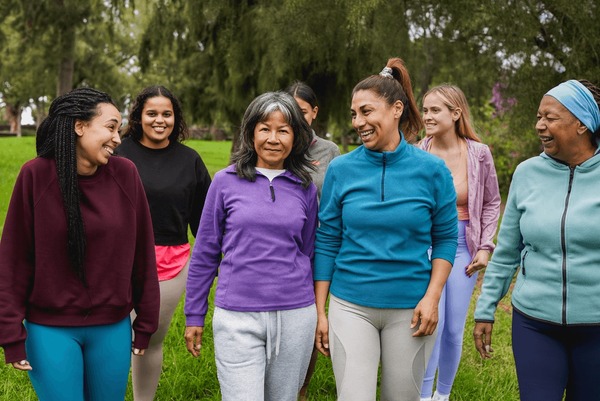
    Collage of diverse plus-size women enjoying swimming, dancing, biking, hiking, and resistance band exercises

    Swimming and Water Aerobics

    Swimming and Water Aerobics

    Why It Works for Curvy Bodies

    Water is the great equalizer. The moment you step into a pool, the buoyancy of the water supports up to 90 percent of your body weight, instantly reducing stress on your joints, back, and feet. Movements that feel heavy and difficult on land feel weightless and fluid in water. At the same time, water provides 12 times more resistance than air, meaning every movement builds strength and burns calories without the pounding impact of land-based exercise.

    For plus-size women specifically, water exercise eliminates most of the physical barriers that make other forms of exercise uncomfortable. Knee pain, foot pain, back strain, overheating, and excessive sweating are all dramatically reduced or eliminated in the water. You can move through a full range of motion without gravity working against you, which means you can exercise longer, more comfortably, and with better form than you might on land.

    What to Try

    Lap swimming is a full-body cardiovascular workout that builds endurance and strength simultaneously. If you do not know how to swim or are not comfortable with your swimming ability, water aerobics classes provide structured workouts in shallow water where you can always touch the bottom. Many community pools and recreation centers offer plus-size-friendly water aerobics classes. Water walking – simply walking back and forth in chest-deep water – is another excellent option that requires no swimming skill and burns roughly 500 calories per hour for a 200-pound woman.

    What You Need

    A swimsuit you feel comfortable in is the most important piece of equipment. The plus-size athletic swim sets on Amazon offer full coverage with a sporty look that feels more like workout wear than a bathing suit, which many women prefer for pool workouts. Swim leggings paired with a rash guard top are another option that provides full coverage and UV protection. Water shoes protect your feet on pool decks and in outdoor swimming areas. Goggles are helpful if you plan to swim laps.

    Getting Started

    Call your local community pool or recreation center and ask about water aerobics classes, open swim hours, and any size-inclusive programs. Many pools offer reduced rates, punch cards, or monthly passes that make regular swimming affordable. If you are self-conscious about being in a swimsuit around others, look for early morning or late evening open swim times when pools tend to be less crowded, or seek out facilities with private or semi-private pool areas.

    Dance Workouts
    Dance Workouts

    Why It Works for Curvy Bodies

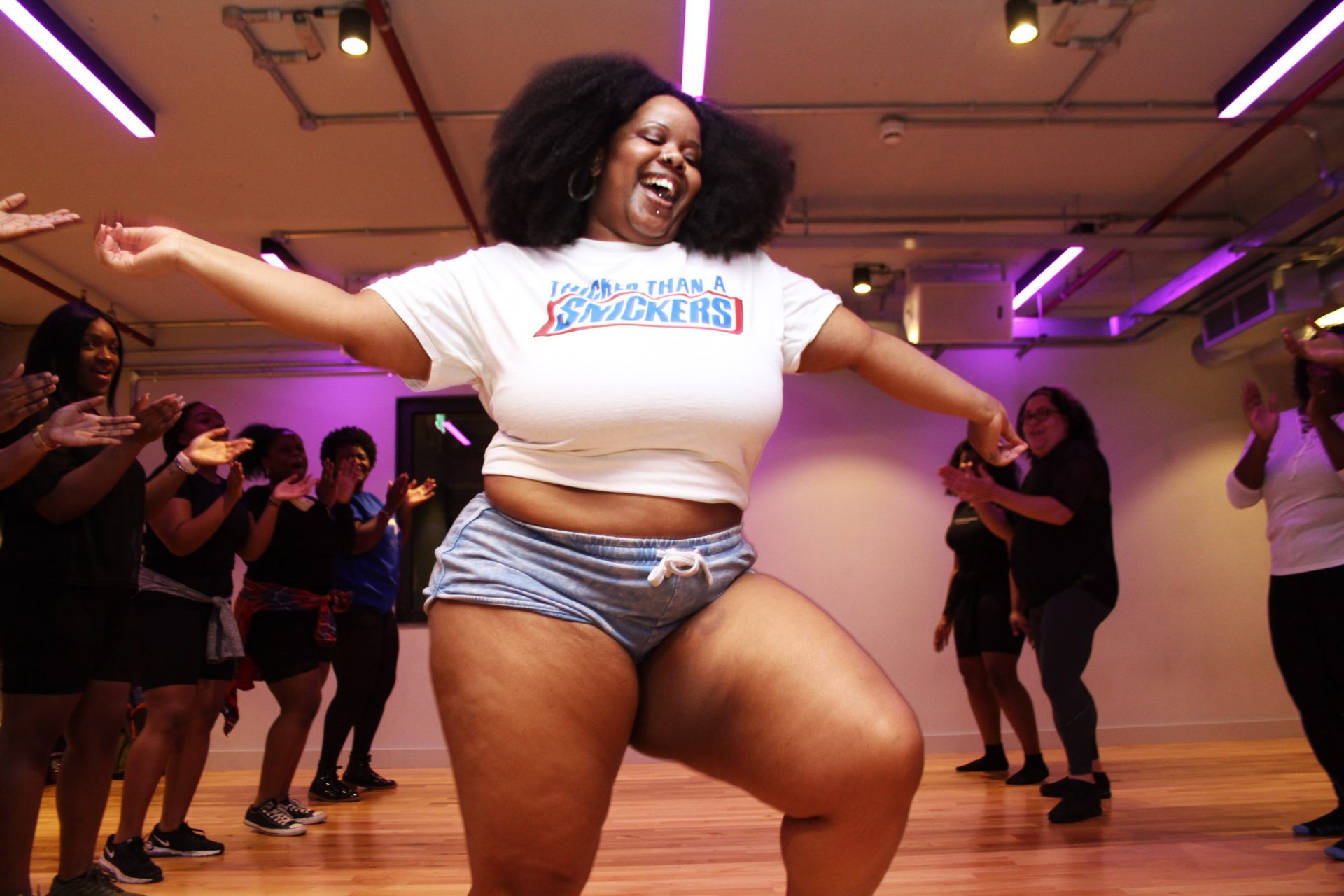
    Dancing is exercise disguised as fun. When you are following choreography, vibing to a beat, or just freestyle moving to your favorite playlist, your brain is focused on the music and the movement – not on calories, reps, or how much longer you have to endure. This mental shift is powerful because it means you exercise longer and more intensely than you would if you were counting down the minutes on a treadmill.

    Dance workouts also celebrate curves rather than trying to minimize them. Hip rolls, body waves, shimmies, and sways are movements that look and feel incredible on curvy bodies. Many plus-size women discover a new relationship with their bodies through dance – one based on what their body can do and how good it feels to move, rather than how it looks in a mirror.

    What to Try

    Zumba is the most popular dance fitness format and is available as in-person classes and online videos. Many instructors offer low-impact modifications for every move. Body Groove is a dance workout platform created specifically to be size-inclusive, with instructors of all sizes and an emphasis on moving in whatever way feels good to your body. YouTube has thousands of free plus-size dance workout videos ranging from 10-minute quickies to 60-minute full sessions. Belly dancing, salsa, line dancing, and even pole fitness are all forms of dance that build strength, flexibility, and cardiovascular fitness while being genuinely enjoyable.

    What You Need

    Supportive shoes with good lateral (side-to-side) support – cross-trainers work well. Comfortable clothing that lets you move freely without riding up or falling down. A clear space of about six feet by six feet in your home if you are following online videos. That is it. Dance workouts have the lowest barrier to entry of almost any form of exercise.

    Getting Started

    Search YouTube for “plus-size dance workout beginner” and try a few different styles and instructors until you find one that clicks. The Nike Renew In-Season TR cross-trainers are available in wide widths and provide the lateral support you need for dance movements without being heavy or stiff. Start with 15 to 20-minute videos and work up to longer sessions as your endurance builds.
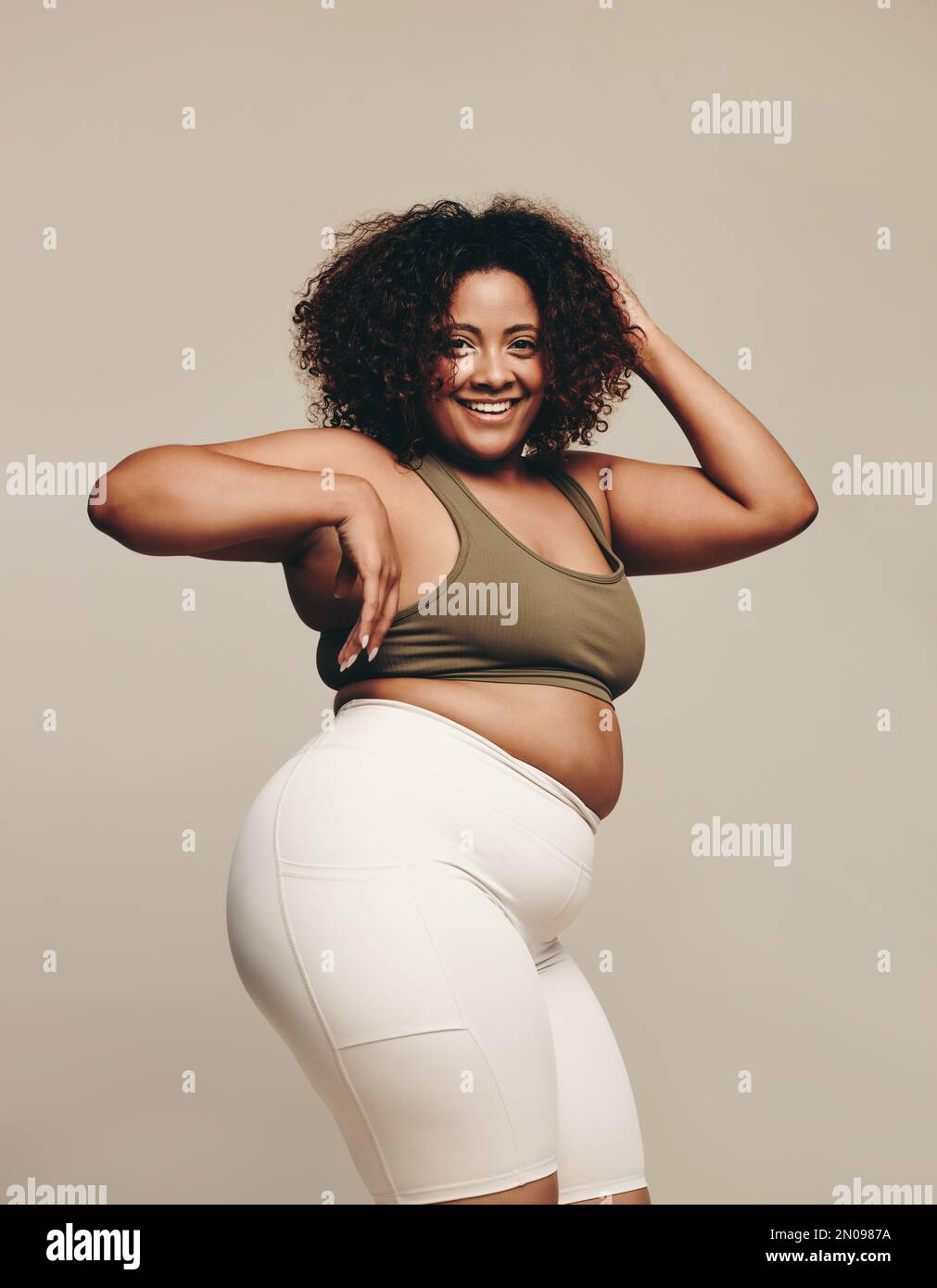
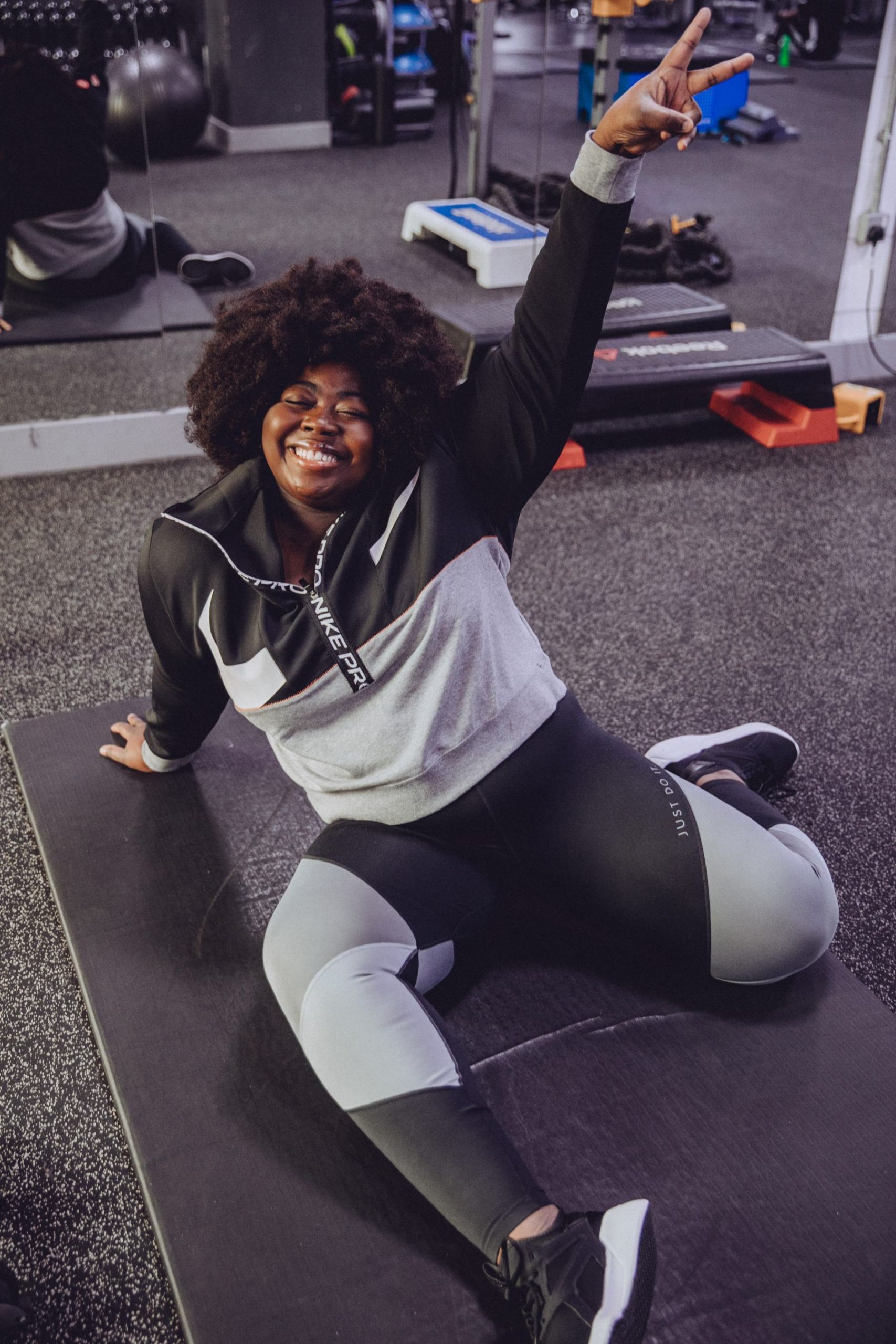
    Joyful plus-size woman dancing in her living room following an online dance workout

    Resistance Band Training

    Resistance Band Training

    Why It Works for Curvy Bodies

    Resistance bands provide progressive strength training without the intimidation factor of a weight room full of barbells and machines you do not know how to use. They are lightweight, portable, inexpensive, and infinitely adjustable – you control the resistance by choosing a lighter or heavier band or by adjusting how much slack you leave in the band. This makes them perfect for beginners and experienced exercisers alike.

    For plus-size women, resistance bands offer several unique advantages. They allow you to build strength in a controlled range of motion, which reduces the risk of injury. They do not require getting down on the floor for most exercises, which can be challenging for larger bodies. They work every muscle group including areas that are particularly important for curvy women – the core, glutes, back, and shoulders. And they provide constant tension throughout the movement, which builds lean muscle more effectively than body weight alone.

    What to Try

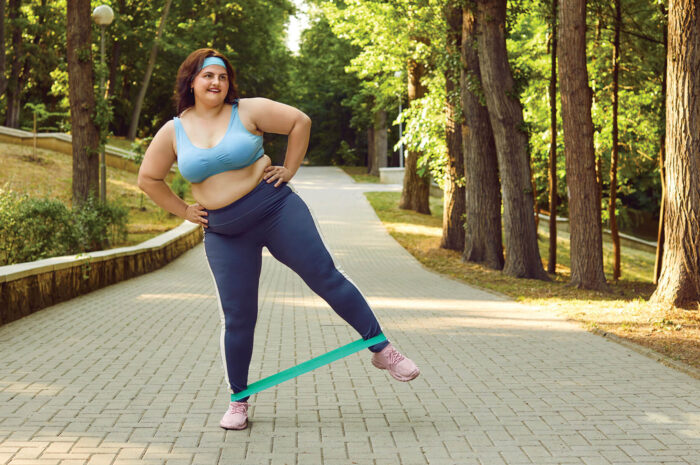
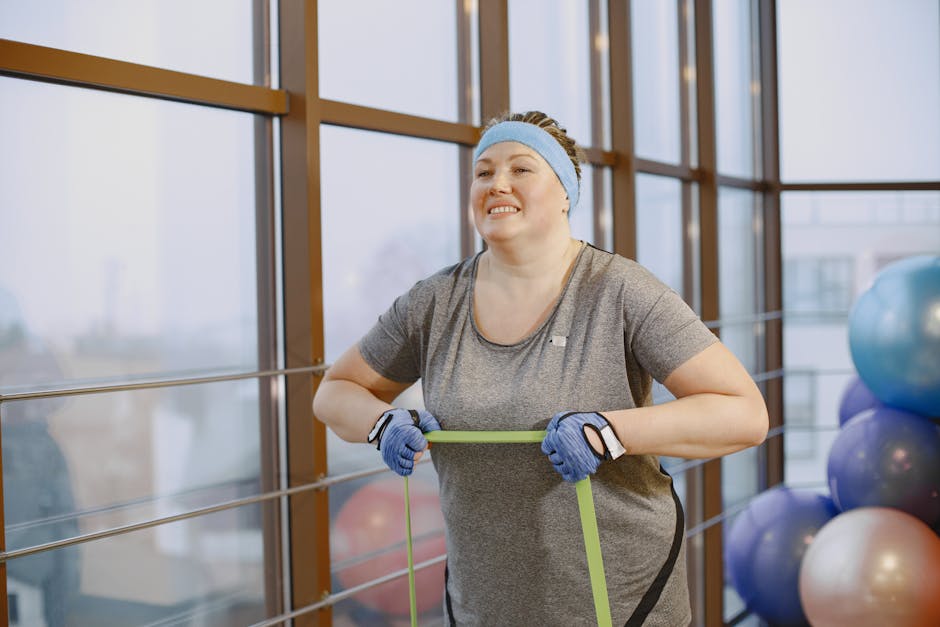
    A full-body resistance band workout can be done in 20 to 30 minutes and hits every major muscle group. Key exercises include band squats (stand on the band with feet hip-width apart, hold the handles at shoulder height, and squat), seated rows (sit on the floor with legs extended, loop the band around your feet, and pull the handles toward your ribs), overhead presses (stand on the band and press the handles overhead), lateral walks (place a loop band around your ankles and step side to side), and bicep curls (stand on the band and curl the handles toward your shoulders).

    What You Need

    A set of resistance bands with multiple resistance levels gives you the most versatility. The resistance band sets with door anchors on Amazon come with five to seven bands of increasing resistance, handles, ankle straps, and a door anchor that expands your exercise options dramatically. Look for sets that include bands rated up to at least 50 pounds of resistance, as lighter bands will feel too easy for lower-body exercises very quickly.

    Getting Started

    Start with the lightest band in your set and focus on learning proper form for each exercise before adding resistance. Two to three resistance band sessions per week, with at least one rest day between sessions, is enough to build noticeable strength within a month. YouTube has excellent free resistance band workout videos specifically designed for plus-size bodies and beginners.

    Cycling and Stationary Biking
    Cycling and Stationary Biking

    Why It Works for Curvy Bodies

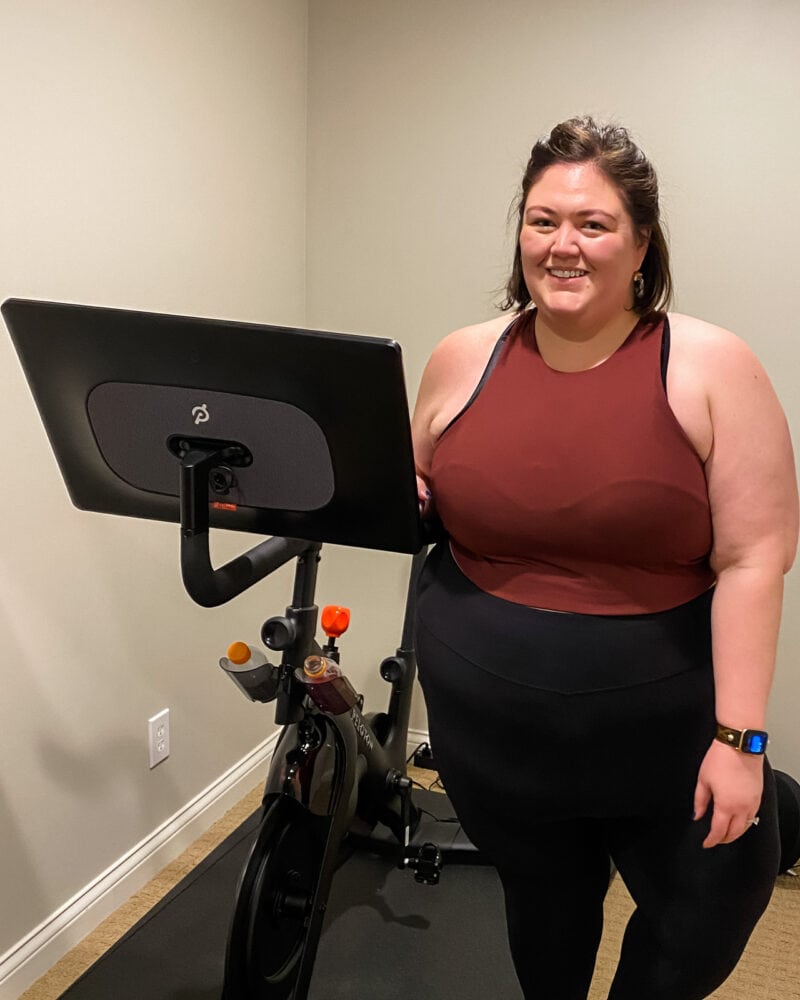
    Cycling removes your body weight from the equation almost entirely. The bike seat supports you, so your knees, ankles, and feet experience minimal impact. This makes cycling accessible for plus-size women who find walking or running painful due to joint issues. It is also an excellent cardiovascular workout – a moderate cycling session burns 400 to 600 calories per hour depending on your weight and intensity.

    Stationary bikes are especially appealing because they are private, weather-proof, and allow you to exercise while watching TV, listening to podcasts, or scrolling your phone. There is no balance requirement, no traffic to navigate, and no one watching you. For women who feel self-conscious exercising in public, a stationary bike at home removes that barrier entirely.

    What to Try

    A stationary recumbent bike (the kind with a backrest and the pedals in front of you rather than below you) is often the most comfortable option for plus-size women because it supports your back, has a wider seat, and puts less pressure on your wrists and shoulders. Upright stationary bikes work well too but may require a wider, more cushioned seat replacement. Outdoor cycling on a comfort or cruiser-style bike is wonderful exercise and doubles as transportation and exploration.

    What You Need

    For home use, a stationary recumbent bike with a high weight capacity (300 pounds or more) and an adjustable seat is the best investment. Padded cycling shorts or a gel seat cover dramatically improves comfort for longer rides. For outdoor cycling, a comfort bike with a step-through frame (no high bar to swing your leg over), wide tires for stability, and an upright riding position is ideal for plus-size riders. Make sure any bike you purchase has a weight capacity that accommodates you comfortably.

    Getting Started

    Begin with 15 to 20 minutes of cycling at a comfortable resistance level and gradually increase both duration and resistance over time. If using a stationary bike, start with minimal resistance and increase it as your leg strength builds. If cycling outdoors, start on flat terrain and add hills gradually. Aim for three cycling sessions per week to build cardiovascular fitness and leg strength.

    Hiking and Nature Walks
    Hiking and Nature Walks

    Why It Works for Curvy Bodies

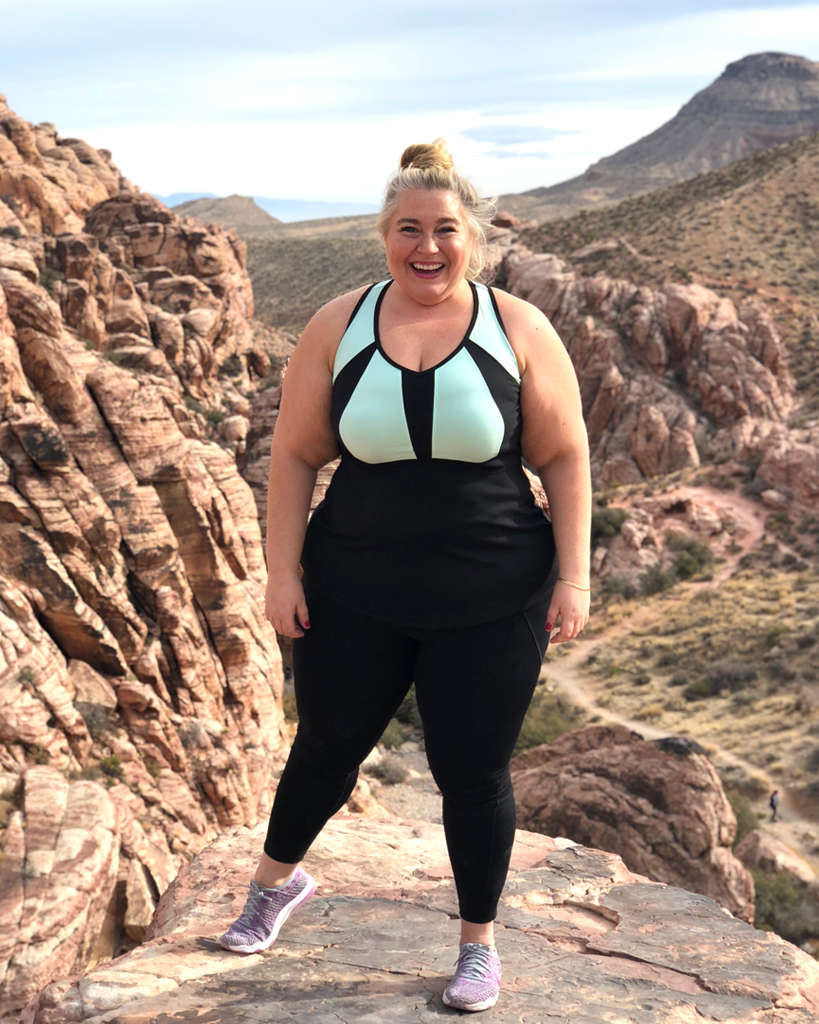
    Hiking combines physical exercise with mental health benefits that no gym can replicate. Research published in the Proceedings of the National Academy of Sciences found that people who walked in nature for 90 minutes showed decreased activity in the brain region associated with depression compared to those who walked in urban settings. For plus-size women who may carry stress, anxiety, or negative body image, the mental health benefits of hiking are as valuable as the physical ones.

    Hiking also burns significantly more calories than flat walking because of uneven terrain, inclines, and the engagement of stabilizing muscles that flat surfaces do not require. A 200-pound woman hiking moderate terrain burns approximately 450 to 550 calories per hour – comparable to many high-intensity gym workouts but with fresh air, beautiful scenery, and birdsong instead of fluorescent lights and thumping music.

    What to Try

    Start with easy, well-maintained trails that are rated as beginner-friendly. National parks, state parks, and local nature preserves typically have trail maps that rate difficulty. Look for trails under two miles with minimal elevation gain for your first few hikes. As your fitness improves, gradually tackle longer trails with more elevation. Hiking with a friend or group adds a social element and provides safety on more remote trails.

    What You Need

    Sturdy hiking shoes or boots with ankle support and good traction are essential. The Columbia Newton Ridge Plus hiking boots come in wide widths and offer waterproof protection with excellent ankle support at a reasonable price. A daypack with water, snacks, sunscreen, and a basic first aid kit rounds out your essentials. Trekking poles are extremely helpful for plus-size hikers because they reduce knee strain on descents by up to 25 percent and provide stability on uneven terrain.

    Getting Started

    Search AllTrails or a similar app for beginner trails within 30 minutes of your home. Start with one hike per week on a weekend morning when trails are less crowded and temperatures are cooler. Bring more water than you think you need – a general rule is a half liter per hour of hiking, more in heat. Tell someone where you are going and when you expect to be back, even on easy trails.

    Plus-size woman hiking on a sunlit forest trail with daypack looking peaceful and strong

    Pilates

    Pilates

    Why It Works for Curvy Bodies

    Pilates builds core strength, improves posture, increases flexibility, and tones muscles through controlled, precise movements. Unlike many forms of exercise that rely on speed or impact, Pilates emphasizes slow, intentional movement with proper alignment. This makes it accessible for people of all fitness levels and sizes because you can always modify the speed, range, and intensity of each movement.

    For plus-size women, Pilates is particularly valuable because it strengthens the deep core muscles that support your back and improve your posture. Strong core muscles reduce back pain (which is common in larger bodies), improve balance, and create a visible difference in how you carry yourself. Many plus-size women report that Pilates gives them a feeling of being “held together” – a sense of core engagement and postural alignment that carries into everyday life.

    What to Try
    What to Try

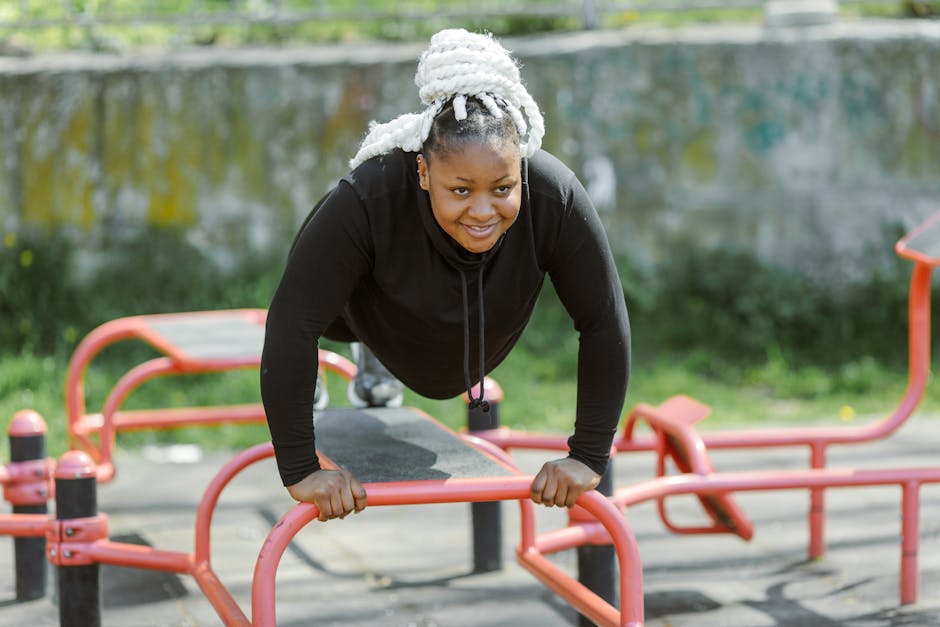
    Mat Pilates requires only a mat and your body weight and can be done at home following online videos. Reformer Pilates uses a sliding bed with springs for resistance and is typically done in a studio setting. Both are effective, but mat Pilates is more accessible for beginners and requires no investment beyond a mat. Many Pilates exercises can be modified for larger bodies by adjusting the range of motion, using props for support, or performing exercises in a seated or standing position rather than lying on the floor.

    What You Need
    What You Need

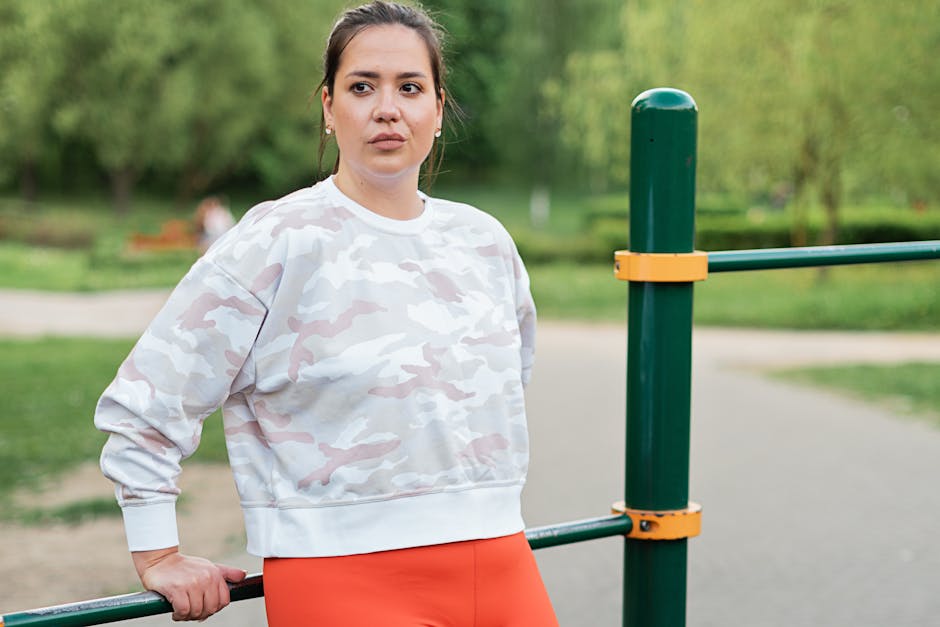
    A thick exercise mat (at least 10mm for cushioning), a Pilates ring for added resistance, and a small inflatable ball for core exercises. If you find getting up and down from the floor difficult, many Pilates exercises can be done standing or seated in a chair. Search YouTube for “standing Pilates” or “chair Pilates” for routines that avoid floor work entirely.

    Getting Started

    Start with beginner mat Pilates videos that focus on fundamentals – breathing, core engagement, and basic movement patterns. Sessions of 20 to 30 minutes, three times per week, are enough to feel significant improvements in core strength and posture within four to six weeks. If you try a studio class, look for one that specifically welcomes beginners and has instructors experienced in modifying for different body sizes.

    Rowing
    Rowing

    Why It Works for Curvy Bodies

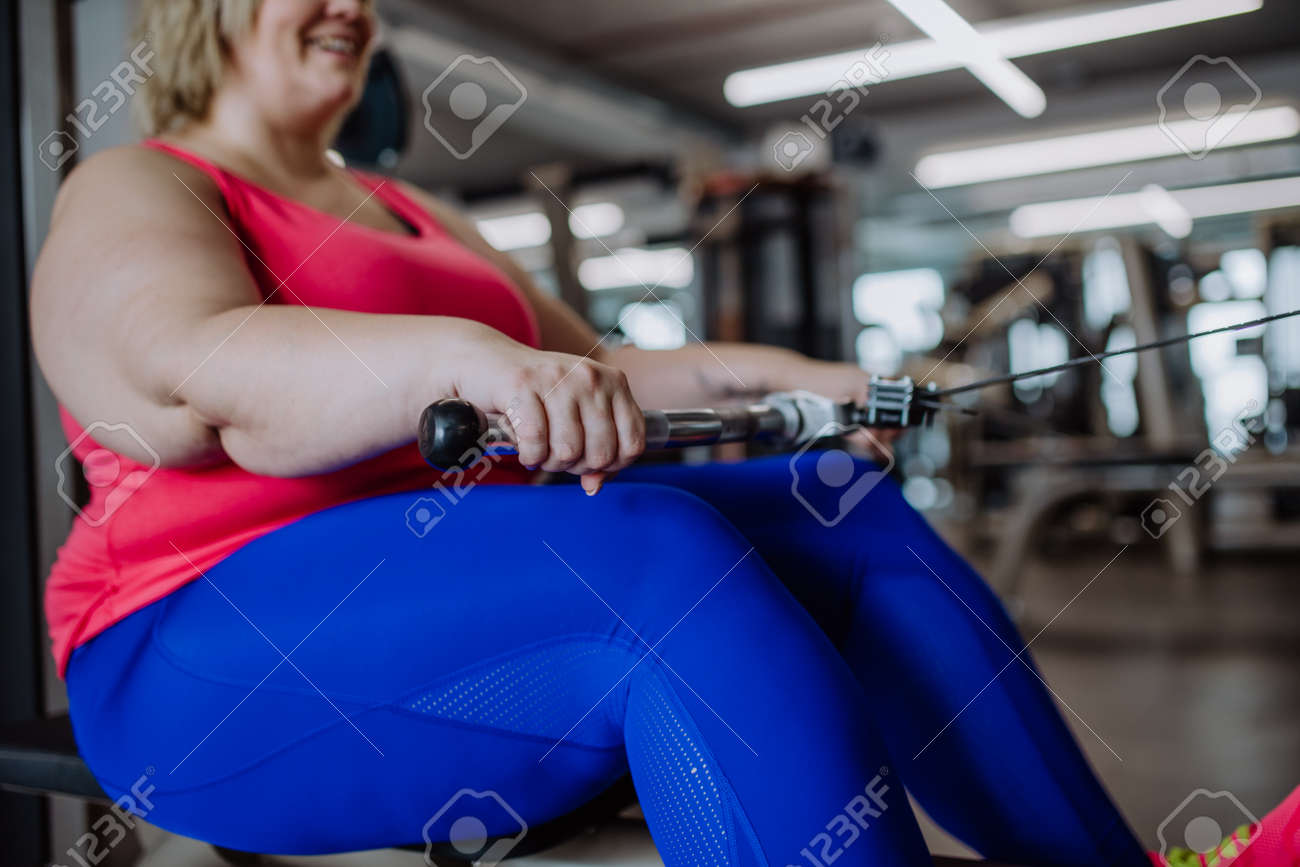
    Rowing is one of the most efficient full-body exercises available. A single rowing stroke engages 86 percent of your muscles – legs, core, back, arms, and shoulders all work together in a smooth, continuous motion. It is completely non-impact (no pounding on joints), and the sliding seat means your body weight is always supported. For plus-size women, rowing provides an intense cardiovascular workout without the joint stress that makes many cardio exercises uncomfortable.

    Rowing also burns a remarkable number of calories. A 200-pound woman rowing at a moderate intensity burns approximately 500 to 600 calories per hour. Even short 15 to 20-minute rowing sessions burn significant calories and build both strength and endurance simultaneously, making it one of the most time-efficient workouts available.

    What to Try
    What to Try

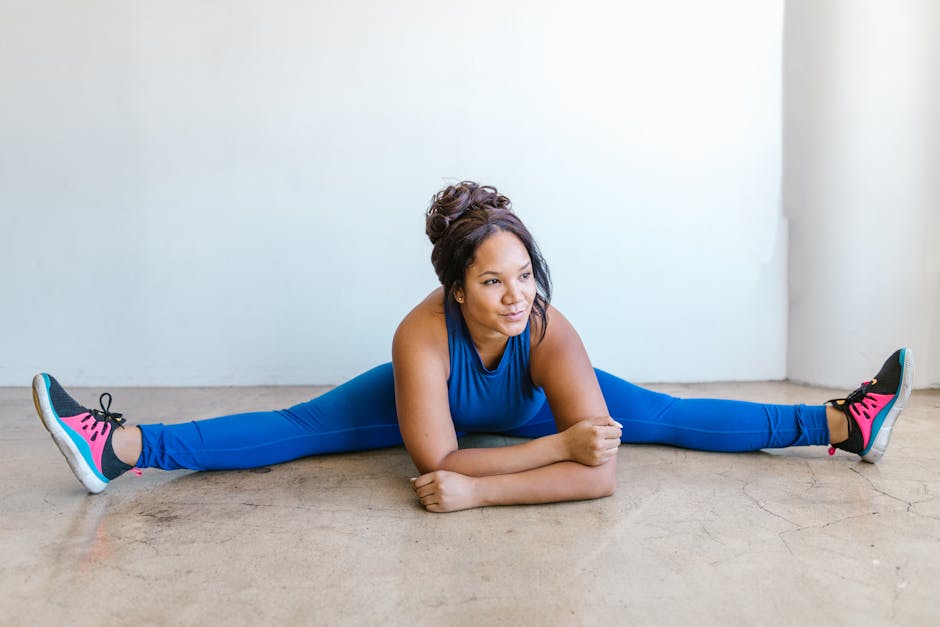
    A rowing machine (also called an ergometer or erg) at home or in a gym is the most accessible way to start rowing. Water rowing machines provide the most natural feel and a soothing sound, while air resistance machines are popular in gyms and fitness studios. If you have access to a river or lake, on-water rowing through a community rowing club is an extraordinary experience, though it typically requires some instruction to learn proper technique.

    What You Need
    What You Need

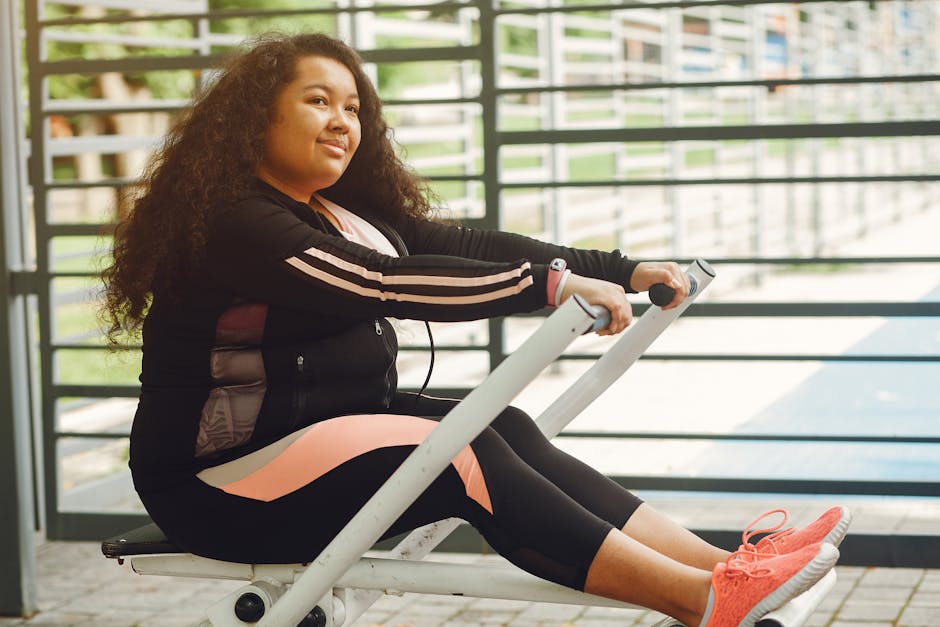
    If purchasing a home rowing machine, look for one with a weight capacity of at least 300 pounds, a comfortable and adjustable seat, and a smooth, quiet operation. The seat rail length matters for taller rowers. Rowing requires no special clothing beyond comfortable, moisture-wicking workout wear and supportive shoes or grippy socks.

    Getting Started

    Proper rowing form is essential to prevent back strain. The sequence is legs-back-arms on the pull and arms-back-legs on the return. Many beginners make the mistake of pulling with their arms first, which puts excessive strain on the back and shoulders. Watch a proper rowing form video before your first session. Start with 10-minute sessions and increase by two to three minutes per week. Aim for a steady, rhythmic pace rather than pulling as hard and fast as possible.

    Tai Chi
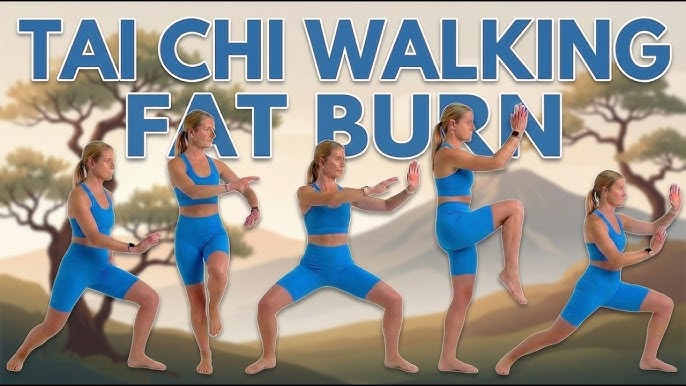
    Tai Chi

    Why It Works for Curvy Bodies

    Tai chi is a centuries-old Chinese martial art that involves slow, flowing movements performed in a continuous sequence. It looks like meditation in motion, and that is essentially what it is. Tai chi improves balance, flexibility, coordination, and lower body strength through gentle, weight-bearing movements that never involve jumping, pounding, or sudden impacts.

    For plus-size women, tai chi offers benefits that go far beyond physical fitness. Research published in the British Journal of Sports Medicine found that tai chi reduces stress, anxiety, and depression as effectively as conventional exercise. It also significantly improves balance and reduces fall risk, which is important for larger-bodied individuals who may feel unsteady during other forms of exercise. And because tai chi is performed standing with slow, controlled movements, it is accessible regardless of your current fitness level.

    What to Try
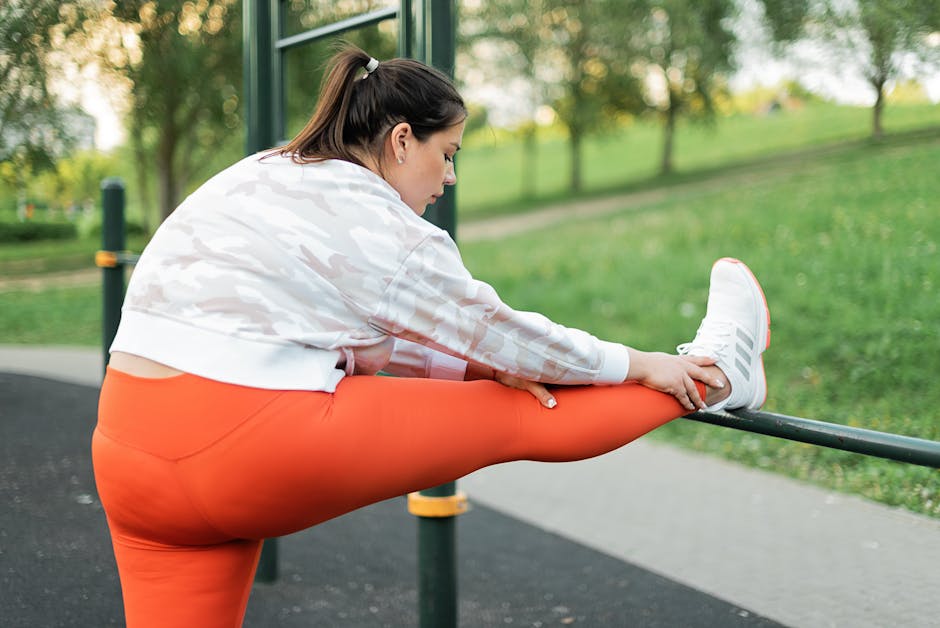
    What to Try

    Yang-style tai chi is the most common and the most beginner-friendly form. It features large, slow, graceful movements that are easy to learn and gentle on the body. A basic Yang-style form contains 24 movements that flow together in a sequence that takes about six to eight minutes to perform once learned. Most beginners take four to eight weeks to learn the full basic form, and the learning process itself is the exercise – you do not need to master the form before you benefit from practicing it.

    What You Need
    What You Need

    Flat, comfortable shoes with flexible soles (or bare feet on a soft surface), loose comfortable clothing, and enough space to take two steps in any direction. That is genuinely all you need. Tai chi has the lowest equipment requirement of any exercise form. Classes are available at community centers, parks (many offer free outdoor tai chi), YMCAs, and online through YouTube and dedicated tai chi apps.

    Getting Started

    Search YouTube for “tai chi for beginners” and try a 15 to 20-minute introductory session. Focus on following the movements without worrying about perfection. Tai chi is a practice, not a performance. Many women find that the meditative quality of tai chi reduces their stress levels, improves their sleep, and gives them a sense of calm that carries through the rest of their day. Practice three to four times per week for best results.

    Rebounding (Mini Trampoline)
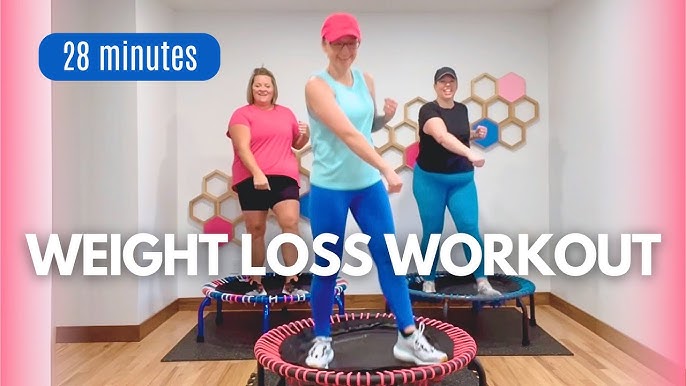
    Rebounding (Mini Trampoline)

    Why It Works for Curvy Bodies

    A mini trampoline, also called a rebounder, absorbs up to 80 percent of the impact from each bounce, making it dramatically gentler on your joints than jumping on a hard surface. Despite being low impact, rebounding is surprisingly effective for cardiovascular fitness and calorie burn. NASA research found that rebounding is 68 percent more efficient than running at the same effort level, meaning you get more workout in less time with less stress on your body.

    Rebounding also stimulates the lymphatic system, which helps reduce swelling and water retention – a common concern for plus-size women. The gentle bouncing motion moves lymphatic fluid through your body more effectively than almost any other form of exercise. Many women notice reduced bloating and improved skin appearance within weeks of starting a regular rebounding practice.

    What to Try
    What to Try

    A basic rebounding workout involves bouncing gently on the trampoline (your feet can stay on the mat – you do not need to jump high), marching in place, doing side-to-side steps, and adding arm movements for a full-body workout. As you get comfortable, you can add higher bounces, twists, and dance-style movements. YouTube has hundreds of free rebounding workout videos from 10 to 45 minutes in length.

    What You Need
    What You Need

    A rebounder with a high weight capacity is essential. Look for models rated for at least 300 pounds with a stability bar (a handlebar attached to the trampoline that you can hold for balance). The stability bar is particularly important for plus-size beginners because it provides confidence and safety while you develop your balance. Budget models start around 60 to 80 dollars, while higher-quality rebounders with better springs and higher weight capacities cost 150 to 300 dollars.

    Getting Started

    Start by simply standing on the rebounder and doing gentle bounces where your feet barely leave the mat. Get comfortable with the balance and the sensation before adding any other movements. Use the stability bar at first and gradually use it less as your balance improves. Start with 10-minute sessions and build to 20 to 30 minutes over a few weeks. Rebounding in front of the TV makes the time fly and turns screen time into active time.
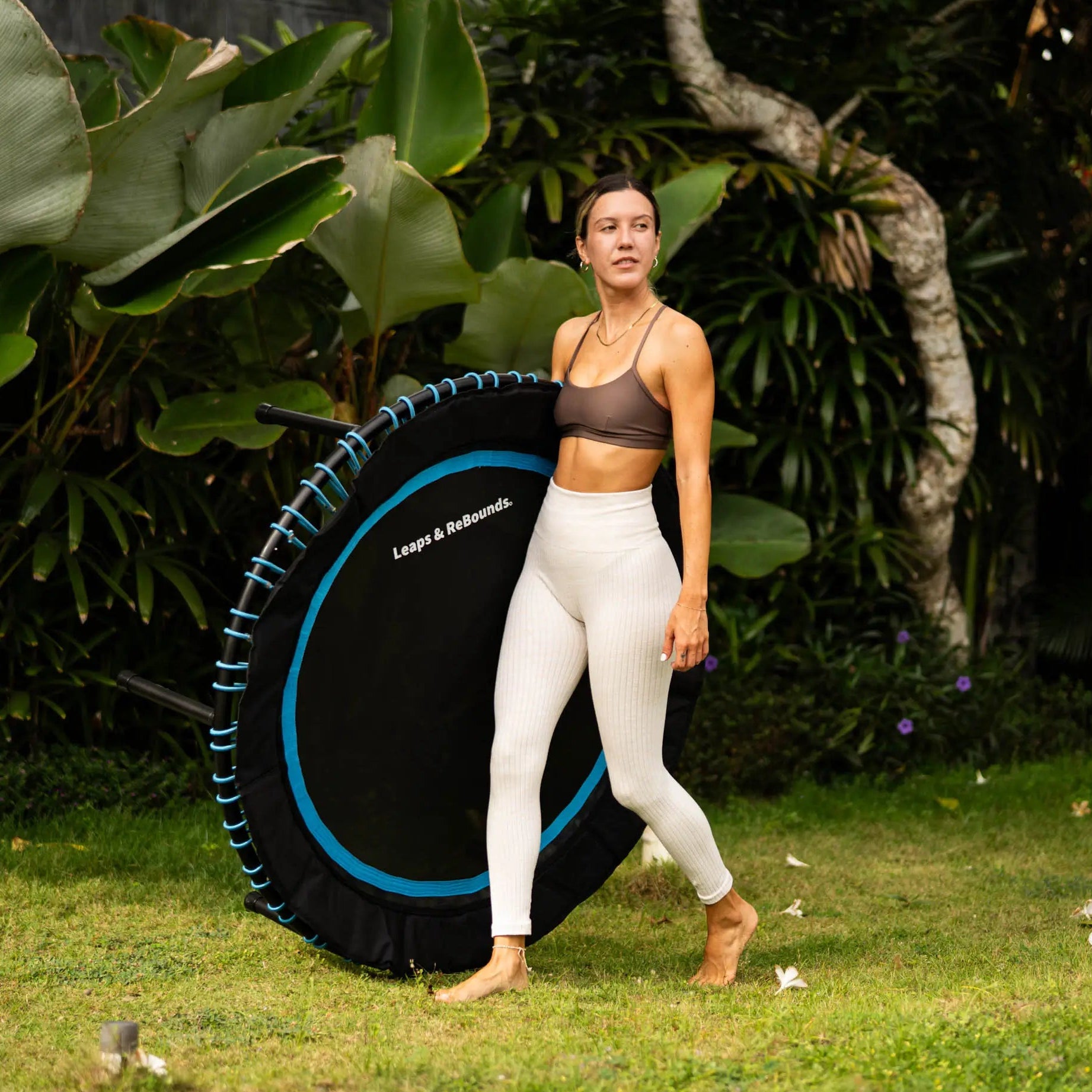
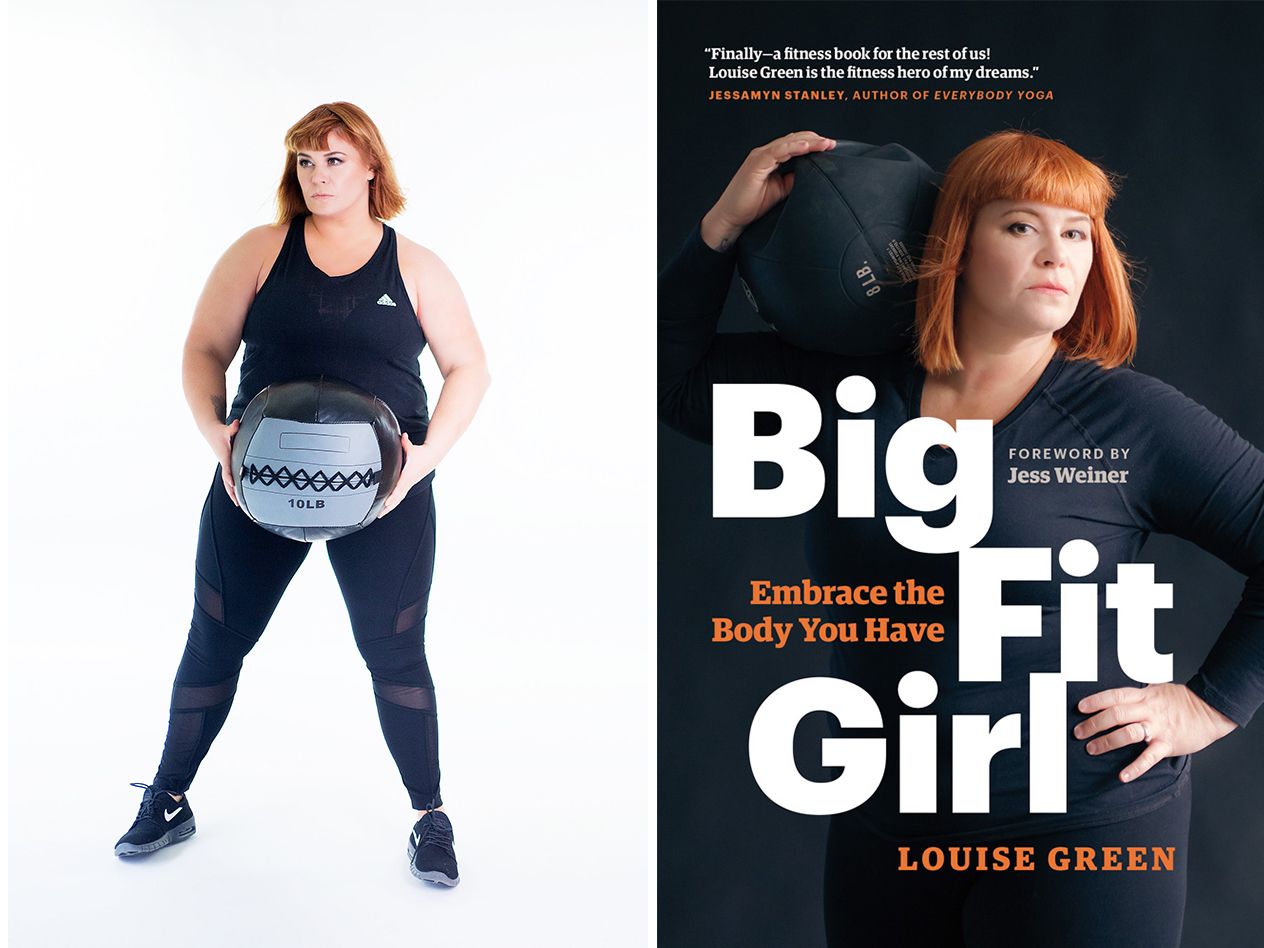
    Plus-size woman bouncing on mini trampoline with stability bar in bright home workout space

    Seated and Chair Workouts

    Seated and Chair Workouts

    Why It Works for Curvy Bodies

    Chair workouts eliminate the biggest physical barriers to exercise for many plus-size women – getting down to and up from the floor, standing for extended periods, and balancing during movements. A sturdy chair provides support, stability, and a fixed point of reference that makes exercise accessible regardless of mobility limitations, joint issues, or fitness level.

    Do not mistake accessible for easy. A well-designed chair workout can elevate your heart rate, build significant strength, and burn meaningful calories. Seated exercises engage your core, arms, shoulders, and upper back effectively, and many leg exercises can be performed from a seated position as well. Chair workouts are also excellent for office workers who want to incorporate movement into their workday without changing clothes or leaving their desk.

    What to Try
    What to Try

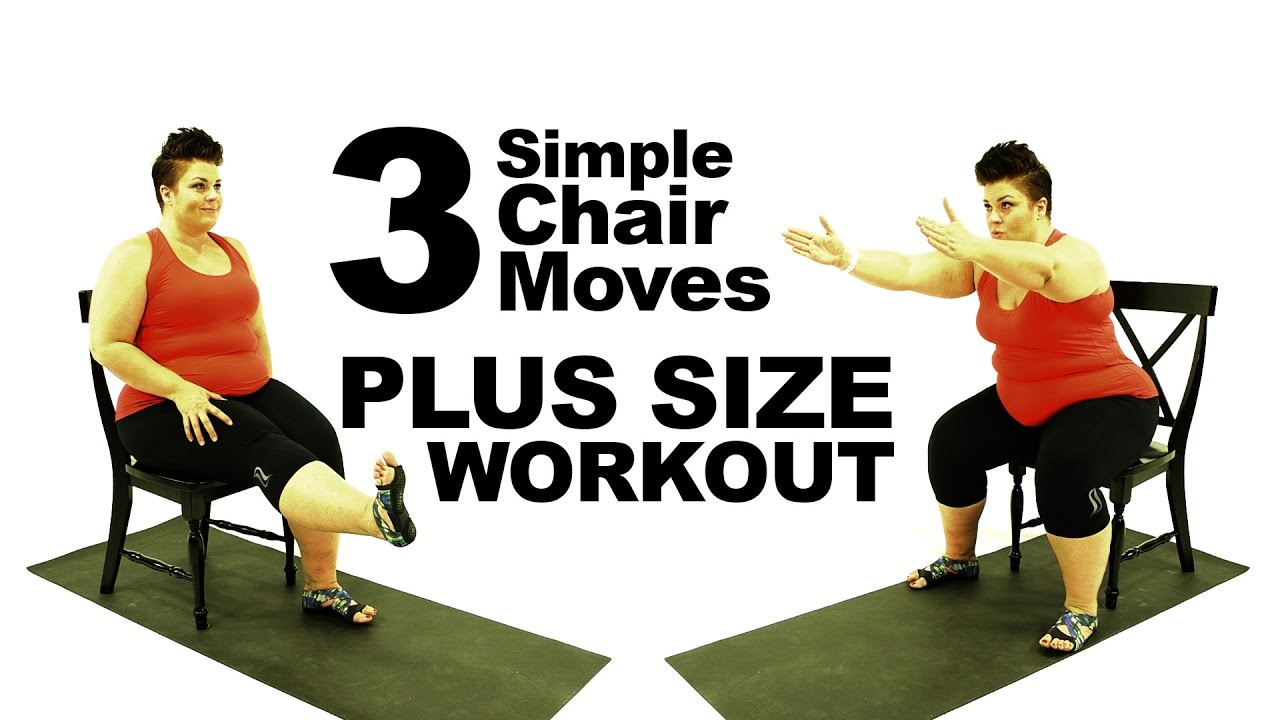
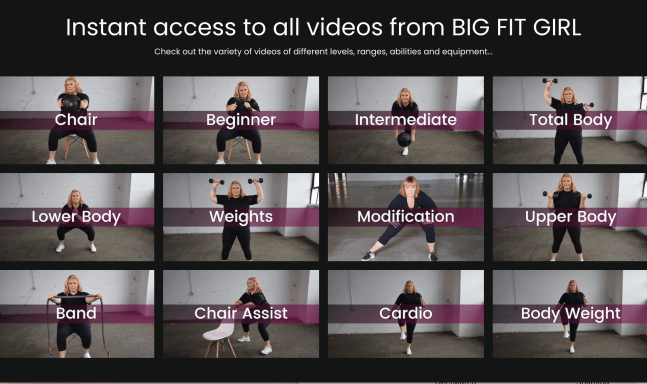
    A complete chair workout includes seated marches (lift alternating knees toward your chest), seated jacks (open and close your arms and legs simultaneously), chair squats (stand up from the chair and sit back down with control), seated leg extensions (straighten one leg at a time from a seated position), chair push-ups (place hands on the armrests or seat and push your body up), and seated twists (rotate your torso side to side while engaging your core). A 20 to 30-minute chair workout combining these movements with 30-second rest periods between exercises provides a solid full-body workout.

    What You Need
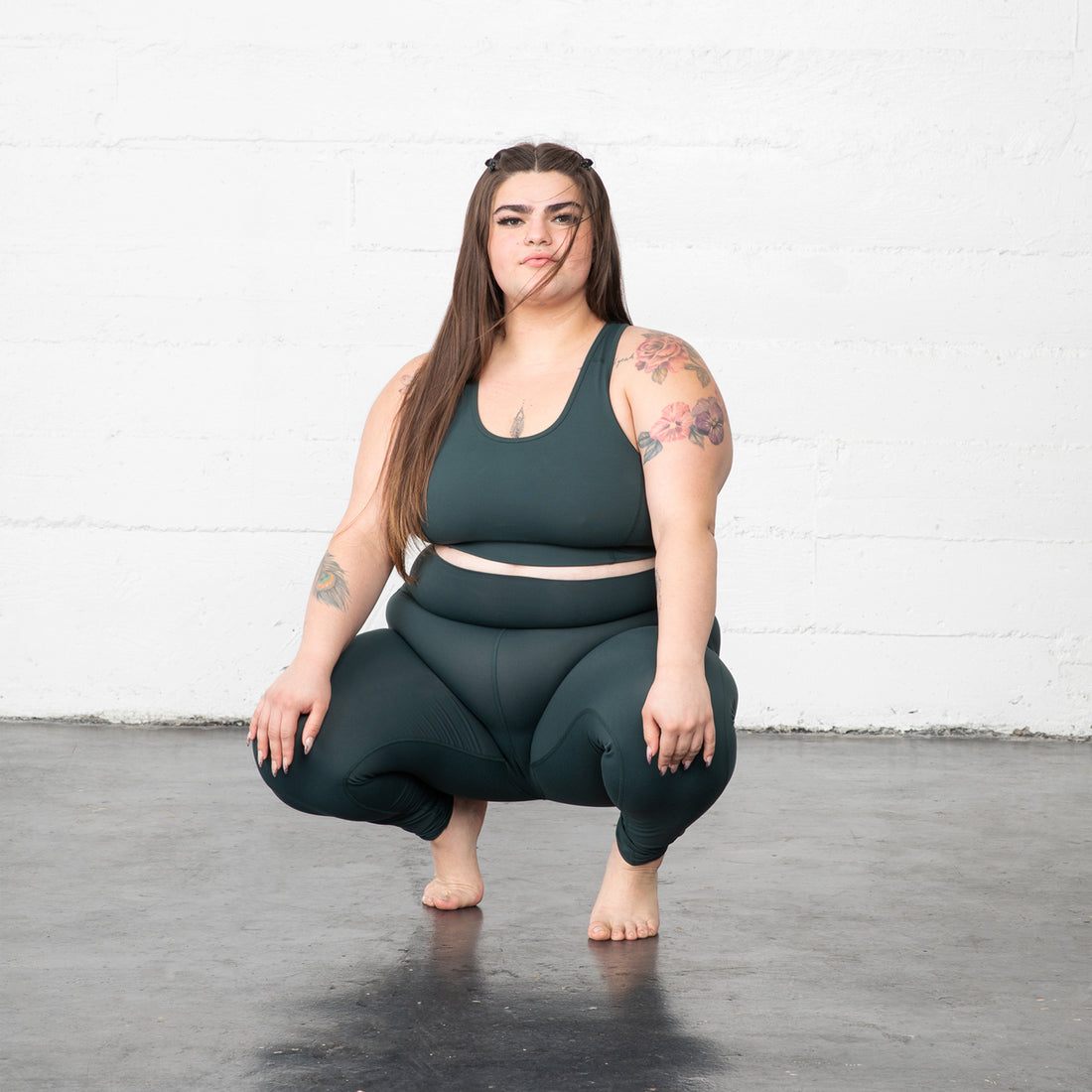
    What You Need

    A sturdy chair without wheels, arms optional. The chair should not move when you push against it or shift your weight. A standard dining chair or folding chair works perfectly. Add a set of light dumbbells (3 to 8 pounds) or a resistance band to increase the challenge for upper body exercises. The neoprene dumbbell sets with rack on Amazon come in multiple weight options and have a comfortable, non-slip grip.

    Getting Started

    YouTube has an extensive library of free chair workout videos for every fitness level. Search “chair workout for beginners” or “seated workout plus size” for options tailored to larger bodies. Start with 15-minute sessions and build to 30 minutes as your strength and endurance improve. Chair workouts can be done daily since they tend to be lower intensity, or you can alternate them with other forms of exercise on your weekly schedule.

    How to Build a Routine Without the Gym
    How to Build a Routine Without the Gym

    Choose Two to Three Activities
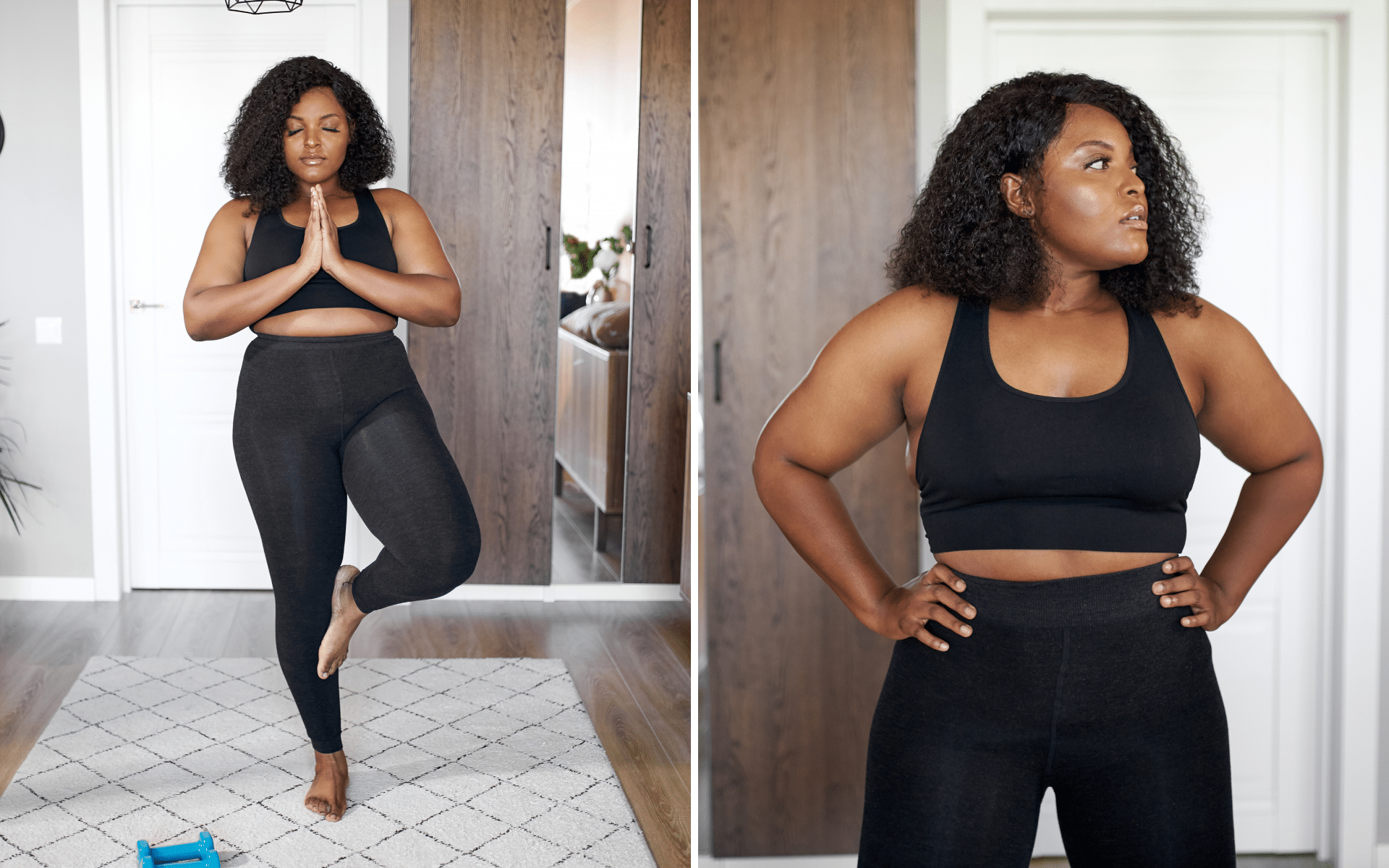
    Choose Two to Three Activities

    You do not need to do all ten of these workouts. Pick two to three that genuinely appeal to you – not the ones you think you should do, but the ones that make you think “that sounds fun” or “I could try that.” Variety prevents boredom and works different muscle groups, but too many options creates decision fatigue that leads to doing nothing. Two to three activities that you rotate throughout the week is the sweet spot.

    Set a Realistic Weekly Schedule
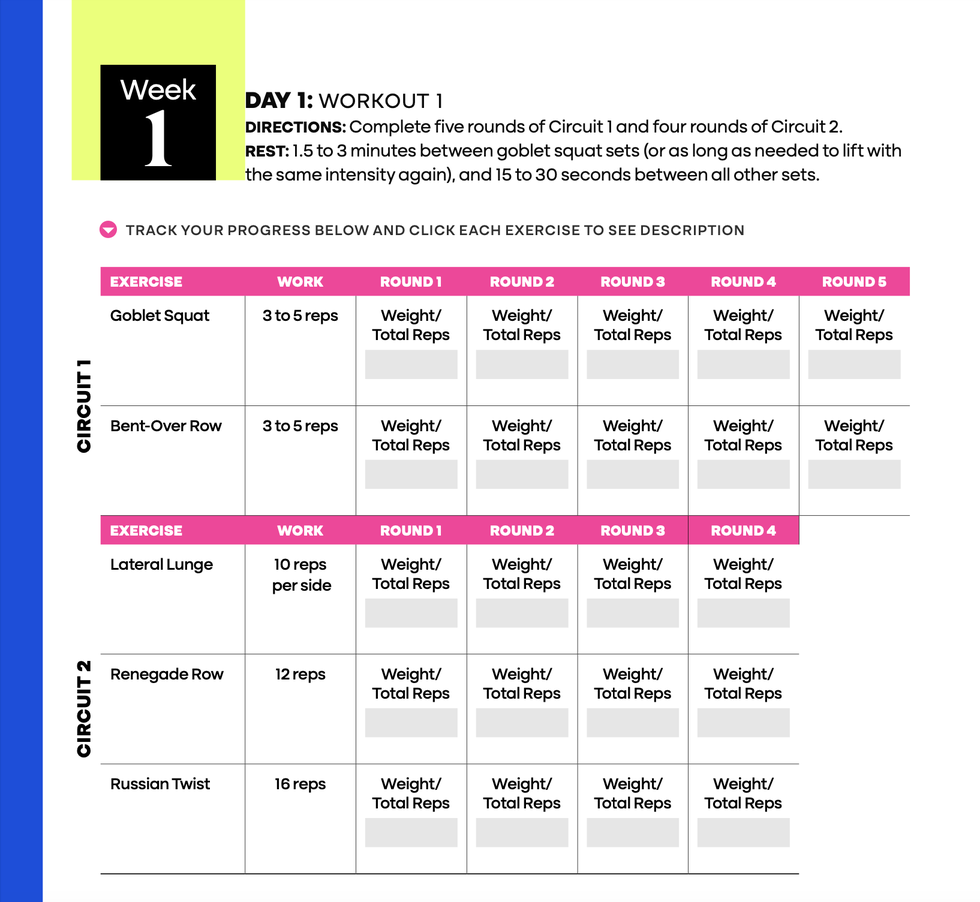
    Set a Realistic Weekly Schedule

    Three to four workout sessions per week is enough to see significant improvements in cardiovascular fitness, strength, and body composition. If you are starting from zero, begin with three 20-minute sessions per week and gradually increase the frequency or duration as your fitness improves. A sample beginner week might look like this: Monday – 20-minute dance workout, Wednesday – 25-minute resistance band session, Saturday – 30-minute nature walk. Rest days in between allow recovery and prevent burnout.

    Create a Dedicated Space
    Create a Dedicated Space

    Having a specific spot in your home where you exercise makes the habit easier to maintain. It does not need to be a full home gym. A clear area of about six feet by six feet in your living room, bedroom, or garage is enough for most of these workouts. Keep your equipment – bands, mat, weights, water bottle – in or near this space so everything is ready when you are. Removing setup friction is one of the most effective strategies for maintaining an exercise habit.

    Track Progress Beyond the Scale
    Track Progress Beyond the Scale

    The scale is one measure of progress, but it is not the most important one and it is often the most misleading. Track your progress by recording how long you can exercise before needing a break, how many reps or sets you can complete, how your clothes fit, how your energy levels feel throughout the day, how well you sleep, how your mood and stress levels compare to before you started, and any physical milestones like walking farther, lifting more, or touching your toes for the first time. These non-scale victories are more meaningful and more motivating than any number on a scale.

    Invest in Good Gear Gradually

    You do not need to buy everything at once. Start with whatever you have. As you discover which activities you enjoy most, invest in quality gear for those specific activities. Good shoes are worth the investment for any activity that involves your feet. A quality pair of plus-size leggings from Girlfriend Collective that stay in place during any workout is a worthwhile purchase. The All in Motion sports bras at Target provide excellent support at a price that allows you to buy multiples for frequent washing.

    Be Patient and Kind to Yourself
    Be Patient and Kind to Yourself

    Fitness is a lifelong practice, not a 30-day transformation. Some weeks you will exercise four times and feel amazing. Other weeks, life will intervene and you will manage once. Neither week defines you. What matters is that you keep coming back. The woman who exercises inconsistently for years is infinitely healthier than the woman who never starts. Give yourself grace, celebrate your effort, and remember that every single time you move your body – regardless of how long, how hard, or how “perfectly” – you are doing something powerful for your health and your life.
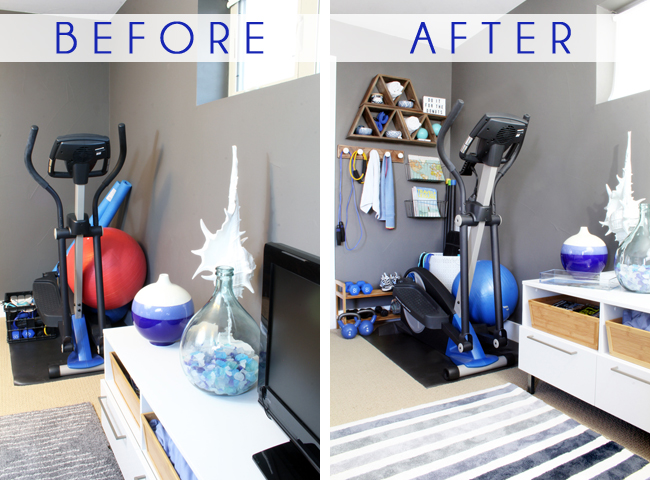
    Organized home workout corner with mat, resistance bands, dumbbells, and water bottle

    Key Takeaways

    • The gym is not the only path to fitness – low impact workouts performed at home, outdoors, or in community spaces are just as effective for weight loss, strength building, and cardiovascular health.
    • Swimming and water aerobics eliminate up to 90 percent of your body weight from the equation, making them ideal for plus-size women with joint concerns.
    • Dance workouts disguise exercise as fun, and movements like hip rolls and body waves celebrate curvy bodies rather than trying to minimize them.
    • Resistance bands provide progressive strength training without gym intimidation, and most exercises can be done standing without getting on the floor.
    • The best workout is the one you enjoy enough to do consistently – finding a form of movement you genuinely like is the most important factor in long-term fitness success.
    • Pick two to three activities you enjoy, schedule three to four sessions per week, and track progress beyond the scale using energy levels, endurance, strength, and how your clothes fit.
    • Start where you are with what you have, invest in quality gear gradually as you discover your preferences, and give yourself grace on the weeks when life gets in the way.

    Frequently Asked Questions

    Are low impact workouts effective enough for weight loss?
    Are low impact workouts effective enough for weight loss?

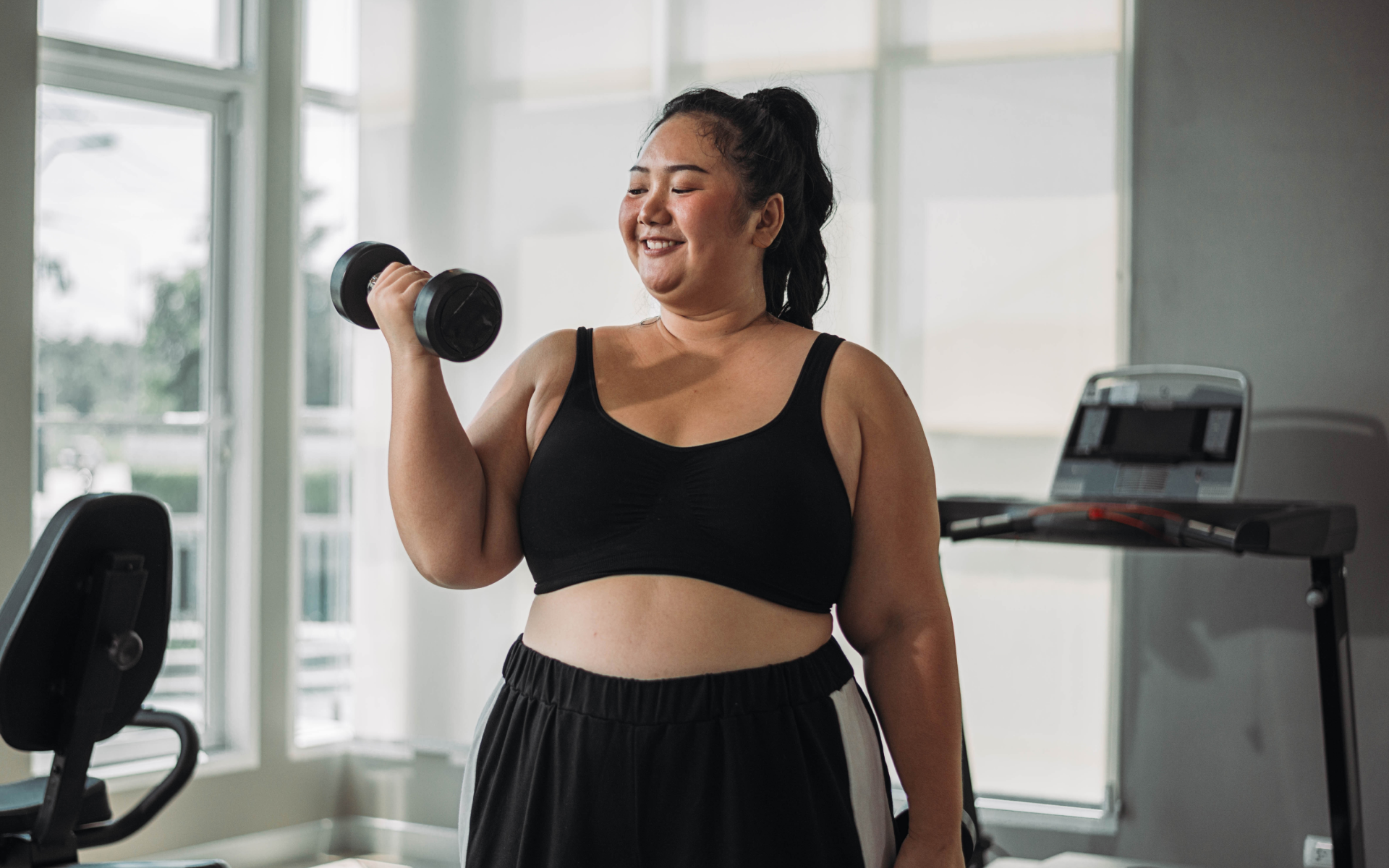
    Absolutely. Low impact does not mean low calorie burn. Swimming burns 400 to 700 calories per hour depending on intensity. Cycling burns 400 to 600 calories per hour. Even gentle activities like tai chi burn 200 to 300 calories per hour while building strength and flexibility. The key factor in weight loss is consistency over time, and low impact workouts are easier to sustain long-term because they do not cause the pain, injury, and burnout that drive people away from high-impact exercise. A study published in Obesity Reviews found that exercise adherence – not exercise intensity – was the strongest predictor of long-term weight loss success. Low impact workouts you do consistently will always outperform high-intensity workouts you quit after a month.

    How many times per week should I work out?
    How many times per week should I work out?

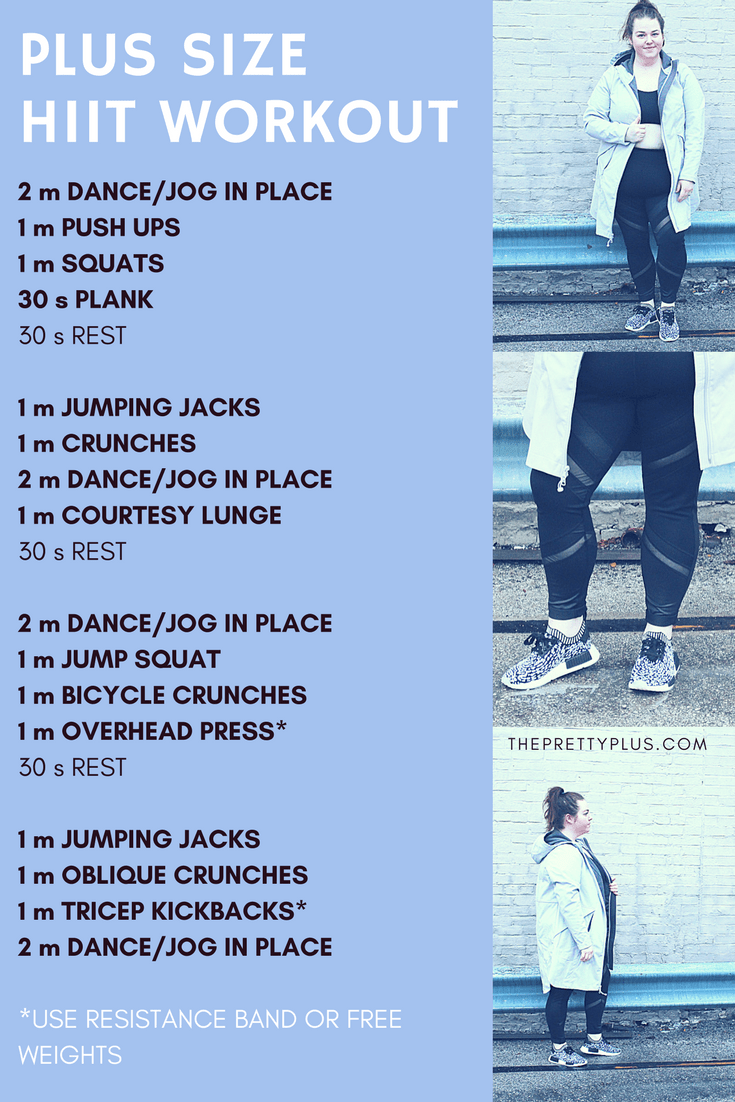
    For general health and weight management, aim for three to five sessions per week, each lasting 20 to 45 minutes. The American Heart Association recommends 150 minutes of moderate-intensity activity per week, which works out to about 30 minutes five days a week or 50 minutes three days a week. If you are just starting, three 20-minute sessions per week is a perfect beginning point. Increase gradually as your fitness improves. Rest days between workout days are important for recovery, especially when you are building new fitness habits. Doing too much too quickly leads to burnout and injury, which defeats the purpose entirely.

    What if I have mobility issues or chronic pain?
    What if I have mobility issues or chronic pain?

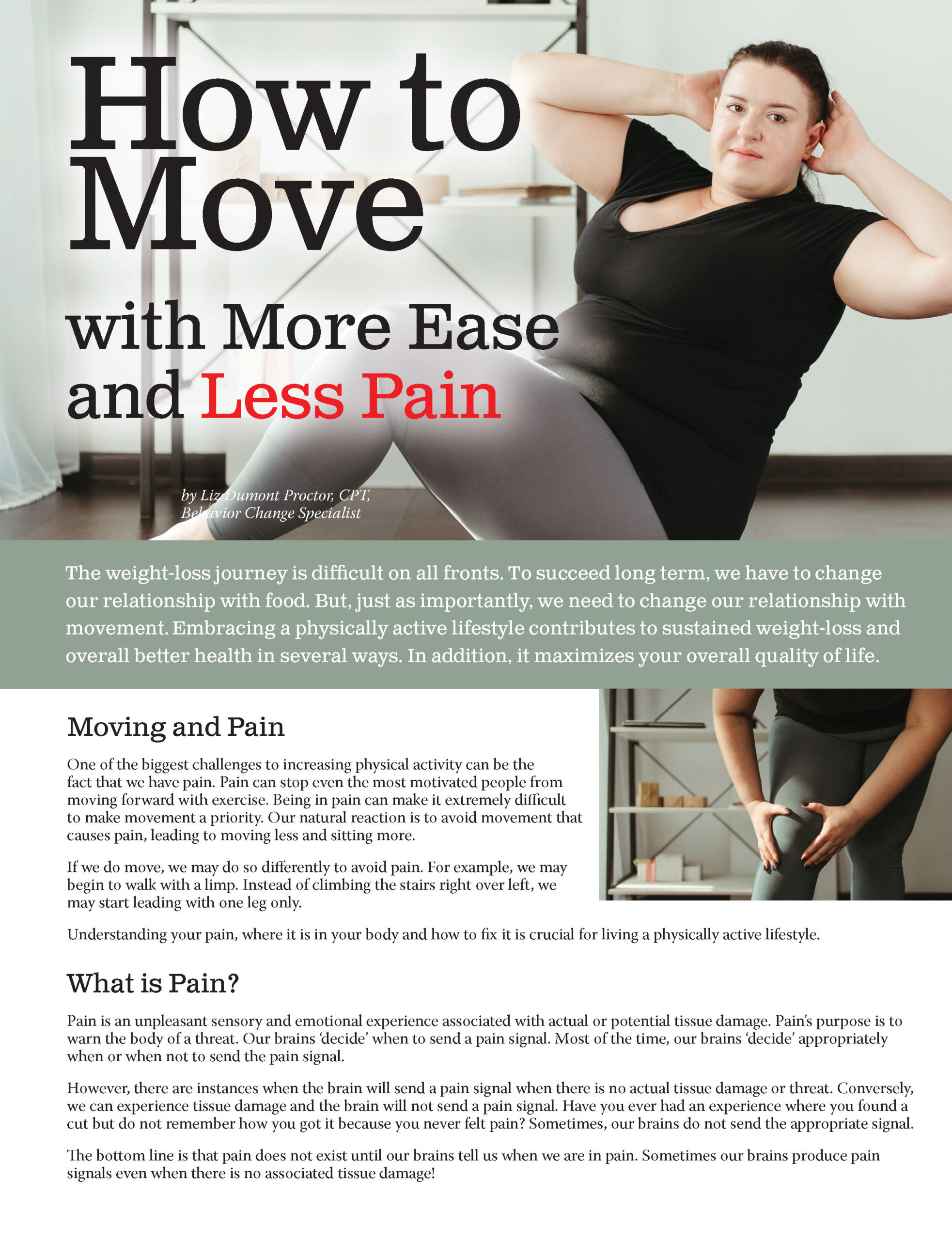
    Several workouts on this list are specifically well-suited for people with mobility limitations. Chair workouts can be done entirely from a seated position. Swimming and water aerobics support your body weight and reduce joint stress to near zero. Tai chi involves slow, controlled movements that can be modified for limited range of motion. Resistance band exercises can be done seated and adjusted to any strength level. Always consult your doctor or physical therapist before starting a new exercise program if you have chronic pain or mobility issues. They can help you identify which activities are safest for your specific condition and suggest modifications that keep you comfortable while building strength.

    Do I need to buy expensive equipment?

    No. Many of these workouts require little to no equipment. Dance workouts need only a clear space and music. Tai chi needs nothing but comfortable clothes. Hiking requires only appropriate shoes. Walking costs nothing. A set of resistance bands (under 30 dollars) and a yoga mat (under 25 dollars) open up dozens of workout options. The most important investment is a good pair of supportive shoes appropriate for your chosen activity – this is the one area where spending a bit more pays off in comfort, injury prevention, and workout enjoyment. Everything else can be acquired gradually as your practice evolves.

    How do I stay motivated when I am working out alone at home?

    Home workouts require different motivation strategies than gym workouts. Schedule your workouts on your calendar and treat them as non-negotiable appointments. Follow along with video instructors so you feel guided rather than alone. Join online fitness communities where plus-size women share their workout experiences and encourage each other. Track your progress in a journal or app and celebrate milestones. Create a workout playlist that energizes you. Set out your workout clothes the night before so there is less friction in the morning. Find an accountability partner – a friend, family member, or online buddy who checks in with you about your workouts. And on days when you truly do not want to exercise, commit to just five minutes. Most of the time, once you start moving, the resistance fades and you finish the full workout.
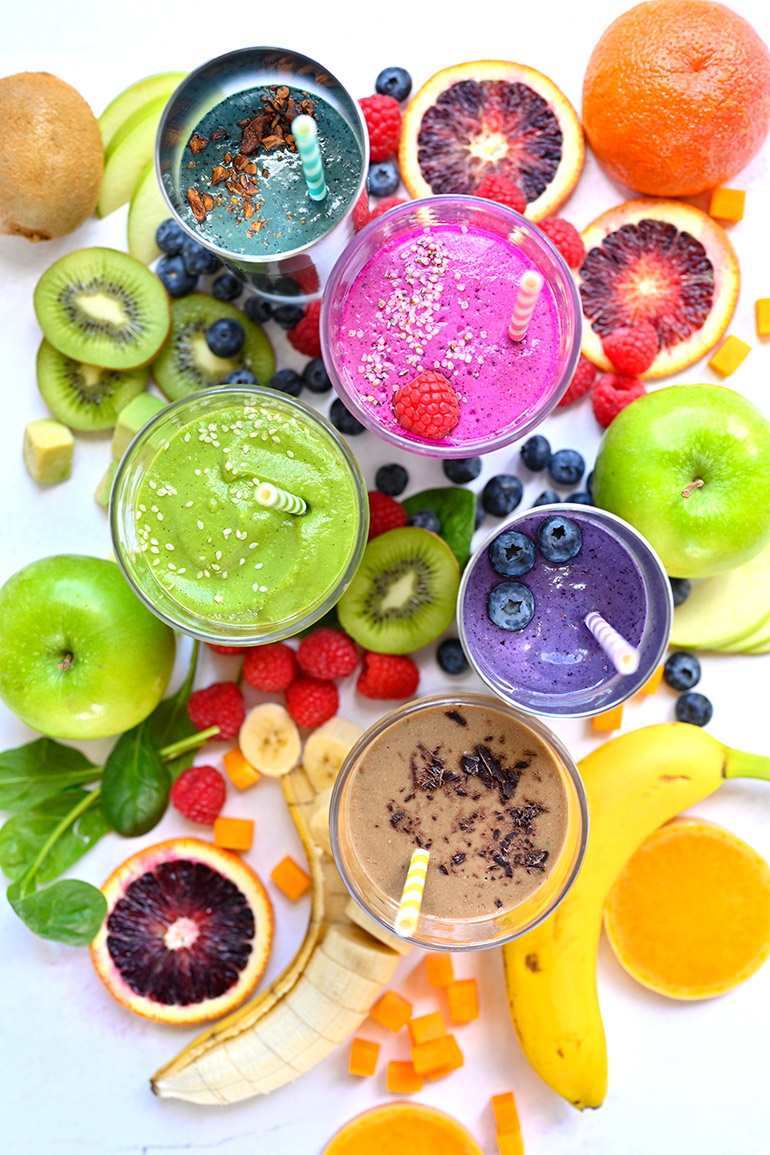
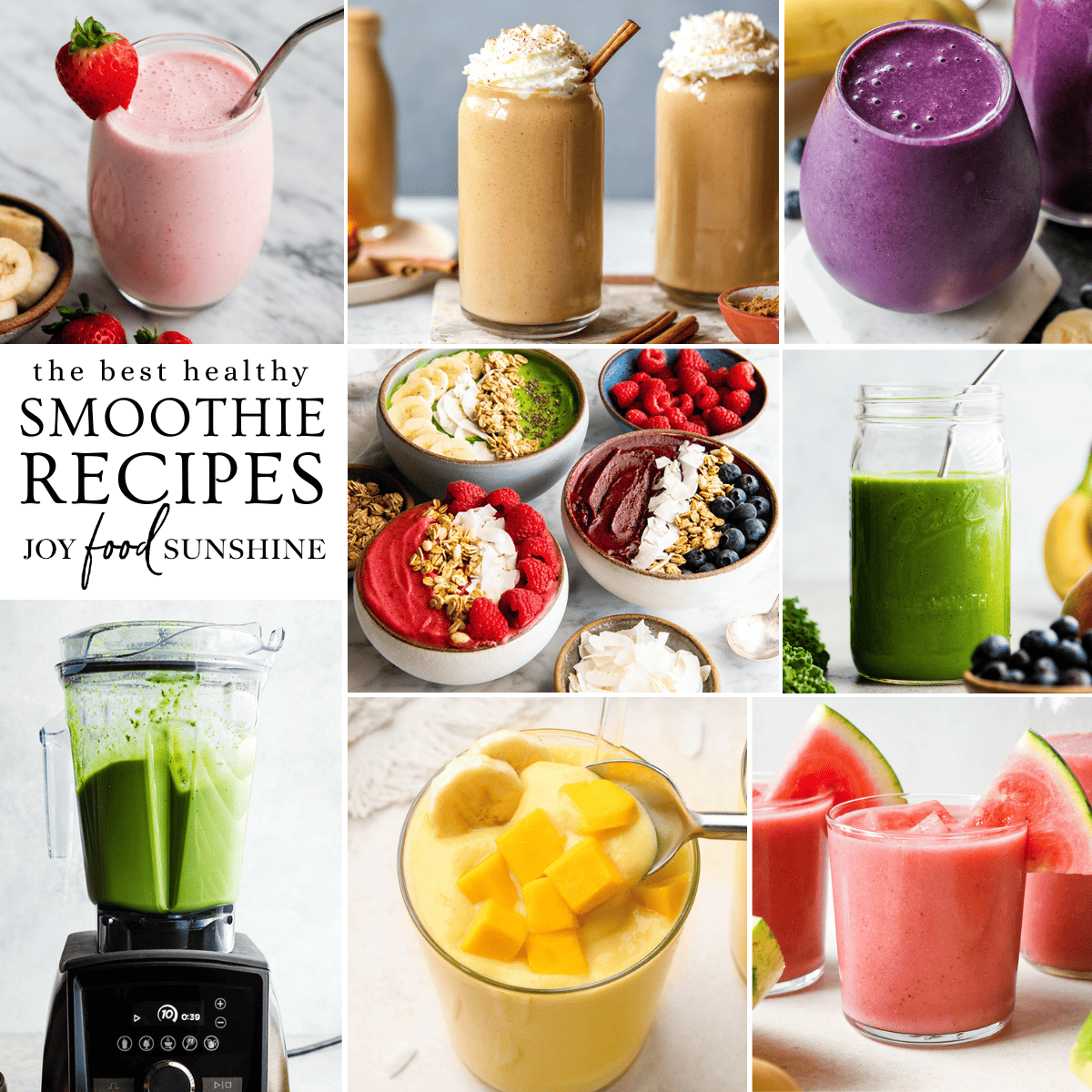
  • 10 Healthy Smoothie Recipes That Actually Keep You Full Until Lunch

    10 Healthy Smoothie Recipes That Actually Keep You Full Until Lunch

    We have all been there. You wake up with the best intentions, blend up a beautiful, colorful smoothie, post a photo of it looking all gorgeous and healthy, take a few sips, feel great about your life choices – and then by 10 AM you are so hungry that you could eat your keyboard. What happened? Was the smoothie a lie?

    Not exactly. The smoothie was probably delicious and full of vitamins. But if it was made mostly from fruit and juice (which is how most smoothie recipes are designed), it was essentially a liquid sugar bomb with very little protein, fat, or fiber to slow digestion. Your body processed it in about 45 minutes, your blood sugar spiked and crashed, and suddenly the vending machine started whispering your name.

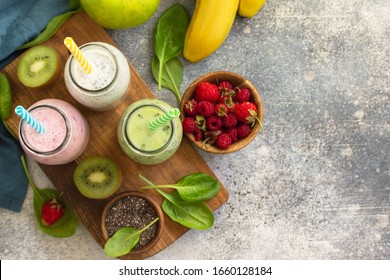
    The healthy smoothie recipes in this article are different. Every single one is designed with the science of satiety in mind – packed with protein to support muscle and metabolism, fiber to slow digestion, and healthy fats to keep your blood sugar stable. These are smoothies that genuinely function as meals, keeping you satisfied and energized from breakfast all the way to lunch. No mid-morning crash. No desperate snacking. Just sustained, comfortable fullness.

    Colorful array of healthy filling smoothies with fresh ingredients

    Why Most Smoothies Leave You Hungry an Hour Later

    Why Most Smoothies Leave You Hungry an Hour Later

    Understanding why typical smoothies fail at keeping you full helps you appreciate what makes these recipes different.

    Most smoothie recipes follow a basic formula: fruit plus liquid, maybe some yogurt. A typical recipe might call for a banana, a cup of berries, some orange juice, and a splash of honey. It tastes amazing. It photographs beautifully. And nutritionally, it is essentially the equivalent of eating a bowl of fruit – lots of natural sugar, some vitamins, minimal protein, minimal fat, and minimal fiber (because blending breaks down the fiber structure of whole fruit).

    When you drink this kind of smoothie, your body absorbs the sugars rapidly. Your blood sugar spikes. Your pancreas releases insulin to bring it back down. And then your blood sugar drops below where it started, triggering hunger signals and cravings for more sugar. It is a biochemical rollercoaster, and it is the reason you are starving by mid-morning.

    A truly filling smoothie needs three things working together: protein to trigger satiety hormones and support steady energy, fiber to slow the absorption of sugar and keep your digestive system working, and healthy fat to further slow digestion and provide long-lasting fuel. When all three are present, your smoothie becomes a complete meal that keeps your blood sugar stable for hours. These healthy smoothie recipes deliver all three in every glass.

    The Three Keys to a Truly Filling Smoothie

    The Three Keys to a Truly Filling Smoothie

    Key 1 – At Least 20 Grams of Protein

    Key 1 - At Least 20 Grams of Protein

    Protein is the most satiating macronutrient. It triggers the release of hormones like GLP-1 and PYY that signal fullness to your brain, and it takes longer to digest than carbohydrates. A filling smoothie needs at least 20 grams of protein. The best sources include protein powder (whey, pea, or hemp), Greek yogurt, silken tofu, cottage cheese, and nut butters. A high-quality plant-based protein powder is one of the easiest ways to hit this target without adding a lot of volume.

    Key 2 – At Least 5 Grams of Fiber

    Fiber slows digestion, feeds your gut bacteria, and creates physical bulk in your stomach that signals fullness. Great fiber sources for smoothies include flaxseed, chia seeds, oats, spinach, avocado, and berries (which have more fiber than most fruits). Ground flaxseed is particularly good because it adds fiber without significantly changing the texture.

    Key 3 – A Source of Healthy Fat

    Key 3 - A Source of Healthy Fat

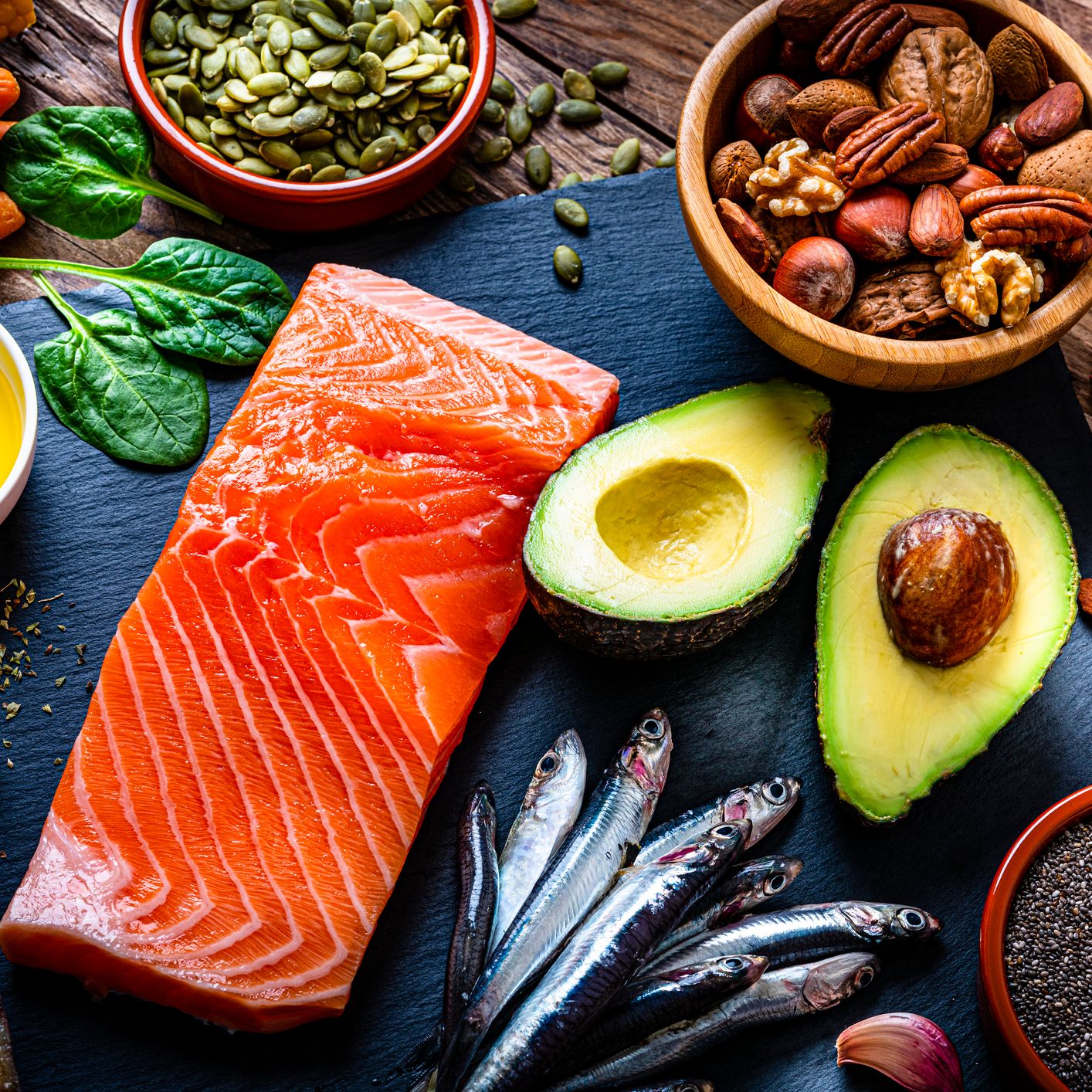
    Fat takes the longest to digest of all macronutrients, which is why it is so effective at sustaining fullness. Good smoothie fats include avocado (which also makes smoothies incredibly creamy), nut butters, chia seeds, flaxseed, coconut oil, and full-fat yogurt. You do not need a lot – one to two tablespoons of a fat source is usually enough to significantly extend your smoothie’s staying power.

    10 Healthy Smoothie Recipes That Keep You Satisfied

    10 Healthy Smoothie Recipes That Keep You Satisfied

    Each of these recipes serves one and provides at least 20 grams of protein, 5 grams of fiber, and a source of healthy fat. They are all designed to keep you comfortably full for four to five hours.

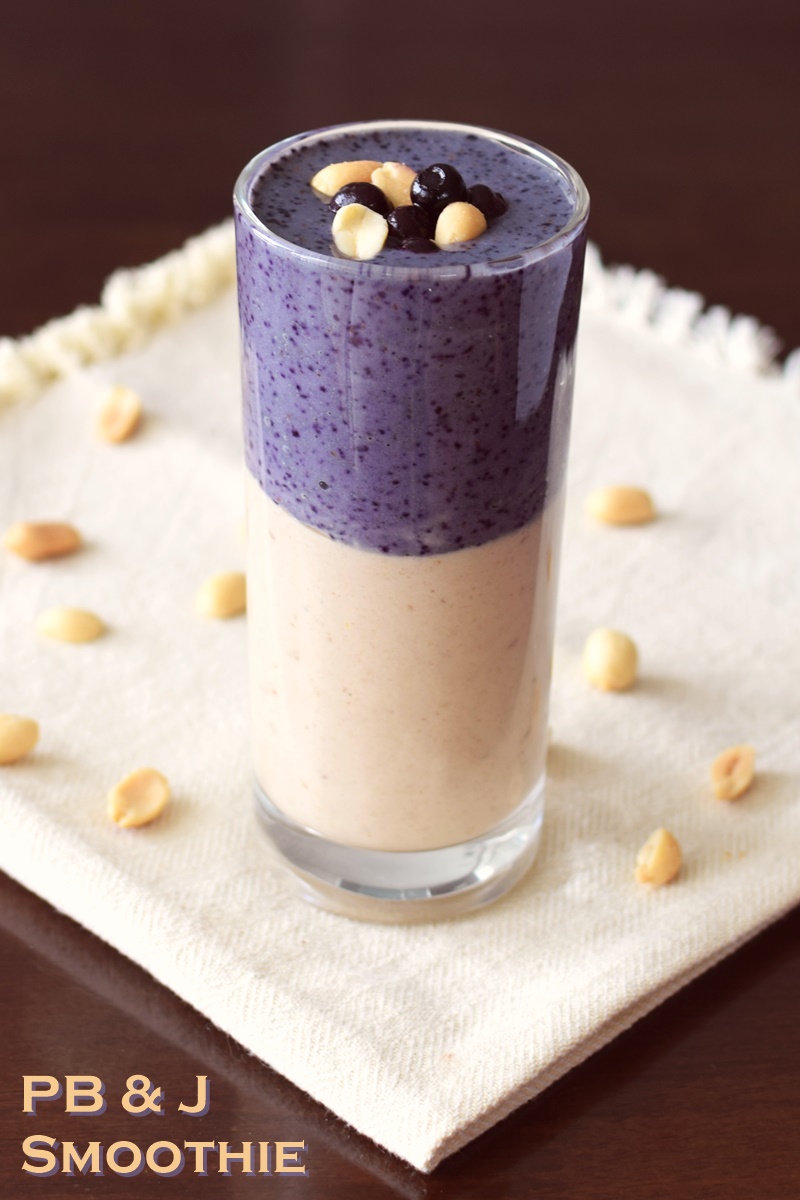
    Recipe 1 – The PB and J Power Smoothie

    Recipe 1 - The PB and J Power Smoothie

    Blend together one cup of frozen mixed berries, one scoop of vanilla protein powder, two tablespoons of natural peanut butter, one tablespoon of ground flaxseed, one cup of unsweetened almond milk, and a handful of ice. This tastes like a peanut butter and jelly sandwich in liquid form. The peanut butter provides healthy fats and protein, the berries deliver fiber and antioxidants, and the flaxseed adds omega-3s. About 30 grams of protein, 8 grams of fiber.

    Recipe 2 – The Green Machine

    Recipe 2 - The Green Machine

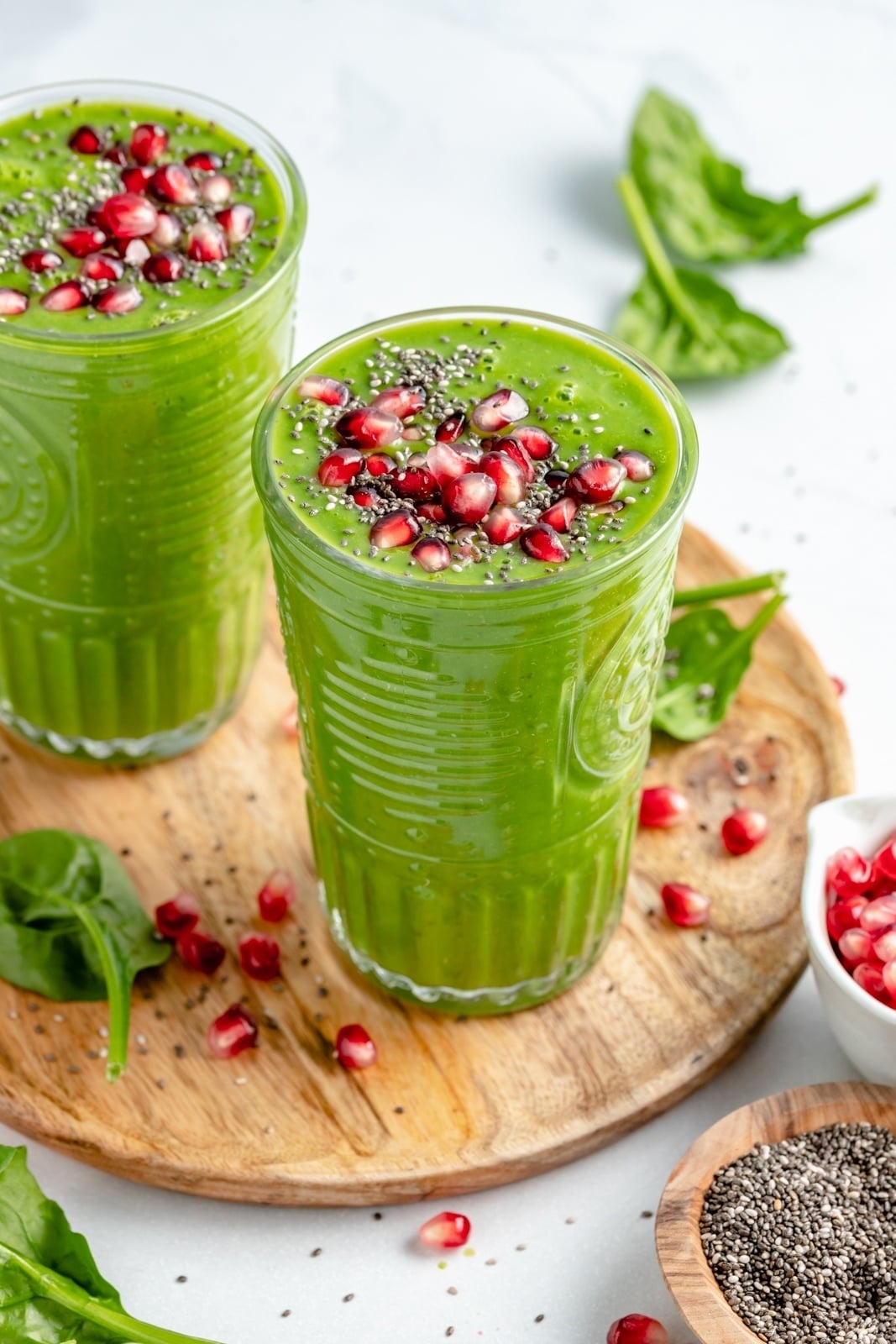
    Blend together two large handfuls of spinach, half a frozen banana, half an avocado, one scoop of vanilla or unflavored protein powder, one tablespoon of chia seeds, one cup of unsweetened oat milk, and a squeeze of lemon juice. The avocado makes this incredibly creamy while providing healthy fats that keep you full for hours. The spinach is virtually undetectable taste-wise but adds iron, fiber, and a gorgeous green color. About 25 grams of protein, 10 grams of fiber.

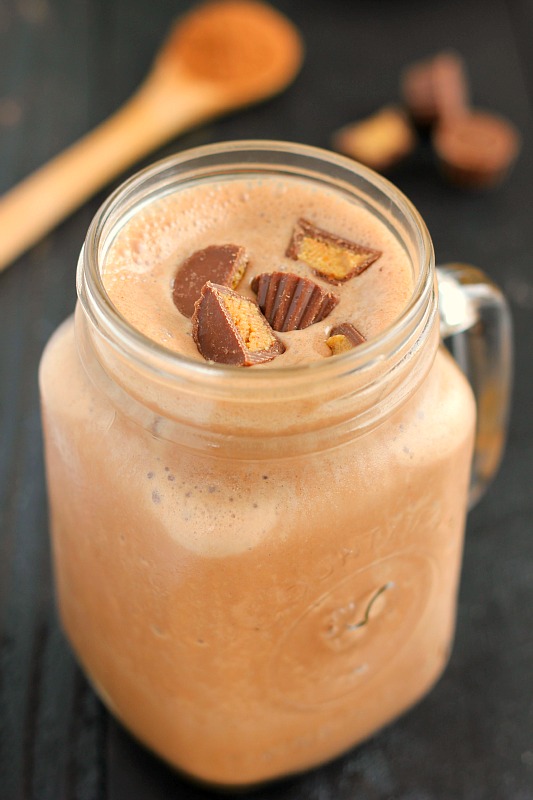
    Recipe 3 – Chocolate Peanut Butter Cup Smoothie

    Recipe 3 - Chocolate Peanut Butter Cup Smoothie

    Blend together one scoop of chocolate protein powder, two tablespoons of natural peanut butter, one frozen banana, one tablespoon of cocoa powder, one cup of unsweetened almond milk, and a handful of ice. This tastes indulgent but is packed with nutrition. The combination of chocolate and peanut butter is deeply satisfying, and this smoothie contains enough protein and fat to power you through even the busiest morning. About 35 grams of protein, 6 grams of fiber.

    Recipe 4 – Tropical Sunshine Smoothie

    Recipe 4 - Tropical Sunshine Smoothie

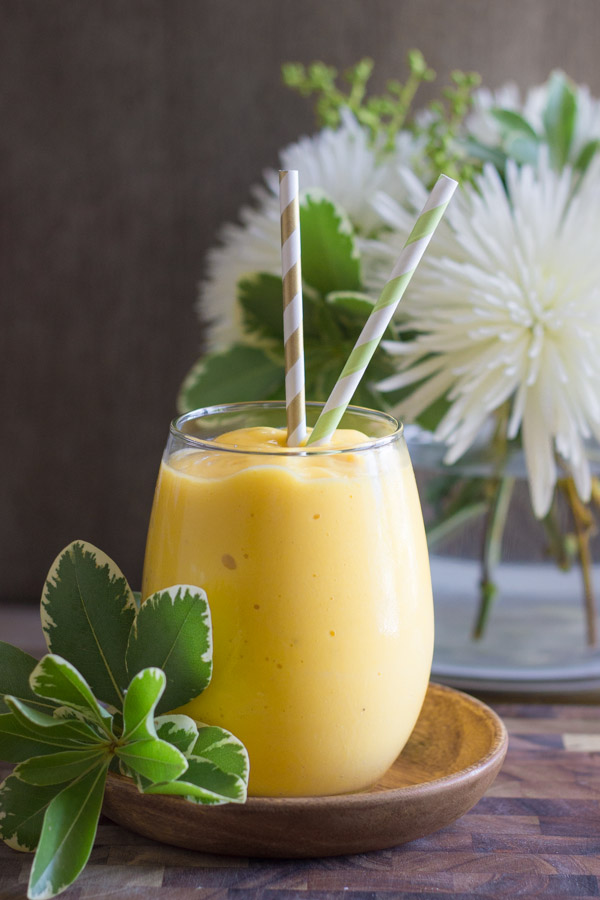
    Blend together one cup of frozen mango chunks, half a cup of frozen pineapple, one scoop of vanilla protein powder, quarter cup of full-fat coconut milk, one tablespoon of hemp seeds, half a cup of unsweetened coconut water, and a handful of ice. This is summer in a glass. The coconut milk provides satisfying fats, the hemp seeds add complete plant protein, and the tropical fruits bring natural sweetness and fiber. About 25 grams of protein, 5 grams of fiber.

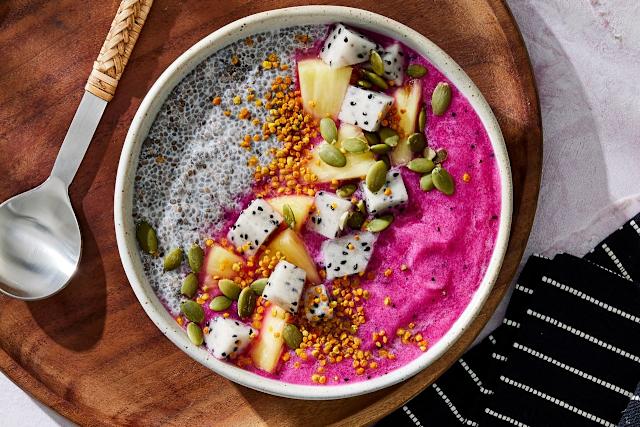
    Recipe 5 – Berry Oatmeal Smoothie Bowl

    Recipe 5 - Berry Oatmeal Smoothie Bowl

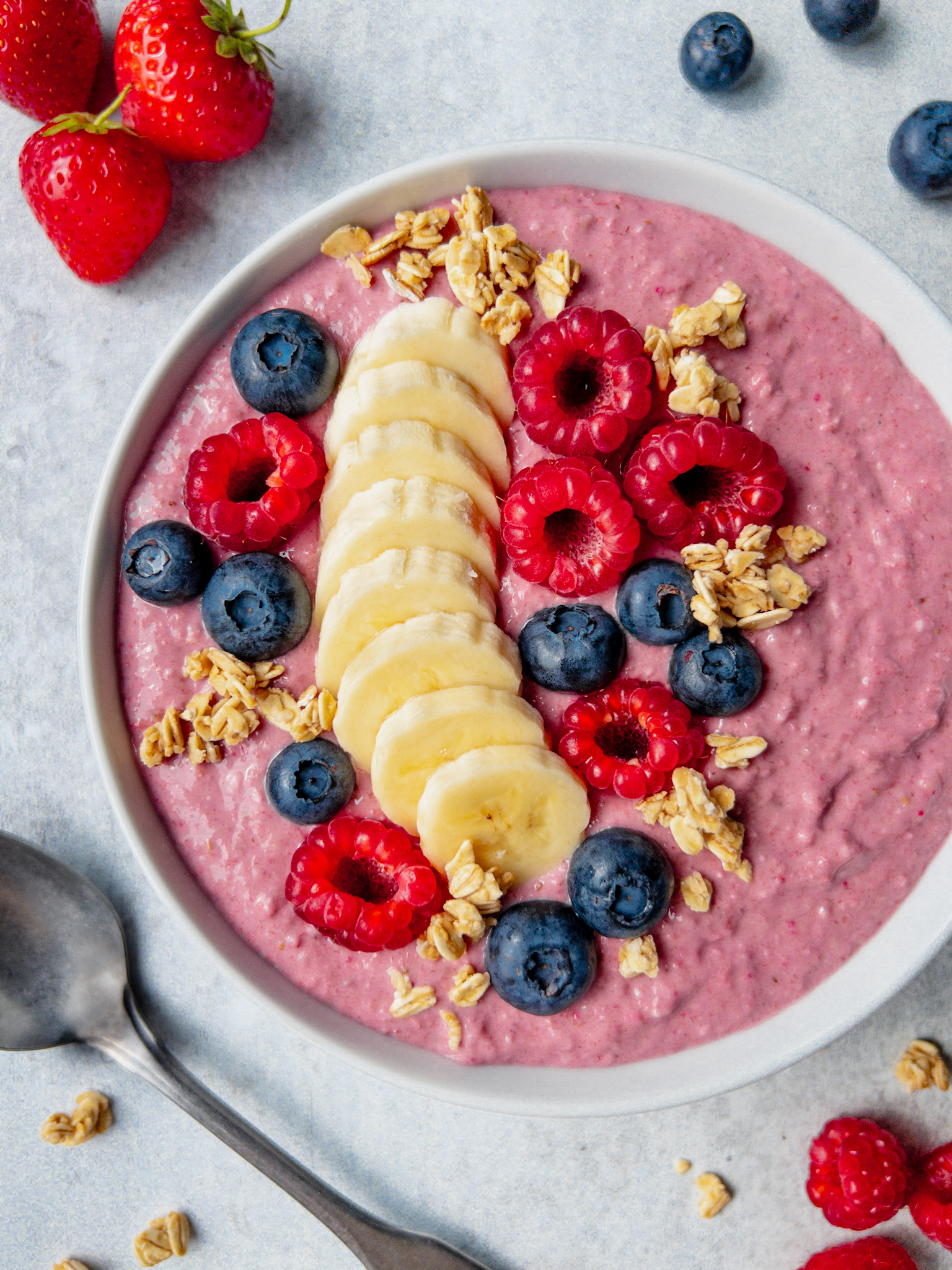
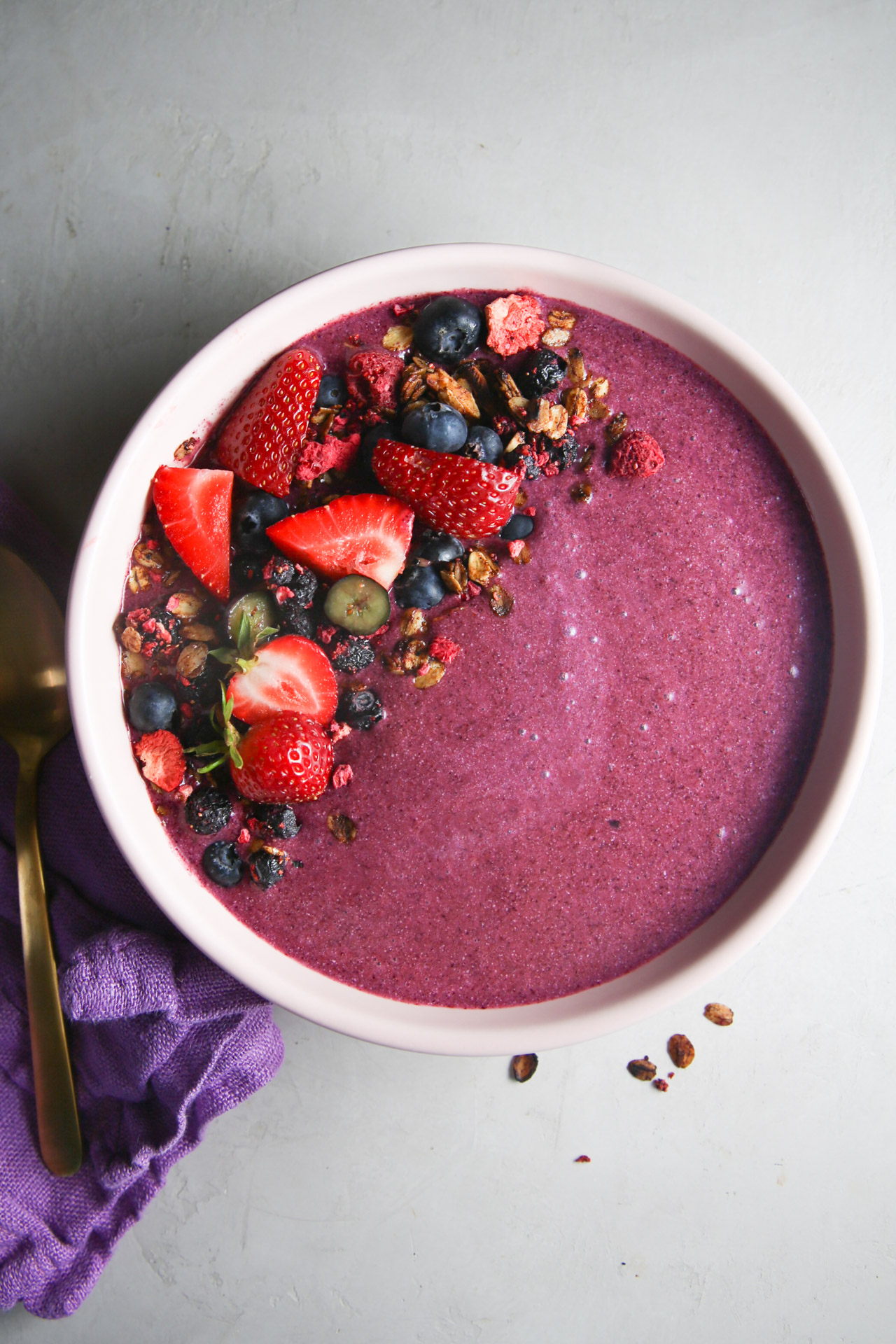
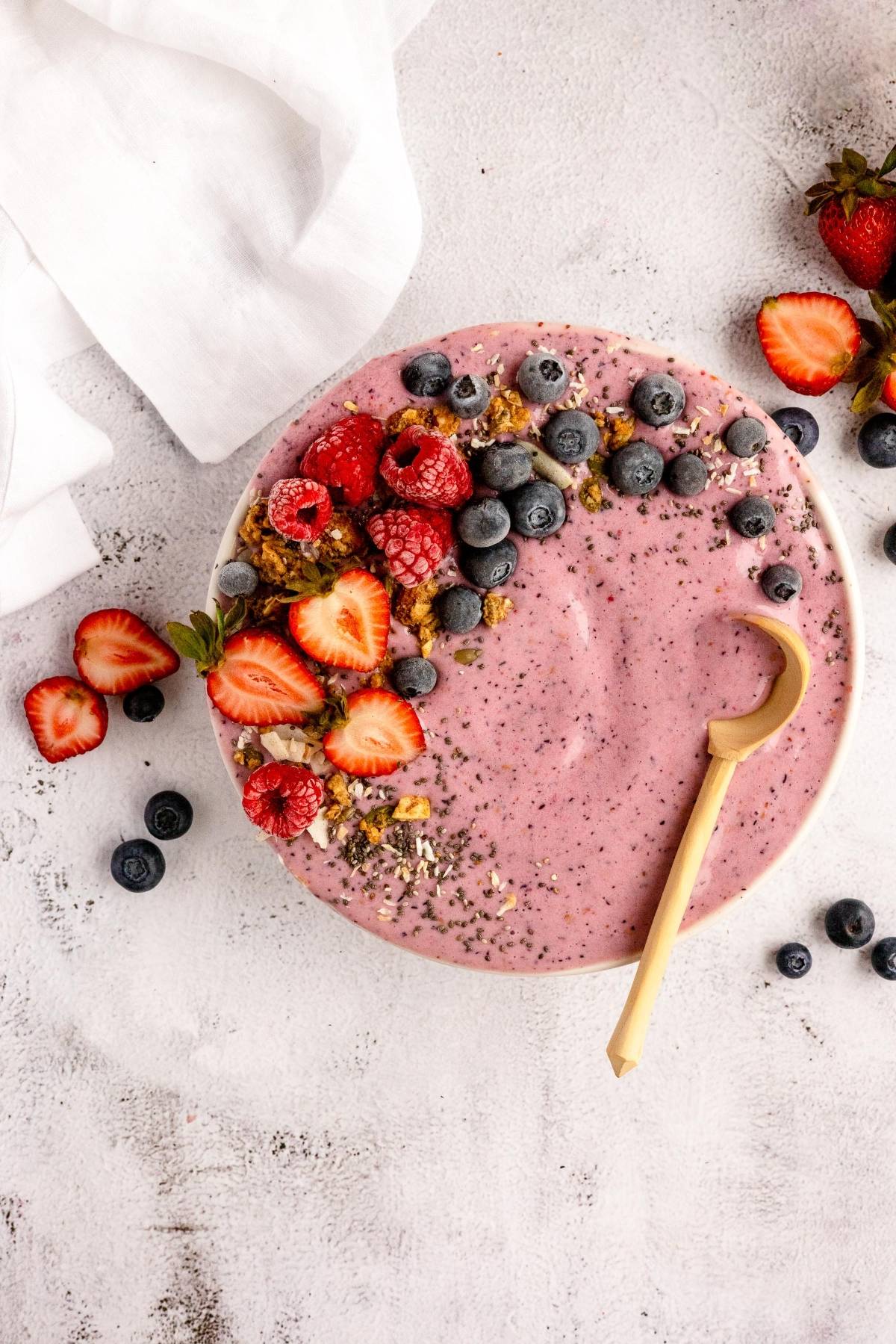
    Blend together one cup of frozen mixed berries, half a cup of rolled oats, three-quarters cup of Greek yogurt, one tablespoon of almond butter, half a cup of unsweetened almond milk, and a drizzle of honey if needed. Pour into a bowl and top with sliced almonds, fresh berries, and a sprinkle of granola. Eating this with a spoon instead of drinking it through a straw actually increases satiety because your brain registers it as a meal. About 28 grams of protein, 8 grams of fiber. A high-quality personal blender makes preparing smoothies like this quick and painless.

    Gorgeous smoothie bowl topped with berries granola and nut butter

    Recipe 6 – Vanilla Chai Protein Smoothie

    Recipe 6 - Vanilla Chai Protein Smoothie

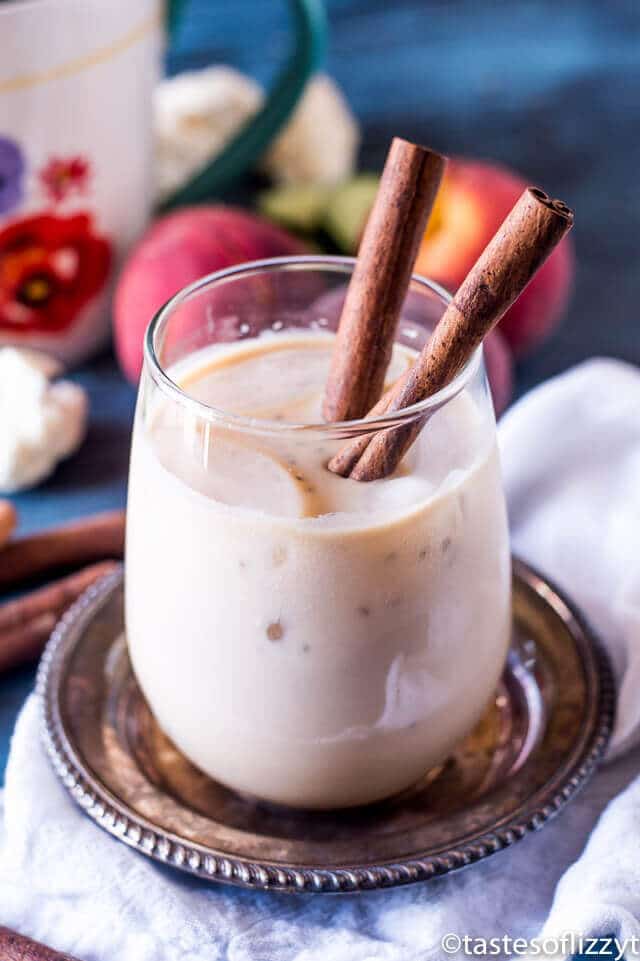
    Blend together one scoop of vanilla protein powder, half a frozen banana, one cup of brewed chai tea (cooled), quarter teaspoon each of cinnamon, ginger, and cardamom, one tablespoon of cashew butter, one tablespoon of ground flaxseed, and a handful of ice. This is like drinking a chai latte that actually keeps you full. The warm spices are anti-inflammatory and the combination of protein powder, cashew butter, and flaxseed creates a wonderfully satiating texture. About 27 grams of protein, 6 grams of fiber.

    Recipe 7 – Apple Pie Smoothie

    Recipe 7 - Apple Pie Smoothie

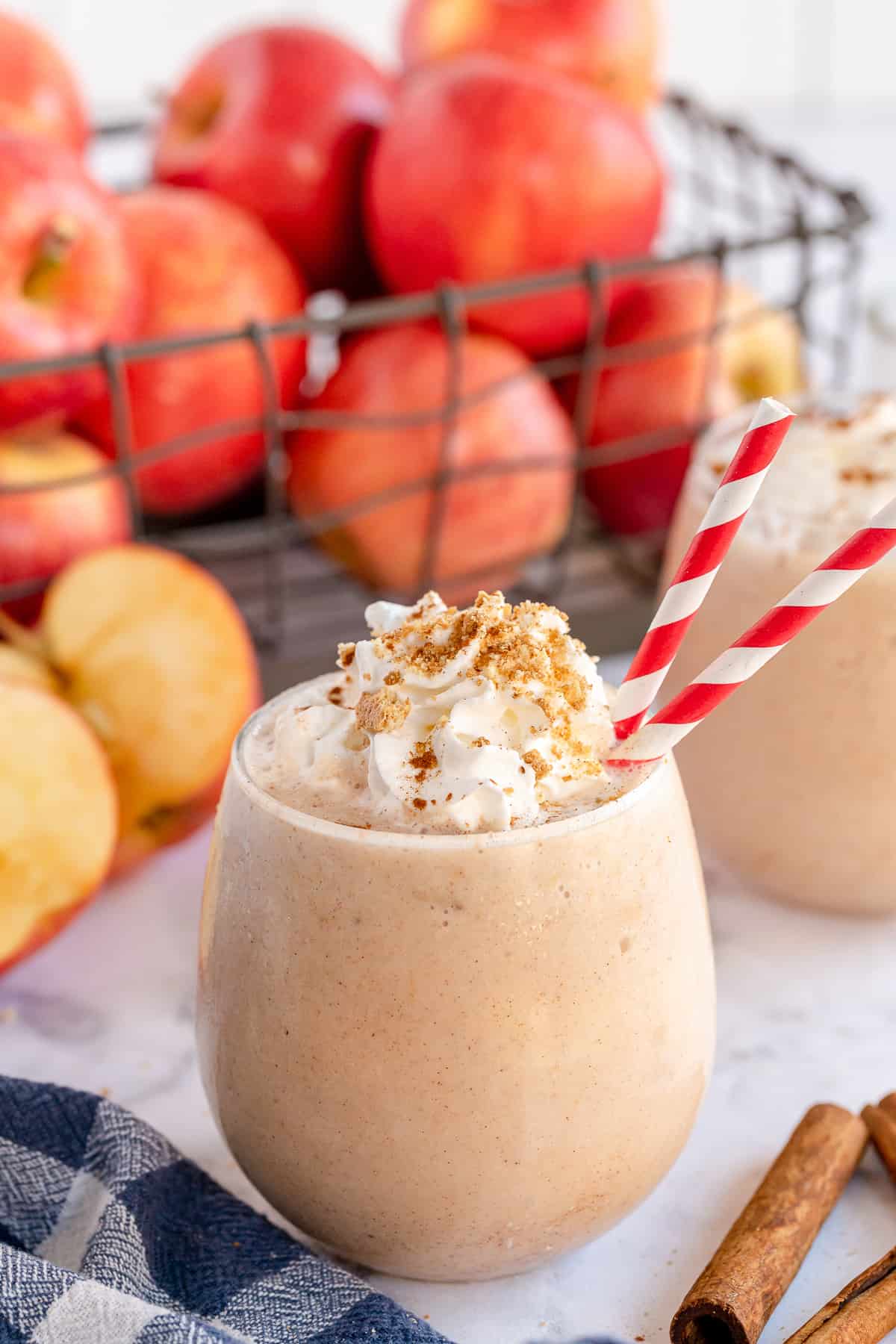
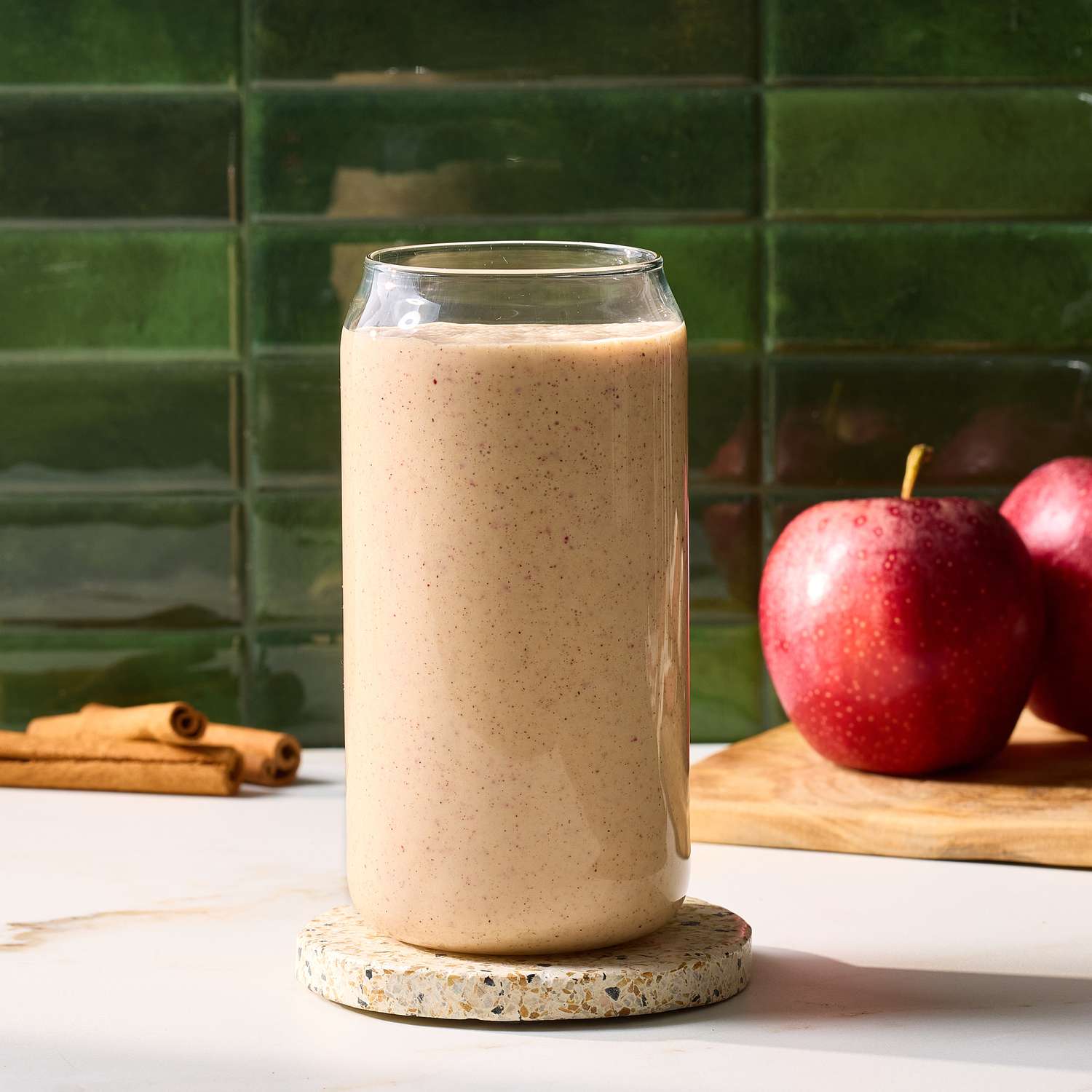
    Blend together one medium apple (cored, skin on), half a cup of rolled oats, one scoop of vanilla protein powder, one tablespoon of almond butter, one teaspoon of cinnamon, a pinch of nutmeg, one cup of unsweetened almond milk, and a handful of ice. Leaving the skin on the apple adds extra fiber, and the oats create a thick, satisfying texture that genuinely feels like drinking apple pie. About 26 grams of protein, 9 grams of fiber.

    Recipe 8 – Coffee Protein Mocha Smoothie

    Recipe 8 - Coffee Protein Mocha Smoothie

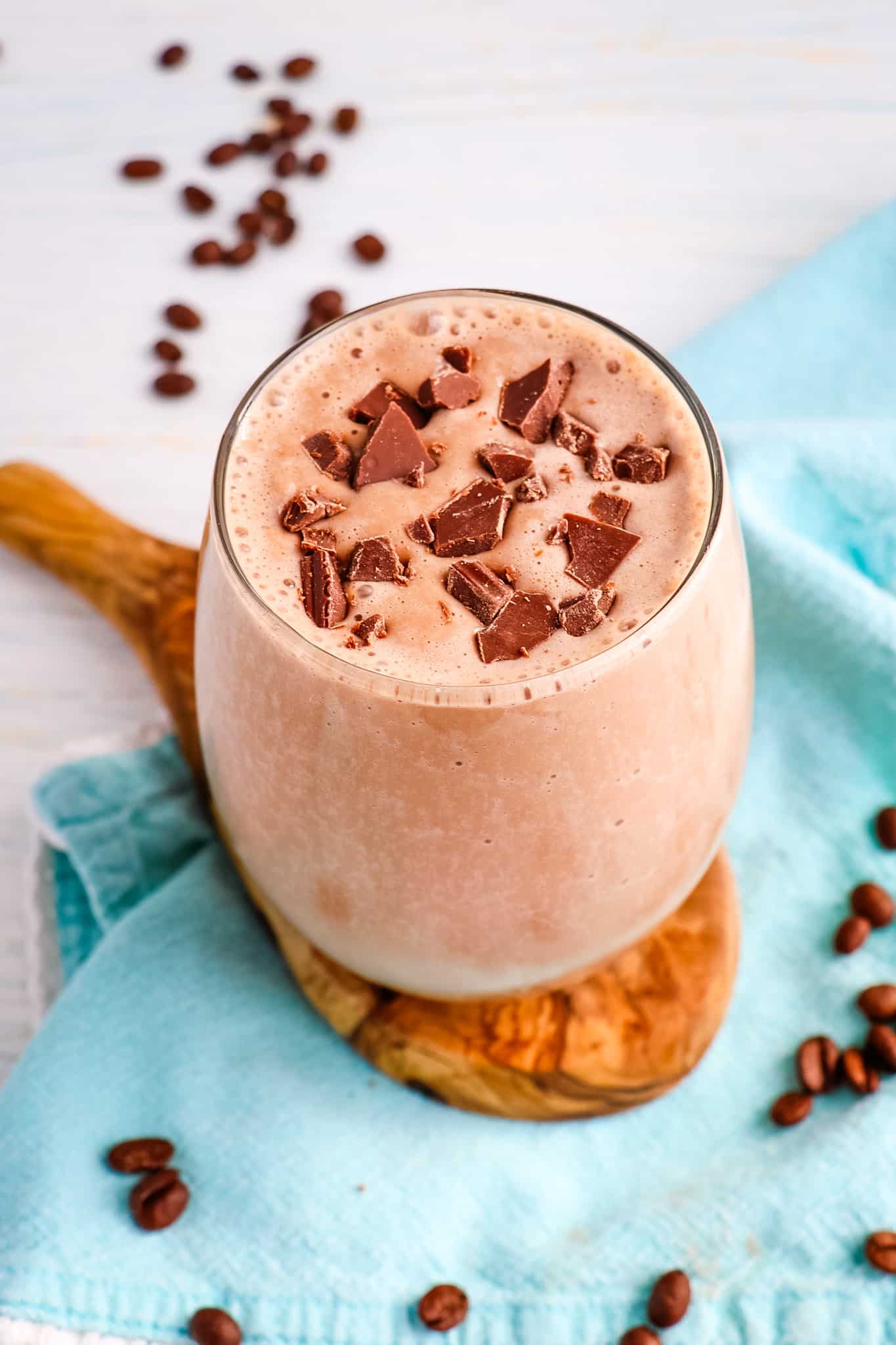
    Blend together one cup of cold brew coffee, one scoop of chocolate protein powder, half a frozen banana, one tablespoon of almond butter, one tablespoon of cacao nibs, half a cup of unsweetened oat milk, and a handful of ice. This is for the people who need their coffee and their breakfast but do not have time for both. The cold brew provides caffeine for alertness while the protein and healthy fats prevent the jitters. About 30 grams of protein, 5 grams of fiber.

    Recipe 9 – Blueberry Muffin Smoothie

    Recipe 9 - Blueberry Muffin Smoothie

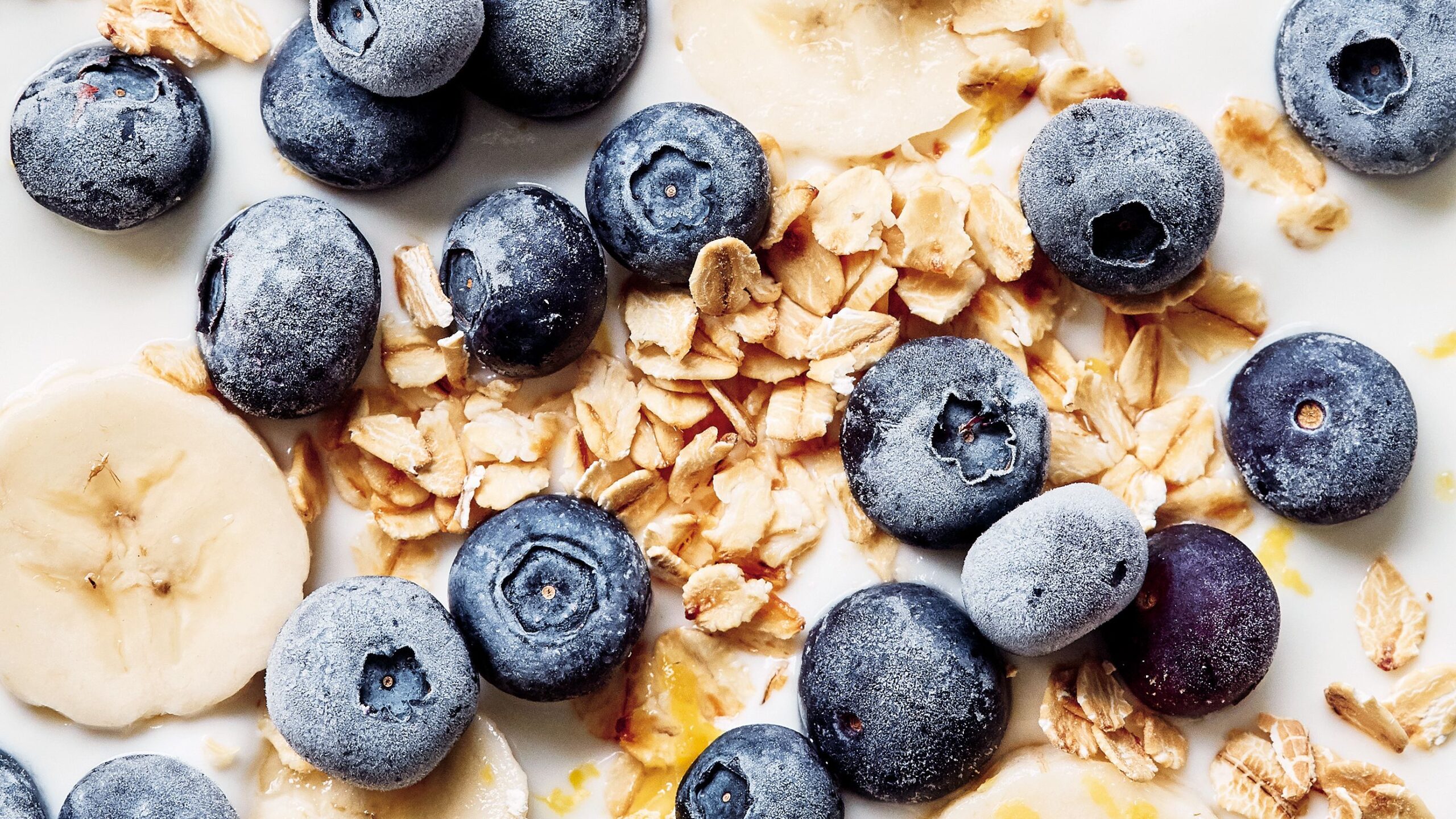
    Blend together one cup of frozen blueberries, half a cup of rolled oats, three-quarters cup of vanilla Greek yogurt, one tablespoon of ground flaxseed, a pinch of vanilla extract, one cup of unsweetened almond milk, and a squeeze of lemon. This tastes remarkably like a blueberry muffin but is packed with antioxidants, protein, and fiber. Blueberries are one of the most nutrient-dense fruits you can eat, and pairing them with Greek yogurt and oats creates lasting fullness. About 24 grams of protein, 8 grams of fiber.

    Recipe 10 – Pumpkin Spice Protein Smoothie

    Recipe 10 - Pumpkin Spice Protein Smoothie

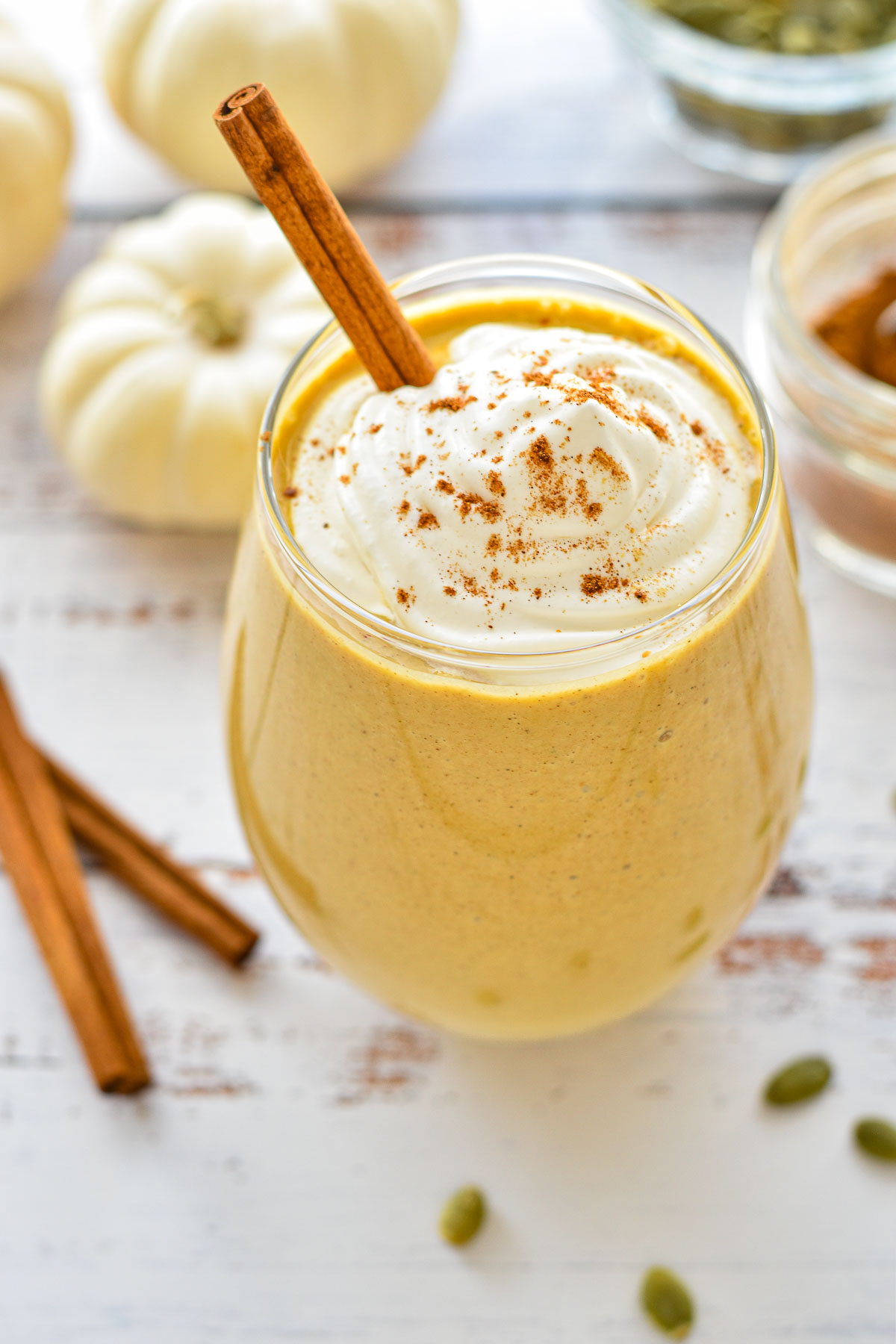
    Blend together half a cup of canned pumpkin puree (not pie filling), one scoop of vanilla protein powder, half a frozen banana, one tablespoon of maple syrup, one teaspoon of pumpkin pie spice, one tablespoon of chia seeds, one cup of unsweetened oat milk, and a handful of ice. Pumpkin is secretly one of the best smoothie ingredients – it is low in calories, high in fiber, packed with beta-carotene, and creates an incredibly creamy texture. This smoothie is amazing year-round, not just in autumn. About 28 grams of protein, 9 grams of fiber.

    Smoothie Add-Ins That Boost Fullness

    Smoothie Add-Ins That Boost Fullness

    Want to make any smoothie more filling? Add one or two of these ingredients.

    Chia Seeds

    Chia Seeds

    Just one tablespoon of chia seeds adds 5 grams of fiber and 2 grams of protein. When they absorb liquid, they expand and create a gel-like texture that physically fills your stomach and slows digestion. Add them to your blender or stir them in after blending and let the smoothie sit for a few minutes.

    Rolled Oats

    Rolled Oats

    Half a cup of rolled oats adds about 4 grams of fiber and 5 grams of protein, plus complex carbohydrates that provide sustained energy. They blend smoothly and create a satisfying, thick texture. Oats also contain beta-glucan, a type of soluble fiber that is particularly effective at promoting fullness.

    Avocado

    Avocado

    A quarter or half avocado adds creamy richness, healthy monounsaturated fats, and fiber. You will not taste the avocado (especially alongside strong flavors like chocolate or berries), but you will feel its satiating effects for hours. It also makes smoothies incredibly smooth and silky.

    Collagen Peptides

    Collagen Peptides

    A scoop of unflavored collagen peptides adds 10 to 15 grams of protein without changing the taste or texture of your smoothie. Collagen also supports skin, hair, and joint health, making it a multi-benefit add-in.

    Cottage Cheese

    Cottage Cheese

    This might sound unusual, but blending half a cup of cottage cheese into a smoothie adds 14 grams of protein and creates an incredibly creamy, thick texture. The cottage cheese flavor is completely masked by other ingredients. It is one of the most effective (and affordable) ways to boost protein in a smoothie.

    Frozen Cauliflower Rice

    Frozen Cauliflower Rice

    Adding half a cup of frozen cauliflower rice to a smoothie adds bulk, fiber, and nutrients without adding significant calories or changing the flavor. It blends completely smooth and is virtually undetectable. This is a great trick for making a smoothie feel more substantial without adding more sugar from fruit.

    Smoothie Meal Prep Tips for Busy Mornings

    Smoothie Meal Prep Tips for Busy Mornings

    The biggest barrier to making healthy smoothie recipes consistently is time. Here is how to make it effortless.

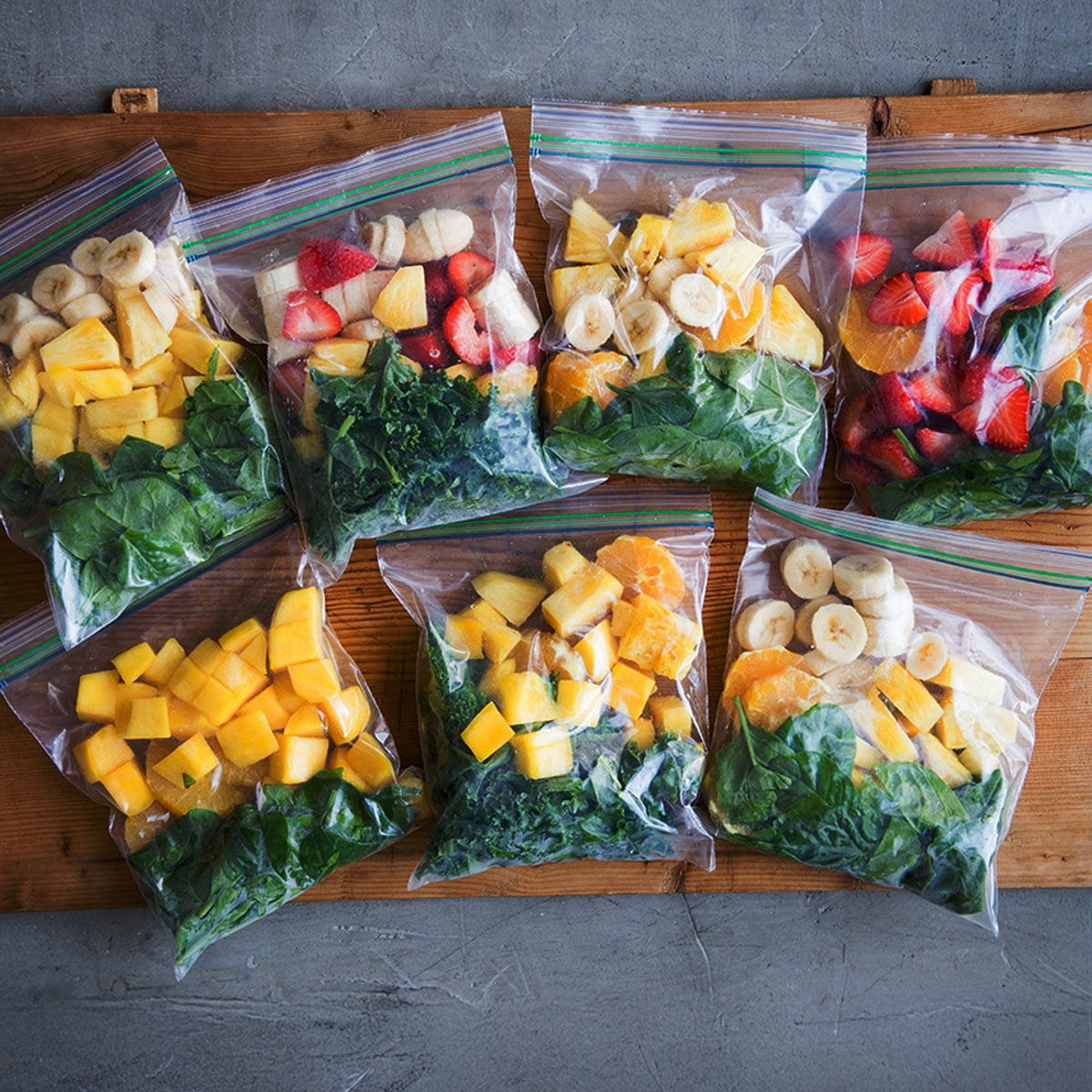
    Smoothie Freezer Packs

    Smoothie Freezer Packs

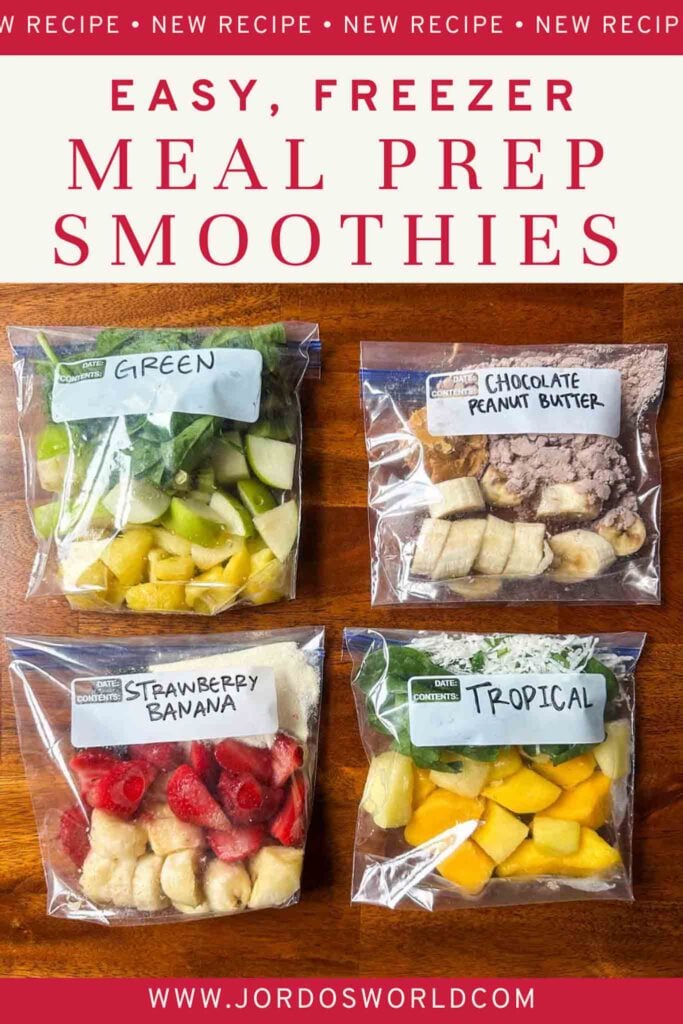
    Spend 20 minutes on the weekend prepping smoothie packs for the entire week. For each pack, measure out the frozen fruit, greens, oats, seeds, and any other solid ingredients into a freezer bag or container. Label each pack with the recipe name. In the morning, dump the pack into your blender, add your liquid and protein powder, blend, and go. This cuts your morning prep time to about two minutes.

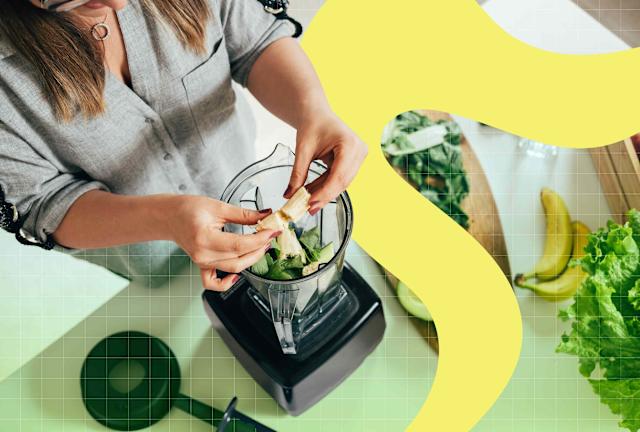
    Invest in a Good Blender

    A high-powered blender makes a noticeable difference in smoothie texture. It pulverizes oats, seeds, and greens into a silky-smooth consistency that is much more enjoyable to drink than the chunky results from a less powerful machine. It is also faster, which matters on busy mornings. Consider it an investment in your health routine.

    Prep Your Protein

    Prep Your Protein

    Pre-measure individual servings of protein powder into small containers or bags. When each scoop is already measured out, it eliminates one more decision from your morning routine. You can also pre-mix dry ingredients like protein powder, ground flaxseed, and spices together for each recipe.

    Make It the Night Before

    Make It the Night Before

    Most smoothies hold up well in the refrigerator overnight, especially if they contain oats or chia seeds (which actually improve in texture as they absorb liquid). Blend your smoothie the night before, pour it into a jar with a lid, and grab it from the fridge in the morning. Give it a quick shake or stir before drinking.

    Organized smoothie meal prep setup with freezer packs and finished smoothies

    These healthy smoothie recipes are designed to change your relationship with breakfast. No more choosing between something fast and something that actually keeps you full. No more smoothies that taste healthy but leave you ravenous. Every recipe here delivers genuine, lasting satiety alongside real nutrition. Pick one, try it tomorrow morning, and see how you feel at noon. We think you will be pleasantly surprised.

    Key Takeaways

    • Most smoothies fail at fullness because they are mostly fruit and juice – they spike blood sugar and leave you hungry within an hour.
    • A truly filling smoothie needs at least 20 grams of protein, 5 grams of fiber, and a source of healthy fat to keep blood sugar stable and sustain fullness for 4 to 5 hours.
    • Every recipe in this article hits these targets and tastes genuinely delicious – from Chocolate Peanut Butter Cup to Apple Pie to Pumpkin Spice.
    • Top fullness-boosting add-ins include chia seeds, rolled oats, avocado, collagen peptides, and cottage cheese – each adds protein, fiber, or healthy fats without ruining the flavor.
    • Smoothie freezer packs prepped on the weekend cut morning prep time to under two minutes and make consistent healthy breakfasts effortless.

    Frequently Asked Questions

    Can these smoothies help with weight management?

    Can these smoothies help with weight management?

    Yes, when used as a meal replacement for breakfast, these smoothies can support weight management because they provide balanced nutrition with controlled portions. The high protein and fiber content reduces overall calorie intake by keeping you full and eliminating the need for mid-morning snacking. However, smoothies work best for weight management when they replace a meal rather than being consumed in addition to one. Pay attention to portion sizes and avoid adding extra sweeteners beyond what the recipes call for. The goal is nourishing your body, not restricting it.

    Are smoothies as filling as solid food?

    Are smoothies as filling as solid food?

    Research is mixed, but generally, liquid calories are less satiating than solid food calories because drinking bypasses some of the chewing and digestive signals that tell your brain you are eating a meal. However, the smoothie recipes in this article are specifically designed to combat this by including thick, fiber-rich ingredients that slow gastric emptying and trigger fullness hormones. Making smoothies thicker (smoothie bowl style) and eating them with a spoon can further increase satiety. The protein, fat, and fiber combination in these recipes makes them significantly more filling than typical smoothies.

    Can I use these recipes if I am lactose intolerant or vegan?

    Absolutely. Every recipe can be adapted for dietary preferences. Replace dairy milk with almond, oat, or coconut milk. Replace Greek yogurt with coconut yogurt or silken tofu. Use plant-based protein powder instead of whey. Replace collagen with an additional scoop of plant protein. Nut butters, avocado, chia seeds, and hemp seeds are all naturally vegan and provide excellent protein and fat. The flavor and fullness factor remain just as strong with plant-based substitutions.

    Is it okay to drink a smoothie for breakfast every single day?

    Yes, as long as your smoothie provides balanced nutrition – which all ten recipes in this article do. A well-made smoothie with protein, fiber, healthy fats, and micronutrients from fruits and vegetables is a completely valid daily breakfast. The key is variety – rotating between different recipes ensures you get a diverse range of nutrients over the course of the week. If you notice any digestive discomfort from daily smoothies, try reducing the amount of raw greens or adding a digestive-friendly ingredient like ginger.

  • 10 Healthy Relationship Habits Every Couple Should Practice Daily

    10 Healthy Relationship Habits Every Couple Should Practice Daily

    Why Daily Habits Matter More Than Grand Gestures

    We live in a culture that romanticizes the grand gesture. The surprise proposal on a mountaintop. The dozen roses delivered to your office. The elaborate anniversary trip. And while those moments are beautiful, they are not what hold a relationship together. What holds a relationship together are the tiny, consistent, often unglamorous things you do for each other every single day. The healthy relationship habits you practice when no one is watching and no one is keeping score.

    Research from the Gottman Institute – one of the most respected relationship research organizations in the world – has consistently shown that the difference between couples who stay together and couples who fall apart comes down to daily interactions. Couples who thrive do not necessarily argue less or have fewer challenges. They simply have more positive interactions than negative ones in their day-to-day lives. The magic ratio, according to decades of research, is five positive interactions for every negative one.

    That means the health of your relationship is not determined by how you handle your anniversary. It is determined by how you handle a Tuesday morning when you are both running late, the coffee maker is broken, and neither of you slept well. It is determined by the text you send in the middle of a busy workday just to say “thinking of you.” It is determined by the way you greet each other when you walk through the door at the end of a long day.

    These 10 healthy relationship habits are not complicated. They do not require a lot of time, money, or effort. But they do require intention, consistency, and the willingness to show up for your partner and your relationship even when it does not feel exciting or convenient. Because love is not just a feeling – it is a practice. And like any practice, it gets stronger the more consistently you do it.

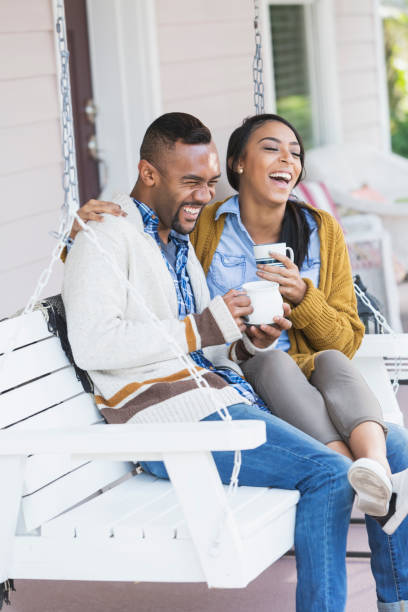
    Couple laughing together on a porch swing with coffee in the morning light

    Habit 1 – Check In With Each Other Every Single Day

    Habit 1 - Check In With Each Other Every Single Day

    Life gets busy. Between work, responsibilities, social obligations, and the general chaos of being a functioning adult, it is surprisingly easy to go entire days without having a meaningful conversation with the person you share your life with. You might exchange logistical information – who is picking up groceries, when the bills are due, what time the appointment is – but logistics are not connection.

    A daily check-in is a deliberate moment where you pause and actually ask your partner how they are doing – not in the “fine, how are you” automatic way, but with genuine curiosity. “How was your day, really?” “What is on your mind tonight?” “Is there anything you need from me right now?” These questions tell your partner that you see them as more than a roommate or co-manager of your household. You see them as a person whose inner world matters to you.

    The check-in does not need to be long. Five or ten minutes of genuine, focused conversation can be enough. The key is consistency – making it a non-negotiable part of your daily routine, like brushing your teeth or eating dinner. Some couples do it over morning coffee. Others do it during an evening walk. Others do it in bed before falling asleep. Find the time that works for you and protect it fiercely.

    To make these conversations even more meaningful, try a couples conversation card game that provides thoughtful prompts beyond the usual “how was your day.” These cards can spark discussions you might never have had on your own and help you learn new things about each other, even after years together.

    Habit 2 – Express Gratitude Out Loud

    Habit 2 - Express Gratitude Out Loud

    It is one thing to feel grateful for your partner. It is another thing entirely to say it out loud. Most of us assume our partner knows we appreciate them, but assumption is the enemy of connection. People need to hear that they are valued. They need to hear that the things they do – even the small, mundane things – are noticed and appreciated.

    Expressing gratitude does not mean delivering a heartfelt speech every night. It can be as simple as “thank you for making coffee this morning,” “I really appreciate how hard you work,” “I noticed you cleaned the kitchen and I just want you to know I do not take that for granted,” or “I am grateful that you are my person.” These small acknowledgments accumulate over time, creating a reservoir of goodwill that helps sustain you through the inevitable rough patches.

    Research shows that couples who regularly express gratitude to each other report higher relationship satisfaction, better communication, and stronger feelings of connection. It creates a positive feedback loop – when your partner feels appreciated, they are more likely to do things that inspire appreciation, which leads to more gratitude, and so on. It is one of the simplest and most powerful healthy relationship habits you can adopt.

    Challenge yourself to express one specific thing you are grateful for about your partner every single day. Not generic compliments, but specific observations. “I love how patient you were with your mom on the phone today” hits differently than “you are great.” Specificity tells your partner that you are paying attention – and attention is one of the most valuable gifts you can give someone.

    Habit 3 – Practice Active Listening Without Fixing

    Habit 3 - Practice Active Listening Without Fixing

    One of the most common communication breakdowns in relationships happens when one partner shares a problem and the other immediately jumps into problem-solving mode. While the intention is good, the impact is often the opposite of what was intended. When your partner tells you about a frustrating day at work, they usually do not want a list of solutions. They want to feel heard, validated, and understood.

    Active listening means giving your full attention – putting down the phone, making eye contact, and being genuinely present. It means reflecting back what you heard to make sure you understood correctly. It means asking follow-up questions that show you are engaged. And most importantly, it means resisting the urge to fix, advise, or minimize unless your partner specifically asks for your input.

    A simple phrase that can transform your communication is: “Do you want me to listen or do you want help solving this?” This one question gives your partner the agency to tell you what they actually need, and it saves you from offering unwanted advice. It takes practice, especially if you are a natural problem-solver, but learning to sit with your partner in their discomfort without trying to make it go away is one of the deepest forms of love there is.

    Habit 4 – Maintain Physical Affection Beyond the Bedroom

    Habit 4 - Maintain Physical Affection Beyond the Bedroom

    Physical touch is a fundamental human need, and in romantic relationships, non-sexual physical affection is just as important as sexual intimacy – sometimes more so. Holding hands, hugging, kissing hello and goodbye, sitting close together on the couch, rubbing your partner’s shoulders, playing with their hair – these seemingly small gestures maintain a physical connection that strengthens your emotional bond.

    As relationships mature, physical affection often decreases. You stop greeting each other with a kiss. You sit on opposite ends of the couch. You go days without any physical contact that is not functional. This gradual distancing can make both partners feel disconnected, unloved, or taken for granted – even when neither person consciously decided to stop being affectionate.

    Make physical affection intentional. Hug your partner for at least six seconds when you greet each other – research suggests that a six-second hug triggers the release of oxytocin, the bonding hormone. Kiss goodbye in the morning. Hold hands when you walk together. Reach over and touch their arm when you are sitting next to each other. These tiny moments of physical connection add up to a relationship that feels warm, secure, and intimate.

    Couple walking hand in hand through a sunny farmers market

    Habit 5 – Fight Fair and Repair Quickly

    Conflict is inevitable in any relationship. Two separate human beings with different backgrounds, perspectives, and needs are going to disagree sometimes. The goal is not to eliminate conflict – it is to fight fair when it happens and repair the connection quickly afterward.

    Fighting fair means no name-calling, no bringing up old grievances, no stonewalling, no contempt, and no going for the jugular. It means using “I feel” statements instead of “you always” accusations. It means staying on the topic at hand rather than turning every disagreement into a comprehensive audit of everything your partner has ever done wrong. It means remembering that you are on the same team, even when you disagree.

    Equally important is the repair attempt – the gesture, word, or action that signals you want to reconnect after a disagreement. This might be a sincere apology, a touch on the arm, a moment of humor, or simply saying “I do not want to fight with you. Can we start over?” The Gottman Institute found that the success of repair attempts is one of the strongest predictors of relationship longevity. Happy couples are not couples who never fight – they are couples who know how to come back together after they do.

    One rule that many healthy couples swear by: never go to bed angry. This does not mean you have to resolve every argument before midnight. Sometimes you need space and sleep before you can discuss something calmly. But before you fall asleep, at least say “I love you and we will figure this out.” That simple sentence tells your partner that the disagreement has not changed your commitment to them.

    Habit 6 – Protect Your Friendship

    Habit 6 - Protect Your Friendship

    The strongest romantic relationships are built on a foundation of genuine friendship. Your partner should be someone you actually like spending time with – someone you would choose as a friend even if the romantic element did not exist. Protecting that friendship means laughing together, having fun together, sharing inside jokes, and maintaining the playful energy that first drew you to each other.

    As relationships deepen and life gets more serious – with careers, finances, possibly children, and all the responsibilities that come with building a life together – it is easy to lose the friendship underneath all the adulting. You become business partners managing a household rather than two people who genuinely enjoy each other’s company. When that happens, the relationship starts to feel more like an obligation than a choice.

    Protect your friendship by doing things together that have nothing to do with responsibilities. Watch a silly show together. Play a board game. Cook a ridiculous recipe. Go on a random adventure. Be goofy with each other. Tease each other affectionately. Remember why you fell in love with this person in the first place, and make space for that person to show up regularly.

    Habit 7 – Support Each Other’s Individual Growth

    Habit 7 - Support Each Other's Individual Growth

    Healthy love does not require you to become a single unit that does everything together. It requires two whole people who choose to walk alongside each other while continuing to grow as individuals. Supporting your partner’s individual growth means encouraging their goals, respecting their need for alone time, celebrating their achievements even when they have nothing to do with you, and giving them the space to evolve.

    This can feel threatening if you are insecure in the relationship. Your partner wanting to take a class, start a hobby, spend time with friends, or pursue a career opportunity that does not involve you is not a sign that they are pulling away. It is a sign that they are a healthy, dynamic person with a rich inner life – and that is exactly the kind of person you want to be in a relationship with.

    At the same time, do not forget your own individual growth. It is tempting to pour all of your energy into the relationship and let your own interests, friendships, and goals fall by the wayside. But a relationship where one person has lost themselves is not healthy – it is codependent. Keep nurturing the things that make you, you. Your partner fell in love with a complete person. Stay one.

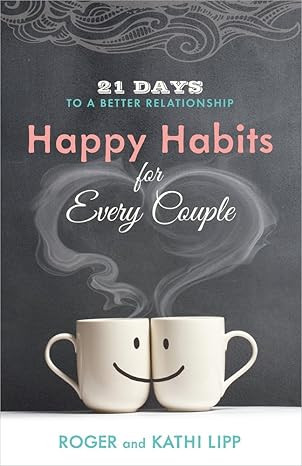
    A great way to support mutual growth is reading together. Pick up a relationship growth book like “The Seven Principles for Making Marriage Work” and discuss one chapter a week. It gives you a shared language for talking about your relationship and concrete tools for strengthening it.

    Habit 8 – Keep Dating Each Other

    Habit 8 - Keep Dating Each Other

    When you first started dating your partner, you put effort into every interaction. You dressed up. You planned activities. You gave each other your full attention. You were on your best behavior because you wanted to impress each other. Somewhere along the way – maybe after moving in together, maybe after getting comfortable – that effort started to fade. And with it, some of the spark faded too.

    Keeping the spark alive does not require recreating the intensity of early dating. It just requires maintaining some of the intentionality. Have a regular date night – weekly if possible, at least twice a month at minimum. And “date night” does not have to mean an expensive dinner out. It can be cooking together, having a movie night on the couch with phones put away, exploring a new neighborhood, taking a class together, or anything that feels special and set apart from the ordinary routine.

    The important thing is that date night is protected time – not the time to discuss bills, argue about chores, or troubleshoot parenting challenges. This is time dedicated purely to enjoying each other’s company and remembering that you are not just partners, parents, or roommates. You are two people who chose each other, and that choice deserves regular celebration.

    Make date night even more special with a date night idea jar filled with creative activities. Taking turns picking a date idea adds an element of surprise and ensures you are both stepping outside your comfort zone together.

    Couple cooking together during a cozy date night at home

    Habit 9 – Share Responsibilities Without Keeping Score

    Few things breed resentment faster than an unequal division of labor – and few things are harder to navigate without falling into the trap of keeping score. In a healthy relationship, both partners contribute to the shared workload of running a life together. This includes household chores, financial responsibilities, emotional labor, social planning, and whatever else your particular life requires.

    The key phrase here is “without keeping score.” The moment you start tallying who did the dishes more this week or who last took the car for an oil change, you have turned your partnership into a competition. And in a competition, someone always feels like they are losing. Instead, aim for a general sense of fairness and balance, and communicate openly when things feel off.

    Have an honest conversation about how responsibilities are divided in your household. Be specific. Who cooks? Who cleans? Who manages the finances? Who handles the mental load of remembering appointments, birthdays, and grocery lists? Often, the division of labor is more unequal than either partner realizes, and simply making the invisible labor visible can be the first step toward a more equitable arrangement.

    Habit 10 – Choose Each Other Every Day

    Habit 10 - Choose Each Other Every Day

    This might be the most important habit on this list, and it is also the most abstract. Choosing each other every day means waking up and actively deciding that this person, this relationship, is where you want to be. Not because you have to. Not because you are afraid of being alone. Not because it would be too complicated to leave. But because you genuinely want to be here, with this person, building this life.

    Long-term love is not sustained by the feelings you had when you first fell in love. Those feelings – the butterflies, the obsessive thinking, the giddy excitement – are driven by neurochemistry that naturally fades over time. What replaces it can be even more beautiful, but only if you let it: deep trust, profound comfort, unshakeable security, and the quiet confidence that comes from knowing someone has seen every part of you and chosen to stay.

    But that deeper love does not happen by accident. It happens by choice – repeated, daily, intentional choice. It happens when you choose to be kind instead of petty. Patient instead of irritable. Generous instead of stingy with your time and attention. Forgiving instead of grudge-holding. Present instead of distracted. Every time you make one of these small choices, you are choosing your partner. You are choosing your relationship. You are choosing love.

    And that, more than any grand gesture, is what happily ever after actually looks like.

    Older couple sitting together on a beach at sunset, peaceful and content

    How to Start Building These Habits Together

    How to Start Building These Habits Together

    If you are reading this list and feeling overwhelmed, take a deep breath. You do not need to implement all 10 healthy relationship habits at once. Pick one or two that resonate most with where your relationship is right now, and start there. Talk to your partner about what you have read and ask them which habits they would like to focus on. Making this a collaborative effort rather than a one-sided project is important – you are building these habits together, not assigning them.

    Be patient with yourselves and each other. New habits take time to stick, and there will be days when you forget or fall back into old patterns. That is normal. What matters is that you keep showing up, keep trying, and keep choosing to invest in your relationship even when it would be easier to coast. Because the couples who last are not the ones who have it easy. They are the ones who do the work.

    A couples gratitude journal can be a wonderful tool for building several of these habits simultaneously. Writing down what you appreciate about each other each day takes just a few minutes but reinforces gratitude, communication, and intentional connection all at once.

    Key Takeaways

    • Healthy relationships are built on daily habits, not grand gestures – the small, consistent things you do for each other every day matter most.
    • Daily check-ins, expressed gratitude, and active listening are the foundation of strong communication in a relationship.
    • Physical affection beyond the bedroom, fair fighting, and quick repair after arguments keep your emotional and physical connection strong.
    • Protecting your friendship, supporting individual growth, and continuing to date each other prevent the relationship from becoming stale or transactional.
    • Sharing responsibilities without keeping score and choosing each other every day transform a good relationship into a great one.
    • Start with one or two habits and build from there – consistency matters more than perfection.

    Frequently Asked Questions

    What if my partner is not interested in working on our relationship habits?

    Start by modeling the behavior yourself. Often, when one partner begins showing up differently – expressing more gratitude, listening more actively, being more affectionate – the other partner naturally starts reciprocating. If they remain resistant after seeing the positive impact of your efforts, have an honest conversation about why these habits matter to you and what you need from the relationship. If they are still unwilling to invest any effort, that itself is important information about the future of the relationship.

    How do we maintain these habits when we are both incredibly busy?

    The beauty of these healthy relationship habits is that most of them take very little time. A daily check-in takes five minutes. Expressing gratitude takes thirty seconds. A six-second hug takes – well, six seconds. The issue is usually not time but intentionality. Schedule these moments the way you would schedule anything else that is important. Set a reminder on your phone for a daily check-in text. Put date night on the calendar in ink. Protect these moments the way you protect work meetings and doctor’s appointments.

    Can these habits save a relationship that is already struggling?

    Can these habits save a relationship that is already struggling?

    These habits can significantly improve a relationship that has drifted but is still fundamentally healthy. If the core ingredients are there – mutual respect, shared values, genuine care for each other – then building healthier daily habits can reignite the connection and strengthen the foundation. However, if the relationship involves abuse, chronic dishonesty, active addiction, or a fundamental mismatch in values, daily habits alone will not be enough. In those cases, professional counseling or a serious evaluation of the relationship’s viability is needed.

    Is it too late to start building healthy habits in a long-term relationship?

    It is never too late. Some couples who have been together for decades discover these habits and experience a renaissance in their relationship. The willingness to grow and change together is one of the most beautiful things about long-term love. Your relationship does not have an expiration date on improvement. As long as both partners are willing to show up and try, there is room for growth, deeper connection, and renewed joy at any stage.

  • 10 DIY Home Decor Projects You Can Finish in One Afternoon

    10 DIY Home Decor Projects You Can Finish in One Afternoon

    Why DIY Home Decor Is Worth Your Time

    Why DIY Home Decor Is Worth Your Time

    There is something deeply satisfying about looking around your home and seeing things you created with your own hands. Store-bought decor is convenient, sure, but it lacks the personality and story that comes with a handmade piece. Plus, when you make things yourself, you can customize every detail – the color, the size, the texture, the vibe – to match your space perfectly.

    DIY home decor is also incredibly budget-friendly. Many of the projects in this article cost less than twenty dollars in materials, and some can be done with supplies you already have at home. When you consider that a single decorative vase from a home store can run forty to sixty dollars, making your own version for a fraction of that price just makes sense.

    The projects in this list are specifically chosen because they are achievable in a single afternoon, even if you have never done a DIY project before. None of them require power tools, advanced skills, or a dedicated craft room. A kitchen table, some basic supplies, and a few hours of your time are all you need. Each project includes a rough time estimate so you can pick and choose based on how much time you have available.

    Whether you are refreshing a room that feels stale, decorating a new apartment on a budget, or just looking for a creative way to spend a Saturday afternoon, these projects will give you beautiful results that look anything but homemade – in the best possible way.

    Project 1 – Painted Terracotta Pots

    Project 1 - Painted Terracotta Pots

    Time needed: 1-2 hours (including drying time)

    Budget: Under $15

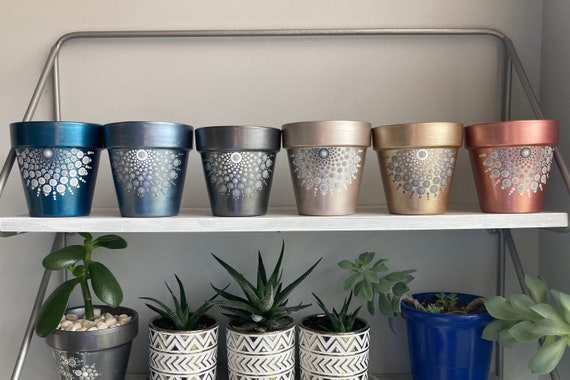
    Terracotta pots are one of the most versatile DIY canvases you can find. They are cheap, widely available, and transform beautifully with just a coat of paint. You can create everything from sleek modern planters to bohemian patterned pots, depending on your style.

    Start by gathering your pots. Basic terracotta pots are available at any garden center or dollar store for a couple of dollars each. Grab a few in different sizes for visual interest. You will also need acrylic craft paint in your chosen colors, a few paintbrushes in different sizes, and a clear spray sealant to protect your finished work.

    Before painting, wipe the pots clean and let them dry completely. If you want a smooth, opaque finish, apply a coat of white primer first. For a more rustic look where the terracotta peeks through, skip the primer and paint directly on the clay.

    For a modern minimalist look, paint the entire pot in a solid matte color – white, sage green, dusty rose, or terracotta orange are all gorgeous options. For something more playful, try color blocking by taping off sections with painter’s tape and using two or three complementary colors. Geometric patterns, stripes, and abstract designs are all easy enough for beginners and create stunning results.

    Let everything dry completely, then spray with a clear matte or glossy sealant to protect the paint from water damage. Group your finished pots on a shelf, windowsill, or entryway table with some mini faux succulents from Amazon for a display that looks like it came straight from a boutique home store.

    Hand-painted terracotta pots in modern colors arranged on a shelf

    Project 2 – Gallery Wall with Thrifted Frames

    Project 2 - Gallery Wall with Thrifted Frames

    Time needed: 2-3 hours

    Budget: Under $30

    A gallery wall is one of the most impactful decor elements you can add to any room, and it does not have to cost a fortune. The secret is thrifted frames. Hit your local thrift store, Goodwill, or garage sales and grab a collection of frames in various sizes and shapes. Do not worry about matching – an eclectic mix actually looks more interesting and intentional than a perfectly matched set.

    Once you have your frames, decide on a unifying element. The easiest approach is to spray paint all the frames the same color. Gold, black, or white frames create a cohesive look regardless of the original frame styles. Alternatively, you can keep them in their original finishes if they work well together.

    For the content inside your frames, the options are endless and mostly free. Print family photos in black and white for a classic look. Download free printable art from sites that offer creative commons artwork. Frame pages from old books, botanical prints, or even fabric swatches that complement your color scheme. A mix of photographs, art prints, and text-based prints creates the most visually interesting gallery wall.

    Before hammering any nails, plan your layout on the floor first. Arrange all the frames in your desired configuration, take a photo for reference, then transfer the layout to the wall. Start with the largest piece in the center and work outward, keeping about two to three inches between each frame for a balanced look.

    Use Command picture hanging strips if you are renting or prefer not to put holes in your walls. They hold securely, come off cleanly, and make it easy to adjust your layout without patching holes. Your finished gallery wall will be a personal, artistic statement piece that makes every guest ask where you got it.

    Project 3 – Customized Throw Pillow Covers

    Project 3 - Customized Throw Pillow Covers

    Time needed: 1-2 hours

    Budget: Under $20

    New throw pillows can completely change the mood of a room, but buying them adds up fast. Making your own pillow covers is surprisingly easy, even if you cannot sew. The no-sew method uses fabric glue or iron-on hemming tape to create professional-looking pillow covers in under an hour.

    Start with inexpensive pillow inserts in your desired size. The 18×18 inch size is the most versatile and fits most standard throw pillow covers. For the fabric, check the remnant bins at your local fabric store where you can find beautiful materials at a fraction of the regular price. Choose fabrics that complement your existing decor – a mix of solids, patterns, and textures creates the most polished look.

    For the simplest no-sew method, cut your fabric into a square about two inches larger than your pillow insert on each side. Fold the edges under, secure with iron-on hemming tape, and press with an iron. Create an envelope closure on the back by overlapping two fabric panels so you can easily insert and remove the pillow form for washing.

    If you want to add extra personality, consider embellishments like tassels, pom-pom trim, or iron-on patches. These can be attached with fabric glue and add a designer touch without any sewing required. You can also use stencils and fabric paint to create custom patterns or monograms.

    The beauty of making your own pillow covers is that you can change them seasonally without breaking the bank. Keep your pillow inserts year-round and simply swap out the covers – cozy flannel or velvet in winter, light linen or cotton in summer. A set of quality pillow inserts from Target will last for years and serve as the base for endless cover changes.

    Project 4 – Decorative Candle Holders from Glass Jars

    Project 4 - Decorative Candle Holders from Glass Jars

    Time needed: 1 hour

    Budget: Under $10

    This is the kind of project that makes people think you spent way more money than you actually did. Empty glass jars – from candles, pasta sauce, jams, or pickles – become stunning decorative candle holders with just a few simple techniques.

    Clean your jars thoroughly, removing all labels and adhesive. Soaking in warm soapy water for thirty minutes usually loosens labels enough to peel them off. For stubborn adhesive residue, a cotton ball soaked in rubbing alcohol or cooking oil does the trick. Make sure the jars are completely clean and dry before decorating.

    There are several decoration techniques to choose from. For a frosted glass look, spray the outside of the jar with frosted glass spray paint, available at any craft store. For a textured bohemian look, wrap the jar with twine or jute rope, securing with hot glue as you go. For an elegant look, paint the inside of the jar with metallic gold or copper paint, swirling it around to create a luminous coating.

    You can also create stunning mercury glass effect candle holders by spraying the inside of the jar with mirror-effect spray paint, then lightly misting with water and vinegar before the paint dries to create that characteristic speckled, antiqued look. This technique creates candle holders that genuinely look like expensive mercury glass from a home decor store.

    Place tea light or votive candles inside your finished jars and group them on a tray, mantel, or dining table centerpiece. The candlelight filtering through the decorated glass creates a warm, ambient glow that makes any room feel cozy and inviting. For safety and convenience, use flameless LED tea lights that look realistic without any fire risk.

    Project 5 – Rope Wrapped Vases

    Project 5 - Rope Wrapped Vases

    Time needed: 45 minutes to 1 hour

    Budget: Under $12

    Rope wrapped vases are a staple of coastal and bohemian home decor, and they are ridiculously easy to make. All you need is a vase or bottle (any shape works), some natural jute or cotton rope, and a hot glue gun. The result is a textured, organic-looking piece that adds warmth and visual interest to any shelf or table.

    Choose your base vessel. Old wine bottles, glass vases from the dollar store, or even empty tin cans work perfectly. The shape is up to you – tall and narrow creates a different look than short and wide. Clean and dry your vessel completely before starting.

    Starting at the bottom of the vessel, apply a line of hot glue and press the rope firmly into place. Continue wrapping the rope tightly around the vessel, adding glue every few rows to keep everything secure. Keep the rows close together so no base material shows through. When you reach the top, cut the rope and tuck the end under the last row, securing with an extra dab of glue.

    For variation, try using different thicknesses of rope on different vases for a collected look. You can also incorporate colored rope sections, wrap in a pattern leaving some of the base exposed, or add embellishments like wooden beads, shells, or dried flowers tucked between the rope rows.

    Group several rope-wrapped vases of different heights and sizes together for a display that looks like a curated collection. Fill them with dried flowers, pampas grass, or eucalyptus branches for a finished look that is both stylish and low-maintenance since dried arrangements never need watering.

    Project 6 – Fabric Covered Storage Boxes

    Project 6 - Fabric Covered Storage Boxes

    Time needed: 1-2 hours

    Budget: Under $15

    Storage boxes are essential for keeping a tidy home, but plain cardboard or plastic bins do not exactly scream style. Covering them in fabric transforms them into decorative pieces that look beautiful on shelves, in closets, or stacked in a living room while hiding all the random items you need to stash out of sight.

    Start with sturdy boxes in the sizes you need. Shoe boxes, shipping boxes, or inexpensive plain storage boxes from the dollar store all work well. Choose fabric that coordinates with your room – cotton, linen, and canvas are the easiest fabrics to work with for this project.

    Cut your fabric large enough to cover the outside of the box with about two inches of overlap on all sides to fold over the edges. Apply spray adhesive or fabric glue evenly to one side of the box at a time, smooth the fabric into place, and fold the excess neatly over the edges like wrapping a gift. Pay special attention to the corners, folding them neatly for a clean finish.

    For the inside of the box, cut a separate piece of coordinating or contrasting fabric and glue it to the interior for a polished, lined look. Add a ribbon or leather handle to each end of the box for easy pulling off shelves. You can also label your boxes with handwritten tags or printed labels for organized storage that is beautiful and functional.

    These fabric-covered boxes are perfect for organizing everything from craft supplies and accessories to paperwork and seasonal items. Line them up on a bookshelf or closet shelf for a custom storage solution that looks intentional and expensive. A fat quarter fabric bundle from Amazon gives you multiple coordinating patterns for less than ten dollars.

    Fabric-covered storage boxes organized on shelves

    Project 7 – Painted Accent Wall or Feature Section

    Project 7 - Painted Accent Wall or Feature Section

    Time needed: 2-4 hours

    Budget: Under $25

    Painting is one of the most transformative things you can do to a room, and you do not have to paint the entire space to make a huge impact. A single accent wall – or even a feature section like the wall behind your bed or a small reading nook – adds drama, depth, and personality to any room in just a few hours.

    Choose your color carefully because it sets the mood for the entire space. Deep, rich colors like navy blue, forest green, or charcoal gray create a cozy, intimate feeling. Warm terracotta, dusty rose, or golden yellow bring energy and warmth. Soft sage, light blue, or lavender create a calming, spa-like atmosphere. Consider how the color will look with your existing furniture and decor before committing.

    A single quart of paint is usually enough for one accent wall in a standard room, and quarts are available in virtually any color from home improvement stores. You will also need painter’s tape, a roller with a tray, and a small angled brush for cutting in around edges and corners. If your wall is currently a dark color, pick up a small container of primer too.

    Prep the wall by cleaning it with a damp cloth to remove dust and cobwebs. Apply painter’s tape along the ceiling, baseboards, and where the accent wall meets the adjacent walls. Pour your paint into the tray, and start by cutting in around the edges with the angled brush, then fill in the center with the roller using long, even strokes. Two coats usually gives the best coverage – let the first coat dry completely before applying the second.

    Remove the painter’s tape while the final coat is still slightly tacky for the cleanest lines. Step back and admire the transformation. A single accent wall can make a room feel entirely different, and it is one of the most reversible changes you can make since you can always paint over it if your taste changes.

    Project 8 – DIY Woven Wall Hanging

    Project 8 - DIY Woven Wall Hanging

    Time needed: 2-3 hours

    Budget: Under $20

    Woven wall hangings add texture and artisanal charm to any wall, and they are much easier to make than they look. You do not need a loom or any weaving experience. A simple technique using a wooden dowel, yarn, and your hands creates a beautiful bohemian-inspired piece that looks like something from an artisan market.

    Gather your materials. You will need a wooden dowel or driftwood branch about twelve to eighteen inches long, several skeins of yarn in coordinating colors and textures, and scissors. Choose a mix of thick and thin yarns, and consider incorporating different textures like chunky wool, smooth cotton, and metallic thread for visual interest.

    The simplest technique is a series of lark’s head knots attached to the dowel, creating a fringe-style hanging. Cut your yarn into pieces roughly twice the length you want your finished piece to be. Fold each piece in half, loop the folded end over the dowel, and pull the loose ends through the loop. Repeat across the entire dowel, mixing colors and textures as you go.

    Once all your yarn is attached, you can create patterns by trimming the fringe at different angles or in a V shape. Add visual interest by braiding some sections, knotting groups of strands together at intervals, or weaving horizontal pieces through the vertical strands. There is no wrong way to do this – the beauty of fiber art is its organic, imperfect nature.

    Hang your finished piece using a piece of yarn or twine tied to each end of the dowel. These wall hangings look stunning above a bed, sofa, or in an entryway. They add warmth and texture to minimalist spaces without overwhelming the room. For the best selection of textured craft yarn, macrame cotton cord variety packs from Amazon give you multiple colors and weights in one purchase.

    Project 9 – Custom Serving Tray Makeover

    Project 9 - Custom Serving Tray Makeover

    Time needed: 1-2 hours

    Budget: Under $15

    A decorative tray is one of the most versatile home decor items you can own. It corrals items on a coffee table, dresses up an ottoman, organizes a bathroom counter, or serves as a breakfast-in-bed essential. And making one from a thrifted or dollar store tray is ridiculously easy.

    Find a tray with a flat bottom and raised edges. Thrift stores, dollar stores, and home clearance sections are all great sources. The shape, size, and current condition do not matter much because you are going to transform it completely. Even a scratched, ugly tray becomes gorgeous with the right treatment.

    For a modern look, spray paint the entire tray in a bold color or metallic finish. Gold, brass, or matte black are timeless choices. For a more unique piece, decoupage the bottom of the tray with decorative paper, fabric, or even a map or pages from a vintage book. Apply a thin layer of Mod Podge to the tray surface, smooth your chosen material into place, and seal with additional coats of Mod Podge once dry.

    Marble-look contact paper applied to the bottom of the tray creates an upscale, elegant finish that is basically indistinguishable from a real marble tray. Peel-and-stick wallpaper samples work beautifully too and come in thousands of patterns. You can also line the bottom with fabric, cork, or tile samples for a completely custom look.

    Style your finished tray with a small grouping of objects. A candle, a small plant or faux greenery, a decorative bowl for keys or jewelry, and a stack of coasters make a classic coffee table tray arrangement. The tray ties everything together and creates an intentional display out of items that would otherwise look random sitting loose on the surface.

    Project 10 – Decorative Book Stack Display

    Project 10 - Decorative Book Stack Display

    Time needed: 30-45 minutes

    Budget: Under $10

    Stacked books are a decorator’s secret weapon. They add height, color, and intellectual charm to any surface. But rather than buying expensive coffee table books you will never read, create your own decorative book stacks from inexpensive thrift store finds.

    Visit your local thrift store and grab a handful of hardcover books in pleasing sizes. The content does not matter – you are choosing based on spine width, cover color, and size. Look for books with interesting titles or beautiful covers, but also grab some with ugly dust jackets because you are going to remove those.

    Remove the dust jackets to reveal the hardcover underneath. Most hardcover books have neutral-toned cloth or paper covers in shades of cream, beige, blue, gray, or red that look far more elegant than their busy dust jackets. If you want a cohesive look, choose books whose bare covers fall within the same color family.

    For a more customized look, you can wrap book covers in kraft paper, linen fabric, or decorative paper. Write the titles on the spines in a pretty script or leave them blank for a minimalist look. This technique lets you create a perfectly color-coordinated stack regardless of the original book covers.

    Stack three to five books on a coffee table, nightstand, or shelf. Place the largest book on the bottom and the smallest on top. Crown the stack with a small decorative object – a candle, a small plant, a crystal, or a decorative object that reflects your personality. These book stacks work beautifully on their own or as part of a larger styled vignette on a decorative round tray from Target .

    Decorative book stack display on a coffee table with candle and plant

    Tips for Success with Any DIY Project

    Tips for Success with Any DIY Project

    Before you dive into any of these projects, here are some universal tips that will help you get the best results with the least frustration.

    Gather all your materials before you start. Nothing kills creative momentum like having to stop mid-project to run to the store for something you forgot. Read through the entire project description first, make a list of everything you need, and have it all laid out and ready before you begin.

    Protect your workspace. Cover your table or floor with a drop cloth, old newspapers, or a plastic tablecloth before painting, gluing, or spraying anything. Cleanup is so much easier when your surfaces are protected, and you will not have to stress about drips or spills.

    Start simple and build your confidence. If you are new to DIY, begin with one of the easier projects like the painted pots or book stack display before tackling the accent wall or woven hanging. Early success builds the confidence and enthusiasm that carries you through more challenging projects.

    Embrace imperfection. Handmade items have character precisely because they are not factory-perfect. A slightly uneven paint line, an asymmetrical fringe, or a minor color variation is what makes your piece unique and authentic. Do not let perfectionism rob you of the joy of creating.

    Document your process and results. Take before and after photos, share them with friends, or post them on social media. Seeing the transformation gives you a sense of accomplishment and motivates you to tackle the next project. Plus, your photos might inspire someone else to try their hand at DIY decorating.

    Most importantly, have fun with it. Put on your favorite music, pour yourself a drink, and enjoy the process. DIY is supposed to be a creative outlet and a form of self-expression, not another item on your to-do list. When you approach it with a playful mindset, the results are always better because you are relaxed and willing to experiment. A basic craft supply starter kit from Amazon has most of the basics you need across multiple projects – glue gun, scissors, brushes, tape, and more – so you are always ready when inspiration strikes.

    Key Takeaways

    • All ten projects can be completed in one afternoon with basic supplies and no advanced skills required.
    • Most projects cost under twenty dollars, making them a budget-friendly alternative to buying expensive home decor.
    • Thrift stores, dollar stores, and items you already own at home provide the best starting materials for DIY projects.
    • Customizing colors, patterns, and textures lets you create pieces that perfectly match your existing decor and personal style.
    • Starting with simpler projects builds confidence for tackling more involved ones over time.
    • Imperfection is part of the charm – handmade items have character that mass-produced decor never will.

    Frequently Asked Questions

    What if I am not creative or artistic – can I still do these projects?

    What if I am not creative or artistic - can I still do these projects?

    Absolutely. These projects are designed for beginners and do not require any artistic talent. Techniques like painting a pot a solid color, wrapping rope around a vase, or covering a box with fabric are straightforward skills that anyone can master. Creativity is a muscle that grows with practice, and starting with simple projects is the best way to build it.

    Where can I find affordable DIY supplies?

    Where can I find affordable DIY supplies?

    Dollar stores, thrift stores, and the clearance sections of craft stores are your best friends. Online retailers also offer great deals on bulk supplies like yarn, paint, and brushes. Many projects use items you already have at home, like glass jars, cardboard boxes, and old fabric. Before buying anything new, check what you already have on hand.

    How do I choose which projects match my home decor style?

    Think about the overall vibe of your space. If your home leans modern and minimal, stick with clean lines, solid colors, and simple materials. If your style is more bohemian or eclectic, embrace textures, patterns, and mixed materials. The beauty of DIY is that you control every aspect, so you can adapt any project to fit your aesthetic by changing the colors, materials, or finishing touches.

    Can I do these projects with kids?

    Many of these projects are kid-friendly with supervision. Painted pots, book stacks, and rope-wrapped vases are great for older children. Younger kids can help with tasks like choosing colors, applying stickers, or sorting materials. Just avoid projects involving hot glue, spray paint, or sharp tools for very young helpers and always supervise closely.

    DIY crafting workspace with supplies and finished home decor projects