After three years of reading GLP-1 literature, talking to friends on these drugs, and watching the conversation around them turn into a marketing circus, the most useful thing I can do is set the comparison out plainly. Ozempic and Mounjaro are both FDA-approved injectable medications for type 2 diabetes, and that is the lane this piece stays in. I am not your doctor. I am not a doctor at all. I am a wellness writer who has watched four women in my life try to make this decision while their endocrinologists were running 15 minute appointments, and I have read enough prescribing information to lay the comparison out in a way that does not require a pharmacology degree. The goal is not to pick a winner for you. It is to help you walk into the appointment with the right questions.
Both drugs sit inside a class of medications that has changed how type 2 diabetes is treated over the last decade. Ozempic, made by Novo Nordisk, contains semaglutide and was approved by the FDA in 2017. Mounjaro, made by Eli Lilly, contains tirzepatide and was approved in 2022. They are both weekly injections. They both lower blood sugar. They both tend to reduce appetite as a side effect, which is the part of the story that pulled them onto magazine covers. But they are not the same drug, they do not work through identical mechanisms, and the side effect profiles, the cost picture, and the long-term data are different enough that the choice between them actually matters.
Quick verdict if you have 30 seconds
For type 2 diabetes specifically, Mounjaro (tirzepatide) shows somewhat stronger A1C reduction and weight loss in the head-to-head trial that compared the two, but it is the newer drug with less long-term safety data. Ozempic (semaglutide) has more years of real-world use behind it, a broader prescribing history, and the cardiovascular outcomes data that made it a default in many endocrinology practices. The right pick depends on your A1C target, your insurance coverage, your tolerance for gastrointestinal side effects, and your doctor’s read on your full health picture. Talk to your endocrinologist. Do not order either of these from an internet pharmacy that is not legitimate.
What these drugs are and how they actually work
Ozempic is semaglutide, a GLP-1 receptor agonist. GLP-1 is a hormone your gut releases after a meal, and it does several things – it tells your pancreas to release insulin, it slows down how fast food moves out of your stomach, and it signals fullness to your brain. Semaglutide is a synthetic version of that hormone that lasts long enough to be injected once a week. For someone with type 2 diabetes, the net effect is lower blood sugar after meals, more stable fasting glucose, and often a reduction in appetite that leads to some weight loss as a secondary benefit.
Mounjaro is tirzepatide, which targets the same GLP-1 receptor but also activates a second receptor called GIP. GIP is another gut hormone that plays a role in insulin secretion and fat metabolism. The dual-action design is the whole pitch behind Mounjaro – by hitting two receptors instead of one, it appears to produce a bigger drop in blood sugar and body weight in clinical trials than GLP-1-only drugs. Both drugs are administered through a pen injector, once a week, with dose escalation over several months to let the body adjust.
Worth naming the obvious: both have also been pulled into the weight-loss conversation through their sister formulations – Wegovy is semaglutide marketed for weight loss, Zepbound is tirzepatide marketed for weight loss. This piece is about the diabetes versions specifically. If you are interested in either drug for weight management without type 2 diabetes, that is a separate conversation with a separate prescriber pathway.
Side-by-side comparison
Feature
Ozempic (semaglutide)
Mounjaro (tirzepatide)
Manufacturer
Novo Nordisk
Eli Lilly
FDA approval for type 2 diabetes
2017
2022
Drug class
GLP-1 receptor agonist
Dual GIP/GLP-1 receptor agonist
Administration
Once-weekly subcutaneous injection
Once-weekly subcutaneous injection
Typical dose range
0.25 mg to 2 mg weekly
2.5 mg to 15 mg weekly
Typical A1C reduction in trials
Around 1.5 to 1.8 percentage points
Around 1.9 to 2.4 percentage points
Cardiovascular outcomes data
Yes, established in SUSTAIN-6 trial
Trial ongoing as of 2026
List price without insurance
Around $1,000 per month
Around $1,000 to $1,100 per month
Ozempic: the one with the longer track record
Ozempic has been in widespread use for type 2 diabetes since 2017, which means nearly a decade of real-world prescribing data, post-marketing safety surveillance, and outcomes research back it up. For an endocrinologist deciding what to start a newly diagnosed patient on, that history matters. It is the more conservative pick in the sense that fewer surprises tend to show up after a drug has been in the population at scale for years.
The cardiovascular data is one of the strongest pieces of the Ozempic case. The SUSTAIN-6 trial showed that semaglutide reduced the risk of major cardiovascular events in adults with type 2 diabetes who had cardiovascular disease or were at high risk for it. That kind of outcomes data, not just blood sugar numbers but actual heart attack and stroke reduction, is part of why semaglutide became a default in many practices. If you have type 2 diabetes plus existing heart disease, this is a factor your doctor will weigh.
A1C reduction in the trials sits in the range of 1.5 to 1.8 percentage points depending on dose. Weight loss as a secondary benefit averages somewhere in the 10 to 15 pound range over roughly a year of use, with wide individual variation. The most common side effects are gastrointestinal – nausea, occasional vomiting, constipation, diarrhea – and they are most pronounced during the dose escalation phase. Most people who tolerate the drug long-term find the GI side effects fade after the first two to three months.
The real-world downside that does not show up in trial data: shortages. Because of off-label weight-loss demand, semaglutide supply has been intermittently constrained, which means even diabetic patients have sometimes had trouble filling prescriptions. Ask your pharmacy about current availability before you commit to a plan. For broader context on adjusting to a chronic diagnosis, Lori Gottlieb’s
Maybe You Should Talk to Someone
is the book I keep recommending to women navigating new medical news.
Mounjaro: the newer drug with stronger trial numbers
Mounjaro entered the market in 2022 with clinical trial data that turned heads. The SURPASS series of trials showed A1C reductions in the 1.9 to 2.4 percentage point range depending on dose, which is meaningfully larger than what GLP-1-only drugs had been delivering. The weight loss numbers were also larger, with patients on the higher doses losing 15 to 20 percent of starting body weight in some studies. For someone with high A1C numbers that have not come down with metformin and lifestyle changes alone, the bigger reduction can be the difference between staying on oral medications and adding insulin.
The mechanism is the part that makes researchers cautiously optimistic. GIP activation, in combination with GLP-1 activation, appears to produce metabolic effects that GLP-1 alone does not. Research is underway looking at whether tirzepatide may have benefits for sleep apnea, fatty liver disease, and cardiovascular outcomes in non-diabetic populations, but as of 2026 the cardiovascular outcomes trial in diabetic patients is still ongoing. That is the asterisk – we do not yet have the same heart-attack-and-stroke reduction evidence for Mounjaro that we have for Ozempic.
Side effects look broadly similar to Ozempic, with some patients reporting more pronounced GI symptoms during dose escalation. The dosing schedule starts at 2.5 mg and can be titrated up to 15 mg over months, with increases happening no more often than every four weeks to allow the body to adjust. The titration is not a small consideration – moving from 2.5 mg to 15 mg is a six-month-plus process for most people who reach the top dose. Cost runs roughly $1,000 a month at list price, with actual out-of-pocket depending on insurance, manufacturer savings card eligibility, and whether your plan has tirzepatide on its type 2 diabetes formulary. If you want a journal to track dosing, meals, blood sugar, and side effects week to week, a basic dot-grid notebook from
a brand like Leuchtturm1917
is what my therapist friend recommends for this kind of self-tracking.
Where they overlap and where they differ
Both drugs are weekly pen injections, both work through gut-hormone signaling, both reduce blood sugar, both tend to reduce appetite, and both carry warnings about pancreatitis, gallbladder problems, and a boxed warning related to thyroid C-cell tumors based on rodent studies. Both require dose escalation over months. Both produce GI side effects, especially in the first weeks. Both are expensive without insurance. Both have been targets of supply shortages because of off-label weight-loss demand. The overlap is substantial.
Where they differ comes down to four things. First, the magnitude of the effect – Mounjaro produces larger reductions in both A1C and body weight in head-to-head comparisons, with SURPASS-2 showing tirzepatide outperforming semaglutide on both measures. Second, years of safety data – Ozempic has more, full stop. Third, cardiovascular outcomes evidence – established for semaglutide, still being researched for tirzepatide. Fourth, the insurance and access landscape – which one your plan covers can be the deciding factor regardless of clinical merits, and that is worth checking before you and your doctor settle on a plan.
Which one for which person
If your A1C is moderately high (in the 7 to 8.5 range) and you have existing cardiovascular disease or risk factors, Ozempic is the option with the cardiovascular outcomes data behind it. For someone with a relatively simple type 2 diabetes picture and an endocrinologist who wants to start with the more conservatively-evidenced option, this is the path many practices default to.
If your A1C is significantly high (above 8.5) and you have not gotten the reduction you need from metformin, lifestyle, or a previous GLP-1, Mounjaro’s larger A1C-lowering effect is the case for trying it. If your doctor’s read is that you need a bigger drop to get to target and avoid moving to insulin, the stronger trial data on tirzepatide is the argument for the newer drug.
If insurance is the practical constraint – and for most people it is – check your formulary first. Some plans cover one and not the other, some require step therapy through metformin and a sulfonylurea first, some have prior authorization requirements that take weeks to clear. The Eli Lilly and Novo Nordisk savings programs each cover commercially-insured patients under specific conditions, and your endocrinologist’s office often has the most current information. For tracking appointments, glucose readings, and questions for your next visit, a dedicated medical journal like
a health tracking notebook
is genuinely useful, especially for the first six months when you are learning your body’s response.
If you are weighing either drug primarily for weight loss without type 2 diabetes, the right conversation is about Wegovy or Zepbound with a doctor who specializes in obesity medicine, not Ozempic or Mounjaro off-label. The dosing, the insurance coverage, and the prescribing pathway are different.
Frequently asked questions
How long does it take to see results from either drug?
Blood sugar improvements often start within the first two to four weeks at the starting dose, though full A1C reduction takes about three months to show up on a lab draw. Weight changes typically begin within the first month or two and continue gradually over a year, with most of the loss in the first six to nine months. These drugs work on a slow curve, not a dramatic week-over-week one.
What happens if you stop taking them?
Blood sugar typically rises back toward pre-treatment levels, and weight that was lost during treatment often comes back over the following year for many patients. These are treatments meant for long-term management of a chronic condition. Talk to your doctor before stopping for any reason other than a medical emergency.
Are the side effects actually as bad as the headlines suggest?
The most common side effects (nausea, occasional vomiting, constipation, diarrhea) affect a significant minority of users, are most pronounced during dose escalation, and tend to improve over the first two to three months. Serious side effects (pancreatitis, gallbladder issues, severe GI symptoms requiring hospitalization) are uncommon but real. Both drugs are contraindicated for people with a personal or family history of medullary thyroid carcinoma.
Can you switch from Ozempic to Mounjaro or vice versa?
Yes, with a doctor’s guidance. The transition is usually handled by stopping one drug and starting the other at the lowest dose, then titrating up over weeks or months. Some patients switch because of side effects, some because of insurance changes, some because A1C is not responding on the first drug. It is not a decision to make on your own based on a TikTok video.
Final pick
I am not picking a winner here in the way I would for shapewear or skincare, because this is a prescription medication for a chronic disease and the right pick depends on your specific picture in a way a single recommendation cannot capture. What I will say: if I were sitting with a friend asking me which one to ask her endocrinologist about first, my read of the evidence as of 2026 is that Ozempic is the safer default for someone with a longer time horizon and moderate A1C, and Mounjaro is the stronger option for someone with high A1C who needs a bigger reduction and whose insurance covers it. Either one is a real conversation worth having with a doctor who knows your full health picture. Bring the trial data, bring your A1C history, bring your insurance card, and bring the questions you actually have. This isn’t going to fix you, but it might help on a Tuesday. For the journal to take to the appointment,
something simple and durable
is all you need.
There are moments when your head feels so full that you cannot think straight. When emotions pile on top of each other until you cannot tell whether you are angry or sad or scared or all three at once. When you know something is bothering you but you cannot quite name it, and it just sits there in your chest like a weight you cannot put down.
These are the moments when mental health journal prompts can genuinely change things. Not because writing in a journal is magic – it is not – but because the act of putting your inner world into words forces your brain to slow down, organize, and make sense of what it is experiencing. It takes the swirling chaos of feelings and pins them to the page, where you can look at them clearly and figure out what they actually mean.
If you have tried journaling before and found yourself staring at a blank page with no idea where to start, these prompts are for you. If you have never journaled and are curious about it, these prompts are for you too. And if you journal regularly but feel like you have been stuck in surface-level territory, these mental health journal prompts will take you deeper in the best possible way.
Why Journaling Is One of the Best Things You Can Do for Your Mental Health
Before we dive into the prompts, let us talk about why journaling is so effective for mental health. Because understanding the “why” will help you stick with the practice even on days when you do not feel like writing.
Research consistently shows that expressive writing – the kind where you write honestly about your thoughts and feelings – has measurable benefits for both mental and physical health. A landmark study by psychologist James Pennebaker found that people who wrote about emotionally significant events for just 15 to 20 minutes a day showed improvements in immune function, reduced blood pressure, fewer doctor visits, and better emotional wellbeing. Those results have been replicated dozens of times across different populations.
Here is what happens in your brain when you journal. Writing about emotions engages your prefrontal cortex, the rational, planning part of your brain. This naturally reduces activity in your amygdala, the fear and emotion center. In other words, the simple act of writing about your feelings helps your brain shift from reactive mode to reflective mode. You move from “I am drowning in this feeling” to “I am looking at this feeling and trying to understand it.”
Journaling also creates what psychologists call “cognitive defusion” – the ability to see your thoughts as thoughts rather than as absolute truths. When you write “I feel like I am not good enough,” you start to notice that it is a feeling, not a fact. That tiny shift in perspective can be enormously freeing.
For women navigating body image challenges, societal pressures, relationship stress, career uncertainty, or any of the countless things that weigh on us, journaling offers a private, judgment-free space to be completely honest. You do not have to filter yourself. You do not have to worry about someone else’s reaction. You can just be real.
And that is exactly what these mental health journal prompts are designed to help you do. A good
guided mental health journal
with prompts already included can make getting started even easier.
How to Use These Mental Health Journal Prompts
You do not need to work through all 30 prompts in order. In fact, I would encourage you not to. Instead, browse through the list and pick the one that speaks to you in this moment. The one that makes your stomach tighten a little or your eyes widen or your heart say “yes, that one.” That is your prompt for today.
Setting Up Your Journaling Space
You do not need anything fancy to journal. A notebook and a pen will do. But if creating a cozy, inviting space helps you show up to the practice, go for it. Light a candle. Make a cup of tea. Put on soft music. Wrap yourself in something comfortable. Creating a small ritual around journaling signals to your brain that this is a special, sacred time for you.
Some people prefer typing on a laptop or phone, and that is perfectly fine. The benefits come from the process of expressing yourself in words, regardless of the medium. However, research does suggest that handwriting may engage slightly different brain processes and can feel more therapeutic for some people. Experiment and see what works for you.
Ground Rules for Your Journal
There are no wrong answers. Seriously. This is not a test. Write in full sentences or fragments. Write neatly or in a complete mess. Write three lines or three pages. The only “rule” is honesty. Be as honest with yourself as you can. No one else will read this unless you choose to share it.
If a prompt brings up big emotions, that is actually a sign that it is working. Let yourself feel. Cry if you need to. Put the journal down and take a break if you need to. Then come back when you are ready. You are in control of this process.
Try to write for at least 10 to 15 minutes per prompt. Give yourself time to get past the surface-level answers and into the deeper stuff. The most important insights often come after the first wave of obvious responses, when you push yourself to keep going and see what else is there.
Prompts for Processing Difficult Emotions (1 through 10)
These mental health journal prompts are designed to help you sit with and process the emotions that are hardest to face. They are not about fixing anything – they are about understanding and being with what is.
Prompt 1 – What emotion have I been avoiding lately, and what might happen if I let myself feel it fully?
We all have emotions we try to push away – anger, grief, jealousy, fear. This prompt invites you to name the one you have been sidestepping and explore what it might be trying to tell you. Often, the emotions we avoid the most carry the most important messages. Anger might be telling you that a boundary has been crossed. Grief might be telling you that something mattered deeply. Give yourself permission to go there.
Prompt 2 – Write about a time recently when you felt truly hurt. What happened, and what did you need in that moment that you did not get?
This prompt helps you identify unmet needs – one of the most important skills for emotional health. When we are hurt, we often focus on what the other person did wrong. But underneath the hurt is always a need that was not met – a need for respect, for safety, for understanding, for love. Naming that need is the first step toward being able to ask for it or give it to yourself.
Prompt 3 – If my body could talk right now, what would it say to me?
Our bodies hold emotions that our minds have not processed yet. Tension in your shoulders, a knot in your stomach, heaviness in your chest – these are all your body’s way of communicating. This prompt invites you to listen. And for those of us with complicated body relationships, it can be a powerful way to start seeing your body as an ally rather than an adversary.
Prompt 4 – What am I most ashamed of right now, and what would I say to a friend who was carrying this same shame?
Shame thrives in secrecy and silence. Writing about it – even just for your own eyes – breaks that cycle. And the second part of this prompt, where you imagine offering compassion to a friend with the same shame, helps you access kindness for yourself that might otherwise feel out of reach.
Prompt 5 – Write a letter to the version of yourself who was going through the hardest time in your life. What does she need to hear?
This prompt can be deeply emotional, so approach it with care. Writing to your past self from the safety of the present allows you to process old pain with the wisdom and compassion you have now. You can acknowledge what was hard, validate the feelings, and offer the comfort that nobody else provided at the time.
Prompt 6 – What is one thing I am angry about that I have not allowed myself to express?
Women are often socialized to suppress anger, to be “nice” and “agreeable.” But unexpressed anger does not disappear – it turns inward and becomes depression, anxiety, or physical symptoms. Give your anger a voice on the page. You do not have to act on it. You just need to let it exist.
Prompt 7 – What story am I telling myself about my current situation, and is it the whole truth?
We all construct narratives about our lives, and those narratives shape how we feel. “I am stuck.” “Nothing ever works out for me.” “I always mess things up.” This prompt invites you to examine your current narrative and ask whether it is a fact or a story. What evidence supports it? What evidence contradicts it? Is there a more complete, more compassionate story available?
Prompt 8 – What loss am I still grieving, even if it happened a long time ago?
Grief does not follow a timeline. You might still be mourning a relationship, a dream, a version of yourself, or a life you thought you would have. This prompt gives you permission to grieve on your own schedule, without judgment. There is no expiration date on loss.
Prompt 9 – Write about something you feel guilty about. Then write about what you would need to forgive yourself.
Guilt can be useful when it motivates us to repair harm. But chronic guilt – the kind that just loops and loops without resolution – is corrosive. This prompt helps you distinguish between guilt that has served its purpose and guilt that has overstayed its welcome. And it begins the process of self-forgiveness, which is one of the most healing things you can do.
Prompt 10 – How am I really doing right now? Not the version I tell other people, but the real answer.
Sometimes the most powerful journal prompt is the simplest one. Most of us have a rehearsed answer for “how are you?” This prompt asks you to drop the script and tell the truth, even if the truth is messy or contradictory or hard to put into words. Let yourself be seen, even if you are the only one watching.
Prompts for Reducing Anxiety and Finding Calm (11 through 20)
These mental health journal prompts specifically target anxiety – the racing thoughts, the what-ifs, the constant feeling that something bad is about to happen. Writing is one of the most effective tools for anxiety because it forces your spinning mind to slow down and deal with one thought at a time.
Prompt 11 – List everything that is currently worrying you, no matter how small or irrational it seems.
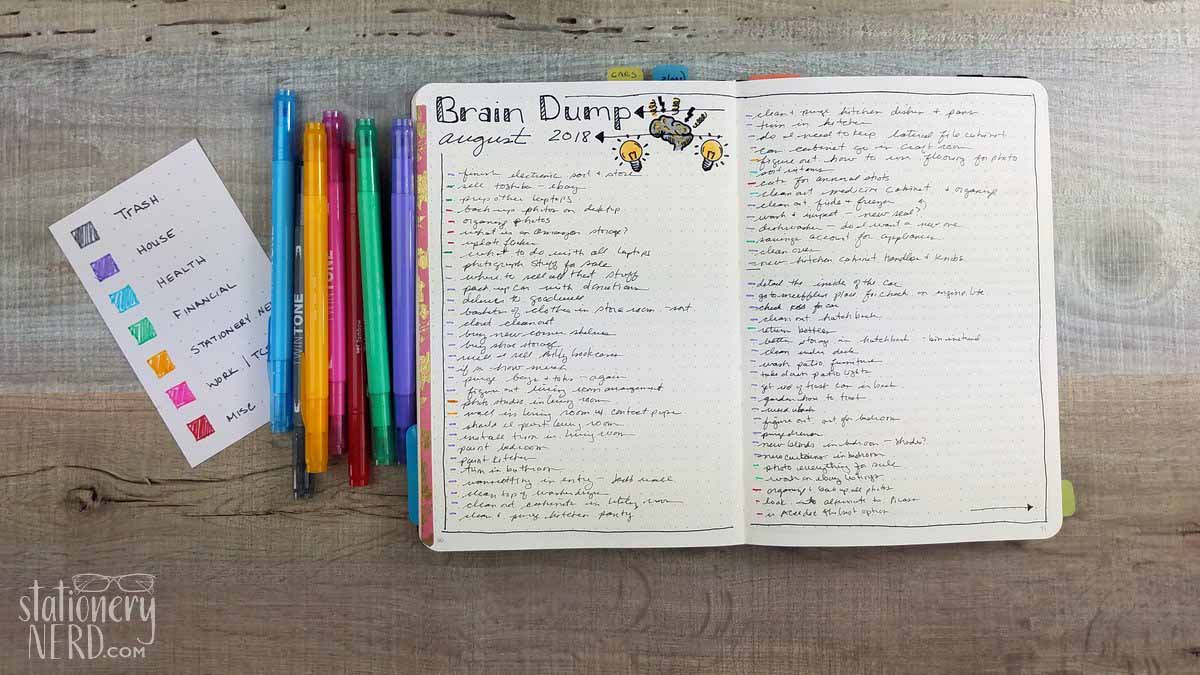
A brain dump. Get it all out. Every worry, every concern, every nagging thought. When anxious thoughts are swirling in your head, they feel infinite and unmanageable. When they are on paper, you can actually see that there are a finite number of them – and some of them are probably not as big as they felt when they were competing for space in your mind.
Prompt 12 – For each worry on your list, write down whether it is something you can control, something you can influence, or something that is completely outside your control.
This follow-up to Prompt 11 is incredibly clarifying. When you sort your worries into these three categories, you quickly see where your energy is best spent – and where you are burning energy on things you cannot change. For the things outside your control, practice the mantra: “I release what I cannot control.”
Prompt 13 – What is the worst case scenario I am afraid of, and what would I actually do if it happened?
Anxiety often keeps us stuck in vague, formless dread. This prompt forces you to get specific. And here is what usually happens: when you actually think through the worst case scenario, you realize that you would survive it. You would cope. It would be hard, but you would find a way. That realization is incredibly calming.
Prompt 14 – Write about a time when you were anxious about something that turned out fine.
Your brain has a negativity bias – it remembers the times things went wrong and forgets the countless times your anxiety was unfounded. This prompt pushes back against that bias. Remind yourself of your track record. How many times has the thing you worried about never actually happened? Probably more times than you can count.
Prompt 15 – What would today look like if I were not anxious? Describe it in detail.
This prompt is a gentle visualization exercise. Imagine your day without the weight of anxiety. What would you do differently? How would you move through the world? What would you try? What would you enjoy? This is not about wishing your anxiety away – it is about connecting with the life that exists underneath it, the life that is still possible and waiting for you.
Prompt 16 – What am I really afraid of underneath this anxiety?
Anxiety is often a surface emotion that is masking something deeper – fear of rejection, fear of failure, fear of not being enough, fear of being seen. This prompt asks you to dig beneath the anxiety and see what is really driving it. When you name the core fear, it loses some of its power.
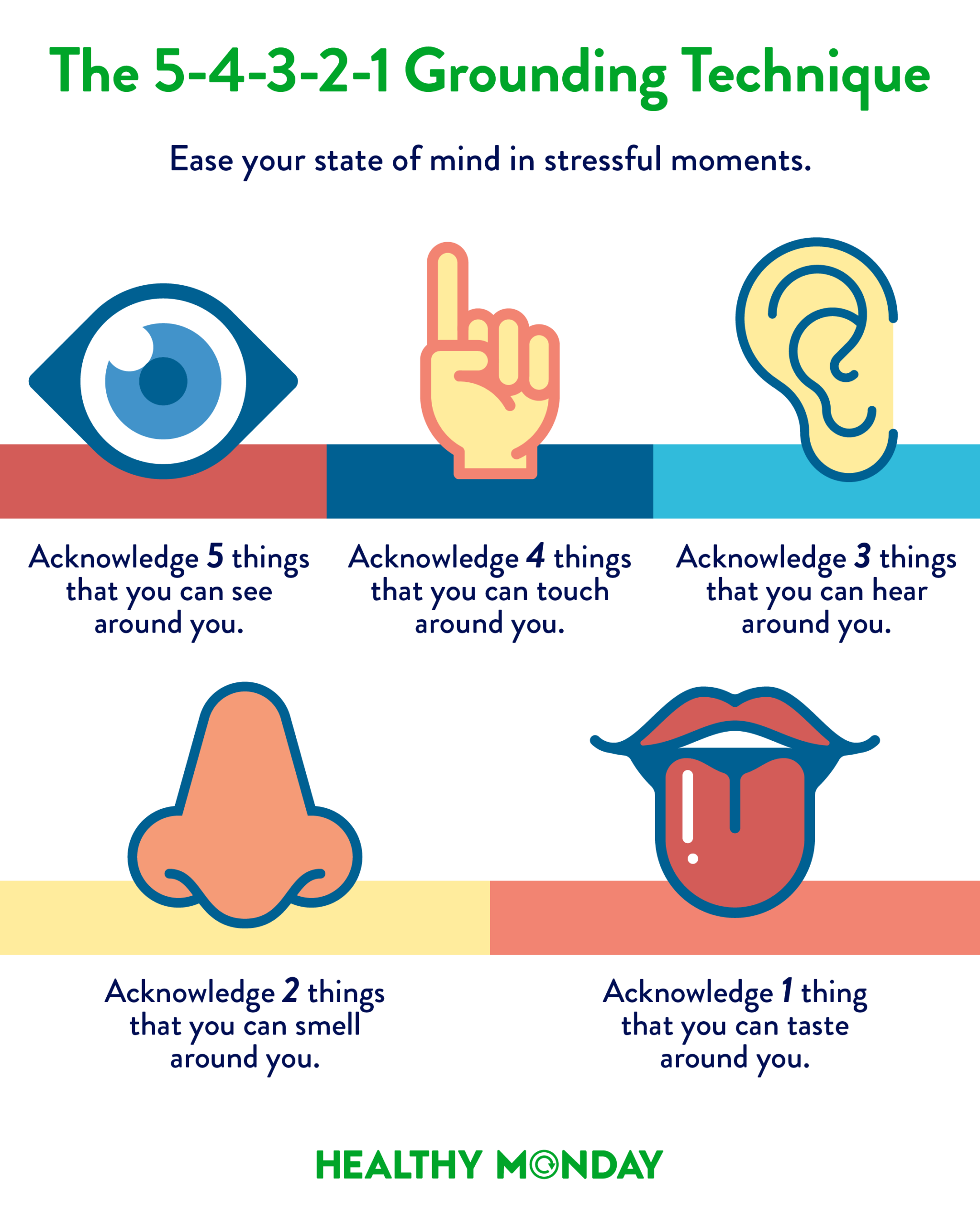
Prompt 17 – List five things I can see, four things I can touch, three things I can hear, two things I can smell, and one thing I can taste right now.
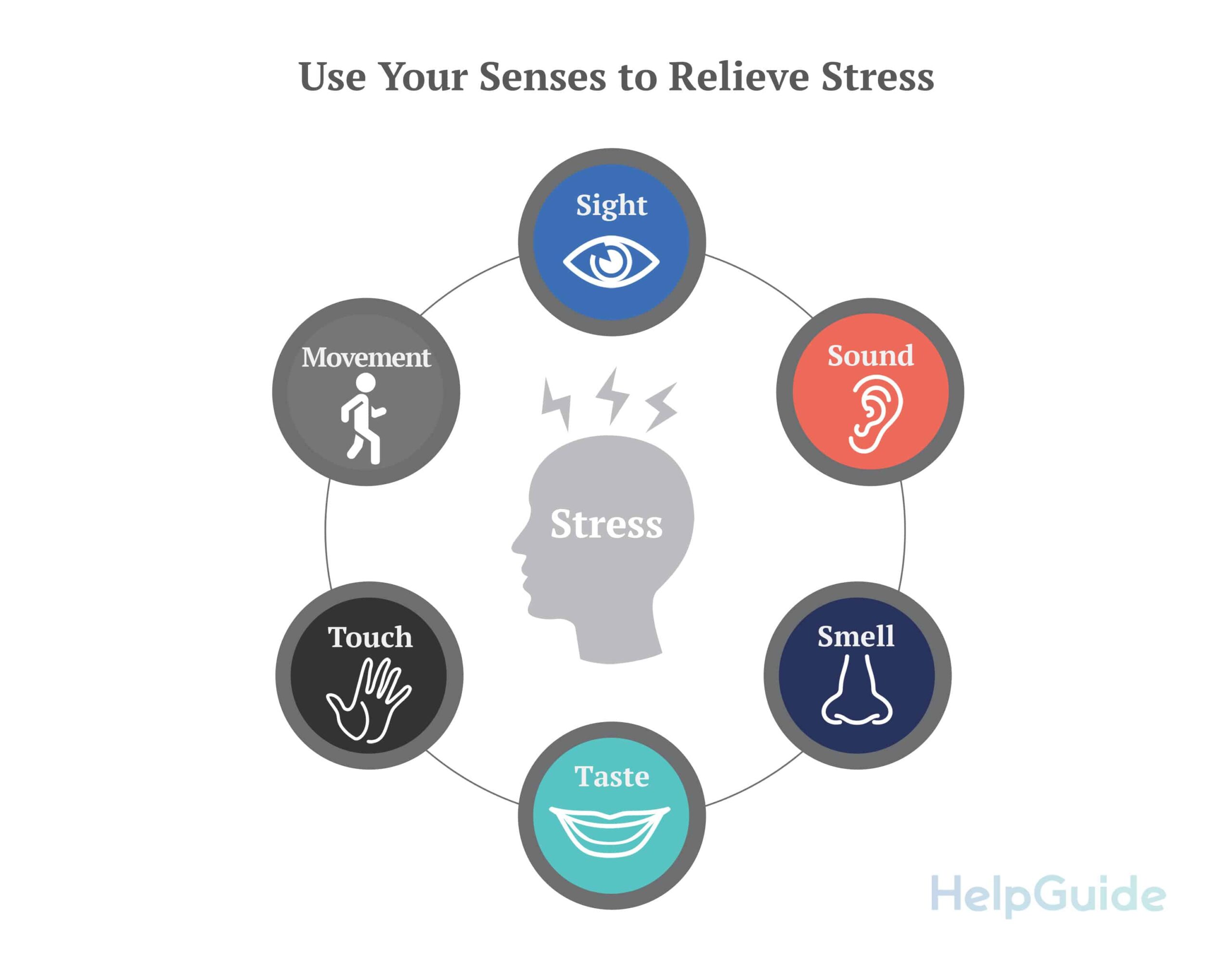
This is the classic 5-4-3-2-1 grounding technique, adapted for journaling. Writing it down instead of just thinking it adds an extra layer of grounding because you are engaging your motor system and your visual processing. Use this prompt when anxiety is spiking and you need to come back to the present moment quickly.
Prompt 18 – What is one kind thing I can do for myself in the next hour?
When anxiety feels overwhelming, the idea of feeling better eventually can seem impossible. But the next hour? You can do something about the next hour. Maybe it is making a cup of tea, stepping outside for five minutes, putting on your favorite playlist, or changing into comfortable clothes. This prompt brings your focus from the terrifying future to the manageable present. Changing into something cozy like a
super soft lounge jogger set
can genuinely help shift your nervous system.
Prompt 19 – Write about someone who makes you feel safe. What is it about them that creates that feeling?
Thinking about safety when you are anxious might seem counterintuitive, but it actually activates your attachment system, which is the body’s natural antidote to the threat system. Write in detail about this person – how they look at you, how they speak to you, what they do that makes you feel held. You can carry this image with you as an internal resource for anxious moments.
Prompt 20 – What would I tell my anxious thoughts if they were a scared child?
This reframe is beautiful and effective. Your anxious thoughts are not your enemy – they are a part of you that is trying to protect you, just doing it in a way that is not helpful anymore. If those thoughts were a scared child, you would not yell at them or try to silence them. You would get down on their level, acknowledge their fear, and gently reassure them. Try that approach in your journal.
Prompts for Building Self-Awareness and Clarity (21 through 30)
These mental health journal prompts are about understanding yourself better – your patterns, your values, your dreams, and your needs. They are less about processing pain and more about building a clear, honest relationship with who you are.
Prompt 21 – What does my ideal ordinary day look like, from morning to night?
Not your dream vacation or your fantasy life – your ideal regular Tuesday. What time do you wake up? What do you eat? How do you spend your time? Who are you with? This prompt reveals what you actually value, not what you think you should value. And it can show you which parts of your current routine are aligned with your true self and which parts are not.
Prompt 22 – What am I tolerating in my life that I should not be?
We all have things we put up with – the friend who drains our energy, the cluttered space we walk past every day, the job that does not value us, the clothes that do not fit right. This prompt asks you to get honest about what you are tolerating and consider what it would take to change it. Sometimes just naming a toleration is the first step to eliminating it.
Prompt 23 – When do I feel most like myself? What am I doing, and who am I with?
This prompt helps you identify the conditions under which you thrive. When you know what makes you feel most alive and authentic, you can deliberately create more of those conditions in your life. It is like reverse-engineering happiness.
Prompt 24 – What is a belief I held five years ago that I no longer believe? What changed?
This prompt is a powerful reminder that you are always growing and evolving. The beliefs that feel so solid and permanent right now may shift dramatically in the next few years. This awareness can make you hold your current beliefs a little more lightly and be more open to change.
Prompt 25 – What boundary do I need to set that I have been avoiding?
Boundaries are one of the most important tools for mental health, and they are also one of the hardest things to implement. This prompt gives you space to identify a needed boundary and explore what is stopping you from setting it. Is it fear of conflict? Fear of rejection? People-pleasing? Understanding the obstacle is the first step to overcoming it.
Prompt 26 – Write about a compliment you received that you had trouble accepting. Why was it hard to believe?
The compliments we deflect often reveal our deepest insecurities. If someone said you were beautiful and you immediately thought “they are just being nice,” that tells you something about what you believe about your appearance. This prompt invites you to explore why certain positive messages do not land and what it would take to let them in.
Prompt 27 – What would change in my life if I truly believed I was enough, exactly as I am right now?
This is a big one. Really sit with it. If the voice that says “not good enough, not thin enough, not smart enough, not successful enough” went completely quiet – what would be different? What would you stop doing? What would you start doing? How would you walk through the world? This prompt gives you a glimpse of the freedom that is possible when you release the need for external validation.
Prompt 28 – List three things you are proud of that have nothing to do with how you look or what you have accomplished.
We are so conditioned to measure our worth by appearance and achievement that we forget all the other things that make us valuable. Your kindness. Your ability to make people laugh. Your resilience. Your curiosity. The way you love. This prompt reconnects you with the parts of yourself that have nothing to do with productivity or beauty standards.
Prompt 29 – What does my inner critic sound like, and whose voice is it really?
Your inner critic did not come out of nowhere. It is usually a composite of critical voices from your past – a parent, a teacher, a bully, a culture. When you identify whose voice your inner critic is actually using, you realize that it is not your truth. It is someone else’s judgment that you internalized. And that means you have the power to give it back.
Prompt 30 – Write a letter to your future self, one year from now. What do you hope she knows, feels, and believes?
This final prompt is about hope and intention. It is a way to set a compass heading for your inner life. What emotional growth do you hope for? What beliefs do you hope to have released? What relationship do you hope to have with yourself? Write it as a love letter to the woman you are becoming. And then put it somewhere safe and read it in a year.
Tips for Making Journaling a Sustainable Habit
Having 30 beautiful mental health journal prompts is wonderful, but they only work if you actually use them. Here are some tips for making journaling a lasting part of your self-care routine.
Choose a Consistent Time
Journaling works best when it becomes a habit, and habits need consistency. Pick a time that works for your life – first thing in the morning, during your lunch break, or before bed are all popular choices. Morning journaling can set a positive tone for the day. Evening journaling can help you process what happened and release the day before sleep. There is no best time – just the time that you will actually do it.
Lower the Bar
If writing for 15 minutes feels like too much, write for five. If five minutes feels like too much, write for two. If opening your journal feels like too much, just set it on the table and look at it. Seriously. The hardest part is starting. Once you begin, you will usually write more than you planned. But even on the days when you write one sentence, you showed up. That counts.
Invest in Tools You Love
You are more likely to journal if you enjoy the physical experience of it. A
beautiful leather journal
that feels good in your hands, a pen that writes smoothly, a cozy spot that feels like yours – these things matter more than you might think. They transform journaling from a chore into a ritual.
Do Not Reread Right Away
Some journal entries are for processing, not for rereading. If you wrote something raw and emotional, let it sit. You can come back to it in a week or a month with fresh eyes and new perspective. Or you can never read it again. The healing happened in the writing itself.
Mix It Up
You do not have to answer a deep mental health journal prompt every single day. Some days, a simple gratitude list is perfect. Some days, doodling is what you need. Some days, writing an angry rant is the right medicine. Let your journal be a flexible, living thing that adapts to what you need in the moment.
Consider a Digital Option Too
If you travel a lot or want your journal always accessible, consider keeping a digital journal on your phone or tablet alongside a physical one. Apps designed for therapeutic journaling can offer additional features like mood tracking and pattern recognition that add another layer to your practice. A
tablet with a stylus
can give you the handwriting experience digitally.
There is also something powerful about looking back at old journal entries months or years later. You see patterns you could not see in the moment. You see growth you did not realize was happening. You see that the things that felt like the end of the world were actually the beginning of something new. Your journal becomes a record of your resilience, and that is an incredibly valuable thing to have.
Whatever prompt you choose today, remember this: there is no wrong way to journal. Messy is fine. Repetitive is fine. Contradictory is fine. Your journal is a mirror of your inner world, and inner worlds are complex, beautiful, and always changing. Give yourself permission to put it all on the page – the light stuff and the heavy stuff, the clarity and the confusion, the hope and the fear. It all belongs there. And so do you.
Key Takeaways
Journaling activates your prefrontal cortex and reduces amygdala activity, helping your brain shift from reactive to reflective mode – making it one of the most effective tools for mental health.
You do not need to answer all 30 prompts in order – pick the one that resonates with you right now and write for at least 10 to 15 minutes to get past surface-level answers.
The prompts are organized into three categories: processing difficult emotions, reducing anxiety, and building self-awareness – so you can choose based on what you need most.
Making journaling sustainable is about lowering the bar, choosing a consistent time, and investing in tools you actually enjoy using.
There is no wrong way to journal – messy, repetitive, and contradictory entries are all part of the process and equally valuable for your mental health.
Frequently Asked Questions
How often should I use mental health journal prompts?
There is no strict rule, but research suggests that journaling three to four times per week provides significant mental health benefits. Daily journaling can be wonderful if it works for your schedule, but even once or twice a week is valuable. The most important thing is consistency over time rather than frequency. A shorter, regular practice is more beneficial than long, sporadic sessions. Listen to your needs and adjust accordingly.
What if journaling brings up really intense emotions that feel overwhelming?
It is completely normal for deep journal prompts to bring up strong emotions. If you feel overwhelmed, put down the pen and use a grounding technique – focus on your senses, take slow deep breaths, or step outside for fresh air. You can always come back to the prompt later. If journaling consistently triggers intense distress, consider working with a therapist who can help you process these emotions in a supported environment. Journaling can complement therapy beautifully but is not a replacement for professional support when needed.
Should I keep my journal private or share it with someone?
Your journal should be private by default. The power of journaling comes from the freedom to be completely honest without filtering yourself for an audience. When you know no one else will read it, you give yourself permission to write things you might not say out loud. That said, you might occasionally choose to share a specific entry with a therapist, partner, or trusted friend if it helps you communicate something important. The key is that sharing should always be your choice, never an obligation.
Can journaling replace therapy for mental health?
Journaling is a wonderful self-care tool, but it is not a substitute for professional mental health treatment when that is needed. Think of journaling as one tool in your mental health toolkit – it works beautifully alongside therapy, medication, social support, and other interventions. If you are experiencing persistent anxiety, depression, trauma symptoms, or any mental health concern that is interfering with your daily life, please reach out to a mental health professional. Journaling can enhance your therapeutic work, but it should not be your only resource during serious mental health challenges.
Why Walking Is the Most Underrated Weight Loss Tool
The 30-day walking for weight loss plan you are about to follow is not a flashy fitness trend or an extreme challenge designed for people who already work out five days a week. This is a progressive, realistic plan built specifically for plus-size women who want to start moving more, feel stronger, and see real changes in their bodies and energy levels. Walking is the exercise that actually sticks, and this plan is designed to prove it.
Here is why walking deserves more respect than it gets. Research published in the Journal of Exercise Nutrition and Biochemistry found that women who walked 50 to 70 minutes three times per week for 12 weeks reduced their body fat, waist circumference, and BMI significantly. Another study in the British Journal of Sports Medicine showed that brisk walking produces comparable fat loss results to running when the energy expenditure is matched. You do not need to run to lose weight. You need to walk consistently and progressively.
Walking has several advantages over more intense forms of exercise, especially for plus-size women. It is low impact, meaning less stress on your joints, knees, and back. It does not require gym equipment or a membership. It can be done anywhere – your neighborhood, a park, a shopping mall, a treadmill at home. And perhaps most importantly, it does not leave you so exhausted and sore that you dread doing it again tomorrow. Sustainability is the secret ingredient in any weight loss plan, and walking is the most sustainable exercise on the planet.
The plan ahead gradually increases your walking time, pace, and intensity over four weeks. You will start where you are – not where someone else thinks you should be – and build from there. Every day has a specific goal, but every day also has built-in flexibility because real life does not pause for a fitness plan. If you miss a day, you pick up where you left off. No guilt, no starting over, no quitting.
Before You Start – Setting Yourself Up for Success
Check in With Your Body
If you have been mostly sedentary, have joint issues, or have any health conditions that might be affected by increased physical activity, talk to your doctor before starting. This is not about getting permission to move your body – your body is yours and you are allowed to move it. It is about making sure you have any information you need to move safely and comfortably. If you have knee issues, your doctor might suggest a knee brace. If you have plantar fasciitis, you might need specific shoes. This information helps, not hinders.
Get Your Baseline
Before day one, go for a walk at your normal comfortable pace and time how long you can walk before you feel like you need to stop or slow down significantly. This is your baseline. Maybe it is 10 minutes. Maybe it is 25 minutes. Maybe it is 5 minutes. Whatever it is, that number is your starting point and there is absolutely nothing wrong with it. Write it down. You are going to be amazed by how much that number changes over 30 days.
Choose Your Walking Route
Pick two to three routes near your home or workplace. Having options prevents boredom and gives you choices based on weather, time, and energy levels. A flat neighborhood loop is perfect for easy days. A route with some gentle hills adds natural intensity for harder days. An indoor option – a mall, a big box store, a treadmill – gives you a backup for bad weather days. Knowing your routes in advance removes one more decision from your daily routine, which makes it easier to just go.
Schedule Your Walks
Put your walks on your calendar like appointments. Research consistently shows that people who schedule their workouts are significantly more likely to complete them than people who try to fit them in when they have time. Morning walkers tend to be the most consistent because they get it done before the day’s demands pile up, but the best time to walk is whatever time you will actually do it. If that is your lunch break, after dinner, or during your kid’s soccer practice, that is perfect.
Track Your Progress
You need a way to track your walks. A simple notebook works. A step counter on your phone works. A fitness tracker works. The method does not matter as much as the habit of recording what you did. Tracking creates accountability, shows your progress over time, and gives you concrete evidence that you are changing even on days when the scale does not move.
Week 1 – Building Your Foundation (Days 1 through 7)
The goal of week one is simple – build the habit. You are not trying to break records or push limits. You are teaching your body and brain that walking is now a regular part of your routine. Consistency matters more than intensity this week.
Day 1 – Your Starting Walk
Walk for 15 minutes at a comfortable, conversational pace. This means you could hold a full conversation with someone without getting winded. If 15 minutes feels like too much, walk for whatever your baseline time was and work up from there. If 15 minutes feels easy, resist the urge to do more. You are building a habit, not proving anything.
Day 2 – Same Pace, Same Time
Walk for 15 minutes again at the same comfortable pace. Same route or a different one. Notice how your body feels compared to yesterday. Some people feel a little stiff after day one. That is completely normal and typically resolves within the first few minutes of walking.
Day 3 – Add Five Minutes
Walk for 20 minutes at a comfortable pace. This small increase is enough to challenge you slightly without feeling overwhelming. If you need to slow down during the last five minutes, slow down. Finishing the walk matters more than maintaining a specific speed.
Day 4 – Rest or Light Movement
Rest days are part of the plan, not a break from the plan. Your muscles repair and strengthen during rest. Today, you can take a complete rest day or do some gentle stretching, a slow stroll around your neighborhood, or some light housework. Listen to your body.
Day 5 – 20 Minutes With Purpose
Walk for 20 minutes, but this time, focus on your posture. Stand tall with your shoulders back and down, engage your core by gently pulling your belly button toward your spine, and swing your arms naturally. Good posture while walking increases calorie burn, reduces back pain, and strengthens your core without any extra effort.
Day 6 – 20 Minutes Exploring
Walk for 20 minutes on a different route than you have been using. A new route keeps your brain engaged, makes the walk feel shorter, and prevents the boredom that kills walking plans. If possible, find a route with some natural beauty – a park, a tree-lined street, a path near water.
Day 7 – Your First Longer Walk
Walk for 25 minutes at your comfortable pace. This is ten minutes more than day one, which is a meaningful increase. Pay attention to how you feel at minute 25 compared to how you felt at minute 15 on day one. You are already building endurance.
Week 1 Summary
Total walking days: 6 (with 1 rest day). Total walking time: approximately 115 minutes. Average daily walk: about 19 minutes. You have established the habit, built a small amount of endurance, and proven to yourself that you can do this consistently. That is a massive win.
Week 2 – Increasing Duration and Pace (Days 8 through 14)
Week two builds on your foundation by gradually increasing both how long and how fast you walk. You are ready for more, and your body is adapting. This week introduces the concept of pace variation, which is one of the most effective tools for increasing calorie burn during walks.
Day 8 – 25 Minutes With a Speed Check
Walk for 25 minutes. During the middle ten minutes, pick up your pace slightly. You should still be able to talk, but you might need to pause between sentences to breathe. This slightly faster pace is often called a brisk walk, and it is where the real calorie burning happens. Slow back down for the last five minutes as a cool-down.
Day 9 – 25 Minutes Steady
Walk for 25 minutes at a steady, moderate pace. Not your slowest, not your fastest, just a consistent moderate effort. Focus on keeping your stride even and your breathing rhythmic. Consistency of effort teaches your cardiovascular system to work more efficiently.
Day 10 – 30 Minutes With Intervals
Walk for 30 minutes. After a five-minute warm-up at an easy pace, alternate between two minutes of brisk walking and two minutes of comfortable walking. Repeat this pattern until you reach the 25-minute mark, then cool down with five minutes of easy walking. These intervals boost your heart rate and increase calorie burn without requiring sustained high-intensity effort.
Day 11 – Rest or Gentle Movement
Your second rest day of the plan. Use it wisely. Gentle stretching, foam rolling, or a slow walk of 10 minutes or less is fine. Your body needs this recovery time especially as you start increasing intensity.
Day 12 – 30 Minutes Steady Brisk
Walk for 30 minutes at a brisk pace for the entire walk (after a brief warm-up). Brisk walking typically means 3 to 3.5 miles per hour, but do not worry about exact speed. The talk test is your best guide – you can talk but you would rather not sing. This is the pace that research links most strongly to weight loss and cardiovascular improvement.
Day 13 – 30 Minutes With Hills
Walk for 30 minutes on a route that includes some incline. Hills naturally increase your effort level, engage your glutes and hamstrings more than flat walking, and boost calorie burn significantly. If you do not have hills nearby, use a treadmill with a 2 to 4 percent incline, or find a parking garage and walk the ramps. Slow your pace on the uphills as needed. The incline is doing the work.
Day 14 – 35 Minutes at Your Choice
Walk for 35 minutes. You choose the pace and the route. This is about building your longest walk yet while also giving you ownership of the process. Some people prefer a steady moderate pace. Others prefer intervals. Some want hills. Choose what felt best this week and do more of it.
Week 2 Summary
Total walking days: 6 (with 1 rest day). Total walking time: approximately 175 minutes. Average daily walk: about 29 minutes. You have increased your walking time by over 50 percent from week one and introduced pace variation and incline. Your cardiovascular fitness is noticeably improving.
Week 3 – Adding Intensity and Variety (Days 15 through 21)
By week three, you are a walker. The habit is forming, your endurance has grown, and your body is ready for more challenge. This week introduces longer walks, more structured intervals, and some strength elements that amplify your results.
Day 15 – 35 Minutes With Power Intervals
Walk for 35 minutes. After a five-minute warm-up, do one minute of your fastest sustainable walking pace followed by two minutes of moderate recovery pace. Repeat this pattern for 25 minutes, then cool down for five minutes. These power intervals are where significant calorie burn happens because your heart rate spikes during the fast portions and stays elevated during recovery.
Day 16 – 35 Minutes Steady With Arm Movement
Walk for 35 minutes at a brisk, steady pace. Add intentional arm movement – pump your arms in a controlled, 90-degree angle motion as you walk. This turns your walk into a full-body exercise by engaging your upper body, core, and increasing your overall calorie burn by 5 to 10 percent. It also naturally increases your walking speed without feeling like you are pushing harder with your legs.
Day 17 – 40 Minutes Easy Pace
Walk for 40 minutes at a comfortable, easy pace. This is a recovery-paced walk with a longer duration. The purpose is to build endurance and burn calories through duration rather than intensity. Put on a podcast, call a friend, or just enjoy being outside. Not every walk needs to be hard to be effective.
Day 18 – Rest Day
Full rest or very gentle activity. At this point in the program, rest days are essential for preventing overuse injuries and allowing your muscles, joints, and connective tissue to adapt to the increased demands you are placing on them. Use this day to stretch, take a bath, or do some gentle yoga.
Day 19 – 35 Minutes With Walking Lunges
Walk for 35 minutes at a brisk pace. At the 10-minute mark and again at the 20-minute mark, stop and do 10 walking lunges (5 per leg). If lunges are uncomfortable for your knees, substitute 30 seconds of marching in place with high knees. Adding these brief strength bursts to your walk increases muscle engagement and boosts your metabolic rate for hours after your walk ends.
Day 20 – 40 Minutes With Hills
Walk for 40 minutes on your hilliest available route. By now, hills that felt challenging in week two should feel more manageable. Push yourself to maintain a brisker pace on the inclines than you did last week. Your legs are stronger, your heart is more efficient, and you can handle more.
Day 21 – 45 Minutes at Your Pace
Walk for 45 minutes. This is your longest walk yet and a milestone worth celebrating. Choose your pace and route based on how your body feels. If you are energized, make it a brisk, challenging walk. If you are tired from the week, keep it moderate and steady. Either way, 45 minutes of walking is an incredible achievement and a major jump from where you started.
Week 3 Summary
Total walking days: 6 (with 1 rest day). Total walking time: approximately 230 minutes. Average daily walk: about 38 minutes. You are now walking nearly double your week-one average and incorporating intensity techniques that significantly boost calorie burn. Most people notice tangible changes in their energy levels, sleep quality, and how their clothes fit by this point.
Week 4 – Pushing Your Limits (Days 22 through 30)
The final week is nine days instead of seven, giving you a full 30-day experience. This week challenges you with your longest walks, your most structured intervals, and culminates in a walk that would have seemed impossible on day one. You are ready for this.
Day 22 – 40 Minutes Power Walk
Walk for 40 minutes at the briskest pace you can sustain for the full duration. This is not a sprint. This is your fastest comfortable walking pace maintained consistently. Focus on posture, arm swing, and heel-to-toe foot placement. A sustained power walk at this duration burns significant calories and builds serious cardiovascular endurance.
Day 23 – 40 Minutes Pyramid Intervals
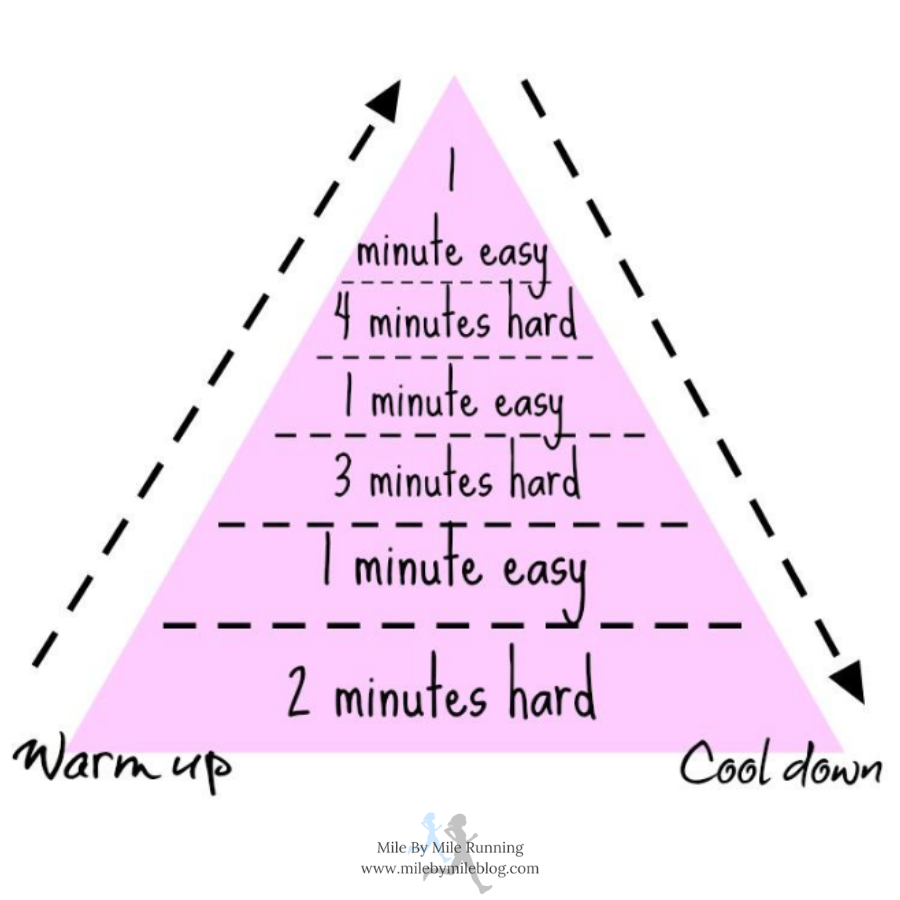
Walk for 40 minutes using pyramid intervals. After a five-minute warm-up, walk fast for one minute, recover for one minute, walk fast for two minutes, recover for one minute, walk fast for three minutes, recover for two minutes, then work back down – fast for two minutes, recover for one minute, fast for one minute, recover for one minute. Repeat the pyramid if time allows, then cool down. Pyramids prevent boredom and push your cardiovascular system in a progressive, manageable way.
Day 24 – 45 Minutes Steady
Walk for 45 minutes at a moderate to brisk pace. This is a workhorse walk – not your hardest, not your easiest, just solid consistent effort. These steady-state walks are the backbone of any walking program and are responsible for the majority of your cumulative calorie burn over 30 days.
Day 25 – Rest Day
Your final scheduled rest day. You have earned it. Stretch, foam roll, hydrate, and mentally prepare for the final push. Look back at your tracking log and appreciate how far you have come. Your day-one baseline probably feels laughable now, and that is exactly the point.
Day 26 – 45 Minutes With Strength Stops
Walk for 45 minutes at a brisk pace. At the 15 and 30-minute marks, stop and do a mini strength circuit: 10 squats, 10 calf raises, and a 20-second wall sit (use a bench, tree, or wall). These strength additions build the muscles that support your walking form and increase your resting metabolic rate, meaning you burn more calories even when you are not walking.
Day 27 – 50 Minutes Easy Exploration
Walk for 50 minutes at an easy, enjoyable pace on a route you have never tried before or rarely use. A new environment stimulates your brain, makes the time fly, and reminds you that walking is not just exercise – it is a way to explore and enjoy the world around you. This is your longest walk yet, and the easy pace makes it achievable and pleasant.
Day 28 – 45 Minutes With Maximum Intervals
Walk for 45 minutes. After a five-minute warm-up, alternate between 90 seconds of your absolute fastest walking pace and 90 seconds of recovery. This 1:1 interval ratio is demanding and incredibly effective for calorie burn and cardiovascular improvement. Continue this pattern for 35 minutes, then cool down for five minutes. Your fastest walking pace by day 28 is significantly faster than your fastest pace on day 10, which shows real fitness improvement.
Day 29 – 50 Minutes Moderate Steady
Walk for 50 minutes at a moderate, steady pace. This walk is about endurance and reflection. Think about how far you have come, how much stronger you feel, and what you want your walking practice to look like going forward. This is not the end of your walking journey – it is the foundation for everything that comes next.
Day 30 – Your Celebration Walk (60 Minutes)
Walk for 60 minutes. One full hour. Choose your favorite route, your favorite pace, and your favorite playlist or podcast. This walk is a celebration of 30 days of commitment, consistency, and growth. Four weeks ago, you walked for 15 minutes. Today, you are walking for a full hour. That transformation is extraordinary, and it happened because you showed up day after day.
Week 4 Summary
Total walking days: 8 (with 1 rest day). Total walking time: approximately 410 minutes (6 hours and 50 minutes). Average daily walk: about 51 minutes. You are now a strong, consistent walker who can comfortably walk for an hour. Your cardiovascular fitness, endurance, and calorie-burning capacity have transformed.
Essential Gear for Comfortable Walking
Walking Shoes
Your shoes are the single most important investment for a walking program. For plus-size walkers, proper footwear is even more critical because your feet support more weight with every step. Look for shoes with ample cushioning (especially in the heel and forefoot), a wide toe box that does not squeeze your toes, sturdy arch support, and a sole that provides good shock absorption.
The
Nike Air Monarch IV
is a classic walking shoe that comes in wide and extra-wide widths with excellent cushioning. For women who need maximum support, the
Brooks Addiction Walker 2
is a podiatrist-recommended walking shoe available in wide widths that provides exceptional stability and motion control.
Replace your walking shoes every 300 to 500 miles, or roughly every three to six months of regular walking. Worn-out shoes lose their cushioning and support, which leads to foot, knee, and hip pain. If you notice aches that were not there before, your shoes might be the culprit.
Moisture-Wicking Clothing
Cotton absorbs sweat and stays wet, which causes chafing, discomfort, and temperature regulation problems. Moisture-wicking fabrics pull sweat away from your skin and dry quickly, keeping you comfortable during longer walks. The
plus-size moisture-wicking walking sets on Amazon
are affordable and come in sizes up to 5X.
Anti-Chafe Products
Thigh chafing is real, it is painful, and it can derail your walking plan faster than anything else. Prevention is simple. Apply an anti-chafe balm or cream to your inner thighs, under your arms, and anywhere skin rubs together before every walk. Products like Body Glide or Megababe Thigh Rescue create a invisible barrier that prevents friction. Some walkers also wear bike shorts or slip shorts under their walking clothes for additional protection.
A Supportive Sports Bra
Walking creates repetitive motion that can be uncomfortable without proper breast support, especially for larger cup sizes. A high-impact sports bra is not necessary for walking – a medium-support encapsulation bra that separates and supports each breast individually tends to be more comfortable than a compression style. The
All in Motion sports bras at Target
offer excellent support in extended sizes at an accessible price point.
A Water Bottle
Hydration during walks longer than 20 minutes matters, especially in warm weather. A handheld water bottle or a waist-mounted hydration belt keeps water accessible without interrupting your stride. Aim for 8 ounces of water every 20 minutes during your walk, and more in heat or humidity.
Nutrition Tips to Maximize Your Walking Results
Fuel Before Your Walk
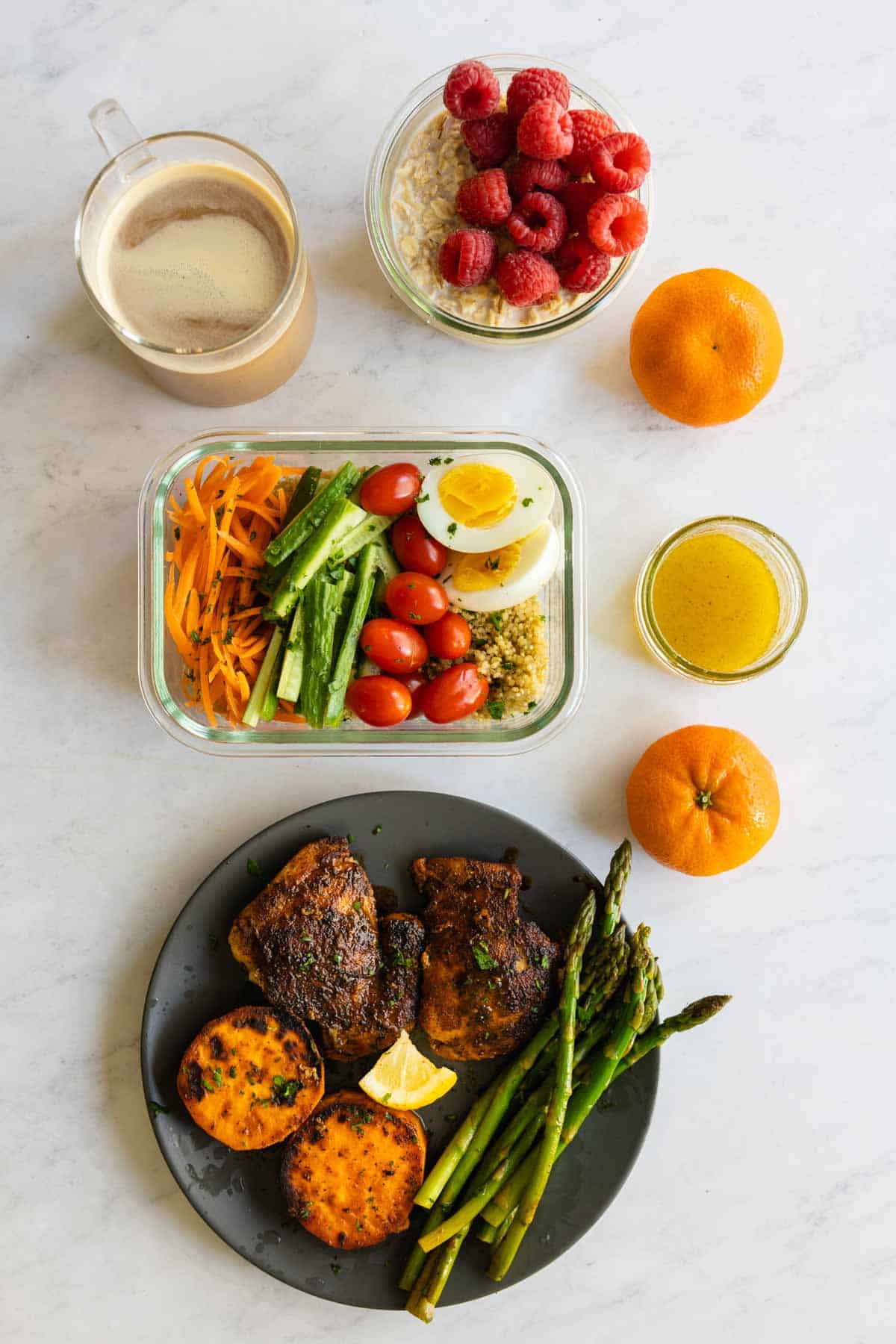
Walking on a completely empty stomach can leave you lightheaded and low-energy, while walking on a full stomach causes cramps and discomfort. The sweet spot is a small snack 30 to 60 minutes before your walk – something with simple carbohydrates and a little protein. A banana with a tablespoon of peanut butter, a small handful of trail mix, or a piece of toast with avocado gives you enough energy to power through your walk without weighing you down.
Recover After Your Walk
Eat a balanced meal or snack within an hour of finishing your walk. This helps your muscles recover and prevents the ravenous hunger that leads to overeating later. Include protein (to repair muscles), complex carbohydrates (to replenish energy stores), and some healthy fat (to keep you satisfied). A Greek yogurt parfait with fruit and granola, a turkey and avocado wrap, or a smoothie with protein powder, banana, and spinach are all excellent post-walk options.
Focus on Whole Foods
You do not need to follow a strict diet to see results from your walking plan. Focus on eating more whole, minimally processed foods – vegetables, fruits, lean proteins, whole grains, and healthy fats – and less of the processed, high-sugar, high-sodium foods that make up the modern diet. Small, sustainable nutrition improvements paired with consistent walking produce better long-term results than any crash diet.
Stay Hydrated All Day
Hydration affects everything from your energy levels to your appetite to your walking performance. Aim for half your body weight in ounces of water per day, plus additional water during and after your walks. If plain water bores you, add sliced fruit, cucumber, or a splash of lemon juice. Herbal teas count toward your water intake too.
Do Not Eat Back All Your Calories
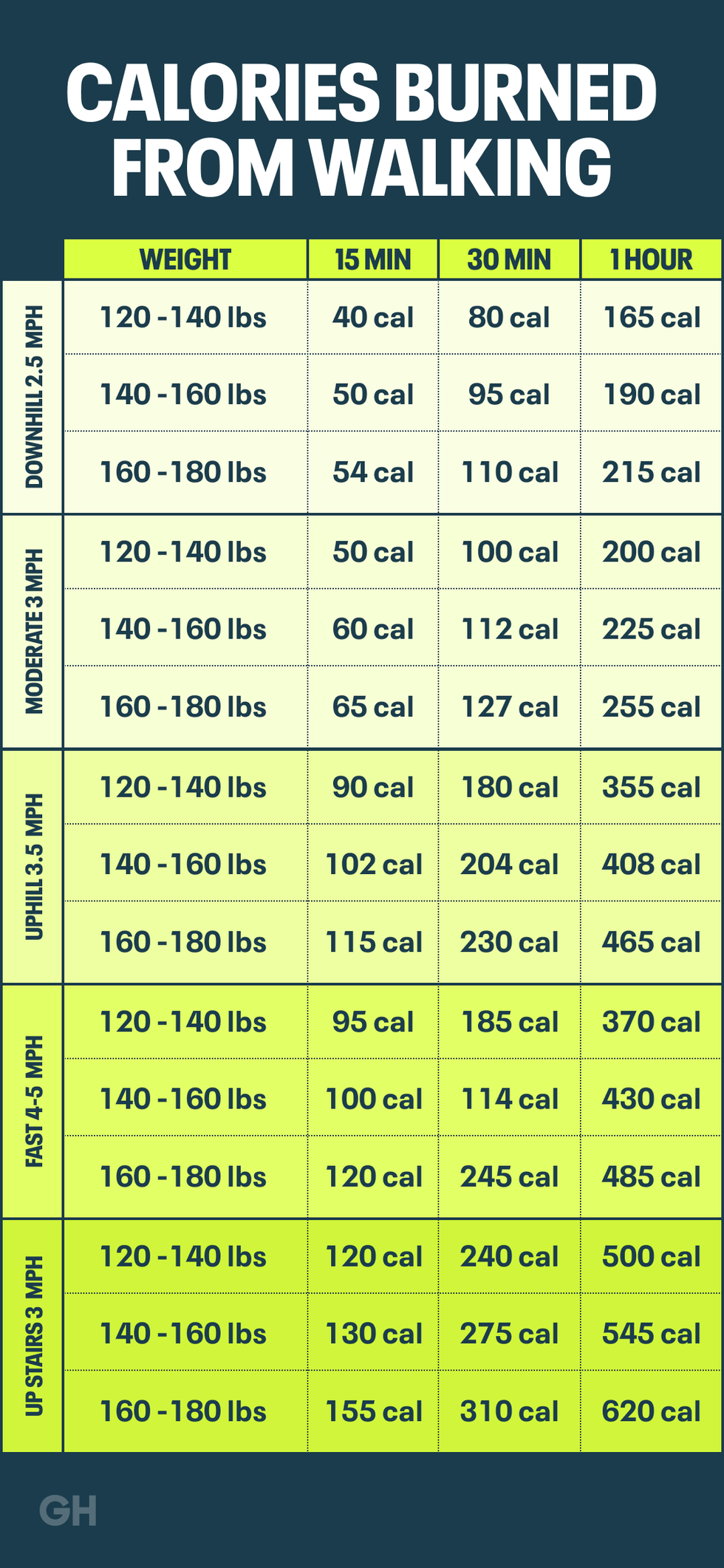
One common mistake is using exercise as an excuse to eat significantly more. Walking burns real calories – a 200-pound woman walking briskly for 45 minutes burns approximately 300 to 350 calories. But that does not mean you should add 350 calories to your daily intake. A small post-walk snack is fine. Rewarding every walk with a large treat undermines your calorie deficit and stalls weight loss. This is not about deprivation – it is about awareness.
Troubleshooting Common Walking Challenges
Shin Splints
Pain along the front of your lower leg during or after walking is usually shin splints, caused by doing too much too soon, worn-out shoes, or walking on hard surfaces. Treatment includes rest, ice for 15 minutes several times a day, and stretching your calves. Prevention means increasing your walking time gradually (this plan is designed with that in mind), wearing proper shoes, and walking on softer surfaces like tracks or trails when possible.
Knee Pain
If your knees hurt during or after walking, check your shoes first – worn-out or unsupportive shoes are the most common culprit. Second, check your walking form – taking too-long strides puts extra stress on your knees. Shorter, quicker steps are easier on your joints. Third, consider your route – constant downhill walking is harder on knees than flat or uphill walking. If knee pain persists, a knee support sleeve can provide compression and stability during walks.
Boredom
Walking the same route at the same time every day gets monotonous. Combat boredom by rotating routes, listening to podcasts, audiobooks, or music, walking with a friend or family member, joining a walking group, or using a walking app that gamifies your routes. Some walkers track their cumulative miles and plot them on a virtual journey – like walking the equivalent distance from one city to another.
Weather
Bad weather is the most common excuse for skipping walks. Have an indoor backup plan ready at all times. A treadmill, a large store or mall, an indoor track, or even walking in place at home while watching TV are all valid alternatives. You do not lose progress because you walked indoors instead of outdoors. You lose progress by not walking at all.
Time Constraints
On days when you genuinely cannot fit in the full walk, do a shorter version rather than skipping entirely. Even a 10-minute walk maintains your habit and provides real health benefits. Research shows that three 10-minute walks throughout the day provide similar health benefits to one continuous 30-minute walk. Split your walk into morning, lunch, and evening segments if that is what fits your schedule.
Lack of Motivation
Motivation is unreliable. It comes and goes depending on your mood, energy, sleep, and stress levels. Do not depend on motivation – depend on routine. Set out your walking clothes the night before. Put your shoes by the door. Tell someone your walking plan so they can check in on you. On the days you least want to walk, commit to just five minutes. Most of the time, once you start, you will keep going.
What Happens After Day 30
What You Can Expect to Have Achieved
After 30 days of consistent walking, most people experience measurable changes. These typically include weight loss of 3 to 8 pounds (depending on starting weight and nutrition), reduced waist circumference, improved cardiovascular endurance, better sleep quality, higher daily energy levels, improved mood and reduced stress, and better blood pressure and blood sugar numbers. Your body has adapted to regular movement, and it now expects and craves it.
Keep the Momentum Going
Day 30 is not a finish line – it is a launching pad. You have built a walking habit, and now you get to decide what to do with it. You have several options for continuing your progress. You can repeat the plan with increased baseline times, starting at 25 minutes instead of 15 and scaling up from there. You can maintain your week-four walking schedule as your regular routine, walking 45 to 60 minutes most days. You can add other forms of exercise alongside your walking, like strength training, swimming, or yoga. Or you can train for a specific goal, like a 5K walk, a charity walk event, or hitting 10,000 steps daily.
Beyond the Scale
Weight loss may have been your initial motivation, and that is completely valid. But after 30 days, many women discover that the non-scale benefits of walking are even more valuable. The mental clarity, the stress relief, the quiet time with your own thoughts, the sense of accomplishment, the physical strength, the improved sleep – these benefits last long after you reach any number on the scale. Walking changes your body, but it also changes your relationship with movement. And that relationship is worth more than any number.
The
fitness trackers with plus-size bands on Amazon
can help you track your continued progress beyond the 30-day plan, monitoring steps, distance, heart rate, and calories burned throughout the day.
Key Takeaways
Walking is one of the most effective and sustainable forms of exercise for weight loss, especially for plus-size women, because it is low impact, free, accessible, and produces real results when done consistently.
This 30-day plan progressively builds from 15-minute walks to 60-minute walks, gradually increasing duration, pace, and intensity so your body adapts without injury or burnout.
Proper gear – especially supportive walking shoes and moisture-wicking clothing – prevents pain, chafing, and discomfort that can derail your progress.
Rest days are built into the plan because recovery is when your body gets stronger, and skipping rest leads to overuse injuries.
Small, sustainable nutrition changes paired with consistent walking produce better long-term results than any extreme diet.
After 30 days, most women experience 3 to 8 pounds of weight loss plus significant improvements in energy, sleep, mood, and cardiovascular fitness.
Day 30 is a launching pad, not a finish line – use the habit you have built to keep walking, add new exercises, or train for specific goals.
Frequently Asked Questions
How many calories does walking burn for a plus-size woman?
Calorie burn depends on your weight, walking speed, terrain, and duration. As a general estimate, a 200-pound woman walking at a brisk pace (3.5 mph) burns approximately 350 to 400 calories per hour. A 250-pound woman burns approximately 430 to 480 calories per hour at the same pace. Heavier bodies burn more calories during the same activity because they are moving more mass. Walking on hills or at faster speeds increases these numbers further. Over the course of this 30-day plan, total calorie burn from walking alone is approximately 7,000 to 12,000 calories, which translates to 2 to 3.5 pounds of fat loss from walking alone before accounting for any nutritional changes.
Can I walk every day or do I need rest days?
You can walk every day if your body feels good, but scheduled rest days are included in this plan for important reasons. Rest allows your muscles, joints, and connective tissue to recover and adapt. Without rest, you risk overuse injuries like shin splints, plantar fasciitis, and joint inflammation that could sideline you for weeks. If you feel great on rest days and want to move, keep it light – a gentle 10-minute stroll, some stretching, or easy yoga. Save your full-effort walks for the scheduled walking days.
Is walking enough for weight loss or do I need to diet too?
Walking alone can produce weight loss, especially if you were previously sedentary, because it creates a calorie deficit through increased activity. However, combining walking with mindful eating produces significantly better results. You do not need to follow a strict diet. Focus on eating more whole foods, watching portion sizes, staying hydrated, and reducing highly processed snacks and sugary drinks. The combination of regular walking and moderate nutritional improvements is the most sustainable and effective approach to lasting weight loss.
What if I miss a few days during the 30-day plan?
Missing days does not mean you failed or need to start over. Life happens – illness, bad weather, family emergencies, exhausting work days. If you miss one day, simply do that day’s walk tomorrow and shift the plan by one day. If you miss several days, go back to the last day you completed and pick up from there. The plan is designed to be flexible. Completing it in 35 or 40 calendar days still gives you the same progressive benefit as completing it in exactly 30. Consistency over time matters far more than perfection.
Should I walk on a treadmill or outside?
Both are effective. Outdoor walking offers natural terrain variation, fresh air, sunlight (which helps vitamin D production and mood), and changing scenery that reduces boredom. Treadmill walking offers climate control, consistent surfaces, precise speed and incline control, and convenience. The best choice is whichever one you will do consistently. Many successful walkers use both – outdoor walks when the weather cooperates and treadmill walks when it does not. If you primarily use a treadmill, set the incline to at least 1 percent to simulate the natural resistance of outdoor walking.
Let us be honest for a moment. How do you feel when you catch your reflection? If your first instinct is to look away, to zero in on the parts of your body you have been taught to dislike, or to avoid mirrors altogether, you are not alone. So many of us have spent years absorbing messages that told us our bodies were problems to be solved. But what if you could rewire that response? What if, in just 30 days, you could build a mirror confidence challenge practice that helps you see yourself with kindness instead of criticism?
This is not about forcing yourself to love every inch of your body overnight. That kind of pressure is just another form of perfectionism dressed up in self-help language. Instead, this 30-day mirror confidence challenge is about building a slow, steady, and sustainable path toward body acceptance. It is about replacing the automatic negativity with something gentler, something truer, and something that actually serves you.
Whether you are a size 14 or a size 34, whether you have always struggled with your reflection or are just going through a rough patch, this challenge meets you exactly where you are. No toxic positivity. No before-and-after photos. Just you, your mirror, and a daily practice that thousands of women have used to shift their mindset in ways they never thought possible.
Why a Mirror Confidence Challenge Can Transform Your Relationship With Your Body
The mirror confidence challenge is not some trendy internet dare. It is rooted in actual psychological principles. Exposure therapy, one of the most well-researched techniques in cognitive behavioral therapy, works by gradually and repeatedly exposing someone to something they avoid or fear. For many plus-size women, mirrors have become a source of anxiety, and this challenge uses a similar principle to gently desensitize that response.
Research published in the journal Body Image found that mirror exposure exercises – where participants spent structured time looking at their bodies with guided neutral or positive commentary – significantly reduced body dissatisfaction over time. Participants reported feeling less anxious around mirrors, less preoccupied with perceived flaws, and more able to appreciate their bodies as they are.
But here is the part that research alone cannot capture: the feeling of looking at yourself and not flinching. The quiet power of being able to get dressed in the morning without a wave of self-criticism. The freedom of walking past a store window and not automatically sucking in your stomach. These shifts are subtle, but they change the texture of your entire day.
This mirror confidence challenge works because it is progressive. You are not being asked to stand naked in front of a full-length mirror on Day 1 and recite affirmations. Instead, you are building up to it, layer by layer, at a pace that respects your emotional bandwidth.
Before You Begin – Setting Yourself Up for Success
Before you start your 30-day mirror confidence challenge, take a few minutes to set yourself up for the best possible experience. This is not about perfection – it is about intention.
Choose Your Mirror
Pick a mirror that you will use consistently throughout the challenge. Ideally, this should be a full-length mirror in a private space where you feel safe and uninterrupted. If you do not own a full-length mirror, a bathroom mirror works perfectly fine for the first two weeks. You can always upgrade later.
If you want to invest in a good mirror for this challenge, a
full-length floor mirror with a sturdy frame
is a great option. Look for one with good lighting – avoid mirrors in dim corners or ones that distort your image. You deserve to see yourself clearly.
Set Your Time
Each daily exercise takes between 3 and 10 minutes. Choose a consistent time – maybe after your morning shower, during your skincare routine, or right before bed. Consistency is more important than duration. Three minutes every day beats twenty minutes once a week.
Get a Journal
You will want somewhere to jot down your thoughts after each session. This does not need to be fancy. A simple notebook, the notes app on your phone, or a
guided self-love journal
all work beautifully. The act of writing helps solidify the shifts you are making internally.
Tell Someone You Trust
Accountability matters. Tell a friend, a partner, a therapist, or an online community that you are doing this. You do not have to share details – just the fact that you are working on something meaningful for yourself. Having someone check in on you can make the difference between finishing and fading out around Day 12.
Week One – Days 1 Through 7 – The Foundation Phase
The first week of the mirror confidence challenge is gentle by design. You are simply building the habit of spending intentional time with your reflection. No big emotional asks. Just showing up.
Day 1 – The Neutral Gaze
Stand in front of your mirror for three minutes. You can be fully clothed – whatever makes you comfortable. Your only goal is to look at your face. Not to evaluate it, not to pick it apart, just to look. Notice your eye color, the shape of your brows, the curve of your lips. If critical thoughts come up, acknowledge them and let them pass. You are practicing neutral observation.
Day 2 – Three Nice Things About Your Face
Same position as yesterday, but today, name three things about your face that you appreciate. These do not have to be things you love – just things you can acknowledge. Maybe it is that your eyes crinkle when you smile. Maybe it is the freckles across your nose. Write them down afterward.
Day 3 – Smile at Yourself
This sounds silly, and that is exactly the point. Stand in front of your mirror and genuinely smile at yourself for one full minute. Not a forced grin – try to think of something that makes you happy and let it reach your face. Notice how your reflection changes. Most of us never see ourselves smiling naturally. It can be surprisingly emotional.
Day 4 – Hands and Arms Appreciation
Expand your gaze to include your hands and arms. Look at them in the mirror. Think about everything they do for you – the meals they prepare, the people they hug, the work they accomplish. Say out loud: “These hands carry me through my life.” Write down any feelings that come up.
Day 5 – The Outfit Check
Put on an outfit you feel good in. Stand in front of the mirror and take in the full picture – not just the parts you usually fixate on, but the whole image. Notice colors, textures, how the fabric moves. If you need outfit inspiration that makes you feel amazing, the
Torrid Studio Knit collection
is designed to drape beautifully on curves.
Day 6 – Gratitude for Function
Today, stand in front of the mirror and focus on what your body does rather than how it looks. Your legs carry you. Your lungs breathe without you asking. Your heart has been beating since before you were born. Spend three minutes thanking your body for its function. Write down five things your body did for you today.
Day 7 – Weekly Check-In
Take ten minutes to journal about your first week. What felt easy? What felt hard? Did any emotions surprise you? Rate your comfort level with the mirror from 1 to 10 – this is your baseline. You will check in again at the end of each week.
Week Two – Days 8 Through 14 – The Observation Phase
Now that you have built the habit, Week Two introduces deeper observation. You are learning to see your body as a whole rather than a collection of problem areas.
Day 8 – Full Body Scan With Neutrality
Wearing something comfortable – leggings and a tank top, a soft robe, whatever feels right – stand in front of the mirror and slowly scan your body from head to toe. Your goal is neutral description, like a painter studying their subject. “I have round shoulders. My stomach is soft. My thighs are strong.” No judgment words – just observation.
Day 9 – The Posture Experiment
Stand in front of the mirror and try three different postures: shoulders hunched, neutral standing, and shoulders back with chin slightly lifted. Notice how each posture changes not just how you look but how you feel. Body confidence lives in your posture as much as in your thoughts. For extra support during the day, a
plus-size posture corrector
can be a helpful reminder to stand tall.
Day 10 – Soft Belly Day
This is often the hardest day of the challenge, and it is placed early in Week Two intentionally. Stand in front of the mirror, place your hands on your belly, and breathe. Do not suck in. Do not tense up. Let your belly be soft. Spend three minutes with your hands there, breathing normally. If tears come, let them. This is where so much of our body shame lives, and giving it gentleness instead of tension is a radical act.
Day 11 – Movement in the Mirror
Put on your favorite song and move in front of the mirror. Dance, sway, stretch – whatever feels natural. Watch your body in motion. Bodies in motion look different from bodies standing still, and there is something beautiful about seeing yourself move freely. Let it be fun. Let it be silly. Let it be whatever it wants to be.
Day 12 – The Touch Exercise
While looking in the mirror, gently touch different parts of your body with kindness. Run your hands down your arms, across your shoulders, over your hips. Touch your body the way you would comfort a friend. This exercise builds a connection between physical sensation and visual input, rewiring the way your brain processes your reflection.
Day 13 – Wearing Something You Have Been Avoiding
Pull out that piece of clothing you bought but never wore. The sleeveless top. The bodycon dress. The shorts. Put it on and stand in front of the mirror for five minutes. You do not have to love how it looks. You just have to see yourself in it and sit with whatever comes up. If the item does not fit comfortably, that is information about the clothing, not about your body.
Day 14 – Weekly Check-In
Journal again. Rate your comfort level from 1 to 10. Compare it to last week. Write about any shifts you have noticed – in front of the mirror and outside of it. Many women report that by this point, they are catching themselves being less critical throughout the day, not just during the challenge.
Week Three – Days 15 Through 21 – The Affirmation Phase
Week Three is where you start actively replacing critical self-talk with affirmations. By now, you have built enough comfort with the mirror that adding positive language will feel more natural than it would have on Day 1.
Day 15 – Your First Mirror Affirmation
Look into your own eyes in the mirror and say: “I am allowed to take up space.” Say it three times. The first time might feel awkward. The second time might feel forced. The third time, something might shift. Write about the experience afterward.
Day 16 – Body Part Affirmations
Choose three body parts – including one you struggle with – and give each one a compliment out loud. “My arms are strong and capable.” “My thighs carry me through every adventure.” “My belly is soft, and that is perfectly fine.” Specificity matters here. Generic affirmations slide off. Specific ones stick.
Day 17 – The Letter to Your Body
Write a short letter to your body as if it were a friend you had been neglecting. Apologize for the harsh words. Acknowledge what it has been through. Promise to try harder. Then read the letter out loud to your reflection. This exercise is borrowed from therapeutic practice and is one of the most powerful days of the entire challenge.
Day 18 – Affirmations in Your Skincare Routine
Today, combine your mirror time with your skincare routine. As you apply each product, say something kind to the skin you are caring for. When you apply moisturizer to your face, say “I am taking care of you.” When you apply body lotion, say “You deserve softness.” A nourishing body cream like
Sol de Janeiro Brazilian Bum Bum Cream
turns this into a sensory experience that reinforces the positive message.
Day 19 – The Power Pose
Social psychologist Amy Cuddy popularized the idea of power posing – standing in an expansive, confident posture to shift your internal state. Today, try three power poses in front of the mirror: hands on hips (the Wonder Woman), arms raised in a V (the victory pose), and hands clasped behind your head with elbows wide. Hold each for two minutes. Notice how your reflection looks powerful and commanding. That is you. That has always been you.
Day 20 – Affirmations for Your Younger Self
Look at your reflection and imagine your younger self standing beside you – the little girl who first learned to feel bad about her body. What would you say to her? Speak those words out loud to the mirror. Many women find this exercise deeply healing because it connects the dots between old wounds and current self-perception.
Day 21 – Weekly Check-In
Rate your comfort level again. By Week Three, most women report a 3 to 5 point increase from their baseline. Journal about the affirmation exercises. Which ones felt powerful? Which felt difficult? What surprised you about hearing your own voice say kind things about your body?
Week Four – Days 22 Through 30 – The Celebration Phase
The final phase is about anchoring everything you have built. These exercises are designed to be joyful, celebratory, and deeply affirming. You have done the hard work. Now it is time to enjoy the results.
Day 22 – The Photo Shoot
Set up your phone on a timer or prop it against the mirror and take photos of yourself. Not for social media – for you. Try different poses, different angles, different expressions. Look at the photos afterward and pick three that make you smile. Save them somewhere you can easily access them on hard days.
Day 23 – Dress Up Day
Put together your most confident outfit. Do your hair. Do your makeup if that is your thing. Put on jewelry. Go all out. Then stand in front of the mirror and take yourself in. This is you at your most put-together, and the goal is to see the full picture with appreciation. A statement accessory like a
chunky gold chain necklace
can add that extra boost of confidence to your look.
Day 24 – Bare Skin Day
If you are ready – and only if you are ready – spend time in front of the mirror in minimal clothing. Underwear, a bralette, whatever your comfort level allows. This is not about being brave or pushing past your limits. It is about meeting your body without the armor of clothing and offering it the same kindness you have been practicing all month.
Day 25 – The Compliment Collection
Write down every compliment you can remember receiving about your appearance, your energy, your presence – anything. Then read them to your reflection. Sometimes we dismiss compliments the moment we hear them. Today, you are going to let them land.
Day 26 – Mirror Dancing – The Full Version
Remember Day 11? Today, you are doing it again, but bigger. Create a playlist of songs that make you feel unstoppable. Dance in front of the mirror for at least three songs. Watch yourself move. Let yourself be mesmerized by your own body in motion. This is freedom.
Day 27 – Share Your Journey
If it feels right, share something about your experience. Post on social media, tell a friend, write a blog post, or simply text someone you love and tell them about this challenge. Vulnerability shared becomes strength multiplied.
Day 28 – Create Your Personal Affirmation
Using everything you have learned about yourself over the past 27 days, write one personal affirmation that resonates deeply with you. Not something generic from the internet – something that speaks directly to your journey. Write it on a sticky note and put it on your mirror. This is your anchor.
Day 29 – The Forgiveness Exercise
Look in the mirror and say: “I forgive myself for every unkind thing I have ever thought about you.” Say it as many times as you need to. Some women say it once and feel complete. Others need to repeat it for five minutes before it starts to sink in. There is no right way. There is only your way.
Day 30 – The Celebration
You did it. Stand in front of your mirror one final time – for now – and simply say “Thank you.” Thank your body for carrying you through this challenge. Thank yourself for showing up every day. Thank the mirror for being a tool for healing instead of harm. Then do something wonderful for yourself. Take a bath, buy yourself flowers, order that
gorgeous satin robe set from Savage X Fenty
you have been eyeing, or simply sit with the quiet pride of having completed something meaningful.
How to Handle Difficult Days During the Challenge
Let us be real – not every day of this mirror confidence challenge will feel good. Some days you will stand in front of the mirror and the old critical voice will be louder than anything else. Some days you will cry. Some days you will want to skip. Here is what to do when that happens.
Lower the Bar, Do Not Drop It
If a day’s exercise feels too intense, scale it back. Instead of a full body scan, just look at your hands. Instead of saying affirmations out loud, whisper them. Instead of five minutes, do one. The goal is not to complete each exercise perfectly – it is to maintain the habit of showing up. A scaled-back practice still counts.
Name the Voice
When critical thoughts come up, it helps to externalize them. Some women name their inner critic – “Oh, there goes Karen again, telling me my thighs are too big.” This creates distance between you and the thought. You are not your inner critic. You are the person who is brave enough to challenge it.
Write It Out
If a session brings up big emotions, write them down immediately. Do not try to analyze or fix them. Just get them out of your body and onto paper. This is one reason the journal component of this challenge is so important. It gives your feelings somewhere to go besides back into your body as tension and shame.
Reach Out
If a day feels particularly heavy, text the person you told about this challenge. You do not have to explain everything – just say “Today was hard” and let someone hold that with you. Body acceptance work can surface deep stuff, and you do not have to carry it alone.
Remember Why You Started
On the hardest days, come back to your why. Maybe you started because you are tired of dreading getting dressed. Maybe you started because you want your daughter to see a woman who likes her reflection. Maybe you started because you deserve peace with your body after decades of war. Whatever your reason, it is enough. It is more than enough.
What Happens After the 30 Days Are Over
The mirror confidence challenge does not end on Day 30. It simply shifts from a structured program to a sustainable practice. Here is how to maintain the gains you have made.
Keep the Mirror Time
Continue spending at least one minute per day in intentional mirror time. This can be during your skincare routine, while getting dressed, or as a standalone practice. The key word is intentional – you are choosing to look at yourself with presence rather than rushing past your reflection on autopilot.
Update Your Affirmation
Every few weeks, check in with your personal affirmation. Does it still resonate? Does it need updating? As you grow, your affirmation should grow with you. Some women keep a running list and rotate through them.
Build a Body-Positive Environment
Your mirror work is most effective when supported by a body-positive environment. Curate your social media feeds to include diverse body types. Follow plus-size creators who celebrate their bodies without apology. Read books like “The Body Is Not an Apology” by Sonya Renee Taylor or
body-positive book collections available on Amazon
. Surround yourself with images and messages that reinforce what you are building in front of the mirror.
Dress for Joy, Not Hiding
One of the most practical outcomes of this challenge is a shift in how you get dressed. Many women report that after 30 days, they start reaching for clothes that make them feel good rather than clothes that hide their bodies. If your wardrobe needs a refresh to match your new mindset, brands like
Universal Standard
and
Eloquii
offer beautiful, well-made pieces designed for curvy bodies.
Consider Professional Support
If this challenge surfaced deep-seated body image issues, trauma around your appearance, or symptoms of disordered eating, please consider working with a therapist who specializes in body image. This challenge is a wonderful starting point, but it is not a substitute for professional support when you need it. Organizations like the National Eating Disorders Association (NEDA) offer free resources and referrals.
The 30-day mirror confidence challenge is not magic. It will not erase years of internalized fatphobia overnight. But it will crack the door open. It will show you that another way of seeing yourself is possible. And once that door is open, even just a crack, the light that comes through can change everything.
You deserve to look at your reflection and feel peace. Not perfection. Not forced positivity. Just peace. And that starts with 30 days, a mirror, and the willingness to try.
Key Takeaways
The 30-day mirror confidence challenge uses principles from exposure therapy to gradually build a healthier relationship with your reflection, moving through foundation, observation, affirmation, and celebration phases.
Starting with neutral observation rather than forced positivity makes the practice sustainable and prevents the challenge from feeling overwhelming or fake.
Difficult days are normal and expected – scaling back the exercise is always better than skipping it entirely.
Combining mirror work with journaling, supportive community, and a body-positive environment amplifies the results beyond what mirror time alone can achieve.
The real goal is not to love every part of your body but to reach a place of peace and acceptance where your reflection no longer triggers shame or avoidance.
Frequently Asked Questions
Do I have to do the mirror confidence challenge every single day without missing one?
No. Life happens, and missing a day does not erase your progress. If you miss a day, simply pick up where you left off the next day. What matters most is the overall pattern of showing up, not achieving a perfect streak. Some women take 35 or 40 days to complete the 30 exercises, and the results are just as meaningful.
What if I start crying during one of the exercises?
Tears are a completely normal and healthy response during this challenge, especially during exercises like the soft belly day or the letter to your body. Crying means something is moving through you. Let it happen, write about it afterward, and be extra gentle with yourself for the rest of the day. If the emotions feel overwhelming or unmanageable, consider reaching out to a therapist for additional support.
Can I do this challenge with a friend or partner?
Absolutely. Many women find it helpful to do the challenge alongside a friend, checking in daily or weekly to share their experiences. However, the actual mirror exercises should be done privately. Body image work is deeply personal, and you need the freedom to be vulnerable without an audience. Share your reflections afterward, but keep the mirror time just for you.
I have a history of eating disorders. Is this challenge safe for me?
Mirror exposure can be powerful, and for individuals with a history of eating disorders, it should ideally be done under the guidance of a therapist who specializes in body image and eating disorders. This challenge is designed for general body acceptance work, not clinical treatment. If you have an active eating disorder or are in early recovery, please consult with your treatment team before starting.
Will this challenge help me lose weight?
This challenge is not about weight loss. It is about changing your relationship with your body as it is right now. Many women find that when they stop fighting their bodies and start caring for them, their overall health behaviors naturally improve – but weight loss is not the goal, the metric, or the measure of success here. The measure of success is how you feel when you look in the mirror on Day 30 compared to Day 1.
Stress does not wait for a convenient time to show up. It hits you in the middle of a workday, during your commute, before an important meeting, after a tough conversation, or at 2 AM when your brain decides to replay every embarrassing moment from the last decade. You cannot always take an hour-long yoga class or schedule a spa day when stress strikes. What you can do is have a collection of stress relief activities that work in 10 minutes or less.
Quick stress relief is not a substitute for long-term stress management strategies – those matter too. But having tools that work in the moment can prevent a stressful situation from spiraling into a full-blown anxiety attack, an emotional meltdown, or a physical stress response that affects your entire day.
The science behind these techniques is solid. When you are stressed, your sympathetic nervous system activates your fight-or-flight response, flooding your body with cortisol and adrenaline. Quick stress relief activities work by activating your parasympathetic nervous system – the “rest and digest” system – which counteracts the stress response and brings your body back to baseline.
Here are 20 proven stress relief activities, each designed to take 10 minutes or less, organized by category so you can find what works best for your situation.
Breathing-Based Stress Relief Activities
Breathing techniques are the fastest way to activate your parasympathetic nervous system. They work anywhere, require no equipment, and can produce noticeable results in as little as 60 seconds.
1. Box Breathing (4 Minutes)
Breathe in for 4 counts. Hold for 4 counts. Breathe out for 4 counts. Hold for 4 counts. Repeat for 4 minutes. This technique is used by Navy SEALs to manage stress in high-pressure situations. If it works in combat, it can work during your meeting with your manager.
2. The 4-7-8 Technique (5 Minutes)
Breathe in through your nose for 4 counts. Hold your breath for 7 counts. Exhale through your mouth for 8 counts. The extended exhale is the key – it directly stimulates your vagus nerve, which is the main highway of your parasympathetic nervous system. Do 4 to 8 cycles.
3. Physiological Sigh (1 Minute)
This is the fastest breathing technique backed by neuroscience. Take a quick double inhale through your nose – one normal breath immediately followed by a shorter sharp breath that fully inflates your lungs. Then do one long, slow exhale through your mouth. Repeat 2-3 times. Stanford researchers found this technique reduces stress more effectively than traditional meditation in just one minute.
4. Belly Breathing (5 Minutes)
Place one hand on your chest and one on your belly. Breathe in slowly through your nose, directing the air into your belly so your lower hand rises while your upper hand stays still. Exhale slowly through your mouth. This type of diaphragmatic breathing is one of the most natural stress relief activities because it mimics the way you breathe when you are fully relaxed.
Physical Movement Stress Relievers
Movement burns off stress hormones and releases endorphins. You do not need a gym membership or workout clothes – these activities work in whatever you are wearing, wherever you are.
5. Power Walk (10 Minutes)
Walk briskly for 10 minutes – around the block, up and down stairs, through a parking lot. Moving your body at a pace slightly faster than comfortable increases blood flow, oxygenates your brain, and shifts your focus from internal worries to your physical environment. If you can get outside, the combination of movement plus fresh air doubles the benefit.
6. Progressive Muscle Relaxation (7 Minutes)
Starting from your toes and working up, tense each muscle group for 5 seconds, then release for 10 seconds. Feet, calves, thighs, glutes, stomach, chest, hands, arms, shoulders, neck, face. By the time you reach your face, your entire body will feel noticeably more relaxed. This technique works because physical tension and mental stress are deeply connected – releasing one releases the other.
7. Shake It Off (3 Minutes)
Stand up and literally shake your body. Start with your hands, then arms, then shoulders, then hips, then legs. Shake vigorously for 2-3 minutes. This might feel silly, but it is based on how animals release stress after a threatening encounter. Your body stores stress as tension, and shaking releases it physically.
8. Desk Stretching (5 Minutes)
Roll your neck in slow circles. Stretch your arms overhead. Twist gently at the waist. Roll your shoulders backward. Stretch your wrists and fingers. These simple stretches release the tension that accumulates in your body during long periods of sitting, especially if you carry stress in your neck, shoulders, or back.
9. Dance Break (5 Minutes)
Put on your favorite upbeat song and dance like nobody is watching. Close your office door, put in your earbuds, or wait until you are alone – then move. Dancing combines physical movement with music and joy, making it one of the most effective and enjoyable stress relief activities available. You will feel ridiculous and you will feel better. Both things can be true.
Sensory Grounding Techniques
When stress pulls you into your head – into worries about the future or regrets about the past – sensory grounding brings you back to the present moment. These techniques use your five senses to anchor you in the here and now.
10. The 5-4-3-2-1 Technique (5 Minutes)
Name 5 things you can see. 4 things you can touch. 3 things you can hear. 2 things you can smell. 1 thing you can taste. This technique interrupts anxious thought spirals by forcing your brain to focus on sensory input rather than mental chatter. It works remarkably well for acute anxiety and panic.
11. Cold Water Splash (2 Minutes)
Splash cold water on your face and wrists, or hold an ice cube in your hands. The cold activates your dive reflex, which is a built-in stress-reduction mechanism that slows your heart rate and lowers your blood pressure. This is one of the fastest ways to interrupt a stress response in your body.
12. Aromatherapy (5 Minutes)
Certain scents have been scientifically shown to reduce stress and anxiety. Lavender, chamomile, bergamot, and peppermint are among the most effective. Keep an essential oil roller or a scented hand cream at your desk for quick access. A
lavender essential oil roller
is portable enough to carry in your bag for on-the-go stress relief.
13. Warm Beverage Ritual (5 Minutes)
Make a cup of tea or warm water with lemon. Hold the warm mug in both hands. Focus on the warmth, the aroma, and the taste as you sip slowly. This simple ritual combines warmth (which relaxes muscles), hydration (which supports brain function), and mindfulness (which interrupts stress patterns). Chamomile tea has the added benefit of containing compounds that genuinely reduce anxiety.
Creative and Mindful Activities
Engaging your brain in a creative or focused activity can redirect mental energy away from stress and toward something productive or soothing.
14. Journaling Brain Dump (10 Minutes)
Set a timer for 10 minutes and write everything that is on your mind without filtering, editing, or censoring. Get every worry, frustration, and anxious thought out of your head and onto paper. You are not trying to solve anything – you are trying to externalize the mental clutter so it stops circling inside your head. Many people find that once the thoughts are on paper, they feel significantly lighter. A
stress relief journal with guided prompts
makes this even easier.
15. Coloring (10 Minutes)
Adult coloring books exist for a reason – the repetitive, focused activity of coloring engages the parts of your brain that manage motor function and creativity while quieting the parts that generate worry and anxiety. Keep a small coloring book and a few colored pencils in your desk drawer for stressful moments.
16. Guided Meditation (5-10 Minutes)
You do not need to be a meditation expert to benefit from a quick guided session. Apps like Calm, Headspace, and Insight Timer have thousands of short meditations designed specifically for stress relief. Put in your earbuds, close your eyes, and let someone else guide your brain to a calmer place.
17. Visualization (5 Minutes)
Close your eyes and mentally transport yourself to a place that feels safe and peaceful. Maybe it is a beach, a forest, your grandmother’s kitchen, or your favorite cozy spot at home. Engage all your senses – what do you see, hear, smell, and feel in this place? Your nervous system does not fully distinguish between real and imagined experiences, so vivid visualization can genuinely calm your stress response.
Social and Connection-Based Relief
Human connection is one of the most powerful stress relievers we have access to. Even brief moments of genuine connection can significantly lower cortisol levels.
18. Call or Text a Friend (5-10 Minutes)
Reach out to someone who makes you feel good. You do not have to talk about what is stressing you – sometimes just hearing a friendly voice or having a lighthearted exchange is enough to shift your mood. The key is connecting with someone who energizes you, not someone who adds to your stress.
19. Hug Someone (1 Minute)
Research shows that a 20-second hug releases oxytocin, which directly counteracts cortisol. Hug your partner, your child, your friend, or your pet. If nobody is available, give yourself a hug – cross your arms, squeeze gently, and hold for 20 seconds. Self-hugs have been shown to reduce physical pain and emotional distress.
20. Pet an Animal (5-10 Minutes)
If you have a pet, spend a few minutes focused entirely on them. Pet them, talk to them, play with them. Interacting with animals has been repeatedly shown to lower blood pressure, reduce cortisol, and increase serotonin and dopamine. If you do not have a pet, watching animal videos has been shown to produce a milder but still measurable stress-reduction effect. Science says cute animal content is good for you.
Building a Personal Stress Relief Toolkit
The most effective stress management approach is having a variety of tools ready for different situations. Not every technique works in every context, so building a personal toolkit ensures you always have an option available.
For the Office
Keep these at your desk: a stress ball or fidget toy, an essential oil roller, a small journal, headphones for guided meditations, and a coloring book. When stress hits during the workday, you have immediate access to multiple coping tools without leaving your desk.
For On-the-Go
The breathing techniques and the 5-4-3-2-1 grounding exercise require nothing but your body and can be done anywhere – on a bus, in a waiting room, in a bathroom stall. A
discreet anxiety fidget ring
is another portable option that looks like regular jewelry but gives you something to channel nervous energy into.
For Home
At home, you have more options. Dance, take a warm shower, do a full progressive muscle relaxation session, journal, call a friend, or hug your pet. Having a designated “reset spot” in your home – a comfortable chair, a corner with a blanket and candle – can create a Pavlovian association that helps your body start relaxing the moment you sit down.
Know Your Patterns
Pay attention to when stress tends to hit hardest for you. Is it in the morning before work? During afternoon energy dips? Late at night? Knowing your patterns lets you proactively deploy stress relief techniques before the stress becomes overwhelming. Prevention is always easier than reaction.
Practice When You Are Calm
Stress relief techniques work better when you have practiced them in a non-stressful state. Try each technique during a calm moment so your body learns the process. Then when stress hits, the technique is familiar and your body knows how to respond. Think of it like a fire drill – you practice so that when the real thing happens, your response is automatic.
Key Takeaways
Quick stress relief activities work by activating your parasympathetic nervous system, counteracting the fight-or-flight stress response.
Breathing techniques like box breathing, the 4-7-8 method, and the physiological sigh are the fastest tools, producing results in as little as 60 seconds.
Physical movement – walking, dancing, shaking, stretching – burns off stress hormones and releases endorphins.
Sensory grounding techniques like the 5-4-3-2-1 method and cold water splash bring you back to the present moment during anxiety spirals.
Creative activities like journaling, coloring, and guided meditation redirect mental energy away from stress.
Building a personal stress relief toolkit with multiple techniques for different situations ensures you always have a tool available when stress hits.
Frequently Asked Questions
Which stress relief activity works the fastest?
The physiological sigh – a double inhale followed by an extended exhale – has been shown by Stanford researchers to reduce stress faster than any other single technique, often within just one to three breaths. For a slightly longer intervention, the cold water splash on the face and wrists produces near-immediate results by activating your mammalian dive reflex.
Can quick stress relief replace therapy or medication?
No. These techniques are excellent for managing everyday stress and acute stress moments, but they are not a substitute for professional help if you are dealing with chronic anxiety, clinical depression, PTSD, or other mental health conditions. Think of these as tools in a larger toolkit that might also include therapy, medication, lifestyle changes, and professional support.
What if none of these techniques seem to work for me?
Not every technique resonates with every person. Experiment with all of them and pay attention to which ones produce the most noticeable shift in how you feel. Also consider that if stress feels unmanageable despite using these tools, you may benefit from speaking with a mental health professional who can help you develop a more personalized coping strategy.
How often should I practice stress relief techniques?
Ideally, incorporate at least one technique into your daily routine as a preventive measure, not just a reactive one. A morning breathing practice, a lunchtime walk, or an evening journaling session can lower your baseline stress level so that when acute stress hits, you are starting from a calmer place and have more capacity to cope.
Finding healthy dinner recipes that support your wellness goals AND get a thumbs up from the whole family can feel like searching for a unicorn. Your kids want chicken nuggets. Your partner wants something filling. You want something that does not require an hour of prep after a long day and does not make you feel like you are on a diet. Is it possible to make everyone happy?
Yes. These 20 healthy dinner recipes for weight loss are proof. Every single one is packed with lean protein, fiber-rich vegetables, and satisfying flavors that make the whole family forget they are eating “healthy food.” Because here is the secret – the best healthy dinners do not taste healthy. They just taste good.
We have organized these recipes by cooking method so you can choose based on your energy level and schedule. Quick meals for busy weeknights. Sheet pan dinners for minimal cleanup. Slow cooker meals for the days when you need dinner to make itself. And plant-based options for meatless nights. Let us make dinner the easiest part of your day.
What Makes a Dinner Recipe Good for Weight Management
Before we get to the recipes, let us talk about what makes a dinner genuinely supportive of weight management – because it is not about eating as little as possible.
A good dinner for weight management has three qualities. First, it is satisfying. If you finish dinner feeling hungry, you will snack all evening and undo any caloric benefit. Satisfaction comes from adequate protein (at least 25 to 30 grams per serving), fiber from vegetables and whole grains, and enough healthy fat to trigger satiety hormones.
Second, it is nutritionally dense. You want to get maximum nutrition from every calorie. This means choosing whole foods over processed ones, loading up on colorful vegetables, and using herbs and spices for flavor instead of relying on heavy sauces and excessive oil.
Third, it is sustainable. A healthy dinner recipe only works if you actually make it repeatedly. If it takes 90 minutes and 25 ingredients, it is not sustainable for a weeknight. These recipes prioritize simplicity, accessibility, and realistic prep times because the best healthy dinner is the one you actually cook.
A well-stocked pantry makes healthy cooking infinitely easier. Having staples like olive oil, garlic, onions, canned tomatoes, broth, whole grains, and basic spices means you are always halfway to a healthy dinner. A
spice rack organizer set
keeps everything accessible and reminds you to use variety in your cooking.
Quick and Easy Healthy Dinners – Under 30 Minutes
1. Lemon Garlic Salmon with Roasted Asparagus
Season salmon fillets with lemon juice, minced garlic, olive oil, salt, and pepper. Place on a baking sheet alongside asparagus spears drizzled with olive oil. Bake at 400 degrees for 12 to 15 minutes. Serve with a side of quinoa or brown rice. Total time: 20 minutes. Per serving: approximately 400 calories, 35g protein.
2. Turkey Taco Lettuce Wraps
Brown one pound of ground turkey with taco seasoning. Serve in large butter lettuce leaves topped with diced tomatoes, shredded cheese, avocado slices, salsa, and a dollop of Greek yogurt. Total time: 15 minutes. Per serving: approximately 350 calories, 30g protein.
3. Shrimp Stir-Fry with Vegetables
Stir-fry shrimp with broccoli, snap peas, bell peppers, and carrots in a sauce of soy sauce, ginger, garlic, and a touch of honey. Serve over brown rice or cauliflower rice. Total time: 20 minutes. Per serving: approximately 380 calories, 28g protein.
4. Greek Chicken Bowls
Season chicken breast with oregano, garlic, lemon, and olive oil. Grill or pan-sear for six to seven minutes per side. Slice and serve over a bowl of brown rice or farro with cucumber, tomatoes, red onion, Kalamata olives, feta cheese, and a drizzle of tzatziki made from Greek yogurt. Total time: 25 minutes. Per serving: approximately 420 calories, 38g protein.
5. Black Bean Quesadillas with Side Salad
Fill whole wheat tortillas with mashed seasoned black beans, corn, diced bell pepper, and shredded cheese. Cook in a dry skillet until crispy on both sides. Serve with a big side salad dressed with lime vinaigrette and topped with avocado. Total time: 15 minutes. Per serving: approximately 400 calories, 22g protein.
One-Pan and Sheet Pan Healthy Dinners
6. Sheet Pan Chicken Sausage with Roasted Vegetables
Slice pre-cooked chicken sausage and toss on a sheet pan with cubed sweet potatoes, Brussels sprouts, and red onion. Drizzle with olive oil and season with garlic powder, smoked paprika, and Italian seasoning. Roast at 425 degrees for 25 minutes. Total time: 30 minutes plus mostly hands-off oven time. Per serving: approximately 380 calories, 25g protein.
7. One-Pan Tuscan Chicken
Sear seasoned chicken breasts in a skillet. Remove and add garlic, sun-dried tomatoes, and spinach to the same pan. Pour in a mixture of chicken broth and a splash of cream (or coconut cream for dairy-free). Return the chicken to the pan and simmer for 15 minutes until chicken is cooked through. Serve with crusty whole grain bread or over pasta. Total time: 30 minutes. Per serving: approximately 390 calories, 35g protein.
8. Sheet Pan Salmon Teriyaki with Broccoli
Place salmon fillets and broccoli florets on a sheet pan. Brush the salmon with a homemade teriyaki sauce of soy sauce, honey, ginger, and garlic. Roast at 400 degrees for 15 minutes. Serve over brown rice with sesame seeds. Total time: 25 minutes. Per serving: approximately 420 calories, 33g protein.
9. One-Pan Chicken and Vegetable Skillet
Dice chicken thighs and cook in a skillet with olive oil. Add diced zucchini, bell peppers, cherry tomatoes, and corn. Season with Italian seasoning, garlic, and a squeeze of lemon. Cook until vegetables are tender and chicken is done. Top with fresh basil and Parmesan. Total time: 25 minutes. Per serving: approximately 370 calories, 30g protein.
10. Sheet Pan Pork Tenderloin with Root Vegetables
Season pork tenderloin with Dijon mustard, garlic, rosemary, and thyme. Place on a sheet pan surrounded by cubed butternut squash, parsnips, and carrots. Roast at 400 degrees for 25 to 30 minutes until pork reaches 145 degrees internally. Rest five minutes before slicing. Total time: 35 minutes. Per serving: approximately 380 calories, 32g protein. A reliable
instant-read meat thermometer
ensures perfect results every time.
Slow Cooker and Instant Pot Healthy Dinners
11. Slow Cooker Chicken Tikka Masala
Place chicken thighs in the slow cooker with a sauce of canned tomatoes, coconut cream, garam masala, turmeric, cumin, ginger, garlic, and a pinch of cayenne. Cook on low for six hours. Shred the chicken and stir back into the sauce. Serve over brown basmati rice with a side of naan and fresh cilantro. Prep time: 10 minutes. Per serving: approximately 410 calories, 32g protein.
12. Instant Pot White Chicken Chili
Combine chicken breasts, white beans, green chilies, chicken broth, corn, onion, garlic, cumin, and oregano in the Instant Pot. Pressure cook for 15 minutes. Shred the chicken and stir in a splash of cream cheese for richness. Top with avocado, cilantro, and a squeeze of lime. Total time: 30 minutes including pressurization. Per serving: approximately 360 calories, 34g protein.
13. Slow Cooker Beef and Broccoli
Place sliced flank steak in the slow cooker with soy sauce, beef broth, brown sugar (just a tablespoon), garlic, and ginger. Cook on low for five to six hours. Add steamed broccoli florets in the last 30 minutes. Thicken the sauce with a cornstarch slurry. Serve over brown rice. Prep time: 10 minutes. Per serving: approximately 400 calories, 35g protein.
14. Instant Pot Lentil Soup
Saute onion, carrot, and celery in the Instant Pot on saute mode. Add dried lentils, diced tomatoes, vegetable broth, cumin, turmeric, and smoked paprika. Pressure cook for 12 minutes. Season with lemon juice and serve with crusty bread. Total time: 25 minutes. Per serving: approximately 300 calories, 18g protein.
15. Slow Cooker Stuffed Pepper Soup
Combine lean ground turkey (browned), diced bell peppers, canned diced tomatoes, tomato sauce, cooked brown rice, chicken broth, Italian seasoning, and garlic in the slow cooker. Cook on low for six hours. Top with a sprinkle of mozzarella. All the flavors of stuffed peppers with none of the assembly work. Prep time: 15 minutes. Per serving: approximately 340 calories, 28g protein.
Vegetarian and Plant-Based Healthy Dinners
16. Chickpea and Sweet Potato Curry
Saute onion, garlic, and ginger in a pot. Add curry powder, turmeric, and cumin. Add cubed sweet potato, canned chickpeas, canned coconut milk, and vegetable broth. Simmer for 20 minutes until sweet potatoes are tender. Stir in spinach until wilted. Serve over brown rice or with naan. Total time: 30 minutes. Per serving: approximately 380 calories, 14g protein.
17. Vegetable and Bean Burrito Bowls
Layer brown rice or cauliflower rice with seasoned black beans, roasted corn, sauteed fajita vegetables, diced tomatoes, shredded lettuce, guacamole, and a drizzle of lime crema (Greek yogurt mixed with lime juice). Total time: 20 minutes. Per serving: approximately 400 calories, 16g protein.
18. Mushroom and Spinach Stuffed Shells
Cook jumbo pasta shells. Mix sauteed mushrooms and spinach with part-skim ricotta, garlic, Parmesan, and Italian seasoning. Stuff the shells, place in a baking dish, cover with marinara sauce and mozzarella. Bake at 375 degrees for 25 minutes. Total time: 40 minutes. Per serving: approximately 370 calories, 20g protein.
19. Thai Peanut Noodle Stir-Fry
Cook whole wheat spaghetti. Stir-fry edamame, shredded cabbage, carrots, and bell peppers. Toss everything with a sauce of peanut butter, soy sauce, lime juice, ginger, garlic, and a splash of sriracha. Top with crushed peanuts and cilantro. Total time: 20 minutes. Per serving: approximately 420 calories, 18g protein.
20. Mediterranean Baked Falafel Bowls
Make baked falafel from canned chickpeas blended with parsley, cilantro, garlic, cumin, and flour, formed into patties and baked at 400 degrees for 25 minutes. Serve over a bed of greens with hummus, diced cucumber and tomato, pickled red onion, feta cheese, and a drizzle of tahini dressing. Total time: 35 minutes. Per serving: approximately 390 calories, 16g protein. A
compact food processor
makes blending the falafel mixture quick and effortless.
Tips for Making Healthy Dinners a Family Habit
Involve Everyone in the Process
Kids and partners who help cook are more likely to eat and enjoy the food. Assign age-appropriate tasks – younger kids can wash vegetables and stir, older kids can chop and measure, and partners can handle grilling or prep. Cooking together also creates family bonding time that makes healthy eating feel like a shared value rather than a mandate.
Start with Familiar Flavors
If your family is used to takeout and processed food, do not start with quinoa bowls and unfamiliar ingredients. Start with healthier versions of their favorites – homemade chicken tenders, better tacos, lighter mac and cheese. Once the family is on board with the concept, you can gradually introduce new recipes.
Meal Plan on the Weekend
Spending 15 minutes on Sunday planning the week’s dinners and creating a shopping list eliminates the dreaded 5 PM “what are we eating” panic that leads to takeout orders. Choose three to four recipes for the week, shop once, and know exactly what you are making each night.
Make Double Batches
Most of these recipes scale up easily. Making a double batch and freezing half gives you a ready-made healthy dinner for a future busy night. Soups, chilis, stir-fry sauces, and casseroles all freeze beautifully.
Let Go of Perfection
Not every dinner needs to be Instagram-worthy or nutritionally perfect. Some nights, scrambled eggs with toast and a side of fruit is a perfectly good dinner. The goal is progress, not perfection. Consistently making slightly better food choices over time adds up to significant health benefits – without the stress of trying to be perfect every single night.
Key Takeaways
The best healthy dinner recipes for weight loss are satisfying (at least 25g protein), nutritionally dense (whole foods and vegetables), and sustainable (realistic prep times).
These 20 recipes are organized by cooking method – quick meals, sheet pan, slow cooker, and plant-based – so you can choose based on your energy level and schedule.
Sheet pan and slow cooker meals are ideal for busy families because they require minimal prep and cleanup while delivering maximum flavor.
Making healthy dinners a family habit starts with involving everyone in cooking, starting with familiar flavors, and meal planning on the weekend.
Consistency matters more than perfection – making slightly better food choices most nights adds up to significant health improvements over time.
Frequently Asked Questions
How many calories should a healthy dinner be for weight management?
There is no universal answer because calorie needs vary widely based on age, activity level, height, and metabolism. However, for most women pursuing moderate weight management, dinner typically falls in the 350 to 500 calorie range. The recipes in this article range from about 300 to 420 calories per serving, which fits comfortably in most daily calorie targets. Rather than obsessing over exact calorie counts, focus on filling half your plate with vegetables, a quarter with lean protein, and a quarter with whole grains. This naturally creates a balanced, moderate-calorie meal.
What is the best protein for healthy dinner recipes?
The best protein is the one you enjoy and will eat consistently. Chicken breast, turkey, fish (especially salmon and white fish), shrimp, lean pork tenderloin, and eggs are all excellent animal protein choices. For plant-based options, beans, lentils, chickpeas, tofu, tempeh, and edamame provide substantial protein with added fiber. Variety is key – rotating through different proteins throughout the week ensures a diverse nutrient intake and keeps meals interesting.
Can I eat carbs at dinner and still manage my weight?
Yes. Carbohydrates are not the enemy of weight management. The type and amount of carbs matter more than their mere presence. Whole grains (brown rice, quinoa, whole wheat pasta), sweet potatoes, and legumes are excellent dinner carbs that provide sustained energy, fiber, and important nutrients. They also make meals more satisfying, which can actually prevent overeating later. The recipes in this article include balanced portions of whole-food carbohydrates alongside protein and vegetables.
How do I get my kids to eat healthy dinners?
The biggest mistake parents make is making a separate “kid meal.” Research shows that kids eat better when they eat the same food as the rest of the family. Start with healthier versions of foods they already like – chicken tenders, tacos, pasta, stir-fries. Involve them in cooking. Let them choose between two healthy options rather than giving no choice. Serve new foods alongside familiar ones without pressure. And model the behavior you want – kids who see their parents enjoying vegetables are more likely to try them. Patience is key – it can take 10 to 15 exposures before a child accepts a new food.
15 Red Flags in Dating in 2026 – From a Plus-Size Therapist’s Notebook – Curvy Girl Journal
15 Red Flags in Dating in 2026 – From a Plus-Size Therapist’s Notebook
By Kira Morales, Lifestyle & Wellness Writer
In the spring of 2021, I was still working as a middle school counselor in Decatur when a colleague I’ll call Asha sat down across from me in the staff lounge with her tuna sandwich and started telling me about a man she had been seeing for six weeks. She was a size 18, brilliant, sharper than anyone on our team. He had told her, on date three, that he had “never been with a bigger girl before” but that he had always found her “type” more interesting. He said she was lucky to have found someone like him, because “most guys wouldn’t see past it.” He said it like a compliment. She heard it like a compliment. I was holding my coffee and feeling my counselor face do what counselor faces do when they are trying not to broadcast alarm.
That staff lounge sentence is most of what I want to talk about. In the five years since, working with plus-size friends and clients, I have heard a version of that opener so many times it sounds like a script. The dating advice industry almost never names it. The “red flag” lists online cover the basics. They do not cover what it looks like to date in a body the culture has decided is conditional.
So this is the list I wish I had handed Asha six weeks earlier. Fifteen patterns, sorted by category, leaning on Gottman, Ramani Durvasula, Esther Perel, and Logan Ury where the research holds. The framing is mine, from eight years sitting across from people whose nervous systems had been telling them what their heads were not ready to admit.
The body flags, the part the standard lists miss
1. “I usually date skinny girls but you’re different.” This sentence, or any cousin of it, is not a compliment. It is a negotiation. He is telling you, in the first five dates, that your body is the thing he is making peace with. He has placed himself above you on a hierarchy you did not agree to. The thing he wants you to feel grateful for is the act of him choosing you in spite of. Choice in spite of is not love. It is a tab he is going to come back and cash.
2. Frequent body comments framed as love language. “I just want you to be healthy.” “Have you thought about trying that gym with me.” “I’m saying this because I care.” Care does not audit your plate. Real care notices that you are tired and asks about your day. The line between concern and control is whether the comment is about your wellbeing or about his comfort with how you look next to him. If you have ever felt the need to stop apologizing for everything in your own relationship, including for eating in front of the person who claims to love you, that is the data.
3. Fetishization presented as preference. There is attraction that finds your specific body beautiful, and there is attraction that finds the category of your body a kink. The tell is whether he can describe what he loves about you as a person without circling back to your size within two sentences. The fetish version is “I love how soft you are” on loop, with no curiosity about your work, your family, or your week. Logan Ury, the Hinge Director of Relationship Science and author of How to Not Die Alone, talks about the difference between “spark” and “slow burn.” Fetishization mimics spark. Six weeks in, if his interest still sits entirely at the surface of your body, that is a structural problem, not a phase.
4. Comments about your eating in front of others. The waiter is at the table. He says, with a smile, “she’ll have the salad, she’s being good tonight.” Or his sister asks if you want dessert and he answers for you. Public comments about your food are not jokes. They are him performing oversight of your body for an audience. It tells you what he thinks the relationship looks like to outside eyes. It also tells you what your next family dinner is going to feel like.
5. The compliment ladder that only activates when you are losing weight. Pay attention to when he tells you that you look beautiful. If the compliments concentrate on the weeks you skip dinner, the months you start a new workout routine, the morning after a stomach bug, you are not in a relationship. You are in a conditioning loop. Beauty that is contingent on shrinking is a wage he pays you for compliance.
The character flags, who he is when he forgets you’re watching
6. The way he talks about his mother, his sister, his ex. Not the content. The texture. Contempt is the giveaway. Dr. John Gottman’s decades of research at The Gottman Institute named contempt the single strongest predictor of divorce in his Four Horsemen framework, alongside criticism, defensiveness, and stonewalling. He wrote about it most clearly in The Seven Principles for Making Marriage Work in 1999. The way a man talks about the women who came before you is the way he will talk about you in eighteen months. If his ex is “crazy” and his mother is “exhausting” and his sister is “too much,” you are next in line for one of those nouns.
7. The friend group reveal that never happens. Three months in, you have not met a single friend of his. Not at a bar, not at a birthday, not even on a video call. He has met yours. The standard explanations are “I don’t really have a close group” or “I keep work and personal separate.” Maybe. Or maybe he is keeping you in a compartment because a healthy friend group would tell him exactly what they see, and he does not want that mirror held up. The friend group test is not a vanity check. It is a basic indicator of whether you exist in the documented part of his life.
8. The job, credit, family black box. Six weeks in, you still cannot answer simple factual questions about him. What does he actually do for work day to day. Has he ever filed for bankruptcy. Does he have a kid you do not know about. Is he in contact with his parents and if not, why not. Privacy is fine. Opacity is a strategy. The man with nothing to hide will not feel interrogated by the question “tell me about your last serious relationship.”
9. The waiter test. Watch him with people who cannot do anything for him. If he is courteous to you and rude to the woman at the gate desk, you are watching a performance, not a personality. Esther Perel, in her practice and in Where Should We Begin, talks about the gap between who a person is in courtship and who they become inside the relationship. The courtship version is the marketing campaign. The waiter version is the product.
The communication flags Gottman and Ramani spent careers naming
10. Stonewalling. Gottman’s fourth horseman. You raise a concern, he goes silent, picks up his phone, refuses to engage for hours or days. He calls it “needing space.” Space is a forty-five-minute walk and a return to the conversation. Stonewalling is punishment dressed up as self-regulation. It teaches you, week by week, not to bring up the thing that is bothering you, because the silence is worse than the swallow.
11. Love-bombing followed by withdrawal. Dr. Ramani Durvasula, the clinical psychologist whose 2024 book It’s Not You: Identifying and Healing from Narcissistic People is the most useful single text on the subject, calls this the “idealize, devalue, discard” cycle. Week one to three he is showing up with flowers and planning a trip in March. Week four to six he is distant, criticizing the way you load the dishwasher. Week seven he is back with flowers. The intermittent reinforcement is the hook. The unpredictability is not a personality quirk. It is the mechanism.
12. The clarifying question that becomes an interrogation. You ask where he was on Friday because something did not add up. He answers, briefly. Two days later he brings it up unprompted, walks you through a forensic explanation, then flips the conversation to challenge how you could have doubted him. By the end you are apologizing for asking. That maneuver has a name. DARVO, deny, attack, reverse victim and offender. Once you see it once, you cannot unsee it.
13. The cold reception when you say no. No to sex on a tired night. No to a weekend with his family you cannot afford. Watch what happens in the forty-eight hours after the no. If the temperature drops, if texts go unanswered, if the next time you see him he is “just in a mood,” you have your answer about whose comfort the relationship is built around. A grown man can hear no without retaliating. The ones who cannot are telling you what the next ten years would look like.
The context flags, the world he places you in
14. Won’t introduce you publicly. No photo of you on his phone home screen, none on his socials, no Saturday brunch with his work friends. He calls it “keeping the relationship private.” Privacy is a choice two people make together. Concealment is a choice one person makes alone. Hinge’s 2024 Annual Dating Report found that visibility consistency in the first six months is one of the strongest correlates of relationships that make it past a year. And in the dating economy, plus-size women are hedged on at a disproportionate rate. The 2024 OkCupid match-rate data showed that women categorized as plus-size receive roughly 30 percent fewer initial responses than the platform average. Christian Rudder’s work on the original OkCupid dataset documented similar patterns over a decade ago. The numbers have not improved.
15. Future-faking that never materializes. Month two he is talking about the apartment you two will get. Month four he is talking about how his mom will love you when she meets you in June. June comes. No plan, no flight, no date on the calendar. He rolls the timeline forward. Logan Ury calls this one of the most reliable warning signs in the six-week window. The honest version of a future plan has a date and a price tag. The dishonest version has a vibe. If six weeks in you cannot point to a single concrete commitment he has made and kept, you are dating his marketing deck, not his roadmap.
The week-six body change test
Here is the question I tell women in my DMs to ask themselves in week six. Not week one. Week six, when the brain has cooled off enough to see the data. If my body changed tomorrow, would the way he speaks to me change. If I gained fifteen pounds in three months because of medication or stress, would the compliments thin out. If I lost twenty pounds, would the volume turn up. Would his hand stay on the small of my back, or would it migrate. Would the photos he does not post start getting posted.
The honest answer is almost always available in week six, if you let it be. It is in the texture of his attention, not the content of his words. Men who love women love the woman, not the silhouette she is currently rendering. The terms of a probationary contract are usually written in the body comments first, then the public comments, then the silences.
Dr. Sue Johnson, the founder of Emotionally Focused Therapy and author of Hold Me Tight, has written for decades that the central question of every romantic attachment is “are you there for me.” Not are you attracted to me, are you there for me. The plus-size lens sharpens that question. Are you there for me, or are you there for the version of me you are negotiating toward. Being in your feminine era, in the way that phrase actually means something, is refusing to be in a relationship that requires you to negotiate the question.
If you are reading this and recognizing your relationship, you do not have to leave on a Tuesday. You do have to start writing things down. Dates, sentences, how you felt in your body after the conversation. Dr. Ramani’s clinical recommendation, which I echo because it works, is to keep a private note on your phone to keep your own memory honest. Memory is the first thing the dynamic erodes. A book that has helped my clients is Why Does He Do That? by Lundy Bancroft, the most direct text I have found on the patterns of controlling men. For the boundary work that has to come before the leaving, Set Boundaries, Find Peace by Nedra Glover Tawwab is the clearest book I know.
And then ask the question. If my body changed tomorrow, would the way he speaks to me change. Sit with whatever answer arrives. That answer, not the man, is the relationship.
Asha left him in the fall of 2021. She told me later that what ended it was not the worst thing he had said. It was a Tuesday night, nothing dramatic. He made a face when she ordered the pasta. She watched the face. She paid the bill. She did not go home with him. Sometimes that is what the leaving looks like. Quiet, on a Tuesday, over pasta, after the body finally believed what the head had been hearing.
Here is a truth that might surprise you: maintaining a tidy home does not require hours of cleaning every day. It requires fifteen minutes of the right actions at the right time. That is it. Fifteen minutes each morning, done consistently, can keep your entire home in a state of comfortable order that never spirals into weekend-consuming chaos.
The reason this works is simple math. Mess accumulates gradually. A jacket draped over a chair. A cup left on the nightstand. Mail tossed on the counter. Each individual item takes seconds to deal with in the moment but creates a mountain of work when left for days. By spending fifteen focused minutes each morning addressing yesterday’s small messes, you prevent them from compounding into a disaster that takes hours to clean.
Fifteen minutes is also the sweet spot psychologically. It is short enough that your brain does not resist it. Nobody dreads a fifteen-minute task the way they dread an all-day cleaning session. It fits into any morning routine without requiring you to wake up earlier, sacrifice breakfast, or feel rushed. And once you start seeing results – coming home to a tidy space every single evening – the habit reinforces itself because the reward is immediate and tangible.
This routine is not about deep cleaning, scrubbing grout, or reorganizing closets. Those tasks have their place, usually in a weekly or monthly schedule. The morning routine is about surface-level maintenance – the visible stuff that makes your home feel put together and welcoming. It is about spending just enough time to keep things nice without letting housework dominate your life.
The Psychology Behind Morning Tidying
There is a reason why nearly every productivity expert recommends making your bed as the first task of the day. It is not because a made bed changes the world. It is because completing a small, tangible task first thing in the morning triggers a chain reaction of accomplishment that carries through the rest of your day.
This is called the domino effect of habits. When you make your bed, you feel a tiny sense of achievement. That sense of achievement makes you more likely to wipe down the bathroom counter. Which makes you more likely to put the dishes away. Each small win builds momentum, and before you know it, fifteen minutes have passed and your entire home looks noticeably better.
Morning tidying also sets an intention for the day. When you take a few minutes to care for your space, you are telling yourself that you and your environment matter. You are starting the day from a place of order rather than chaos. This mental shift affects everything from your mood to your productivity to how stressed you feel when you walk through the door at the end of the day.
There is also the underrated benefit of coming home to a tidy space. When you leave a messy house in the morning, there is a low-level anxiety that follows you all day. You know the mess is waiting for you. You dread coming home to it. When you spend fifteen minutes tidying before you leave, you eliminate that background stress entirely. Coming home to a clean space feels like a gift from your past self, and it is one of the easiest ways to improve your daily quality of life.
Minutes 1-3 – Make Your Bed
You knew this was coming, and yes, it really does make that big of a difference. A made bed instantly makes your entire bedroom look cleaner, even if there are other things out of place. It is the single highest-impact tidying task you can do, and it takes less than three minutes.
Pull the sheets tight, smooth the comforter or duvet, fluff and arrange your pillows, and fold or drape any throw blankets. It does not need to look hotel-perfect. Just neat enough that walking into your bedroom feels calm instead of chaotic.
While you are in the bedroom, take thirty seconds to scan the room for anything that does not belong. Last night’s water glass goes to the kitchen. Clothes on the floor go in the hamper or back in the closet. Phone charger cord gets tucked away. These micro-tasks happen almost automatically once you build the habit and prevent bedroom clutter from building up over the week.
If making the bed feels like a waste of time because you are just going to unmake it in twelve hours, consider this: you also wash dishes you are going to eat off again. You brush teeth that will get dirty again. Maintenance is not pointless just because it is recurring. The purpose is not permanence – it is the quality of the hours between making and unmaking the bed. Those hours are better when your bedroom is tidy.
Investing in bedding that is easy to make up quickly helps a lot. A simple duvet with a
microfiber duvet cover set
eliminates the hassle of tucking in flat sheets and arranging multiple blankets. One pull, one smooth, pillows on top, done. The simpler your bedding setup, the more likely you are to make it every single day.
Minutes 4-6 – Quick Bathroom Wipe Down
Your bathroom is one of those spaces that goes from clean to grimy faster than almost any other room. But a daily sixty-second maintenance wipe prevents the kind of buildup that requires heavy-duty cleaning later. This is not a bathroom deep clean. This is a quick surface pass that keeps things fresh.
Keep a container of disinfecting wipes or a spray bottle with cleaner and a microfiber cloth under the bathroom sink for easy access. After you finish your morning bathroom routine, take sixty seconds to wipe the counter and sink. That is it. Just the counter and sink. The toothpaste splatter, the water spots, the hair product residue – all of it comes off in one quick wipe.
Every other day, add thirty seconds to swipe the mirror with a dry microfiber cloth or a glass wipe. Mirrors show toothpaste splatter and water spots almost immediately, and a clean mirror makes the entire bathroom look cleaner even if nothing else has been touched.
Hang up your towel properly after using it. Straighten the bath mat. Put your toiletries back in their designated spots instead of leaving them scattered on the counter. These tiny actions take seconds individually but collectively prevent the slow descent into bathroom chaos that happens when nobody picks up after themselves.
Once a week during your Sunday reset, you will do a more thorough bathroom clean. But these daily sixty-second wipes mean that your weekly clean is genuinely quick because there is never much buildup to tackle. The
Method daily shower spray from Target
is a favorite because you just spritz it on shower walls after your last shower of the day and it prevents soap scum and mildew without any scrubbing.
Minutes 7-9 – Kitchen Counter Clear and Dishes
The kitchen is the heart of most homes and the room that gets messy fastest. Your morning three-minute kitchen task is focused on one thing: clear, clean counters. When the counters are clear, the entire kitchen looks under control regardless of what might be lurking in the pantry or refrigerator.
Load any dishes from the sink into the dishwasher, or hand wash them if you do not have a dishwasher. This includes last night’s dinner dishes if they did not get done, morning coffee mugs, and breakfast plates. The goal is an empty sink. An empty sink is the kitchen equivalent of a made bed – it transforms the visual impact of the entire room.
Wipe down all counter surfaces. Clear any items that have migrated to the counter and do not belong there – mail, keys, phones, random bags. Put food items back in the pantry or fridge. Return appliances you used during breakfast to their spots. The counter should be clear except for the items that permanently live there, like the coffee maker and maybe a fruit bowl.
If you made breakfast, clean as you go rather than leaving everything for later. Rinse the pan, wipe the stove if there are splatters, and put ingredients away. This takes an extra minute during breakfast preparation but saves significant cleanup time later. The morning version of you is always more energetic than the evening version, so front-loading kitchen cleanup pays dividends.
Take out the trash if it is full. Nothing makes a kitchen feel and smell less fresh than an overflowing trash can. Keep extra trash bags at the bottom of the can so a fresh one is always ready when you pull the full bag out. This tiny prep step eliminates the excuse of not having a bag ready as a reason to delay taking out the trash.
Minutes 10-12 – Living Area Speed Pickup
The living room and common areas are where life happens, which means they are also where clutter happens. Your morning two-minute living area pickup is a quick scan-and-scoop operation that returns everything to its home.
Walk through the living room with intention. Pick up any items that do not belong – cups, plates, remote controls left on couch cushions, shoes, charging cables, magazines, toys if you have kids. Either put each item away immediately or toss it in a small basket designated as a “put away” bin that you can distribute to the right rooms when you have a moment.
Straighten throw pillows and fold blankets. These two actions take about twenty seconds and instantly make a living room look tidied. If cushions have shifted on the sofa, push them back into place. If magazines or books are scattered, stack them neatly on the coffee table or return them to a shelf.
Do a quick visual scan of the floor. Pick up anything that has fallen – a dropped pen, a receipt, a hair tie. If the floor looks dusty or has visible debris in high-traffic areas, a thirty-second sweep with a broom or quick pass with a
cordless electric floor sweeper
handles it. You are not mopping or vacuuming thoroughly here. Just addressing the visible issues that make a room feel unkempt.
If you have a dining table that doubles as a catch-all surface – and most of us do – clear it completely during this step. A clear dining table is a sign of an organized home and makes mealtimes more enjoyable because you are not eating surrounded by clutter. Return everything on the table to its proper place, and commit to keeping the surface clear going forward.
Minutes 13-15 – Final Sweep and Launch Prep
The last two minutes of your morning routine are about preparing to leave the house with everything you need while doing a final visual check that leaves your home in good shape for the rest of the day.
Do a final walkthrough from the front door backward through the house. Look at each room with fresh eyes and ask: would I be embarrassed if someone stopped by unexpectedly right now? You are not aiming for perfection – just a level of tidiness that you would feel comfortable with if a friend knocked on the door. If anything jumps out as noticeably messy, take thirty seconds to address it.
Gather everything you need for the day – bag, keys, phone, water bottle, lunch if you prepped one. Having a designated launch pad near the front door where these items live prevents the frantic last-minute search that derails your morning and wastes precious time. A small console table, a set of hooks, or even a dedicated shelf works perfectly as a launch pad.
Check that all lights are off in rooms you are not using, the thermostat is set appropriately, and windows are closed if rain is expected. These small checks take seconds but save energy costs and prevent coming home to unpleasant surprises. If you have pets, make sure their water bowls are filled and food is out before you leave.
As you walk out the door, take one last look behind you. What you see should make you feel good – a home that is cared for, organized, and ready to welcome you back at the end of the day. That visual sets the tone for your entire day and is one of the most underrated mood boosters available. It costs nothing and takes virtually no time, but the impact on your mental state is significant.
How to Build This Habit When You Are Not a Morning Person
If you are reading this and thinking that you can barely function in the morning, let alone clean, you are not alone. Many people struggle with morning routines, and the idea of adding fifteen minutes of tidying before coffee sounds like cruel and unusual punishment. Here is how to make it work even if mornings are not your thing.
Start with just one task. For the first week, only commit to making your bed. That is it. One task, less than three minutes, done before your brain fully wakes up. Once that becomes automatic – which usually takes about two weeks – add the bathroom wipe down. Then add the kitchen clear. Build up gradually instead of trying to implement all fifteen minutes at once.
Pair the routine with something you already do. If you always make coffee first thing, use the time while it brews to wipe the kitchen counters. If you always brush your teeth, wipe the bathroom counter immediately after. Attaching new habits to existing habits is the most reliable way to make them stick.
Set a timer. Knowing that you only have to tidy for fifteen minutes – and that the timer will tell you when to stop – removes the open-ended dread that makes cleaning feel overwhelming. When the timer goes off, you stop, regardless of whether everything is done. The fifteen-minute boundary is what makes this sustainable.
Do not try to be perfect. Some mornings you will only get through making the bed and loading the dishwasher before time runs out. That is fine. A partial routine is infinitely better than no routine at all. The goal is consistency, not perfection. Show up for your fifteen minutes most mornings, and the results will speak for themselves within the first week.
Adapting the Routine for Different Living Situations
Not everyone lives in the same type of space, and your morning routine should reflect your specific situation. Here is how to adapt the core routine to different living arrangements.
For studio apartments, the good news is that you have less space to cover, so fifteen minutes might actually be more time than you need. Your bed, kitchen, and living area are essentially the same room, so a single pass through the space handles everything. Focus on the bed, the kitchen counter, and picking up stray items. A studio can go from messy to tidy in under ten minutes.
For families with kids, morning tidying requires some delegation. Assign each child an age-appropriate morning task – older kids can make their own beds, younger kids can put toys in a bin. Your fifteen minutes covers the common areas while each family member handles their own space. The morning routine is also a great opportunity to teach kids about responsibility and caring for their environment.
For shared housing with roommates, focus only on your personal spaces and the areas you used. You cannot control how your roommates maintain shared spaces, but you can keep your own room and your portion of shared areas clean. If kitchen messes are a shared issue, consider establishing a house agreement where everyone handles their own dishes before leaving in the morning.
For people who work from home, the morning routine is even more important because your home is also your office. A messy home environment directly impacts your focus and productivity when you are working from the same space. Add an extra minute to tidy your workspace – clear your desk, organize papers, make sure your work area is set up for a productive day.
For people with physical limitations, adapt the routine to what you can comfortably do. If bending is difficult, focus on surface-level tasks like wiping counters and straightening items within reach. Use tools like a lightweight
grabber reacher tool
to pick up items from the floor without bending. Any amount of daily maintenance, no matter how small, makes a meaningful difference over time.
Common Mistakes That Derail Your Morning Routine
Understanding what trips people up helps you avoid those pitfalls and maintain your routine consistently. Here are the most common mistakes and how to sidestep them.
The biggest mistake is trying to do too much. Your morning routine is not a cleaning session. It is maintenance. When you start deep cleaning baseboards at 7 AM instead of doing a quick surface tidy, you blow past your fifteen minutes, feel overwhelmed, and eventually abandon the whole routine. Stay disciplined about the scope – surfaces only, visible messes only, fifteen minutes maximum.
Another common mistake is skipping the routine when you are running late. On rushed mornings, at minimum make the bed and clear the kitchen counter. Even sixty seconds of tidying is better than nothing because it maintains the habit loop in your brain. The moment you start allowing exceptions, the habit weakens. Protect the habit by doing something, even a tiny version, every single morning.
Getting distracted by your phone is a routine killer. Picking up your phone to check notifications during your tidying minutes leads to scrolling that eats your entire fifteen-minute window. Leave your phone on the charger until your routine is complete, or use it only for playing music or a timer. Notifications can wait fifteen minutes.
Expecting immediate perfection is also a trap. Your home will not transform overnight. The first few days might feel like you are barely making a dent. But by the end of the first week, you will notice that the baseline level of tidiness is higher. By the end of the month, maintaining your home will feel almost effortless because you are never starting from a place of significant mess.
Finally, doing everything yourself when you share your space is a recipe for burnout and resentment. If other people live in your home, they need to contribute to the morning maintenance. This is not your job alone, and establishing shared expectations from the beginning prevents the routine from becoming yet another thing on your plate that nobody else helps with.
The Evening Companion Routine
While this article focuses on the morning routine, having a brief evening companion routine makes your mornings even smoother. Think of the evening routine as setting future-you up for success. It takes about five to ten minutes and happens naturally during the wind-down period before bed.
After dinner, clean the kitchen completely. Wash or load dishes, wipe counters, sweep if needed. Waking up to a clean kitchen makes your morning routine faster because the kitchen step is already partially done. A clean kitchen also makes breakfast preparation more pleasant and less stressful.
Do a five-minute living room pickup before heading to bed. Return any items that migrated during the evening – blankets, snack dishes, remote controls, devices. Fluff pillows one more time. This ensures that the living area is ready for morning and you are not starting your day by cleaning up last night’s mess.
Lay out tomorrow’s outfit the night before. This eliminates morning wardrobe stress and prevents the tornado of rejected outfits that often creates bedroom mess. Check the weather, plan your look, and hang or lay out everything you need including accessories, shoes, and undergarments. Morning you will thank evening you for this thoughtfulness.
The evening routine is the bookend to the morning routine. Together, they create a rhythm of small, consistent actions that maintain your home in a permanent state of casual tidiness. Neither routine is demanding or time-consuming, but their combined effect is transformative. People who visit your home will marvel at how clean it always looks, never realizing it only takes about twenty-five minutes total per day.
What Happens After 30 Days of Consistent Morning Tidying
Let us talk about results, because they come faster than you might expect. After thirty days of consistent morning tidying, here is what most people experience.
First, the routine becomes automatic. Around day fourteen, you stop needing to think about what to do next. Your body moves through the routine on autopilot while your brain is free to think about other things or simply enjoy the quiet of the morning. The habit has been encoded, and it requires about as much willpower as brushing your teeth – which is to say, almost none.
Second, your home reaches and maintains a noticeably higher baseline of tidiness. The chronic mess that used to accumulate throughout the week simply does not happen anymore because you are addressing it daily before it compounds. Your Sunday reset becomes shorter and easier because there is so much less to catch up on. Some people find they can cut their weekly cleaning time in half.
Third, your stress levels decrease measurably. Multiple studies have linked cluttered environments to elevated cortisol levels, and people who maintain tidy homes consistently report lower stress, better sleep, and improved mood. After thirty days of waking up in a tidy space and coming home to one, you will feel this difference in your bones.
Fourth, the habit starts to expand naturally. People who commit to a fifteen-minute morning routine often find themselves spontaneously tidying at other times of the day because it feels good to maintain the order they have created. Cleaning up after yourself becomes second nature rather than a dreaded task, and this shift in attitude transforms your entire relationship with your home.
The fifteen-minute morning routine is not about having a perfect home. It is about having a home that supports your life rather than detracting from it. It is about spending less time cleaning and more time living. And it is about the quiet confidence that comes from knowing your space is handled, your day is prepared, and you are walking out the door into the world as your best, most organized self. A simple
habit tracker journal
can help you stay accountable during those crucial first thirty days while the routine solidifies into a permanent part of your morning.
Key Takeaways
A fifteen-minute morning tidy routine prevents mess from accumulating and keeps your home in constant baseline order.
The routine covers five quick tasks: make the bed, wipe the bathroom, clear the kitchen, pickup the living area, and prep to leave.
Starting with just one task and building up gradually is the most reliable way to make the habit stick.
Setting a timer prevents the routine from expanding into a full cleaning session and keeps it sustainable.
An evening companion routine of five to ten minutes makes the morning routine even more effective.
After thirty days of consistency, the routine becomes automatic and your home maintains a noticeably higher level of tidiness.
Frequently Asked Questions
Do I really need to do this every single morning including weekends?
For the first thirty days, yes, daily consistency is important for building the habit. After that, most people find the routine happens automatically even on weekends because it is so ingrained. If you skip a weekend morning here and there, it will not derail your progress. But during the habit-building phase, treat it like brushing your teeth – non-negotiable every day.
What if I have a really small space – do I still need fifteen minutes?
If you live in a studio or small apartment, you might only need eight to ten minutes. The principles are the same – make the bed, wipe surfaces, clear clutter, check the kitchen – but there is simply less ground to cover. Use the extra minutes for self-care or enjoy a slower morning. The routine adapts to your space.
How do I get my family to participate in the morning routine?
Start by modeling the behavior yourself for a week or two. Then have a family conversation about everyone contributing to the home. Assign each person one or two simple tasks – making their own bed, putting breakfast dishes in the dishwasher, picking up personal items from common areas. Keep expectations age-appropriate and celebrate when people follow through.
Will this routine actually reduce my overall cleaning time?
Yes, significantly. People who maintain a daily fifteen-minute morning routine typically report cutting their weekly deep cleaning time by thirty to fifty percent. This happens because daily maintenance prevents the kind of buildup that requires intensive cleaning. Your Sunday reset or weekly clean becomes a quick polish rather than a major restoration project.
Flexibility is the quiet hero of physical health. It does not get the glamorous attention that strength training or high-intensity cardio receives, but it is arguably just as important for your daily quality of life. Flexibility determines how easily you can bend to tie your shoes, reach for something on a high shelf, turn to check your blind spot while driving, get up from the floor, or simply move through your day without stiffness and discomfort.
When flexibility declines – which happens naturally with age, sedentary lifestyles, and lack of stretching – everything gets harder. Your range of motion shrinks. Simple movements become uncomfortable. Your risk of injury increases because tight muscles pull on joints and create imbalances. Poor flexibility contributes to back pain, neck tension, hip stiffness, and that general feeling of being “locked up” that so many people accept as normal but that is actually very addressable.
For plus-size women, flexibility work offers specific benefits that are often underappreciated. It can reduce the joint stiffness that sometimes accompanies carrying more weight. It improves circulation, which supports cardiovascular health. It reduces muscle tension caused by postural compensation. And it feels genuinely amazing – there is an almost meditative quality to a good stretching session that calms your nervous system and leaves you feeling longer, looser, and more at peace in your body.
The best part? You can start improving your flexibility today, at any age, at any size, with just 15 minutes and no equipment. Flexibility responds quickly to consistent attention. Most people notice meaningful improvements within two to three weeks of daily stretching. And unlike many fitness pursuits, stretching has virtually no barrier to entry – if you can breathe and move even a little, you can stretch.
Stretching Myths That Need to Go
Myth – You Need to Be Flexible to Start Stretching
This is like saying you need to be clean to take a shower. Stretching is how you become flexible. You start wherever your body is right now, and you improve from there. If you cannot touch your toes, that is not a reason to avoid stretching – it is a reason to start.
Myth – Stretching Should Hurt
Good stretching feels like tension, not pain. The sensation should be a gentle pull – noticeable but not sharp, intense, or wincing. If a stretch hurts, you have gone too far. Back off until you feel a comfortable pull, and hold there. Pain is not progress – it is a warning signal.
Myth – You Need to Hold Every Stretch for 60 Seconds
Research shows that holding a stretch for 15 to 30 seconds is effective for most people. While longer holds can be beneficial for deep connective tissue stretching (like in yin yoga), you do not need marathon holds to see improvement. Consistency matters far more than duration of individual stretches.
Myth – Stretching Is Only for Before and After Workouts
Stretching is a standalone practice that benefits your body whether or not you are doing other exercise. A daily stretching routine that exists independently of any workout program is one of the best things you can do for your body. Think of it as maintenance for your muscles and joints – like brushing your teeth for your physical body.
Myth – Plus-Size Bodies Cannot Be Flexible
This is completely false. Flexibility is about the length and elasticity of your muscles and connective tissue, not your body size. Plus-size dancers, yogis, martial artists, and gymnasts demonstrate extraordinary flexibility every day. Your body may need different positions or modifications to access certain stretches comfortably, but the potential for flexibility improvement is the same regardless of size.
Modifications That Make Stretching Accessible for Every Body
Some traditional stretching positions were designed without considering diverse body types. Here are universal modifications that make stretching comfortable and effective for every body.
Use Props
A
yoga strap or stretching strap
extends your reach, allowing you to hold stretches that your arms cannot quite reach. If you cannot touch your toes, loop a strap around your feet and hold the ends. If you cannot clasp your hands behind your back, hold a strap between them. Props are not cheating – they are tools that make stretches accessible.
Widen Your Stance
In forward folds, seated stretches, and any position where your legs are close together, widening your stance creates space for your belly and chest. This allows you to fold deeper and more comfortably without feeling compressed.
Use Elevation
If getting down to the floor is difficult, many stretches can be done seated in a chair, standing with wall support, or lying in bed. You do not need to be on a yoga mat on the floor to stretch effectively. A sturdy chair is actually one of the most versatile stretching tools available.
Bend Your Knees
In hamstring stretches and forward folds, keeping a slight bend in your knees takes pressure off your lower back and lets you access the stretch more comfortably. Straight legs are not required for effective stretching – what matters is that you feel the stretch in the target muscle.
The 15-Minute Morning Stretching Routine
This routine is designed to wake up your body, release overnight stiffness, and set a positive tone for your day. Do each stretch gently – your body is still warming up in the morning.
Neck Rolls (1 Minute)
Standing or seated, slowly drop your chin to your chest and roll your head in a half circle from shoulder to shoulder. Do 5 half circles in each direction. This releases tension in your neck and upper traps that accumulates during sleep.
Shoulder Rolls and Arm Circles (1 Minute)
Roll your shoulders forward 10 times, then backward 10 times. Follow with arm circles – small for 15 seconds, gradually getting larger for another 15 seconds. Reverse direction. This warms up your shoulders and upper body.
Standing Side Stretch (1 Minute)
Stand with feet hip-width apart. Reach your right arm overhead and lean gently to the left, feeling a stretch along your right side. Hold for 20 seconds. Switch sides. Repeat once more per side. This opens up your intercostal muscles and lats.
Standing Cat-Cow (1.5 Minutes)
Stand with hands on your thighs, knees slightly bent. Round your spine (cat) by tucking your chin and curling forward, then arch your spine (cow) by lifting your chest and looking slightly upward. Move slowly between these positions for 1.5 minutes. This mobilizes your entire spine.
Standing Quad Stretch (1.5 Minutes)
Holding a wall or chair for balance, bend your right knee and bring your heel toward your glute. Hold your ankle or use a strap if needed. Hold for 30 seconds per leg, repeat once per side. If balance is challenging, do this lying on your side instead.
Standing Hamstring Stretch (1.5 Minutes)
Place one foot on a low step, chair, or stool. Keeping your back flat, hinge forward from your hips until you feel a gentle pull in the back of your raised leg. Hold 30 seconds per leg, repeat once per side.
Hip Circles (1 Minute)
Stand with hands on your hips and make large, slow circles with your hips. Do 10 circles in each direction. This mobilizes your hip joints and warms up your lower body.
Calf Stretch (1 Minute)
Stand facing a wall with hands on the wall. Step one foot back, keeping it straight with the heel on the floor. Lean forward until you feel a stretch in your back calf. Hold 20 seconds, switch sides, repeat.
Standing Chest Opener (1 Minute)
Clasp your hands behind your back (or hold a strap between them) and gently lift your arms away from your body while squeezing your shoulder blades together. Hold for 30 seconds, release, and repeat. This counteracts the forward-slumping posture that many of us develop from sitting.
Full Body Reach and Release (1 Minute)
Inhale and reach both arms overhead, stretching as tall as you can. Exhale and release your arms down. Repeat 5 times, making each reach a little bigger and each release a little more complete. Finish by shaking out your hands and feet for 15 seconds.
Deep Breathing (1.5 Minutes)
Stand or sit comfortably. Take 5 slow, deep breaths – inhaling for 4 counts, holding for 2, and exhaling for 6. This activates your parasympathetic nervous system and sets a calm, centered tone for your day.
The 15-Minute Evening Wind-Down Routine
This routine is gentler and more relaxing than the morning version. It is designed to release the tension accumulated during your day and prepare your body and mind for restful sleep.
Seated Neck Stretches (1.5 Minutes)
Sit comfortably. Drop your right ear toward your right shoulder and hold for 20 seconds. Switch sides. Then drop your chin to your chest and hold for 20 seconds. Gently place your hand on your head to deepen each stretch slightly.
Seated Spinal Twist (2 Minutes)
Sitting cross-legged or in a chair, place your right hand on your left knee and gently twist your torso to the left. Hold for 30 seconds while breathing deeply. Switch sides. Repeat once per side. This releases tension throughout your spine.
Seated Forward Fold (1.5 Minutes)
Sitting with legs extended in front of you (wide apart for comfort), slowly walk your hands forward along your legs. Go only as far as comfortable and hold for 45 seconds. Rest, then repeat. Use a strap around your feet if needed.
Reclined Figure Four (2 Minutes)
Lying on your back, cross your right ankle over your left knee. Gently pull your left thigh toward your chest. Hold for 45 seconds, then switch sides. This deeply stretches the piriformis and outer hip – an area that gets very tight from sitting.
Supine Spinal Twist (2 Minutes)
Lying on your back, bring your knees to your chest, then let them drop to the right side while keeping your left shoulder on the floor. Hold for 45 seconds, then switch sides. This stretch feels incredible for the lower back.
Knees-to-Chest (1.5 Minutes)
Lying on your back, hug both knees toward your chest. Rock gently side to side if that feels good. Hold for 1 minute. This releases the lower back and stretches the glutes.
Legs Up the Wall (2.5 Minutes)
Lie on your back with your legs extended up a wall (or resting on the seat of a couch). Let your arms rest at your sides and breathe deeply. This gentle inversion improves circulation, reduces leg swelling, and is deeply calming. Stay here for the full 2.5 minutes and feel the day’s tension melt away.
Final Relaxation (2 Minutes)
Lie flat on your back with arms at your sides and legs slightly apart. Close your eyes and take 10 slow, deep breaths. Scan your body from head to toe, consciously releasing any remaining tension. This is your transition from wakefulness to rest.
Desk Stretches for When You Have Been Sitting Too Long
If you sit at a desk for work, these stretches can be done right in your chair without anyone knowing you are having a mini yoga session.
Seated Cat-Cow
Sit at the edge of your chair with feet flat on the floor. Place hands on knees. Round your back and tuck your chin (cat), then arch your back and look up (cow). Do 10 rounds. Takes 1 minute.
Seated Pigeon
Cross your right ankle over your left knee and gently lean forward until you feel a stretch in your right hip. Hold 30 seconds per side. Takes 1 minute.
Chest Opener
Clasp your hands behind your head and open your elbows wide, squeezing your shoulder blades together. Hold 20 seconds, release, repeat 3 times. Takes 1 minute.
Wrist and Forearm Stretch
Extend one arm straight ahead, palm up. Use your other hand to gently pull your fingers down toward the floor. Hold 15 seconds. Flip your hand palm-down and push your fingers toward your body. Hold 15 seconds. Switch hands. Takes 1 minute.
Seated Figure Four
Cross your right ankle over your left knee. Sit tall and gently press your right knee down. Hold 30 seconds per side. Takes 1 minute.
Set a reminder to do these desk stretches every hour or two. A simple
posture reminder device
can buzz gently when it is time to stretch, helping you build the habit of regular movement breaks throughout your workday.
How to Progress Your Flexibility Over Time
Flexibility improves with consistent practice, but it does require some patience. Here is how to progress safely and effectively.
Add Time Gradually
Once a stretch feels comfortable at 20 seconds, extend to 30 seconds, then 45, then 60. Longer holds allow your muscles to relax more deeply into the stretch, producing greater flexibility gains over time.
Increase Depth Gradually
As a stretch becomes easier, go slightly deeper. The key word is slightly – pushing too far too fast can cause strains. Aim for a small increase each week. Progress is often measured in millimeters, not inches, and that is perfectly fine.
Try New Stretches
Your body adapts to the same stretches over time. Adding new stretches that target the same muscle groups from different angles keeps your flexibility progressing. A
set of yoga blocks
opens up dozens of additional stretching positions by bringing the floor closer to you and supporting your body in new poses.
Be Patient With Tight Areas
Some muscle groups – particularly hamstrings, hip flexors, and shoulders – can be stubbornly tight. These areas may take longer to show improvement, and that is normal. Consistent daily stretching will produce results, but some areas need weeks or months of patient work. Do not get discouraged by areas that seem to resist change – they will eventually respond to consistent attention.
Tools and Props That Make Stretching Easier
While you can stretch with nothing but your body, a few inexpensive props can significantly enhance your practice.
Yoga Strap
A 10-foot yoga strap extends your reach for hamstring stretches, shoulder stretches, and any position where your hands cannot quite reach their target. This is the single most useful prop for people with limited flexibility.
Yoga Blocks
Blocks bring the floor closer to you. Place them under your hands in forward folds, under your hips in seated stretches, or between your thighs in bridge poses. A set of two blocks gives you the most versatility.
Foam Roller
A
medium-density foam roller
is excellent for self-myofascial release – a form of self-massage that helps release tight muscle fascia and improve flexibility. Rolling your calves, quads, IT band, and upper back can dramatically improve how your stretches feel.
Thick Mat
A mat that is at least 15mm thick cushions your knees, hips, and spine during floor stretches, making them much more comfortable and sustainable.
A Chair
A sturdy chair without arms is an incredibly versatile stretching tool. Use it for seated stretches, as a balance aid for standing stretches, for elevated foot placement in hamstring stretches, and for support in numerous other positions. You probably already have one.
Fifteen minutes a day is all it takes to transform your flexibility, reduce your stiffness, and feel more comfortable in your body. That is one percent of your day invested in feeling significantly better for the other 99 percent. Whether you choose the morning routine, the evening routine, or create your own combination, the most important thing is to start. Your body will thank you, and the results will speak for themselves.
Key Takeaways
Flexibility impacts every aspect of daily life from tying your shoes to turning your head while driving – it is far more important than most people realize.
You do not need to be flexible to start stretching, stretching should not hurt, and plus-size bodies absolutely can achieve impressive flexibility gains.
Props like yoga straps, blocks, and a sturdy chair make stretching accessible for every body by extending reach, providing support, and offering elevation options.
The morning routine focuses on waking up your body and mobilizing your joints, while the evening routine focuses on releasing tension and preparing for sleep.
Desk stretches done every hour or two prevent the stiffness and discomfort that comes from prolonged sitting.
Progress comes from consistency – 15 minutes daily produces better results than an hour once a week, and most people see improvement within two to three weeks.
Frequently Asked Questions
Should I stretch before or after exercise?
Before exercise, do dynamic stretches (movement-based) like arm circles, leg swings, and hip rotations to warm up your muscles. After exercise, do static stretches (hold positions) to cool down and improve flexibility. The routines in this article are standalone practices that can be done at any time of day, independent of other exercise.
Is it normal to feel stiff when I first start stretching?
Completely normal. If you have not been stretching regularly, your muscles and connective tissue will be tight. The first few sessions might feel like your body has the flexibility of a two-by-four, and that is okay. This stiffness decreases noticeably within the first week of daily stretching, and significant improvements usually appear within two to three weeks.
Can stretching help with back pain?
For many people, yes. Back pain is often caused or worsened by tight muscles in the hips, hamstrings, and back itself. Regular stretching of these areas can reduce tension, improve spinal alignment, and decrease pain. However, if you have chronic or severe back pain, consult a healthcare provider before starting a stretching routine to rule out conditions that require specific treatment.
How long until I can touch my toes?
This depends on your starting flexibility, consistency of practice, and individual anatomy (some people have naturally longer hamstrings and arms than others). Most people who stretch their hamstrings daily see meaningful progress within four to six weeks. Touching your toes is a nice milestone, but it is not the ultimate goal of stretching – improved comfort, reduced stiffness, and easier daily movement are far more important markers of success.
Can I stretch every day, or do I need rest days?
Gentle stretching can be done daily – it is one of the few physical activities that does not require rest days because it does not create the muscle damage that strength training does. In fact, daily stretching produces better results than intermittent stretching because your muscles respond to consistent, repeated lengthening. Just make sure you are stretching gently and not pushing into pain, and daily practice is not only safe but optimal.
There is a persistent myth in fitness culture that if you are not spending an hour or more at the gym, you are wasting your time. This could not be further from the truth, and honestly, this kind of thinking keeps a lot of people from exercising at all. If the only “real” workout is a long one, and you cannot find an hour in your schedule, why even bother? That logic sounds reasonable, but it is completely wrong.
Twenty minutes of focused, intentional movement is more than enough to improve your cardiovascular health, build strength, boost your mood, improve your sleep, and increase your energy levels. A 2025 meta-analysis published in the British Journal of Sports Medicine found that as little as 15 to 20 minutes of moderate physical activity per day was associated with significant reductions in all-cause mortality and improvements in cardiovascular markers. That is not twenty minutes as a warm-up to the “real” workout – that is twenty minutes as the whole workout, and it makes a real difference.
For plus-size women especially, the 20-minute home workout removes virtually every barrier to exercise. No gym membership needed. No commute. No worrying about what to wear or who might be watching. No expensive equipment. Just you, your body, a small space in your home, and twenty minutes. That is it. If you have a body and a floor, you have everything you need.
The workouts in this article are designed to be done in your living room, bedroom, or any space where you have enough room to stand with your arms outstretched. They require absolutely no equipment – not even a mat, though having one makes floor exercises more comfortable. Each workout can be modified for different fitness levels, and every one of them can be completed in 20 minutes or less.
Before You Start – Tips for Success
A few practical tips will help you get the most out of these workouts and keep you coming back for more.
Wear Supportive Shoes or Go Barefoot
If you are doing standing exercises with any impact (marching, stepping, light bouncing), supportive shoes protect your feet and ankles. For floor-based work, barefoot is perfectly fine and actually helps you grip the surface better. A pair of
Nike Revolution training shoes
are lightweight and supportive enough for home workouts without being heavy or bulky.
Have Water Nearby
Even a 20-minute workout can make you thirsty. Keep a water bottle within arm’s reach so you can sip between exercises without losing momentum.
Listen to Your Body
Every workout includes modifications, but you are the expert on your own body. If something hurts (not muscle burn – actual pain), stop and move on to the next exercise. If you need longer rest breaks, take them. If you can only do half the repetitions, that is absolutely fine. You are building a practice, not competing in a fitness contest.
Wear What Makes You Comfortable
You are in your own home – there is no dress code. Pajamas, leggings, a big t-shirt, full athletic wear, whatever helps you feel good and move freely. For those who want supportive activewear,
Target’s All in Motion plus-size leggings
are affordable, stretchy, and stay in place during all types of movements.
Workouts 1 Through 5 – Cardio and Energy Boosters
Workout 1 – The Morning Wake-Up Call
This workout is designed to get your blood pumping first thing in the morning. It uses simple standing movements that require zero warm-up because the warm-up is built in. Start with 2 minutes of marching in place, lifting your knees as high as is comfortable. Follow with 2 minutes of step-touches side to side, adding arm movements as you go. Then do 2 minutes of standing knee lifts, alternating legs. Next, 2 minutes of arm circles – 1 minute forward, 1 minute backward. Then 2 minutes of gentle jumping jacks – if jumping is not comfortable, do stepping jacks instead by stepping one foot out at a time while raising your arms. Repeat this entire circuit once more for the remaining 10 minutes, pushing slightly harder the second time through.
Workout 2 – The Dance Party Cardio
Put on your favorite playlist and commit to moving for 20 minutes straight. There are no specific exercises here – just dance. Roll your hips, pump your arms, step side to side, spin around, shimmy your shoulders, and let the music guide you. The only rule is that you keep moving for the full 20 minutes. Take it easy during slower songs, go all out during your favorite bangers, and have the time of your life. This is exercise at its most joyful, and it burns just as much energy as a structured routine.
Workout 3 – The Low-Impact Cardio Circuit
Do each of these exercises for 1 minute, rest for 30 seconds, then move to the next. March in place with high knees, side steps with arm raises, standing oblique crunches (elbow to knee), hamstring curls (kicking your heels toward your glutes), boxing punches (alternate arms while stepping), standing side leg lifts, toe taps forward and back, wide marching with overhead reach, gentle torso twists with arms swinging, and finish with a cool-down march. Run through the circuit once and you are done in exactly 20 minutes including rest periods.
Workout 4 – The Walking Workout (Indoor Edition)
You do not need to leave your house to walk for exercise. In your living room or hallway, walk at a brisk pace for 2 minutes, then switch to a power walk with exaggerated arm swings for 2 minutes. Add side steps for 2 minutes, walk backward carefully for 1 minute, then repeat. Throw in some walking lunges every 5 minutes if you want an extra challenge. Walking at home lets you control the environment completely – blast your music, watch your favorite show, or listen to a podcast while you move.
Workout 5 – The Commercial Break Blast
This workout is designed around watching TV. During each commercial break (or every 10 minutes if you are streaming), do one exercise at maximum effort until the break ends. First break – marching with high knees. Second break – standing squats (as deep as comfortable). Third break – wall push-ups. Fourth break – standing calf raises. Fifth break – arm circles. Sixth break – standing hip circles. By the end of a one-hour show, you have accumulated 20 or more minutes of exercise without ever feeling like you “worked out.” This is one of the sneakiest and most sustainable ways to build a fitness habit.
Workouts 6 Through 10 – Strength and Toning
Workout 6 – The Upper Body Builder
Your own body weight provides all the resistance you need for an excellent upper body workout. Start with 2 minutes of arm circles to warm up. Then do 10 wall push-ups (stand arm’s length from a wall, place your palms flat, and push-up against the wall), 10 tricep dips using a sturdy chair or couch edge, 10 standing shoulder presses (press your fists from shoulder height to overhead), 10 bicep curls using filled water bottles or canned goods as light weights, and 30-second plank holds (modified on knees is absolutely fine). Rest 30 seconds between exercises and repeat the circuit twice.
Workout 7 – The Lower Body Powerhouse
This one targets your legs and glutes with zero equipment. Warm up with 2 minutes of marching. Then do 12 bodyweight squats (only go as deep as comfortable – even a quarter squat counts), 10 reverse lunges per leg (step back instead of forward for easier balance), 12 standing calf raises, 10 side leg lifts per leg, 12 glute bridges lying on your back, and 30 seconds of wall sits. Rest between exercises as needed and repeat the circuit once more.
Workout 8 – The Core Connector
A strong core supports everything else you do. Start with 2 minutes of gentle standing twists. Then do 10 standing crunches (bring your elbow to your opposite knee while standing), 10 seated leg extensions (sit on a chair and extend one leg at a time), 30-second modified plank hold, 10 lying pelvic tilts, 10 bridges, and 10 dead bugs (lying on your back, extend opposite arm and leg while keeping your core stable). Rest as needed and complete two rounds.
If you find that floor exercises are uncomfortable on hard surfaces, a
wide, extra-thick exercise mat
makes a significant difference. Look for one that is at least 72 inches long and half an inch thick for proper cushioning.
Workout 9 – The Full Body Fusion
This workout hits every major muscle group in 20 minutes. Warm up with 2 minutes of marching and arm swings. Then do each of these exercises for 45 seconds with 15 seconds of rest between them – squats, wall push-ups, standing knee lifts, glute bridges, standing shoulder presses with water bottles, side lunges, standing oblique crunches, calf raises, modified plank, and standing boxing punches. That is one round. Rest for 1 minute and repeat. Two rounds brings you to exactly 20 minutes.
Workout 10 – The Staircase Workout
If you have stairs in your home, you have a built-in workout machine. Walk up and down the stairs at a moderate pace for 2 minutes. Then do 10 step-ups on the bottom stair (alternate legs). Walk up and down again for 2 minutes. Do 10 incline push-ups using the stair railing or a step. Walk the stairs again. Do 10 calf raises on the bottom step. Continue alternating stair walks with exercises for 20 minutes. Stairs naturally elevate your heart rate and build leg strength without any equipment whatsoever.
Workouts 11 Through 15 – Flexibility and Recovery
Workout 11 – The Gentle Yoga Flow
This is not a full yoga class, but a simple flow that improves flexibility and relaxes your body. Spend 2 minutes in a comfortable seated position, breathing deeply. Move to cat-cow stretches on hands and knees for 2 minutes. Hold a child’s pose (or modified version with knees wide) for 1 minute. Do standing forward folds for 2 minutes. Hold warrior II on each side for 1 minute. Seated spinal twists for 2 minutes per side. Reclined figure-four stretch for 2 minutes per side. Finish with 2 minutes of lying flat in savasana (complete relaxation). This workout is perfect for rest days or evenings when you want to wind down.
Workout 12 – The Foam-Free Myofascial Release
You do not need a foam roller to release tight muscles. Using a tennis ball or even a rolled-up towel, you can target tight spots effectively. Spend 2 minutes rolling each foot on a tennis ball. Then sit on the floor and roll the ball under each thigh for 2 minutes per side. Lie on the ball to target your upper back for 2 minutes per side. Stand against a wall with the ball between you and the wall to target your shoulders for 2 minutes per side. Finish with 2 minutes of gentle full-body stretching. This workout relieves muscle tension and improves mobility without any impact.
Workout 13 – The Mobility Reset
Mobility is different from flexibility – it is about moving your joints through their full range of motion with control. Start with neck circles (1 minute), shoulder rolls (1 minute), arm circles getting progressively larger (2 minutes), torso circles (2 minutes), hip circles (2 minutes per direction), ankle circles (1 minute per foot), knee circles (1 minute), wrist circles (1 minute), and full-body reach and bend (3 minutes). Repeat any movements that feel particularly good. This is an incredible routine for people who sit at a desk all day.
Workout 14 – The Balance Builder
Balance tends to decline if we do not actively work on it, and improving your balance has huge benefits for everyday life. Start by standing on one foot for 30 seconds per side (hold a chair for support if needed). Then do heel-to-toe walking forward and backward for 2 minutes. Standing leg swings (hold a wall) for 1 minute per leg. Single-leg calf raises for 10 per leg. Side leg lifts with a 3-second hold at the top for 10 per leg. Standing knee lifts with a pause at the top for 10 per leg. Finish with tree pose (or modified tree with your toe on the floor) for 1 minute per side. Repeat the circuit to fill 20 minutes.
Workout 15 – The Breathwork and Movement Flow
This workout connects breath with movement for a deeply calming experience. Stand comfortably. Inhale and raise your arms overhead, exhale and lower them. Do this for 2 minutes. Inhale and reach right, exhale center. Inhale reach left, exhale center. Do this for 2 minutes. Inhale and gently arch your back, exhale and round forward. Do this for 2 minutes. Continue creating slow, breath-led movements for 20 minutes total – gentle twists, side bends, forward folds, and standing backbends. The pace should be slow enough that your breathing stays calm and deep throughout. This is movement as meditation, and it is profoundly restorative.
How to Build a Weekly Schedule With These Workouts
With 15 workouts to choose from, you have more than enough variety to keep things interesting all month. Here is a sample weekly schedule that balances cardio, strength, and recovery.
This gives you a mix of cardio, strength, and flexibility work throughout the week with built-in variety so you never get bored. Feel free to swap workouts around based on your energy and mood – the important thing is consistency, not rigid adherence to a specific schedule.
For added comfort during floor exercises, a
pair of exercise knee pads
protects your knees during lunges, planks, and any kneeling positions. They are inexpensive and make a big difference in comfort.
Progressing Over Time
After a few weeks, you will notice the workouts getting easier. When that happens, you have options – add more repetitions, reduce rest time between exercises, combine two workouts into a longer session, or increase the intensity by moving faster or holding positions longer. The beauty of bodyweight exercise is that progression is built right in. You are never stuck at one level unless you choose to be.
Making Your Home Workout Space Work for You
You do not need a home gym or even a dedicated room to work out at home. You need roughly the space of a yoga mat – about 6 feet by 3 feet – and a clear path to move around in. Here are some tips for making any space workout-friendly.
Push furniture aside temporarily. A couch against the wall and a coffee table moved to the corner creates plenty of room in most living spaces. Use a sturdy chair, couch, or counter for support exercises like dips, incline push-ups, and balance work. Make sure the floor surface is not slippery – if you have hardwood floors, a
non-slip exercise mat
prevents sliding during standing exercises.
Keep your workout “gear” (water bottle, towel, mat, sneakers) in one place so you do not have to hunt for them when it is time to exercise. The fewer barriers between you and your workout, the more likely you are to actually do it. Some people find that laying out their workout clothes the night before creates a visual cue that helps them follow through in the morning.
Consider making your workout space feel good. A candle, a favorite playlist, or even just opening the curtains for natural light can transform a mundane exercise session into something you genuinely look forward to. This is your time, in your space, on your terms. Make it feel like a treat, not a chore.
Key Takeaways
Twenty minutes of focused exercise is scientifically proven to improve cardiovascular health, mood, sleep, and energy levels – you do not need an hour to make a difference.
All 15 workouts require zero equipment and can be done in any small space at home, eliminating virtually every barrier to exercise.
Workouts 1 through 5 focus on cardio and energy, 6 through 10 build strength, and 11 through 15 improve flexibility and recovery.
A balanced weekly schedule mixing all three types gives you well-rounded fitness without monotony.
Every exercise can be modified to match your current fitness level – the goal is consistency, not perfection.
Making your workout space inviting and keeping your gear accessible removes friction and helps you build a lasting habit.
Frequently Asked Questions
Can I really get fit with just 20 minutes a day?
Yes. Research consistently shows that 20 minutes of moderate-intensity exercise provides significant health benefits including improved cardiovascular health, better mood, increased energy, and reduced disease risk. The key is consistency – 20 minutes done regularly is far more effective than an hour done sporadically. Many people who start with 20 minutes find themselves naturally extending their workouts over time, but even if you stick to 20 minutes indefinitely, you are doing your body a tremendous amount of good.
What if I cannot do some of the exercises?
Skip them and substitute something you can do. If you cannot get on the floor, do standing exercises instead. If jumping is not comfortable, march or step instead. If an exercise causes pain, move on to the next one. There is no rule that says you must do every exercise in a workout for it to be effective. Doing six out of eight exercises is still a great workout. The goal is to move your body in ways that feel challenging but not painful.
Do I need to warm up before these workouts?
Most of these workouts have warm-ups built into their structure, starting with easier movements and building in intensity. For the strength workouts, 2 to 3 minutes of marching in place or gentle arm swings before starting is sufficient. For the flexibility and recovery workouts, the gentle nature of the movements means a separate warm-up is not necessary. Always listen to your body – if you feel stiff, take an extra minute or two to loosen up before diving in.
How many days per week should I do these workouts?
Aim for three to five days per week, with at least one or two rest or recovery days. Your body needs time to repair and adapt, especially when you are starting a new routine. A good approach is to alternate between cardio, strength, and flexibility workouts so you are not working the same muscle groups on consecutive days. As your fitness improves, you can increase frequency, but even three sessions per week will produce noticeable benefits.