Tag: womens health

  • Gut Health Red Flags Every Woman Should Know – Digestion, Food Safety, and When to See a Doctor

    Gut Health Red Flags Every Woman Should Know – Digestion, Food Safety, and When to See a Doctor

    The waistband that felt fine at breakfast is cutting in by mid-afternoon. A meal that used to sit easy now leaves a heaviness that lingers into the evening. Maybe it is a stretch of days where a trip to the bathroom feels different, or a stomach that grumbles louder than the room. Most of us have learned to read these small shifts as background noise, the ordinary weather of being a woman with a body and a busy life. And most of the time, that reading is correct. The gut is a talkative organ, and a lot of what it says is nothing more than a comment on last night’s dinner.

    But there is a difference between the gut clearing its throat and the gut raising its hand. Knowing which is which does not require a medical degree or a spiral into worst-case thinking. It requires a short, practical vocabulary: a handful of signals worth paying attention to, a few basic habits that keep food from making you sick in the first place, and a clear sense of the moment to stop guessing and let a professional take a look.

    A note before anything else. What follows is general educational information, not medical advice, and it cannot diagnose anything. Your body, your history, and your circumstances are specific to you in ways an article can never be. If something feels wrong, persists, or worries you, the right move is always to check in with a doctor rather than to talk yourself out of it.

    The Everyday Gut, and Why Most Rumbles Are Harmless
    The Everyday Gut, and Why Most Rumbles Are Harmless

    Here is the reassuring truth that rarely leads the conversation: the overwhelming majority of digestive complaints are benign and manageable. Bloating after a big or salty meal, gas after beans or a fizzy drink, a bathroom rhythm that speeds up when you travel or slows down when you are stressed, the occasional cramp that passes on its own. These are the gut doing its job in a body that is alive, hormonal, and reacting to real life.

    Irritable bowel syndrome, one of the most common digestive conditions, is a clear example of how uncomfortable does not have to mean dangerous. It affects a meaningful slice of the population and can genuinely disrupt daily life with pain, bloating, and changes in bowel habits, yet it does not damage the bowel or raise the risk of more serious disease. It is a condition to be managed, not feared. According to the American College of Gastroenterology and clinics like Mayo, many people find real relief through unglamorous, evidence-informed steps: identifying personal trigger foods, adjusting fiber (soluble fiber in particular tends to help with both bloating and stool consistency), staying hydrated, moving your body, and working with a clinician on an approach that fits your specific pattern.

    The point of learning red flags, then, is not to turn every gurgle into an emergency. It is the opposite. When you know the small number of signals that genuinely deserve attention, you can let go of the anxiety around all the ones that do not. Awareness is what makes calm possible.

    The Signals Worth Bringing to a Doctor

    The Signals Worth Bringing to a Doctor

    Reputable sources including Mayo Clinic, Cleveland Clinic, and the NHS point to a consistent short list of symptoms that are worth discussing with a healthcare provider, especially when they are persistent, new for you, or getting worse. None of these automatically means something is seriously wrong. Each simply earns a conversation.

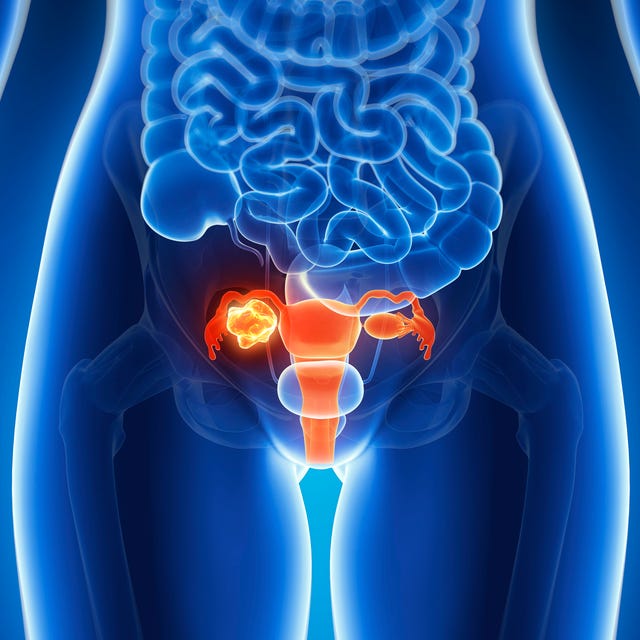
    Persistent bloating. Bloating that comes and goes with meals and your cycle is ordinary. Bloating that stays, that feels like a genuine and lasting change in how your abdomen looks and feels, or that keeps showing up over weeks, is worth flagging. For women, this signal carries a little extra weight. Persistent bloating, feeling full quickly, and appetite changes that last for weeks are also among the symptoms associated with ovarian cancer. That is not a reason to panic, and the far more likely explanations are benign, including IBS and ovarian cysts. It is precisely a reason not to dismiss bloating as “just being a woman” when it lingers. The NHS guidance is practical here: if bloating, feeling full quickly, or lower-belly discomfort persists for around three weeks or shows up on most days, get it checked.

    A lasting change in bowel habits. New constipation or diarrhea that hangs around, stools that are consistently thinner than usual, or a persistent feeling that the bowel has not fully emptied are all changes worth mentioning. A stomach bug or a new medication can shift things temporarily, and that is normal. It is the change that settles in and stays, typically for three weeks or more, that deserves a look.

    Unexplained weight loss. Losing weight without trying, when you have not changed how you eat or move, is one of the signals doctors take seriously. Weight that comes off on purpose is a different story. Weight that leaves on its own is a question worth asking.

    Blood in the stool or rectal bleeding. This one understandably alarms people, so here is the honest context. The most common cause of rectal bleeding is hemorrhoids, followed by small tears called anal fissures, both of which are common and very treatable. So bleeding is not a verdict. It is a symptom that should always be evaluated rather than watched, because it is one of the more important signals and because catching the less common causes early makes them far easier to treat. See a doctor for bleeding that lasts more than a day or two, and treat black, tarry stools, vomiting blood, or a large amount of blood as reasons to seek urgent care right away.

    Persistent abdominal pain. Cramps that come and go with digestion are one thing. Pain that is severe, that keeps returning, that wakes you at night, or that comes with any of the signals above is another. Persistent or worsening belly pain is worth a professional opinion rather than another week of hoping it fades.

    The quieter companions. Ongoing fatigue with no obvious cause and a noticeable lump in the abdomen round out the list that clinicians commonly cite. On their own each can have plenty of harmless explanations. Alongside the signals above, they add to the case for getting checked.

    Food Safety, the Unsexy Habit That Prevents a Lot of Misery

    Food Safety, the Unsexy Habit That Prevents a Lot of Misery

    A surprising share of “something I ate” is exactly that, and much of it is preventable with a few basic habits. Food safety is not about fear of your own kitchen. It is a small routine that spares you an unpleasant night and, occasionally, something worse. The core guidance from the USDA and FoodSafety.gov comes down to four familiar words: clean, separate, cook, and chill.

    Cook to a safe temperature. Color is a poor judge of doneness, so a simple food thermometer earns its place in the drawer. The safe minimum internal temperatures are steady and worth memorizing: whole cuts of beef, pork, and lamb reach 145 degrees Fahrenheit with a three-minute rest, ground meats reach 160, and all poultry reaches 165. These numbers are where common bacteria stop being a threat.

    Respect the two-hour rule. Bacteria multiply fastest in the “danger zone” between 40 and 140 degrees Fahrenheit, doubling in as little as twenty minutes. So perishable food should not sit at room temperature for more than two hours, and no more than one hour when it is hot outside, above 90 degrees, such as a summer picnic. Get leftovers into the fridge within that window, and cool large amounts quickly by dividing them into shallow containers rather than storing one deep pot.

    Separate to prevent cross-contamination. Raw meat, poultry, and their juices are the usual culprits, so keep them away from foods that will not be cooked again. That means a dedicated cutting board for raw meat, wrapping raw items securely so their juices do not drip onto produce, and washing hands, boards, and utensils thoroughly after they touch anything raw.

    Chill and use leftovers sensibly. Keep the refrigerator at or below 40 degrees Fahrenheit, and reheat leftovers thoroughly. When you are unsure how long something has been sitting or lurking in the back of the fridge, the oldest food-safety wisdom still holds: when in doubt, throw it out.

    When a Stomach Bug Crosses Into Something More

    When a Stomach Bug Crosses Into Something More

    Most foodborne illness is thoroughly unpleasant and thoroughly self-limiting. The nausea, cramping, and diarrhea run their course over a day or two, and the main job is staying hydrated while your body sorts itself out. Sip water or an oral rehydration solution, rest, and ease back into plain foods as your appetite returns.

    The CDC names a clear set of signs that mean a bout of food poisoning has crossed from “ride it out” to “get medical care.” Reach out to a professional if you have bloody diarrhea, a fever above 102 degrees Fahrenheit, vomiting so persistent that you cannot keep liquids down, diarrhea lasting more than three days, or signs of dehydration such as very little urination, unusually dark urine, a dry mouth, or dizziness when you stand. These are the markers that separate an ordinary bad night from something that deserves attention, and they are worth knowing before you need them.

    A brief, non-alarmist word on parasites, since they tend to attract more drama than they deserve. Intestinal parasites are real, but in places with reliable clean water and modern food handling they are an uncommon cause of everyday digestive trouble, and they are far more relevant in specific situations such as travel to certain regions. If a parasite is genuinely the issue, it is diagnosed with a proper test and treated with targeted medication prescribed by a clinician. What it is not solved by is a “parasite cleanse,” a “detox,” or a supplement marketed with unsettling before-and-after imagery. Those products are not evidence-based, they can be a waste of money at best, and they can delay real care at worst. If you suspect a parasite, especially after travel, the answer is a doctor’s visit and a real test, not a checkout cart.

    Small Habits That Keep the Gut in Good Standing
    Small Habits That Keep the Gut in Good Standing

    Between the reassurance and the red flags sits the everyday, where most of gut health actually lives. None of this is a cure or a guarantee, and none of it replaces medical care when a symptom warrants it. But these are the unremarkable practices that tend to keep digestion steady and give you a clearer sense of your own normal.

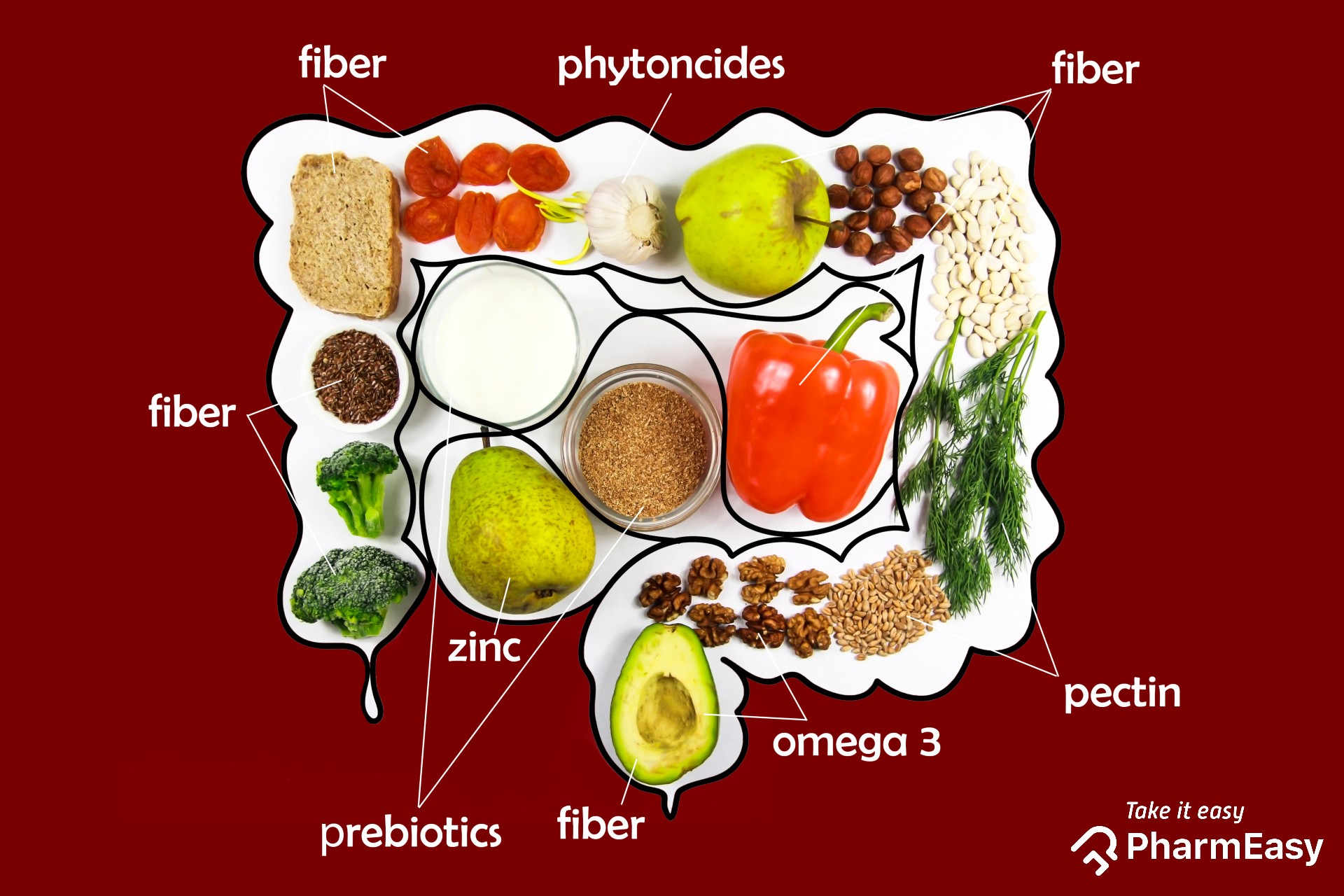
    Eat in a way that includes a range of plants and enough fiber, and let your gut adjust to increases gradually rather than all at once, since a sudden fiber surge can cause the very bloating you were hoping to avoid. Drink enough water. Move your body regularly, because motion helps the bowel keep its rhythm. Notice, without obsessing, which foods reliably disagree with you, since a personal pattern is far more useful than any one-size-fits-all rule. Pay attention to stress, which is a genuine player in gut symptoms rather than an imaginary one, and give sleep the respect it deserves.

    Perhaps the most useful habit of all is simply knowing your own baseline. When you have a rough sense of your ordinary rhythm, your typical response to certain meals, the way your body behaves across your cycle, you are far better equipped to notice when something has genuinely shifted. That noticing, calm and specific rather than anxious and vague, is what turns a vague worry into a useful sentence you can bring to a doctor.

    Trusting the Signal Over the Story You Tell Yourself

    The gut rewards a particular kind of attention: interested but not fearful, informed but not self-diagnosing. It is the attention that lets you shrug off the ordinary bloat after a salty dinner and, in the same breath, take seriously the bleeding or the persistent change that you might once have talked yourself out of mentioning. Women in particular are practiced at minimizing their own symptoms, at deciding the appointment can wait, at absorbing discomfort as the cost of a full life. The quiet skill worth building is the willingness to override that instinct when a signal repeats itself.

    You do not need to memorize a textbook. You need a short list, a few kitchen habits, and the honesty to book the visit when a symptom lingers, worsens, or simply refuses to sit right with you. Everything else, the gurgles and the grumbles and the meals that did not agree with you, can go back to being ordinary life. And if a symptom is speaking up in a way you cannot quite dismiss, that is not a reason to spiral. It is a reason to make the call and let someone qualified listen with you.

    This is a sensitive health topic, and everyone’s body and history are different, so please treat this as general information only and consult a qualified healthcare professional about any personal concerns or persistent symptoms.

  • Statins and Muscle Pain – What Women Need to Know Before Starting Cholesterol Medication

    Statins and Muscle Pain – What Women Need to Know Before Starting Cholesterol Medication

    The bottle sits on the kitchen counter, still sealed, next to the coffee mug. Your doctor handed you the prescription a week ago, and you have been circling it ever since. A friend swears her statin gave her aches she never had before. A relative says hers has been quietly working for years and she barely notices it. Somewhere in the middle of those two stories is your own body, your own numbers, and a decision that deserves more than a rushed five minutes in a doctor’s office. If that bottle is sitting on your counter too, this is for you.

    This is general educational information, not medical advice. Nothing here replaces a real conversation with your own doctor or pharmacist, who knows your history, your medications, and your numbers. Think of what follows as a way to walk into that conversation feeling informed rather than anxious, so you can ask better questions and make a choice that fits your life.

    Why Doctors Reach for Statins in the First Place

    Why Doctors Reach for Statins in the First Place

    Cholesterol is not the villain it gets painted as. Your body actually needs it to build cells and make certain hormones. The trouble starts when there is too much of one kind, low-density lipoprotein, often shortened to LDL and nicknamed the “bad” cholesterol. According to the Cleveland Clinic, LDL earns that label because it builds up inside artery walls, narrowing the space blood needs to move through. Over years, that buildup raises the risk of a heart attack or stroke.

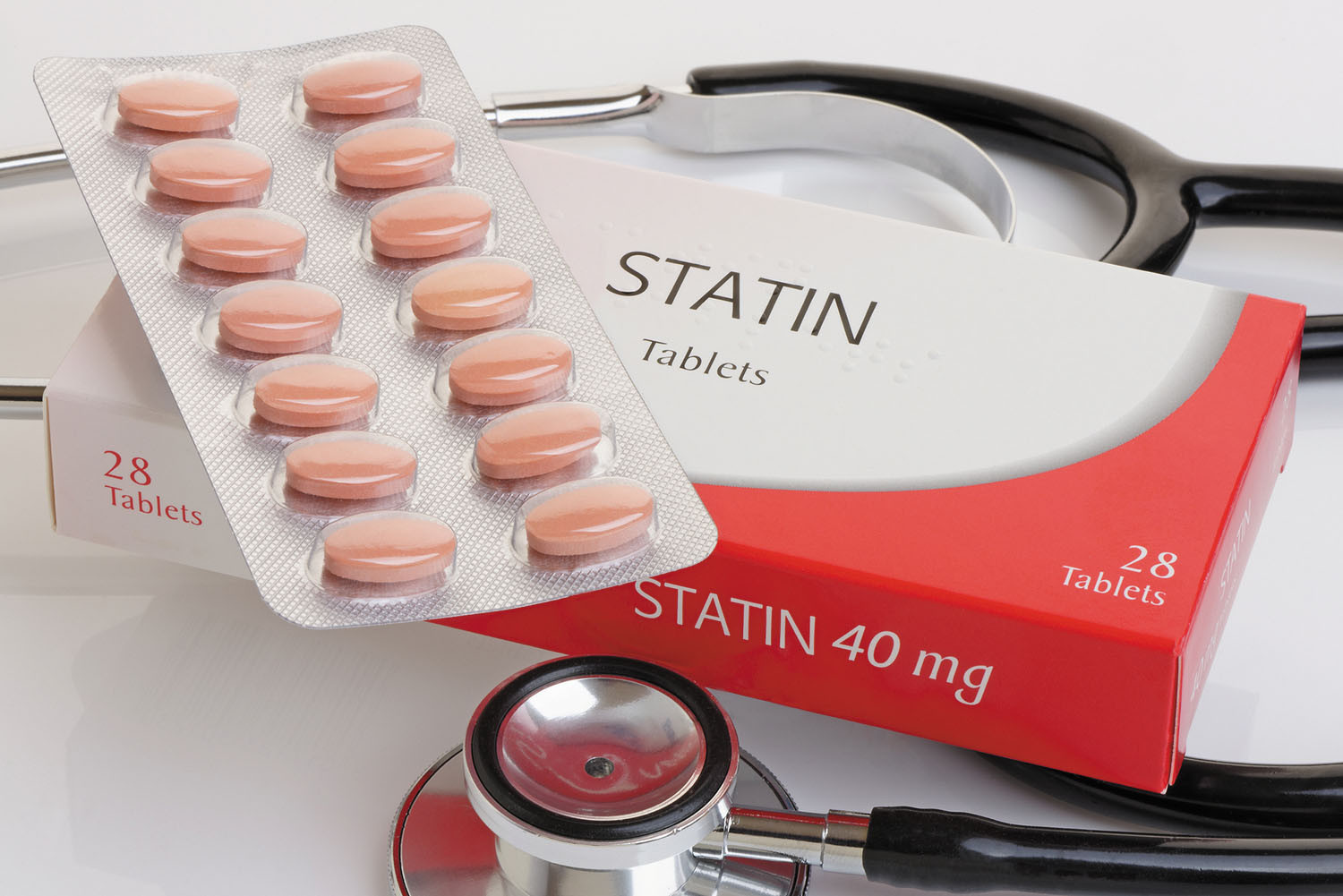
    Statins work upstream of all that. As Mayo Clinic explains, they block an enzyme the liver uses to make cholesterol, which prompts the liver to pull more cholesterol out of the bloodstream. Some statins can lower LDL by half or more. The common names you may recognize include atorvastatin, rosuvastatin, simvastatin, pravastatin, lovastatin, fluvastatin, and pitavastatin. Lowering LDL is not the whole point, though. The real goal is reducing the chance of the events nobody wants, the heart attack and the stroke. Large bodies of research show that lowering LDL with these medications meaningfully cuts cardiovascular risk, and that benefit shows up in both women and men.

    That last point matters more than it sounds. For a long time, heart disease was framed as a man’s problem, which left a lot of women under-screened and under-treated. The truth is that heart disease is a leading cause of death in women, and the protective effect of lowering cholesterol applies to women too. Research summarized in reviews of lipid-lowering therapy notes that while the exact size of the LDL drop can differ somewhat between women and men, the reduction in cardiovascular risk is comparable. A statin is not a men’s medication that women happen to take. It is a tool that works for both.

    The Midlife Shift That Changes the Conversation

    The Midlife Shift That Changes the Conversation

    Here is something that does not get talked about nearly enough at the gynecologist’s office. Cholesterol often changes during the menopause transition. The American Heart Association and Cleveland Clinic both note that as estrogen declines, LDL, triglycerides, and total cholesterol tend to rise, while the protective HDL, the “good” cholesterol, may dip. Before menopause, higher estrogen levels appear to offer women some protection, which is part of why heart disease tends to show up later in women than in men.

    What this means in practice is that a woman who has spent decades with reassuringly low cholesterol numbers can be genuinely surprised when, sometime in her forties or fifties, those numbers climb without any obvious change in how she eats or moves. It is not a personal failing. It is biology shifting underneath you. This is also why a statin conversation often lands in exactly this season of life, when a lot is already changing and the last thing you want is one more thing to worry about. Understanding why the number went up can take some of the sting out of the recommendation. Your body is not betraying you. It is doing what bodies do at this stage, and the medication is one response among several.

    What Statin-Associated Muscle Symptoms Actually Are

    What Statin-Associated Muscle Symptoms Actually Are

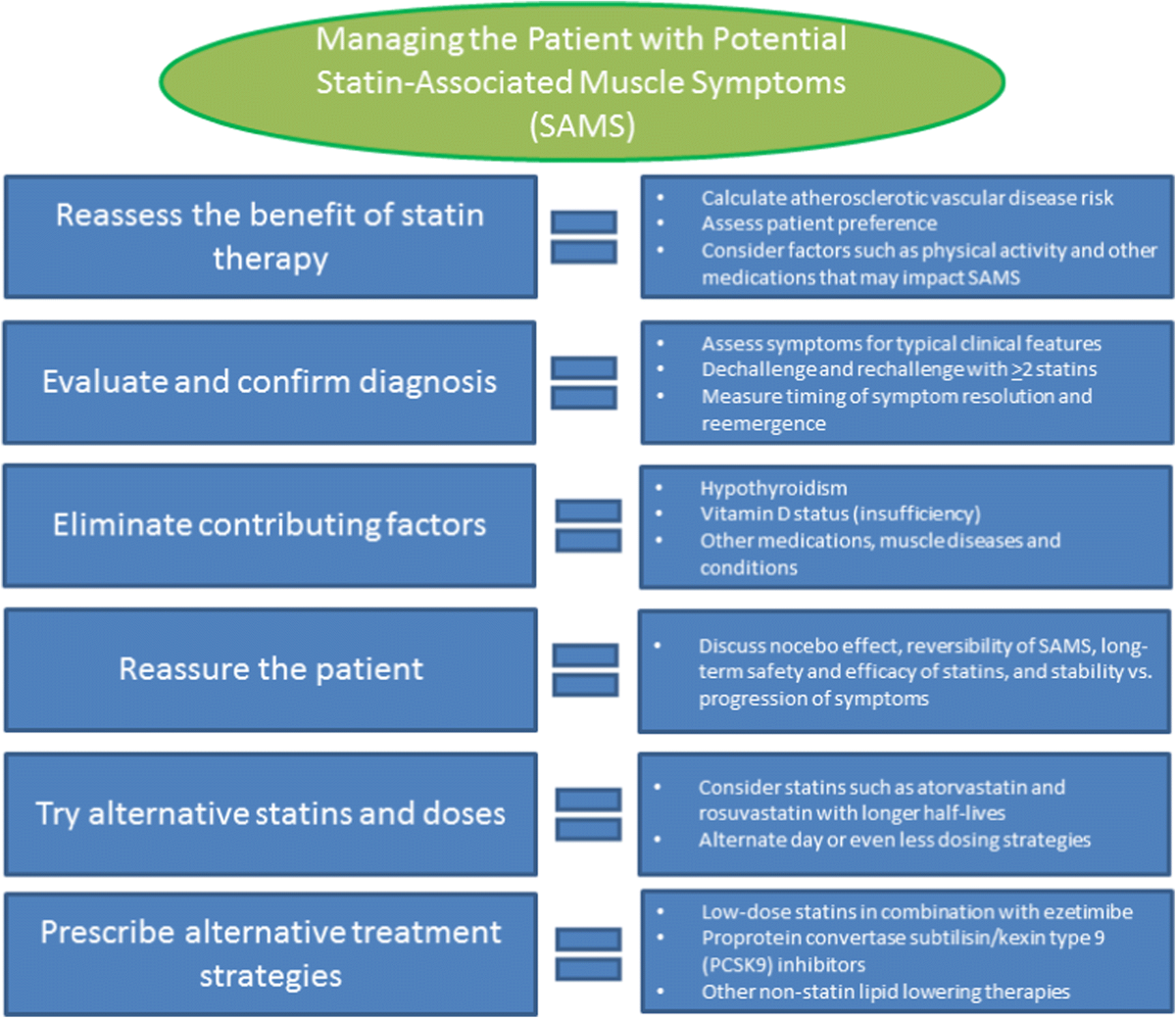
    Now to the worry that probably sent you searching in the first place. The muscle aches. Clinicians have a name for this whole category: statin-associated muscle symptoms, sometimes abbreviated SAMS. It covers a wide spectrum, and lumping the whole spectrum together is where a lot of fear comes from.

    At the mild and by far most common end, people describe soreness, tenderness, tiredness, or weakness in the muscles. Mayo Clinic notes this can feel like anything from minor discomfort to something annoying enough to interfere with daily activities. It often shows up in larger muscle groups like the thighs, shoulders, or back, and it tends to affect both sides of the body rather than one isolated spot.

    At the far, rare end of the spectrum sits a serious condition called rhabdomyolysis, in which muscle tissue breaks down and releases substances that can harm the kidneys. It is the scenario that headlines love and that quietly terrifies people. It is also genuinely rare. Mayo Clinic puts it plainly: only a few cases of rhabdomyolysis occur per million people taking statins, and it tends to happen when statins are combined with certain interacting medications or taken at high doses. The signs of something serious are worth knowing, not to scare you but to give you a clear line: severe muscle pain, dark or cola-colored urine, or extreme weakness are reasons to call your doctor promptly rather than wait. Knowing that line exists is what lets you relax about the everyday twinges that are not it.

    The Nocebo Effect, and Why It Is Good News

    The Nocebo Effect, and Why It Is Good News

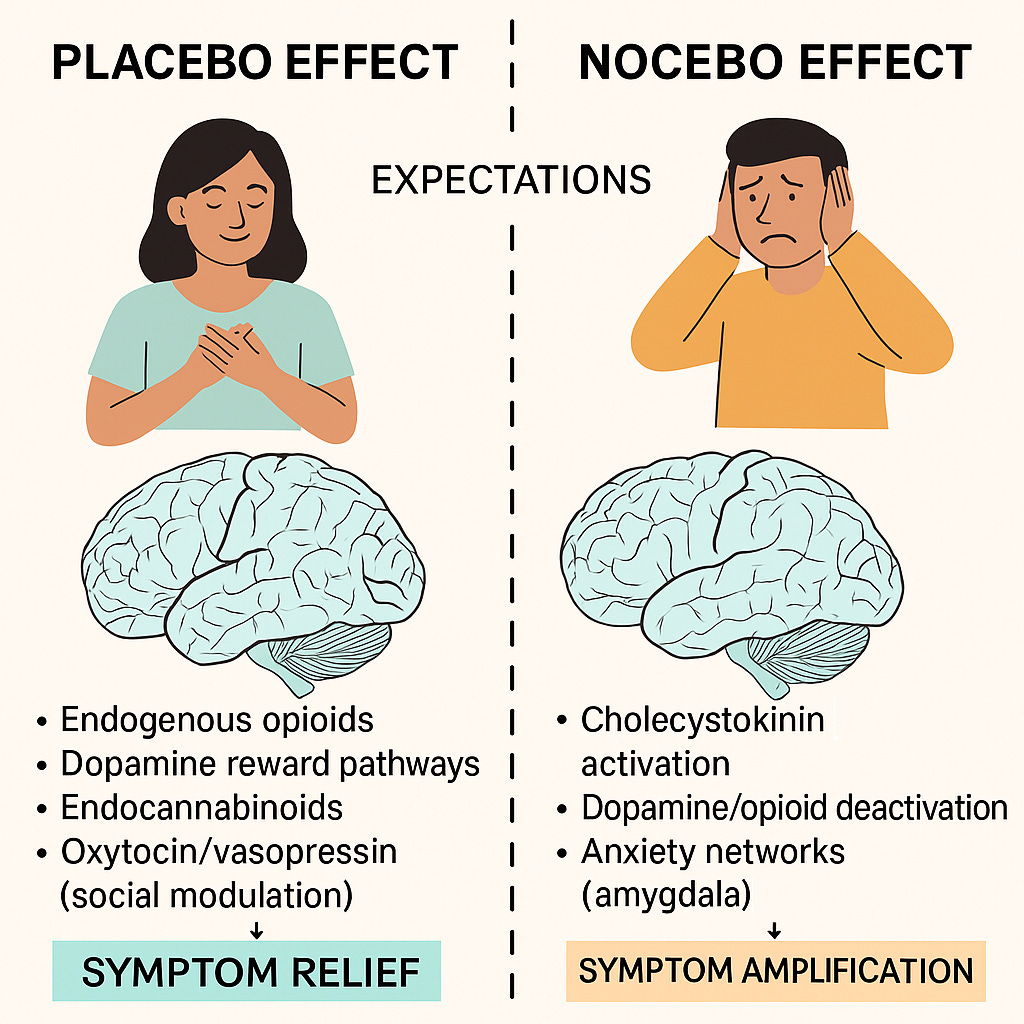
    This next part is one of the most useful and least-known pieces of the whole picture. When researchers run carefully blinded trials, the kind where neither the patient nor the doctor knows who is getting the real statin and who is getting a placebo sugar pill, something striking happens. The rate of muscle symptoms in the statin group often looks remarkably similar to the rate in the placebo group. People taking a pill with no active medication report muscle aches at rates close to those taking the real thing.

    This is the nocebo effect. It is the flip side of the placebo effect. Where a placebo can make people feel better because they expect to, a nocebo can make people feel worse because they expect a side effect. Mayo Clinic states that the real risk of developing muscle pain specifically from a statin is about 5 percent or less compared with a placebo, and that one of the strongest predictors of whether someone reports muscle aches is simply whether they read about that side effect beforehand. Researchers writing in The Lancet and related work have described how a large share of reported statin muscle symptoms may trace back to expectation rather than the drug itself, a phenomenon some have nicknamed the “drucebo” effect.

    It would be easy to hear this as “your pain is in your head,” and that is absolutely not the point. Pain is real whether its source is the drug, anxiety, ordinary aging, a tough workout, or some combination. The genuinely empowering takeaway is different and gentler. A lot of the muscle pain people fear when starting a statin is not destiny. If you begin treatment without bracing for misery, you may simply do fine. And if symptoms do appear, the picture is rarely as grim or as fixed as the internet suggests. That knowledge is a quiet form of protection.

    Why Women, Especially Over 40, Deserve a Closer Look

    Why Women, Especially Over 40, Deserve a Closer Look

    Statins are not one-size-fits-all, and a few factors stack up in ways that are worth naming directly for women. Mayo Clinic lists being female and having a smaller body frame among the risk factors that can raise the odds of statin side effects. Other factors on that list include taking the highest dose of a given statin, taking more than one cholesterol-lowering drug at once, being older, having kidney or liver disease, having an underactive thyroid, or drinking heavily.

    Several of those intersect with women’s lives in midlife and beyond. Thyroid conditions, for instance, are more common in women, and an underactive thyroid that has not been well managed can itself cause muscle aches and can raise the risk of statin-related muscle symptoms. A smaller body frame can mean a standard dose lands differently. Kidney function naturally shifts with age. None of this means a woman should avoid statins. It means the starting dose, the specific statin chosen, and the other medications already in your cabinet all deserve a thoughtful look rather than an autopilot prescription.

    Drug interactions belong at the center of that look. Certain medications raise statin levels in the body and, with them, the chance of muscle trouble. Mayo Clinic names examples including some heart-rhythm drugs, certain antibiotics and antifungals, some HIV treatments, particular immune-suppressing drugs, and another cholesterol medication called gemfibrozil. Even grapefruit and grapefruit juice can interfere with how some statins are broken down, which is why your pharmacist may ask about it. The practical move is simple. Make sure whoever prescribes your statin has a complete, current list of everything you take, including supplements, because that list is one of the biggest levers for keeping you comfortable and safe.

    How to Have the Conversation Without Losing Your Nerve

    A good appointment is one you have prepared for, and you do not need a medical degree to prepare well. Bring your real questions and your real history, and treat the visit as a two-way decision rather than a verdict handed down to you.

    A few questions tend to open up the most useful discussion. You might ask what your actual cardiovascular risk looks like and how much a statin is expected to lower it, so the benefit feels concrete rather than abstract. You can ask which statin and which dose your doctor recommends and why, since some statins are more prone to muscle complaints at higher doses than others. It is fair to ask whether starting low and adjusting makes sense for you, and whether an every-other-day approach is ever appropriate for your situation. Ask what specifically should prompt a call, so you leave with a clear sense of normal versus worrisome. And hand over that full medication and supplement list so interactions can be checked before you ever swallow the first pill.

    If you start a statin and muscle symptoms do show up, there is a real menu of options, and stopping cold on your own is not the recommended first move. Mayo Clinic describes approaches a clinician might consider, such as a short, supervised pause to see whether the aches truly track with the medication, switching to a different statin, lowering the dose, or pairing a lower statin dose with another cholesterol-lowering medicine. Sometimes the aches turn out to be ordinary midlife stiffness or a new exercise routine rather than the pill at all, and a planned pause is how you find out. The point is that there is almost always a next adjustment to try.

    Why Stopping On Your Own Is the One Move to Avoid

    If you remember a single sentence from all of this, make it this one. Do not stop a prescribed statin on your own without talking to your doctor or pharmacist first. The reasoning is straightforward and worth sitting with. High cholesterol does not announce itself. It causes no symptoms while it quietly raises your risk of a heart attack or stroke, which means the medication can feel pointless precisely because it is working invisibly. Walking away from it because of an ache trades a manageable, often addressable discomfort for a real and silent cardiovascular risk.

    The honest, balanced picture is that statins carry genuine benefits and, for some people, genuine side effects, and the two have to be weighed together rather than one at a time. For most people, the protection against heart attack and stroke outweighs the risks, and serious side effects are very rare. For the smaller number who do struggle with muscle symptoms, the answer is rarely “give up” and almost always “adjust.” Both of those paths run through your doctor, not around them.

    So here is where the bottle on the counter goes. Pick it up, and bring it and your questions to someone who can see your whole picture. You are allowed to want both things at once: a heart that is protected for the decades ahead, and a body that feels like yours day to day. Those goals are not in conflict, and you do not have to choose between staying quiet and stopping cold. The middle path, the informed conversation, is the one that keeps both your heart and your comfort on the table. That conversation is yours to start, and you are more ready for it now than you were when that bottle first arrived.

  • Chris Evert’s Cancer Journey – What Her Ovarian Cancer Diagnosis Taught Women About Listening to Their Bodies

    Chris Evert’s Cancer Journey – What Her Ovarian Cancer Diagnosis Taught Women About Listening to Their Bodies

    A phone call landed in the Evert family in late 2021 that would change the course of one of tennis’s most decorated careers, though it had nothing to do with a trophy or a comeback. Years after her younger sister Jeanne died of ovarian cancer, the laboratory that had studied Jeanne’s case reclassified a genetic finding. A variant once filed away as uncertain was now understood to be meaningful. That single update, passed from a sister who was gone to a sister who was still here, set in motion a chain of decisions that an 18-time Grand Slam champion has since spent years asking other women to learn from.

    This article shares general educational information about ovarian cancer awareness and self-advocacy. It is not medical advice, and it cannot replace a conversation with your own doctor. If you have symptoms, a family history that worries you, or questions about screening, please bring them to a qualified healthcare provider who knows your full history. With that grounding in place, the story of how one of the most disciplined athletes of her generation came to a diagnosis is worth sitting with, because the lessons in it belong to everyone.

    A Diagnosis That Started With a Sister’s Story

    A Diagnosis That Started With a Sister's Story

    Chris Evert publicly shared her ovarian cancer diagnosis in January 2022, writing about it in her own words for ESPN. The path to that announcement is the part worth holding onto. Her sister, Jeanne Evert Dubin, herself a former professional tennis player, had been diagnosed with ovarian cancer and died of the disease in February 2020. As Evert has explained publicly, it was genetic information drawn from Jeanne’s case that later pointed the rest of the family toward testing.

    Evert underwent genetic testing and learned she carried a pathogenic variant in the BRCA1 gene, a finding linked to a higher risk of ovarian and breast cancers. Acting on that knowledge, she chose to have a preventive hysterectomy in December 2021. She did not have symptoms. She felt well. The surgery was a precaution rooted in what her genes and her family history were telling her. When the pathology came back after surgery, doctors had found malignant cells, and she was diagnosed with stage 1C ovarian cancer, an early stage that is far less common to catch than the advanced disease most women are diagnosed with.

    In her own public account, Evert has been direct about what that timing meant. The cancer was found early because she went looking, prompted by her sister’s experience and a genetic result, not because a routine test flagged it. That distinction sits at the center of everything ovarian cancer awareness tries to teach. There was no scan on a calendar that caught this. There was a family story, a willingness to investigate it, and a decision to act.

    Why Ovarian Cancer Is So Hard to Catch Early

    Why Ovarian Cancer Is So Hard to Catch Early

    Ovarian cancer carries a difficult reputation, and the reasons are worth understanding clearly rather than fearfully. The biggest challenge is that there is no reliable routine screening test for ovarian cancer in women at average risk. This is not an oversight or a gap waiting to be filled next year. Major medical bodies, including the American College of Obstetricians and Gynecologists and the U.S. Preventive Services Task Force, currently recommend against routine screening of women who are at average risk and have no symptoms.

    That guidance can feel counterintuitive, especially in a culture that treats screening as universally good. The reasoning, as these organizations explain, is that the available tools, such as transvaginal ultrasound and the CA-125 blood test, have not been shown to lower the number of deaths from ovarian cancer when used broadly on women without symptoms or elevated risk. Instead, they tend to produce false alarms that lead to additional testing and surgeries that turn out not to be needed. A test that creates more harm than benefit is not a test worth recommending for everyone, and that honesty matters.

    This is precisely why personal awareness carries so much weight with ovarian cancer. The Pap test, a familiar part of many women’s routine care, screens for cervical cancer and does not detect ovarian cancer. That surprises a lot of people. A normal Pap result is reassuring about the cervix, but it says nothing about the ovaries or fallopian tubes. Understanding what your regular care does and does not cover is part of being an informed patient, and it is one of the quiet, practical takeaways inside Evert’s very public story.

    The Symptoms Worth Knowing – And the Pattern That Matters

    The Symptoms Worth Knowing - And the Pattern That Matters

    If routine screening is not the answer for most women, paying attention to your own body becomes far more important. The American Cancer Society describes a recognizable cluster of symptoms most associated with ovarian cancer: bloating, pelvic or abdominal pain, difficulty eating or feeling full quickly, and urinary symptoms such as urgency or needing to go more often.

    Read that list and you will probably recognize sensations you have felt at some point. That is exactly the problem, and it is also the reason the medical guidance focuses less on the symptoms themselves and more on their pattern. According to the American Cancer Society, what raises concern is when these symptoms are new, persistent, and a clear change from what is normal for you, occurring more frequently or more intensely than usual. As a general guide, the organization notes that symptoms appearing more than roughly a dozen times in a month warrant a conversation with a doctor, and persistent urinary urgency or frequency lasting more than a few weeks should be reported promptly.

    The point is not to turn every bloated afternoon into a crisis. Most of the time, these sensations come from something ordinary and benign. The point is to notice change and to honor it instead of explaining it away. Women are practiced at minimizing their own discomfort, at being busy, at assuming it will pass. The pattern that matters here is the body saying something consistently, over weeks, in a way it did not before. That is the signal to make the appointment, describe what you are noticing plainly, and ask to be taken seriously. Knowing the symptoms is step one. Trusting yourself enough to act on a pattern is the harder, more important step.

    Family History and the Role of BRCA Genes

    Family History and the Role of BRCA Genes

    The thread that connected Jeanne’s case to Chris’s survival was genetic, and this is where Evert’s advocacy has been most pointed. Some ovarian cancers are tied to inherited gene changes, the most well known being mutations in the BRCA1 and BRCA2 genes. These same genes are widely discussed in connection with breast cancer, but they meaningfully raise ovarian cancer risk as well. A woman who inherits a harmful BRCA variant carries a substantially higher lifetime risk than a woman in the general population, which is why this information can be genuinely life-changing rather than merely interesting.

    These variants run in families, and that is the crucial practical detail. A parent who carries a BRCA mutation has a roughly fifty percent chance of passing it to each child. A diagnosis in one relative, the way Jeanne’s became, can be the first clue that others in the family share the same elevated risk and do not yet know it. This is why family history is not a box to tick once and forget. It is living information that can shift as relatives are diagnosed, as genetic findings are reclassified, and as you learn more about the people whose biology you share.

    Knowing your family history means more than knowing that “cancer runs in the family.” It helps to know which cancers, in which relatives, at what ages, and on which side. Ovarian, breast, and certain other cancers in close relatives can all be relevant. If your history raises questions, the appropriate next step is usually not to demand a screening test, but to ask your doctor whether a referral to genetic counseling makes sense. Evert reached her own diagnosis through exactly this kind of cascade, one family member’s information illuminating the path for another.

    Genetic Counseling, Screening for Higher Risk, and Talking to Your Doctor

    Genetic Counseling, Screening for Higher Risk, and Talking to Your Doctor

    Genetic counseling deserves more attention than it usually gets, because people often imagine it as a single blood test with a yes-or-no answer. It is more thoughtful than that. A genetic counselor reviews your personal and family history, helps you understand what testing can and cannot tell you, walks through the implications of a result for you and your relatives, and helps you weigh decisions without pressure. Testing is a choice, and counseling exists to make that choice an informed one rather than a frightened one.

    For women found to be at high risk, such as those who carry a BRCA1 or BRCA2 mutation, the calculus around monitoring changes. While routine ovarian cancer screening is not recommended for average-risk women, women at high risk may be offered periodic monitoring and a range of risk-reducing options, which can include preventive surgery of the kind Evert chose. These are deeply personal decisions made in partnership with specialists who can weigh a woman’s age, family plans, risk level, and values. There is no single right answer that applies to everyone, which is exactly why these conversations belong in a doctor’s office and not in a search bar.

    For everyone else, the most useful tool remains an honest, ongoing relationship with a healthcare provider. That means describing symptoms accurately, mentioning family history even when no one asks, and asking direct questions: Given my history, is genetic counseling something I should consider? Is what I am feeling worth investigating? Self-advocacy is not about being difficult or anxious. It is about being a full participant in your own care, which is the role Evert has used her platform to encourage women to claim.

    What Chris Evert Keeps Choosing to Make Public

    The most striking thing about Evert’s involvement is that she did not have to share any of it. A retired champion is entitled to private medical care and a quiet life. She has instead spoken openly across more than one recurrence, having been diagnosed again after her first treatment, continuing to talk candidly each time about stepping back from commitments to focus on her health while staying, in her own framing, optimistic. Throughout, her message to other women has stayed consistent with what she wrote when she first went public: be your own advocate, know your family’s history, stay aware of your body, follow your instincts, and do not assume a worrying sign will simply pass.

    That message lands with particular force because of who is delivering it. Evert built her career on noticing small things, on discipline, on paying attention. The same attentiveness she once brought to an opponent’s footwork she now asks women to bring to their own bodies and their own family stories. It reframes self-advocacy not as worry or vanity but as a skill, a learnable habit of attention that any woman can practice. Her openness about a genetic finding, a preventive surgery, and an early diagnosis turns a private medical history into a kind of public service, the sort that may quietly send a woman to ask her aunt how old she was when she was diagnosed, or to finally mention that persistent bloating at her next appointment.

    If there is one thing to carry from her example, it is that the most powerful health tool available to most women is not a machine or a lab result. It is knowing your own story, knowing your family’s, and being willing to speak up before you can prove anything is wrong. Evert acted on a sister’s legacy and a piece of information she could easily have set aside, and that choice is the heart of what she keeps asking of the women who hear her.

    This is a sensitive health topic, and if anything here has left you concerned about your own health or your family’s history, please reach out to a doctor or qualified healthcare professional who can guide you with care.