Tag: wellness

  • Gut Health Red Flags Every Woman Should Know – Digestion, Food Safety, and When to See a Doctor

    Gut Health Red Flags Every Woman Should Know – Digestion, Food Safety, and When to See a Doctor

    The waistband that felt fine at breakfast is cutting in by mid-afternoon. A meal that used to sit easy now leaves a heaviness that lingers into the evening. Maybe it is a stretch of days where a trip to the bathroom feels different, or a stomach that grumbles louder than the room. Most of us have learned to read these small shifts as background noise, the ordinary weather of being a woman with a body and a busy life. And most of the time, that reading is correct. The gut is a talkative organ, and a lot of what it says is nothing more than a comment on last night’s dinner.

    But there is a difference between the gut clearing its throat and the gut raising its hand. Knowing which is which does not require a medical degree or a spiral into worst-case thinking. It requires a short, practical vocabulary: a handful of signals worth paying attention to, a few basic habits that keep food from making you sick in the first place, and a clear sense of the moment to stop guessing and let a professional take a look.

    A note before anything else. What follows is general educational information, not medical advice, and it cannot diagnose anything. Your body, your history, and your circumstances are specific to you in ways an article can never be. If something feels wrong, persists, or worries you, the right move is always to check in with a doctor rather than to talk yourself out of it.

    The Everyday Gut, and Why Most Rumbles Are Harmless
    The Everyday Gut, and Why Most Rumbles Are Harmless

    Here is the reassuring truth that rarely leads the conversation: the overwhelming majority of digestive complaints are benign and manageable. Bloating after a big or salty meal, gas after beans or a fizzy drink, a bathroom rhythm that speeds up when you travel or slows down when you are stressed, the occasional cramp that passes on its own. These are the gut doing its job in a body that is alive, hormonal, and reacting to real life.

    Irritable bowel syndrome, one of the most common digestive conditions, is a clear example of how uncomfortable does not have to mean dangerous. It affects a meaningful slice of the population and can genuinely disrupt daily life with pain, bloating, and changes in bowel habits, yet it does not damage the bowel or raise the risk of more serious disease. It is a condition to be managed, not feared. According to the American College of Gastroenterology and clinics like Mayo, many people find real relief through unglamorous, evidence-informed steps: identifying personal trigger foods, adjusting fiber (soluble fiber in particular tends to help with both bloating and stool consistency), staying hydrated, moving your body, and working with a clinician on an approach that fits your specific pattern.

    The point of learning red flags, then, is not to turn every gurgle into an emergency. It is the opposite. When you know the small number of signals that genuinely deserve attention, you can let go of the anxiety around all the ones that do not. Awareness is what makes calm possible.

    The Signals Worth Bringing to a Doctor

    The Signals Worth Bringing to a Doctor

    Reputable sources including Mayo Clinic, Cleveland Clinic, and the NHS point to a consistent short list of symptoms that are worth discussing with a healthcare provider, especially when they are persistent, new for you, or getting worse. None of these automatically means something is seriously wrong. Each simply earns a conversation.

    Persistent bloating. Bloating that comes and goes with meals and your cycle is ordinary. Bloating that stays, that feels like a genuine and lasting change in how your abdomen looks and feels, or that keeps showing up over weeks, is worth flagging. For women, this signal carries a little extra weight. Persistent bloating, feeling full quickly, and appetite changes that last for weeks are also among the symptoms associated with ovarian cancer. That is not a reason to panic, and the far more likely explanations are benign, including IBS and ovarian cysts. It is precisely a reason not to dismiss bloating as “just being a woman” when it lingers. The NHS guidance is practical here: if bloating, feeling full quickly, or lower-belly discomfort persists for around three weeks or shows up on most days, get it checked.

    A lasting change in bowel habits. New constipation or diarrhea that hangs around, stools that are consistently thinner than usual, or a persistent feeling that the bowel has not fully emptied are all changes worth mentioning. A stomach bug or a new medication can shift things temporarily, and that is normal. It is the change that settles in and stays, typically for three weeks or more, that deserves a look.

    Unexplained weight loss. Losing weight without trying, when you have not changed how you eat or move, is one of the signals doctors take seriously. Weight that comes off on purpose is a different story. Weight that leaves on its own is a question worth asking.

    Blood in the stool or rectal bleeding. This one understandably alarms people, so here is the honest context. The most common cause of rectal bleeding is hemorrhoids, followed by small tears called anal fissures, both of which are common and very treatable. So bleeding is not a verdict. It is a symptom that should always be evaluated rather than watched, because it is one of the more important signals and because catching the less common causes early makes them far easier to treat. See a doctor for bleeding that lasts more than a day or two, and treat black, tarry stools, vomiting blood, or a large amount of blood as reasons to seek urgent care right away.

    Persistent abdominal pain. Cramps that come and go with digestion are one thing. Pain that is severe, that keeps returning, that wakes you at night, or that comes with any of the signals above is another. Persistent or worsening belly pain is worth a professional opinion rather than another week of hoping it fades.

    The quieter companions. Ongoing fatigue with no obvious cause and a noticeable lump in the abdomen round out the list that clinicians commonly cite. On their own each can have plenty of harmless explanations. Alongside the signals above, they add to the case for getting checked.

    Food Safety, the Unsexy Habit That Prevents a Lot of Misery
    Food Safety, the Unsexy Habit That Prevents a Lot of Misery

    A surprising share of “something I ate” is exactly that, and much of it is preventable with a few basic habits. Food safety is not about fear of your own kitchen. It is a small routine that spares you an unpleasant night and, occasionally, something worse. The core guidance from the USDA and FoodSafety.gov comes down to four familiar words: clean, separate, cook, and chill.

    Cook to a safe temperature. Color is a poor judge of doneness, so a simple food thermometer earns its place in the drawer. The safe minimum internal temperatures are steady and worth memorizing: whole cuts of beef, pork, and lamb reach 145 degrees Fahrenheit with a three-minute rest, ground meats reach 160, and all poultry reaches 165. These numbers are where common bacteria stop being a threat.

    Respect the two-hour rule. Bacteria multiply fastest in the “danger zone” between 40 and 140 degrees Fahrenheit, doubling in as little as twenty minutes. So perishable food should not sit at room temperature for more than two hours, and no more than one hour when it is hot outside, above 90 degrees, such as a summer picnic. Get leftovers into the fridge within that window, and cool large amounts quickly by dividing them into shallow containers rather than storing one deep pot.

    Separate to prevent cross-contamination. Raw meat, poultry, and their juices are the usual culprits, so keep them away from foods that will not be cooked again. That means a dedicated cutting board for raw meat, wrapping raw items securely so their juices do not drip onto produce, and washing hands, boards, and utensils thoroughly after they touch anything raw.

    Chill and use leftovers sensibly. Keep the refrigerator at or below 40 degrees Fahrenheit, and reheat leftovers thoroughly. When you are unsure how long something has been sitting or lurking in the back of the fridge, the oldest food-safety wisdom still holds: when in doubt, throw it out.

    When a Stomach Bug Crosses Into Something More

    When a Stomach Bug Crosses Into Something More

    Most foodborne illness is thoroughly unpleasant and thoroughly self-limiting. The nausea, cramping, and diarrhea run their course over a day or two, and the main job is staying hydrated while your body sorts itself out. Sip water or an oral rehydration solution, rest, and ease back into plain foods as your appetite returns.

    The CDC names a clear set of signs that mean a bout of food poisoning has crossed from “ride it out” to “get medical care.” Reach out to a professional if you have bloody diarrhea, a fever above 102 degrees Fahrenheit, vomiting so persistent that you cannot keep liquids down, diarrhea lasting more than three days, or signs of dehydration such as very little urination, unusually dark urine, a dry mouth, or dizziness when you stand. These are the markers that separate an ordinary bad night from something that deserves attention, and they are worth knowing before you need them.

    A brief, non-alarmist word on parasites, since they tend to attract more drama than they deserve. Intestinal parasites are real, but in places with reliable clean water and modern food handling they are an uncommon cause of everyday digestive trouble, and they are far more relevant in specific situations such as travel to certain regions. If a parasite is genuinely the issue, it is diagnosed with a proper test and treated with targeted medication prescribed by a clinician. What it is not solved by is a “parasite cleanse,” a “detox,” or a supplement marketed with unsettling before-and-after imagery. Those products are not evidence-based, they can be a waste of money at best, and they can delay real care at worst. If you suspect a parasite, especially after travel, the answer is a doctor’s visit and a real test, not a checkout cart.

    Small Habits That Keep the Gut in Good Standing
    Small Habits That Keep the Gut in Good Standing

    Between the reassurance and the red flags sits the everyday, where most of gut health actually lives. None of this is a cure or a guarantee, and none of it replaces medical care when a symptom warrants it. But these are the unremarkable practices that tend to keep digestion steady and give you a clearer sense of your own normal.

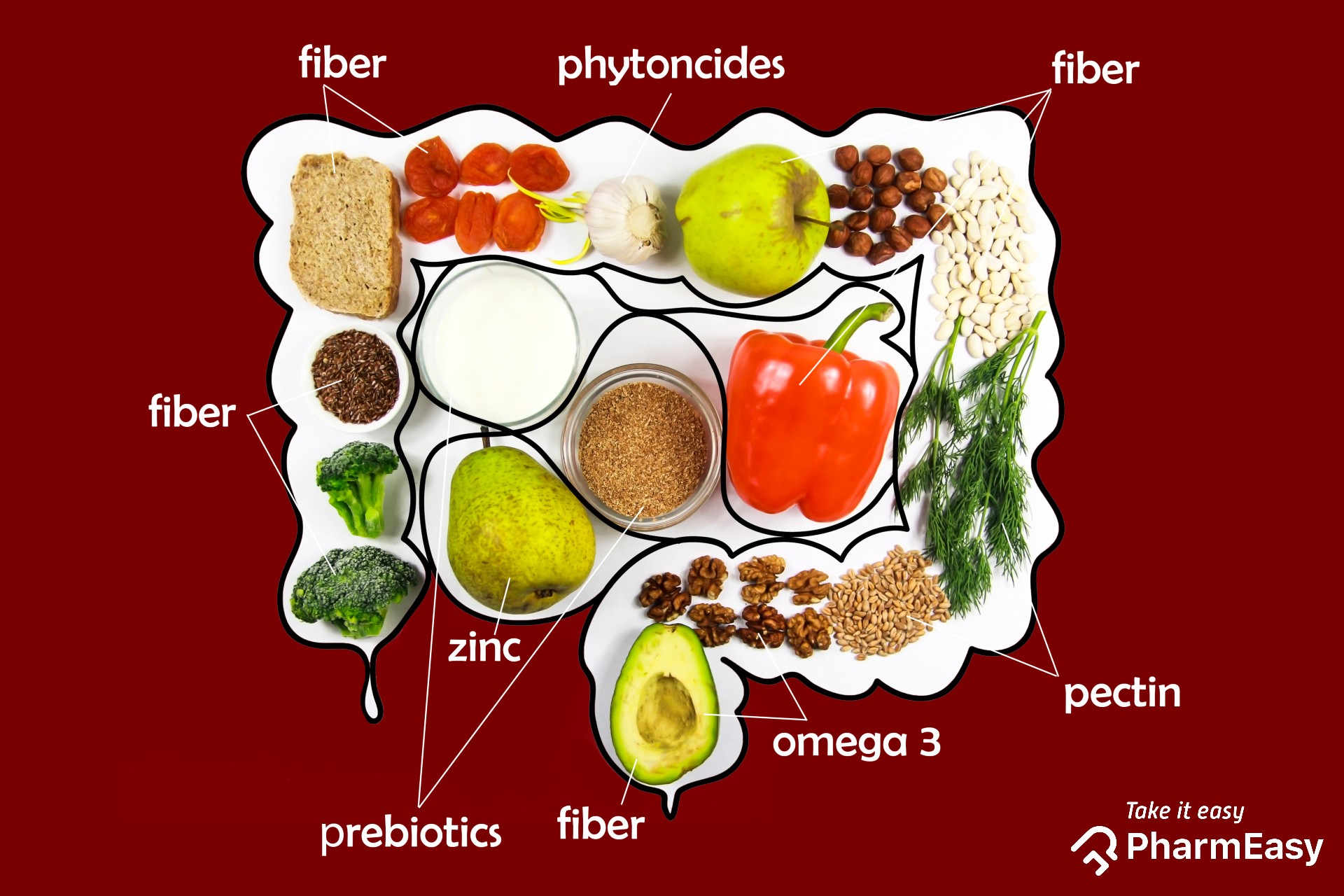
    Eat in a way that includes a range of plants and enough fiber, and let your gut adjust to increases gradually rather than all at once, since a sudden fiber surge can cause the very bloating you were hoping to avoid. Drink enough water. Move your body regularly, because motion helps the bowel keep its rhythm. Notice, without obsessing, which foods reliably disagree with you, since a personal pattern is far more useful than any one-size-fits-all rule. Pay attention to stress, which is a genuine player in gut symptoms rather than an imaginary one, and give sleep the respect it deserves.

    Perhaps the most useful habit of all is simply knowing your own baseline. When you have a rough sense of your ordinary rhythm, your typical response to certain meals, the way your body behaves across your cycle, you are far better equipped to notice when something has genuinely shifted. That noticing, calm and specific rather than anxious and vague, is what turns a vague worry into a useful sentence you can bring to a doctor.

    Trusting the Signal Over the Story You Tell Yourself

    The gut rewards a particular kind of attention: interested but not fearful, informed but not self-diagnosing. It is the attention that lets you shrug off the ordinary bloat after a salty dinner and, in the same breath, take seriously the bleeding or the persistent change that you might once have talked yourself out of mentioning. Women in particular are practiced at minimizing their own symptoms, at deciding the appointment can wait, at absorbing discomfort as the cost of a full life. The quiet skill worth building is the willingness to override that instinct when a signal repeats itself.

    You do not need to memorize a textbook. You need a short list, a few kitchen habits, and the honesty to book the visit when a symptom lingers, worsens, or simply refuses to sit right with you. Everything else, the gurgles and the grumbles and the meals that did not agree with you, can go back to being ordinary life. And if a symptom is speaking up in a way you cannot quite dismiss, that is not a reason to spiral. It is a reason to make the call and let someone qualified listen with you.

    This is a sensitive health topic, and everyone’s body and history are different, so please treat this as general information only and consult a qualified healthcare professional about any personal concerns or persistent symptoms.

  • Martha Stewart’s Timeless Self-Care Secrets and What Women Can Learn From Her Ageless Energy

    Martha Stewart’s Timeless Self-Care Secrets and What Women Can Learn From Her Ageless Energy

    Before most of the country has stirred, a kitchen light is already on somewhere in Bedford, New York. A juicer hums. Celery leaves, cucumber, a fistful of parsley, ginger, citrus with the peel still on, two kinds of spinach and a scatter of mint go in, and out comes a tall green glass that has become almost as famous as the woman who drinks it. The clock reads a little after four. This is not a photo shoot or a stunt. It is a Tuesday, and it is exactly how Martha Stewart has decided to live.

    There is something quietly radical about a woman in her eighties who wakes before dawn not out of anxiety but out of appetite for the day. Stewart has spent decades teaching people how to set a table, fold a napkin and grow a tomato, but the habit worth studying now is subtler than any recipe. It is the way she treats her own upkeep as seriously as she treats a dinner party. For women who have been told that self-care means bubble baths and the occasional face mask, her approach is a useful correction. Self-care, in her hands, looks a lot more like a system, and it is a system anyone can learn to read.

    The Morning Glass That Started It All

    The Morning Glass That Started It All

    The green juice is the entry point, and it deserves its reputation. Stewart makes it fresh nearly every day, and she has been open that it is not a fad she picked up but a fixture she built. She grows most of the vegetables herself, which changes the entire relationship to the drink. It is not something bought and consumed. It is something planted, tended and harvested, then turned into breakfast. There is a whole small economy of care hidden in that one glass, and it starts in the soil long before it reaches the counter.

    The recipe she has shared is generous and green. Celery, including the nutritious leaves that most people toss. Whole cucumbers. Parsley for that earthy backbone. Pineapple with the peel for sweetness and a little tang. Ginger for heat. Lemon and orange, peels and all, for brightness. Fresh mint and a couple of handfuls of spinach to round it out. She has described it as an essential part of her everyday diet and credited it, in her characteristically no-nonsense way, with what she prefers to call successful aging rather than anti-aging. The distinction matters to her, and it is worth sitting with. Anti-aging implies a fight against the clock. Successful aging implies partnership with it.

    What women can borrow here is not the exact ingredient list, though it is a good one. It is the principle underneath it: one non-negotiable daily habit that quietly compounds. Stewart does not agonize over whether she will make her juice. The decision was made years ago. She simply varies it with whatever is fresh in the refrigerator or ripe in the garden and keeps going. That is the part worth stealing. A single anchor habit, repeated without drama, does more over a decade than any three-week cleanse ever could. If a green juice feels like too much, the lesson still holds. Pick one thing you can do every single morning without negotiating with yourself, and let it become the floor you build the rest of your day on top of.

    Skin as a Long Game, Not a Quick Fix

    Skin as a Long Game, Not a Quick Fix

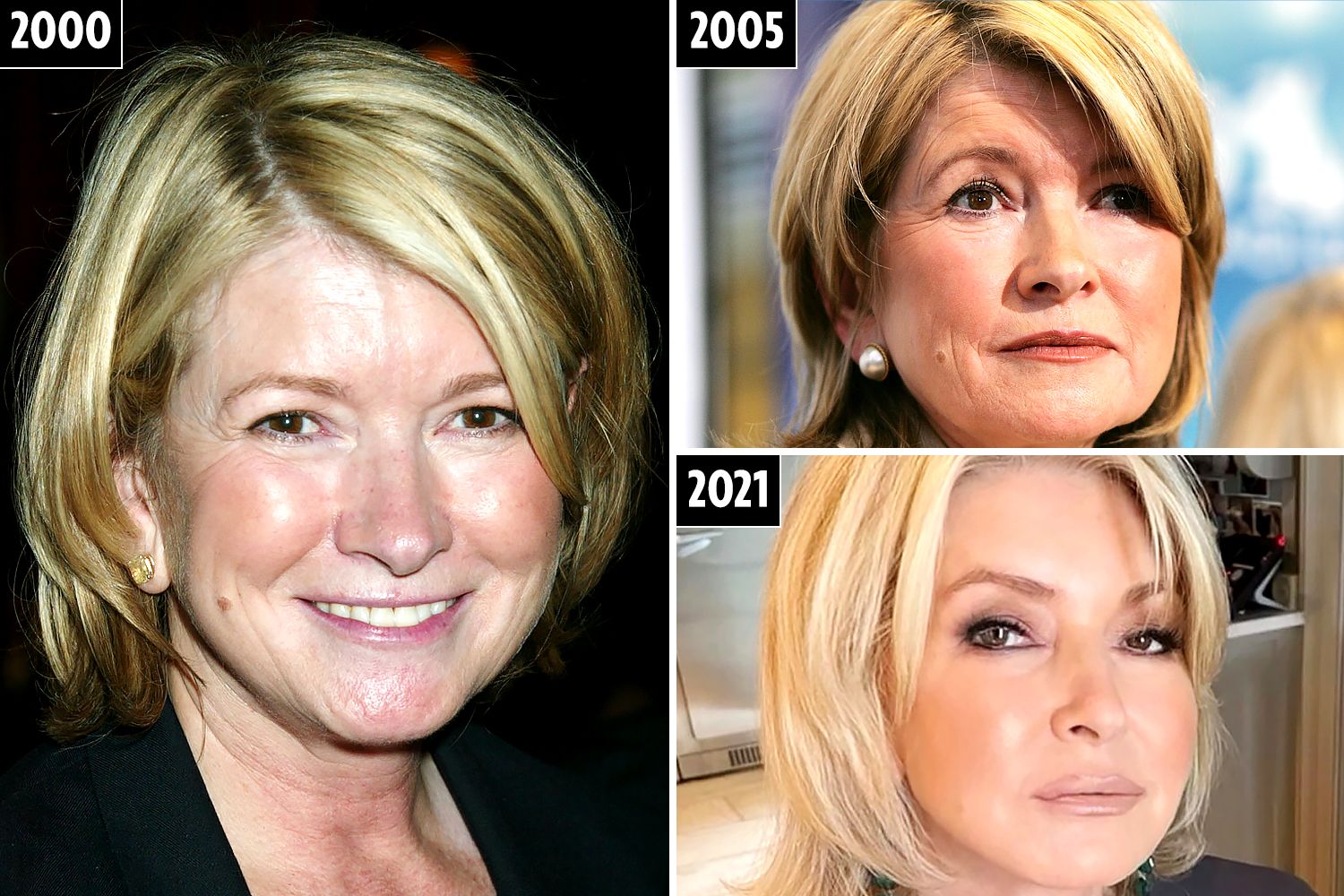
    If there is a Stewart philosophy that translates to almost any area of life, it is this: no shortcuts. She has said as much directly about her skin, telling interviewers that the secret to good skin is refusing to cut corners. Coming from someone who has spent a lifetime obsessing over how things are done properly, it lands as more than a soundbite. It is the same discipline she has always brought to a pie crust or a flower bed, simply pointed at herself.

    Her routine has real structure. Mornings can begin with a very hot face cloth pressed to the skin, followed by a cold one, a simple ritual she says calms her complexion and closes her pores. Her product shelf reads like a dermatologist’s shortlist: hyaluronic acid, vitamin C, peptides and rich creams. She is religious about sunscreen, favoring a tinted SPF 50 and saying plainly that she does not leave the house without it. She stays out of the sun when she can, which for a lifelong gardener takes genuine discipline, since her whole life pulls her outdoors.

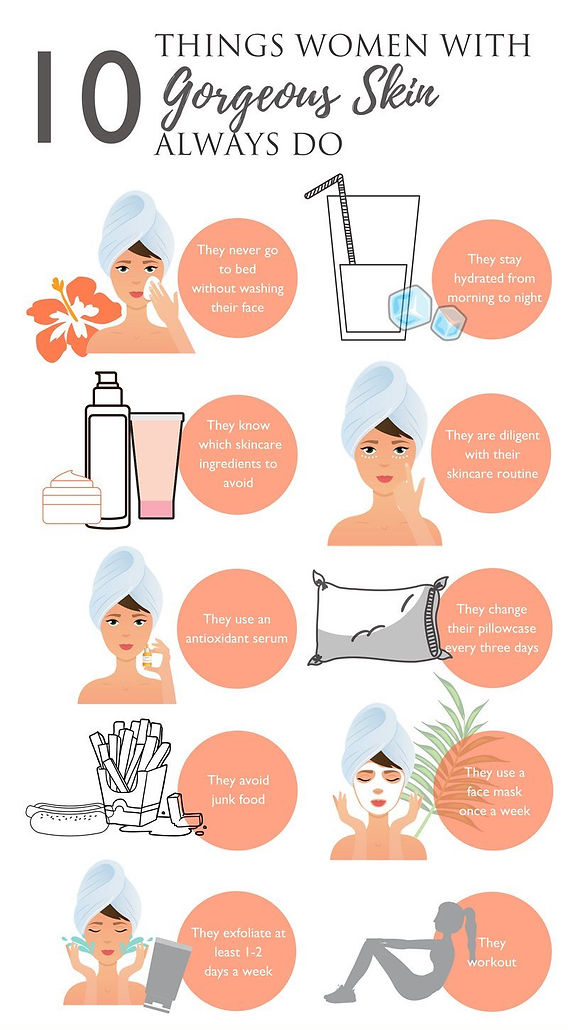
    At night, the rule is absolute. She never goes to bed in makeup. She cleanses thoroughly with a cleansing oil and a warm cloth until every trace is gone. It is unglamorous and it is consistent, and consistency is the whole point. Notice how little of this is expensive or exotic. A hot cloth and a cold cloth cost nothing. Washing your face before bed costs nothing. Sunscreen is the single most effective and least glamorous anti-aging product on any shelf, and she treats it as mandatory rather than optional.

    Stewart also does not pretend she does this entirely alone. She has credited her dermatologists for helping maintain her glow, and she has been candid that she has received facials from the same skincare house for roughly forty years. That honesty is refreshing in a culture that loves to sell the idea of effortless results. She treats professional help as maintenance, the same way you would service a car or prune an orchard, not as vanity to hide. For women weighing whether a facial or a dermatology visit is a frivolous expense, her framing reframes it entirely: this is upkeep, and upkeep is normal. There is no shame in getting help with the things that matter to you.

    Movement That Keeps Her Independent

    Movement That Keeps Her Independent

    Stewart is not chasing a beach body or punishing herself in a gym. Her fitness routine is built around something more durable: the ability to keep doing everything she wants to do. She practices Pilates several times a week, often in the early morning, and she mixes it with yoga and weight training to hold onto her muscle mass and flexibility. It is a deliberately unflashy combination, and that is exactly why it lasts.

    The word that keeps coming up when she talks about exercise is functional. She is training so she can garden, travel, carry things, get up and down, and stay mobile and independent in her daily life. That is a profoundly different goal than the one most fitness marketing sells, and it is a far more sustainable one. Pilates and yoga are low-impact by design, which means they are kinder to aging joints while still building the core strength and balance that protect against the falls and stiffness that quietly shrink so many lives. Weight training, meanwhile, does the unglamorous work of preserving muscle, which the body sheds steadily with age unless it is given a reason to keep it.

    There is a lesson here for any woman who has ever felt alienated by the aggression of workout culture. Movement does not have to be a war on your body. It can be a partnership with it. Stewart’s approach suggests picking exercise you can imagine still doing in twenty years, then actually doing it on a schedule, rather than burning out on something intense and abandoning it by February. The best workout is not the hardest one. It is the one you will still be doing when you are old enough to be grateful you did.

    The Garden as a Second Skincare Routine

    The Garden as a Second Skincare Routine

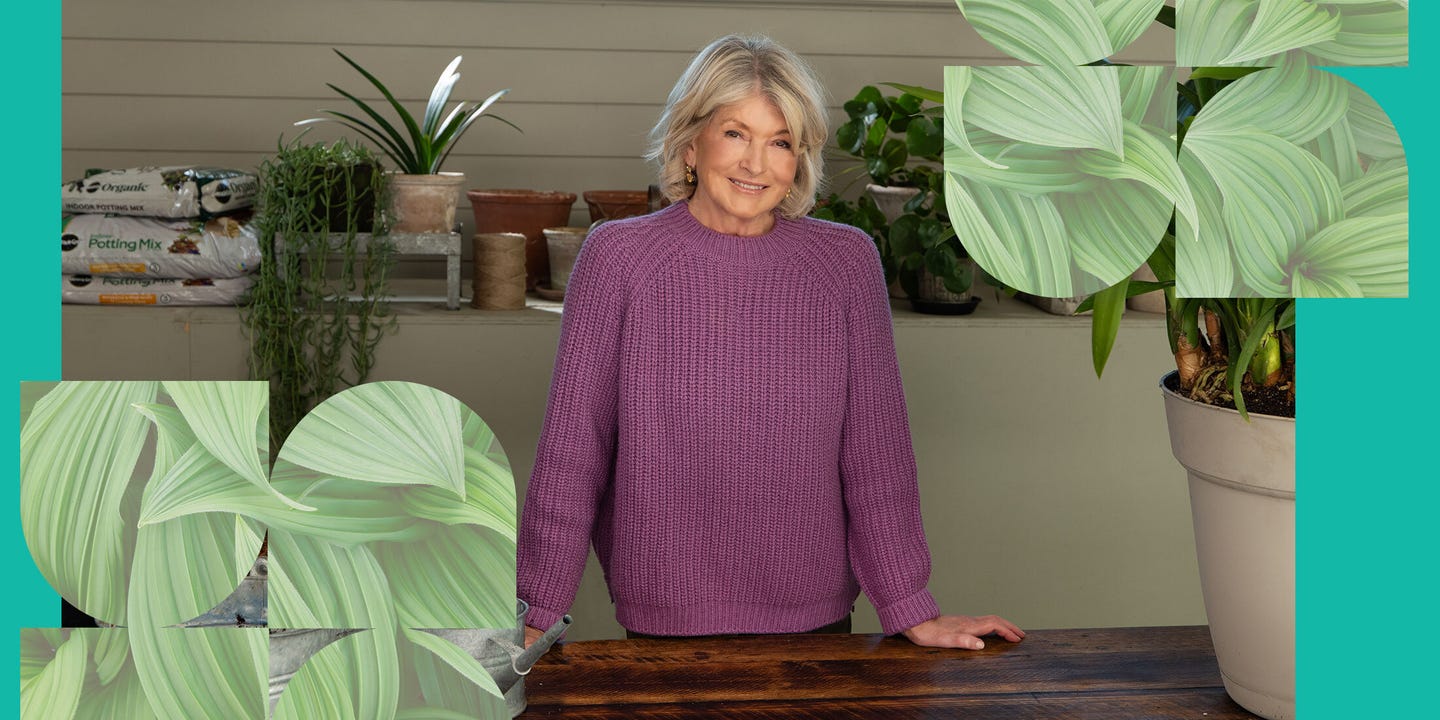
    It would be easy to file gardening under hobby and move on, but for Stewart it functions as something closer to a wellness practice, and it is worth pulling out on its own. Her garden is where the green juice begins, which means her nutrition is tied directly to her hands in the dirt. Growing your own vegetables is not just about freshness, though the produce is fresher. It is about the low, steady, purposeful movement of tending something, the daily reasons it gives you to go outside, and the way it quietly folds exercise, sunlight in moderation and real food into a single unhurried habit.

    There is also the mental dimension, which rarely gets enough credit. Gardening is patience made physical. You plant things that will not reward you for weeks or months, you attend to them without immediate payoff, and you learn, season after season, that good outcomes come from consistent small care rather than dramatic intervention. That is arguably the same philosophy that governs her skin, her fitness and her career. The garden is not separate from her self-care. It is the through-line that connects all of it, a living argument for doing things slowly and properly.

    For women who cannot plant an estate’s worth of vegetables, the principle still scales down beautifully. A few pots on a balcony, a windowsill of herbs, a single tomato plant. The point is not the size of the harvest. It is the ritual of tending something living, getting your hands busy and your face into daylight, and being reminded that growth is not instant for anyone, not even for Martha Stewart.

    The Cover That Rewrote the Rules

    The Cover That Rewrote the Rules

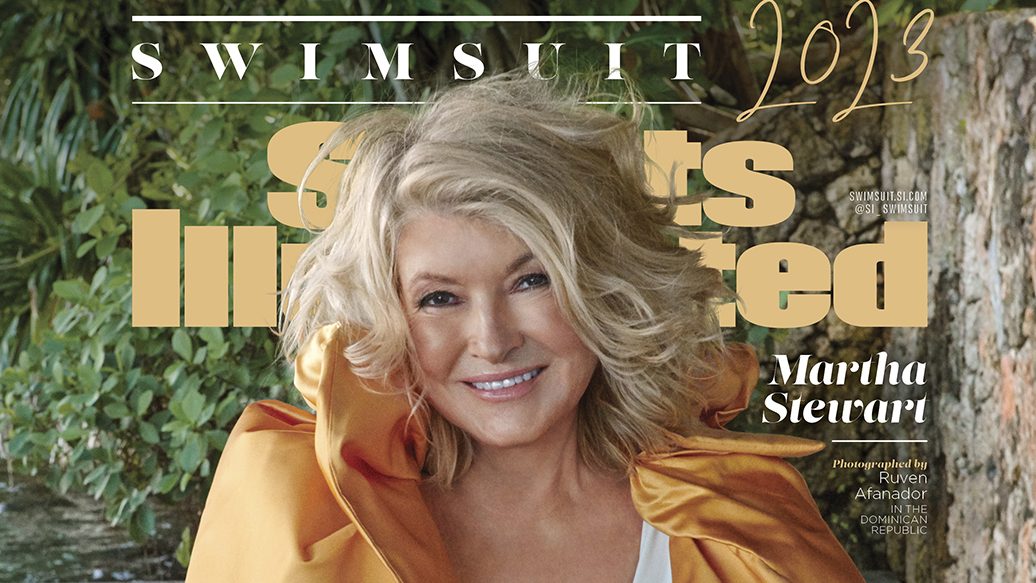
    In 2023, at eighty-one, Stewart became the oldest cover model in the history of the Sports Illustrated Swimsuit issue. Photographed by Ruven Afanador in the Dominican Republic, she posed with the same steady confidence she brings to everything else. It was, by any measure, a cultural moment. A woman who had been famous for four decades for domestic perfection was suddenly on a magazine cover that the world associates almost exclusively with youth.

    What makes the moment worth returning to is how she talked about it. She was refreshingly unromantic. She had prepared, she said, by living clean anyway, eating well, exercising, keeping her skincare in order, and in the run-up she had cut back on bread and pasta. There was no miracle involved. There was the accumulated interest on years of ordinary discipline. She framed the whole thing as proof that women can look good and feel great at any age, and that age itself is not the thing that determines a person’s friendships, success or worth. What people do, how they think and how they act, she argued, matters far more than the number attached to them.

    For a body-positive audience, the takeaway is not that every woman should aspire to a swimsuit cover. It is that Stewart refused to accept the expiration date the culture tried to hand her. She walked into a space designed to exclude women like her and simply took up room. That posture, more than any single photograph, is the thing to carry forward. Confidence, in her version of the story, is not a costume you put on for a camera. It is the natural byproduct of years spent actually caring for yourself, so that when the moment comes, you have nothing to fake.

    Curiosity as an Anti-Aging Ingredient

    Ask Stewart about aging and she tends to swat the question away. She has said aging is not something she thinks about, that she does not dwell on getting older or slowing down or retiring, and that to her the idea is about living well rather than the alternative. What she does dwell on is work, learning and going places. She has been open that she likes to be busy, and she treats a full calendar not as a burden but as the point.

    She is unusually blunt about the value of curiosity. She once described being baffled that some of her friends do not even take photos with their phones, calling that lack of curiosity boring to her. It is a small anecdote that reveals a whole worldview. Stewart keeps a wide circle of friends, many of them decades younger, and she keeps taking on projects that would intimidate people half her age, including continuing to write books and put her own life story on the page in her own words. These are hard, years-long undertakings, and she pursues them precisely because she does not want to arrive at the end of her life carrying regret.

    This may be the most portable secret of all, because it costs nothing and requires no garden or trainer. Staying curious, staying engaged, refusing to let the mind coast is the kind of self-care that never shows up in a beauty aisle. Stewart’s summary of how to age well is disarmingly simple: look good, feel good, be good. The last part, the being good, the staying interested, the keeping busy, is the part most people forget to schedule. It is also the part that keeps company with younger friends, learns new tools instead of dismissing them, and treats each new decade as more material rather than less runway.

    What the Green Glass Actually Teaches

    Strip away the celebrity and the swimsuit cover and what is left is a woman who decided, a long time ago, that she was worth taking care of, and then organized her days around that decision. The green juice, the hot and cold cloths, the sunscreen, the Pilates, the refusal to sleep in makeup, the standing appointments, the garden, the books she is still writing at an age when most people have stopped starting things. None of it is exotic. All of it is repeated.

    That repetition is the real inheritance here, and it is available to anyone. You do not need Stewart’s garden or her budget to adopt her mindset. You need one anchor habit you refuse to skip, a skincare routine you actually follow, movement you can sustain, and a curiosity you keep feeding. Notice, too, that not one of these things depends on being a particular size or shape. Stewart’s version of aging well is about capacity and consistency, about a body that can do what she asks of it and a mind that still wants to be asked.

    So the next time the kitchen is quiet and the day has not quite begun, the invitation is not to imitate Martha Stewart exactly. It is to do what she did decades ago, before any of it looked remarkable: choose one small thing, put it on the calendar, and keep it there long enough for it to become the person you are.

  • Jessica Alba’s Beauty and Wellness Secrets – Clean Skin, Confident Style, and the Routines Behind Her Glow

    The bathroom counter tells a quieter story than the red carpet does. No army of jars promising miracles, no fragrance-heavy serums lined up like trophies. Just a handful of products chosen because they actually agree with skin that has never been easy to please. That counter belongs to a woman who built one of the most recognizable clean-beauty companies in the world, and the reason it looks so pared-back is the same reason the company exists in the first place. Her skin forced her to pay attention.

    Jessica Alba has spent more than a decade talking openly about reactive skin, allergies to ingredients most of us never think twice about, and the long search for products that were both gentle and effective. Along the way she founded The Honest Company, launched Honest Beauty, raised three kids, and kept showing up on set for the kind of twelve-hour days that test any skincare routine. What makes her approach worth borrowing is not the celebrity budget or the glam team. It is the logic underneath it, which translates surprisingly well to real life, real bodies, and real bathrooms that do not have a personal facialist on call.

    This is a look at what she has actually said about her routines, where her clean-beauty convictions come from, and how a body-positive reader of any size or budget can lift the useful parts without buying into the myth that glow belongs only to people with stylists.

    The Sensitive-Skin Origin Story Behind Honest Beauty

    The Sensitive-Skin Origin Story Behind Honest Beauty

    Most beauty empires start with ambition. Hers started with irritation, in the most literal sense. Alba has described having reactive, sensitive skin since birth, and over the years she identified specific triggers, including petroleum-based ingredients and synthetic fragrances, that left her skin unhappy. When you react to the very things hidden in a huge swath of mainstream products, reading labels stops being a hobby and becomes a survival skill.

    That sensitivity collided with a bigger turning point when she became a mother. After the 2008 birth of her first daughter, Honor, Alba went looking for baby products free of the petrochemicals and synthetic fragrances she already knew her own skin couldn’t tolerate, and found the options frustratingly thin. The frustration became a business plan. The Honest Company launched in 2012 built around clean, safer, effective everyday products, and the name itself came straight from her daughter Honor, the person who had set the whole search in motion.

    Three years later, in 2015, she extended that thinking into Honest Beauty. By her own account, she had been a clean-beauty consumer for years and kept running into the same gap: products that were genuinely clean often underperformed, while products that performed often relied on the ingredients she was trying to avoid. As someone whose face had to hold up under studio lights for half a day at a time, she wanted both. That tension, clean and high-performing rather than clean instead of high-performing, became the brand’s reason for being.

    The takeaway for the rest of us has nothing to do with launching a company. It is that paying attention to how your skin actually responds, rather than chasing whatever is trending, is the single most useful beauty habit there is. Sensitive, reactive, oily, dry, combination, none of these are flaws to fix. They are information. Alba turned that information into a routine, and so can anyone.

    A Skincare Philosophy Built on the “Clean Canvas”

    A Skincare Philosophy Built on the

    Ask Alba about her routine and the through-line is preparation, not concealment. She has long favored what she calls a clean canvas, the idea that healthy, well-prepped skin makes everything else easier, including makeup. The point is not to spackle over your face. It is to give it what it needs so that less product does more work.

    In practice, that has meant a strong commitment to cleansing properly. Alba is a fan of double cleansing, especially on days she has worn heavier makeup, starting with an oil-based or balm cleanser to break everything down and following with a gentler water-based cleanser to actually clean the skin. The logic is gentle but thorough: you want the makeup, sunscreen, and grime gone without stripping your skin raw in the process. She has been clear about preferring cleansers that do not leave skin tight and squeaky, because that tight feeling is usually a sign you have stripped away more than you meant to.

    From there, her routine leans on the familiar building blocks of hydration: a serum to target specific concerns, then a moisturizer to seal it in. She has talked about layering a hydrating serum under a richer moisturizer so the skin stays supple rather than just briefly slick. Brands like Honest Beauty sit naturally in this kind of routine, but so do plenty of accessible drugstore lines. The structure matters more than the logo on the bottle.

    You do not need a ten-step regimen to honor this philosophy. A real cleanse, a hydrating layer, a moisturizer, and protection on top is a complete routine. Everything beyond that is personal preference, not obligation. For readers who have felt priced out or overwhelmed by beauty content, that is genuinely freeing news.

    Why SPF Is the Non-Negotiable

    Why SPF Is the Non-Negotiable

    If there is one habit Alba returns to again and again, it is sunscreen. She has said she applies broad-spectrum SPF daily, regardless of the weather, to protect against both UVA and UVB rays. Not just on beach days. Not just in summer. Every day, as a baseline.

    This is the least glamorous and most effective tip in any celebrity beauty feature, which is exactly why it deserves the spotlight. Daily sun protection does more for the long-term health and appearance of skin than almost any serum, and dermatologists have been saying so for decades. The reason it rarely gets the dramatic before-and-after treatment is that its benefits are quiet and cumulative. You do not see what the sun didn’t do.

    The good news for every reader is that effective SPF is one of the most democratic products in the entire beauty world. A well-formulated broad-spectrum sunscreen at the drugstore protects your skin on the same principles as a luxury one. Mineral formulas with zinc oxide tend to suit sensitive and reactive skin, the kind Alba has talked about living with, while lightweight chemical formulas layer easily under makeup. Tinted SPF moisturizers fold protection into a single morning step, which is a gift for anyone who finds long routines unrealistic.

    Whatever your skin tone, finding a formula that does not leave a chalky cast is worth the small effort of testing a few. Brands have gotten dramatically better at this across deeper complexions in recent years, and many drugstore options now blend cleanly on dark skin. The product that works is the one you will actually wear every single day, prices ranging anywhere from a budget drugstore tube to a higher-end estimate of forty dollars or more depending on the brand.

    The No-Makeup Makeup Approach to Confidence

    The No-Makeup Makeup Approach to Confidence

    Alba’s makeup philosophy is essentially the opposite of the heavily contoured, full-coverage looks that dominate so much of social media. She has openly favored a natural, minimalist approach designed to enhance her features rather than mask them, often reaching for a tinted moisturizer or light foundation, softly groomed brows, and natural-looking lashes instead of heavy liner and shadow.

    She has been candid that this was not always her instinct. By her own account, she wore too much makeup as a teenager and did not discover the no-makeup makeup look until her twenties, and she has summed up the lesson plainly: you don’t always need a full face of makeup. That progression, from over-application to confident minimalism, is one a lot of us recognize from our own teenage years, and it lands differently coming from someone whose face is photographed for a living.

    The body-positive thread here is worth pulling. A minimalist look only works if the goal is enhancement rather than erasure, and that shift in goal is really a shift in self-talk. You are not covering up a problem. You are highlighting what is already there. Tinted moisturizer instead of full foundation, a swipe of cream blush for warmth, a tug of brow gel, a coat of mascara, and a balm on the lips is a five-minute routine that reads as polished without demanding that you hide. Affordable lines deliver every one of those products beautifully, and none of them care what size you wear or how your face is shaped.

    For readers who have ever felt that beauty content is quietly asking them to become someone else, the reframe is the whole point. The most flattering look is usually the one that lets you still look like yourself.

    Wellness Habits That Have Nothing to Do With Punishment

    Wellness Habits That Have Nothing to Do With Punishment

    Beauty is downstream of how you live, and Alba has been refreshingly normal about the unglamorous parts. On nutrition, she has worked with wellness consultant Kelly Leveque, whose Fab Four framework emphasizes building meals around protein, healthy fat, fiber, and greens to stay fuller and more balanced. When she is trying to slim down for a role, she has said her diet matters more than her workouts, leaning toward lean protein, vegetables, and lower sugar, but the underlying principle, balanced plates rather than deprivation, is one anybody can borrow without a nutritionist on retainer.

    On movement, she is almost comically relatable. She has said outright that working out sucks, which is why she builds accountability into it. Group classes keep her motivated because she is surrounded by other people, and her rotation has included hot yoga, cycling, dance, and strength training. She aims for around four sessions a week and has made peace with the weeks she only manages two or three. That last detail is the most useful one in the whole feature: the goal is consistency over time, not perfection on any given week.

    Then there is the part that rarely makes the fitness roundups. Alba has talked about holding onto a crystal and doing breathing exercises, trying to focus on energy she describes as love, kindness, and calm. Whether or not crystals are your thing, the underlying habit, deliberately taking a few breaths to regulate your nervous system, is free, evidence-friendly, and available to everyone. Stress shows up on skin and in posture and in mood. Managing it is a beauty practice as much as a mental-health one.

    None of this is about shrinking yourself or earning the right to exist. It is hydration, balanced meals you enjoy, movement that fits your real schedule, and a few minutes of calm. That is a wellness philosophy that scales to any body and any budget.

    What Motherhood Taught Her About Comfort in Her Own Skin

    The most quietly powerful thing Alba has shared is not a product or a workout. It is a shift in how she relates to herself. She told Cosmopolitan UK that becoming a mother helped her feel more confident, that having a child just made her feel differently about it all. She has been open that ease in her own skin was not always there, that comfort arrived over time rather than at birth.

    That honesty matters because the glossy version of celebrity beauty implies confidence is a starting condition, something the lucky few are issued along with good genes. Her version is the opposite. The comfort came later, shaped by life and motherhood and the slow accumulation of caring less about the wrong opinions. Confidence, in other words, is built, not gifted.

    For a body-positive readership, that is the heart of the whole thing. Every routine in this piece, the clean canvas, the daily SPF, the no-makeup makeup, the balanced plate, the breathing, works better when it sits on top of a basic willingness to be on your own side. The products are tools. The self-regard is the foundation. Alba’s most repeatable secret is not a serum at all. It is the decision, made and remade over years, to treat her own skin and her own body as worth caring for rather than worth fixing. That decision costs nothing, fits every size, and is the one glow no bottle can sell you.

  • Strawberry Moon Rituals – The Full Moon Self-Care Night That Helps You Slow Down and Reset Your Mind

    Strawberry Moon Rituals – The Full Moon Self-Care Night That Helps You Slow Down and Reset Your Mind

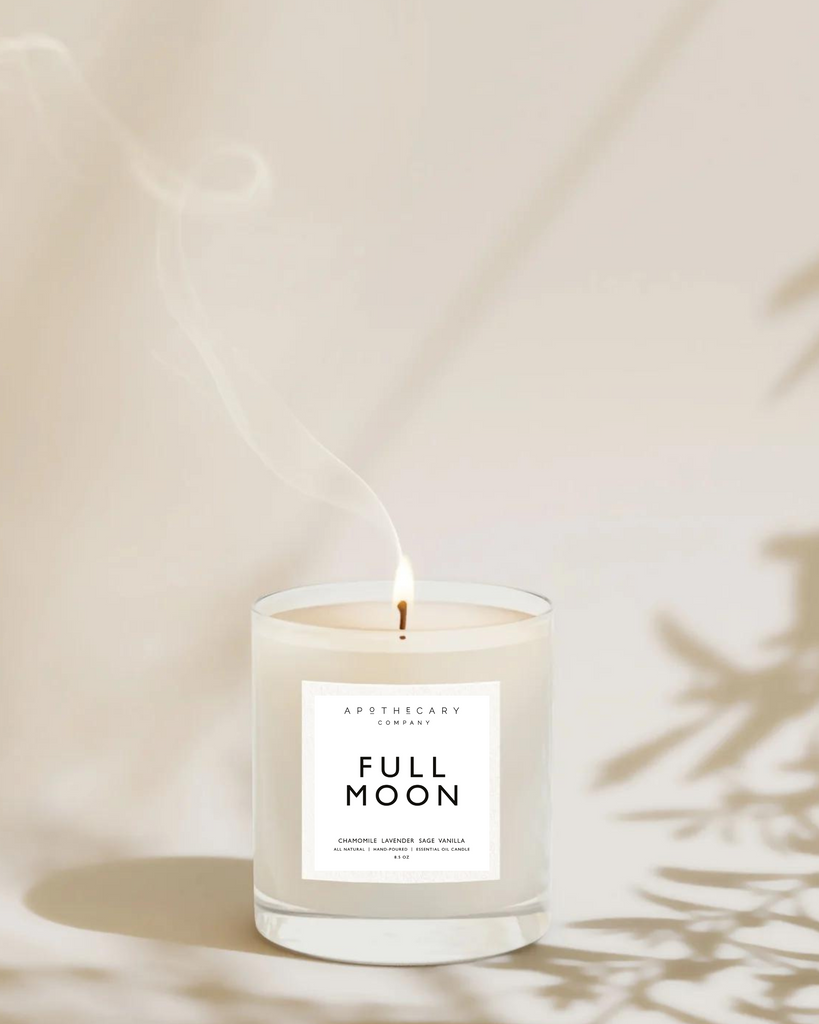
    The kettle is going, the phone is face-down on the counter, and the only light in the kitchen is whatever spills in from the window. Outside, the June moon hangs low and gold, looking close enough to touch. You have had a week. The kind that piles up in your shoulders and follows you to bed. And tonight, instead of scrolling until your eyes sting, you have decided to do something gentler with the evening. You are going to make it a ritual.

    That is really all a Strawberry Moon night is. A made-up reason to be soft with yourself for a few hours. The moon is not going to fix your inbox or rearrange your stress hormones. What it can do is give you a date on the calendar and a little bit of poetry to hang an evening on, which turns out to be a surprisingly good prompt for the one thing most of us skip: slowing all the way down on purpose.

    What the Strawberry Moon Actually Is

    Let us get the sky part right before anyone builds a personality around it. The Strawberry Moon is simply the full moon that lands in June. The name comes from a long tradition of seasonal full-moon names, popularized in North America through the Old Farmer’s Almanac and often credited to Algonquin peoples, who used the marker to track the short, sweet wild-strawberry harvest that ripens around this time of year in the northeastern part of the continent.

    A common misconception worth clearing up: the moon does not actually turn pink or red. The name is about the strawberry season, not the moon’s color. That said, a June full moon often does sit low on the horizon and can pick up a warm amber or honeyed tint as its light passes through more of the atmosphere near the skyline. So if you step outside and catch it glowing gold, that is real, and it is lovely, and it has nothing to do with strawberries.

    You also do not need the night to be perfectly clear, and you do not need to catch the moon at its exact fullest moment. The point of all this is not astronomy homework. It is permission. June gives you a recurring, easy-to-remember cue to stop and reset, and that is the whole gift. Treat the moon as a friendly reminder rather than a force acting on your body, and you will get everything good out of the night without wandering into claims it cannot back up.

    Why a Ritual Beats Just “Relaxing”

    Why a Ritual Beats Just

    Here is the quiet truth about rest. Most of us are bad at it because we never actually decide to do it. We mean to relax, so we flop on the couch, open a screen, and surface two hours later feeling more frayed than before. The intention was there. The structure was not.

    A ritual fixes that by giving the evening edges. When you light a candle and say, even just to yourself, this is my reset, you are drawing a line between the day that wore you out and the hour that is going to put you back together. That small ceremony tells your brain the assignment has changed. The performance is over. You are off the clock.

    None of this requires belief in anything cosmic. The benefit is psychological and practical, the same reason a bedtime routine settles a toddler or a pre-game stretch settles an athlete. Repetition and intention create a sense of safety, and safety is where your nervous system finally lets its shoulders down. The Strawberry Moon is just a charming costume for a habit that works on any ordinary Tuesday. We are using June’s full moon because it is pretty and it is easy to remember, not because the sky is doing the heavy lifting. You are.

    So go in with modest, honest expectations. You are not detoxing your aura or charging anything. You are giving yourself a couple of hours of deliberate, screen-free calm, and that alone is worth showing up for.

    Setting the Scene Before You Begin

    Setting the Scene Before You Begin

    A reset night works best when you do not have to make decisions in the middle of it. The decisions are the work. So spend ten minutes up front getting the space ready, then let yourself coast.

    Start with light. Overhead lighting is the enemy of unwinding, so kill it. Reach for lamps, fairy lights, a few candles, or even just the glow of the moon through an open curtain. Warm, low light tells your body the day is closing, which makes everything that follows easier.

    Then handle the phone, because this is the make-or-break step and you already know it. Put it in another room, or at minimum switch on Do Not Disturb and flip it face-down somewhere out of reach. If you want music, queue a calm playlist before you start so you are not crawling back to the screen every twenty minutes. The goal is to remove the slot machine from your hand for a few hours.

    Finally, gather your few small comforts so they are within arm’s reach. A soft blanket. Your coziest socks. A big glass of water and maybe a warm drink. A notebook and a pen that actually works. Whatever scent you love, whether that is a candle, some incense, or a bit of lavender. You are building a little nest. Set it up once, settle in, and stay there.

    A Gentle Full Moon Self-Care Flow

    A Gentle Full Moon Self-Care Flow

    You do not need to do every piece of this, and there is no correct order handed down from anyone. Think of it as a menu. Pick what sounds good tonight, leave the rest, and let the evening have an easy, unhurried shape.

    Open with a warm soak or shower. Water is the great transition. A bath with a handful of Epsom salts and a few drops of something that smells good, or simply a long shower in the dark with one candle going, does a beautiful job of rinsing the day off you, literally and figuratively. Let yourself stay in longer than feels efficient. Efficiency is not the assignment tonight.

    Move slowly for a few minutes. Not a workout. Just some gentle stretching to unstick whatever the day jammed up. Roll your neck, fold forward and let your arms hang, open your chest, breathe into your back. If you know a few easy yoga shapes like child’s pose or a slow seated twist, lovely. If you do not, just follow whatever your body is asking to lengthen. Five to ten minutes is plenty. You are loosening, not training.

    Sit with a warm drink and do nothing. This is harder than it sounds and more valuable than it looks. Make a cup of herbal tea or warm cocoa, find your spot, and simply be there with it. No podcast, no show, no scrolling. Watch the candle. Look at the moon if you can see it. Let your thoughts wander and settle. Boredom is not a problem to solve here. It is the doorway you have been too busy to walk through.

    Then journal, if you are in the mood for it. We will get into the prompts next, but keep it loose. This is not a diary you are graded on.

    The flow matters less than the spirit. Slow, warm, quiet, kind. If you only manage the bath and the tea, you still did the thing.

    Journaling and Intention-Setting Without the Woo

    Journaling and Intention-Setting Without the Woo

    The journaling is where a full-moon night earns its keep, and you can do it without pretending the moon is granting wishes. Full moons have long carried the symbolism of completion, of something coming to fullness, and you are welcome to borrow that image purely as a writing prompt. It is a useful frame, not a mechanism.

    A simple structure: look back, then look in, then look forward. For looking back, ask yourself what this past stretch of weeks actually held. What wore you down, and what genuinely refilled you? Naming the drains and the gains, plainly, is half the relief. For looking in, check the honest state of things. How am I, really, underneath the autopilot answer? What have I been carrying that I have not said out loud, even to myself?

    Then, for looking forward, set an intention or two. Keep these grounded and within your control, because that is what makes them land. Not “the universe will bring me peace,” but “I want to protect one quiet evening a week” or “I want to stop apologizing for needing rest.” Write it the way you would tell a trusted friend. Specific, doable, yours.

    If you want a single prompt to carry the whole night, try this one: what do I want to set down, and what do I want to make room for? Setting down is the releasing half. Making room is the inviting half. You do not need a candle ceremony or a crystal grid to do either. You need a pen, a few honest minutes, and the willingness to be real on the page. Anything beyond that is decoration, and decoration is allowed, as long as you remember it is decoration.

    Comfort Food That Fits the Mood

    Comfort Food That Fits the Mood

    A reset night and a sad desk salad do not belong in the same evening. This is comfort food territory, and the only rule is that it should feel like a small kindness rather than another chore.

    Lean toward warm and uncomplicated. A bowl of soup you can wrap your hands around. Buttered toast cut into triangles like someone used to make for you. A mug of hot chocolate with too many marshmallows. Cozy pasta, a baked sweet potato loaded however you like it, popcorn on the stove, or oatmeal with honey and fruit even though it is night, because oatmeal at night is a genuinely underrated joy.

    Since this is the Strawberry Moon, it is fun, though entirely optional, to let actual strawberries make an appearance. Fresh berries with a little yogurt and honey. Strawberries dipped in melted chocolate. A few slices dropped into sparkling water so your glass looks like something. It is a tiny wink at the night’s name, and it tastes like June.

    Whatever you choose, eat it slowly and on purpose. Sit down with it. Taste it. Do not stand over the sink inhaling it between tasks, because that is exactly the rushed default you are trying to step out of tonight. The food is part of the ritual, not a pit stop in the middle of it. Plate it like it matters, because for the next hour, it does.

    Carrying the Calm Into the Days After

    Here is the part nobody tells you about a good reset night: the magic is not really in the night. It is in what you sneak into your ordinary days afterward, once you have remembered what slowing down actually feels like.

    You proved something to yourself tonight. That an evening without your phone did not end the world. That a warm bath and a quiet half-hour left you steadier than another episode of anything would have. That writing down what you are carrying makes it lighter, even a little. None of that expires when the moon moves on. So before you drift off, pick one small piece of the night to keep. Maybe it is ten phone-free minutes with your morning coffee. Maybe it is one stretch before bed. Maybe it is simply giving yourself permission to be bored sometimes instead of reaching for the screen the second a quiet moment opens up.

    You do not have to wait for next June, or for any full moon at all, to do this again. The Strawberry Moon was never the source of the calm. It was just the excuse, and a charming one, to finally book the appointment with yourself that you keep meaning to make. The reset is portable. The permission is renewable. The next time the week starts piling up in your shoulders, you already know the way back down, candle and tea and quiet and all. Blow out the candle now if there is one still going, pull the blanket up, and let yourself rest, having spent one evening exactly the way you needed to.

  • Statins and Muscle Pain – What Women Need to Know Before Starting Cholesterol Medication

    Statins and Muscle Pain – What Women Need to Know Before Starting Cholesterol Medication

    The bottle sits on the kitchen counter, still sealed, next to the coffee mug. Your doctor handed you the prescription a week ago, and you have been circling it ever since. A friend swears her statin gave her aches she never had before. A relative says hers has been quietly working for years and she barely notices it. Somewhere in the middle of those two stories is your own body, your own numbers, and a decision that deserves more than a rushed five minutes in a doctor’s office. If that bottle is sitting on your counter too, this is for you.

    This is general educational information, not medical advice. Nothing here replaces a real conversation with your own doctor or pharmacist, who knows your history, your medications, and your numbers. Think of what follows as a way to walk into that conversation feeling informed rather than anxious, so you can ask better questions and make a choice that fits your life.

    Why Doctors Reach for Statins in the First Place

    Why Doctors Reach for Statins in the First Place

    Cholesterol is not the villain it gets painted as. Your body actually needs it to build cells and make certain hormones. The trouble starts when there is too much of one kind, low-density lipoprotein, often shortened to LDL and nicknamed the “bad” cholesterol. According to the Cleveland Clinic, LDL earns that label because it builds up inside artery walls, narrowing the space blood needs to move through. Over years, that buildup raises the risk of a heart attack or stroke.

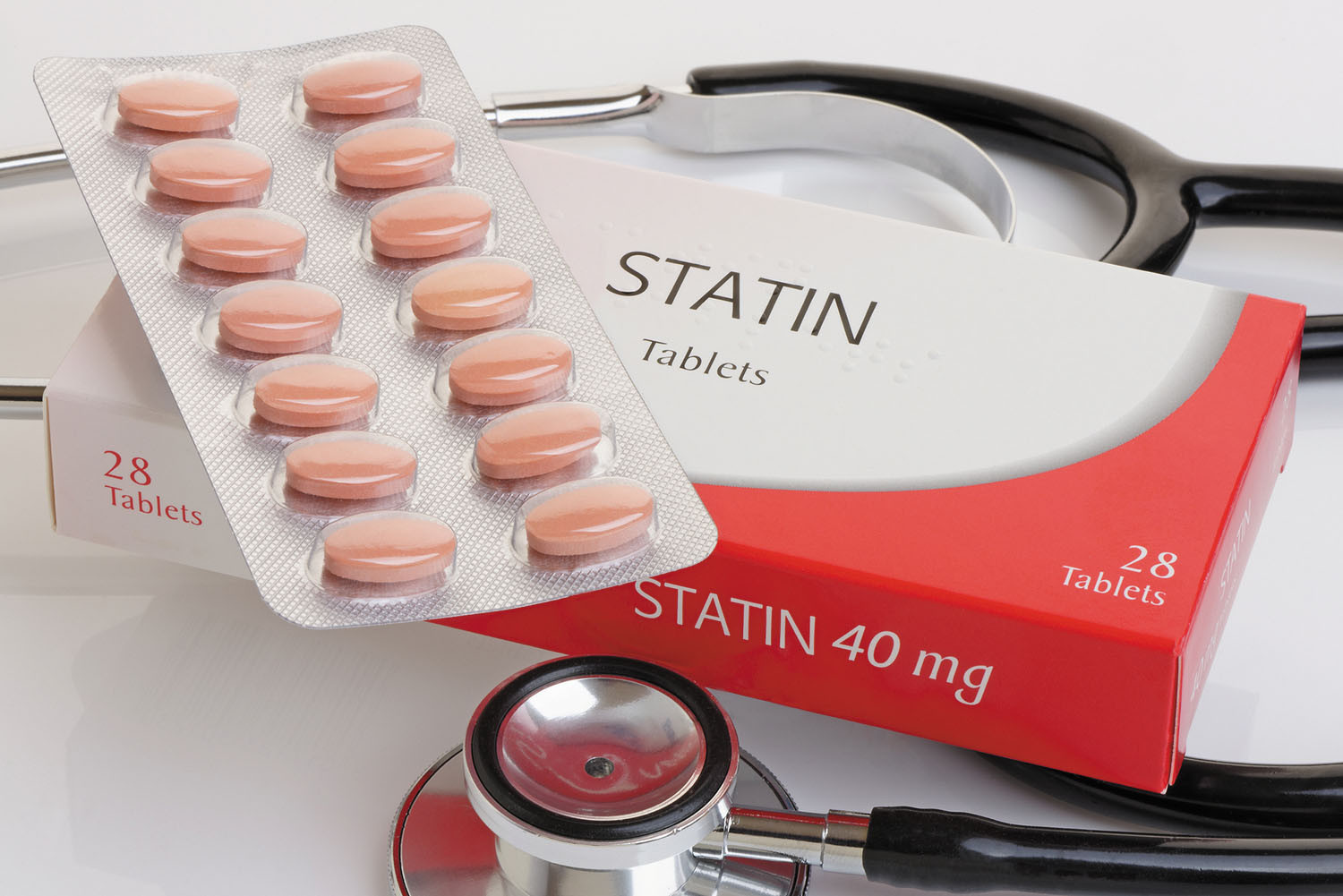
    Statins work upstream of all that. As Mayo Clinic explains, they block an enzyme the liver uses to make cholesterol, which prompts the liver to pull more cholesterol out of the bloodstream. Some statins can lower LDL by half or more. The common names you may recognize include atorvastatin, rosuvastatin, simvastatin, pravastatin, lovastatin, fluvastatin, and pitavastatin. Lowering LDL is not the whole point, though. The real goal is reducing the chance of the events nobody wants, the heart attack and the stroke. Large bodies of research show that lowering LDL with these medications meaningfully cuts cardiovascular risk, and that benefit shows up in both women and men.

    That last point matters more than it sounds. For a long time, heart disease was framed as a man’s problem, which left a lot of women under-screened and under-treated. The truth is that heart disease is a leading cause of death in women, and the protective effect of lowering cholesterol applies to women too. Research summarized in reviews of lipid-lowering therapy notes that while the exact size of the LDL drop can differ somewhat between women and men, the reduction in cardiovascular risk is comparable. A statin is not a men’s medication that women happen to take. It is a tool that works for both.

    The Midlife Shift That Changes the Conversation

    The Midlife Shift That Changes the Conversation

    Here is something that does not get talked about nearly enough at the gynecologist’s office. Cholesterol often changes during the menopause transition. The American Heart Association and Cleveland Clinic both note that as estrogen declines, LDL, triglycerides, and total cholesterol tend to rise, while the protective HDL, the “good” cholesterol, may dip. Before menopause, higher estrogen levels appear to offer women some protection, which is part of why heart disease tends to show up later in women than in men.

    What this means in practice is that a woman who has spent decades with reassuringly low cholesterol numbers can be genuinely surprised when, sometime in her forties or fifties, those numbers climb without any obvious change in how she eats or moves. It is not a personal failing. It is biology shifting underneath you. This is also why a statin conversation often lands in exactly this season of life, when a lot is already changing and the last thing you want is one more thing to worry about. Understanding why the number went up can take some of the sting out of the recommendation. Your body is not betraying you. It is doing what bodies do at this stage, and the medication is one response among several.

    What Statin-Associated Muscle Symptoms Actually Are

    What Statin-Associated Muscle Symptoms Actually Are

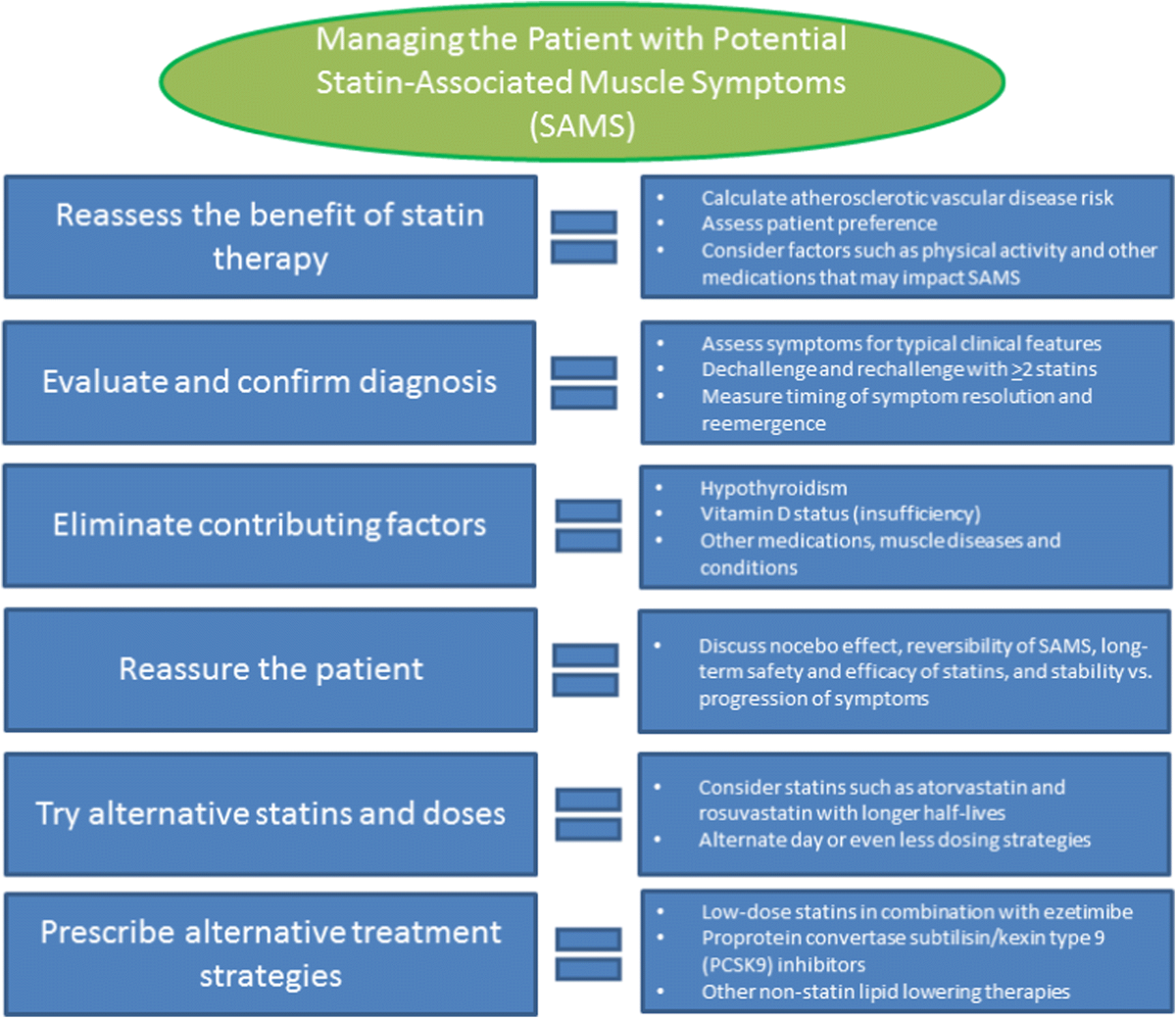
    Now to the worry that probably sent you searching in the first place. The muscle aches. Clinicians have a name for this whole category: statin-associated muscle symptoms, sometimes abbreviated SAMS. It covers a wide spectrum, and lumping the whole spectrum together is where a lot of fear comes from.

    At the mild and by far most common end, people describe soreness, tenderness, tiredness, or weakness in the muscles. Mayo Clinic notes this can feel like anything from minor discomfort to something annoying enough to interfere with daily activities. It often shows up in larger muscle groups like the thighs, shoulders, or back, and it tends to affect both sides of the body rather than one isolated spot.

    At the far, rare end of the spectrum sits a serious condition called rhabdomyolysis, in which muscle tissue breaks down and releases substances that can harm the kidneys. It is the scenario that headlines love and that quietly terrifies people. It is also genuinely rare. Mayo Clinic puts it plainly: only a few cases of rhabdomyolysis occur per million people taking statins, and it tends to happen when statins are combined with certain interacting medications or taken at high doses. The signs of something serious are worth knowing, not to scare you but to give you a clear line: severe muscle pain, dark or cola-colored urine, or extreme weakness are reasons to call your doctor promptly rather than wait. Knowing that line exists is what lets you relax about the everyday twinges that are not it.

    The Nocebo Effect, and Why It Is Good News

    The Nocebo Effect, and Why It Is Good News

    This next part is one of the most useful and least-known pieces of the whole picture. When researchers run carefully blinded trials, the kind where neither the patient nor the doctor knows who is getting the real statin and who is getting a placebo sugar pill, something striking happens. The rate of muscle symptoms in the statin group often looks remarkably similar to the rate in the placebo group. People taking a pill with no active medication report muscle aches at rates close to those taking the real thing.

    This is the nocebo effect. It is the flip side of the placebo effect. Where a placebo can make people feel better because they expect to, a nocebo can make people feel worse because they expect a side effect. Mayo Clinic states that the real risk of developing muscle pain specifically from a statin is about 5 percent or less compared with a placebo, and that one of the strongest predictors of whether someone reports muscle aches is simply whether they read about that side effect beforehand. Researchers writing in The Lancet and related work have described how a large share of reported statin muscle symptoms may trace back to expectation rather than the drug itself, a phenomenon some have nicknamed the “drucebo” effect.

    It would be easy to hear this as “your pain is in your head,” and that is absolutely not the point. Pain is real whether its source is the drug, anxiety, ordinary aging, a tough workout, or some combination. The genuinely empowering takeaway is different and gentler. A lot of the muscle pain people fear when starting a statin is not destiny. If you begin treatment without bracing for misery, you may simply do fine. And if symptoms do appear, the picture is rarely as grim or as fixed as the internet suggests. That knowledge is a quiet form of protection.

    Why Women, Especially Over 40, Deserve a Closer Look

    Why Women, Especially Over 40, Deserve a Closer Look

    Statins are not one-size-fits-all, and a few factors stack up in ways that are worth naming directly for women. Mayo Clinic lists being female and having a smaller body frame among the risk factors that can raise the odds of statin side effects. Other factors on that list include taking the highest dose of a given statin, taking more than one cholesterol-lowering drug at once, being older, having kidney or liver disease, having an underactive thyroid, or drinking heavily.

    Several of those intersect with women’s lives in midlife and beyond. Thyroid conditions, for instance, are more common in women, and an underactive thyroid that has not been well managed can itself cause muscle aches and can raise the risk of statin-related muscle symptoms. A smaller body frame can mean a standard dose lands differently. Kidney function naturally shifts with age. None of this means a woman should avoid statins. It means the starting dose, the specific statin chosen, and the other medications already in your cabinet all deserve a thoughtful look rather than an autopilot prescription.

    Drug interactions belong at the center of that look. Certain medications raise statin levels in the body and, with them, the chance of muscle trouble. Mayo Clinic names examples including some heart-rhythm drugs, certain antibiotics and antifungals, some HIV treatments, particular immune-suppressing drugs, and another cholesterol medication called gemfibrozil. Even grapefruit and grapefruit juice can interfere with how some statins are broken down, which is why your pharmacist may ask about it. The practical move is simple. Make sure whoever prescribes your statin has a complete, current list of everything you take, including supplements, because that list is one of the biggest levers for keeping you comfortable and safe.

    How to Have the Conversation Without Losing Your Nerve

    A good appointment is one you have prepared for, and you do not need a medical degree to prepare well. Bring your real questions and your real history, and treat the visit as a two-way decision rather than a verdict handed down to you.

    A few questions tend to open up the most useful discussion. You might ask what your actual cardiovascular risk looks like and how much a statin is expected to lower it, so the benefit feels concrete rather than abstract. You can ask which statin and which dose your doctor recommends and why, since some statins are more prone to muscle complaints at higher doses than others. It is fair to ask whether starting low and adjusting makes sense for you, and whether an every-other-day approach is ever appropriate for your situation. Ask what specifically should prompt a call, so you leave with a clear sense of normal versus worrisome. And hand over that full medication and supplement list so interactions can be checked before you ever swallow the first pill.

    If you start a statin and muscle symptoms do show up, there is a real menu of options, and stopping cold on your own is not the recommended first move. Mayo Clinic describes approaches a clinician might consider, such as a short, supervised pause to see whether the aches truly track with the medication, switching to a different statin, lowering the dose, or pairing a lower statin dose with another cholesterol-lowering medicine. Sometimes the aches turn out to be ordinary midlife stiffness or a new exercise routine rather than the pill at all, and a planned pause is how you find out. The point is that there is almost always a next adjustment to try.

    Why Stopping On Your Own Is the One Move to Avoid

    If you remember a single sentence from all of this, make it this one. Do not stop a prescribed statin on your own without talking to your doctor or pharmacist first. The reasoning is straightforward and worth sitting with. High cholesterol does not announce itself. It causes no symptoms while it quietly raises your risk of a heart attack or stroke, which means the medication can feel pointless precisely because it is working invisibly. Walking away from it because of an ache trades a manageable, often addressable discomfort for a real and silent cardiovascular risk.

    The honest, balanced picture is that statins carry genuine benefits and, for some people, genuine side effects, and the two have to be weighed together rather than one at a time. For most people, the protection against heart attack and stroke outweighs the risks, and serious side effects are very rare. For the smaller number who do struggle with muscle symptoms, the answer is rarely “give up” and almost always “adjust.” Both of those paths run through your doctor, not around them.

    So here is where the bottle on the counter goes. Pick it up, and bring it and your questions to someone who can see your whole picture. You are allowed to want both things at once: a heart that is protected for the decades ahead, and a body that feels like yours day to day. Those goals are not in conflict, and you do not have to choose between staying quiet and stopping cold. The middle path, the informed conversation, is the one that keeps both your heart and your comfort on the table. That conversation is yours to start, and you are more ready for it now than you were when that bottle first arrived.

  • Betrayal, Boundaries, and Moving On – What Reality TV Scandals Teach Us About Self-Worth in Relationships

    Betrayal, Boundaries, and Moving On – What Reality TV Scandals Teach Us About Self-Worth in Relationships

    Picture the exact moment a phone lights up on the counter and something inside you already knows the message is not meant for your eyes. Maybe it is a name that appears too often, a tone that has cooled, a story that does not quite add up. That small lurch in the stomach is one of the most human experiences there is, and millions of women have lived some version of it without ever sharing the details out loud. What makes betrayal so disorienting is not only the act itself but the way it rearranges everything you thought you understood about your own judgment. The work of putting yourself back together afterward is quieter than the heartbreak, but it is where the real story lives.

    There is a reason a televised relationship scandal can grip an entire culture for months. We are not just watching gossip unfold. We are watching a familiar wound play out on a stage big enough to finally feel seen, and somewhere in that spectacle we recognize a piece of our own history.

    Why a Reality TV Scandal Hit So Many Women So Hard

    Why a Reality TV Scandal Hit So Many Women So Hard

    In the spring of 2023, a long-running Bravo series called Vanderpump Rules became the center of a cultural moment that fans nicknamed “Scandoval.” The basic, widely reported facts were simple enough: Tom Sandoval, who had been in a nine-year relationship with castmate Ariana Madix, was revealed to have had an affair with another castmate, Rachel Leviss. The news broke publicly in March of that year, and the fallout played out across the show, social media, and seemingly every group chat in the country. People who had never watched a single episode suddenly knew the names and the outline of what happened.

    The fascination was never really about three reality television personalities most viewers would never meet. It was about the shape of the story. A long partnership, a hidden betrayal, a discovery that turned out to be far bigger than the first clue suggested. That is a shape countless women already carry in their own memory, and seeing it acted out by strangers gave a lot of people permission to feel things they had quietly filed away. When something private and painful suddenly becomes a shared cultural reference, it can be strangely validating to realize you were never the only one.

    What stood out most, and what kept the conversation going long after the initial shock, was the public response of the partner who had been wronged. Rather than disappearing or shrinking, she was widely praised for carrying herself with composure, humor, and a refusal to define herself by someone else’s choices. That arc, more than the scandal itself, is the part worth holding onto. It modeled something useful: that the most compelling response to betrayal is not revenge and not collapse, but a steady return to your own life.

    Betrayal Is a Wound to Your Story, Not a Verdict on Your Worth

    The cruelest trick betrayal plays is convincing you that the problem was you. In the first raw weeks, the mind becomes a prosecutor, building a case out of every perceived flaw. If only you had been more attentive, more interesting, more forgiving, thinner, calmer, easier. This is one of the most common and most damaging responses, and it is worth naming clearly so you can refuse it. Someone else’s decision to deceive you is information about their character and their choices in that season of their life. It is not a scorecard of your value as a partner or a person.

    Holding that distinction is harder than it sounds, because shame is sticky and self-blame can feel oddly comforting. If the breakdown was your fault, then at least it was something you controlled, and control feels safer than helplessness. The healthier and more accurate frame is also the more uncomfortable one: another adult made a choice that broke an agreement, and you did not cause that choice by being imperfect. Every relationship has friction and unmet needs. None of those ordinary realities require deception as a response. People who want to leave a relationship can say so, openly and honestly, and the ones who choose secrecy instead are revealing how they handle hard conversations.

    When you separate the wound from the verdict, something shifts. You can grieve the relationship and the future you imagined without dragging your entire sense of self into the grave with it. You can acknowledge real mistakes you may have made as a partner, because everyone makes them, while still refusing to accept the story that those mistakes earned you betrayal. That is the line that protects your self-worth, and learning to hold it is one of the most important things a woman can do for herself.

    Reading the Signs Without Living in Fear

    Reading the Signs Without Living in Fear

    Once trust has been broken, it is tempting to swing toward hypervigilance and treat every future partner as a suspect. That instinct is understandable, but it tends to cost you peace without actually keeping you safe. A more grounded approach is to learn the difference between ordinary relationship imperfection and genuine warning signs, so you can trust your discernment instead of your anxiety. Healthy partners are not flawless. They are simply consistent, accountable, and willing to repair when something goes wrong.

    A few patterns deserve quiet attention because they tend to show up before bigger breaches. Watch for someone who is allergic to accountability and reframes every conflict so they end up the victim. Notice consistent gaps between words and actions, the kind where promises evaporate the moment they become inconvenient. Pay attention to a partner who makes you feel unreasonable for asking simple, fair questions, or who treats your need for honesty as an attack. Notice secrecy that has no real explanation, and notice the slow erosion of your confidence when you are around them.

    The point of learning these signs is not to build a case against love. It is to give your intuition language so you stop talking yourself out of what you already sense. Many women look back after a betrayal and realize the early signals were there, but they overrode their own instincts because they wanted the relationship to work or feared being seen as difficult. You are allowed to take a pattern seriously the first time, not the fifth. Trusting yourself early is not paranoia. It is self-respect translated into attention.

    Boundaries as Self-Respect Made Visible

    Boundaries as Self-Respect Made Visible

    Boundaries get talked about so often that the word has nearly lost its meaning, but at its core a boundary is simply a clear statement of what you will and will not accept, backed by what you will actually do. It is not a punishment aimed at another person and it is not an ultimatum designed to control them. A boundary is a fence around your own well-being, and the most important part is the follow-through. A limit you announce but never enforce is just a wish, and the people who tend to cross lines learn very quickly which lines are real.

    Setting boundaries after betrayal can feel foreign, especially for women who were raised to be accommodating and to read keeping the peace as a virtue. It helps to start small and specific. You might decide you will not accept being lied to about whereabouts, or that you will not stay in conversations that turn into blame, or that you need a certain kind of transparency to even consider rebuilding. The healthiest boundaries are stated calmly, without a speech and without apology, and they describe your own actions rather than demanding the other person change. You are not negotiating their behavior. You are defining your own response to it.

    There is a particular kind of strength in realizing that boundaries are not walls that keep love out. They are the structure that makes real intimacy possible, because trust grows in relationships where both people know the limits are honored. When you hold a boundary and the sky does not fall, you teach yourself that your needs are not too much and that you can survive someone’s disappointment. That lesson radiates outward into friendships, family, work, and every future relationship. Boundaries are simply self-respect made visible, and they are a skill any woman can build with practice rather than a personality trait you either have or lack.

    Rebuilding Self-Worth From the Inside Out

    Rebuilding Self-Worth From the Inside Out

    In the aftermath of a betrayal, a lot of women instinctively look outward for proof that they are still desirable, still worthy, still enough. A flurry of attention can feel like medicine, but it is usually a loan rather than a cure, because worth that depends on someone else’s gaze can be revoked the moment that gaze wanders. The more durable work happens inside, in the slow rebuilding of a relationship with yourself that does not require anyone’s approval to stay standing. This is unglamorous, daily work, and it is also where lasting confidence actually comes from.

    Start by returning to the parts of your life that belong only to you. The friendships that predate the relationship, the hobbies you let slide, the body that carried you through it all and deserves care rather than criticism. Body positivity matters enormously here, because betrayal so often gets tangled up with cruel stories about appearance, and reclaiming a kind relationship with your own body is part of reclaiming your worth. Move because it feels good, dress in what makes you feel like yourself, and refuse the lie that your value was ever measured in dress sizes or anyone’s wandering eyes. Your body is not the reason you were betrayed, and it is not on trial.

    Then practice noticing your own reliability. Keep small promises to yourself and let them accumulate into evidence that you can be trusted, which is often the trust that was most badly shaken. Speak to yourself the way you would speak to a beloved friend who had just been through the same thing, with patience rather than contempt. Self-worth rebuilt this way is sturdier than the kind that comes from external validation, because you are the one who built it and you are the one who gets to keep it. No future partner has to grant you permission to feel whole.

    Letting a Support System Carry What You Cannot

    Letting a Support System Carry What You Cannot

    There is a stubborn myth that healing should be done privately and that needing other people is a sign of weakness. The opposite is true. Isolation is where betrayal does its deepest damage, replaying the same loops with no outside voice to interrupt them. A support system is not a luxury reserved for people who are falling apart. It is a basic part of how humans recover from anything hard, and reaching for it is a sign of wisdom rather than fragility. The women who move through betrayal best are almost never the ones who white-knuckle it alone.

    Your circle does not have to be large to be powerful. It might be two friends who answer the phone at odd hours, a sister who reminds you who you were before, a community of women who have walked the same road and can tell you honestly that it gets lighter. It might also include a professional, and there is no shame in that. Talking to a licensed therapist or counselor can give you tools and perspective that even the most loving friend cannot, and seeking that kind of support is a strong, ordinary thing to do when you have the means and the need. Choosing the right people matters, because the goal is not an audience for your pain but companions for your recovery.

    Lean on the ones who help you stand taller rather than the ones who only want to keep the outrage burning. Anger has its season and it is valid, but a support system worth having eventually points you back toward your own life rather than keeping you camped in the wreckage of someone else’s choices. Let the people who love you carry the weight you cannot lift on your own. That is what they are there for, and accepting their help is part of believing you are worth helping.

    You Are Already the Author of What Happens Next

    Here is what the most memorable response to that very public scandal quietly demonstrated, and what every woman can take from it without ever watching a single episode. The person who chose deception got to decide one chapter of the story. They did not get to decide the whole book. The most powerful move after betrayal is not a clever revenge or a perfect comeback for an audience. It is the unglamorous, daily decision to keep living a full life on your own terms, to laugh again, to take up space, to trust your own judgment and protect your own peace.

    Self-worth is not something you have to win back from the person who damaged it, because they never actually owned it in the first place. It was always yours, even in the weeks when it felt buried under shame and confusion. You reclaim it by drawing clear boundaries, by tending the relationships that nourish you, by treating your body and your spirit with respect, and by refusing the story that says someone else’s choices defined your value. Those are not grand gestures. They are small, repeatable acts that add up to a life that belongs entirely to you. You are not waiting for the next chapter to be handed to you. You are already holding the pen.