Tag: style icon

  • Faith Hill’s Ageless Style Evolution – How to Dress With Her Effortless Country-Glam Confidence at Any Size

    Faith Hill’s Ageless Style Evolution – How to Dress With Her Effortless Country-Glam Confidence at Any Size

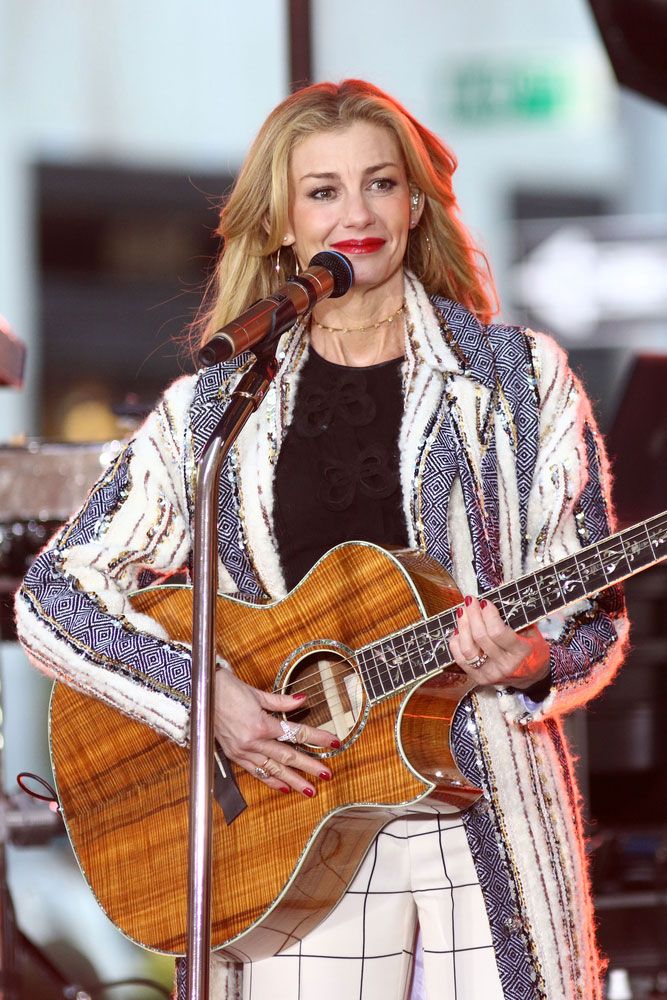
    Picture a stage washed in warm light, a slow country ballad building, and a woman in a floor-length gown stepping to the microphone with the ease of someone who has never once questioned whether she belongs there. That is the Faith Hill effect. For three decades she has moved between two worlds that rarely coexist so gracefully – the dusty, honest heart of country music and the polished shimmer of a Hollywood red carpet – and made both look like home. She has worn beaded gowns to the Grammys and a wool prairie vest on the plains of a television Western, and somehow the through-line is always the same: unshakable, warm, grown-woman confidence.

    That confidence is the real style lesson here, and it happens to translate beautifully for curvy women who love a polished, feminine look but want it to feel lived-in rather than fussy. You do not need a stylist or a stadium tour to borrow it. You need a handful of pieces that fit your actual body, a point of view about what makes you feel like yourself, and permission to take up space in the room. Faith Hill built a signature out of exactly those three things. So can you.

    The Two Faces of Faith Hill’s Style, and Why Both Matter
    The Two Faces of Faith Hill's Style, and Why Both Matter

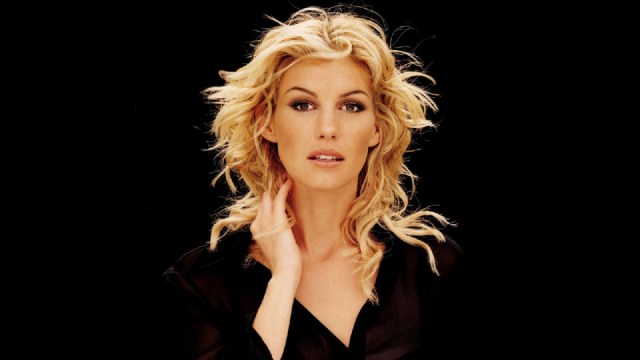
    Faith Hill’s fashion has evolved right alongside her music, and tracing it is a small masterclass in growing into your own taste. In the mid-1990s, when she was breaking through, her look leaned covered and countrified – vintage-inspired prints, softer silhouettes, the kind of easy Nashville wardrobe that reads warm and approachable. Then came the crossover era. Her albums Faith in 1998 and Breathe in 1999 turned her into a genuine pop star, with “This Kiss” climbing the charts and the title track “Breathe” reaching number two on the Billboard Hot 100. As her audience widened, so did her wardrobe. The prints gave way to glamorous, figure-conscious gowns, beadwork, sheer panels, and a growing love of black that has become one of her signatures.

    By the early 2000s she was one of country’s most reliable red-carpet stars, drawn to glitzy dresses with intricate detail and unafraid of a bold neckline. Her dress at the 2000 Grammy Awards remains one of her most talked-about, daring looks. She has worn white and black in equal measure, then broken the pattern with a vivid red or a cool aqua when the moment called for color.

    What is worth noting for the rest of us is that neither version of Faith Hill cancels the other out. The barefaced, jeans-and-vintage-print Faith and the beaded-gown-on-the-carpet Faith are the same woman, and both are authentically hers. That is the permission slip. You are allowed to own a range. You can be the person in the effortless denim on Saturday and the person in the column gown at the winter gala, and neither is a costume if both feel like you.

    Country-Glam, Defined – The Signatures Worth Stealing
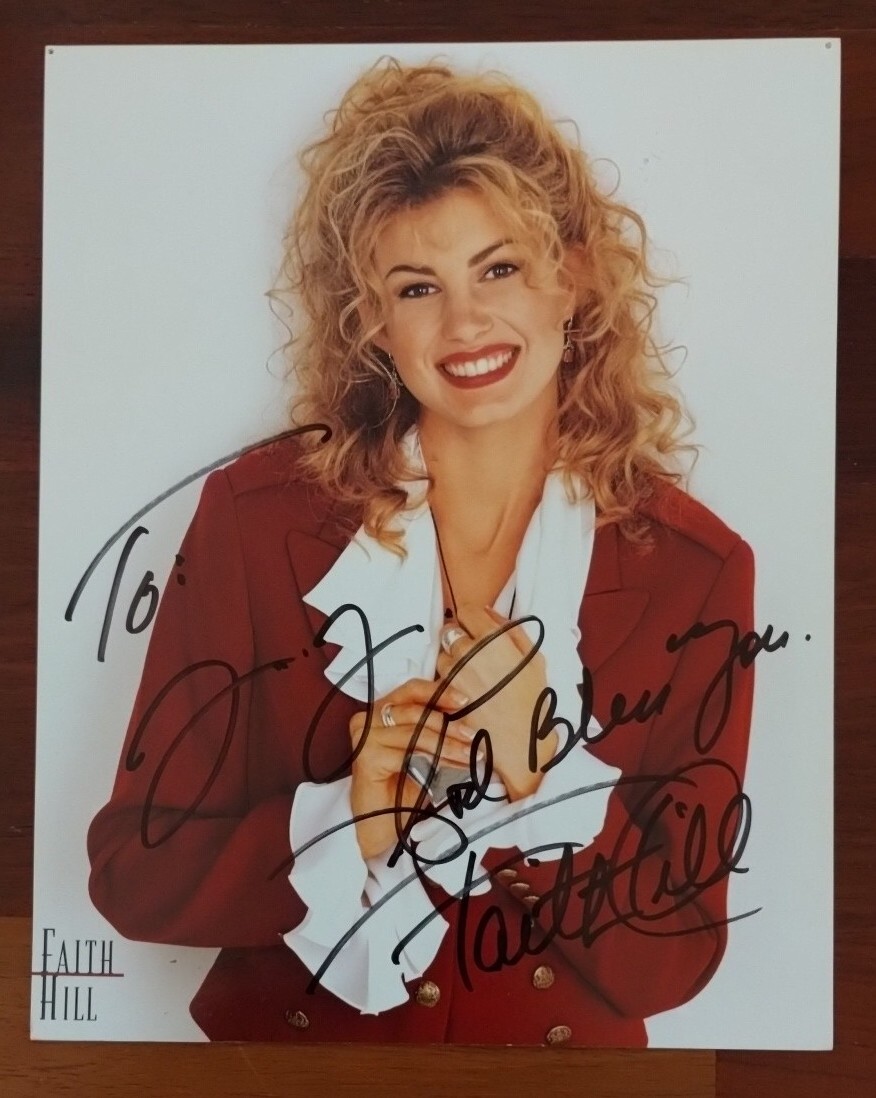
    Country-Glam, Defined - The Signatures Worth Stealing

    Before we get to the shopping, it helps to name the ingredients. Faith Hill’s country-glam formula, distilled, comes down to a few recurring signatures that you can dial up or down for your own life.

    First, the polished foundation. Even her most casual looks read intentional. A clean line, a good fabric, nothing sloppy. Second, a love of long, uninterrupted silhouettes – the floor-skimming gown, the tailored trouser, the maxi dress – that draw the eye up and down rather than chopping the body into segments. Third, strategic shine. Beadwork, satin, a metallic thread, a sequin, used as a focal point rather than head to toe. Fourth, a disciplined color story built on black, white, and rich neutrals, with the occasional decisive pop of color. And fifth, that famous hair – soft, full, blown-out waves that frame the face and add an instant dose of glamour to even the simplest outfit.

    Every one of those signatures is size-friendly. A long line flatters a fuller figure. A focal point of shine lets you decide exactly where the eye lands. A grounded neutral palette is endlessly repeatable and easy to shop for at every size. And great hair costs you nothing but a round brush and ten minutes. The genius of this aesthetic is that it was never about being a sample size. It was about proportion, polish, and knowing your own angles.

    Recreate the Red-Carpet Gown Moment at Any Size
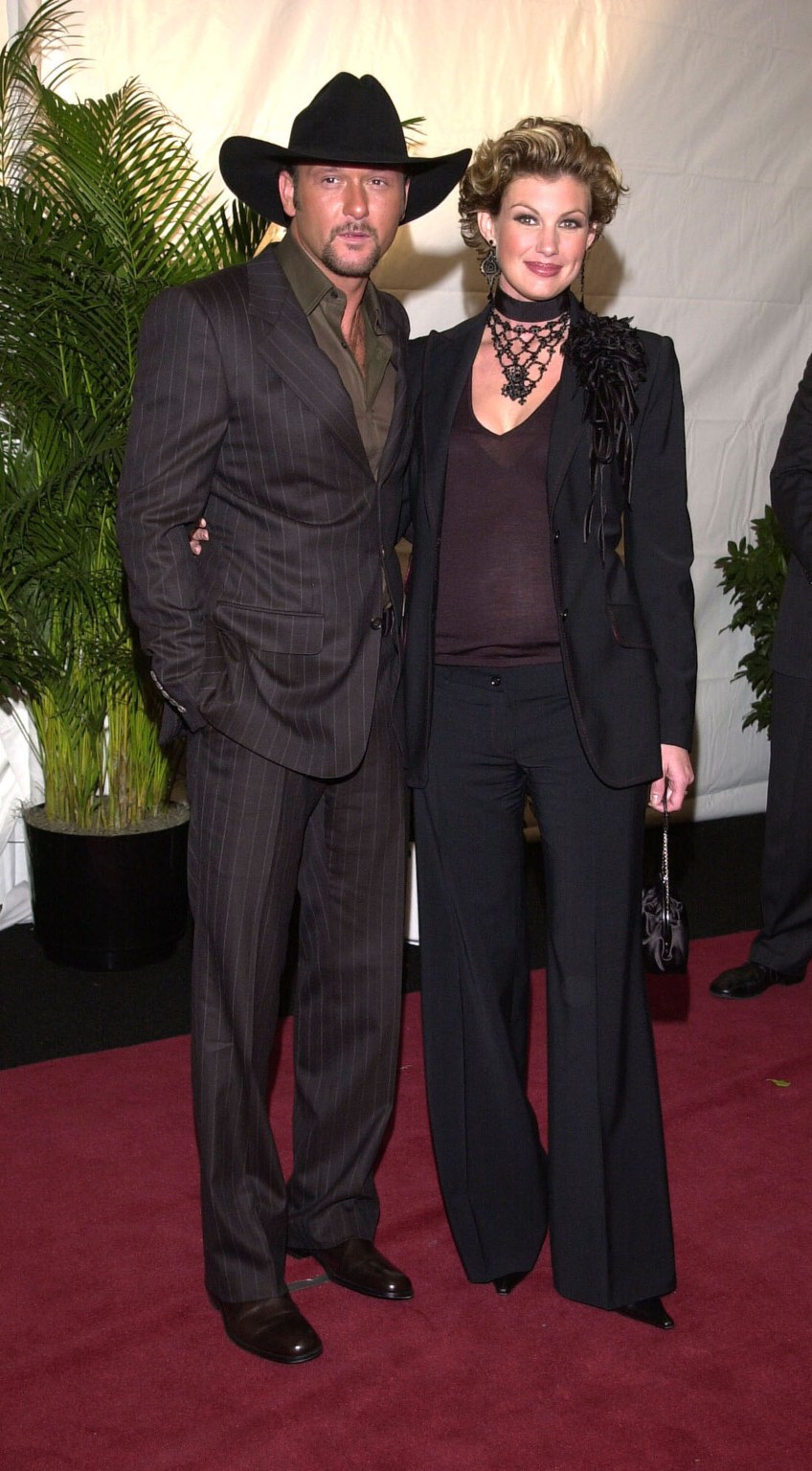
    Recreate the Red-Carpet Gown Moment at Any Size

    Let us start with the showstopper, because it is the look people assume is off-limits and it absolutely is not. Faith Hill’s gown moments are all about a long, clean column that skims the body, a considered neckline, and one point of drama – beading at the shoulder, a thoughtful cutout, or a sweep of satin that catches the light.

    To build your own version, begin with silhouette rather than size. A column or slightly A-line gown in a fluid fabric does the heavy lifting for a curvy frame because it moves with you instead of fighting you. Torrid has become a reliable destination for occasion dresses cut specifically for plus bodies, with gowns that account for bust, hips, and length in a way straight-size formalwear rarely does. Eloquii is the place to look when you want the fashion-forward detail – a dramatic sleeve, an interesting drape, a bit of that red-carpet edge Faith Hill favors. Lane Bryant rounds out the trio with polished, wear-it-again evening pieces and the foundation garments that make everything sit cleanly.

    For the neckline, take a page from her book and choose one focal area. A deep-but-supported V, an off-the-shoulder line, or a keyhole draws the eye exactly where you want it while keeping the rest simple. If you love the idea of a bold neckline but want reassurance, a wide-set strap or a built-in structured bodice gives you the drama with the security. Estimate spending somewhere in the range of a nice-restaurant dinner for two for a well-made occasion gown from these brands, more if you want heavy beading, though prices shift constantly and sales are frequent, so treat any number as a ballpark rather than a promise.

    One thing worth borrowing from her fittings mindset: think in terms of structure before decoration. A gown with a built-in bodice, a bit of internal boning, or a supportive lining will always sit more beautifully on a curvy frame than a flimsier one, no matter how pretty the fabric. Shapewear is optional and entirely your call, but the right undergarments in a smooth, seam-free style can make even a snug column dress feel effortless to move in. Faith Hill’s gowns always look like they were made for standing under hot lights for hours, and that ease is not an accident. It is engineering, and you can shop for it on purpose by reading product descriptions for words like lined, structured, and stretch.

    Finish with the Faith Hill flourishes: a single statement earring set, a metallic or nude heel to lengthen the line, and hair with genuine volume. The gown is only half the look. The posture and the blowout are the other half.

    The Everyday Country-Casual Formula – Denim Done With Polish
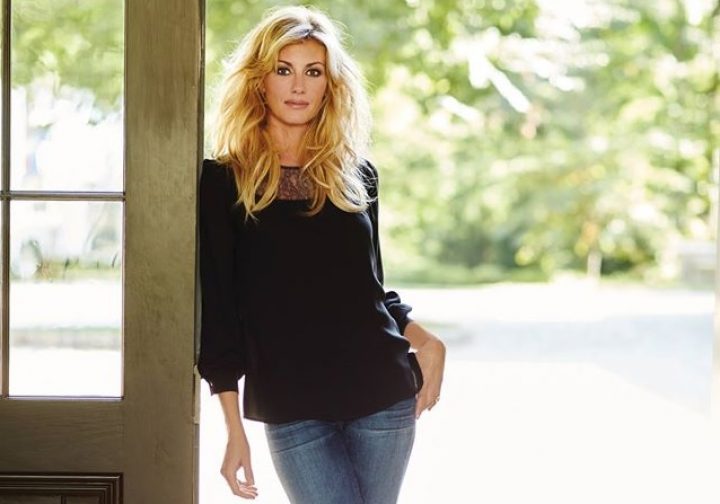
    The Everyday Country-Casual Formula - Denim Done With Polish

    Not every day is a gala, and this is where Faith Hill’s early, more grounded style earns its keep. The country-casual side of her look is denim and knits worn with just enough intention to never read as thrown-together. The trick is fit and finish rather than fanciness.

    Start with the jeans, the anchor of the whole thing. A dark-wash, high-rise, well-constructed pair does more for a polished silhouette than almost anything else in the closet, because a high rise smooths the midsection and a dark wash reads dressier than a faded one. Universal Standard has built its reputation on denim engineered for curves with a genuinely wide size range, and it is a strong starting point if you want a jean that holds its shape all day. Old Navy is the value pick, with a deep bench of curvy-fit and high-rise styles that let you experiment with cut without a big commitment. ASOS Curve is worth a scroll when you want something a little more of-the-moment – a wide leg, a trouser jean, a fresh silhouette to update the formula.

    From there, build the country-glam ease on top. A crisp white button-down worn slightly undone, a fine-gauge knit in cream or camel, or a soft western-inspired shirt tucked into that high waist. Layer a tailored blazer or a suede-look jacket for the polish that separates her from ordinary casual. Add a pointed boot or a clean heeled bootie, a leather belt, and one warm-metal piece of jewelry. The whole outfit should feel like it took five minutes and looks like it took thirty. That gap is the entire aesthetic.

    Channeling Margaret Dutton – The Prairie-Glam Chapter
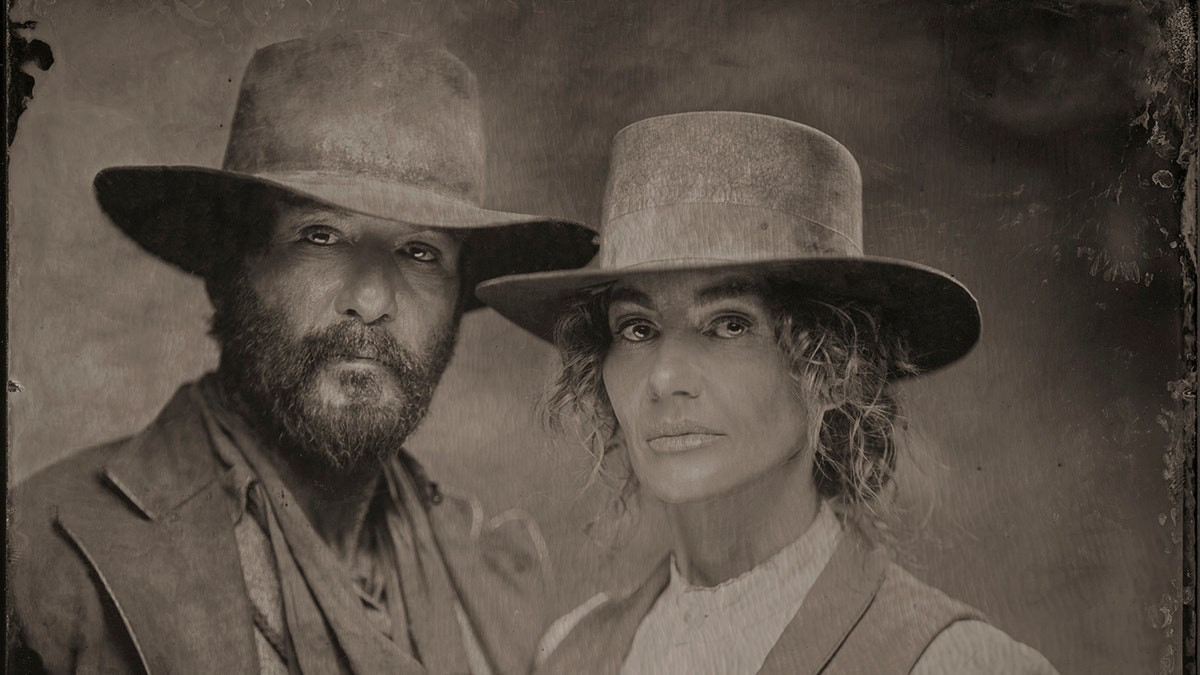
    Channeling Margaret Dutton - The Prairie-Glam Chapter

    Faith Hill’s turn as Margaret Dutton in the Western drama 1883, opposite her real-life husband Tim McGraw as James Dutton, added a whole new texture to her style story. The costumes, designed by Emmy-winning costume designer Janie Bryant, dressed her in dusty period fabrics, structured vests, and long coats that were built for a hard journey yet carried a quiet, weathered elegance. Bryant even sourced a dusty pink fabric in England for the character, the kind of detail that gives a costume real soul.

    You do not have to live on the frontier to borrow the mood, and honestly it is one of the most forgiving looks in the whole Faith Hill catalog because it is built on layers and structure. Think of it as prairie-glam: a long, unstructured duster or maxi coat over a simple base, a fitted vest that nips the waist, earthy tones like rust, sand, cream, and faded rose, and natural fabrics that drape rather than cling.

    For curvy bodies, this chapter is a gift. A vest is a stealth tailoring tool, drawing a vertical line down the center and defining the waist without a single restrictive seam. A long coat left open creates that same flattering column the red-carpet gowns rely on, just in daytime clothing. Build it with a maxi skirt or a wide trouser from Universal Standard or ASOS Curve, a soft prairie blouse or a simple knit, and a vest or duster layered over the top. Ground it with a heeled ankle boot and a wide-brim hat if you are feeling brave. It is the rare trend that looks expensive, covers exactly as much as you want covered, and photographs beautifully.

    The Confidence Is the Real Wardrobe

    Here is the part no store can sell you. Watch Faith Hill in any era, in a gown or a duster or a plain white tee, and the constant is not the clothing. It is the way she wears it. Shoulders back, chin level, a settled sense that the outfit is serving her rather than the other way around. Style people call it presence. It reads as confidence, and confidence is the one accessory that makes everything else look more expensive.

    The practical version of that lesson for curvy women is this. Buy for the body you have today, not the one a vanity size tag wants you to squeeze into, because clothing that actually fits is the fastest route to looking and feeling polished. Tailor the pieces you love, since a small nip at the waist or a hemmed length turns a good dress into your dress. Pick your focal point on purpose and let the rest go quiet. Invest in the blowout, the posture, and the two or three foundation pieces you reach for constantly. And treat getting dressed as an act of self-respect rather than self-criticism, which is the shift that changes how a whole outfit lands.

    It also helps to build a small uniform, the way she clearly has. Notice how often the same ingredients reappear across her looks: the long line, the neutral base, the single glamorous detail, the voluminous hair. A personal uniform is not boring, it is efficient, and it is how stylish people get dressed quickly and still look intentional every time. Decide on your own three or four non-negotiables, the pieces and finishing touches that make you feel most like yourself, and let those become your signature. When getting dressed is a variation on a theme you already trust rather than a blank slate every morning, confidence stops being a performance and starts being a habit.

    Faith Hill did not become a style figure by chasing every trend or shrinking herself into a narrower silhouette. She figured out what made her feel like the fullest version of herself – the long clean line, the well-placed shine, the great hair, the black gown, the honest denim – and she wore it like she meant it, decade after decade. That is a formula with no size limit written anywhere on it. Pick your favorite chapter of her style story, translate it into pieces cut for your actual body from brands that were built for it, and walk into the room the way she walks onto the stage. The clothes will follow your lead.
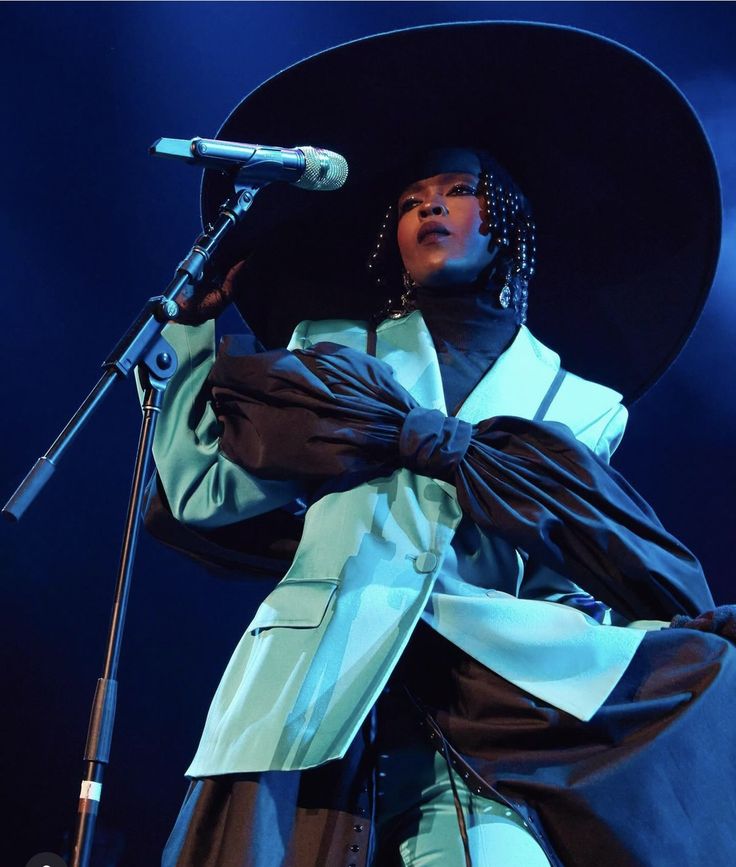
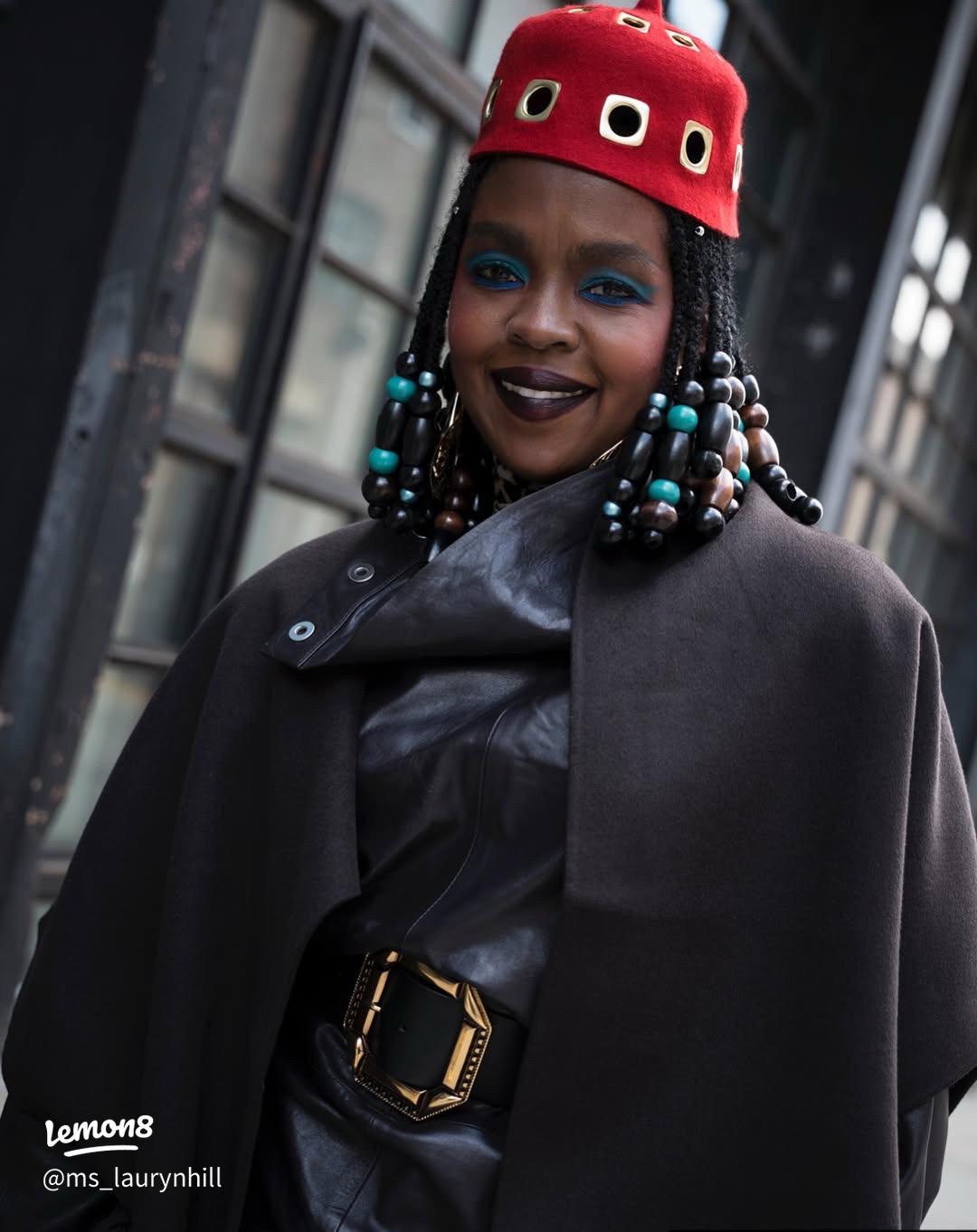
  • Lauryn Hill’s Timeless Style – How the Icon’s Fashion Philosophy Inspires Confident Dressing for Women of Every Size

    Lauryn Hill’s Timeless Style – How the Icon’s Fashion Philosophy Inspires Confident Dressing for Women of Every Size

    Picture a stage in the late nineties, the lights low and gold, and a woman walking out in a slouchy denim jacket, a headwrap the color of marigolds, and a stack of bangles that caught the light every time she lifted the mic. She did not flinch. She did not tug at her clothes or check whether anyone approved. She just stood there, fully herself, and the whole room leaned in. That image of Lauryn Hill has outlived a hundred fashion cycles, and it still has something to teach anyone who has ever stood in front of a closet wondering whether they are allowed to take up space.

    What made her style land was never the price of a single piece. It was the posture behind it. Lauryn dressed like someone who had decided, in advance, that she belonged in every room she entered. For curvy women who have spent years being handed rules about what to hide and what to minimize, that decision is the whole lesson. Her look was an argument, made in fabric, that you get to define your own silhouette. Here is how to translate that argument into a wardrobe that works on a real body, with real brands you can actually find in your size.

    The Headwrap as a Crown, Not a Cover-Up

    The Headwrap as a Crown, Not a Cover-Up

    Start at the top, because Lauryn always did. Her headwraps and turbans, often in saturated golds, rusts, and deep greens, became as much a part of her signature as her voice. She wore her locs with the same ease, refusing the era’s pressure to straighten, shrink, or apologize for natural Black hair. Reporting on her style consistently points to those colorful headwraps, the oversized sunglasses, and the natural texture as the core of the look, and to the way it celebrated heritage at a moment when the industry rewarded the opposite.

    For a curvy woman, the headwrap is one of the most generous styling tools there is, because it has nothing to do with body size at all. It draws the eye upward, frames the face, and adds height and drama without a single concern about waistlines or proportions. A wrapped head reads as intention. It says you put yourself together on purpose.

    You do not need anything fancy to begin. A length of cotton or a soft jersey scarf will do, and there are endless free tutorials for the basic turban fold and the higher, sculptural top-knot wrap Lauryn favored. If you want pieces made for the job, look for pre-tied turbans and wide head scarves, which turn up regularly at Torrid and across the accessory aisles of Old Navy and ASOS. Estimate ten to thirty dollars for a good wrap, often less if you raid a fabric remnant bin. Choose a color that makes your skin glow rather than one that simply matches your outfit. The goal is not coordination. It is presence.

    If a full head wrap feels like a leap, ease into it. A wide scarf tied as a thick headband still nods to the look while leaving your hair out, and a simple knotted top-of-the-head wrap takes about thirty seconds once you have done it twice. The fabric you choose changes everything. Cotton holds a crisp, sculptural fold, jersey gives a softer slouch, and a printed silk or satin adds the kind of sheen that catches light on camera, which is exactly why Lauryn’s wraps photographed so beautifully under stage lights. Keep two or three in colors you reach for again and again, and the whole ritual stops feeling like an occasion and starts feeling like the easiest five-star upgrade in your closet.

    Denim That Slouches With Intention

    Denim That Slouches With Intention

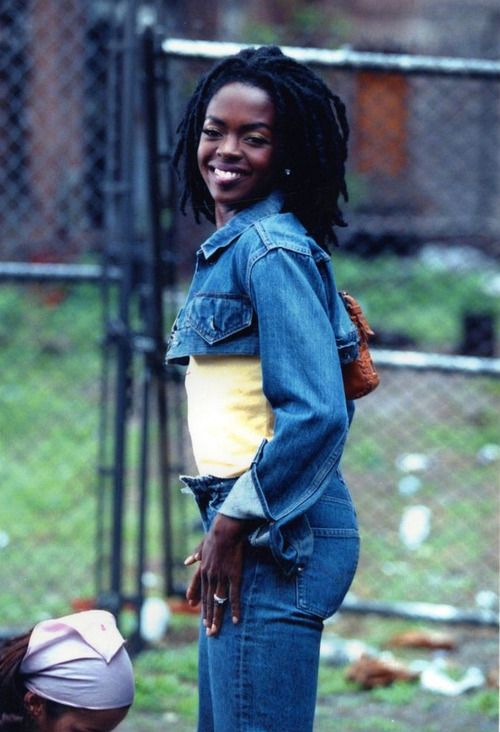
    If the headwrap was the crown, denim was the backbone. During the Fugees years especially, Lauryn leaned into the relaxed, hip-hop-rooted uniform of the moment, baggy jeans, denim jackets, crop tops, and sneakers, worn loose and easy rather than tight and trying. Her denim never looked like it was working hard to flatter. It looked like it was simply along for the ride.

    This is where curvy women have been sold a long, exhausting lie, that loose clothing makes you look bigger and only tight clothing is allowed to be flattering. Lauryn’s whole denim language argues the opposite. A relaxed jean with a defined waist, a slouchy jacket with the sleeves pushed up, a piece of denim that skims instead of squeezing, all of it reads as confidence precisely because it is not straining. The trick is one point of structure. Let the jeans be roomy, but pick a high rise that sits at your natural waist. Let the jacket be oversized, but make sure the shoulder seam lands somewhere close to your actual shoulder so it drapes rather than droops.

    For the foundation pieces, Old Navy is a quietly excellent starting point, with extended sizing across its denim and a rotating cast of relaxed and wide-leg cuts at friendly prices, often in the thirty to fifty dollar range. Universal Standard built much of its reputation on denim engineered to fit the same way from extra-extra-small to 4X, so a slouchy-but-structured jean holds its shape across the size run. Lane Bryant is reliable for the classic denim jacket in a generous cut, the kind you can layer over a fitted top exactly the way Lauryn layered hers. Buy the jacket a touch big on purpose. The ease is the point.

    Menswear Tailoring, Borrowed and Reclaimed

    Menswear Tailoring, Borrowed and Reclaimed

    One of the most quietly radical things about Lauryn’s style was how often she reached for menswear shapes, the oversized blazer, the military-cut jacket, the strong shoulder, and wore them with a femininity that needed no softening. Style writers describe her blend of androgyny and ease as central to the look, a deliberate refusal of the hyper-glam, hyper-sexualized template handed to women artists of her era. She took the structure of a man’s wardrobe and made it entirely her own.

    This is a gift for curvy dressing, because a well-cut blazer is architecture. It creates a clean vertical line, defines the shoulder, and gives a fuller frame a sense of deliberate shape without any squeezing involved. An oversized blazer over a simple tee and those slouchy jeans is the entire Lauryn formula in one outfit, casual on the bottom, commanding on top. The detail that separates a great blazer from a sloppy one is the shoulder seam and the sleeve length. The seam should sit near your own shoulder, and the sleeve should break at your wrist bone, even if you plan to push it up.

    Eloquii is the standout here, with structured blazers cut specifically for curves through size 28 and beyond, including the longline and boyfriend shapes that echo Lauryn’s menswear leaning. Universal Standard does a clean, modern blazer in stretch-woven fabrics that move with you and hold their line. For the more relaxed, military-jacket end of her wardrobe, ASOS Curve and Torrid both keep utility and field jackets in steady rotation. Plan on roughly sixty to a hundred and thirty dollars for a blazer that will anchor outfits for years, and treat it as a true investment piece rather than a trend buy.

    When you wear it, resist the urge to button it shut over your fullest point. A blazer left open creates two long vertical lines down the front of your body, which reads as elongating and relaxed, while a single low button cinches just enough to suggest a waist without pulling. Roll or push the sleeves to show a wrist and a few of those stacked bangles, exactly the way Lauryn let her layers talk to each other. That small move turns a borrowed-from-the-boys shape into something unmistakably yours.

    The Maxi Skirt and the Long, Unbroken Line

    The Maxi Skirt and the Long, Unbroken Line

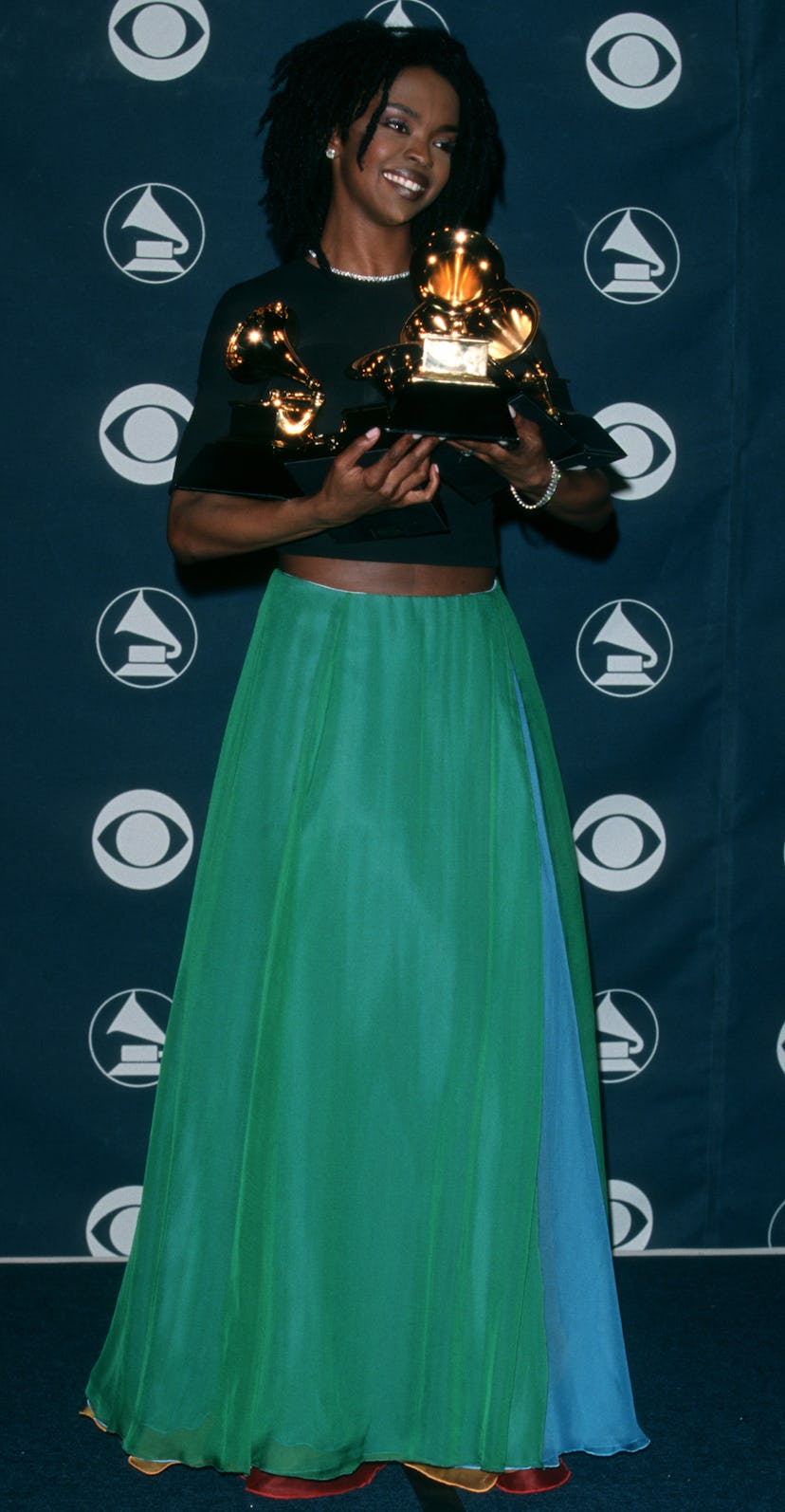
    Alongside the denim and tailoring, Lauryn loved length. Flowing maxi skirts, long dresses, and bohemian prints turned up constantly, often layered with her headwraps and stacked jewelry into something that felt both grounded and free. Fashion writers credit her, fairly, as an early champion of the maxi skirt long before it cycled back into every season’s lineup.

    For curvy women, the maxi is one of the most flattering and most comfortable silhouettes in existence, and it has nothing to do with hiding. A long skirt that falls in a clean column creates an uninterrupted vertical line from waist to floor, and the eye travels the whole length of it rather than stopping at a hemline. It also moves beautifully, which is half of why Lauryn’s looks always read as effortless. The fabric did some of the work. Choose a maxi with a defined waistband or pair it with a tucked or cropped top, so you keep a sense of shape rather than letting the length swallow you. A little waist definition plus a lot of flowing length is the balance that makes the whole thing sing.

    Torrid carries maxi skirts in jersey, denim, and printed fabrics across its full size range, and its waistbands tend to be genuinely comfortable for all-day wear. Lane Bryant leans into the soft, drapey maxi that pairs perfectly with a fitted bodysuit. ASOS Curve is the place for the bohemian, printed end of the spectrum, the kind of pattern-rich skirt that nods to Lauryn’s Afrocentric and Caribbean-inflected palette. Expect somewhere around thirty-five to seventy dollars for a maxi that becomes a warm-weather staple. Add a wide belt at the waist if you want to push the silhouette even closer to her layered, intentional look.

    Stacked Jewelry and the Art of More

    Stacked Jewelry and the Art of More

    Lauryn never dressed quietly when it came to accessories. Bold, stacked jewelry was a constant, hoops, layered chains, rings, and bangles piled with the confidence of someone who saw ornament as celebration rather than excess. Coverage of her style repeatedly notes the stacked jewelry and color-pop accents as essential to the energy of the whole look.

    Here is where curvy women are often told, again, to hold back, to choose “delicate” pieces, to avoid anything that might “draw attention.” Lauryn’s jewelry philosophy throws that out. Accessories are the easiest, most affordable way to inject personality into an outfit, and they fit every body identically. A stack of gold bangles, a pair of substantial hoops, a few layered chains over a plain tee, and suddenly the simplest outfit has a point of view. Scale matters more than quantity. One genuinely bold piece, a thick cuff or oversized hoop, often does more than five timid ones.

    You can build this look almost anywhere. Old Navy and ASOS both carry inexpensive hoop and bangle sets that let you experiment without much commitment, often under twenty dollars for a small stack. If you want pieces with more heft, vintage and resale shops are a goldmine for the chunky gold-tone jewelry that defines the era, frequently for a few dollars apiece. Mix metals if you like, layer lengths so the chains do not tangle into one clump, and let the jewelry be loud. Restraint was never the assignment.

    Dressing From the Inside Out, the Lauryn Way

    Strip away the headwraps and the blazers and the bangles, and what remains is the actual engine of Lauryn Hill’s style, a refusal to ask permission. Every choice she made pointed the same direction. She wore her natural hair when the industry wanted it altered. She reached for menswear when women were expected to be soft and small. She let denim slouch and skirts flow on her own terms, and she stacked her jewelry like she had something to celebrate, because she did. The clothes were the visible part. The conviction underneath was the real signature, and conviction has no size.

    That is the part you can borrow today, no matter what the tag inside your collar reads. Build a few anchor pieces, a relaxed high-rise jean, a structured blazer, a maxi that moves, a denim jacket cut with room. Crown it with a headwrap in a color that makes you glow. Pile on jewelry that feels like a small act of joy. Then do the one thing that made Lauryn unforgettable, which costs nothing and fits everyone. Walk in like you already belong, because you do. The mirror is not a courtroom and your body is not on trial. Get dressed for the woman you actually are, turn the volume up, and let the room lean in.

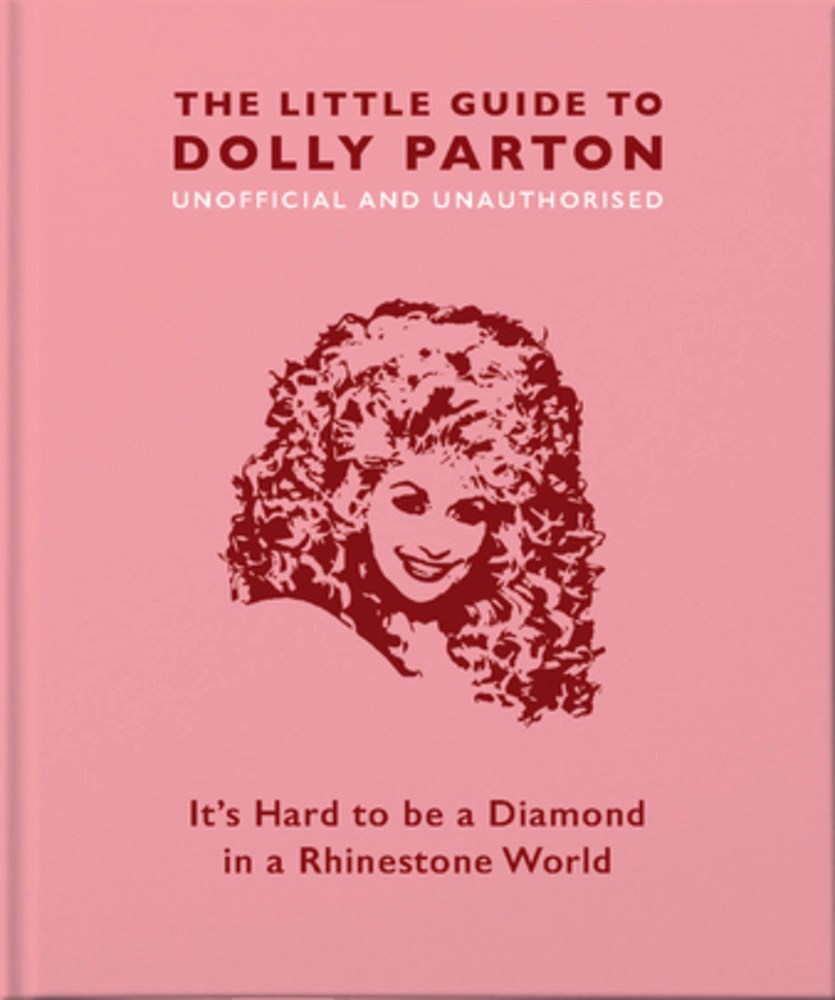
  • Dolly Parton’s Unapologetic Style Philosophy and What Every Woman Can Learn From It

    Dolly Parton’s Unapologetic Style Philosophy and What Every Woman Can Learn From It

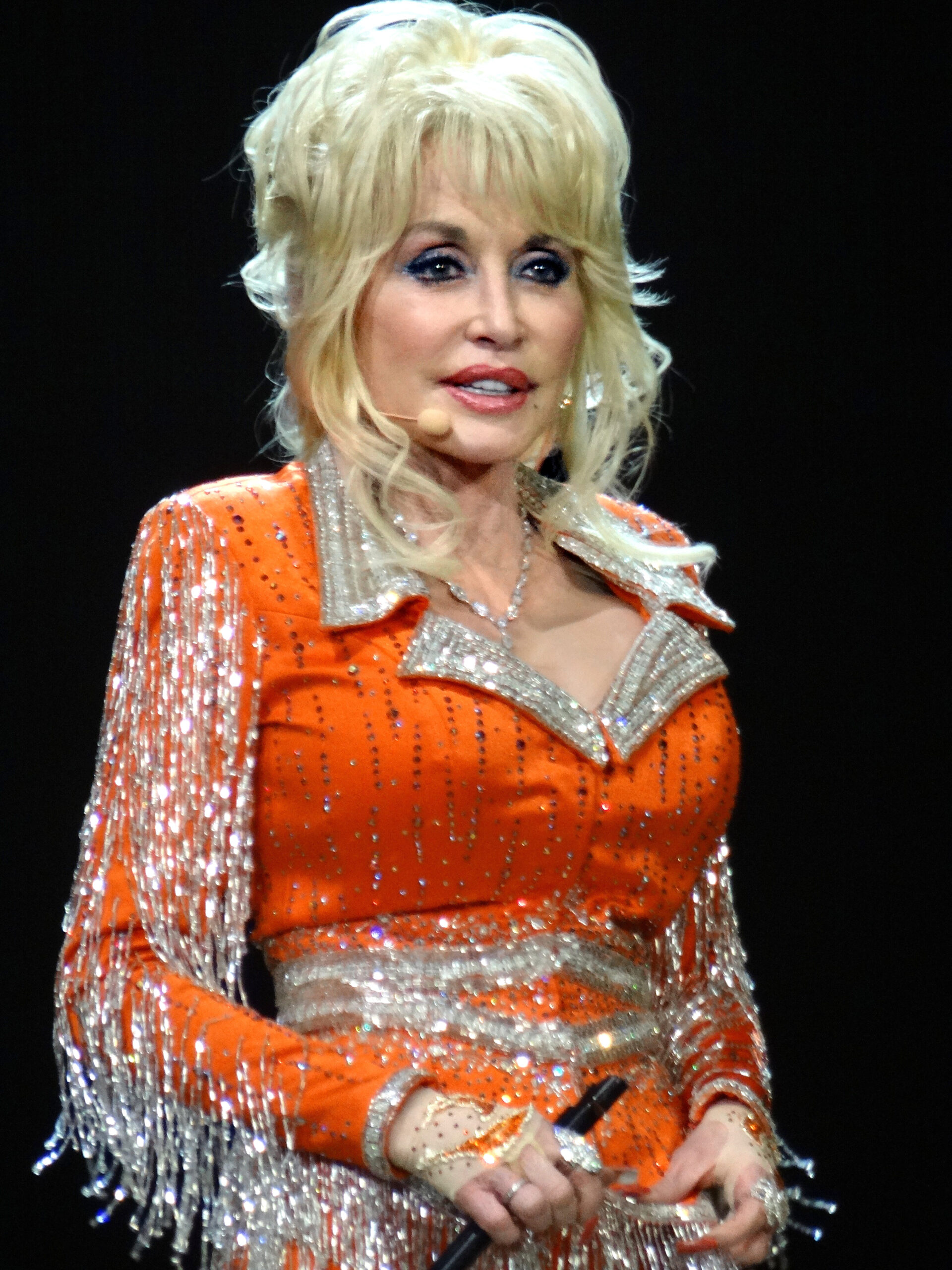
    Picture a small girl in the hills outside Sevierville, Tennessee, watching a woman walk down the main street of town. The locals called this woman the town tramp. They said cruel things. But the child saw something else entirely. As Dolly Parton would later tell it, “They called her trash, but to me she was absolutely beautiful.” The woman wore colorful patchwork skirts and pretty blouses, showed a little cleavage, kept red nails and red lipstick and piled-up blond hair and high heels. To a poor kid raised in a one-room cabin with eleven siblings and no running water, that woman was not a cautionary tale. She was a vision. And in that moment, a style philosophy was quietly born that would carry one of the most beloved women in the world across more than six decades of public life without ever once apologizing for how she looked.

    That little girl grew up to become a country music legend, a businesswoman, a philanthropist, and a fashion icon whose look has never gone out of style because it was never chasing style in the first place. The lesson buried in her story is one that every woman, of every size, every age, and every budget, can borrow for herself. You do not have to wait for permission to be the most fully realized version of you. Dolly never did.

    The Town Tramp, Mae West, and the Permission to Shine

    The Town Tramp, Mae West, and the Permission to Shine

    Most fashion icons borrow from designers. Dolly borrowed from a woman her whole town looked down on, and she has never hidden it. That choice tells you everything about how she sees self-expression. She did not absorb the message that bold was bad, that loud was vulgar, that a woman who took up space and asked to be looked at had done something shameful. She decided, as a child, that the woman everyone mocked had it exactly right.

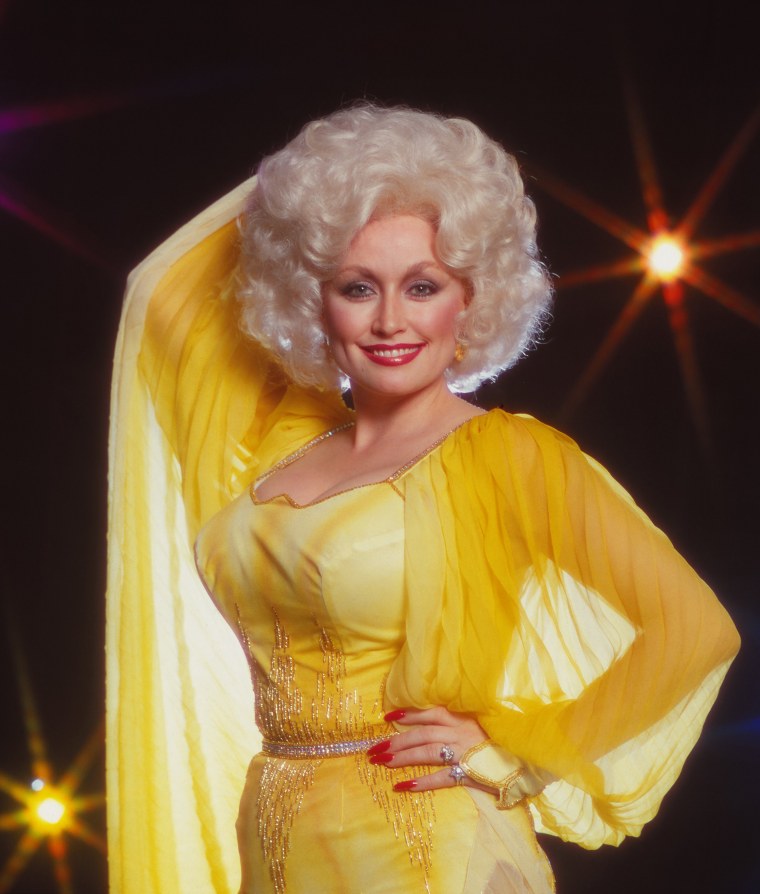
    Alongside that local muse, Parton has cited Mae West and Marilyn Monroe as inspirations, women known for owning their glamour and their bodies in eras that often punished women for both. Pulling the thread together, Dolly has summed up her north star simply: “I wanted anything colorful, anything sparkly. I just wanted to shine.” There is no hedging in that sentence. No “I hope it’s not too much.” No shrinking. Just a clear, joyful want.

    That is the first thing every woman can take from her. So many of us dress defensively. We choose the outfit least likely to draw comment, the neutral that disappears, the silhouette that hides rather than the one that delights us. Dolly flipped the question. Instead of asking what will keep me safe from judgment, she asked what makes me feel alive. The answer was rhinestones, and she chased it for sixty years. You are allowed to want to shine. You do not need a special occasion or a smaller dress size to deserve it.

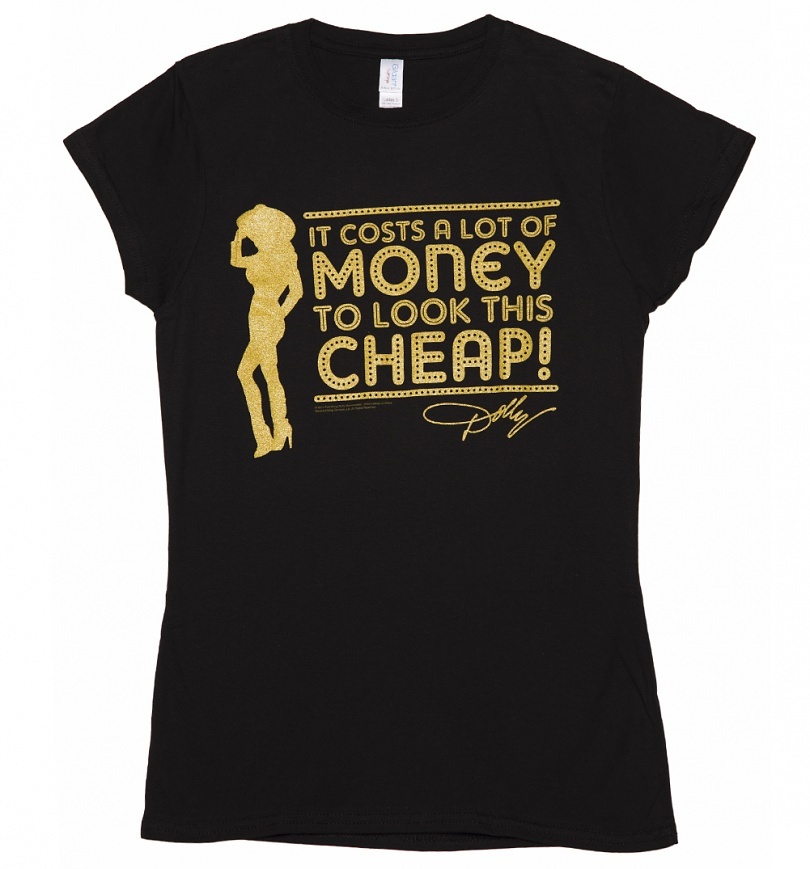
    “It Costs a Lot of Money to Look This Cheap”

    No single line captures Dolly’s relationship with her own image better than the one she has repeated, with a wink, for decades: “It costs a lot of money to look this cheap.” It is funny, and it is meant to be. But sit with it and it becomes something close to a manifesto.

    What she is doing in that sentence is taking a word that has been thrown at women like a stone, cheap, and wearing it like a tiara. She is refusing to be insulted. She has said plainly, even into her late seventies, “I want to look cheap. That’s my look. I want to look a little bit, you know, trashy.” She named the thing other people meant as criticism, claimed it on purpose, and made it the whole point. You cannot wound someone with a word they have already chosen for themselves.

    There is real power in that move for the rest of us. Maybe the word that gets used against you is not “cheap.” Maybe it is “too much,” or “extra,” or “trying too hard,” or one of the coded ones women hear about their bodies. Dolly’s answer is to look at the label, decide whether it actually describes something you love, and if it does, to pin it on with pride. The judgment loses its grip the moment you stop flinching from it. She turned a put-down into a brand, and that brand outlasted every critic who ever sneered.

    It helps to remember that the people doing the sneering rarely have a better life to offer in exchange. They are not handing you a happier way to be. They are only asking you to be smaller and quieter so that you take up less of their attention. Dolly worked that out early and never paid the toll. She let the comments wash past her and kept her energy for the things that actually mattered to her, the songs, the businesses, the people she loved. Choosing what gets to bother you is its own kind of freedom, and she has guarded hers fiercely for a lifetime.

    The Wigs, the Nails, the Rhinestones: A Costume You Choose on Purpose

    People sometimes assume Dolly’s elaborate look is about insecurity, about hiding. The truth is more practical and more freeing. She has been candid that the wigs began for a simple reason: “I started wearing wigs because I quickly realized that bleaching and teasing my hair every day would cause breakage and not look good.” What started as a fix became a signature. The wigs are not a mask. They are a tool, and she uses them the way a painter uses a favorite brush.

    That is the part worth lingering on. Dolly treats her appearance as a costume in the best sense of the word, a deliberate, crafted, controllable thing she builds to present the person she wants to be. The sky-high hair, the manicured nails, the sequins and crystal beading and statement gowns are not accidents she stumbled into. They are decisions. Every single one. And because they are decisions, they belong to her completely. Nobody handed her this look. She designed it.

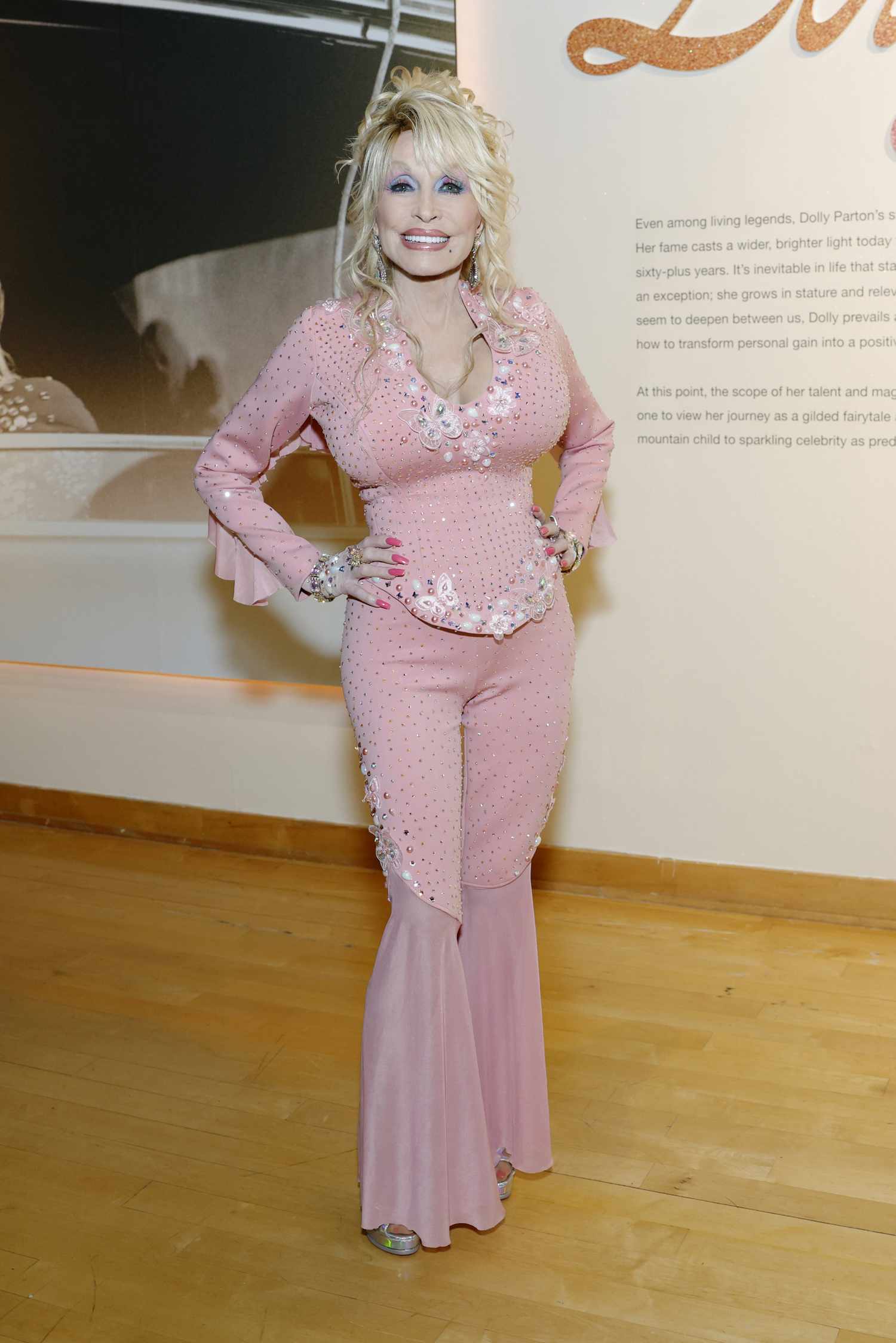
    For everyday women, the translation is liberating. You do not have to be born photogenic or naturally striking to have a signature. You get to assemble one. The red lip you reach for on hard days. The earrings that make you feel like yourself. The print you love even though a magazine once said women over forty or above a size sixteen should avoid it. These are your rhinestones. Dolly’s genius was never that she was effortlessly beautiful. It was that she understood beauty as something you can author, and then she sat down and wrote her own.

    Confidence That Does Not Bend for Age or Size

    Confidence That Does Not Bend for Age or Size

    Here is the quiet revolution inside Dolly Parton’s whole career. She has never adjusted her self-presentation to satisfy anyone else’s timeline. The fashion world tells women, relentlessly, that there is a window. Be bold while you are young and thin, then graduate to tasteful restraint, then disappear gracefully. Dolly ignored every word of it. In her late seventies she was still chasing sparkle as hungrily as she did at twenty-five, still saying out loud that she wanted to look a little trashy, still piling her hair as high as ever.

    Part of what protects her is a refusal to be diminished by mockery. Her response to one of the oldest insults aimed at women like her is a masterclass in self-possession: “I’m not offended by dumb blonde jokes because I know I’m not dumb. I also know I’m not blonde.” She lets the joke land on someone else. She knows who she is, so the teasing cannot reach the real her.

    That sense of self did not come from a flattering mirror. It came from clarity. And that clarity is available at any age and any size. The woman who decides she will keep dressing for joy at sixty, at seventy, at eighty is not refusing to age. She is refusing to accept that aging means surrendering her delight in herself. The woman who buys the bright dress at a size twenty-two is not “getting away with” anything. She is doing exactly what Dolly did. She is dressing for the person she actually is, not the smaller, quieter person the world keeps suggesting she should become.

    Find Out Who You Are and Do It on Purpose

    Find Out Who You Are and Do It on Purpose

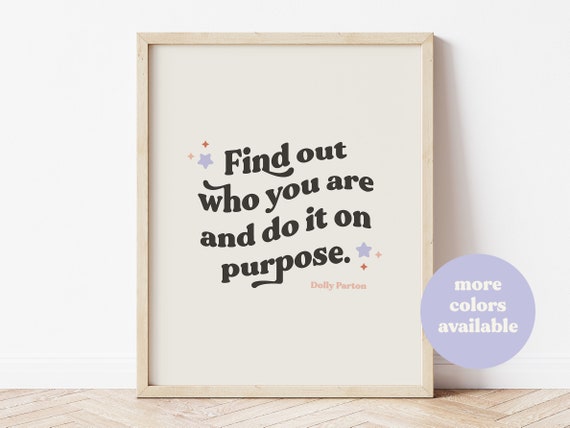
    If you stripped Dolly Parton’s entire philosophy down to one instruction, it would be the line she has given as advice more than almost any other: “Find out who you are and do it on purpose.” Six words, and they hold the whole thing.

    Notice the two halves. First, find out who you are. That is the work most people skip. It means getting honest about what you actually love rather than what you have been told to love, what makes you feel powerful rather than what photographs as acceptable, what feels like home on your body rather than what the rules approve. Dolly did this work as a child in the hills and never undid it. By the time she was performing on Knoxville radio and television before she was even a teenager, she already knew the answer.

    Then, the harder half: do it on purpose. Not by accident. Not when you feel brave enough. On purpose, every day, as a practice. Dolly has done this with extraordinary consistency, building a body of work that includes some of the most recorded songs in history, a beloved theme park, and a childhood literacy program, Dolly Parton’s Imagination Library, that has mailed well over a hundred million free books to children. Her estimated fortune, often placed in the hundreds of millions, is real, but it has never been the point. The point was always the doing-it-on-purpose, the daily decision to be unmistakably herself in a business that would have happily smoothed her into something more conventional.

    She also understood that doing it on purpose includes the hard days. “If you want the rainbow,” she has said, “you gotta put up with the rain.” The boldness was not the absence of difficulty. It was a choice she kept making through the difficulty.

    How to Borrow a Little Dolly for Yourself

    How to Borrow a Little Dolly for Yourself

    You do not need a wig wall or a recording contract to live by this. The philosophy scales down to a single closet. Start by noticing the pieces you reach past because someone once told you they were not “for you.” Pull one out. Wear it on a Tuesday for no reason. That small act of dressing for your own pleasure rather than other people’s comfort is the entire Dolly method in miniature.

    The good news in 2026 is that the bold, body-confident woman has more places to shop than ever, and the rhinestones come in every size. Brands like Universal Standard build genuinely elegant, expressive pieces across an extended size range. Eloquent and joyful options come from Eloquii, which has long treated plus-size dressing as a chance for drama rather than apology. Torrid leans into exactly the kind of fun, flirty, unmistakable style Dolly would recognize, and the denim-and-confidence world of Good American keeps widening its range too. Vintage and resale racks are another rich hunting ground, full of the sparkle and color Dolly herself learned to love before any of these labels existed. The brand matters far less than the spirit. Buy the thing that makes you feel like the most-you version of you, and then, crucially, actually wear it.

    And when the doubts creep in, the ones that whisper that you are too old or too big or too loud for this, remember that the most copied, most adored, most enduring style icon of her generation built her entire look on a woman her whole town called trash, claimed the word “cheap” as a compliment, and never once dimmed herself to make other people comfortable. Dolly Parton is not beloved despite her boldness. She is beloved because of it. The sequins were never the secret. The decision to wear them on purpose, every single day, regardless of who was watching, is the part you get to keep.