Tag: shopping guide

  • When Your Go-To Store Goes Dark: The Best Size-Inclusive Places to Shop for Curvy Bodies

    When Your Go-To Store Goes Dark: The Best Size-Inclusive Places to Shop for Curvy Bodies

    The mall on a Saturday afternoon has a rhythm you learn without meaning to. You know which anchor store to head for when you need a bra that actually fits, a work blazer that closes over your bust, a swimsuit before a trip. For a lot of women, that anchor was JCPenney – the reliable one with a real plus-size section, fitting rooms with good light, and prices that did not make you flinch. So when the news started rolling in that some of those stores were closing, it landed as more than a headline. It felt like losing a place that had your measurements memorized.

    Here is the honest version of what is happening, and then the part that actually matters: where to shop now.

    What Is Actually Going On With JCPenney
    What Is Actually Going On With JCPenney

    Let us separate the noise from the facts, because the internet loves a “the end of an era” story and this is not quite that.

    JCPenney is closing some stores, but it is not going dark. In 2025 the chain shuttered a small handful of locations – reporting at the time counted roughly eight stores across eight states, which worked out to less than two percent of its footprint. Into 2026, a few more have closed their doors, including locations in California, Virginia, and Florida, some of them after decades in the same shopping center. There was also a larger real-estate deal involving a portfolio of stores that reportedly fell apart late last year, which kept the chain in the closure headlines.

    But the scale is worth keeping in perspective. As of the middle of 2026, JCPenney still operated somewhere north of 640 stores across all fifty states, and the company has said it does not have plans to dramatically shrink that number. So if your local one is still open, it is very possibly staying open. Check the store locator before you assume anything, because a lot of the panic online is stitched together from old lists and recycled headlines rather than a fresh announcement.

    The takeaway is calm, not catastrophic. Some doors are closing. Many more are not. And either way, the smart move is the same one savvy shoppers always make – never rely on a single store to dress you. Spread your options around, know who does what well, and you are covered no matter which sign comes down. So let us build that map.

    The Trend-Forward Names: Torrid, Lane Bryant, and Eloquii
    The Trend-Forward Names: Torrid, Lane Bryant, and Eloquii

    Start with the brands built for curves from the first sketch, not scaled up as an afterthought.

    Torrid is the one to know if your closet leans bold. This is a plus-focused specialty retailer, generally running roughly sizes 10 through 30, and it leans into fashion rather than playing it safe. Think going-out tops, faux-leather leggings, statement dresses, and a genuinely strong lingerie and bra program with extended band and cup sizes. Torrid also nails the stuff that is hard to find cut well for fuller figures, like jumpsuits and fitted denim. Prices sit in the mid range – not fast-fashion cheap, but frequent sales and a rewards program make it friendlier than the tags suggest. Come here when you want to feel a little bit dangerous.

    Lane Bryant is the seasoned veteran, and for a lot of women it is the emotional replacement for that department-store plus section. It carries a broad range across everyday basics, workwear, and one of the most trusted bra fitting experiences in plus retail – the Cacique line inside Lane Bryant is a genuine reason to visit. If you need well-made trousers that fit through the hip and thigh, wrap dresses that photograph well, and bras you can actually get sized for, this is a first stop. It skews slightly more classic and grown than Torrid, which is exactly what many shoppers want.

    Eloquii deserves a spot for the woman who dresses for a life with meetings, weddings, and dinners out. It built its name on elevated, on-trend plus fashion – sharp blazers, occasion dresses, prints that feel current rather than “plus-size safe.” Sizes generally run from around 14 upward. It has changed corporate hands over the years and now sits under a plus-focused fashion group, but the design point of view has stayed consistent: clothes that look like they cost more than they do. Save it for when you need to show up looking deliberate.

    The Everyday Workhorses: Old Navy, Target, and Walmart
    The Everyday Workhorses: Old Navy, Target, and Walmart

    Not every shopping trip is an event. Most of them are leggings, tees, a cardigan, something for the kids, and getting out the door. This is where the big-box and mass names quietly earn their keep – and their extended sizing has gotten dramatically better.

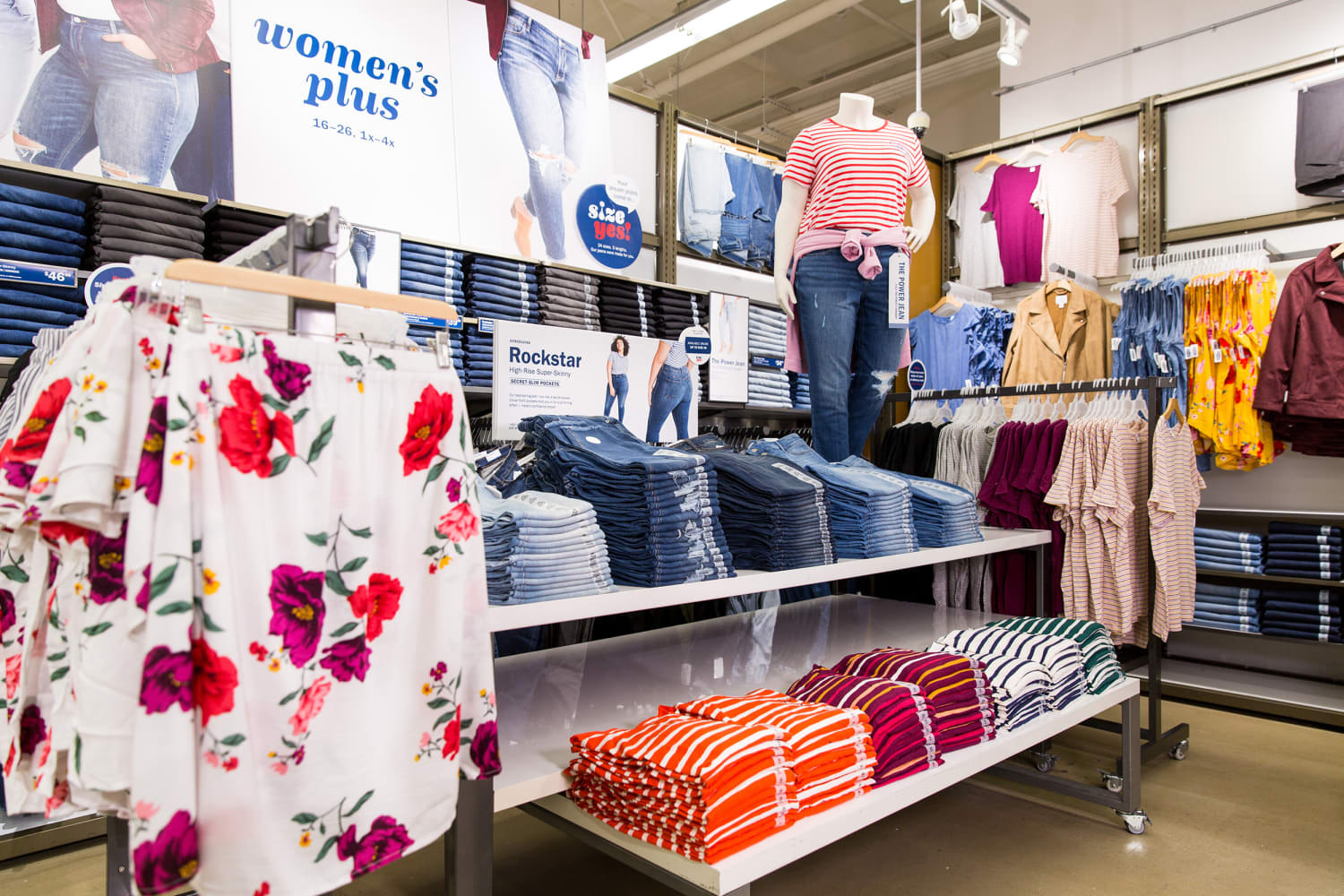
    Old Navy made real news a few years back when it committed to size inclusivity across its women’s line, offering an extended range online and mannequins in multiple body shapes in stores. For curvy shoppers this matters because Old Navy is where you stock the basics without overthinking – active leggings, denim in a range of rises, cozy sweaters, and kids’ and family pieces in the same trip. The fit runs generous and the prices are low enough that refreshing your basics twice a year does not sting. This is your foundation-layer store.

    Target keeps its plus offering under names worth learning. Ava & Viv is the in-house plus-size line, and it covers the sweet spot of casual dresses, tees, denim, and loungewear at approachable prices, generally in an extended plus range. Target also stocks other size-inclusive brands and swim lines, so it is a strong one-stop for a cart that mixes clothing with everything else you needed anyway. Come here for cute, easy, and affordable without a special trip.

    Walmart is the underrated one, and its Terra & Sky line is the reason. Terra & Sky is Walmart’s dedicated plus label, typically running through the upper end of the plus range, and it delivers genuinely wearable basics – flowy tops, everyday dresses, jeans, and layering pieces – at some of the lowest prices anywhere. It will not give you a fashion moment, but for the pieces you wear until they wear out, it is hard to beat on value. Treat it as your restock button.

    The Fit-First Splurge: Universal Standard
    The Fit-First Splurge: Universal Standard

    Some categories are worth spending a bit more on, and Universal Standard exists for exactly that shopper.

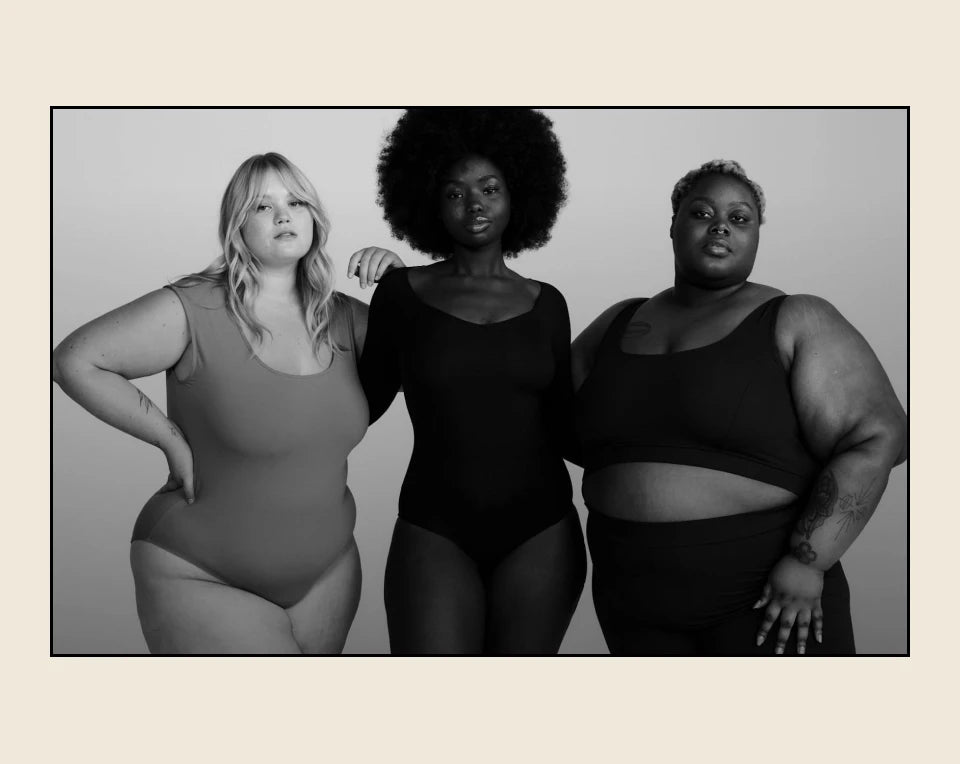
    What makes this brand different is philosophical, not just practical. Universal Standard carries an unusually wide range – roughly sizes 00 through 40 – across its whole line, with no separate “plus” section tucked away in the back. A size 40 and a size 2 hang on the same rack at the same price. The brand is known for fit-testing its core garments across that full range rather than simply grading a small sample up, which is the reason its clothes tend to actually fit rather than merely come in your number.

    Where it shines is elevated essentials: the perfect black trousers, a blazer that means business, tees and knits with a substantial hand, and denim cut to sit right on a curvy frame. It sits at a higher price point than the mass names, so this is not where you buy ten things – it is where you buy the two or three pieces you want to reach for constantly and have last. If you have been burned by clothes that fit in the store and betrayed you by lunch, this is the reset button. Build your capsule wardrobe here and fill in around it elsewhere.

    The Department-Store and Big-Marketplace Route: Nordstrom, Kohl’s, ASOS Curve, and Amazon
    The Department-Store and Big-Marketplace Route: Nordstrom, Kohl's, ASOS Curve, and Amazon

    If part of what you will miss about a department store is the sheer variety under one roof – many brands, many price points, one checkout – these options fill that gap in different ways.

    Nordstrom is the elevated end of that experience. Its plus and extended-size assortment pulls together a wide swath of designer and contemporary labels, which means you can find occasion wear, quality denim, outerwear, and shoes without hunting brand by brand. Prices run higher, but the styling, the fabric quality, and the customer service (including generous returns) make it the place to go when the outfit matters and you would rather get it right once. It is also strong for the harder categories like coats and structured dresses. Bookmark it for the big moments.

    Kohl’s is the mid-market all-rounder and a natural fit for anyone who liked the JCPenney formula. It carries a solid extended-size selection across a mix of its own labels and national brands, covers the whole family, and is famous for stacking sales and rewards that make already-reasonable prices genuinely low. It is a comfortable, unintimidating place to shop for real-life clothes, and many locations put the plus section front and center rather than hiding it. Think of it as the closest spiritual cousin to what you may be losing.

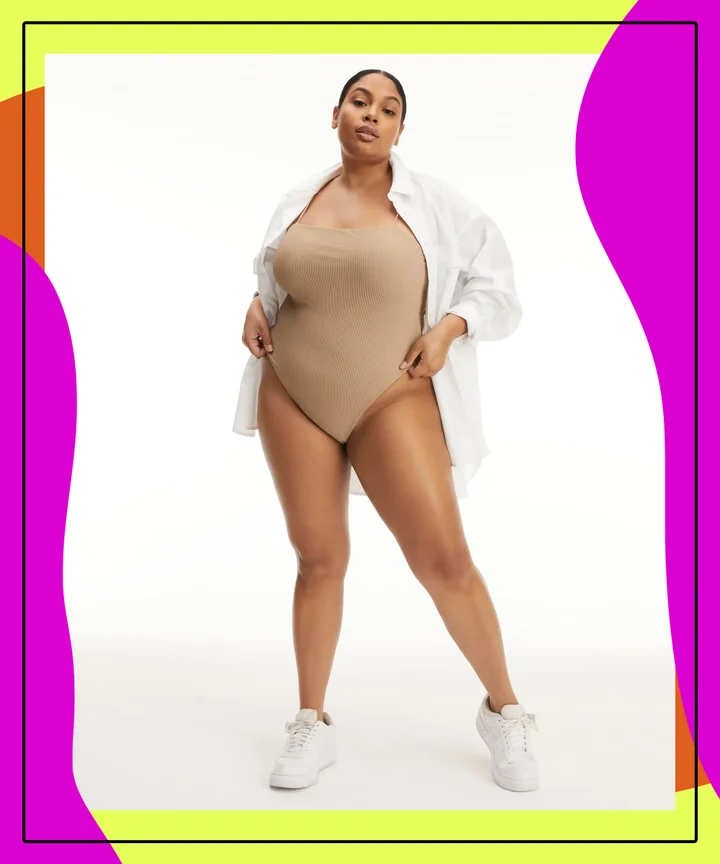
    ASOS Curve is the online-first pick for the fashion-hungry, especially younger shoppers or anyone who wants trend-driven pieces in an extended plus range. The catalog is enormous, it moves fast with the trends, and it is a reliable source for event outfits, going-out looks, and of-the-moment silhouettes you will not find in a mall anchor. Because it is UK-based, give yourself a little grace on shipping timelines and check the size guide carefully. This is your play for looking current on a budget.

    Amazon rounds it out as the utility player. It is not a curated boutique, but the breadth is unmatched – you can find plus basics, shapewear, swimwear, activewear, and specific hard-to-source items like extended-size bras or wide-calf boots, often with fast delivery and easy returns. The trick is to shop it deliberately: read the reviews, especially ones with photos from shoppers who list their measurements, and lean on brands that have earned a following rather than the cheapest unknown listing. Used well, it is the fastest way to solve a “I need this by Friday” problem.

    Building a Wardrobe That Does Not Depend on One Store

    Here is the quiet lesson underneath all of this. The reason a single store closing feels so destabilizing is that we let one place carry too much. When your bras, your work clothes, your swimsuit, and your everyday basics all come from the same anchor, that anchor becomes a single point of failure. Spread the load and no headline can rattle your closet.

    A simple way to think about it: match the store to the job. Foundations and fit-critical pieces – bras, tailored trousers, the blazer you live in – are worth the trip to a fitting-focused name like Lane Bryant, or the splurge on Universal Standard. Everyday volume – leggings, tees, layering knits, family basics – belongs at Old Navy, Target’s Ava & Viv, or Walmart’s Terra & Sky, where the value lets you restock without guilt. Fashion and occasion moments go to Torrid, Eloquii, ASOS Curve, or Nordstrom depending on your vibe and budget. And Amazon stays in your back pocket for the specific, urgent, hard-to-find fixes.

    Two more habits will save you real money and heartache. First, learn your measurements – bust, waist, hip, inseam – and keep them in your phone, because it makes online shopping across all these brands infinitely more accurate than guessing at a size number that means something different everywhere. Prices, by the way, shift constantly with sales and seasons, so treat any figure you see quoted as a rough estimate and time your bigger buys around clearance and rewards events. Second, when you find a garment that fits beautifully, note the brand and the exact style so you can rebuy it or find its siblings later.

    Your Move This Weekend

    Before you mourn anything, do the five-minute version of a plan. Pull up JCPenney’s store locator and confirm whether your location is actually one of the closing ones, because it may not be. Then pick two names from this list to try first – one workhorse for your basics and one fit-focused stop for the pieces that have to be right – and order or visit with your measurements in hand. Keep your receipts, take advantage of the free-return policies most of these retailers offer, and let the ones that fit your body and your budget earn a permanent spot in your rotation. A store closing its doors is not the end of dressing well as a curvy woman. It is just the nudge to build a smarter, sturdier map – one that belongs entirely to you.
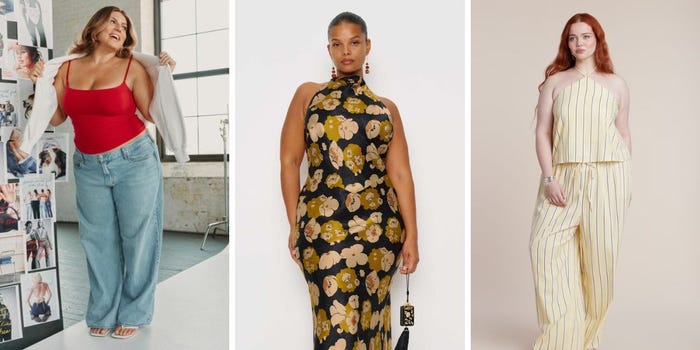
  • The Curvy Girl’s Guide to Walmart Fashion Finds Worth the Cart

    The Curvy Girl’s Guide to Walmart Fashion Finds Worth the Cart

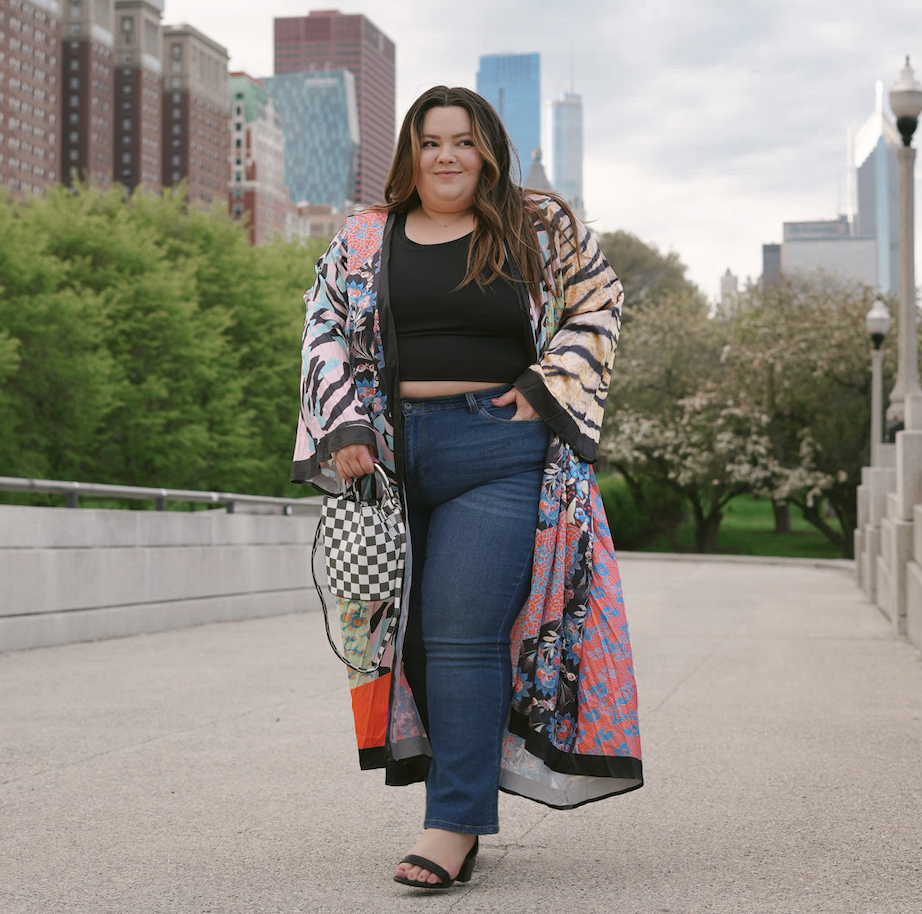
    Somewhere between the cereal aisle and the garden center, there is a rack of dresses that has no business being as good as it is. You walked in for paper towels and a phone charger, and now you are standing in front of a tiered midi in a color you did not know you wanted, holding it up against your body in the middle of the apparel section, doing the math on whether it will work for the wedding, the cookout, and a random Tuesday all at once. This is the quiet thrill of shopping at Walmart for clothes, and for curvy women especially, it has become one of the most underrated places to build a wardrobe that actually fits, actually flatters, and actually leaves money in your account.

    For years, the conventional wisdom said real style lived elsewhere – boutiques, department stores, the kind of brands with a markup baked into the logo. But the retailer has quietly built out a roster of in-house lines that take size inclusivity seriously, with extended ranges, thoughtful cuts, and trend-aware design that does not treat plus sizes like an afterthought. The trick is knowing which labels to look for and where the real gems hide. Consider this your map.

    The Labels Worth Knowing by Name

    The Labels Worth Knowing by Name

    Walmart’s apparel is organized around a handful of private brands, and once you learn their personalities, shopping gets a whole lot faster. Each one has a lane, and most of them carry extended sizing either in store or online, which is where the deeper size runs usually live.

    Scoop is the one fashion editors keep pointing to, and for good reason. It is the elevated, trend-forward line – think structured blazers, satin slip skirts, faux-leather pieces, and dresses with the kind of detailing you would expect at three times the price. Scoop reads contemporary and a little fashion-girl, and it is the place to look when you want something that does not feel basic at all.

    Free Assembly is the quiet luxury corner of the store. It leans into clean lines, neutral palettes, and that modern-minimalist look – relaxed trousers, tailored shirting, easy knit dresses, and elevated basics in better fabrics. If your taste runs toward the pared-back, considered end of fashion but your budget does not, this is your aisle.

    Time and Tru is the workhorse of the women’s department, and probably the line you will reach for most. It covers the everyday middle ground – casual dresses, denim, tops, cardigans, and weekend pieces – at prices that make it easy to refresh a wardrobe without a second thought. It is broad, dependable, and surprisingly current.

    Terra & Sky is Walmart’s dedicated plus-size line, designed from the start for sizes that typically run from the high teens up through the larger end of the range. Because it is built for curvy bodies rather than graded up from a straight-size sample, the proportions tend to land better – sleeves that fit the upper arm, dresses with room through the bust and hip, and necklines that sit where you want them.

    Sofia Jeans by Sofia Vergara brings the curve-conscious denim and the va-va-voom energy. The line is built around flattering the hourglass and fuller figures, with high rises, contoured waistbands, and silhouettes designed to hug and hold. Beyond jeans, the collection branches into dresses and tops with that same confident, feminine point of view.

    No Boundaries is the juniors-leaning, trend-chasing line – the place for the of-the-moment stuff, graphic tees, casual basics, and Y2K-flavored pieces at the lowest price points in the building. It skews younger but is a goldmine for low-stakes trend experiments.

    And keep an eye out for ELOQUII Elements, the Walmart-exclusive offshoot of the plus-focused brand ELOQUII. It brings a more polished, designed-for-curves sensibility to the assortment, with pieces that feel a notch dressier and more intentional. Availability varies, but when you spot it, it is worth a closer look.

    Where the Dresses Earn Their Keep

    Where the Dresses Earn Their Keep

    If there is one category where Walmart consistently overdelivers, it is dresses. The sheer variety is the headline – tiered cotton midis for daytime, slinky knit bodycons for night, smocked sundresses for the heat, wrap styles that do flattering work without trying, and the occasional satin or faux-wrap number that looks far more expensive than it is.

    For curvy shoppers, a few cuts tend to be the most reliable. Wrap and faux-wrap dresses define the waist and adjust to your shape, which makes them forgiving across a range of bodies. Tiered and A-line midis skim over the hip and thigh while keeping things breezy. Smocked-bodice styles stretch to fit through the bust and ribcage, which solves the classic problem of a dress that fits the body but gapes at the chest. Scoop is the place to look for the dressier, more design-led options, while Time and Tru and Terra & Sky carry the easy, wear-it-everywhere casual styles.

    Price-wise, casual dresses tend to land in the affordable range you would expect from the store, often in the low-to-mid twenties, with dressier Scoop pieces climbing a bit higher but rarely into territory that makes you wince. The value is real: it is entirely possible to walk out with two or three dresses for what a single one would cost elsewhere.

    A word on fabric, because it matters most here. Read the content tag. A little stretch – a few percent of spandex or elastane blended into cotton or a knit – is what separates a dress that moves with you from one that fights you all day. The better Walmart dresses almost always have it.

    Denim That Actually Understands Curves

    Denim That Actually Understands Curves

    Denim is the make-or-break category for a lot of curvy women, because the gap at the back waist, the squeeze at the thigh, and the too-short rise are all real, recurring problems. This is exactly where Sofia Jeans by Sofia Vergara does its best work. The line was built around contouring the waist and flattering fuller hips and thighs, and the high-rise styles in particular tend to sit where you want them, with waistbands designed to minimize that frustrating back gap.

    Look across the silhouette range before you commit. High-rise skinny and straight cuts give a clean, pulled-together line. The wide-leg and bootcut options balance a fuller hip and read more current right now. And if you run into the classic curvy-girl issue of needing a smaller waist relative to your hip, prioritize styles described as curvy-fit or contoured, which are graded with that proportion in mind.

    Time and Tru also carries a solid denim program at lower price points, useful for the more basic everyday pairs, and Terra & Sky covers the plus range with cuts built for the body rather than scaled up. Across the board, Walmart denim is one of the genuinely strong value plays in the store, with jeans frequently sitting in the affordable mid-range rather than the premium-denim stratosphere.

    Fit tip worth its weight: buy for the largest part of you and tailor the rest. A pair of jeans that fits your hips and thighs but is a touch loose at the waist is an easy, cheap alteration. A pair that fits the waist but strains everywhere else is a lost cause. And do not be afraid to size up into a more relaxed cut – the comfort dividend is enormous, and a slightly roomier wide-leg often looks more intentional than a too-tight skinny.

    Basics, Layers, and the Building Blocks of Everything

    Basics, Layers, and the Building Blocks of Everything

    The unglamorous truth of a good wardrobe is that it lives and dies on basics – the tees, tanks, cardigans, and knit tops you reach for without thinking. This is where buying in volume at Walmart prices genuinely changes the game, because you can build a deep, mix-and-match foundation for the cost of a couple of fancier pieces.

    Free Assembly is your upgrade pick here. Its tees and knit tops come in better fabrics with a more considered cut, the kind of elevated basic that does not look like a basic. Time and Tru covers the broad, dependable middle – ribbed tanks, scoop-neck tees, button-downs, and cardigans in a wide color run. And Terra & Sky delivers the plus-specific basics with longer hems and proportions that actually cover what you want covered, which is no small thing when so many straight-size tees ride up.

    A few smart moves for curvy basics. Hunt for longer-length tees and tanks that fully cover the hip and tuck cleanly – the short-and-rides-up problem is the number-one basic-tee complaint, and length solves it. Lean on ribbed knits, which stretch to your shape and lie smooth. And stock up on layering pieces like open cardigans and lightweight dusters, which add structure and a vertical line without adding bulk. When the price is this gentle, buy your favorites in two or three colors. You will wear them out before you tire of them.

    Activewear and Swim, the Categories That Punch Above Their Price

    Activewear and Swim, the Categories That Punch Above Their Price

    Two areas deserve their own spotlight, because they tend to be expensive everywhere else and surprisingly capable here. Walmart’s activewear has come a long way, with leggings, sports bras, bike shorts, and matching sets that handle the gym, the walk, the errands, and the lounging in between. The leggings in particular are a quiet standout – high-rise, wide-waistband styles with enough compression to feel supportive and enough give to be comfortable, in plus-inclusive size runs and at a fraction of the cost of the boutique-athleisure names.

    When you shop activewear, prioritize the wide, high-rise waistband – it stays put, smooths the midsection, and does not dig in or roll down mid-movement. Do a quick squat test in the fitting room or at home; the good styles pass without going sheer. And buy the matching set when you find a color you love, because the head-to-toe coordinated look reads polished for almost no effort.

    Swim is the other pleasant surprise. The assortment spans one-pieces with real tummy support and ruching, high-waisted bikini bottoms, tankinis with adjustable coverage, and styles cut for fuller busts. For curvy bodies, the most flattering options tend to be one-pieces with ruching or side shirring that work with your shape rather than against it, high-waisted bottoms that offer coverage and sit comfortably, and adjustable straps with underwire or molded cups that provide actual support up top. Swim is notoriously overpriced in the wider market, which makes finding a genuinely flattering suit at Walmart prices feel like getting away with something.

    How to Shop It Like You Mean It

    A handful of habits turn a hit-or-miss Walmart clothing run into a reliable one. None of them are complicated, but together they are the difference between a cart full of regrets and a wardrobe you actually wear.

    Shop online for the deep size runs. The store shelves carry a curated slice of each line, but the full size range, the extended colors, and the plus-exclusive cuts often live online. If a piece runs out of your size in store, check the website before giving up – the inventory is frequently broader there.

    Read the reviews for fit intel. Walmart’s product reviews are a genuinely useful, free resource. Curvy shoppers are generous with detail, noting whether something runs small, where it gapes, how the length lands, and whether to size up. A two-minute scroll saves a wasted purchase.

    Always check the fabric content. This is the single best predictor of whether a piece will flatter and last. A touch of stretch built into the weave is what makes denim, dresses, and basics move with a curvy body instead of fighting it. Stiff, zero-stretch fabric in a fitted cut is the most common reason something disappoints.

    Budget for the occasional tailor. When a garment costs a fraction of the usual price, spending a little to hem a dress, take in a waistband, or shorten a strap is money exceptionally well spent. It turns an affordable find into something that looks made for you, and the combined cost still lands well under retail.

    Buy your wins in multiples. When a cut works – a particular dress silhouette, a tee length, a denim rise – the gentle pricing means you can grab it in more than one color without guilt. Repeatable, reliable pieces are the backbone of a wardrobe that always has something to wear.

    The real lesson in all of this is that great style was never about the size of the price tag. It was about knowing your body, knowing which cuts honor it, and shopping with intention wherever you happen to be. Walmart, with its growing roster of curve-inclusive lines and its refreshingly low stakes, makes that easier than almost anywhere. So the next time you wander into the apparel section between the groceries and the checkout, slow down at the rack. There is a good chance your new favorite dress is hanging right there, waiting for you to do the math and decide, yes, this one is coming home.

  • Blind Box Beauty and Lifestyle Finds Worth the Gamble – A Size-Inclusive Shopper’s Guide

    Blind Box Beauty and Lifestyle Finds Worth the Gamble – A Size-Inclusive Shopper’s Guide

    That little rip of cellophane, the foil pouch crinkling open, the half-second where your fingers know before your eyes do. Something about not knowing what is inside hits the brain like a tiny carnival. You paid your money, you took your chance, and now there is a payoff coming whether it is the figure you wanted or a lip gloss you would never have picked yourself. Curvy women have been told to shrink, to wait, to earn the fun stuff. A sealed box that does not care what size you are feels almost rebellious in how simple the joy is.

    The trend is everywhere right now, and it is bigger than a passing TikTok moment. Researchers tracking the category project the global blind box market to clear $24 billion by 2033, which is a lot of foil pouches and sealed figures. So the question is not whether blind boxes are having a moment. They are. The real question is which ones are worth your actual money, which ones are dressed-up gambling, and how a curvy girl can play this game for the pure delight of it without waking up to a credit card bill that ruins the high.

    What blind boxes and mystery boxes actually are

    What blind boxes and mystery boxes actually are

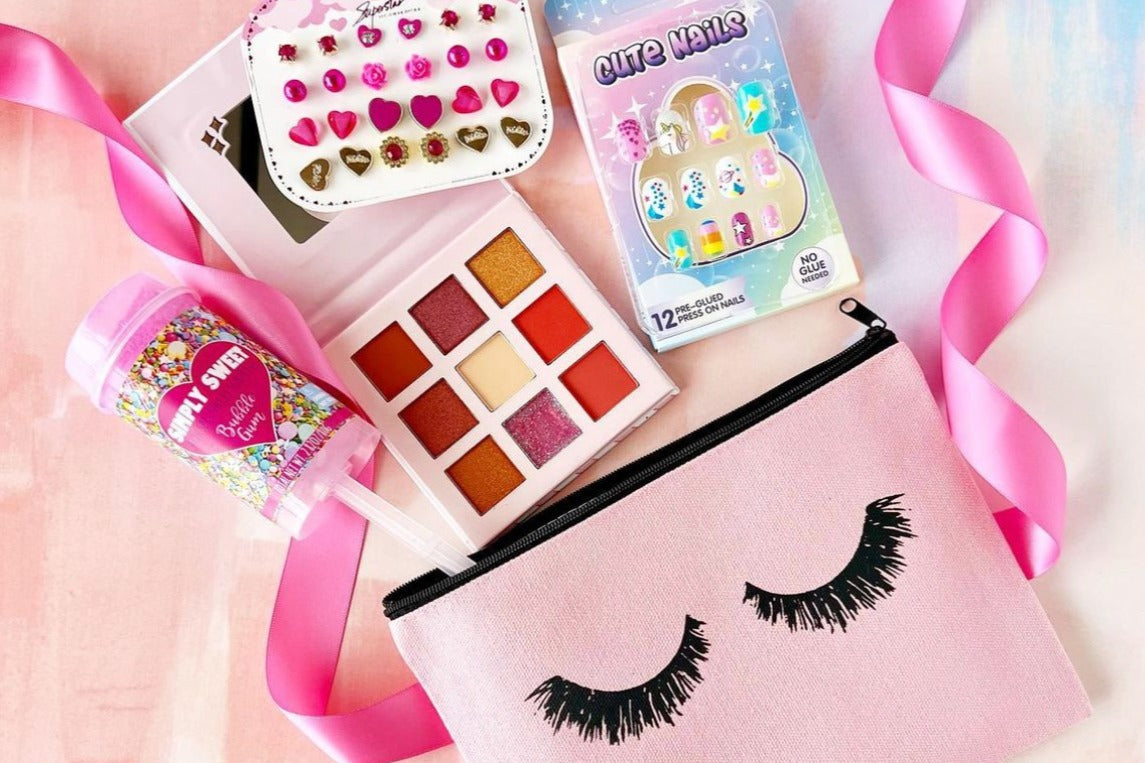
    Strip away the hype and you have one idea wearing two outfits. A blind box is a sealed package where the specific item inside is hidden until you open it, usually one figure out of a set of six or twelve, sometimes with a rare “secret” or “chase” version hidden at long odds. A mystery box, or its cousin the subscription beauty box, sends you a curated mix of products you did not handpick, often at a price well below what the contents would cost at full retail. Both run on the same engine: surprise.

    That surprise is not an accident, and it is worth naming honestly. The reason these things feel so good is that your brain spikes dopamine harder during the wait than during the reveal. Anticipation is the drug. Unpredictable rewards light up the brain’s reward system more intensely than guaranteed ones, which is the same loop slot machines run on. None of that makes blind boxes evil. A surprise gift from someone who loves you works on the exact same wiring. But knowing the machinery means you get to enjoy the ride on purpose instead of being driven by it.

    The two camps also differ in one big way that matters for your wallet. A good beauty mystery box almost always gives you more retail value than you paid, because brands use it as paid sampling and the math is built to feel generous. A collectible blind box gives you a fixed item whose value floats on whatever the resale crowd decides, which can be far less or wildly more than you paid. One is closer to a smart shopping hack. The other is closer to a flutter. Treat them differently and you will rarely get burned.

    The beauty mystery boxes worth it, an honest take

    The beauty mystery boxes worth it, an honest take

    Here is the good news for anyone who wants the unboxing rush without the speculative risk: beauty subscription boxes are the most reliably worth-it corner of this whole trend, because the value is real product you actually use.

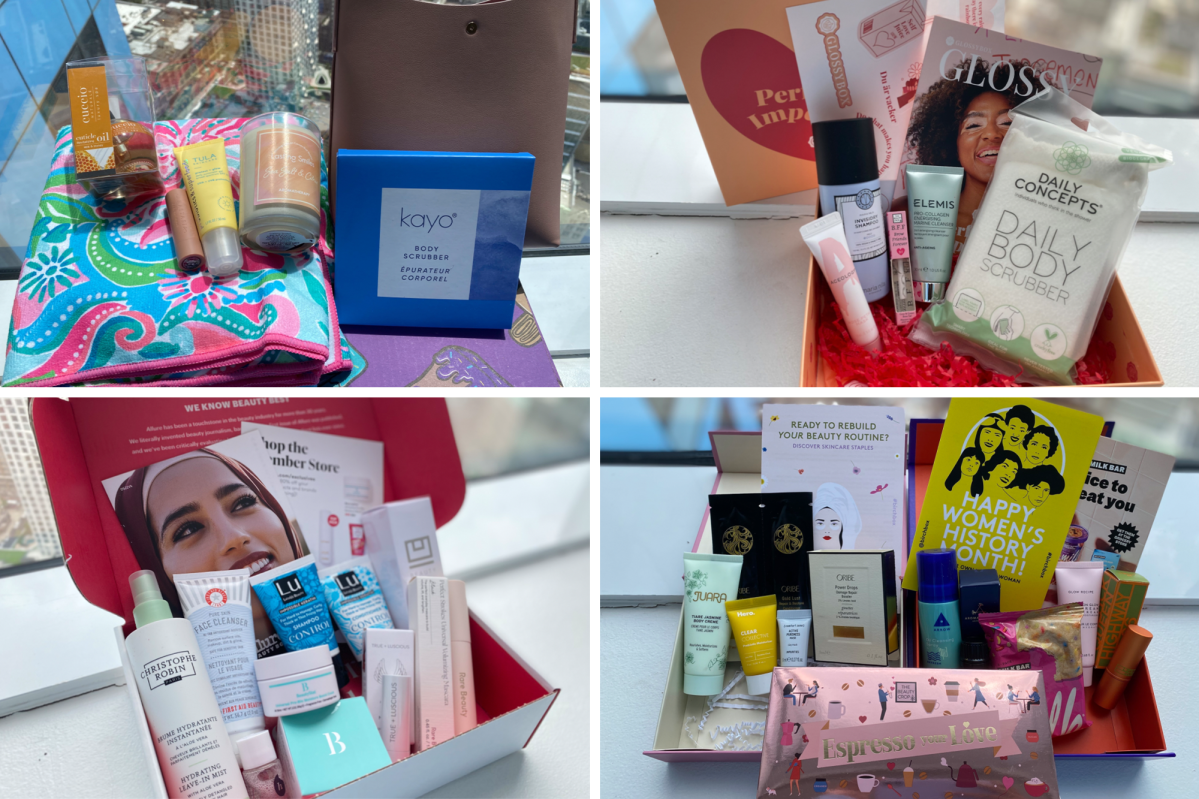
    Ipsy is the giant, and it splits into tiers that suit different appetites. The classic Ipsy Glam Bag runs around $14 a month and sends five deluxe samples, a low-stakes way to try things. Ipsy Extra, which is the rebranded BoxyCharm after the two brands merged under the Ipsy umbrella, sits around $32 a month and delivers five full-size products with a stated retail value of up to $200. You get to pick three of your items, which takes the edge off the gamble. The honest caveat: “up to $200” is a ceiling, not a promise, and your real take-home value varies month to month. Some months sing, some are a shrug.

    Allure Beauty Box is the other heavyweight and arguably the most curated of the bunch, because it is backed by the magazine’s editors. It runs roughly $23 a month for six or more products with at least three full-size, built to value around $100. The mini-magazine of tips that comes with it is a nice touch if you actually like reading about what you are using. For makeup-forward experimenting, both Ipsy and Allure lean into color cosmetics and trend pieces, so they are the better pick if you want to play with shades rather than just restock serum.

    Then there are the seasonal big swings: beauty advent calendars. These are mystery-box energy stretched across 24 or more little doors, and the value can be genuinely staggering. The Sephora Favorites calendar has sold out three years running and routinely packs dozens of products, with recent editions holding 41 items including 25 full sizes. Premium department-store calendars from the likes of Space NK have carried price tags around 260 pounds against contents valued over 1,150 pounds. If you were going to buy those products anyway, an advent calendar is one of the few mystery formats where the math openly favors you. The trap is buying it for the value when you would never have spent that money otherwise. Value you do not use is just clutter you paid a discount for.

    The honest bottom line on beauty boxes: they are worth it when you treat them as discounted discovery, not as a monthly obligation you forgot to cancel. Set a reminder. Skip months when the spoilers do not excite you. The brands count on inertia, so the smart move is to stay a little bit fickle.

    Collectibles like Pop Mart and Labubu, the appeal and the cautions

    Collectibles like Pop Mart and Labubu, the appeal and the cautions

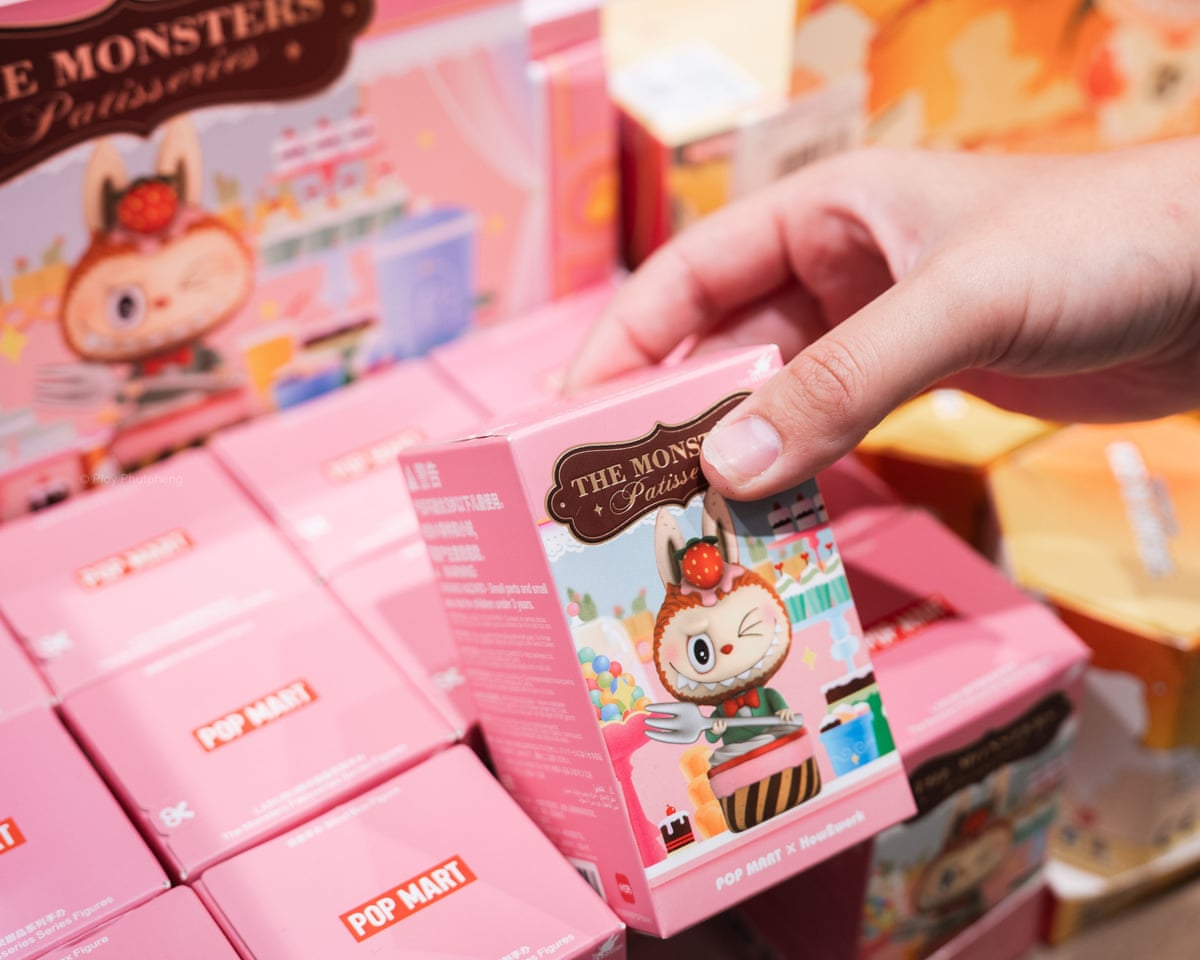
    Now for the corner that has eaten the internet. Pop Mart, the Chinese company behind the Labubu craze, turned little vinyl gremlins with jagged grins into a global obsession, and the appeal is easy to feel even if you do not collect. The figures are cute in a slightly unhinged way, they come in themed sets, and clipping one to your bag has become a genuine fashion signal. There is a whole emotional world here, with characters like Crybaby, Skullpanda, Hirono, and Hacipupu rising fast alongside Labubu heading into 2026.

    The entry price is friendly, which is part of the seduction. A standard Pop Mart blind box typically retails somewhere around the $10 to $13 range for the smaller vinyl figures, squarely in the impulse-buy zone where you do not stop to think too hard. That is by design. The figures are priced so the gamble feels harmless, and one box rarely is. The problem is that the whole model nudges you toward “just one more” until you have spent rent money chasing a figure you saw once.

    This is where honesty matters most, because the secondary market is where blind boxes stop being a toy and start looking like a casino. Rare “secret” Labubu variants pull at brutal odds, sometimes around one in seventy-two boxes, and the chase versions resell for eye-watering sums. Early 2026 market data has graded secret editions topping $1,800, with certain fantasy-themed chases trading between $1,700 and $2,000 in top condition. Behavioral researchers have flagged that blind boxes share structural similarities with gambling, and the resemblance sharpens exactly when resale values inflate like this. If you are buying a sealed box hoping to flip the rare one for profit, be clear-eyed: you are betting, and the house designed the odds.

    Two more cautions before you spend a cent. First, counterfeits are rampant. A nationwide crackdown in China once found that nearly 37 percent of online-listed Pop Mart products were fakes. Real boxes have crisp centered logos, a scannable unique authentication code, and figures that feel solid rather than light and chemical-smelling, with “POP MART” printed cleanly on the sole of the left foot. Anything priced suspiciously low, especially under about $7, or sold by a random social-media account, deserves deep suspicion. Buy from official Pop Mart channels and you sidestep most of the heartbreak. Second, resale prices are mood, not money in the bank. The figure worth $2,000 today is worth that only until the trend cools, and trends always cool. Collect what genuinely delights you to look at, and any future value is a bonus rather than the plan.

    The size-inclusive joy angle

    Here is the part that makes this trend quietly special for curvy women, and it is worth slowing down for. Almost nothing in the blind box and mystery box world has a size on it.

    Think about what shopping usually asks of a plus-size woman. The anxious scan for whether the cute thing comes in your size. The dressing room math. The brands that stop at a 14 and act like that is generous. Now picture a sealed beauty box that does not know or care what you weigh. A lipstick is a lipstick. A highlighter flatters every face. A Labubu clips to a size 26 tote exactly as happily as a size 2 one. The entire category is size-agnostic by nature, which means it is one of the rare playgrounds where a curvy girl gets to be a pure consumer of delight with zero sizing tax attached.

    That is not a small thing. So much of beauty culture has been a place where fuller-figured women were sold “fixes” rather than fun. Mystery beauty boxes flip that. They are a low-pressure way to experiment with a bold lip, a glitter you would never buy at full price, a fragrance outside your usual lane, all without a single mirror moment about your body. The accessory side does the same work. Charms, figures, little lifestyle trinkets, and bag clips let you express taste and personality through objects that fit your life rather than your measurements.

    There is also a community angle that lands warmly here. Unboxing culture is overwhelmingly social, built on sharing the reveal, and that shared thrill does not check anyone’s dress size at the door. A curvy woman filming her Ipsy reveal or showing off her Skullpanda is participating in the exact same joy as everyone else in the comments, fully and equally. For a demographic that gets edited out of plenty of trends, being centrally, effortlessly included in a global one is its own quiet pleasure.

    How to play smart, budget, FOMO and resale

    Loving this trend and getting played by it are two different outcomes, and a few simple rails keep you on the right side. None of these require willpower of steel. They just take the decision out of the heat of the moment, which is the whole point.

    Set a blind box budget before you shop, not during. Decide your monthly number for this kind of fun, the same way you would budget for takeout, and treat it as a hard ceiling. The figures are priced to feel painless one at a time precisely because the makers know small repeated yeses add up. A fixed cap turns “just one more” from a slippery slope into a closed door.

    Name the FOMO out loud, because limited editions are engineered to rush you. Artificial scarcity and “drops” exist to compress your decision time so you buy before you think, and surveys find limited editions are the single biggest purchase driver in this space. When you feel the clock ticking, that urgency is the marketing working, not a real emergency. A worthwhile object will still be worth wanting after you sleep on it. The ones that only seem worth it under time pressure are usually the ones you would have regretted.

    Keep beauty boxes honest by actually using what arrives and canceling the moment the magic fades. A subscription is only a deal if the products leave the box. If they pile up unopened, you are paying a monthly fee to manufacture clutter, and the value figure on the marketing page means nothing. Skip months freely. Loyalty is for people, not auto-renewals.

    Treat resale as a maybe, never a plan. If you flip a duplicate and come out ahead, lovely. But buying sealed boxes as an investment is a bet against odds the company set in its own favor, and prices that float on hype can sink just as fast. The collectors who stay happy are the ones who buy the figure for the figure. Everything after that is gravy, not strategy. And always, always buy from official channels so the thing you unbox is real.

    A box worth opening

    There is a version of this hobby that drains you, refreshing eBay at midnight and convincing yourself the next box holds the chase. There is another version that costs the price of a fancy coffee, arrives in the mail on a gray Tuesday, and makes you grin like a kid for the ten seconds it takes to peel it open. The difference is not the box. It is you, deciding before you buy which game you are playing.

    Pick a number you can lose without flinching. Keep the receipts in your head, not the fantasy resale value. Cancel the subscription that stopped sparking joy two months ago. Then go ahead and rip that foil open, clip that little vinyl creature to your bag, swatch that highlighter you would never have chosen, and feel the small bright hit of a surprise that asked nothing of your body and everything of your curiosity. Some gambles are just play money on a guaranteed smile. This one, played right, is exactly that.

  • How to Shop Amazon Prime Day Like a Pro – The Curvy Girl’s Guide to Beauty, Fashion, and Wellness Deals

    How to Shop Amazon Prime Day Like a Pro – The Curvy Girl’s Guide to Beauty, Fashion, and Wellness Deals

    Few things sting quite like falling for a deal that turns out to be no deal at all. You add the cute wrap dress to your cart, you feel that little rush of “I scored,” and then a friend mentions she bought the exact same thing two weeks ago for the same price. The discount was a costume. The savings were imaginary. For curvy and plus-size women, the stakes feel higher, because finding pieces that actually fit, flatter, and arrive looking like the photo takes more patience to begin with. So when a four-day sale rolls around and the whole internet starts shouting at once, you deserve a calmer, smarter way to move through it.

    That smarter way is built on a few habits: knowing the real dates, prepping before the chaos starts, recognizing which brands are worth your attention, and learning to read a price tag and a review with a clear eye. Done right, a big sale becomes a chance to restock the basics you wear every week and finally try the wellness tool you have been eyeing, all without the buyer’s remorse hangover.

    When Prime Day 2026 Actually Is

    When Prime Day 2026 Actually Is

    Mark your calendar for June 23 through June 26, 2026. Amazon confirmed the four-day window, and it runs through 11:59 p.m. Pacific Time on Friday, June 26. That is a notable shift from the usual rhythm, since Prime Day has typically landed in July for the past several years. June is back on the table, and the event keeps the expanded four-day format rather than the old two-day sprint, which means you have more breathing room to compare and decide instead of panic-clicking.

    One thing worth knowing upfront: the headline deals are reserved for Prime members. If you are not signed up, Amazon usually offers a free trial, and a single month of access can be enough to cover a sale window if you remember to set a reminder to cancel before it renews. Some of the strongest early markdowns also tend to go live a few days ahead of the official dates, so it pays to start browsing before the 23rd rather than waiting for the opening bell.

    How to Prep Like a Pro

    How to Prep Like a Pro

    The women who walk away happy almost never start shopping the morning the sale opens. They start a week or two earlier, quietly building a plan. The single most useful tool here is your wishlist. Add everything you are genuinely curious about now, while your head is clear and nobody is waving a countdown timer in your face. When a piece lands on sale, Amazon will often flag it, and you will be deciding from a list you made on a calm afternoon rather than reacting to a banner designed to make your heart race.

    Pricing tools are your second line of defense. Free browser tools and price-tracking sites let you see an item’s price history, so you can tell whether that “lowest price ever” claim holds up or whether the thing was cheaper in March. Checking history for even a handful of your most-wanted items takes minutes and saves you from the most common trick in the book.

    It also helps to know your numbers before the rush. Pull out a tape measure and write down your bust, waist, hips, and inseam, then keep that note in your phone. Brands size differently from one another, and a “1X” from one label can fit nothing like a “1X” from the next. When you already have your real measurements, you stop guessing and start matching them against each item’s size chart. Here is a quick pre-sale checklist worth running through:

    • Build your wishlist now and let it sit for a few days before you trust it
    • Save your bust, waist, hip, and inseam measurements somewhere easy to reach
    • Install a price-history tool so you can sanity-check every “deal”
    • Confirm your Prime membership is active, or set a cancel reminder if you start a trial
    • Set a loose budget per category so beauty does not quietly eat your fashion money

    The Plus-Size Fashion Finds to Watch

    The Plus-Size Fashion Finds to Watch

    Amazon has quietly become a real destination for curvy wardrobes, and a handful of brands have earned repeat-customer trust. Amazon Essentials is the dependable backbone, the place for tees, leggings, cardigans, and everyday layering pieces that you reach for without thinking. The appeal is consistency: once you know your fit in their line, reordering in a new color is low-risk, and the prices stay friendly even off-sale.

    Daily Ritual lives in the same comfortable, casual lane, leaning into soft knits, t-shirt dresses, long-sleeve tees, and relaxed silhouettes. Much of the line sits under forty dollars at regular price, so a sale markdown turns a basics restock into a genuinely small spend. The Drop offers a more fashion-forward point of view, with trend-driven dresses and separates, and its size range stretches impressively wide, reaching well beyond standard plus sizing into extended numbers like 4X and up on many styles. If you have ever felt boxed out of the trendy stuff, this is a brand worth checking.

    Then there are the buzzier names that fill plus-size carts every season. ANRABESS is known for flowy, drapey pieces, think wide-leg lounge sets, oversized blouses, and easy dresses that skim rather than cling. BTFBM leans a little dressier, with bodycon and wrap styles that photograph beautifully and tend to rack up detailed reviews. Both run in extended sizing on many items, though fit varies piece to piece, which is exactly why the reviews matter so much for these labels. For women who want sizing that climbs into the 4X, 5X, and 6X range, established plus-specialist brands like Roaman’s and Lane Bryant also have a presence in the wider retail landscape, and their size charts are built for fuller figures from the start rather than as an afterthought.

    Beauty and Wellness Deals Worth It

    Beauty and Wellness Deals Worth It

    Beauty is where a big sale can genuinely pay off, because the products you already love rarely go on deep discount otherwise. Skincare is the smartest category to stock up in: a cleanser, moisturizer, or sunscreen you use daily is a guaranteed repurchase, so buying it on sale is just money you were going to spend anyway, spent better. Dermatologist-favorite brands like CeraVe and La Roche-Posay tend to surface during these events, and their gentle, fragrance-conscious formulas suit a lot of skin types. A few cult names worth watching include the Laneige Lip Sleeping Mask, which earns its devoted following, and pore-care and moisturizing staples from brands like Medicube that frequently see real markdowns.

    Beauty tools are the other place where a sale changes the math. Hair tools and devices, including names like Dyson, and treatment lines like Olaplex, carry enough of a price tag that even a modest percentage off is meaningful. The honest test is whether you would still want the tool at full price next month. If yes, a markdown is a gift. If you are only tempted because it is discounted, that is the sale talking, not your real life.

    Wellness rounds out the list. Recovery and massage devices from brands like Therabody often appear in these events, and they can be a worthwhile splurge if sore shoulders or tired legs are part of your everyday. Supplements are trickier territory, and the body-positive approach here is simple: shop wellness for how you want to feel and function, never to shrink yourself. Choose the magnesium for better sleep, the vitamin D because your doctor mentioned it, the collagen because you are curious, not because an ad made you feel like your body needs an apology. Buy from established brands with clear ingredient labels and strong reviews, and skip anything promising a dramatic transformation. Real wellness is quiet.

    How to Spot a Real Deal

    A genuine discount has a paper trail. The fastest way to expose a fake one is that price-history tool you installed during prep: if the “sale” price matches what the item cost a month ago, the markdown is theater. Inflated original prices are the oldest move in retail, where a seller quietly raises the list price, then “discounts” it back down to where it always lived.

    Watch the seller, too. On a marketplace as big as Amazon, the same type of product can come from dozens of sellers at wildly different quality levels. A suspiciously cheap version of a popular item, especially clothing, can be a thin knockoff that arrives looking nothing like the listing. Stick to the brand’s official storefront or sellers with long, detailed review histories. Be wary of listings with thousands of glowing five-star reviews that all read the same and say nothing specific, and lean toward products where the praise mentions real details: the fabric weight, how it washed, whether the color matched.

    Finally, ignore the countdown clock as a decision-maker. Urgency is engineered. A timer ticking down to zero is designed to short-circuit the part of your brain that asks “do I actually need this.” If a deal is real and the item is right for you, the small risk that it sells out is far cheaper than the certainty of regret over something you bought in a rush.

    Size-Smart Shopping Tips

    Size-Smart Shopping Tips

    Here is where curvy shoppers have a real edge if they slow down: the reviews are a goldmine, and most people barely skim them. Sort or scan for reviewers who mention their height, weight, and usual size, then find the ones whose body is closest to yours. Their photos and notes will tell you more than any model shot. When several reviewers around your size say a dress “runs small in the bust” or “gapes at the waist,” believe them, that is free fit data nobody is paying for.

    Read the size chart every single time, and read it against your own measurements rather than the size label you think you wear. Vanity sizing and brand-to-brand variation mean your “1X” can swing a full size in either direction. Pay special attention to the specific measurements brands list, like bust, waist, and hip in actual inches, and compare those numbers to the note in your phone. If an item sits right between two sizes, the reviews usually tell you which way to lean.

    A few more habits pay off. Look closely at fabric content, since a piece with some stretch forgives a lot more than a stiff woven that has to fit exactly. Check the photos buyers upload, which show the real drape, the real color, and how a piece looks on a body like yours instead of a styled studio shot. And before you commit, glance at the return policy. Knowing you can send something back turns a risky size gamble into a low-stakes try-on at home, which is exactly the freedom you want during a fast-moving sale.

    Your Plan, Ready to Go

    A sale this big rewards the woman who shows up with a list instead of a craving. You have the dates locked in, June 23 through 26. You have your measurements saved in your phone and a price-history tool watching your back. You know that Amazon Essentials and Daily Ritual will cover your basics, that The Drop and ANRABESS and BTFBM are worth a careful look for something more fun, and that the beauty and wellness deals only count if you wanted the thing before it went on sale.

    So tonight, open a fresh wishlist and add the five things you have actually been thinking about. Pull up the size chart on the dress at the top of that list, set it next to your real numbers, and read three reviews from women built like you. That small bit of homework, done before the clock starts ticking, is the whole difference between a cart full of returns and a closet full of pieces you reach for on a Tuesday.

  • The Best Amazon Fashion Finds for Curvy Women in 2026 – Editor-Tested Picks Under $50

    The Best Amazon Fashion Finds for Curvy Women in 2026 – Editor-Tested Picks Under $50

    The search bar fills with hope every time. You type “plus size wrap dress,” hit enter, and a wall of thumbnails floods the screen. Some look gorgeous on the model. A few have 12,000 reviews and a 4.5-star average. Others have stock photos that clearly never met a real body, sizing charts that contradict the product title, and that one review with a photo that tells you everything the listing tried to hide. Twenty minutes later, the cart has three maybes in it and the brain has quietly given up. Sound familiar?

    Shopping Amazon as a curvy woman is its own skill set. The platform is enormous, the brands are endless, and the quality swings wildly from “this is now my favorite piece” to “this is a costume of a dress.” But once you learn how to read it, Amazon becomes one of the most genuinely useful places to build a wardrobe that fits, feels good, and does not cost a fortune. Plenty of legitimately good plus-friendly pieces live there, usually well under $50, and they are worth knowing about by name.

    This is a map of where the real finds are, organized by category, with honest guidance on how to shop so the maybes in your cart turn into keepers.

    How to Actually Shop Amazon for a Curvy Body

    How to Actually Shop Amazon for a Curvy Body

    A few habits change everything, and they take seconds once they become automatic.

    Start with the left-hand size filter, not the search bar alone. After you search, scroll down the left rail and check the boxes for your size – 1X, 2X, 3X, and up, or the numeric plus equivalents. This strips out the listings that only go to an XL pretending to be roomy, and it surfaces brands actually building for your range. Amazon’s own size filters are reliable in a way the product titles are not.

    Read the size chart on every single listing, every time. Amazon brands do not share one universal chart. A 2X from one seller can run a full size off from a 2X elsewhere. Look for the chart with real measurements (bust, waist, hip in inches), grab a soft tape measure, and compare against a garment you already own and love. This one step prevents most returns.

    Mine the reviews like a detective, and sort by photos. Reviews with customer images are gold because you see the piece on bodies shaped like yours, not on a sample-size model. Search the review text for the words “runs small,” “runs large,” “true to size,” “stretch,” and “sheer.” If three different people say it runs small, believe them and size up. If reviewers mention a body type near yours and say it fit well, that is the closest thing to a fitting room you will get online.

    Favor fabrics with give. Anything listed as containing spandex, elastane, or a jersey or ponte knit will move with you and forgive day-to-day fluctuation. Woven fabrics with zero stretch are less forgiving and demand a more exact measurement match.

    Here is a quick checklist to keep handy while you scroll:

    • Filter by your exact size in the left rail before browsing.
    • Open the size chart and compare to your own measurements in inches.
    • Sort reviews by photos and look for bodies like yours.
    • Scan review text for “runs small,” “sheer,” and “true to size.”
    • Check the fabric content for stretch (spandex, elastane, jersey, ponte).
    • Confirm the return window so a wrong fit costs you nothing but a trip to the drop-off.

    With that toolkit in hand, the categories below become much easier to shop well.

    The Best Dress Finds

    The Best Dress Finds

    Dresses are where Amazon quietly shines for curvy shoppers, because so many of the strongest sellers build genuinely extended ranges.

    BTFBM has become a go-to name for a reason. The brand specializes in wrap dresses, smocked midi dresses, and floral pieces that photograph beautifully and tend to land in the $30 to $45 range. Reviewers consistently describe the fabric as soft and lightweight with a comfortable drape, and many report the cuts run true to size across the plus range. A faux-wrap with a tie waist is the kind of piece that works for a wedding guest moment, a date, or a dressed-up workday, and you can usually find one here for less than you would spend on lunch and parking downtown.

    The Drop, Amazon’s own in-house fashion label, is worth searching by name. It builds limited-run collections with a real commitment to size inclusivity, with many styles spanning an unusually wide range from extra-small all the way up through the higher X sizes. Think elevated basics, slip dresses, and trend-forward midi styles with a slightly more designer sensibility than the average Amazon listing. Prices often sit right around or just under $50, and the size range alone makes it one of the most curvy-considerate corners of the whole platform.

    For everyday jersey dresses, Daily Ritual (an Amazon brand) makes soft, pull-on knit styles in a dedicated plus range, including sleeveless gathered dresses and easy V-neck shapes that go up through generous sizes. These are the dresses you reach for on a Tuesday because they feel like a T-shirt and look put together. And ANRABESS, a highly rated seller with a deep plus selection, leans into relaxed, drapey silhouettes – tiered maxi dresses, batwing-sleeve styles, and easy linen-look pieces – usually in the $30 to $40 neighborhood.

    When you are choosing among them, let the reviews settle ties. Two similar wrap dresses at a similar price are not equal if one has hundreds of photo reviews from happy curvy shoppers and the other has none.

    Wide-Leg Trousers and Denim

    Wide-Leg Trousers and Denim

    The right pair of trousers can carry a whole wardrobe, and Amazon has quietly gotten good at curvy-friendly bottoms.

    For trousers, Amazon Essentials makes a linen-blend drawstring wide-leg pant that is available in plus sizes, with a pull-on elastic waistband and drawcord that skips the zipper-and-button fight entirely. Wide-leg, breathable, and easy to dress up or down, these usually sit comfortably under $40 and are the kind of thing you will want in two colors once you find your size. The brand also makes a stretchy ponte cropped wide-leg pull-on style if you prefer a more structured, dressier fabric that still moves.

    Denim is the category people fear most online, and it is exactly where measuring pays off. Signature by Levi Strauss and Co. Gold Label offers women’s jeans available in plus sizes, in stretch-denim cuts including modern straight, pull-on shaping skinny, and a heritage wide-leg. The stretch in the Simply Stretch denim is what makes these forgiving, so they hug curves without bagging out at the knee by mid-afternoon. They are an affordable entry point to a trusted denim name, frequently landing in the $30s. Reviews here are split, as they are with most denim, so read them carefully: some shoppers love the stretch and high-rise comfort, others find the lighter-weight denim too thin for their taste. That is useful to know before you click, not after.

    With jeans more than anything, ignore the title size and trust the measurement chart plus the review consensus. Denim sizing is chaos across every brand on earth, and Amazon is no exception.

    Tops and Bodysuits

    Tops and Bodysuits

    Tops are the easy win – the category where a $20 find can genuinely earn a spot in heavy rotation.

    Made By Johnny is a reliable name for soft, drapey tops, tunics, and basics in extended sizes, often in rayon-spandex blends with a bit of stretch and flow. These run inexpensive, frequently in the $15 to $25 band, which makes them low-risk experiments when you want to try a neckline or sleeve you have not worn before. Daily Ritual again earns a mention here for its plus jersey tanks, tees, and tunics that go up through generous sizes and wear like the softest things you own. Buy one, and you will understand why people buy three.

    For tops with a bit more polish, ANRABESS carries relaxed blouses and oversized knit sweaters that reviewers describe as soft and cozy rather than scratchy, and the brand’s plus range runs deep. A drapey blouse over wide-leg trousers is an entire outfit, assembled for well under $50 total.

    Bodysuits deserve a clear-eyed note. They can be a clean foundation under blazers, skirts, and jeans, and they stop the untucking shuffle all day. If you want light smoothing, shaping bodysuits from brands like SHAPERIN are available on Amazon in extended sizes. Treat shaping as an option, never an obligation. A bodysuit should feel like a comfortable second skin, not a corset you are counting down to remove. Read reviews specifically for comfort and the bathroom-closure design, size up if the chart sits between two options, and skip anything that reviewers describe as cutting in.

    Swimwear and Vacation Pieces

    Swimwear and Vacation Pieces

    Swimwear is where good size inclusivity matters most, because the alternative is a season of skipping the pool, and absolutely no one deserves that.

    Hanna Nikole is the name to know here. The brand specializes in plus-size swimwear and makes one-pieces, tankinis, swimdresses, and skirted styles in a genuinely extended size range. Reviewers (across Amazon and other retailers carrying the brand) describe the suits as well made, true to size, and notably supportive for fuller busts, which is the exact gap most swimwear leaves wide open. Many styles include adjustable straps and built-in bust support, and prices tend to sit in the affordable swimwear band rather than the eye-watering boutique one.

    When you shop swim, the review photos matter more than anywhere else on this list. Look for images on bodies near your shape, check that reviewers confirm the bust support actually holds, and read for any mention of the lining being thin or the color running sheer when wet. A tankini is the most versatile vacation buy because the separate top and bottom let you size each half independently – a real advantage when your top and bottom are not the same number, which is true for a great many of us.

    Round out a vacation capsule with an easy ANRABESS linen-look maxi as a beach cover-up that doubles as a dinner dress, and a pair of the Amazon Essentials drawstring wide-leg pants for the flight, and you have packed light without packing boring.

    Layering and Outerwear

    The pieces that pull an outfit together are often the ones people forget to shop for online, and they are some of the most reliable finds.

    An oversized knit cardigan or duster is the workhorse of a curvy wardrobe, layering over everything and adding shape without compression. ANRABESS makes open-front cardigans and longline knits that reviewers repeatedly call soft and cozy, and they tend to be forgiving by design because the open front skips the fit math entirely. A long cardigan over a Daily Ritual tank and Levi’s denim is a complete, comfortable, genuinely good-looking outfit, head to toe, for well under $80.

    For structure, Amazon Essentials makes everyday blazers and jackets in plus sizes that work as the third piece over a bodysuit or tee. A blazer in a fabric with a little stretch reads polished for work or an event without feeling like armor. When you shop outerwear, the shoulder and bust measurements matter more than the overall size label, since a jacket that fits the shoulders but not the bust will pull, and one that fits the bust but drowns the shoulders will look borrowed. Check both numbers against the chart.

    Layering pieces are also where you can take more chances, because an open cardigan or a relaxed blazer forgives a slightly imperfect fit in a way a fitted dress never will. This is the safe place to experiment with a color or texture you have been curious about.

    An Honest Note on Fit and Returns

    Here is the truth no product listing will tell you: even with perfect research, some pieces will not work, and that is normal, not a failure on your part or your body’s. Fabric behaves differently in person. A cut that flatters one curvy shape sits differently on another, because “curvy” is not one body – it is hundreds of beautiful proportions, and no single garment serves all of them.

    So lean on the system Amazon gives you. Confirm the return window before buying, keep the tags on until you have tried a piece with the shoes and bra you would actually wear it with, and send back anything that does not feel right without a second thought. A garment that pinches, gaps, or makes you fuss is not earning its keep, no matter how good the price was. Returns are part of online shopping, not a verdict.

    And calibrate your expectations to the price. A $25 dress will feel like a $25 dress in the hand. That is completely fine when the cut is good and the fit is right. Knowing what a piece is – an affordable, cheerful, well-fitting find rather than an heirloom – is what keeps Amazon shopping satisfying instead of disappointing.

    Your curvy Amazon starting lineup

    Pick one category you actually need right now and shop it properly, rather than filling a cart across all six. If your everyday rotation is thin, start with a Daily Ritual jersey dress and an ANRABESS cardigan. If you have an event, search The Drop and BTFBM for something under $50. If summer is coming, go straight to Hanna Nikole and order two tankini tops in different sizes so you can keep the one that fits and return the other.

    Filter by your size, read the chart against your own measurements, sort the reviews by photos, and trust what curvy shoppers before you have already learned the hard way. The pieces are out there, they fit, and they cost far less than the fitting-room frustration you have been putting up with. Add one good thing to the cart today, measure twice, and let the right find come to you.