Before most of the country has stirred, a kitchen light is already on somewhere in Bedford, New York. A juicer hums. Celery leaves, cucumber, a fistful of parsley, ginger, citrus with the peel still on, two kinds of spinach and a scatter of mint go in, and out comes a tall green glass that has become almost as famous as the woman who drinks it. The clock reads a little after four. This is not a photo shoot or a stunt. It is a Tuesday, and it is exactly how Martha Stewart has decided to live.
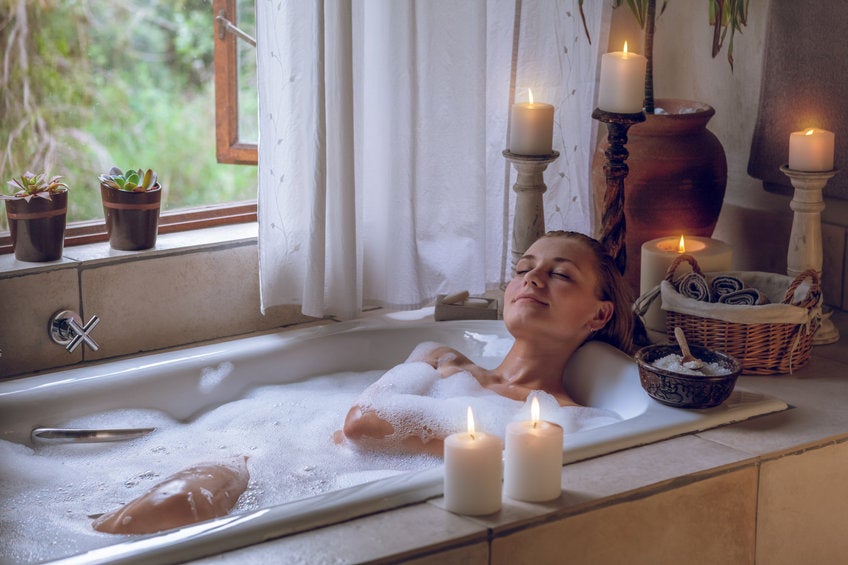
There is something quietly radical about a woman in her eighties who wakes before dawn not out of anxiety but out of appetite for the day. Stewart has spent decades teaching people how to set a table, fold a napkin and grow a tomato, but the habit worth studying now is subtler than any recipe. It is the way she treats her own upkeep as seriously as she treats a dinner party. For women who have been told that self-care means bubble baths and the occasional face mask, her approach is a useful correction. Self-care, in her hands, looks a lot more like a system, and it is a system anyone can learn to read.
The Morning Glass That Started It All
The green juice is the entry point, and it deserves its reputation. Stewart makes it fresh nearly every day, and she has been open that it is not a fad she picked up but a fixture she built. She grows most of the vegetables herself, which changes the entire relationship to the drink. It is not something bought and consumed. It is something planted, tended and harvested, then turned into breakfast. There is a whole small economy of care hidden in that one glass, and it starts in the soil long before it reaches the counter.
The recipe she has shared is generous and green. Celery, including the nutritious leaves that most people toss. Whole cucumbers. Parsley for that earthy backbone. Pineapple with the peel for sweetness and a little tang. Ginger for heat. Lemon and orange, peels and all, for brightness. Fresh mint and a couple of handfuls of spinach to round it out. She has described it as an essential part of her everyday diet and credited it, in her characteristically no-nonsense way, with what she prefers to call successful aging rather than anti-aging. The distinction matters to her, and it is worth sitting with. Anti-aging implies a fight against the clock. Successful aging implies partnership with it.
What women can borrow here is not the exact ingredient list, though it is a good one. It is the principle underneath it: one non-negotiable daily habit that quietly compounds. Stewart does not agonize over whether she will make her juice. The decision was made years ago. She simply varies it with whatever is fresh in the refrigerator or ripe in the garden and keeps going. That is the part worth stealing. A single anchor habit, repeated without drama, does more over a decade than any three-week cleanse ever could. If a green juice feels like too much, the lesson still holds. Pick one thing you can do every single morning without negotiating with yourself, and let it become the floor you build the rest of your day on top of.
Skin as a Long Game, Not a Quick Fix
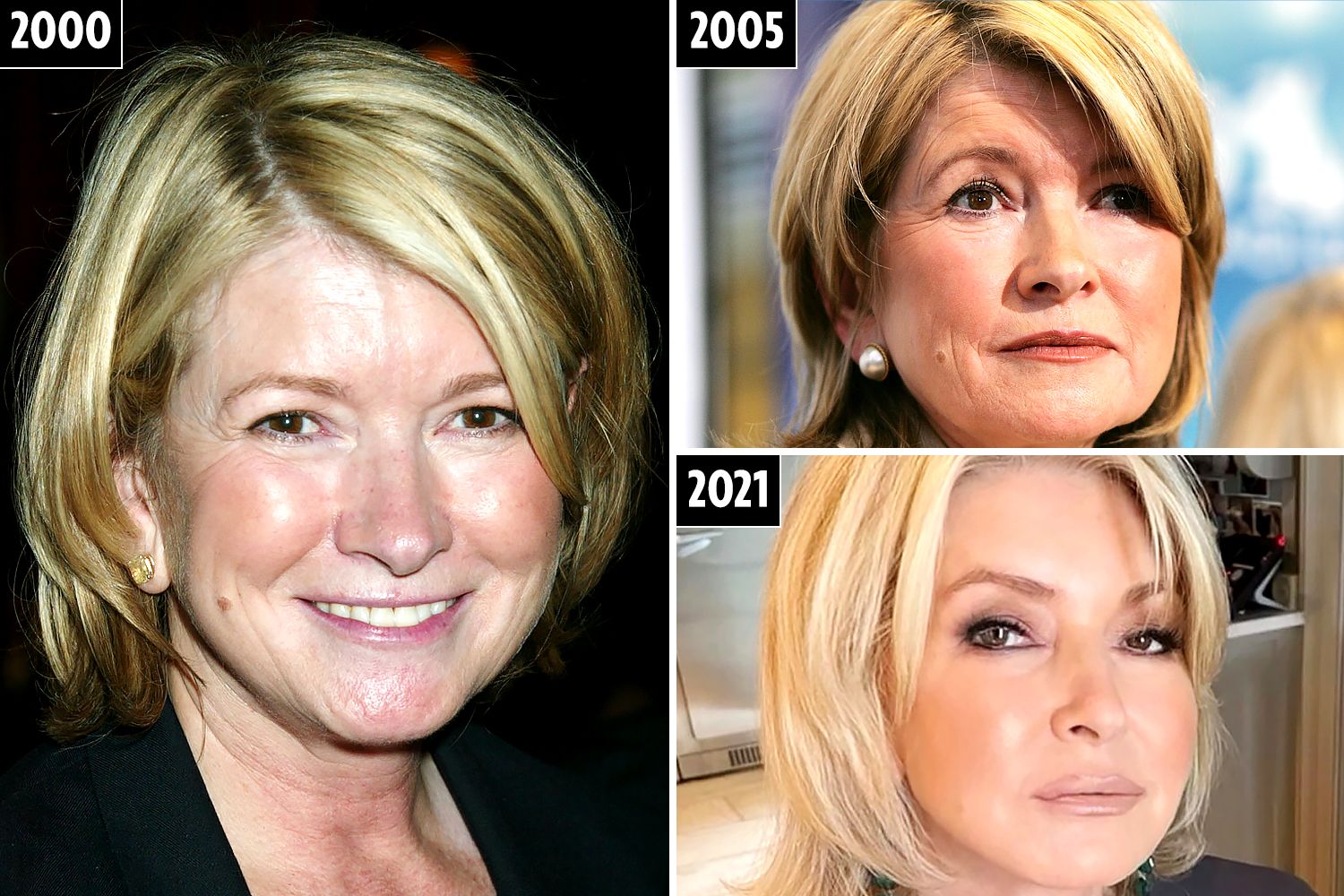
If there is a Stewart philosophy that translates to almost any area of life, it is this: no shortcuts. She has said as much directly about her skin, telling interviewers that the secret to good skin is refusing to cut corners. Coming from someone who has spent a lifetime obsessing over how things are done properly, it lands as more than a soundbite. It is the same discipline she has always brought to a pie crust or a flower bed, simply pointed at herself.
Her routine has real structure. Mornings can begin with a very hot face cloth pressed to the skin, followed by a cold one, a simple ritual she says calms her complexion and closes her pores. Her product shelf reads like a dermatologist’s shortlist: hyaluronic acid, vitamin C, peptides and rich creams. She is religious about sunscreen, favoring a tinted SPF 50 and saying plainly that she does not leave the house without it. She stays out of the sun when she can, which for a lifelong gardener takes genuine discipline, since her whole life pulls her outdoors.
At night, the rule is absolute. She never goes to bed in makeup. She cleanses thoroughly with a cleansing oil and a warm cloth until every trace is gone. It is unglamorous and it is consistent, and consistency is the whole point. Notice how little of this is expensive or exotic. A hot cloth and a cold cloth cost nothing. Washing your face before bed costs nothing. Sunscreen is the single most effective and least glamorous anti-aging product on any shelf, and she treats it as mandatory rather than optional.
Stewart also does not pretend she does this entirely alone. She has credited her dermatologists for helping maintain her glow, and she has been candid that she has received facials from the same skincare house for roughly forty years. That honesty is refreshing in a culture that loves to sell the idea of effortless results. She treats professional help as maintenance, the same way you would service a car or prune an orchard, not as vanity to hide. For women weighing whether a facial or a dermatology visit is a frivolous expense, her framing reframes it entirely: this is upkeep, and upkeep is normal. There is no shame in getting help with the things that matter to you.
Movement That Keeps Her Independent
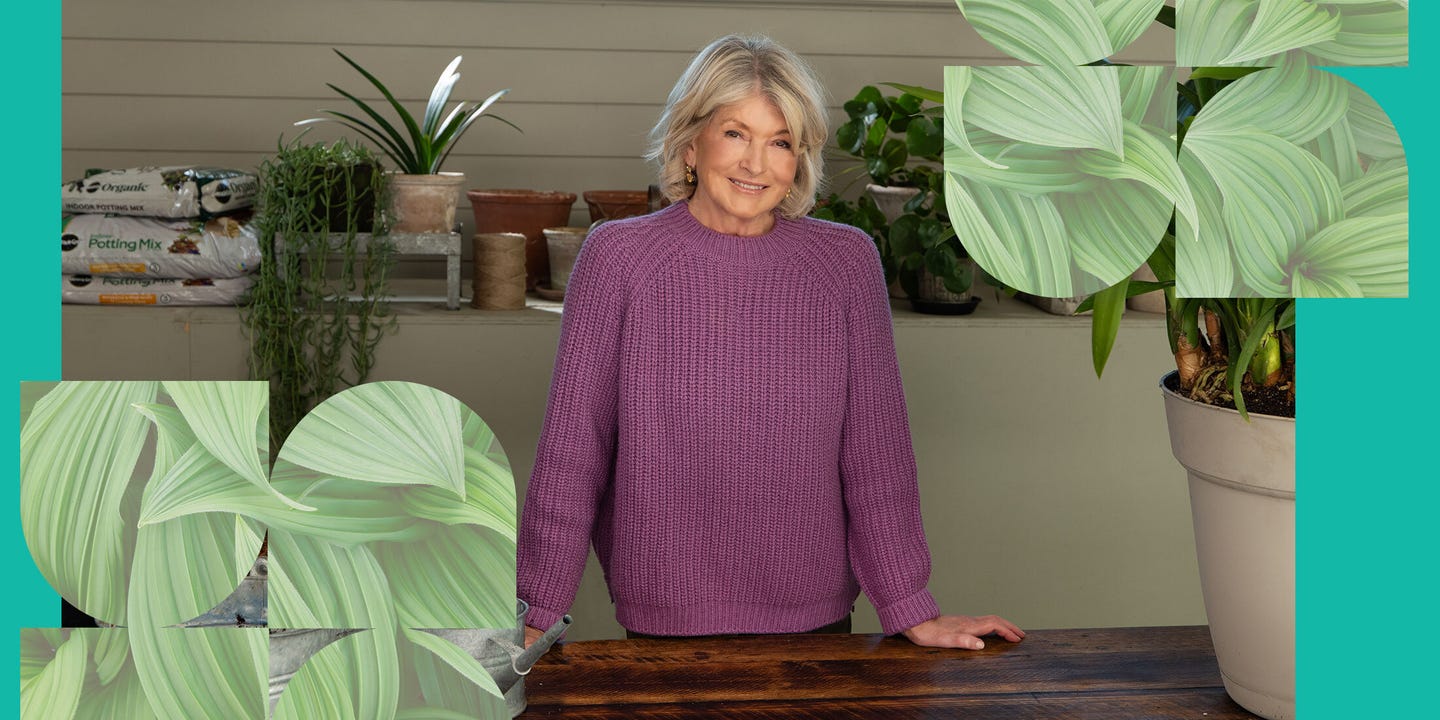
Stewart is not chasing a beach body or punishing herself in a gym. Her fitness routine is built around something more durable: the ability to keep doing everything she wants to do. She practices Pilates several times a week, often in the early morning, and she mixes it with yoga and weight training to hold onto her muscle mass and flexibility. It is a deliberately unflashy combination, and that is exactly why it lasts.
The word that keeps coming up when she talks about exercise is functional. She is training so she can garden, travel, carry things, get up and down, and stay mobile and independent in her daily life. That is a profoundly different goal than the one most fitness marketing sells, and it is a far more sustainable one. Pilates and yoga are low-impact by design, which means they are kinder to aging joints while still building the core strength and balance that protect against the falls and stiffness that quietly shrink so many lives. Weight training, meanwhile, does the unglamorous work of preserving muscle, which the body sheds steadily with age unless it is given a reason to keep it.
There is a lesson here for any woman who has ever felt alienated by the aggression of workout culture. Movement does not have to be a war on your body. It can be a partnership with it. Stewart’s approach suggests picking exercise you can imagine still doing in twenty years, then actually doing it on a schedule, rather than burning out on something intense and abandoning it by February. The best workout is not the hardest one. It is the one you will still be doing when you are old enough to be grateful you did.
The Garden as a Second Skincare Routine
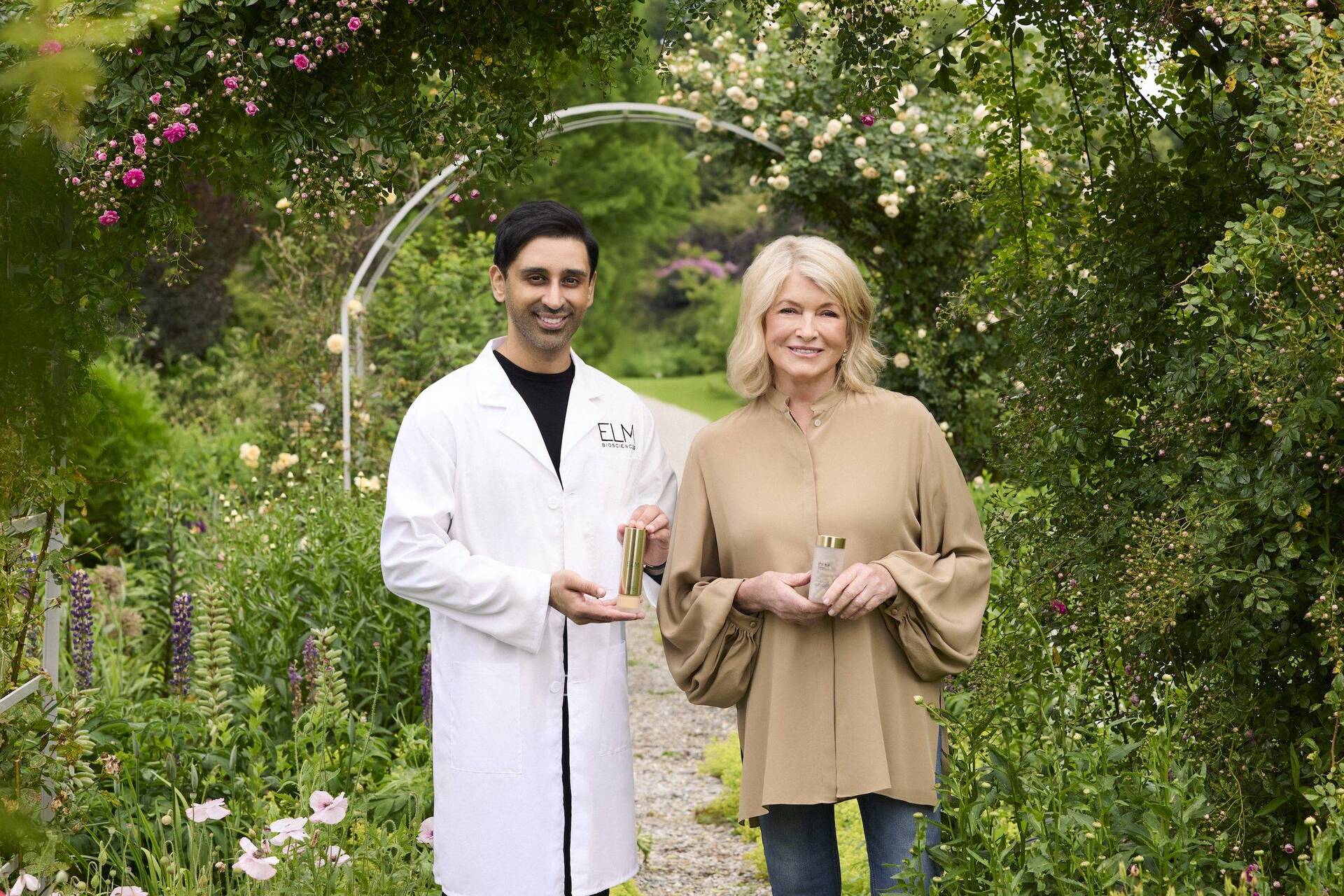
It would be easy to file gardening under hobby and move on, but for Stewart it functions as something closer to a wellness practice, and it is worth pulling out on its own. Her garden is where the green juice begins, which means her nutrition is tied directly to her hands in the dirt. Growing your own vegetables is not just about freshness, though the produce is fresher. It is about the low, steady, purposeful movement of tending something, the daily reasons it gives you to go outside, and the way it quietly folds exercise, sunlight in moderation and real food into a single unhurried habit.
There is also the mental dimension, which rarely gets enough credit. Gardening is patience made physical. You plant things that will not reward you for weeks or months, you attend to them without immediate payoff, and you learn, season after season, that good outcomes come from consistent small care rather than dramatic intervention. That is arguably the same philosophy that governs her skin, her fitness and her career. The garden is not separate from her self-care. It is the through-line that connects all of it, a living argument for doing things slowly and properly.
For women who cannot plant an estate’s worth of vegetables, the principle still scales down beautifully. A few pots on a balcony, a windowsill of herbs, a single tomato plant. The point is not the size of the harvest. It is the ritual of tending something living, getting your hands busy and your face into daylight, and being reminded that growth is not instant for anyone, not even for Martha Stewart.
The Cover That Rewrote the Rules

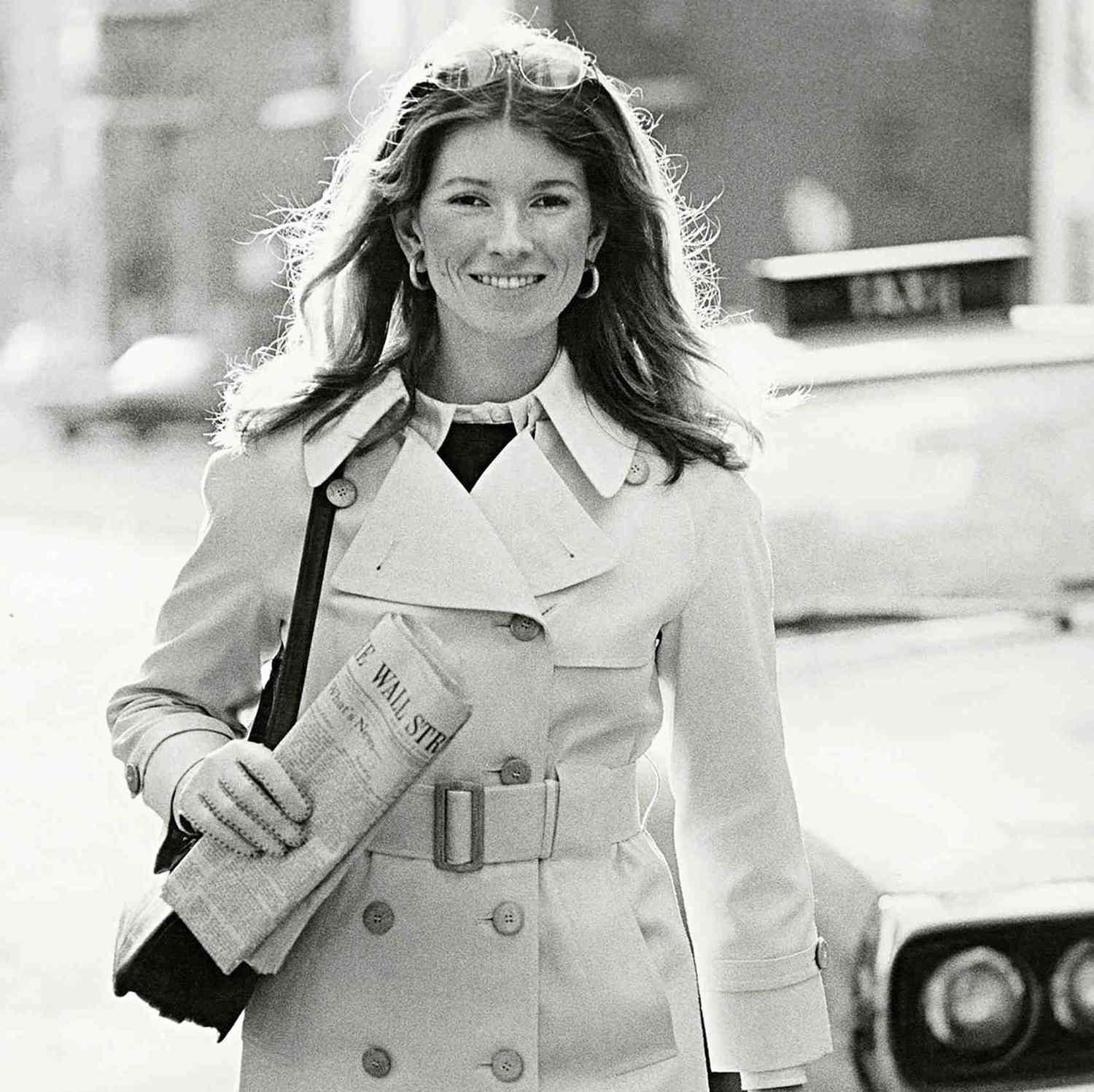
In 2023, at eighty-one, Stewart became the oldest cover model in the history of the Sports Illustrated Swimsuit issue. Photographed by Ruven Afanador in the Dominican Republic, she posed with the same steady confidence she brings to everything else. It was, by any measure, a cultural moment. A woman who had been famous for four decades for domestic perfection was suddenly on a magazine cover that the world associates almost exclusively with youth.
What makes the moment worth returning to is how she talked about it. She was refreshingly unromantic. She had prepared, she said, by living clean anyway, eating well, exercising, keeping her skincare in order, and in the run-up she had cut back on bread and pasta. There was no miracle involved. There was the accumulated interest on years of ordinary discipline. She framed the whole thing as proof that women can look good and feel great at any age, and that age itself is not the thing that determines a person’s friendships, success or worth. What people do, how they think and how they act, she argued, matters far more than the number attached to them.
For a body-positive audience, the takeaway is not that every woman should aspire to a swimsuit cover. It is that Stewart refused to accept the expiration date the culture tried to hand her. She walked into a space designed to exclude women like her and simply took up room. That posture, more than any single photograph, is the thing to carry forward. Confidence, in her version of the story, is not a costume you put on for a camera. It is the natural byproduct of years spent actually caring for yourself, so that when the moment comes, you have nothing to fake.
Curiosity as an Anti-Aging Ingredient
Ask Stewart about aging and she tends to swat the question away. She has said aging is not something she thinks about, that she does not dwell on getting older or slowing down or retiring, and that to her the idea is about living well rather than the alternative. What she does dwell on is work, learning and going places. She has been open that she likes to be busy, and she treats a full calendar not as a burden but as the point.
She is unusually blunt about the value of curiosity. She once described being baffled that some of her friends do not even take photos with their phones, calling that lack of curiosity boring to her. It is a small anecdote that reveals a whole worldview. Stewart keeps a wide circle of friends, many of them decades younger, and she keeps taking on projects that would intimidate people half her age, including continuing to write books and put her own life story on the page in her own words. These are hard, years-long undertakings, and she pursues them precisely because she does not want to arrive at the end of her life carrying regret.
This may be the most portable secret of all, because it costs nothing and requires no garden or trainer. Staying curious, staying engaged, refusing to let the mind coast is the kind of self-care that never shows up in a beauty aisle. Stewart’s summary of how to age well is disarmingly simple: look good, feel good, be good. The last part, the being good, the staying interested, the keeping busy, is the part most people forget to schedule. It is also the part that keeps company with younger friends, learns new tools instead of dismissing them, and treats each new decade as more material rather than less runway.
What the Green Glass Actually Teaches
Strip away the celebrity and the swimsuit cover and what is left is a woman who decided, a long time ago, that she was worth taking care of, and then organized her days around that decision. The green juice, the hot and cold cloths, the sunscreen, the Pilates, the refusal to sleep in makeup, the standing appointments, the garden, the books she is still writing at an age when most people have stopped starting things. None of it is exotic. All of it is repeated.
That repetition is the real inheritance here, and it is available to anyone. You do not need Stewart’s garden or her budget to adopt her mindset. You need one anchor habit you refuse to skip, a skincare routine you actually follow, movement you can sustain, and a curiosity you keep feeding. Notice, too, that not one of these things depends on being a particular size or shape. Stewart’s version of aging well is about capacity and consistency, about a body that can do what she asks of it and a mind that still wants to be asked.
So the next time the kitchen is quiet and the day has not quite begun, the invitation is not to imitate Martha Stewart exactly. It is to do what she did decades ago, before any of it looked remarkable: choose one small thing, put it on the calendar, and keep it there long enough for it to become the person you are.