
Picture the exact moment a phone lights up on the counter and something inside you already knows the message is not meant for your eyes. Maybe it is a name that appears too often, a tone that has cooled, a story that does not quite add up. That small lurch in the stomach is one of the most human experiences there is, and millions of women have lived some version of it without ever sharing the details out loud. What makes betrayal so disorienting is not only the act itself but the way it rearranges everything you thought you understood about your own judgment. The work of putting yourself back together afterward is quieter than the heartbreak, but it is where the real story lives.
There is a reason a televised relationship scandal can grip an entire culture for months. We are not just watching gossip unfold. We are watching a familiar wound play out on a stage big enough to finally feel seen, and somewhere in that spectacle we recognize a piece of our own history.
Why a Reality TV Scandal Hit So Many Women So Hard

In the spring of 2023, a long-running Bravo series called Vanderpump Rules became the center of a cultural moment that fans nicknamed “Scandoval.” The basic, widely reported facts were simple enough: Tom Sandoval, who had been in a nine-year relationship with castmate Ariana Madix, was revealed to have had an affair with another castmate, Rachel Leviss. The news broke publicly in March of that year, and the fallout played out across the show, social media, and seemingly every group chat in the country. People who had never watched a single episode suddenly knew the names and the outline of what happened.
The fascination was never really about three reality television personalities most viewers would never meet. It was about the shape of the story. A long partnership, a hidden betrayal, a discovery that turned out to be far bigger than the first clue suggested. That is a shape countless women already carry in their own memory, and seeing it acted out by strangers gave a lot of people permission to feel things they had quietly filed away. When something private and painful suddenly becomes a shared cultural reference, it can be strangely validating to realize you were never the only one.
What stood out most, and what kept the conversation going long after the initial shock, was the public response of the partner who had been wronged. Rather than disappearing or shrinking, she was widely praised for carrying herself with composure, humor, and a refusal to define herself by someone else’s choices. That arc, more than the scandal itself, is the part worth holding onto. It modeled something useful: that the most compelling response to betrayal is not revenge and not collapse, but a steady return to your own life.
Betrayal Is a Wound to Your Story, Not a Verdict on Your Worth
The cruelest trick betrayal plays is convincing you that the problem was you. In the first raw weeks, the mind becomes a prosecutor, building a case out of every perceived flaw. If only you had been more attentive, more interesting, more forgiving, thinner, calmer, easier. This is one of the most common and most damaging responses, and it is worth naming clearly so you can refuse it. Someone else’s decision to deceive you is information about their character and their choices in that season of their life. It is not a scorecard of your value as a partner or a person.
Holding that distinction is harder than it sounds, because shame is sticky and self-blame can feel oddly comforting. If the breakdown was your fault, then at least it was something you controlled, and control feels safer than helplessness. The healthier and more accurate frame is also the more uncomfortable one: another adult made a choice that broke an agreement, and you did not cause that choice by being imperfect. Every relationship has friction and unmet needs. None of those ordinary realities require deception as a response. People who want to leave a relationship can say so, openly and honestly, and the ones who choose secrecy instead are revealing how they handle hard conversations.
When you separate the wound from the verdict, something shifts. You can grieve the relationship and the future you imagined without dragging your entire sense of self into the grave with it. You can acknowledge real mistakes you may have made as a partner, because everyone makes them, while still refusing to accept the story that those mistakes earned you betrayal. That is the line that protects your self-worth, and learning to hold it is one of the most important things a woman can do for herself.
Reading the Signs Without Living in Fear

Once trust has been broken, it is tempting to swing toward hypervigilance and treat every future partner as a suspect. That instinct is understandable, but it tends to cost you peace without actually keeping you safe. A more grounded approach is to learn the difference between ordinary relationship imperfection and genuine warning signs, so you can trust your discernment instead of your anxiety. Healthy partners are not flawless. They are simply consistent, accountable, and willing to repair when something goes wrong.
A few patterns deserve quiet attention because they tend to show up before bigger breaches. Watch for someone who is allergic to accountability and reframes every conflict so they end up the victim. Notice consistent gaps between words and actions, the kind where promises evaporate the moment they become inconvenient. Pay attention to a partner who makes you feel unreasonable for asking simple, fair questions, or who treats your need for honesty as an attack. Notice secrecy that has no real explanation, and notice the slow erosion of your confidence when you are around them.
The point of learning these signs is not to build a case against love. It is to give your intuition language so you stop talking yourself out of what you already sense. Many women look back after a betrayal and realize the early signals were there, but they overrode their own instincts because they wanted the relationship to work or feared being seen as difficult. You are allowed to take a pattern seriously the first time, not the fifth. Trusting yourself early is not paranoia. It is self-respect translated into attention.
Boundaries as Self-Respect Made Visible

Boundaries get talked about so often that the word has nearly lost its meaning, but at its core a boundary is simply a clear statement of what you will and will not accept, backed by what you will actually do. It is not a punishment aimed at another person and it is not an ultimatum designed to control them. A boundary is a fence around your own well-being, and the most important part is the follow-through. A limit you announce but never enforce is just a wish, and the people who tend to cross lines learn very quickly which lines are real.
Setting boundaries after betrayal can feel foreign, especially for women who were raised to be accommodating and to read keeping the peace as a virtue. It helps to start small and specific. You might decide you will not accept being lied to about whereabouts, or that you will not stay in conversations that turn into blame, or that you need a certain kind of transparency to even consider rebuilding. The healthiest boundaries are stated calmly, without a speech and without apology, and they describe your own actions rather than demanding the other person change. You are not negotiating their behavior. You are defining your own response to it.
There is a particular kind of strength in realizing that boundaries are not walls that keep love out. They are the structure that makes real intimacy possible, because trust grows in relationships where both people know the limits are honored. When you hold a boundary and the sky does not fall, you teach yourself that your needs are not too much and that you can survive someone’s disappointment. That lesson radiates outward into friendships, family, work, and every future relationship. Boundaries are simply self-respect made visible, and they are a skill any woman can build with practice rather than a personality trait you either have or lack.
Rebuilding Self-Worth From the Inside Out
In the aftermath of a betrayal, a lot of women instinctively look outward for proof that they are still desirable, still worthy, still enough. A flurry of attention can feel like medicine, but it is usually a loan rather than a cure, because worth that depends on someone else’s gaze can be revoked the moment that gaze wanders. The more durable work happens inside, in the slow rebuilding of a relationship with yourself that does not require anyone’s approval to stay standing. This is unglamorous, daily work, and it is also where lasting confidence actually comes from.
Start by returning to the parts of your life that belong only to you. The friendships that predate the relationship, the hobbies you let slide, the body that carried you through it all and deserves care rather than criticism. Body positivity matters enormously here, because betrayal so often gets tangled up with cruel stories about appearance, and reclaiming a kind relationship with your own body is part of reclaiming your worth. Move because it feels good, dress in what makes you feel like yourself, and refuse the lie that your value was ever measured in dress sizes or anyone’s wandering eyes. Your body is not the reason you were betrayed, and it is not on trial.
Then practice noticing your own reliability. Keep small promises to yourself and let them accumulate into evidence that you can be trusted, which is often the trust that was most badly shaken. Speak to yourself the way you would speak to a beloved friend who had just been through the same thing, with patience rather than contempt. Self-worth rebuilt this way is sturdier than the kind that comes from external validation, because you are the one who built it and you are the one who gets to keep it. No future partner has to grant you permission to feel whole.
Letting a Support System Carry What You Cannot
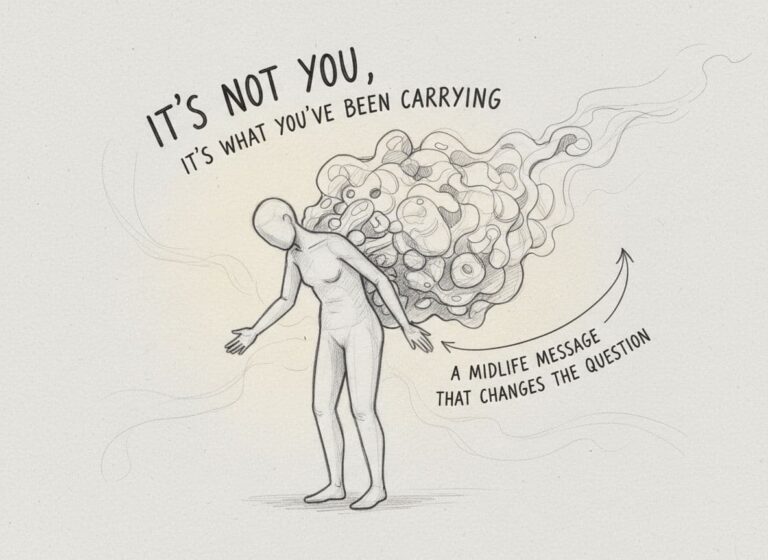
There is a stubborn myth that healing should be done privately and that needing other people is a sign of weakness. The opposite is true. Isolation is where betrayal does its deepest damage, replaying the same loops with no outside voice to interrupt them. A support system is not a luxury reserved for people who are falling apart. It is a basic part of how humans recover from anything hard, and reaching for it is a sign of wisdom rather than fragility. The women who move through betrayal best are almost never the ones who white-knuckle it alone.
Your circle does not have to be large to be powerful. It might be two friends who answer the phone at odd hours, a sister who reminds you who you were before, a community of women who have walked the same road and can tell you honestly that it gets lighter. It might also include a professional, and there is no shame in that. Talking to a licensed therapist or counselor can give you tools and perspective that even the most loving friend cannot, and seeking that kind of support is a strong, ordinary thing to do when you have the means and the need. Choosing the right people matters, because the goal is not an audience for your pain but companions for your recovery.
Lean on the ones who help you stand taller rather than the ones who only want to keep the outrage burning. Anger has its season and it is valid, but a support system worth having eventually points you back toward your own life rather than keeping you camped in the wreckage of someone else’s choices. Let the people who love you carry the weight you cannot lift on your own. That is what they are there for, and accepting their help is part of believing you are worth helping.
You Are Already the Author of What Happens Next
Here is what the most memorable response to that very public scandal quietly demonstrated, and what every woman can take from it without ever watching a single episode. The person who chose deception got to decide one chapter of the story. They did not get to decide the whole book. The most powerful move after betrayal is not a clever revenge or a perfect comeback for an audience. It is the unglamorous, daily decision to keep living a full life on your own terms, to laugh again, to take up space, to trust your own judgment and protect your own peace.
Self-worth is not something you have to win back from the person who damaged it, because they never actually owned it in the first place. It was always yours, even in the weeks when it felt buried under shame and confusion. You reclaim it by drawing clear boundaries, by tending the relationships that nourish you, by treating your body and your spirit with respect, and by refusing the story that says someone else’s choices defined your value. Those are not grand gestures. They are small, repeatable acts that add up to a life that belongs entirely to you. You are not waiting for the next chapter to be handed to you. You are already holding the pen.