Tag: plus size travel

  • How to Plan a Stress-Free Disneyland Paris Trip – The Curvy Traveler’s Complete Guide

    How to Plan a Stress-Free Disneyland Paris Trip – The Curvy Traveler’s Complete Guide

    The first time the castle comes into view, framed by a wide cobblestone esplanade and the smell of warm sugar drifting from a churro cart, something in your shoulders drops. You came here to feel wonder, not to spend the day scanning lap bars and bench widths, doing quiet math about whether the next ride will fit. That second worry is real, and pretending it is not helps no one. The good news is that almost all of it can be planned away before you ever board the train to Marne-la-Vallee, the town about 20 miles east of central Paris where the resort lives. A little homework up front buys you a lot of ease once you are there, and ease is the whole point.

    This guide walks through the practical, body-aware parts of a Disneyland Paris trip: when to go, what to wear, which rides tend to be generous and which tend to be tight, how to eat well, where to save, and how to keep your head in a good place. Treat every specific number here as a starting estimate and confirm it with the official park accessibility pages or a cast member on the day, because details shift between seasons and refurbishments.

    Getting the Lay of the Land Before You Book

    Getting the Lay of the Land Before You Book

    Disneyland Paris is two parks sitting side by side, sharing one entrance plaza. The first, Disneyland Park, opened in 1992 and is the classic one: Sleeping Beauty Castle at the heart, five themed lands radiating outward, parades and fireworks and the rides most people picture when they imagine Disney. The second park spent years as Walt Disney Studios Park and was reimagined and renamed Disney Adventure World in spring 2026, gaining a Frozen-themed area built around Arendelle along with a new promenade of attractions. Most visitors split their time across both, and a multi-day ticket that lets you hop between them is the relaxed way to do it.

    Booking tickets online in advance is almost always cheaper than buying at the gate, and on busy days the park can sell out entirely, so a pre-booked ticket also guarantees you get in. The resort uses dynamic pricing now, which works in your favor as a planning signal: lower ticket prices usually line up with quieter days, while the steepest prices flag the most crowded dates. If your goal is calm over chaos, follow the cheaper dates.

    On timing, the quieter stretches tend to be the low-season window roughly from early November through March, setting aside the Halloween tail and the Christmas holidays, which draw big crowds despite the cold. Mid-January, early February, and midweek days in September are reliably gentle. Tuesdays and Thursdays generally run lighter than weekends. Quieter days mean shorter queues, which matters more than you might think when you are plus-size: less time standing on hard pavement, fewer narrow turnstiles to negotiate in a hurry, and more breathing room to ask a cast member a question without a line building behind you.

    Packing and Dressing for a Long, Comfortable Day

    Packing and Dressing for a Long, Comfortable Day

    A Disneyland Paris day is a walking day. People routinely clock the equivalent of a long hike across the two parks without noticing until their feet stage a protest at dinner. The single best thing you can do for your body here is sort out your shoes weeks ahead. Choose genuinely broken-in, supportive walking shoes or trainers, the pair you already trust on long days, not a fresh box of cute sandals bought for the trip. Pack a spare pair of socks in your day bag so you can swap to dry feet after an afternoon rain shower or a splashy boat ride.

    Chafing is the other quiet saboteur of a good day, and the fix is simple. Anti-chafing shorts worn under dresses and skirts, or a glide balm on the inner thigh and underarm, will keep a hot, humid afternoon from turning into a sore evening. Pack them even if you are not sure you need them, because the parks are warm in summer and you will be moving constantly.

    Dress in layers you can shed and stash. Paris weather swings, mornings can be cool and afternoons warm, and indoor queues can get stuffy. A packable layer or light jacket that crushes into your bag covers all of that without committing you to carrying a coat all day. Build your outfit around forgiving, breathable fabrics with a bit of stretch, the kind that move when you sit, climb into a ride vehicle, and bend over a stroller. A small crossbody or backpack keeps your hands free for the turnstiles and ride bars, and many attractions ask you to secure loose items anyway. Round it out with a refillable water bottle, sunscreen, any medication you need on a schedule, and a portable charger for the app you will lean on all day.

    Rides, Restraints, and Honest Seating Talk
    Rides, Restraints, and Honest Seating Talk

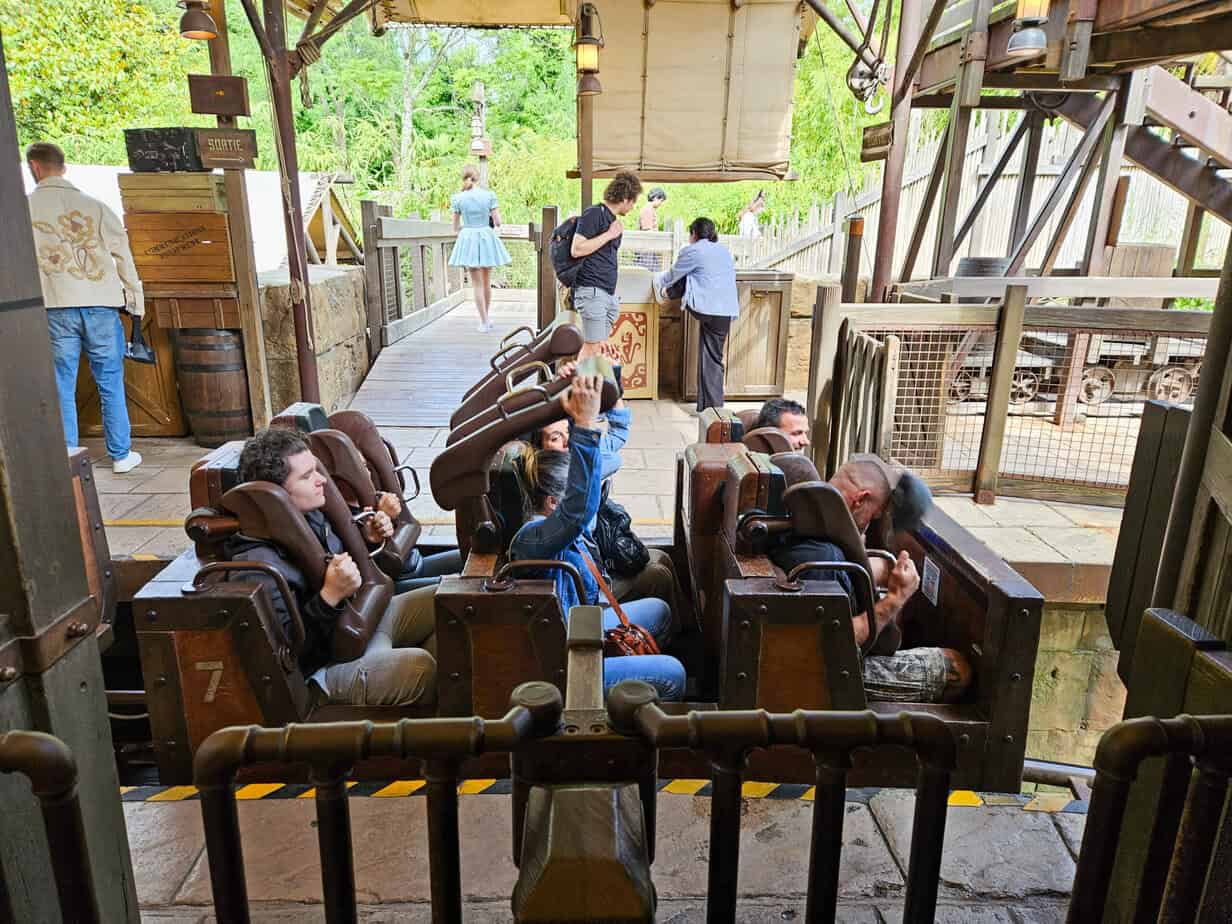
    Here is the part that gets whispered about and rarely written plainly, so let us be plain. Disneyland Paris does not publish official weight limits on its rides. What varies is the seat width, the leg room, and crucially the restraint design, and those vary a lot from attraction to attraction. None of this is a verdict on your body. It is engineering, and engineering can be scouted in advance.

    In general terms, gentler dark rides and boat-style attractions tend to be the most accommodating, with bench seats, generous leg room, and simple lap belts or no individual restraint at all. Anything described as a boat ride, a slow indoor tour, or a wide-bench experience is usually a comfortable bet. Rides built around individual bucket seats with a single seatbelt also tend to work well across a range of body types, because a belt has more give than a rigid bar.

    The tighter fits, by widespread first-hand accounts, are the faster coasters with low lap bars or restraints that come down across the stomach and lock to a fixed position. Restraints that sit low across the midsection are the ones most likely to be snug, because there is no adjustment once they reach their stop. A few of the resort’s signature thrill coasters fall into this category. This does not automatically mean they will not fit you, only that they are worth scouting before you commit to a 40-minute queue.

    Scouting is the whole strategy, and it is easy. Before you join any line you are unsure about, find a cast member at the entrance and ask plainly whether you can see a sample restraint or test seat. Many attractions keep a test vehicle or a sample lap bar right at the front for exactly this purpose, and using it is completely routine. Cast members are trained to handle this discreetly and kindly, and they would far rather help you check at the entrance than have you reach the front and turn back. If a ride does not work out, ask whether there is an alternate boarding option or accommodation. The exact mechanics of restraints, the location of test seats, and any accessibility arrangements change with refurbishments, so treat all of the above as a guide and confirm the current setup with the park’s accessibility information and the cast member in front of you.

    One more practical note: the queue turnstiles themselves are narrow at several attractions, narrower than the ride seats in some cases. There is almost always an accessible gate beside them, and a cast member will open it for you without fuss. You do not need to justify it. Just ask.

    Eating Well Without the Stress or the Splurge
    Eating Well Without the Stress or the Splurge

    Food at a destination resort is priced like a destination resort, and that is the honest truth. Counter-service meals, table-service restaurants, and the snack carts all carry a premium over what you would pay in the city. Budget for it as part of the trip rather than being surprised by it, and treat the exact prices as estimates that move with the season and the venue.

    A few habits keep both your wallet and your comfort in good shape. If you are staying in or near Paris and commuting in, eating a proper breakfast before you arrive and saving the bigger, nicer meal for the city in the evening can meaningfully cut your in-park spend. Inside the parks, table-service restaurants are worth at least one booking on your trip, not only for the food but for the chair. Sit-down dining gives you a real seat, a break from the pavement, and a half-hour of air conditioning or shade, which is restorative in the middle of a long day. If you want a specific restaurant, reserve it in advance, because the popular ones fill up.

    Carry a few snacks and that refillable water bottle. Hydration and a steady blood-sugar level do more for your mood and stamina than any single attraction, and they keep you from making a tired, expensive decision at the nearest cart at the exact moment you are most worn down. Look for seating with a bit of space and standard chairs rather than fixed booths when you can, and do not hesitate to ask a host to seat you somewhere that suits you. That is a normal request.

    Spending Smart on Tickets and Line-Skipping
    Spending Smart on Tickets and Line-Skipping

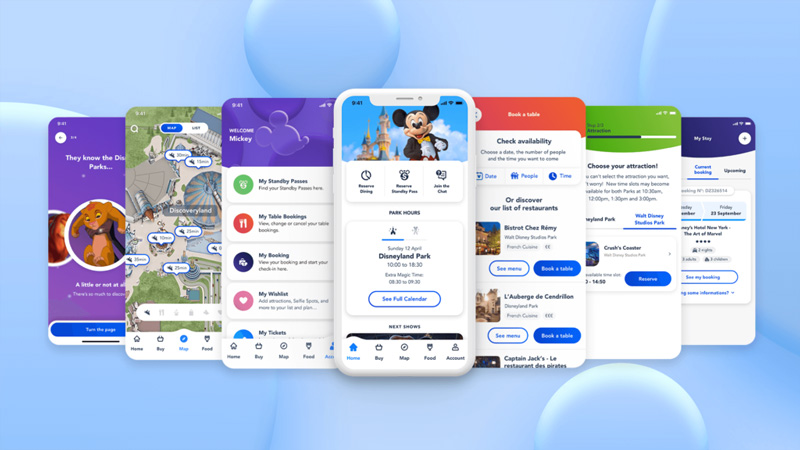
    Beyond booking tickets early and chasing the cheaper dynamic-pricing dates, the biggest spend question is the resort’s paid line-skip service, Premier Access. It lets you reserve a shorter-queue slot at popular attractions through the app, and it comes in two broad shapes: buying access to a single ride at a time, and buying a daily bundle that covers the headline attractions. As an estimate, single-ride access tends to land somewhere in the single-digit to high-teens euros per person per ride, while the all-in daily bundle runs much higher, into the triple digits per person on busy days. Confirm current pricing in the app on the day, because it moves with demand.

    Whether it is worth it depends entirely on your day. On a quiet off-season Tuesday, you may never need it. On a packed summer or holiday date, or if you only have a single day to see everything, paying to skip the longest queues can be the difference between a frantic day and a pleasant one. For most people the smart play is to skip the pricey daily bundle and instead buy single-ride access only for the two or three attractions you most want to do when their standby lines get ugly. Buying as you go, rather than committing up front, keeps you flexible.

    There is a comfort angle here too. Standing in a long, slow-moving outdoor queue is the least pleasant part of any park day for a curvy traveler, hard on the feet, the back, and the patience. Spending a little to shorten the worst lines is partly a money decision and partly a kindness to your body. Weigh it that way.

    Carrying Your Confidence Through the Gates

    The logistics matter, but the mindset matters just as much, so do not skip this part. You belong in these parks exactly as you are, and the overwhelming majority of cast members are genuinely warm and quick to help when you ask. The handful of moments that might sting, a snug restraint, a turnstile that needs the side gate, a chair that is not quite right, are problems with the furniture and the engineering, not with you. Plan for them, solve them matter-of-factly, and let them go.

    Build your day so your body is set up to win. Arrive early before the crowds and the heat, around 45 minutes before the official opening if you can manage it, and do the must-do rides first while the lines are short and your energy is high. Plan deliberate sit-down breaks across the day, a table-service lunch, a shaded bench during a parade, a quiet indoor show, so you are pacing a marathon rather than sprinting until you crash. Wear the comfortable shoes, pack the anti-chafing shorts, carry the water, and keep that packable layer in the bag. Take the photos in front of the castle without ducking out of frame, because you came a long way to be here.

    Disneyland Paris rewards the traveler who scouts ahead and asks for what they need. Do that quiet preparation, and what is left is the part you actually came for: the castle catching the late light, the first drop of a ride you were brave enough to check and board, and a churro that tastes better than it has any right to.

    Sources: Disneyland Paris (Wikipedia), Walt Disney Studios Park / Disney Adventure World (Wikipedia), Plus Size Disneyland Paris guide (First Step Europe), Is Disneyland Paris Plus Size Friendly? (Most Magical Guides), Disneyland Paris Premier Access 2026 (KKday), When to Visit Disneyland Paris (DLP Tips)
  • Flying While Curvy – The Complete Guide to Comfortable, Stress-Free Air Travel for Plus-Size Women

    Flying While Curvy – The Complete Guide to Comfortable, Stress-Free Air Travel for Plus-Size Women

    Boarding a plane should feel like the start of something good – a beach, a reunion, a city you have been dreaming about. For a lot of curvy women, though, the airport carries a low hum of dread that has nothing to do with turbulence and everything to do with armrests, seatbelts, and the fear of a side-eye from a stranger in 14B. That dread is not yours to carry. The seats are too narrow, the policies are inconsistent, and the industry has been slow to catch up to the bodies it actually serves. None of that is a personal failing. With the right information and a little planning, you can walk through that jet bridge knowing exactly what to expect, what your rights are, and how to make the whole experience genuinely comfortable.

    What follows is the practical, dignity-first playbook: real airline policies, verified as of mid-2026, with the caveat that these rules shift often, so always confirm before you book.

    The seatbelt extender question (and the FAA rule)

    Let’s clear up the single most misunderstood part of plus-size flying first, because it trips up even seasoned travelers. You cannot bring your own seatbelt extender onto a U.S. commercial flight. People buy them online all the time, see the “FAA approved” label, and assume they are set. They are not. The Federal Aviation Administration treats a seatbelt extender as part of the aircraft seat itself, which means it has to be inspected and maintained under the airline’s FAA-accepted Continuous Airworthiness Maintenance Program. A personal extender, no matter what its packaging claims, has never been inspected under that program, so crew are instructed not to allow it.

    Here is the good news that the worry usually drowns out: airlines are required to provide extenders free of charge, and they keep them stocked. You do not pay for one, you do not pre-order one in most cases, and you do not owe anyone an explanation. When you board, quietly tell the flight attendant at the door, “I’d like a seatbelt extender, please.” That is the entire transaction. They hand it to you, often folded discreetly, and you buckle in like everyone else. Cabin crew handle this request constantly and think nothing of it.

    A couple of practical notes. Different aircraft use slightly different extenders, so the one you used on your outbound flight may not be the one offered on the way home, and an extender you kept from a previous trip will not be accepted. Ask fresh each time. If you would rather not flag down a busy attendant in the aisle, mention it as you step through the cabin door, when crew are stationed right there and the moment is private. Owning the request, calmly and early, takes all the heat out of it.

    Choosing your seat strategically

    Choosing your seat strategically

    Where you sit shapes the entire flight, and a few smart choices make a real difference. The window seat is the quiet favorite for many curvy travelers. You get a wall to lean into instead of an aisle full of passing carts and elbows, you control the shade, and you are not the one being climbed over. The trade-off is asking to get up for the restroom, so weigh that against your own comfort. The aisle seat suits anyone who wants to stand, stretch, or move freely without disturbing a seatmate, and it gives one hip a few extra inches of breathing room into the aisle, though watch for the beverage cart.

    The middle seat is the one to avoid when you can, and most of the time you can. Bulkhead rows (the front row of a cabin section) sometimes offer a touch more room and no seat reclining into your knees, but the armrests there are often fixed because the tray tables fold into them, which can mean less width, so read seat maps carefully. Exit rows promise extra legroom, but crew may relocate anyone who cannot fasten the standard belt without an extender, since exit-row passengers must meet specific safety requirements. Legroom is not the same as seat width, so do not let the legroom hype override the fit question.

    A tool worth bookmarking is SeatGuru, which maps the actual seat dimensions and quirks of specific aircraft. Seat width varies more than people realize, often between 17 and 18.5 inches in economy, and a single inch is the difference between a tense flight and an easy one. Book your seat assignment as early as you can, ideally the moment you purchase the ticket. If two of you are traveling together, booking the window and aisle of a three-seat row is a known trick: middle seats fill last, so you may end up with an empty buffer between you, and even if someone takes it, you are flanking them rather than being flanked.

    The airline ‘customer of size’ policies, compared (verified)

    The airline 'customer of size' policies, compared (verified)

    This is where careful research pays off, because no two airlines handle plus-size passengers the same way, and several changed their rules within the past year. Confirm directly with the carrier before you book, since these policies move quickly.

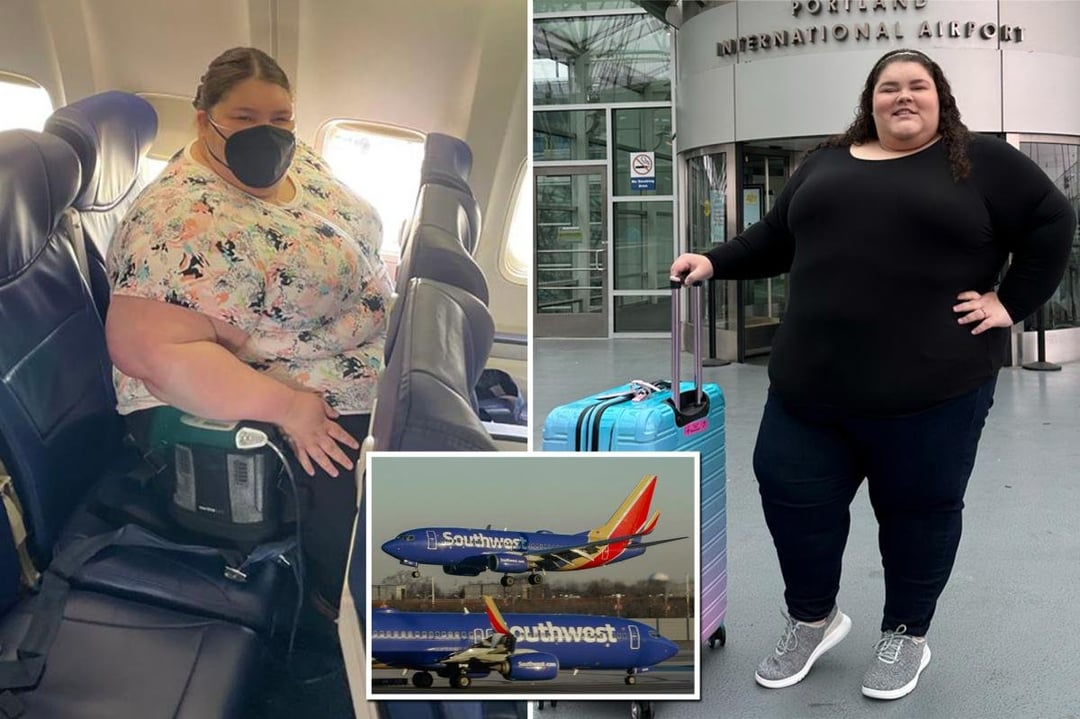
    Southwest remains the most generous of the major U.S. carriers, and that matters because the airline briefly tightened its rules in early 2026 before reversing course. As of late May 2026, a customer who needs extra space is not required to buy a second seat in advance. You can request a complimentary additional seat at the gate when space allows, or buy one ahead and apply for a refund afterward. That refund still stands under specific conditions: the flight cannot be sold out, the seats must be in the same fare class, and you must request the refund within 90 days of travel. One catch worth knowing – if any leg of your trip is flown by a partner airline rather than Southwest itself, the extra seat is non-refundable. If no additional seat is available on your flight, Southwest works to move you to a later one with room.

    Alaska Airlines has a clear, fair policy. If you cannot comfortably lower both armrests around you, you purchase a second seat at the same fare as your first. The reassuring part is the refund: if every leg of your journey departs with at least one empty seat on board, you get the cost of that second seat back. You contact the airline shortly after you fly to request it. The refund is reserved for passengers who genuinely need the space, not for anyone simply wanting an empty seat next to them.

    American Airlines asks passengers who need a seatbelt extension plus extra space beyond a single seat to buy an additional seat. You book it by calling Reservations rather than online, and the agent secures two adjacent seats at the same fare. If they can only seat you in a higher class of service, you may owe the fare difference. American does not advertise the same automatic post-trip refund that Southwest and Alaska offer, so treat the second seat as a planned cost and confirm any reimbursement options with the airline directly when you call.

    Delta takes a notably relaxed stance. Delta does not require you to buy an extra seat for needing a seatbelt extender, provided two things are true: the airline’s extender lets you buckle in safely, and you can keep both armrests down for the flight. The airline’s stated concern is safety and not significantly encroaching on a neighbor’s space. If a genuine space conflict arises onboard, crew may move you to a roomier spot or, in some cases, ask you to take a later flight with more open seats. Delta has no formal customer-of-size refund program because it generally does not require the second purchase in the first place.

    United Airlines requires an extra seat for any economy passenger who cannot fit in a single seat with the armrests down, or who needs more than one seatbelt extender. You can buy the second seat in advance, and if you do not, you may be asked to purchase it on the day of departure at that day’s fare, which is often higher. United also offers an alternative many travelers overlook: instead of a second economy seat, you can book or upgrade to a premium cabin, where the seats are wider. For some itineraries the math on a single wider seat works out better than two narrow ones.

    The honest summary: Delta is the most forgiving if an extender and both armrests work for you, Southwest and Alaska are the friendliest on refunds, and American and United expect more advance planning. Verify on the carrier’s own site before paying.

    What to wear to fly comfortable

    What to wear to fly comfortable

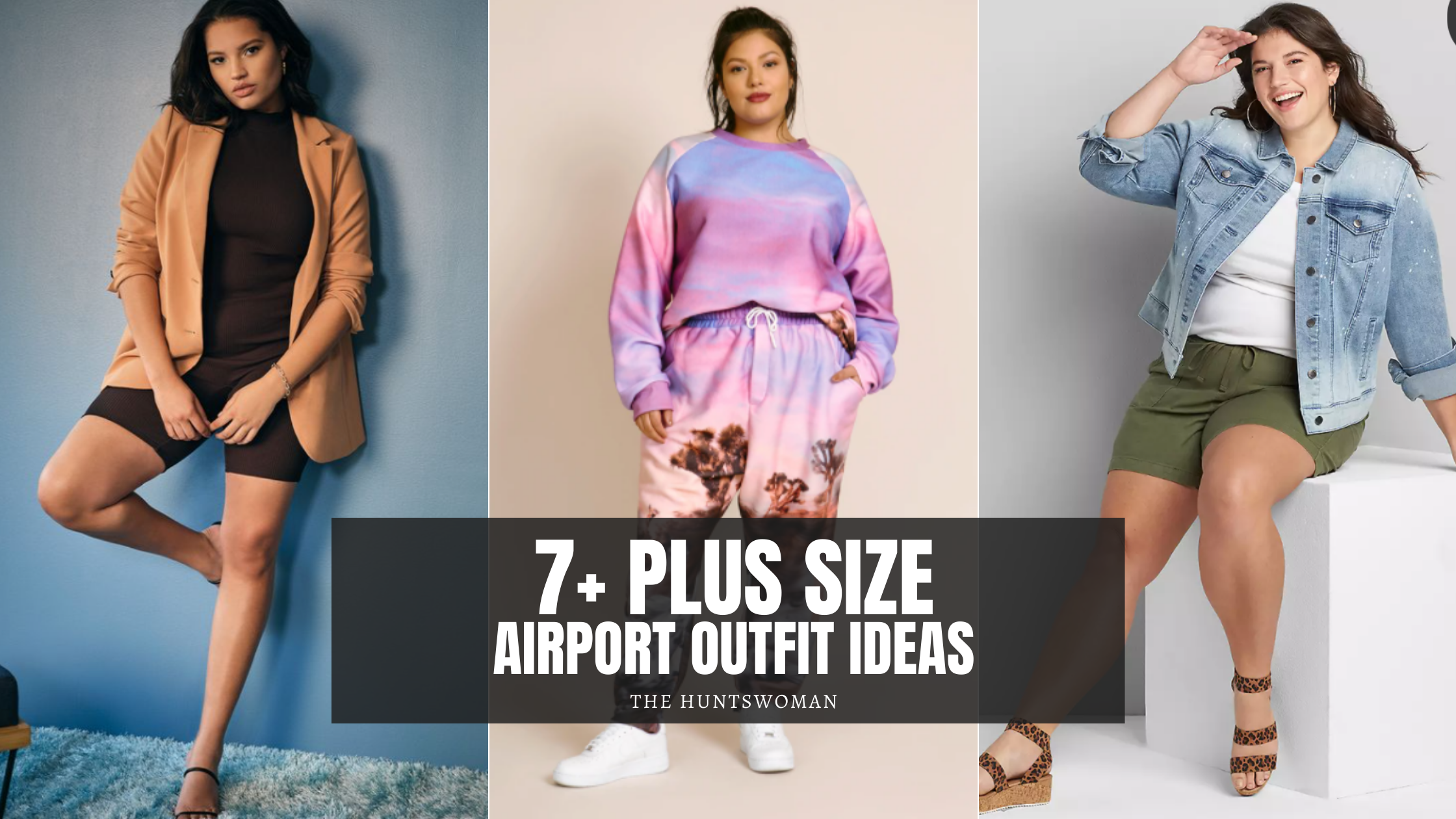
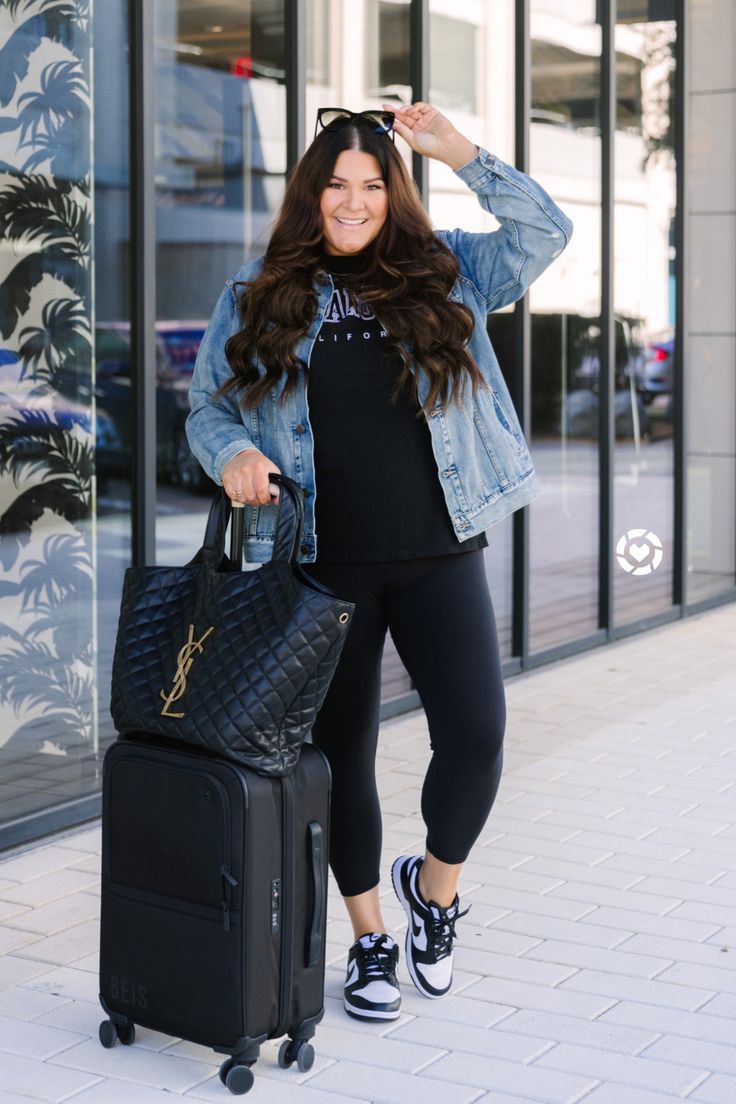
    Clothing is your first comfort tool, and the cabin gives you two competing problems to dress for: long stretches of sitting and a temperature that swings from stuffy at the gate to chilly at altitude. Layering solves both. A soft, breathable base layer under a cardigan, zip hoodie, or wrap means you can adjust without packing a suitcase of options. Natural fibers and good stretch blends move with you and breathe better than stiff synthetics that trap heat.

    Reach for fabrics with give. A ponte knit dress, wide-leg trousers with an elastic or drawstring waist, or your most trusted leggings paired with a longer tunic all let you settle in without a waistband digging in after hour two. Avoid anything with hardware that presses against you when you sit, like thick belts, stiff zippers along the hip, or rigid seams across the belly. Slip-on shoes or sneakers you can loosen are kinder than anything you have to wrestle with at security, and feet swell at altitude, so a half-size of breathing room helps. Bring a pair of grippy socks for padding around the cabin if you like to slip your shoes off. A large, soft scarf doubles as a blanket, a pillow, or a privacy layer, and weighs almost nothing. Dressing for the body you have on the day you fly, in pieces that already feel good, is the whole strategy.

    What to pack

    What to pack

    Pack for comfort first and you will thank yourself somewhere over the ocean. Hydration is the quiet hero of any flight, since cabin air is famously dry, so bring an empty refillable bottle through security and fill it at a fountain past the checkpoint. Snacks you actually enjoy and that travel well, like nuts, protein bars, or fruit, spare you from depending on a cart that may never reach the back rows or stock anything you want.

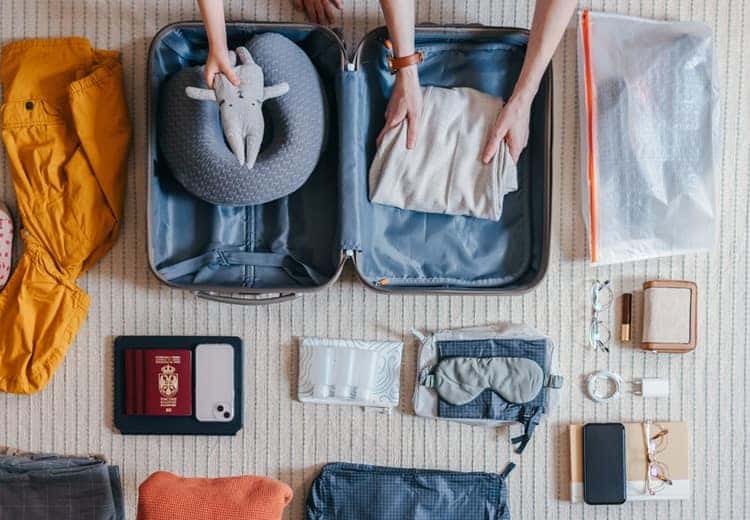
    Compression socks are worth considering for any flight over a couple of hours, since sitting still raises the risk of swelling and circulation issues for everyone, not just plus-size flyers. They are optional and a personal call, not a requirement, so choose what feels right for your body. A small comfort kit earns its space in your carry-on: lip balm and hand lotion for the dry air, any medications in their original packaging, a phone charger and a battery pack, noise-cancelling headphones or earplugs, an eye mask, and a neck pillow if you sleep upright. Keep a light wrap or shawl on top for the inevitable cabin chill. Stash a refresh pouch with wipes, deodorant, and a toothbrush for long-haul mornings. If you use any personal comfort items for sitting, a seat cushion or a small lumbar support, those are entirely allowed and nobody’s business but yours. Packing with intention turns a cramped few hours into a manageable, even pleasant, stretch of your trip.

    Navigating the airport with confidence

    Navigating the airport with confidence

    The terminal can feel like an obstacle course, so give yourself the gift of time. Arriving early erases the frantic, sweaty dash that makes everything harder, and it means you can move at your own pace through check-in, security, and the long walk to the gate. Wear or pack those slip-on shoes for the security line, where you will move faster and with less fuss. Consider TSA PreCheck if you fly even a few times a year, since it lets you keep your shoes on and skip the most cramped part of the screening process.

    Airports are large, and gates can be a serious walk apart. There is zero shame in using the moving walkways, requesting wheelchair or cart assistance if a long concourse is hard on your body, or pausing on a bench to catch your breath. Assistance is a service the airport provides on purpose, and using it is smart, not weak. Once through security, find a comfortable spot to settle rather than hovering in the crush. When boarding opens, you are entitled to ask the gate agent about your seat or confirm an empty adjacent seat. Approach the desk with a calm, matter-of-fact tone, because you belong there as much as anyone holding a boarding pass.

    If anxiety creeps in, name it for what it is – a response to an environment built without your comfort in mind, not a verdict on you. Slow your breath, ground yourself with a familiar playlist queued up before you board, and remember that most fellow passengers are absorbed in their own travel and not watching you at all. Should you ever encounter rudeness, you owe no one a performance of apology for the space your body occupies. A neutral “excuse me” and a steady posture handle nearly every awkward moment, and a quiet word with a flight attendant resolves most discomforts faster than you would expect.

    Booking your next trip with your shoulders down

    Comfort in the air comes down to a handful of moves you now have in hand: ask for the free extender at the door, book your window or aisle seat the moment you buy the ticket, check the seat width on SeatGuru before you commit, and read the customer-of-size policy of whichever airline you are flying. Pack the water bottle, the snacks, the soft layers, and arrive with time to spare. Pick the carrier whose rules fit your needs – Delta if an extender and armrests work for you, Southwest or Alaska if you want a second seat with a real shot at a refund. Save this list to your phone and pull it up the next time you book. The window seat is yours, the snacks are packed, and the destination is waiting.