Tag: confidence

  • Sophie Cunningham and the New Language of Confidence in Women’s Basketball

    Sophie Cunningham and the New Language of Confidence in Women’s Basketball

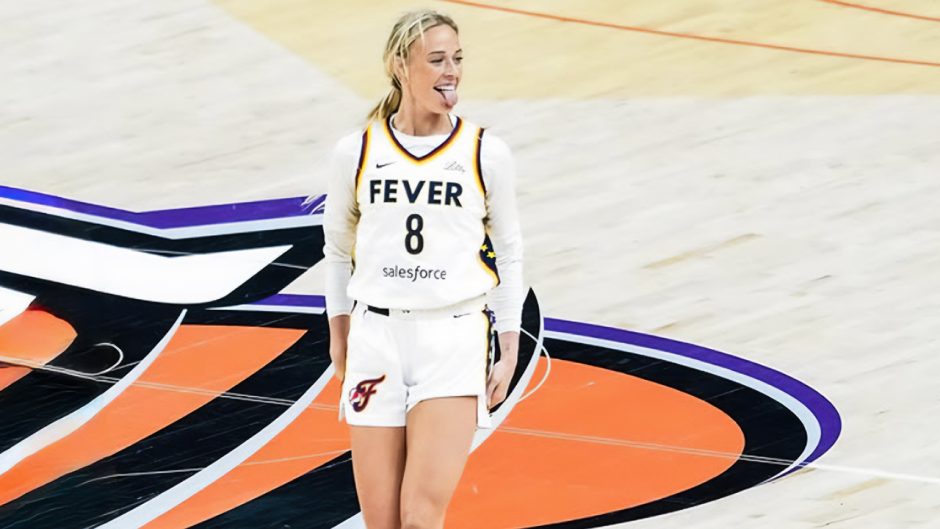
    Twenty-two seconds is not a long time. It is barely the length of a held breath, a song’s bridge, the gap between a free throw and the next play. But when a Phoenix arena camera locked onto a Fever guard standing dead still, finger raised, gaze fixed across the court at a former teammate, those twenty-two seconds turned into one of the most replayed moments of the 2025 WNBA season. The internet did what the internet does. The clip looped, captions multiplied, and a player already known for her edge became, almost overnight, a meme that millions of people recognized on sight.

    The woman at the center of all that noise is Sophie Cunningham, and the more interesting story is not the staredown itself. It is what she has done with the attention since: turned a reputation for fearlessness on the court into a broader, louder conversation about presence, self-expression, and what it looks like when a woman in sport decides she has nothing to shrink for.

    The staredown, aimed at her former Phoenix teammate DeWanna Bonner, was not even the first time Cunningham had become a viral character that season. By the time the clip spread, she had already been crowned an unlikely folk hero by a swelling fan base, the kind of player whose name trends for reasons that have little to do with a stat line. That is a strange and telling thing to happen to a role player. It usually happens to scorers and superstars. It happened to her because of who she is, not what she averages, and the distinction is the whole point of her story.

    A Black Belt at Six and a Football Helmet by Sixteen
    A Black Belt at Six and a Football Helmet by Sixteen

    Cunningham was born in Columbia, Missouri, in August 1996, into a family that took athletics seriously enough that both her parents had been student athletes at the University of Missouri. The competitiveness was not a phase she grew into. It was the water she swam in from the start.

    The detail that captures her best comes from childhood. By the age of six, she had earned a black belt in taekwondo, trained by her own parents, who reportedly first gave her lessons as something of a joke. The joke did not last. By high school at Rock Bridge in Columbia, she was starring in basketball and volleyball, and when the football team lost its kicker to a torn ACL, she pulled on a helmet and went two for four on field goal attempts. A girl kicking field goals for the boys’ varsity squad in the mid-2010s was not a stunt. It was simply Cunningham seeing a gap and stepping into it.

    That instinct, the willingness to occupy a space nobody had reserved for her, is the throughline of everything that came later. It is also why “confidence” is the wrong word for what she has. Confidence implies a performance, a posture you put on. What Cunningham seems to carry is something steadier and older, the assumption that she belongs wherever she stands.

    From Missouri’s All-Time Scorer to the League’s Most Talked-About Role Player
    From Missouri's All-Time Scorer to the League's Most Talked-About Role Player

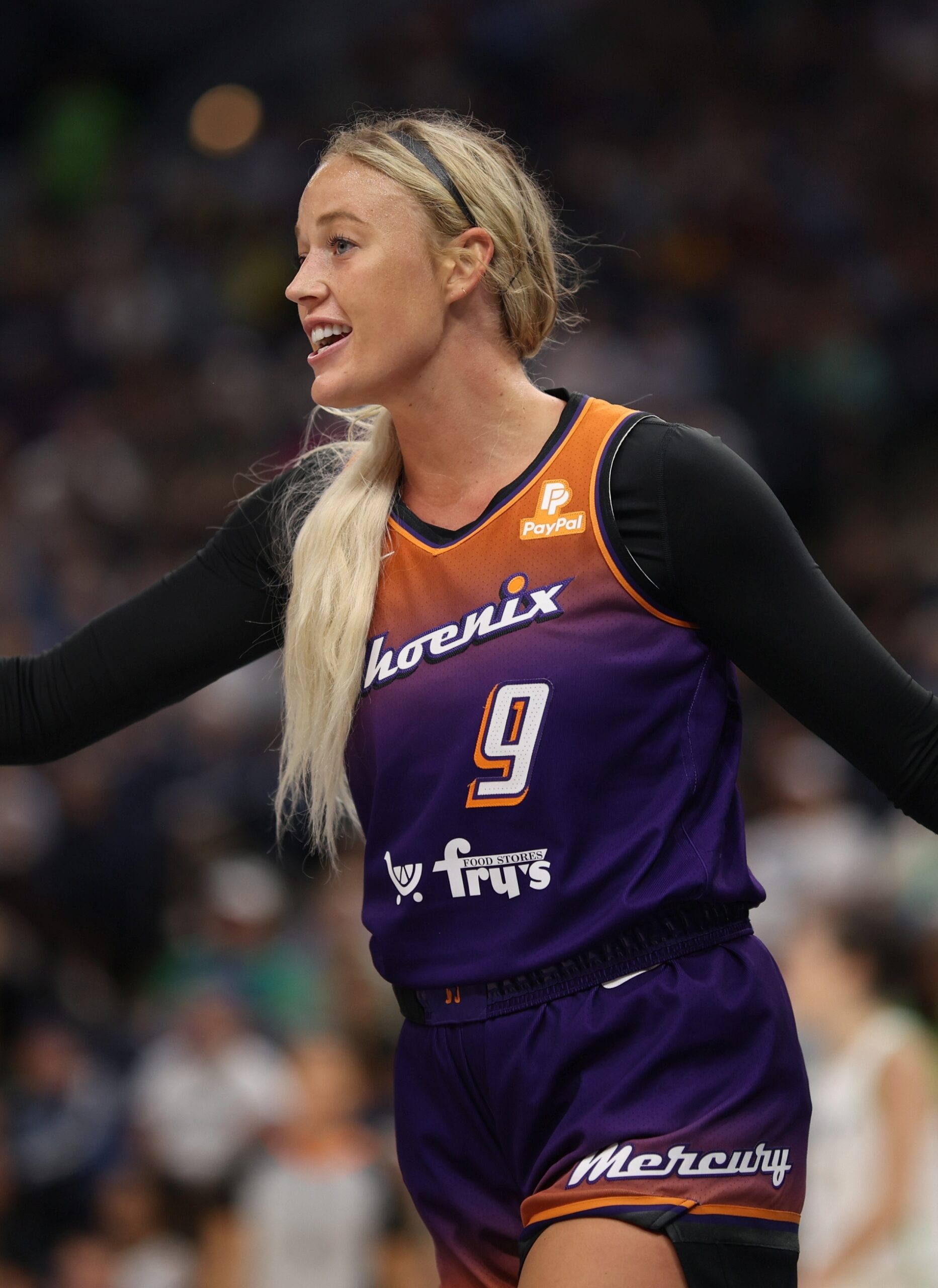
    The numbers from her college years are not small. Across 129 career starts for the Missouri Tigers, Cunningham averaged 17.0 points, 5.4 rebounds, and 3.0 assists a game, finishing as a cornerstone of the program and a three-time first-team All-SEC selection. When the 2019 WNBA Draft arrived, the Phoenix Mercury selected her with the 13th overall pick, the first choice of the second round, making her the highest-drafted player in Missouri program history at the time.

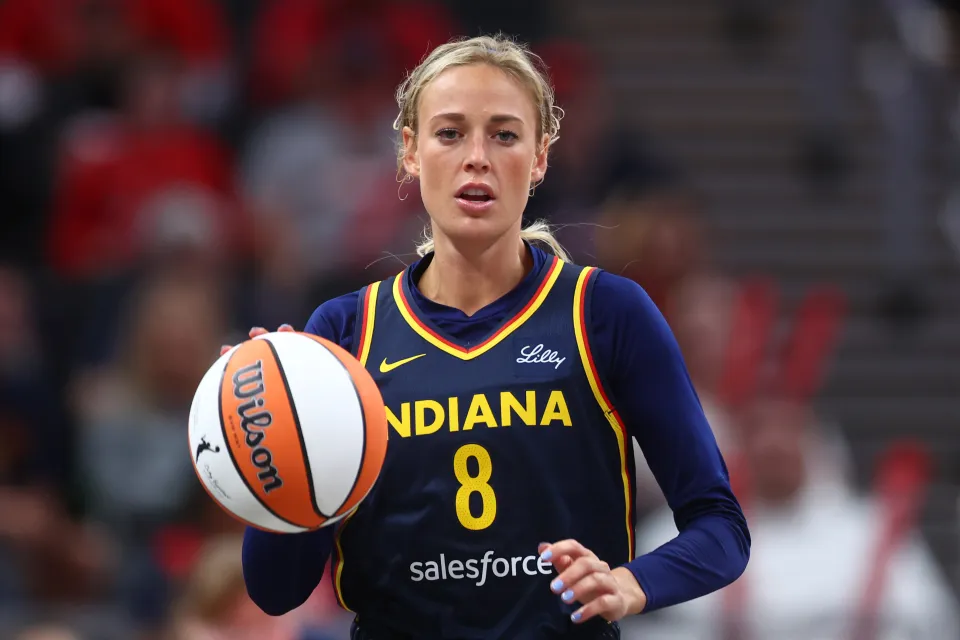
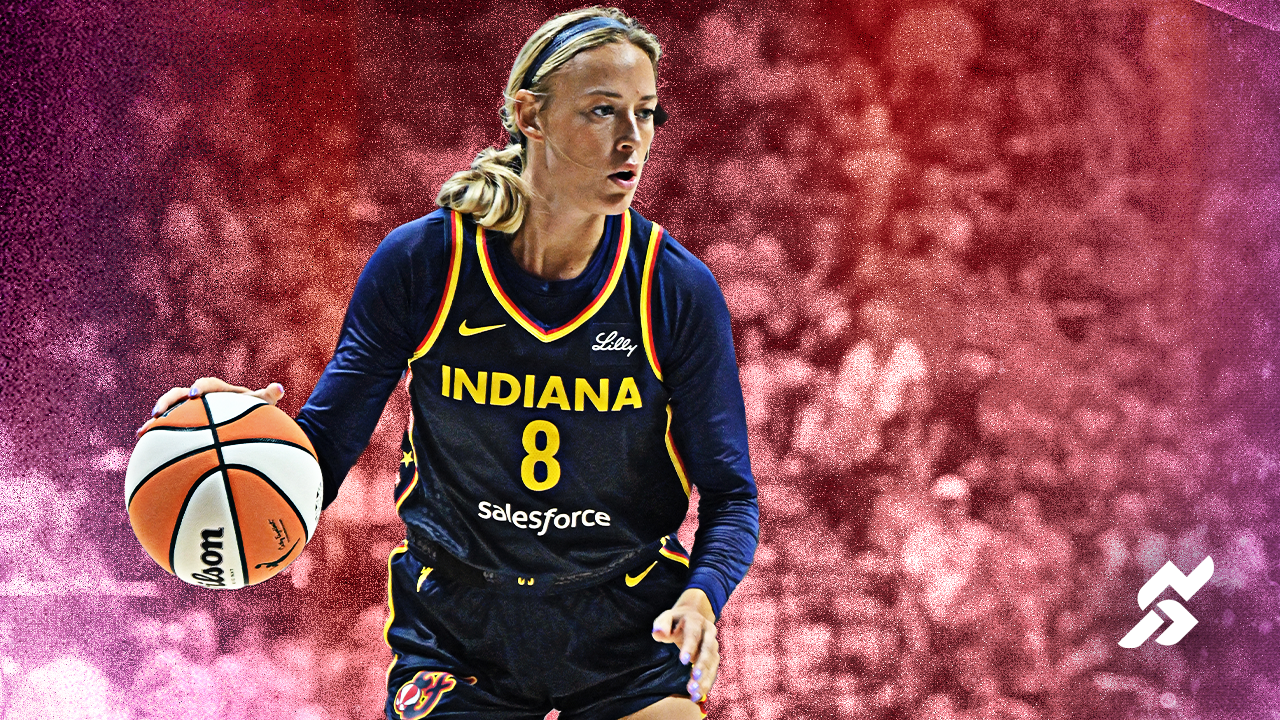
    For six seasons in Phoenix, she built a reputation as a tough, capable guard with a reliable outside shot and a refusal to back down from anyone. Her best statistical year came in 2022, when she averaged 12.6 points across 28 games. Then, on the last day of January 2025, a four-team trade sent her to the Indiana Fever, the franchise that had become the center of gravity for the entire league. Landing in Indiana put her on the brightest stage women’s basketball had to offer, alongside a young roster the whole country was suddenly watching, and she did not waste the spotlight by playing small.

    Her first season in Indiana was, by the raw numbers, a solid supporting role. Through 30 regular-season games she averaged 8.6 points, 3.5 rebounds, and a steal a night while shooting better than 43 percent from three-point range. The season ended early and painfully. In mid-August, a tangle in the paint left her with a torn MCL in her right knee, and the Fever ruled her out for the rest of the campaign. She confirmed the injury herself, on her own podcast, with the flat honesty that has become her signature. The Fever still captured the 2025 Commissioner’s Cup, and in April 2026 the franchise re-signed her, a vote of confidence in a player whose value to the locker room had outgrown her box score.

    Why “Enforcer” Became a Compliment
    Why

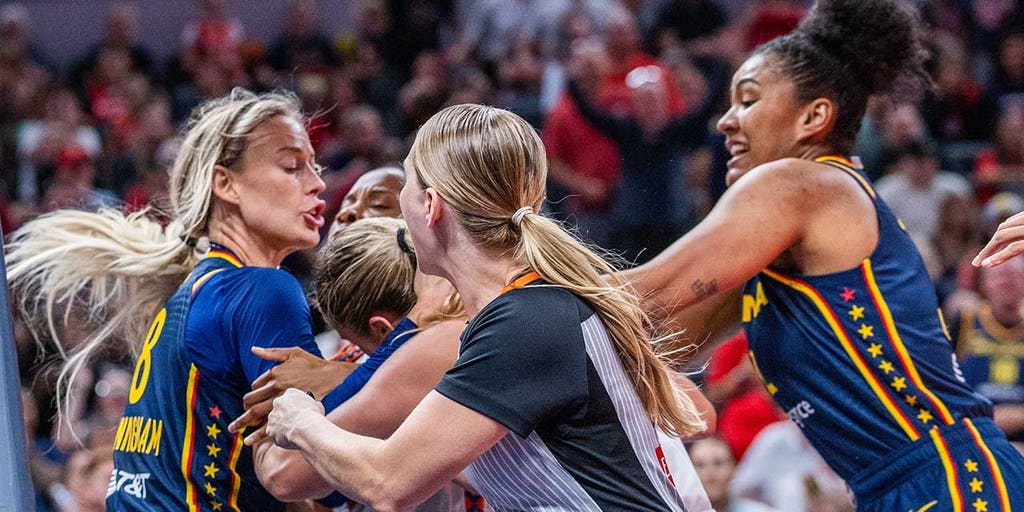
    The label that follows Cunningham now is “enforcer,” and it stuck for a reason. During a June 2025 game against the Connecticut Sun, she was ejected after grabbing an opposing player and pulling her to the ground, retaliation for a poke to the eye that her teammate Caitlin Clark had absorbed earlier in the game. The clip went everywhere. To one set of fans, she was a hothead. To a far larger set, she was the teammate everyone wants, the one who notices when you are being targeted and decides, without a meeting or a memo, to do something about it.

    She has been candid about the frustration underneath it, arguing publicly that officials do too little to protect star players from rough treatment. You can debate the on-court ethics of how she expresses that. What is harder to argue with is the conviction. She is not performing toughness for a camera. She is reacting, in real time, to a sense of fairness she clearly takes personally.

    For a body-positive lens, the enforcer reputation matters more than it might seem. Women in sport are constantly managed into smallness, told to be gracious, to absorb, to not make a scene. Cunningham makes scenes. She takes up room, physically and emotionally, and the audience that has rallied around her is responding to permission as much as to basketball. Watching a woman refuse to be diminished, and watching the world reward her for it instead of punishing her, is its own quiet form of liberation.

    And the world did reward her. In the weeks after the viral incidents, her following climbed, her name attached itself to brand deals, and her podcast became a destination rather than a side project. There is something worth sitting with there. A woman was loudest and most unapologetic, took up the most space and gave the least ground, and the result was not exile but expansion. The market that so often tells women to soften themselves looked at Cunningham doing the opposite and leaned in. That feedback loop, where boldness is met with belonging rather than backlash, is exactly the kind of shift body-positive culture has been arguing for, playing out in real time on a very public court.

    The Same Athlete in a Swimsuit Spread and a Broadcast Booth
    The Same Athlete in a Swimsuit Spread and a Broadcast Booth

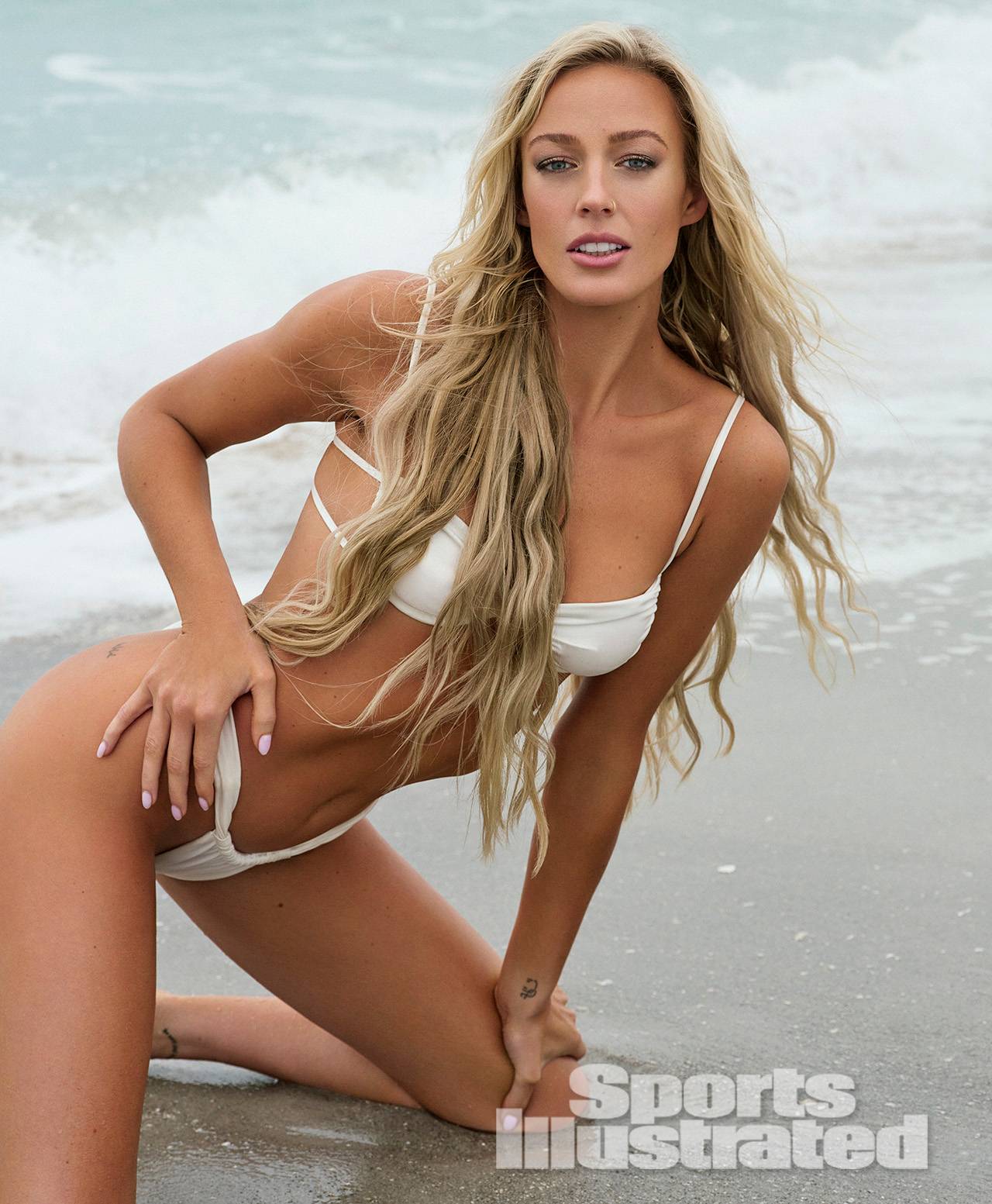
    Here is where Cunningham’s story gets genuinely useful for anyone thinking about self-image. The woman who throws her body into a scrum to protect a teammate is the same woman who, in 2026, made her Sports Illustrated Swimsuit debut, photographed at a Florida resort as one of a small group of athletes featured that year. She announced the shoot, by her own account, on the same day she revealed she was stepping into a WNBA broadcasting role.

    Think about how much that single day carried. A swimsuit feature, long coded as the most traditionally objectifying corner of sports media, and a broadcasting job, which is about authority and voice, announced together by the same person without apology or contradiction. Cunningham did not present one as the “real” her and the other as a compromise. She let both be true at once.

    That refusal to split herself is the body-positive heart of the whole thing. The old script said a woman athlete had to choose a single legible identity. Be the serious competitor or be the glamour figure. Be respected or be desired. Cunningham, with a 6-foot-1 frame built for boxing out under the rim and a comfort in front of a camera that comes from years of analyst work, simply declines the choice. Her body is a tool on the court, a canvas in a photo shoot, and a non-issue in the booth, and she treats all three contexts as equally hers to occupy.

    What keeps this from reading as mere brand management is the consistency of the person underneath. The same woman who credits her steadiness to her faith, who earned a black belt before she could spell taekwondo, who kicked field goals because the team needed a kicker, is the one stepping in front of a swimsuit camera. There is no rebrand, no reinvention, no careful repositioning. It is one continuous self, comfortable in a sports bra under the rim and comfortable in front of a lens, because the comfort was never about the outfit. It was about a relationship with her own body that she appears to have settled a long time ago.

    What the WNBA’s Boom Is Really Selling
    What the WNBA's Boom Is Really Selling

    None of this is happening in a vacuum. The league around Cunningham has been on a tear. The 2025 WNBA season was the most-viewed full season ever on ESPN networks, averaging 1.2 million viewers, while attendance jumped roughly 34 percent year over year to more than three million fans. Those numbers are not just about wins and losses. They reflect a cultural shift in what audiences want from women’s sports, which is to say, more of the whole person.

    For decades, the visibility problem for women’s basketball was framed as a marketing failure. The newer, truer read is that the league was being asked to apologize for the very things that make it compelling. Players have bodies that do extraordinary things and personalities that do not fit neatly into a highlight package. The current boom has coincided, not accidentally, with athletes being allowed to be loud, stylish, funny, opinionated, and physically imposing all at once.

    Cunningham is a near-perfect case study because she is not the league’s leading scorer or its biggest name. She is a role player who became a phenomenon through sheer force of personality, more than 1.5 million Instagram followers, a co-hosted podcast called “Show Me Something,” endorsement deals, and a willingness to be fully visible. The lesson for any reader who has ever been told to tone it down is hard to miss. You do not have to be the best in the room to be the most yourself in it, and being the most yourself is frequently what people remember.

    What Watching Her Actually Teaches the Rest of Us

    Strip away the memes and the swimsuit headlines, and what is left is a fairly radical model of self-acceptance, demonstrated rather than preached. Cunningham, who is openly Christian and has credited her on-court confidence to her faith, does not talk in the polished language of a body-positivity campaign. She just lives in a way that quietly dismantles the rules so many women absorb without ever agreeing to them.

    The rules say: make yourself smaller so others feel comfortable. She makes herself bigger when a teammate needs protecting. The rules say: pick a lane, athlete or beauty, serious or fun. She drives down the middle of all of them. The rules say: a woman’s body in a competitive sport should be efficient and invisible, while a woman’s body in a magazine should be decorative and silent. She lets her body be powerful in one frame and celebrated in the next and refuses to rank the two.

    What women’s basketball is teaching, through players like her, is that confidence in a body is not a feeling you wait to arrive. It is a set of choices you make about how much space to take, how loudly to speak, and how many versions of yourself you are willing to show on the same afternoon. Cunningham keeps choosing the bolder option, and a growing audience keeps choosing to watch. The next time you catch yourself shrinking out of habit, picture twenty-two seconds, a raised finger, and a woman who decided the moment was hers. Then borrow a little of that, and stand exactly where you are.
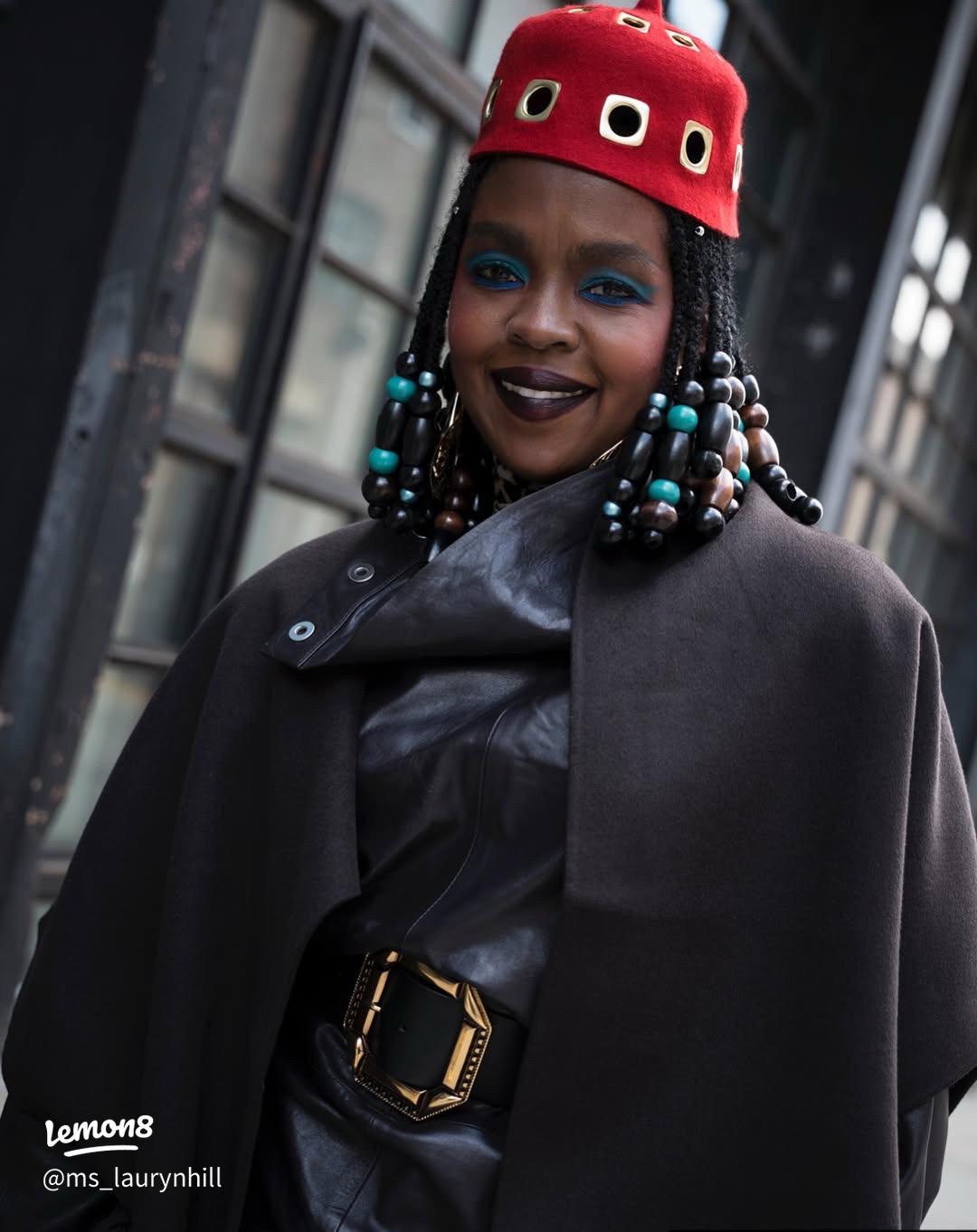
  • Lauryn Hill’s Timeless Style – How the Icon’s Fashion Philosophy Inspires Confident Dressing for Women of Every Size

    Lauryn Hill’s Timeless Style – How the Icon’s Fashion Philosophy Inspires Confident Dressing for Women of Every Size

    Picture a stage in the late nineties, the lights low and gold, and a woman walking out in a slouchy denim jacket, a headwrap the color of marigolds, and a stack of bangles that caught the light every time she lifted the mic. She did not flinch. She did not tug at her clothes or check whether anyone approved. She just stood there, fully herself, and the whole room leaned in. That image of Lauryn Hill has outlived a hundred fashion cycles, and it still has something to teach anyone who has ever stood in front of a closet wondering whether they are allowed to take up space.

    What made her style land was never the price of a single piece. It was the posture behind it. Lauryn dressed like someone who had decided, in advance, that she belonged in every room she entered. For curvy women who have spent years being handed rules about what to hide and what to minimize, that decision is the whole lesson. Her look was an argument, made in fabric, that you get to define your own silhouette. Here is how to translate that argument into a wardrobe that works on a real body, with real brands you can actually find in your size.

    The Headwrap as a Crown, Not a Cover-Up

    The Headwrap as a Crown, Not a Cover-Up

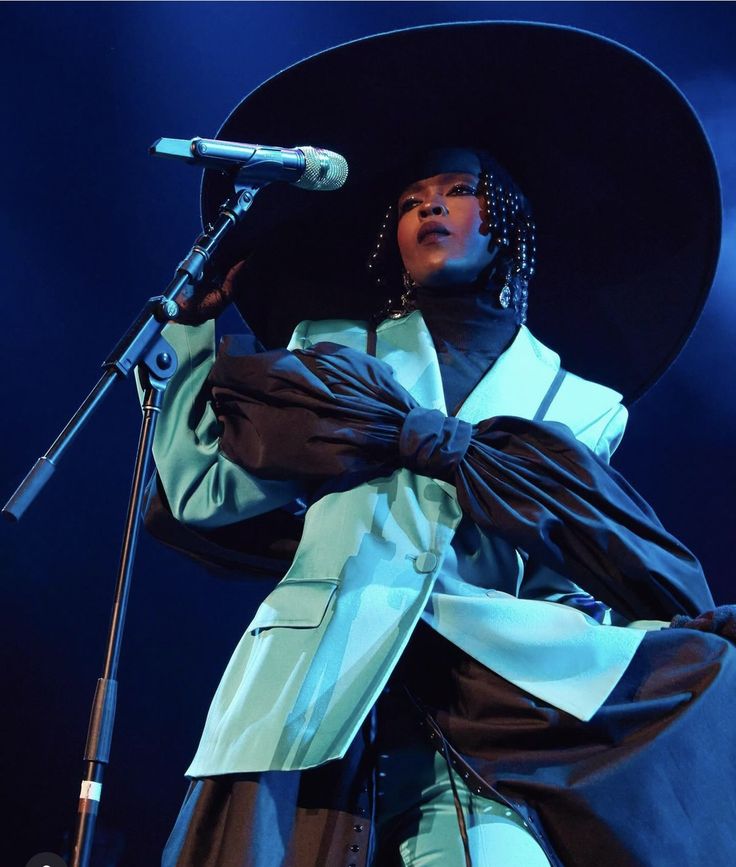
    Start at the top, because Lauryn always did. Her headwraps and turbans, often in saturated golds, rusts, and deep greens, became as much a part of her signature as her voice. She wore her locs with the same ease, refusing the era’s pressure to straighten, shrink, or apologize for natural Black hair. Reporting on her style consistently points to those colorful headwraps, the oversized sunglasses, and the natural texture as the core of the look, and to the way it celebrated heritage at a moment when the industry rewarded the opposite.

    For a curvy woman, the headwrap is one of the most generous styling tools there is, because it has nothing to do with body size at all. It draws the eye upward, frames the face, and adds height and drama without a single concern about waistlines or proportions. A wrapped head reads as intention. It says you put yourself together on purpose.

    You do not need anything fancy to begin. A length of cotton or a soft jersey scarf will do, and there are endless free tutorials for the basic turban fold and the higher, sculptural top-knot wrap Lauryn favored. If you want pieces made for the job, look for pre-tied turbans and wide head scarves, which turn up regularly at Torrid and across the accessory aisles of Old Navy and ASOS. Estimate ten to thirty dollars for a good wrap, often less if you raid a fabric remnant bin. Choose a color that makes your skin glow rather than one that simply matches your outfit. The goal is not coordination. It is presence.

    If a full head wrap feels like a leap, ease into it. A wide scarf tied as a thick headband still nods to the look while leaving your hair out, and a simple knotted top-of-the-head wrap takes about thirty seconds once you have done it twice. The fabric you choose changes everything. Cotton holds a crisp, sculptural fold, jersey gives a softer slouch, and a printed silk or satin adds the kind of sheen that catches light on camera, which is exactly why Lauryn’s wraps photographed so beautifully under stage lights. Keep two or three in colors you reach for again and again, and the whole ritual stops feeling like an occasion and starts feeling like the easiest five-star upgrade in your closet.

    Denim That Slouches With Intention

    Denim That Slouches With Intention

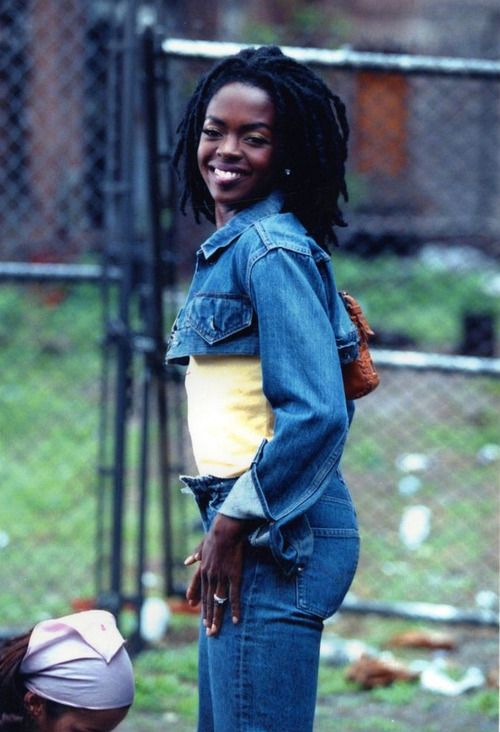
    If the headwrap was the crown, denim was the backbone. During the Fugees years especially, Lauryn leaned into the relaxed, hip-hop-rooted uniform of the moment, baggy jeans, denim jackets, crop tops, and sneakers, worn loose and easy rather than tight and trying. Her denim never looked like it was working hard to flatter. It looked like it was simply along for the ride.

    This is where curvy women have been sold a long, exhausting lie, that loose clothing makes you look bigger and only tight clothing is allowed to be flattering. Lauryn’s whole denim language argues the opposite. A relaxed jean with a defined waist, a slouchy jacket with the sleeves pushed up, a piece of denim that skims instead of squeezing, all of it reads as confidence precisely because it is not straining. The trick is one point of structure. Let the jeans be roomy, but pick a high rise that sits at your natural waist. Let the jacket be oversized, but make sure the shoulder seam lands somewhere close to your actual shoulder so it drapes rather than droops.

    For the foundation pieces, Old Navy is a quietly excellent starting point, with extended sizing across its denim and a rotating cast of relaxed and wide-leg cuts at friendly prices, often in the thirty to fifty dollar range. Universal Standard built much of its reputation on denim engineered to fit the same way from extra-extra-small to 4X, so a slouchy-but-structured jean holds its shape across the size run. Lane Bryant is reliable for the classic denim jacket in a generous cut, the kind you can layer over a fitted top exactly the way Lauryn layered hers. Buy the jacket a touch big on purpose. The ease is the point.

    Menswear Tailoring, Borrowed and Reclaimed

    Menswear Tailoring, Borrowed and Reclaimed

    One of the most quietly radical things about Lauryn’s style was how often she reached for menswear shapes, the oversized blazer, the military-cut jacket, the strong shoulder, and wore them with a femininity that needed no softening. Style writers describe her blend of androgyny and ease as central to the look, a deliberate refusal of the hyper-glam, hyper-sexualized template handed to women artists of her era. She took the structure of a man’s wardrobe and made it entirely her own.

    This is a gift for curvy dressing, because a well-cut blazer is architecture. It creates a clean vertical line, defines the shoulder, and gives a fuller frame a sense of deliberate shape without any squeezing involved. An oversized blazer over a simple tee and those slouchy jeans is the entire Lauryn formula in one outfit, casual on the bottom, commanding on top. The detail that separates a great blazer from a sloppy one is the shoulder seam and the sleeve length. The seam should sit near your own shoulder, and the sleeve should break at your wrist bone, even if you plan to push it up.

    Eloquii is the standout here, with structured blazers cut specifically for curves through size 28 and beyond, including the longline and boyfriend shapes that echo Lauryn’s menswear leaning. Universal Standard does a clean, modern blazer in stretch-woven fabrics that move with you and hold their line. For the more relaxed, military-jacket end of her wardrobe, ASOS Curve and Torrid both keep utility and field jackets in steady rotation. Plan on roughly sixty to a hundred and thirty dollars for a blazer that will anchor outfits for years, and treat it as a true investment piece rather than a trend buy.

    When you wear it, resist the urge to button it shut over your fullest point. A blazer left open creates two long vertical lines down the front of your body, which reads as elongating and relaxed, while a single low button cinches just enough to suggest a waist without pulling. Roll or push the sleeves to show a wrist and a few of those stacked bangles, exactly the way Lauryn let her layers talk to each other. That small move turns a borrowed-from-the-boys shape into something unmistakably yours.

    The Maxi Skirt and the Long, Unbroken Line

    The Maxi Skirt and the Long, Unbroken Line

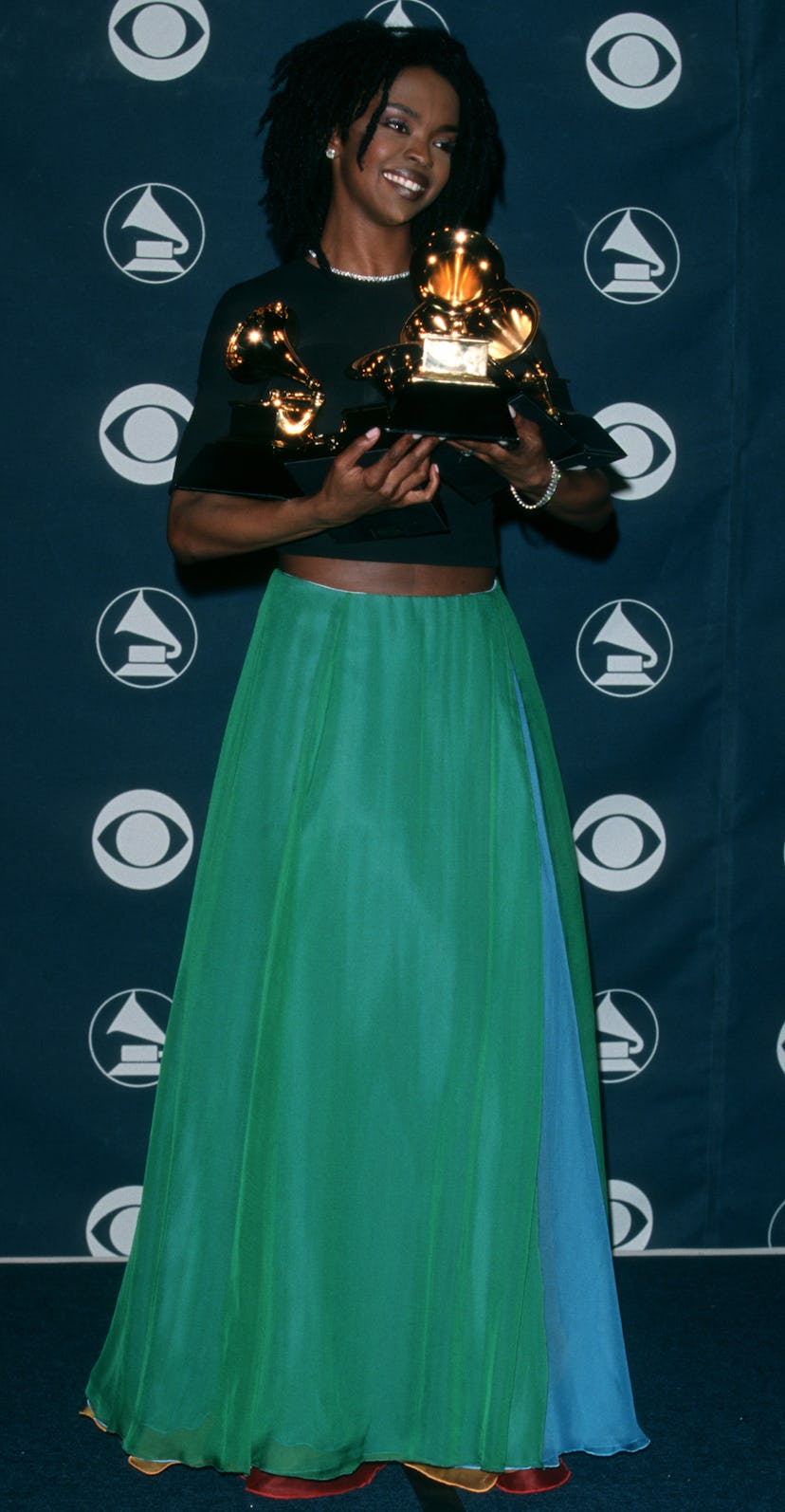
    Alongside the denim and tailoring, Lauryn loved length. Flowing maxi skirts, long dresses, and bohemian prints turned up constantly, often layered with her headwraps and stacked jewelry into something that felt both grounded and free. Fashion writers credit her, fairly, as an early champion of the maxi skirt long before it cycled back into every season’s lineup.

    For curvy women, the maxi is one of the most flattering and most comfortable silhouettes in existence, and it has nothing to do with hiding. A long skirt that falls in a clean column creates an uninterrupted vertical line from waist to floor, and the eye travels the whole length of it rather than stopping at a hemline. It also moves beautifully, which is half of why Lauryn’s looks always read as effortless. The fabric did some of the work. Choose a maxi with a defined waistband or pair it with a tucked or cropped top, so you keep a sense of shape rather than letting the length swallow you. A little waist definition plus a lot of flowing length is the balance that makes the whole thing sing.

    Torrid carries maxi skirts in jersey, denim, and printed fabrics across its full size range, and its waistbands tend to be genuinely comfortable for all-day wear. Lane Bryant leans into the soft, drapey maxi that pairs perfectly with a fitted bodysuit. ASOS Curve is the place for the bohemian, printed end of the spectrum, the kind of pattern-rich skirt that nods to Lauryn’s Afrocentric and Caribbean-inflected palette. Expect somewhere around thirty-five to seventy dollars for a maxi that becomes a warm-weather staple. Add a wide belt at the waist if you want to push the silhouette even closer to her layered, intentional look.

    Stacked Jewelry and the Art of More

    Stacked Jewelry and the Art of More

    Lauryn never dressed quietly when it came to accessories. Bold, stacked jewelry was a constant, hoops, layered chains, rings, and bangles piled with the confidence of someone who saw ornament as celebration rather than excess. Coverage of her style repeatedly notes the stacked jewelry and color-pop accents as essential to the energy of the whole look.

    Here is where curvy women are often told, again, to hold back, to choose “delicate” pieces, to avoid anything that might “draw attention.” Lauryn’s jewelry philosophy throws that out. Accessories are the easiest, most affordable way to inject personality into an outfit, and they fit every body identically. A stack of gold bangles, a pair of substantial hoops, a few layered chains over a plain tee, and suddenly the simplest outfit has a point of view. Scale matters more than quantity. One genuinely bold piece, a thick cuff or oversized hoop, often does more than five timid ones.

    You can build this look almost anywhere. Old Navy and ASOS both carry inexpensive hoop and bangle sets that let you experiment without much commitment, often under twenty dollars for a small stack. If you want pieces with more heft, vintage and resale shops are a goldmine for the chunky gold-tone jewelry that defines the era, frequently for a few dollars apiece. Mix metals if you like, layer lengths so the chains do not tangle into one clump, and let the jewelry be loud. Restraint was never the assignment.

    Dressing From the Inside Out, the Lauryn Way

    Strip away the headwraps and the blazers and the bangles, and what remains is the actual engine of Lauryn Hill’s style, a refusal to ask permission. Every choice she made pointed the same direction. She wore her natural hair when the industry wanted it altered. She reached for menswear when women were expected to be soft and small. She let denim slouch and skirts flow on her own terms, and she stacked her jewelry like she had something to celebrate, because she did. The clothes were the visible part. The conviction underneath was the real signature, and conviction has no size.

    That is the part you can borrow today, no matter what the tag inside your collar reads. Build a few anchor pieces, a relaxed high-rise jean, a structured blazer, a maxi that moves, a denim jacket cut with room. Crown it with a headwrap in a color that makes you glow. Pile on jewelry that feels like a small act of joy. Then do the one thing that made Lauryn unforgettable, which costs nothing and fits everyone. Walk in like you already belong, because you do. The mirror is not a courtroom and your body is not on trial. Get dressed for the woman you actually are, turn the volume up, and let the room lean in.

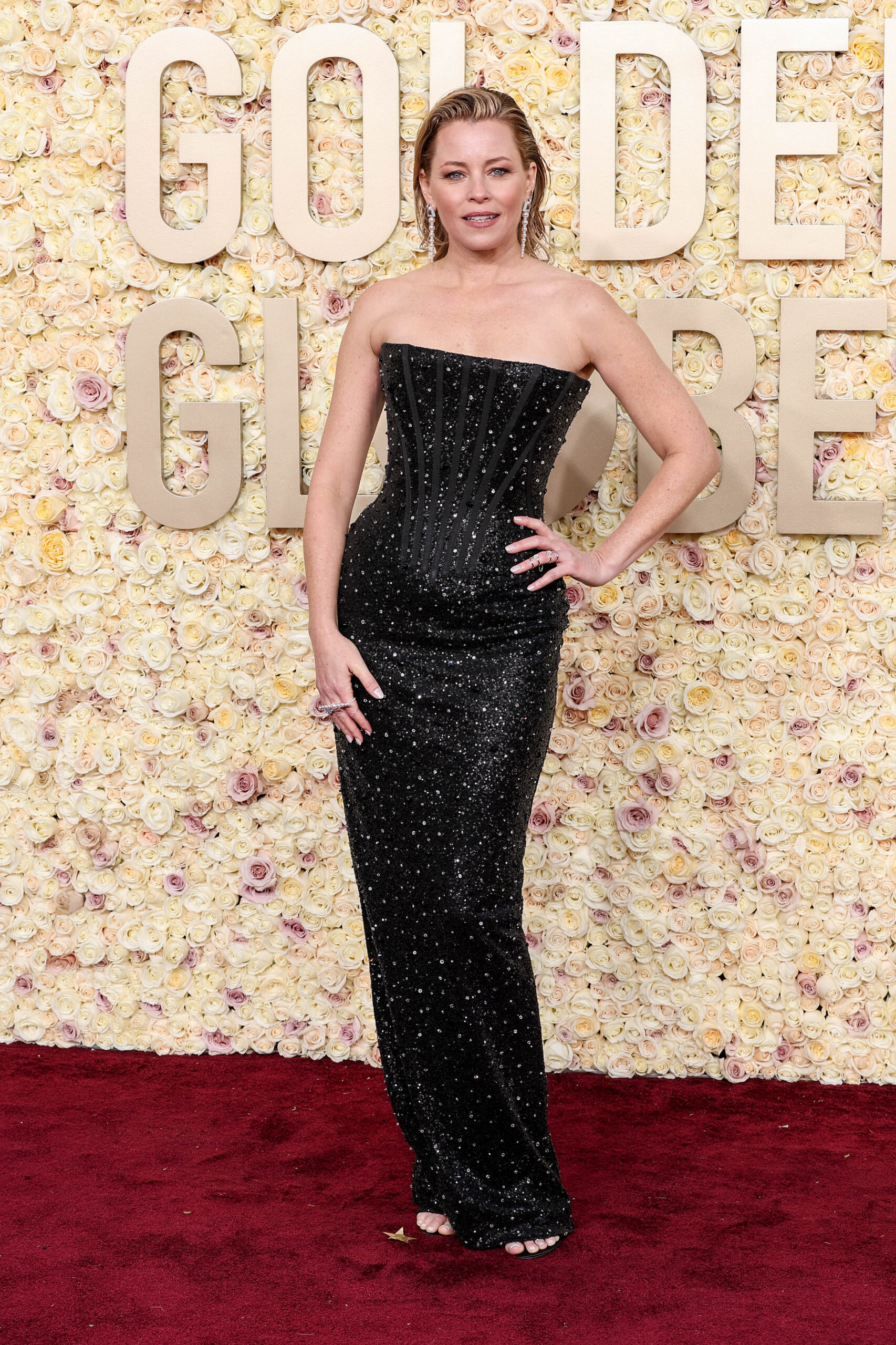
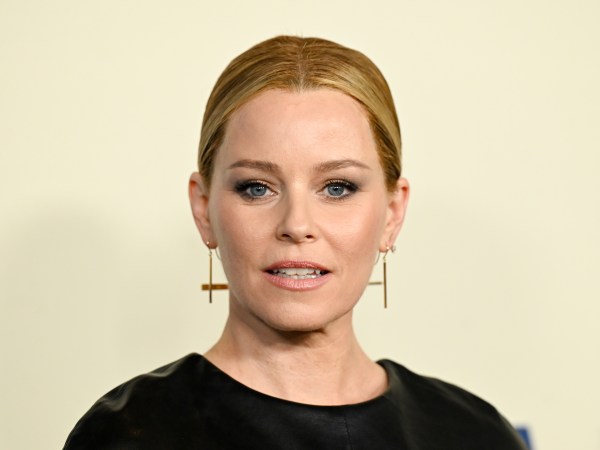
  • Elizabeth Banks at 50-Plus: Her Approach to Aging Confidently, Style Evolution, and Beauty Without Apology

    Elizabeth Banks at 50-Plus: Her Approach to Aging Confidently, Style Evolution, and Beauty Without Apology

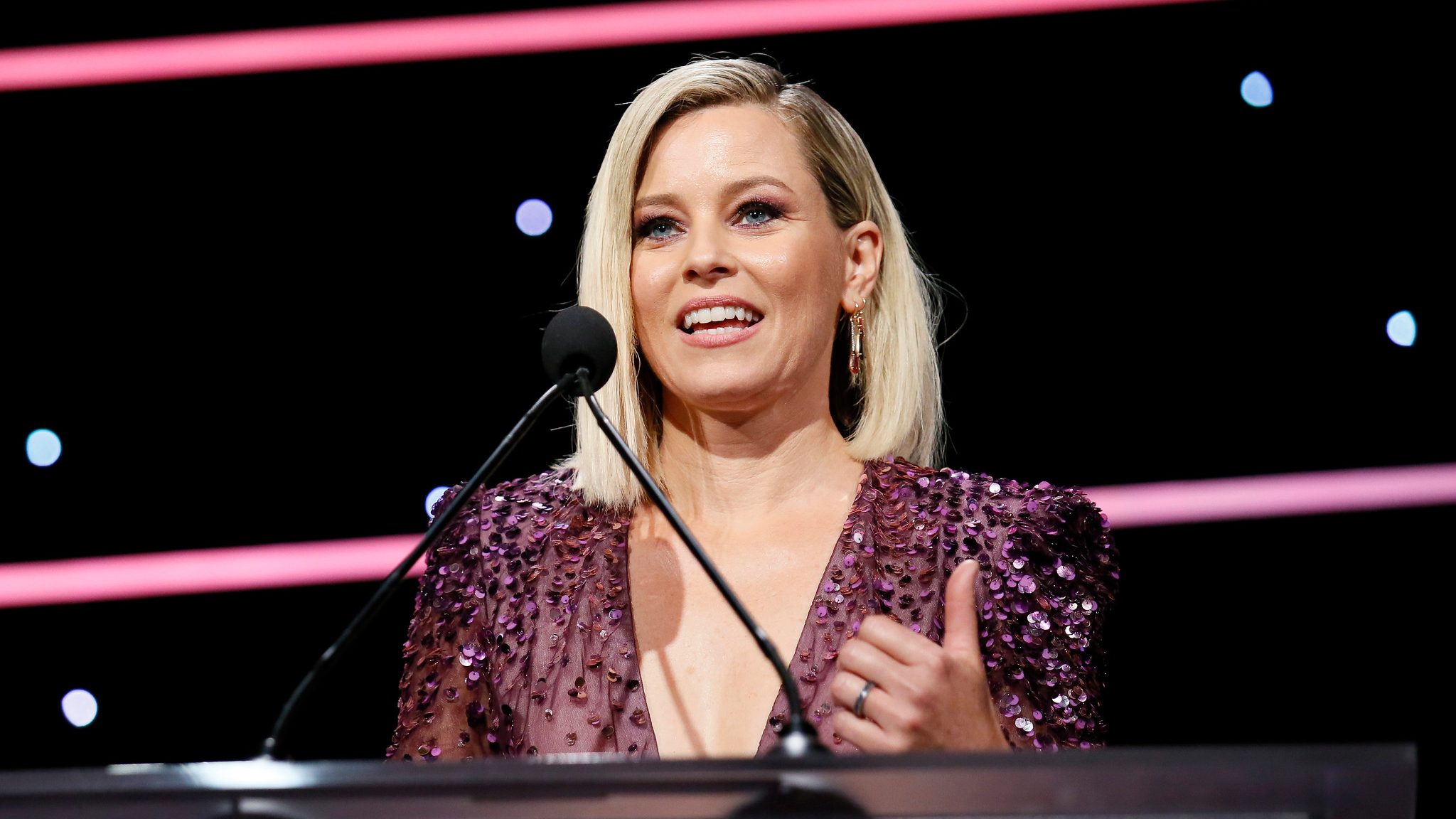
    “The most powerful I have ever felt.” That is how one of Hollywood’s busiest women described her own life in the days before she turned 50, and it lands differently coming from an industry that has spent a century telling women their value drops the moment a candle gets added to the cake. Power, not panic. Confidence, not a countdown. It is a small phrase, but it rewrites a very old script – the one that says a woman should treat each birthday as something to survive rather than something to claim. Born in February 1974, the actress, producer, and director who built that phrase into a personal philosophy offers a working model of what it looks like to grow older on your own terms, in public, without flinching.

    A Working Woman at 52, and Why That Matters

    A Working Woman at 52, and Why That Matters

    There is a version of Hollywood success that depends on staying frozen in time, and then there is the version that keeps moving. The second one is harder, riskier, and far more interesting to watch. At 52, the woman best known to millions as Effie Trinket in “The Hunger Games” films and as the deadpan a cappella commentator in the “Pitch Perfect” series is not coasting on past roles. She has spent the last decade quietly rearranging what her career even is.

    Her directing resume tells that story plainly. She made her feature directorial debut with “Pitch Perfect 2” in 2015, and that film’s opening weekend set a record for a first-time director. She went on to direct “Charlie’s Angels” in 2019 and the horror-comedy “Cocaine Bear” in 2023. She runs Brownstone Productions, the company she co-founded in 2002 with her husband, Max Handelman, which gives her ownership over what gets made rather than only what she is cast in. In 2024 she starred in “Skincare,” a satirical thriller about a Los Angeles aesthetician unraveling in an industry built on the promise of staying young forever – a role she has openly said hit close to home.

    Why does any of this matter to a reader who has never set foot on a film set? Because it is proof of a principle that applies far beyond Hollywood: a woman’s most productive, most authoritative, most expansive years do not have an expiration date stamped on them. The story of someone widening her ambitions in her late 40s and into her 50s is a quiet argument against the idea that life narrows as it goes. For every reader who has been told the door is closing, here is someone walking through a wider one.

    Aging on Her Own Terms

    Aging on Her Own Terms

    Speaking to Yahoo Life just before her 50th birthday, she did not offer the usual celebrity script about “embracing” age as if it were a chore. She mapped it. “In your 20s, you’re in the process of letting go of your childhood and your dependence on other people, like your parents and your bosses,” she explained. “I think in your 30s, many people make really big life decisions that have huge consequences.” The 40s, she said, are when “you really do start to settle in.” It is a generous way of looking at a life: each decade doing its own quiet work, none of them a decline.

    What stands out is her refusal to let outside noise set the terms. “I’m aging in the public eye,” she told the outlet. “And so I just can’t allow everybody’s opinions or ideas about what I am or I’m not doing to infect me. I just have to do what makes the most sense for me, what feels right to me and what gives me the confidence to go out there.” She put the lesson even more bluntly: when it comes to aging in Hollywood, “you can’t win.” The math is rigged. Do nothing and you are letting yourself go. Do something and you are vain or insecure. Her response is to stop playing a game she cannot win and start playing one she can – the one where she decides what feels good and what does not.

    That same clarity showed up in how she talked about the film “Skincare.” She has described relating to its central character, a woman working in a field “that prizes beauty and youth and what’s new above all else,” and to a broader cultural anxiety she sees taking hold. “We’re losing sight of the privilege and wisdom of aging,” she said in press interviews around the film, “in a time when our billionaires are going to sleep in, like, oxygen chambers or something.” Calling aging a privilege and a source of wisdom, rather than a problem to be solved, is the whole posture in a single sentence.

    Style Evolution and Dressing With Confidence at Any Age

    Style Evolution and Dressing With Confidence at Any Age

    Style is where a woman’s relationship with her own age becomes visible, and it is also where so many get talked out of joy. There are unspoken rules everywhere about what is “appropriate” past a certain birthday – hemlines that supposedly should drop, colors that should mute, sparkle that should be handed off to someone younger. None of those rules were written by anyone who has your best interests at heart.

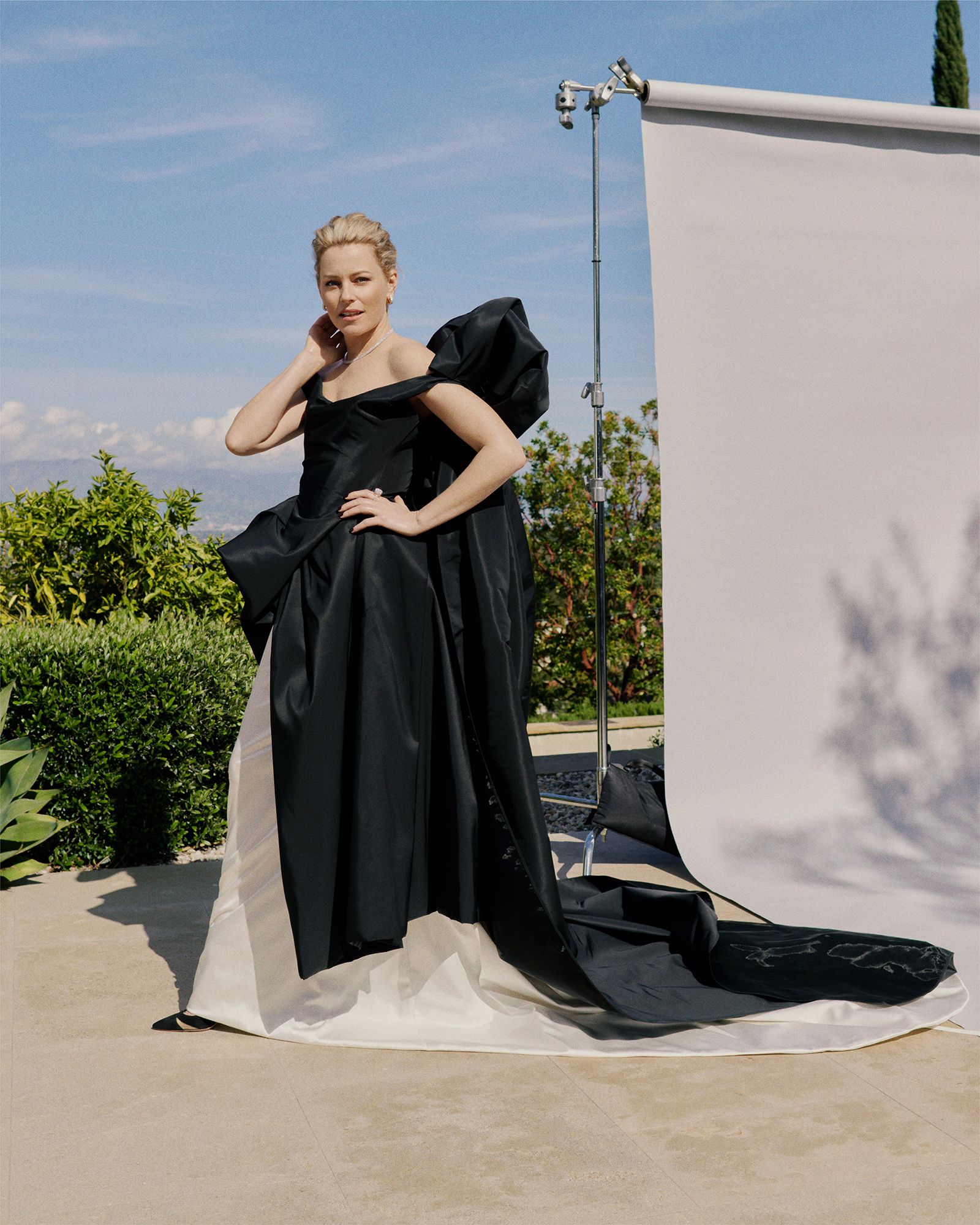
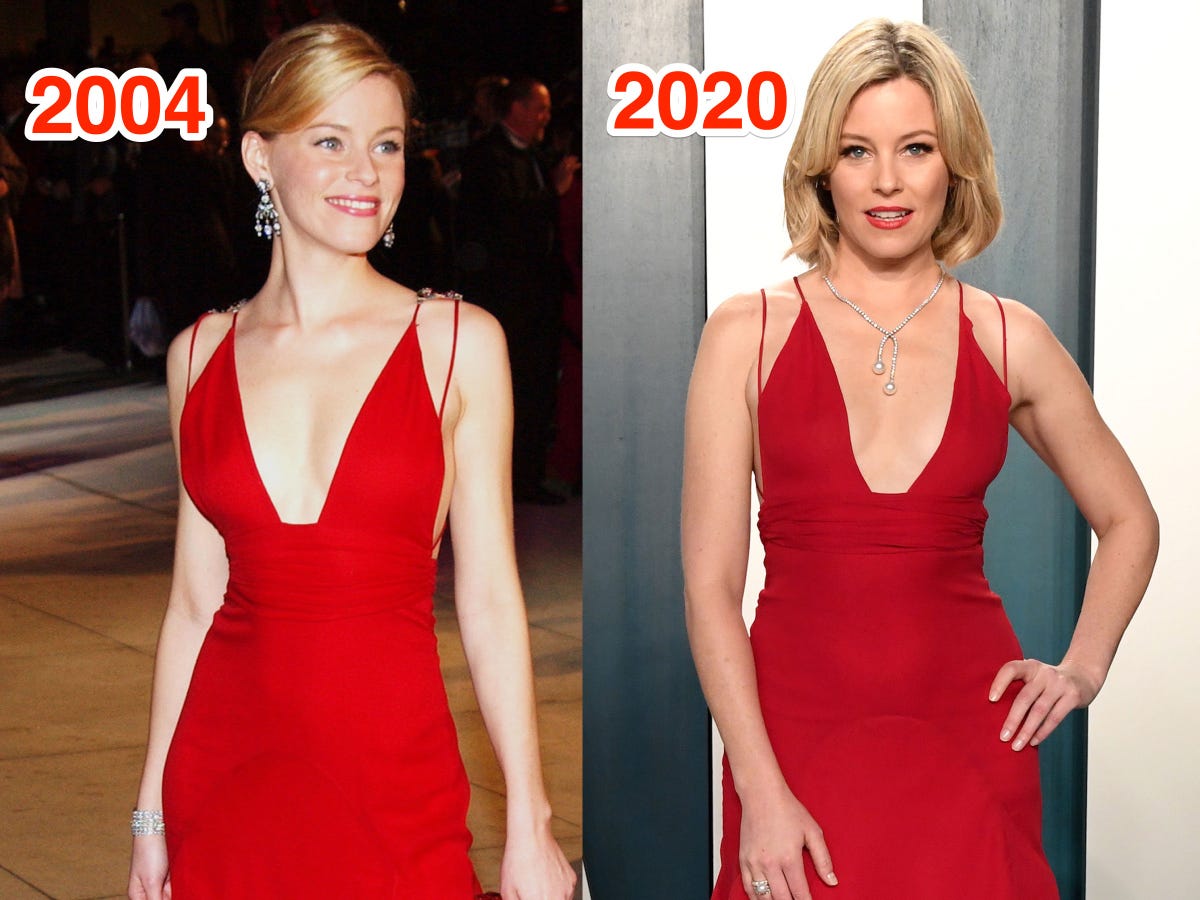
    The more honest approach, and the one modeled by women who carry their age well, is that confidence is the actual garment. Everything else hangs off it. A red-carpet veteran who has spent decades being photographed learns this the hard way and then the freeing way: the looks that land are not the ones chasing the youngest trend in the room, they are the ones that fit the woman wearing them. Style maturing is not the same as style shrinking. It is editing. It is knowing which silhouettes make you stand taller, which colors wake up your face, which pieces you reach for because they feel like you and not like a costume borrowed from a decade you have already lived through.

    For readers of every size, this is the part worth carrying home. Dressing with confidence has never been about a number on a tag or a number on a birth certificate. A body that has carried you through real life deserves clothes that celebrate it now, in this season, not clothes purchased as a hostage payment to some future “after.” The woman who dresses for the body and the age she actually has – rather than the one a magazine insists she should be chasing – is the one who walks into the room looking like she belongs there. Because she does.

    Beauty Without Apology

    Beauty Without Apology

    The pressure to erase every sign of a life lived is louder now than it has ever been, and she has named the machinery behind it directly. So much of the modern panic about aging, she has noted, is amplified online, where “everything can be filtered and everybody can be Botoxed, and everything can be filled.” The comparison is no longer against the woman next door. It is against a face that does not exist, assembled from filters and edits, presented as the new baseline. That is a fight nobody can win, because the opponent is fiction.

    Her own stance refuses both extremes. She has been candid that she has not had cosmetic procedures so far, while also refusing to moralize about anyone who chooses differently. “I’m trying not to be judgmental of myself, of anything that I would do at any point from here on out, because I’ve never been this old before,” she has said. That is the part worth underlining. Beauty without apology does not mean drawing a hard line and judging the women on the other side of it. It means dropping the judgment entirely – of yourself first, and of everyone else by extension. There is no virtue in the procedure and no virtue in skipping it. The only thing that matters is whether the choice is yours, made for your reasons.

    She has also reframed beauty as something that starts on the inside, describing her skin as “an external reflection of my internal wellness,” and has been open that her self-esteem and her mental health are connected. When she stops moving her body or getting outside, she has said, her mental health slips and “your self-esteem goes with it.” It is a refreshingly unglamorous truth from someone in a glamorous business: the glow people chase in a bottle often has more to do with sleep, sunlight, movement, and feeling like yourself than with anything you can buy. Her stated beauty routine is almost comically simple – “Wash your face, do the routine, pay attention to yourself.” The apology she has dropped is the one so many women carry without noticing: the quiet sense that the way they naturally look is a thing to be fixed.

    Women, Ambition, and Reinvention

    Women, Ambition, and Reinvention

    Reinvention is the throughline of her last decade, and it is the part that translates most directly to a reader’s own life. She did not stay in the lane she was handed. She stepped behind the camera. She built a company. She took on a dark, strange film about the very anxieties the industry tried to sell her. The point is not that everyone should direct a movie. The point is that ambition does not have a curfew, and reinvention is not a young woman’s exclusive privilege.

    She has framed this season as a kind of liberation. “I’m trying to break out of anyone’s expectations of me, even my own,” she said of her 50s. “I’m trying to surprise myself.” Breaking out of your own expectations is the harder half of that sentence. Other people’s opinions are loud, but the script we have written for ourselves – the one that says it is too late, that this is just who I am now, that the big swings belong to the past – is often the one that holds us in place. Choosing to surprise yourself at 50, at 60, at any age, is a refusal to let that script have the final word.

    There is also something pointed in how she talks about getting older as an accumulation rather than a loss. Age, she has said, gave her “the resources now to really focus on what I want to be doing and time with my family and work that matters to me.” Knowing who you are and what you want is not a consolation prize for losing your youth. For many women it is the actual prize, the thing the younger years were quietly working toward the whole time. The clarity that lets you say no to what does not serve you and yes to what does tends to arrive on a schedule, and that schedule rewards the years.

    How Readers Can Apply It

    None of this requires a film career, a stylist, or a red carpet. The principles scale down to an ordinary Tuesday.

    Start by auditing whose voice is in your head when you look in the mirror. If the standard you are measuring against is a filtered, edited, impossible face, you are losing a race against fiction. Name that, and the pressure loosens its grip. The goal is not to compare better; it is to stop comparing against a ghost.

    Make the judgment optional – toward yourself and toward other women. Whether you color your hair or let it go silver, whether you book the appointment or skip it, the only honest test is whether the choice is yours and whether it makes you feel more like yourself. Extend that same grace to the next woman, and you starve the whole comparison economy of its fuel.

    Dress for the body and the age you have right now. Not the one from a decade ago, not the one a catalog insists you should be working toward. Pull the pieces that make you stand taller. Retire the rules about what is “appropriate” for your age or your size, because those rules were never built for your joy. Confidence reads from across a room long before anyone clocks the cut of your blazer.

    Tend the inside as deliberately as the outside. Sleep, sunlight, movement, and the people who ground you do more for how you carry yourself than any serum on the shelf. And let ambition stay on the table. If there is a thing you have been telling yourself it is too late to start, treat that sentence as the thing to question, not the thing to obey.

    The Last Word

    She washes her face. She does the routine. She pays attention to herself, and she pays as little attention as she can manage to the people lining up to tell her what a woman her age should and should not be doing. She directs the films she wants to direct, runs the company she built, raises her two sons alongside her husband, and describes this stretch of her life as the most powerful she has ever felt. That is the whole blueprint, and there is nothing exclusive about it. A woman who decides her age is hers to define, her body is hers to dress, and her face is hers to wear without apology has everything she needs to walk into the room standing tall. The candles on the cake were never the problem. They are just light.