Tag: briogeo review

  • Olaplex vs Briogeo: A Bond-Repair Comparison for Textured Hair

    Olaplex vs Briogeo: A Bond-Repair Comparison for Textured Hair

    Olaplex No. 3 and Briogeo Don't Despair Repair side by side on a beige linen background

    Bond-repair hair care became a $1 billion category on the strength of one brand’s patent and one viral hashtag, but the textured-hair conversation has been quietly arguing the case for a different formulation philosophy for years. Olaplex spent the last decade selling a single proprietary molecule (bis-aminopropyl diglycol dimaleate) as the only real fix for damaged bonds, while Briogeo built a cabinet of plant-derived masks and proteins that promise the same surface-level result with a softer ingredient list. Both brands sit on a lot of curly-haired readers’ shelves at some point. Both get recommended by the same hairstylists. And both are routinely misused on the wrong hair type, which is how you end up with low-porosity 4A coils that feel coated, gummy, or weirdly stiff a week after the treatment that was supposed to save them. The category deserves a real comparison, not another five-star praise piece, so here is the side-by-side that addresses what these two brands actually do on natural, low-porosity hair.

    Quick verdict

    For most low-porosity Type 3-4 hair, Briogeo Don’t Despair Repair is the better weekly mask – softer slip, better moisture, no protein-overload risk when used twice a month. Olaplex No. 3 is the better targeted treatment after a color appointment, a flat iron session, or a heavy protective-style takedown, used once every two to three weeks. Most readers buying one of these for general maintenance should start with Briogeo. Most readers who color, heat-style, or chemically process should keep a small bottle of Olaplex No. 3 in the cabinet alongside it. Full reasoning below.

    What they are and where they came from

    Olaplex launched in 2014 around a single patented active. The original three-step system was sold to salons first (No. 1 and No. 2 are professional-only), with No. 3 Hair Perfector as the at-home version. The brand built itself on the bond-repair claim, meaning the molecule supposedly relinks broken disulfide bonds in the cortex of the hair shaft. Since 2014 the range has expanded into shampoos, conditioners, leave-ins, and the No. 8 mask and No. 9 serum, but the core pitch is still the same molecule doing the same job. Olaplex is sold direct, at Sephora, Ulta, and Amazon, and the No. 3 sits at around $30 for 3.3 oz.

    Briogeo launched the same year, founded by Nancy Twine, with a positioning closer to clean beauty than to lab science. The line built around plant proteins, B vitamins, biotin, rosehip oil, and algae extract rather than around one signature molecule. Don’t Despair Repair is the flagship mask in the strengthening range; Scalp Revival is the second pillar of the brand and a separate product category entirely. Briogeo sits at Sephora and Sephora-adjacent retailers, with Don’t Despair Repair at around $39 for 8 oz. The brand was acquired by Wella in 2022, which has not visibly changed the formulations as of this year.

    Side-by-side comparison

    Feature Olaplex No. 3 Hair Perfector Briogeo Don’t Despair Repair
    Price Around $30 for 3.3 oz Around $39 for 8 oz
    Format Pre-shampoo cream treatment Post-shampoo deep conditioning mask
    Core active Bis-aminopropyl diglycol dimaleate (patented bond builder) Rosehip oil, algae extract, biotin, vitamin B5, almond oil
    Recommended frequency Once a week max, sit 10-90 minutes Once a week, sit 10-30 minutes
    Protein load Bond-focused, low traditional protein Light protein from plant sources
    Best use case Post-color, post-heat, post-bleach repair Weekly moisture and slip for textured hair
    Return window 60 days at Sephora, 60 days at Ulta 60 days at Sephora, 60 days at Ulta

    Olaplex No. 3 on low-porosity 4A hair

    I have used Olaplex No. 3 across three different stretches of my hair journey – once during the year I was bleaching out brassiness, once after a flat-iron season where I was straightening monthly, and once as a general weekly add to my routine when I wanted to see what it did on otherwise undamaged hair. The verdict changes a lot depending on which version of my hair was using it.

    What works: when there is actual damage to address, this product earns its reputation. After the bleach year I would apply No. 3 on dry hair, in sections, sit with it for 45 minutes under a plastic cap, then shampoo and condition normally. The next-day curl pattern was visibly bouncier and the strand felt less like a dry rope. The post-flat-iron application gave me less heat-frizz on the next wash day and a curl pattern that snapped back faster than it had been. For a deep-conditioning step after real cuticle stress, the No. 3 does what it says.

    What does not work: on undamaged low-porosity 4A hair, I felt nothing for the first three uses, and after the fourth weekly application I felt my strands going stiff and stretched-out, the classic protein-overload feeling. Low-porosity hair already resists product penetration, so a strengthening treatment on a strand that does not need strengthening tips you toward stiffness fast. The smell is also clinical, almost chemistry-set, and the consistency is a thin cream that runs if you do not stay in sections. The bottle is also small for the price – 3.3 oz disappears in two applications if you have shoulder-length thick 4A hair.

    One real critique: the marketing pitches No. 3 as universally helpful, but the application instructions and the actual chemistry suggest it is meant as a targeted repair, not a maintenance step. If your hair is not chemically processed, heat-stressed, or otherwise structurally compromised, you are not the customer for this product even though the brand sells it like you are. Buy Olaplex No. 3 at Sephora if you want the easiest return path and the bundle pricing on the rest of the system.
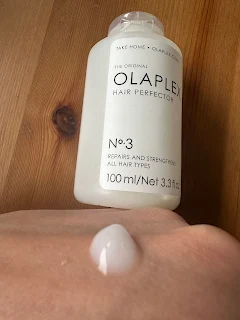
    Olaplex No. 3 Hair Perfector bottle held in hand in bathroom setting

    Briogeo Don’t Despair Repair on low-porosity 4A hair

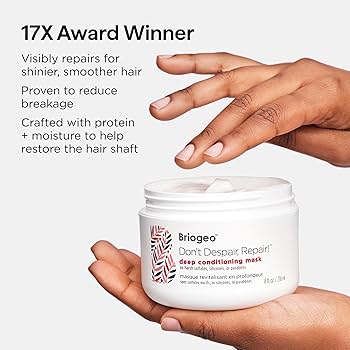
    Briogeo Don’t Despair Repair has been in my weekly rotation, on and off, for about three years. It is the mask I reach for when my hair feels dry and dull but is not actively damaged – the in-between stretch most natural hair lives in for months at a time. The texture is a thick, creamy mask with real slip, the kind that lets a wide-tooth comb glide through a tangle on the first pass instead of yanking.

    What works: the moisture delivery. I apply it after shampoo on damp hair, work it through in four sections from root to tip, sit with it under a plastic cap for 20 minutes (sometimes with low heat from a steamer if I am being thorough), then rinse. The next-day curls are softer, more defined, and less thirsty-looking than they are without it. The slip is what sold me originally – detangling 4A coils with this mask in is the closest I get to a relaxing wash day. The 8 oz jar lasts me about ten weekly uses, which puts it at a better per-use cost than the No. 3 despite the higher sticker price.

    What does not work: the protein content is light but real, and if you stack this with other protein-heavy products in the same week (a hard protein treatment, a heavy gelatin or rice-water rinse), you can still overdo it on low-porosity hair. The packaging is the second issue – the jar opening collects product around the rim and gets sticky after a few uses, which is a small but real annoyance. And the smell, which Briogeo describes as a clean herbal, reads as a bit medicinal to me. Not bad, just not the comforting almond-and-honey smell of a Camille Rose Algae Renew mask, which is the closest direct competitor I would point a reader to.

    The real critique: it is a maintenance mask, not a damage repair, and the brand is honest about that in the product copy. If you have just colored, bleached, or heat-trained your hair, this mask alone is not going to undo the structural stress. Buy Briogeo Don’t Despair Repair at Sephora for the Beauty Insider points and the 60-day return window if it does not work for your texture.
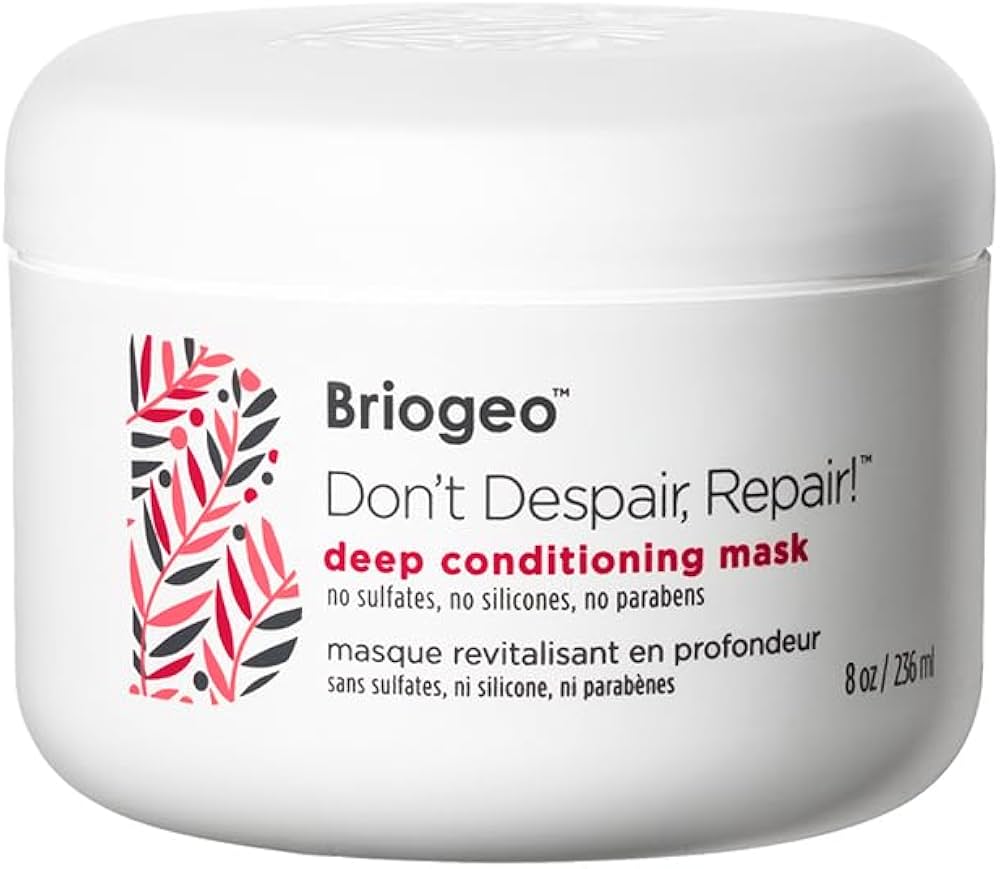
    Briogeo Don't Despair Repair jar open with creamy mask texture visible

    Where they overlap and where they differ

    Both brands sell a once-a-week deep treatment with a strengthening claim, both are widely stocked at Sephora and Ulta, both run in the $30 to $40 range, both are commonly recommended by stylists for textured hair, and both will leave most users with softer, more defined curls the day after use. That is the overlap, and it is enough to confuse a first-time buyer into thinking the choice does not matter.

    The differences are bigger than they look. Olaplex No. 3 is a pre-shampoo treatment, meaning you apply it to dry hair before you wash. Briogeo Don’t Despair Repair is a post-shampoo mask, applied on damp hair after cleansing. Olaplex is built around a single patented bond-repair molecule and is most useful after structural damage. Briogeo is built around plant proteins, oils, and vitamins and is most useful for ongoing moisture and slip. Olaplex is a small bottle that disappears fast. Briogeo is a larger jar with more cost-per-use efficiency. Olaplex smells like a chemistry product. Briogeo smells like a salon product. Both have generous 60-day return windows at Sephora and Ulta, which is the same window across the two retailers, but Ulta is faster to refund on a card and Sephora is more generous on partially-used product when you have Rouge status.

    The deciding question for most readers is whether your hair needs structural repair or weekly moisture, because these two products are aimed at different problems even though the marketing makes them sound like alternatives.

    Which one for which person

    If you have low-porosity Type 3-4 hair that is not chemically colored, not regularly heat-styled, and not coming out of a long protective-style takedown, buy Briogeo Don’t Despair Repair first. It addresses the dry, dull, hard-to-detangle problem that most natural hair runs into between wash days, and it does so without the protein-overload risk that low-porosity textures hit fast. Use it once a week, sit 20 to 30 minutes under a cap, rinse.

    If you color your hair regularly (highlights, full color, bleach), heat-style with a flat iron or blow dryer weekly, or have just taken down a four-week protective style that involved tension on the cuticle, buy Olaplex No. 3 . Use it every two to three weeks as a targeted treatment, not weekly. Apply on dry hair, sit 30 to 45 minutes, then shampoo and condition. Skip the weekly application schedule the bottle recommends if your hair is otherwise healthy.

    If you have high-porosity hair (color-treated, heat-damaged, or naturally porous), the calculus shifts slightly. Olaplex penetrates faster and gives more visible results on high-porosity hair than on low-porosity, so weekly use becomes more reasonable. Briogeo still earns the maintenance slot, but Olaplex earns more of the rotation.

    If you have the budget for both, the smart move is to rotate. Briogeo three weeks of the month for moisture and slip. Olaplex once a month, the week after a color appointment or after a heavy heat session. That is the pattern most textured-hair stylists I know quietly recommend when no one is filming.

    Frequently asked questions

    Can I use Olaplex and Briogeo in the same wash day?

    You can, but for most low-porosity 4A hair I would not. Stacking a pre-shampoo bond treatment with a post-shampoo deep conditioner in the same wash loads a lot of strengthening ingredients onto the strand at once, and low-porosity hair gets stiff fast with that combination. Pick one per wash day and alternate by week.

    Is Olaplex worth it if I do not color my hair?

    Mostly no. If your hair is virgin and you do not heat style, the No. 3 is a treatment your hair does not have a use for, and you will likely feel either nothing or the protein-stiff feeling after a few uses. The Briogeo mask is the better starting point for undamaged textured hair.

    Does Briogeo replace a protein treatment?

    No. Briogeo Don’t Despair Repair has plant proteins but is not a hard protein treatment. If your strands have lost elasticity and snap when stretched wet, you need a true protein treatment like Aphogee Two-Step or an at-home gelatin rinse, not the Briogeo mask. The mask is a moisture-and-slip product with a strengthening assist, not a structural fix.

    How long does each one last on the shelf?

    Both have a 12-month period-after-opening symbol. The Briogeo jar holds up well across that window if you scoop with a clean spatula instead of dipping fingers. The Olaplex bottle, because of the smaller size and the pump-cap design, usually empties within four to six months of regular use, so shelf life is rarely the deciding factor.

    Final pick

    For the average low-porosity Type 3-4 reader buying one product, Briogeo Don’t Despair Repair is the better starting point. Softer slip, better weekly moisture, larger jar, lower protein-overload risk. For readers with color-treated or heat-stressed hair, Olaplex No. 3 earns its spot in the cabinet alongside the Briogeo, used once every two to three weeks as a targeted repair instead of weekly maintenance. Save your money on the No. 3 if your hair is not damaged, and spend it on the Don’t Despair Repair plus a good leave-in like Pattern Beauty’s. Buy Briogeo Don’t Despair Repair at Sephora first, add the Olaplex No. 3 at Ulta later if your hair needs structural repair. Layering order on a Briogeo wash day: cleanse, mask 20 minutes, rinse, leave-in, curl cream, gel, air dry or diffuse.
  • Briogeo’s Dream Makers Founder Grant – What It Actually Does and Why the Brand Behind It Matters

    Briogeo’s Dream Makers Founder Grant – What It Actually Does and Why the Brand Behind It Matters

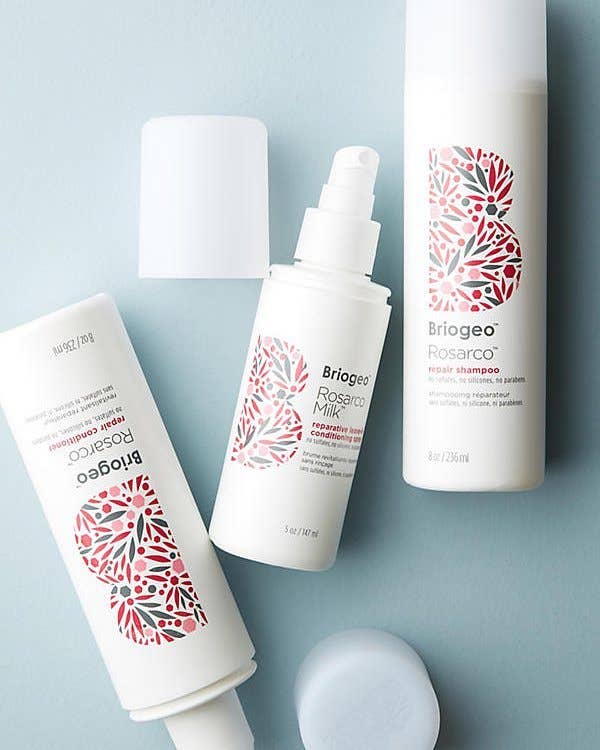
    Briogeo hair care product lineup arranged in editorial flat lay photography

    Briogeo occupies an unusual position on the Sephora hair wall in 2026. The brand has a clean-formulation pitch, clinical-looking white packaging, and a price tier that puts it firmly in the prestige column at $26 to $42 per core product. It also has something almost no other prestige hair brand can claim – a Black founder who built the company from a kitchen-counter experiment in 2013 to a Wella Company acquisition in 2022 without losing the original product DNA along the way. The Dream Makers Founder Grant is the program that sits at the intersection of those two facts: the brand’s commercial scale and its founder’s stated mission of pulling more BIPOC founders into the same room.

    This piece is about that grant program and the brand behind it – what the grant pays out, where Briogeo sits in the premium textured-hair category in 2026, and which products are worth the money. A grant program belongs in a brand profile rather than a press-release recap because Dream Makers is one of the only durable BIPOC beauty funding initiatives that has survived the post-2020 pullback in corporate diversity spending. Most of the grants announced in 2020 and 2021 have quietly shut down or stopped reporting recipients. Briogeo’s program is still writing checks.

    The founder story behind the grant

    Nancy Twine founded Briogeo in 2013 after leaving a finance career at Goldman Sachs. She has talked publicly about the kitchen-table moment when she realized that the natural-ingredient hair products her grandmother had made in West Virginia were essentially what the prestige beauty industry was starting to call clean beauty, except no one was making them for textured hair at the prestige tier. The category at the time was split between drugstore Black-hair brands and a small handful of indie textured-hair lines selling direct, with very little prestige-tier representation on Sephora shelves.

    Briogeo launched at Sephora in 2014, which is the boring-but-important distribution decision that set the rest of the trajectory. Sephora committed to stocking the line at launch, giving the brand visibility that most Black-founded hair brands could not access in 2014. Over the next eight years Twine grew Briogeo into a meaningful prestige-tier business. In 2022 the brand was acquired by Wella Company, the conglomerate that also owns Wella Professionals, Sebastian, and OPI. Twine stayed on as a brand leader through the acquisition, which is rarer than it sounds in beauty M and A.

    The Dream Makers Founder Grant was launched in 2020, two years before the Wella deal closed. Twine has been explicit in interviews that the grant was the program she wished had existed for her in 2013. The structure is simple: Briogeo writes cash grants directly to BIPOC beauty founders who are at the early-stage point in their business, plus mentorship from the Briogeo team and brand exposure through co-marketing. The amounts and recipient counts have varied year to year – generally a small cohort of founders each cycle receiving meaningful five-figure grants – and the program has continued after the Wella acquisition, which is the part that distinguishes it from a lot of brand-funded initiatives that quietly disappeared once an acquirer took over.

    Nancy Twine, founder of Briogeo, in editorial portrait photography

    The grant itself is structured around three pieces and the cash is only one of them. The first is the direct funding. The amounts are not at venture-capital scale – this is not a seed round substitute – but they are large enough to make a difference for an indie founder at the manufacturing, packaging, or first-retail stage. Recipients have used the money for first production runs, fulfillment infrastructure, and trademark and legal work that early-stage founders routinely defer.

    The second piece is mentorship. Briogeo’s team works with recipients on the operational pieces that are not taught anywhere – cost-of-goods modeling, retailer negotiation, distribution decisions, packaging vendor selection. A grant check spends down in a quarter. Operational knowledge stays with the founder for the life of the business.

    The third piece is brand exposure. Briogeo has used its own marketing channels to feature recipient brands in newsletters, social campaigns, and Sephora co-marketing moments. The exposure is not equivalent to a Sephora launch on its own, but for a founder who is still pre-retail, having an established prestige brand point its audience toward yours is a real lift. The reason the program has had staying power is structural – it is funded out of brand operations rather than as a corporate-foundation side project, which means it gets treated as part of how Briogeo does business rather than as a discretionary line that gets cut in tight quarters.

    What Briogeo as a brand actually makes

    The grant program does not exist independent of the brand, so the brand has to be evaluated on its own merits if you are going to buy any product to support the founder mission. Briogeo makes hair care across the curly, coily, color-treated, damaged, and scalp-care segments. The line is organized into named collections rather than as a scattered SKU list, which makes it easier to shop than most prestige hair brands.

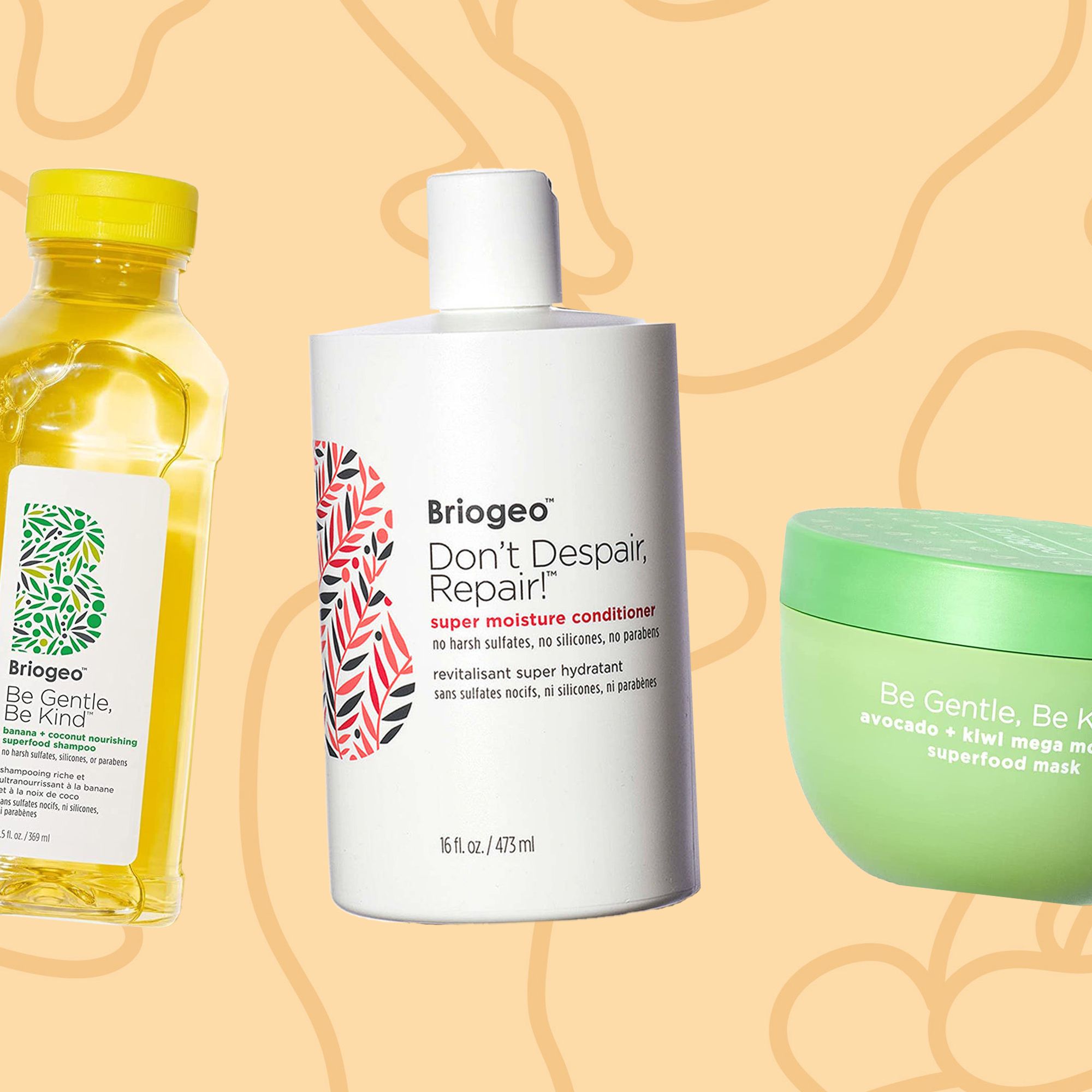
    The major collections are Don’t Despair Repair (deep-conditioning and bond repair for damaged hair), Scalp Revival (scalp-care including the well-known charcoal scrub), Curl Charisma (a curly-hair-specific styling and conditioning system), Be Gentle Be Kind (lightweight cleansers and conditioners for fine or daily-wash hair), and Superfoods (a more recently launched everyday line). Pricing sits in the $26 to $42 range for most core products, with the deep treatments and scalp tools at the upper end and the everyday conditioners at the lower end.

    Distribution is primarily Sephora, with selected SKUs at Ulta and at Briogeo’s own site. The line is not at mass retail, which has kept the brand out of the discount-and-promo cycle that erodes pricing power at Target or Walmart. The Wella acquisition has so far not pushed Briogeo toward mass distribution, which is the right call – the prestige positioning is what sustains the formulation costs.

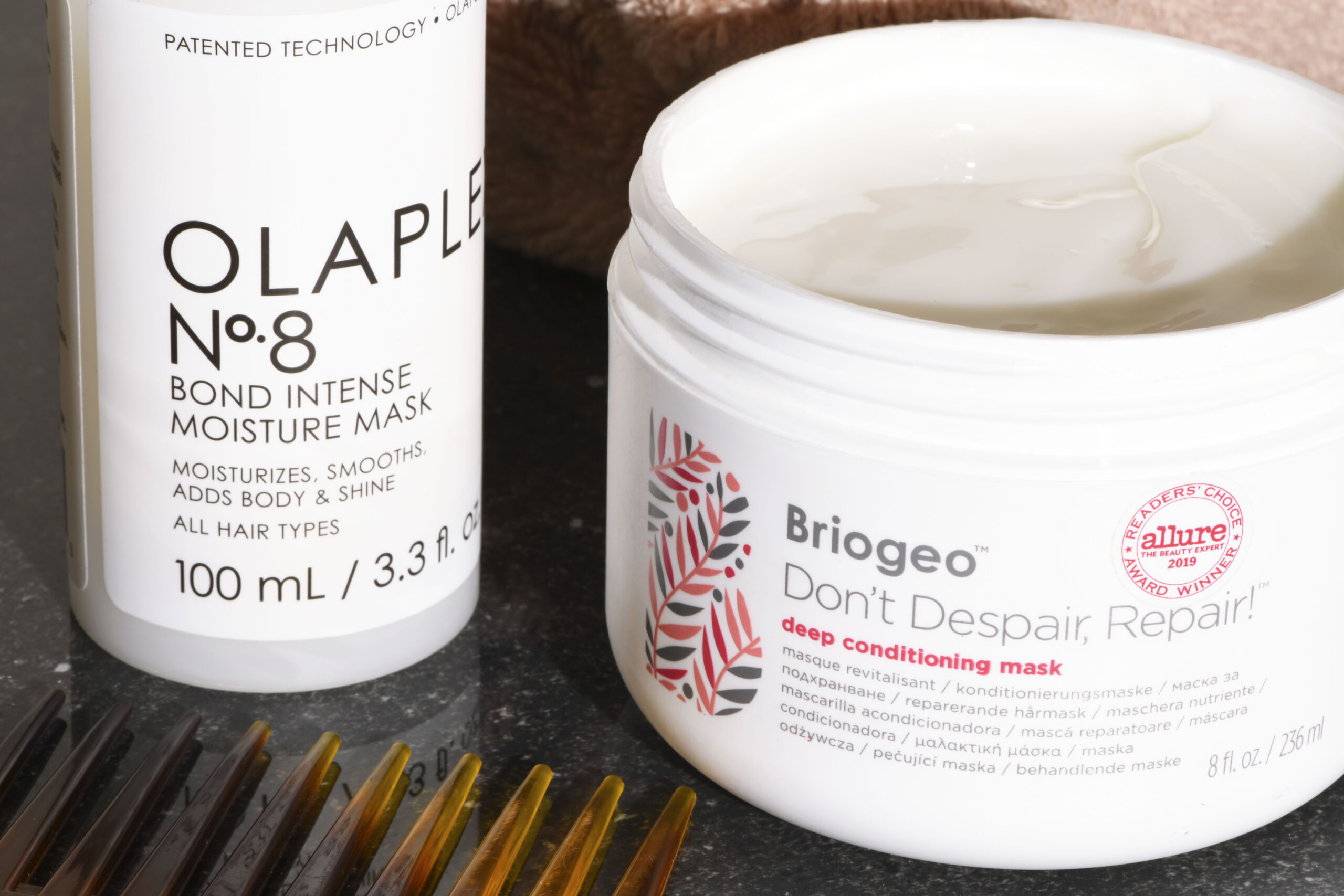
    Briogeo Don't Despair Repair Deep Conditioning Mask in close-up product photography

    Where the brand gets it right

    The first thing Briogeo gets right is the Don’t Despair Repair Deep Conditioning Mask. This product has earned its reputation. For low-porosity 4A hair like mine, the formulation actually penetrates rather than coating the strand, and the slip is heavy enough that I can detangle under the mask in the shower without losing strands. I have repurchased the 8 oz tub more times than I have repurchased any other prestige deep conditioner including the comparable Olaplex No. 8.

    The second is the Scalp Revival Charcoal Scalp Scrub. The granule size in this product is correct, which sounds like a small thing but matters – too fine and it does nothing, too coarse and it irritates the scalp. The Briogeo grit is in the right range and the charcoal pulls actual buildup off a low-porosity scalp that has been doing a lot of leave-in product layering. I use this every third or fourth wash and the difference in how my scalp feels is real.

    The third is formulation transparency. Briogeo discloses ingredients in plain language, names what each active is supposed to do, and does not hide behind proprietary-complex marketing as much as the prestige category as a whole does. For a category where most brands lean heavily on patented complexes with vague descriptions, this is a real differentiator.

    The fourth, and the reason this article exists, is the founder accountability piece. Briogeo is one of the few prestige hair brands where the founder’s stated mission has been translated into a recurring operational program rather than a one-time grant announcement. That follow-through is rare and it deserves to be named.

    Where there is room to push back

    Honest critique time, because no brand is above it. The Curl Charisma collection is the line I have the most reservations about. The styling cream and the leave-in are formulated for looser curl patterns – roughly Type 3A through 3C – and the slip and definition fall off noticeably for tighter Type 4 textures. For a brand whose founder has Type 4 hair and whose mission talks about underserved textured-hair shoppers, the styling line skews lighter than it should. Pattern Beauty’s Heavy line covers this gap better than Briogeo’s Curl Charisma does for 4B and 4C density. If you are shopping Briogeo for styling products on tightly coiled hair, the Don’t Despair Repair line is the part to buy. The Curl Charisma styling system is the part to skip.

    The pricing is the next issue. The Don’t Despair Repair mask at $42 for 8 oz is at the top of the prestige tier, and the value-per-ounce is not the strongest argument the brand has. The K18 Leave-In Molecular Repair Mask sits at a similar price tier and the Olaplex No. 8 is a few dollars cheaper for the same size. The formulations are different enough that the choice is not just price, but if you are deciding between Briogeo and the closest prestige competitors purely on cost, Briogeo is not the cheapest premium option.

    The Superfoods line, launched as the everyday entry point, has been the weakest part of the lineup. The shampoo and conditioner are pleasant but not differentiated from a half-dozen similarly priced prestige conditioners. If Superfoods is your entry point, you might come away wondering what the fuss is about. The fuss is about Don’t Despair Repair and Scalp Revival. Start there.

    How Briogeo compares to the rest of the prestige hair shelf

    Briogeo does not sit alone at the prestige tier and it helps to know the reference points. Three comparisons worth running before you commit.

    Olaplex is the most direct prestige competitor on bond repair. The No. 3 Hair Perfector at home and the No. 8 Bond Intense Moisture Mask are the closest functional analogs to Don’t Despair Repair. Olaplex is built around a single patented bond-building chemistry across the whole line, while Briogeo’s repair products use a broader formulation philosophy of multiple actives doing different jobs. Olaplex is the more focused tool for chemical damage from color and bleach. Briogeo is the broader weekly maintenance choice for general damage including heat, manipulation, and protective-style breakage. Both are worth knowing. Olaplex if you are bleaching, Briogeo if you are not.

    K18 is the newer prestige-tier comparison. The Leave-In Molecular Repair Mask is cross-shopped against Don’t Despair Repair. K18’s pitch is shorter contact time – 4 minutes versus 10 to 15 for most deep conditioners. The trade-off is that K18 runs more expensive per ounce and the results are sharper on protein-deficient hair than on moisture-deficient hair. If your damage is moisture loss, Briogeo’s mask is the right pick. If your damage is structural protein loss, K18 is the more targeted tool.

    Pattern Beauty is the comparison on the textured-hair-specific styling side, where Briogeo is weaker. Pattern’s Heavy line covers dense 4B and 4C styling needs more reliably than Curl Charisma, and Pattern’s prices are slightly lower across the styling range. For a routine where styling matters more than deep conditioning, Pattern is the smarter primary brand and Briogeo is the supplementary deep-treatment pick.

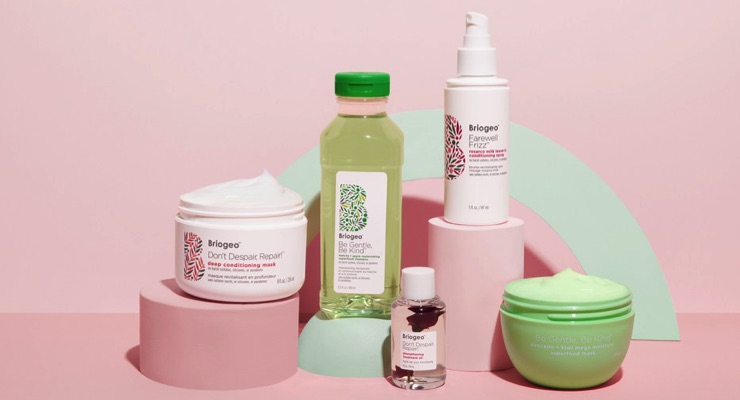
    Five best-selling Briogeo hair care products in editorial product grid

    What to buy from them

    Do not buy the full Briogeo system. The line is large enough that the smart play is to add the two or three products that are genuinely best-in-class and skip the rest. After five years of cycling Briogeo through my routine alongside other prestige hair brands, these are the products that have earned their permanent shelf space:

    The Don’t Despair Repair Deep Conditioning Mask at $42 for 8 oz is the standout. Once a week on a wash day, applied to clean wet hair, left on for 15 minutes under a plastic cap. For low-porosity hair the heat from the cap is what makes the formulation actually penetrate. This is the one product I would tell someone to buy if they were only going to try one Briogeo thing.

    The Scalp Revival Charcoal Scalp Scrub at $42 is the second product worth the price. Used every third wash, massaged into a damp scalp for about 90 seconds before rinsing, then followed by your regular shampoo. The difference in scalp feel for product-prone routines is genuine.

    The Don’t Despair Repair Shampoo at $28 is the third pick. It is gentle enough for a low-porosity routine that needs cleansing without stripping the moisture you spent the week layering in. Not the cheapest sulfate-free shampoo at this tier, but the one I have repurchased most consistently.

    The Scalp Revival Stimulating Therapy Massager at around $16 is the rare prestige tool that is worth the price. The bristle shape and the soft silicone tips make scalp work during the shampoo step easier than fingertips alone, especially on a low-porosity scalp that needs the manual stimulation to lift product residue.

    The Curl Charisma Coil Custard or the Leave-In at $28 is the one styling product from this line I will recommend – but only for Types 3A through 3C. For tighter 4-type textures the Pattern Beauty Heavy Conditioner is the better pick. Match the product to your texture, not to the brand loyalty.

    The bigger picture

    The Dream Makers Founder Grant is a small program in dollar terms relative to what BIPOC beauty founders actually need to build at scale. It is not going to solve the venture-capital gap or the retail-shelf-space gap on its own. What it does do is move money and operational knowledge to founders who would otherwise be locked out of both, and it has done that consistently across multiple cycles including through a corporate acquisition that could have ended the program. That consistency is the part that is worth paying attention to.

    The brand behind the grant makes some best-in-class products and some forgettable ones. The way to support the founder mission without overspending on the weakest parts of the line is to know which products to buy and which to skip. Buy Don’t Despair Repair. Buy Scalp Revival. Skip Superfoods unless you specifically need a lightweight everyday conditioner. Skip Curl Charisma if your hair is denser than 3C and buy Pattern Beauty’s Heavy line instead. The grant runs whether you buy the line or not. But if you are buying anyway, save your money on the wrong Briogeo products and spend it on the right ones.