Tag: body confidence

  • Serena Williams and the Long Walk to Loving Her Curves – How the GOAT Turned Scrutiny Into Self-Love

    Serena Williams and the Long Walk to Loving Her Curves – How the GOAT Turned Scrutiny Into Self-Love

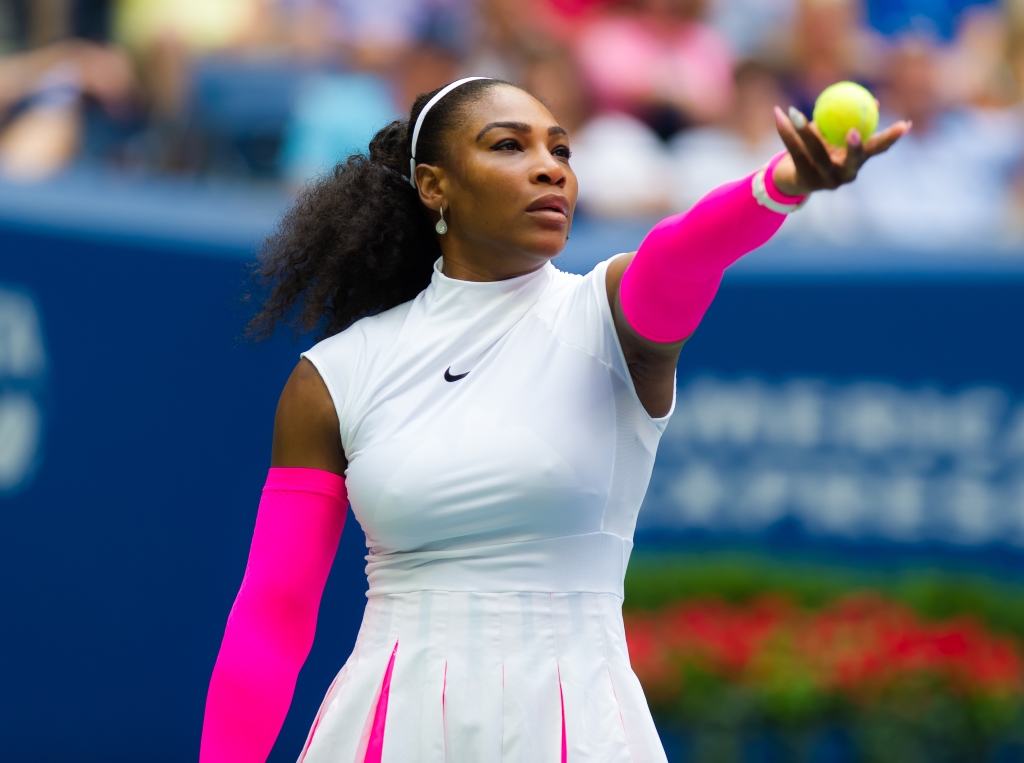
    Picture a teenager stepping onto a tennis court in front of cameras that had already decided what a champion was supposed to look like. The crowd expected a certain silhouette. What arrived instead was a young Black girl with a powerful frame, a small waist, and shoulders built for greatness. Decades later, that same woman would hold 23 Grand Slam singles titles and a far rarer trophy: the unshakable peace of someone who finally stopped asking permission to live in her own body. Her path from being picked apart to being fully at home in her skin is one of the most quietly radical stories in modern sport, and it has lessons for every woman who has ever stood in front of a mirror and heard someone else’s voice instead of her own.

    The Body That Refused to Apologize
    The Body That Refused to Apologize

    From the earliest days of her career, the conversation around Serena Williams was rarely just about her serve or her footwork. It drifted, again and again, to her physique. She was told she was too muscular. She was told she was too strong. She was compared, cruelly, to men. In her own blunt recollection of those years, she described the strange logic of the criticism: “The general consensus was that I was a big fat cow. They were used to seeing women that didn’t have a figure, and I was a black woman with a figure, and that doesn’t make you bad. It just makes you a girl with a butt and a small waist.”

    Read that again, because the matter-of-factness is the point. She was not describing a flaw. She was describing a body that simply did not fit the narrow template the world had prepared. The problem was never her curves. The problem was a culture that had decided strength and softness could not live in the same woman at once.

    What makes her story resonate on a body-positive site like this one is that the scrutiny she faced was not abstract. It was constant, public, and tangled up with race and gender in ways that made it sharper. Yet she kept showing up. She kept winning. And slowly, she began to do something far harder than winning a final: she started to talk back, on her own terms, in her own voice.

    That refusal to shrink is worth dwelling on, because most of us never get to practice it under floodlights. The pressure to make our bodies smaller, quieter, or more conventional usually plays out in private, in the clothes we avoid and the photos we delete. Serena had no such privacy. Her negotiation with her own image happened in front of millions, which means the confidence she eventually wore was tested in public and held up anyway.

    When Strength Becomes the Insult
    When Strength Becomes the Insult

    There is a particular sting in being mocked for the very thing that makes you exceptional. Serena’s body was not a liability she overcame. It was the engine of her dominance. The same power that drew sneers was the power that flattened opponents and rewrote the record books. Naming that contradiction out loud became part of how she reclaimed her image.

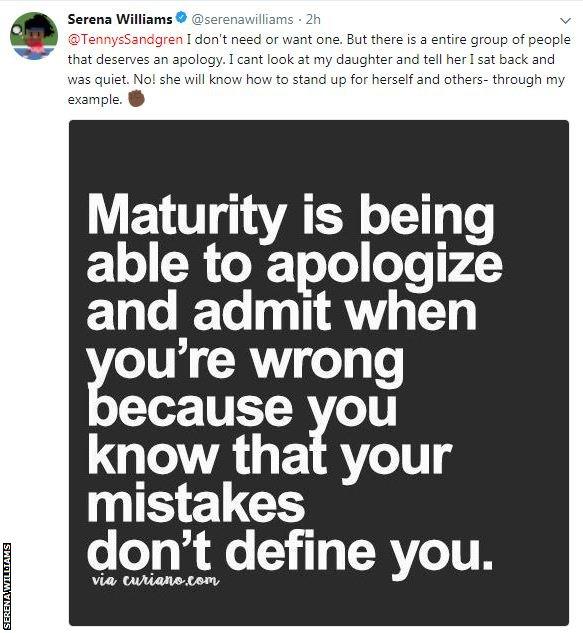
    In an open letter she shared publicly, written to her own mother and posted online in 2017 shortly after she became a mother herself, she addressed the years of insults directly. “I’ve been called man because I appeared outwardly strong,” she wrote. She went on to confront the ugliest accusations head-on, including the suggestion that she did not belong in women’s sport. Her answer cut through all of it: “No, I just work hard and I was born with this badass body and proud of it.”

    That line deserves a moment. “Born with this badass body and proud of it.” There is no hedging in it, no request for approval, no quiet hope that the critics might come around. It is a woman claiming her physical self as a fact and a gift in the same breath. For readers who have spent years apologizing for taking up space, for being curvier or stronger or simply more visible than the world prefers, that sentence is a small revolution you can carry in your pocket.

    She wrote that letter to thank her mother for modeling grace under fire. But she also turned it outward, into a statement about every body that gets policed for not matching a magazine cover.

    A Letter That Became a Mirror for Millions
    A Letter That Became a Mirror for Millions

    The letter to her mother did something a trophy never could. It moved the conversation from individual achievement to collective belonging. Serena used her own scrutinized body as proof that womanhood comes in more than one shape, and she said so plainly: “I am proud we were able to show them what some women look like. We don’t all look the same. We are curvy, strong, muscular, tall, small, just to name a few, and all the same: we are women and proud!”

    That is the heart of body positivity stated by one of the most recognizable athletes alive. Not a single ideal to chase, but a roster of real forms, all equally valid, all equally women. When she lists curvy and strong and muscular alongside tall and small, she is dismantling the idea that there is one correct way to occupy a female body. She is the proof and the messenger at once.

    What is striking is who she was writing for. She was not only defending herself. She was thinking about the next girl. In a separate interview, she made that mission explicit: “I’m not asking you to like my body. I’m just asking you to let me be me. Because I’m going to influence a girl who does look like me, and I want her to feel good about herself.”

    There is enormous generosity in that framing. She was not chasing universal approval, which is a trap that never closes. She was protecting the confidence of a younger version of herself, the one watching from a couch somewhere, wondering if a body like hers could ever be celebrated. The answer she modeled was yes, loudly and without conditions.

    Choosing Self-Love as a Daily Practice
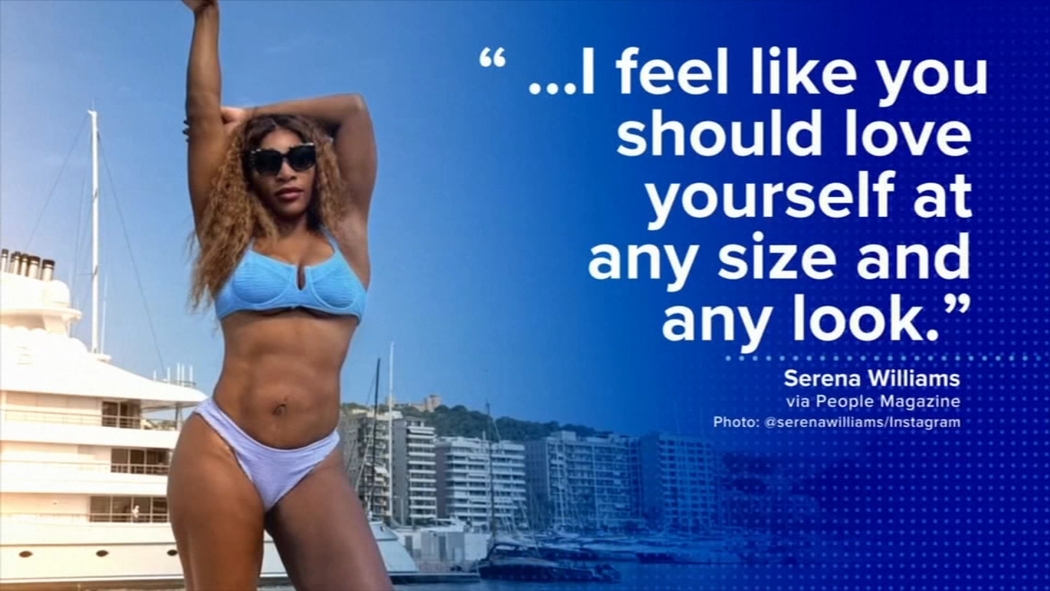
    Choosing Self-Love as a Daily Practice

    It would be easy to assume that someone with Serena’s accolades arrived at confidence automatically, as if trophies inoculate you against doubt. Her own words suggest otherwise. The peace she found was a choice she made repeatedly, an inward turn she had to practice rather than a gift she was handed.

    Reflecting on the years of negative noise, she described the shift in clear terms: she was “constantly told I was too muscular, or I wasn’t pretty enough to be a tennis player,” and she “learned to ignore the negativity and look inwards to truly love myself.” The key word there is learned. Self-love, in her telling, is a skill, not a personality trait you either have or lack. She continued: “I realized I was in control of my feelings and focused on rising above the negative chatter and the unrealistic societal ideals placed on me. I love who I am. I love my body, my skin, my confidence and I fully embrace everything about me.”

    For anyone who has ever felt that loving their body is a destination they keep failing to reach, her framing offers relief. She did not wake up immune to criticism. She decided, again and again, where to place her attention. She located the control she actually had, which was over her own response, and she let the rest fall away.

    That sense of agency runs through another of her reflections. People had been talking about her body, she noted, for a very long time, but she refused to let their verdict become her own. “What matters most is how I feel about me,” she said, “because that’s what’s going to permeate the room I’m sitting in.” It is a beautifully practical idea. The energy you bring into a space starts with the relationship you have with yourself, not with the opinions trailing behind you.

    There is also something freeing in how she defines beauty for herself rather than borrowing the definition. Asked over the years to soften her look or her game, she kept returning to a simple position of ownership. In one widely shared reflection she summed it up with almost defiant ease: “I am who I am. I love who I am.” Five short words, repeated, doing the work of a thousand affirmations. It is not a claim that she is better than anyone else. It is a refusal to be measured against a yardstick she never agreed to.

    The Power of Showing Up Unretouched
    The Power of Showing Up Unretouched

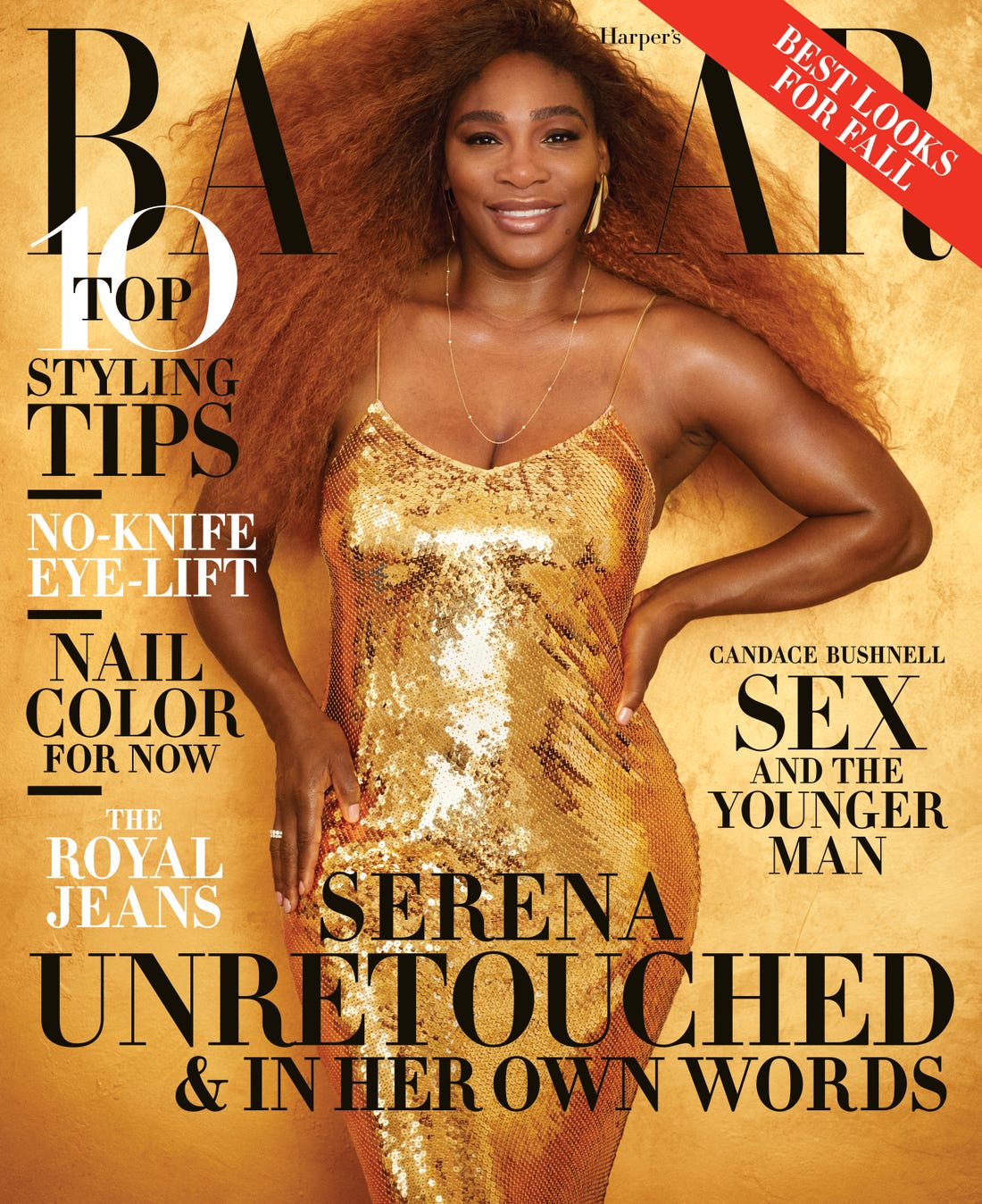
    Confidence that stays private is one thing. Serena took hers public in deliberate ways, and few moments captured that better than her 2019 Harper’s Bazaar cover. She appeared in unretouched photographs, her muscular frame on full display, for an issue built around celebrating women in their most authentic state. The choice to go unedited, at the height of filtered, airbrushed perfection, was its own quiet argument: this body, exactly as it is, is worthy of the cover.

    That willingness to be seen completely is part of why she became such a meaningful figure beyond tennis. She did not present a softened, more palatable version of herself to make the world comfortable. She offered the real thing, the strong arms and the curves and the visible muscle, and let the celebration follow. For readers who have hidden in oversized clothes or untagged themselves from photos, the image of a global icon posing proudly without retouching lands as both permission and dare.

    Her self-love also never lived in isolation from her circumstances. She has been candid that the road was steeper because of who she is, acknowledging that she had “been treated unfairly,” had been “disrespected by my male colleagues,” and had at the most painful moments “been the subject of racist remarks on and off the tennis court.” Naming that does not contradict the celebration. It deepens it. The confidence she built was hard-won precisely because she built it against real resistance, which is what makes it usable for the rest of us. She is not telling anyone that the world will be fair. She is showing that you can love yourself fiercely even when it is not.

    Carrying Her Lessons Off the Court

    When Serena announced in 2022 that she was stepping away from professional tennis, she framed it not as an ending but as a turn toward other things that mattered to her, including her family and her venture firm, Serena Ventures. Through that firm she has poured energy into backing companies led by women and people of color, the same communities so often overlooked, after learning how little venture funding reaches women founders. The throughline is hard to miss. The woman who insisted there is more than one way to be a champion now invests in the founders who get told they do not fit the mold.

    That is the most useful thing about her body confidence journey: it was never only about a body. It was about authority over your own story. The lessons translate cleanly off the court and into ordinary life. Loving your body can be a learned practice rather than a lucky accident. The strength that draws criticism is often the very thing worth protecting. The girl who looks like you is watching, which is reason enough to speak kindly about yourself out loud. And the way you feel about yourself really does permeate every room you enter, long before anyone hears your resume.

    Serena Williams did not wait for the world to declare her beautiful before she decided she was. She claimed her curves, her muscle, her skin, and her confidence as her own, then handed the blueprint to anyone willing to use it. The next time a mirror tries to speak in a borrowed, critical voice, borrow hers instead. Born with this body. Proud of it. Let that be the first and last word.
  • Dolly Parton’s Unapologetic Style Philosophy and What Every Woman Can Learn From It

    Dolly Parton’s Unapologetic Style Philosophy and What Every Woman Can Learn From It

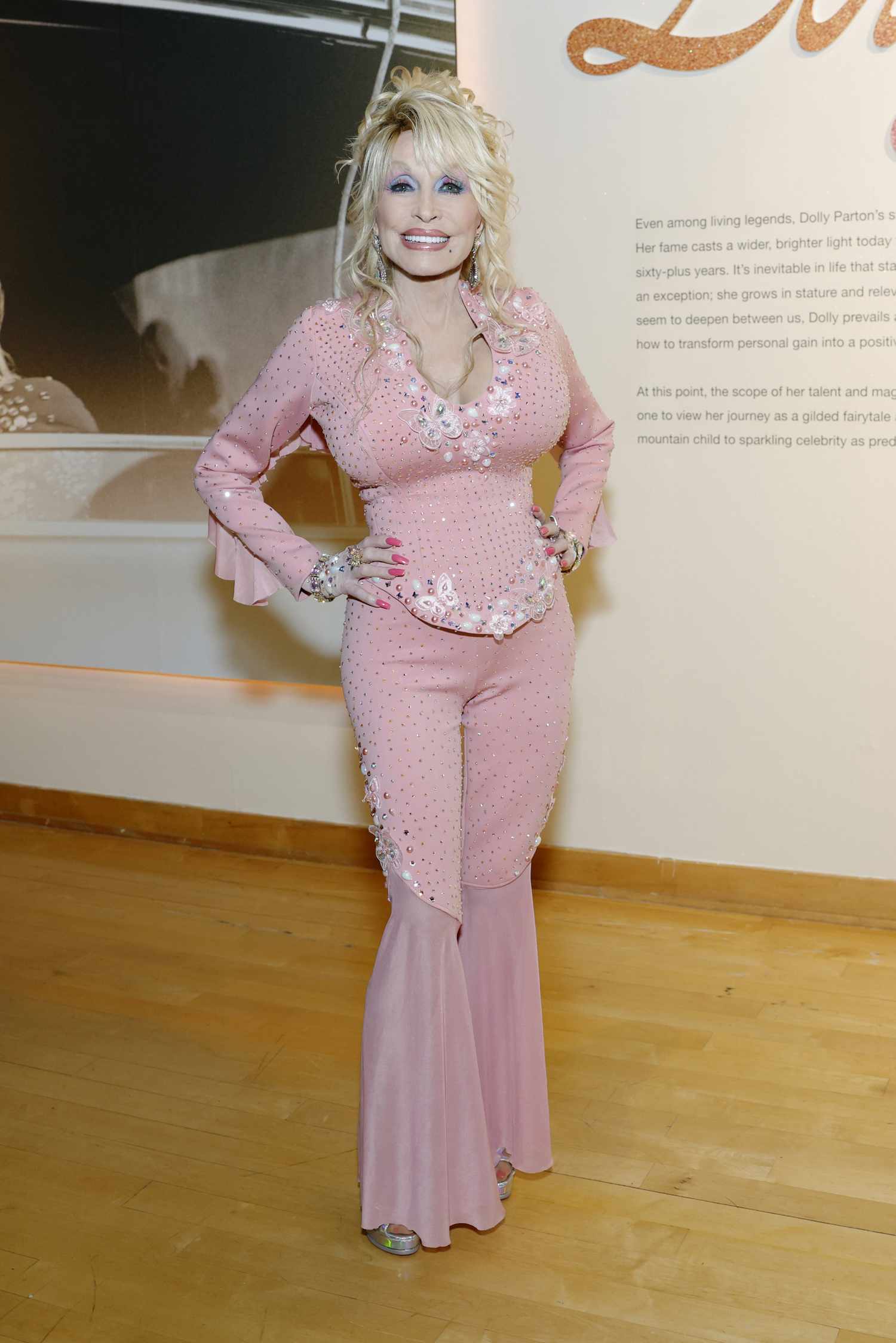
    Picture a small girl in the hills outside Sevierville, Tennessee, watching a woman walk down the main street of town. The locals called this woman the town tramp. They said cruel things. But the child saw something else entirely. As Dolly Parton would later tell it, “They called her trash, but to me she was absolutely beautiful.” The woman wore colorful patchwork skirts and pretty blouses, showed a little cleavage, kept red nails and red lipstick and piled-up blond hair and high heels. To a poor kid raised in a one-room cabin with eleven siblings and no running water, that woman was not a cautionary tale. She was a vision. And in that moment, a style philosophy was quietly born that would carry one of the most beloved women in the world across more than six decades of public life without ever once apologizing for how she looked.

    That little girl grew up to become a country music legend, a businesswoman, a philanthropist, and a fashion icon whose look has never gone out of style because it was never chasing style in the first place. The lesson buried in her story is one that every woman, of every size, every age, and every budget, can borrow for herself. You do not have to wait for permission to be the most fully realized version of you. Dolly never did.

    The Town Tramp, Mae West, and the Permission to Shine

    The Town Tramp, Mae West, and the Permission to Shine

    Most fashion icons borrow from designers. Dolly borrowed from a woman her whole town looked down on, and she has never hidden it. That choice tells you everything about how she sees self-expression. She did not absorb the message that bold was bad, that loud was vulgar, that a woman who took up space and asked to be looked at had done something shameful. She decided, as a child, that the woman everyone mocked had it exactly right.

    Alongside that local muse, Parton has cited Mae West and Marilyn Monroe as inspirations, women known for owning their glamour and their bodies in eras that often punished women for both. Pulling the thread together, Dolly has summed up her north star simply: “I wanted anything colorful, anything sparkly. I just wanted to shine.” There is no hedging in that sentence. No “I hope it’s not too much.” No shrinking. Just a clear, joyful want.

    That is the first thing every woman can take from her. So many of us dress defensively. We choose the outfit least likely to draw comment, the neutral that disappears, the silhouette that hides rather than the one that delights us. Dolly flipped the question. Instead of asking what will keep me safe from judgment, she asked what makes me feel alive. The answer was rhinestones, and she chased it for sixty years. You are allowed to want to shine. You do not need a special occasion or a smaller dress size to deserve it.

    “It Costs a Lot of Money to Look This Cheap”

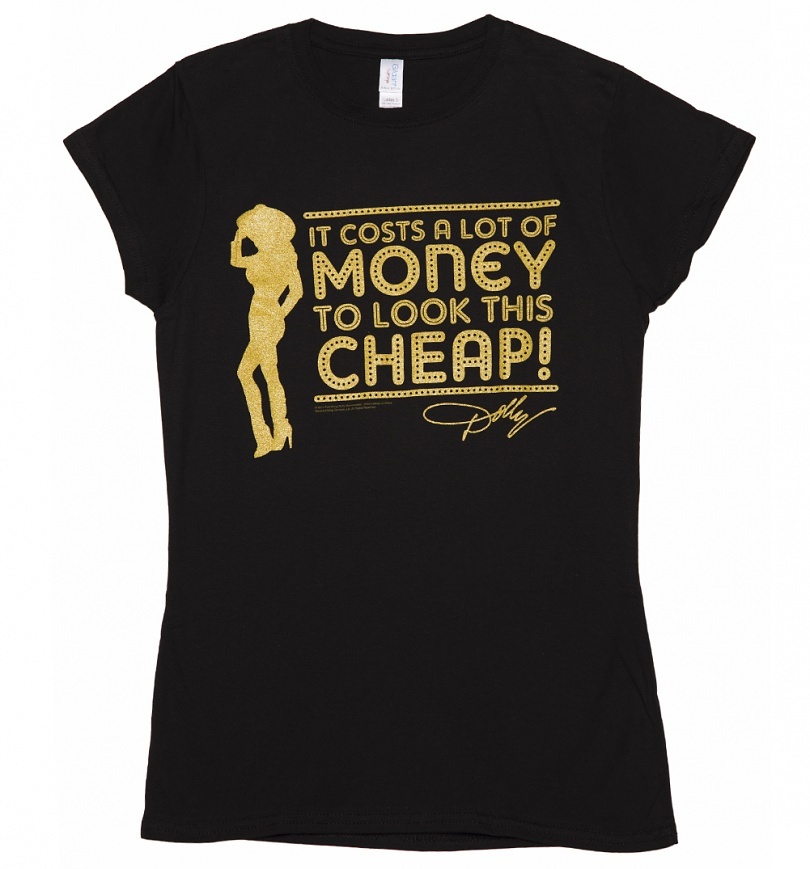
    No single line captures Dolly’s relationship with her own image better than the one she has repeated, with a wink, for decades: “It costs a lot of money to look this cheap.” It is funny, and it is meant to be. But sit with it and it becomes something close to a manifesto.

    What she is doing in that sentence is taking a word that has been thrown at women like a stone, cheap, and wearing it like a tiara. She is refusing to be insulted. She has said plainly, even into her late seventies, “I want to look cheap. That’s my look. I want to look a little bit, you know, trashy.” She named the thing other people meant as criticism, claimed it on purpose, and made it the whole point. You cannot wound someone with a word they have already chosen for themselves.

    There is real power in that move for the rest of us. Maybe the word that gets used against you is not “cheap.” Maybe it is “too much,” or “extra,” or “trying too hard,” or one of the coded ones women hear about their bodies. Dolly’s answer is to look at the label, decide whether it actually describes something you love, and if it does, to pin it on with pride. The judgment loses its grip the moment you stop flinching from it. She turned a put-down into a brand, and that brand outlasted every critic who ever sneered.

    It helps to remember that the people doing the sneering rarely have a better life to offer in exchange. They are not handing you a happier way to be. They are only asking you to be smaller and quieter so that you take up less of their attention. Dolly worked that out early and never paid the toll. She let the comments wash past her and kept her energy for the things that actually mattered to her, the songs, the businesses, the people she loved. Choosing what gets to bother you is its own kind of freedom, and she has guarded hers fiercely for a lifetime.

    The Wigs, the Nails, the Rhinestones: A Costume You Choose on Purpose

    People sometimes assume Dolly’s elaborate look is about insecurity, about hiding. The truth is more practical and more freeing. She has been candid that the wigs began for a simple reason: “I started wearing wigs because I quickly realized that bleaching and teasing my hair every day would cause breakage and not look good.” What started as a fix became a signature. The wigs are not a mask. They are a tool, and she uses them the way a painter uses a favorite brush.

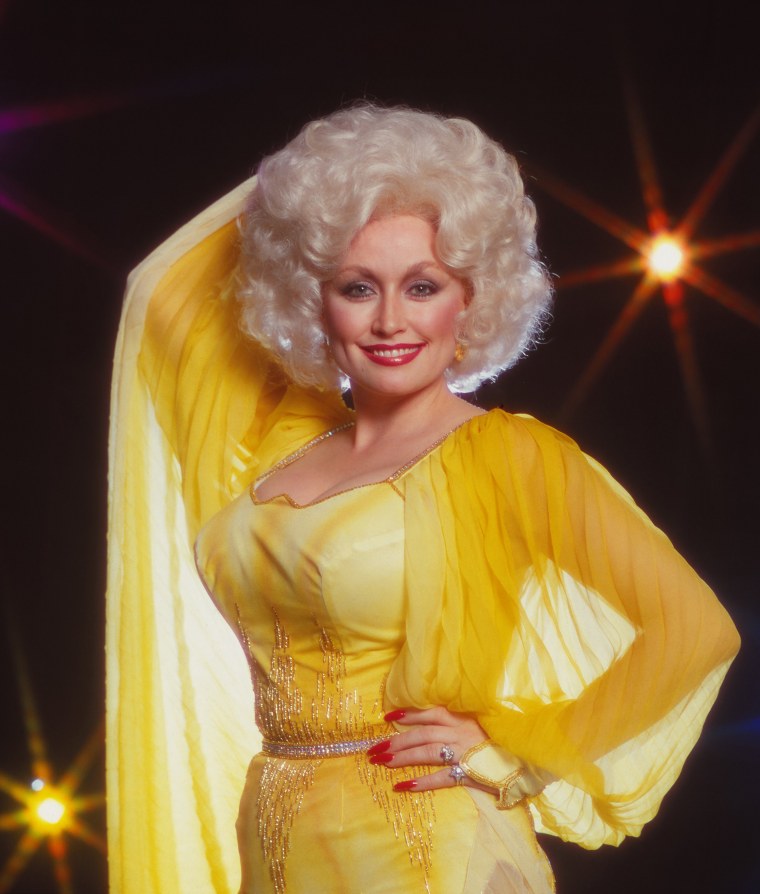
    That is the part worth lingering on. Dolly treats her appearance as a costume in the best sense of the word, a deliberate, crafted, controllable thing she builds to present the person she wants to be. The sky-high hair, the manicured nails, the sequins and crystal beading and statement gowns are not accidents she stumbled into. They are decisions. Every single one. And because they are decisions, they belong to her completely. Nobody handed her this look. She designed it.

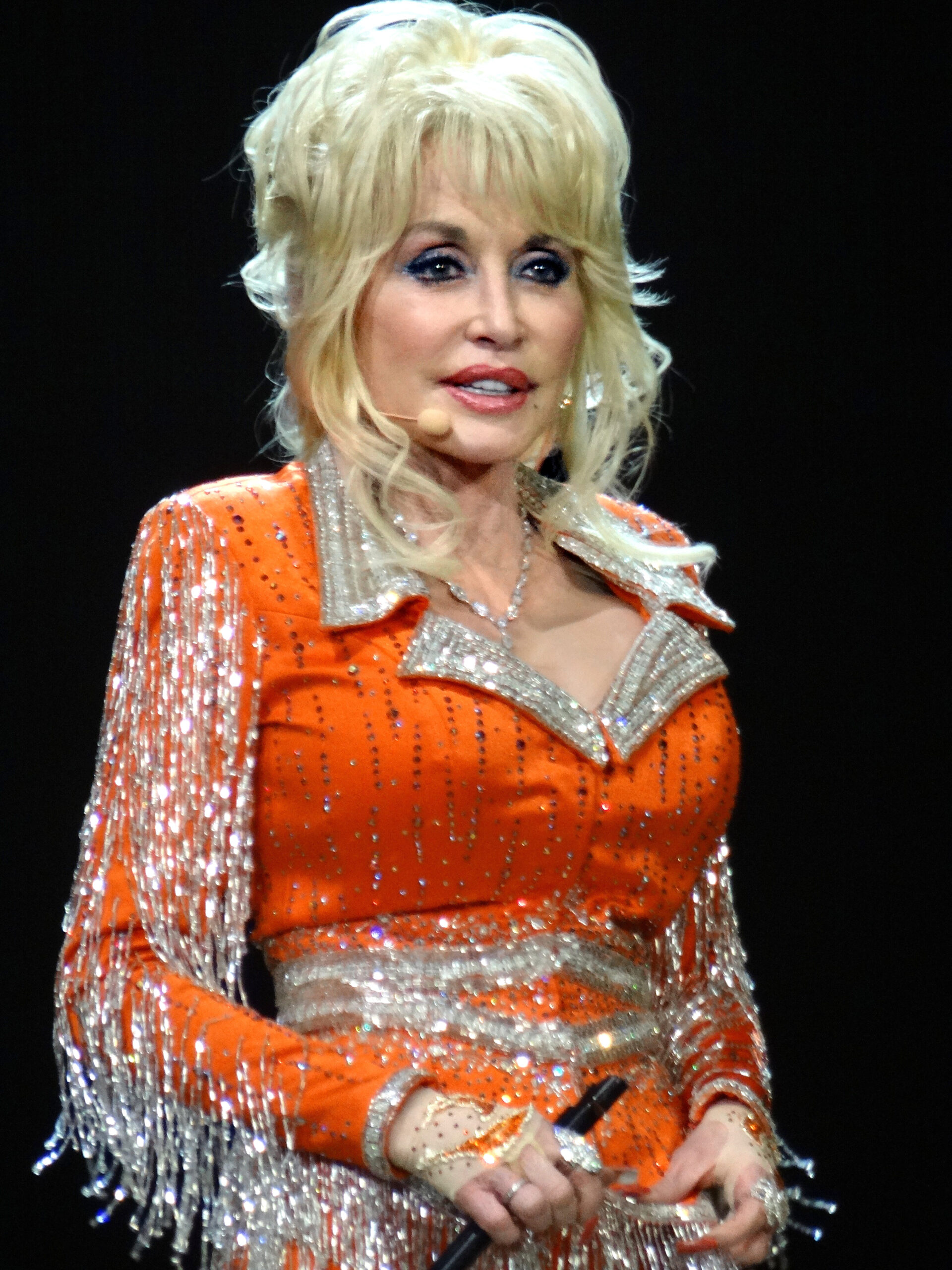
    For everyday women, the translation is liberating. You do not have to be born photogenic or naturally striking to have a signature. You get to assemble one. The red lip you reach for on hard days. The earrings that make you feel like yourself. The print you love even though a magazine once said women over forty or above a size sixteen should avoid it. These are your rhinestones. Dolly’s genius was never that she was effortlessly beautiful. It was that she understood beauty as something you can author, and then she sat down and wrote her own.

    Confidence That Does Not Bend for Age or Size

    Confidence That Does Not Bend for Age or Size

    Here is the quiet revolution inside Dolly Parton’s whole career. She has never adjusted her self-presentation to satisfy anyone else’s timeline. The fashion world tells women, relentlessly, that there is a window. Be bold while you are young and thin, then graduate to tasteful restraint, then disappear gracefully. Dolly ignored every word of it. In her late seventies she was still chasing sparkle as hungrily as she did at twenty-five, still saying out loud that she wanted to look a little trashy, still piling her hair as high as ever.

    Part of what protects her is a refusal to be diminished by mockery. Her response to one of the oldest insults aimed at women like her is a masterclass in self-possession: “I’m not offended by dumb blonde jokes because I know I’m not dumb. I also know I’m not blonde.” She lets the joke land on someone else. She knows who she is, so the teasing cannot reach the real her.

    That sense of self did not come from a flattering mirror. It came from clarity. And that clarity is available at any age and any size. The woman who decides she will keep dressing for joy at sixty, at seventy, at eighty is not refusing to age. She is refusing to accept that aging means surrendering her delight in herself. The woman who buys the bright dress at a size twenty-two is not “getting away with” anything. She is doing exactly what Dolly did. She is dressing for the person she actually is, not the smaller, quieter person the world keeps suggesting she should become.

    Find Out Who You Are and Do It on Purpose

    Find Out Who You Are and Do It on Purpose

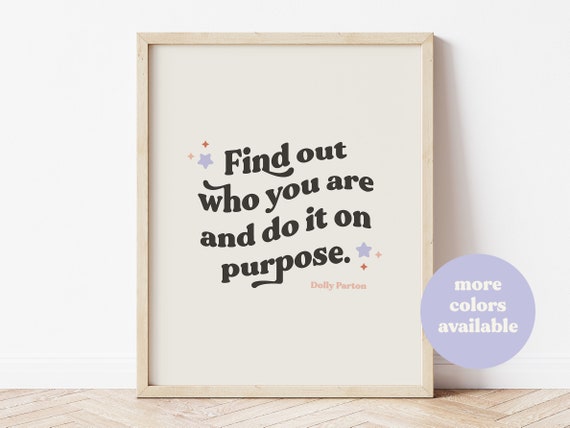
    If you stripped Dolly Parton’s entire philosophy down to one instruction, it would be the line she has given as advice more than almost any other: “Find out who you are and do it on purpose.” Six words, and they hold the whole thing.

    Notice the two halves. First, find out who you are. That is the work most people skip. It means getting honest about what you actually love rather than what you have been told to love, what makes you feel powerful rather than what photographs as acceptable, what feels like home on your body rather than what the rules approve. Dolly did this work as a child in the hills and never undid it. By the time she was performing on Knoxville radio and television before she was even a teenager, she already knew the answer.

    Then, the harder half: do it on purpose. Not by accident. Not when you feel brave enough. On purpose, every day, as a practice. Dolly has done this with extraordinary consistency, building a body of work that includes some of the most recorded songs in history, a beloved theme park, and a childhood literacy program, Dolly Parton’s Imagination Library, that has mailed well over a hundred million free books to children. Her estimated fortune, often placed in the hundreds of millions, is real, but it has never been the point. The point was always the doing-it-on-purpose, the daily decision to be unmistakably herself in a business that would have happily smoothed her into something more conventional.

    She also understood that doing it on purpose includes the hard days. “If you want the rainbow,” she has said, “you gotta put up with the rain.” The boldness was not the absence of difficulty. It was a choice she kept making through the difficulty.

    How to Borrow a Little Dolly for Yourself

    How to Borrow a Little Dolly for Yourself

    You do not need a wig wall or a recording contract to live by this. The philosophy scales down to a single closet. Start by noticing the pieces you reach past because someone once told you they were not “for you.” Pull one out. Wear it on a Tuesday for no reason. That small act of dressing for your own pleasure rather than other people’s comfort is the entire Dolly method in miniature.

    The good news in 2026 is that the bold, body-confident woman has more places to shop than ever, and the rhinestones come in every size. Brands like Universal Standard build genuinely elegant, expressive pieces across an extended size range. Eloquent and joyful options come from Eloquii, which has long treated plus-size dressing as a chance for drama rather than apology. Torrid leans into exactly the kind of fun, flirty, unmistakable style Dolly would recognize, and the denim-and-confidence world of Good American keeps widening its range too. Vintage and resale racks are another rich hunting ground, full of the sparkle and color Dolly herself learned to love before any of these labels existed. The brand matters far less than the spirit. Buy the thing that makes you feel like the most-you version of you, and then, crucially, actually wear it.

    And when the doubts creep in, the ones that whisper that you are too old or too big or too loud for this, remember that the most copied, most adored, most enduring style icon of her generation built her entire look on a woman her whole town called trash, claimed the word “cheap” as a compliment, and never once dimmed herself to make other people comfortable. Dolly Parton is not beloved despite her boldness. She is beloved because of it. The sequins were never the secret. The decision to wear them on purpose, every single day, regardless of who was watching, is the part you get to keep.