Tag: beauty

  • Melanie Martinez’s Signature Aesthetic – How to Recreate Her Pastel Gothic Beauty Looks

    Melanie Martinez’s Signature Aesthetic – How to Recreate Her Pastel Gothic Beauty Looks

    Picture a nursery rebuilt inside a haunted dollhouse. Baby-pink walls, a music box that plays slightly off-key, ribbons fraying at the edges, and somewhere in the corner a porcelain face with eyes too big and too knowing for comfort. That tension – sweetness laced with something stranger – is the whole reason Melanie Martinez’s beauty world has held its grip on a generation of fans who grew up watching her transform. Her looks are not just pretty. They are characters. And the best part is that you do not need a Hollywood prosthetics budget or a particular face shape to step into that world. You need a few well-chosen products, a willingness to play, and permission to be a little uncanny.

    What follows is a love letter and a how-to, built for real faces of every shade, age, and size. Whether you live for the babydoll softness of the Cry Baby years or the otherworldly fairy-creature of the Portals chapter, there is a version of this aesthetic that will feel like yours.

    Two Eras, One Strange and Beautiful Universe

    Before reaching for a single brush, it helps to understand that Melanie’s aesthetic is not one fixed look. It has evolved through distinct chapters, and knowing the difference saves you from mixing signals.

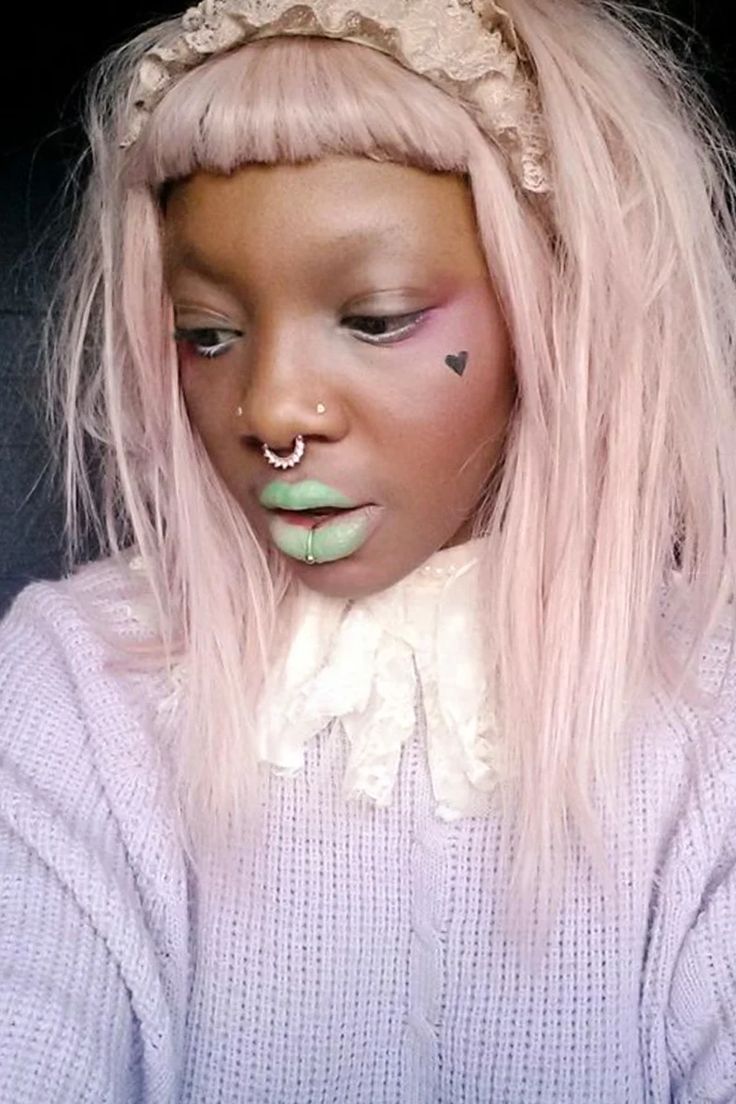
    The first and most recognizable is the Cry Baby era, the world that bloomed across her early music and visuals. This is the realm people mean when they say pastel goth or dark fairytale. Think Victorian-doll innocence with a crack running through it: babydoll silhouettes, two-tone hair, Peter Pan collars, and a face built on enormous doe eyes, flushed cheeks, and a deliberately childlike pout. Sweet on the surface, unsettling underneath. The makeup leans into soft pinks and powder blues, heavy lashes, and playful flourishes like a heart drawn in blush high on the cheek.

    Then came the Portals chapter, a dramatic reinvention. Here the Cry Baby character is reborn as a pink-fleshed, four-eyed fairy creature suspended between Earth and the afterlife, all elephant-ear softness and puffy cat-like cheekbones. The palette shifts toward nature, mythology, and the cycle of life and death. It is fairycore, but with a darker, dewy, ethereal twist – shimmer instead of matte, mossy and rose tones instead of nursery pastels, and a sense that you have wandered somewhere not entirely human.

    You can borrow from one era, the other, or blend them. The unifying thread across both is emotional contrast: childlike and eerie, delicate and bold, pretty and a little bit wrong in the most magnetic way.

    Building the Doll-Skin Base

    Everything starts with skin that reads luminous and almost porcelain, but never cakey or flat. The Cry Baby aesthetic loves a face that looks lit from within, like a doll left near a window. You are not chasing a heavy full-coverage mask. You are chasing softness.

    Begin with a hydrating primer so the skin looks plush rather than powdery. From there, reach for a medium-coverage foundation or a skin tint and build only where you need it. Brands like e.l.f. and NYX both make affordable, buildable bases in genuinely wide shade ranges, which matters because this look should glow on deep, medium, and fair skin alike – the goal is your own skin looking dreamy, not your skin erased. Fenty Beauty earned its reputation on inclusivity for exactly this reason, and Rare Beauty‘s liquid formulas lean naturally luminous, which suits the era beautifully.

    A small confession about the dollish finish: it is less about coverage and more about contrast. Keep the complexion soft and even, then let the eyes and cheeks do the dramatic talking. If you want that slightly unreal porcelain quality, a touch of a cool-toned or lavender-tinted setting product across the high points can lend the skin that music-box stillness without flattening your features. Set lightly, leave a little natural dew, and resist the urge to bake every inch.

    For the Portals creature look, the base logic flips slightly. Instead of porcelain, you want otherworldly. A wash of sheer pink or peach over the complexion, concentrated on the cheeks and the tip of the nose, nudges your skin toward that fairy-flush without prosthetics. A dab of cream blush from a line like ColourPop or Rare Beauty, pressed up onto the cheekbones and even lightly onto the temples, mimics the puffy, blushed creature face far more gently than full-face paint ever could.

    The Eyes Tell the Whole Story
    The Eyes Tell the Whole Story

    If the aesthetic lives anywhere, it lives in the eyes. Melanie’s signature is the doe eye: wide, round, almost startled, framed by lashes that look like they belong on a vintage doll. This is where you spend your time.

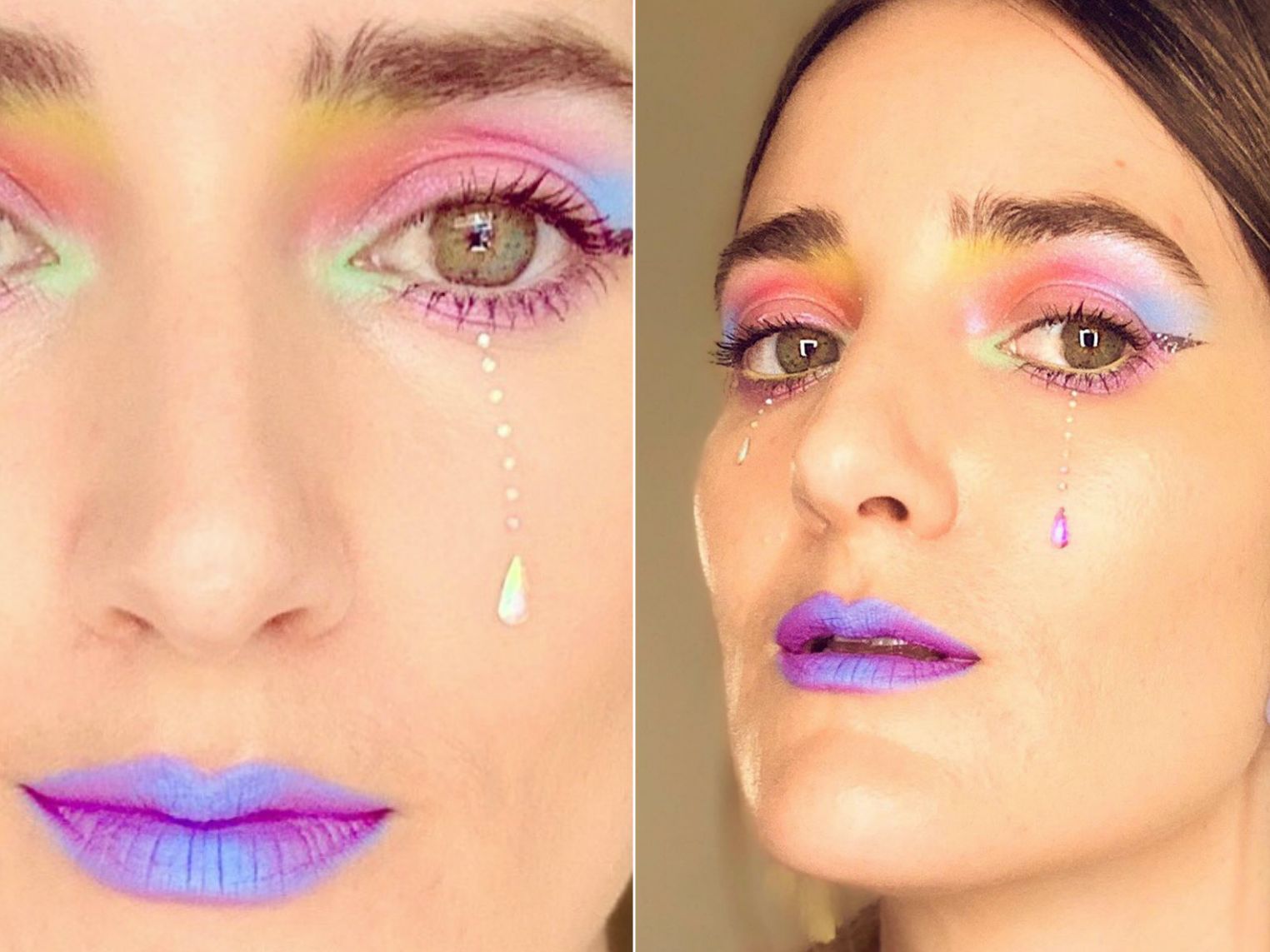
    Start by rounding the eye rather than elongating it. A soft brown or muted grey in the crease, blended into a rounded socket shape rather than a sharp cat-eye, instantly reads younger and more open. Then come the pastels. Sweep a powder pink, baby blue, or lavender across the lid – sparkly finishes are very on-brand here because they catch light like something enchanted. A ColourPop single shadow or an e.l.f. palette gives you those exact dreamy shades without a luxury price, and most of these run somewhere in the affordable single-digit to low-double-digit range as a rough estimate, so experimenting costs little.

    Liner is where you choose your mood. For a softer Cry Baby look, a thin black line hugging the upper lash with a tiny rounded flick keeps the eye doll-like. For something more playful, swap in a colored liner – a pastel blue or pink along the lower lash line is pure Melanie mischief. NYX and ColourPop both carry colored liners and gel pots that make this easy for beginners.

    Lashes seal the effect. Reach for a lengthening, separating mascara and do not skip the lower lashes; spidery, defined bottom lashes are central to the doll-eye illusion. If you are comfortable with falsies, a doll-style lash with longer center hairs exaggerates that wide-awake roundness. And for an unmistakable signature, draw two or three little painted lashes beneath the eye with a fine liner, the way old dolls and the Cry Baby visuals do. It is a tiny detail that announces the whole reference.

    For Portals eyes, push into the ethereal. Layer a duochrome or iridescent shimmer across the lid, blend a mossy green or dusty rose into the outer corner, and add tiny dots or a smattering of small gems near the brow bone for that fairy-creature shimmer. The four-eyed creature is impossible to literally replicate without effects makeup, but a second tiny accent of liner and a dot of glitter placed just above or below the natural eye gives a knowing nod without commitment.

    Cheeks, Hearts, and the Art of the Flush
    Cheeks, Hearts, and the Art of the Flush

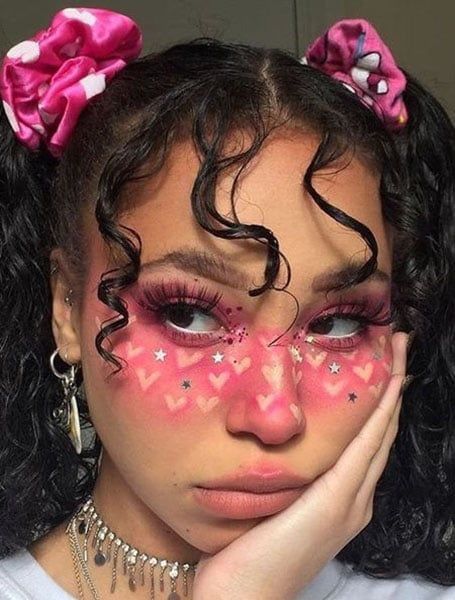
    Few signatures are as instantly recognizable as the heart blush. High on the apples of the cheeks, sometimes drawn as an actual little heart, the flush in Melanie’s world is exaggerated and joyful and just slightly feverish, like a doll that has been crying or a fairy caught mid-laugh.

    Build it in layers. Start with a cream blush in a true rosy pink, pressed high on the cheek and blended up toward the temple rather than down toward the jaw – upward placement keeps the face looking lifted and youthful. Rare Beauty’s liquid blushes are famously pigmented, so a single dot blends into a believable flush; ColourPop and e.l.f. offer cream and powder versions at gentler prices. Layer a powder blush over the cream to lock it and intensify the color until it reads a little more than natural. That overblush is the point. Subtlety is not the assignment here.

    For the literal heart, wait until your base flush is set, then use a small brush or a pointed cream product to draw a soft heart shape at the highest point of each cheek, just under the eye. Keep the edges blurred so it looks dreamy rather than stamped on. On deeper skin tones, berry, raspberry, and warm coral pinks will read far more vividly than pale baby pinks, so choose a shade with enough saturation to actually show up and glow against your complexion.

    A whisper of pink on the tip of the nose and across the eyelids ties everything together, giving that all-over flushed, slightly otherworldly warmth that both eras share.

    Lips, From Glossed Pout to Dark Fairytale

    The mouth in Melanie’s universe swings between two moods, and both are worth knowing. The first is the soft, glossy, slightly overlined pout – all innocence and shine. The second is a deeper, more gothic statement lip that pulls the look toward its darker fairytale roots.

    For the doll pout, line just slightly outside your natural lip line to round and plump the shape, then fill with a soft pink or your-lips-but-better nude before topping with a clear or pink-tinted gloss. The goal is a cushiony, kissable, almost childlike fullness. NYX and e.l.f. both make glosses and lip liners that nail this without fuss, usually for very little money.

    For the gothic turn, swap in a deep wine, oxblood, muted mauve, or even a dusty rose-brown for a vampy contrast against the soft pastel eyes and flushed cheeks. This juxtaposition – innocent eyes, knowing mouth – is the entire pastel goth thesis in one face. A matte or satin finish reads more deliberate and dramatic here than a high shine. Whatever direction you choose, blot and reapply so the color stays crisp, because a clean lip edge keeps the whole look from sliding into messy rather than intentional.

    If you want the Portals creature lip, go sheer and slightly unnatural: a mauve-pink with a frosted or glossy finish, sometimes blended out at the edges so the mouth feels soft and creaturely rather than sharply defined.

    Hair, Headpieces, and the Finishing Spell
    Hair, Headpieces, and the Finishing Spell

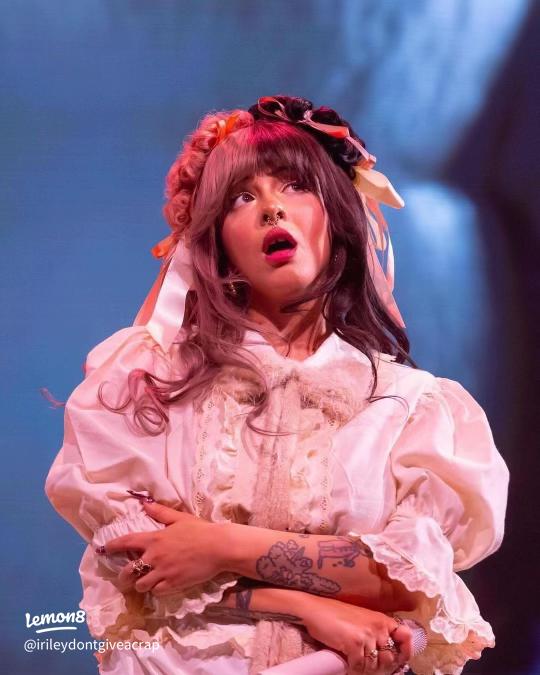
    A face this committed deserves a frame. The Cry Baby era practically trademarked the two-tone hairstyle, split down the middle into contrasting halves, but you do not need to bleach or dye to evoke it. Clip-in color streaks, a half-and-half wig, or even pastel hair chalk for a single night all capture the spirit. Soft waves, baby bangs, and little space buns lean further into the babydoll feeling.

    Accessories carry enormous weight in this world. Oversized bows, frilly hair clips, baby barrettes, pearl pins, and whimsical jewelry all translate the aesthetic instantly, often more than the makeup itself. For a Portals turn, trade the nursery bows for floral crowns, delicate elf-ear cuffs, pressed-flower clips, and anything that whispers of moss, water, and faerie folklore. A pink curly wig is the single fastest shortcut into that creature realm if you want to go all in.

    Then there is permission, which is the real finishing product. This aesthetic was never about looking conventionally flawless. It is about emotion made visible, about being soft and eerie and bold at once, about reclaiming the dolls and fairytales of childhood and bending them to your own strange beauty. It rewards the round face and the long face, the deep skin and the fair, the fourteen-year-old discovering eyeliner and the forty-year-old who never stopped loving a heart drawn in blush. There is no wrong body, no wrong age, no wrong shade for stepping into a make-believe world. The only requirement is that you let yourself play.

    When You Cannot Decide Which Doll to Be

    Here is the quiet truth that frees most people up: you do not have to pick a lane. Some of the most striking takes on this aesthetic borrow the doe eyes and heart blush of the Cry Baby years and pair them with a single Portals flourish – a dot of glitter near the brow, a wash of mossy shimmer, a curly pink strand tucked behind the ear. The eras were never meant to be museum pieces. They are a costume box, and you have the keys.

    Start with one signature and grow from there. Maybe it is just the heart on your cheek to a Friday show. Maybe it is the full porcelain-doll face with painted lower lashes for a photo shoot, or the iridescent fairy-creature shimmer for a festival under string lights. Keep your base soft, your eyes wide, your flush a little braver than feels natural, and let contrast do the heavy lifting. The magic was never in any one expensive product. It was in the willingness to look like a story instead of a snapshot, and that is something any face, exactly as it is, can wear.

  • Blind Box Beauty and Lifestyle Finds Worth the Gamble – A Size-Inclusive Shopper’s Guide

    Blind Box Beauty and Lifestyle Finds Worth the Gamble – A Size-Inclusive Shopper’s Guide

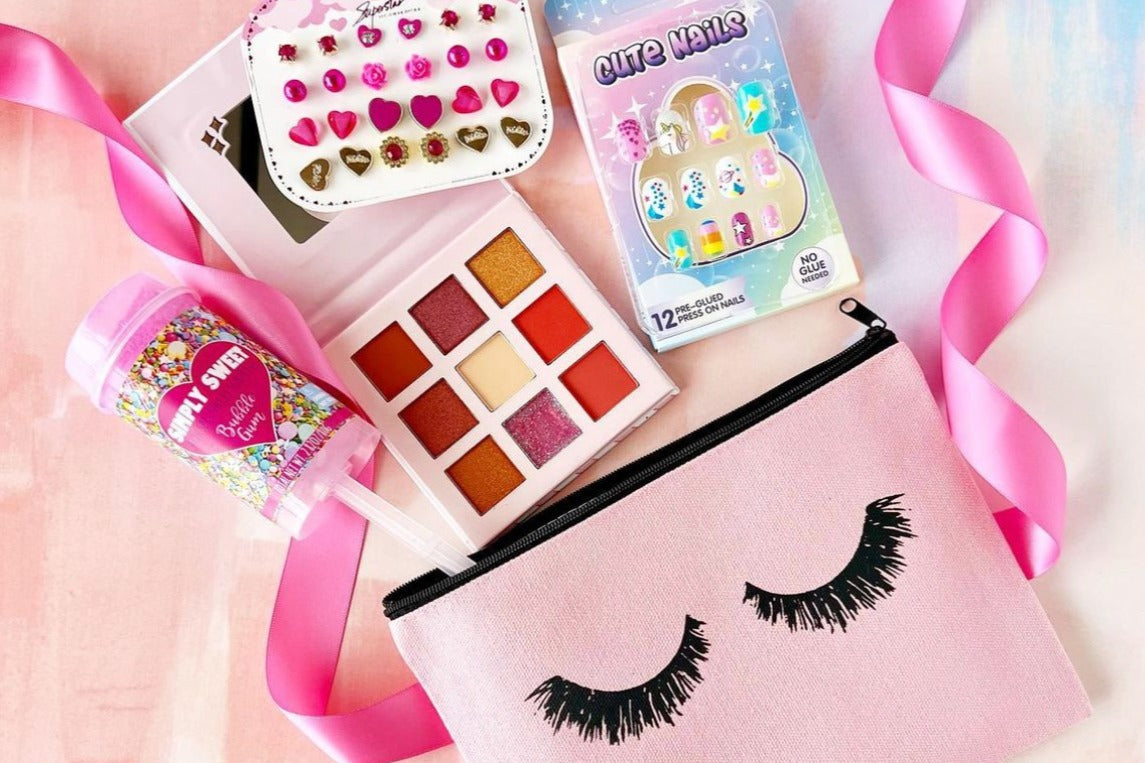
    That little rip of cellophane, the foil pouch crinkling open, the half-second where your fingers know before your eyes do. Something about not knowing what is inside hits the brain like a tiny carnival. You paid your money, you took your chance, and now there is a payoff coming whether it is the figure you wanted or a lip gloss you would never have picked yourself. Curvy women have been told to shrink, to wait, to earn the fun stuff. A sealed box that does not care what size you are feels almost rebellious in how simple the joy is.

    The trend is everywhere right now, and it is bigger than a passing TikTok moment. Researchers tracking the category project the global blind box market to clear $24 billion by 2033, which is a lot of foil pouches and sealed figures. So the question is not whether blind boxes are having a moment. They are. The real question is which ones are worth your actual money, which ones are dressed-up gambling, and how a curvy girl can play this game for the pure delight of it without waking up to a credit card bill that ruins the high.

    What blind boxes and mystery boxes actually are

    What blind boxes and mystery boxes actually are

    Strip away the hype and you have one idea wearing two outfits. A blind box is a sealed package where the specific item inside is hidden until you open it, usually one figure out of a set of six or twelve, sometimes with a rare “secret” or “chase” version hidden at long odds. A mystery box, or its cousin the subscription beauty box, sends you a curated mix of products you did not handpick, often at a price well below what the contents would cost at full retail. Both run on the same engine: surprise.

    That surprise is not an accident, and it is worth naming honestly. The reason these things feel so good is that your brain spikes dopamine harder during the wait than during the reveal. Anticipation is the drug. Unpredictable rewards light up the brain’s reward system more intensely than guaranteed ones, which is the same loop slot machines run on. None of that makes blind boxes evil. A surprise gift from someone who loves you works on the exact same wiring. But knowing the machinery means you get to enjoy the ride on purpose instead of being driven by it.

    The two camps also differ in one big way that matters for your wallet. A good beauty mystery box almost always gives you more retail value than you paid, because brands use it as paid sampling and the math is built to feel generous. A collectible blind box gives you a fixed item whose value floats on whatever the resale crowd decides, which can be far less or wildly more than you paid. One is closer to a smart shopping hack. The other is closer to a flutter. Treat them differently and you will rarely get burned.

    The beauty mystery boxes worth it, an honest take

    The beauty mystery boxes worth it, an honest take

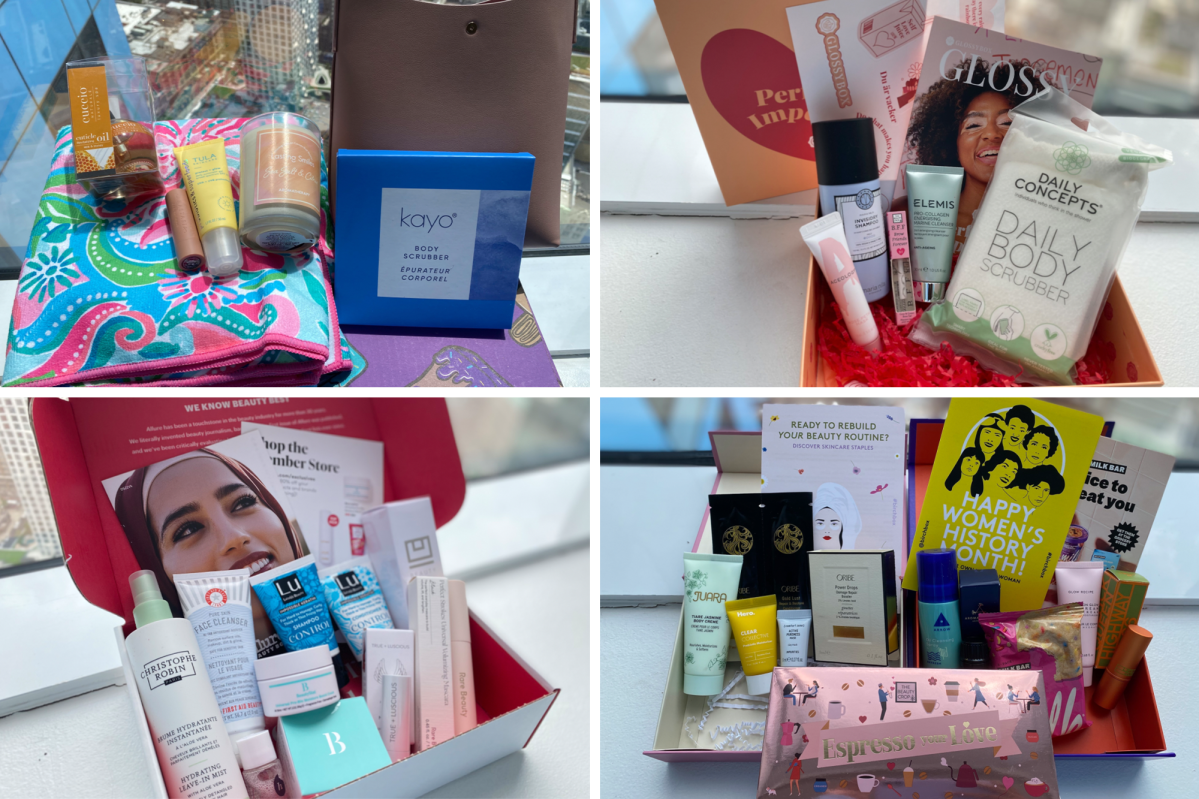
    Here is the good news for anyone who wants the unboxing rush without the speculative risk: beauty subscription boxes are the most reliably worth-it corner of this whole trend, because the value is real product you actually use.

    Ipsy is the giant, and it splits into tiers that suit different appetites. The classic Ipsy Glam Bag runs around $14 a month and sends five deluxe samples, a low-stakes way to try things. Ipsy Extra, which is the rebranded BoxyCharm after the two brands merged under the Ipsy umbrella, sits around $32 a month and delivers five full-size products with a stated retail value of up to $200. You get to pick three of your items, which takes the edge off the gamble. The honest caveat: “up to $200” is a ceiling, not a promise, and your real take-home value varies month to month. Some months sing, some are a shrug.

    Allure Beauty Box is the other heavyweight and arguably the most curated of the bunch, because it is backed by the magazine’s editors. It runs roughly $23 a month for six or more products with at least three full-size, built to value around $100. The mini-magazine of tips that comes with it is a nice touch if you actually like reading about what you are using. For makeup-forward experimenting, both Ipsy and Allure lean into color cosmetics and trend pieces, so they are the better pick if you want to play with shades rather than just restock serum.

    Then there are the seasonal big swings: beauty advent calendars. These are mystery-box energy stretched across 24 or more little doors, and the value can be genuinely staggering. The Sephora Favorites calendar has sold out three years running and routinely packs dozens of products, with recent editions holding 41 items including 25 full sizes. Premium department-store calendars from the likes of Space NK have carried price tags around 260 pounds against contents valued over 1,150 pounds. If you were going to buy those products anyway, an advent calendar is one of the few mystery formats where the math openly favors you. The trap is buying it for the value when you would never have spent that money otherwise. Value you do not use is just clutter you paid a discount for.

    The honest bottom line on beauty boxes: they are worth it when you treat them as discounted discovery, not as a monthly obligation you forgot to cancel. Set a reminder. Skip months when the spoilers do not excite you. The brands count on inertia, so the smart move is to stay a little bit fickle.

    Collectibles like Pop Mart and Labubu, the appeal and the cautions

    Collectibles like Pop Mart and Labubu, the appeal and the cautions

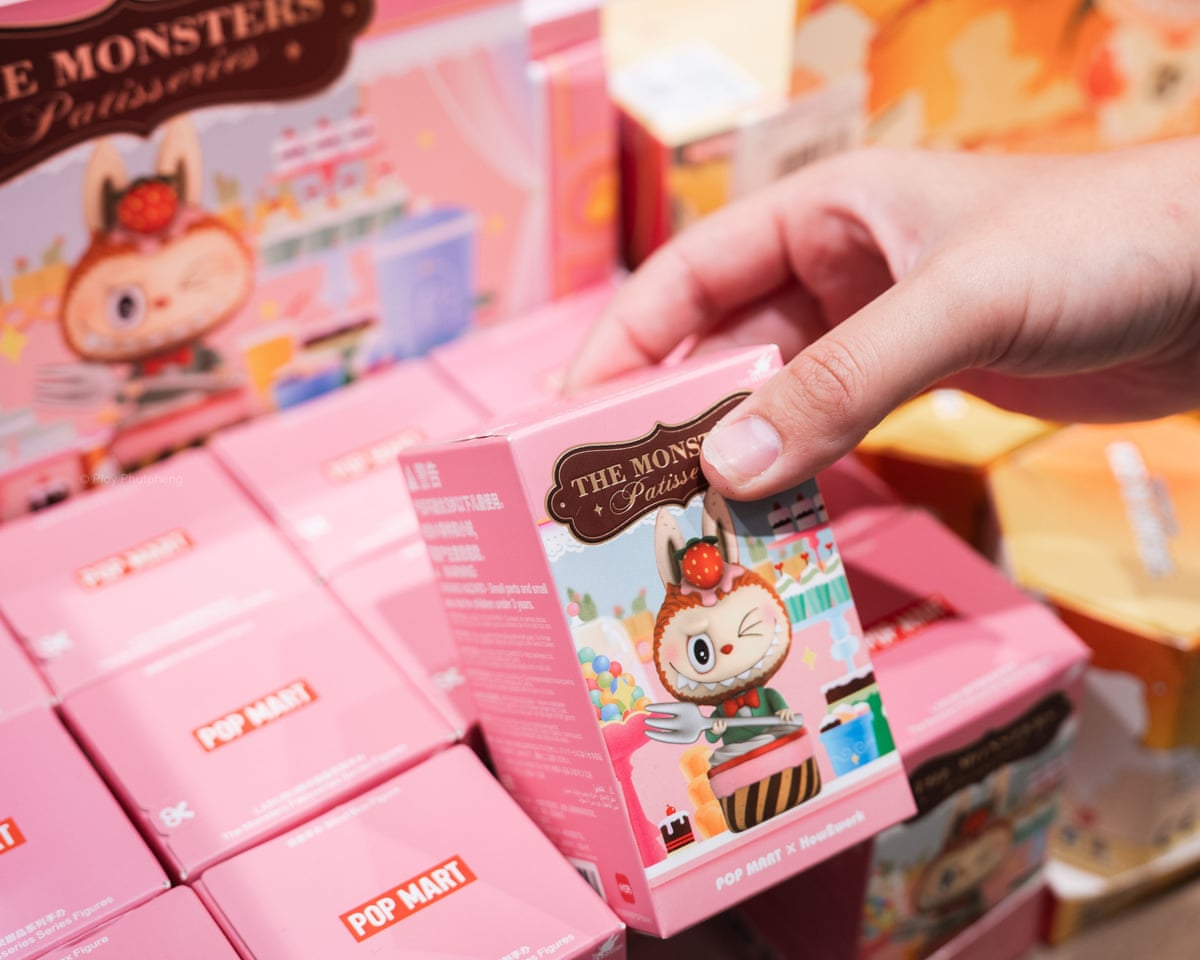
    Now for the corner that has eaten the internet. Pop Mart, the Chinese company behind the Labubu craze, turned little vinyl gremlins with jagged grins into a global obsession, and the appeal is easy to feel even if you do not collect. The figures are cute in a slightly unhinged way, they come in themed sets, and clipping one to your bag has become a genuine fashion signal. There is a whole emotional world here, with characters like Crybaby, Skullpanda, Hirono, and Hacipupu rising fast alongside Labubu heading into 2026.

    The entry price is friendly, which is part of the seduction. A standard Pop Mart blind box typically retails somewhere around the $10 to $13 range for the smaller vinyl figures, squarely in the impulse-buy zone where you do not stop to think too hard. That is by design. The figures are priced so the gamble feels harmless, and one box rarely is. The problem is that the whole model nudges you toward “just one more” until you have spent rent money chasing a figure you saw once.

    This is where honesty matters most, because the secondary market is where blind boxes stop being a toy and start looking like a casino. Rare “secret” Labubu variants pull at brutal odds, sometimes around one in seventy-two boxes, and the chase versions resell for eye-watering sums. Early 2026 market data has graded secret editions topping $1,800, with certain fantasy-themed chases trading between $1,700 and $2,000 in top condition. Behavioral researchers have flagged that blind boxes share structural similarities with gambling, and the resemblance sharpens exactly when resale values inflate like this. If you are buying a sealed box hoping to flip the rare one for profit, be clear-eyed: you are betting, and the house designed the odds.

    Two more cautions before you spend a cent. First, counterfeits are rampant. A nationwide crackdown in China once found that nearly 37 percent of online-listed Pop Mart products were fakes. Real boxes have crisp centered logos, a scannable unique authentication code, and figures that feel solid rather than light and chemical-smelling, with “POP MART” printed cleanly on the sole of the left foot. Anything priced suspiciously low, especially under about $7, or sold by a random social-media account, deserves deep suspicion. Buy from official Pop Mart channels and you sidestep most of the heartbreak. Second, resale prices are mood, not money in the bank. The figure worth $2,000 today is worth that only until the trend cools, and trends always cool. Collect what genuinely delights you to look at, and any future value is a bonus rather than the plan.

    The size-inclusive joy angle

    Here is the part that makes this trend quietly special for curvy women, and it is worth slowing down for. Almost nothing in the blind box and mystery box world has a size on it.

    Think about what shopping usually asks of a plus-size woman. The anxious scan for whether the cute thing comes in your size. The dressing room math. The brands that stop at a 14 and act like that is generous. Now picture a sealed beauty box that does not know or care what you weigh. A lipstick is a lipstick. A highlighter flatters every face. A Labubu clips to a size 26 tote exactly as happily as a size 2 one. The entire category is size-agnostic by nature, which means it is one of the rare playgrounds where a curvy girl gets to be a pure consumer of delight with zero sizing tax attached.

    That is not a small thing. So much of beauty culture has been a place where fuller-figured women were sold “fixes” rather than fun. Mystery beauty boxes flip that. They are a low-pressure way to experiment with a bold lip, a glitter you would never buy at full price, a fragrance outside your usual lane, all without a single mirror moment about your body. The accessory side does the same work. Charms, figures, little lifestyle trinkets, and bag clips let you express taste and personality through objects that fit your life rather than your measurements.

    There is also a community angle that lands warmly here. Unboxing culture is overwhelmingly social, built on sharing the reveal, and that shared thrill does not check anyone’s dress size at the door. A curvy woman filming her Ipsy reveal or showing off her Skullpanda is participating in the exact same joy as everyone else in the comments, fully and equally. For a demographic that gets edited out of plenty of trends, being centrally, effortlessly included in a global one is its own quiet pleasure.

    How to play smart, budget, FOMO and resale

    Loving this trend and getting played by it are two different outcomes, and a few simple rails keep you on the right side. None of these require willpower of steel. They just take the decision out of the heat of the moment, which is the whole point.

    Set a blind box budget before you shop, not during. Decide your monthly number for this kind of fun, the same way you would budget for takeout, and treat it as a hard ceiling. The figures are priced to feel painless one at a time precisely because the makers know small repeated yeses add up. A fixed cap turns “just one more” from a slippery slope into a closed door.

    Name the FOMO out loud, because limited editions are engineered to rush you. Artificial scarcity and “drops” exist to compress your decision time so you buy before you think, and surveys find limited editions are the single biggest purchase driver in this space. When you feel the clock ticking, that urgency is the marketing working, not a real emergency. A worthwhile object will still be worth wanting after you sleep on it. The ones that only seem worth it under time pressure are usually the ones you would have regretted.

    Keep beauty boxes honest by actually using what arrives and canceling the moment the magic fades. A subscription is only a deal if the products leave the box. If they pile up unopened, you are paying a monthly fee to manufacture clutter, and the value figure on the marketing page means nothing. Skip months freely. Loyalty is for people, not auto-renewals.

    Treat resale as a maybe, never a plan. If you flip a duplicate and come out ahead, lovely. But buying sealed boxes as an investment is a bet against odds the company set in its own favor, and prices that float on hype can sink just as fast. The collectors who stay happy are the ones who buy the figure for the figure. Everything after that is gravy, not strategy. And always, always buy from official channels so the thing you unbox is real.

    A box worth opening

    There is a version of this hobby that drains you, refreshing eBay at midnight and convincing yourself the next box holds the chase. There is another version that costs the price of a fancy coffee, arrives in the mail on a gray Tuesday, and makes you grin like a kid for the ten seconds it takes to peel it open. The difference is not the box. It is you, deciding before you buy which game you are playing.

    Pick a number you can lose without flinching. Keep the receipts in your head, not the fantasy resale value. Cancel the subscription that stopped sparking joy two months ago. Then go ahead and rip that foil open, clip that little vinyl creature to your bag, swatch that highlighter you would never have chosen, and feel the small bright hit of a surprise that asked nothing of your body and everything of your curiosity. Some gambles are just play money on a guaranteed smile. This one, played right, is exactly that.

  • Elizabeth Banks at 50-Plus: Her Approach to Aging Confidently, Style Evolution, and Beauty Without Apology

    Elizabeth Banks at 50-Plus: Her Approach to Aging Confidently, Style Evolution, and Beauty Without Apology

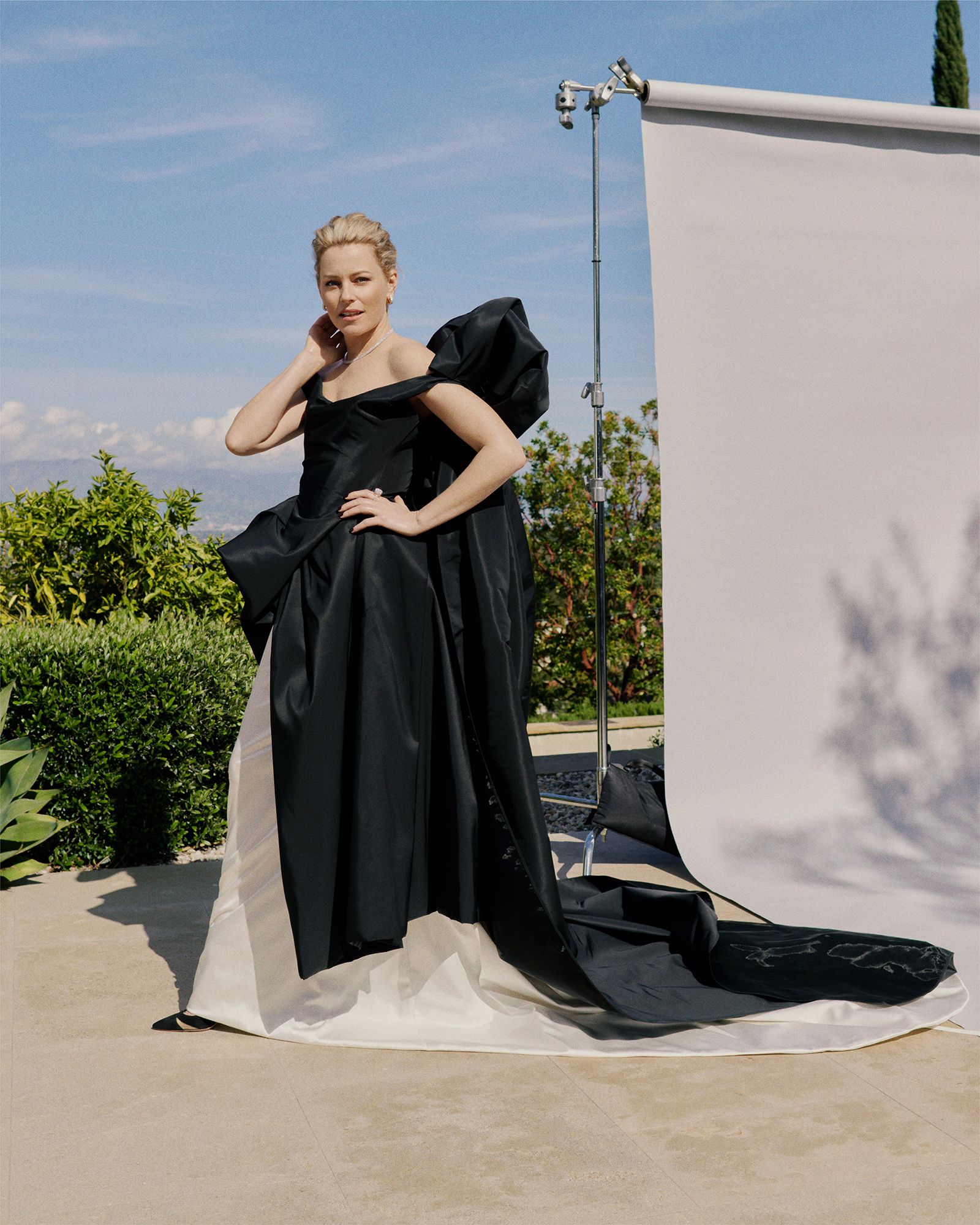
    “The most powerful I have ever felt.” That is how one of Hollywood’s busiest women described her own life in the days before she turned 50, and it lands differently coming from an industry that has spent a century telling women their value drops the moment a candle gets added to the cake. Power, not panic. Confidence, not a countdown. It is a small phrase, but it rewrites a very old script – the one that says a woman should treat each birthday as something to survive rather than something to claim. Born in February 1974, the actress, producer, and director who built that phrase into a personal philosophy offers a working model of what it looks like to grow older on your own terms, in public, without flinching.

    A Working Woman at 52, and Why That Matters

    A Working Woman at 52, and Why That Matters

    There is a version of Hollywood success that depends on staying frozen in time, and then there is the version that keeps moving. The second one is harder, riskier, and far more interesting to watch. At 52, the woman best known to millions as Effie Trinket in “The Hunger Games” films and as the deadpan a cappella commentator in the “Pitch Perfect” series is not coasting on past roles. She has spent the last decade quietly rearranging what her career even is.

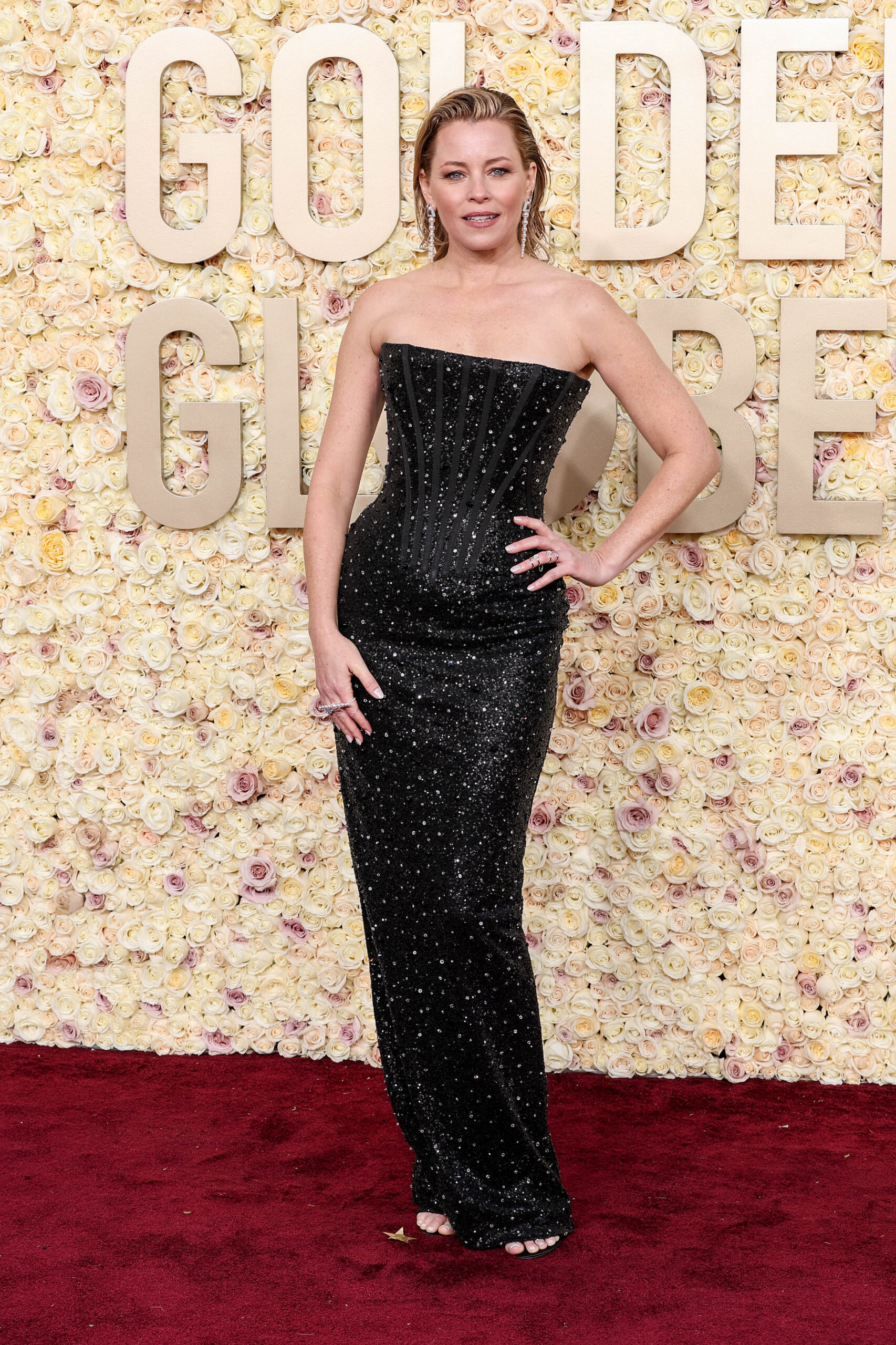
    Her directing resume tells that story plainly. She made her feature directorial debut with “Pitch Perfect 2” in 2015, and that film’s opening weekend set a record for a first-time director. She went on to direct “Charlie’s Angels” in 2019 and the horror-comedy “Cocaine Bear” in 2023. She runs Brownstone Productions, the company she co-founded in 2002 with her husband, Max Handelman, which gives her ownership over what gets made rather than only what she is cast in. In 2024 she starred in “Skincare,” a satirical thriller about a Los Angeles aesthetician unraveling in an industry built on the promise of staying young forever – a role she has openly said hit close to home.

    Why does any of this matter to a reader who has never set foot on a film set? Because it is proof of a principle that applies far beyond Hollywood: a woman’s most productive, most authoritative, most expansive years do not have an expiration date stamped on them. The story of someone widening her ambitions in her late 40s and into her 50s is a quiet argument against the idea that life narrows as it goes. For every reader who has been told the door is closing, here is someone walking through a wider one.

    Aging on Her Own Terms

    Aging on Her Own Terms

    Speaking to Yahoo Life just before her 50th birthday, she did not offer the usual celebrity script about “embracing” age as if it were a chore. She mapped it. “In your 20s, you’re in the process of letting go of your childhood and your dependence on other people, like your parents and your bosses,” she explained. “I think in your 30s, many people make really big life decisions that have huge consequences.” The 40s, she said, are when “you really do start to settle in.” It is a generous way of looking at a life: each decade doing its own quiet work, none of them a decline.

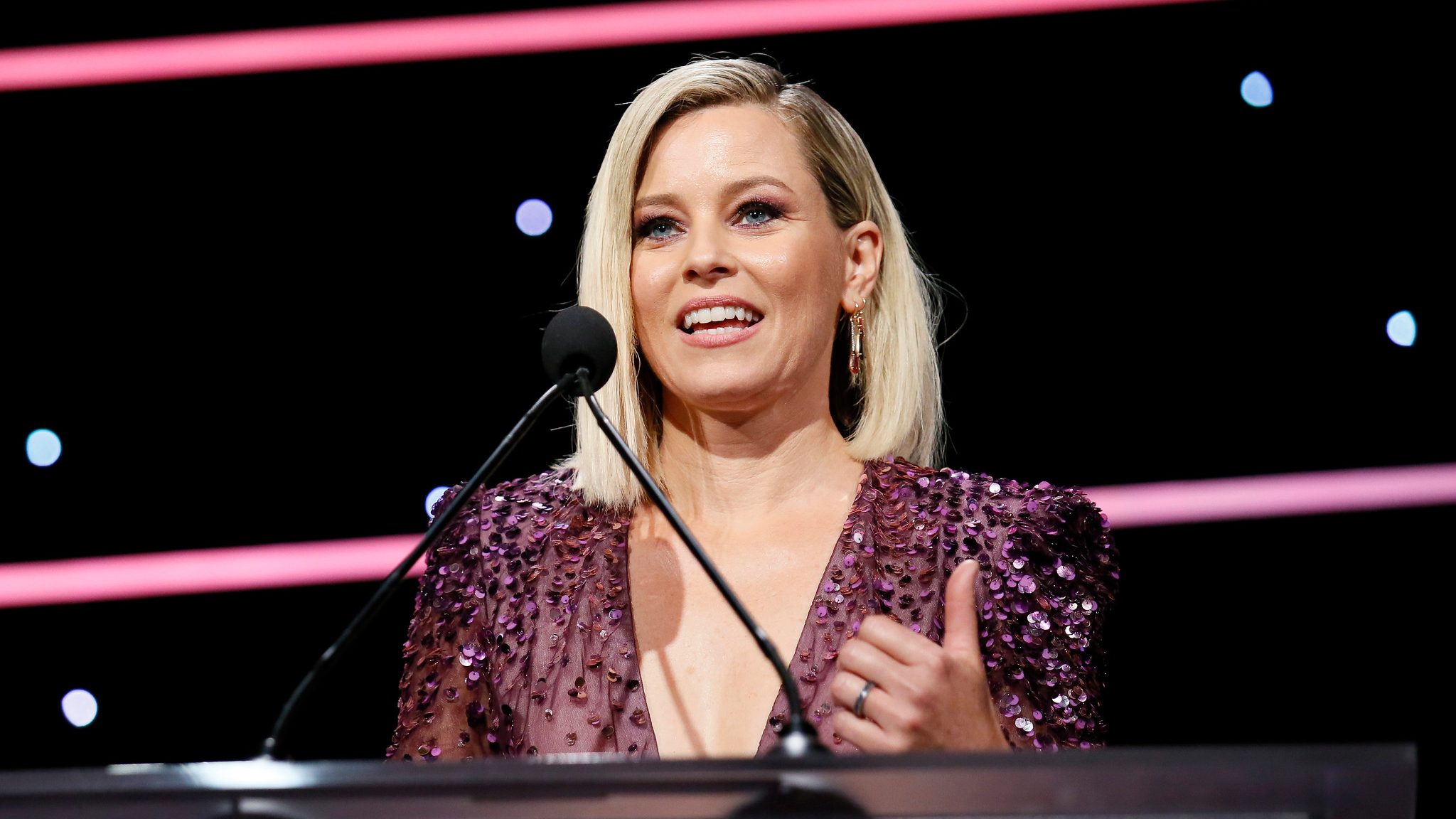
    What stands out is her refusal to let outside noise set the terms. “I’m aging in the public eye,” she told the outlet. “And so I just can’t allow everybody’s opinions or ideas about what I am or I’m not doing to infect me. I just have to do what makes the most sense for me, what feels right to me and what gives me the confidence to go out there.” She put the lesson even more bluntly: when it comes to aging in Hollywood, “you can’t win.” The math is rigged. Do nothing and you are letting yourself go. Do something and you are vain or insecure. Her response is to stop playing a game she cannot win and start playing one she can – the one where she decides what feels good and what does not.

    That same clarity showed up in how she talked about the film “Skincare.” She has described relating to its central character, a woman working in a field “that prizes beauty and youth and what’s new above all else,” and to a broader cultural anxiety she sees taking hold. “We’re losing sight of the privilege and wisdom of aging,” she said in press interviews around the film, “in a time when our billionaires are going to sleep in, like, oxygen chambers or something.” Calling aging a privilege and a source of wisdom, rather than a problem to be solved, is the whole posture in a single sentence.

    Style Evolution and Dressing With Confidence at Any Age

    Style Evolution and Dressing With Confidence at Any Age

    Style is where a woman’s relationship with her own age becomes visible, and it is also where so many get talked out of joy. There are unspoken rules everywhere about what is “appropriate” past a certain birthday – hemlines that supposedly should drop, colors that should mute, sparkle that should be handed off to someone younger. None of those rules were written by anyone who has your best interests at heart.

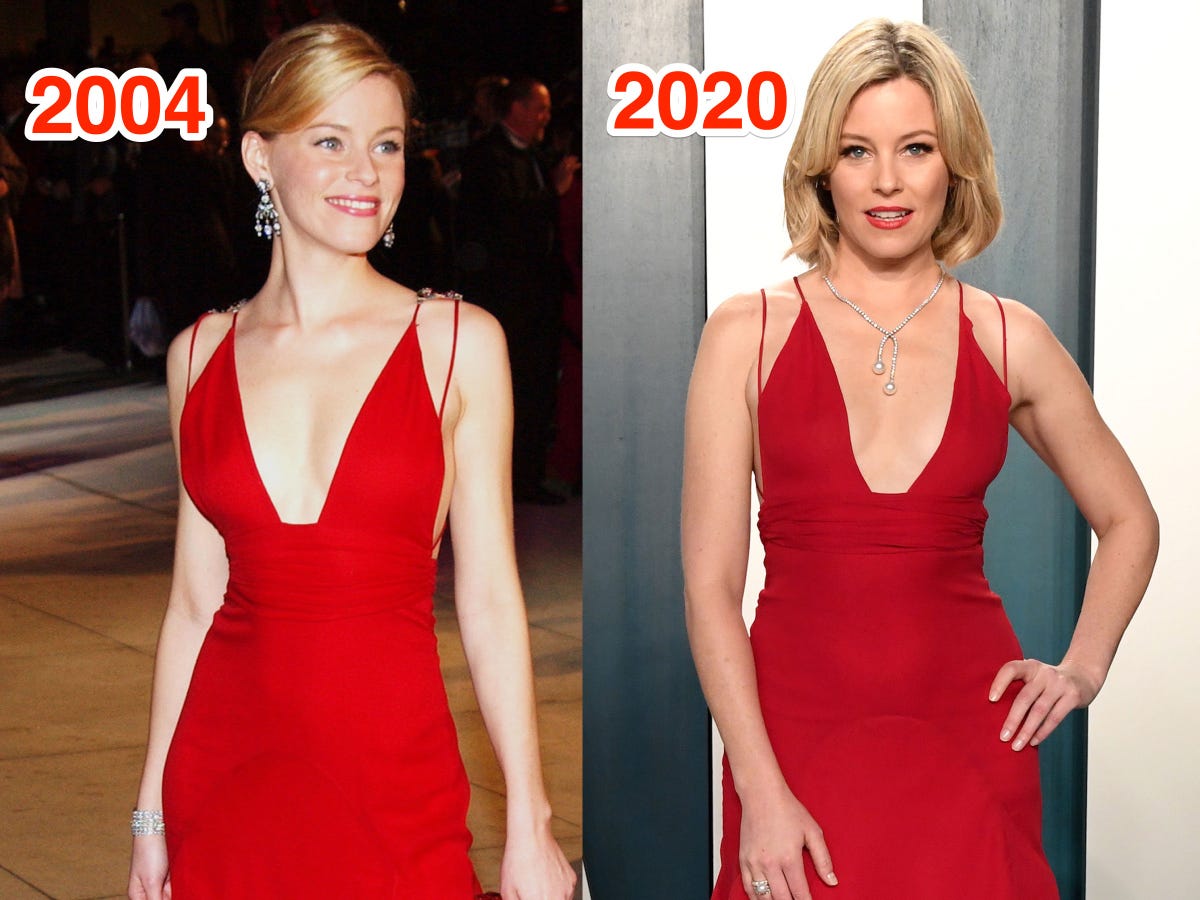
    The more honest approach, and the one modeled by women who carry their age well, is that confidence is the actual garment. Everything else hangs off it. A red-carpet veteran who has spent decades being photographed learns this the hard way and then the freeing way: the looks that land are not the ones chasing the youngest trend in the room, they are the ones that fit the woman wearing them. Style maturing is not the same as style shrinking. It is editing. It is knowing which silhouettes make you stand taller, which colors wake up your face, which pieces you reach for because they feel like you and not like a costume borrowed from a decade you have already lived through.

    For readers of every size, this is the part worth carrying home. Dressing with confidence has never been about a number on a tag or a number on a birth certificate. A body that has carried you through real life deserves clothes that celebrate it now, in this season, not clothes purchased as a hostage payment to some future “after.” The woman who dresses for the body and the age she actually has – rather than the one a magazine insists she should be chasing – is the one who walks into the room looking like she belongs there. Because she does.

    Beauty Without Apology

    Beauty Without Apology

    The pressure to erase every sign of a life lived is louder now than it has ever been, and she has named the machinery behind it directly. So much of the modern panic about aging, she has noted, is amplified online, where “everything can be filtered and everybody can be Botoxed, and everything can be filled.” The comparison is no longer against the woman next door. It is against a face that does not exist, assembled from filters and edits, presented as the new baseline. That is a fight nobody can win, because the opponent is fiction.

    Her own stance refuses both extremes. She has been candid that she has not had cosmetic procedures so far, while also refusing to moralize about anyone who chooses differently. “I’m trying not to be judgmental of myself, of anything that I would do at any point from here on out, because I’ve never been this old before,” she has said. That is the part worth underlining. Beauty without apology does not mean drawing a hard line and judging the women on the other side of it. It means dropping the judgment entirely – of yourself first, and of everyone else by extension. There is no virtue in the procedure and no virtue in skipping it. The only thing that matters is whether the choice is yours, made for your reasons.

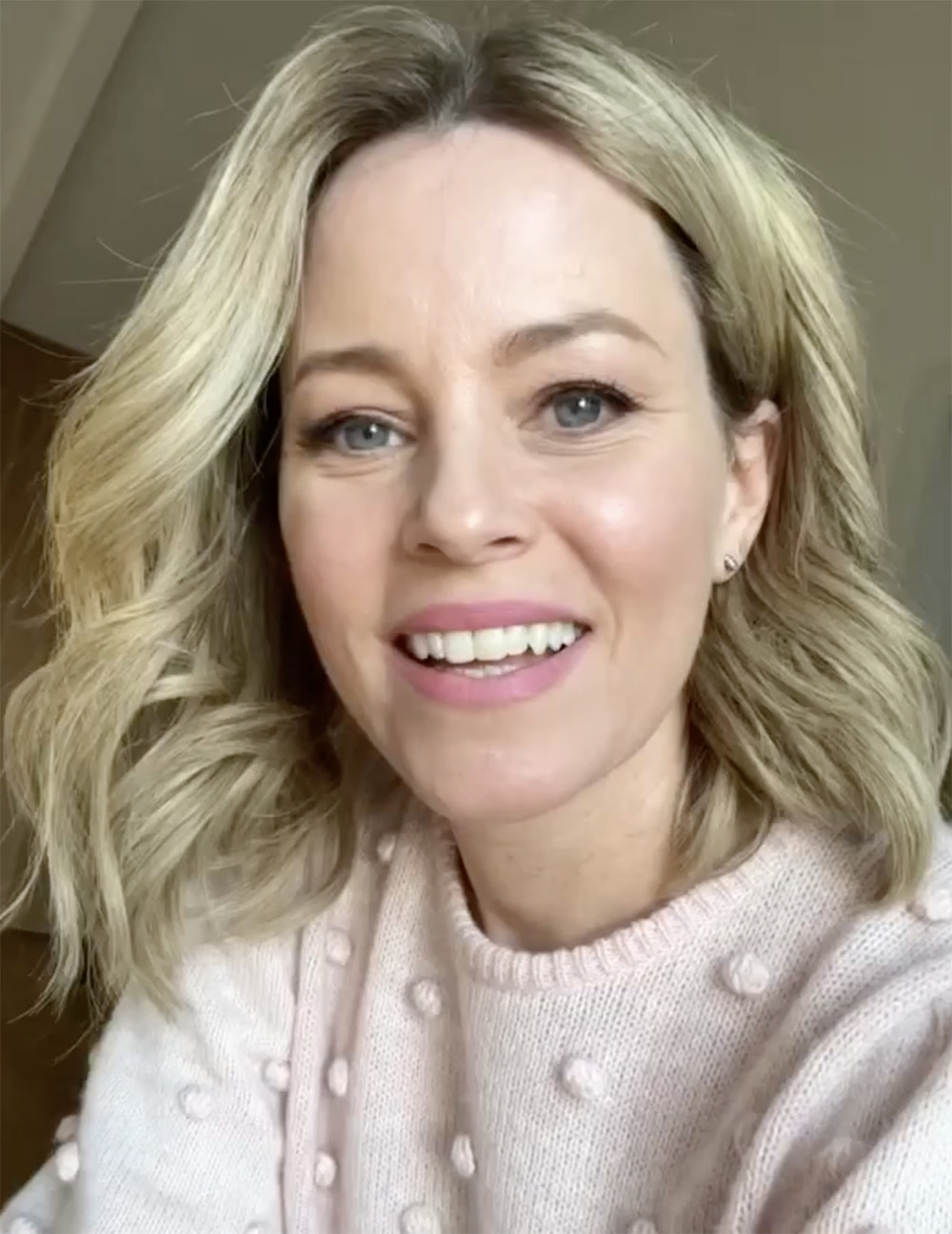
    She has also reframed beauty as something that starts on the inside, describing her skin as “an external reflection of my internal wellness,” and has been open that her self-esteem and her mental health are connected. When she stops moving her body or getting outside, she has said, her mental health slips and “your self-esteem goes with it.” It is a refreshingly unglamorous truth from someone in a glamorous business: the glow people chase in a bottle often has more to do with sleep, sunlight, movement, and feeling like yourself than with anything you can buy. Her stated beauty routine is almost comically simple – “Wash your face, do the routine, pay attention to yourself.” The apology she has dropped is the one so many women carry without noticing: the quiet sense that the way they naturally look is a thing to be fixed.

    Women, Ambition, and Reinvention

    Women, Ambition, and Reinvention

    Reinvention is the throughline of her last decade, and it is the part that translates most directly to a reader’s own life. She did not stay in the lane she was handed. She stepped behind the camera. She built a company. She took on a dark, strange film about the very anxieties the industry tried to sell her. The point is not that everyone should direct a movie. The point is that ambition does not have a curfew, and reinvention is not a young woman’s exclusive privilege.

    She has framed this season as a kind of liberation. “I’m trying to break out of anyone’s expectations of me, even my own,” she said of her 50s. “I’m trying to surprise myself.” Breaking out of your own expectations is the harder half of that sentence. Other people’s opinions are loud, but the script we have written for ourselves – the one that says it is too late, that this is just who I am now, that the big swings belong to the past – is often the one that holds us in place. Choosing to surprise yourself at 50, at 60, at any age, is a refusal to let that script have the final word.

    There is also something pointed in how she talks about getting older as an accumulation rather than a loss. Age, she has said, gave her “the resources now to really focus on what I want to be doing and time with my family and work that matters to me.” Knowing who you are and what you want is not a consolation prize for losing your youth. For many women it is the actual prize, the thing the younger years were quietly working toward the whole time. The clarity that lets you say no to what does not serve you and yes to what does tends to arrive on a schedule, and that schedule rewards the years.

    How Readers Can Apply It

    None of this requires a film career, a stylist, or a red carpet. The principles scale down to an ordinary Tuesday.

    Start by auditing whose voice is in your head when you look in the mirror. If the standard you are measuring against is a filtered, edited, impossible face, you are losing a race against fiction. Name that, and the pressure loosens its grip. The goal is not to compare better; it is to stop comparing against a ghost.

    Make the judgment optional – toward yourself and toward other women. Whether you color your hair or let it go silver, whether you book the appointment or skip it, the only honest test is whether the choice is yours and whether it makes you feel more like yourself. Extend that same grace to the next woman, and you starve the whole comparison economy of its fuel.

    Dress for the body and the age you have right now. Not the one from a decade ago, not the one a catalog insists you should be working toward. Pull the pieces that make you stand taller. Retire the rules about what is “appropriate” for your age or your size, because those rules were never built for your joy. Confidence reads from across a room long before anyone clocks the cut of your blazer.

    Tend the inside as deliberately as the outside. Sleep, sunlight, movement, and the people who ground you do more for how you carry yourself than any serum on the shelf. And let ambition stay on the table. If there is a thing you have been telling yourself it is too late to start, treat that sentence as the thing to question, not the thing to obey.

    The Last Word

    She washes her face. She does the routine. She pays attention to herself, and she pays as little attention as she can manage to the people lining up to tell her what a woman her age should and should not be doing. She directs the films she wants to direct, runs the company she built, raises her two sons alongside her husband, and describes this stretch of her life as the most powerful she has ever felt. That is the whole blueprint, and there is nothing exclusive about it. A woman who decides her age is hers to define, her body is hers to dress, and her face is hers to wear without apology has everything she needs to walk into the room standing tall. The candles on the cake were never the problem. They are just light.