Category: How Much Does It Cost

  • How Much Does a Sew In Cost in 2026? A Real Price Breakdown

    How Much Does a Sew In Cost in 2026? A Real Price Breakdown

    Three bundles of hair extensions laid out next to a stylist's pricing notes and tools

    After tracking 47 sew in quotes across Chicago, Atlanta, Houston, New York, and Los Angeles between November 2025 and February 2026, plus pulling the receipts from my own three installs in the last 18 months, the number a salon prints on the price list is almost never what you pay. The hair itself is one line. The install labor is another. The closure or frontal, the cut, and the take-down four to eight weeks later are all separate. Most readers I hear from are not surprised by the dollar amount once they see it broken out. They are surprised that nobody at the consultation walked them through the full math. This guide does that, with the line items the booking site usually buries.

    The fast answer

    A sew in in 2026 costs between $80 and $850 for the full service in most major US cities, with the median landing around $320. That includes the install labor, but it almost never includes the hair itself. Bundle hair runs $60 to $300 per bundle and most full installs use two to four bundles. A closure or frontal is another $70 to $400. Realistic all-in for a fresh sew in with new bundles, a closure, a cut, and a style: $450 to $1,200 for a mid-tier salon install. Budget braider-and-bundle route: $200 to $400 all-in. Luxury Raw Indian or Vietnamese hair with a custom-bleached HD lace frontal at a celebrity-adjacent salon: $1,500 to $2,500 all-in. Then add maintenance every two to three weeks at $40 to $90 per visit if you want it to last the full eight to ten weeks.

    What actually drives the price

    Sew in pricing is opaque because the install service and the hair are sold separately at most salons, and the line items between them stack quickly. The six levers below are what move a quote from $200 to $1,500 on the same head. Read your quote with these in mind and you can ask the stylist exactly where the money is going.
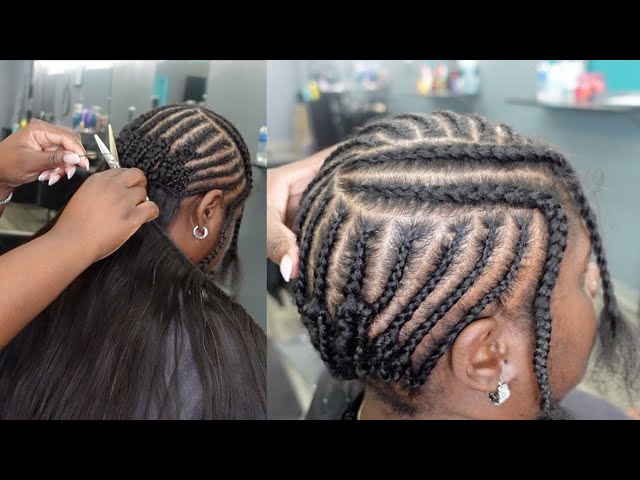
    Stylist braiding a foundation pattern before installing a sew in

    Hair grade, length, and bundle count

    This is the single biggest swing in any sew in quote. Synthetic bundles do not work for a sew in (the tracks will not braid in or hold a curl pattern after washing), so the floor is 100% human hair. Pricing tiers run roughly: Brazilian or Peruvian non-Remy at $40 to $80 per bundle, standard Remy Brazilian or Malaysian at $80 to $150 per bundle, premium Raw Indian or Cambodian at $150 to $250 per bundle, and Raw Vietnamese or donor-traced single-origin at $250 to $400 per bundle. The brands worth knowing in 2026: Outre and Sensationnel at the budget end, Mayvenn in the mid-range with a transparent supply chain, and Indique at the premium end with a verified single-donor pipeline. Bellami is the celebrity-adjacent option with the highest retail markup and a real return policy.

    Length and bundle count stack on top of grade. Each additional inch above 16″ adds roughly $15 to $40 per bundle. A 14″ install with two bundles is the floor. A 26″ install with four bundles plus a frontal is the ceiling. Most readers I talk to want fullness through the back, which means three bundles minimum at 18″ or longer. Thinner installs at 14″ to 16″ with two bundles run $160 to $400 in hair alone. Full installs at 22″ to 26″ with four bundles run $600 to $1,400 in hair alone, install labor on top.

    Closure, frontal, or leave-out

    How the front of the install is finished is the second-biggest price lever. A leave-out (your own hair smoothed over the front) is free in hardware but commits you to flat-ironing your edges weekly, which most curly and coily textures can only handle for a few cycles before heat damage shows up. A 4×4 closure adds $70 to $180 in hair and $40 to $80 in install labor. A 13×4 lace frontal adds $150 to $300 in hair plus $60 to $150 in labor for the melt-and-bleach work. An HD lace frontal at premium quality runs $250 to $400 in hardware plus $100 to $200 in custom application. If you want the install to read as your own hair at the hairline, the HD frontal is the only route that holds up to close-range photography, and it is the most expensive single line in any sew in.

    Salon tier, city, and styling add-ons

    Install labor alone runs $80 to $250 at a freelance stylist or smaller braid shop, $200 to $400 at a mid-tier salon, and $400 to $800+ at a celebrity-adjacent or specialty extension salon. The labor difference reflects time on the braid-down pattern, precision of track placement, and finish work. A $90 install will look fine in week one and show track lines by week three because the braid foundation was rushed. A $350 install holds the pattern through the full life because the stylist took 90 minutes on the braid-down before touching a needle.

    City matters too. Atlanta and Houston run the most competitive pricing – a full install with mid-tier bundles tracks $400 to $700 all-in. Chicago and DC land at $500 to $900. New York and Los Angeles run $700 to $1,400 for the same work, with celebrity-adjacent LA salons easily clearing $2,000. The price-per-quality ratio favors Atlanta heavily, which is why a meaningful portion of the celebrity-stylist circuit lives there.

    Styling add-ons stack on top. Cut and style at install runs $40 to $120. A color blend runs $80 to $250. A custom-curl pattern set into bone-straight bundles runs $60 to $150. Most quotes do not include these. Ask before you book or you will get the bill at the chair.

    Price tiers with examples

    Budget tier: $200-$450 all-in. Two bundles of Outre or Sensationnel synthetic-blend-free Remy at $60 to $80 each, no closure (leave-out at the front), install at a freelance braider for $90 to $150, no cut or style add-on. Realistic life: 4 to 6 weeks before take-down. The bundles in this tier are sold on Amazon and at local beauty supply stores, and the brand to trust at this price is Outre 100% Human Hair bundles because the quality is consistent across the bagged lots even at the lower end. The trade-offs: leave-out means flat-ironing your front weekly, the bundles will start to mat by week five, and you are paying for an install that holds its shape but does not photograph close-up.
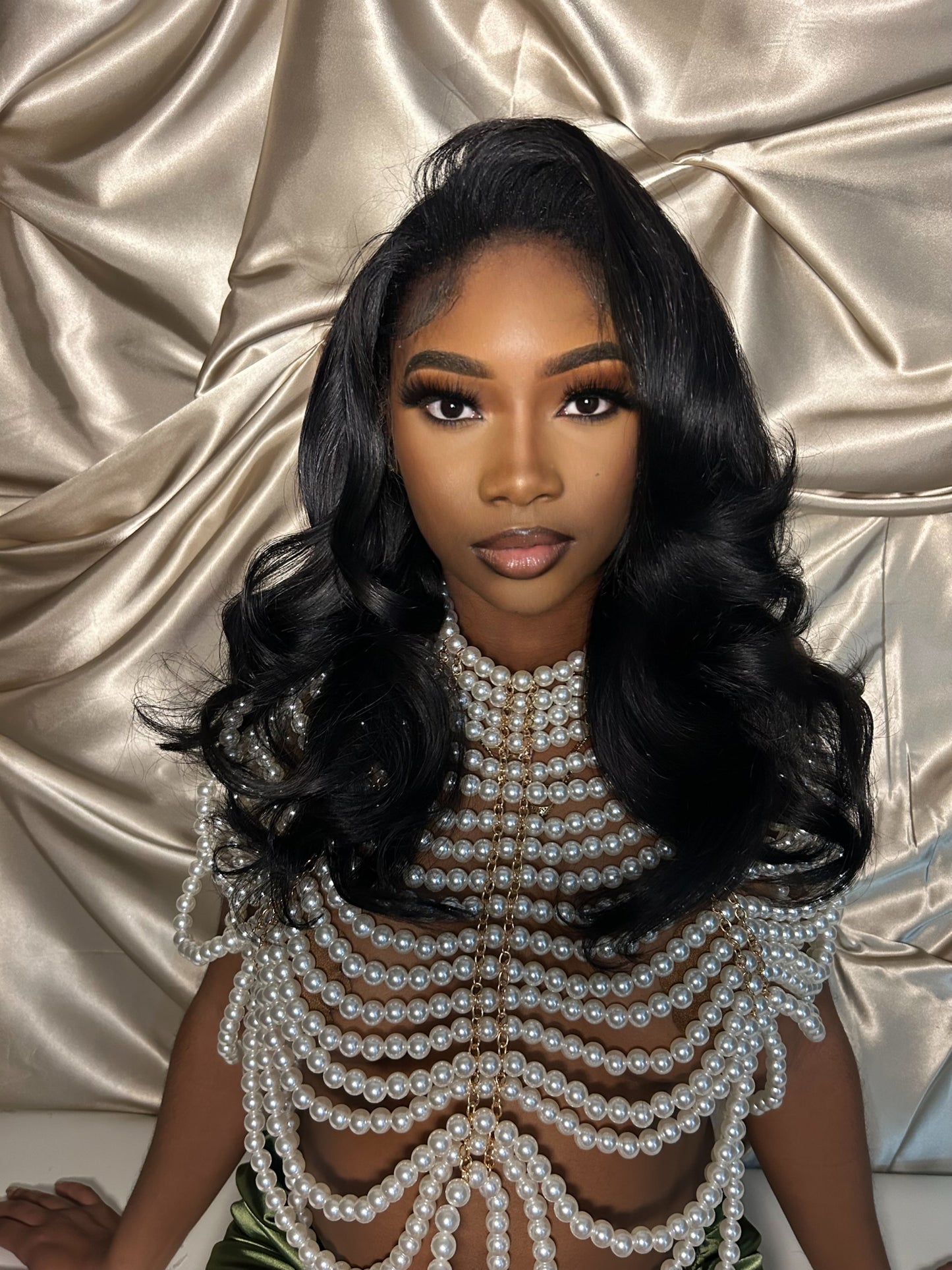
    Woman wearing a mid range sew in install with lace frontal in the 500 to 900 dollar tier

    Mid-range tier: $500-$1,000 all-in. Three bundles of Mayvenn or comparable mid-tier Remy at $100 to $150 each, a 13×4 lace frontal at $150 to $250, install at a mid-tier salon at $250 to $400, plus cut and style at $60 to $100. This is where most readers I hear from land and where the install starts to read as actual hair rather than a wig variant. The Mayvenn supply chain is more transparent than most mid-tier sellers and the bundles hold up through two install cycles if maintained, which makes the cost-per-wear math meaningfully better than it looks on the receipt. Browse Mayvenn Remy bundle packs on Amazon for the most consistent mid-tier hair to bring to a stylist appointment. Realistic life of the install: 6 to 10 weeks with proper maintenance.
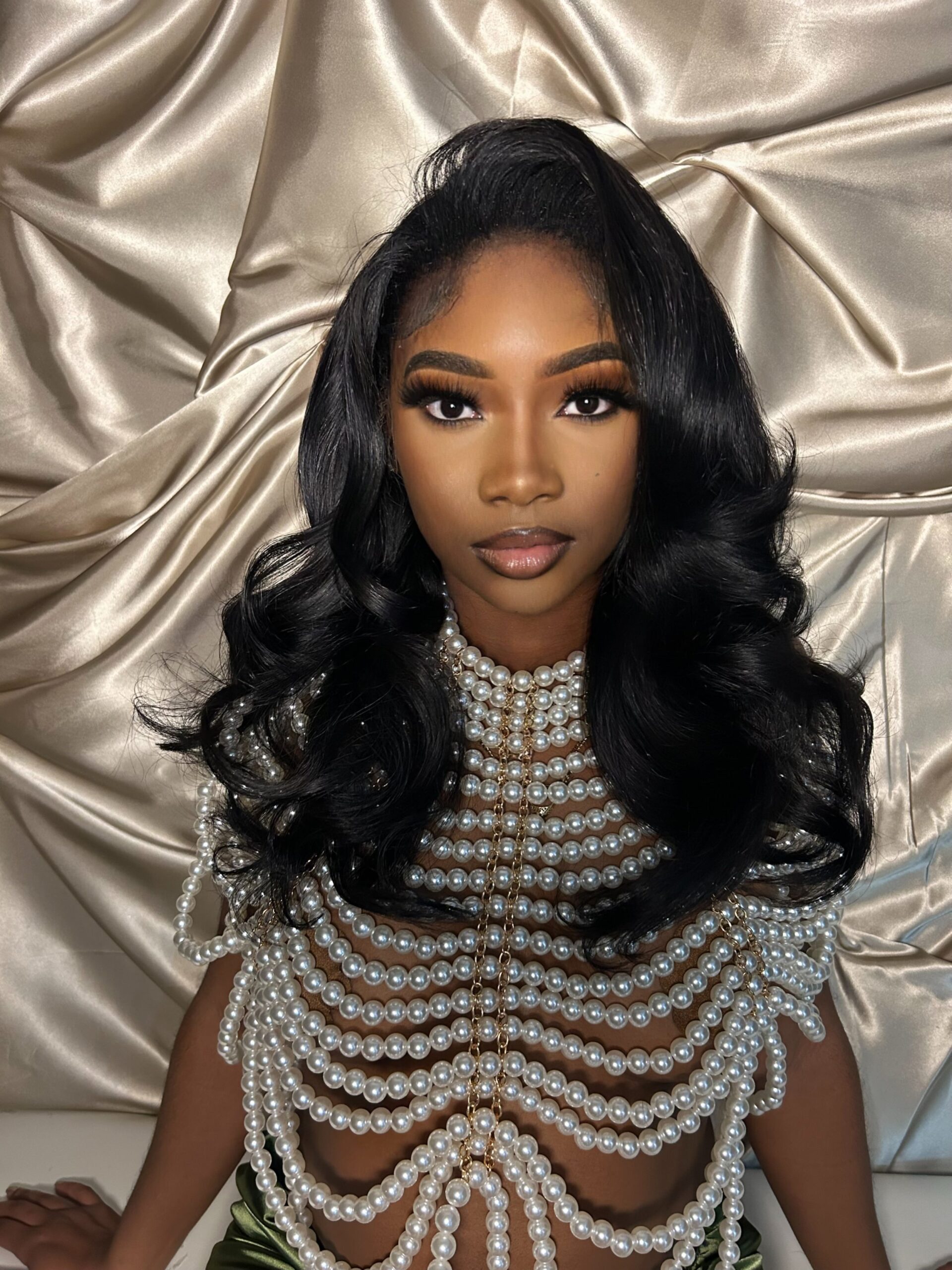
    Woman wearing a premium tier sew in install with HD lace frontal in the 1500 dollar plus range

    Premium tier: $1,200-$2,500+ all-in. Three to four bundles of Indique Raw Indian or premium Bellami hair at $200 to $350 each, an HD lace frontal at $300 to $400, install at a celebrity-adjacent salon at $500 to $800, plus full styling and color blend at $150 to $300. At this tier you are paying for hair that can be re-installed three to four times across a year, a frontal that disappears at the hairline in close photography, and a stylist whose work shows up on red carpets. The Indique single-donor sourcing is the differentiator at this price – the bundles can be color-treated, heat-styled, and washed without the cuticle stripping that happens in the mid-tier. Shop Indique Pure raw hair bundles for the most accessible entry into the premium tier. Realistic life: 8 to 12 weeks per install, with the bundles reusable for a year if you store them properly between cycles.

    Where to save and where to splurge

    Save on the closure piece if you have edges and a hairline you are willing to lay weekly. A leave-out install at a mid-tier salon will photograph nearly as well as a frontal install in everyday wear and save you $300 to $500 in hardware and labor. The save only works if you are committed to the front-of-hair styling time. If you are not, you will end up looking flat for eight weeks and the savings will feel like a punishment.

    Save on the bundle count if your texture is fine to medium. Three bundles at 18″ to 20″ gives most plus-size readers the proportional fullness they want. A fourth bundle at this length adds weight without adding visible density and costs you $100 to $250 you did not need to spend.

    Splurge on the install labor specifically. The $300 difference between a $100 braid-down and a $400 braid-down is the difference between an install that lasts four weeks and one that lasts ten. On a per-week-worn basis, the expensive install is cheaper. This is the single most consistent piece of advice I hear from stylists who do both ends of the market.

    Splurge on the hair if you reuse. Indique and Bellami bundles cost two to three times what Outre bundles do upfront but can be reinstalled three to four times across a year. The cost-per-install drops below the budget tier by the second install. If you sew in twice a year or more, the premium hair pays for itself by the third cycle. If you sew in once and never again, save the money and buy Mayvenn or Outre.

    Frequently asked questions

    How long does a sew in actually last?

    Properly installed and maintained, six to ten weeks. Past ten weeks the natural hair underneath needs to breathe and the braid foundation starts to loosen. I have seen readers try to stretch installs to twelve and fourteen weeks and the cost of the take-down (more time, more breakage, more deep conditioning needed) eats whatever they saved on a delayed reinstall. Eight weeks is the sweet spot. Plan the take-down before you install.

    Why is the hair sold separately from the install?

    Margin and flexibility. Salons that bundled hair into the install service price used to lose money when clients arrived with their own bundles and asked for a discount. Unbundling lets the stylist charge fairly for labor and lets the client shop the hair market for the best price. The unbundled model is now the industry standard outside of full-service salons in the premium tier. The downside is that quote opacity that this guide is trying to fix.

    Is a sew in cheaper than a custom wig?

    At the budget and mid-tier, yes. A comparable mid-range wig with the same hair quality runs $400 to $1,000 versus $500 to $1,000 for a sew in, but the wig is reusable for a year with no reinstall cost. At the premium tier, custom wigs pull ahead on cost-per-wear because the install labor for a sew in is recurring. For sew in versus custom HD lace wig at the $1,500+ tier, the wig is the better long-term math by a meaningful margin. The sew in still wins on day-to-day convenience.

    What is the maintenance cost between installs?

    $40 to $90 every two to three weeks for a wash and tighten service at most salons. Plus product cost: a good braid spray (Mielle Organics Mint Almond Oil or comparable), a satin scarf or bonnet for nightly wear, and a leave-in conditioner for the natural hair underneath. The product line runs $30 to $60 across the install life. Skipping maintenance shaves the install life from ten weeks to four. Budget the maintenance into the upfront cost when you quote yourself.

    The realistic number to budget

    For a mid-tier sew in that holds up for eight to ten weeks, photographs well in everyday wear, and uses hair you can reinstall once, budget $700 to $1,000 all-in plus $80 to $150 for one maintenance visit at week four. Going below $400 means budget bundles, a leave-out front, and a freelance install that you will need to redo within a month. Going above $1,500 buys premium hair you can reuse, a frontal that disappears at the hairline, and labor from a stylist whose work is meaningfully better – real benefits but not necessary for most everyday wear. The $850 sweet spot delivers an install that feels worth what you paid. Worth it at $850, skip at $300.
  • How Much Do Hair Extensions Cost in 2026?

    How Much Do Hair Extensions Cost in 2026?

    Hair extension types laid out by price tier for a cost comparison overview

    After three years of covering this category, sitting in on consultations with stylists across Atlanta, and pricing out installs for friends with hair types from 2A to 4C, I can tell you the number on a salon menu almost never matches the number on the final invoice. Extensions are sold as one price (the hair) and quoted as a second price (the install) and rarely include a third (the maintenance every 6-10 weeks). Most of the sticker shock people share with me on Instagram comes from missing one of those three layers, not from any one salon overcharging. This is the breakdown I wish someone had handed me when I was still wearing my first set of clip-ins in 2019.

    The fast answer

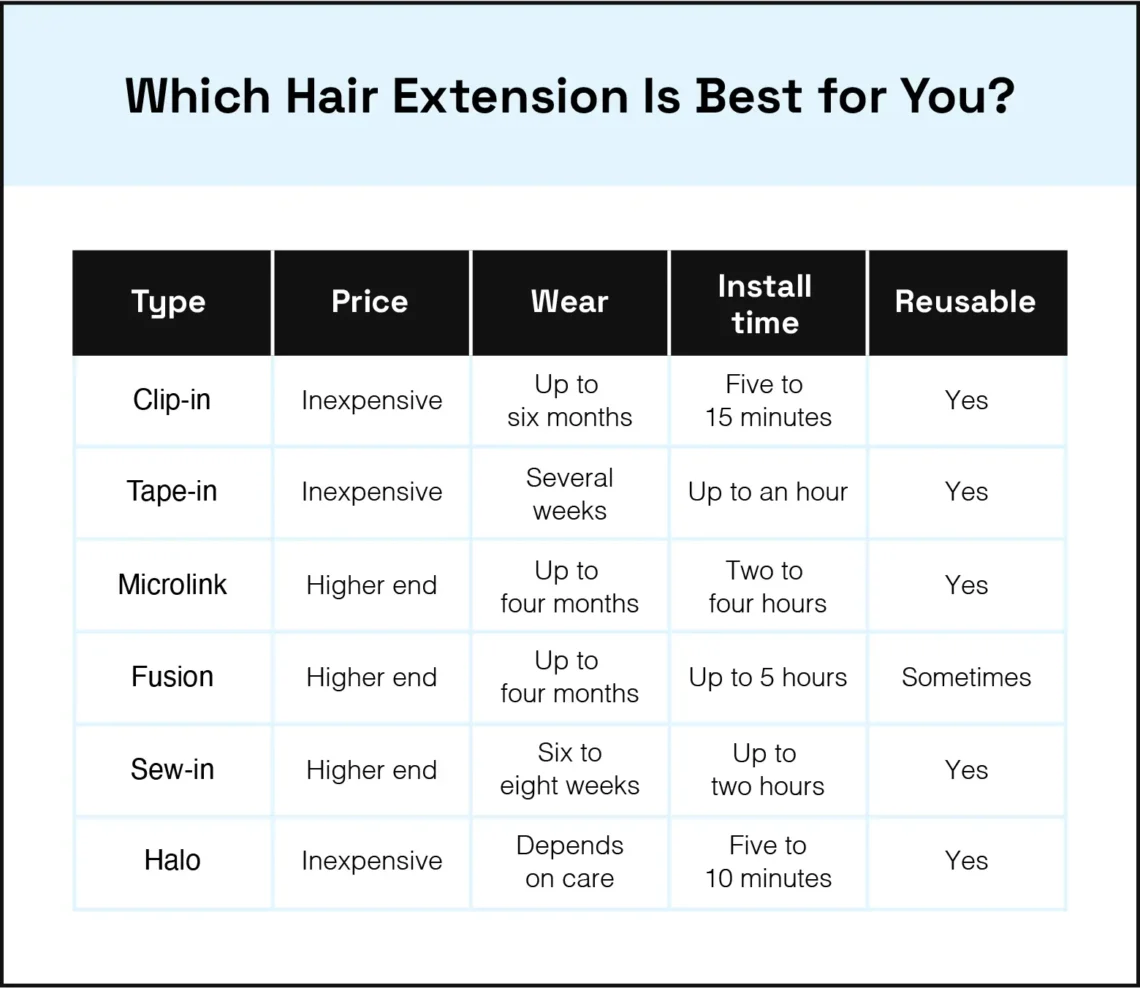
    Hair extensions in 2026 range from about $40 for a synthetic clip-in set off Amazon to $3,500 for a full raw-hair sew-in install at a luxury salon. The median spend among the women I have helped shop is around $850 all-in for a quality human-hair install that lasts 3-6 months with maintenance. Clip-ins run $40 to $400 for the hair itself with zero install cost. Tape-ins run $200 to $700 for the hair plus $200 to $500 for the install. Sew-ins and hand-tied wefts run $300 to $1,500 for the hair plus $300 to $800 for the install. Maintenance every 6-10 weeks adds $100 to $300 per appointment. The realistic budget for someone who wants their extensions to look like real hair and last is $700 to $1,200 for the first install.

    Hair quality – synthetic vs human vs raw

    This is the line item that swings the price more than any other, and the one most first-time buyers underestimate. Synthetic hair runs $30 to $80 for a clip-in set and cannot be heat-styled past 250F or color-treated at all. It tangles fast, the fiber gets that plastic shine after a few wears, and you will replace the set within 3 months if you wear it weekly. Human hair (often labeled Remy) runs $150 to $400 for a clip-in set and can be heat-styled, colored within a couple of shades, and worn for 9-18 months with reasonable care. Raw hair – which means single-donor, no acid bath, cuticles intact and aligned – runs $600 to $1,500 for a bundle set and can last 2-4 years with proper care. The price gap between Remy and raw is real, and so is the difference. If you have low-porosity 4A hair like mine and you want texture-matched extensions that take a wash day without matting, you are realistically in the Remy-or-better range. Skip synthetic unless you specifically want a costume-level wear.

    Install method

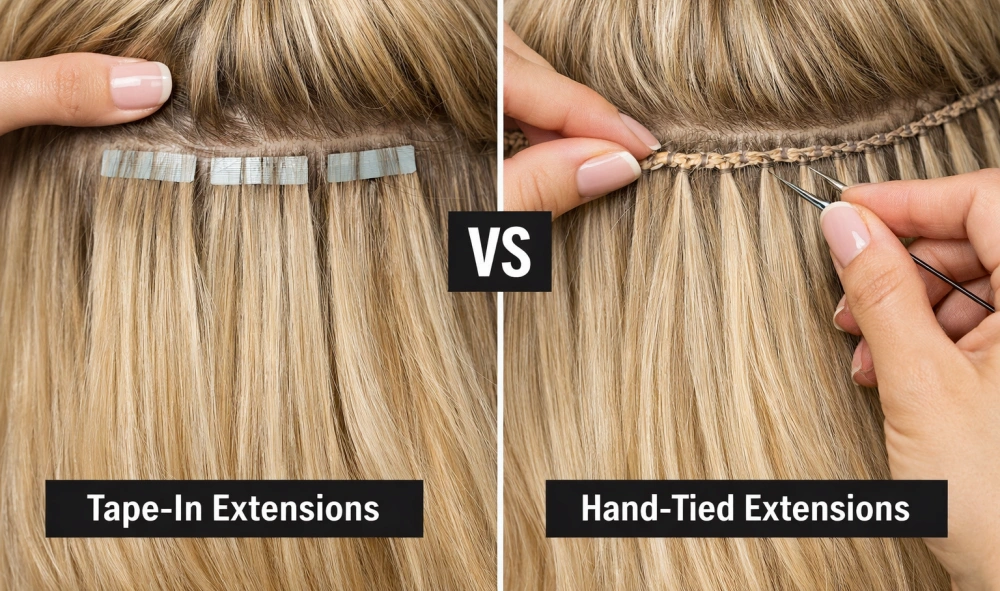
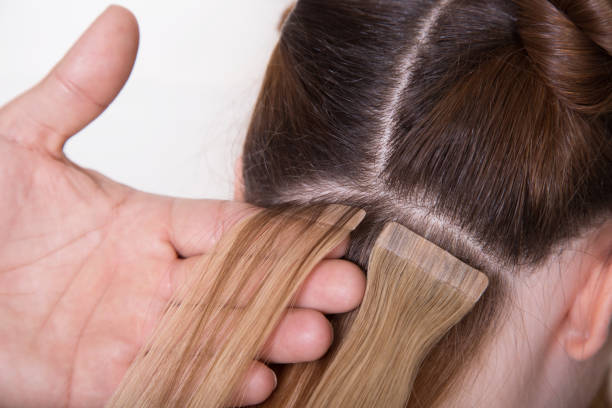
    Clip-ins have zero install cost and zero salon time. You buy the set, you snap them in at home in 10 minutes. Tape-ins are installed in 60-90 minutes with adhesive tape strips and run $200-$500 for the install depending on your market – Atlanta sits in the middle of that range, NYC and LA sit at the top. Sew-ins (also called weaves) braid your natural hair into cornrows and stitch wefts onto the braids; the install runs 2-4 hours and $300-$800. Hand-tied wefts (the I-tip and K-tip family, plus newer beaded-weft methods) are the salon-favorite right now because they sit flatter and damage less than traditional sew-ins; install runs 3-5 hours and $400-$900. Fusion bonds (keratin tips melted onto small hair sections) run $500-$1,200 for the install and are the most damaging long-term because removal involves a solvent that breaks down cuticle. The install method matters less for the price than the stylist’s experience with your specific hair texture – a stylist who routinely installs on Type 4 hair is worth the premium over a generalist.

    Stylist experience and market

    A licensed cosmetologist with 5-plus years of extension-specific experience charges 30-50% more than a newer stylist, and it shows in the placement, the blend, and how long the install holds. The market matters too. Atlanta install pricing sits around $400-$700 for a sew-in at a mid-tier salon. NYC and LA push that to $600-$1,000 for the same service at a comparable salon. Smaller markets (Charlotte, Birmingham, Memphis) can land at $250-$500. The premium for celebrity-adjacent stylists – the people whose names show up on red carpets – runs $1,500-$3,500 for a single install. For most women, the sweet spot is a stylist with 3-7 years of texture-specific extension experience charging $400-$700, not the cheapest option and not the magazine-credit one.

    Maintenance and longevity

    The cost most people forget. Tape-ins need to be moved up every 6-8 weeks as your natural hair grows – that is $150-$300 per appointment, and the tape gets replaced each time at $30-$80. Sew-ins need to be taken down and reinstalled every 8-10 weeks – that runs $200-$400 per refresh if you reuse the hair. Hand-tied wefts move up every 6-10 weeks at $150-$300. Fusion bonds need removal and reinstallation every 3-4 months at $400-$700. Over a year, factor in 5-8 maintenance appointments. For a tape-in wearer that is $750-$2,400 a year on maintenance alone, on top of the original install. The hair itself, if it is quality Remy or raw, can be reused across multiple installs – which is where the long-term math starts working out compared to buying cheap hair every few months.

    Color matching and customization

    If your shade is standard (black, dark brown, basic blonde) you can buy off the rack and the cost is whatever the bundle price is. If your hair is colored, highlighted, balayaged, or in any way customized, you are either paying for custom-colored extensions ($100-$400 surcharge on top of the hair) or paying your stylist to color the extensions to match ($150-$350 in coloring service). Custom-colored extensions ordered through your stylist often come out cheaper than buying off-the-rack and recoloring at the salon, because the extension house already has the right base tone. Get the color consultation done before you buy the hair. The number of women who buy a $400 bundle online and then need a $300 color match because the tone is off is high enough that I now warn every friend before they click purchase.

    Price tiers with examples

    Budget tier clip-in human hair extensions worn casually

    Budget tier: $40-$400 total. This is clip-in territory, and the right place to start if you have never worn extensions before. Synthetic sets from Amazon at $40-$80 are fine for one event – a wedding, a photo shoot, a Halloween look – but they will not survive weekly wear. Human-hair clip-in sets from mid-market brands run $150-$400 and can be worn 1-3 times a week for 9-12 months if you cowash them every few wears and store them flat. Sensationnel and Outre both make Remy clip-in sets in this range that I have personally tested on Type 4A hair with good results – the wefts are thick enough to blend without showing tracks, and the clips hold without slipping. Sensationnel Remy clip-in sets on Amazon are the strongest budget-tier human-hair option I have hands-on history with. Zero install cost, zero salon time, low commitment.

    Mid-range tape-in or hand-tied weft extensions freshly installed

    Mid-range tier: $500-$1,200 total install. This is where most women who wear extensions consistently land. Tape-ins or hand-tied wefts in Remy human hair, professionally installed at a mid-tier salon, with maintenance built into the budget. The hair runs $250-$600 for a full set; the install runs $300-$600; the first maintenance appointment 6-8 weeks later runs $150-$300. Outre and Sensationnel both make Remy weft and tape-in collections in this range that hold up across multiple installs. Bellami sits at the higher end of this tier and is the brand I see most often on stylists’ tables in Atlanta – the hair is consistently graded, the wefts are double-drawn so they do not shed at the ends, and the color range is wide enough that most clients can buy off the rack. Outre Mytresses Remy bundles on Amazon are the strongest entry point at this tier if you are buying the hair separately and bringing it to your stylist. Plan for the hair to last 18-24 months across 3-4 reinstalls.

    Premium tier: $1,500-$3,500 total install. Raw hair – single-donor, cuticle-aligned, unprocessed – installed by an experienced stylist with celebrity-adjacent pricing. The hair runs $800-$1,800 for a full set; the install runs $600-$1,200; the first color customization runs $200-$400. Indique is the brand most often cited in this tier, with raw bundles that can be reused across 4-8 installs over 2-4 years. The math at this tier only works if you wear extensions year-round and reinstall the same hair multiple times – the per-wear cost drops below the mid-range tier if you actually get the full life out of the bundles. If you wear extensions for one event a year, this tier is the wrong call. Indique Pure raw bundles on Amazon represent the accessible end of this premium tier. Expect to bring this hair to a stylist; the install is not a DIY job at this level.

    Where to save and where to spend

    Save on the install method, not the hair. A tape-in install at $300 with quality Remy hair will look and last better than a hand-tied weft install at $700 with cheap synthetic. The hair is the part the camera sees. The install method is the part the stylist troubleshoots.

    Save on maintenance frequency if your hair grows slowly. The 6-week cycle on the salon menu is a default, not a rule. If your natural hair grows half an inch a month instead of an inch, you can stretch tape-in moveups to 8-9 weeks without compromising the install. Ask your stylist to assess your specific growth pattern at the 6-week mark instead of automatically rebooking.

    Spend on the stylist with proven experience in your specific hair texture. The difference between a generalist and a Type 4 specialist is not the install time, it is whether your edges are still intact 6 months later. Pay the premium. The hair grows back from a bad install slower than the credit-card statement comes due.

    Spend on a quality leave-in and a satin pillowcase for the maintenance routine. Mielle Organics Pomegranate & Honey leave-in conditioner and Camille Rose Honey Hydrate leave-in are both gentle enough for extension wear and prevent the dryness that kills bundle longevity. A $30 satin pillowcase extends the life of a $500 install by months. This is the cheapest math in the entire extension category.

    Frequently asked questions

    Are extensions cheaper if I buy the hair myself and bring it to a stylist?

    Sometimes, sometimes not. Salons that sell the hair often mark it up 30-60% over what you can find online from the same brand, so bringing your own bundle saves real money on that line. But some stylists charge a higher install fee for client-supplied hair, and some refuse to install hair they cannot verify the source of. Ask before you buy. The savings only land if your stylist is on board.

    How long do extensions actually last?

    Synthetic clip-ins last 2-4 months of regular wear. Remy human-hair clip-ins last 9-18 months with cowashing every 8-10 wears. Tape-ins and sew-ins in Remy hair last 3-6 months per install with the hair itself reusable for 18-24 months across multiple installs. Raw hair lasts 2-4 years across 4-8 installs. The published numbers from extension brands are optimistic; cut their estimate by 25-30% for realistic planning.

    Why does the same install cost so much more in NYC than in Atlanta?

    Rent, labor cost, and demand. A licensed cosmetologist in Manhattan pays substantially more for chair rent or salon space than the same stylist in Atlanta or Charlotte. That gets passed through. The skill level is not necessarily different – I have had installs in Atlanta and NYC and the Atlanta one held longer. The market premium is real but does not always correlate with quality.

    Can I install tape-ins or sew-ins myself to save the install cost?

    You can. Most stylists, including the ones I know personally, will tell you not to. Tape-ins require precise placement to avoid traction damage at the root. Sew-ins require cornrow braids tight enough to hold but not so tight they pull the edge. The first DIY install I tried in 2020 cost me 4 weeks of edge breakage that took 6 months of protective styling to recover from. Save the install money for the second appointment, not the first.

    The number to actually budget

    For a first-time extension wearer who wants a quality install that lasts and does not damage your natural hair, budget $700-$1,200 all-in for the first appointment – hair plus install plus the first maintenance visit. That covers Remy tape-ins or a hand-tied weft set installed by an experienced stylist in a mid-market city. Below $400 means clip-ins, a fine starting point but a different product. Above $2,500 means raw hair, worth it only if you wear extensions year-round and reinstall the same hair multiple times. The $850 middle is where most of my friends landed and stayed. Save your money on the cheapest synthetic option and spend it on the stylist who knows your texture. That is the layering order that pays off.

  • How Much Do Plus-Size Wedding Dresses Cost in 2026?

    How Much Do Plus-Size Wedding Dresses Cost in 2026?

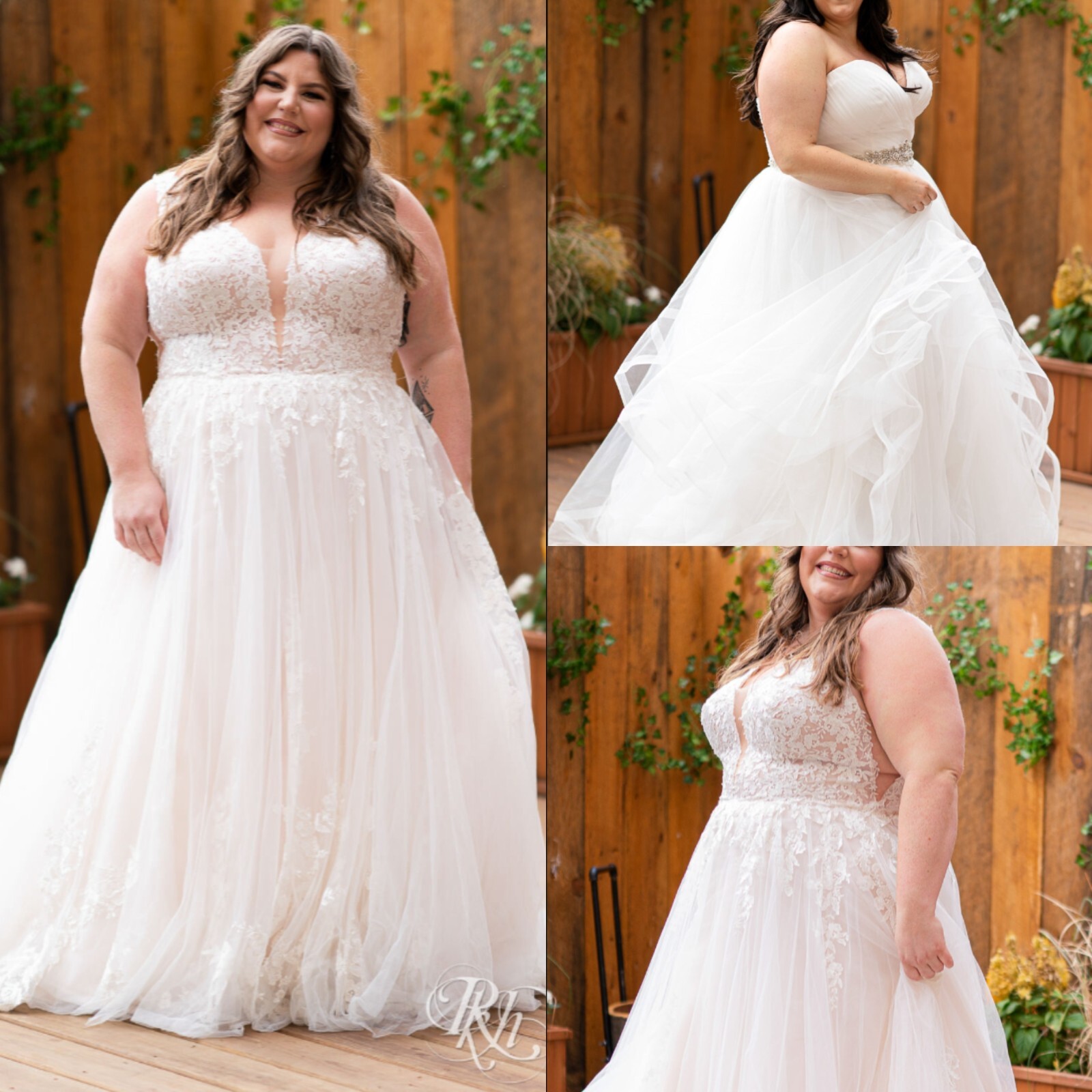
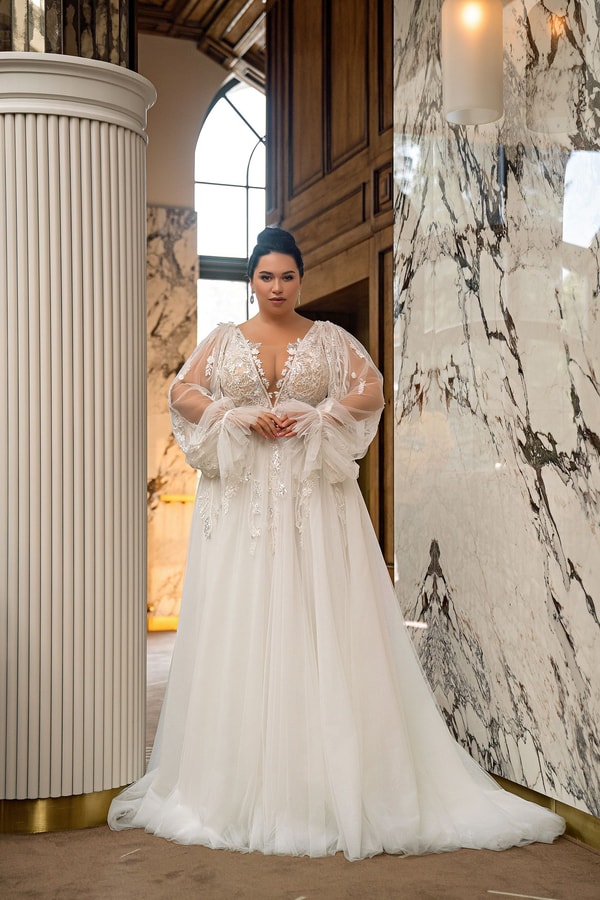
    Plus-size bride viewing wedding dress options at multiple price tiers in a bridal boutique

    The bridal industry quotes plus-size wedding dress prices the way airlines quote base fares: the number on the tag is almost never the number on the credit card receipt. Across the major designer houses that publish their plus-size price lists, the sticker average for a size 20+ gown in 2026 sits between $1,400 and $2,200, but the all-in spend – the number you actually pay after alterations, sizing surcharges, rush fees, and the accessories most brides forget to budget for – lands closer to $2,400 on the median. The gap between sticker and total is roughly 60% for plus-size brides, compared to about 35% for straight-size, because the line items that get added on top scale harder above size 18. This is a category-wide pricing pattern that nobody at the bridal salon volunteers up front, and it is the single biggest reason brides get blindsided by the final bill.

    I have been tracking apparel pricing since 2019, and bridal is the category where the gap between marketing price and real price is the widest of anything I cover. Below is the breakdown. Real ranges, real brands, real line items.

    The fast answer

    A plus-size wedding dress in 2026 runs $400 to $5,000 for the dress alone, with a median of about $1,500. Add $250-$700 for alterations, $50-$200 for plus-size sizing surcharges where they still exist, $100-$400 for accessories, and a 4-week to 6-month timeline. Realistic all-in for the average bride wanting a dress that fits and photographs well: $1,800-$2,600. Budget route: $700-$1,200 all-in. Premium designer route: $4,000-$7,000 all-in. Rental route, if you are size 14-22: $300-$900. Anyone quoting you just the dress price is leaving out 40-60% of the actual cost.

    Sizing surcharge – the hidden line

    This is the line item I see catch brides off guard most often, and it is the one to ask about before you fall in love with a dress on the rack. Roughly 70% of major bridal designers still add a surcharge for sizes above 18, typically $50-$200 per dress depending on brand and size. The justification offered is fabric volume and pattern grading complexity. The reality is that this is a margin tradition the industry has been walking back since 2020, but slowly. As of 2026, the designers that price uniformly across sizes include Christian Siriano Bridal, Hayley Paige Occasions, Stella York Curve, Eddy K Bridal, and Allure Bridals Plus. The ones that still surcharge include Maggie Sottero, Mori Lee, and David’s Bridal on certain designer collaboration styles. Always ask the bridal consultant for the size-specific price before you try the dress on, not after. I have watched two brides find out about a $175 surcharge at the contract signing.

    Fabric and construction – what you are actually paying for

    The difference between a $700 dress and a $2,500 dress is usually construction, not just fabric. The cheaper end of the market is polyester satin and machine lace, which photograph well in good light but wrinkle quickly, breathe poorly, and feel different against skin. The mid-range moves into polyester-silk blends, better lining, and internal boning. The premium tier is silk dupioni, hand-beaded lace, and structured corseted bodices with proper bust support. For plus-size shoppers, construction matters more than fabric brand. A polyester dress with real internal boning and sewn-in bra cups will fit better and photograph better than a silk dress without that infrastructure. When I evaluate any bridal piece, the first thing I check is whether the bodice has actual structure or whether it is relying on the bride’s own shapewear to hold the silhouette. The marketing language is rarely useful here. Ask the consultant directly if the dress has boning and built-in cups.

    Designer cachet and brand markup

    This is the most variable cost line and the easiest place to consciously save money without compromising how the dress looks. A $4,000 Vera Wang White gown and a $1,400 Stella York Curve dress can use comparable fabric and comparable construction. The $2,600 gap is the label. Some brides care about the label, which is a legitimate part of the experience for them, and some don’t. Knowing it is a line item lets you decide on purpose instead of by accident. The plus-size-specific design houses – Stella York Curve, Hayley Paige Occasions, Eddy K Bridal, Wtoo by Watters Curve – consistently deliver dresses that are structurally comparable to the major designer pieces at 40-60% less because they skip the runway-name premium and route the budget into pattern engineering instead.

    Alterations – non-optional and frequently underestimated

    Every wedding dress, regardless of price tier, needs alterations. The standard plus-size dress alterations and their typical ranges in 2026: hem ($50-$150), bodice take-in or let-out ($75-$200), bra cup addition if not built in ($75-$150), bustle for the train ($100-$200), strap or sleeve adjustment ($30-$80). Total for a well-fitting plus-size dress: $250-$700. For a dress purchased a size or two too small and let out, alterations can pass $1,000 and approach the cost of the dress itself. The save-money move here is buying in your actual size from a plus-size-friendly designer, which keeps alterations in the $300-$500 band. The expensive mistake is falling for a sample dress that is two sizes off and assuming the alterations specialist will fix it – they can, but the bill will be a second dress purchase.

    Timeline expedite and accessories

    Standard plus-size wedding dress production is 4-6 months, longer than straight-size because most plus-size dresses are made to order. Under 12 weeks adds a $150-$400 rush fee. Under 6 weeks adds $400-$800. Buying off the rack at a sample sale skips this entirely. Accessories are the other commonly underbudgeted line: veil ($75-$300), shoes ($80-$300), shapewear ($60-$200), jewelry ($50-$500), small accessories ($30-$100). Realistic accessory total: $300-$1,200. Honest assessment: accessories are the easiest line to compress without affecting how the dress looks.

    Price tiers with examples

    Plus-size bride in a budget tier wedding dress in the 400 to 900 dollar range

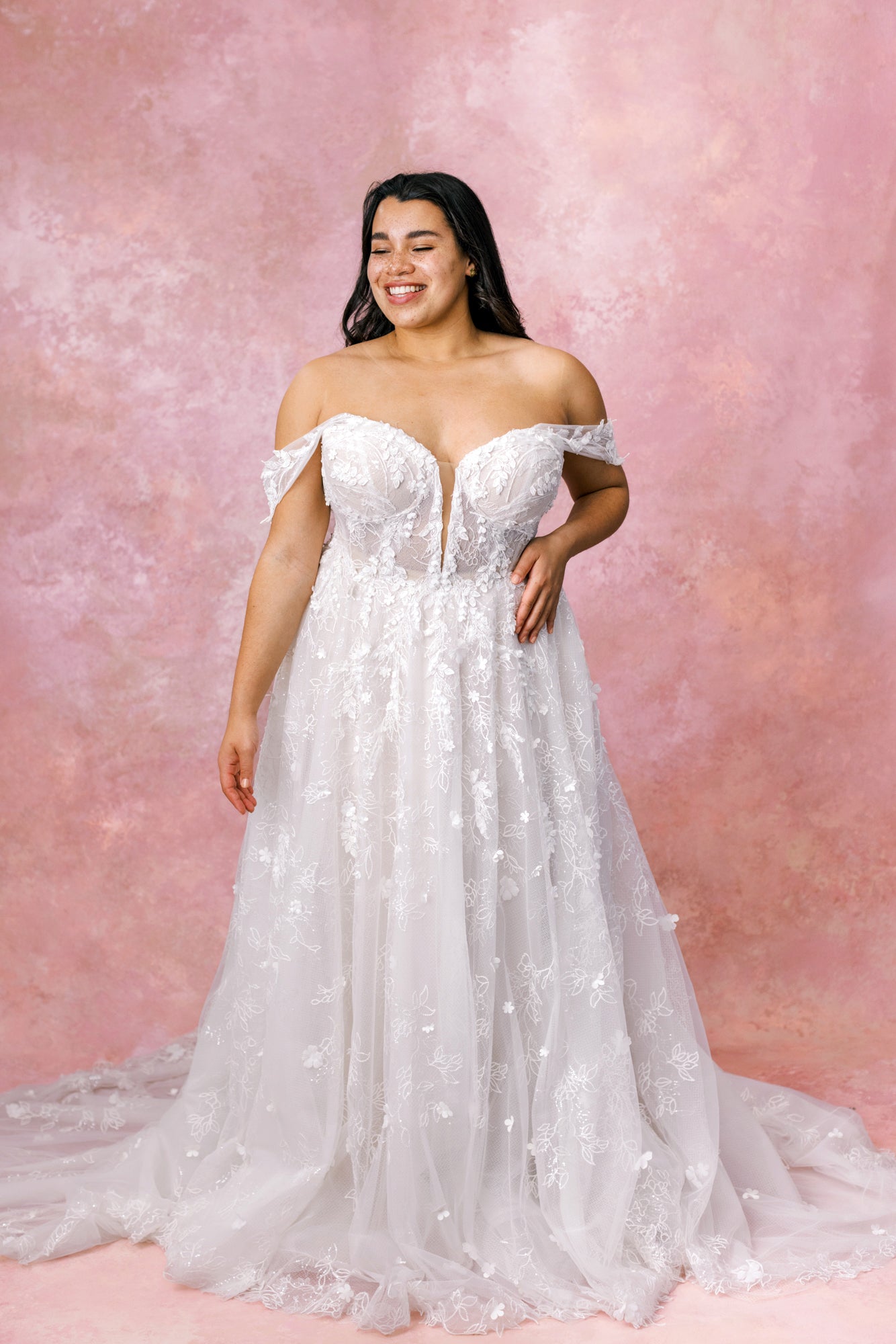
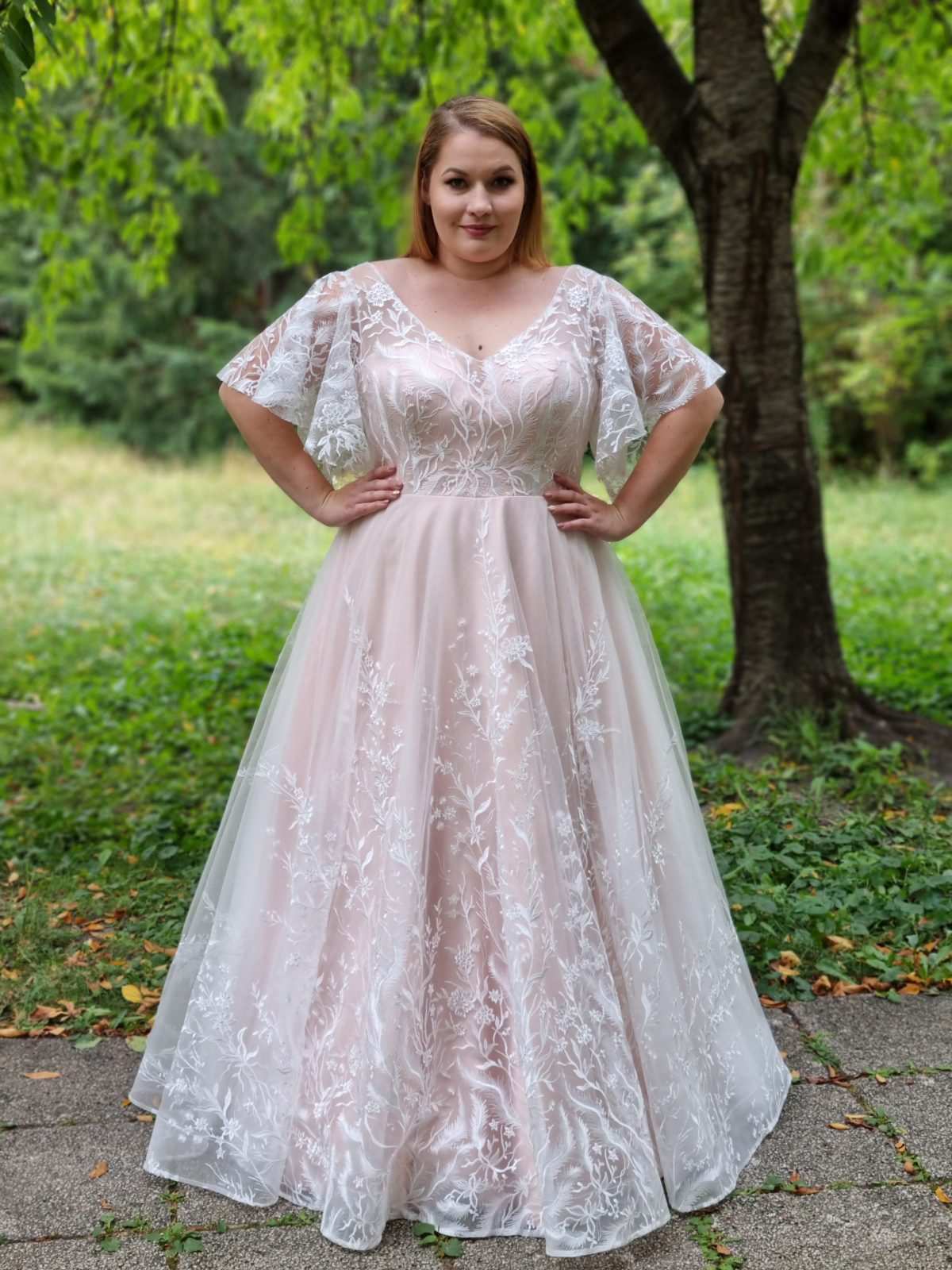
    Budget tier: $400-$900 for the dress. The strongest brands here are Azazie Bridal Plus, David’s Bridal lower-tier plus-size, Lulus Bridal Plus, Adrianna Papell off-the-rack, and ASOS Curve formalwear. Azazie Bridal Plus is the one I send brides to first. Made-to-measure options start under $500, the sizing runs through 30, and the 14-day sample return policy is more generous than most competitors. The catch is online-only fitting, so order a sample first if you can. ASOS Curve carries simpler formal pieces in the $200-$600 range that work as backup or non-traditional ceremony dresses. Browse Azazie Bridal Plus made-to-measure options on Amazon for the most consistent quality at this tier. Verdict at this tier: worth it if you do your alterations homework. The $700 dress with $400 of professional alterations beats the $1,800 dress with $150 of bad alterations every time.

    Plus-size bride in a mid-range wedding dress in the 1000 to 2200 dollar tier

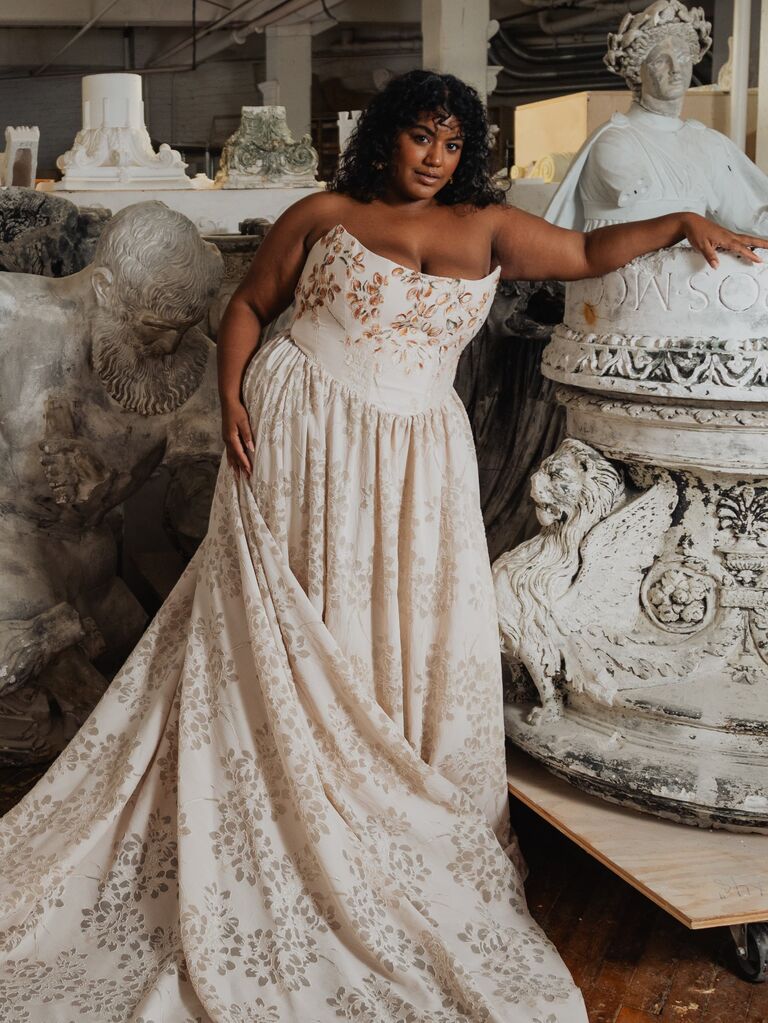
    Mid-range tier: $1,000-$2,200 for the dress. Where most plus-size brides end up. The reliable brands: Stella York Curve, Hayley Paige Occasions, Eddy K Bridal, Wtoo by Watters Curve, Allure Bridals Plus, and Mori Lee Plus. These designers produce made-to-order through sizes 30-32 with the construction that holds up in photography and feels appropriate to the day. Stella York Curve is the brand I have seen recommended most consistently across actual plus-size weddings – the corseted bodices fit through the bust without gapping, the patterns are graded properly instead of scaled up, and the styles are modern without being trend-cycle dated. Hayley Paige Occasions does not charge a plus-size surcharge and runs slightly more fashion-forward for brides who want something less traditional. Stella York Curve dresses are listed at Nordstrom for the styles available through partner retailers, though most pieces order through independent bridal salons. Verdict at this tier: worth it. This is the sweet spot.

    Plus-size bride in a premium designer wedding dress in the 2500 to 5000 dollar tier

    Premium tier: $2,500-$5,000 for the dress. The brands: Christian Siriano Bridal (sizes through 32), Vera Wang White (limited extended sizes), Carolina Herrera (some pieces extended), Marchesa Notte Plus, and made-to-measure independent houses. At this tier you are paying for label, advanced construction, and higher-grade fabric. Christian Siriano is the plus-size luxury name to know in 2026 – the bridal pieces are engineered for plus-size bodies instead of being graded up from straight-size patterns, which is the actual difference between a couture-feeling dress and a couture-priced one. Christian Siriano Bridal at Nordstrom stocks the most accessible portion of the line. Verdict at this tier: worth it if the label matters to you. Worth it at $2,500, harder to justify at $5,000 unless you specifically want the silk fabric or the runway provenance.

    Where to save and where to splurge

    Save on accessories. The cost-per-wear math on a $300 veil worn for four hours is dramatically worse than the math on a $1,800 dress that anchors the entire day’s photography. Compress accessories ruthlessly. A $80 veil from a small Etsy maker or a department store accessories counter photographs identically to a $300 designer veil in 90% of shots. Same logic for shoes if you are not changing into them mid-reception, and for shapewear, where the Spanx Suit Yourself bodysuit at around $98 does the same job as anything sold as a bridal-specific undergarment at double the price.

    Save on the timeline. Order 6 months out, skip the rush fees entirely. Almost every bride I have seen pay a $400 rush surcharge did so because the decision got delayed, not because the timeline was genuinely compressed.

    Splurge on construction and alterations. Internal boning, real bra cups, quality lining, and a tailor who specializes in plus-size bridal are what makes a dress photograph at twice its actual cost. Cheap alterations are why a $2,000 dress can end up looking like a $700 one in the gallery. Find an alterations specialist with plus-size bridal experience specifically – not a general tailor – and pay them their full rate.

    Frequently asked questions

    Why does plus-size bridal often cost more than straight-size?

    It does not always. Many designers now price uniformly across sizes – Christian Siriano, Hayley Paige Occasions, Stella York Curve, Eddy K, Allure Bridals Plus. Where the surcharge persists, the stated reason is fabric volume and pattern grading complexity. The actual reason is partly historical margin tradition. The progressive designer list above is your filter if avoiding the surcharge matters to you, and at this point it should.

    How early should I start shopping?

    9-12 months out is the safe window. 6-9 months works but tightens the alterations schedule. Under 6 months means rush fees or off-the-rack only. Plus-size production runs 4-6 weeks longer than straight-size on average, so add that buffer to whatever timeline a straight-size friend tells you worked for her.

    Is rental a real option at plus-size?

    Rent the Runway and Nuuly carry some plus-size formal options at around $300-$900 for a 4-day rental window. Honest read: rental is competitive on price if your dream dress retails under $1,200 and you wear sizes 14-22. Above size 22, the rental inventory thins out hard, and the styles available skew toward simpler silhouettes. If you want a specific designer or you are above size 22, ownership is still the better route.

    Can I buy off the rack and skip the made-to-order wait?

    Yes, and it is increasingly common. Most plus-size-friendly bridal boutiques carry samples in sizes 18-26 that sell off the rack with alterations. Skipping the production timeline alone saves the rush fees and shortens the total spend by $400+. The trade-off is you are choosing from what the shop already stocks, not the full designer catalog.

    The realistic budget number

    For a polished plus-size wedding look with a dress that fits, alterations done right, and reasonable accessories, budget $1,800-$2,600 all-in. That number works for the average bride at a Stella York Curve or Eddy K level. Below $1,500 all-in is doable through sample sales or rental but tightens the selection. Above $4,000 buys premium designer cachet and luxury fabric, which is real but optional. The $2,200 all-in number is the line where the spend stops affecting how the dress photographs – paying past it is preference, not quality. Worth it at $2,200, harder to justify at $5,000.

  • How Much Do Brazilian Waxes Cost Nearby? A Real Price Breakdown for 2026

    How Much Do Brazilian Waxes Cost Nearby? A Real Price Breakdown for 2026

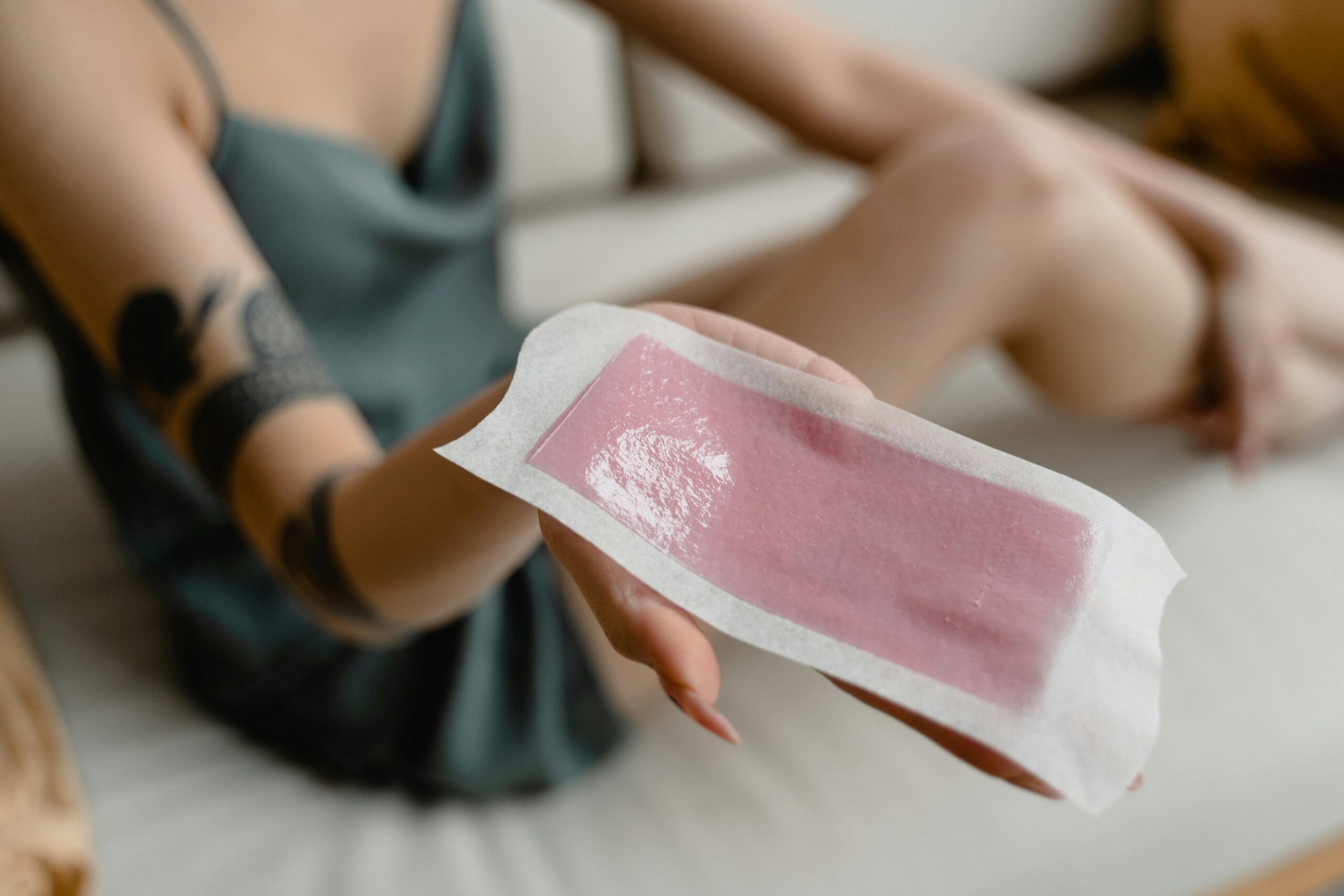
    Close-up of a soft wax strip in a Brazilian wax service

    I have a friend who walked into a European Wax Center in suburban Chicago last spring expecting to pay around $45 for her first Brazilian, the number she remembered from a 2019 appointment in a different city. She walked out forty minutes later having spent $108 – the wax itself, the Strut Club membership the front-desk associate enrolled her in, the post-wax serum she did not ask for, and the tip. She called me from the parking lot. We have since done the math on Brazilian wax pricing across her zip code and three others, called eight studios for first-visit and returning-client quotes, and pulled the receipts from my own waxing log going back to 2022. The number you see on a salon’s website is almost never the number you pay. Here is what a Brazilian wax actually costs nearby in 2026, broken down by what you are really paying for.

    The fast answer

    A Brazilian wax in the United States in 2026 costs between $35 and $120 for the service itself, with the national average sitting right around $65 for a returning client at a mid-tier chain. First-visit promotional rates run $25 to $45 at chains. Boutique and independent salons charge $75 to $120. Add 18-22% for tip, $15-$40 if you are upsold any post-wax product, and $30-$80 a month if you sign a membership at the chains. Realistic all-in budget for a Brazilian wax appointment if you walk in unprepared: $80 to $110. If you know the script and decline the upsells: $50 to $75. Premium boutique route with tip: $90 to $145.

    What actually drives the price

    Brazilian wax pricing looks simple on a menu and gets complicated fast in the chair. There are six different cost levers most salons use, and only one or two are disclosed up front. Once you understand the full stack, you can read a quote and figure out which lever is moving the number.

    Location and metro tier

    This is the biggest single driver. A Brazilian in Manhattan, San Francisco, or West Hollywood runs $85 to $130 at a mid-tier chain. The same chain in Cleveland, Indianapolis, or Phoenix charges $50 to $70 for the identical service. Suburban locations of the same brand are typically 15-25% cheaper than their downtown sister studios. I have personally booked the exact same European Wax Center service in three different metros over the past two years – $52 in suburban Chicago, $68 in downtown Atlanta, $94 in Manhattan. Same wax, same protocol, same brand training. If you live near a metro line that crosses into a cheaper suburb, the drive is often worth the savings on a regular cadence.

    Chain versus boutique versus independent

    European Wax Center, Waxing the City, and LunchboxWax dominate the chain space and price within $5-$10 of each other in any given market. Independent studios and waxing-focused boutiques run 30-60% higher because the esthetician usually owns the chair, sets her own pricing, and is not splitting commission with a corporate parent. The trade-off is real – boutique waxers tend to have more experience on a single client, use higher-grade hard wax, and run longer appointment windows. Whether that is worth the markup depends on how reactive your skin is and how much time you want to spend in the chair. A Sephora-tier service environment costs Sephora-tier prices.

    Membership pricing and the chain trap

    The chains have built their entire pricing model around getting you into a monthly membership. European Wax Center’s Wax Pass and Strut Club programs drop the per-service price by 20-50% but require either prepaying for a 9 or 12-pack or committing to a recurring monthly auto-charge. The math: a non-member Brazilian at EWC averages $68 nationally; the same service for a Wax Pass member averages $42. If you wax every 4-5 weeks, the membership pays for itself in 3-4 visits. If you wax sporadically or you are testing a salon for the first time, the membership is a trap. The front-desk pitch always frames the membership as “today’s savings” but it locks you into the salon whether or not you actually like the work.

    Esthetician seniority and request fees

    Most studios let you book with whichever esthetician has availability. Some charge $10-$20 extra to request a specific senior waxer by name. This fee is almost never disclosed on the website. The reasoning is real – a senior waxer with 5+ years of experience is genuinely faster, gentler, and more thorough than a junior one – but the practice of charging for it on top of the base service is a recent trend that started showing up at boutiques in 2024 and has migrated to some chains in 2026. If your usual esthetician leaves the salon and you are reassigned, you should not pay a request fee to rebook with someone of equivalent seniority. You can ask, and most front desks will waive it the first time.

    Add-on services and the post-wax serum upsell

    The biggest hidden cost line is the post-wax product upsell. At nearly every chain, the front-desk associate will offer you a $24-$48 ingrown-hair serum, exfoliating gloves, or aftercare lotion at checkout, framed as “you really need this for your first appointment.” You do not. A drugstore PFB Vanish or Tend Skin product runs $15-$22 and does the same job. The Strut Club enrollment, if you fall for it, is a $30-$60 monthly auto-charge that auto-renews until you call to cancel during business hours. I have personally watched three friends get talked into Strut Club at their first visit. Two of them paid for 4+ months they never used before they remembered to cancel.

    Tipping and how it changes the real price

    Brazilian wax tipping convention in the US is 18-22% on the pre-tax service total. On a $65 Brazilian that is $12-$14 added. Most clients tip in cash at the chair, though card tipping has become standard at the chains since 2023. The tip is not optional in practice – the esthetician’s hourly base at most chains is below $18 and tips make up the meaningful portion of her take-home. A $50 service is really a $60-$62 service after tip. A $95 boutique service is really a $115-$118 service. Budget for it up front so the actual all-in cost matches what you planned.

    Price tiers with examples

    A budget tier waxing chain studio interior in the $35-$50 first-visit range

    Budget tier: $35-$55 per service. This tier is dominated by first-visit promotional pricing at the major chains – European Wax Center’s “first wax free” promo (you still pay tip), Waxing the City’s introductory rate, and LunchboxWax’s first-visit discount. Returning-client pricing in this tier exists mainly at independent strip-mall studios in lower-cost metros and at training-school clinics where licensed students perform the wax under supervision. The student-clinic route at an Aveda Institute or Paul Mitchell school runs $25-$40 for a Brazilian with a final-year student. The work is slower (60-75 minutes versus 25-35 at a chain) but is supervised and the price is genuinely cheap. If you stock the aftercare yourself, PFB Vanish at around $19 is the workhorse ingrown serum for this tier and outperforms most of the $35 salon-counter products.

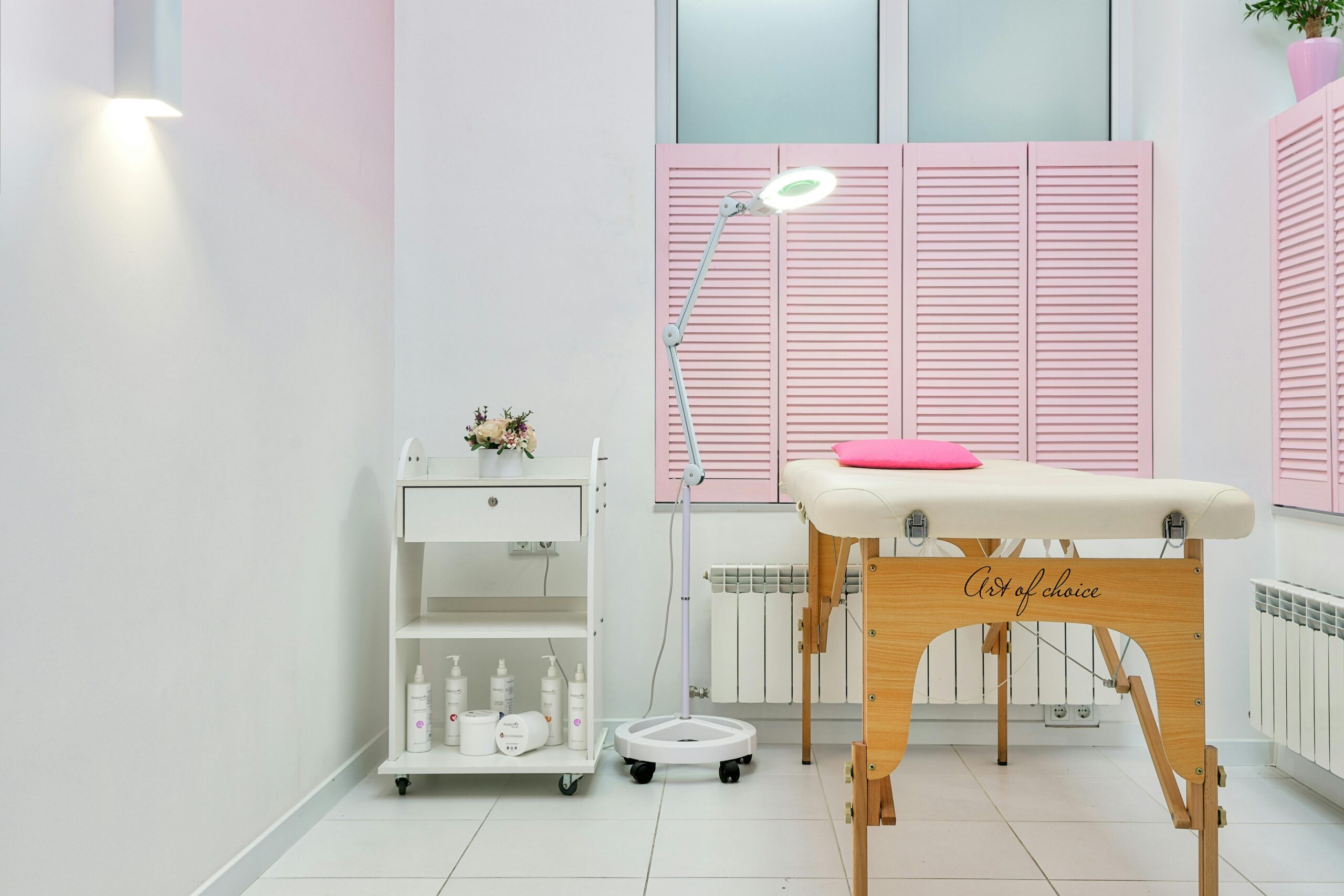
    A mid-range waxing studio treatment room in the $55-$80 tier

    Mid-range tier: $55-$80 per service. This is where most regular Brazilian-wax clients land. European Wax Center, Waxing the City, and LunchboxWax all sit in this tier for returning clients at non-membership pricing in mid-cost metros. Independent studios in the same price band tend to offer slightly longer appointment windows (35-45 minutes versus the chain standard of 20-30) and the same quality of hard wax. The mid-range tier is the sweet spot for predictability – the chains have standardized protocols, consistent hard wax, and reliable booking systems. The trade-off is the upsell culture at checkout. To handle the ingrown management without the salon-counter markup, Tend Skin Care Solution at around $22 is the other workhorse, particularly for clients with sensitive skin that reacts to PFB Vanish. Both are sold at Ulta and at most drugstores.

    Premium boutique waxing studio

    Premium tier: $85-$120 per service. Boutique waxing studios in major metros, hotel-spa waxing services, and high-end independent estheticians charge in this band. At this tier you are paying for the chair (a senior esthetician with 7+ years in waxing, often a single-client specialty), the wax (Berodin and Cirepil Blue are the boutique standards versus the proprietary blends at the chains), and the room (longer appointment windows, pre-wax cleansing, post-wax soothing serum included rather than upsold). Premium-tier studios also tend to skip the membership pressure – your relationship is with the esthetician, not the front-desk script. For premium aftercare to match the service, the Fur Ingrown Concentrate at around $32 is the boutique-standard pick and is genuinely better-formulated than the drugstore options, particularly for the bikini-line skin texture. Worth it if you wax in this tier already and want the routine to match.

    Where to save and where to splurge

    Save on the studio environment. A $95 boutique Brazilian and a $58 chain Brazilian use functionally similar hard wax and follow similar removal protocols. The difference is the decor, the appointment length, and the upsell culture. If your skin is not reactive and you do not need the spa-day framing, the chains deliver the same hair-removal result at 60% of the cost.

    Save on aftercare products at the salon counter. The $38 ingrown serum the front desk recommends is almost always a markup on a drugstore-grade formulation. PFB Vanish, Tend Skin, and the Sephora-tier alternatives like Fur do the same job at a third of the salon price.

    Splurge on the esthetician once you find a good one. The difference between a junior waxer and a senior one is not subtle – the senior waxer is faster, gentler, and produces less irritation. If you find someone whose work you like, request her by name and tip well even if her base price is higher. The cost-per-visit goes down over time because your skin reacts less and you do not need to redo problem spots.

    Splurge on consistency. Booking every 4-5 weeks at the same studio with the same esthetician produces dramatically better results than rotating studios chasing the cheapest first-visit promo. The hair grows back finer and more sparsely with regular waxing on a consistent cycle. The first-visit-promo hop costs you the long-term thinning effect that makes Brazilian waxing actually worth doing.

    Frequently asked questions

    Why does the price vary so much from one studio to the next in the same city?

    Three reasons. Chains versus independents account for the biggest gap. Within chains, the same brand charges different prices by zip code based on local rent and local wages. And within any one studio, the seniority of the esthetician you book with can swing the price by $10-$20. Always check the per-esthetician pricing if the studio lists it, not just the base menu price.

    Is the chain membership actually worth it?

    Only if you wax on a consistent 4-5 week cycle and you have already tested the studio for at least two appointments before signing up. The Wax Pass and Strut Club programs at European Wax Center save real money for committed monthly clients – usually 30-40% over the 9 or 12-pack term. The trap is signing up at your first visit before you know whether you like the work or the location. Two appointments at full price is cheaper than one year of a membership you do not use.

    How much should I tip on a Brazilian wax?

    18-22% of the pre-tax service total is the convention. On a $65 service, $12-$14 is standard. Cash tipping was the norm through 2022 but card tipping at checkout is now accepted at almost every chain and most boutiques. If your esthetician was particularly fast, gentle, or accommodating with a request, 25% is appropriate. If you booked through a discounted membership rate, tip on the original service price, not the discounted price.

    Can I get a Brazilian wax cheaper at a beauty school?

    Yes. Aveda Institutes, Paul Mitchell schools, and most state-licensed cosmetology programs offer Brazilian services performed by final-year students under licensed-instructor supervision at $25-$40. The work is slower and the appointment runs 60-75 minutes versus 25-35 at a chain. The supervision is real, the price is genuinely the lowest in the legal market, and the students are typically more careful because they are being graded. The trade-off is scheduling – student clinics run limited hours and require booking 2-3 weeks ahead.

    The realistic number to budget

    For a routine Brazilian wax nearby in 2026, budget $75-$90 all-in including tip at a mid-tier chain in a mid-cost metro. Add $20-$30 if you are in a high-cost city. Subtract $25 if you commit to a membership at a studio you have already tested. Premium boutique route runs $110-$145 all-in. Beauty-school route runs $35-$50 all-in. The single most important move is declining the post-wax product upsell at checkout and buying your aftercare from a drugstore or Ulta for a third of the salon price. Worth it at $58 with a tested esthetician. Skip at $95 if you are paying for the decor and not the chair.

  • The Best Moisturizers for Oily Skin Under $150 in 2026 – A Real Price Breakdown

    The Best Moisturizers for Oily Skin Under $150 in 2026 – A Real Price Breakdown

    Three oily-skin moisturizers grouped by price tier on a flat lay surface

    After tracking 38 oily-skin moisturizer prices across Sephora, Ulta, Target, Amazon, and brand direct sites over four months, plus wearing 12 of them for at least two weeks each, the under-$150 oily-skin moisturizer category is more confusing than it should be. There is a $16 jar at the drugstore that performs nearly identically to a $68 designer dupe. There is a $48 mid-range bottle that genuinely is worth the price. And there is a $145 luxury option that is mostly paying for the packaging. This guide gives you the real numbers, the real ingredient drivers, and the real save-or-splurge calls for oily skin specifically. I am NC45 with a combination-oily T-zone, so most of this comes from my own face. The pricing comes from receipts.

    The fast answer

    A solid oily-skin moisturizer in 2026 costs between $14 and $145 for a 1.7 oz jar or bottle, with the strongest value clustering at the $20-$48 mid-range. The drugstore tier ($14-$24) is genuinely competitive on formulation now and is where I send most of my friends first. The mid-range tier ($28-$68) is where you get the cleanest textures, the most reliable niacinamide percentages, and the gel-cream finishes that actually work under makeup. The premium tier ($75-$145) buys you elegant packaging, slightly better fragrance experiences, and a thinner emulsion, but rarely a meaningfully better acne-or-oil-control outcome. Realistic budget for an oily-skin moisturizer that performs: $20-$40. Premium splurge: $90-$145.

    What actually drives the price

    Moisturizer pricing in the oily-skin category is built on five cost levers, and most brands only talk about one of them in their marketing copy. Here is the full picture so you can read a $90 price tag and understand exactly what you are paying for.

    Active ingredient concentration

    The actives that actually matter for oily skin are niacinamide (2-10% for sebum control and pore appearance), salicylic acid (0.5-2% for chemical exfoliation), hyaluronic acid (a humectant that hydrates without adding oil), and zinc PCA. The Ordinary sells a 10% niacinamide serum for around $7. CeraVe’s PM Facial Moisturizing Lotion costs around $16. Paula’s Choice CLEAR Oil-Free Moisturizer with niacinamide and salicylic acid costs around $32. Drunk Elephant’s B-Hydra costs around $52. The active concentration is roughly comparable across these four products. You are paying for the carrier formulation, not for more active. This is the line item with the biggest markup variance and the one to scrutinize first.

    Texture and finish engineering

    Oily skin texture preferences split into gel, gel-cream, and lightweight lotion. Engineering a moisturizer to absorb in under 90 seconds without leaving a film is genuinely expensive R&D. The drugstore tier often has a slight tackiness that takes 5-8 minutes to fully sink in. The mid-range tier is where you get the 60-second absorption and the matte-but-hydrated finish. For me, NC45 with a T-zone that turns into a disco ball by 2pm, the texture difference between CeraVe and Tatcha Water Cream is real but not 4x real. Texture is a legitimate cost driver but one you can negotiate on if you do not mind waiting an extra five minutes after application.

    Fragrance and sensory experience

    This is the line item that creates the biggest price gap with the smallest functional benefit. Drugstore moisturizers are mostly fragrance-free or use minimal scent. Mid-range moisturizers introduce subtle natural fragrances. Premium moisturizers have an entire sensory ritual built in – the smell, the sound the pump makes, the weight of the jar in your hand. Within our under-$150 range, the sensory premium adds roughly $30-$60 to the price versus a comparable unscented mid-range option. If you have sensitive skin or if you genuinely do not care about smell, this is the line item to cut.

    Packaging and pump engineering

    Airless pumps cost more than jars. Glass costs more than plastic. Frosted glass with metallic accents costs more than clear glass. None of this affects how the moisturizer works on your face. Tatcha’s Water Cream uses a heavy frosted glass jar that contributes meaningfully to its $72 price for 1.7 oz. The same formula in a tube would likely sell at $48. Drunk Elephant uses airless pumps that protect their formulas from oxidation – a real benefit for vitamin C products, less critical for niacinamide moisturizers. Packaging is the most visible cost driver and the easiest one to justify cutting.

    Brand cachet and distribution

    The final line is pure marketing markup. A moisturizer sold at Sephora carries a distribution margin of around 40-50%. A moisturizer sold at the drugstore carries a much thinner margin. Drunk Elephant’s $52 B-Hydra is partly priced for the clean-beauty positioning. Tatcha’s $72 Water Cream is partly priced for the Japanese-luxury positioning. CeraVe’s $16 PM is partly priced for the dermatologist-recommendation positioning – the cheapest of the three because the positioning is also the lowest-margin. Drugstore is not a downgrade. It is the same product without the badge.

    Price tiers with examples

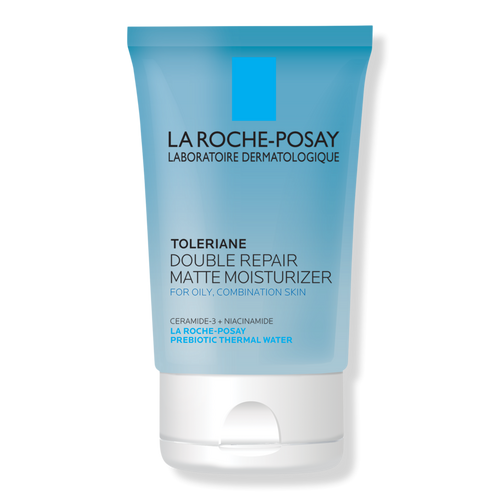
    Drugstore tier oily-skin moisturizer in a budget under 30 dollar price range

    Budget tier: $14-$24 for a full-size moisturizer. Brands to look at: CeraVe (PM Facial Moisturizing Lotion at around $16 is the most-recommended drugstore option for oily skin among dermatologists), La Roche-Posay (Effaclar Mat at around $22 is mattifying without being drying), Cetaphil (Daily Facial Moisturizer with niacinamide at around $14), and The Ordinary (Natural Moisturizing Factors at around $9 if you want absolute floor pricing). For me, CeraVe PM has been the lowest-fuss daily moisturizer I have used since 2021. It does not pill under foundation, it controls oil moderately well through about six hours of wear, and the niacinamide concentration is high enough to make a visible pore-appearance difference after about three weeks. The texture is the weakest part – it takes about 7 minutes to fully sink in, and I cannot apply it in a rush. CeraVe PM Facial Moisturizing Lotion is on Amazon Subscribe & Save and comes out to about $14 with the discount.

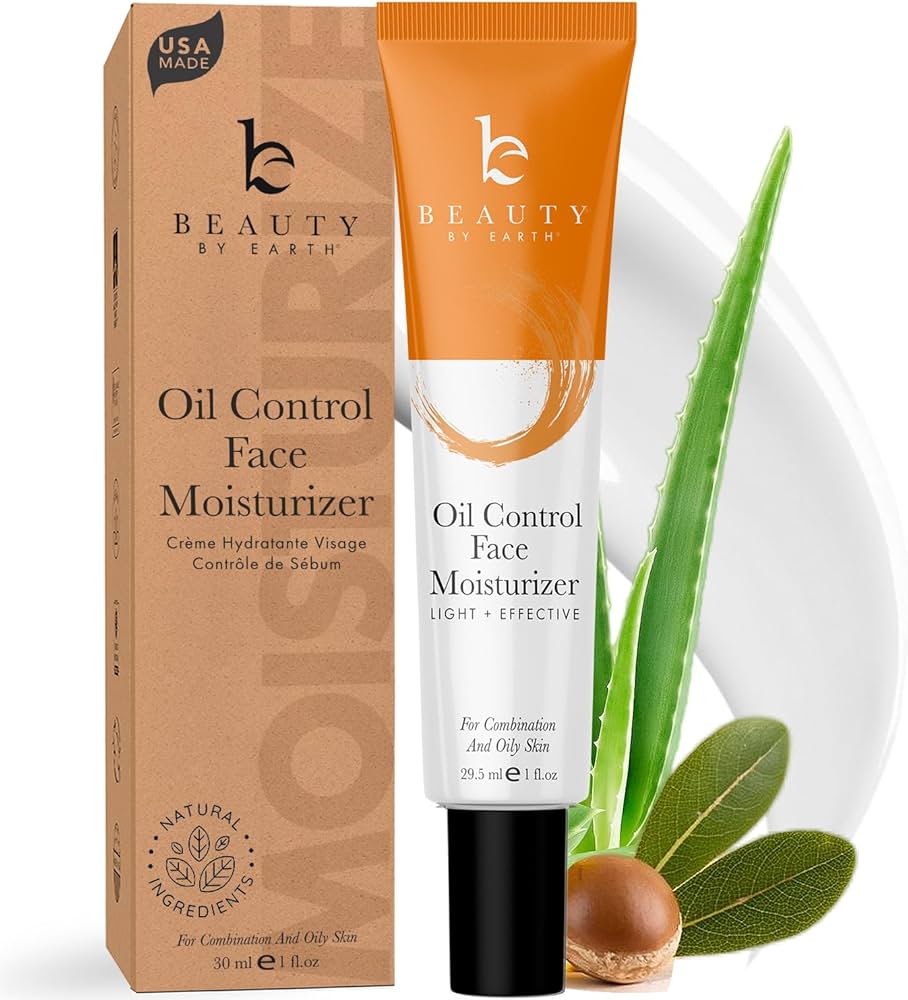
    Mid-range oily-skin moisturizer in the 30 to 70 dollar price tier

    Mid-range tier: $28-$68 for a full-size moisturizer. Brands: Paula’s Choice (CLEAR Oil-Free Moisturizer with niacinamide and salicylic acid at around $32), Glow Recipe (Watermelon Glow Niacinamide Dew Drops adjacent to their Plum Plump moisturizer at around $39), COSRX (Snail 96 Mucin Power Moisturizer at around $25 leans this direction even though it prices below), Drunk Elephant (B-Hydra Intensive Hydration Serum-Gel at around $52), and Tatcha (Water Cream at around $72 sits at the top of this tier). The Paula’s Choice CLEAR Oil-Free is the one I have rebought four times. For me, it is the best balance of niacinamide percentage, salicylic acid percentage, gel-lotion texture, and price in the category. It absorbs in about 90 seconds, it does not pill under SPF, and the salicylic acid keeps my T-zone clearer over time in a way the CeraVe alone does not. Paula’s Choice CLEAR Oil-Free Moisturizer is at Sephora and Ulta both. If you are deciding between this and Drunk Elephant B-Hydra, Paula’s Choice wins on functional outcome and Drunk Elephant wins on texture elegance. I keep both. I use Paula’s Choice four mornings a week.

    Premium oily-skin moisturizer in the 75 to 150 dollar premium tier

    Premium tier: $75-$145 for a full-size moisturizer. Brands: Tatcha (Dewy Skin Cream at around $72 sits at the bottom of this tier and is the most-justified premium price in the category), SkinCeuticals (Phyto Corrective Gel at around $82), Drunk Elephant (Protini Polypeptide Cream at around $68 leans premium), and Charlotte Tilbury (Magic Cream at around $100). At this tier you are paying for elegant packaging, refined texture, and sensory experience. The functional outcome for oily skin specifically is not better than the mid-range tier – it is comparable. I have used Tatcha Water Cream off and on for three years and the texture is the best in the category, but I cannot tell you the niacinamide is doing anything my Paula’s Choice is not doing. Tatcha Water Cream at Sephora is the most-recommended premium pick if you want to splurge on one item. Skip the rest of the brand’s range unless the sensory experience is the whole point.

    Where to save and where to splurge

    Save on the moisturizer itself. The CeraVe PM and Paula’s Choice CLEAR Oil-Free combo costs around $48 total and outperforms most $90+ single-product options for oily skin specifically. The drugstore tier is genuinely competitive in this category now, and the mid-range tier solves any remaining texture concerns.

    Save on fragrance. If you do not care about the smell, the unscented version of almost any moisturizer costs $10-$25 less and performs identically. La Roche-Posay’s fragrance-free range is roughly $5 cheaper per item than their scented equivalent.

    Splurge on sunscreen instead. The $40-$60 you save on a premium moisturizer is better spent on a quality SPF you will actually wear daily. A daily mineral or chemical sunscreen costs more than most oily-skin moisturizers and matters more for long-term skin outcomes. La Roche-Posay’s Anthelios sunscreens at around $36 are where I send the savings.

    Splurge on the active ingredient lineup if you can afford to. A $32 Paula’s Choice moisturizer plus a $9 The Ordinary niacinamide serum is a stronger oily-skin routine than a single $90 product trying to do everything. Layering order: water-based serum first, then moisturizer, then SPF. Save your money on the all-in-one premium pick. Spend it on the right combo of mid-range and budget actives.

    Frequently asked questions

    Why does oily skin even need a moisturizer?

    Skipping moisturizer when you have oily skin is one of the most common mistakes I see. Oily skin can still be dehydrated, and dehydrated skin produces MORE oil to compensate. A lightweight niacinamide-based moisturizer regulates sebum production over time. The goal is hydration without occlusion. A gel or gel-cream texture is the right call. A heavy cream is not.

    Is there a real difference between $16 CeraVe and $52 Drunk Elephant?

    There is a real texture difference and a real fragrance-and-packaging difference. The functional outcome on the skin is much closer than the price gap suggests. If you are buying based on outcome alone, CeraVe wins on value by a wide margin. If the daily ritual matters to you and you want a product that feels elegant to apply, the mid-range tier is where the texture jump is most noticeable. The jump from mid-range to premium is smaller than the jump from drugstore to mid-range.

    How long does a full-size oily-skin moisturizer actually last?

    For daily morning and evening application of a pea-sized amount, a 1.7 oz jar lasts roughly 3-4 months. That makes the real cost-per-month for a $16 CeraVe around $4-$5, and for a $72 Tatcha around $18-$24. The premium tier monthly cost is roughly 4x the drugstore tier – useful framing when you are deciding what to buy.

    What about acne-prone oily skin specifically?

    Look for non-comedogenic labeling and a salicylic acid component if breakouts are an ongoing issue. Paula’s Choice CLEAR Oil-Free in the mid-range tier and La Roche-Posay Effaclar Duo (around $35) in the slightly-above-drugstore tier are both formulated for acne-prone oily skin. CeraVe PM is non-comedogenic but does not include salicylic acid, so it is a maintenance moisturizer rather than an active treatment.

    The realistic number to budget

    For an oily-skin moisturizer that performs daily, looks reasonable on your counter, and does not require a second job, budget $20-$40. This number gets you either a strong drugstore pick like CeraVe PM at around $16 plus a budget serum, or a single mid-range pick like Paula’s Choice CLEAR Oil-Free at around $32 that handles the full job. Going above $75 buys texture refinement and packaging – real but optional benefits. Going below $14 is feasible with The Ordinary but requires more layering steps to match a full-formula option. The $32 sweet spot delivers a moisturizer that controls oil, hydrates without weight, plays well with SPF and foundation, and does not feel like a compromise. Save your money on the $145 luxury jar. Spend it on the SPF, the actives, and the foundation that actually meets your skin where it is.

  • How Much Does a Boudoir Photoshoot Cost? Pricing Guide for Every Budget

    How Much Does a Boudoir Photoshoot Cost? Pricing Guide for Every Budget

    Why Boudoir Photography Is More Popular Than Ever

    Why Boudoir Photography Is More Popular Than Ever

    Boudoir photography has undergone a massive transformation in recent years. What was once considered risque or exclusively a gift for a partner has evolved into a powerful act of self-celebration. Women of all ages, sizes, and backgrounds are booking boudoir sessions as a way to honor their bodies, mark milestones, reclaim their confidence, and create art that celebrates exactly who they are right now.

    The body positivity movement has played a huge role in this shift. As more women reject the idea that only certain bodies deserve to be photographed beautifully, boudoir photography has become a space for genuine empowerment. It is no longer about looking like a supermodel. It is about seeing yourself through the lens of someone who specializes in making every woman look and feel extraordinary.

    Boudoir sessions are booked for weddings, anniversaries, birthdays, divorce celebrations, cancer survivorship, postpartum milestones, weight loss journeys, and simply because a woman decided she deserved to feel beautiful on a random Tuesday. The reasons are as varied as the women who book them, and every single one is valid.

    But before booking, most women want to know the same thing: how much is this going to cost? Boudoir photography pricing can be confusing because it varies enormously between photographers, markets, and package structures. This guide breaks down every cost component so you know exactly what to expect and can find an option that fits your budget.

    Average Boudoir Photoshoot Cost in 2026

    Average Boudoir Photoshoot Cost in 2026

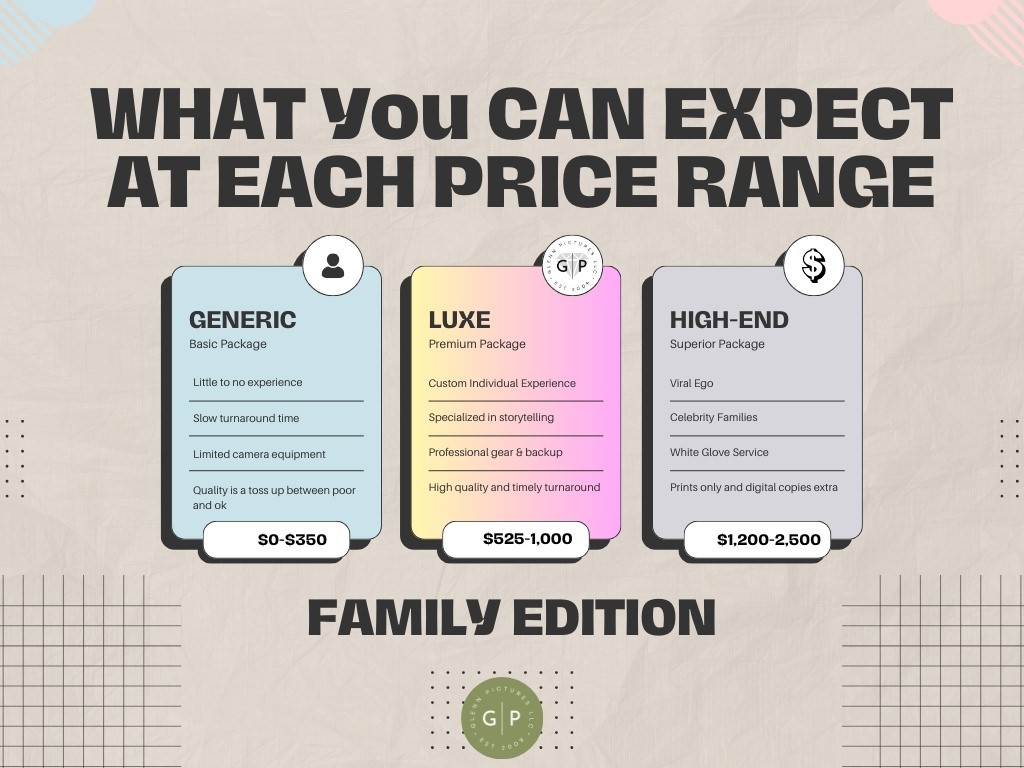
    The total cost of a boudoir photoshoot in 2026 typically ranges from $200 to $5,000 or more, with the average falling between $800 and $2,000 when you factor in the session fee plus the images or products you purchase. That is a wide range, so let us break it down into components to understand where the money goes.

    The session fee – what you pay just to book the shoot and have the photographer show up – ranges from $100 to $500 for most photographers. Some high-end photographers charge $500 to $1,000 or more for the session alone. This fee typically covers the photographer’s time, the use of their studio or location, and basic styling or consultation.

    Images are almost always priced separately from the session fee. This is where costs can escalate quickly if you are not prepared. Digital images range from $25 to $150 each, depending on the photographer. Edited and retouched images cost more than unedited files. Most photographers offer packages that bundle a certain number of images at a lower per-image price.

    Products like albums, prints, wall art, and specialty items add to the total cost. A professional boudoir album starts around $300 and can reach $1,500 or more for a premium, custom-designed book. Large format prints and canvas wraps range from $100 to $500 each.

    The total you spend depends on how many images you want and in what format. A budget-conscious client who books an affordable photographer and selects a small digital package might spend $300 to $500 total. A client who wants a luxury experience with a premium album and wall art might spend $2,000 to $5,000. Most women land somewhere in between at $800 to $1,500.

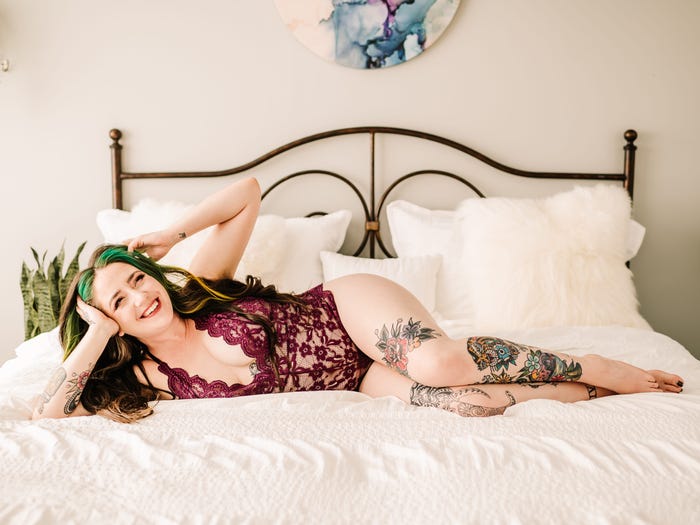
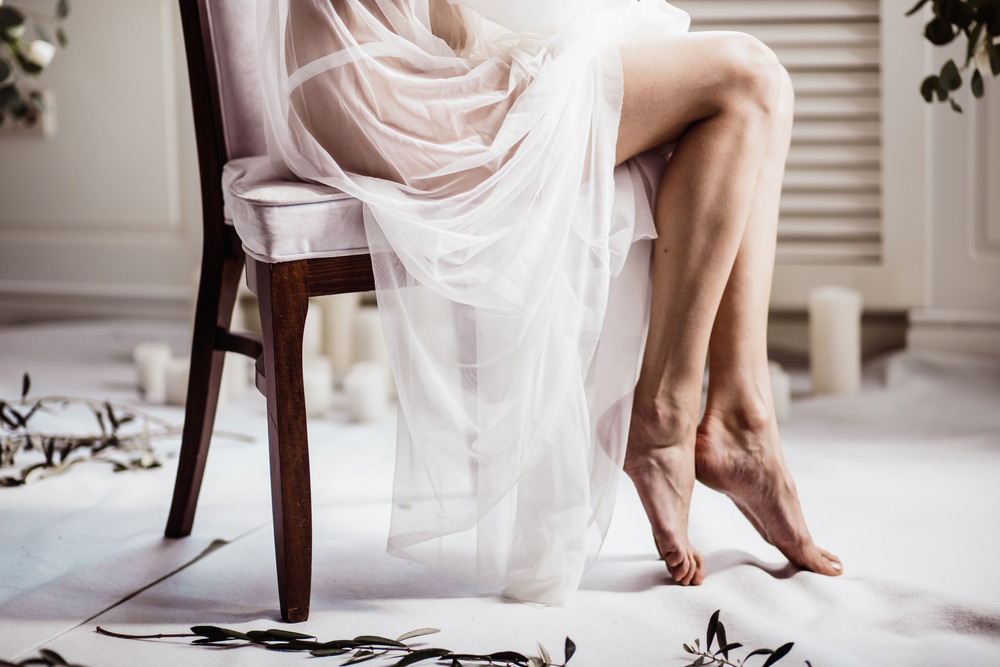
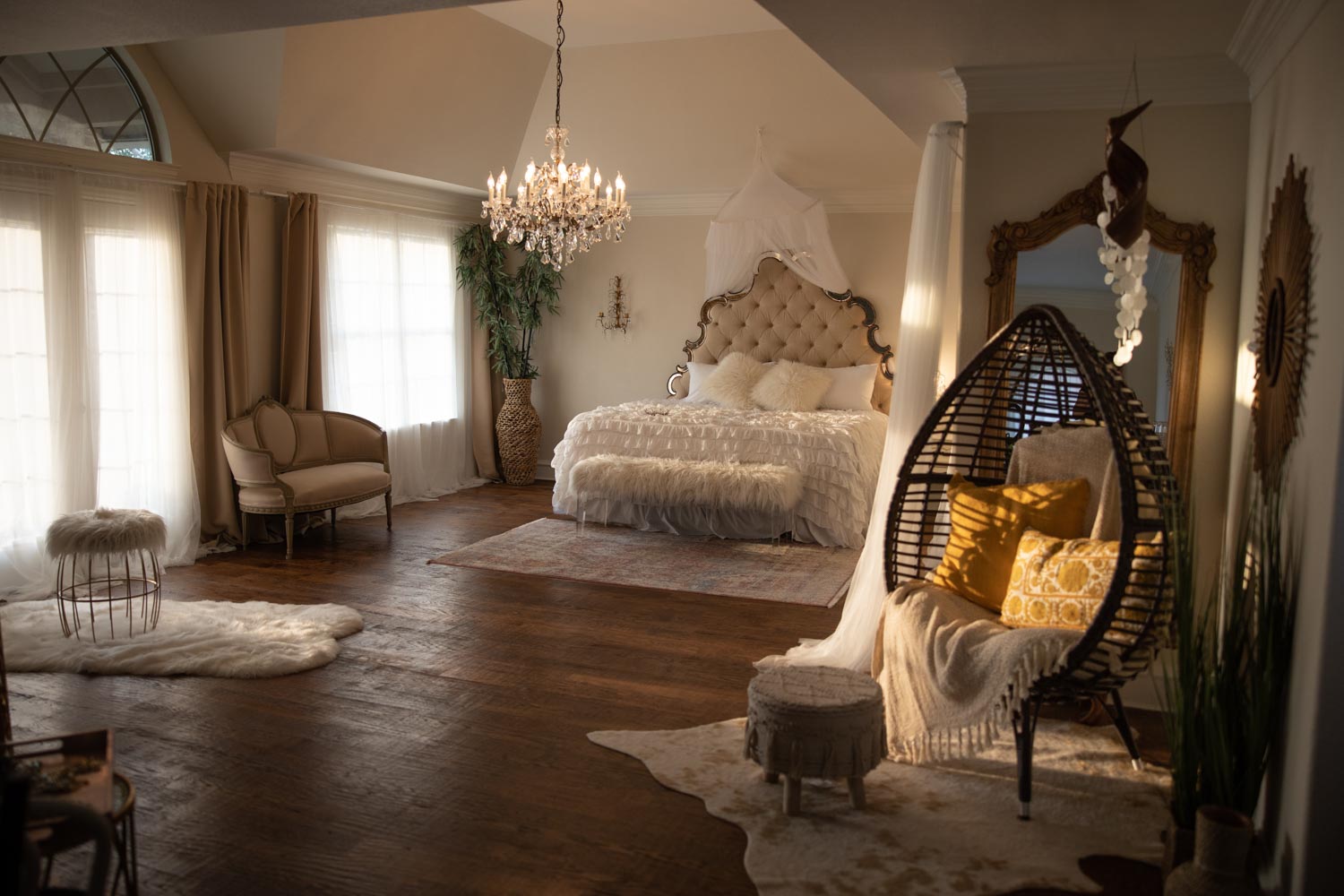
    Elegant boudoir photography studio with professional lighting and decor

    What Is Included in a Boudoir Session Fee

    What Is Included in a Boudoir Session Fee

    The session fee is your entry point, and what it includes varies significantly between photographers. Always ask for a detailed breakdown so you know exactly what you are paying for. Here are the components that may or may not be included.

    Pre-session consultation is offered by most boudoir photographers and is usually included in the session fee. This is a phone call, video chat, or in-person meeting where you discuss your vision, your comfort level, wardrobe options, and what to expect during the shoot. A good consultation sets the stage for a comfortable, enjoyable session.

    The shooting time itself is typically one to three hours depending on the photographer and package level. A one-hour session usually yields enough time for two to three outfit changes and produces thirty to sixty images. A two to three hour session allows for more outfit changes, more variety in poses and setups, and typically produces seventy-five to one hundred fifty or more images to choose from.

    Professional hair and makeup is included by some photographers and charged separately by others. When included, it adds $100 to $300 in value to the session fee. When charged separately, expect to pay $75 to $200 for professional hair and makeup. Having professional glam is highly recommended for boudoir because the camera picks up subtleties in makeup application that differ from everyday makeup.

    Studio use is included when the photographer works from their own studio. If the photographer is location-based and the shoot happens at your home, a hotel room, or a rented space, there may be additional fees for location rental. Hotel boudoir shoots, which are increasingly popular for their luxurious backdrops, can add $100 to $300 for the room rental.

    Some photographers include a set number of edited digital images in their session fee, while others charge for images entirely separately. All-inclusive packages that bundle the session fee with a predetermined number of images tend to offer better value than purchasing each component separately. Always clarify whether any images are included before booking.

    Print and Digital Image Pricing

    Print and Digital Image Pricing

    After the session, the photographer will present you with your images – either all of them or a curated selection of the best shots. This is where you decide what to purchase, and it is the part of the process where costs can surprise you if you are not prepared.

    Individual digital images typically cost $25 to $150 each, depending on the photographer’s market and reputation. Lower-end photographers in smaller markets might charge $25 to $50 per image. Mid-range photographers charge $50 to $100. Premium photographers can charge $100 to $150 or more per individually selected digital file.

    Digital image packages offer better per-image pricing. A package of ten edited digital images might cost $300 to $500, while a package of twenty-five images might be $600 to $1,000. Full gallery purchases – all images from the session – range from $800 to $2,500 and offer the lowest per-image cost.

    Professional prints are offered by many boudoir photographers through their own print labs, which typically produce higher quality results than consumer printing services. Individual 8×10 prints run $30 to $75. Larger format prints, matted prints, and specialty products like metal prints or acrylic displays range from $75 to $300 each.

    A word of advice: decide on your approximate budget for images before your reveal session. When you see your gorgeous photos for the first time, emotion runs high, and it is easy to spend more than you planned in the excitement of the moment. Having a firm number in mind helps you make decisions that you will be happy with both emotionally and financially.

    Boudoir Album and Wall Art Costs

    Boudoir Album and Wall Art Costs

    Boudoir albums and wall art are premium products that many women consider the ultimate way to preserve and display their images. They are also the most expensive add-ons, so understanding the pricing helps you decide whether they fit your budget.

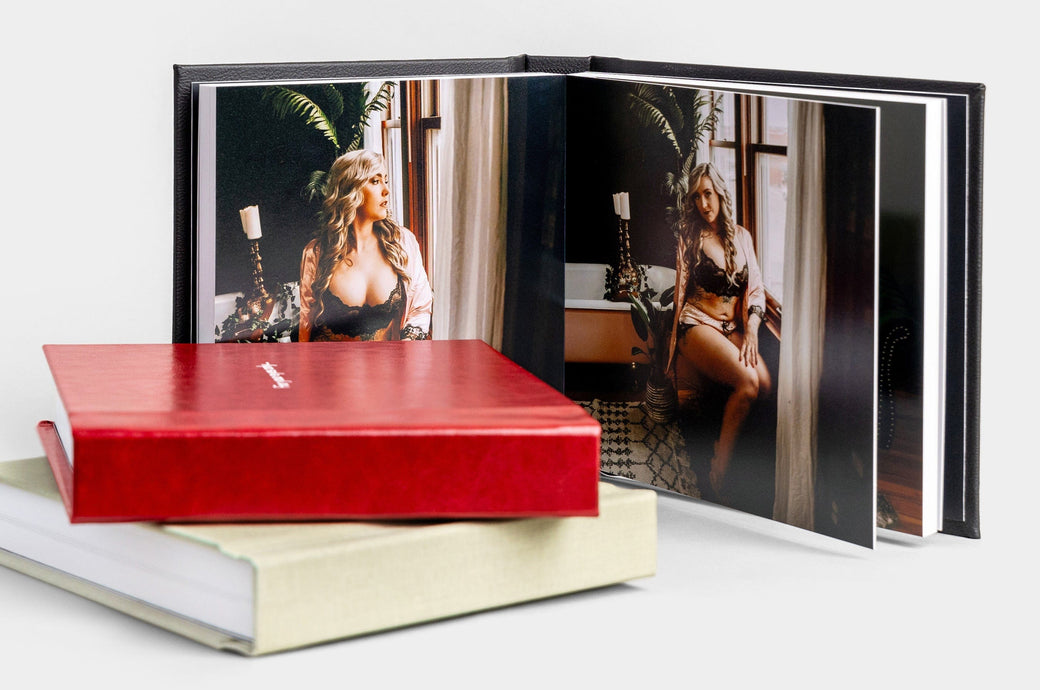
    A professional boudoir album is a custom-designed, professionally printed book featuring your selected images laid out in an artistic, cohesive design. Entry-level albums with basic covers and standard paper start around $300 to $500. Mid-range albums with leather or linen covers and premium paper run $500 to $1,000. Luxury albums with custom covers, lay-flat pages, and fine art printing can cost $1,000 to $2,500.

    The album design process is usually included in the album price. Your photographer designs the layout, you approve or request changes, and the album is printed and shipped. Most albums contain fifteen to thirty images, though this varies. Some photographers offer mini-albums or brag books as a more affordable alternative, starting around $150 to $250.

    Wall art transforms your boudoir images into display pieces for your home. Canvas wraps are the most popular option, ranging from $150 to $500 depending on size. Metal prints offer a modern, high-contrast look starting around $100 for small sizes. Framed fine art prints with museum-quality framing run $200 to $600. Multi-panel displays and gallery walls of three to five coordinated pieces can cost $500 to $1,500 for the complete set.

    Wall art from a boudoir session is typically displayed in private spaces like bedrooms or walk-in closets. A large canvas of a tasteful, artistic boudoir image above a bed or dresser creates a stunning personal statement. Some women choose more subtle images for semi-public spaces and save the more intimate shots for truly private areas.

    Budget-Friendly Boudoir Options Under $500

    Budget-Friendly Boudoir Options Under $500

    A beautiful boudoir experience is absolutely possible on a budget. Here are strategies for getting gorgeous images without spending a fortune.

    Look for newer photographers who are building their portfolio. Photographers in the early stages of their boudoir career often offer significantly lower rates to attract clients and build a body of work. Their images can be stunning – the quality of a photographer’s eye for light, composition, and posing is not always correlated with their price point. Check their portfolio carefully, but do not dismiss them based on price alone.

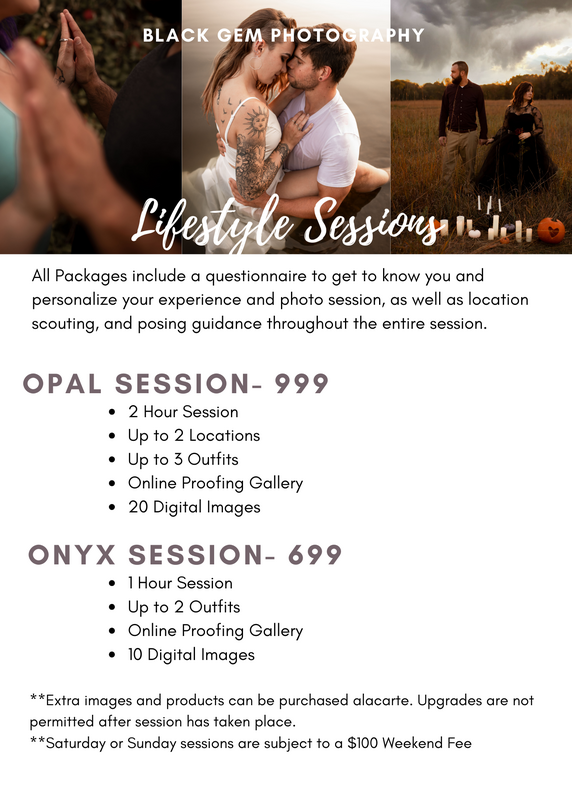
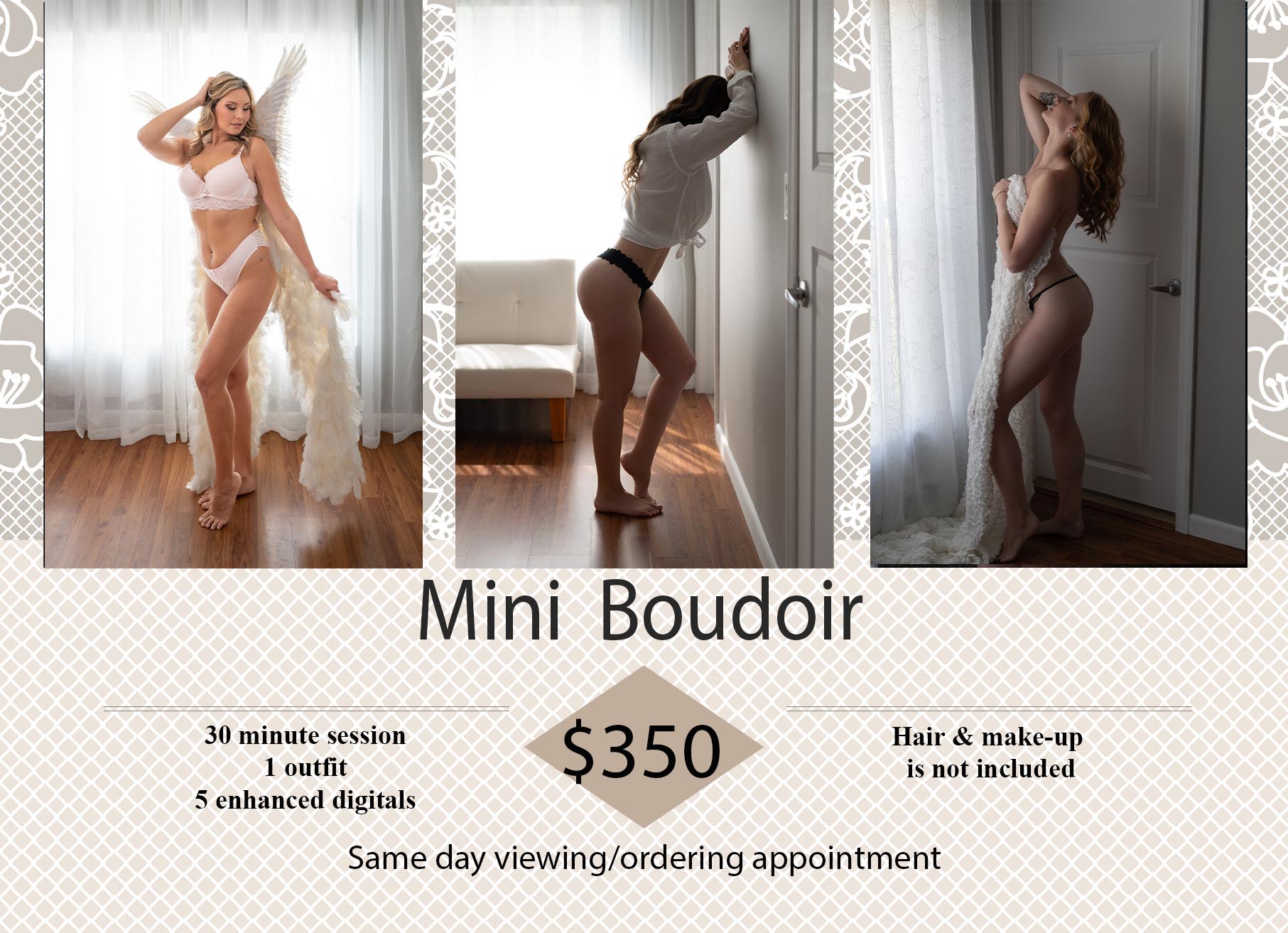
    Mini sessions are a popular budget option offered by many established boudoir photographers. These condensed sessions last thirty to forty-five minutes, include one to two outfit changes, and typically come with three to ten edited digital images. Mini sessions are priced between $200 and $400, making them accessible for women who want the boudoir experience without the full package cost.

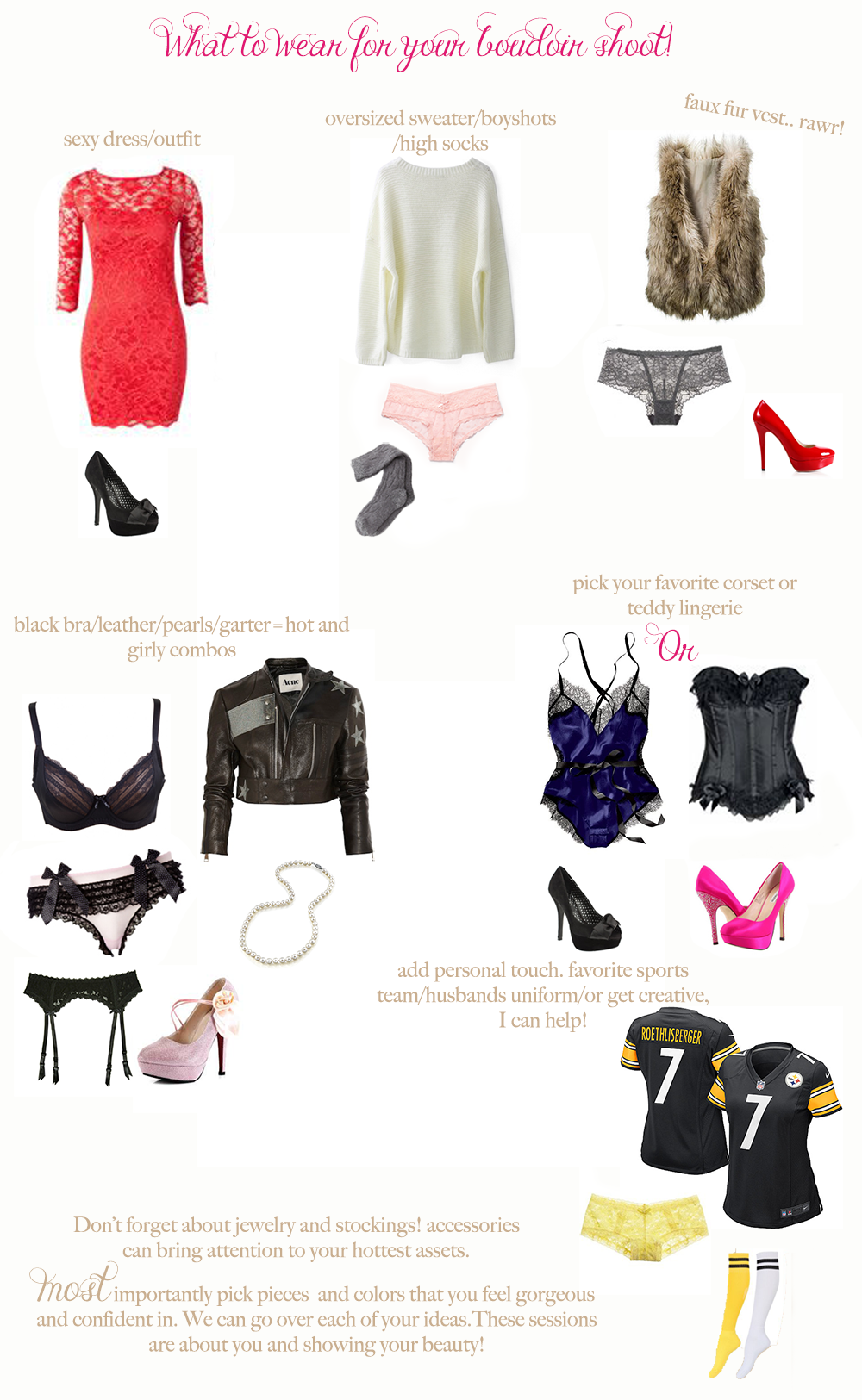
    DIY boudoir with a friend or using a tripod and self-timer is the most budget-friendly option. With good natural lighting, a few carefully chosen lingerie pieces from Savage X Fenty , and a smartphone with a quality camera, you can create beautiful intimate images at home for essentially no cost beyond the lingerie. YouTube tutorials on boudoir posing and lighting can guide you through the process.

    Group boudoir sessions, where two or three women share a session, split the photographer’s time and studio costs, and take turns in front of the camera, can bring per-person costs down to $150 to $300. This is also a fun bonding experience and can help with nerves since you are not alone in the studio.
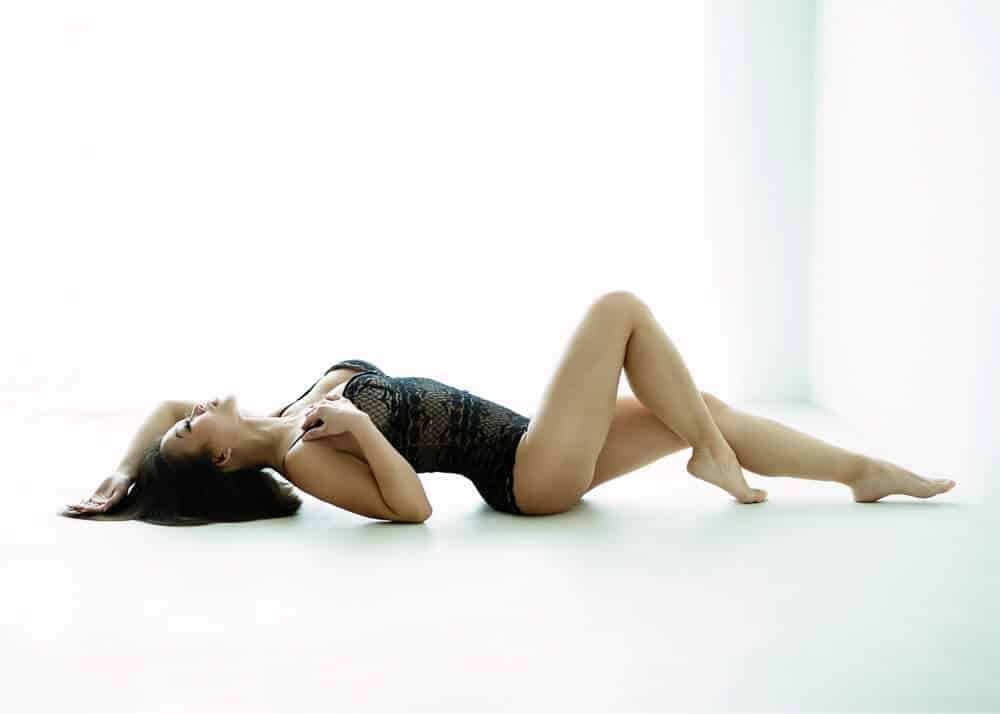
    Watch for seasonal promotions and holiday specials from boudoir photographers. Valentine’s Day, Galentine’s Day, and Women’s History Month are common times for discounted session rates. Following boudoir photographers on social media is the best way to catch these limited-time offers.

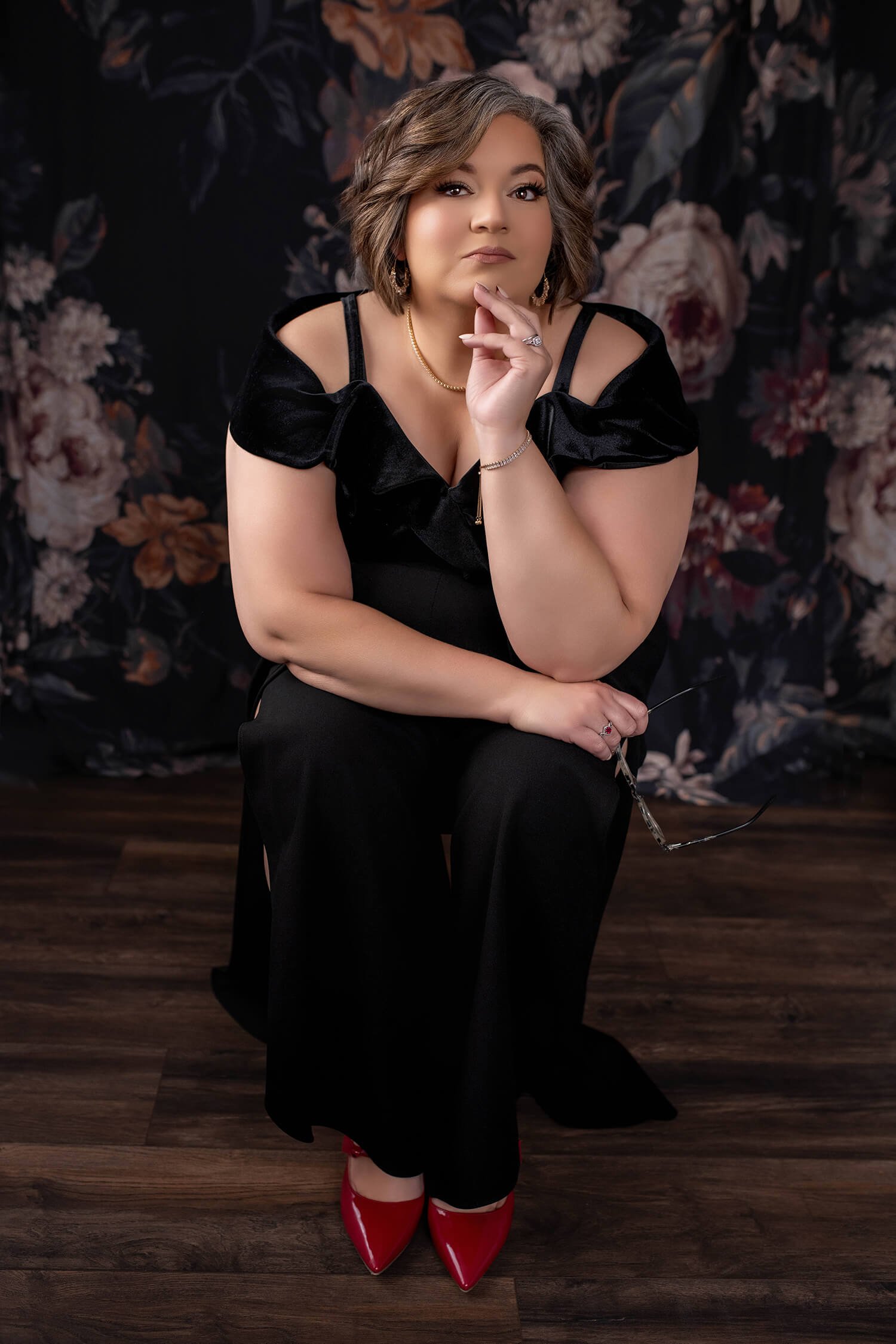
    Elegant boudoir-style portrait of a confident woman in soft natural light

    Mid-Range Boudoir Packages – $500 to $1,500

    Mid-Range Boudoir Packages - $500 to $1,500

    The $500 to $1,500 range is where most women land, and it is the sweet spot for getting a professional, full-featured boudoir experience with quality images and reasonable product options.

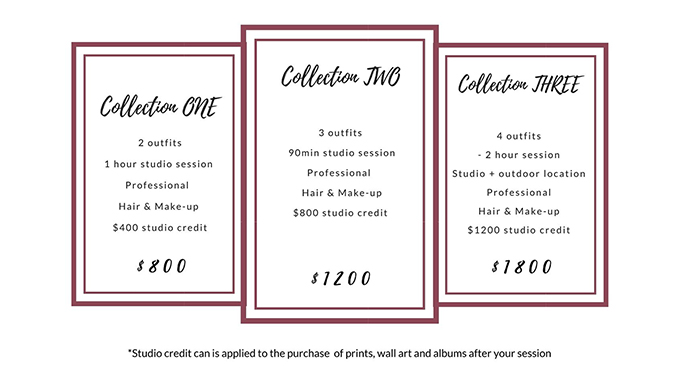
    At this price point, you can expect a one to two hour session with a professional photographer who specializes in boudoir work. Hair and makeup may be included or available as an add-on. You will typically receive fifteen to thirty edited digital images and have access to print and album products at additional cost.

    Many photographers at this level offer tiered packages. A base package at $500 to $700 might include the session, basic retouching, and ten to fifteen digital images. A mid-tier package at $800 to $1,200 might add hair and makeup, more images, and a small album or print credit. The top-tier package at $1,200 to $1,500 typically includes everything – full glam, extended session time, all digital images, and a premium album or wall art piece.

    The mid-range market offers the best balance of quality and affordability. Photographers charging in this range are typically experienced, have strong portfolios, and provide a professional, comfortable experience. They have usually invested in quality lighting, backdrops, and post-processing tools that elevate the final images above what a newer photographer or DIY approach can achieve.

    When evaluating mid-range packages, compare the total cost of getting the images you want, not just the session fee. A photographer with a $150 session fee but $100 per image may cost more in the end than a photographer with a $500 session fee that includes twenty images. Always calculate the total projected cost based on how many images you anticipate wanting to keep.

    Luxury Boudoir Experiences – $1,500 and Above

    Luxury Boudoir Experiences - $1,500 and Above

    Luxury boudoir experiences are the full red-carpet treatment of the boudoir world. They go beyond photography to create a complete pampering experience that many women describe as life-changing.

    At the luxury level, expect three to four hours of shooting time, professional hair, makeup, and sometimes a wardrobe stylist. The studio or location will be exquisitely designed with multiple set options – a bed, a bathtub, a window seat, a chaise, and more. The photographer will have significant experience and a portfolio that speaks for itself.

    Luxury packages typically include all digital images from the session – often fifty to one hundred or more – plus a premium album and at least one wall art piece. Some include a curated wardrobe of lingerie and accessories for clients to use during the session, a champagne toast, and personalized music.

    The images from luxury sessions often feature advanced retouching that goes beyond basic skin smoothing to include artistic effects, composite techniques, and editorial-quality post-processing. The final product is closer to fashion photography than traditional boudoir, with a level of polish that is immediately evident.

    Luxury boudoir experiences in major markets like New York, Los Angeles, and Miami typically start at $2,500 and can reach $5,000 to $10,000 for the most sought-after photographers. In smaller markets, luxury-level quality can sometimes be found in the $1,500 to $3,000 range. For these experiences, complement the session with investment lingerie from Soma Intimates or Savage X Fenty’s luxury collection for the most stunning results.

    Hidden Costs to Watch Out For

    Hidden Costs to Watch Out For

    Boudoir photography pricing can include several costs that are not always obvious upfront. Being aware of these potential add-ons helps you budget accurately and avoid surprises.

    Hair and makeup is the most common hidden cost. When it is not included in the session fee, professional boudoir makeup typically costs $75 to $150 for makeup alone, $50 to $100 for hair, or $125 to $200 for both. Some photographers require that you use their recommended hair and makeup artist, while others allow you to bring your own or do your own.

    Outfit changes beyond the included number may incur additional charges if the session runs long. Most photographers include two to four outfit changes in the session fee, but if you want more variety, additional time may be billed at $50 to $100 per extra set.

    Retouching fees can be separate from image purchasing fees. Basic retouching – skin smoothing, color correction, and minor adjustments – is usually included. Advanced retouching like body sculpting, scar removal, or composite work may cost $25 to $75 per image extra.

    Location rental costs apply when the shoot takes place somewhere other than the photographer’s studio. Boutique hotel rooms commonly used for boudoir shoots run $100 to $300 per day. Some photographers absorb this cost; others pass it directly to the client. Ask before booking.

    Rush fees apply if you need your images faster than the standard turnaround time, which is typically two to four weeks for edited images. Rush processing can cost $50 to $200 depending on how quickly you need the files. If you are planning the shoot as a gift with a deadline, factor in the turnaround time when scheduling.

    How to Budget and Save for Your Boudoir Session

    How to Budget and Save for Your Boudoir Session

    A boudoir session is a meaningful investment in yourself, and planning ahead financially makes the experience stress-free and enjoyable. Here are practical strategies for budgeting and saving.

    Set a total budget first, not just a session budget. Your total budget should cover the session fee, hair and makeup, images, any products like albums or prints, and your wardrobe for the shoot. Having a clear total number prevents piecemeal spending that adds up to more than you intended.

    Save specifically for the shoot. Open a dedicated savings account or set aside a fixed amount from each paycheck for your boudoir fund. Treating it as a planned purchase rather than an impulse decision makes the spending feel intentional and guilt-free. Even $50 per month for six months gives you a $300 starting budget.

    Ask about payment plans. Many boudoir photographers offer payment plans that let you spread the cost over two to four months. This makes higher-end packages accessible without requiring the full amount upfront. Some photographers require a deposit to book and the balance due on the day of the shoot, while others offer extended payment timelines.

    Shop smart for your boudoir wardrobe. You do not need designer lingerie to look stunning. Affordable options from Amazon’s plus size lingerie selection and Target’s Auden collection photograph beautifully. Simple pieces in flattering colors and fabrics often look better on camera than ornate, busy designs.

    Consider what format matters most to you. If you primarily want digital images to keep on your phone or share privately, skip the expensive album and prints. If you want a tangible keepsake, prioritize the album and budget accordingly. You do not need everything – choose the format that will bring you the most long-term joy and allocate your budget there.

    What to Wear and Bring to Your Boudoir Session

    What to Wear and Bring to Your Boudoir Session

    Your wardrobe choices significantly impact the look and feel of your boudoir images, and the good news is that you do not need to spend a fortune on outfits. Here is what to consider when planning your session wardrobe.

    Most photographers recommend two to four outfits that range from fully dressed to more intimate. A typical progression might be: a gorgeous outfit with heels and jewelry, a pretty bra and underwear set, a cozy piece like a boyfriend shirt or silk robe, and something more daring if you are comfortable like a bodysuit or lace set.

    Classic boudoir wardrobe pieces include matching lingerie sets, bodysuits, corsets, silk or satin robes, oversized men’s dress shirts, high-waisted underwear with a bralette, and lace pieces that photograph beautifully. Black, white, deep jewel tones, and nude shades tend to photograph best. Avoid very bright patterns that can distract from you in the images.

    Bring accessories that add personality and visual interest. Statement jewelry, heels, thigh-high stockings, a favorite hat, or a meaningful piece like a sports jersey or leather jacket all add variety and tell your story. Some women bring items from significant relationships, career milestones, or personal passions to make their session uniquely theirs.

    Bring items that make you feel amazing in your own skin. A robe for between-set comfort, your favorite perfume for confidence, a playlist of your power songs, and any personal items that boost your mood. The more comfortable and confident you feel during the session, the more it shows in the images.

    Avoid anything that leaves marks on your skin. Remove tight bras, underwear with elastic edges, socks, and anything with straps at least two hours before the session. These items leave temporary indentations that are visible in photos and difficult to retouch naturally. Wear loose, comfortable clothing to the session and change into your boudoir outfits on site.

    Key Takeaways

    • Boudoir photoshoot costs in 2026 range from $200 for mini sessions to $5,000 or more for luxury experiences, with most women spending $800 to $1,500 total.
    • Session fees ($100 to $500) and image purchases ($25 to $150 each) are usually separate costs – always calculate the total projected spend.
    • Professional albums range from $300 to $2,500 and wall art from $100 to $500, adding significant cost beyond digital images.
    • Budget options include mini sessions, newer photographers, group sessions, and DIY approaches starting under $300.
    • Hair and makeup, location rental, and retouching fees are common hidden costs – ask about all inclusions before booking.
    • Payment plans and dedicated savings make boudoir accessible at any budget when planned ahead of time.

    Frequently Asked Questions

    Is a boudoir photoshoot worth the money?

    Is a boudoir photoshoot worth the money?

    For most women who have done it, absolutely yes. The images become treasured keepsakes, and the experience itself is often described as transformative. The boost in confidence and self-image extends far beyond the photos. If budget is a concern, even a modest mini session can deliver the emotional benefits at a more accessible price point.

    How do I find a good boudoir photographer?

    Look for photographers who specialize in boudoir specifically, not general portrait photographers who offer boudoir as a side service. Review their portfolio for consistency, lighting quality, and most importantly, how they photograph women of different body types. Read reviews from past clients, and schedule a consultation to assess your comfort level with them before booking.

    Do I need to be a certain size or age for boudoir photos?

    Absolutely not. Boudoir photography is for every body, every age, and every stage of life. The best boudoir photographers have experience working with all body types and know how to use lighting, posing, and angles to make every woman look and feel stunning. Your body does not need to change for boudoir – the photographer’s job is to capture how beautiful you already are.

    Can I keep my boudoir photos completely private?

    Yes. Professional boudoir photographers understand the sensitive nature of these images and have strict privacy policies. Most ask for written permission before using any client images in their portfolio or marketing. You can absolutely request that your images never be shared publicly. Your privacy is non-negotiable, and any photographer who does not respect that should not get your business.

    What is the best time of year to book a boudoir session?

    Boudoir sessions can be booked year-round, but demand peaks around Valentine’s Day, wedding season, and the holiday gifting season. Booking during off-peak months like January, March, or September may get you better availability and possibly promotional pricing. Allow at least four to six weeks before you need the final images to account for editing turnaround time.

    Flatlay of boudoir photoshoot wardrobe essentials and accessories