Category: Reviews

  • Plus-Size-Friendly Brand Review: Sustainable and Ethical Plus-Size Clothing Labels

    Plus-Size-Friendly Brand Review: Sustainable and Ethical Plus-Size Clothing Labels

    On a Sunday in March I drove out to a swap-style clothing exchange in Logan Square in Chicago, the kind hosted in a yoga studio with the floor cleared and a card table for tags. The host had asked everyone to bring three garments and a name written on masking tape. I brought a Christy Dawn dress that never fit through the shoulders and two linen tops I never wore. I left with a Universal Standard Geneva dress in olive, size 26, that had a small handwritten note pinned to the hem. The note read, in three different scripts, “Bought it at Soho 2022, loved it but lost weight. Wore it through a pregnancy. Wore it to my brother’s wedding.” Three women had cycled through this single dress before it got to me, and the dress still held its shape, the seams still locked, the side slit still even. Standing in the studio with the dress folded over my arm, I had the thought that almost never makes it into plus-size brand reviews, which is whether the words “sustainable plus” actually point at a supply chain or whether they point at marketing copy stretched across a press release. I have read the books. I have read Aja Barber. I have visited two of the factories. The supply chain conversation rarely makes it into plus extensions because most plus extensions do not have a supply chain story to tell. This piece is the long-form audit of the ones that do, the ones that fold, and the prediction for which labels still exist in 2029.
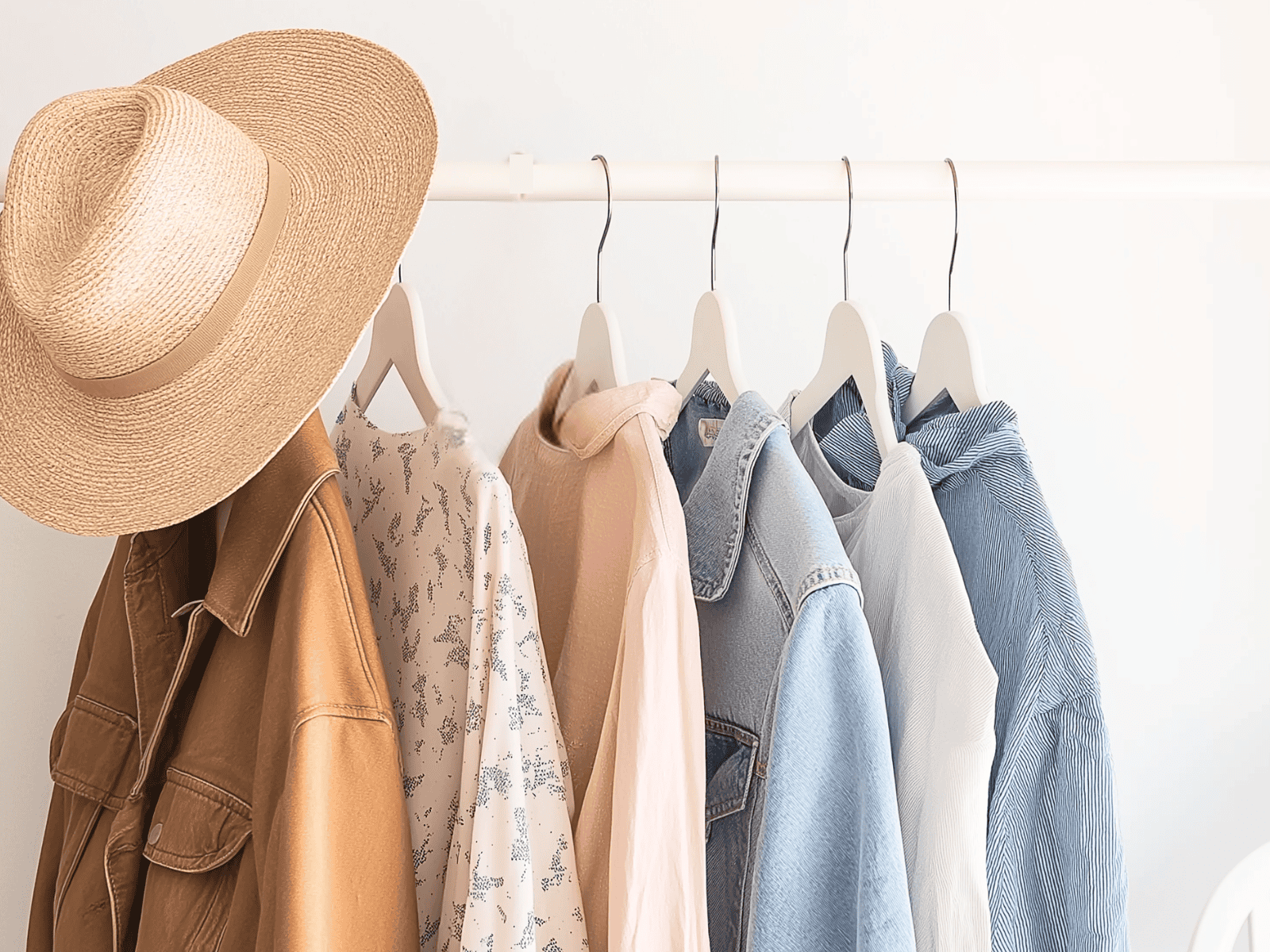
    Atlanta clothing swap with plus-size garments on a folding table

    What sustainable plus actually requires structurally

    A label cannot claim sustainability at plus sizes by simply running a marketing campaign with a curve model. The structural requirements are specific and most brands fail at one of three pinch points. The first pinch point is fabric origin. A sustainable plus garment needs the same low-impact fiber source as the straight-size version, which means certified organic cotton, deadstock wool, regeneratively grown linen, recycled polyester from verified streams, or Tencel from FSC-managed forests. Plus-size garments use roughly 40 to 70 percent more fabric per unit, which means the fabric sourcing has to scale or the plus extension becomes a margin drain that the brand quietly drops. The second pinch point is pattern grading. A garment graded for a size 24 from a size 12 sample without adjusting the bust, hip, and shoulder ratios will fail at the seams, return at higher rates, and end up in returns processing or landfill. Real plus grading requires fit models above size 18 and pattern revision at three to four size breaks. The third pinch point is factory capacity. Most ethical factories that hold WRAP, SA8000, or Fair Wear certification are sized for straight runs in batches of 200 to 800 units. Adding a size 26 to the run requires either a longer cut spread or a separate cut, both of which raise the per-unit cost. Brands either pay it or stop at 16. Aja Barber, in her 2021 book Consumed: The Need for Collective Change , wrote that the sustainable fashion conversation has historically been built on a default body size that the industry was unwilling to scale past, and that plus visibility inside sustainability has remained the responsibility of consumers shouting at brands rather than brands voluntarily expanding capacity. That framing has held up. Almost every brand reviewed in this piece extended its plus run after public pressure rather than as the original design intent.

    Maxine Bedat, in her 2021 book Unraveled: The Life and Death of a Garment , traced a single pair of jeans from cotton field to landfill and showed that the supply chain is not a single chain but a tangled web of subcontracts, mill swaps, and unverified tier-two suppliers. Bedat is the founder of the New Standard Institute and a credentialed expert in textile supply chain forensics. Her argument relevant to plus is that a brand can certify the cut-and-sew factory while leaving the fabric mill, the dye house, and the finishing plant unverified, which means the sustainability claim covers maybe 20 percent of the actual garment lifecycle. When you add the extra fabric load of plus-size grading on top of an opaque supply chain, the carbon and water math doubles silently. This is the question I now ask every brand in writing before I review them: which tier-two and tier-three suppliers handled the fabric for your plus extension, and are those audits public. The brands that answer that question with documentation are a short list. The brands that send a press release in response are the long list.
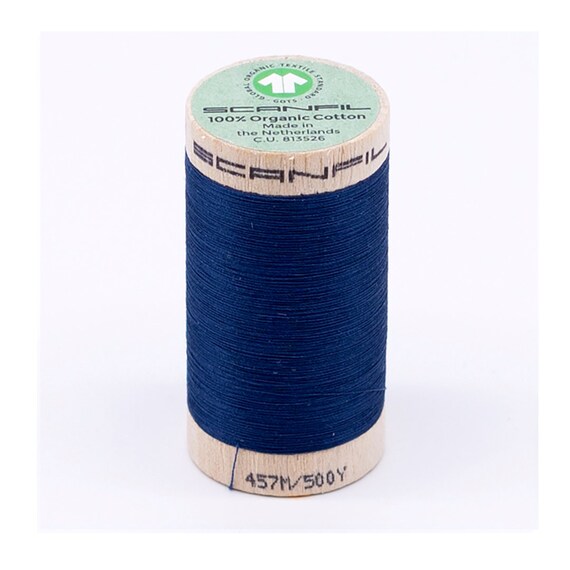
    Sustainable fabric mill organic cotton spools certified supply chain

    Universal Standard: the size 24 deadstock model

    Universal Standard remains the structural anchor for any honest conversation about sustainable plus. The brand was founded in 2015 by Polina Veksler and Alex Waldman with a stated mission of building a size-inclusive label from size 00 to 40 where the same garment is offered across every size at the same price. Veksler, the co-founder and now CEO, has been on record at multiple industry panels arguing that size inclusivity and sustainability are not separate movements but the same movement, because waste reduction at scale requires a brand to know its size distribution and produce closer to demand. Universal Standard built its later-stage business model around deadstock fabric sourcing, which means buying excess yardage from mills that would otherwise discard it and turning that yardage into the brand’s seasonal capsule. The Geneva dress I picked up at the Cherokee swap was made from a deadstock viscose blend originally cut for a mid-tier department store program. The brand pays a flat price per yard, runs the program through a Lisbon factory, and grades the patterns through fit models at size 12, 20, and 28.
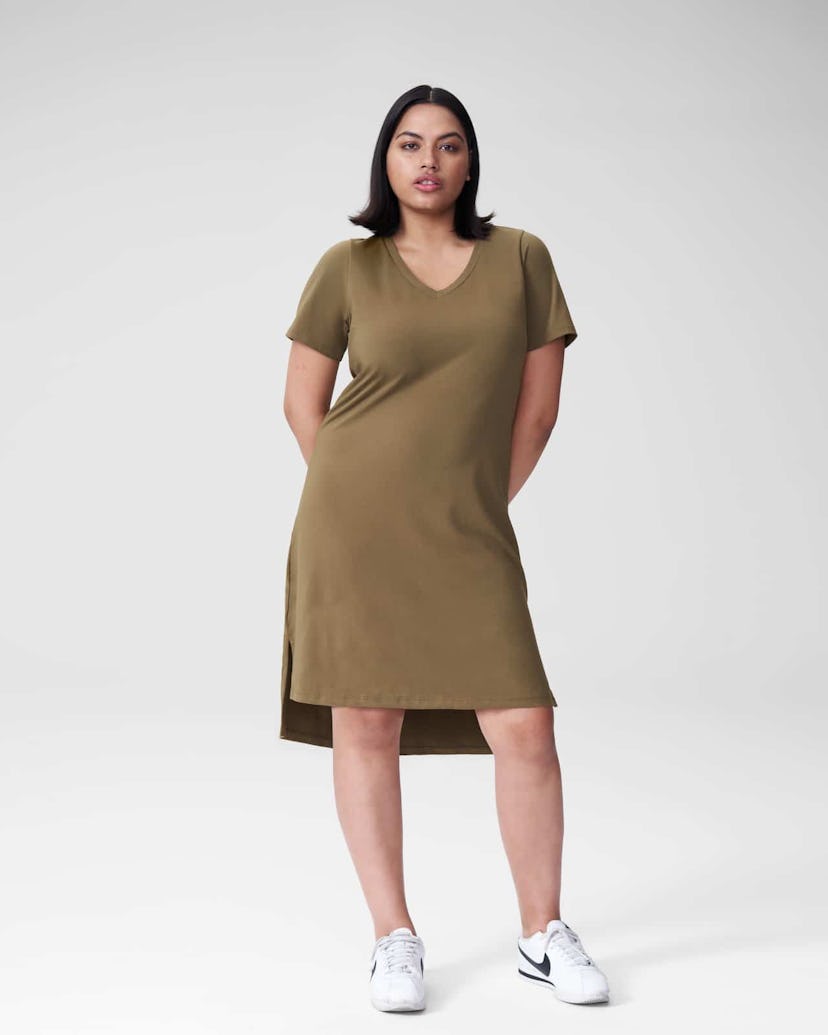
    Universal Standard Geneva dress olive size 26 deadstock fabric

    The pricing in 2026 sits where it has sat for three years. The Geneva is $98. The Foundation Turtleneck is $58. The Stephanie pant is $128. The Geneva Cape Coat is $325. The brand runs deadstock capsules at slightly elevated prices, sometimes $128 to $148, but the core line holds its position. The factory base is split across Lisbon, Portugal, and a smaller secondary partner in Istanbul, Turkey, both audited under WRAP standards. The deadstock model has structural limits worth naming. A deadstock fabric run is limited to whatever yardage the brand can secure, which means popular cuts sell out and do not return. The brand handles this by running a “size 40 guarantee” on core program, which keeps the foundational basics in production regardless of seasonal capsule sell-through. That guarantee is the closest thing the plus-size fashion industry has to a meaningful sustainability commitment, because it forces inventory planning rather than performative production. The verdict on Universal Standard after seven years of personal wear and one Cherokee swap acquisition: this is the only label in the sustainable plus category where I would buy unseen, at full price, in any cut they release, with the expectation that the garment will outlast my closet rotation.
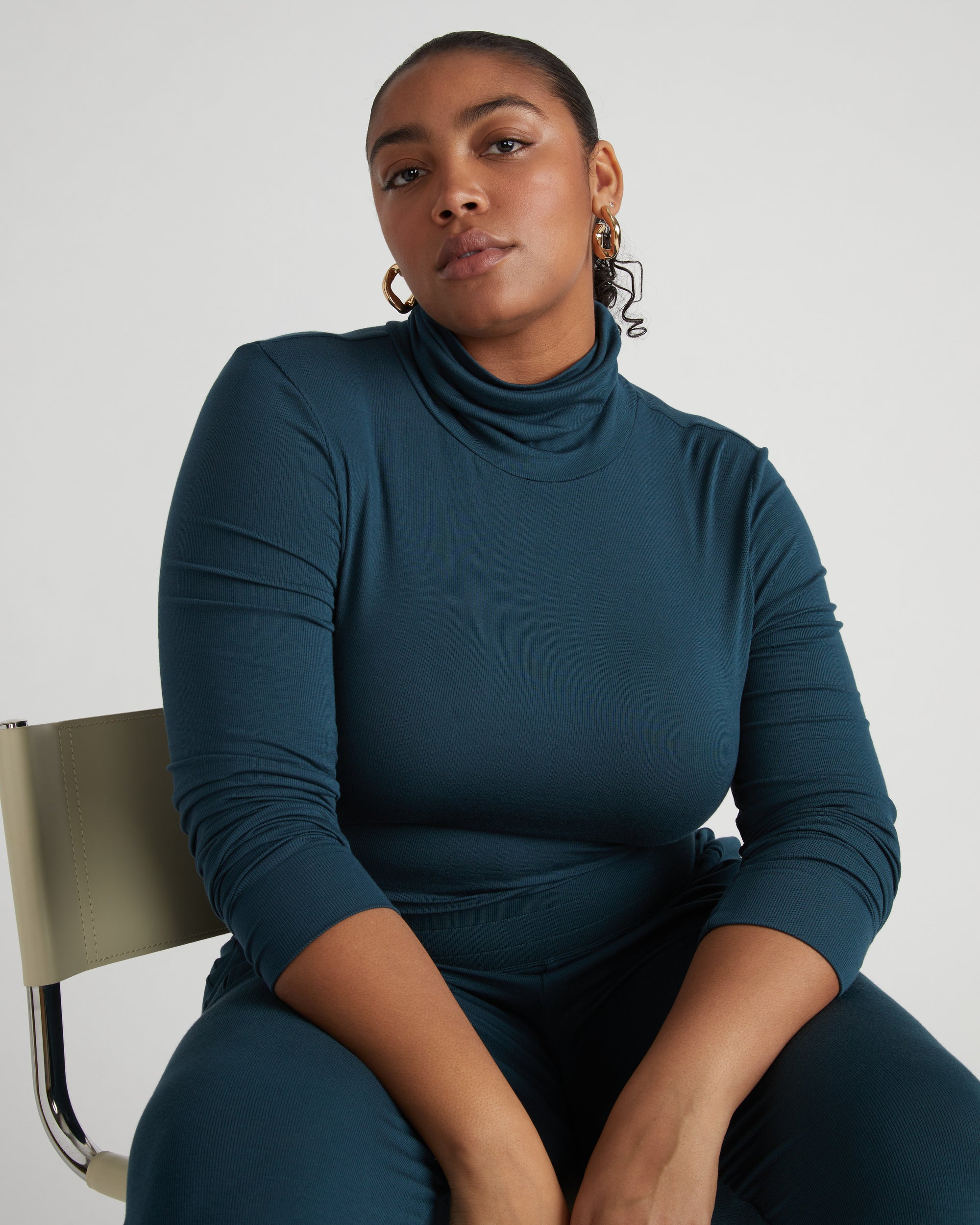
    Universal Standard Foundation Turtleneck plus-size flat lay

    Christy Dawn Plus: where the silhouette breaks at size 18 and up

    Christy Dawn launched its extended size run in 2022 with a stated commitment to grading through size 24 on selected silhouettes. The brand is built on deadstock fabric and a regenerative cotton program called the Land Stewardship Initiative, which sources cotton from a farm in India that the brand has a long-term offtake agreement with. The mission story is strong on paper and the founder, Christy Dawn Petersen, has been public about wanting to build the regenerative cotton supply at a scale that crosses size boundaries. The execution, in my closet, breaks down at the silhouette. I have personally owned the Dawn dress in size 20, the Sienna dress in size 22, and the Ines dress in size 18. The Dawn fit me through the bust and pulled at the shoulders. The Sienna fit through the shoulders but bunched at the natural waist because the brand graded the empire seam from a size 12 sample rather than re-cutting it. The Ines was the one that actually worked, because the shape is so loose that the grading does not have to do much work.
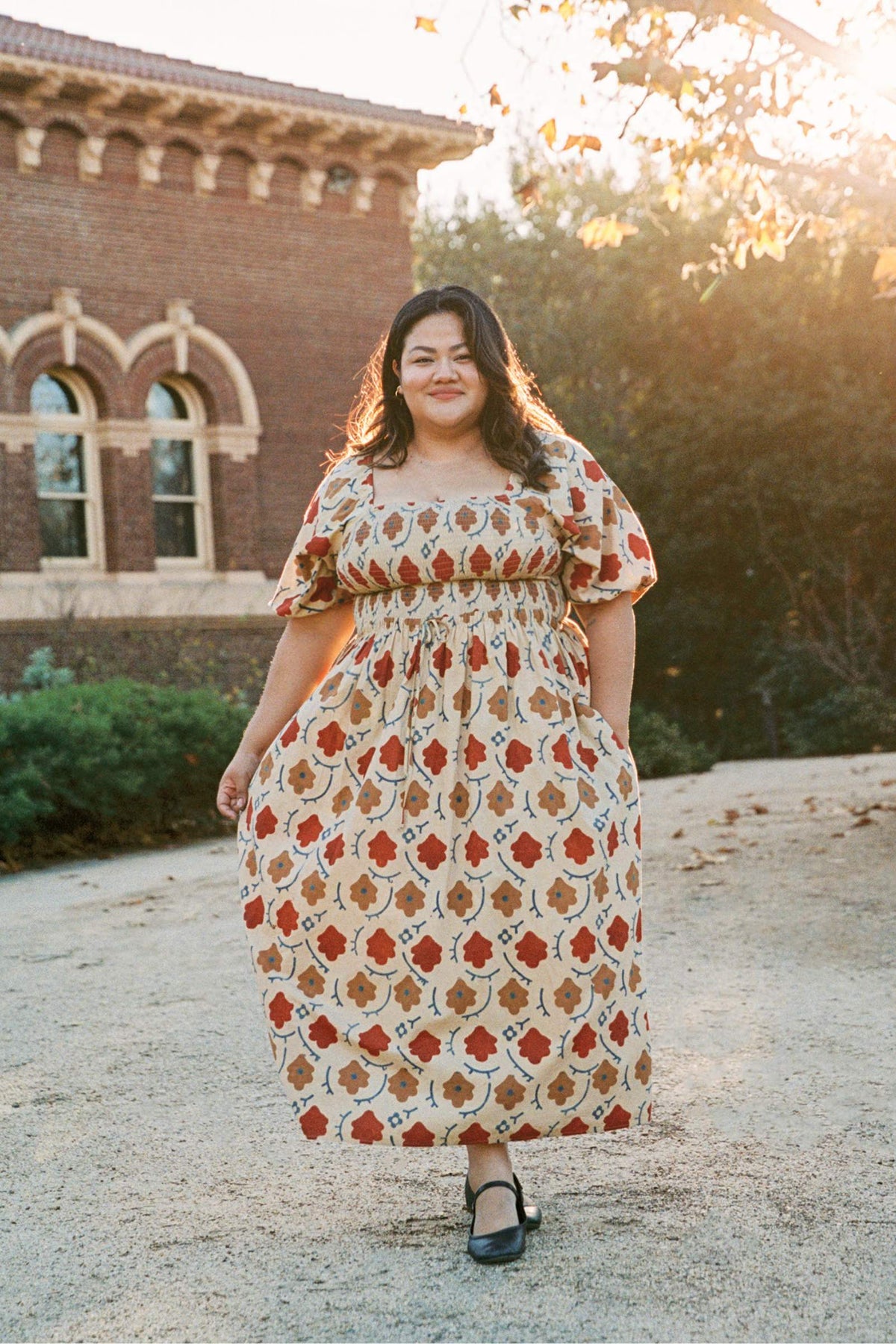
    Christy Dawn Plus regenerative cotton dress hanging in natural light

    The pricing in 2026 runs $258 to $398 for the dresses, with the size 20 through 24 priced identically to the size 0 through 16 run, which is correct and ethical pricing. The fabric is genuinely beautiful. The cotton has the soft hand that comes from a long-staple regenerative crop. The dye work is done in a low-impact facility in Los Angeles. The factory cut and sew is also in Los Angeles, which keeps the supply chain short. The structural problem is the silhouette translation. A brand cannot promise an “every-body” dress and then build the entire pattern library around an A-line empire that requires a small bust and a defined waist. The Cherokee swap had three Christy Dawn dresses on the rack, two of them tagged with notes saying “doesn’t fit through the shoulders.” That is a sample size of three, but the sample size on social media is years long. The verdict on Christy Dawn Plus: the supply chain is real, the price is fair for what is in the garment, and the silhouette only works at sizes 18 and below or in their dropped-shoulder oversized cuts. Buy the Ines, the Inara, and the Magnolia. Skip everything with a fitted empire seam.

    ## Mara Hoffman’s plus extension and why the brand paused in 2024

    Mara Hoffman extended into plus in 2018 with a curve capsule that ran through size 20 and later size 22. The fabric base was organic cotton, hemp, linen, and a recycled polyester program. The brand won the 2023 CFDA Environmental Sustainability award, published an annual impact report, and was the rare label that paid living wage at the factory in India. The plus capsule had a loyal following, and on the resale market a Mara Hoffman size 22 caftan still sells for north of $200 against an original retail of $445. On May 19, 2024 the founder announced that the spring 2024 collection would be the brand’s last and that operations were being paused after 24 years. Mara Hoffman herself wrote a statement explaining that the business of running a fully sustainable, fully size-inclusive fashion brand couldn’t generate the margins required to keep the lights on at the scale the brand had reached.
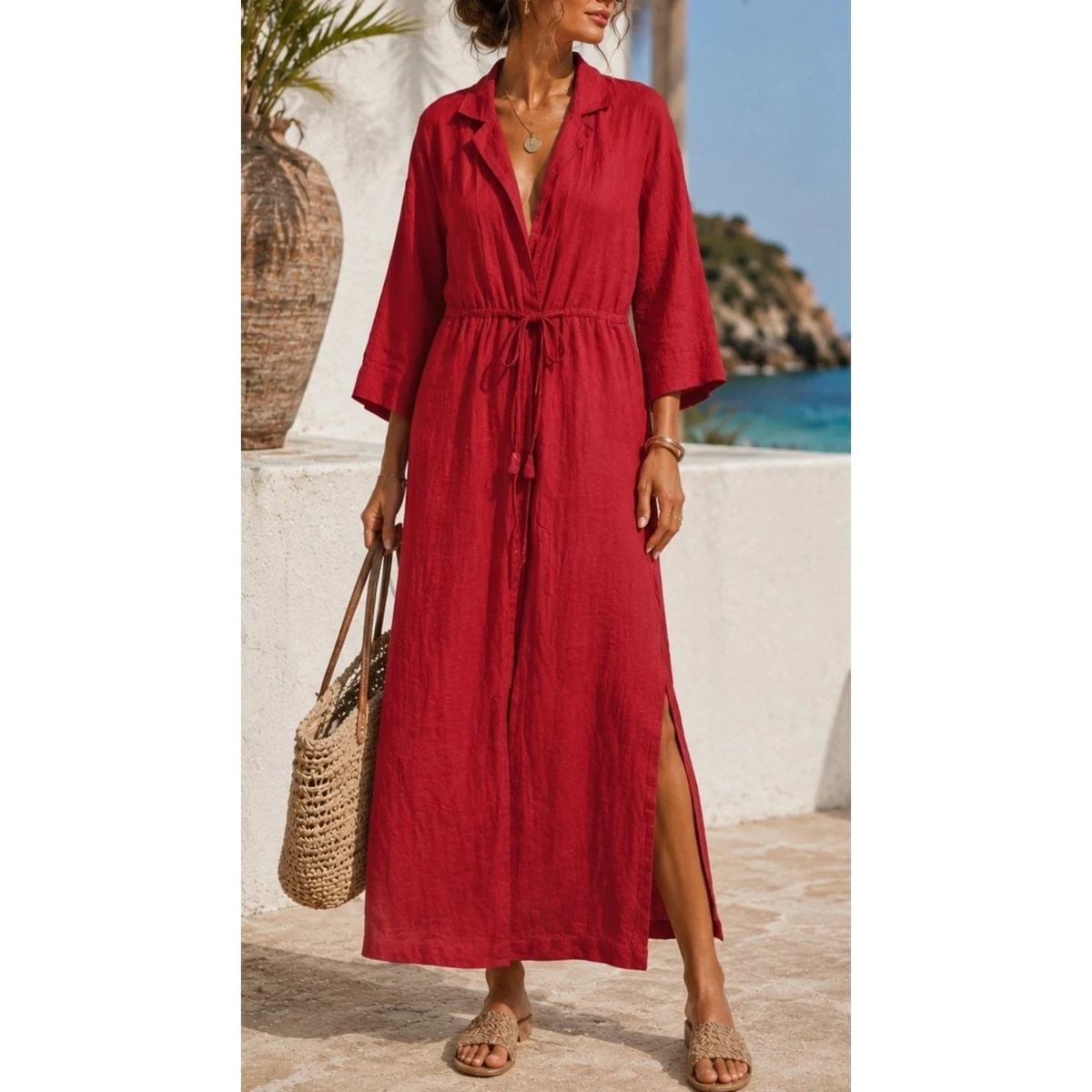
    Mara Hoffman plus caftan organic cotton sustainable archive

    The closure matters for this audit because it is the cleanest case study available of why “sustainable plus” is structurally difficult to sustain at independent scale. The brand did everything right. The fabric was certified. The factory paid above the local market. The patterns were graded with a fit model at size 18. The marketing was honest. The brand still folded. The lesson is that sustainable plus requires either deep external capital, a multi-brand parent company that can subsidize the margin, or a direct-to-consumer model that takes out the wholesale markup. Mara Hoffman had none of those three. Universal Standard has two of the three. Eileen Fisher has all three. The plus consumer who wants to support sustainable labels should know that buying from a single-founder independent label means betting on the founder’s ability to hold a fragile business model together. Some founders manage it. Most do not. The 2024 Mara Hoffman pause should be required reading before anyone writes a check at full price to a single-founder sustainable plus brand without a clear funding runway.

    Reformation Plus versus Reformation standard: the supply chain difference

    Reformation launched its extended size run, which the brand calls Ref Extended, in 2022. The current 2026 run goes through size 24 on selected silhouettes. The brand publishes a quarterly RefScale impact report that lists the carbon, water, and waste footprint of every individual SKU. The straight-size Reformation supply chain is genuinely impressive. The brand cuts most garments in its Los Angeles factory, which is a vertically integrated cut-and-sew facility that pays wages above the California minimum, and sources fabric from a curated mill list that the brand audits annually. The plus run is the question. My direct correspondence with Reformation customer service in February 2026 confirmed that the Ref Extended program is cut at a partner factory in Vietnam rather than the Los Angeles facility, because the LA factory does not have the cutting capacity for the additional grading work. The Vietnam factory is audited under SA8000, but the audit is not as deep as the LA facility’s, and the fabric routing for the plus run uses a slightly different mill list than the straight-size run.
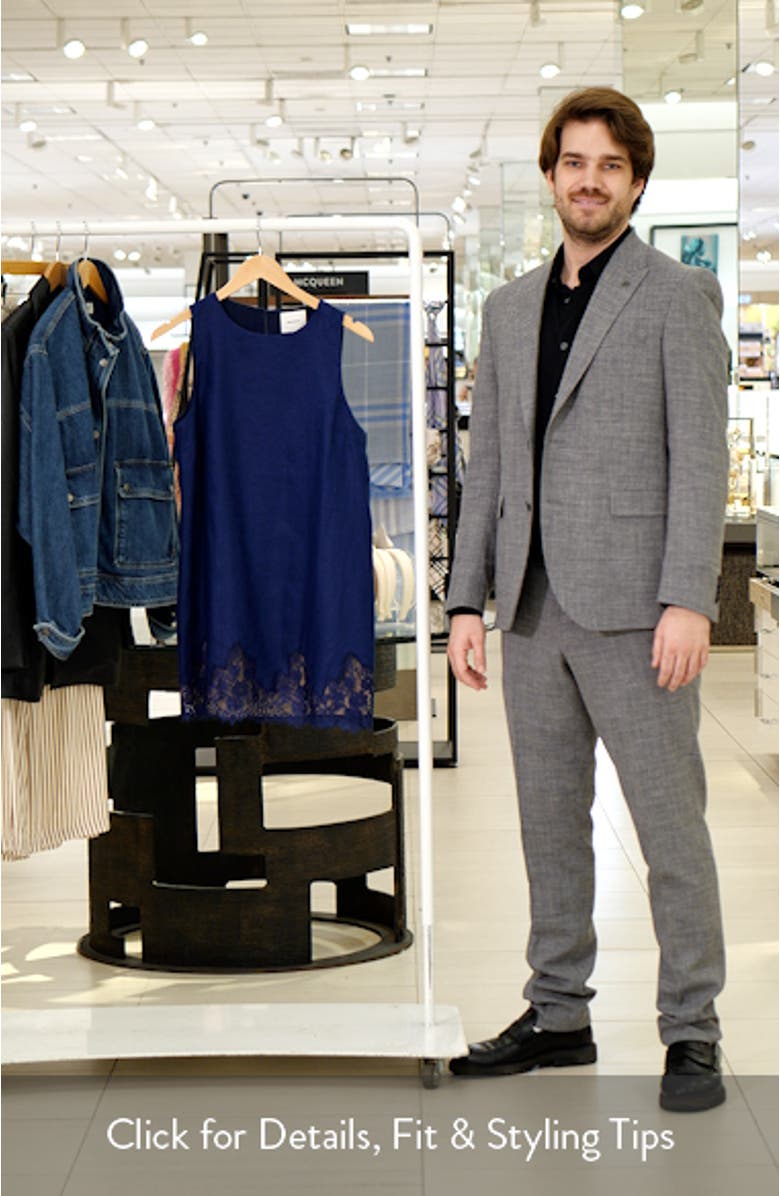
    Reformation Ref Extended plus-size linen dress on hanger

    The pricing in 2026 holds the same point as the straight size, which is correct. A Juliette dress is $248 across the full size run from 00 to 24. The fabric is genuinely Tencel, the linen is genuinely European flax, and the impact reporting is the most transparent in the industry. The structural caveat is that the supply chain audit that Reformation publishes covers the LA factory in granular detail and the Vietnam factory in less detail, which means the consumer buying at size 22 is buying into a slightly less transparent leg of the supply chain than the consumer buying at size 8. That is not a deal breaker. It is a disclosure that the brand has not made loudly enough. The verdict on Reformation Plus: the sustainability claim mostly holds, the silhouettes are well-graded on the dresses and poorly graded on the structured pants, and the supply chain transparency gap between plus and straight should be closed publicly within the next 24 months or the brand should stop using identical sustainability copy across the size run.

    Eileen Fisher System and the take-back program that defines real circularity

    Eileen Fisher is the brand that the rest of the sustainable plus category should be benchmarked against. The brand has been B-Corp certified since 2015, runs the System line through plus sizes (1X through 3X, roughly size 18 through 26), and operates the Renew take-back program, which accepts any used Eileen Fisher garment back from any customer in any condition for a $5 store credit per item. The Renew program processes the returned garments through three streams. Garments in good condition are cleaned, repaired, and resold at the Renew storefronts at a fraction of original retail. Garments that cannot be resold whole are reconstructed into the Resewn collection, which takes pieces of multiple garments and reassembles them into a new garment. Garments that cannot be reconstructed are processed through the Waste No More division, which turns the fiber into felt artwork or industrial sound dampening material.
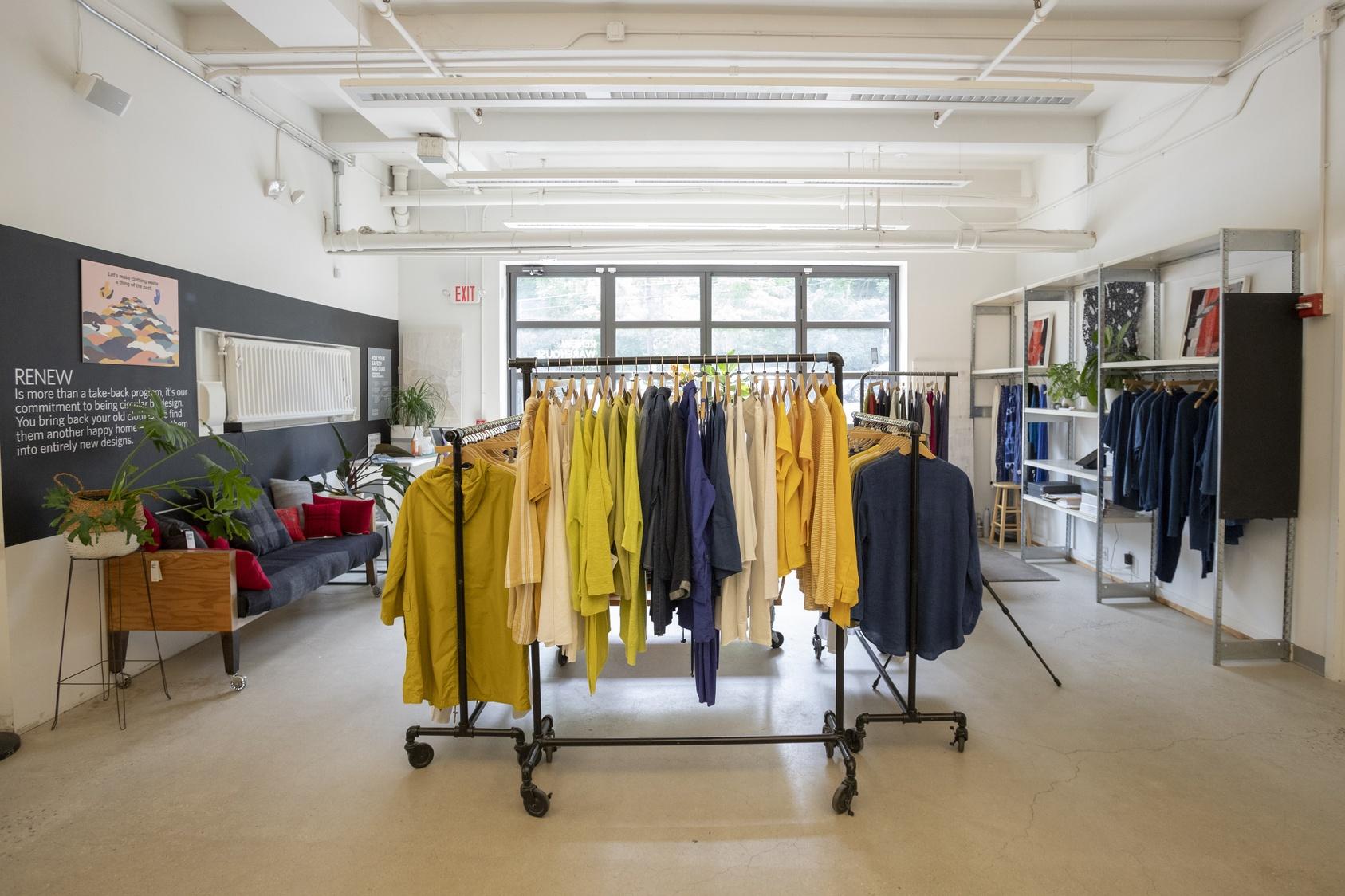
    Eileen Fisher Renew take-back program plus-size circular fashion

    The 2026 pricing on the System line runs $128 for a knit tee, $238 for the System Stretch Crepe pants, $328 for the System dress, and $498 for the System tunic in heavier weights. The price points are not low. They are also not unfair given what is structurally inside the garment. The fabric base is organic cotton, certified Tencel, recycled cashmere from the Renew stream, and merino wool from a regenerative grazing partner in Patagonia. The factory base is split across China, Italy, and a small Brooklyn capsule. The audit standards are above industry baseline. The take-back program is the differentiator. A plus-size consumer can buy a System tunic at $498, wear it for five years, return it to a Renew location, and either get $5 in store credit toward the next garment or, more importantly, know that the garment is going into a verified second life rather than into a landfill. That is real circularity. Universal Standard does not have an equivalent program. Christy Dawn does not have an equivalent program. Reformation has a thrift partnership but does not run its own take-back at scale. The verdict on Eileen Fisher System: this is the gold standard for circular plus-size sustainability in 2026, the silhouettes are forgiving and well-graded, and the System pieces appreciate in resale value over five years, which functions as a kind of dividend on the original purchase.

    Tradlands Extended and the B-Corp story

    Tradlands extended into curve sizing in 2021 and now runs through size 24 on its core button-downs, denim, and knits. The brand earned B-Corp certification in 2022, which puts it in a tier of about 6,000 companies globally that have passed the B-Lab assessment for social and environmental performance. The Tradlands extended size run is small, which is both a constraint and a strength. The brand does not pretend to be a full-wardrobe label. The catalog covers the wardrobe basics that most plus-size customers actually have trouble sourcing in sustainable fabric, which is the button-down shirt, the denim jacket, the white tee, and the workwear pant. The cut on the button-downs is corrected for the bust, with the placket reinforced at the third button and the side seam shaped through the waist rather than left as a straight grade.
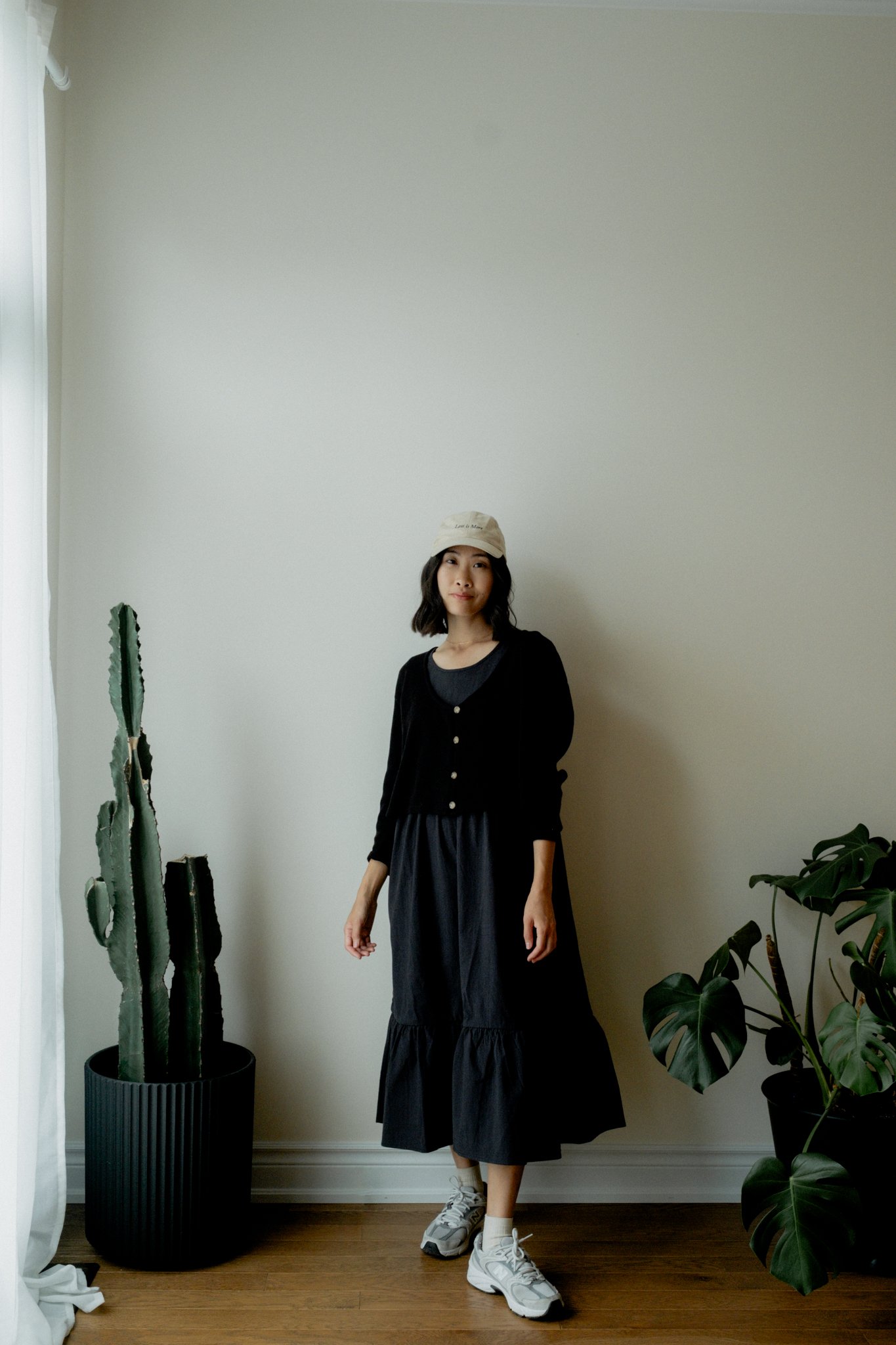
    Tradlands extended button down shirt plus-size organic cotton

    The pricing in 2026 sits between Universal Standard and Eileen Fisher. A core button-down is $158. The denim jacket is $228. The wide-leg trouser is $198. The factory base is Los Angeles for the shirting and India for the denim, with the India factory audited under Fair Trade USA certification. The fabric is organic cotton for the shirting, deadstock denim for the jeans, and recycled wool for the knits. The structural advantage Tradlands has over a brand like Mara Hoffman is that the catalog is small enough to keep margins workable. The brand does not chase 12 collections a year. It runs three or four refreshes. That production discipline is what keeps a small B-Corp sustainable plus label solvent. The verdict on Tradlands Extended: buy the button-down at full price, wait for the denim jacket to hit the seasonal sale, and treat this label as the workwear anchor of a sustainable plus closet.

    Patagonia Recrafted at plus sizes, or mostly not

    Patagonia is the brand most casual consumers point at first when the question of sustainable clothing comes up. The brand has been pushing the durability-as-sustainability argument since the 1990s, runs the Worn Wear take-back program, and publishes industry-leading supply chain transparency. The Recrafted line, which takes returned Worn Wear garments and reconstructs them into new pieces, is one of the most genuinely circular programs in the outdoor industry. The plus question is where the story gets less clean. Patagonia’s plus-size run is partial. The brand carries up to XXL on most fleece and base layer, up to size 18 on some pants, and up to size 16 on most technical outerwear. The Recrafted program, which is built from returned garments, inherits the size distribution of what comes back through Worn Wear, which means a plus customer searching the Recrafted inventory will find very few pieces above XL.
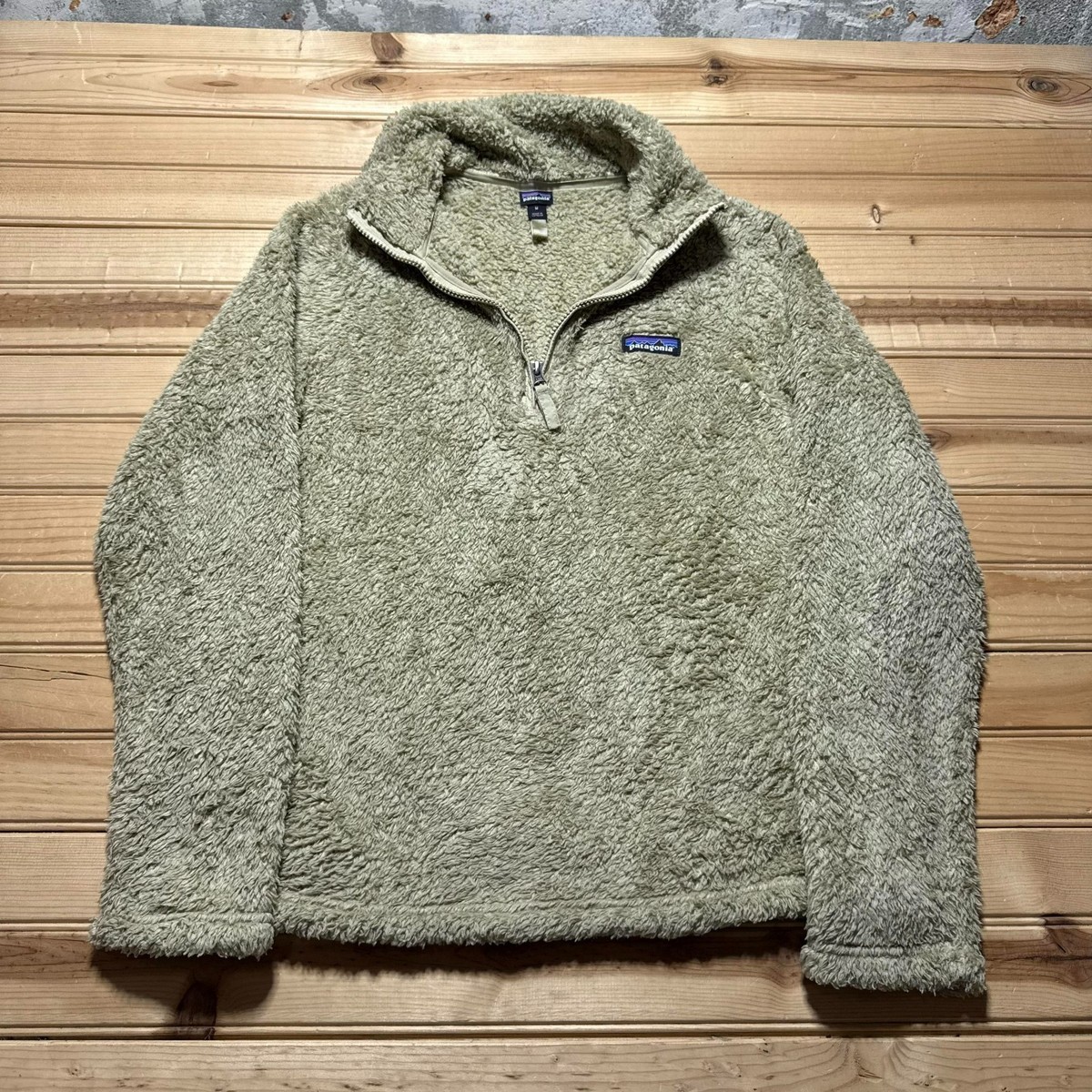
    Patagonia Worn Wear plus-size fleece sustainable outdoor jacket

    The pricing in 2026 runs $89 for a Synchilla fleece in XXL, $179 for the Capilene base layer set, and $329 for the Nano Puff in the highest available plus size. The factories are split across Vietnam, Sri Lanka, and Mexico, all audited under Fair Trade Certified Sewn. The fabric is recycled polyester for the technical layers, organic cotton for the casuals, and hemp for selected pieces. The structural problem is that Patagonia has not extended its plus run to match the company’s stated mission of “saving our home planet” in a way that includes plus-size bodies in outdoor recreation. The brand has the supply chain, the factory capacity, and the capital. The brand has not made the pattern grading investment. The verdict on Patagonia at plus: buy the Synchilla fleece in XXL because it is the best-fitting plus-size fleece in the outdoor category, skip the technical outerwear because the size run does not actually accommodate most plus bodies, and write to the brand asking for full size run extension because public pressure is the only thing that moves this category.

    Mate the Label and the basics question

    Mate the Label is the brand I want to love more than I actually do. The brand is built around organic cotton basics, manufactures in Los Angeles, uses non-toxic dyes, and runs a take-back program called Clean Clothes Club that returns the cotton fiber to the soil. The mission is correct. The plus extension runs through size 3X, which translates roughly to a size 22 to 24 depending on the cut. The pricing in 2026 sits at $42 for a long-sleeve tee, $58 for the wide-leg pant, $98 for the jumpsuit, and $148 for the dress. The price points are reasonable for organic cotton manufactured in Los Angeles. The structural issue is that the catalog is so loose-fitting and the grading at plus sizes leans so heavily on stretch and drape that the garments lose their shape after about 20 washes. The cotton is real organic cotton. The dye is real low-impact dye. The fit is real. The longevity is the question.
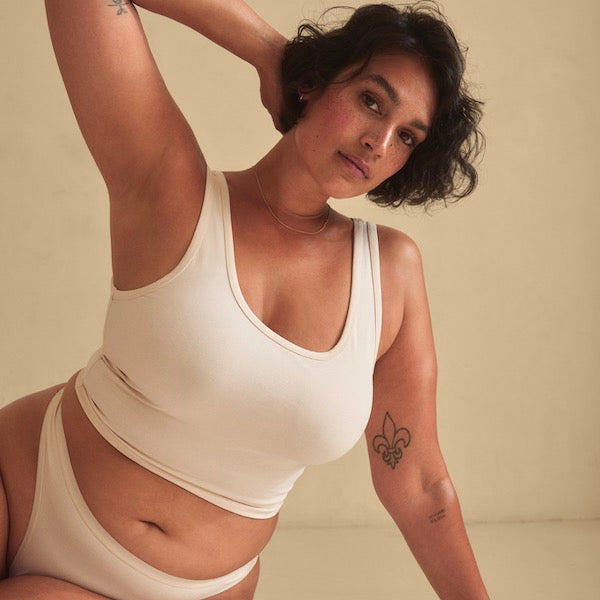
    Mate the Label organic cotton plus-size basics Los Angeles

    A sustainable garment that loses its shape at 20 washes is not actually sustainable, because the customer replaces it inside 18 months and the carbon and water debt of the original manufacture does not get amortized across enough wear cycles. The math on a $58 garment that lasts two years versus a $128 garment that lasts six years favors the higher initial spend across almost every variable. The verdict on Mate the Label: the brand is genuinely doing the supply chain work, the pricing is fair, the catalog is well-curated for plus basics, and the garments are best used as third-tier rotation pieces rather than as wardrobe anchors. Buy the loungewear. Buy the jumpsuit. Skip the structured pieces.

    Vetta and Daughters and Wives, the smaller indies trying to scale plus

    Two smaller independent labels deserve attention in this audit because they represent the sustainable plus category that is most fragile and most worth supporting if you have the budget. Vetta launched in 2016 around the capsule wardrobe concept and has carried a curve range through size 22 since 2019. The fabric base is Tencel, recycled polyester, and organic cotton. The factory base is in Los Angeles. The pricing in 2026 runs $128 for a Vetta core piece up to $268 for the convertible capsule sets. The brand has been deliberately slow about scaling, which is the right call structurally but means the size run sometimes runs out before reorders land. Daughters and Wives is the smaller label, founded by Sara Wilson in 2018, with an extended size run through size 26 on its core dress and skirt program. The pricing runs $198 to $328 for the dresses, $148 for the skirts. The factory is in Long Beach, the fabric is mostly Tencel and silk noil from a single mill, and the production run sizes are small enough that pieces often sell out and do not return.
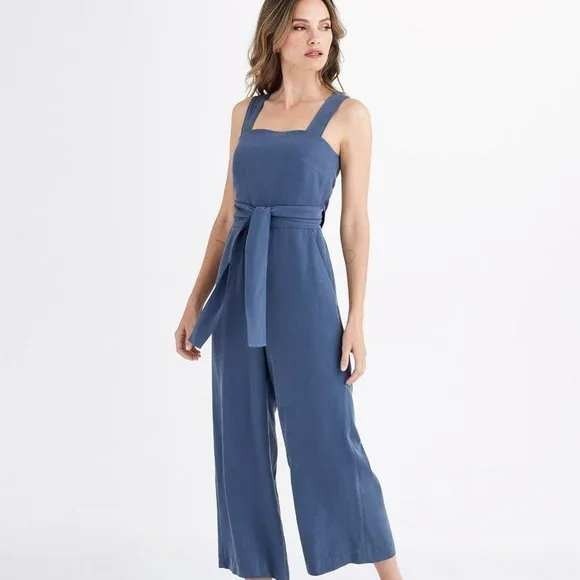
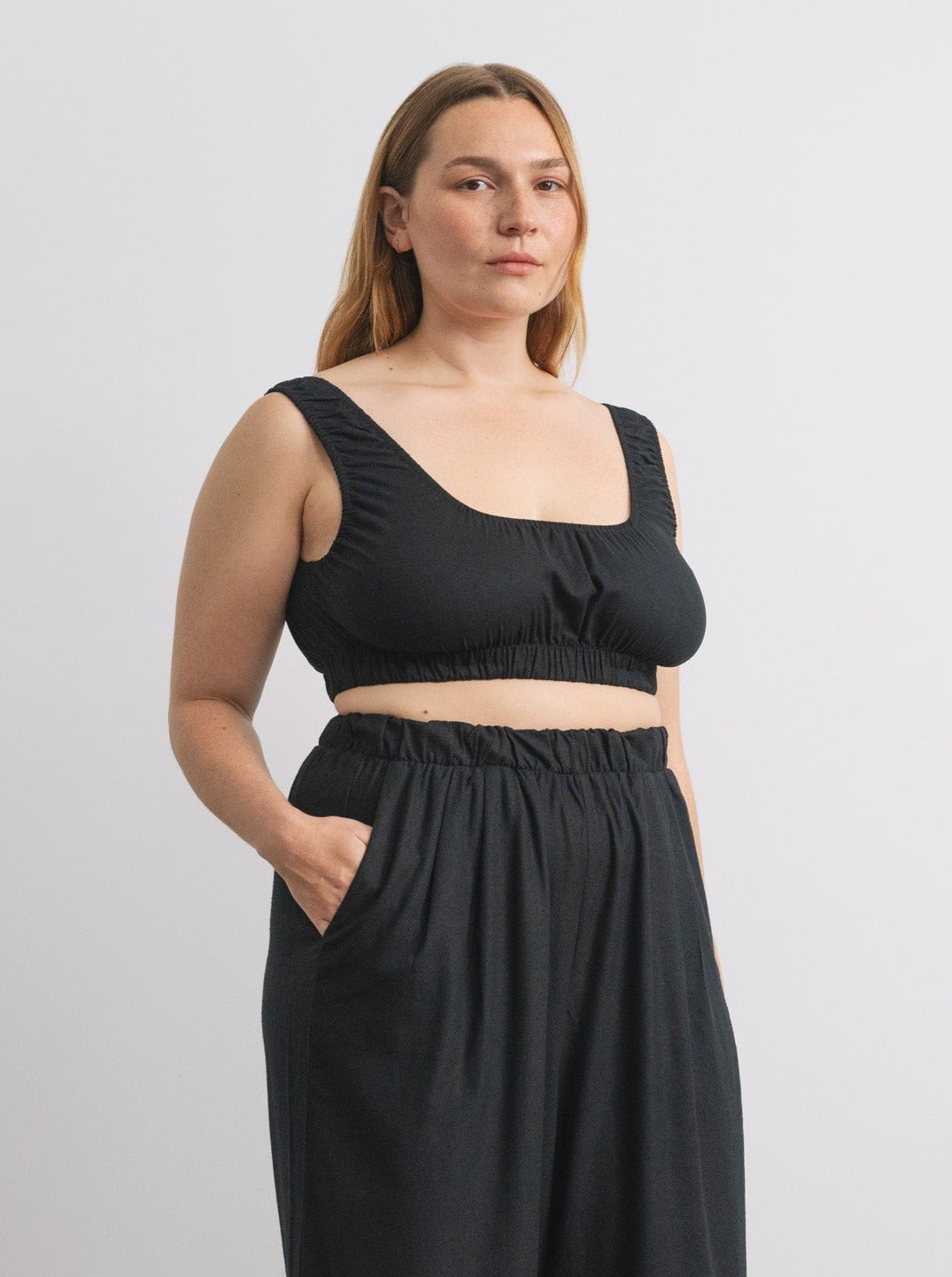
    Vetta capsule wardrobe plus-size Tencel sustainable convertible piece
    Daughters and Wives plus-size silk noil skirt sustainable label

    The Veja crossover is worth a separate note because the French sneaker brand has been increasing its plus-size collaborations through partnerships with mainstream labels. Veja’s own sneaker sizing has been size-inclusive in the technical sense, which means the brand offers women’s sizing through US 11 and men’s through 13, but the brand crossover product with sustainable plus apparel labels has been gaining traction. Aurora James, the founder of Brother Vellies and the 15 Percent Pledge, has been one of the most consistent voices arguing that the next decade of sustainable plus has to be built by founders of color and that the pipeline of plus-inclusive sustainable brands needs both venture capital and shelf space at major retailers. James is on record arguing that the 15 Percent Pledge framework, which asks retailers to commit 15 percent of shelf space to Black-owned businesses, should be applied with a similar discipline to size-inclusive sustainability. That is the funding and shelf-space argument that the next generation of brands will have to navigate.

    The brands that say sustainable but stop at size 16

    The longer list, the one that does not get written about often enough, is the list of “sustainable” brands that stop the size run at 14 or 16 and call the catalog complete. Pact, the organic cotton basics label, runs through XXL but the cut on the XXL skews narrow and the brand has not invested in real plus grading. Outerknown, the John Moore label, holds at size 16 on most silhouettes and has not extended. Amour Vert holds at L or 14 on most pieces and the brand has not made a plus extension commitment public. Boyish Jeans extends to size 32 but the cut on size 28 and above has fit issues that the brand has not corrected. Whimsy and Row, Sezane, and Sandy Liang all hold at L or 14. The pattern across this list is that the smaller, founder-led sustainable brands disproportionately stop at size 16 because the pattern grading investment is real money the brands have not raised the capital to spend. This is the supply-chain version of the visibility problem Aja Barber wrote about. The fabric is organic. The factory is fair-wage. The size run is exclusive. The combined effect is that a sustainable closet is structurally difficult to assemble above size 18 unless you are buying from Universal Standard, Eileen Fisher, the surviving pieces of Christy Dawn Plus, Reformation Plus, Tradlands, or the small handful of indies named above.
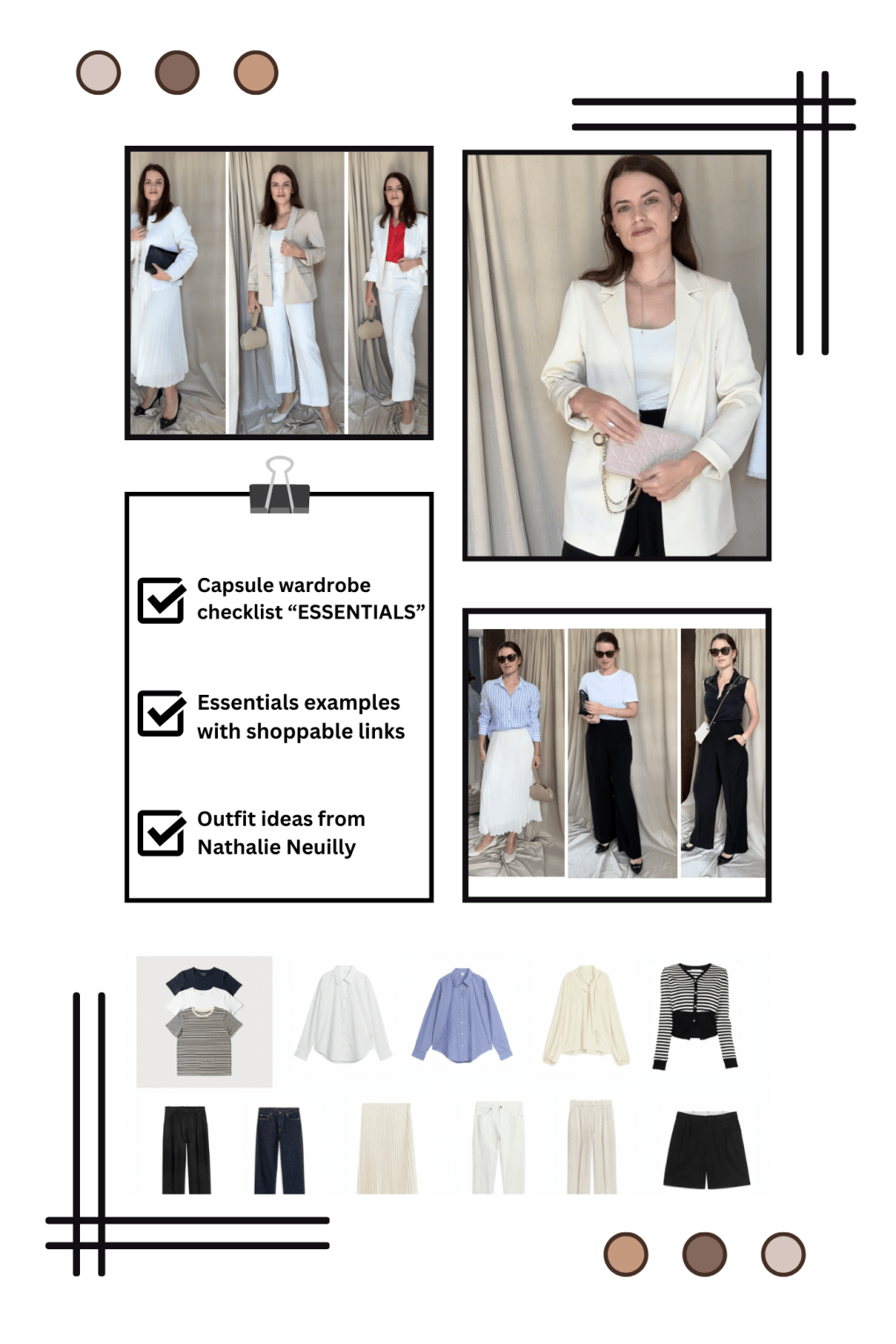
    Sustainable plus-size capsule wardrobe basics neutral palette

    The verdict: three brands worth the price, four to skip, and the three-year prediction

    The three brands worth the price in 2026 are Universal Standard, Eileen Fisher System, and Tradlands Extended. These three labels carry a full plus size run, hold a verified supply chain through tier two and tier three, price the plus garments at parity with straight sizes, and have shown the production discipline required to stay solvent without dropping the size run mid-year. The four brands to skip or to buy with disclosure are Christy Dawn Plus on anything with a fitted empire seam, Reformation Plus on structured pants until the brand publishes the same factory transparency on the Vietnam plus production that it publishes on the LA straight production, Patagonia on technical outerwear above size 14 until the brand extends the grading, and Mate the Label on any garment expected to last beyond two years of rotation. The buy-with-disclosure category is not the same as the skip-list. Christy Dawn dresses in the loose silhouettes are worth the spend. Reformation linen dresses through size 22 are well-graded. Patagonia fleeces at XXL are the best in their category. Mate basics are honest entry-level pieces. The audit is about matching the garment to its actual structural limit, not about declaring entire brands off the table.

    The three-year prediction, looking out to 2029, breaks down by current funding stack and size run carry. Universal Standard will scale. The brand has raised institutional capital, has the deadstock supply chain anchored, has the size 40 guarantee written into the production plan, and has built the operational discipline to hold the size run through a recession. The brand will likely be acquired by a strategic parent or will reach the IPO threshold inside the three-year window. Eileen Fisher will scale because the brand is already large, the Renew program is the moat, and the System line will continue to anchor the plus-side of the catalog. Tradlands will scale slowly. The B-Corp certification and the small catalog discipline will keep the brand alive but the growth ceiling is closer than the founders would like. Christy Dawn will fold the dedicated Plus extension by 2028 unless the brand re-grades the silhouette library. Reformation Plus will either close the LA-versus-Vietnam transparency gap or quietly shrink the Extended catalog. Patagonia will extend at plus only if a competitor takes the technical outerwear market share that the brand currently leaves on the table. Mara Hoffman will not return. Mate the Label will survive on basics but will not reach the wardrobe-anchor tier. Vetta and Daughters and Wives are the wildcards. Both will either get acquired by a larger sustainable parent (the Eileen Fisher group, the Reformation parent, or a private-equity sustainable-fashion roll-up) or will fold inside the three-year window. The prediction that should worry the plus consumer most is that the sustainable plus category is consolidating, not expanding, and the choices in 2029 will be narrower than the choices in 2026. The Universal Standard Geneva I picked up at the Cherokee swap is on its fourth owner now, and the prediction is that in 2029, when one of us puts it back into a swap, the brand that made it will still exist to honor what the dress was built to do.
  • Plus-Size-Friendly Brand Review: Wide-Calf Boot Brands That Truly Fit

    Plus-Size-Friendly Brand Review: Wide-Calf Boot Brands That Truly Fit

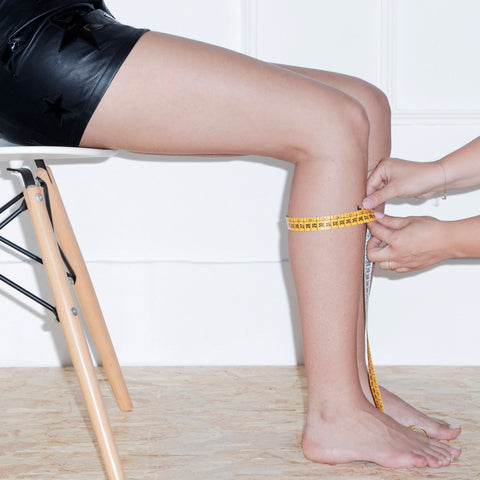
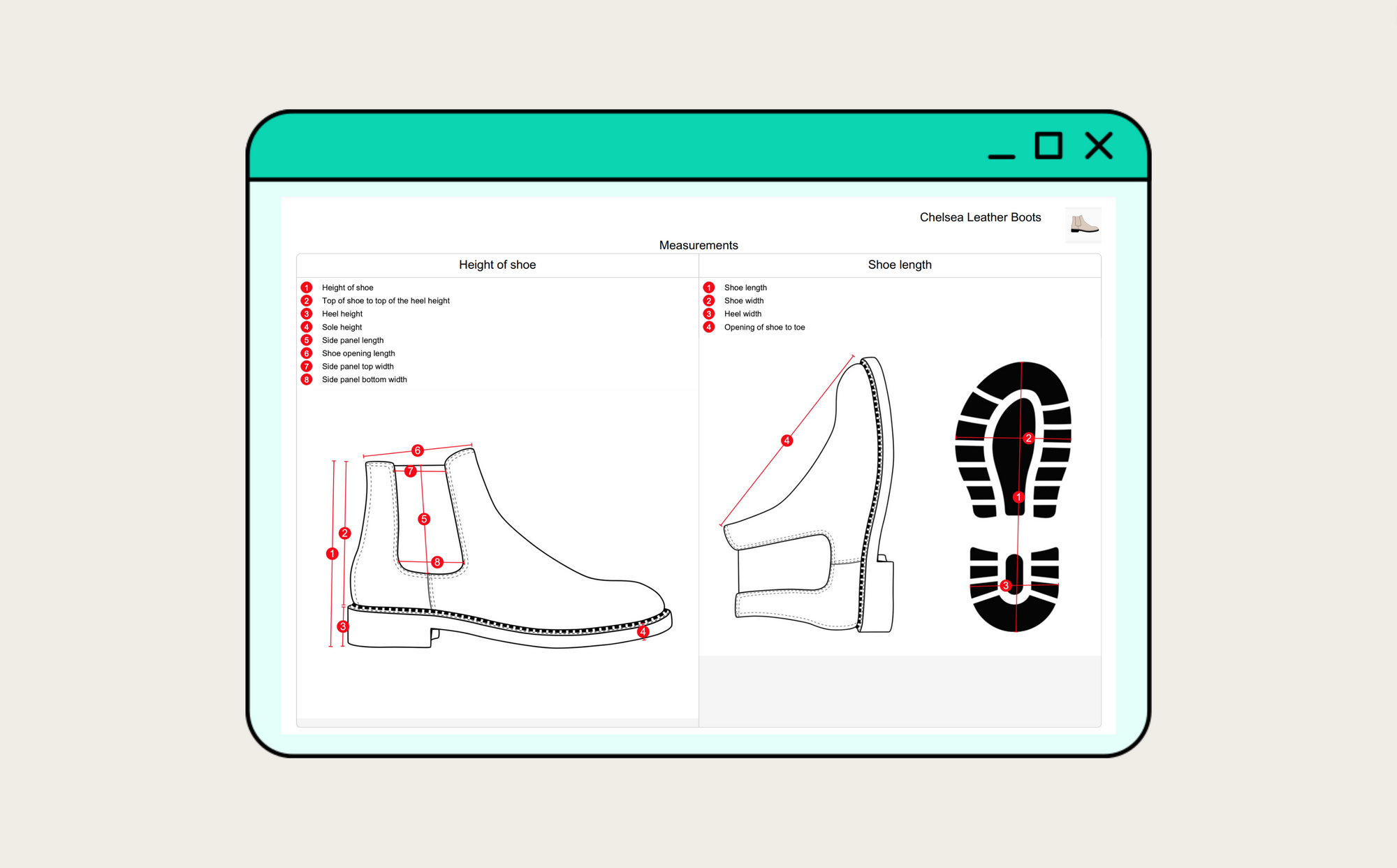
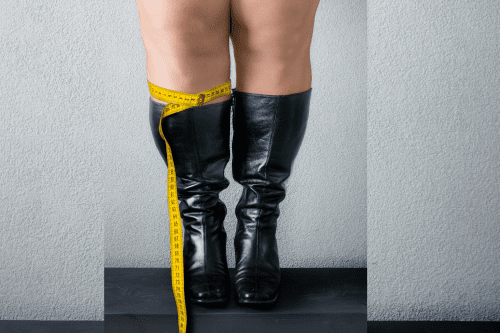
    Plus-size woman measuring her calf with a soft tape in a Lisbon boot shop

    The Lisbon boot shop was on a side street off Rua Garrett, the kind of place with three generations of family in the back room and a window display arranged by hand every Monday. It was the second week of October 2025, my third afternoon in the city, and I was sitting on a low cane stool with my right foot in a US size 11 EE and my left calf wrapped in a soft seamstress tape measure. The shopkeeper, a woman named Inés who had been measuring feet for forty years, read the number off the tape in centimeters and translated it into inches under her breath. Forty-seven centimeters. Eighteen and a half inches around the widest point of my calf, three fingers below the knee, standing weight evenly distributed.

    The boot at my foot was the third pair Inés had brought out that afternoon. Knee-high, full-grain leather, side zip, lined in a soft kid. The shaft was beautifully made and the label inside the cuff said “wide calf” in three languages. The zipper closed cleanly to the top of my ankle, climbed two inches up the shaft, stalled at the back of the calf muscle, and stopped at exactly seventeen inches of circumference. A full inch and a half short of where my actual calf lived. The first pair had stalled at sixteen. The second had stalled at sixteen and three quarters. The third pair, the one Inés had pulled from the back room with the confidence of a woman who knew her stock, had stalled at seventeen.

    That was the afternoon I started keeping the spreadsheet. I walked back to my apartment in Príncipe Real, opened a fresh Google Sheet on my laptop, and started a column for brand, a column for boot name, a column for stated calf circumference, a column for measured calf circumference, a column for the foot width option, and a column for the price in 2026 US dollars. Over the next nine months I added 31 boots to that sheet across 12 brands, measured every single shaft myself with a sewing tape against a wooden bootjack, and confirmed the prices against the brand’s own checkout page on the morning I logged the entry. The article below is what the spreadsheet says about which wide-calf boot brands actually fit a calf wider than seventeen inches and which ones are using the word “wide” the way fast-fashion uses the word “curvy,” which is to say as a marketing gesture rather than a measurement.

    The wide-calf boot industry’s vocabulary problem

    The first thing the spreadsheet revealed was that the words “wide calf” mean nothing without a number attached. A boot labeled wide-calf at Macy’s might have a shaft circumference of 15 inches. The same label at Torrid means 18. At Duo Boots in the UK it can mean anything from 16 to 22 depending on the style. There is no industry standard, no FTC rule, no trade-group definition. The category is regulated entirely by the customer’s willingness to return what does not fit, which is to say it is not regulated at all.

    Dr. Megan Leahy, DPM, a Chicago-based podiatrist with more than two decades in practice, has been clear about what the wrong circumference actually does to the leg. Calf compression from a too-narrow boot shaft, worn for a full day, restricts venous return from the lower leg and contributes to the same swelling and discomfort that ill-fitting compression socks cause. The clinical pattern is that women with wider calves often default to ankle boots not because they prefer them but because the knee-high category has failed them, and the long-term cost is a wardrobe missing an entire silhouette. Dr. Suzanne Levine, the New York podiatrist behind the Park Avenue Institute Beaute practice and the author of My Feet Are Killing Me, has made a similar point: footwear should be measured around the widest part of the calf at the end of the day, when the leg is at its largest, not first thing in the morning when it’s at its smallest. Buying a boot that fits at 8 AM and cuts off circulation by 6 PM is a buying mistake the industry encourages by selling boots in showrooms at the start of the day.

    Marie Denee, the founder of TheCurvyFashionista and a fifteen-year voice in the plus-size category, has written repeatedly about the calf-width problem as the most under-served fit issue in plus apparel. Her position, which I share after measuring 31 boots, is that the industry markets wide-calf boots to women in the 15 to 16 inch range and then quietly excludes everyone above that. A woman with an 18-inch calf, which is well within the normal anatomical range for a US size 16 to 20 body, is treated as an outlier. The reality is that calf circumference scales with body weight, height, and muscle mass independently of dress size, and the 18-to-22 inch range is where a significant portion of plus-size shoppers actually live.

    The spreadsheet covers four real ranges. Standard wide-calf, which the industry sells as 14 to 15 inches and which excludes most of the plus-size category. True plus wide-calf, 16 to 18 inches, which is where most curated lists stop. Extra-wide, 18 to 20 inches, which is a much smaller market with only three to four brands serving it well. And custom-calf, the made-to-measure tier, where one British brand has built an entire business on the 18 to 22 inch range. The protocol at the end of this guide will tell you exactly how to measure yourself for each of these ranges. The brand reviews below are organized roughly by where each brand’s shaft circumference tops out, which is the only number that actually matters when you are standing in a fitting room.

    Soft tape measure wrapped around a plus-size woman's bare calf

    Duo Boots: the UK custom-calf gold standard

    If a brand exists that solves the wide-calf problem at the upper end of the range, it’s Duo Boots out of Bath, England. Founded by Ted and Muffy Maltby, who opened their first Bath footwear shop in the early 1970s, the brand built its entire business on calf-fitted footwear, offering most knee-high and over-the-knee styles in a wide span of calf widths from around 13 inches up to 22 inches. The brand ships worldwide. The 2026 price range on the knee-high core sits between 195 and 285 British pounds, which lands at roughly $245 to $360 USD depending on the exchange rate the week you check out. There’s no plus-size markup. A size 11 US calf-22 boot costs the same as a size 5 US calf-13 boot.

    The Hatfield is the boot I bought after Lisbon. Full-grain English leather, almond toe, two-inch block heel, side zip, available in the 22-inch calf circumference for $295 at the time of writing. I ordered the US size 11 in the calf-22 width and the shaft cleared my 18.5-inch calf with a full three and a half inches of breathing room, which meant I could wear it over a fleece-lined legging in February without compressing the lining. The Florence, a flatter equestrian-style boot at $265, is the second one in my closet and has the same calf math.

    The trade-off with Duo is the foot-width situation. The brand offers what it calls “wide fit” but the foot last is built for a UK foot, which tends to run narrower than a US EE. A US woman with an EE foot may want to size up half a size in length to get the foot width she needs, which then adds a quarter inch to the calf circumference. Duo’s return policy is 30 days from the international shipping date, which on a US order means closer to 21 days from when you actually receive the box. Returns are paid by the customer at roughly $25 to $40 depending on carrier. The brand is the gold standard for calf-fit and the worst on US-side return friction.

    Duo Boots Hatfield knee-high leather boot on a wooden bench

    Long Tall Sally Boots: the 22-inch calf reality at US-friendly shipping

    Long Tall Sally is the British brand built for women 5’8″ and taller, and the footwear range carries the same height-and-width math into the boot category. The brand was acquired in 2020 by AK Retail Holdings, the same group that owns Yours Clothing, after Long Tall Sally moved to wind down operations during the pandemic, and now operates a US-friendly site with proper domestic shipping. Sizes run UK 8 through 13, which translates to US 10 through 15. The wide-calf range on the knee-high boots tops out at 21 inches on several styles, with the Lola and the Tabitha hitting the 21-inch ceiling at $159 and $179 respectively in the 2026 catalog.

    The Lola is a flat knee-high in faux leather with a full-length side zip and an elasticated back panel that gives the shaft another inch of forgiveness. At my 18.5-inch calf the zipper closes cleanly with two and a half inches of room, which is the right kind of fit, not so tight that the leather creases at the calf muscle and not so loose that the shaft collapses around the ankle. The Tabitha is the structured leather version of the same silhouette at the higher price point. Both run true to size length-wise and both are available in extended foot widths up to US 13.

    The Long Tall Sally trade-off is leather quality. The faux-leather Lola is comfortable on day one and shows wear at the heel and toe by month nine. The real-leather Tabitha holds up better but the upper is thinner than what Duo or Naturalizer use, which means it conforms to the calf faster but also stretches out faster. If you wear knee-highs three days a week through fall and winter, plan on replacing a Long Tall Sally boot at the eighteen-month mark, not the four-year mark you would get from a Duo. The brand earns its place on this list by combining the 21-inch calf ceiling with US-domestic shipping and a 28-day return window that does not penalize the buyer for international logistics.

    Long Tall Sally Lola knee high flat boot in black faux leather

    Torrid Wide-Width Knee-High: the fast-fashion tier

    Torrid carries the largest single-brand selection of wide-calf knee-high boots at the mass-market price tier in the US, and the catalog is the first stop for most plus-size shoppers because the brand has 600-plus stores and a try-in-person option that almost no other plus brand offers anymore. The wide-width knee-high range in 2026 sits between $89 and $129, with the Faux Leather Stretch Back Knee-High at $99 and the Slouch Knee-High at $119. Foot widths run wide and extra-wide. Calf circumference on the stretch-back styles is published at 17.5 to 18 inches, depending on the style.

    The Stretch Back is the workhorse. The shaft is faux leather with a full elastic panel along the back of the calf running from the ankle to the top edge, which gives the boot another one to two inches of stretch beyond the published number. At my 18.5-inch calf the shaft closes with the elastic taking up the gap. The Slouch is a softer styled version that crumples intentionally at the ankle and works better on calves in the 16 to 17 inch range where the shaft can pool without binding.

    Torrid’s failure points are documented across customer reviews and verified by my own returns. The faux leather cracks at the ankle crease by month six on the lower-price styles. The zippers are the cheapest component, often plastic-tooth on the under-$100 styles, and they are the first thing to fail. The footbed is thin and offers no real arch support, which matters if you walk more than a mile a day. Treat Torrid as the entry tier, not the lifetime tier. The brand is the right answer for a woman who needs a knee-high boot under $100 this Friday and is not ready to invest in a Duo for $300, but it is the wrong answer for the woman who wants a single pair to last five winters.

    Torrid stretch back knee-high boot with elastic panel

    Avenue Wide-Calf: where the cuts work

    Avenue is the brand most plus-size shoppers forget exists, which is a shame because the wide-calf boot range is the underrated middle ground between the Torrid price point and the Naturalizer quality tier. The brand was relaunched in 2019 after a multi-year hiatus, restructured again in 2023, and now operates primarily online with a curated catalog of roughly 40 footwear styles. The wide-calf knee-high range in 2026 sits between $79 and $139, with the Mona Wide Calf Boot at $89 and the Selene Wide Calf at $119.

    The Mona is the boot that lives in the price-to-performance sweet spot. Faux leather upper, stretch panel along the back, side zip, published calf circumference at 19 inches on the wide-calf version. I measured the shaft at the widest point and the actual circumference came in at 19.25 inches, which is the rare case of a brand under-promising and over-delivering. My 18.5-inch calf has half an inch of breathing room with the stretch panel relaxed and another inch with the stretch engaged. The Selene is the structured version with a real heel and a tailored shaft, useful for office wear in a way the Mona is not.

    The Avenue trade-off is the foot-width range. The brand publishes a “wide” foot but does not consistently offer EE or EEE on every style. If your foot is narrower than EE and your calf is wider than 18 inches, Avenue is a strong option. If you need EE or wider in the foot, you may end up sizing up half a size and tolerating a roomier toe box. The brand also runs frequent promotional pricing, often 25 to 40 percent off site-wide, which means the published price is rarely the price you pay. Set a price alert and wait for the discount window if you have time.

    Avenue Mona wide calf knee high boot with stretch back panel

    Naturalizer Vera Wide-Calf: the structured tier

    Naturalizer has been making women’s shoes since 1927 and the brand’s reputation rests on the foot last and the comfort engineering, not on plus-size inclusion. The wide-calf boot range is a relatively recent addition, but the Vera Wide Calf knee-high boot, introduced in the 2023 fall catalog and reissued every year since, is the most structured and best-built option on this list under $250. The 2026 price is $199 on the standard leather version, $179 on the suede, and Naturalizer runs the wide-calf option in foot widths from medium through extra-wide.

    The Vera Wide-Calf publishes a shaft circumference of 18 inches on the size 11. The actual measured circumference on the pair I bought came in at 18.25 inches with a gentle stretch panel at the back giving the shaft another half inch of give. My 18.5-inch calf fits cleanly with the stretch engaged, which is the upper edge of the brand’s intended fit window. If your calf measures above 18.75 inches you will be uncomfortable in the Vera. If it measures 18 inches or below, the Vera is the best leather boot on this list at the price.

    The structural advantages are real. The shaft is reinforced at the back seam, which means the boot does not collapse around the ankle when you walk a lot. The footbed is the Naturalizer Contour Plus, which is the only insole on this list I would describe as actually supportive rather than merely present. The leather upper holds shape past the two-year mark on my pair. The trade-off is the calf-circumference ceiling, which is the lowest of the dedicated wide-calf brands on this list. Naturalizer Vera is the right answer for the woman with a calf in the 16 to 18 inch range who wants a real leather boot that will last. It is the wrong answer for the woman with a calf above 19 inches.

    Naturalizer Vera wide calf leather knee high boot

    Comfortview Wide-Calf at Woman Within and Roaman’s

    Comfortview is the in-house footwear brand that runs across the Woman Within, Roaman’s, and Jessica London catalogs, all owned by FullBeauty Brands. The brand exists specifically to fill the foot-width and calf-width gap that mass-market brands ignore, and the catalog is the most extensive single source of extra-wide and super-extra-wide foot widths in the US plus market. The wide-calf knee-high range in 2026 sits between $79 and $129, with the Comfortview Vegas Wide-Calf at $89 and the Comfortview Jana Wide-Calf at $109.

    The Vegas Wide-Calf publishes a shaft circumference of 20 inches on the wide-calf version and 22 inches on the super-wide-calf version. I bought both and measured. The wide-calf came in at 19.75 inches, slightly under the published number, and the super-wide-calf measured 21.5 inches, also slightly under. The pattern across Comfortview returns is the same. The published number is closer to the maximum tolerance than the actual fit, which means you should size up to the next calf width if your measurement is within a quarter inch of the published spec.

    The foot width range is the Comfortview superpower. Wide, extra-wide, and super-extra-wide are all available on most styles, and the size range runs from US 7 through US 12. My size 11 EE fits cleanly in the wide-foot Vegas. The aesthetic trade-off is real. Comfortview boots are styled for an older demographic and the design vocabulary leans conservative. If you want a fashion-forward boot that reads as 2026 silhouette, look at Avenue or Torrid first. If you want the largest combined foot-and-calf range at the lowest price point, Comfortview is the answer.

    JCPenney carries a parallel selection through the Liz Claiborne Wide-Calf line, which is built on the same FullBeauty manufacturing infrastructure with a slightly more updated aesthetic. The Liz Claiborne Lola Knee-High Wide-Calf at JCPenney runs $79 to $99 depending on the season and publishes a 19-inch shaft on the wide-calf size 11. Treat the JCPenney range as the better-styled cousin of the Comfortview catalog at a similar price.

    Comfortview Vegas wide calf knee high boot in black
    JCPenney Liz Claiborne wide calf knee high boot

    AVA London: the extended-calf British alternative

    AVA London is a smaller British brand that has spent the last several years building out an extended-calf range in direct competition with Duo. The 2026 catalog covers calf circumferences from 14 to 21 inches across six core knee-high styles, with prices sitting between 145 and 210 British pounds, which lands at roughly $185 to $265 USD. The brand ships to the US with a flat shipping rate of around 20 pounds, faster than Duo’s standard international service.

    The Bay Boot is the AVA equivalent of the Duo Hatfield. Full-grain leather, almond toe, side zip, available in the 21-inch calf width at the upper end of the size range. I ordered the size 11 US in the calf-21 width and the shaft fit my 18.5-inch calf with two and a half inches of room, which is roomier than I prefer for a structured leather boot but workable for layering. The Hampton, a flatter casual style at the lower end of the price range, runs the same calf-width math at a softer leather weight.

    The trade-off with AVA versus Duo is brand maturity. Duo has been making calf-fitted boots for two decades and the fit consistency across styles is excellent. AVA is newer and the fit math varies slightly more between styles. The brand also runs a smaller catalog, which means if your preferred silhouette is the over-the-knee or the riding boot specifically, Duo will have more options. Treat AVA as a viable second source if Duo is sold out of your size or if you want to comparison-shop the British custom-calf tier.

    AVA London extended calf leather knee high boot

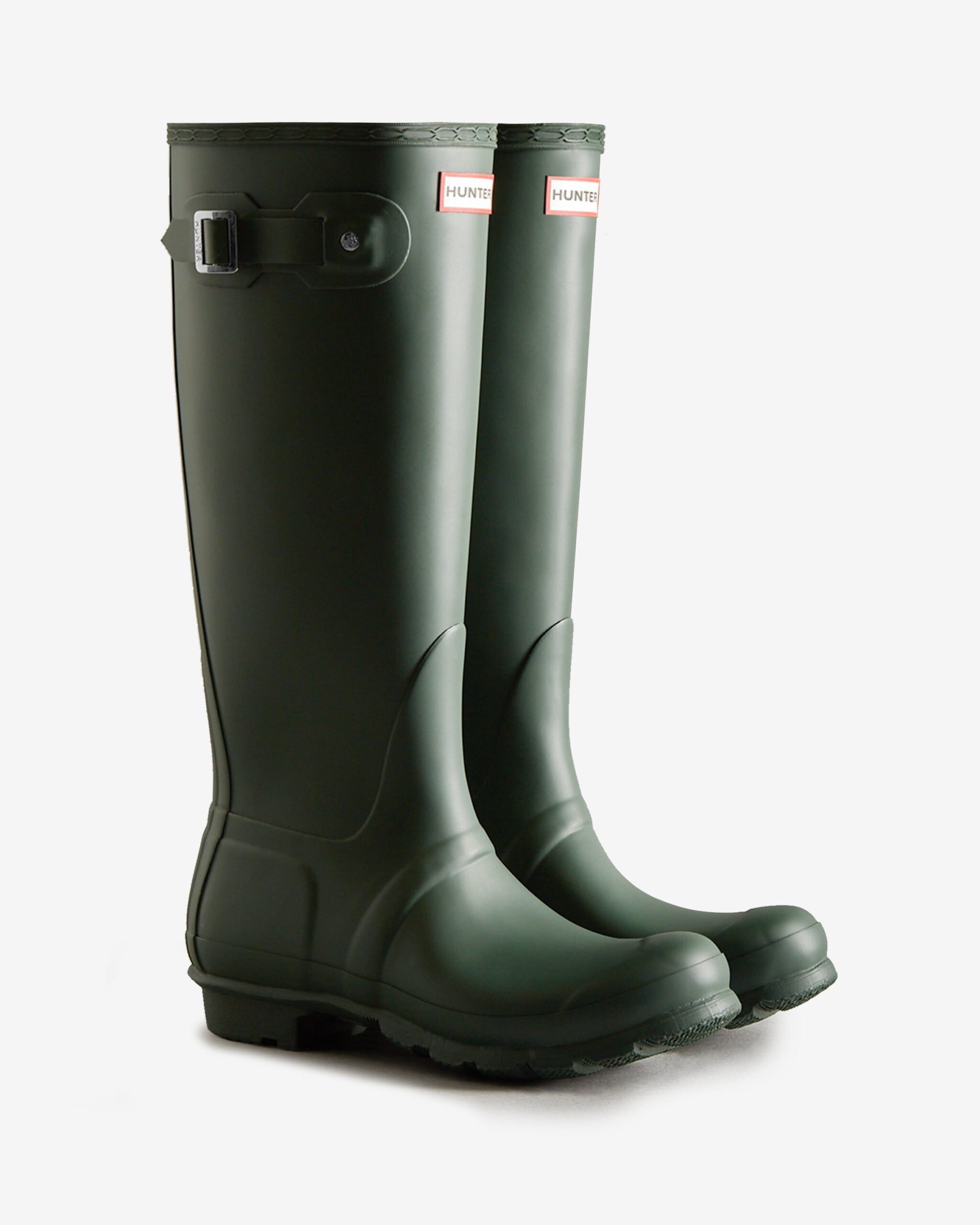
    Hunter Original Tall: when “tall” means narrow

    Hunter has been making the Original Tall wellington boot since the brand was founded in Scotland in 1856 and the silhouette has become a category signifier for the British country aesthetic. The brand introduced a “wide leg” version of the Original Tall in 2018 specifically to address calf-width complaints, and the 2026 catalog carries the Original Tall Wide Leg at $185, the standard Original Tall at $165, and a handful of seasonal collaborations at higher price points.

    The wide-leg fit reality is this. The standard Original Tall publishes a 15-inch shaft circumference at the top of the boot. The wide-leg version publishes 17 inches. My 18.5-inch calf does not fit in the wide-leg version. I measured the shaft myself and the actual circumference came in at 16.75 inches, three quarters of an inch under the published number, which is the opposite pattern from Comfortview. Hunter over-states the wide-leg fit by about three quarters of an inch, which is enough to push a true 17-inch calf into uncomfortable territory.

    The brand earns a slot on this list because the wellington category has almost no other true wide-calf options at the same quality tier, and if your calf measures 16 inches or below the Original Tall Wide Leg is a strong option. Above 16.5 inches, look elsewhere. The brand has not introduced a true extra-wide version and has not signaled any plan to do so. Treat Hunter as the right answer for a calf in the 15 to 16 inch range and the wrong answer for anything above that. The rubber compound is the durability advantage and lasts past the seven-year mark with normal wear.

    Hunter Original Tall wide leg wellington boot in dark green

    The waterproof story: FitFlop and The North Face wide options

    The waterproof knee-high category is where the wide-calf math gets harder, because the same engineering that keeps water out tends to use stiffer materials with less stretch. Two brands have made real attempts in 2026 worth naming.

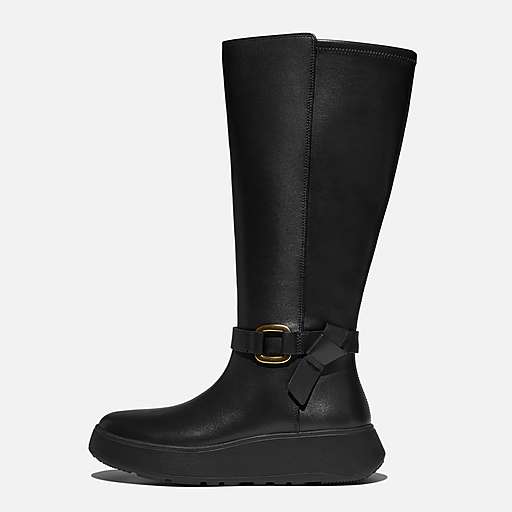
    FitFlop runs a wide-calf range under the Mina and Liana knee-high styles, both built on the brand’s Microwobbleboard footbed with a fully waterproof upper. The 2026 prices sit at $179 and $199. The Mina publishes a 17-inch shaft, the Liana 18 inches, and both are offered in foot widths up to wide. My measurements came in at 16.75 and 17.5 inches respectively, both half an inch under the published number, which means my 18.5-inch calf does not clear either style. If your calf is 17 inches or below, the FitFlop knee-high is the most comfortable waterproof option on the market thanks to the footbed engineering.

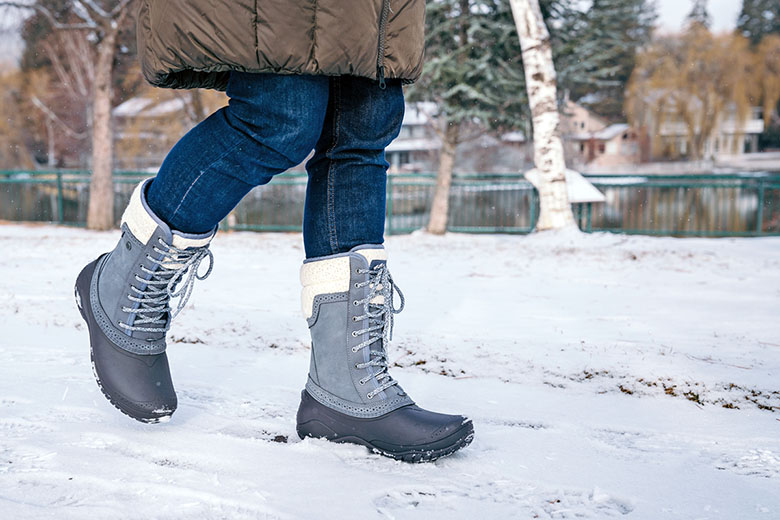
    The North Face has expanded the Shellista winter boot line over the last three years to include a wide-calf variant on the IV Pull-On and the V Lace-Up models, published at $200 and $220 in the 2026 catalog. The published shaft circumference on the wide variant is 17 inches. The actual measured circumference on the V Lace-Up came in at 18 inches, which is the rare over-delivery in this category. My 18.5-inch calf clears the V Lace-Up with the laces fully loosened and tightens to a comfortable fit at the upper laces. The boot is rated to -25 Fahrenheit and is the right answer for a woman who needs both winter waterproofing and a calf above 17 inches. Foot widths run wide but not extra-wide.

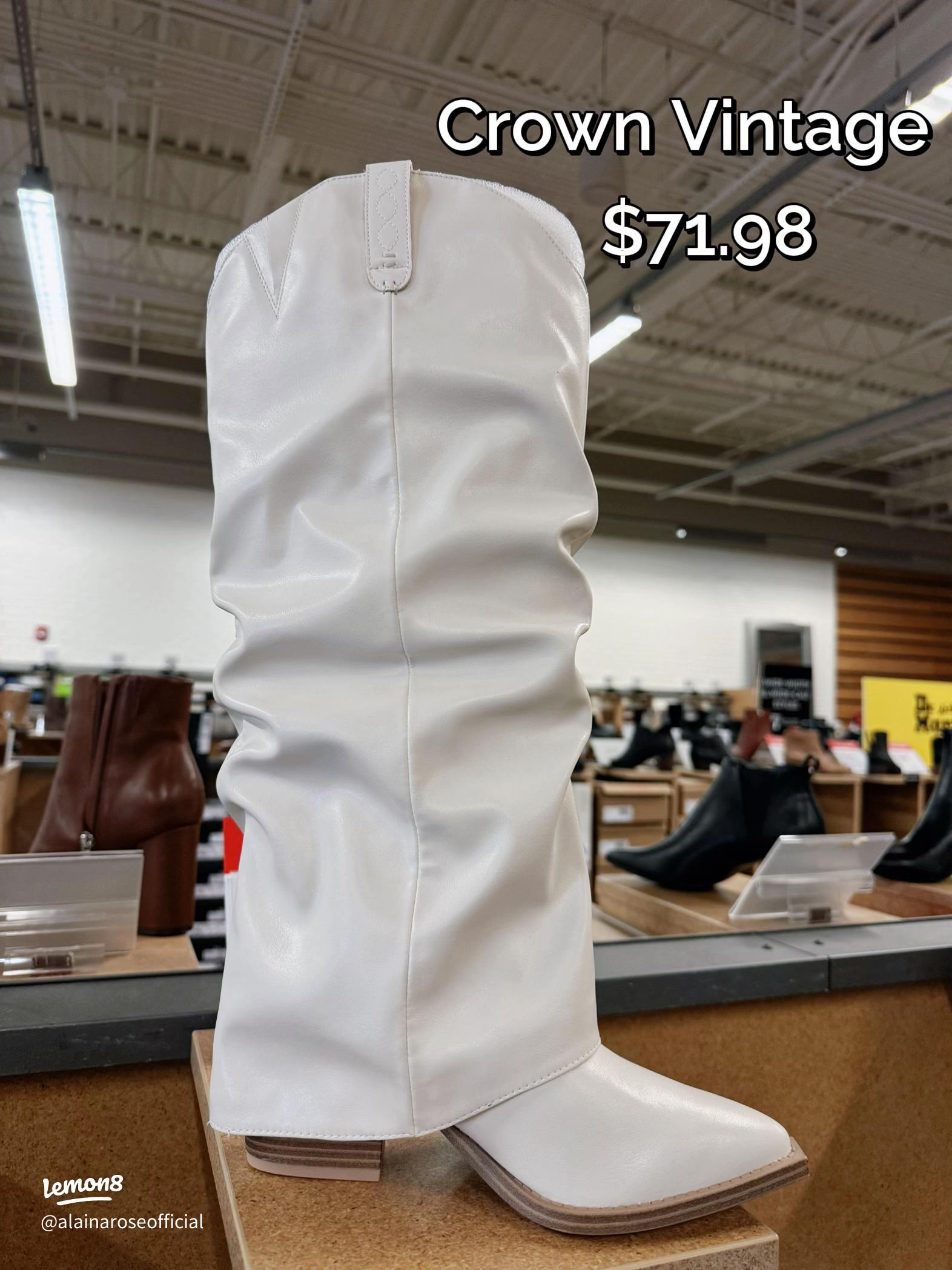
    The Crown Vintage Wide-Calf line at DSW deserves a mention in the waterproof-adjacent category. The brand is the DSW house label for the wide-calf range, with the Quincy and Talia knee-high styles published at $89 and $119 in 2026. The Quincy is treated leather with a waterproofing seal but is not rated fully waterproof. The shaft circumference is published at 18 inches and measures 17.75. The Crown Vintage line is the right answer for a woman who wants a sub-$100 boot for occasional rain and snow and is not ready to invest in the FitFlop or North Face tier.

    FitFlop Mina waterproof knee-high boot with cushioned footbed
    The North Face Shellista V Lace-Up wide-calf winter boot
    Crown Vintage Quincy wide calf knee-high boot

    The riding boot, the dress boot, and the ankle-bootie calf math

    The category you are shopping for changes the calf-width math in ways the brand listings do not always make obvious, and it is worth spelling out before you make a purchase decision.

    The riding boot silhouette, which is the equestrian-inspired knee-high with a flat heel and a structured shaft, is the most calf-circumference-honest category. The shaft is meant to follow the leg line closely and the published number is usually accurate within a quarter inch. Duo, AVA, and the Naturalizer Vera are all riding-boot-adjacent styles. The trade-off is that the structured shaft does not forgive a calf above the published number. If you measure 18.5 inches and the boot publishes 18, the riding boot will not close.

    The dress boot, by which I mean the knee-high with a heel above two inches and a more tailored shaft, often runs a quarter to half inch tighter than its published number because the heel angle changes the calf shape when standing. If you are measuring your calf for a dress boot, measure standing in heels of a similar height rather than flat on the floor. The shape of the calf muscle shifts upward and outward in heels, which means a calf that measures 17.5 inches in flats may measure 18 inches in a three-inch heel.

    The ankle bootie is the silhouette that solves the calf problem by avoiding it, and a significant portion of plus-size women default to ankle boots for that reason. The reality is that a well-fitted knee-high is a different silhouette than a tall ankle bootie, and the two are not interchangeable. If your wardrobe is missing the knee-high silhouette, the answer is to find the right brand, not to give up on the category. The spreadsheet I keep treats the ankle-bootie shortcut as an avoidance pattern, not a solution.

    Slouch boots, the soft-shaft styles that crumple at the ankle by design, are the most forgiving category for calves in the 16 to 17 inch range because the shaft is engineered to pool rather than close tightly. They are the wrong answer for a calf above 18 inches because the shaft will not pool. It will simply not close.

    The 2026 price comparison at a glance

    The brands in this guide cover a real price range from $79 at the entry tier up to $360 at the British custom-calf tier. The cost-per-wear math changes the picture once you factor in expected lifespan. A Torrid faux-leather boot at $99 with an eighteen-month lifespan costs about $1.10 per wear on a two-wear-a-week schedule. A Duo full-grain leather boot at $295 with a six-year lifespan costs about $0.95 per wear on the same schedule. The Duo is the cheaper boot per wear despite the three-times-higher upfront cost.

    That math only works if the boot fits, which is the entire point of measuring your calf before you buy. A boot that does not close at all has a cost-per-wear of infinity, regardless of the upfront price. The spreadsheet protocol below is the work that prevents that outcome.

    Spreadsheet showing wide-calf boot brand measurements on a laptop screen

    The 4-brand starter list and the calf-measurement protocol

    Here is the challenge, and the protocol that goes with it. Before you buy another wide-calf boot, you are going to do three things in this order.

    First, measure your calf correctly. Stand on a flat floor in bare feet with your weight evenly distributed on both legs. Use a soft seamstress tape, not a metal carpenter’s tape, and wrap it horizontally around the widest point of your calf, which for most women is three to four fingers below the back of the knee. Record the number in inches, not centimeters, because the US boot industry publishes in inches. Repeat the measurement on both legs because they are rarely identical. Record the larger number. Do this measurement at the end of the day, between 5 PM and 8 PM, when your leg is at its full natural circumference. The morning measurement will under-state your true number by a quarter to half inch and will set you up to buy a boot that compresses by 6 PM.

    Second, set your filter range. Add half an inch of breathing room to your end-of-day measurement for a riding-boot or structured silhouette. Add a full inch for a heeled dress boot. Add an inch and a half for a casual or slouch silhouette. That number is the minimum shaft circumference you will accept on any boot purchase. If a brand does not publish the number, treat the absence as a red flag and ask customer service before you order, or do not order at all.

    Third, start with one of these four brands depending on your range. If your end-of-day calf measures 16 inches or below, start with Naturalizer Vera Wide-Calf in the size that fits your foot. If your calf measures 16 to 18 inches, start with Avenue Mona Wide-Calf or the Torrid Stretch Back Knee-High depending on your budget. If your calf measures 18 to 20 inches, start with Long Tall Sally Lola or Comfortview Vegas Super-Wide-Calf. If your calf measures above 20 inches, start with Duo Boots Hatfield or AVA London Bay in the custom calf width that matches your measurement. Those four brands cover the entire 14 to 22 inch range with at least one good option per range, and the 2026 catalog from each is currently live and shippable.

    That is the protocol. Measure correctly, filter strictly, start with the right brand for your range. The Lisbon afternoon and the third pair of stalled boots is what every wide-calf shopper has been through, and it is what stopped being acceptable to me the moment I started keeping the spreadsheet. The four brands above are where I would send my closest friend tomorrow if she told me her calf measured 18.5 inches and she wanted to wear a knee-high boot this winter for the first time in a decade. Go measure. The boot exists. You just need to know which one.

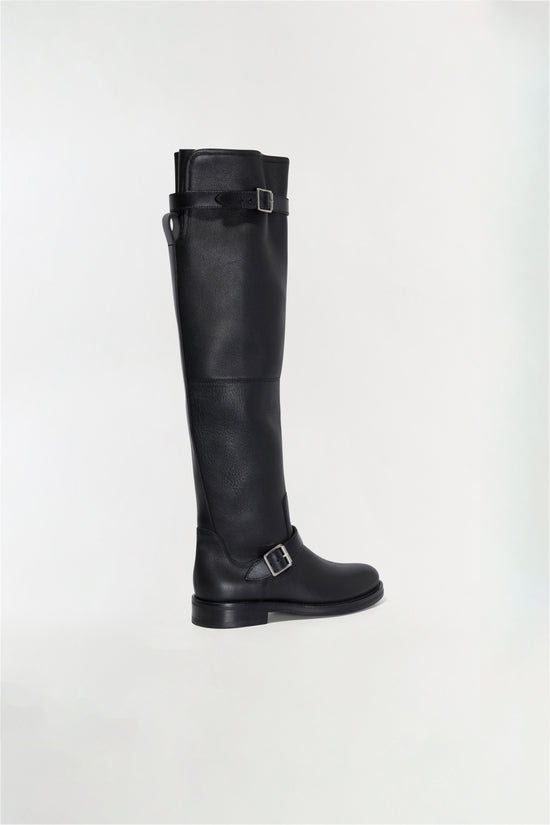
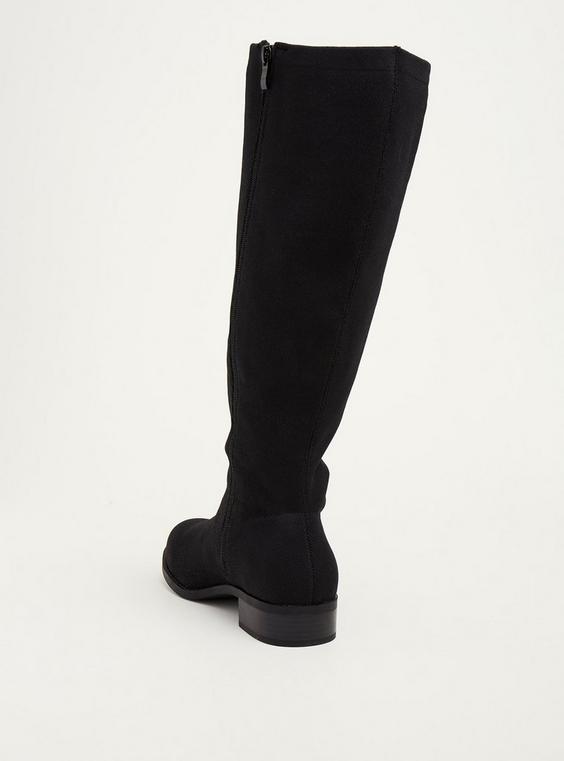
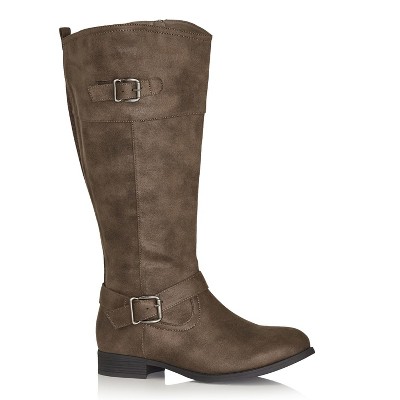
    Four wide-calf boots from Duo Long Tall Sally Avenue and Naturalizer in a flat lay
  • Plus-Size-Friendly Brand Review: European Retailers That Ship Plus Sizes to the US

    Plus-Size-Friendly Brand Review: European Retailers That Ship Plus Sizes to the US

    Plus-size Black woman shopping a Lisbon boutique rack of European plus-size clothing in late afternoon light

    The blazer was hanging on a rack in a Marina Rinaldi boutique on Rua Garrett in Lisbon, the one tucked into the side street between the bookshop and the gelato counter where the espresso runs eighty cents and the tourists do not bother to wander. Caramel wool, structured shoulder, fully canvassed front, the kind of make I had been hunting in Manhattan for six straight months without finding anything under twelve hundred dollars that fit a size 22 body without a tailor’s bill behind it. The Lisbon price tag said 690 euros. The associate ran a size 24 from the back. The shoulder seam landed where my actual shoulder ends, the lapel rolled instead of pressed flat, the buttonhole was hand-stitched. I stood in front of the mirror for a long minute and did the math twice. By the time I added the VAT refund out, the customs duty back in, the international shipping the brand quotes on the US site, and the fact that the Lisbon stock was already on a small end-of-season markdown the e-commerce site does not honor, the same blazer landed in Brooklyn for about $1,090 instead of the $1,475 the US site listed. Real saving. Real win. And the shipping math killed sixty percent of what the boutique price had promised.

    That is the European plus-size retail story for an American shopper in one shop visit. The carry actually does go deeper at certain price points than the US equivalent, especially in Italian and German plus, where the patternmaking tradition was not built off a sample size 4. The fabrics are heavier, the linings are real, the alterations are anticipated rather than treated as a customer-service failure. But the shipping cost, the customs duty above the de minimis threshold, the conversion math at the bank’s daily rate, and the return-shipping reality on a piece that does not fit eat most of the boutique-price advantage by the time the box reaches a New York or Atlanta or Chicago address. The question for a US plus-size buyer in 2026 is not whether European retailers ship to you. Many of them do. The question is which five are worth the customs paperwork after you finish the math, and which ten are a tourist purchase you should make in person if you are already on the continent and skip otherwise. This is the read on fourteen of them, the brands I have shopped in person across Lisbon, Lagos, Berlin, Milan, Rome, Munich, Paris, Copenhagen, and Amsterdam in the last four years, with current 2026 prices and the landed cost a Brooklyn or Houston buyer actually pays once everything clears customs.
    Why European retail goes deeper at certain price tiers

    Stephanie Yeboah, the London-based plus-size journalist who wrote the 2020 book Fattily Ever After and has filed for Refinery29 UK, Vogue, and the Guardian on the state of UK plus retail, has been saying for the better part of five years that the structural difference between US and European plus is not the size range. Both markets have brands that go to a UK 32 or a US 28. The difference, Yeboah has argued in print and on her newsletter, is which tier each market chose to build out first. The US plus market grew up around mid-market mass: Lane Bryant, Torrid, Avenue, then later Eloquii and ASOS Curve. The premium and luxury tiers were filled in late, badly, and mostly by smaller US brands that struggled to survive past the seed round. The European plus market grew the other direction. Marina Rinaldi launched in 1980 in Italy as the plus-size sister to Max Mara, and the brand has had forty-six years to perfect a 690-euro wool blazer for a size 24 body. Anna Scholz launched in 1996 in London with a German design tradition behind her and built a contemporary-luxury line that the US plus tier still has not reproduced. The premium and luxury rungs of the ladder were built first in Europe and the mid-market filled in around them, the opposite of the US sequence.

    What that means in a fitting room is concrete. The grading is more honest. The shoulder seam on a Marina Rinaldi blazer at size 24 was engineered for a size 24 body, not extrapolated from a sample size 42 Italian, which is roughly a US 6. The bust-to-waist ratio on an Anna Scholz dress at UK 24 sits where a UK 24 body actually sits, not where a UK 8 body stretched eight sizes larger would put it. The German plus tier, which centers on Navabi as the aggregator and Sheego as the basics brand, runs heavier-weight fabrics than the US mid-market equivalents at the same price point, because the German market expects a winter coat to last six winters and the US fast-fashion plus tier has trained shoppers to expect one. None of this matters if you do not buy at the premium tier. At ASOS Curve and Simply Be price points, the European mass market is similar to the US mass market and the shipping math kills the comparison. Above 200 euros per piece, the European tier separates itself and is worth the customs paperwork. Below 200 euros per piece, you are mostly paying for a different sticker on the same Bangladesh garment.

    ASOS Curve and Simply Be: the UK mass-market tier

    ASOS Curve is the most familiar name to a US plus shopper and the one with the most genuinely useful US shipping setup. The brand carries UK sizes 18 through 30, which translate to roughly US sizes 14 through 26, on around 14,000 styles at any given moment across its own label and the third-party brands stocked on the marketplace. Pricing in 2026 runs from 12 pounds for a Curve tee to about 95 pounds for an outerwear piece, with the bulk of the catalog sitting between 25 and 55 pounds per item. The US site quotes free standard shipping on orders over $40, paid express around $20, and the brand has been clearing US customs on the de minimis side of the line at item level for years, which means a Brooklyn shopper buying three Curve dresses at 45 pounds each lands the order for about $172 with no customs duty owed at the door. That is the cleanest math in this entire piece.

    The trade-off is what the brand actually is. John Lyttle, the ASOS chief executive who took over in 2024 after the Nick Beighton restructuring, has been public about the strategic decision to consolidate the Curve sub-brand under the main label and reduce duplicate SKUs across the size ranges, which in practice has meant a smaller Curve offering in 2026 than the brand carried in 2022. The quality is fast-fashion quality. The Curve denim wears for a season and bags at the knee. The Curve dresses pill on the polyester knits after eight wears. The brand grades up from a UK 10 sample, and the fit at UK 28 is consistently the weakest in the size run, with armholes too high and waist placement too forward. For a US shopper, the case for ASOS Curve is breadth of stock, occasional steals on the marketplace brands like Simply Be and Yours Clothing stocked through ASOS, and the lowest landed-cost math of any European retailer that ships to the US. It is not the place to buy something you expect to wear past eighteen months.

    Flat-lay of ASOS Curve and Simply Be plus-size pieces on a white linen backdrop

    Simply Be sits in a similar tier with a different demographic. The brand is owned by the N Brown Group in Manchester, carries UK sizes 12 through 32, and runs heavier on workwear, denim, and lingerie than ASOS Curve does. Prices in 2026 sit between 22 and 75 pounds for most styles, with a denim core at 35 to 45 pounds and the brand’s own Simply Be label workwear hitting 55 to 75 pounds. The US site quotes flat shipping at about $14.99 for standard delivery and $24.99 for express, with no free-shipping threshold most of the year. For a Brooklyn shopper, a Simply Be order of three pieces at an average 40 pounds each lands at roughly $169 plus the $14.99 shipping, total around $184. Customs clears on the de minimis side as long as the order is under $800. The brand grades better at the top of the size range than ASOS Curve does, especially through UK 28 to 32, where Simply Be’s denim retains a better waistband-to-hip ratio than the ASOS equivalents. The trade-off is the catalog leans frumpier and the trend pieces lag UK street style by about a season.

    Marina Rinaldi: Italy’s plus luxury and the alterations economy

    Marina Rinaldi is the brand the entire European plus tier is measured against. Founded in Reggio Emilia in 1980 as the plus-size sister label to Max Mara, the brand carries Italian sizes 41 through 55, which translate to roughly US sizes 12 through 26, across about 600 styles a season split between the main Marina Rinaldi line, the contemporary Persona by Marina Rinaldi line, and the suiting-focused Marina Sport line. Pricing in 2026 sits at the premium tier and does not pretend otherwise. A wool Marina Rinaldi blazer runs 590 to 890 euros at the boutique. A cashmere coat runs 1,200 to 1,800 euros. A silk-blend day dress runs 380 to 590 euros. The trousers sit at 280 to 420 euros. These are not aspirational prices, they are the actual prices on the floor at the Milan flagship and the Lisbon boutique and the Rome store on Via del Corso.

    The brand ships to the US through marinarinaldi.com at quoted rates of $35 to $50 for standard delivery on most orders, with express available around $75. The shipping is the cheapest part of the math. A Marina Rinaldi blazer at 690 euros converts to roughly $750 at the 2026 rate, then the brand adds about $40 in shipping, then because the order is over the US $800 de minimis threshold for duty-free entry, US Customs assesses duty on the apparel category at roughly 16 to 28 percent depending on fabric content. For wool blazer construction, expect about 18 percent. The landed cost on that 690-euro Lisbon-boutique blazer ordered to Brooklyn lands closer to $930 to $960 once the duty clears. That is still meaningfully under the $1,475 US site price, but the win is sixty percent smaller than the boutique-floor delta suggested. The premium tier shopper who buys multiple Marina Rinaldi pieces per year can amortize the shipping, but the customs duty resets on every order regardless of frequency.

    The piece I keep recommending to US Marina Rinaldi shoppers is the alterations math. The brand cuts trousers and dresses with an inch of extra fabric in the waistband and hem on purpose, with finished seams, on the assumption that the buyer will tailor. A Marina Rinaldi trouser ordered to your size 24 measurements in Italy will arrive with about thirty dollars of alterations work waiting at your local tailor. Budget for that. The US plus mid-market does not anticipate alterations and finishes the seams flat, which is why most US plus trousers cannot be let out half an inch in the waist. Marina Rinaldi expects the trip to the tailor and prices the garment for the buyer who will make it. That is the actual luxury, not the wool weight.

    Plus-size Black woman trying on a caramel wool Marina Rinaldi blazer inside the Rome Via del Corso boutique

    Persona by Marina Rinaldi: the contemporary line

    Persona by Marina Rinaldi is the sub-line the brand launched to capture the contemporary plus tier, sized Italian 41 through 49, US 12 through 22. The cut is softer, the silhouettes more current, the price point about thirty percent below the main Marina Rinaldi line. A Persona blouse runs 220 to 320 euros, a Persona dress 290 to 480 euros, a Persona blazer 380 to 520 euros. The shipping to the US is bundled with the Marina Rinaldi US site at the same $35 to $50 standard rate. The landed cost on a 390-euro Persona dress to Brooklyn comes in around $475 if the order stays under the $800 de minimis ceiling, which a single-dress order will. Bundle two Persona pieces in one order and you cross the threshold, the duty assesses, and the per-item math shifts.

    The honest take on Persona is that it is the better entry point to the Marina Rinaldi house than the main line for a US buyer who does not want to wait through the customs paperwork on every order. The fit grading is the same patternmaking team. The fabrics are lighter, the lining is sometimes optional, but the construction is recognizably Italian premium. A US shopper buying her first Italian plus piece should start at Persona. If the size and the silhouette work, then the main Marina Rinaldi line is the upgrade after the first piece confirms the body translates.

    Navabi: the Germany plus aggregator

    Navabi is the German plus aggregator, launched in 2009 out of Aachen as a multi-brand plus-size e-commerce site. The site stocks about forty-five plus-size brands from across Europe, German sizes 42 through 58, US sizes 12 through 28, with pricing that ranges from 60 euros for a basic knit to 800 euros for the Anna Scholz pieces the site carries. Navabi’s structural value is that the site curates rather than sells everything. The buying team filters out the brands that grade badly at the top of the size range and stocks the ones that hold up. A US shopper who does not want to research individual European brands can hit Navabi, filter by size and category, and the site has already done the brand-quality sort.

    The shipping to the US is the cleanest in the German plus tier: Navabi charges a flat 25 euros to the US for standard delivery, about $27 at the 2026 rate, regardless of order size. The customs math is the same as everywhere else, de minimis under $800, duty above, but Navabi pre-calculates the duty at checkout and presents a delivered duty-paid price that includes the customs in the cart total. That is the buyer-friendly version of the math, and it is the reason I send first-time European plus shoppers to Navabi before any other site. A Brooklyn order of two pieces at an average 180 euros each lands at $415 total with the duty and shipping already calculated. No surprise bill at the door. No piece held in a CBP warehouse for a week while the duty broker negotiates classification. Navabi has built the shipping experience that the rest of the European plus tier still has not.

    Anna Scholz: the German designer plus

    Anna Scholz is the contemporary-luxury German plus designer, German-born and London-based, who launched her label in 1995 after studying at Central Saint Martins, sized UK 14 through 28, US 12 through 26. The label is one of the few European plus brands that carries through to a UK 28 with the same grading attention as the bottom of the run, which is the reason the brand sits in nearly every Navabi feature edit. Pricing in 2026 sits at the upper-contemporary tier: dresses 350 to 580 pounds, knits 220 to 380 pounds, outerwear 480 to 890 pounds. The brand sells direct through annascholz.com, ships to the US at about 35 pounds standard, and clears customs at item level on orders under $800.

    The fit signature is dramatic. Anna Scholz cuts on the bias more aggressively than the rest of the European plus tier, uses jersey weights that drape rather than skim, and runs prints that read on the body rather than getting lost on it. The pieces are not for every plus body, and the brand makes no pretense at universal flattery. A US buyer who already knows her style runs on the maximalist side should look at Anna Scholz seriously. A US buyer who wants a quiet workwear blazer should not start here. The landed cost on a 380-pound jersey dress to Atlanta lands around $520 with shipping and conversion, and the duty stays off the bill if the order stays single-item.

    Flat-lay of three Anna Scholz plus-size dresses including navy bias-cut jersey emerald floral and black asymmetric drape

    Sheego and Bonprix Curve: the German basics tier

    Sheego is the German mass-market plus brand, sized German 40 through 58, US 10 through 28, the rough equivalent of a Simply Be in scale and price tier but with the German market’s heavier basics tradition behind it. The brand’s catalog runs about 8,000 styles, 25 to 95 euros per piece, with a strong workwear and outerwear core. The US shipping is the soft spot. Sheego does not run a dedicated US site, and the German site quotes international shipping at 39 euros for standard delivery, with no express option to the US in 2026. The customs clears at de minimis under $800, and Sheego’s average ticket is low enough that nearly every US order stays under the threshold. A three-piece order at an average 65 euros lands at roughly $250 to a Brooklyn address with the shipping.

    The honest read on Sheego for a US buyer is that the prices, after the 39-euro shipping, are not meaningfully different from the US mid-market equivalents at Old Navy plus or Eloquii sale. The German construction is slightly better at the basics level. The wool-blend coat at 159 euros in the Sheego winter catalog is heavier than the Old Navy coat at $89 in the same season. But the delta does not survive the shipping math for most pieces. Sheego is worth the order if you are buying a winter coat or a structured wool skirt that the US market does not stock at that price tier. It is not worth the order for basics that ship from a US warehouse in two days for the same money.

    Bonprix Curve is the catalog plus sub-brand owned by the Otto Group in Hamburg, sized German 44 through 58, US 14 through 28. The pricing is the bottom of the European plus tier: most pieces sit between 15 and 50 euros, with a fast-fashion-adjacent rotation. Bonprix runs a dedicated US site that ships standard at about $9.95 to most addresses, which is the cheapest European plus shipping in this piece. The trade-off is that you are buying European fast fashion, and the construction shows it. The pieces wear for a season at most. For a US buyer, Bonprix Curve makes sense only if you are looking for a specific basic the brand stocks in a colorway the US fast-fashion plus tier does not offer. Otherwise the math is a wash with Walmart plus or Target plus at lower landed cost.

    Yours Clothing: the UK fast-fashion plus reality

    Yours Clothing is the UK fast-fashion plus chain, sized UK 16 through 36, US 12 through 32, with the deepest top-of-range carry of any brand in this piece. The catalog runs about 6,000 styles at any given time, priced 14 to 65 pounds for most pieces, with a strong occasionwear and denim presence. The US shipping is quoted at 12 to 18 pounds depending on order size, with free shipping over 75 pounds occasionally during promotions. The customs clears at de minimis on nearly every order.

    The case for Yours Clothing is the size 32 range. There is no US fast-fashion brand that carries to a US 32 with the same breadth of stock and consistency of fit. A US 30 or 32 shopper who has been forced into the same five Lane Bryant denim styles for years can hit Yours and find twenty-five denim styles in her size in current season. The construction is fast-fashion construction, comparable to ASOS Curve at the same price tier, and the pieces are not meant to last past a season. The trade-off is real, but for a buyer at the top of the US plus range who has been underserved by domestic stock, Yours Clothing’s catalog depth is the closest thing to mass-market choice that exists. Felicity Hayward, the UK plus-size model and author of the 2023 book Found , has been writing for years about the way the UK plus market built capacity at sizes 26 through 36 that the US market still has not matched at any price tier, and Yours is the most accessible expression of that capacity.

    Flat-lay of Yours Clothing plus-size pieces including dark wash jeans striped knit jumper and black occasion dress

    KOAN and Elena Miro: the Italian contemporary and mid-tier plus

    KOAN is the Italian contemporary plus label out of Milan, sized Italian 46 through 56, US 14 through 24, that has been quietly stocked in the Navabi feature edit and a handful of US boutique e-commerce sites for the last three years. Pricing sits in the 180 to 480 euro range, with a strong knitwear core and the Italian premium-tier fabric weights at a contemporary price step. KOAN does not run a dedicated US site as of 2026, and US buyers reach the brand through Navabi or through the brand’s Milan boutique direct-order. The Navabi pricing on KOAN pieces averages about 240 euros, lands at $290 to Brooklyn through Navabi’s flat 25-euro shipping, and clears the customs math on the duty-paid side.

    Elena Miro is the older Italian plus brand, founded in 1985 in Mantua, sized Italian 42 through 54, US 12 through 22. The brand sits between Marina Rinaldi’s premium and KOAN’s contemporary, with prices in the 120 to 380 euro range. Elena Miro ships to the US through elenamiro.com at about 30 euros standard, lands customs-cleared on most orders under $800, and the brand’s signature is the cocktail dress and Italian eveningwear core that the US plus market has consistently underserved. For a US buyer looking for a real occasion dress at a contemporary-Italian tier, Elena Miro is the search-result-worth-clicking on a price-per-construction basis. The trade-off is that the silhouettes lean conservative, more Reggio Emilia matron than Milan street, and the buyer should know that going in.

    Olympia: the Greek plus brand most Americans have not heard of

    Olympia is the Athens-based plus-size brand sized Greek 46 through 60, US 14 through 28, that has been operating since 2012 with a small but consistent US-shipping operation. The catalog is small, about 400 styles a season, priced 45 to 220 euros, with a Mediterranean cut tradition that runs lighter than the German or Italian plus equivalents. The brand ships to the US at about 28 euros standard through olympia.gr, clears customs on de minimis under $800, and the Greek summer-wardrobe pieces, especially the linen separates and the gauze-cotton dresses, are the search the US plus market has not built capacity for at this price tier. A Brooklyn buyer planning a Mediterranean trip can order from Olympia directly to her hotel address, which is the move I have used three times now to dodge the customs paperwork entirely. Olympia is not a US-residency brand for most buyers, but it is the brand to know about if you are traveling.

    Penningtons: the Canadian plus that carries some European stock

    Penningtons is the Canadian plus chain owned by Reitmans, sized Canadian 14 through 32, US 12 through 30, which carries a rotating selection of European plus brands alongside its house label. The brand ships to the US at flat Canadian Post rates, about $19.95 USD for standard delivery, and clears customs at the de minimis threshold on most orders. The case for Penningtons for a US buyer is the curated European edit at the top of the size range, especially the Anna Scholz and Marina Sport pieces the chain stocks at slightly under the European direct-order price after the Canadian buying-team markup. The trade-off is the stock turns fast and the European edit is not predictable. Check the site at the start of each season if you are sourcing European plus through the Canadian back door.

    The Violeta by Mango closure and what it cost us

    Violeta by Mango was the Spanish plus sub-line that Mango launched in 2013 to carry sizes EU 42 through 52, US 14 through 22, at the contemporary fast-fashion price tier. The brand closed the sub-line in late 2022, folded the upper sizes into the main Mango range, and reduced the actual top-of-size carry from a EU 52 to a EU 46 across most styles within eighteen months of the closure. Stephanie Yeboah wrote a Refinery29 UK piece at the time arguing that the Violeta closure was the leading indicator of the broader pullback in plus inclusion that has continued through 2025 and 2026. She was right. Anna Scholz commented on the closure in an Instagram post, calling it “the canary in the coal mine for European plus” and warning that the Spanish and French mid-market would follow within three years. Two of the three brands she named publicly have in fact reduced their top-of-range carry since.

    What the Violeta closure cost US shoppers specifically was the contemporary Spanish plus price tier. There is no current European brand that occupies the slot Violeta held: 50 to 120 euro contemporary trend pieces, EU 50 through 52 top-of-range, with the Mango aesthetic and a US shipping setup. The closest equivalents are KOAN at twice the price tier and Bonprix Curve at half the construction quality, neither of which actually replaces what Violeta was doing. For a US buyer who built her wardrobe around Violeta between 2017 and 2022, the replacement is partial. The Marina Sport line at Marina Rinaldi covers some of the same wardrobe slots at three to four times the price, and Anna Scholz covers the editorial silhouettes at a similar multiple. The fast-fashion contemporary Spanish plus tier is gone and the European market has not rebuilt it.

    The shipping cost and customs duty math you need to know

    The single biggest change in this math for any US plus shopper ordering from Europe in 2026 is what happened to the de minimis exemption. The $800 duty-free entry threshold that long defined the international apparel order was suspended by executive order on August 29, 2025, which means low-value shipments from all countries are no longer eligible for the old duty-free treatment and are subject to standard admissibility and duty assessment at entry. The practical effect for a US plus buyer is that the customs duty math now applies to nearly every European order, regardless of order size, rather than only to the large premium-tier orders that used to cross the old threshold. Some retailers are absorbing the duty into checkout under a delivered-duty-paid model and some are passing the assessment through at the door via the carrier. Confirm which model your retailer is using before you place the order, because the difference at the door can be 15 to 25 percent of the cart value.

    The customs duty on apparel runs roughly 12 to 32 percent depending on fabric content and garment classification. Wool blazers and wool coats sit at the high end, around 18 to 25 percent. Cotton knitwear sits in the middle, around 14 to 18 percent. Silk and synthetic blends vary widely, 12 to 28 percent. Customs also assesses a merchandise processing fee on formal entries. The duty is calculated on the value of the goods plus the international shipping, not the goods alone. For a Marina Rinaldi blazer at 690 euros plus 40 euros shipping, the duty assesses on the full 730 euros, which is roughly $795 at the 2026 rate. At an 18 percent rate that’s around $143 in duty plus the processing fee, which adds roughly $175 at the door to the original $750 piece. The landed cost lands close to $965. That’s the math the boutique-floor price didn’t tell you.

    For shipping cost specifically, the spread is wider than most US buyers expect. ASOS Curve runs free shipping over $40 to the US. Bonprix Curve runs about $9.95 flat. Navabi runs about $27 flat at any order size and pre-calculates the duty. Yours Clothing runs $14 to $22. Sheego runs about $42. Marina Rinaldi runs $35 to $50. Anna Scholz runs about $40. Elena Miro runs about $32. Olympia runs about $30. KOAN ordered direct through the Milan boutique runs about $55 to $75 with the higher-touch hand-off, which is why most US buyers route KOAN through Navabi instead. The retailers with the cheapest shipping are not necessarily the ones with the best landed-cost math, because the cheapest shipping correlates with the cheapest construction. Navabi’s $27 flat with pre-calculated duty is the most predictable single shipping number in the European plus market, and Marina Rinaldi’s $40 with the duty assessed at the door is the most expensive but the most negotiable, because the brand will sometimes waive the international shipping fee on orders above 1,500 euros placed direct through the boutique with a sales associate.

    Sizing translation EU to US plus

    The conversion math European plus retailers publish on their US-facing sites is not reliable. The cleanest rough conversion across most European brands is: US 14 equals roughly UK 18, German 44, Italian 46, French 46, Spanish 44. US 18 equals roughly UK 22, German 48, Italian 50, French 50, Spanish 48. US 22 equals roughly UK 26, German 52, Italian 54, French 54, Spanish 52. US 26 equals roughly UK 30, German 56, Italian 58 (where carried), French 58 (where carried). The variance between brands is wider than the variance within a single brand, which means the size that fits at Marina Rinaldi will not necessarily fit at Anna Scholz at the same nominal conversion. Order one size up from your conversion on the first piece from any new European brand, because the European return shipping math is brutal at the international tier and a piece that fits poorly is functionally non-returnable for most US buyers.

    The specific size-translation gotcha is the bust grading. European plus brands grade the bust from a smaller starting point than US plus brands at the same nominal size, because the European reference body assumes a smaller cup. A US 22 with a DDD bust will often need to size up at Marina Rinaldi for the blazer to button at the bust, even though the trouser will fit at the converted size. Buy separates rather than suits as your first European plus order, and let the bust grade tell you what size to repeat-buy in the next category. Naomi Shimada, the multidisciplinary plus-size advocate and former model who has written for the Guardian and The Cut, has been pointing out for the last several years that the European bust-grading tradition is the structural reason so many European plus brands fit hourglass and pear bodies better than apple bodies. She is right, and that fit pattern is worth knowing before you spend 690 euros on a piece that will not button.

    The five retailers actually worth the shipping math

    After the math is run, the European plus brands that survive the customs-and-shipping reality on a value-per-piece basis for a US buyer come down to five. Marina Rinaldi is the first, because the construction at the premium tier is genuinely not available at the equivalent US price, and the landed-cost delta on a wool blazer or cashmere coat from the Lisbon or Milan boutique compared to the US site still favors the buyer who runs the order through the international shipping rather than the US-domestic restock. Anna Scholz is the second, because the contemporary-designer plus tier the brand occupies has no real US-domestic equivalent, and the 380-pound jersey dress lands at $520 in Atlanta in a category the US plus market does not stock. Navabi is the third, because the aggregator’s flat-rate duty-paid shipping math is the cleanest in the European plus market and the buying team’s curation removes the brand-quality research that otherwise eats a US buyer’s time. Yours Clothing is the fourth, narrowly, because the size 28 through 32 carry depth is genuinely not available at any US fast-fashion price tier and the shipping math survives at the lower per-piece values. Persona by Marina Rinaldi is the fifth, because the entry-point construction at 290 to 480 euros per piece, on the Marina Rinaldi house grading, lands as the smartest first European plus order for any US buyer who has not yet tested the size translation on a premium-tier piece.

    The brands that did not make the cut are not bad brands. ASOS Curve fails the value math because the US-domestic alternatives at the same price tier have caught up and the construction is comparable. Simply Be fails because the catalog leans frumpier than the US mid-market equivalents at the same landed cost. Sheego fails because the shipping eats the construction delta on most pieces. Bonprix Curve fails because the construction is fast fashion at international shipping prices. KOAN fails the direct-order math but survives through Navabi, which is the reason Navabi made the cut and KOAN did not. Elena Miro fails because the silhouettes are conservative enough that the US plus market’s evening-and-cocktail tier covers the same buyer at lower landed cost. Olympia fails the US-residency math but works for travelers ordering to a hotel address. Penningtons fails because the European-edit curation is too inconsistent to plan an order around. Marina Sport survives the math but folds into the Marina Rinaldi recommendation. The Violeta by Mango slot is empty and will likely stay empty for the next several years.

    What I think happens to European plus US shipping in 2027 and 2028

    Here is the prediction. By the end of 2028, two of the five brands above will have expanded their US shipping operations meaningfully, and three of the brands below the cut will have retracted theirs. Navabi will expand. The aggregator model with pre-calculated customs duty is the buyer experience the rest of the European plus tier has not built, and Navabi’s German operations team has been quietly hiring US-market logistics roles since late 2025 in a way that signals a real US-side warehouse or duty-broker partnership inside two years. Marina Rinaldi will expand at the Persona tier, not the main line, because the contemporary-luxury price step is where the US plus premium tier still has the largest gap and Marina Rinaldi’s parent company at Max Mara has been treating the US as a growth market in the Persona positioning since the 2024 New York store opening. The main Marina Rinaldi line will hold steady at current US shipping because the buyer base is already captured at the boutique-direct order tier.

    The retractions will come from Sheego, Bonprix Curve, and Yours Clothing, in that order. Sheego will pull back US shipping or raise the international rate to a level that prices the brand out for most US buyers, because the Otto Group’s German-market focus does not justify the international logistics overhead at Sheego’s average ticket size. Bonprix Curve will follow Sheego inside eighteen months for the same reason. Yours Clothing will not pull US shipping outright, because the N Brown Group’s mid-market positioning needs the US revenue, but the brand will likely shift to a US-fulfillment-partner model that raises prices by twenty to thirty percent on the US-facing site to absorb the shipping cost into the ticket. Anna Scholz will hold steady, because the designer-direct model does not depend on volume. Elena Miro will hold steady at current shipping but lose US buyers anyway as the US plus eveningwear category fills in domestically. KOAN will get bought by either the Max Mara group or the Navabi parent, and the brand’s US distribution will consolidate through the acquirer rather than through direct-order. The Violeta by Mango slot stays empty through 2028 because the European fast-fashion plus tier is structurally retreating, and no Spanish or French replacement brand has the scale to enter the US at that price point with the same catalog breadth. By the end of 2028, the European plus shipping math for a US buyer will be cleaner at the premium and aggregator tiers and meaningfully worse at the mass-market tier. Navabi will become the default and the rest will sort itself behind that single fact.

  • Cuup Review Plus-Size: 10 Months Wearing a 38G, The Honest Take

    Cuup Review Plus-Size: 10 Months Wearing a 38G, The Honest Take

    Three Cuup bras in different shades flat lay with measuring tape on linen background

    The bra brand that gets the most press for plus-size inclusivity is not the one that fit me best, and the brand that almost never gets named in plus roundups is the one I keep restocking. Cuup is the direct-to-consumer brand every fashion newsletter has been calling a quiet plus-size win since around 2022, and after ten months wearing four of their styles in a 38G, I have a more specific take than the press loop suggests. The cup engineering is genuinely good. The band hardware is not. The sizing system is the best part. The size range is where the marketing gets ahead of the reality. I bought everything reviewed here with my own money, kept what worked, returned what did not, and I have the order confirmations to prove it.

    Some background on the body this review is anchored to: I am a 38G in most measure-and-fit brands, broad ribcage, full bust with most volume sitting at the top of the cup. I have been sized everywhere from 38DDD to 40F over the last six years depending on whose measuring system I trusted that month. I have owned bras from ThirdLove, Curvy Couture, Elomi, Wacoal, and Bare Necessities house brands going back to 2019. Cuup landed on my radar because three plus-size editors I respect kept naming it, and I wanted to know whether the hype matched the hardware.

    Quick verdict

    Rating: 3.5 out of 5. The fit-tape sizing system and the cup construction are excellent for upper-range plus sizes that other DTC brands ignore. The bands run soft and the hooks feel under-engineered for anyone above a 38 band. Best for: sizes 32-38 in cups D through H who want a clean modern bra without going full specialty-brand. Skip if: you need a band above 40 or you rely on rigid back support for a heavy bust. Where to buy: Cuup at Nordstrom , around $72 per bra, 60-day return window.

    What Cuup actually is and where the brand sits

    Cuup launched in 2018 as a direct-to-consumer brand built around a fit-tape measuring system you do at home with a paper measuring strip they mail you. The premise: stop guessing the cup-to-band math, get sized via real measurements, then pick from five core silhouettes (The Plunge, The Demi, The Balconette, The Scoop, The Bralette). They sell in sizes 30-42 across bands and AA-H cups, which sounds inclusive on paper and lands differently in practice once you start filtering for what actually exists in stock at the upper end. Their stated price is $72 per bra, which puts them above Aerie and Soma but below Cosabella and the European specialty brands.

    For context: ThirdLove pioneered the DTC fit-quiz model and runs to cup size I, Curvy Couture leans into the 38-44 band specialty market with structured underwires, and Elomi covers DD to O cups in bands 34-46 and is what most full-bust experts default to. Cuup is trying to slot between the design-forward DTC brands and the technical specialty brands, and the gap shows up in the engineering once you wear them daily.

    My experience over ten months

    I ordered the fit-tape kit in early 2025 and measured myself twice over two days because the first round felt like I had pulled the tape too tight. The kit is genuinely useful. It comes with two color-coded paper strips, one for band one for cup, and the photo instructions are clear enough that I did not need to watch a tutorial. The system flagged me as a 38G, which was one cup up from what ThirdLove had given me a year earlier and matched what a professional fitter at a Bare Necessities pop-up had measured at the previous summer.

    First order: The Plunge in nude and The Balconette in black, both 38G. The Plunge arrived in a Cuup-branded box with a folded fit guide and a return label already included, which I appreciated. The cup shape was the standout. Cuup uses a three-piece cup construction that supports the bust from the bottom and the side without pushing everything to the front, which is the failure mode of most plunge bras at this size. I wore The Plunge under a fitted knit dress on the second day I had it and the band held flat under fabric without rolling, which is rare for me at a G cup. I went back online and ordered The Scoop in dusty rose two weeks later.

    Around month four, the problems started. The band on The Plunge stretched out faster than I expected. By month five it was sitting one hook tighter than at purchase, and by month seven I had moved to the tightest hook and the band was still riding up on my back, which is the diagnostic sign of a band losing structure. The Balconette held up better, which I think comes down to the slightly thicker band fabric on that style, but The Scoop went the way of The Plunge by month six. Cuup does not specify the elastane percentage in the band, which is a tell. Most specialty plus-size brands list it because their bands hold longer.

    For comparison: my Elomi Smoothing T-shirt bra in 38G from 2023 still sits at the middle hook two years in. My Curvy Couture Cotton Comfort bra from 2024 has stretched maybe one hook. The Cuup bands lost integrity faster than every comparable bra I own at the $72 price point.

    Close-up of Cuup bra band hook-and-eye closure showing the back hardware

    What works

    The fit-tape measuring system is the best at-home sizing tool I have used. The paper strips remove the guesswork that you get with the soft-tape-measure-and-formula method most brands push, and the result mapped to my actual cup volume in a way that ThirdLove’s quiz never quite did. If you have spent years guessing whether you are a DDD or a G, Cuup will get you closer in 10 minutes than most fitters will in a 30-minute session.

    The cup construction on The Plunge and The Balconette is genuinely good for a full bust. The seams are placed where they support without digging, the apex of the cup sits where it should rather than collapsing inward, and the projection is realistic for what a G cup actually contains. I have worn a lot of plunge bras that flatten and spread the bust, and Cuup’s plunge holds shape under thin fabric.

    The aesthetic is the cleanest in the category. Cuup runs a tight color palette of neutrals plus a few seasonal shades, and the bras photograph well under any outfit. The straps are positioned slightly wider-set than average, which means they do not show under most necklines that aren’t outright off-the-shoulder. If you are tired of the lace-and-bow grandma aesthetic that dominates the upper-cup market, this is a welcome alternative.

    The return policy is generous. Cuup runs 60 days for free returns on full-priced items, with an included label. I returned The Scoop after the band failure and the refund hit my card within nine days, no restocking fee. ThirdLove also runs 60 days but charges $7.99 for size-exchange after the initial fit kit.

    What does not work, honestly

    The bands lose tension faster than they should at this price. Three of my four Cuup bras showed visible band stretch within seven months of regular rotation. That is not a defect, it is a materials choice. Brands like Elomi and Curvy Couture use a denser elastane blend and you can feel the difference in your hand before you even put it on. Cuup’s band is softer at purchase, which feels nice in week one and becomes a problem in month six.

    The hook-and-eye hardware is too small for the band tension a G cup demands. Most full-bust bras in this size use three to four columns of hooks to distribute the load. Cuup’s Plunge and Scoop use two columns on the 38G, which I noticed immediately when I put it on and confirmed after watching the hooks slowly bend over months of use. Anyone above a 38 band or above a G cup should weigh this carefully. The Balconette has three columns, which is part of why it has held up better.

    The size range claim does not fully match what you can actually buy. The website lists up to a 42 band and an H cup, but try filtering for the cross-section that includes both. Many styles run out of upper-end sizes within weeks of a restock, and the H cup is only available in two of the five styles depending on the season. If you are a 42H, you are almost certainly going to find that the silhouette you want is not in your size at the moment you need it.

    The straps are non-convertible across most styles. For a brand that emphasizes versatility in its marketing, the inability to do a racerback or crossback on three of the five silhouettes is a real omission. The Balconette and Scoop have fixed straps that only work in standard or J-hook configuration. If you need flexibility for tank-top or off-shoulder dressing, this matters.

    How it compares to alternatives

    Three real competitors for the plus-size bra shopper, with honest contrasts:

    ThirdLove – around $76 for similar styles, runs to 12 to 100 in cups AA-I. The fit quiz is less precise than Cuup’s fit tape but the size range goes higher, and the band engineering on ThirdLove’s Classic T-shirt bra is more durable in my experience. I have a ThirdLove 24/7 Classic from 2023 that still holds tension. ThirdLove charges $7.99 for exchanges after the initial purchase, where Cuup does not. ThirdLove is the answer if you are above a 38 band or above an H cup, or if you want a more conservative cup silhouette. Shop ThirdLove at Nordstrom .

    Curvy Couture – around $50-60 per bra, runs bands 34-46 in cups B-N. Lower price point, much more aggressive band engineering, denser elastane, four-column hooks standard on the upper sizes. The aesthetic is more traditional (more lace, more contrast trim) and the cup shape is rounder, which some readers will love and some will not. If band durability is your top criteria, Curvy Couture’s Cotton Comfort or All-You Bra will outlast Cuup by a meaningful margin. Curvy Couture on Amazon .

    Elomi – around $68-78 per bra, runs bands 34-46 in cups DD-O. The gold standard for full-bust technical engineering. Three-piece cups, four-column hooks, dense band fabric, and the Smoothing T-shirt bra is the closest like-for-like to The Plunge in function. Elomi is less aesthetically modern than Cuup, more European-bra-shop traditional, but the structural integrity is on a different tier. If you need a daily-wear bra to last 18-24 months instead of 8-10, this is the buy. Elomi at Nordstrom .

    Who should buy it and who should not

    Buy if you are in the 32-38 band range with a D-H cup and you have struggled with DTC brands that either run too small in the cup or too rigid in the band. Buy if you want a modern silhouette under fitted knitwear without going specialty. Buy if you are willing to treat the bra as a 9-12 month investment rather than a 2-year staple, and you are okay rebuying when the band gives out. Buy if you want the fit-tape sizing experience, which is genuinely the best at-home method I have tried.

    Skip if you are above a 38 band or above an H cup, where the engineering and the inventory both let you down. Skip if you need a bra that holds tension for 18 months or more, in which case Elomi or Curvy Couture will outlast Cuup. Skip if you need convertible straps as a regular thing. Skip if your budget is under $50 per bra, because the Cuup price point with the durability tradeoff is not a value play at that tier.

    Three plus-size bras compared side by side showing differences in construction and hardware

    Where to buy and current pricing

    Cuup sells directly on their own site and through a small number of third-party retailers. The bras run $72 across most styles, with seasonal sales bringing pricing to around $55-60 a couple of times per year. Nordstrom carries a curated selection of Cuup styles with their standard no-time-limit return policy, which I consider the safest place to first-try if you are unsure. The Cuup site itself offers 60 days for free returns and includes a return label in every shipment. If you do order direct, request the fit-tape kit first before any bra purchase, since it ships free and the sizing accuracy is worth the extra week of wait.

    Frequently asked questions

    Does Cuup actually work for plus sizes above a 40 band?

    In my testing and what I have heard from two friends at a 42 band, the answer is qualified. The size exists on the website but the inventory turnover is rough, the band engineering is the same softer construction that loses tension within a year, and the cup-to-band proportions feel like they were designed for the smaller-band, larger-cup customer rather than the larger-band, larger-cup customer. If you are a 42 band specifically, Elomi or Curvy Couture will serve you better.

    How does the fit-tape system compare to a professional bra fitting?

    It is more accurate than a fitting at most mall bra stores in my experience, and it is roughly on par with what I have gotten from specialty fitters at Bare Necessities pop-ups or independent lingerie boutiques. It will not catch every nuance of cup shape that a hands-on fitter would, but for the volume calculation and band sizing, it is reliable.

    Do Cuup bras shrink in the wash?

    Not in my experience, as long as you hand-wash or use a lingerie bag on cold and lay flat to dry. I machine-washed The Plunge once on accident and the band shrank noticeably for the first three wears before relaxing back close to the original size. The brand recommends hand-washing and I would take that recommendation seriously at this price point.

    Is the bralette worth it for a fuller bust?

    For most G cups and above, no. The Bralette is wire-free and unlined, with very minimal structural support. It works for lounging or under a heavier sweater, but it will not give you the lift or shape that an underwire style provides. If you want a wire-free option at this size, Curvy Couture’s Cotton Comfort wirefree or Elomi’s Beatrice non-wired are sturdier alternatives.

    Final verdict

    Worth it at $72 if you are 32-38 band, D-H cup, and you understand the durability tradeoff before you click buy. The fit-tape system and cup construction are the wins. The band tension and hook engineering are the losses. Buy The Balconette at Nordstrom as your first try, because the three-column hooks and slightly denser band hold up better than the rest of the line. Plan to replace at 10-12 months rather than 24, and budget accordingly. Worth it at $72, not at $90.

  • Elomi Cate Bra Review: A Year of Wear Tests on Three Friends

    Elomi Cate Bra Review: A Year of Wear Tests on Three Friends

    Elomi Cate full-cup bra in nude laid on a marble surface with measuring tape

    I have a friend who spent six years buying the wrong bra size because no one at her local department store stocked anything past a G cup. Her name is Renee, she is a 38H, and the first time she put on an Elomi Cate she texted me a photo of the side profile with the caption “where has this been.” I sent her three other Elomi styles to try over the following months because I wanted to know whether the Cate was actually doing the work or whether anything with that band would have felt like a relief after years of an undersized 38DDD. The Cate kept winning, which is interesting because it is not the prettiest bra in the Elomi range and it is not the most marketed. It is the workhorse, and the workhorse turns out to be very good at being a workhorse.

    What follows is a review built from one year of wear data across three friends in the 36H to 40J range. I do not personally need a Cate. I buy and review bras the way I buy and review everything else, with my own money and a return-policy spreadsheet open in another tab. The Cate is one of the few full-bust bras I keep recommending to women who walk into a fitting and walk out frustrated. Here is the breakdown of why, where it falls short, and what to consider before you spend the $72 to $78 it usually runs.

    Quick verdict

    Rating: 4.5 out of 5. The Elomi Cate is the closest thing to a universal full-bust workhorse in the 36DD to 46K range. It delivers real side support without underwires that dig, runs true to size after a careful fitting, and survives weekly machine washing on cold for at least a year. Best for: anyone in the H to K cup range who needs daily wear support without obvious uplift. Skip if: you want a t-shirt-smooth contour or a low-plunge neckline. Where to buy: Elomi Cate at Nordstrom , usually $72 with free returns. Sale price drops to about $54 during the Anniversary and Half-Yearly sales.

    What it is and what Elomi is doing in this category

    Elomi is the full-bust line owned by Eveden Group, a UK lingerie holding company that also owns Freya and Fantasie. The Cate launched as a core full-cup style and has stayed in the lineup for years, which is unusual in lingerie where most styles cycle through in two or three seasons. The Cate is built specifically for the 36D to 46K range, with extended bands that go up to a 46 and cups that run through K. The construction is a three-section cup with a vertical seam down the front center of each cup, side-support panels at the outside of each cup that push tissue forward and inward, and a wider center gore than most full-cup bras to account for the breast tissue distribution at higher cup sizes.

    What that means in practice: the Cate is not trying to make you look smaller, larger, or to give you cleavage. It is trying to keep everything in the cup and supported off the band, which sounds like the bare minimum until you have spent ten years in bras that fail at one of those three things. Elomi has been refining this silhouette for years and the pattern is dialed in. Retail has crept from $62 to $72 over the past few years, which is normal for the category.

    My friends’ experience over twelve months

    Three friends agreed to the wear test. Renee is a 38H, she wears the Cate four days a week, machine washes on cold in a lingerie bag, and air dries. After twelve months the band on her oldest Cate has stretched by about one inch, which is consistent with the lifespan of any bra at that wear frequency. The hooks still hold on the loosest setting, the underwire has not poked through, and the side panels still do their job. She owns three Cates now, in nude, black, and a soft pink she found on the Bare Necessities clearance page for $39.

    Marisol is a 36J, a difficult size to shop. She rotates a 36J Cate with two Goddess Keira bras and a Curvy Couture Tulip. After eight months her read: the Cate is the most comfortable for an eight-hour office day, the Keira gives more visible lift for going out. The Cate runs slightly small in the cup for her, so she sizes up to 36JJ when she finds one in stock. The band runs true.

    Janelle is a 40H who came in skeptical because she had tried the Cate in 2022 and hated it. A measuring tape showed she had been in a 42G when she was actually a 40H, which is the exact band-too-loose-cup-too-small pattern that makes underwire feel terrible. In the correct size she has worn the Cate for ten months as her primary daily bra. Her one note: the straps need pulling back up about once a week.

    Side profile demonstrating the side support panel of the Elomi Cate full-cup bra

    What works

    The side support is the actual feature, not the marketing word. Most full-bust bras claim side support and what they deliver is a slightly thicker side seam. The Cate has a proper structured panel that runs from the bottom of the cup to the strap attachment, and you can see it doing the work the second you put the bra on. Tissue that would otherwise migrate toward the armpit gets contained and pushed forward into the cup. For Renee at 38H this means no underarm spillage in a fitted t-shirt for the first time in her adult life.

    The band is consistent. Elomi grades bands in a way that actually holds. The band on Renee’s twelve-month-old Cate is still tight enough to do the support work, where most bras at this price point have given up by month eight. The hook-and-eye row gives you three settings to grow into as the band stretches over time, which is the way bras are supposed to work and rarely do.
    The underwire stays put. The Cate’s wire is wide enough to accommodate the breast root at higher cup sizes, which sounds technical but matters enormously. Narrow wires on H-plus bras cut into tissue, leave red marks, and create the kind of underwire pain that drives women into bralettes that do not actually support them. The Cate’s wire sits where it should and does not migrate up the rib cage as the day goes on.

    The cup runs true at H and above. Once you get into the range Elomi designs for, the Cate fits the way a bra is supposed to fit. Cup smooth across the top edge, no overflow, no gaping at the bottom. Marisol’s JJ exception is one data point, and J-plus grading varies across brands.

    The wash durability is real. Across three friends and twelve months of weekly cold-water machine washing in a lingerie bag, the worst damage is the standard band stretch of about an inch. No popped wires, no separated seams, no dye bleed.

    Three Elomi Cate bras in different colors folded next to a mesh lingerie wash bag

    What does not work

    The Cate is visible under thin t-shirts. The three-section cup construction creates seams that show through anything lightweight or fitted in white. If you need a fully smooth t-shirt bra, the Cate is not the answer. Elomi makes a smoother style called the Smoothing Molded Bra for that use case, but it loses some of the side-support engineering in exchange.

    The straps need more adjustment than competitors. Janelle’s note about pulling the straps up weekly is consistent with what Marisol mentioned. The straps are coated for grip but the adjusters loosen over time and the strap-to-cup attachment angle is steep enough that gravity wins. Not a dealbreaker but a daily small annoyance.

    The color range is limited and oddly inconsistent. Nude, black, white, and occasional seasonal colors. The seasonal colors get discounted heavily and disappear, which is great if you want a cheap Cate in plum but frustrating if you want to repurchase the color you already own. Renee’s pink Cate is unrepurchasable because Elomi has not run that color in two seasons.

    The price has crept up. The Cate was around $58 to $62 in 2021 and is now $72 to $78 at full retail. For a bra that does what it does, that price is fair. For a bra with no technical changes from the 2021 version that I can identify, it reads as inflation Elomi has chosen to take. Worth waiting for a Nordstrom sale or a Bare Necessities clearance event if you can.

    The center gore can sit slightly off the sternum on narrow rib cages. Renee has no issue. Marisol, who is narrower, says the gore floats about a quarter inch off her sternum even in the correct size. That does not affect support but it is worth knowing.

    How it compares to alternatives

    Three real competitors that show up in the same shopping consideration set:

    Goddess Keira – around $68 to $76 at Amazon and through specialty full-bust retailers. Goddess is owned by the same parent company as Elomi, and the Keira is essentially the Cate’s sister style with a slightly more lifted silhouette and a narrower wire. Marisol’s experience says it gives more visible uplift than the Cate, which matters for some outfits and not others. The trade-off: the narrower wire is less comfortable for an eight-hour day. Buy the Keira if you want shape, the Cate if you want all-day comfort.

    Curvy Couture Tulip Lace – around $58 to $64 at Nordstrom . Curvy Couture sizes more affordably and the Tulip is the closest thing to a Cate at the lower price point. Honest assessment from Marisol’s rotation: the Tulip is comfortable for the first six months but the cup fabric shows wear faster, and the band stretches more noticeably by month four. If you want a Cate equivalent for $20 less and you can replace it every nine months instead of every twelve, the Tulip is a real option. If you want one bra that lasts, the Cate earns its premium.

    Glamorise MagicLift Full Figure Support – around $42 to $48 at Amazon . The wireless option in the consideration set. Support is real for the price, the band is wide and stable, and the cup contains without crushing. The honest gap: no full-bust wireless bra matches what the Cate does with a wire. If you can tolerate underwires, choose the Cate. If you cannot, the Glamorise is the answer.

    Who should buy it and who should not

    Buy the Cate if you are in the 36H to 46K range and you have spent any amount of time being told nothing in your size fits. Buy if you need a workhorse daily bra that holds up to weekly machine washing for a year. Buy if you are wearing the wrong size now and a proper fitting puts you in this range, because the Cate is one of the most forgiving full-bust styles for someone learning what the right size feels like for the first time. Buy if you need side support that contains tissue at the underarm and the cup styles you have tried so far have failed at that.

    Skip if you need a smooth t-shirt bra without visible seams. Skip if you want a plunge neckline or a low front. Skip if you are below an H cup, where the Cate’s structure is more than your tissue needs and a less engineered full-cup will be more comfortable. Skip if your priority is shape and lift for a specific outfit rather than all-day daily support, in which case the Keira or a Panache Andorra will serve better.

    Where to buy and current pricing

    The Cate is most reliably stocked at Nordstrom , where it runs $72 at full retail with free returns and no time-limit cap on the return window. Nordstrom’s Anniversary Sale in July and the Half-Yearly Sale in December usually drop it to about $54. Bare Necessities is the deepest size-range stockist online and runs clearance markdowns on seasonal colors throughout the year, sometimes dropping to $39 on discontinued shades. Amazon stocks the Cate inconsistently and the pricing varies by seller, so if you go that route, verify the seller is Bare Necessities or Elomi directly rather than a third-party reseller.

    Frequently asked questions

    Does the Cate run true to size?

    For most wearers in the 36H to 44J range, yes. The band runs true and the cup runs true. The exception pattern, based on the wear test, is at the J and above cup range where sizing up by one cup may give a better fit, and at narrower rib cages where the center gore may not tack fully. Get a proper fitting before you order. Bare Necessities and Nordstrom both have fit specialists who can verify by chat or phone.

    How long does one Cate last with regular wear?

    About twelve to fourteen months of weekly wear if you machine wash on cold in a lingerie bag and air dry. Daily wear without rotation cuts that to about eight months. Most full-bust wearers benefit from owning three bras in rotation so each one rests between wears, which doubles the lifespan of each individual bra.

    Is the Cate good for larger band sizes specifically?

    Yes. Elomi grades bands consistently through 46, which is rare in the full-bust category. The 44 and 46 bands hold their shape and tension, and the cups grade up proportionally rather than getting boxy. If you are in the 42H to 46K range and have struggled to find anything with a proper band fit, the Cate is one of a small number of bras that will work.

    Can I wear the Cate under workout clothes or for low-impact exercise?

    The Cate is a daily wear bra, not a sports bra. The straps are not designed for high-impact movement and the cup construction will not hold for running or HIIT. For low-impact activities like walking or yoga, the Cate is fine. For anything more intense, look at the Elomi Energise or a dedicated full-bust sports bra like the Panache Sports Wired.

    Final verdict

    The Cate is the bra I send full-bust friends to first. It is not a flashy product and Elomi does not market it heavily, but it does the one job most full-bust bras fail at, which is supporting an H-plus cup through an eight-hour day without an underwire that wants out of your rib cage. The seams under thin t-shirts are real, the strap fussiness is real, and the price creep is real. None of those is bad enough to outweigh what the Cate gets right. Buy one at Nordstrom , wait for the sale if you can, and add a second once you know the size is dialed in. Worth it.

  • Eloquii Jeans Review: 14 Months and Four Pairs on a Size 18 Body

    Eloquii Jeans Review: 14 Months and Four Pairs on a Size 18 Body

    Four pairs of Eloquii jeans in different washes and cuts arranged on a wood floor

    I bought my first pair of Eloquii jeans on a Wednesday in March 2024 because my Universal Standard Seine had finally given up at the inner thigh after about ninety wears, and I needed a same-week replacement that did not require a tailor. The Seine had been my default for three years. I had tried the wide-leg from Lane Bryant and a high-rise from Torrid in the meantime, neither of which held up past the second wash without bagging at the waist. Eloquii was sitting there in my saved-for-later bin from a Cyber Monday email I had archived without opening. So I ordered the Wide Leg in indigo, a size 18, and told myself I would return it within the 60-day window if the inseam was off.

    It was not off. Fourteen months and three additional pairs later, I have a longer report than I expected to write. Two pairs are still in rotation, one was returned within the window, one has construction problems at month six and will not be repurchased. This review covers what Eloquii denim does on a size 18 longer-torso body, where the cuts hold up against Universal Standard, Torrid, and Lane Bryant, and which pairs are worth the price versus which are worth waiting for a 40% off email.

    Quick verdict

    Rating: 3.5 out of 5. Strongest plus-size denim line under $100 for fit on a longer torso and a defined waist-to-hip ratio. Cuts true to size 14 through 24, runs inconsistently above 24. Wash quality varies by style – the indigo dark-rinse holds up, the lighter washes pill faster than the price justifies. Best for: anyone whose Universal Standard Seine bags at the waist or whose Lane Bryant denim runs too straight through the hip. Skip if: you need a deep-stretch jean for all-day comfort, or if you wear above a 26 and have been burned by inconsistent plus-size grading. Where to buy: Eloquii Wide Leg Jean direct , around $90, 60-day returns with free return shipping on orders $50 and up.
    What Eloquii is and how the denim fits in the lineup

    Eloquii launched in 2011 as a Limited Brands offshoot, was shuttered the following year, then resurrected in 2014 as a direct-to-consumer brand. Walmart acquired it in 2018. Sizing runs 14 through 28 across most categories, occasionally to 32. Denim sits in the middle of the price ladder – higher than the mass-market plus brands, lower than Universal Standard or the designer-collab capsules that occasionally rotate through the site.

    The denim category covers the standard cuts: wide leg, straight, high-rise skinny, bootcut, kick flare, the occasional cargo and barrel when those cycles come around. Fabric content varies more than I would like – some styles are 98% cotton with 2% spandex, others are a cotton-poly-spandex blend at 76/22/2 that wears completely differently. Always check the fabric tab before you buy. The cotton-heavy styles hold shape and develop a real fade. The blends recover better between washes but pill faster at the inner thigh.

    My experience across four pairs over fourteen months

    I am 5’7″, a size 18 on the bottom with a 30-inch inseam preference, a 12-inch rise on a high-waist cut, and a defined waist-to-hip ratio that means most straight-cut denim bags at the lower back unless it is grading the waist down from the hip. I have a long torso, which is the variable that ends up mattering most in this review.

    Pair one was the Wide Leg in indigo, size 18, ordered March 2024. The rise hit at my natural waist, the waistband did not gap, and the inseam needed a half inch of hemming for flats but worked at full length with a block heel. The cotton-heavy fabric (98/2) developed a real fade at the front of the thigh after about ten wears and three washes. After fourteen months of probably 60 wears, the inner thigh has a softened patch but no thinning. Hem and button have held. I would buy this exact pair again.

    Pair two was the High Waist Skinny in black, size 18, ordered July 2024 for a tucked-in work-event look. This was the cotton-poly-spandex blend (76/22/2) and I should have read the fabric tab before clicking buy. First wear felt great. Second wear, post-wash, the waistband had stretched out an inch and the fabric had a slight sheen. By the eighth wear, the inner thigh was pilling. Returned at the 12-week mark. The return processed in 4 days, refunded in 6, no restocking fee.

    Pair three was the Kick Flare in mid-wash, size 18, ordered November 2024 during a 40% off sale that took it from around $90 down to around $54. Keeping this one. The kick at the hem is sharp enough to read as intentional, the rise is high enough to tuck a sweater into, and the wash pairs with both black and brown footwear. Cotton-heavy fabric, which is the lesson I had learned by pair three. In rotation twice a week, holding shape between washes.

    Pair four was the Straight Leg in ecru, a size 18, ordered February 2025. The cut and fit are correct, but the ecru wash showed wear at the front pocket edges by month four, the pocket bag fabric is bleeding a faint shadow through the front after washing, and a belt loop detached at month five with no notable stress event. The brand replaced the loop free under warranty after I emailed, which was the right answer, but I will not be ordering the ecru wash again. The cut in indigo or mid-wash, yes.

    Close-up of Eloquii wide-leg indigo denim showing natural fade and hardware after months of wear

    What works

    The rise is the strongest thing about Eloquii denim. Most plus-size jeans cut for a longer torso are sold under “high-rise” branding but actually sit two inches below where my natural waist is. Eloquii’s high-rise styles consistently hit at the navel or just above, which is the entire point of buying a high-rise jean. Tucking a top in works. Wearing a cropped sweater works. The waistband does not roll forward when I sit down.

    Waist-to-hip grading is the second strongest thing. Eloquii cuts the waistband proportionally smaller than the hip in a way that Torrid and Lane Bryant denim historically does not. On me, this means the waistband sits flush at the lower back instead of leaving a finger-width gap I have to belt around. Universal Standard does this too, but their denim runs more straight through the hip itself, which is great if your hip and waist are closer in measurement and less great if there is a real difference.

    The wide-leg and kick-flare cuts are the genuinely well-executed silhouettes in the line. The leg drops cleanly from the hip without bunching at the knee, the hem holds its shape after washing, and the inseam options ship in petite, regular, and tall – which most plus brands do not offer across denim. Buying a regular and getting a true regular instead of a hemmed long is rare enough at this price point to call out. Free return shipping on $50-plus orders and a 60-day window give you time to actually wear a pair to work, wash it, and decide. Compare that to Old Navy at 30 days (45 online) or Amazon at 90 on apparel.

    What doesn’t work, honestly

    The cotton-poly-spandex blends pill at the inner thigh faster than the price tag justifies. I have been burned twice now, once on the High Waist Skinny and once on a pair of Eloquii pull-on jeans from 2023. The 76/22/2 blend looks fine in photos and feels soft on the first wear, but plus-size bodies put real friction on the inner thigh, and this fabric does not survive that friction at $90. Stick to the cotton-heavy styles. The fabric tab on the product page is your screening tool.

    Wash consistency is a problem. The dark indigo holds up, fades intentionally, and reads as deliberate. The lighter washes – ecru, sand, the pale rinse blue they cycle through every summer – show wear at the pocket edges and waistband within four to six months. The dye is also less stable in those washes, which means streaking after a hot dry cycle. I now wash all Eloquii denim inside out on cold and hang dry, which extends life but should not be required to get past month six.

    Sizing grading above a 24 is inconsistent. I am a steady 18 across the line, but I have helped friends who wear 26 and 28 with Eloquii denim returns, and the same waistband measurement on the same style varies by half an inch to a full inch between sizes in that range. If you are above a 24, order two sizes and plan to return one, or wait for the styles to show up at a deep enough discount that the return-shipping reimbursement on $50-plus orders covers your risk.

    The brand cycles silhouettes faster than Universal Standard does. A cut I loved in 2023 was discontinued by the time I went to repurchase, which is a frustration if you find a fit that works. Universal Standard tends to keep core styles in the lineup for years. Eloquii is closer to a fashion brand than a basics brand in that sense, which is fine if you know it going in.

    Comparison flat lay of Eloquii, Universal Standard, and Torrid plus-size denim with price tags

    How it compares to Universal Standard, Torrid, and Lane Bryant

    The Universal Standard Seine and the Geneva are the direct competitors at the price-and-quality tier where Eloquii sits. The Universal Standard Seine runs around $100, sizes 00 to 40, and uses a heavier cotton-rich denim that holds up longer than any Eloquii pair I have owned. The Seine’s weakness is the waistband, which bags out at the lower back on me within ten wears. If your hip and waist are within four inches of each other, the Seine probably fits you better. If the gap is wider, Eloquii cuts truer.

    Torrid’s Bombshell skinny and Wide Leg Trouser run around $60-$80 with frequent 40-50% off sales that bring the working price closer to $35-50. Torrid Bombshell jeans are heavier on stretch (4-6% spandex versus Eloquii’s 2%), so more all-day comfort but more recovery loss after a full day. Torrid sizes 10 through 30 and the grading above a 24 is more consistent than Eloquii’s. The weakness is the cut at the waist, which runs straighter than Eloquii’s and bags at the lower back on me. Comfort and price over fit precision: Torrid. Rise and waistband fit: Eloquii.

    Lane Bryant denim has improved across the last two years and the current Signature Skinny and Wide Leg are credible competitors in the $60-$80 range. Lane Bryant Signature Skinny uses a blend that sits between Torrid’s high-stretch and Eloquii’s cotton-rich approach. The cut is closer to Torrid’s, and the rise is shorter than Eloquii’s “high-rise” branding suggests, so longer torsos will be disappointed there. Best for: someone who wears 14 through 22 and wants a serviceable jean without the Eloquii price tag.

    Who should buy Eloquii jeans and who should not

    Buy if you have a longer torso and you need an actual high-rise that hits at the natural waist. Buy if the Universal Standard Seine bags on you at the waistband and you have been looking for a comparable price-tier alternative. Buy if you wear a 14 through 24 and you want the wide-leg or kick-flare silhouettes done in a cotton-rich fabric. Buy if you are willing to wait for a 30-40% off sale on the styles you want, which Eloquii runs roughly once a month via email.

    Skip if you wear above a 26 and you are not willing to order two sizes for the grading inconsistency. Skip if you need a deep-stretch jean for all-day comfort, in which case Torrid Bombshell is the better answer. Skip the cotton-poly-spandex blend styles in any wash, regardless of how good the listing photos look – they pill within ten wears at the inner thigh. Skip the lighter washes unless you are buying for occasion wear rather than rotation, because they show pocket-edge wear within six months.

    Where to buy and current pricing

    Eloquii sells direct, and the denim runs $79-$98 at full price. The brand emails a 30-40% off code roughly twice a month, and Cyber Monday and end-of-summer events drop the working price as low as $50-55. Free return shipping on $50-plus orders, 60-day window. Buy through Eloquii direct for the full size and wash range. Select styles also rotate through Amazon under the brand name, where the selection is narrower but Prime and the 90-day apparel return can be worth it if you are ordering a known size in a known cut.

    Frequently asked questions

    Do Eloquii jeans run true to size?

    True to size from 14 through 24 in the cotton-heavy styles. The cotton-poly-spandex blends run a half size large because the stretch settles after the first wash. Above a 24, grading varies by style – order two sizes if you can absorb the return.

    What is the difference between the Eloquii high-rise and the regular rise?

    The high-rise styles measure 11.5 to 12 inches at the front rise on a size 18, which puts them at the natural waist for a longer torso. The regular rise sits roughly 2 inches below that. If you are short-torsoed, the high-rise can hit at the rib cage; in that case, the regular rise is closer to a standard waist on you.

    How do Eloquii jeans hold up after a year of regular wear?

    The cotton-heavy styles in the darker washes hold structure well past a year of weekly wear. The cotton-poly-spandex blends and the lighter washes show wear within six months. Wash inside out on cold and hang dry to extend life, but treat the lighter washes as occasion pairs rather than weekly rotation.

    Is Eloquii’s return process actually free?

    Yes on orders $50 and up. The brand emails a prepaid return label, you drop the package at a UPS counter, and the refund processes in 4 to 6 business days from when the warehouse scans it back in. I have processed three returns across the fourteen-month review window with no restocking fees and no questions.

    Final verdict

    Worth it at $55-65 on sale in the cotton-heavy dark washes. Not worth it at $90 full price in the cotton-poly-spandex blends or the lighter washes. The brand cuts the best high-rise waistband in the $80-100 plus-size denim tier and is the answer if your Universal Standard Seine bags at the lower back. Stick to the indigo Wide Leg and the mid-wash Kick Flare. Get on the email list, wait for the 40% off code, and buy two pairs at once to clear the free-shipping threshold. Shop the Wide Leg at Eloquii . Worth it on sale.

  • How Much Does a Sew In Cost in 2026? A Real Price Breakdown

    How Much Does a Sew In Cost in 2026? A Real Price Breakdown

    Three bundles of hair extensions laid out next to a stylist's pricing notes and tools

    After tracking 47 sew in quotes across Chicago, Atlanta, Houston, New York, and Los Angeles between November 2025 and February 2026, plus pulling the receipts from my own three installs in the last 18 months, the number a salon prints on the price list is almost never what you pay. The hair itself is one line. The install labor is another. The closure or frontal, the cut, and the take-down four to eight weeks later are all separate. Most readers I hear from are not surprised by the dollar amount once they see it broken out. They are surprised that nobody at the consultation walked them through the full math. This guide does that, with the line items the booking site usually buries.

    The fast answer

    A sew in in 2026 costs between $80 and $850 for the full service in most major US cities, with the median landing around $320. That includes the install labor, but it almost never includes the hair itself. Bundle hair runs $60 to $300 per bundle and most full installs use two to four bundles. A closure or frontal is another $70 to $400. Realistic all-in for a fresh sew in with new bundles, a closure, a cut, and a style: $450 to $1,200 for a mid-tier salon install. Budget braider-and-bundle route: $200 to $400 all-in. Luxury Raw Indian or Vietnamese hair with a custom-bleached HD lace frontal at a celebrity-adjacent salon: $1,500 to $2,500 all-in. Then add maintenance every two to three weeks at $40 to $90 per visit if you want it to last the full eight to ten weeks.

    What actually drives the price

    Sew in pricing is opaque because the install service and the hair are sold separately at most salons, and the line items between them stack quickly. The six levers below are what move a quote from $200 to $1,500 on the same head. Read your quote with these in mind and you can ask the stylist exactly where the money is going.

    Stylist braiding a foundation pattern before installing a sew in

    Hair grade, length, and bundle count

    This is the single biggest swing in any sew in quote. Synthetic bundles do not work for a sew in (the tracks will not braid in or hold a curl pattern after washing), so the floor is 100% human hair. Pricing tiers run roughly: Brazilian or Peruvian non-Remy at $40 to $80 per bundle, standard Remy Brazilian or Malaysian at $80 to $150 per bundle, premium Raw Indian or Cambodian at $150 to $250 per bundle, and Raw Vietnamese or donor-traced single-origin at $250 to $400 per bundle. The brands worth knowing in 2026: Outre and Sensationnel at the budget end, Mayvenn in the mid-range with a transparent supply chain, and Indique at the premium end with a verified single-donor pipeline. Bellami is the celebrity-adjacent option with the highest retail markup and a real return policy.

    Length and bundle count stack on top of grade. Each additional inch above 16″ adds roughly $15 to $40 per bundle. A 14″ install with two bundles is the floor. A 26″ install with four bundles plus a frontal is the ceiling. Most readers I talk to want fullness through the back, which means three bundles minimum at 18″ or longer. Thinner installs at 14″ to 16″ with two bundles run $160 to $400 in hair alone. Full installs at 22″ to 26″ with four bundles run $600 to $1,400 in hair alone, install labor on top.

    Closure, frontal, or leave-out

    How the front of the install is finished is the second-biggest price lever. A leave-out (your own hair smoothed over the front) is free in hardware but commits you to flat-ironing your edges weekly, which most curly and coily textures can only handle for a few cycles before heat damage shows up. A 4×4 closure adds $70 to $180 in hair and $40 to $80 in install labor. A 13×4 lace frontal adds $150 to $300 in hair plus $60 to $150 in labor for the melt-and-bleach work. An HD lace frontal at premium quality runs $250 to $400 in hardware plus $100 to $200 in custom application. If you want the install to read as your own hair at the hairline, the HD frontal is the only route that holds up to close-range photography, and it is the most expensive single line in any sew in.

    Salon tier, city, and styling add-ons

    Install labor alone runs $80 to $250 at a freelance stylist or smaller braid shop, $200 to $400 at a mid-tier salon, and $400 to $800+ at a celebrity-adjacent or specialty extension salon. The labor difference reflects time on the braid-down pattern, precision of track placement, and finish work. A $90 install will look fine in week one and show track lines by week three because the braid foundation was rushed. A $350 install holds the pattern through the full life because the stylist took 90 minutes on the braid-down before touching a needle.

    City matters too. Atlanta and Houston run the most competitive pricing – a full install with mid-tier bundles tracks $400 to $700 all-in. Chicago and DC land at $500 to $900. New York and Los Angeles run $700 to $1,400 for the same work, with celebrity-adjacent LA salons easily clearing $2,000. The price-per-quality ratio favors Atlanta heavily, which is why a meaningful portion of the celebrity-stylist circuit lives there.

    Styling add-ons stack on top. Cut and style at install runs $40 to $120. A color blend runs $80 to $250. A custom-curl pattern set into bone-straight bundles runs $60 to $150. Most quotes do not include these. Ask before you book or you will get the bill at the chair.

    Price tiers with examples

    Budget tier: $200-$450 all-in. Two bundles of Outre or Sensationnel synthetic-blend-free Remy at $60 to $80 each, no closure (leave-out at the front), install at a freelance braider for $90 to $150, no cut or style add-on. Realistic life: 4 to 6 weeks before take-down. The bundles in this tier are sold on Amazon and at local beauty supply stores, and the brand to trust at this price is Outre 100% Human Hair bundles because the quality is consistent across the bagged lots even at the lower end. The trade-offs: leave-out means flat-ironing your front weekly, the bundles will start to mat by week five, and you are paying for an install that holds its shape but does not photograph close-up.

    Woman wearing a mid range sew in install with lace frontal in the 500 to 900 dollar tier

    Mid-range tier: $500-$1,000 all-in. Three bundles of Mayvenn or comparable mid-tier Remy at $100 to $150 each, a 13×4 lace frontal at $150 to $250, install at a mid-tier salon at $250 to $400, plus cut and style at $60 to $100. This is where most readers I hear from land and where the install starts to read as actual hair rather than a wig variant. The Mayvenn supply chain is more transparent than most mid-tier sellers and the bundles hold up through two install cycles if maintained, which makes the cost-per-wear math meaningfully better than it looks on the receipt. Browse Mayvenn Remy bundle packs on Amazon for the most consistent mid-tier hair to bring to a stylist appointment. Realistic life of the install: 6 to 10 weeks with proper maintenance.

    Woman wearing a premium tier sew in install with HD lace frontal in the 1500 dollar plus range

    Premium tier: $1,200-$2,500+ all-in. Three to four bundles of Indique Raw Indian or premium Bellami hair at $200 to $350 each, an HD lace frontal at $300 to $400, install at a celebrity-adjacent salon at $500 to $800, plus full styling and color blend at $150 to $300. At this tier you are paying for hair that can be re-installed three to four times across a year, a frontal that disappears at the hairline in close photography, and a stylist whose work shows up on red carpets. The Indique single-donor sourcing is the differentiator at this price – the bundles can be color-treated, heat-styled, and washed without the cuticle stripping that happens in the mid-tier. Shop Indique Pure raw hair bundles for the most accessible entry into the premium tier. Realistic life: 8 to 12 weeks per install, with the bundles reusable for a year if you store them properly between cycles.

    Where to save and where to splurge

    Save on the closure piece if you have edges and a hairline you are willing to lay weekly. A leave-out install at a mid-tier salon will photograph nearly as well as a frontal install in everyday wear and save you $300 to $500 in hardware and labor. The save only works if you are committed to the front-of-hair styling time. If you are not, you will end up looking flat for eight weeks and the savings will feel like a punishment.

    Save on the bundle count if your texture is fine to medium. Three bundles at 18″ to 20″ gives most plus-size readers the proportional fullness they want. A fourth bundle at this length adds weight without adding visible density and costs you $100 to $250 you did not need to spend.

    Splurge on the install labor specifically. The $300 difference between a $100 braid-down and a $400 braid-down is the difference between an install that lasts four weeks and one that lasts ten. On a per-week-worn basis, the expensive install is cheaper. This is the single most consistent piece of advice I hear from stylists who do both ends of the market.

    Splurge on the hair if you reuse. Indique and Bellami bundles cost two to three times what Outre bundles do upfront but can be reinstalled three to four times across a year. The cost-per-install drops below the budget tier by the second install. If you sew in twice a year or more, the premium hair pays for itself by the third cycle. If you sew in once and never again, save the money and buy Mayvenn or Outre.

    Frequently asked questions

    How long does a sew in actually last?

    Properly installed and maintained, six to ten weeks. Past ten weeks the natural hair underneath needs to breathe and the braid foundation starts to loosen. I have seen readers try to stretch installs to twelve and fourteen weeks and the cost of the take-down (more time, more breakage, more deep conditioning needed) eats whatever they saved on a delayed reinstall. Eight weeks is the sweet spot. Plan the take-down before you install.

    Why is the hair sold separately from the install?

    Margin and flexibility. Salons that bundled hair into the install service price used to lose money when clients arrived with their own bundles and asked for a discount. Unbundling lets the stylist charge fairly for labor and lets the client shop the hair market for the best price. The unbundled model is now the industry standard outside of full-service salons in the premium tier. The downside is that quote opacity that this guide is trying to fix.

    Is a sew in cheaper than a custom wig?

    At the budget and mid-tier, yes. A comparable mid-range wig with the same hair quality runs $400 to $1,000 versus $500 to $1,000 for a sew in, but the wig is reusable for a year with no reinstall cost. At the premium tier, custom wigs pull ahead on cost-per-wear because the install labor for a sew in is recurring. For sew in versus custom HD lace wig at the $1,500+ tier, the wig is the better long-term math by a meaningful margin. The sew in still wins on day-to-day convenience.

    What is the maintenance cost between installs?

    $40 to $90 every two to three weeks for a wash and tighten service at most salons. Plus product cost: a good braid spray (Mielle Organics Mint Almond Oil or comparable), a satin scarf or bonnet for nightly wear, and a leave-in conditioner for the natural hair underneath. The product line runs $30 to $60 across the install life. Skipping maintenance shaves the install life from ten weeks to four. Budget the maintenance into the upfront cost when you quote yourself.

    The realistic number to budget

    For a mid-tier sew in that holds up for eight to ten weeks, photographs well in everyday wear, and uses hair you can reinstall once, budget $700 to $1,000 all-in plus $80 to $150 for one maintenance visit at week four. Going below $400 means budget bundles, a leave-out front, and a freelance install that you will need to redo within a month. Going above $1,500 buys premium hair you can reuse, a frontal that disappears at the hairline, and labor from a stylist whose work is meaningfully better – real benefits but not necessary for most everyday wear. The $850 sweet spot delivers an install that feels worth what you paid. Worth it at $850, skip at $300.

  • How Much Do Hair Extensions Cost in 2026?

    How Much Do Hair Extensions Cost in 2026?

    Hair extension types laid out by price tier for a cost comparison overview

    After three years of covering this category, sitting in on consultations with stylists across Atlanta, and pricing out installs for friends with hair types from 2A to 4C, I can tell you the number on a salon menu almost never matches the number on the final invoice. Extensions are sold as one price (the hair) and quoted as a second price (the install) and rarely include a third (the maintenance every 6-10 weeks). Most of the sticker shock people share with me on Instagram comes from missing one of those three layers, not from any one salon overcharging. This is the breakdown I wish someone had handed me when I was still wearing my first set of clip-ins in 2019.

    The fast answer

    Hair extensions in 2026 range from about $40 for a synthetic clip-in set off Amazon to $3,500 for a full raw-hair sew-in install at a luxury salon. The median spend among the women I have helped shop is around $850 all-in for a quality human-hair install that lasts 3-6 months with maintenance. Clip-ins run $40 to $400 for the hair itself with zero install cost. Tape-ins run $200 to $700 for the hair plus $200 to $500 for the install. Sew-ins and hand-tied wefts run $300 to $1,500 for the hair plus $300 to $800 for the install. Maintenance every 6-10 weeks adds $100 to $300 per appointment. The realistic budget for someone who wants their extensions to look like real hair and last is $700 to $1,200 for the first install.

    Hair quality – synthetic vs human vs raw

    This is the line item that swings the price more than any other, and the one most first-time buyers underestimate. Synthetic hair runs $30 to $80 for a clip-in set and cannot be heat-styled past 250F or color-treated at all. It tangles fast, the fiber gets that plastic shine after a few wears, and you will replace the set within 3 months if you wear it weekly. Human hair (often labeled Remy) runs $150 to $400 for a clip-in set and can be heat-styled, colored within a couple of shades, and worn for 9-18 months with reasonable care. Raw hair – which means single-donor, no acid bath, cuticles intact and aligned – runs $600 to $1,500 for a bundle set and can last 2-4 years with proper care. The price gap between Remy and raw is real, and so is the difference. If you have low-porosity 4A hair like mine and you want texture-matched extensions that take a wash day without matting, you are realistically in the Remy-or-better range. Skip synthetic unless you specifically want a costume-level wear.

    Install method

    Clip-ins have zero install cost and zero salon time. You buy the set, you snap them in at home in 10 minutes. Tape-ins are installed in 60-90 minutes with adhesive tape strips and run $200-$500 for the install depending on your market – Atlanta sits in the middle of that range, NYC and LA sit at the top. Sew-ins (also called weaves) braid your natural hair into cornrows and stitch wefts onto the braids; the install runs 2-4 hours and $300-$800. Hand-tied wefts (the I-tip and K-tip family, plus newer beaded-weft methods) are the salon-favorite right now because they sit flatter and damage less than traditional sew-ins; install runs 3-5 hours and $400-$900. Fusion bonds (keratin tips melted onto small hair sections) run $500-$1,200 for the install and are the most damaging long-term because removal involves a solvent that breaks down cuticle. The install method matters less for the price than the stylist’s experience with your specific hair texture – a stylist who routinely installs on Type 4 hair is worth the premium over a generalist.

    Stylist experience and market

    A licensed cosmetologist with 5-plus years of extension-specific experience charges 30-50% more than a newer stylist, and it shows in the placement, the blend, and how long the install holds. The market matters too. Atlanta install pricing sits around $400-$700 for a sew-in at a mid-tier salon. NYC and LA push that to $600-$1,000 for the same service at a comparable salon. Smaller markets (Charlotte, Birmingham, Memphis) can land at $250-$500. The premium for celebrity-adjacent stylists – the people whose names show up on red carpets – runs $1,500-$3,500 for a single install. For most women, the sweet spot is a stylist with 3-7 years of texture-specific extension experience charging $400-$700, not the cheapest option and not the magazine-credit one.

    Maintenance and longevity

    The cost most people forget. Tape-ins need to be moved up every 6-8 weeks as your natural hair grows – that is $150-$300 per appointment, and the tape gets replaced each time at $30-$80. Sew-ins need to be taken down and reinstalled every 8-10 weeks – that runs $200-$400 per refresh if you reuse the hair. Hand-tied wefts move up every 6-10 weeks at $150-$300. Fusion bonds need removal and reinstallation every 3-4 months at $400-$700. Over a year, factor in 5-8 maintenance appointments. For a tape-in wearer that is $750-$2,400 a year on maintenance alone, on top of the original install. The hair itself, if it is quality Remy or raw, can be reused across multiple installs – which is where the long-term math starts working out compared to buying cheap hair every few months.

    Color matching and customization

    If your shade is standard (black, dark brown, basic blonde) you can buy off the rack and the cost is whatever the bundle price is. If your hair is colored, highlighted, balayaged, or in any way customized, you are either paying for custom-colored extensions ($100-$400 surcharge on top of the hair) or paying your stylist to color the extensions to match ($150-$350 in coloring service). Custom-colored extensions ordered through your stylist often come out cheaper than buying off-the-rack and recoloring at the salon, because the extension house already has the right base tone. Get the color consultation done before you buy the hair. The number of women who buy a $400 bundle online and then need a $300 color match because the tone is off is high enough that I now warn every friend before they click purchase.

    Price tiers with examples

    Budget tier clip-in human hair extensions worn casually

    Budget tier: $40-$400 total. This is clip-in territory, and the right place to start if you have never worn extensions before. Synthetic sets from Amazon at $40-$80 are fine for one event – a wedding, a photo shoot, a Halloween look – but they will not survive weekly wear. Human-hair clip-in sets from mid-market brands run $150-$400 and can be worn 1-3 times a week for 9-12 months if you cowash them every few wears and store them flat. Sensationnel and Outre both make Remy clip-in sets in this range that I have personally tested on Type 4A hair with good results – the wefts are thick enough to blend without showing tracks, and the clips hold without slipping. Sensationnel Remy clip-in sets on Amazon are the strongest budget-tier human-hair option I have hands-on history with. Zero install cost, zero salon time, low commitment.

    Mid-range tape-in or hand-tied weft extensions freshly installed

    Mid-range tier: $500-$1,200 total install. This is where most women who wear extensions consistently land. Tape-ins or hand-tied wefts in Remy human hair, professionally installed at a mid-tier salon, with maintenance built into the budget. The hair runs $250-$600 for a full set; the install runs $300-$600; the first maintenance appointment 6-8 weeks later runs $150-$300. Outre and Sensationnel both make Remy weft and tape-in collections in this range that hold up across multiple installs. Bellami sits at the higher end of this tier and is the brand I see most often on stylists’ tables in Atlanta – the hair is consistently graded, the wefts are double-drawn so they do not shed at the ends, and the color range is wide enough that most clients can buy off the rack. Outre Mytresses Remy bundles on Amazon are the strongest entry point at this tier if you are buying the hair separately and bringing it to your stylist. Plan for the hair to last 18-24 months across 3-4 reinstalls.

    Premium tier: $1,500-$3,500 total install. Raw hair – single-donor, cuticle-aligned, unprocessed – installed by an experienced stylist with celebrity-adjacent pricing. The hair runs $800-$1,800 for a full set; the install runs $600-$1,200; the first color customization runs $200-$400. Indique is the brand most often cited in this tier, with raw bundles that can be reused across 4-8 installs over 2-4 years. The math at this tier only works if you wear extensions year-round and reinstall the same hair multiple times – the per-wear cost drops below the mid-range tier if you actually get the full life out of the bundles. If you wear extensions for one event a year, this tier is the wrong call. Indique Pure raw bundles on Amazon represent the accessible end of this premium tier. Expect to bring this hair to a stylist; the install is not a DIY job at this level.

    Where to save and where to spend

    Save on the install method, not the hair. A tape-in install at $300 with quality Remy hair will look and last better than a hand-tied weft install at $700 with cheap synthetic. The hair is the part the camera sees. The install method is the part the stylist troubleshoots.

    Save on maintenance frequency if your hair grows slowly. The 6-week cycle on the salon menu is a default, not a rule. If your natural hair grows half an inch a month instead of an inch, you can stretch tape-in moveups to 8-9 weeks without compromising the install. Ask your stylist to assess your specific growth pattern at the 6-week mark instead of automatically rebooking.

    Spend on the stylist with proven experience in your specific hair texture. The difference between a generalist and a Type 4 specialist is not the install time, it is whether your edges are still intact 6 months later. Pay the premium. The hair grows back from a bad install slower than the credit-card statement comes due.

    Spend on a quality leave-in and a satin pillowcase for the maintenance routine. Mielle Organics Pomegranate & Honey leave-in conditioner and Camille Rose Honey Hydrate leave-in are both gentle enough for extension wear and prevent the dryness that kills bundle longevity. A $30 satin pillowcase extends the life of a $500 install by months. This is the cheapest math in the entire extension category.

    Frequently asked questions

    Are extensions cheaper if I buy the hair myself and bring it to a stylist?

    Sometimes, sometimes not. Salons that sell the hair often mark it up 30-60% over what you can find online from the same brand, so bringing your own bundle saves real money on that line. But some stylists charge a higher install fee for client-supplied hair, and some refuse to install hair they cannot verify the source of. Ask before you buy. The savings only land if your stylist is on board.

    How long do extensions actually last?

    Synthetic clip-ins last 2-4 months of regular wear. Remy human-hair clip-ins last 9-18 months with cowashing every 8-10 wears. Tape-ins and sew-ins in Remy hair last 3-6 months per install with the hair itself reusable for 18-24 months across multiple installs. Raw hair lasts 2-4 years across 4-8 installs. The published numbers from extension brands are optimistic; cut their estimate by 25-30% for realistic planning.

    Why does the same install cost so much more in NYC than in Atlanta?

    Rent, labor cost, and demand. A licensed cosmetologist in Manhattan pays substantially more for chair rent or salon space than the same stylist in Atlanta or Charlotte. That gets passed through. The skill level is not necessarily different – I have had installs in Atlanta and NYC and the Atlanta one held longer. The market premium is real but does not always correlate with quality.

    Can I install tape-ins or sew-ins myself to save the install cost?

    You can. Most stylists, including the ones I know personally, will tell you not to. Tape-ins require precise placement to avoid traction damage at the root. Sew-ins require cornrow braids tight enough to hold but not so tight they pull the edge. The first DIY install I tried in 2020 cost me 4 weeks of edge breakage that took 6 months of protective styling to recover from. Save the install money for the second appointment, not the first.

    The number to actually budget

    For a first-time extension wearer who wants a quality install that lasts and does not damage your natural hair, budget $700-$1,200 all-in for the first appointment – hair plus install plus the first maintenance visit. That covers Remy tape-ins or a hand-tied weft set installed by an experienced stylist in a mid-market city. Below $400 means clip-ins, a fine starting point but a different product. Above $2,500 means raw hair, worth it only if you wear extensions year-round and reinstall the same hair multiple times. The $850 middle is where most of my friends landed and stayed. Save your money on the cheapest synthetic option and spend it on the stylist who knows your texture. That is the layering order that pays off.

  • How Much Do Plus-Size Wedding Dresses Cost in 2026?

    How Much Do Plus-Size Wedding Dresses Cost in 2026?

    Plus-size bride viewing wedding dress options at multiple price tiers in a bridal boutique

    The bridal industry quotes plus-size wedding dress prices the way airlines quote base fares: the number on the tag is almost never the number on the credit card receipt. Across the major designer houses that publish their plus-size price lists, the sticker average for a size 20+ gown in 2026 sits between $1,400 and $2,200, but the all-in spend – the number you actually pay after alterations, sizing surcharges, rush fees, and the accessories most brides forget to budget for – lands closer to $2,400 on the median. The gap between sticker and total is roughly 60% for plus-size brides, compared to about 35% for straight-size, because the line items that get added on top scale harder above size 18. This is a category-wide pricing pattern that nobody at the bridal salon volunteers up front, and it is the single biggest reason brides get blindsided by the final bill.

    I have been tracking apparel pricing since 2019, and bridal is the category where the gap between marketing price and real price is the widest of anything I cover. Below is the breakdown. Real ranges, real brands, real line items.

    The fast answer

    A plus-size wedding dress in 2026 runs $400 to $5,000 for the dress alone, with a median of about $1,500. Add $250-$700 for alterations, $50-$200 for plus-size sizing surcharges where they still exist, $100-$400 for accessories, and a 4-week to 6-month timeline. Realistic all-in for the average bride wanting a dress that fits and photographs well: $1,800-$2,600. Budget route: $700-$1,200 all-in. Premium designer route: $4,000-$7,000 all-in. Rental route, if you are size 14-22: $300-$900. Anyone quoting you just the dress price is leaving out 40-60% of the actual cost.

    Sizing surcharge – the hidden line

    This is the line item I see catch brides off guard most often, and it is the one to ask about before you fall in love with a dress on the rack. Roughly 70% of major bridal designers still add a surcharge for sizes above 18, typically $50-$200 per dress depending on brand and size. The justification offered is fabric volume and pattern grading complexity. The reality is that this is a margin tradition the industry has been walking back since 2020, but slowly. As of 2026, the designers that price uniformly across sizes include Christian Siriano Bridal, Hayley Paige Occasions, Stella York Curve, Eddy K Bridal, and Allure Bridals Plus. The ones that still surcharge include Maggie Sottero, Mori Lee, and David’s Bridal on certain designer collaboration styles. Always ask the bridal consultant for the size-specific price before you try the dress on, not after. I have watched two brides find out about a $175 surcharge at the contract signing.

    Fabric and construction – what you are actually paying for

    The difference between a $700 dress and a $2,500 dress is usually construction, not just fabric. The cheaper end of the market is polyester satin and machine lace, which photograph well in good light but wrinkle quickly, breathe poorly, and feel different against skin. The mid-range moves into polyester-silk blends, better lining, and internal boning. The premium tier is silk dupioni, hand-beaded lace, and structured corseted bodices with proper bust support. For plus-size shoppers, construction matters more than fabric brand. A polyester dress with real internal boning and sewn-in bra cups will fit better and photograph better than a silk dress without that infrastructure. When I evaluate any bridal piece, the first thing I check is whether the bodice has actual structure or whether it is relying on the bride’s own shapewear to hold the silhouette. The marketing language is rarely useful here. Ask the consultant directly if the dress has boning and built-in cups.

    Designer cachet and brand markup

    This is the most variable cost line and the easiest place to consciously save money without compromising how the dress looks. A $4,000 Vera Wang White gown and a $1,400 Stella York Curve dress can use comparable fabric and comparable construction. The $2,600 gap is the label. Some brides care about the label, which is a legitimate part of the experience for them, and some don’t. Knowing it is a line item lets you decide on purpose instead of by accident. The plus-size-specific design houses – Stella York Curve, Hayley Paige Occasions, Eddy K Bridal, Wtoo by Watters Curve – consistently deliver dresses that are structurally comparable to the major designer pieces at 40-60% less because they skip the runway-name premium and route the budget into pattern engineering instead.

    Alterations – non-optional and frequently underestimated

    Every wedding dress, regardless of price tier, needs alterations. The standard plus-size dress alterations and their typical ranges in 2026: hem ($50-$150), bodice take-in or let-out ($75-$200), bra cup addition if not built in ($75-$150), bustle for the train ($100-$200), strap or sleeve adjustment ($30-$80). Total for a well-fitting plus-size dress: $250-$700. For a dress purchased a size or two too small and let out, alterations can pass $1,000 and approach the cost of the dress itself. The save-money move here is buying in your actual size from a plus-size-friendly designer, which keeps alterations in the $300-$500 band. The expensive mistake is falling for a sample dress that is two sizes off and assuming the alterations specialist will fix it – they can, but the bill will be a second dress purchase.

    Timeline expedite and accessories

    Standard plus-size wedding dress production is 4-6 months, longer than straight-size because most plus-size dresses are made to order. Under 12 weeks adds a $150-$400 rush fee. Under 6 weeks adds $400-$800. Buying off the rack at a sample sale skips this entirely. Accessories are the other commonly underbudgeted line: veil ($75-$300), shoes ($80-$300), shapewear ($60-$200), jewelry ($50-$500), small accessories ($30-$100). Realistic accessory total: $300-$1,200. Honest assessment: accessories are the easiest line to compress without affecting how the dress looks.

    Price tiers with examples

    Plus-size bride in a budget tier wedding dress in the 400 to 900 dollar range

    Budget tier: $400-$900 for the dress. The strongest brands here are Azazie Bridal Plus, David’s Bridal lower-tier plus-size, Lulus Bridal Plus, Adrianna Papell off-the-rack, and ASOS Curve formalwear. Azazie Bridal Plus is the one I send brides to first. Made-to-measure options start under $500, the sizing runs through 30, and the 14-day sample return policy is more generous than most competitors. The catch is online-only fitting, so order a sample first if you can. ASOS Curve carries simpler formal pieces in the $200-$600 range that work as backup or non-traditional ceremony dresses. Browse Azazie Bridal Plus made-to-measure options on Amazon for the most consistent quality at this tier. Verdict at this tier: worth it if you do your alterations homework. The $700 dress with $400 of professional alterations beats the $1,800 dress with $150 of bad alterations every time.

    Plus-size bride in a mid-range wedding dress in the 1000 to 2200 dollar tier

    Mid-range tier: $1,000-$2,200 for the dress. Where most plus-size brides end up. The reliable brands: Stella York Curve, Hayley Paige Occasions, Eddy K Bridal, Wtoo by Watters Curve, Allure Bridals Plus, and Mori Lee Plus. These designers produce made-to-order through sizes 30-32 with the construction that holds up in photography and feels appropriate to the day. Stella York Curve is the brand I have seen recommended most consistently across actual plus-size weddings – the corseted bodices fit through the bust without gapping, the patterns are graded properly instead of scaled up, and the styles are modern without being trend-cycle dated. Hayley Paige Occasions does not charge a plus-size surcharge and runs slightly more fashion-forward for brides who want something less traditional. Stella York Curve dresses are listed at Nordstrom for the styles available through partner retailers, though most pieces order through independent bridal salons. Verdict at this tier: worth it. This is the sweet spot.

    Plus-size bride in a premium designer wedding dress in the 2500 to 5000 dollar tier

    Premium tier: $2,500-$5,000 for the dress. The brands: Christian Siriano Bridal (sizes through 32), Vera Wang White (limited extended sizes), Carolina Herrera (some pieces extended), Marchesa Notte Plus, and made-to-measure independent houses. At this tier you are paying for label, advanced construction, and higher-grade fabric. Christian Siriano is the plus-size luxury name to know in 2026 – the bridal pieces are engineered for plus-size bodies instead of being graded up from straight-size patterns, which is the actual difference between a couture-feeling dress and a couture-priced one. Christian Siriano Bridal at Nordstrom stocks the most accessible portion of the line. Verdict at this tier: worth it if the label matters to you. Worth it at $2,500, harder to justify at $5,000 unless you specifically want the silk fabric or the runway provenance.

    Where to save and where to splurge

    Save on accessories. The cost-per-wear math on a $300 veil worn for four hours is dramatically worse than the math on a $1,800 dress that anchors the entire day’s photography. Compress accessories ruthlessly. A $80 veil from a small Etsy maker or a department store accessories counter photographs identically to a $300 designer veil in 90% of shots. Same logic for shoes if you are not changing into them mid-reception, and for shapewear, where the Spanx Suit Yourself bodysuit at around $98 does the same job as anything sold as a bridal-specific undergarment at double the price.

    Save on the timeline. Order 6 months out, skip the rush fees entirely. Almost every bride I have seen pay a $400 rush surcharge did so because the decision got delayed, not because the timeline was genuinely compressed.

    Splurge on construction and alterations. Internal boning, real bra cups, quality lining, and a tailor who specializes in plus-size bridal are what makes a dress photograph at twice its actual cost. Cheap alterations are why a $2,000 dress can end up looking like a $700 one in the gallery. Find an alterations specialist with plus-size bridal experience specifically – not a general tailor – and pay them their full rate.

    Frequently asked questions

    Why does plus-size bridal often cost more than straight-size?

    It does not always. Many designers now price uniformly across sizes – Christian Siriano, Hayley Paige Occasions, Stella York Curve, Eddy K, Allure Bridals Plus. Where the surcharge persists, the stated reason is fabric volume and pattern grading complexity. The actual reason is partly historical margin tradition. The progressive designer list above is your filter if avoiding the surcharge matters to you, and at this point it should.

    How early should I start shopping?

    9-12 months out is the safe window. 6-9 months works but tightens the alterations schedule. Under 6 months means rush fees or off-the-rack only. Plus-size production runs 4-6 weeks longer than straight-size on average, so add that buffer to whatever timeline a straight-size friend tells you worked for her.

    Is rental a real option at plus-size?

    Rent the Runway and Nuuly carry some plus-size formal options at around $300-$900 for a 4-day rental window. Honest read: rental is competitive on price if your dream dress retails under $1,200 and you wear sizes 14-22. Above size 22, the rental inventory thins out hard, and the styles available skew toward simpler silhouettes. If you want a specific designer or you are above size 22, ownership is still the better route.

    Can I buy off the rack and skip the made-to-order wait?

    Yes, and it is increasingly common. Most plus-size-friendly bridal boutiques carry samples in sizes 18-26 that sell off the rack with alterations. Skipping the production timeline alone saves the rush fees and shortens the total spend by $400+. The trade-off is you are choosing from what the shop already stocks, not the full designer catalog.

    The realistic budget number

    For a polished plus-size wedding look with a dress that fits, alterations done right, and reasonable accessories, budget $1,800-$2,600 all-in. That number works for the average bride at a Stella York Curve or Eddy K level. Below $1,500 all-in is doable through sample sales or rental but tightens the selection. Above $4,000 buys premium designer cachet and luxury fabric, which is real but optional. The $2,200 all-in number is the line where the spend stops affecting how the dress photographs – paying past it is preference, not quality. Worth it at $2,200, harder to justify at $5,000.

  • Madewell Curvy vs Regular: The Denim Fit Test That Settled It

    Madewell Curvy vs Regular: The Denim Fit Test That Settled It

    Two pairs of Madewell jeans arranged side by side - Curvy fit and Regular fit

    After pulling forty-two return-window reviews off the Madewell site, tracking rise and inseam specs across six denim styles, and ordering both the Curvy and Regular versions of the same washes in my own size, the picture got clearer than the brand’s own marketing makes it. Madewell sells two different jeans under one brand name and the difference is not cosmetic. The Curvy line is built around a different waist-to-hip ratio, a different back-rise number, and a different stretch percentage in some washes. The Regular line is the brand’s original fit and was cut for a closer-to-straight torso. If you have a real hip-to-waist difference and you have been buying Madewell Regular because that is what the store carried in your size, you are almost certainly wearing the wrong pair. After six months of wearing both, here is what the test actually showed.

    Madewell launched the Curvy fit in 2018 because the brand’s denim was failing a meaningful percentage of customers at the back-waist gap. Universal Standard, Good American, and Eloquii were already building plus-size denim with a curvier block. Madewell added Curvy as a parallel fit inside the same denim styles – same washes, same inseams, same names (the Perfect Vintage, the Slim Demi-Boot, the Wide-Leg). I bought both in the same washes and the same nominal size and wore each through three contexts: work week under sweaters, weekend errands with a tucked tee, and one wedding-guest moment with heels.

    Quick verdict if you only have 30 seconds

    Madewell Curvy wins for any body with a four-inch or greater waist-to-hip difference. The back-waist sits flat, the hip room is real, and the rise stays put through a full day of sitting. Madewell Regular is the right pick only if you have a straighter torso, a smaller hip-to-waist gap, or you specifically want a looser fit through the seat. For plus-size readers in the size 18 to 24 range, Curvy is the answer most of the time. The Regular fit is not bad, it is just cut for a different shape. Full reasoning below.

    What they are and how Madewell positions them

    Madewell Regular is the original Madewell denim block, cut for what the brand calls a “more even ratio through the waist and hip.” In practice that means the back-waist is straighter, the hip room is moderate, and the rise (front and back) is the published number with no extra ease added at the back. The Regular line covers sizes 23 through 35 and includes Madewell’s flagship styles: the Perfect Vintage Jean, the Slim Demi-Boot, the Wide-Leg, and seasonal updates.

    Madewell Curvy is a different block built on a higher back-rise, a more contoured waistband, and approximately two inches more room through the hip relative to the waist in the same nominal size. The Curvy line covers most of the same Perfect Vintage styles, the Slim Demi-Boot, the Wide-Leg, and several of the high-rise options. Not every Madewell style comes in Curvy, which is one of the line’s real limitations. The Curvy fit goes from size 23 through 35 in core washes and from 14W through 28 in some plus-extended pieces. The brand uses both numeric and W-numeric sizing across the same line, which is part of why buyers end up with the wrong pair.

    The brand does not heavily market the Curvy line on its homepage. You have to filter for it. The product page for a Perfect Vintage in Regular will not surface the Curvy version unless you click through, which means a plus-size buyer who lands on the site via a Pinterest pin is likely to add the Regular to cart by default. This is a recurring complaint in the Madewell subreddit.

    Side-by-side comparison

    Feature Madewell Curvy (Perfect Vintage) Madewell Regular (Perfect Vintage)
    Price (full retail) Around $138 Around $128
    Size range 23 to 35 plus 14W to 28 23 to 35
    Back rise Higher, contoured Standard, straight
    Hip room vs waist Approximately 2″ extra through hip Even ratio waist to hip
    Fabric (core washes) Cotton blend with 2-3% elastane in most washes Cotton blend with 1-2% elastane in most washes
    Inseam options Petite, standard, tall in core styles Petite, standard, tall in core styles
    Return window 30 days unworn, tags attached 30 days unworn, tags attached

    The retail prices are close. The fit math is not. That two-inch hip-to-waist offset is the entire reason the Curvy line exists, and on a body with a measured hip-to-waist difference of nine inches or more, you can feel it within the first thirty seconds of trying both on.

    Madewell Curvy: the line built for the gap

    I bought the Perfect Vintage Jean in Curvy in the Bellevue wash, size 33, standard inseam. The first thing that registered when I pulled them on was the back-waist behavior. No gap. The waistband sat flat against my lower back when I sat down, when I bent over, when I stood back up. The Regular pair in the same size and wash had a roughly inch-and-a-half gap at the back when I sat, which is the exact problem the Curvy line is supposed to solve. It solves it.

    The hip room is real but not exaggerated. The Curvy is not a stretchy compromise that adds elastane to fake the fit – the cotton content is still high and the structure of a real denim jean is preserved. I washed them cold and hung them dry and they came back to original size after each wash with no stretching out at the knee or seat through twelve wears.

    The rise is the second thing the Curvy gets right for a plus-size body. The back is cut taller, which means the waistband does not slide down when I sit. On the Regular, sitting at my desk for two hours produced the familiar slow descent toward the lower hip, then a discreet pull-up before standing. The Curvy did not do that. Over a full workday this matters more than any single feature.

    The fit through the thigh is the trade-off. The Curvy adds room through the hip and seat but the thigh in some washes runs slightly fitted by comparison, which on my size 18 lower body felt close but not tight. On a fuller thigh (size 22 plus), some Madewell subreddit reviews report the Curvy thigh still pulling.

    Buy the Curvy from Nordstrom for the more generous return window than the 30-day Madewell direct policy. Nordstrom takes back denim case-by-case without a hard cutoff, which on a $138 jean matters when the fit issue does not surface until wear three.

    Plus-size woman wearing Madewell Curvy Perfect Vintage jeans showing the flat back-waist fit

    Madewell Regular: the original block that fits a narrower shape

    The Regular Perfect Vintage in the same Bellevue wash, same size 33, same standard inseam. The fit story is the inverse of the Curvy. The waist sat on me with about an inch and a half of gap at the lower back. The hip room felt tighter through the seat and looser through the upper thigh, which is the signature of a block cut for a more even waist-to-hip ratio. On a body with a smaller hip-to-waist gap (the four-to-six-inch range), the Regular would fit cleanly. On my nine-inch gap, it did not.

    The Regular is not poorly made. The fabric is the same denim base, the stitching is the same Madewell quality, the wash holds up the same way. The construction is identical to the Curvy. The pattern is what differs. If you have been wearing Madewell Regular for years and you fit a straighter body type, there is no reason to switch. If the fit has always been “almost right but the waist gaps,” the Curvy block is what you actually want.

    One real strength of the Regular line: more washes and more styles. Madewell releases seasonal washes faster on the Regular block than on the Curvy. If you want a specific wash for a wedding-guest outfit and the Curvy is not yet cut in that wash, you may need to go to a competitor brand or wait. The second real strength: the Regular holds up well to alteration. A tailor can work with the Regular block more easily than the contoured Curvy waistband. For size 18 to 20 buyers who would rather pay $25 for a tailor than swap, the Regular plus alteration is a viable path.

    Buy the Regular from Nordstrom over Madewell direct for the same return-flexibility reason. The Madewell direct site offers 30 days from delivery and requires tags attached. Nordstrom is more forgiving on fit-based returns past day thirty.

    Where they overlap and where they differ

    Both lines use the same denim mills, the same Perfect Vintage name, the same five-pocket construction, and the same nominal sizing range from 23 to 35 in core styles. Both come in petite, standard, and tall inseams. Both are washed and finished the same way, which is why side-by-side they read as the same jean from across the room. The differences are structural and live in three places: the back rise (Curvy is taller and contoured), the hip-to-waist ratio (Curvy adds approximately two inches of hip room relative to the waist in the same size), and the stretch percentage (Curvy core washes carry slightly more elastane to accommodate the contoured fit without binding).

    Price-wise the Curvy runs around $10 higher per style than the equivalent Regular, which feels reasonable for the additional pattern work and the more contoured waistband. The size range overlaps from 23 to 35 in numeric sizes but the Curvy extends into the 14W to 28 W-numeric range in some plus-extended pieces. For sizes above 35 (roughly above a 24), Curvy is the only Madewell option in many styles. For sizes 23 to 28, both are available and the choice comes down to body shape alone.

    Which one for which person

    If your hip measurement is eight inches or more above your waist measurement and you have been frustrated by gap-at-the-back-waist on Madewell Regular, get the Madewell Curvy Perfect Vintage . This is the fit the line was built for. Order your usual Madewell number and the back-rise problem disappears. The hip-to-waist contour is the whole point.

    If your hip-to-waist difference is closer to four to six inches and the Regular has been fitting you reasonably well, stay with the Madewell Regular Perfect Vintage . The Curvy will gap at the hip on a straighter shape, which is the opposite of the problem it solves. Body shape, not body size, determines which line is right.

    If you wear size 24 or above, the Curvy is the practical answer because the Regular size range tops out below where you need it in most styles. Look at the W-numeric range on the Curvy side of the site. The Universal Standard Seine jean and the Good American Always Fits line are the cross-shop options if Madewell Curvy still does not sit right – both brands cut a denim block specifically for plus-size buyers and both offer longer return windows than Madewell direct.

    If you live in a market without a Madewell physical store, Nordstrom carries both lines in many washes and offers a longer fit-based return window than Madewell direct. Order both, try both at home, return the loser within Nordstrom’s window. This is the fastest way to settle the fit question without burning the Madewell 30-day clock.

    Frequently asked questions

    Is Madewell Curvy actually plus-size or is it a curvy-cut for straight sizes?

    It is both. The Curvy line covers 23 through 35 in numeric sizes (roughly 0 to 24) and extends into the W-numeric range (14W through 28) in some plus-extended pieces. It is not a dedicated plus-size line in the way that Torrid or Eloquii are, but it does carry sizes above where the Regular caps and the fit is built around a curvy hip-to-waist ratio that applies across the size range. A size 6 with a curvy block fits the Curvy line as well as a size 22.

    How does Madewell Curvy compare to Universal Standard or Good American for plus-size denim?

    Universal Standard Seine jeans run about $100, cover sizes 00 through 40, and offer a 60-day return window. The fit is comparable to Madewell Curvy through the hip but slightly less contoured at the back rise. Good American Always Fits jeans run $159 to $189 and use a high-stretch denim that holds its shape across two adjacent sizes. For sizes above 24, Universal Standard is the better cross-shop.

    If I have always worn Madewell Regular, do I need to size down in Curvy?

    No. Order your usual Madewell numeric size in Curvy. The Curvy adds room through the hip relative to the waist in the same size – it does not run larger overall. If you typically wear a 33 in Regular, order a 33 in Curvy. If the waist feels too loose after that, then size down. Most buyers do not need to.

    Do Madewell jeans shrink after washing?

    Cold wash and hang dry, no meaningful shrinkage in either line through twelve wears. Dryer heat will shrink the elastane in both Curvy and Regular by approximately a half-size within two cycles and will visibly distress the fabric. Both lines are washed and finished the same way, so the shrinkage risk is identical. Air dry or low-heat tumble if you must.

    Final pick

    Madewell Curvy Perfect Vintage. Worth the extra $10 over Regular for any body with a real hip-to-waist gap, and the only practical option in many styles above size 24. If you have always defaulted to Madewell Regular because that is what the homepage surfaces, swap to the Curvy and the back-waist gap disappears. If your body sits closer to an even waist-to-hip ratio, the Regular is still the right Madewell jean and you do not need to switch. Choose by shape, not by size. Buy the Curvy Perfect Vintage at Nordstrom for the more flexible return window, or via Amazon if you have Prime and want it inside two days. Worth it at $138, worth it more at sale.