Category: Relationships & Dating

  • 15 Red Flags in Dating in 2026 – From a Plus-Size Therapist’s Notebook

    15 Red Flags in Dating in 2026 – From a Plus-Size Therapist’s Notebook


    15 Red Flags in Dating in 2026 – From a Plus-Size Therapist’s Notebook – Curvy Girl Journal

    15 Red Flags in Dating in 2026 – From a Plus-Size Therapist’s Notebook

    By Kira Morales, Lifestyle & Wellness Writer

    In the spring of 2021, I was still working as a middle school counselor in Decatur when a colleague I’ll call Asha sat down across from me in the staff lounge with her tuna sandwich and started telling me about a man she had been seeing for six weeks. She was a size 18, brilliant, sharper than anyone on our team. He had told her, on date three, that he had “never been with a bigger girl before” but that he had always found her “type” more interesting. He said she was lucky to have found someone like him, because “most guys wouldn’t see past it.” He said it like a compliment. She heard it like a compliment. I was holding my coffee and feeling my counselor face do what counselor faces do when they are trying not to broadcast alarm.

    That staff lounge sentence is most of what I want to talk about. In the five years since, working with plus-size friends and clients, I have heard a version of that opener so many times it sounds like a script. The dating advice industry almost never names it. The “red flag” lists online cover the basics. They do not cover what it looks like to date in a body the culture has decided is conditional.

    So this is the list I wish I had handed Asha six weeks earlier. Fifteen patterns, sorted by category, leaning on Gottman, Ramani Durvasula, Esther Perel, and Logan Ury where the research holds. The framing is mine, from eight years sitting across from people whose nervous systems had been telling them what their heads were not ready to admit.

    The body flags, the part the standard lists miss

    1. “I usually date skinny girls but you’re different.” This sentence, or any cousin of it, is not a compliment. It is a negotiation. He is telling you, in the first five dates, that your body is the thing he is making peace with. He has placed himself above you on a hierarchy you did not agree to. The thing he wants you to feel grateful for is the act of him choosing you in spite of. Choice in spite of is not love. It is a tab he is going to come back and cash.

    2. Frequent body comments framed as love language. “I just want you to be healthy.” “Have you thought about trying that gym with me.” “I’m saying this because I care.” Care does not audit your plate. Real care notices that you are tired and asks about your day. The line between concern and control is whether the comment is about your wellbeing or about his comfort with how you look next to him. If you have ever felt the need to stop apologizing for everything in your own relationship, including for eating in front of the person who claims to love you, that is the data.

    3. Fetishization presented as preference. There is attraction that finds your specific body beautiful, and there is attraction that finds the category of your body a kink. The tell is whether he can describe what he loves about you as a person without circling back to your size within two sentences. The fetish version is “I love how soft you are” on loop, with no curiosity about your work, your family, or your week. Logan Ury, the Hinge Director of Relationship Science and author of How to Not Die Alone, talks about the difference between “spark” and “slow burn.” Fetishization mimics spark. Six weeks in, if his interest still sits entirely at the surface of your body, that is a structural problem, not a phase.

    4. Comments about your eating in front of others. The waiter is at the table. He says, with a smile, “she’ll have the salad, she’s being good tonight.” Or his sister asks if you want dessert and he answers for you. Public comments about your food are not jokes. They are him performing oversight of your body for an audience. It tells you what he thinks the relationship looks like to outside eyes. It also tells you what your next family dinner is going to feel like.

    5. The compliment ladder that only activates when you are losing weight. Pay attention to when he tells you that you look beautiful. If the compliments concentrate on the weeks you skip dinner, the months you start a new workout routine, the morning after a stomach bug, you are not in a relationship. You are in a conditioning loop. Beauty that is contingent on shrinking is a wage he pays you for compliance.

    The character flags, who he is when he forgets you’re watching

    6. The way he talks about his mother, his sister, his ex. Not the content. The texture. Contempt is the giveaway. Dr. John Gottman’s decades of research at The Gottman Institute named contempt the single strongest predictor of divorce in his Four Horsemen framework, alongside criticism, defensiveness, and stonewalling. He wrote about it most clearly in The Seven Principles for Making Marriage Work in 1999. The way a man talks about the women who came before you is the way he will talk about you in eighteen months. If his ex is “crazy” and his mother is “exhausting” and his sister is “too much,” you are next in line for one of those nouns.

    7. The friend group reveal that never happens. Three months in, you have not met a single friend of his. Not at a bar, not at a birthday, not even on a video call. He has met yours. The standard explanations are “I don’t really have a close group” or “I keep work and personal separate.” Maybe. Or maybe he is keeping you in a compartment because a healthy friend group would tell him exactly what they see, and he does not want that mirror held up. The friend group test is not a vanity check. It is a basic indicator of whether you exist in the documented part of his life.

    8. The job, credit, family black box. Six weeks in, you still cannot answer simple factual questions about him. What does he actually do for work day to day. Has he ever filed for bankruptcy. Does he have a kid you do not know about. Is he in contact with his parents and if not, why not. Privacy is fine. Opacity is a strategy. The man with nothing to hide will not feel interrogated by the question “tell me about your last serious relationship.”

    9. The waiter test. Watch him with people who cannot do anything for him. If he is courteous to you and rude to the woman at the gate desk, you are watching a performance, not a personality. Esther Perel, in her practice and in Where Should We Begin, talks about the gap between who a person is in courtship and who they become inside the relationship. The courtship version is the marketing campaign. The waiter version is the product.

    The communication flags Gottman and Ramani spent careers naming

    10. Stonewalling. Gottman’s fourth horseman. You raise a concern, he goes silent, picks up his phone, refuses to engage for hours or days. He calls it “needing space.” Space is a forty-five-minute walk and a return to the conversation. Stonewalling is punishment dressed up as self-regulation. It teaches you, week by week, not to bring up the thing that is bothering you, because the silence is worse than the swallow.

    11. Love-bombing followed by withdrawal. Dr. Ramani Durvasula, the clinical psychologist whose 2024 book It’s Not You: Identifying and Healing from Narcissistic People is the most useful single text on the subject, calls this the “idealize, devalue, discard” cycle. Week one to three he is showing up with flowers and planning a trip in March. Week four to six he is distant, criticizing the way you load the dishwasher. Week seven he is back with flowers. The intermittent reinforcement is the hook. The unpredictability is not a personality quirk. It is the mechanism.

    12. The clarifying question that becomes an interrogation. You ask where he was on Friday because something did not add up. He answers, briefly. Two days later he brings it up unprompted, walks you through a forensic explanation, then flips the conversation to challenge how you could have doubted him. By the end you are apologizing for asking. That maneuver has a name. DARVO, deny, attack, reverse victim and offender. Once you see it once, you cannot unsee it.

    13. The cold reception when you say no. No to sex on a tired night. No to a weekend with his family you cannot afford. Watch what happens in the forty-eight hours after the no. If the temperature drops, if texts go unanswered, if the next time you see him he is “just in a mood,” you have your answer about whose comfort the relationship is built around. A grown man can hear no without retaliating. The ones who cannot are telling you what the next ten years would look like.

    The context flags, the world he places you in

    14. Won’t introduce you publicly. No photo of you on his phone home screen, none on his socials, no Saturday brunch with his work friends. He calls it “keeping the relationship private.” Privacy is a choice two people make together. Concealment is a choice one person makes alone. Hinge’s 2024 Annual Dating Report found that visibility consistency in the first six months is one of the strongest correlates of relationships that make it past a year. And in the dating economy, plus-size women are hedged on at a disproportionate rate. The 2024 OkCupid match-rate data showed that women categorized as plus-size receive roughly 30 percent fewer initial responses than the platform average. Christian Rudder’s work on the original OkCupid dataset documented similar patterns over a decade ago. The numbers have not improved.

    15. Future-faking that never materializes. Month two he is talking about the apartment you two will get. Month four he is talking about how his mom will love you when she meets you in June. June comes. No plan, no flight, no date on the calendar. He rolls the timeline forward. Logan Ury calls this one of the most reliable warning signs in the six-week window. The honest version of a future plan has a date and a price tag. The dishonest version has a vibe. If six weeks in you cannot point to a single concrete commitment he has made and kept, you are dating his marketing deck, not his roadmap.

    The week-six body change test

    Here is the question I tell women in my DMs to ask themselves in week six. Not week one. Week six, when the brain has cooled off enough to see the data. If my body changed tomorrow, would the way he speaks to me change. If I gained fifteen pounds in three months because of medication or stress, would the compliments thin out. If I lost twenty pounds, would the volume turn up. Would his hand stay on the small of my back, or would it migrate. Would the photos he does not post start getting posted.

    The honest answer is almost always available in week six, if you let it be. It is in the texture of his attention, not the content of his words. Men who love women love the woman, not the silhouette she is currently rendering. The terms of a probationary contract are usually written in the body comments first, then the public comments, then the silences.

    Dr. Sue Johnson, the founder of Emotionally Focused Therapy and author of Hold Me Tight, has written for decades that the central question of every romantic attachment is “are you there for me.” Not are you attracted to me, are you there for me. The plus-size lens sharpens that question. Are you there for me, or are you there for the version of me you are negotiating toward. Being in your feminine era, in the way that phrase actually means something, is refusing to be in a relationship that requires you to negotiate the question.

    If you are reading this and recognizing your relationship, you do not have to leave on a Tuesday. You do have to start writing things down. Dates, sentences, how you felt in your body after the conversation. Dr. Ramani’s clinical recommendation, which I echo because it works, is to keep a private note on your phone to keep your own memory honest. Memory is the first thing the dynamic erodes. A book that has helped my clients is Why Does He Do That? by Lundy Bancroft, the most direct text I have found on the patterns of controlling men. For the boundary work that has to come before the leaving, Set Boundaries, Find Peace by Nedra Glover Tawwab is the clearest book I know.

    And then ask the question. If my body changed tomorrow, would the way he speaks to me change. Sit with whatever answer arrives. That answer, not the man, is the relationship.

    Asha left him in the fall of 2021. She told me later that what ended it was not the worst thing he had said. It was a Tuesday night, nothing dramatic. He made a face when she ordered the pasta. She watched the face. She paid the bill. She did not go home with him. Sometimes that is what the leaving looks like. Quiet, on a Tuesday, over pasta, after the body finally believed what the head had been hearing.



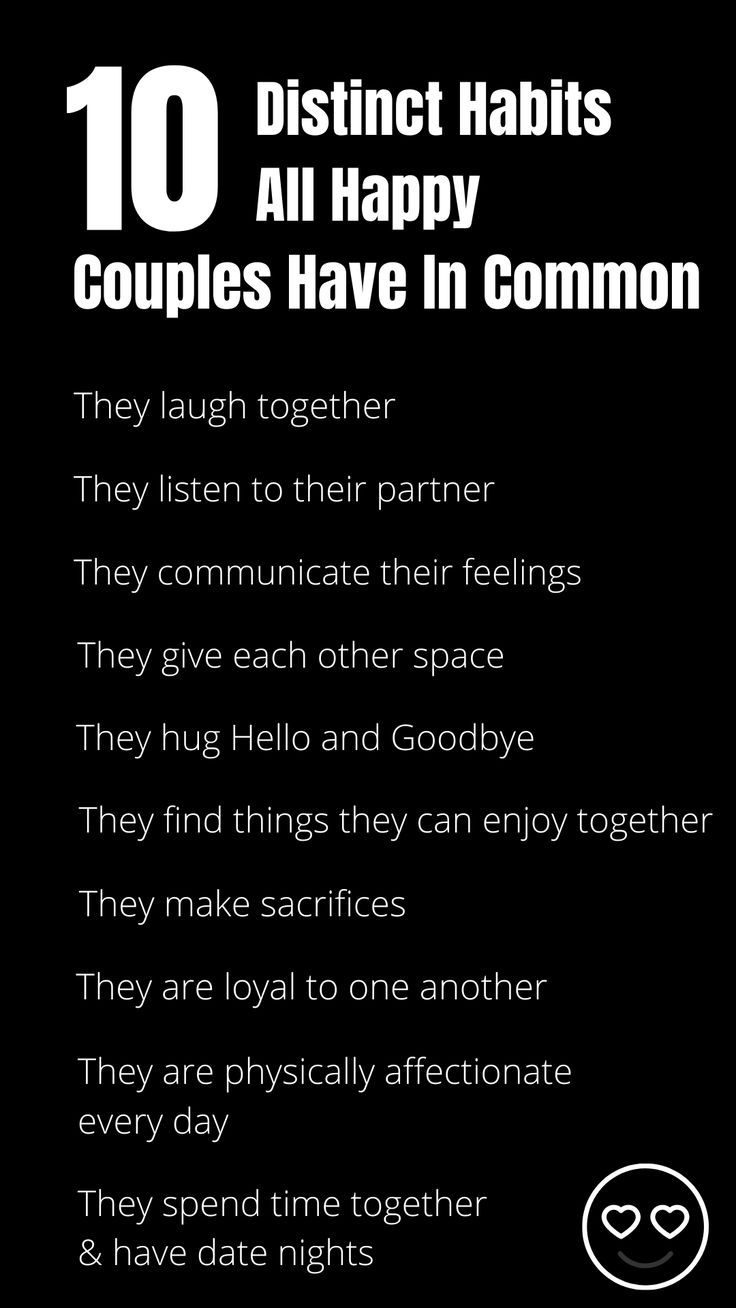
  • 10 Healthy Relationship Habits Every Couple Should Practice Daily

    10 Healthy Relationship Habits Every Couple Should Practice Daily

    Why Daily Habits Matter More Than Grand Gestures

    We live in a culture that romanticizes the grand gesture. The surprise proposal on a mountaintop. The dozen roses delivered to your office. The elaborate anniversary trip. And while those moments are beautiful, they are not what hold a relationship together. What holds a relationship together are the tiny, consistent, often unglamorous things you do for each other every single day. The healthy relationship habits you practice when no one is watching and no one is keeping score.

    Research from the Gottman Institute – one of the most respected relationship research organizations in the world – has consistently shown that the difference between couples who stay together and couples who fall apart comes down to daily interactions. Couples who thrive do not necessarily argue less or have fewer challenges. They simply have more positive interactions than negative ones in their day-to-day lives. The magic ratio, according to decades of research, is five positive interactions for every negative one.

    That means the health of your relationship is not determined by how you handle your anniversary. It is determined by how you handle a Tuesday morning when you are both running late, the coffee maker is broken, and neither of you slept well. It is determined by the text you send in the middle of a busy workday just to say “thinking of you.” It is determined by the way you greet each other when you walk through the door at the end of a long day.

    These 10 healthy relationship habits are not complicated. They do not require a lot of time, money, or effort. But they do require intention, consistency, and the willingness to show up for your partner and your relationship even when it does not feel exciting or convenient. Because love is not just a feeling – it is a practice. And like any practice, it gets stronger the more consistently you do it.

    Couple laughing together on a porch swing with coffee in the morning light

    Habit 1 – Check In With Each Other Every Single Day

    Habit 1 - Check In With Each Other Every Single Day

    Life gets busy. Between work, responsibilities, social obligations, and the general chaos of being a functioning adult, it is surprisingly easy to go entire days without having a meaningful conversation with the person you share your life with. You might exchange logistical information – who is picking up groceries, when the bills are due, what time the appointment is – but logistics are not connection.

    A daily check-in is a deliberate moment where you pause and actually ask your partner how they are doing – not in the “fine, how are you” automatic way, but with genuine curiosity. “How was your day, really?” “What is on your mind tonight?” “Is there anything you need from me right now?” These questions tell your partner that you see them as more than a roommate or co-manager of your household. You see them as a person whose inner world matters to you.

    The check-in does not need to be long. Five or ten minutes of genuine, focused conversation can be enough. The key is consistency – making it a non-negotiable part of your daily routine, like brushing your teeth or eating dinner. Some couples do it over morning coffee. Others do it during an evening walk. Others do it in bed before falling asleep. Find the time that works for you and protect it fiercely.

    To make these conversations even more meaningful, try a couples conversation card game that provides thoughtful prompts beyond the usual “how was your day.” These cards can spark discussions you might never have had on your own and help you learn new things about each other, even after years together.

    Habit 2 – Express Gratitude Out Loud

    Habit 2 - Express Gratitude Out Loud

    It is one thing to feel grateful for your partner. It is another thing entirely to say it out loud. Most of us assume our partner knows we appreciate them, but assumption is the enemy of connection. People need to hear that they are valued. They need to hear that the things they do – even the small, mundane things – are noticed and appreciated.

    Expressing gratitude does not mean delivering a heartfelt speech every night. It can be as simple as “thank you for making coffee this morning,” “I really appreciate how hard you work,” “I noticed you cleaned the kitchen and I just want you to know I do not take that for granted,” or “I am grateful that you are my person.” These small acknowledgments accumulate over time, creating a reservoir of goodwill that helps sustain you through the inevitable rough patches.

    Research shows that couples who regularly express gratitude to each other report higher relationship satisfaction, better communication, and stronger feelings of connection. It creates a positive feedback loop – when your partner feels appreciated, they are more likely to do things that inspire appreciation, which leads to more gratitude, and so on. It is one of the simplest and most powerful healthy relationship habits you can adopt.

    Challenge yourself to express one specific thing you are grateful for about your partner every single day. Not generic compliments, but specific observations. “I love how patient you were with your mom on the phone today” hits differently than “you are great.” Specificity tells your partner that you are paying attention – and attention is one of the most valuable gifts you can give someone.

    Habit 3 – Practice Active Listening Without Fixing

    Habit 3 - Practice Active Listening Without Fixing

    One of the most common communication breakdowns in relationships happens when one partner shares a problem and the other immediately jumps into problem-solving mode. While the intention is good, the impact is often the opposite of what was intended. When your partner tells you about a frustrating day at work, they usually do not want a list of solutions. They want to feel heard, validated, and understood.

    Active listening means giving your full attention – putting down the phone, making eye contact, and being genuinely present. It means reflecting back what you heard to make sure you understood correctly. It means asking follow-up questions that show you are engaged. And most importantly, it means resisting the urge to fix, advise, or minimize unless your partner specifically asks for your input.

    A simple phrase that can transform your communication is: “Do you want me to listen or do you want help solving this?” This one question gives your partner the agency to tell you what they actually need, and it saves you from offering unwanted advice. It takes practice, especially if you are a natural problem-solver, but learning to sit with your partner in their discomfort without trying to make it go away is one of the deepest forms of love there is.

    Habit 4 – Maintain Physical Affection Beyond the Bedroom

    Habit 4 - Maintain Physical Affection Beyond the Bedroom

    Physical touch is a fundamental human need, and in romantic relationships, non-sexual physical affection is just as important as sexual intimacy – sometimes more so. Holding hands, hugging, kissing hello and goodbye, sitting close together on the couch, rubbing your partner’s shoulders, playing with their hair – these seemingly small gestures maintain a physical connection that strengthens your emotional bond.

    As relationships mature, physical affection often decreases. You stop greeting each other with a kiss. You sit on opposite ends of the couch. You go days without any physical contact that is not functional. This gradual distancing can make both partners feel disconnected, unloved, or taken for granted – even when neither person consciously decided to stop being affectionate.

    Make physical affection intentional. Hug your partner for at least six seconds when you greet each other – research suggests that a six-second hug triggers the release of oxytocin, the bonding hormone. Kiss goodbye in the morning. Hold hands when you walk together. Reach over and touch their arm when you are sitting next to each other. These tiny moments of physical connection add up to a relationship that feels warm, secure, and intimate.

    Couple walking hand in hand through a sunny farmers market

    Habit 5 – Fight Fair and Repair Quickly

    Conflict is inevitable in any relationship. Two separate human beings with different backgrounds, perspectives, and needs are going to disagree sometimes. The goal is not to eliminate conflict – it is to fight fair when it happens and repair the connection quickly afterward.

    Fighting fair means no name-calling, no bringing up old grievances, no stonewalling, no contempt, and no going for the jugular. It means using “I feel” statements instead of “you always” accusations. It means staying on the topic at hand rather than turning every disagreement into a comprehensive audit of everything your partner has ever done wrong. It means remembering that you are on the same team, even when you disagree.

    Equally important is the repair attempt – the gesture, word, or action that signals you want to reconnect after a disagreement. This might be a sincere apology, a touch on the arm, a moment of humor, or simply saying “I do not want to fight with you. Can we start over?” The Gottman Institute found that the success of repair attempts is one of the strongest predictors of relationship longevity. Happy couples are not couples who never fight – they are couples who know how to come back together after they do.

    One rule that many healthy couples swear by: never go to bed angry. This does not mean you have to resolve every argument before midnight. Sometimes you need space and sleep before you can discuss something calmly. But before you fall asleep, at least say “I love you and we will figure this out.” That simple sentence tells your partner that the disagreement has not changed your commitment to them.

    Habit 6 – Protect Your Friendship

    Habit 6 - Protect Your Friendship

    The strongest romantic relationships are built on a foundation of genuine friendship. Your partner should be someone you actually like spending time with – someone you would choose as a friend even if the romantic element did not exist. Protecting that friendship means laughing together, having fun together, sharing inside jokes, and maintaining the playful energy that first drew you to each other.

    As relationships deepen and life gets more serious – with careers, finances, possibly children, and all the responsibilities that come with building a life together – it is easy to lose the friendship underneath all the adulting. You become business partners managing a household rather than two people who genuinely enjoy each other’s company. When that happens, the relationship starts to feel more like an obligation than a choice.

    Protect your friendship by doing things together that have nothing to do with responsibilities. Watch a silly show together. Play a board game. Cook a ridiculous recipe. Go on a random adventure. Be goofy with each other. Tease each other affectionately. Remember why you fell in love with this person in the first place, and make space for that person to show up regularly.

    Habit 7 – Support Each Other’s Individual Growth

    Habit 7 - Support Each Other's Individual Growth

    Healthy love does not require you to become a single unit that does everything together. It requires two whole people who choose to walk alongside each other while continuing to grow as individuals. Supporting your partner’s individual growth means encouraging their goals, respecting their need for alone time, celebrating their achievements even when they have nothing to do with you, and giving them the space to evolve.

    This can feel threatening if you are insecure in the relationship. Your partner wanting to take a class, start a hobby, spend time with friends, or pursue a career opportunity that does not involve you is not a sign that they are pulling away. It is a sign that they are a healthy, dynamic person with a rich inner life – and that is exactly the kind of person you want to be in a relationship with.

    At the same time, do not forget your own individual growth. It is tempting to pour all of your energy into the relationship and let your own interests, friendships, and goals fall by the wayside. But a relationship where one person has lost themselves is not healthy – it is codependent. Keep nurturing the things that make you, you. Your partner fell in love with a complete person. Stay one.

    A great way to support mutual growth is reading together. Pick up a relationship growth book like “The Seven Principles for Making Marriage Work” and discuss one chapter a week. It gives you a shared language for talking about your relationship and concrete tools for strengthening it.

    Habit 8 – Keep Dating Each Other

    Habit 8 - Keep Dating Each Other

    When you first started dating your partner, you put effort into every interaction. You dressed up. You planned activities. You gave each other your full attention. You were on your best behavior because you wanted to impress each other. Somewhere along the way – maybe after moving in together, maybe after getting comfortable – that effort started to fade. And with it, some of the spark faded too.

    Keeping the spark alive does not require recreating the intensity of early dating. It just requires maintaining some of the intentionality. Have a regular date night – weekly if possible, at least twice a month at minimum. And “date night” does not have to mean an expensive dinner out. It can be cooking together, having a movie night on the couch with phones put away, exploring a new neighborhood, taking a class together, or anything that feels special and set apart from the ordinary routine.

    The important thing is that date night is protected time – not the time to discuss bills, argue about chores, or troubleshoot parenting challenges. This is time dedicated purely to enjoying each other’s company and remembering that you are not just partners, parents, or roommates. You are two people who chose each other, and that choice deserves regular celebration.

    Make date night even more special with a date night idea jar filled with creative activities. Taking turns picking a date idea adds an element of surprise and ensures you are both stepping outside your comfort zone together.

    Couple cooking together during a cozy date night at home

    Habit 9 – Share Responsibilities Without Keeping Score

    Few things breed resentment faster than an unequal division of labor – and few things are harder to navigate without falling into the trap of keeping score. In a healthy relationship, both partners contribute to the shared workload of running a life together. This includes household chores, financial responsibilities, emotional labor, social planning, and whatever else your particular life requires.

    The key phrase here is “without keeping score.” The moment you start tallying who did the dishes more this week or who last took the car for an oil change, you have turned your partnership into a competition. And in a competition, someone always feels like they are losing. Instead, aim for a general sense of fairness and balance, and communicate openly when things feel off.

    Have an honest conversation about how responsibilities are divided in your household. Be specific. Who cooks? Who cleans? Who manages the finances? Who handles the mental load of remembering appointments, birthdays, and grocery lists? Often, the division of labor is more unequal than either partner realizes, and simply making the invisible labor visible can be the first step toward a more equitable arrangement.

    Habit 10 – Choose Each Other Every Day

    Habit 10 - Choose Each Other Every Day

    This might be the most important habit on this list, and it is also the most abstract. Choosing each other every day means waking up and actively deciding that this person, this relationship, is where you want to be. Not because you have to. Not because you are afraid of being alone. Not because it would be too complicated to leave. But because you genuinely want to be here, with this person, building this life.

    Long-term love is not sustained by the feelings you had when you first fell in love. Those feelings – the butterflies, the obsessive thinking, the giddy excitement – are driven by neurochemistry that naturally fades over time. What replaces it can be even more beautiful, but only if you let it: deep trust, profound comfort, unshakeable security, and the quiet confidence that comes from knowing someone has seen every part of you and chosen to stay.

    But that deeper love does not happen by accident. It happens by choice – repeated, daily, intentional choice. It happens when you choose to be kind instead of petty. Patient instead of irritable. Generous instead of stingy with your time and attention. Forgiving instead of grudge-holding. Present instead of distracted. Every time you make one of these small choices, you are choosing your partner. You are choosing your relationship. You are choosing love.

    And that, more than any grand gesture, is what happily ever after actually looks like.

    Older couple sitting together on a beach at sunset, peaceful and content

    How to Start Building These Habits Together

    How to Start Building These Habits Together

    If you are reading this list and feeling overwhelmed, take a deep breath. You do not need to implement all 10 healthy relationship habits at once. Pick one or two that resonate most with where your relationship is right now, and start there. Talk to your partner about what you have read and ask them which habits they would like to focus on. Making this a collaborative effort rather than a one-sided project is important – you are building these habits together, not assigning them.

    Be patient with yourselves and each other. New habits take time to stick, and there will be days when you forget or fall back into old patterns. That is normal. What matters is that you keep showing up, keep trying, and keep choosing to invest in your relationship even when it would be easier to coast. Because the couples who last are not the ones who have it easy. They are the ones who do the work.

    A couples gratitude journal can be a wonderful tool for building several of these habits simultaneously. Writing down what you appreciate about each other each day takes just a few minutes but reinforces gratitude, communication, and intentional connection all at once.

    Key Takeaways

    • Healthy relationships are built on daily habits, not grand gestures – the small, consistent things you do for each other every day matter most.
    • Daily check-ins, expressed gratitude, and active listening are the foundation of strong communication in a relationship.
    • Physical affection beyond the bedroom, fair fighting, and quick repair after arguments keep your emotional and physical connection strong.
    • Protecting your friendship, supporting individual growth, and continuing to date each other prevent the relationship from becoming stale or transactional.
    • Sharing responsibilities without keeping score and choosing each other every day transform a good relationship into a great one.
    • Start with one or two habits and build from there – consistency matters more than perfection.

    Frequently Asked Questions

    What if my partner is not interested in working on our relationship habits?

    Start by modeling the behavior yourself. Often, when one partner begins showing up differently – expressing more gratitude, listening more actively, being more affectionate – the other partner naturally starts reciprocating. If they remain resistant after seeing the positive impact of your efforts, have an honest conversation about why these habits matter to you and what you need from the relationship. If they are still unwilling to invest any effort, that itself is important information about the future of the relationship.

    How do we maintain these habits when we are both incredibly busy?

    The beauty of these healthy relationship habits is that most of them take very little time. A daily check-in takes five minutes. Expressing gratitude takes thirty seconds. A six-second hug takes – well, six seconds. The issue is usually not time but intentionality. Schedule these moments the way you would schedule anything else that is important. Set a reminder on your phone for a daily check-in text. Put date night on the calendar in ink. Protect these moments the way you protect work meetings and doctor’s appointments.

    Can these habits save a relationship that is already struggling?

    Can these habits save a relationship that is already struggling?

    These habits can significantly improve a relationship that has drifted but is still fundamentally healthy. If the core ingredients are there – mutual respect, shared values, genuine care for each other – then building healthier daily habits can reignite the connection and strengthen the foundation. However, if the relationship involves abuse, chronic dishonesty, active addiction, or a fundamental mismatch in values, daily habits alone will not be enough. In those cases, professional counseling or a serious evaluation of the relationship’s viability is needed.

    Is it too late to start building healthy habits in a long-term relationship?

    It is never too late. Some couples who have been together for decades discover these habits and experience a renaissance in their relationship. The willingness to grow and change together is one of the most beautiful things about long-term love. Your relationship does not have an expiration date on improvement. As long as both partners are willing to show up and try, there is room for growth, deeper connection, and renewed joy at any stage.