Category: Nutrition & Healthy Eating

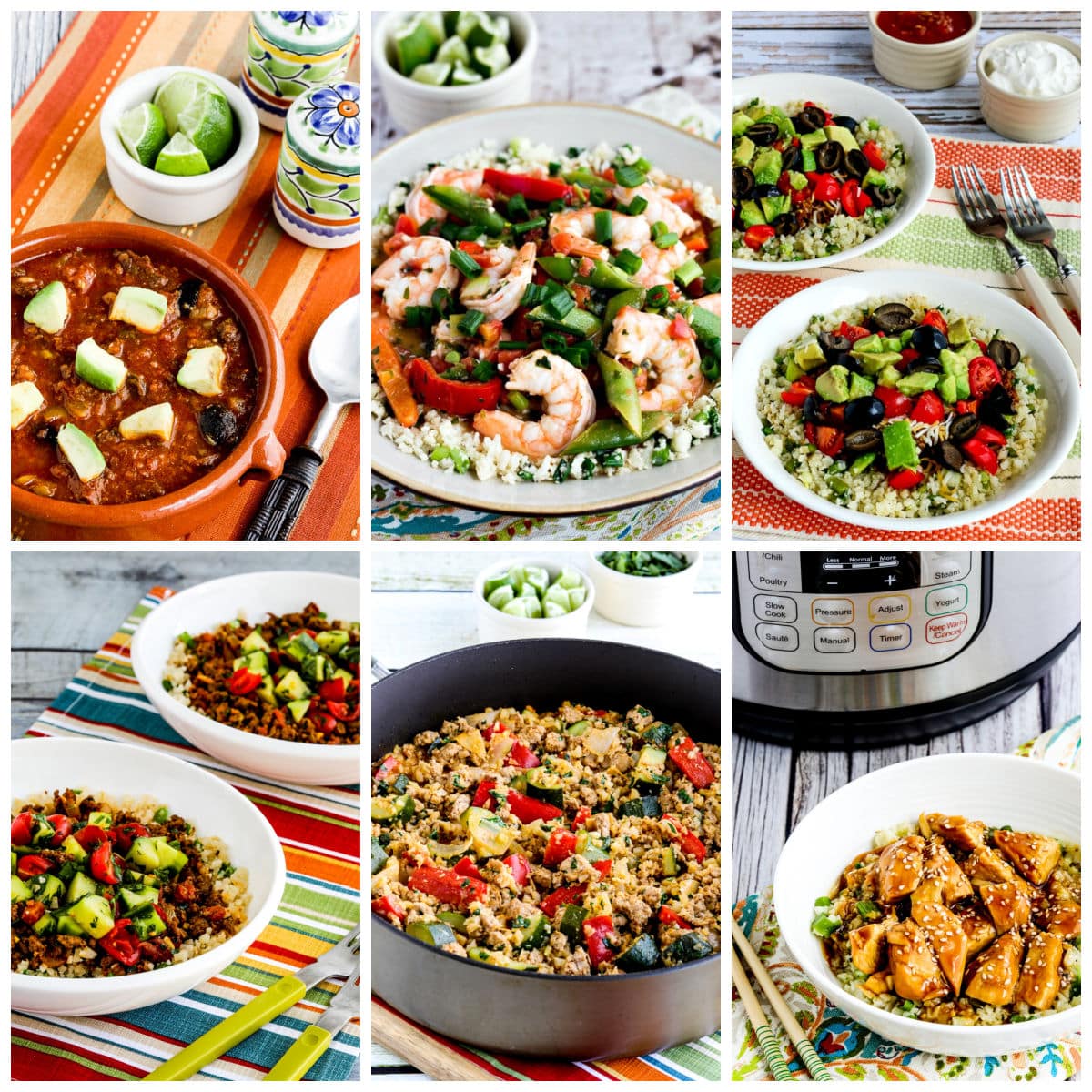
  • 20 Healthy Dinner Recipes for Weight Loss That the Whole Family Will Love

    20 Healthy Dinner Recipes for Weight Loss That the Whole Family Will Love

    Finding healthy dinner recipes that support your wellness goals AND get a thumbs up from the whole family can feel like searching for a unicorn. Your kids want chicken nuggets. Your partner wants something filling. You want something that does not require an hour of prep after a long day and does not make you feel like you are on a diet. Is it possible to make everyone happy?

    Yes. These 20 healthy dinner recipes for weight loss are proof. Every single one is packed with lean protein, fiber-rich vegetables, and satisfying flavors that make the whole family forget they are eating “healthy food.” Because here is the secret – the best healthy dinners do not taste healthy. They just taste good.

    We have organized these recipes by cooking method so you can choose based on your energy level and schedule. Quick meals for busy weeknights. Sheet pan dinners for minimal cleanup. Slow cooker meals for the days when you need dinner to make itself. And plant-based options for meatless nights. Let us make dinner the easiest part of your day.

    What Makes a Dinner Recipe Good for Weight Management
    What Makes a Dinner Recipe Good for Weight Management

    Before we get to the recipes, let us talk about what makes a dinner genuinely supportive of weight management – because it is not about eating as little as possible.

    A good dinner for weight management has three qualities. First, it is satisfying. If you finish dinner feeling hungry, you will snack all evening and undo any caloric benefit. Satisfaction comes from adequate protein (at least 25 to 30 grams per serving), fiber from vegetables and whole grains, and enough healthy fat to trigger satiety hormones.

    Second, it is nutritionally dense. You want to get maximum nutrition from every calorie. This means choosing whole foods over processed ones, loading up on colorful vegetables, and using herbs and spices for flavor instead of relying on heavy sauces and excessive oil.

    Third, it is sustainable. A healthy dinner recipe only works if you actually make it repeatedly. If it takes 90 minutes and 25 ingredients, it is not sustainable for a weeknight. These recipes prioritize simplicity, accessibility, and realistic prep times because the best healthy dinner is the one you actually cook.

    A well-stocked pantry makes healthy cooking infinitely easier. Having staples like olive oil, garlic, onions, canned tomatoes, broth, whole grains, and basic spices means you are always halfway to a healthy dinner. A spice rack organizer set keeps everything accessible and reminds you to use variety in your cooking.

    Quick and Easy Healthy Dinners – Under 30 Minutes
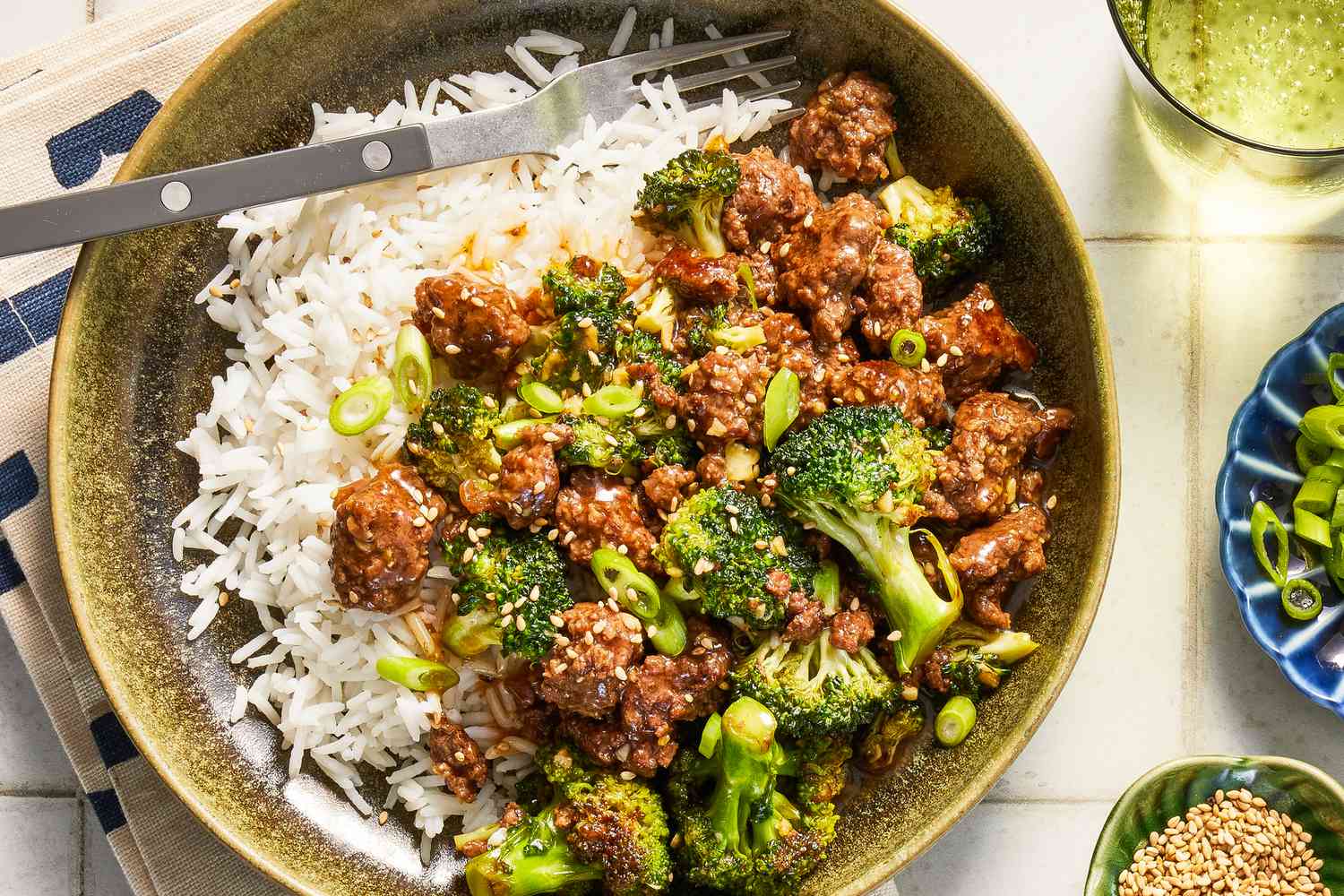
    Quick and Easy Healthy Dinners - Under 30 Minutes

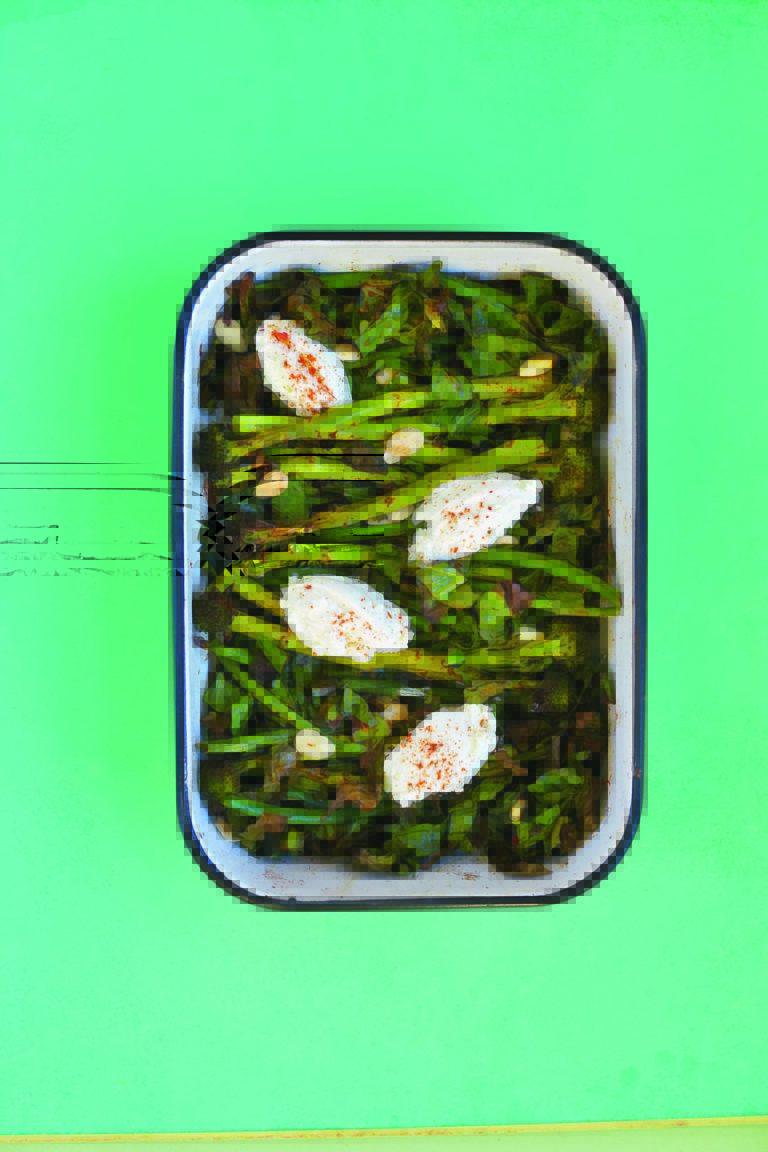
    1. Lemon Garlic Salmon with Roasted Asparagus
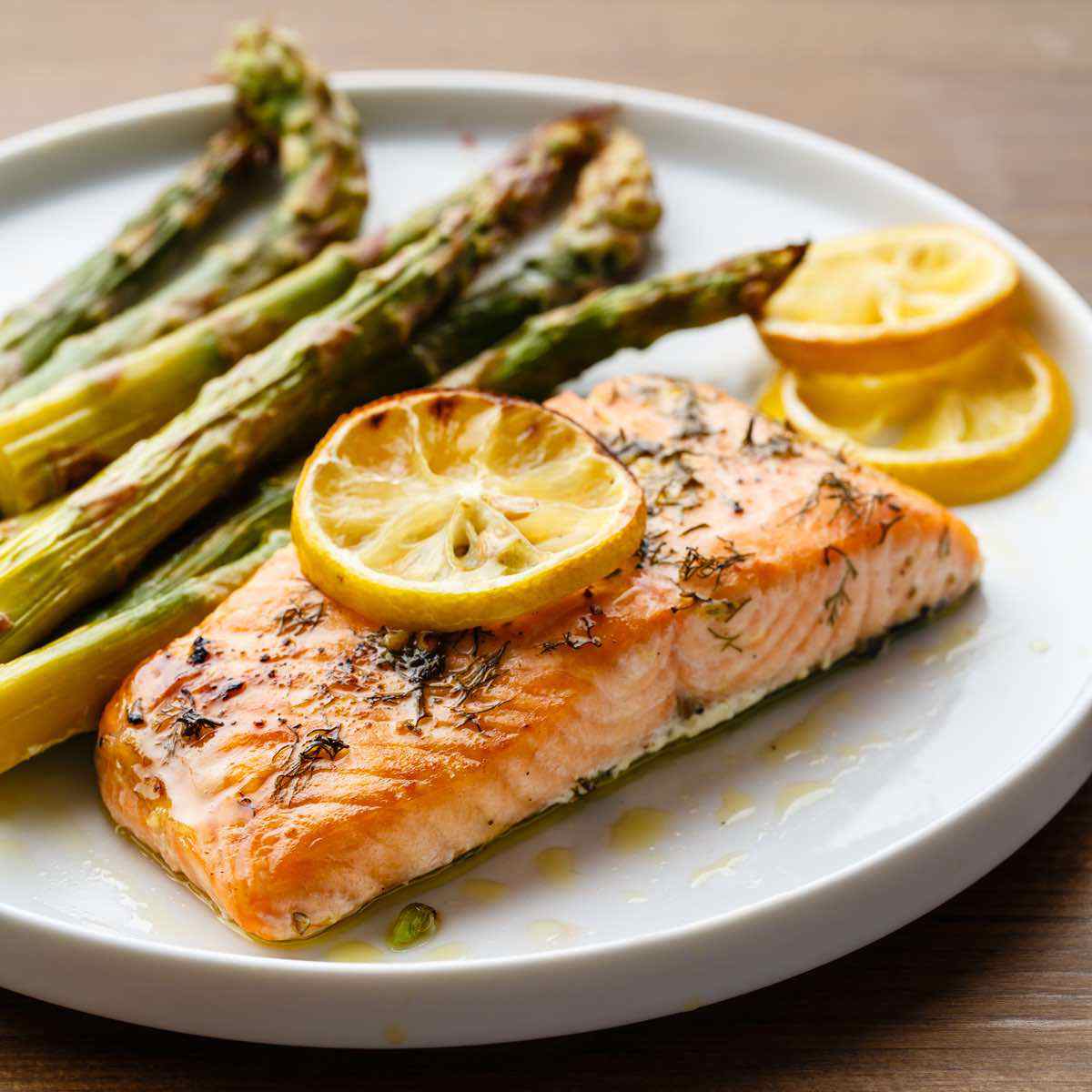
    1. Lemon Garlic Salmon with Roasted Asparagus

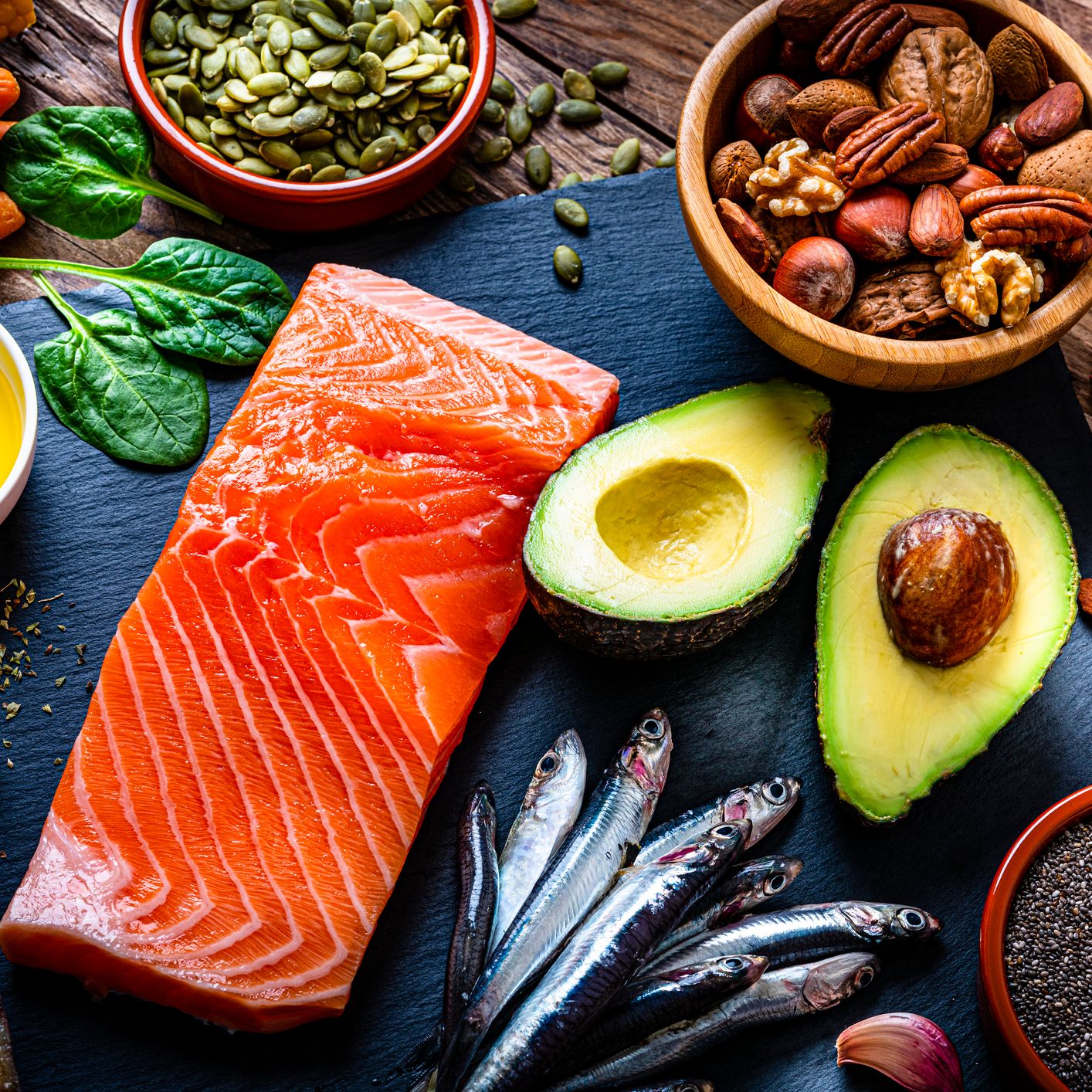
    Season salmon fillets with lemon juice, minced garlic, olive oil, salt, and pepper. Place on a baking sheet alongside asparagus spears drizzled with olive oil. Bake at 400 degrees for 12 to 15 minutes. Serve with a side of quinoa or brown rice. Total time: 20 minutes. Per serving: approximately 400 calories, 35g protein.

    2. Turkey Taco Lettuce Wraps
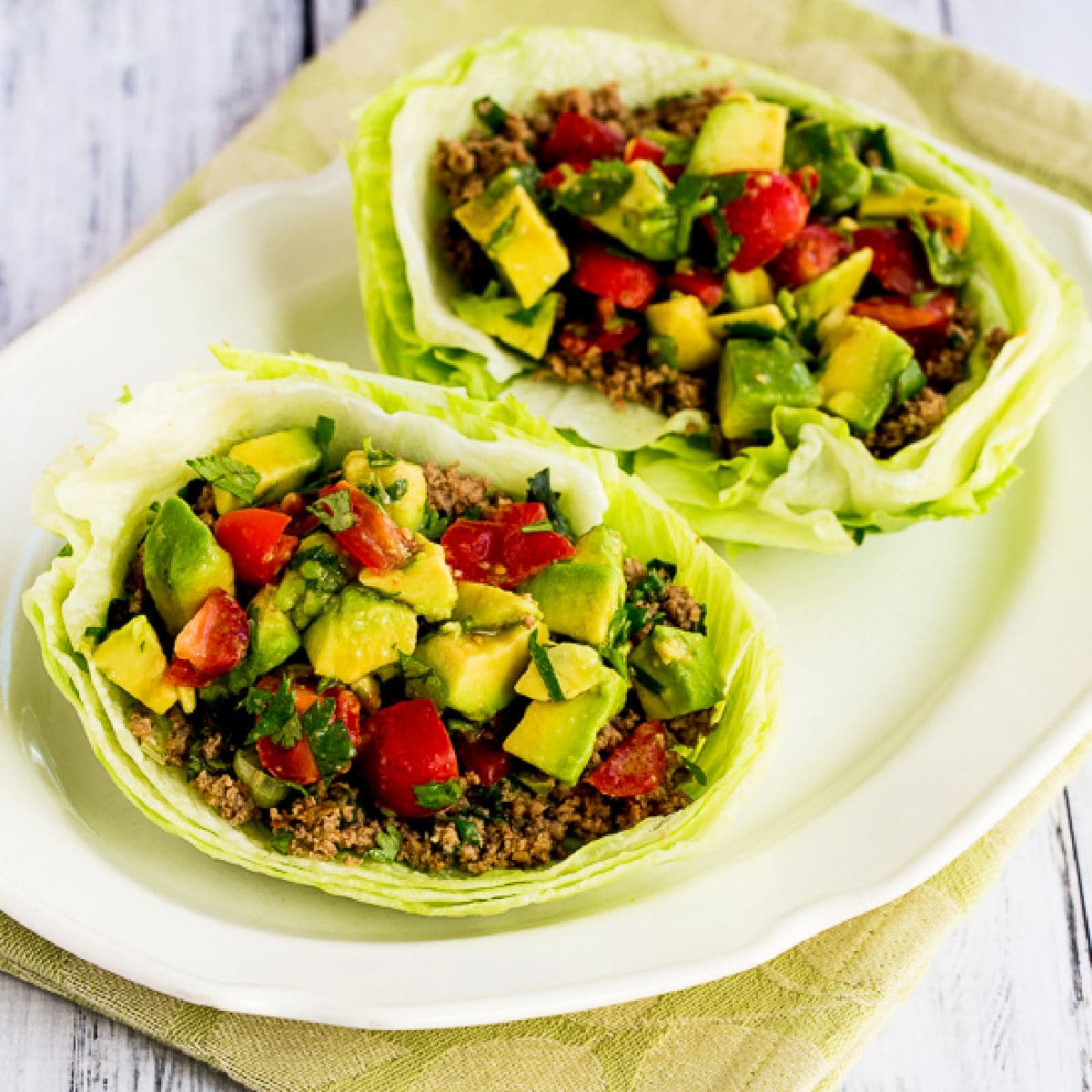
    2. Turkey Taco Lettuce Wraps

    Brown one pound of ground turkey with taco seasoning. Serve in large butter lettuce leaves topped with diced tomatoes, shredded cheese, avocado slices, salsa, and a dollop of Greek yogurt. Total time: 15 minutes. Per serving: approximately 350 calories, 30g protein.

    3. Shrimp Stir-Fry with Vegetables
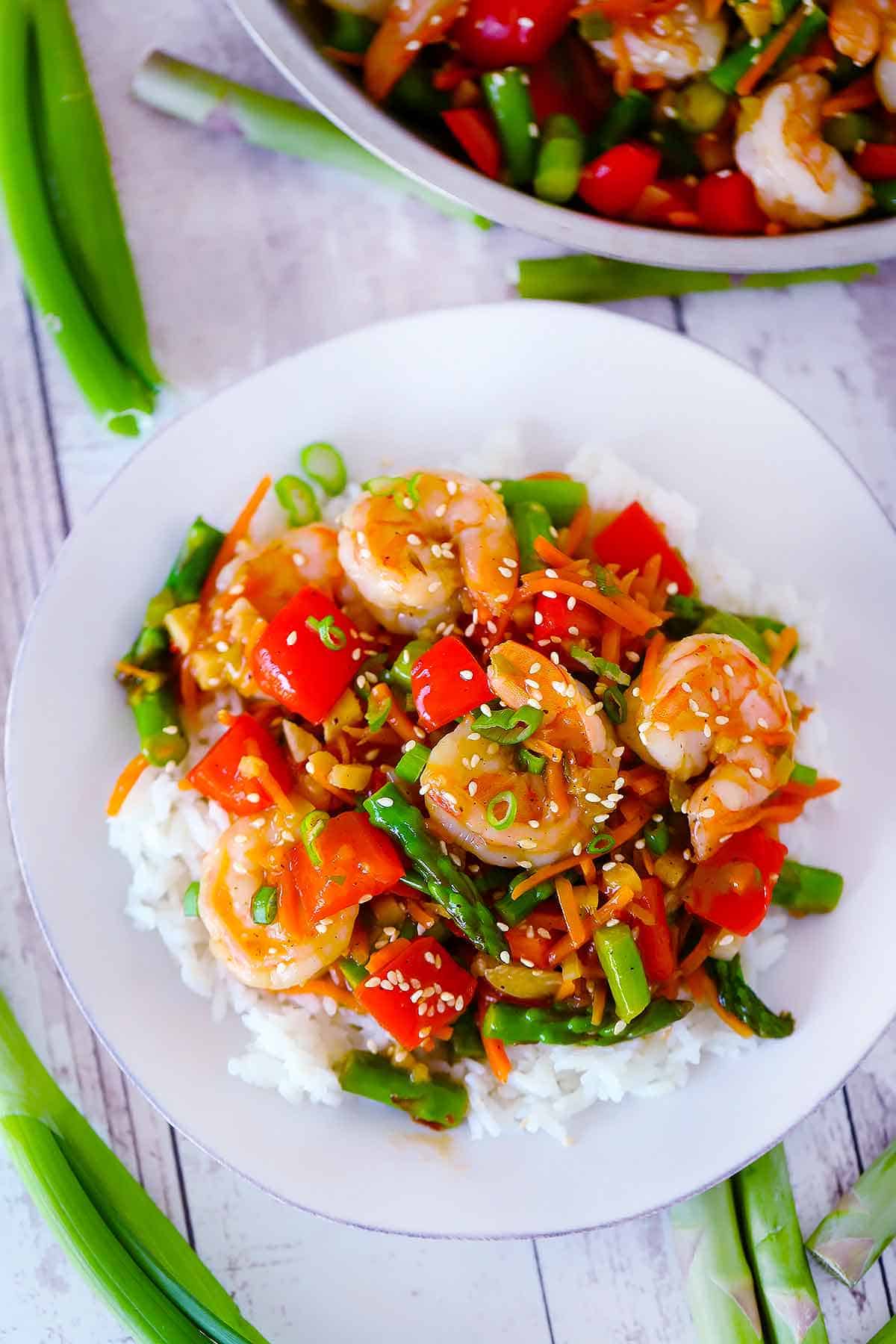
    3. Shrimp Stir-Fry with Vegetables

    Stir-fry shrimp with broccoli, snap peas, bell peppers, and carrots in a sauce of soy sauce, ginger, garlic, and a touch of honey. Serve over brown rice or cauliflower rice. Total time: 20 minutes. Per serving: approximately 380 calories, 28g protein.

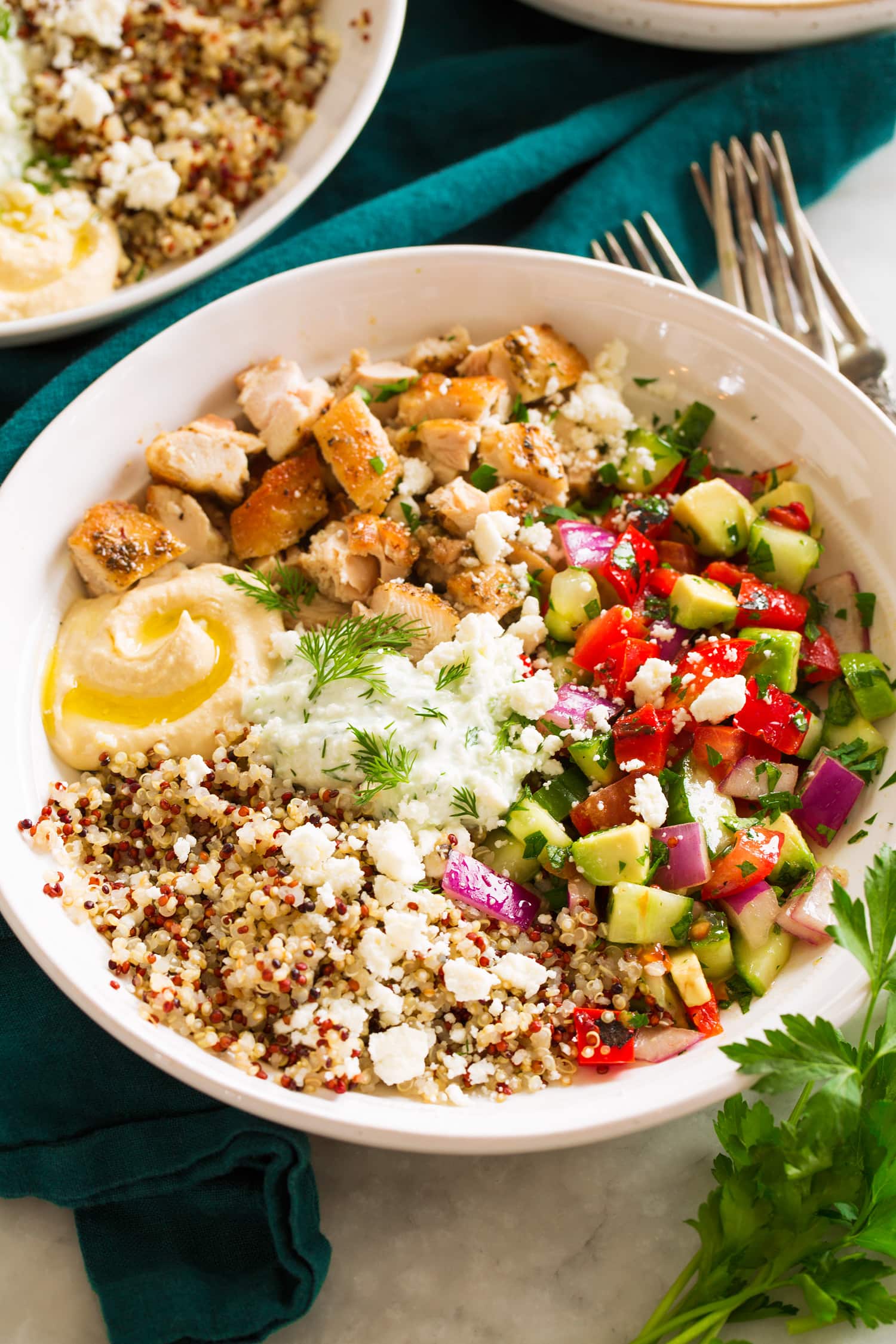
    4. Greek Chicken Bowls
    4. Greek Chicken Bowls

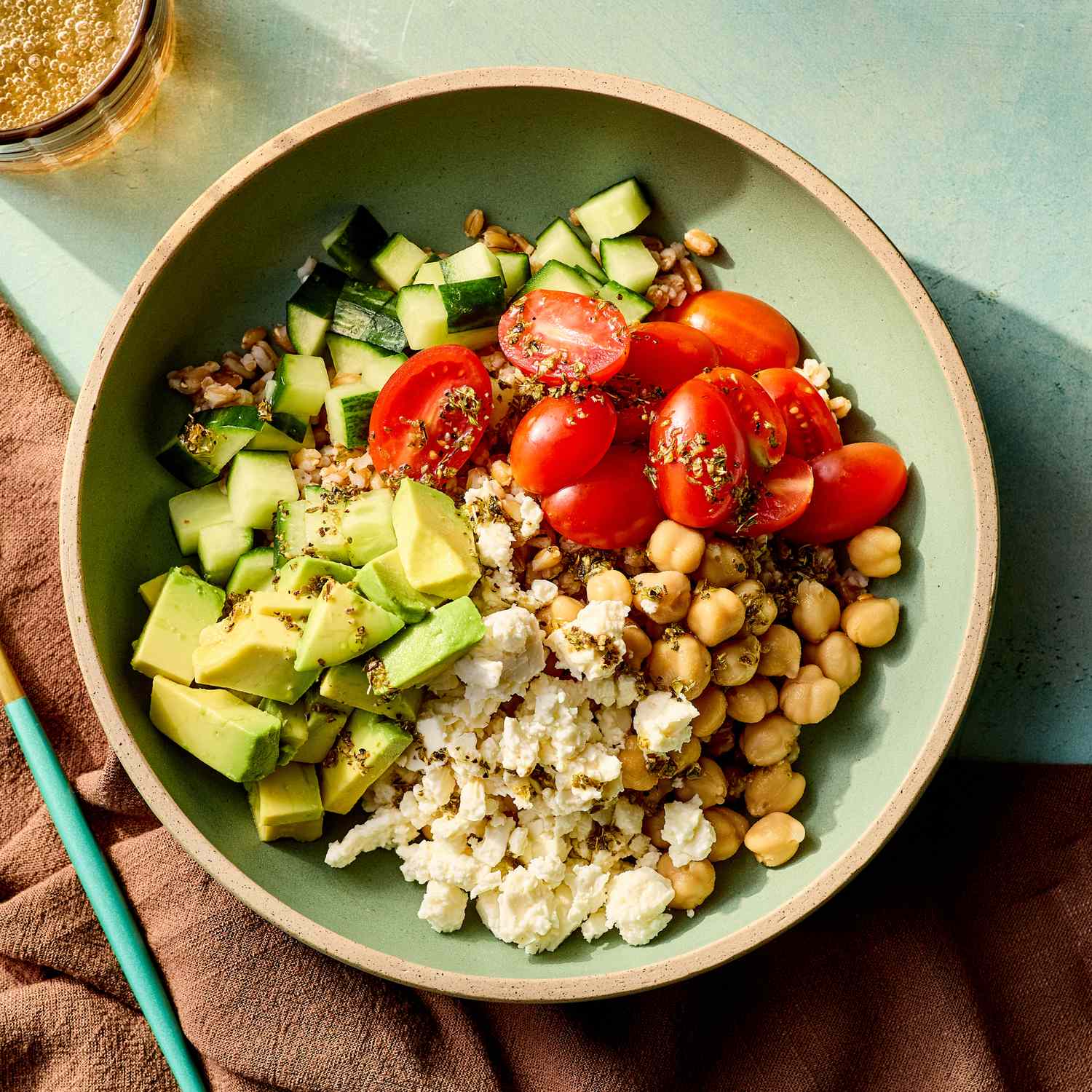
    Season chicken breast with oregano, garlic, lemon, and olive oil. Grill or pan-sear for six to seven minutes per side. Slice and serve over a bowl of brown rice or farro with cucumber, tomatoes, red onion, Kalamata olives, feta cheese, and a drizzle of tzatziki made from Greek yogurt. Total time: 25 minutes. Per serving: approximately 420 calories, 38g protein.

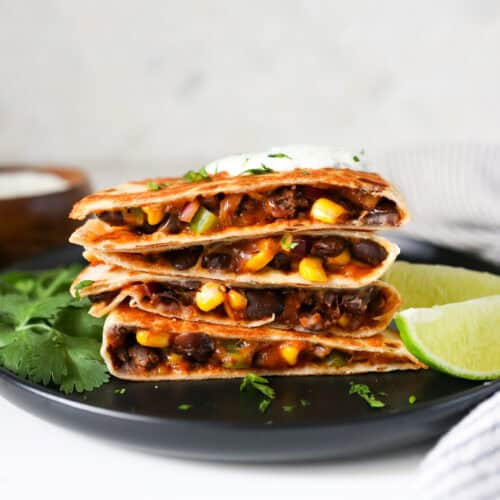
    5. Black Bean Quesadillas with Side Salad
    5. Black Bean Quesadillas with Side Salad

    Fill whole wheat tortillas with mashed seasoned black beans, corn, diced bell pepper, and shredded cheese. Cook in a dry skillet until crispy on both sides. Serve with a big side salad dressed with lime vinaigrette and topped with avocado. Total time: 15 minutes. Per serving: approximately 400 calories, 22g protein.

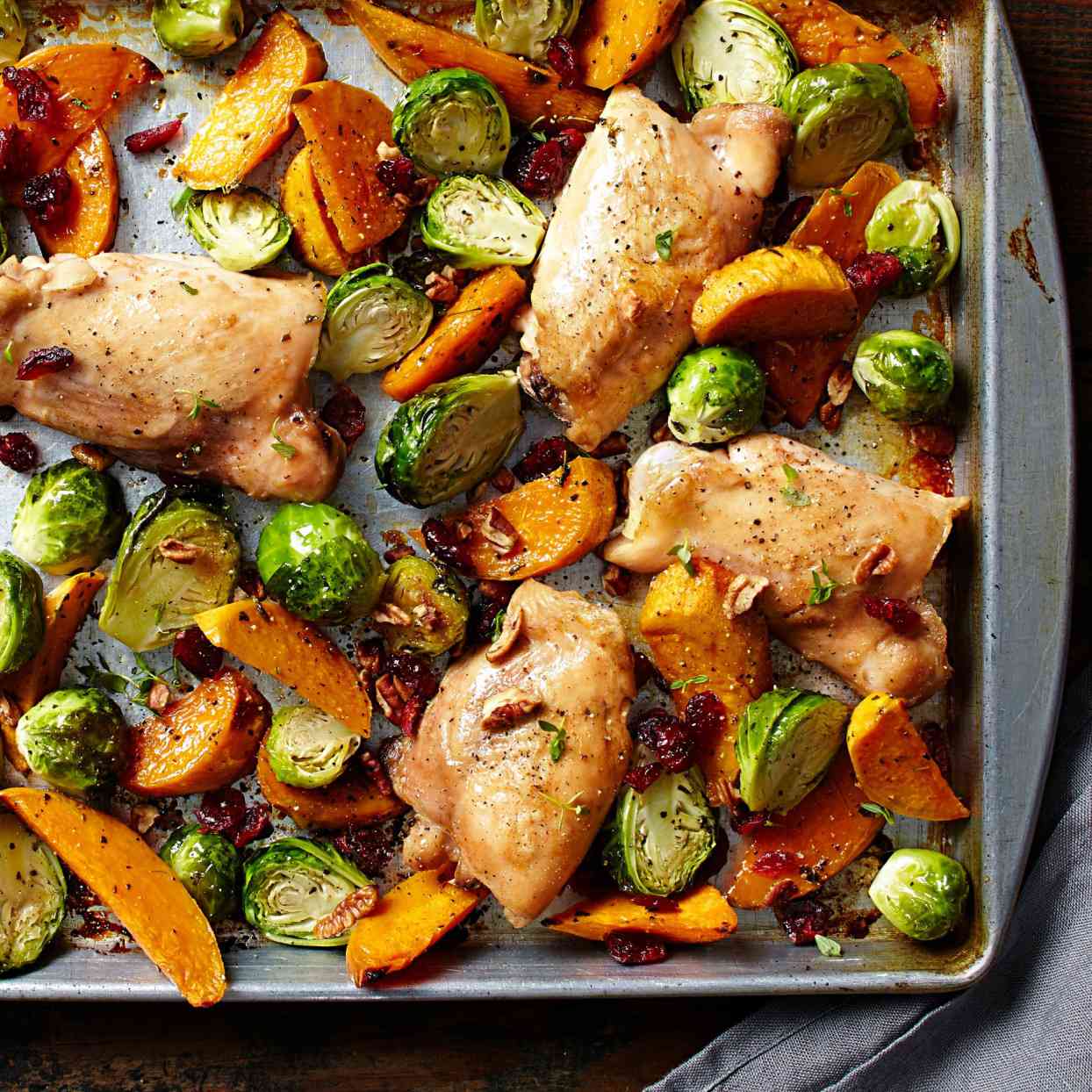
    One-Pan and Sheet Pan Healthy Dinners
    One-Pan and Sheet Pan Healthy Dinners

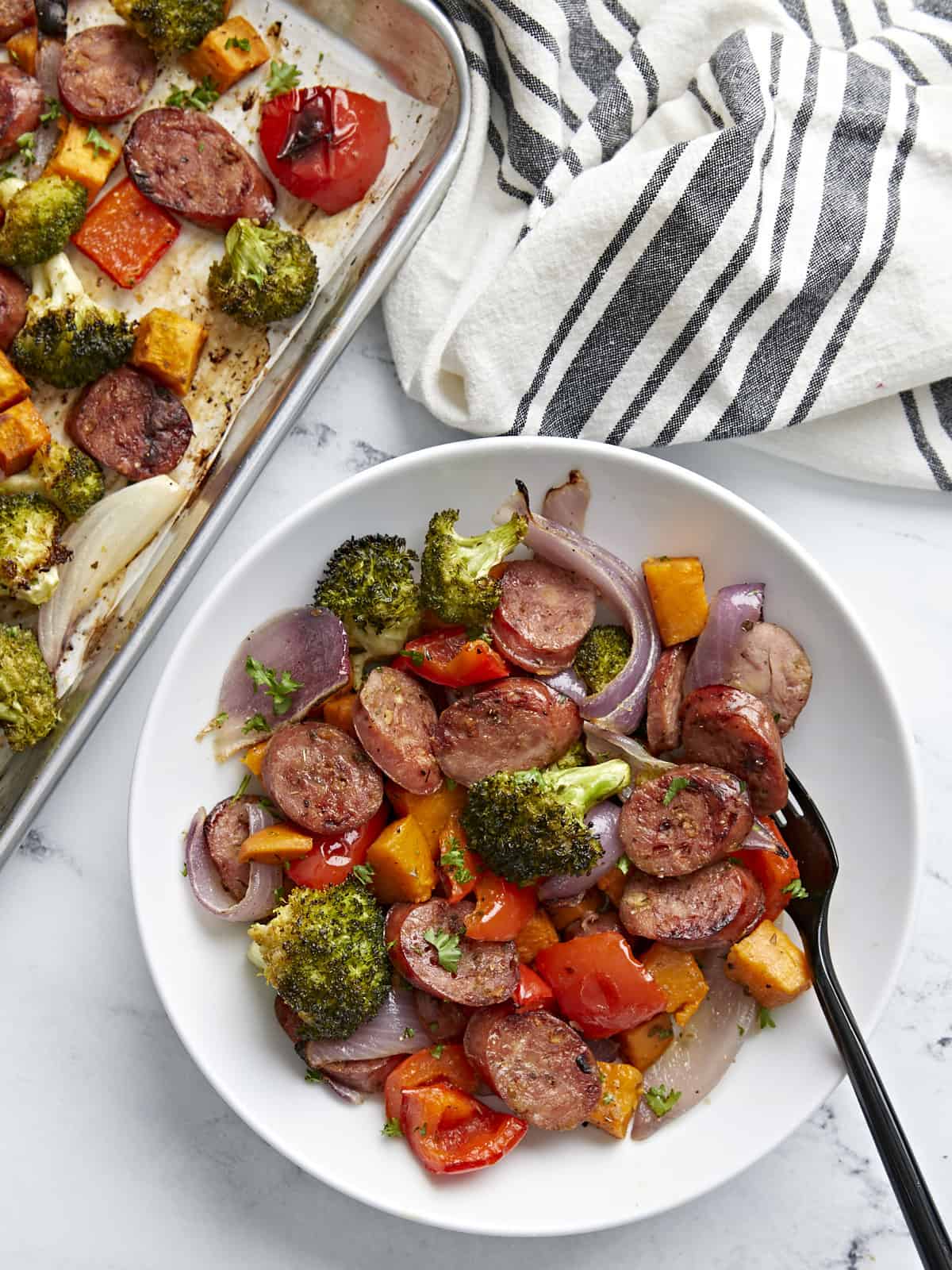
    6. Sheet Pan Chicken Sausage with Roasted Vegetables
    6. Sheet Pan Chicken Sausage with Roasted Vegetables

    Slice pre-cooked chicken sausage and toss on a sheet pan with cubed sweet potatoes, Brussels sprouts, and red onion. Drizzle with olive oil and season with garlic powder, smoked paprika, and Italian seasoning. Roast at 425 degrees for 25 minutes. Total time: 30 minutes plus mostly hands-off oven time. Per serving: approximately 380 calories, 25g protein.

    7. One-Pan Tuscan Chicken
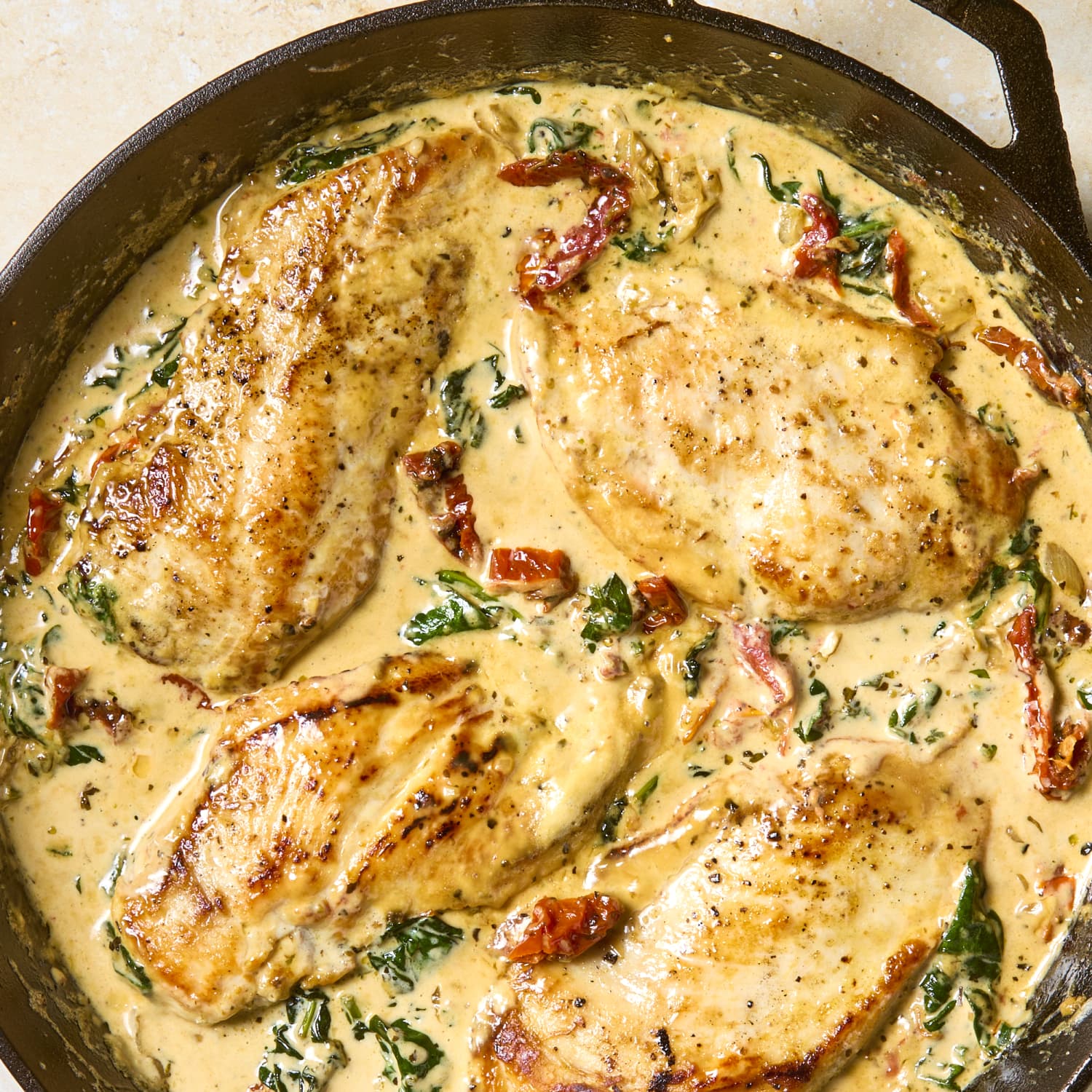
    7. One-Pan Tuscan Chicken

    Sear seasoned chicken breasts in a skillet. Remove and add garlic, sun-dried tomatoes, and spinach to the same pan. Pour in a mixture of chicken broth and a splash of cream (or coconut cream for dairy-free). Return the chicken to the pan and simmer for 15 minutes until chicken is cooked through. Serve with crusty whole grain bread or over pasta. Total time: 30 minutes. Per serving: approximately 390 calories, 35g protein.

    8. Sheet Pan Salmon Teriyaki with Broccoli
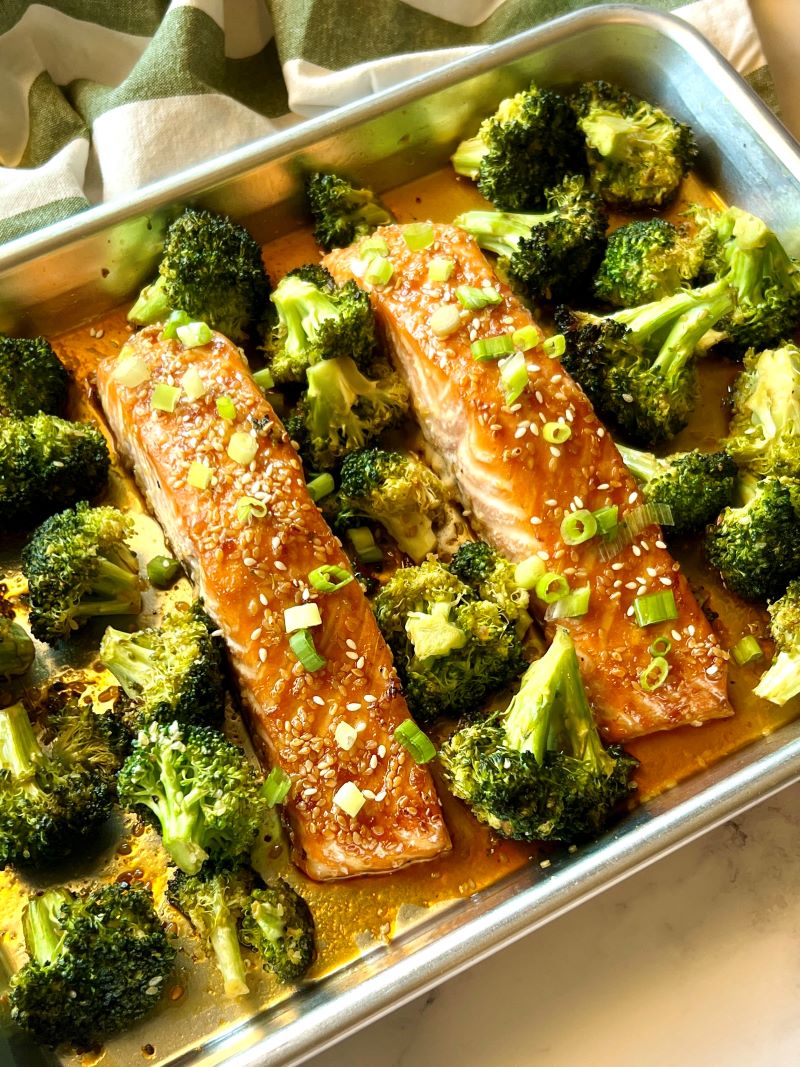
    8. Sheet Pan Salmon Teriyaki with Broccoli

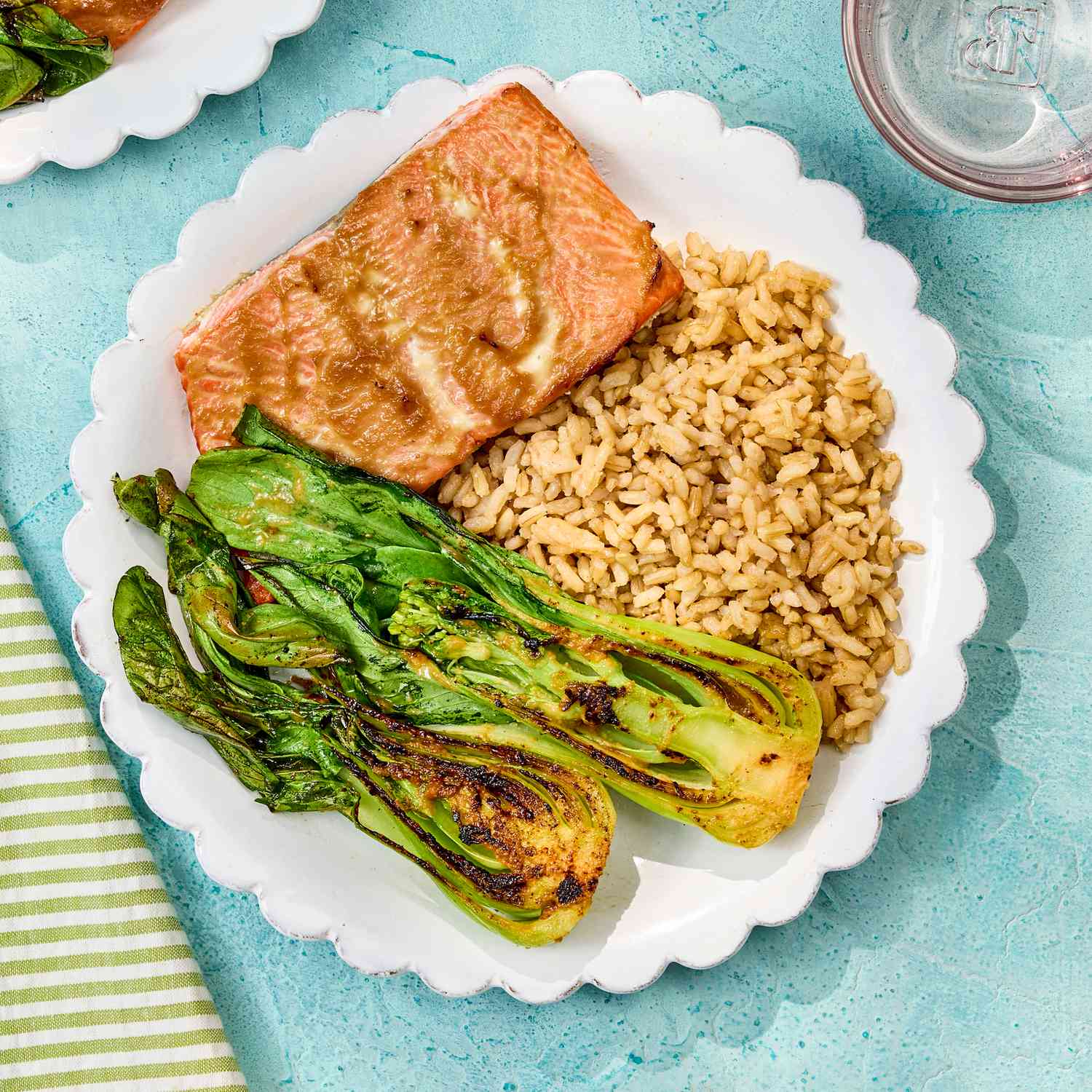
    Place salmon fillets and broccoli florets on a sheet pan. Brush the salmon with a homemade teriyaki sauce of soy sauce, honey, ginger, and garlic. Roast at 400 degrees for 15 minutes. Serve over brown rice with sesame seeds. Total time: 25 minutes. Per serving: approximately 420 calories, 33g protein.

    9. One-Pan Chicken and Vegetable Skillet
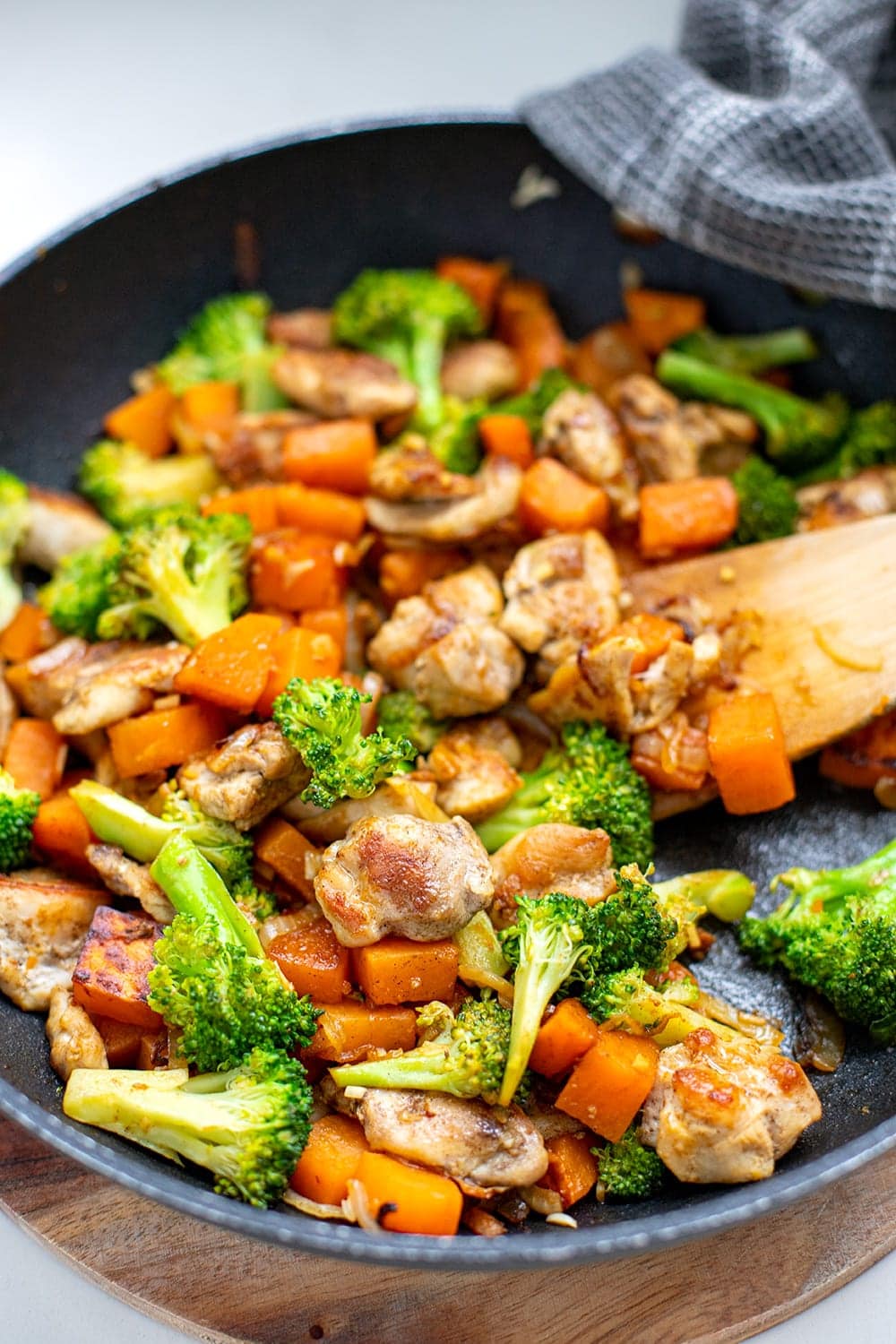
    9. One-Pan Chicken and Vegetable Skillet

    Dice chicken thighs and cook in a skillet with olive oil. Add diced zucchini, bell peppers, cherry tomatoes, and corn. Season with Italian seasoning, garlic, and a squeeze of lemon. Cook until vegetables are tender and chicken is done. Top with fresh basil and Parmesan. Total time: 25 minutes. Per serving: approximately 370 calories, 30g protein.

    10. Sheet Pan Pork Tenderloin with Root Vegetables
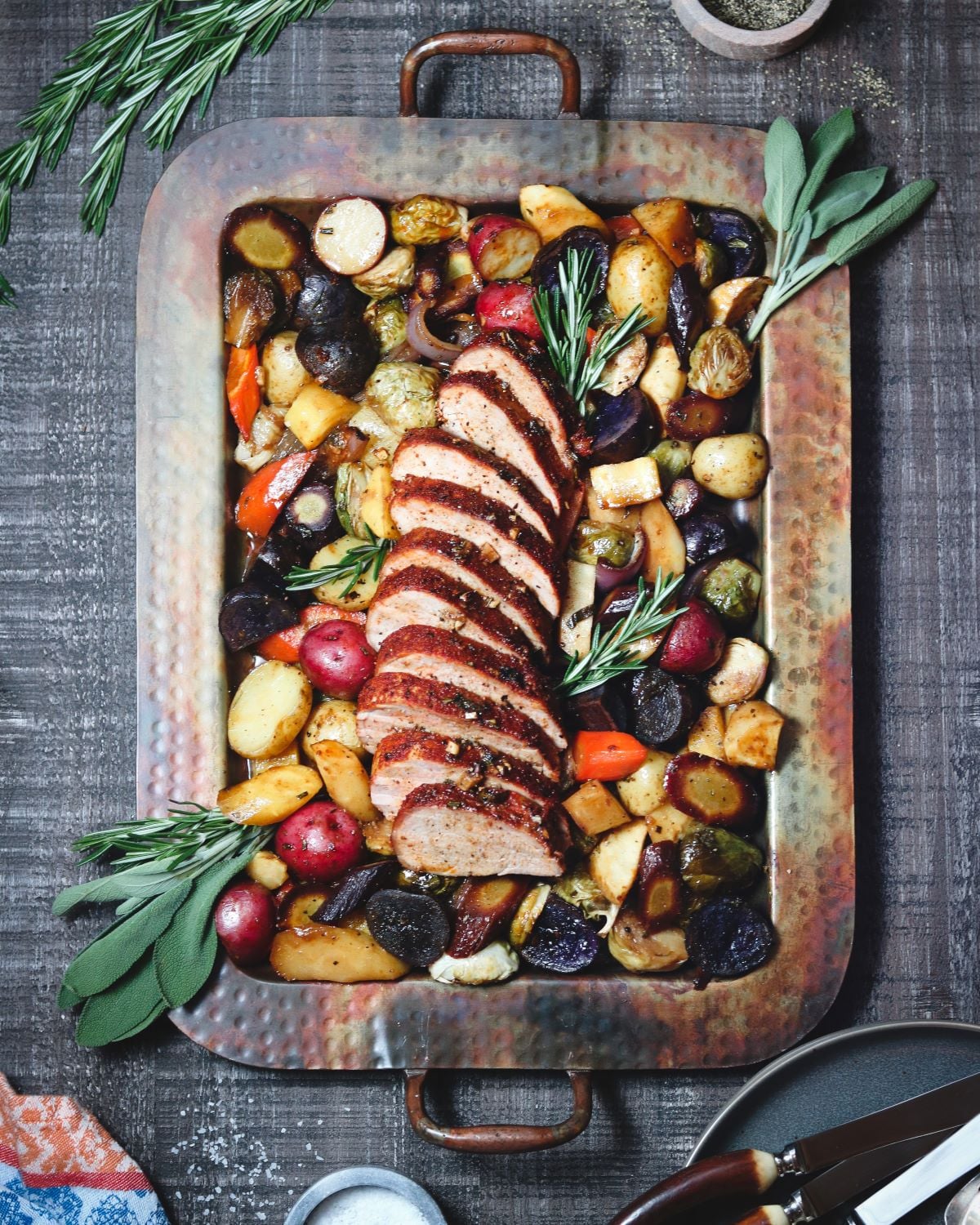
    10. Sheet Pan Pork Tenderloin with Root Vegetables

    Season pork tenderloin with Dijon mustard, garlic, rosemary, and thyme. Place on a sheet pan surrounded by cubed butternut squash, parsnips, and carrots. Roast at 400 degrees for 25 to 30 minutes until pork reaches 145 degrees internally. Rest five minutes before slicing. Total time: 35 minutes. Per serving: approximately 380 calories, 32g protein. A reliable instant-read meat thermometer ensures perfect results every time.

    Slow Cooker and Instant Pot Healthy Dinners
    Slow Cooker and Instant Pot Healthy Dinners

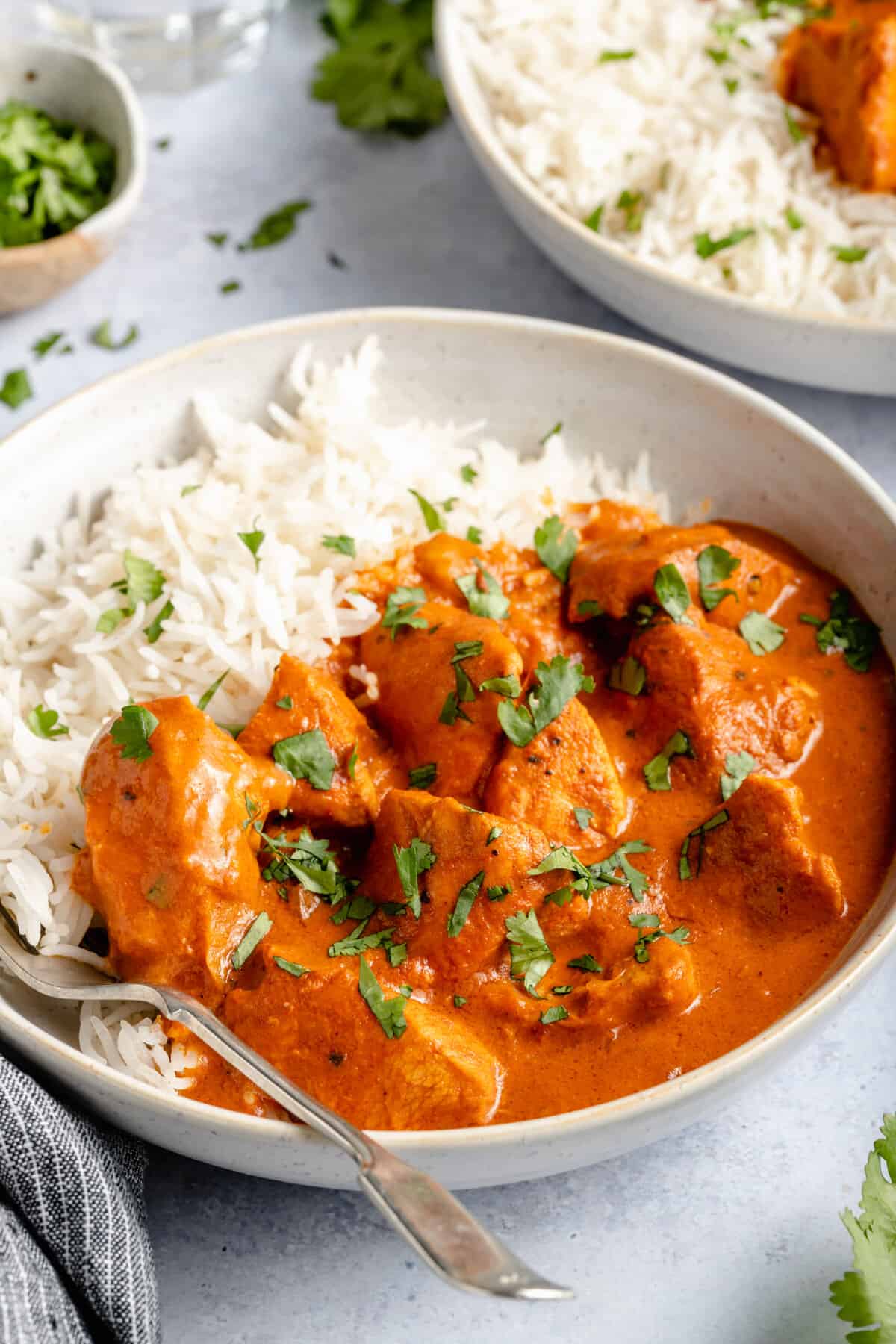
    11. Slow Cooker Chicken Tikka Masala
    11. Slow Cooker Chicken Tikka Masala

    Place chicken thighs in the slow cooker with a sauce of canned tomatoes, coconut cream, garam masala, turmeric, cumin, ginger, garlic, and a pinch of cayenne. Cook on low for six hours. Shred the chicken and stir back into the sauce. Serve over brown basmati rice with a side of naan and fresh cilantro. Prep time: 10 minutes. Per serving: approximately 410 calories, 32g protein.

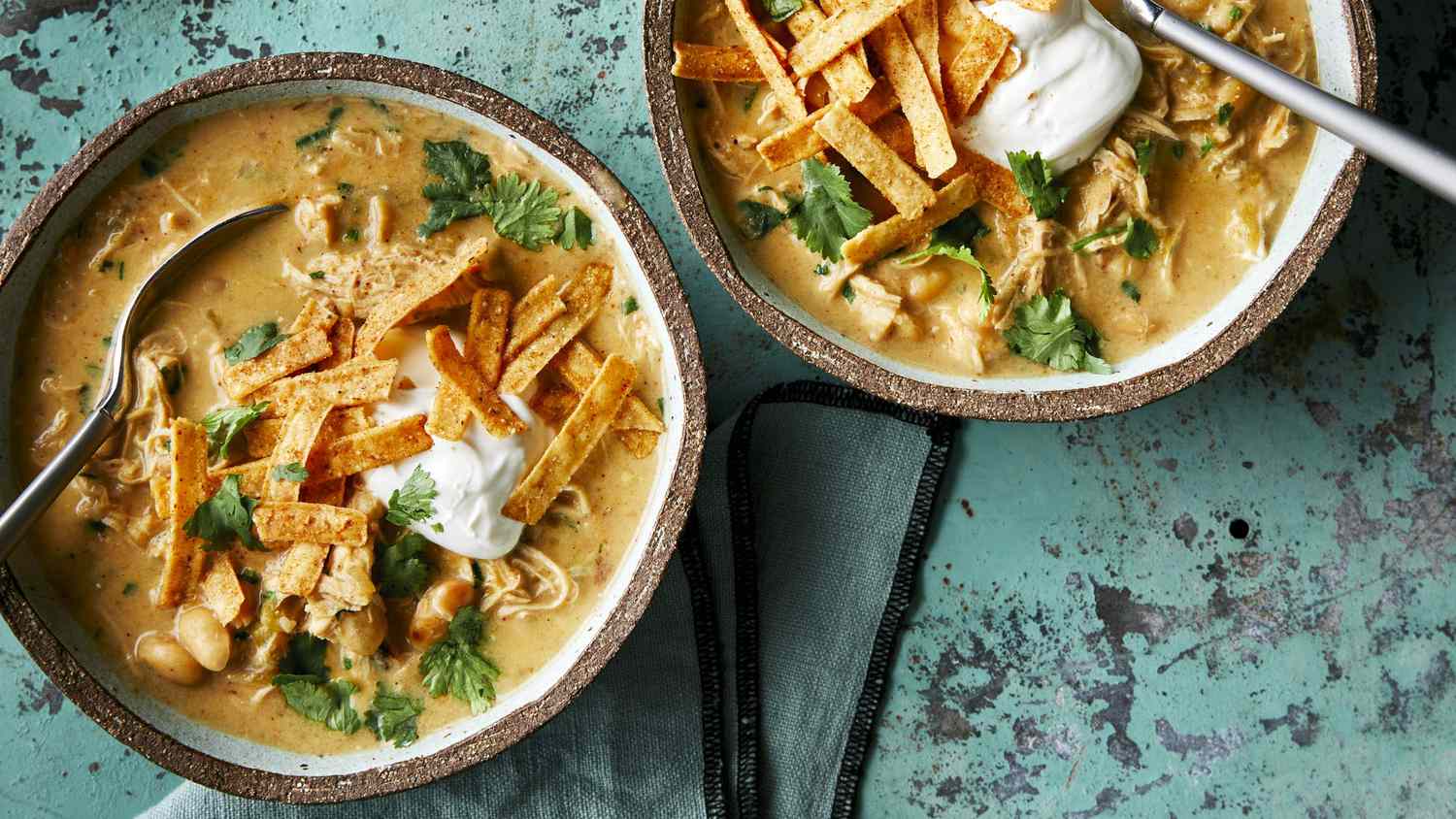
    12. Instant Pot White Chicken Chili
    12. Instant Pot White Chicken Chili

    Combine chicken breasts, white beans, green chilies, chicken broth, corn, onion, garlic, cumin, and oregano in the Instant Pot. Pressure cook for 15 minutes. Shred the chicken and stir in a splash of cream cheese for richness. Top with avocado, cilantro, and a squeeze of lime. Total time: 30 minutes including pressurization. Per serving: approximately 360 calories, 34g protein.

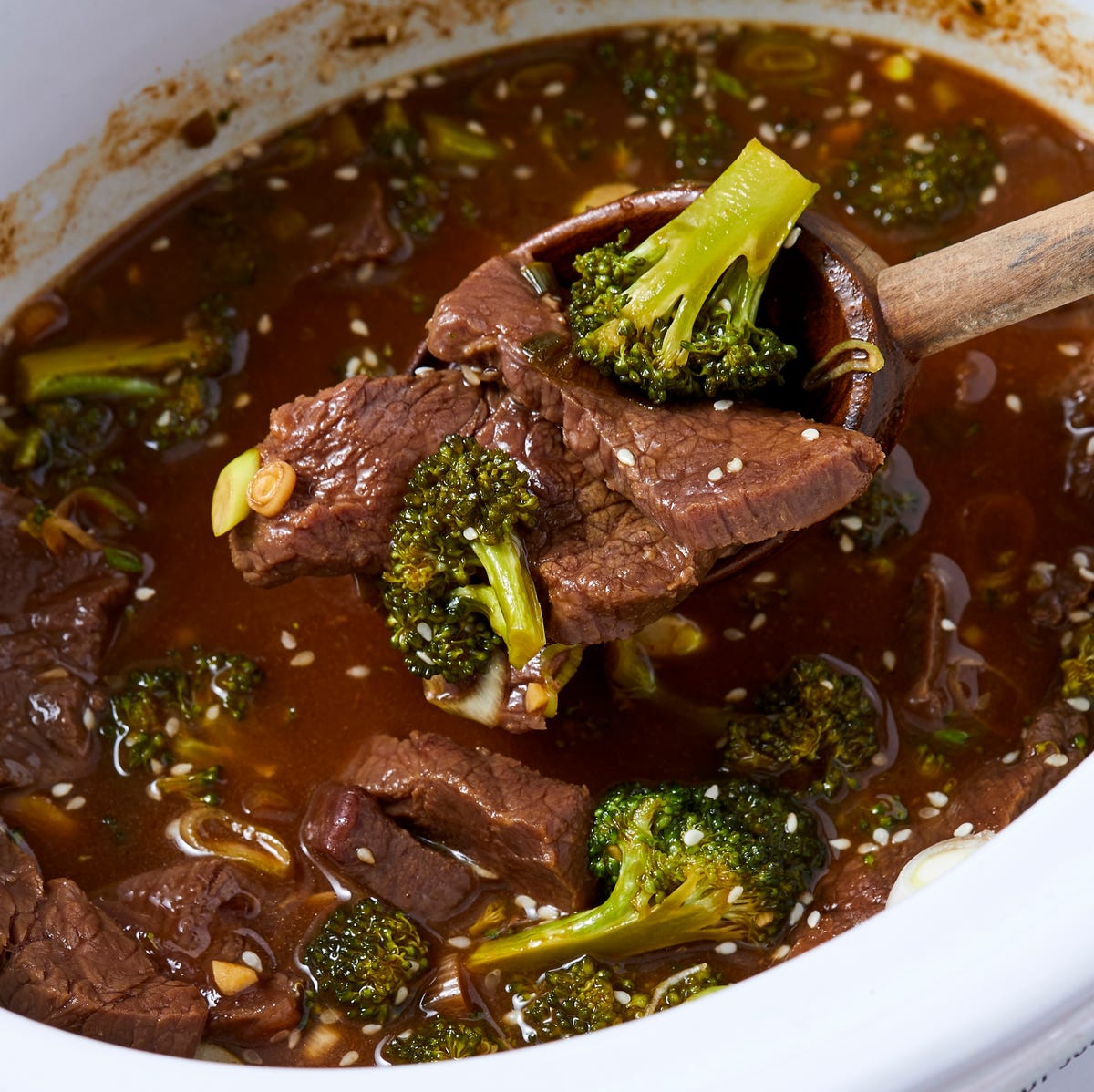
    13. Slow Cooker Beef and Broccoli
    13. Slow Cooker Beef and Broccoli

    Place sliced flank steak in the slow cooker with soy sauce, beef broth, brown sugar (just a tablespoon), garlic, and ginger. Cook on low for five to six hours. Add steamed broccoli florets in the last 30 minutes. Thicken the sauce with a cornstarch slurry. Serve over brown rice. Prep time: 10 minutes. Per serving: approximately 400 calories, 35g protein.

    14. Instant Pot Lentil Soup
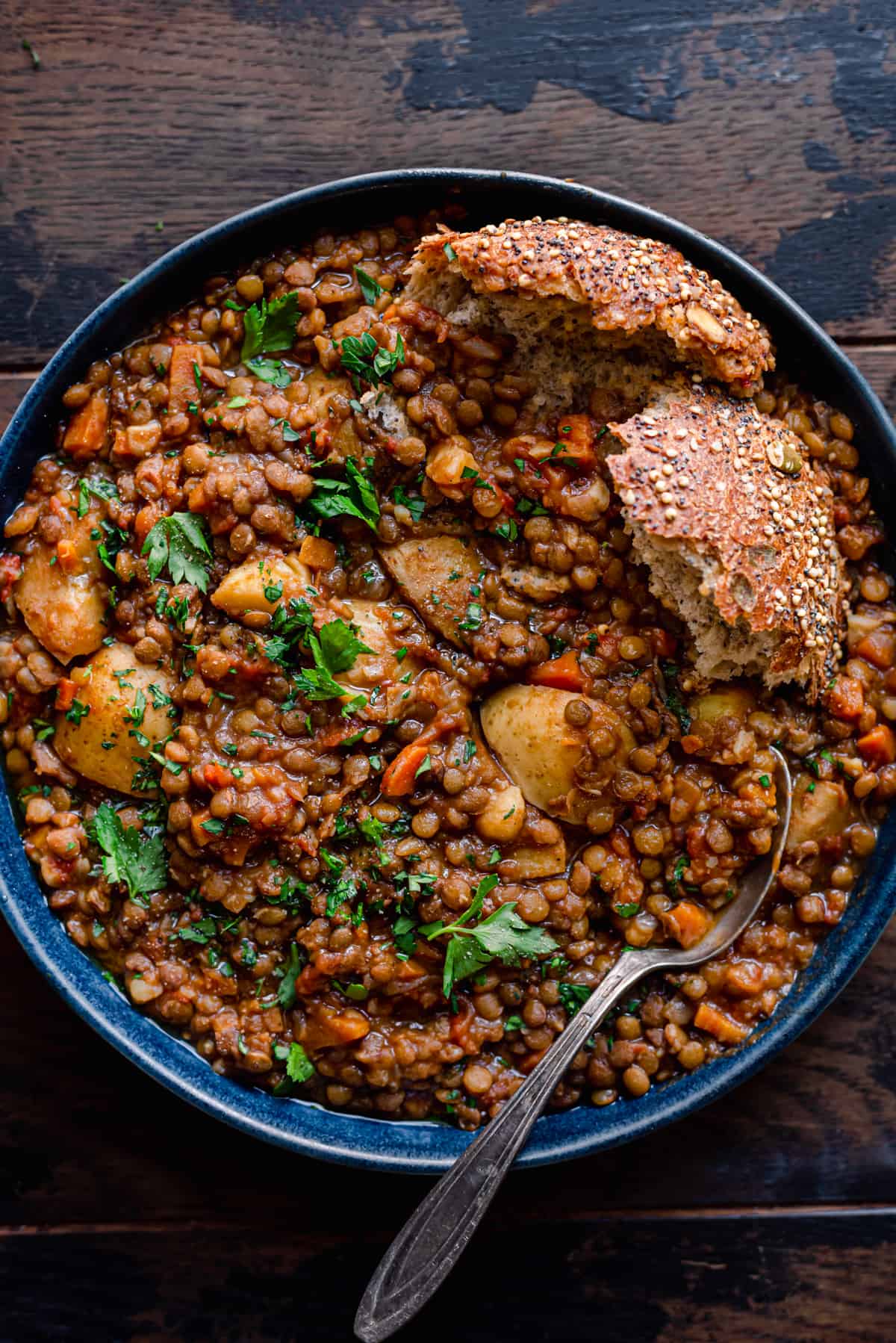
    14. Instant Pot Lentil Soup

    Saute onion, carrot, and celery in the Instant Pot on saute mode. Add dried lentils, diced tomatoes, vegetable broth, cumin, turmeric, and smoked paprika. Pressure cook for 12 minutes. Season with lemon juice and serve with crusty bread. Total time: 25 minutes. Per serving: approximately 300 calories, 18g protein.

    15. Slow Cooker Stuffed Pepper Soup
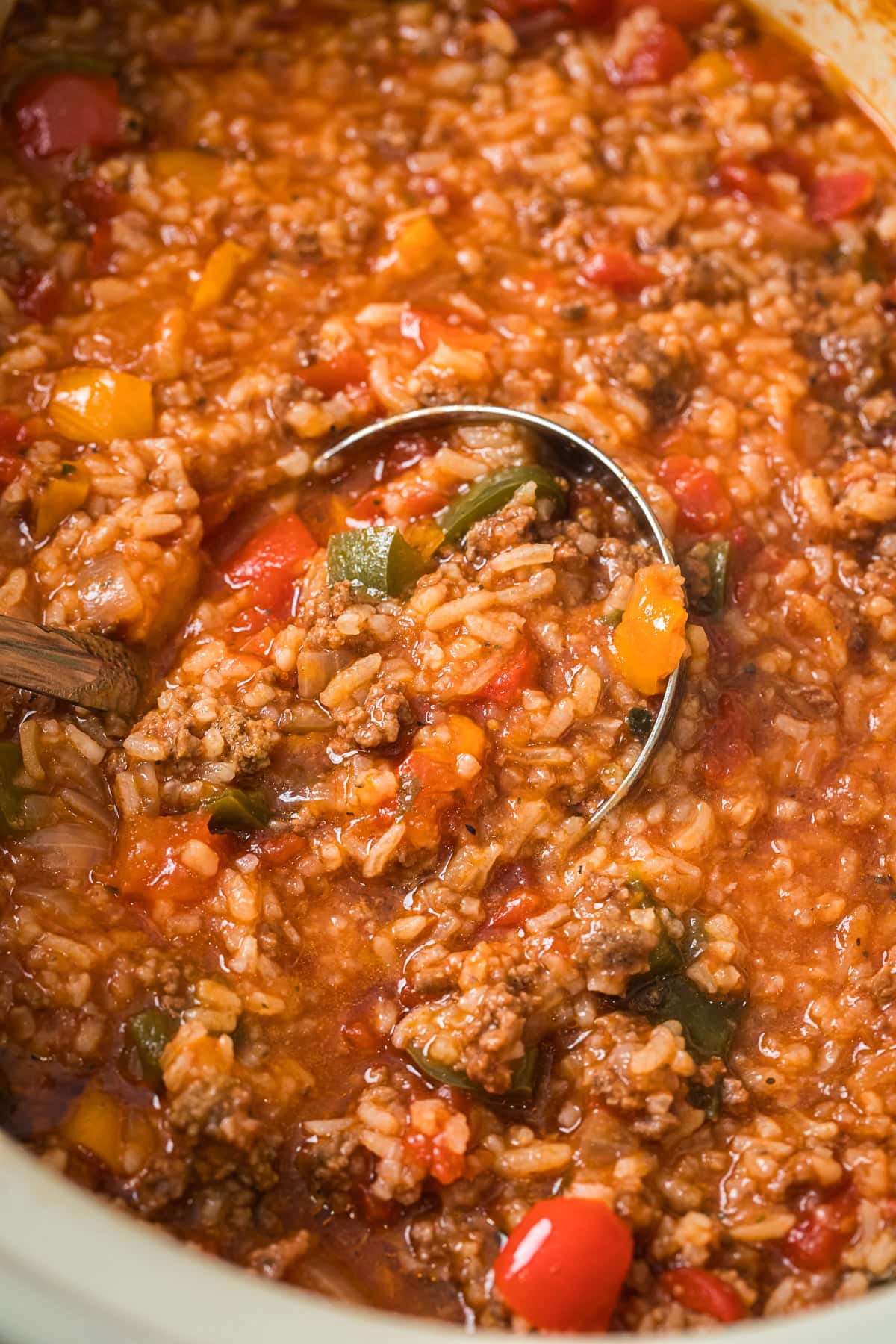
    15. Slow Cooker Stuffed Pepper Soup

    Combine lean ground turkey (browned), diced bell peppers, canned diced tomatoes, tomato sauce, cooked brown rice, chicken broth, Italian seasoning, and garlic in the slow cooker. Cook on low for six hours. Top with a sprinkle of mozzarella. All the flavors of stuffed peppers with none of the assembly work. Prep time: 15 minutes. Per serving: approximately 340 calories, 28g protein.

    Vegetarian and Plant-Based Healthy Dinners
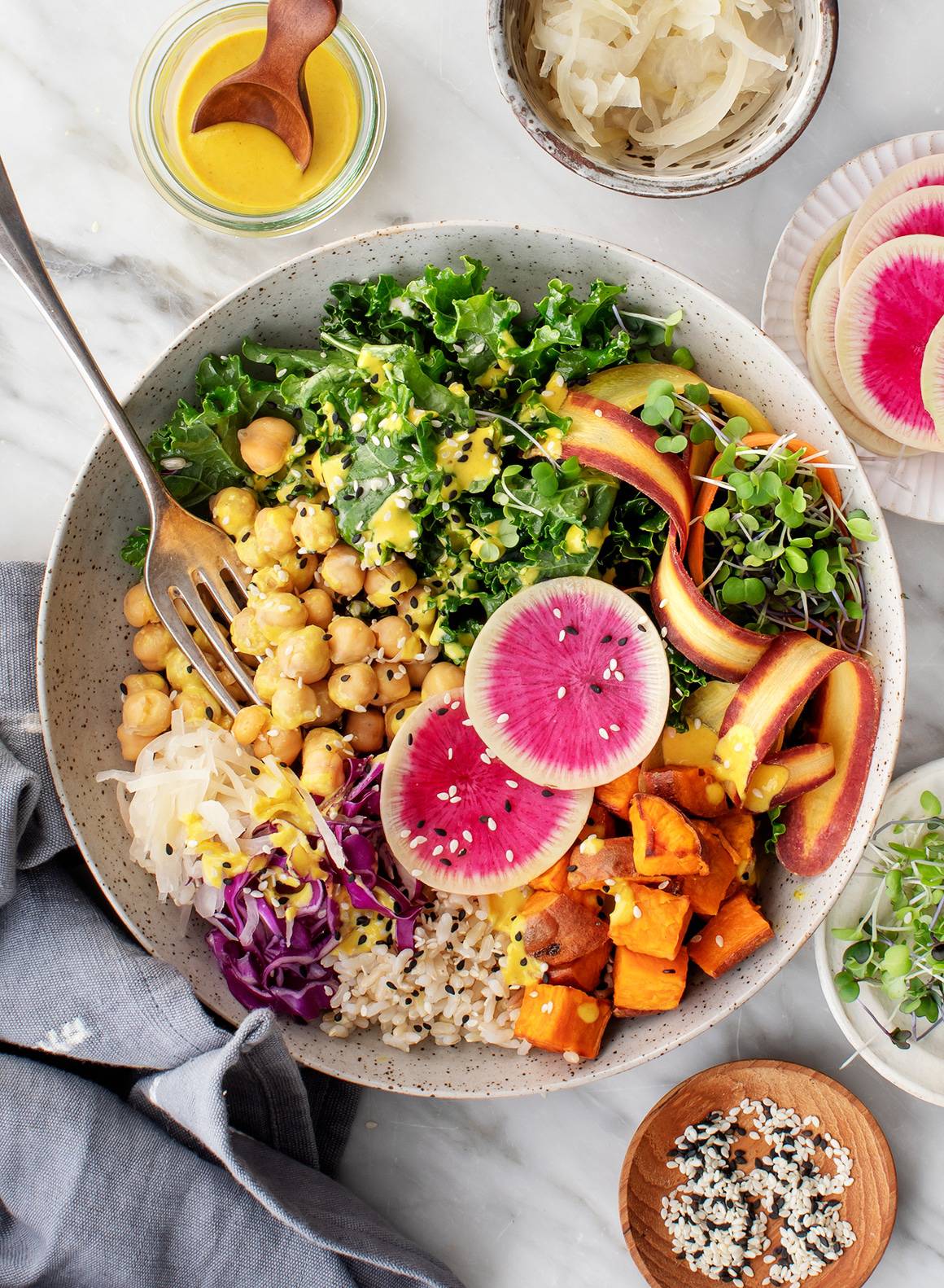
    Vegetarian and Plant-Based Healthy Dinners

    16. Chickpea and Sweet Potato Curry
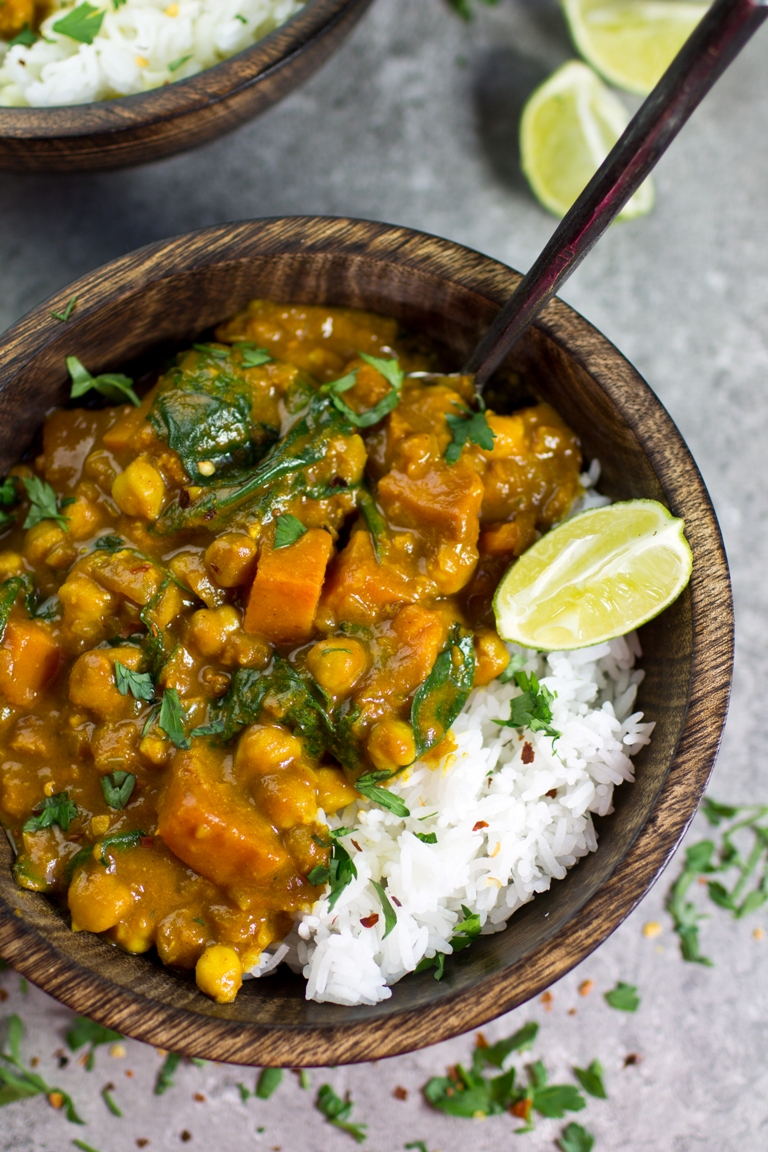
    16. Chickpea and Sweet Potato Curry

    Saute onion, garlic, and ginger in a pot. Add curry powder, turmeric, and cumin. Add cubed sweet potato, canned chickpeas, canned coconut milk, and vegetable broth. Simmer for 20 minutes until sweet potatoes are tender. Stir in spinach until wilted. Serve over brown rice or with naan. Total time: 30 minutes. Per serving: approximately 380 calories, 14g protein.

    17. Vegetable and Bean Burrito Bowls
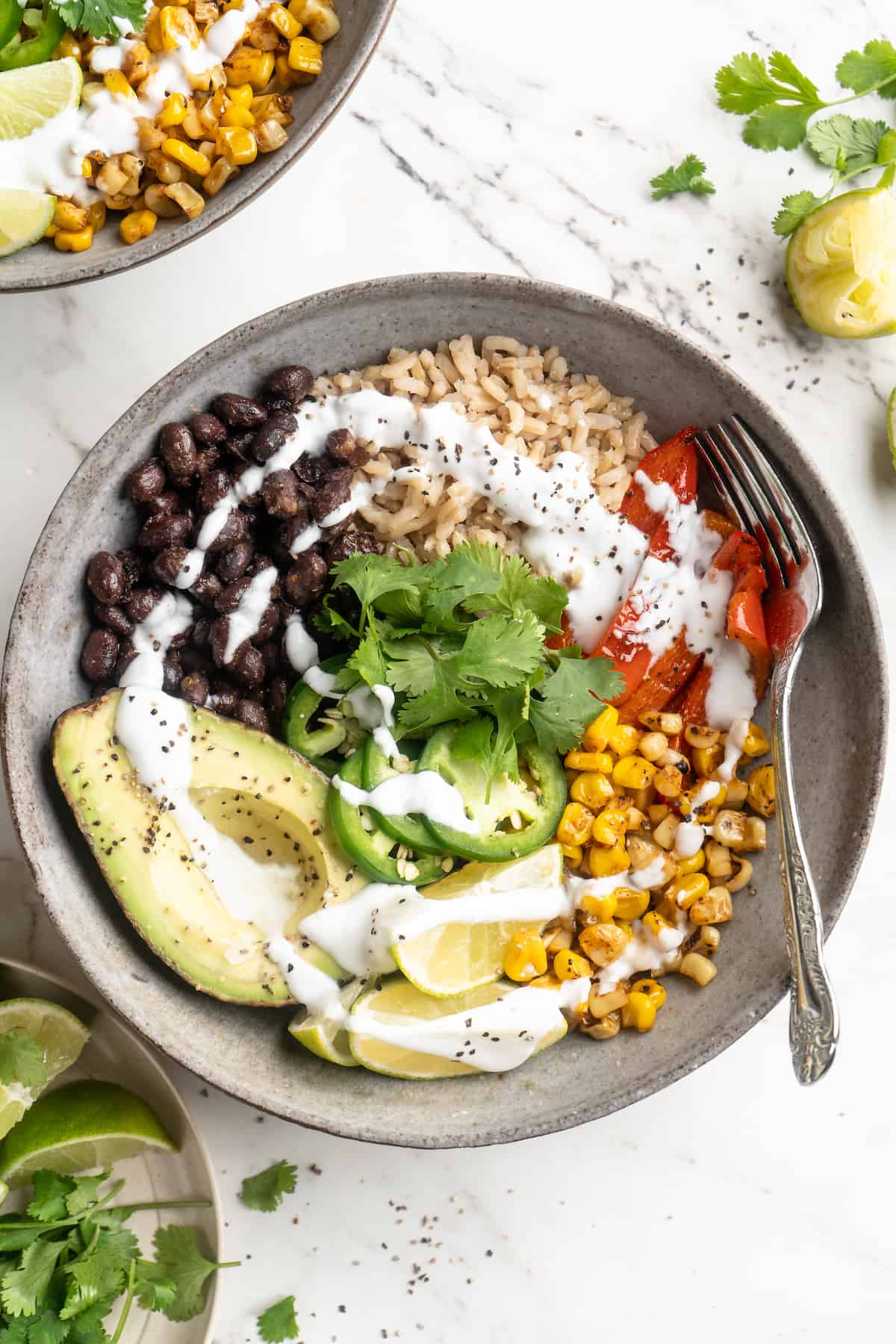
    17. Vegetable and Bean Burrito Bowls

    Layer brown rice or cauliflower rice with seasoned black beans, roasted corn, sauteed fajita vegetables, diced tomatoes, shredded lettuce, guacamole, and a drizzle of lime crema (Greek yogurt mixed with lime juice). Total time: 20 minutes. Per serving: approximately 400 calories, 16g protein.

    18. Mushroom and Spinach Stuffed Shells
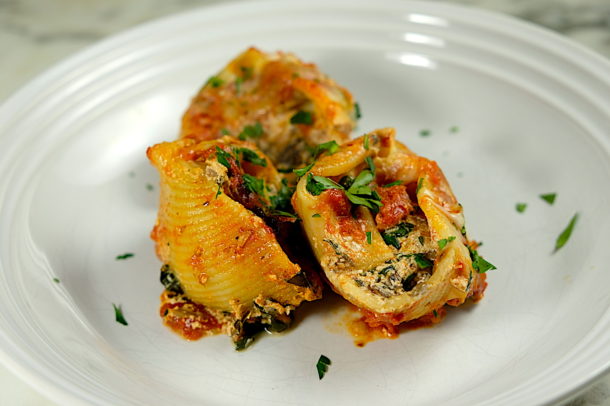
    18. Mushroom and Spinach Stuffed Shells

    Cook jumbo pasta shells. Mix sauteed mushrooms and spinach with part-skim ricotta, garlic, Parmesan, and Italian seasoning. Stuff the shells, place in a baking dish, cover with marinara sauce and mozzarella. Bake at 375 degrees for 25 minutes. Total time: 40 minutes. Per serving: approximately 370 calories, 20g protein.

    19. Thai Peanut Noodle Stir-Fry
    19. Thai Peanut Noodle Stir-Fry

    Cook whole wheat spaghetti. Stir-fry edamame, shredded cabbage, carrots, and bell peppers. Toss everything with a sauce of peanut butter, soy sauce, lime juice, ginger, garlic, and a splash of sriracha. Top with crushed peanuts and cilantro. Total time: 20 minutes. Per serving: approximately 420 calories, 18g protein.

    20. Mediterranean Baked Falafel Bowls
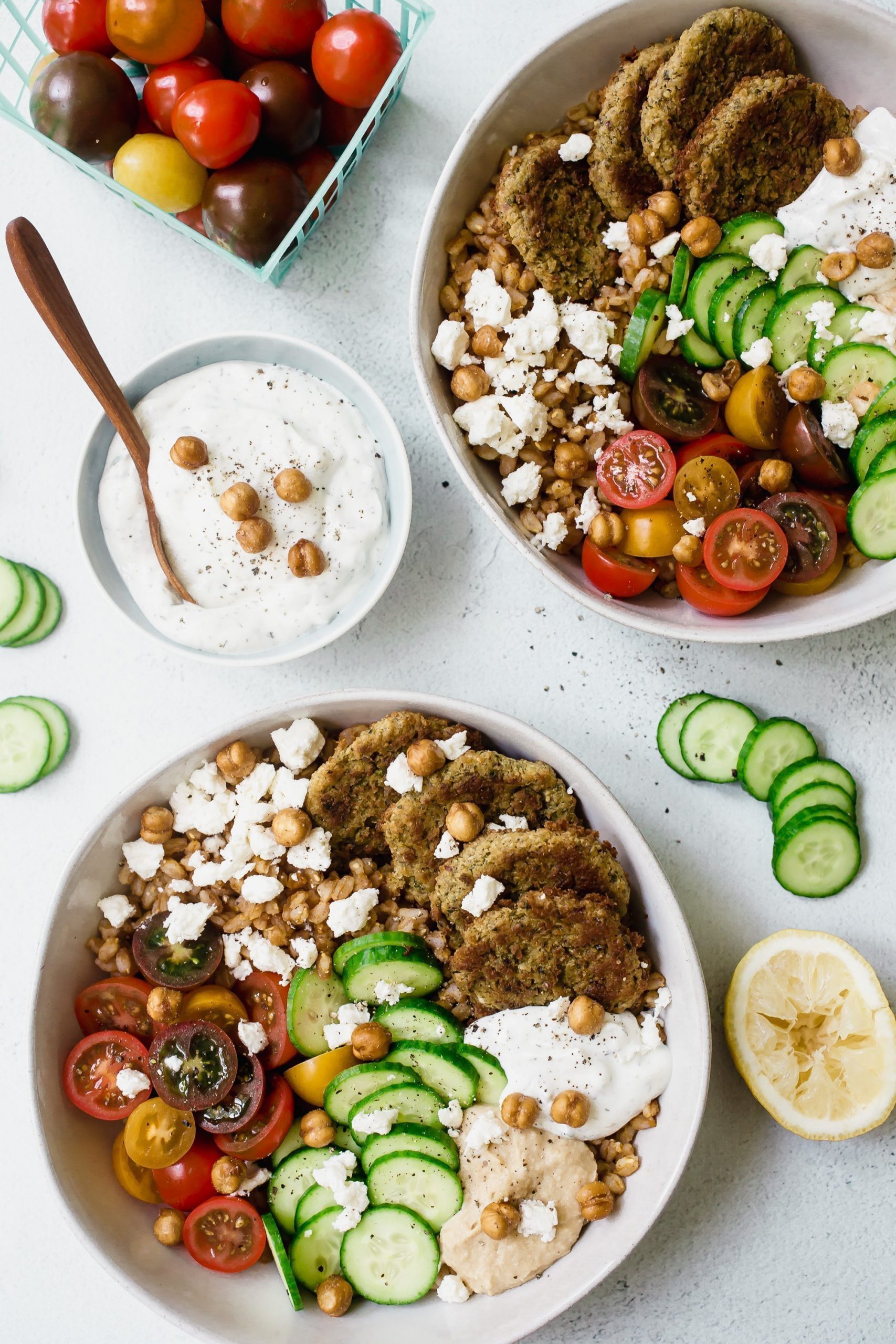
    20. Mediterranean Baked Falafel Bowls

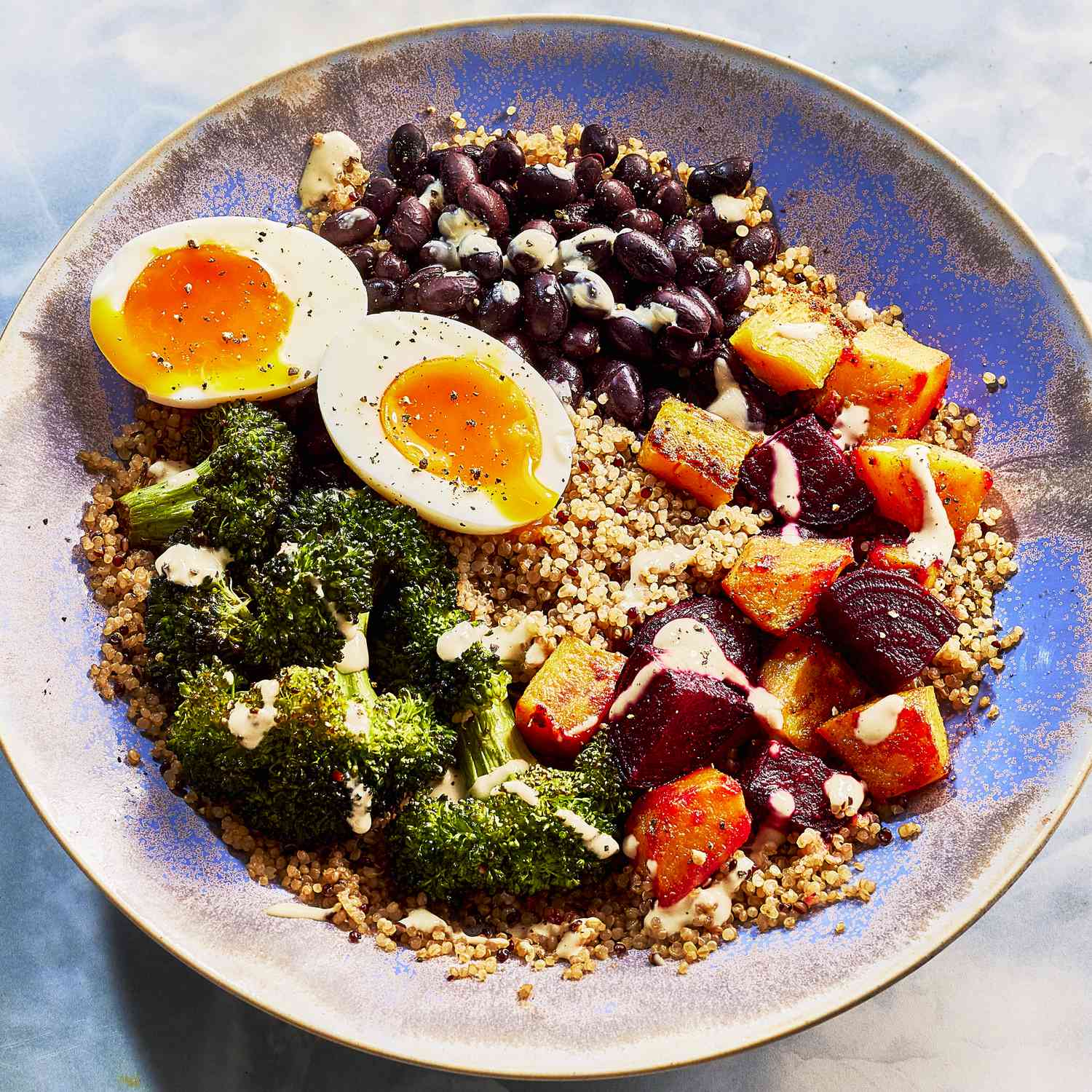
    Make baked falafel from canned chickpeas blended with parsley, cilantro, garlic, cumin, and flour, formed into patties and baked at 400 degrees for 25 minutes. Serve over a bed of greens with hummus, diced cucumber and tomato, pickled red onion, feta cheese, and a drizzle of tahini dressing. Total time: 35 minutes. Per serving: approximately 390 calories, 16g protein. A compact food processor makes blending the falafel mixture quick and effortless.

    Tips for Making Healthy Dinners a Family Habit
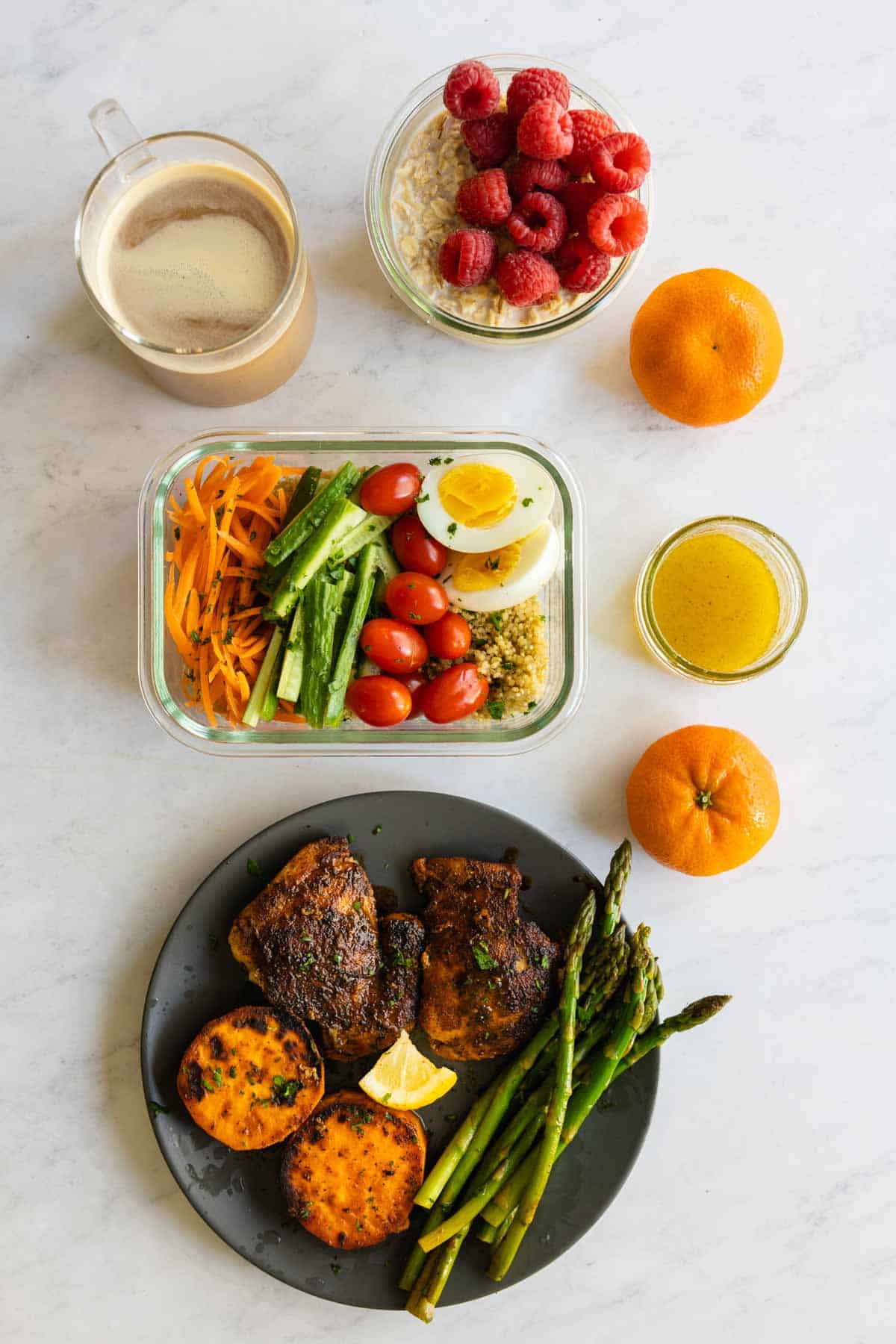
    Tips for Making Healthy Dinners a Family Habit

    Involve Everyone in the Process
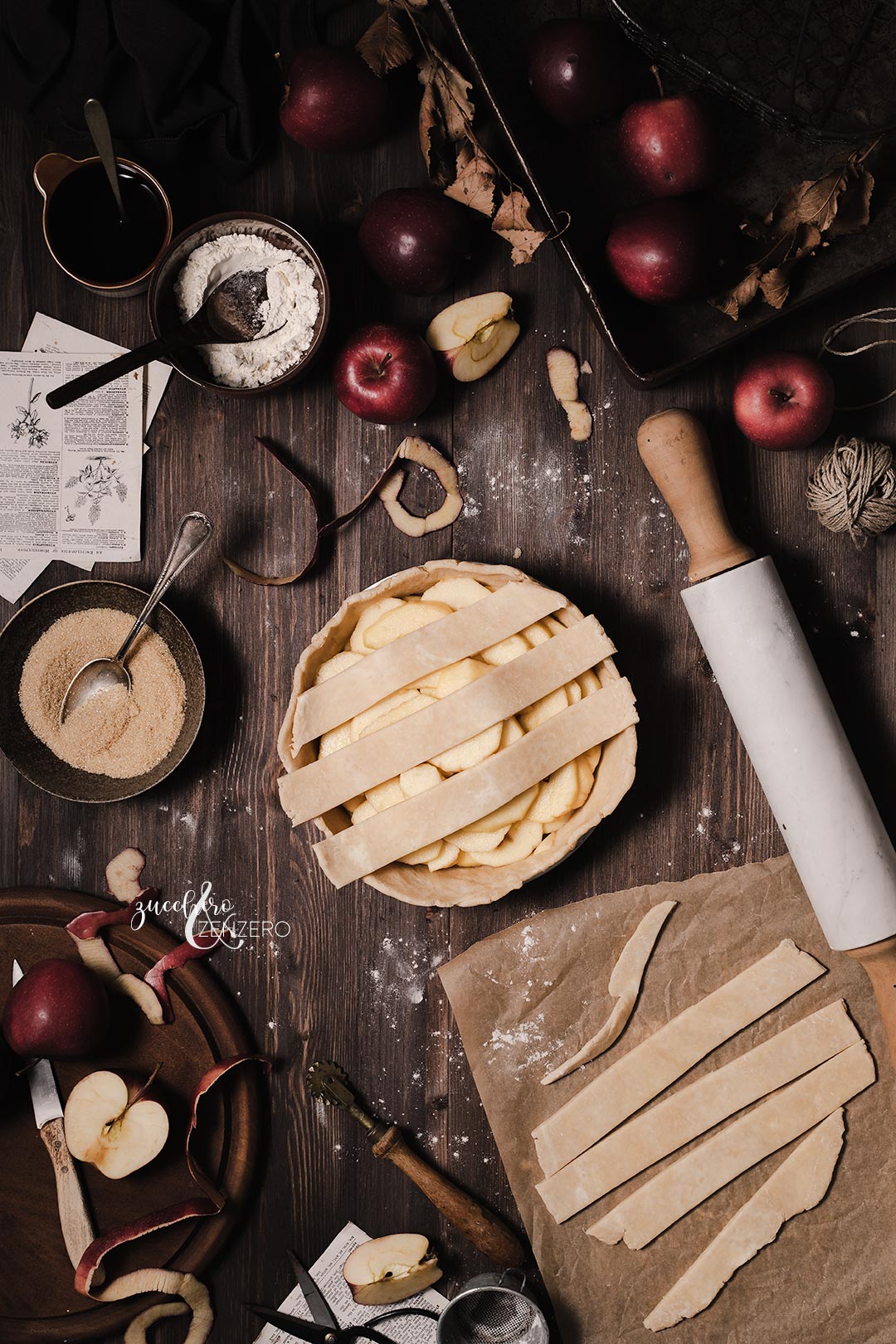
    Involve Everyone in the Process

    Kids and partners who help cook are more likely to eat and enjoy the food. Assign age-appropriate tasks – younger kids can wash vegetables and stir, older kids can chop and measure, and partners can handle grilling or prep. Cooking together also creates family bonding time that makes healthy eating feel like a shared value rather than a mandate.

    Start with Familiar Flavors

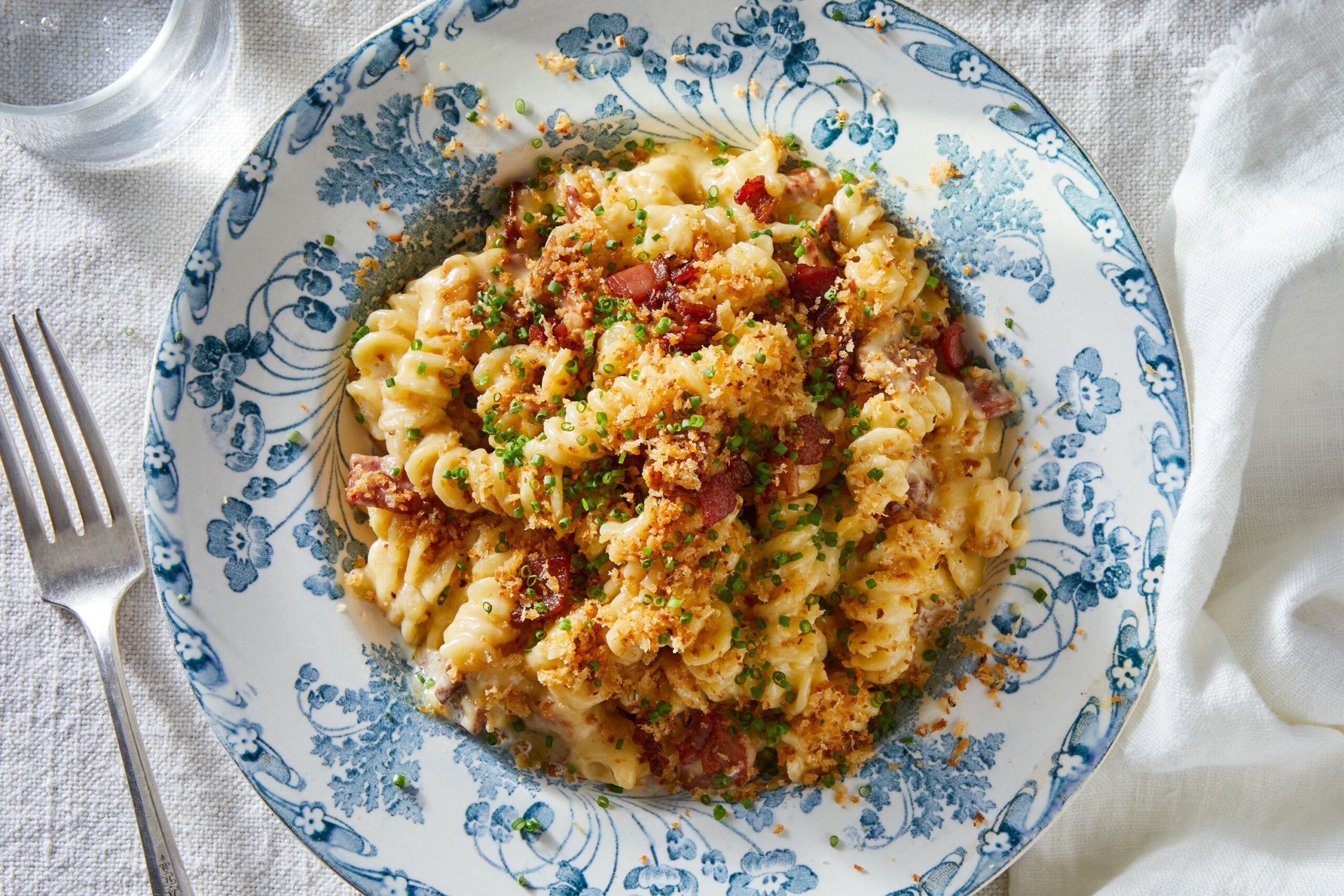
    If your family is used to takeout and processed food, do not start with quinoa bowls and unfamiliar ingredients. Start with healthier versions of their favorites – homemade chicken tenders, better tacos, lighter mac and cheese. Once the family is on board with the concept, you can gradually introduce new recipes.

    Meal Plan on the Weekend
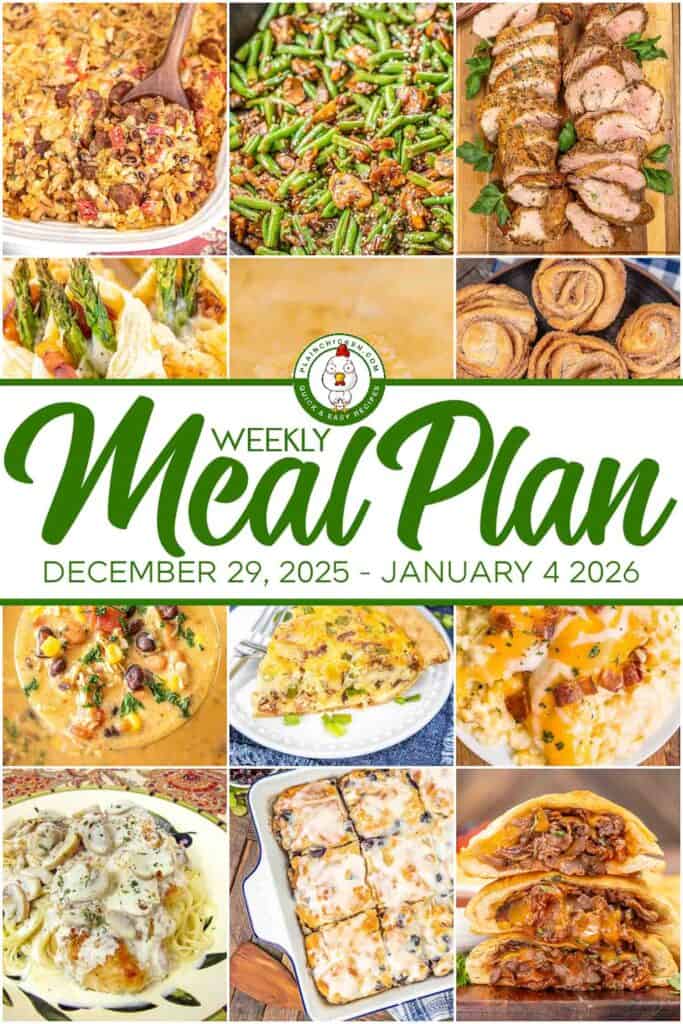
    Meal Plan on the Weekend

    Spending 15 minutes on Sunday planning the week’s dinners and creating a shopping list eliminates the dreaded 5 PM “what are we eating” panic that leads to takeout orders. Choose three to four recipes for the week, shop once, and know exactly what you are making each night.

    Make Double Batches

    Most of these recipes scale up easily. Making a double batch and freezing half gives you a ready-made healthy dinner for a future busy night. Soups, chilis, stir-fry sauces, and casseroles all freeze beautifully.

    Let Go of Perfection
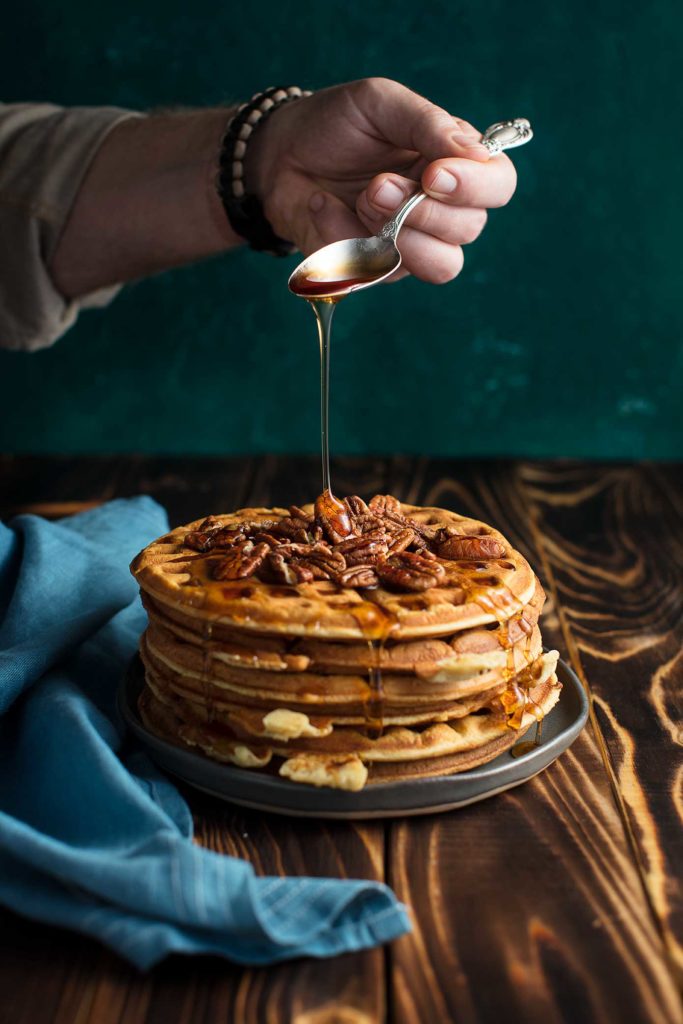
    Let Go of Perfection

    Not every dinner needs to be Instagram-worthy or nutritionally perfect. Some nights, scrambled eggs with toast and a side of fruit is a perfectly good dinner. The goal is progress, not perfection. Consistently making slightly better food choices over time adds up to significant health benefits – without the stress of trying to be perfect every single night.

    Key Takeaways

    • The best healthy dinner recipes for weight loss are satisfying (at least 25g protein), nutritionally dense (whole foods and vegetables), and sustainable (realistic prep times).
    • These 20 recipes are organized by cooking method – quick meals, sheet pan, slow cooker, and plant-based – so you can choose based on your energy level and schedule.
    • Sheet pan and slow cooker meals are ideal for busy families because they require minimal prep and cleanup while delivering maximum flavor.
    • Making healthy dinners a family habit starts with involving everyone in cooking, starting with familiar flavors, and meal planning on the weekend.
    • Consistency matters more than perfection – making slightly better food choices most nights adds up to significant health improvements over time.

    Frequently Asked Questions

    How many calories should a healthy dinner be for weight management?

    There is no universal answer because calorie needs vary widely based on age, activity level, height, and metabolism. However, for most women pursuing moderate weight management, dinner typically falls in the 350 to 500 calorie range. The recipes in this article range from about 300 to 420 calories per serving, which fits comfortably in most daily calorie targets. Rather than obsessing over exact calorie counts, focus on filling half your plate with vegetables, a quarter with lean protein, and a quarter with whole grains. This naturally creates a balanced, moderate-calorie meal.

    What is the best protein for healthy dinner recipes?
    What is the best protein for healthy dinner recipes?

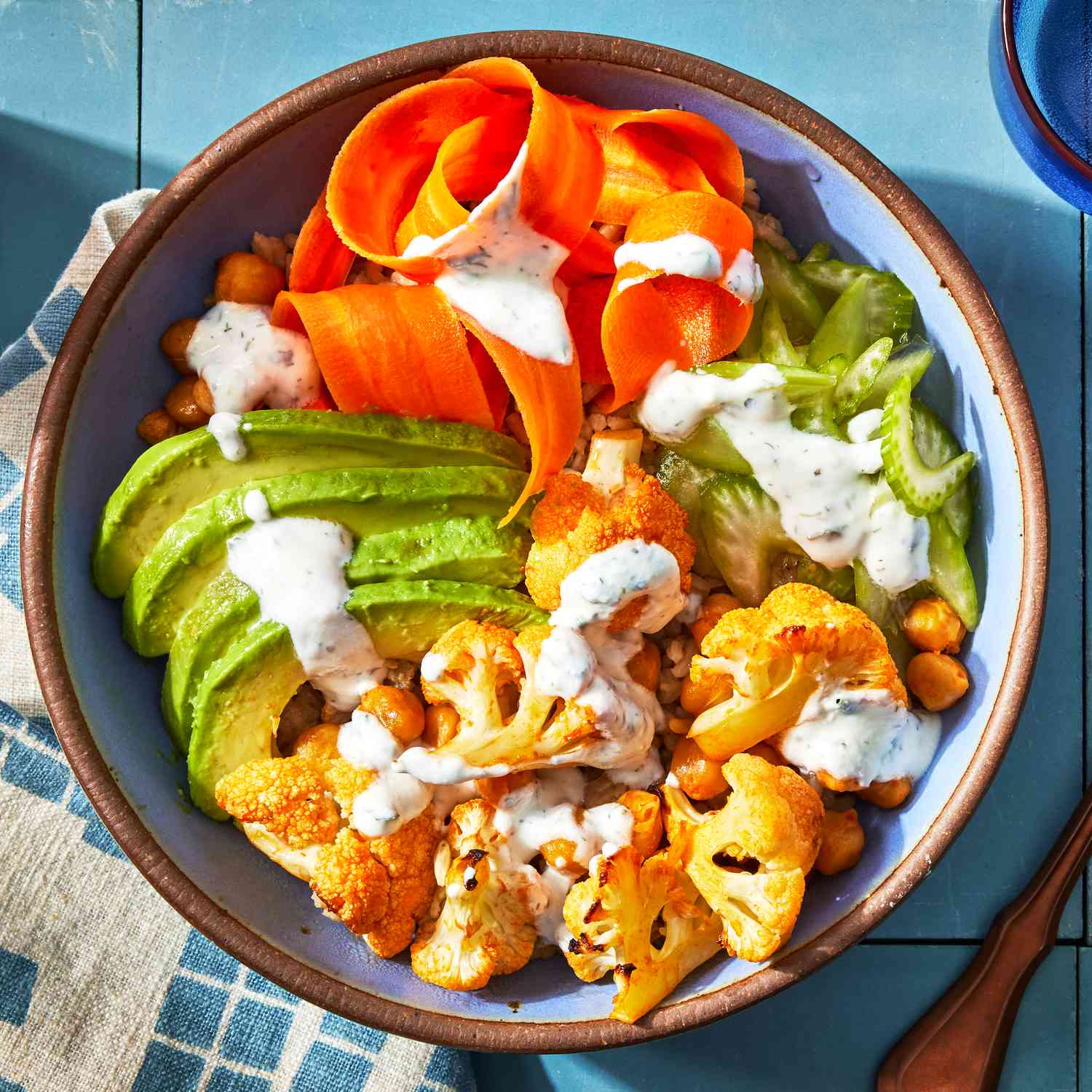
    The best protein is the one you enjoy and will eat consistently. Chicken breast, turkey, fish (especially salmon and white fish), shrimp, lean pork tenderloin, and eggs are all excellent animal protein choices. For plant-based options, beans, lentils, chickpeas, tofu, tempeh, and edamame provide substantial protein with added fiber. Variety is key – rotating through different proteins throughout the week ensures a diverse nutrient intake and keeps meals interesting.

    Can I eat carbs at dinner and still manage my weight?

    Yes. Carbohydrates are not the enemy of weight management. The type and amount of carbs matter more than their mere presence. Whole grains (brown rice, quinoa, whole wheat pasta), sweet potatoes, and legumes are excellent dinner carbs that provide sustained energy, fiber, and important nutrients. They also make meals more satisfying, which can actually prevent overeating later. The recipes in this article include balanced portions of whole-food carbohydrates alongside protein and vegetables.

    How do I get my kids to eat healthy dinners?

    The biggest mistake parents make is making a separate “kid meal.” Research shows that kids eat better when they eat the same food as the rest of the family. Start with healthier versions of foods they already like – chicken tenders, tacos, pasta, stir-fries. Involve them in cooking. Let them choose between two healthy options rather than giving no choice. Serve new foods alongside familiar ones without pressure. And model the behavior you want – kids who see their parents enjoying vegetables are more likely to try them. Patience is key – it can take 10 to 15 exposures before a child accepts a new food.
  • 10 Healthy Smoothie Recipes That Actually Keep You Full Until Lunch

    10 Healthy Smoothie Recipes That Actually Keep You Full Until Lunch

    We have all been there. You wake up with the best intentions, blend up a beautiful, colorful smoothie, post a photo of it looking all gorgeous and healthy, take a few sips, feel great about your life choices – and then by 10 AM you are so hungry that you could eat your keyboard. What happened? Was the smoothie a lie?

    Not exactly. The smoothie was probably delicious and full of vitamins. But if it was made mostly from fruit and juice (which is how most smoothie recipes are designed), it was essentially a liquid sugar bomb with very little protein, fat, or fiber to slow digestion. Your body processed it in about 45 minutes, your blood sugar spiked and crashed, and suddenly the vending machine started whispering your name.

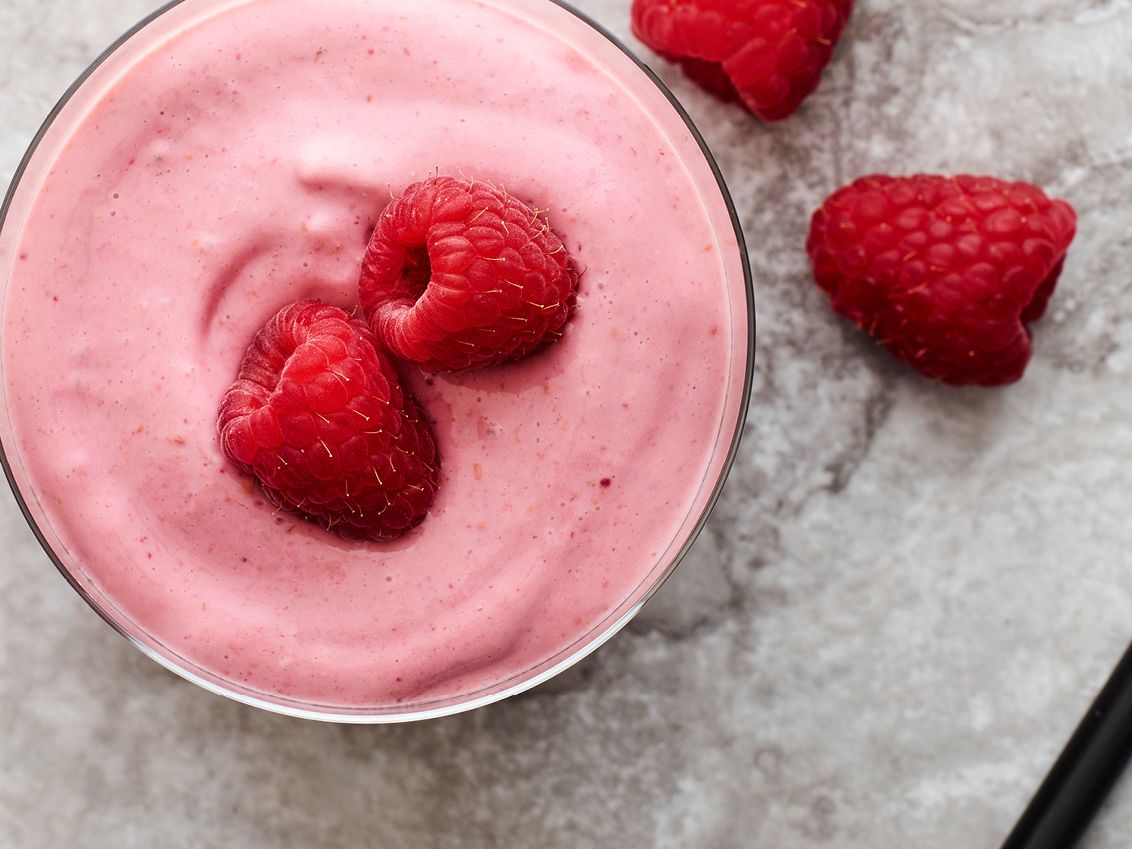
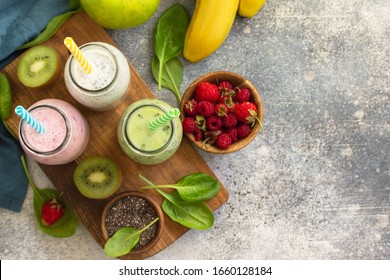
    The healthy smoothie recipes in this article are different. Every single one is designed with the science of satiety in mind – packed with protein to support muscle and metabolism, fiber to slow digestion, and healthy fats to keep your blood sugar stable. These are smoothies that genuinely function as meals, keeping you satisfied and energized from breakfast all the way to lunch. No mid-morning crash. No desperate snacking. Just sustained, comfortable fullness.

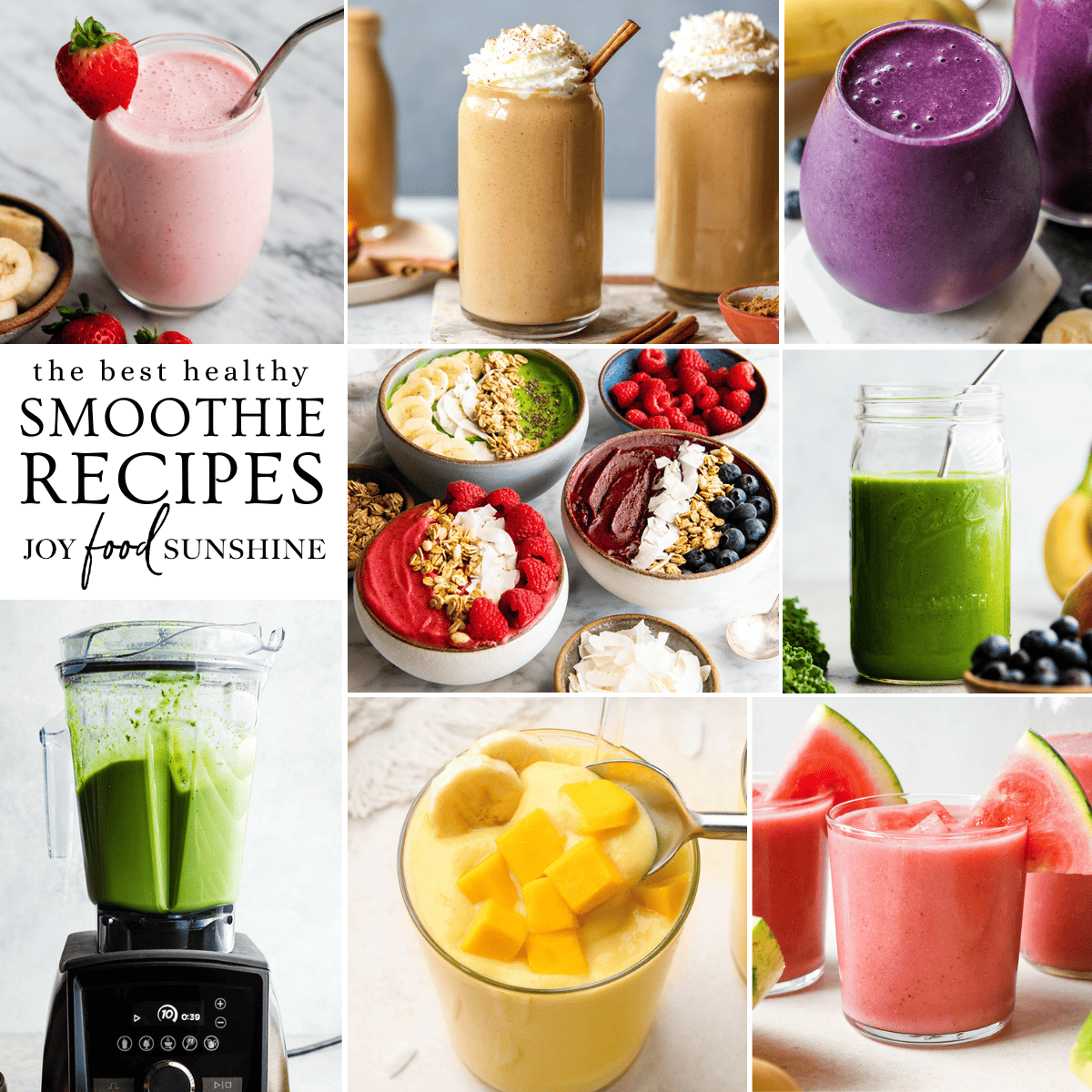
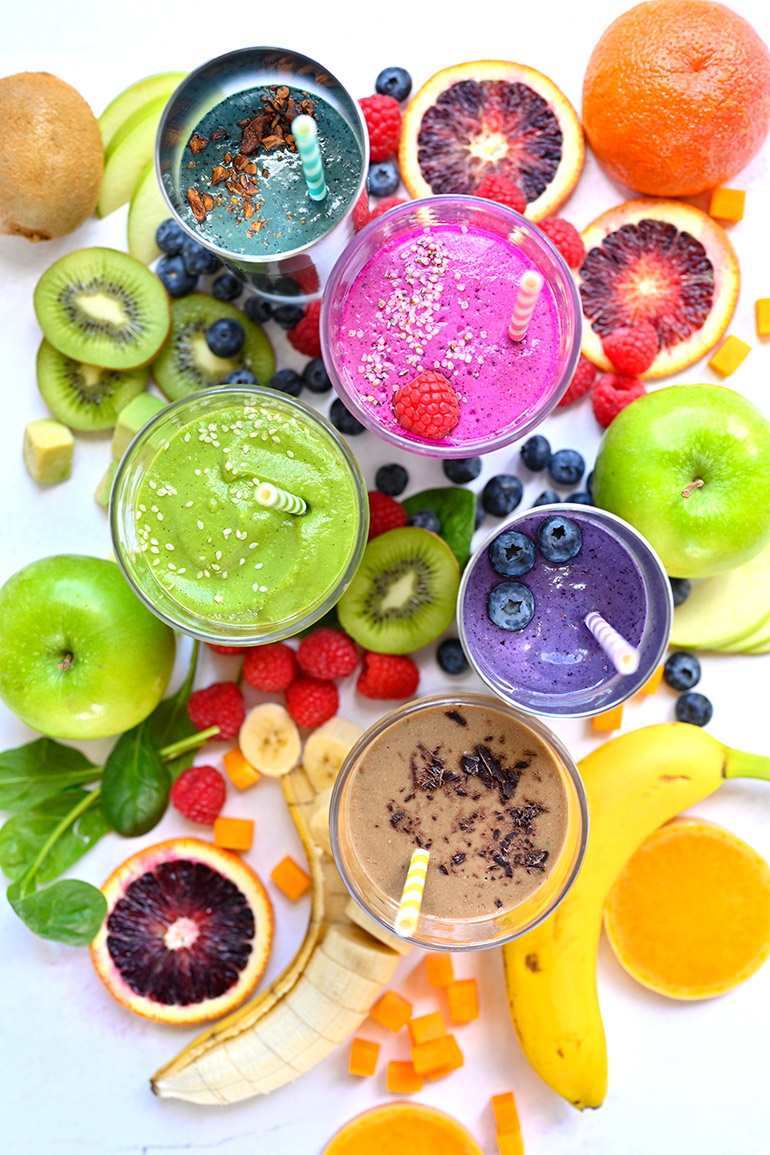
    Colorful array of healthy filling smoothies with fresh ingredients

    Why Most Smoothies Leave You Hungry an Hour Later

    Why Most Smoothies Leave You Hungry an Hour Later

    Understanding why typical smoothies fail at keeping you full helps you appreciate what makes these recipes different.

    Most smoothie recipes follow a basic formula: fruit plus liquid, maybe some yogurt. A typical recipe might call for a banana, a cup of berries, some orange juice, and a splash of honey. It tastes amazing. It photographs beautifully. And nutritionally, it is essentially the equivalent of eating a bowl of fruit – lots of natural sugar, some vitamins, minimal protein, minimal fat, and minimal fiber (because blending breaks down the fiber structure of whole fruit).

    When you drink this kind of smoothie, your body absorbs the sugars rapidly. Your blood sugar spikes. Your pancreas releases insulin to bring it back down. And then your blood sugar drops below where it started, triggering hunger signals and cravings for more sugar. It is a biochemical rollercoaster, and it is the reason you are starving by mid-morning.

    A truly filling smoothie needs three things working together: protein to trigger satiety hormones and support steady energy, fiber to slow the absorption of sugar and keep your digestive system working, and healthy fat to further slow digestion and provide long-lasting fuel. When all three are present, your smoothie becomes a complete meal that keeps your blood sugar stable for hours. These healthy smoothie recipes deliver all three in every glass.

    The Three Keys to a Truly Filling Smoothie

    The Three Keys to a Truly Filling Smoothie

    Key 1 – At Least 20 Grams of Protein

    Key 1 - At Least 20 Grams of Protein

    Protein is the most satiating macronutrient. It triggers the release of hormones like GLP-1 and PYY that signal fullness to your brain, and it takes longer to digest than carbohydrates. A filling smoothie needs at least 20 grams of protein. The best sources include protein powder (whey, pea, or hemp), Greek yogurt, silken tofu, cottage cheese, and nut butters. A high-quality plant-based protein powder is one of the easiest ways to hit this target without adding a lot of volume.

    Key 2 – At Least 5 Grams of Fiber

    Fiber slows digestion, feeds your gut bacteria, and creates physical bulk in your stomach that signals fullness. Great fiber sources for smoothies include flaxseed, chia seeds, oats, spinach, avocado, and berries (which have more fiber than most fruits). Ground flaxseed is particularly good because it adds fiber without significantly changing the texture.

    Key 3 – A Source of Healthy Fat

    Key 3 - A Source of Healthy Fat

    Fat takes the longest to digest of all macronutrients, which is why it is so effective at sustaining fullness. Good smoothie fats include avocado (which also makes smoothies incredibly creamy), nut butters, chia seeds, flaxseed, coconut oil, and full-fat yogurt. You do not need a lot – one to two tablespoons of a fat source is usually enough to significantly extend your smoothie’s staying power.

    10 Healthy Smoothie Recipes That Keep You Satisfied

    10 Healthy Smoothie Recipes That Keep You Satisfied

    Each of these recipes serves one and provides at least 20 grams of protein, 5 grams of fiber, and a source of healthy fat. They are all designed to keep you comfortably full for four to five hours.

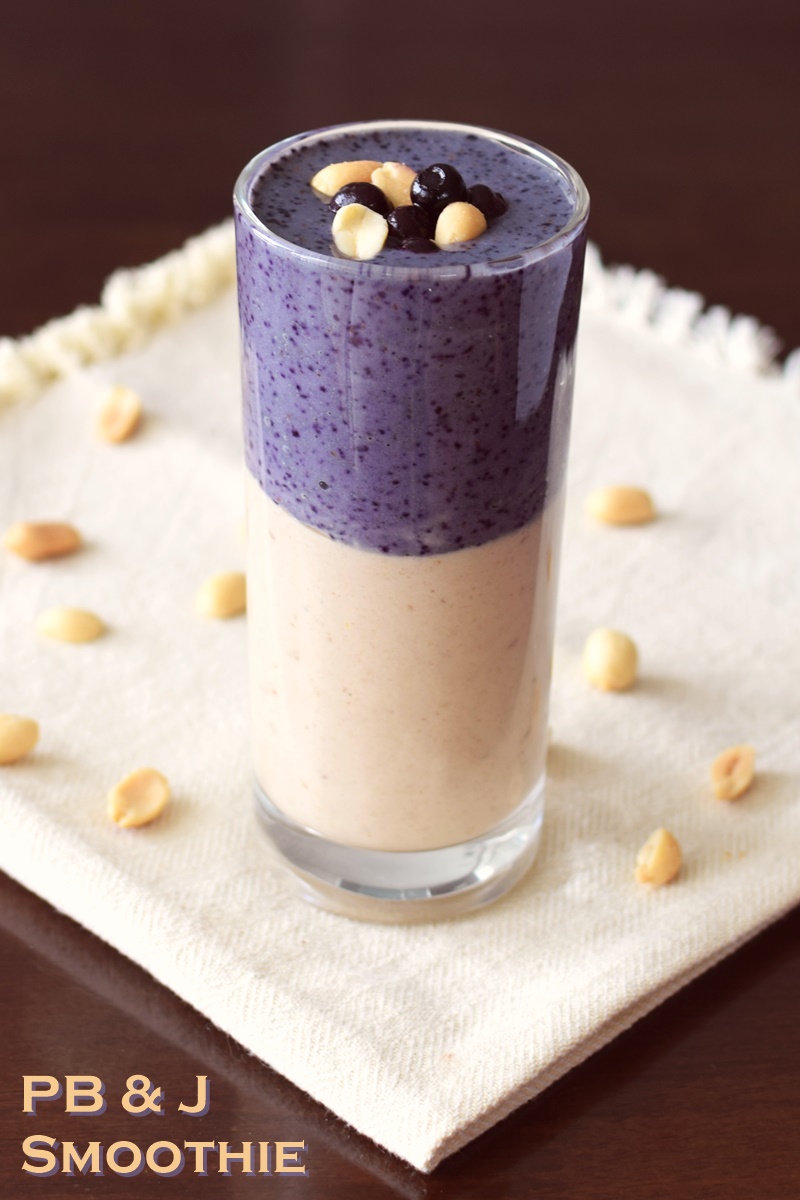
    Recipe 1 – The PB and J Power Smoothie

    Recipe 1 - The PB and J Power Smoothie

    Blend together one cup of frozen mixed berries, one scoop of vanilla protein powder, two tablespoons of natural peanut butter, one tablespoon of ground flaxseed, one cup of unsweetened almond milk, and a handful of ice. This tastes like a peanut butter and jelly sandwich in liquid form. The peanut butter provides healthy fats and protein, the berries deliver fiber and antioxidants, and the flaxseed adds omega-3s. About 30 grams of protein, 8 grams of fiber.

    Recipe 2 – The Green Machine

    Recipe 2 - The Green Machine

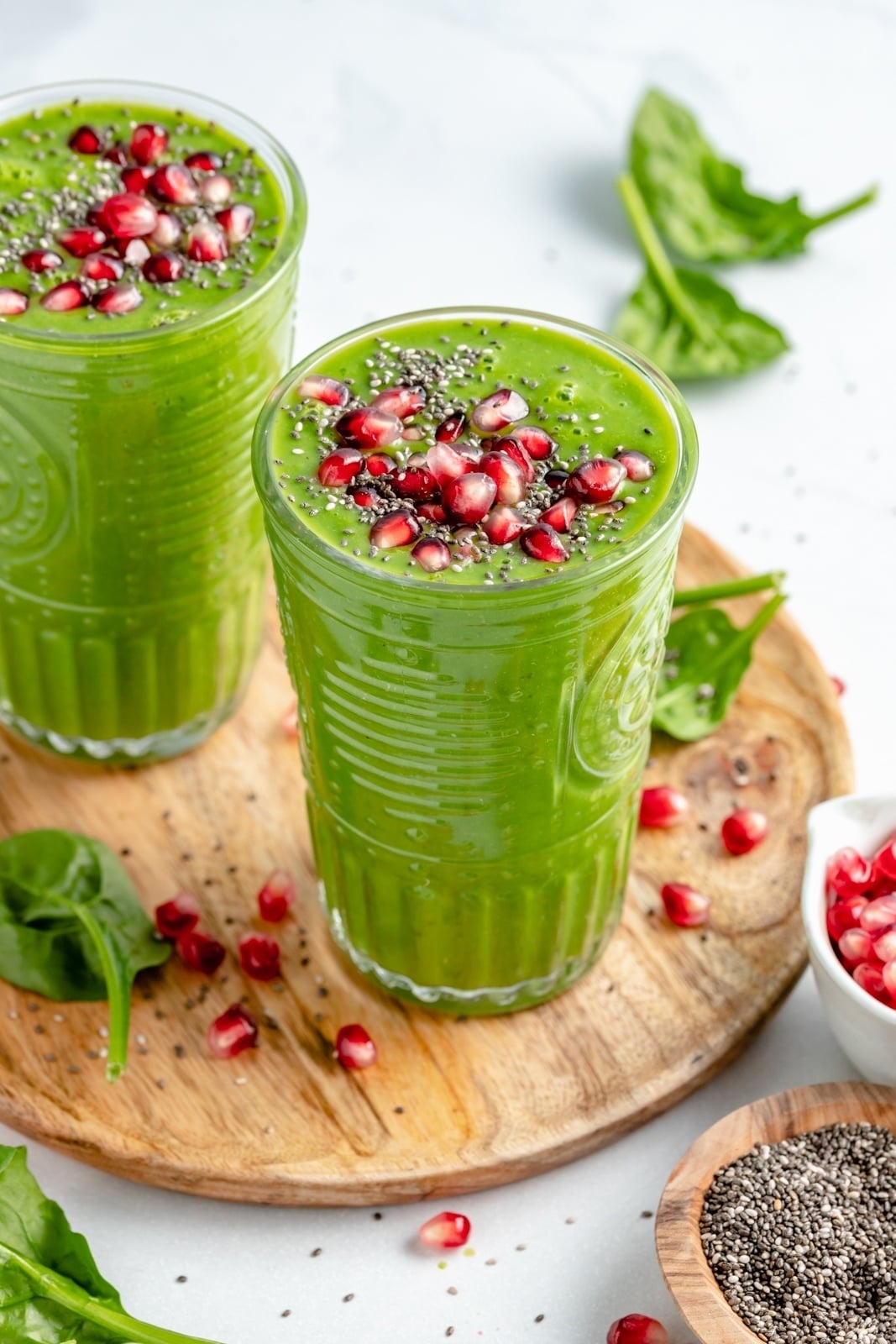
    Blend together two large handfuls of spinach, half a frozen banana, half an avocado, one scoop of vanilla or unflavored protein powder, one tablespoon of chia seeds, one cup of unsweetened oat milk, and a squeeze of lemon juice. The avocado makes this incredibly creamy while providing healthy fats that keep you full for hours. The spinach is virtually undetectable taste-wise but adds iron, fiber, and a gorgeous green color. About 25 grams of protein, 10 grams of fiber.

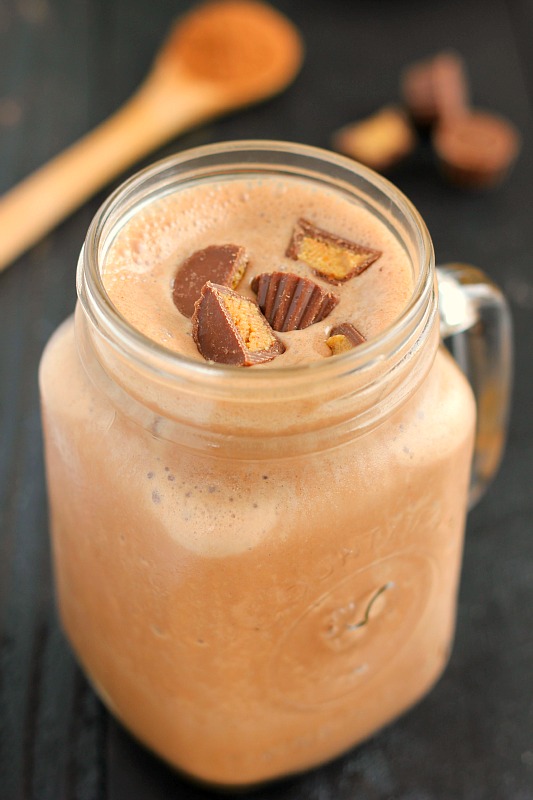
    Recipe 3 – Chocolate Peanut Butter Cup Smoothie

    Recipe 3 - Chocolate Peanut Butter Cup Smoothie

    Blend together one scoop of chocolate protein powder, two tablespoons of natural peanut butter, one frozen banana, one tablespoon of cocoa powder, one cup of unsweetened almond milk, and a handful of ice. This tastes indulgent but is packed with nutrition. The combination of chocolate and peanut butter is deeply satisfying, and this smoothie contains enough protein and fat to power you through even the busiest morning. About 35 grams of protein, 6 grams of fiber.

    Recipe 4 – Tropical Sunshine Smoothie

    Recipe 4 - Tropical Sunshine Smoothie

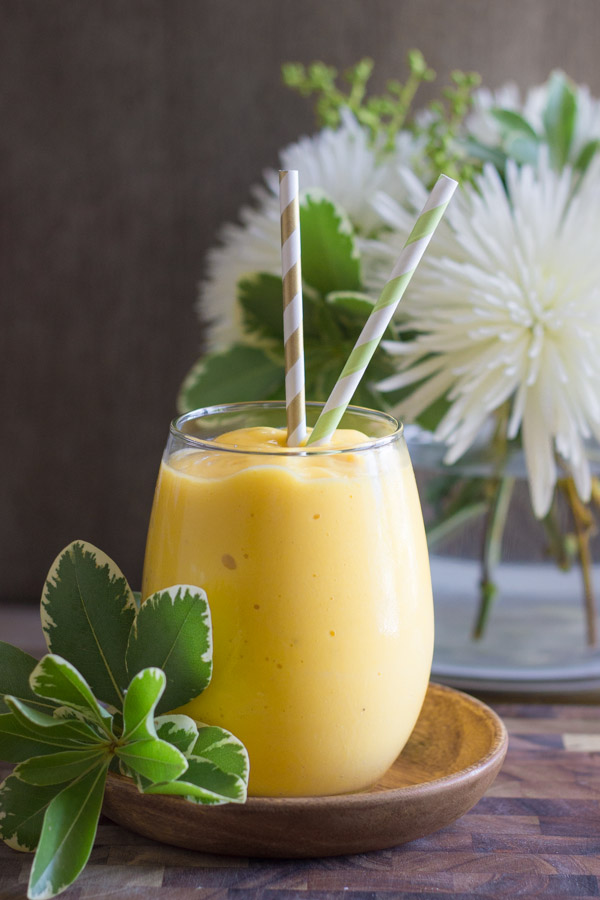
    Blend together one cup of frozen mango chunks, half a cup of frozen pineapple, one scoop of vanilla protein powder, quarter cup of full-fat coconut milk, one tablespoon of hemp seeds, half a cup of unsweetened coconut water, and a handful of ice. This is summer in a glass. The coconut milk provides satisfying fats, the hemp seeds add complete plant protein, and the tropical fruits bring natural sweetness and fiber. About 25 grams of protein, 5 grams of fiber.

    Recipe 5 – Berry Oatmeal Smoothie Bowl

    Recipe 5 - Berry Oatmeal Smoothie Bowl

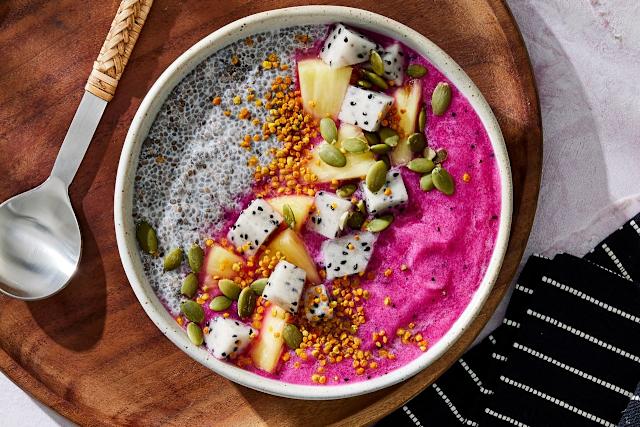
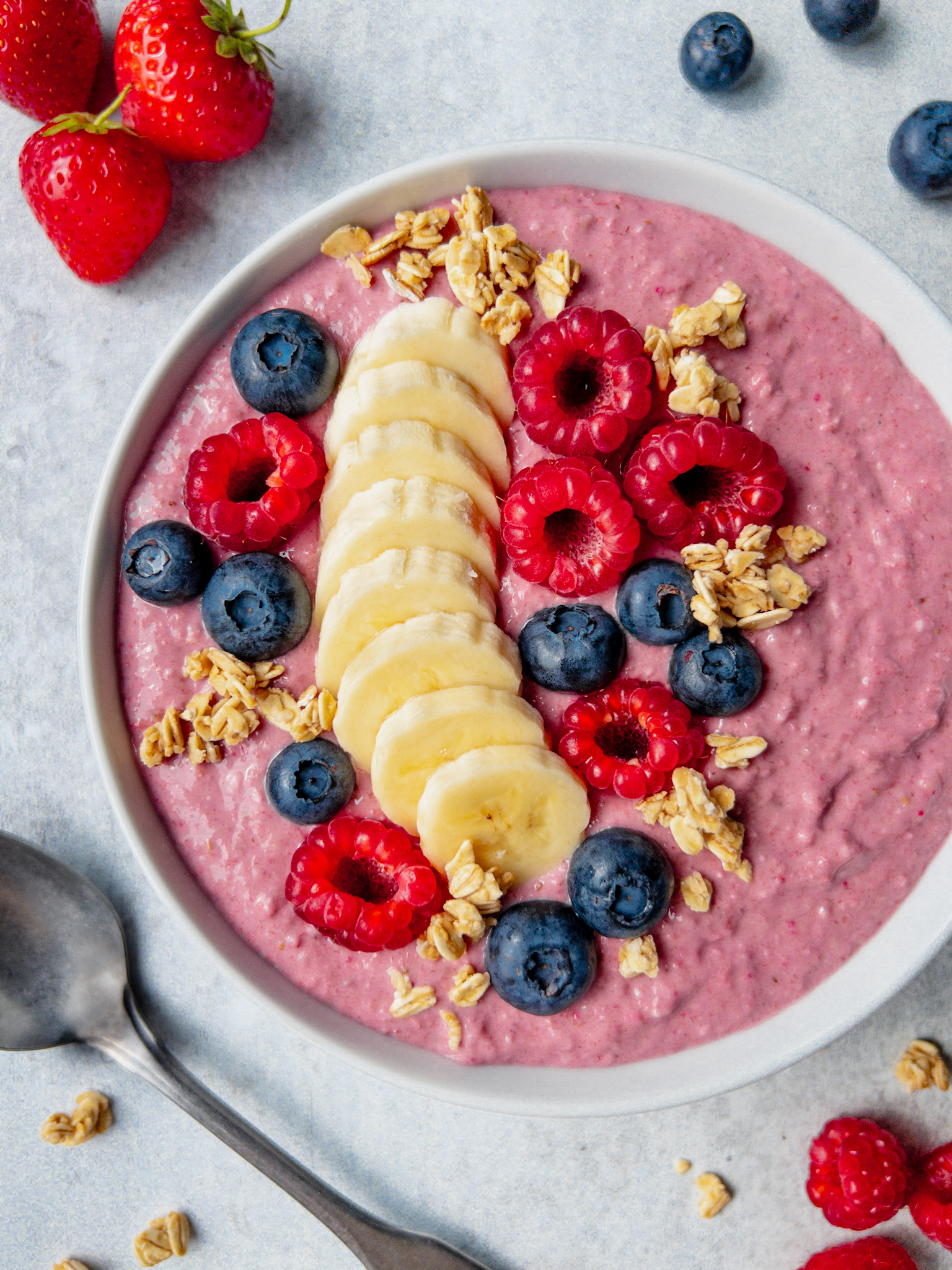
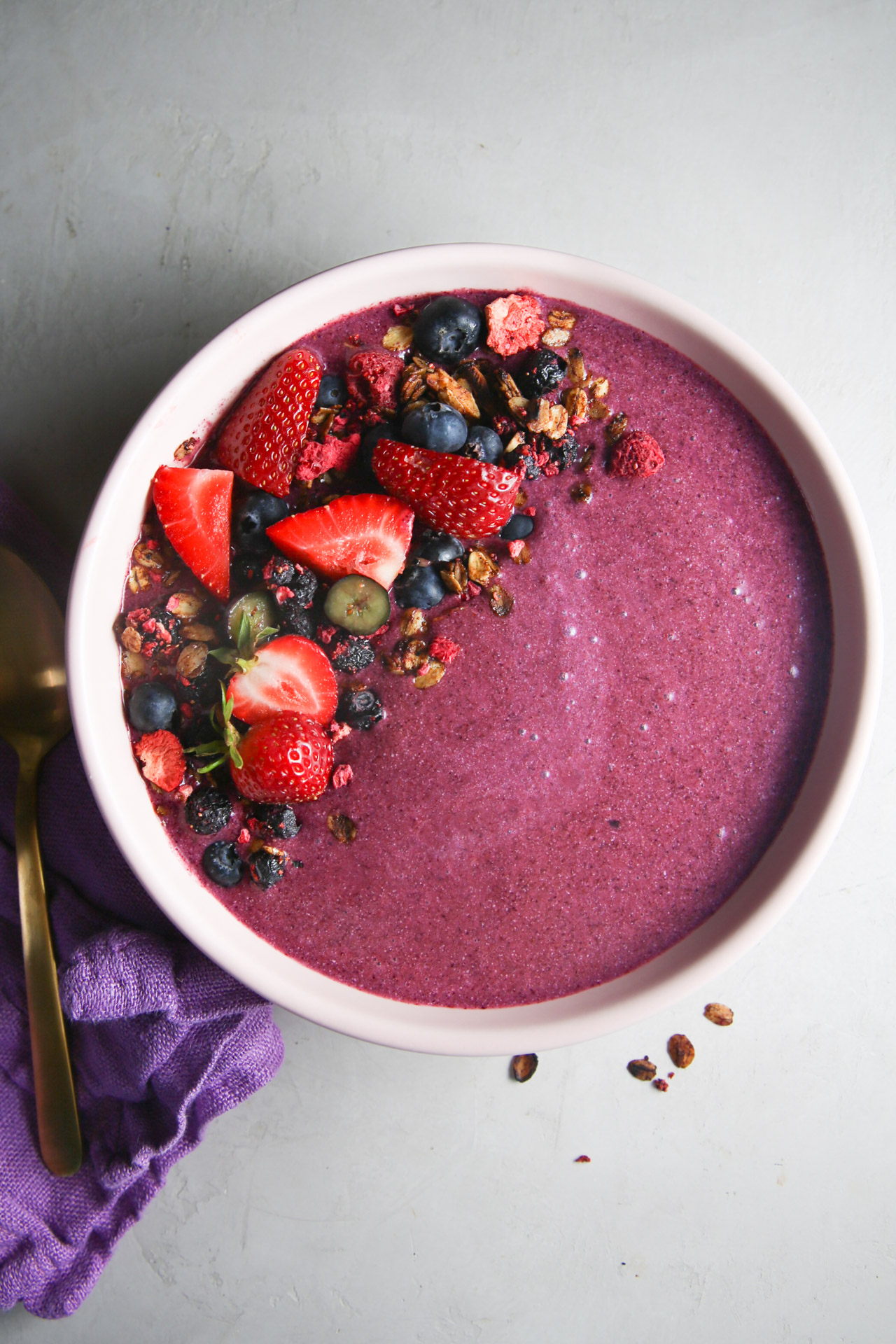
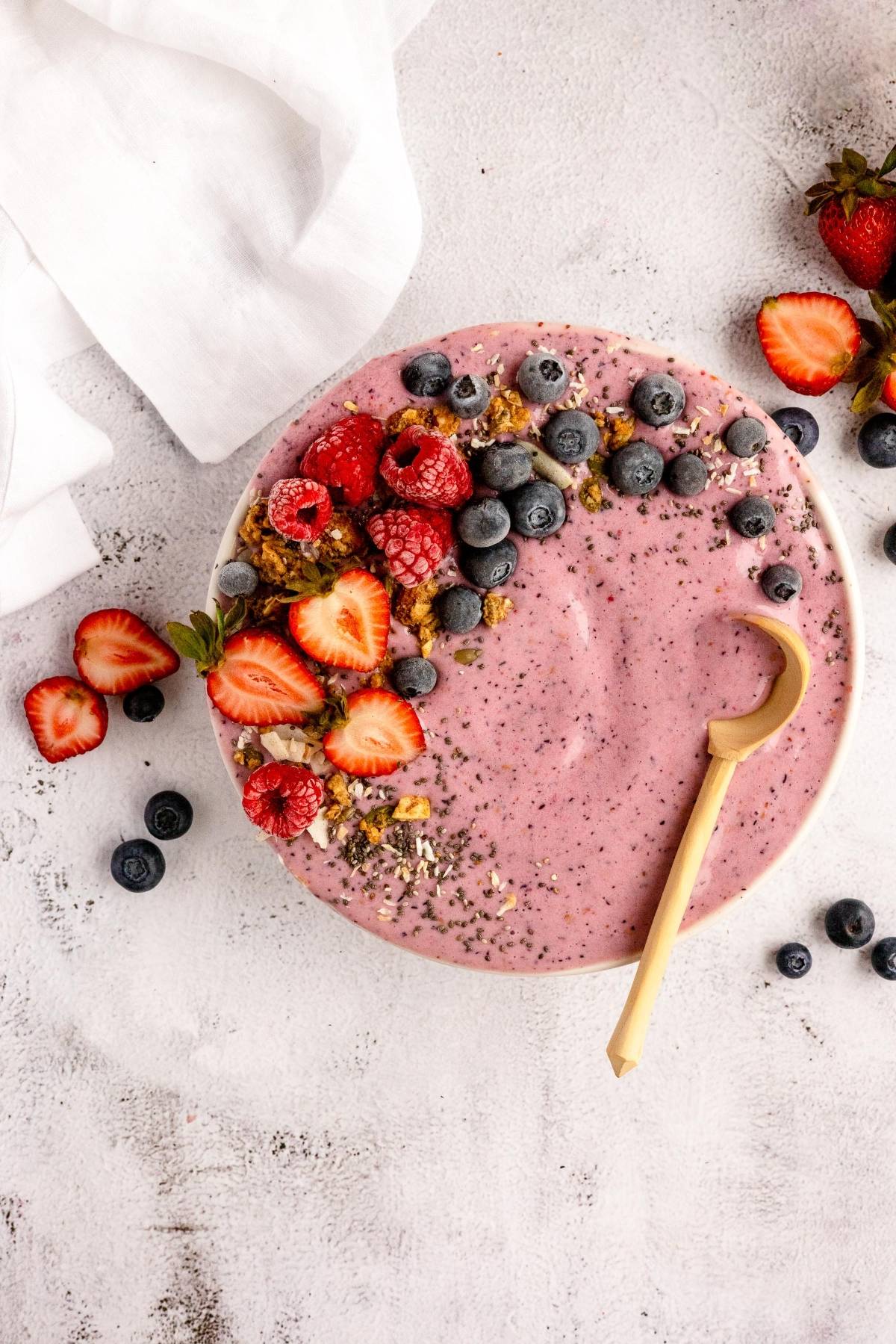
    Blend together one cup of frozen mixed berries, half a cup of rolled oats, three-quarters cup of Greek yogurt, one tablespoon of almond butter, half a cup of unsweetened almond milk, and a drizzle of honey if needed. Pour into a bowl and top with sliced almonds, fresh berries, and a sprinkle of granola. Eating this with a spoon instead of drinking it through a straw actually increases satiety because your brain registers it as a meal. About 28 grams of protein, 8 grams of fiber. A high-quality personal blender makes preparing smoothies like this quick and painless.

    Gorgeous smoothie bowl topped with berries granola and nut butter

    Recipe 6 – Vanilla Chai Protein Smoothie

    Recipe 6 - Vanilla Chai Protein Smoothie

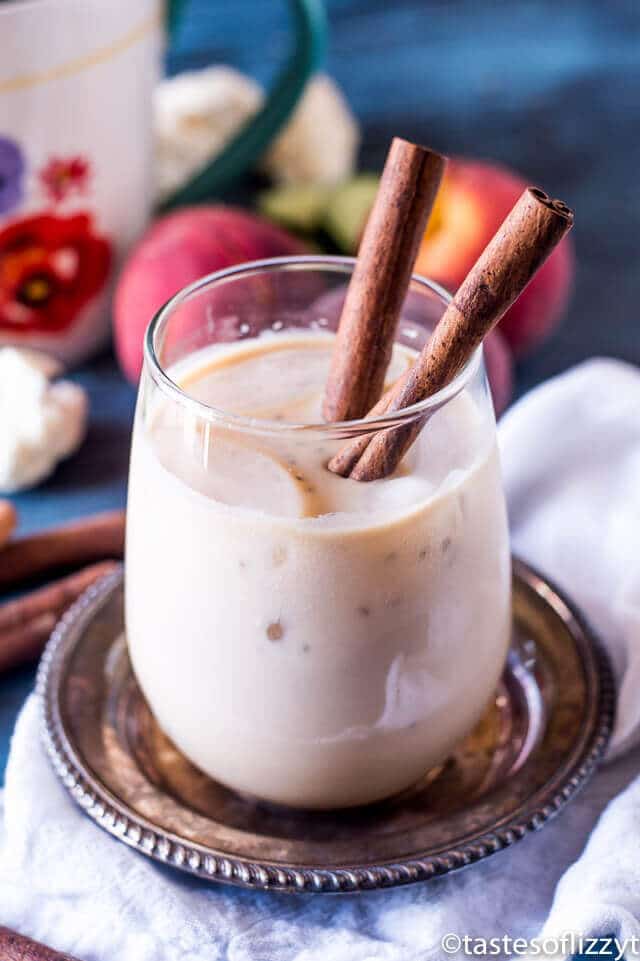
    Blend together one scoop of vanilla protein powder, half a frozen banana, one cup of brewed chai tea (cooled), quarter teaspoon each of cinnamon, ginger, and cardamom, one tablespoon of cashew butter, one tablespoon of ground flaxseed, and a handful of ice. This is like drinking a chai latte that actually keeps you full. The warm spices are anti-inflammatory and the combination of protein powder, cashew butter, and flaxseed creates a wonderfully satiating texture. About 27 grams of protein, 6 grams of fiber.

    Recipe 7 – Apple Pie Smoothie

    Recipe 7 - Apple Pie Smoothie

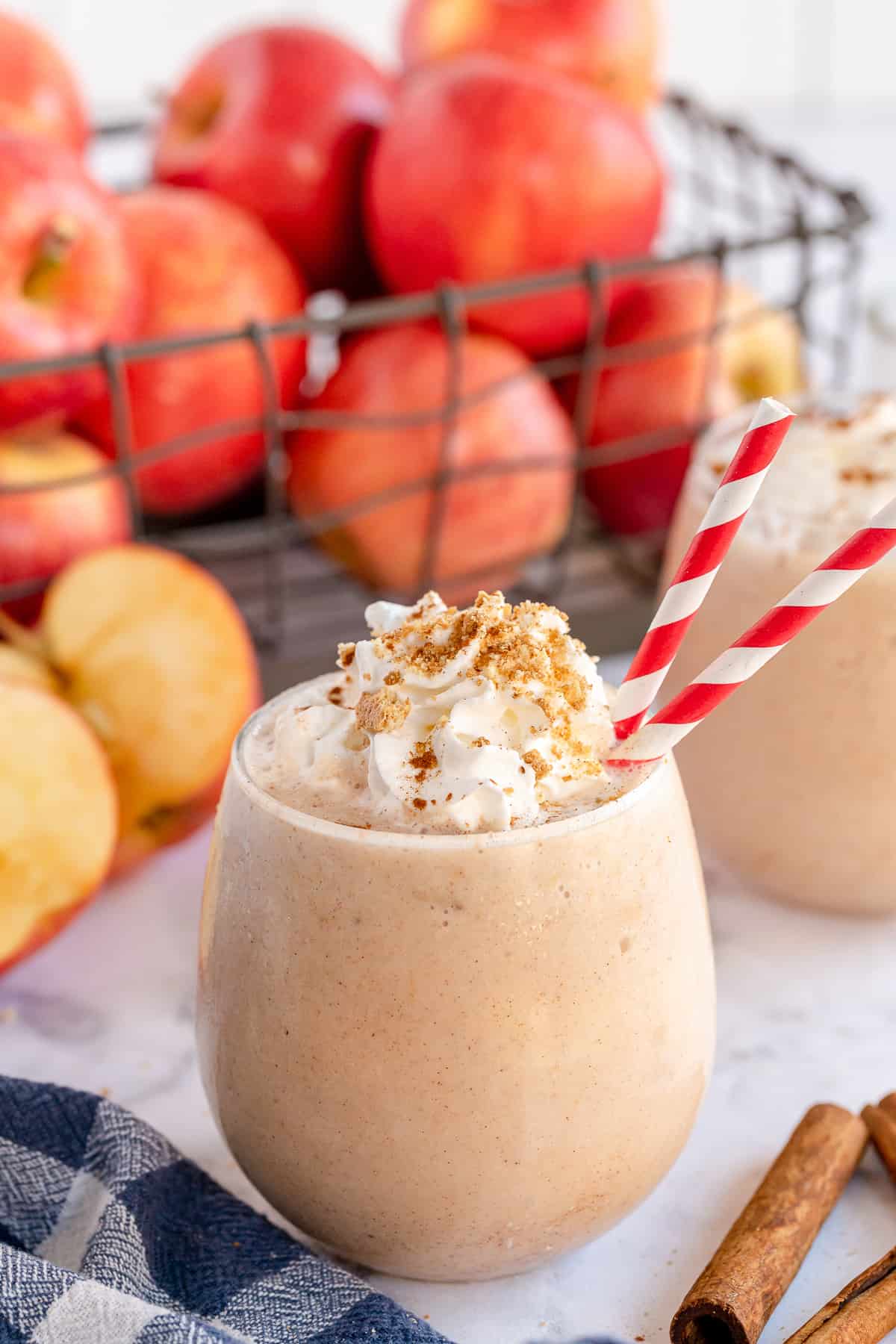
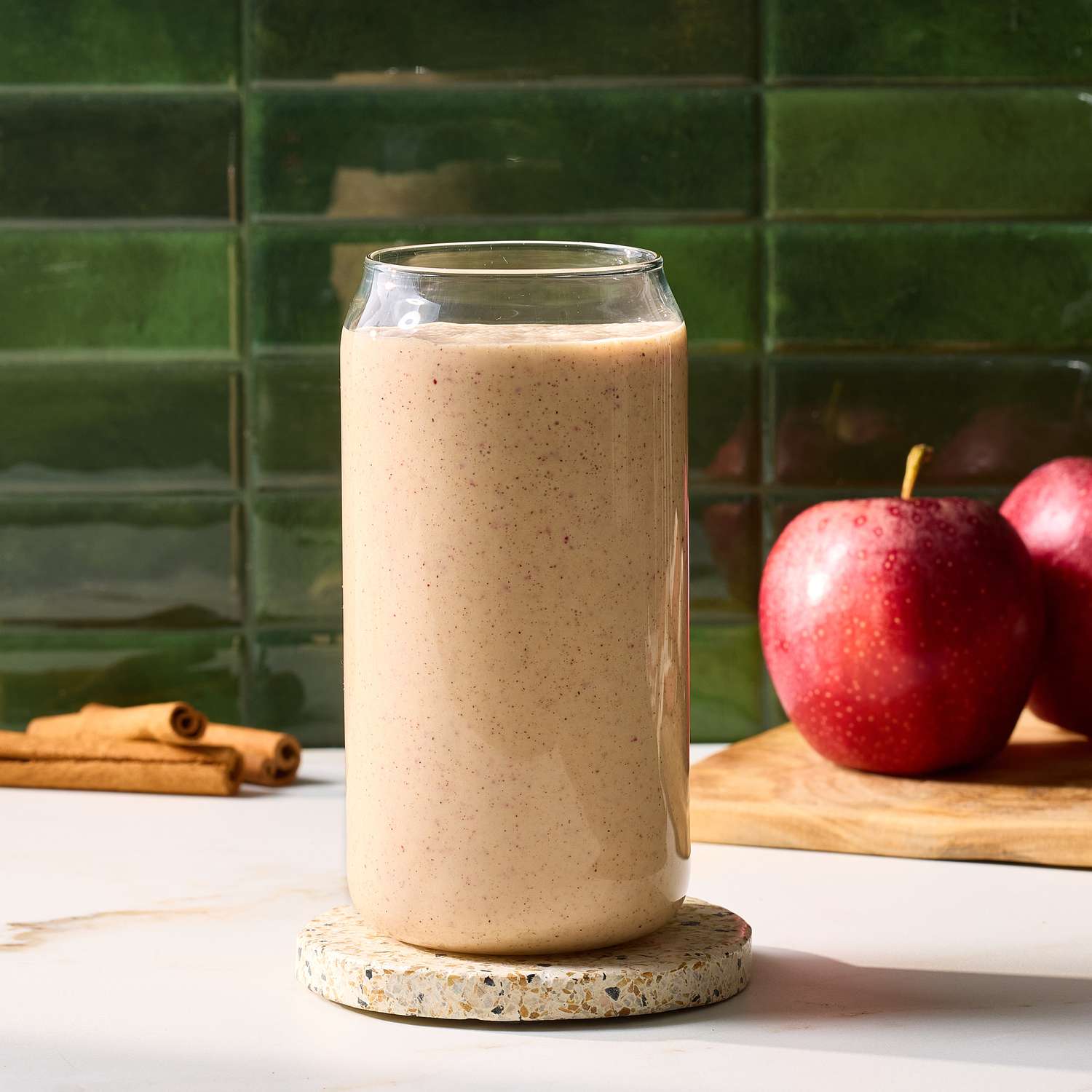
    Blend together one medium apple (cored, skin on), half a cup of rolled oats, one scoop of vanilla protein powder, one tablespoon of almond butter, one teaspoon of cinnamon, a pinch of nutmeg, one cup of unsweetened almond milk, and a handful of ice. Leaving the skin on the apple adds extra fiber, and the oats create a thick, satisfying texture that genuinely feels like drinking apple pie. About 26 grams of protein, 9 grams of fiber.

    Recipe 8 – Coffee Protein Mocha Smoothie

    Recipe 8 - Coffee Protein Mocha Smoothie

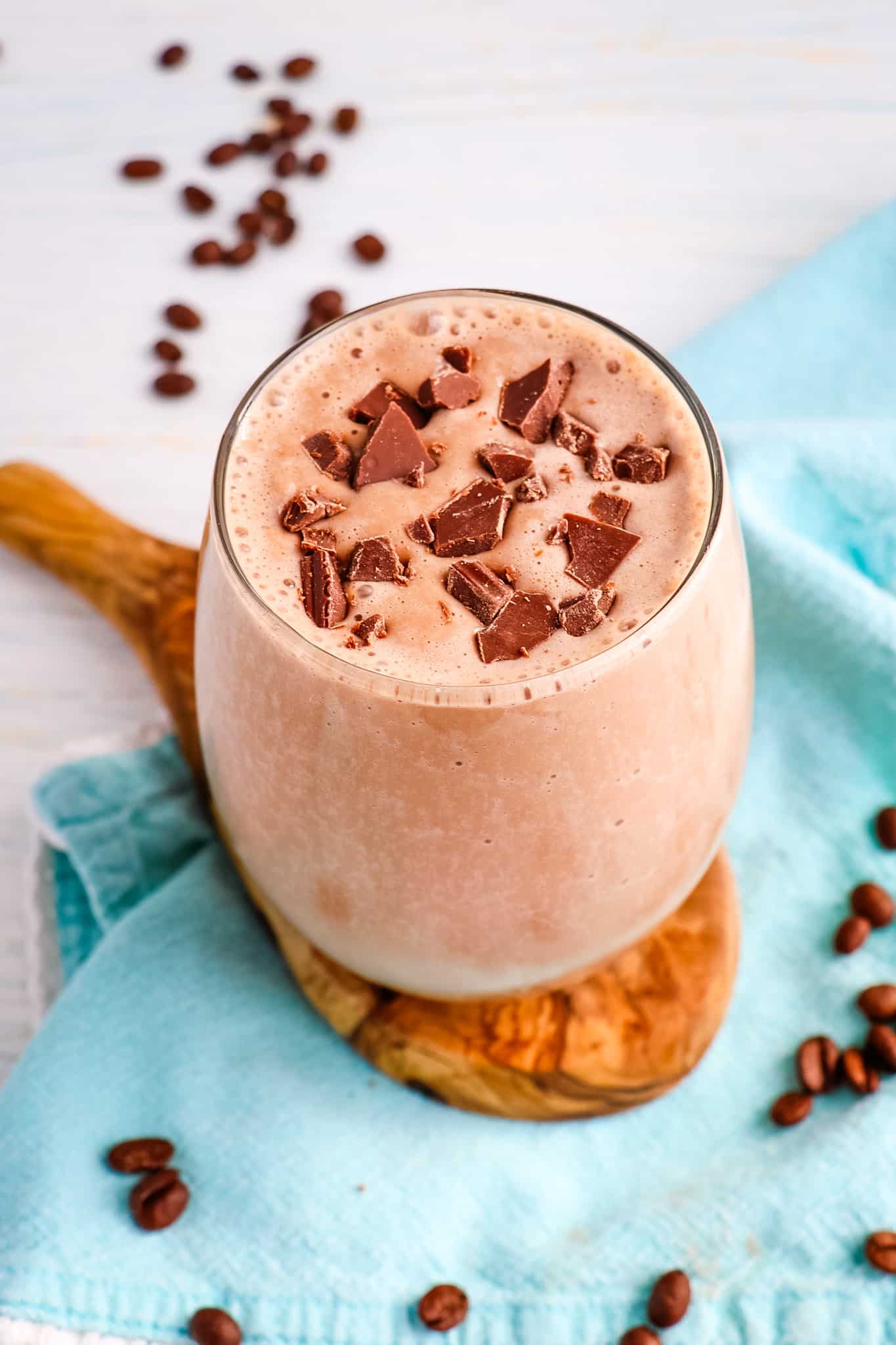
    Blend together one cup of cold brew coffee, one scoop of chocolate protein powder, half a frozen banana, one tablespoon of almond butter, one tablespoon of cacao nibs, half a cup of unsweetened oat milk, and a handful of ice. This is for the people who need their coffee and their breakfast but do not have time for both. The cold brew provides caffeine for alertness while the protein and healthy fats prevent the jitters. About 30 grams of protein, 5 grams of fiber.

    Recipe 9 – Blueberry Muffin Smoothie

    Recipe 9 - Blueberry Muffin Smoothie

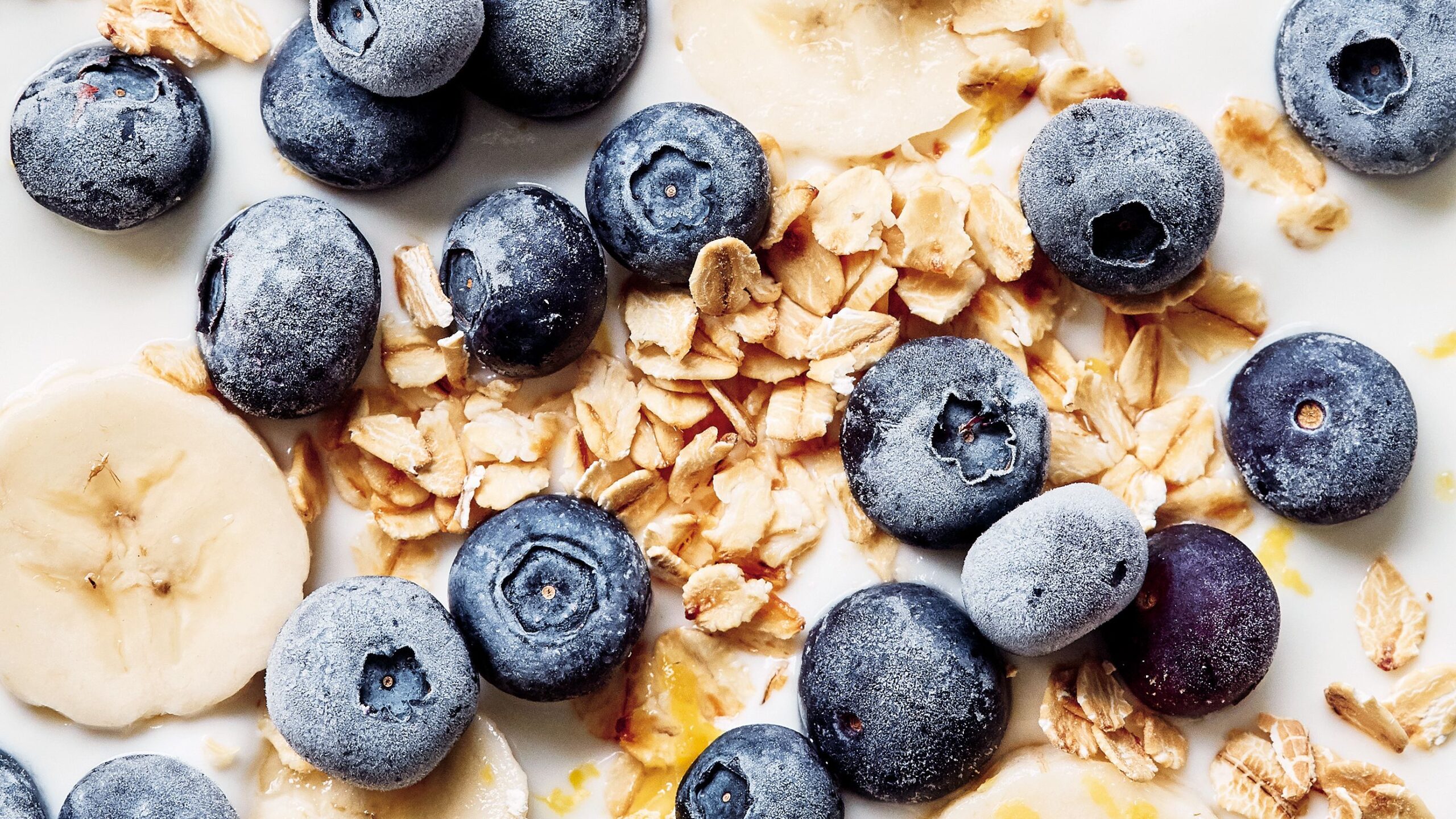
    Blend together one cup of frozen blueberries, half a cup of rolled oats, three-quarters cup of vanilla Greek yogurt, one tablespoon of ground flaxseed, a pinch of vanilla extract, one cup of unsweetened almond milk, and a squeeze of lemon. This tastes remarkably like a blueberry muffin but is packed with antioxidants, protein, and fiber. Blueberries are one of the most nutrient-dense fruits you can eat, and pairing them with Greek yogurt and oats creates lasting fullness. About 24 grams of protein, 8 grams of fiber.

    Recipe 10 – Pumpkin Spice Protein Smoothie

    Recipe 10 - Pumpkin Spice Protein Smoothie

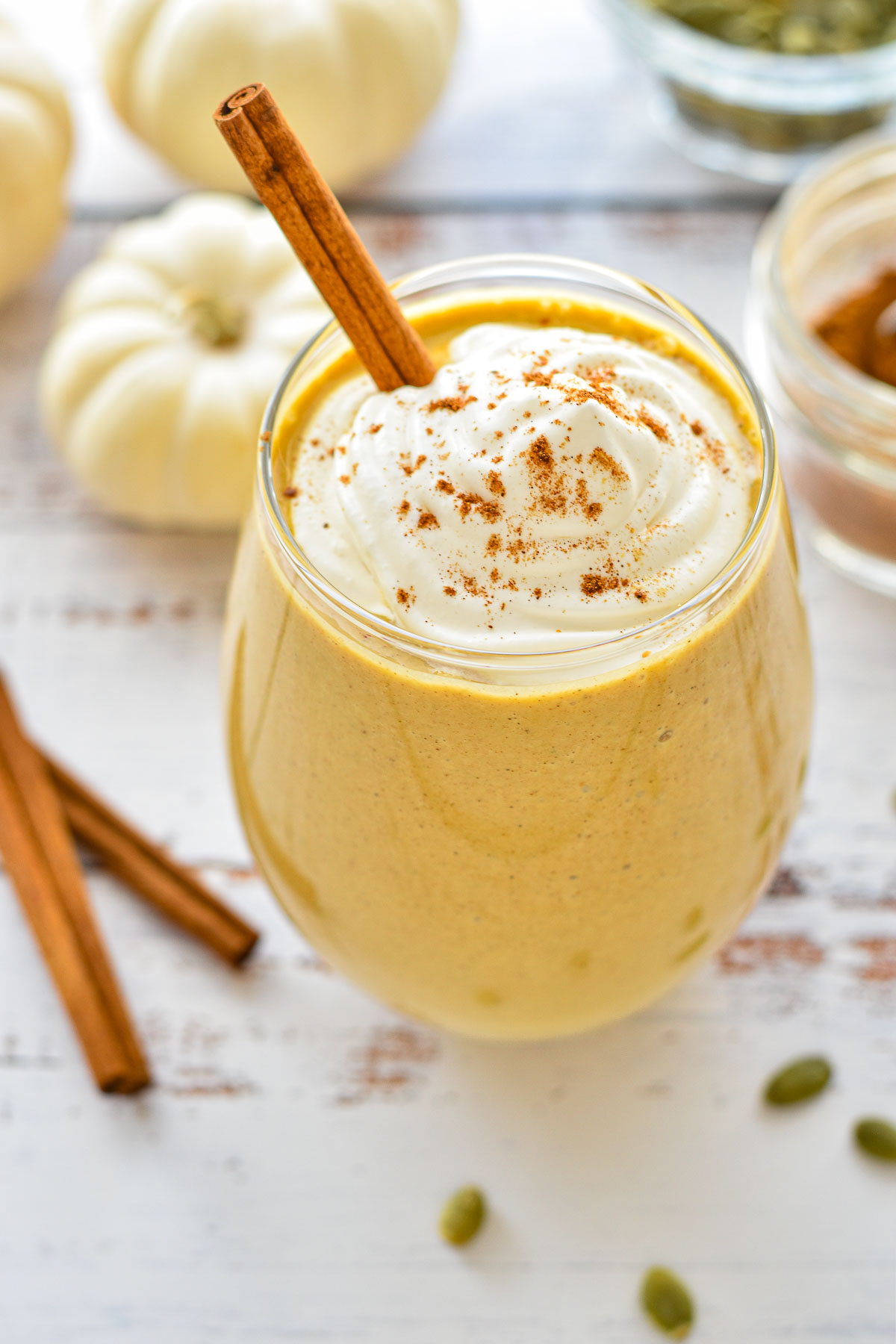
    Blend together half a cup of canned pumpkin puree (not pie filling), one scoop of vanilla protein powder, half a frozen banana, one tablespoon of maple syrup, one teaspoon of pumpkin pie spice, one tablespoon of chia seeds, one cup of unsweetened oat milk, and a handful of ice. Pumpkin is secretly one of the best smoothie ingredients – it is low in calories, high in fiber, packed with beta-carotene, and creates an incredibly creamy texture. This smoothie is amazing year-round, not just in autumn. About 28 grams of protein, 9 grams of fiber.

    Smoothie Add-Ins That Boost Fullness

    Smoothie Add-Ins That Boost Fullness

    Want to make any smoothie more filling? Add one or two of these ingredients.

    Chia Seeds

    Chia Seeds

    Just one tablespoon of chia seeds adds 5 grams of fiber and 2 grams of protein. When they absorb liquid, they expand and create a gel-like texture that physically fills your stomach and slows digestion. Add them to your blender or stir them in after blending and let the smoothie sit for a few minutes.

    Rolled Oats

    Rolled Oats

    Half a cup of rolled oats adds about 4 grams of fiber and 5 grams of protein, plus complex carbohydrates that provide sustained energy. They blend smoothly and create a satisfying, thick texture. Oats also contain beta-glucan, a type of soluble fiber that is particularly effective at promoting fullness.

    Avocado

    Avocado

    A quarter or half avocado adds creamy richness, healthy monounsaturated fats, and fiber. You will not taste the avocado (especially alongside strong flavors like chocolate or berries), but you will feel its satiating effects for hours. It also makes smoothies incredibly smooth and silky.

    Collagen Peptides

    Collagen Peptides

    A scoop of unflavored collagen peptides adds 10 to 15 grams of protein without changing the taste or texture of your smoothie. Collagen also supports skin, hair, and joint health, making it a multi-benefit add-in.

    Cottage Cheese

    Cottage Cheese

    This might sound unusual, but blending half a cup of cottage cheese into a smoothie adds 14 grams of protein and creates an incredibly creamy, thick texture. The cottage cheese flavor is completely masked by other ingredients. It is one of the most effective (and affordable) ways to boost protein in a smoothie.

    Frozen Cauliflower Rice

    Frozen Cauliflower Rice

    Adding half a cup of frozen cauliflower rice to a smoothie adds bulk, fiber, and nutrients without adding significant calories or changing the flavor. It blends completely smooth and is virtually undetectable. This is a great trick for making a smoothie feel more substantial without adding more sugar from fruit.

    Smoothie Meal Prep Tips for Busy Mornings

    Smoothie Meal Prep Tips for Busy Mornings

    The biggest barrier to making healthy smoothie recipes consistently is time. Here is how to make it effortless.

    Smoothie Freezer Packs

    Smoothie Freezer Packs

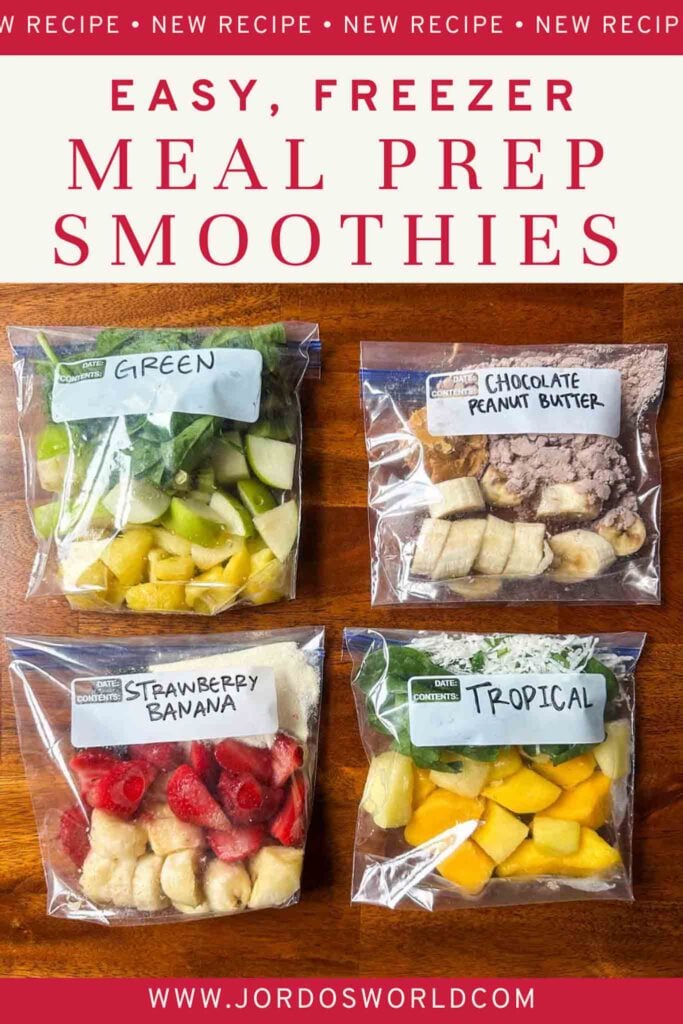
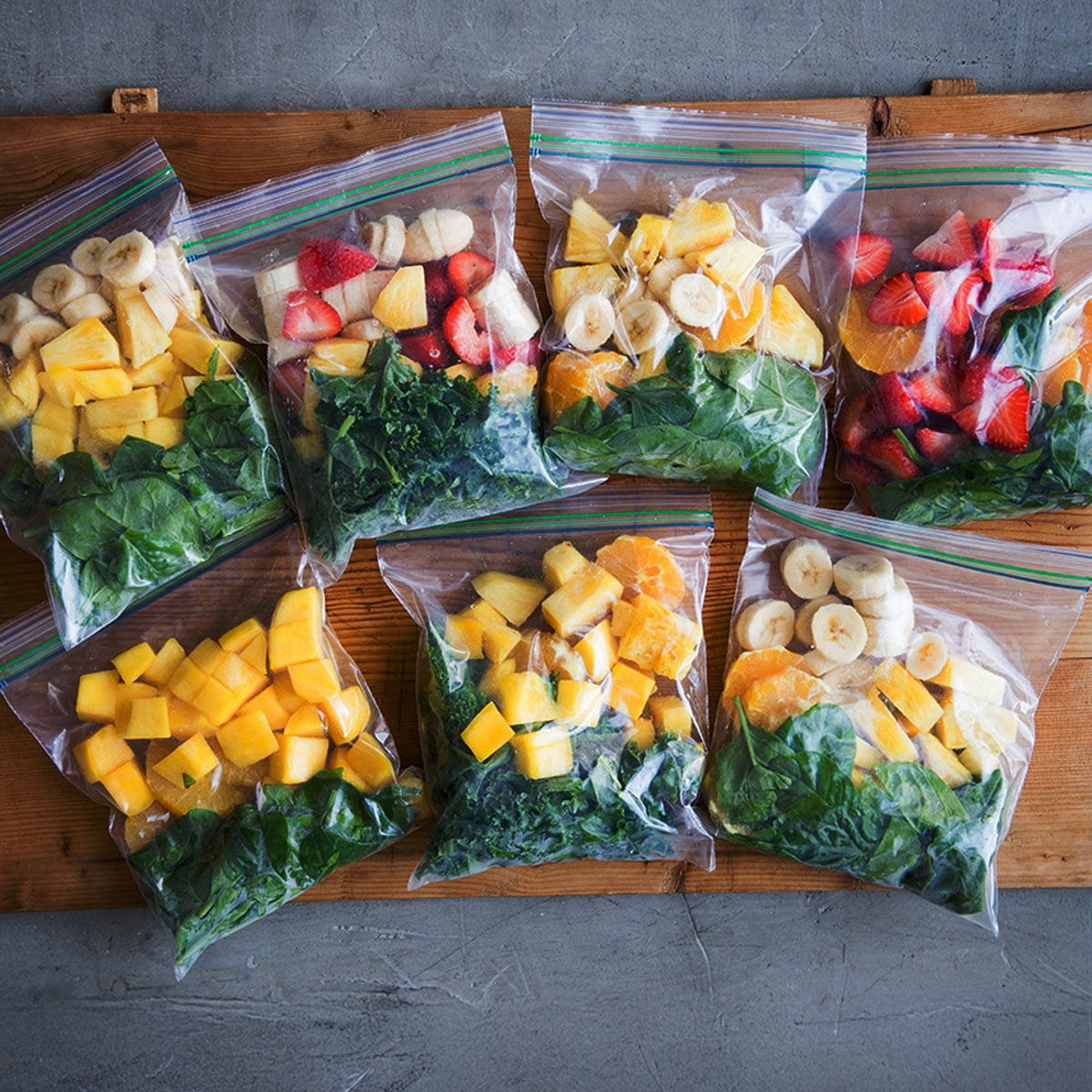
    Spend 20 minutes on the weekend prepping smoothie packs for the entire week. For each pack, measure out the frozen fruit, greens, oats, seeds, and any other solid ingredients into a freezer bag or container. Label each pack with the recipe name. In the morning, dump the pack into your blender, add your liquid and protein powder, blend, and go. This cuts your morning prep time to about two minutes.

    Invest in a Good Blender

    A high-powered blender makes a noticeable difference in smoothie texture. It pulverizes oats, seeds, and greens into a silky-smooth consistency that is much more enjoyable to drink than the chunky results from a less powerful machine. It is also faster, which matters on busy mornings. Consider it an investment in your health routine.

    Prep Your Protein

    Prep Your Protein

    Pre-measure individual servings of protein powder into small containers or bags. When each scoop is already measured out, it eliminates one more decision from your morning routine. You can also pre-mix dry ingredients like protein powder, ground flaxseed, and spices together for each recipe.

    Make It the Night Before

    Make It the Night Before

    Most smoothies hold up well in the refrigerator overnight, especially if they contain oats or chia seeds (which actually improve in texture as they absorb liquid). Blend your smoothie the night before, pour it into a jar with a lid, and grab it from the fridge in the morning. Give it a quick shake or stir before drinking.

    Organized smoothie meal prep setup with freezer packs and finished smoothies

    These healthy smoothie recipes are designed to change your relationship with breakfast. No more choosing between something fast and something that actually keeps you full. No more smoothies that taste healthy but leave you ravenous. Every recipe here delivers genuine, lasting satiety alongside real nutrition. Pick one, try it tomorrow morning, and see how you feel at noon. We think you will be pleasantly surprised.

    Key Takeaways

    • Most smoothies fail at fullness because they are mostly fruit and juice – they spike blood sugar and leave you hungry within an hour.
    • A truly filling smoothie needs at least 20 grams of protein, 5 grams of fiber, and a source of healthy fat to keep blood sugar stable and sustain fullness for 4 to 5 hours.
    • Every recipe in this article hits these targets and tastes genuinely delicious – from Chocolate Peanut Butter Cup to Apple Pie to Pumpkin Spice.
    • Top fullness-boosting add-ins include chia seeds, rolled oats, avocado, collagen peptides, and cottage cheese – each adds protein, fiber, or healthy fats without ruining the flavor.
    • Smoothie freezer packs prepped on the weekend cut morning prep time to under two minutes and make consistent healthy breakfasts effortless.

    Frequently Asked Questions

    Can these smoothies help with weight management?

    Can these smoothies help with weight management?

    Yes, when used as a meal replacement for breakfast, these smoothies can support weight management because they provide balanced nutrition with controlled portions. The high protein and fiber content reduces overall calorie intake by keeping you full and eliminating the need for mid-morning snacking. However, smoothies work best for weight management when they replace a meal rather than being consumed in addition to one. Pay attention to portion sizes and avoid adding extra sweeteners beyond what the recipes call for. The goal is nourishing your body, not restricting it.

    Are smoothies as filling as solid food?

    Are smoothies as filling as solid food?

    Research is mixed, but generally, liquid calories are less satiating than solid food calories because drinking bypasses some of the chewing and digestive signals that tell your brain you are eating a meal. However, the smoothie recipes in this article are specifically designed to combat this by including thick, fiber-rich ingredients that slow gastric emptying and trigger fullness hormones. Making smoothies thicker (smoothie bowl style) and eating them with a spoon can further increase satiety. The protein, fat, and fiber combination in these recipes makes them significantly more filling than typical smoothies.

    Can I use these recipes if I am lactose intolerant or vegan?

    Absolutely. Every recipe can be adapted for dietary preferences. Replace dairy milk with almond, oat, or coconut milk. Replace Greek yogurt with coconut yogurt or silken tofu. Use plant-based protein powder instead of whey. Replace collagen with an additional scoop of plant protein. Nut butters, avocado, chia seeds, and hemp seeds are all naturally vegan and provide excellent protein and fat. The flavor and fullness factor remain just as strong with plant-based substitutions.

    Is it okay to drink a smoothie for breakfast every single day?

    Yes, as long as your smoothie provides balanced nutrition – which all ten recipes in this article do. A well-made smoothie with protein, fiber, healthy fats, and micronutrients from fruits and vegetables is a completely valid daily breakfast. The key is variety – rotating between different recipes ensures you get a diverse range of nutrients over the course of the week. If you notice any digestive discomfort from daily smoothies, try reducing the amount of raw greens or adding a digestive-friendly ingredient like ginger.