Category: Plus-Size Wedding & Events

  • The Plus-Size-Friendly Guide to Affordable Wedding Dress Alterations (Real Costs, Where to Go, What to DIY)

    The Plus-Size-Friendly Guide to Affordable Wedding Dress Alterations (Real Costs, Where to Go, What to DIY)

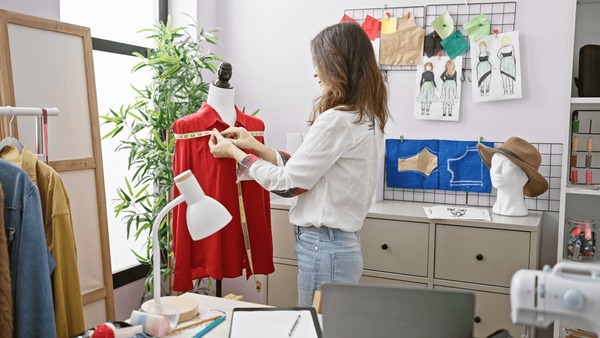
    Plus-size bride in an ivory satin gown being pinned at the bust and hem during a fitting at an independent tailor shop

    The quote at the bridal salon was $400 for a hem, a bustle, and “minor bust adjustments” on a sample-sale gown a friend bought in a size 24. The quote at the independent tailor two blocks away, on the same dress, for the same work, was $185. Same fabric. Same hand-stitched bustle. The $215 gap was the bridal-salon markup, paid by every bride who assumes the salon that sold the dress is the only place qualified to alter it. I’ve watched four friends pay a version of that markup because nobody told them they had options. The alteration line is where the most money quietly leaves a plus-size wedding budget, and the easiest place to claw it back.

    Every dollar figure below comes from quotes I gathered across six markets in the last twelve months, cross-referenced against David’s Bridal’s published alterations menu and the cost guides the big wedding platforms put out each year.

    The honest service-by-service cost breakdown
    The honest service-by-service cost breakdown

    Most shops won’t publish prices because labor is sized to the garment, fabric, and size run. A flat estimate before they see the dress is rough; a service-by-service range is reasonable, and any tailor who refuses to give one is signaling inexperience or a markup they don’t want quoted. Ranges below are what I’ve seen from independent tailors and bridal-specialty seamstresses across a $200 guest dress and a $1,400 wedding gown.

    Hem (floor-length, no horsehair): $60 to $120. The simplest service. A straight hem on a single-layer skirt sits at the low end; a lined skirt clocks higher.

    Hem with horsehair braid or beaded edge: $120 to $250. The horsehair adds two pass-throughs and stiffer fabric. A beaded hem requires hand-resetting beads to the new length.

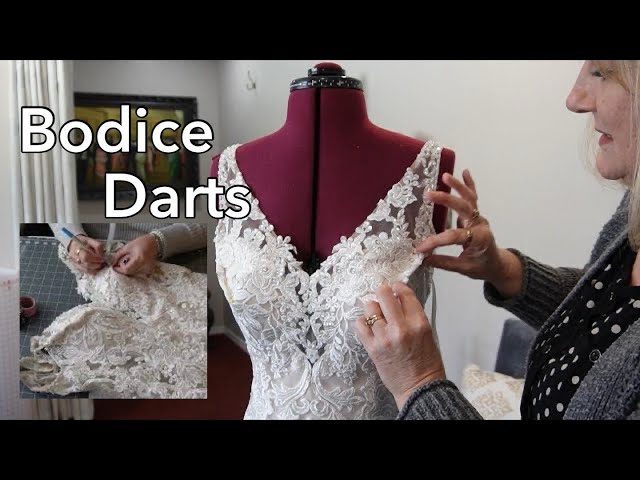
    Bust adjustment (taking in or letting out): $80 to $150. The most common alteration on a plus gown ordered to upper measurement. Most bridal patterns oversize the bust by a half to a full cup, and bringing it to a clean line is two hours of seamstress time.

    Bustle (American, French, or ballroom): $50 to $120. American (over-bustle, visible loops) sits at the low end. French (under-bustle, hidden loops, the prettier finish) runs middle. Ballroom lands at the high end. Add $20 to $40 per extra bustle point on a long cathedral train.

    Taking in the waist: $80 to $150. Cost climbs with seam count. A four-seam princess-cut gown costs more than a two-seam A-line.

    Adding cups (sewn-in bra cups or padding): $30 to $60. The cheapest meaningful alteration on the list. A good tailor adds foam, push-up, or contoured cups to almost any lined bodice in under an hour.

    Side panels (full restructure): $100 to $200. The labor when the gown doesn’t close at the back. Some shops include the fabric, some don’t. Ask.

    Strap or sleeve addition: $40 to $90. Adding spaghetti, off-shoulder, or modesty sleeves. The simplest is a single shoulder strap; the most involved is converting strapless to a full sleeve with matching fabric.

    Steam and press: $40 to $90. Almost every gown needs it. Build the line in.

    The math: a guest dress package (hem, bust, optional cups) runs $170 to $330. A plus wedding-party gown package (hem, bust, bustle, waist take-in, steam) runs $310 to $630. A wedding gown with side panels or restructure runs $400 to $900 all-in. Above $900 usually means heavy beadwork being hand-reset after every seam change or a full bodice rebuild. The $200-$500 range is real for guest dresses; $400-$900 is the target for wedding-party gowns at independent or bridal-specialty tailors, well below the $700 to $1,400 the bridal salon will quote on the same work.

    The four tiers of where to alter
    The four tiers of where to alter

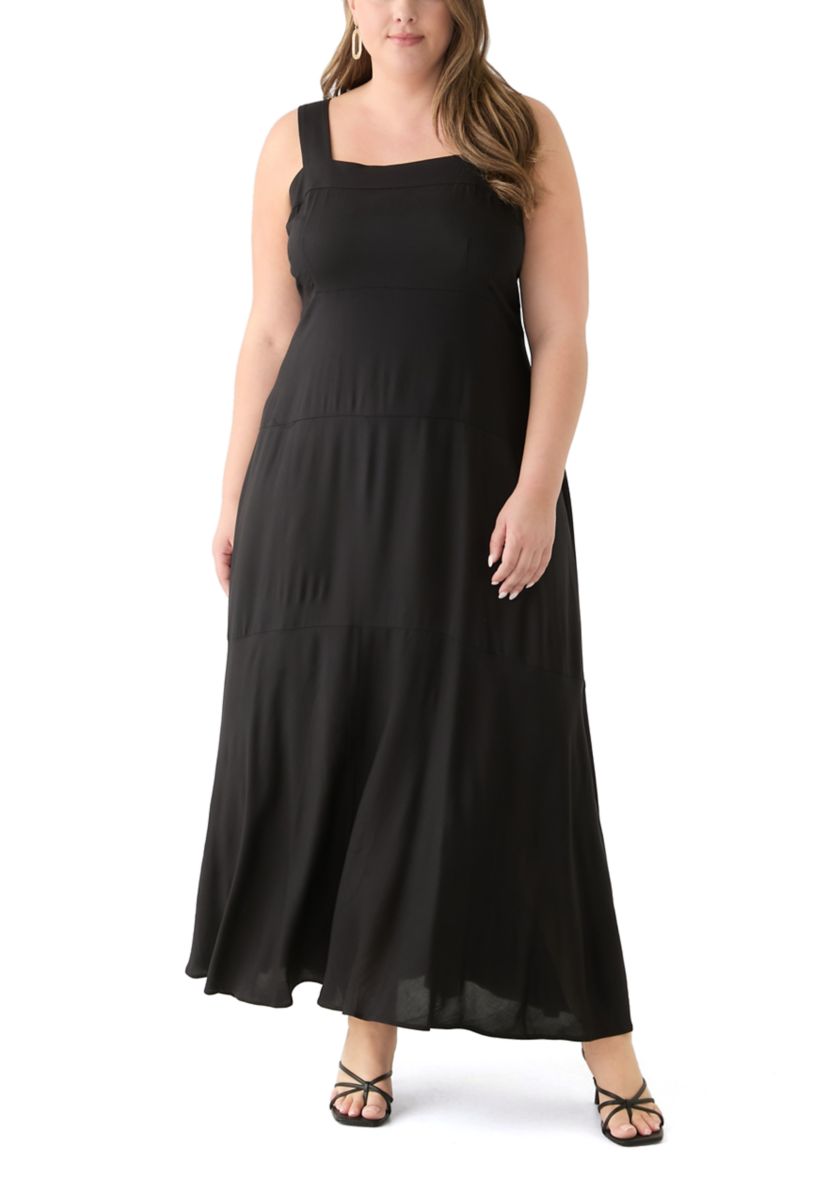
    The salon that sold you the dress is the most expensive place to alter it, and it’s the default because the salon quotes alterations at checkout when you’re emotionally committed. The markup runs two to three times the same work at an independent tailor.

    Tier 1, independent tailors ($). The local shop that does suits, hems, and household tailoring. A wedding gown package runs $150 to $400 for everything short of beaded restructure. The risk is fluency: not every neighborhood tailor has handled satin, charmeuse, beaded mesh, or boned bodices. The screening question is “how many wedding gowns have you altered in the last twelve months?” Under ten is a pass for a structured gown (fine for a guest dress or simple bridesmaid). Over thirty puts the tailor in the experienced tier at independent pricing. Ask for before-and-after photos on similar fabric.

    Tier 2, David’s Bridal in-house alterations ($$). The middle tier that gets unfairly dismissed. David’s Bridal alterations run a published menu, the seamstresses see plus gowns every day because the brand grades to a 30W, and a full package sits in the $300 to $600 range. Work is consistent because the same team has altered the same silhouettes thousands of times. Drawback: turnaround can stretch to four weeks at peak. Book early. If you bought the dress at David’s, this is almost always the right call.

    Tier 3, bridal-specialty seamstresses ($$$). Independents who only work on bridal. Cost runs $400 to $900 for a full package, higher on heavily beaded gowns. The value is the consult and the interior finishing (canvas, hidden boning, custom bustle loops). This is the tier for a $1,500-and-up gown, especially heavily beaded or fully boned silhouettes where alterations are the difference between a gown that photographs like $3,000 and one that photographs like $800.

    Tier 4, the bridal salon that sold you the dress ($$$$). Almost always the most expensive. The salon’s in-house team is often a contracted bridal seamstress (Tier 3) marked up another forty to eighty percent for overhead. Reliable, consultation built in, salon takes responsibility if something goes wrong – real value at $4,000-plus gown prices. Below that band the markup rarely pencils out. “Preserving your warranty” or “the only people qualified” is usually marketing.

    The plus-specific fit issues that genuinely take longer
    Close-up of a seamstress's hands pinning the bust seam of a satin wedding gown on a dress form

    Plus-size bodies have more fabric to work with, and that is mostly good news. More margin to take in, more seam allowance to let out, more room to correct through structural changes rather than full pattern rebuilds. The places where plus-specific work genuinely takes longer are narrower than the bridal salon will tell you.

    Cup sizing on bridal patterns runs small. The single most consistent fit issue I’ve seen across plus brides. A gown ordered to upper measurement almost always arrives with a bust cup fitting a B or C, regardless of actual cup size. Scaling up to a DD or larger runs $100 to $150 and is the line item I wouldn’t skip. Sample-shopping the cup volume over a structured longline bra in your size, before you order, saves the alteration on the lucky bodies. For everyone else, plan for the line.

    Back-panel work at size 24-plus takes longer. Most bridal patterns assume a narrower upper back than the plus body presents at the same hip measurement, and the back-panel fit is what makes a gown read tailored versus borrowed. Clean back-panel work at 24-and-above runs three to five hours, against one to two at size 18. Don’t let a tailor quote back-panel work in the same band as a hem.

    Side panels and letting-out is faster than the salon will quote if the gown has standard seam allowance, slower if it’s fully boned and the channels need to be re-sewn. The answer to “how much seam allowance do I have on this gown” tells you whether the work is in the $80 band or the $200 band.

    The labor band that does not change much with size: hem, bustle, and steam. A floor-length hem on a size 28 gown takes the same time as a size 14 gown if the construction is comparable, because the labor is the circumference and fabric weight, not the bodice measurement. A tailor upcharging the hem because the gown is “extended size” is using fabric-as-an-excuse the way clothing brands do.

    The bring-with checklist for every fitting
    The bring-with checklist for every fitting

    Half the alteration mistakes I’ve watched friends make come from showing up without the right inputs. The tailor pins to what they see. Wrong undergarments, wrong shoes, no reference image, and the alteration is calibrated to a body that won’t show up on the wedding day.

    The shoes you will actually wear. The hem is set to heel height. A one-inch difference between fitting heels and wedding-day heels is the difference between a clean floor break and a hem that drags or floats.

    The undergarments you will wear. The bodice is pinned to the body in the bra. Switching bras between fitting and wedding day shifts the bust line by half an inch in either direction; shapewear changes the waist by one to two inches. Decide the undergarment plan before fitting one and bring the same pieces every time.

    A slip if you plan to wear one. The slip changes how the skirt drapes and whether the hem behaves on real fabric.

    A photo of the look you want. The reference gives the tailor a silhouette target and tells you whether the gown can get there with the alterations on the table. A tailor seeing the photo for the first time at the final fitting can’t redirect the work.

    A snack and water. The third fitting can run ninety minutes, and a low-blood-sugar bride pinned into a heavy gown is the situation nobody warns you about.

    The three-fitting rule
    The three-fitting rule

    The standard schedule for a plus-size wedding gown alteration is three fittings across six to eight weeks. The gown’s fit will shift between fittings even if the body doesn’t, and the tailor needs to see the gown on you at each stage to dial in the next.

    Fitting one (eight weeks out): The diagnostic. The tailor pins the major alterations, talks through the plan, gives the final quote, and takes the gown for the first round of work.

    Fitting two (four to five weeks out): The intermediate. Major alterations are done, the gown is on you with real undergarments and shoes, and the tailor catches anything that didn’t land in fitting one. Most of the bustle work happens here.

    Fitting three (one to two weeks out): The final. The gown is finished, you wear it for thirty minutes minimum to check fit under movement, and the tailor steams and presses. You take the gown home.

    A fourth fitting becomes necessary if the body changes two inches or more at bust, waist, or hip in either direction. Wedding stress moves bodies both ways, and a fourth fitting in the last week is normal for plus brides who lost or gained measurable size during planning. Add $40 to $80 for the labor. The tailor won’t be surprised.

    DIY mods that work versus the ones that ruin gowns
    DIY mods that work versus the ones that ruin gowns

    Some alterations are genuinely DIY-able on guest dresses and simple wedding gowns. Others are where inexperienced DIY ends careers and gowns. The line is structural.

    What works for the day-of when a tailor isn’t on call: snap-on bra cups, fashion tape, and double-stick body tape. Snap-on silicone bra cups at around $18 add a half-cup to a full-cup volume in a strapless gown without a sewn alteration; they survive a full reception applied to clean skin. Hollywood Fashion Tape at around $9 holds a sweetheart neckline against a larger bust or a wrap closure against movement. Double-stick body tape at around $11 secures a backless gown and is the only fix for a low-cut wedding-party gown that wants to drift off the shoulder. All three are reversible and non-destructive.

    What I would never attempt on a wedding gown: hemming heavy satin or charmeuse yourself, taking in seams on a boned bodice, adding sleeves to a strapless gown, modifying a beaded edge, or bustling a long train without professional setup. Satin and charmeuse slip under a sewing-machine foot in ways that produce a wavy hem you can’t correct without re-cutting. Boned bodices have interior structure home equipment can’t navigate. Sleeve additions require fabric matching from the gown’s interior seam allowance, which a tailor knows how to harvest. Bead edges have to be hand-reset stitch by stitch. A self-set bustle drags or rips at the first dance.

    The rule: anything that removes structural fabric or adds it belongs to a tailor. Anything that adds a removable element (snap-on cups, tape, a sash, a brooch) is fair game.

    The realistic alteration budget
    The realistic alteration budget

    The short version: $200 to $500 for a guest dress, $400 to $700 for a wedding-party gown, and $400 to $900 for a wedding gown at an independent or bridal-specialty seamstress, against $700 to $1,400 for the same work through the salon. Above those bands, you’re either paying for beadwork and boning or paying the markup.

    The single move that saves the most money is asking, before fitting one, “what would this alteration package cost at an independent tailor or at David’s.” The salon’s answer tells you whether the markup is in line or whether you’re paying the bridal-tax version. The independent tailor’s quote on the same work, gathered in a thirty-minute consultation with a photo of the gown, is the number to anchor against. The bride who shops the alteration line the way she shopped the gown saves $200 to $700 without losing a single stitch of quality. The alteration ticket isn’t where the budget should hide.
  • Why an A-Line Wedding Dress Is the Most Flattering Choice for Plus Size Brides

    Why an A-Line Wedding Dress Is the Most Flattering Choice for Plus Size Brides

    The A-Line Silhouette and Why It Works for Curvy Bodies

    Shopping for a plus size wedding dress should be one of the most joyful experiences of your engagement. The reality, unfortunately, does not always match that ideal. Limited size ranges, sample sizes that barely zip, and sales associates who steer you toward “flattering” options while implying your body is the problem – these are challenges that plus size brides know all too well. But here is the good news: the A-line wedding dress exists, and it is practically designed to make curvy brides look and feel absolutely breathtaking.

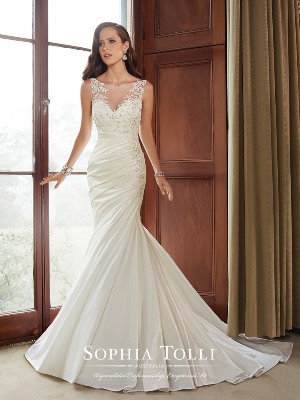
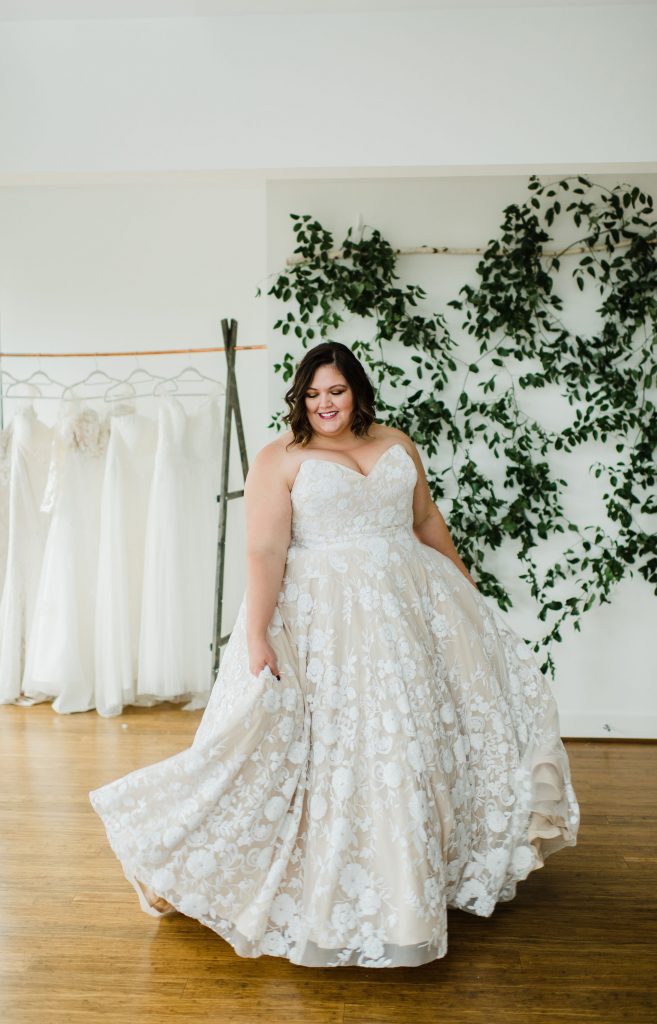
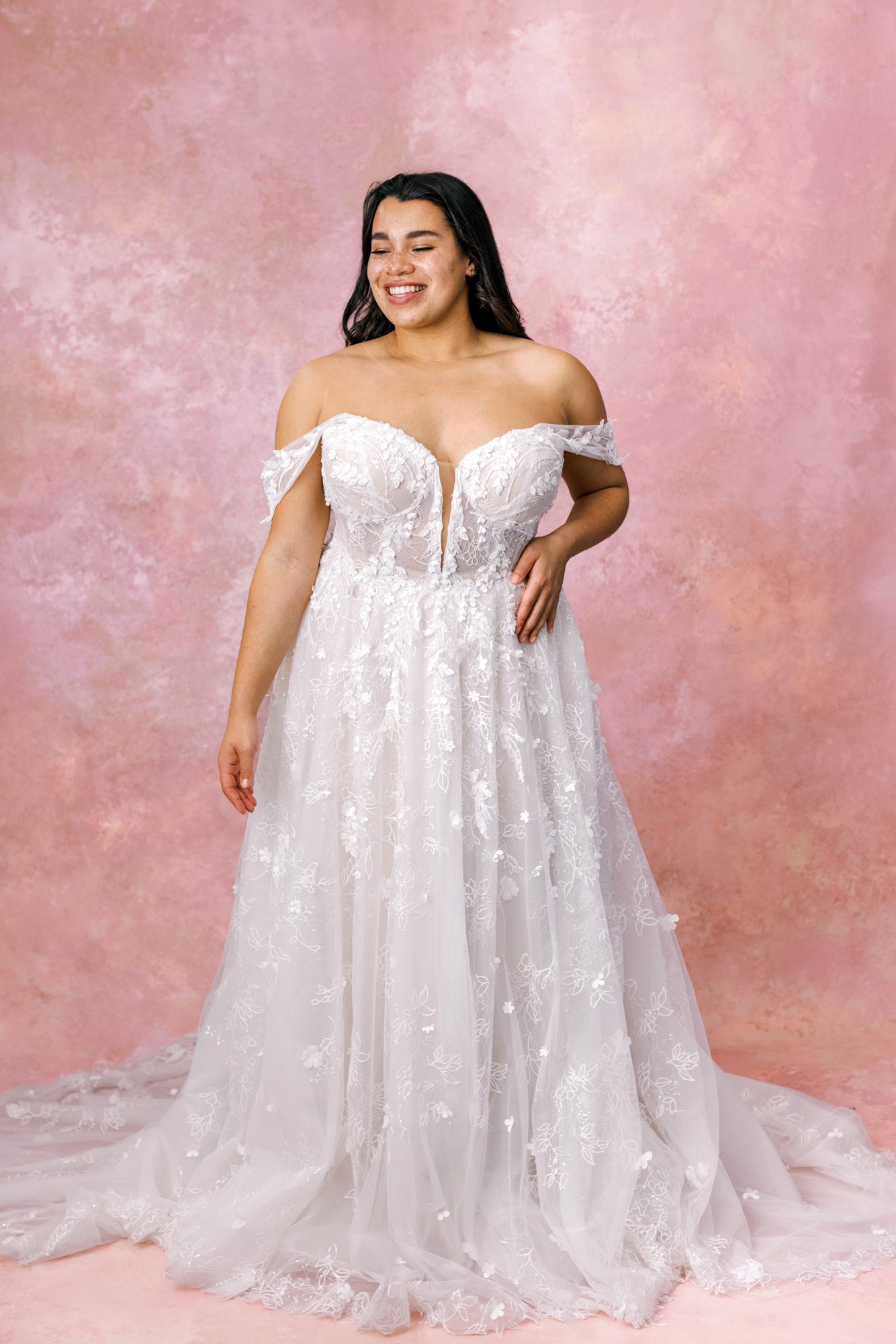
    The A-line silhouette gets its name from the shape it creates – fitted at the bodice and gradually widening from the waist to the hem, forming the shape of the letter A. This deceptively simple construction is the reason bridal consultants, fashion designers, and curvy brides themselves consistently name it the most universally flattering wedding dress silhouette. It works with curves rather than against them, celebrating your shape in the most elegant way possible.

    Here is why the A-line works so beautifully for plus size bodies. The fitted bodice hugs the bust and defines the waist at the narrowest point of the torso. From there, the skirt flares gently and gradually, flowing over the hips and thighs without clinging. This creates a clean, continuous line from waist to floor that is inherently flattering because it lets your natural silhouette do the talking while providing just enough structure and support to make you feel secure and beautiful.

    Unlike mermaid or trumpet dresses that cling tightly through the hips, or ball gowns that add maximum volume at the bottom, the A-line hits the sweet spot – enough structure to shape, enough flow to flatter, enough simplicity to let you be the star. It is the Goldilocks of wedding dress silhouettes, and for curvy brides, it is very often “just right.”

    Types of A-Line Wedding Dresses

    Types of A-Line Wedding Dresses

    Classic A-Line

    Classic A-Line

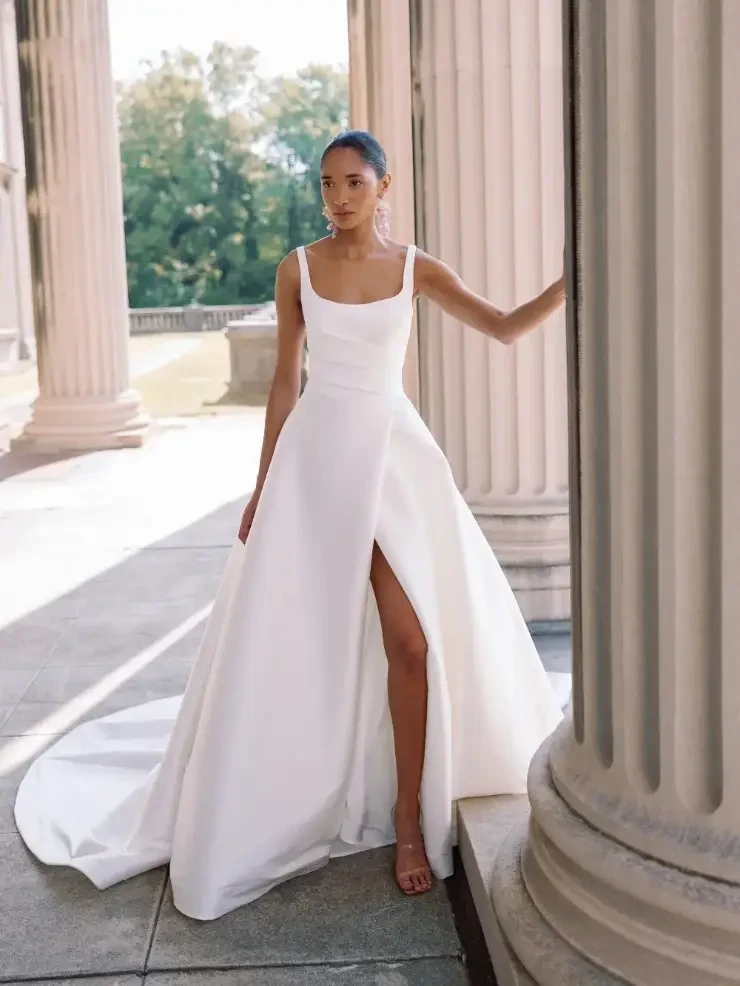
    The classic A-line features a fitted bodice with a skirt that begins flaring at the natural waist and falls in a smooth, gradual line to the floor. This is the most traditional version and works beautifully for ceremonies ranging from grand cathedrals to intimate garden weddings. The simplicity of the classic A-line makes it a perfect canvas for customization through accessories, veils, and jewelry.

    Modified A-Line

    Modified A-Line

    The modified A-line fits more closely through the hips before flaring, creating a slightly more body-conscious look than the classic version. This style is excellent for plus size brides who want to show off their curves while still enjoying the comfort and movement of a flared skirt. The closer fit through the hip gives a more contemporary, fashion-forward feel while maintaining the essential flattery of the A-line shape.

    A-Line Ball Gown Hybrid

    A-Line Ball Gown Hybrid

    This style features more volume in the skirt than a traditional A-line – not quite a full ball gown, but more dramatic than a standard A-line. It is perfect for brides who want that fairy-tale princess feeling with the comfort and wearability of an A-line silhouette. The additional volume in the skirt creates a stunning entrance and photographs beautifully from every angle.

    A-Line With a Chapel or Cathedral Train

    A-Line With a Chapel or Cathedral Train

    Adding a train to an A-line wedding dress transforms it from beautiful to breathtaking. A chapel train extends 3-4 feet beyond the dress, while a cathedral train extends 6-8 feet for maximum drama. The train adds grandeur to the ceremony and creates stunning photographs. Most trains are bustlable, meaning they can be pinned up for the reception so you can dance and move freely.

    A-Line Slip Dress

    A-Line Slip Dress

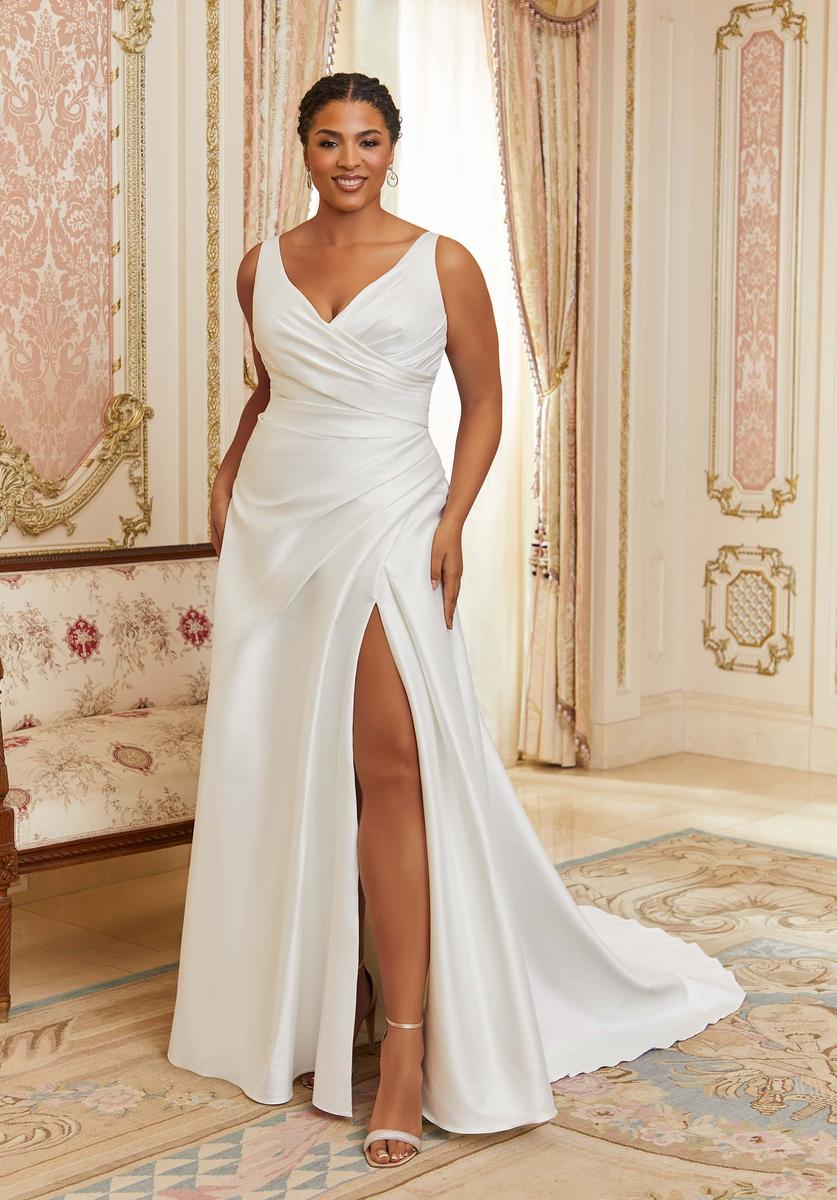
    For the minimalist bride, the A-line slip dress – a simple, clean-lined gown in satin or crepe with minimal embellishment – is understated elegance at its finest. This style relies entirely on fit and fabric quality, making tailoring essential. On a curvy body, a well-fitted satin A-line slip dress creates a sleek, sophisticated silhouette that is timelessly modern.

    Choosing the Right Neckline

    Choosing the Right Neckline

    The neckline of your A-line wedding dress frames your face and shoulders and has a significant impact on the overall look. Here are the most flattering options for plus size brides.

    V-Neckline

    V-Neckline

    The V-neckline is one of the most flattering options for busty and curvy brides. It creates a vertical line that elongates the torso and draws the eye to the face. The depth of the V can be customized to your comfort level – from a modest shallow V to a dramatic plunging neckline. Many designers offer a sheer mesh insert (called an illusion panel) at the center of the V for brides who want the visual effect of a deep V with more coverage.

    Sweetheart Neckline

    Sweetheart Neckline

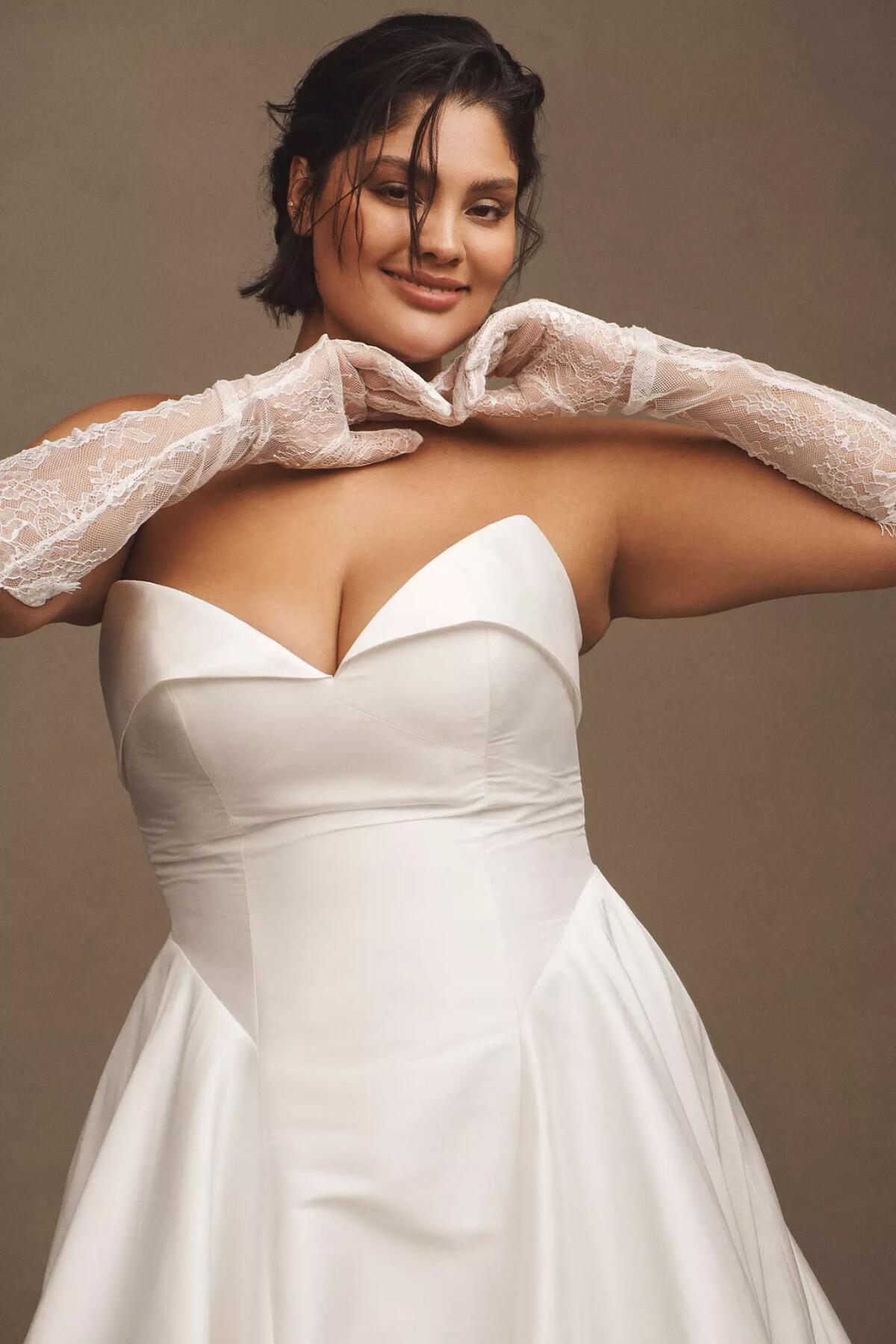
    The sweetheart neckline – shaped like the top of a heart – is the most popular neckline for plus size wedding dresses. It highlights the collarbone and decolletage beautifully while providing enough structure to support a larger bust. Paired with an A-line skirt, the sweetheart neckline creates a classic bridal silhouette that is romantic and timeless.

    Off-the-Shoulder

    Off-the-Shoulder

    Off-the-shoulder necklines showcase the collarbone, shoulders, and upper chest – areas that most curvy women feel confident about. The sleeve that sits below the shoulder creates a beautiful frame for the face and adds a touch of drama and romance. Make sure the off-shoulder sleeve feels secure and does not slide – you do not want to spend your ceremony tugging at your dress.

    Illusion Neckline

    Illusion Neckline

    An illusion neckline uses sheer mesh or tulle – often embellished with lace or beading – to create the appearance of a higher neckline while showing skin underneath. This is a beautiful option for brides who want coverage on top while maintaining an elegant, open look. Illusion necklines can be paired with virtually any dress structure underneath.

    Square Neckline

    Square Neckline

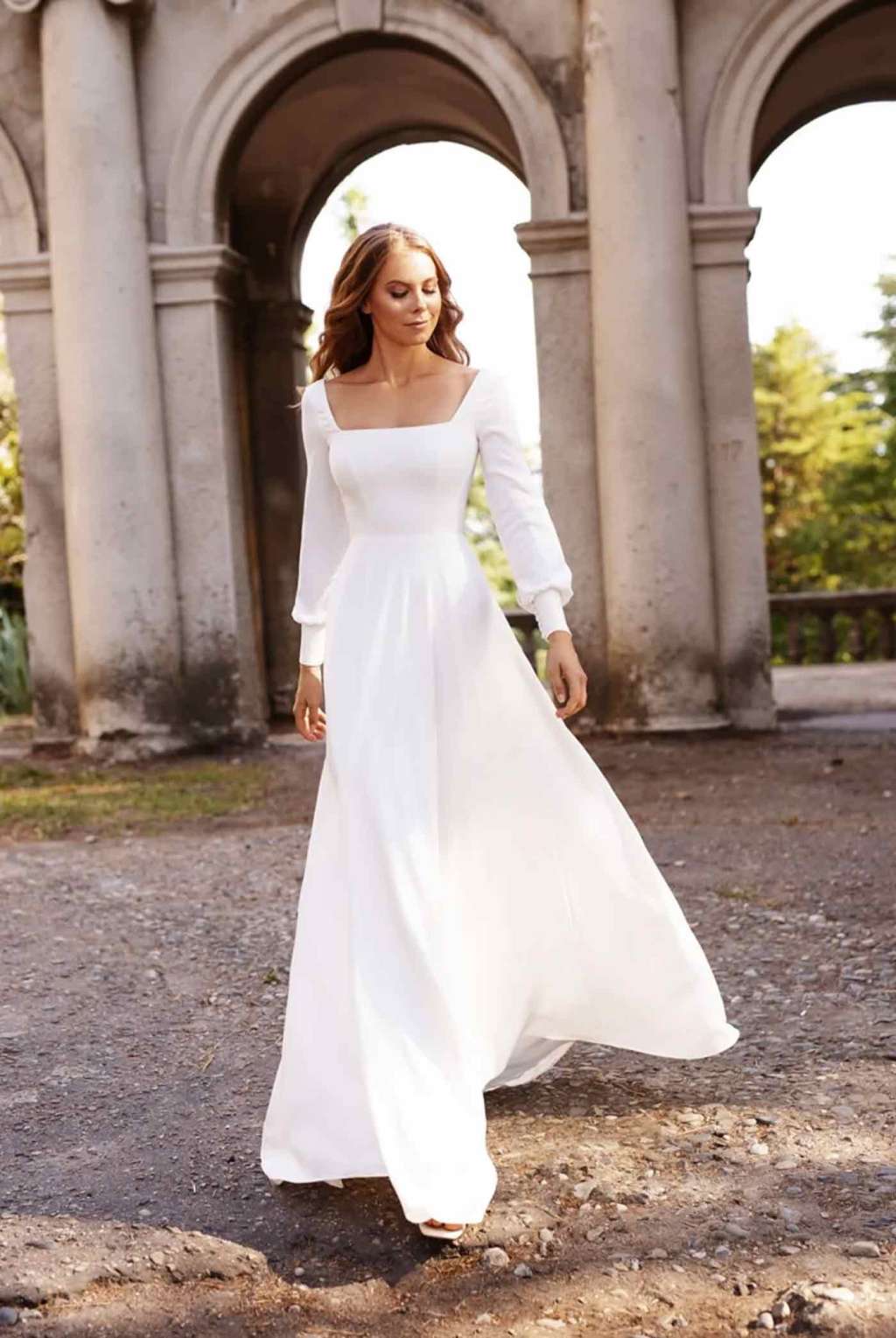
    The square neckline is clean, structured, and modern. It frames the bust with straight horizontal and vertical lines that look particularly striking on larger busts. This neckline has a slightly vintage feel that pairs beautifully with classic A-line silhouettes and looks stunning in photographs.

    Fabric and Detail Considerations

    Fabric and Detail Considerations

    Best Fabrics for Plus Size A-Line Dresses

    Best Fabrics for Plus Size A-Line Dresses

    The fabric of your wedding dress affects how it drapes, moves, and photographs. For plus size brides, medium to heavier weight fabrics tend to drape most beautifully because they have enough body to skim over curves without clinging. Mikado (a structured satin), crepe, organza over a structured lining, and stretch satin are all excellent choices. Very thin, unlined fabrics can cling to the body and show every line underneath, so look for dresses with quality lining and structure.

    Lace Details

    Lace is a perennial favorite for wedding dresses, and it looks beautiful on curvy bodies when applied thoughtfully. All-over lace A-line dresses create romantic, vintage-inspired looks. Strategic lace placement – on the bodice, along the hemline, or as an overlay on the skirt – adds visual interest without overwhelming the silhouette. Large-scale lace motifs can look particularly stunning because they create proportion with a curvy frame.

    Beading and Embellishment

    Beading and Embellishment

    Beading adds sparkle and dimension to your dress. Scattered beading across the bodice draws the eye to your upper body and face. Beaded belts or waist details define the narrowest part of your torso. Heavy all-over beading can add visual weight to the dress, so if you prefer a lighter, more flowing feel, opt for concentrated beading on the bodice with a cleaner skirt.

    Sleeves and Straps

    Sleeves and Straps

    If you want sleeve coverage, the A-line silhouette pairs beautifully with cap sleeves, three-quarter sleeves, or full-length sleeves. Sheer or lace sleeves provide coverage without visual weight. Wider straps offer more support for larger busts and can be more comfortable than thin spaghetti straps. Built-in support – internal boning, hidden bra cups, or structured bodices – reduces the need for complex undergarments.

    Color Options

    Color Options

    While white and ivory remain the most popular choices, modern brides are embracing color. Champagne and blush A-line dresses look absolutely gorgeous on curvy bodies and complement a wide range of skin tones. If you want to incorporate color more boldly, a light blue, soft lavender, or rose gold wedding dress creates a stunning and memorable bridal look. Your wedding dress should reflect you, not tradition’s expectations.

    Shopping for Your Plus Size A-Line Wedding Dress

    Shopping for Your Plus Size A-Line Wedding Dress

    Where to Shop

    Finding bridal shops that carry plus size samples has gotten significantly easier in recent years, though there is still work to be done. Shops like David’s Bridal carry samples up to size 30 and offer a wide range of A-line styles at multiple price points. Online retailers like Amazon’s bridal section offer budget-friendly options that can be tried on at home. BHLDN, ASOS Bridal, and Torrid’s occasion line also offer plus size options worth exploring.

    For designer gowns, many bridal designers now offer extended size ranges. Maggie Sottero, Stella York, Essense of Australia, and Allure Bridals all include plus size options in their A-line collections. Call ahead to any bridal salon you plan to visit to confirm they carry plus size samples – trying on a dress in or near your actual size provides a much better experience than clipping into a size 10 sample and trying to imagine.

    What to Expect at Your Appointment

    What to Expect at Your Appointment

    Bring a supportive friend or family member, wear nude undergarments, and come with an open mind. Try on at least one A-line dress even if you think you want a different silhouette – many brides are surprised by how much they love a style they did not originally consider. Communicate your budget clearly at the beginning of the appointment so the consultant pulls dresses within your range.

    Budget Considerations

    Budget Considerations

    Plus size wedding dresses sometimes carry a surcharge from certain designers, which is a frustrating industry practice that is slowly being phased out. Ask about any size-related upcharges before you fall in love with a gown. Budget-conscious brides should also consider sample sales, pre-owned bridal sites like Still White, and department store bridal sections for beautiful A-line dresses at lower price points.

    Online Shopping Tips

    Online Shopping Tips

    If you shop online, know your exact measurements – bust, waist, hips, and shoulder to floor length. Compare your measurements to each brand’s specific size chart rather than going by your usual clothing size. Read reviews from other plus size brides for honest fit feedback. And check the return policy before purchasing – most bridal gowns have specific return windows and conditions.

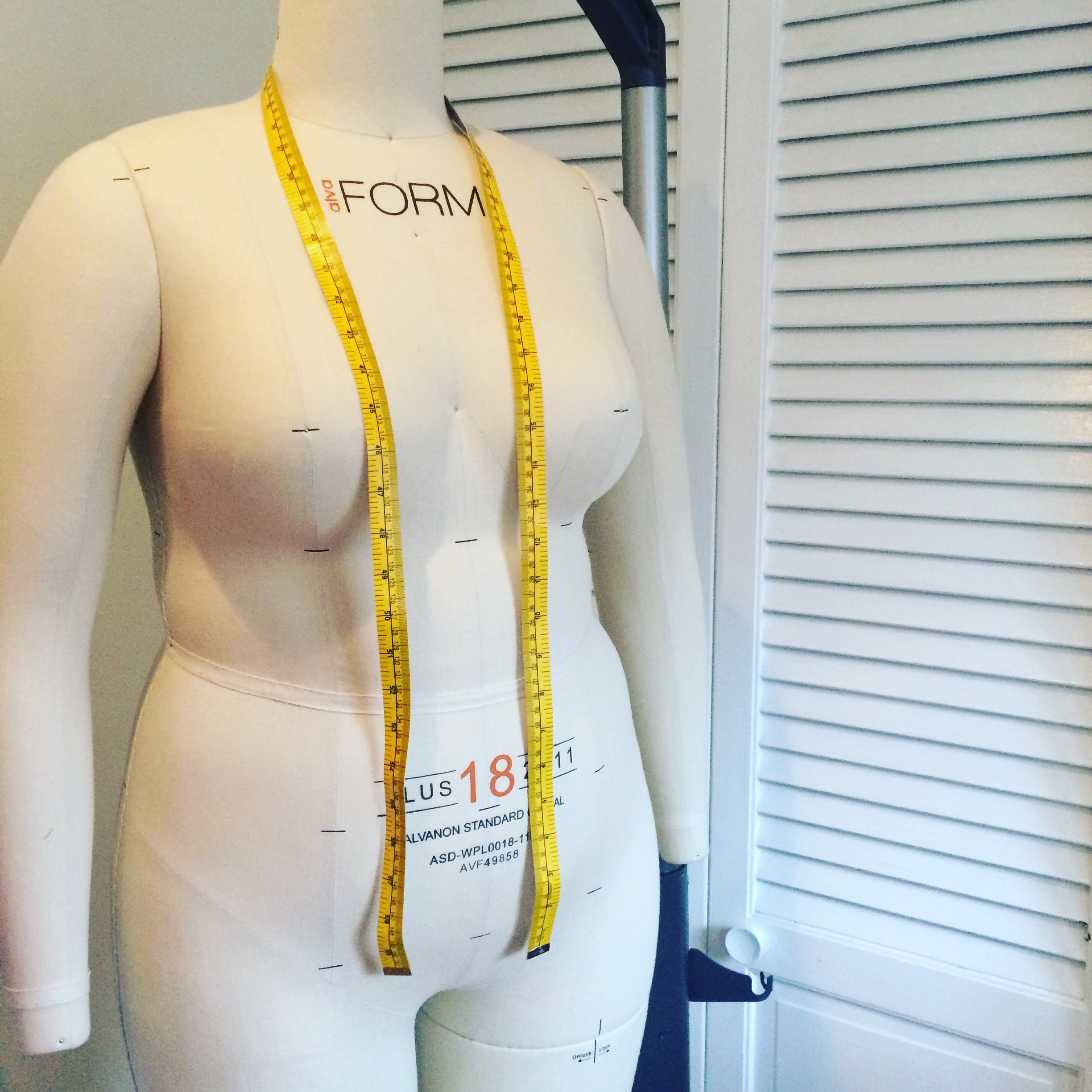
    A soft body measuring tape is essential for accurate measurements. Have someone else measure you for the most reliable numbers, and measure in your undergarments for accuracy.

    Undergarments and Support for Your Wedding Day

    Undergarments and Support for Your Wedding Day

    The right undergarments can make a significant difference in how your A-line wedding dress looks and feels. Here is what to consider.

    Bridal Bras and Bustiers

    Bridal Bras and Bustiers

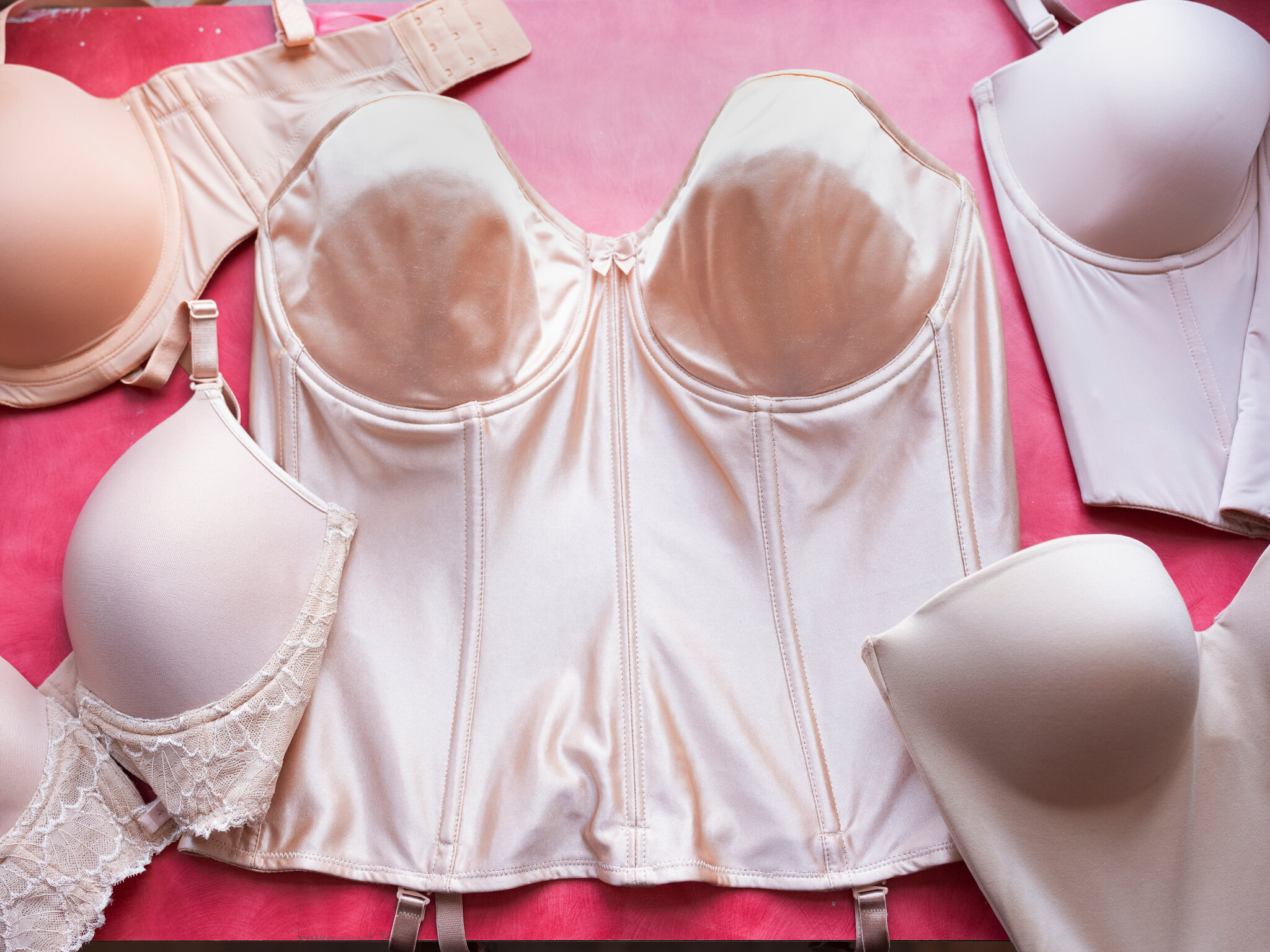
    Many A-line wedding dresses have built-in cups or boning that provide some support, but most plus size brides benefit from additional support underneath. A bridal bustier or longline bra provides lift and shaping while smoothing the torso line. Strapless bras in plus sizes can be tricky – test yours by wearing it for several hours before the wedding to make sure it stays in place without constant adjustment.

    Shapewear Considerations

    Shapewear Considerations

    Shapewear under your wedding dress is a personal choice. If it makes you feel more confident and comfortable, wear it. If it makes you feel restricted and uncomfortable, skip it. If you do choose shapewear, wear it during your dress fitting so the seamstress can account for it in the alterations. Choose breathable, comfortable shapewear that you can wear for 8-12 hours without discomfort – your wedding day is not the day to sacrifice comfort.

    Smoothing Slips

    Smoothing Slips

    A smoothing slip under your A-line dress creates a seamless base that helps the dress drape smoothly. This is especially helpful if your dress fabric is on the thinner side. A slip also prevents the dress from sticking to your body or undergarments in warm weather. Choose a slip in a shade that matches your skin tone or the dress color for invisibility.

    Comfort Essentials

    Comfort Essentials

    Bring comfortable shoes for the reception – dancing in heels for hours is optional, and your feet will thank you. Anti-chafing balm applied to your inner thighs, under your bra line, and anywhere your dress might rub prevents discomfort during a long day. A small emergency kit with fashion tape, safety pins, and stain remover covers any surprises.

    Alterations and Getting the Perfect Fit

    Alterations and Getting the Perfect Fit

    Even the most beautiful wedding dress needs alterations to fit perfectly. Here is what to expect from the alteration process for your plus size A-line gown.

    Timeline

    Timeline

    Plan for two to three fittings spread over six to eight weeks before your wedding. The first fitting addresses major adjustments – taking in or letting out the bodice, adjusting the neckline, and setting the hemline. The second fitting fine-tunes the details. A third fitting confirms everything is perfect. Start the alteration process at least two months before your wedding date to allow time for any unexpected adjustments.

    Common A-Line Alterations

    Common A-Line Alterations

    The most common alterations for plus size A-line dresses include taking in the bodice for a closer fit, adjusting the bust cups or adding cups, hemming to the correct length for your shoes, adding a bustle for the train, and adjusting the straps or neckline. A-line dresses are generally easier and less expensive to alter than more complex silhouettes like mermaid or ball gown dresses because the flowing skirt requires minimal adjustment.

    Finding the Right Seamstress

    Finding the Right Seamstress

    Look for a seamstress or tailor with specific experience in bridal alterations and comfort working with plus size garments. Ask for references from other plus size brides, and check reviews specifically mentioning extended sizes. A good bridal seamstress will make you feel comfortable and confident throughout the process – if anyone makes you feel self-conscious about your body, find someone else. Your wedding dress experience should be joyful, period.

    Cost Expectations

    Cost Expectations

    Bridal alterations typically cost $200-600 depending on the complexity. Plus size alterations may cost slightly more because they require more fabric and time. Budget for alterations separately from your dress purchase so you are not caught off guard. The investment is absolutely worth it because even small fit adjustments make a dramatic difference in how the dress looks and how you feel wearing it.

    Real Brides Share Their A-Line Stories

    Real Brides Share Their A-Line Stories

    The most compelling evidence for A-line wedding dresses comes from the plus size brides who have worn them. Here are the reasons they consistently share for choosing this silhouette.

    Comfort is the reason that comes up most frequently. Brides describe being able to dance, sit, walk, and hug guests all day without feeling restricted or worrying about their dress shifting. The flowing skirt allows freedom of movement that more structured silhouettes simply cannot match, and on a day as long and physically demanding as a wedding, that comfort is invaluable.

    Confidence is a close second. Plus size brides repeatedly describe the moment they tried on an A-line dress as the moment they felt like a bride. The silhouette celebrates curves without clinging, provides structure without rigidity, and creates a shape that looks beautiful from every angle. Many brides who were nervous about dress shopping describe the A-line as the style that made them cry happy tears in the dressing room.

    Versatility is another major factor. The A-line silhouette works for every wedding style – formal cathedral ceremonies, rustic barn weddings, beachside celebrations, and intimate courthouse ceremonies. It works with every neckline, every fabric, and every level of embellishment. Whether your bridal vision is minimal and modern or romantic and traditional, there is an A-line dress that matches it perfectly.

    Finally, brides love that the A-line is timeless. Unlike trends that look dated within a few years, the A-line silhouette has been a bridal staple for decades and will continue to be. Your wedding photos will look classic and beautiful for the rest of your life, never suffering from the “what was I thinking” effect that very trendy silhouettes can sometimes produce.

    Key Takeaways

    • The A-line silhouette is widely considered the most universally flattering wedding dress shape for plus size brides because it fits the bodice, defines the waist, and flows over the hips without clinging.
    • V-necklines, sweetheart necklines, and off-the-shoulder styles are the most flattering neckline options for curvy brides wearing A-line dresses.
    • Medium to heavy weight fabrics like mikado, crepe, and structured satin drape most beautifully on curvy bodies and maintain the A-line shape.
    • Call ahead to bridal salons to confirm they carry plus size samples – trying on a dress near your actual size provides a much better shopping experience.
    • Budget separately for alterations ($200-600) because even the best off-the-rack dress needs customization to fit perfectly.
    • Your wedding dress should make you feel beautiful and joyful – do not settle for a dress that makes you feel anything less than spectacular.

    Frequently Asked Questions

    What size should I order for my wedding dress?

    Bridal sizing runs small compared to regular clothing sizes – a bride who wears a size 16 in everyday clothes might need a size 18 or 20 in bridal. Always go by your actual measurements rather than your usual size number. Order the size that fits your largest measurement (usually hips for plus size women) and have the dress taken in elsewhere during alterations. It is always easier to take in a dress than let it out.

    Can plus size brides wear a fitted A-line or does it need to be loose?

    Plus size brides can absolutely wear a more fitted A-line (modified A-line) that hugs the body through the hips before flaring. The A-line does not need to be loose or tent-like to be flattering. A closer fit through the torso and hips that gradually releases into a flare at mid-thigh or knee creates a stunning, body-celebrating silhouette that many plus size brides prefer.

    How much does a plus size A-line wedding dress cost?

    How much does a plus size A-line wedding dress cost?

    Plus size A-line wedding dresses range from under $200 for budget-friendly online options to $5,000 or more for designer gowns. The average price falls between $800 and $2,000. David’s Bridal offers beautiful A-line dresses in plus sizes starting around $400-800. Online retailers offer even more affordable options, though you sacrifice the ability to try before you buy.

    Should I wear a veil with an A-line wedding dress?

    A veil pairs beautifully with an A-line dress. A fingertip veil (reaching your fingertips) is the most versatile length and works with virtually any A-line style. A cathedral veil adds drama for formal ceremonies. A simple birdcage or blusher veil creates a vintage feel. You can also skip the veil entirely and wear a hair accessory, fresh flowers, or nothing at all. There are no rules – only your preference.

    What if I want to wear a different silhouette?

    What if I want to wear a different silhouette?

    The A-line is a popular recommendation for plus size brides, but it is not the only option. Mermaid dresses, ball gowns, sheath dresses, and tea-length dresses all look beautiful on curvy bodies when the fit is right. Try on multiple silhouettes at your bridal appointment and let your body and your reaction in the mirror guide your choice. The best wedding dress is the one that makes you feel like the most beautiful version of yourself.