Category: Makeup & Beauty

  • Cetaphil vs CeraVe Moisturizing Cream: The Tub That Actually Earns the Bathroom Shelf

    Cetaphil vs CeraVe Moisturizing Cream: The Tub That Actually Earns the Bathroom Shelf

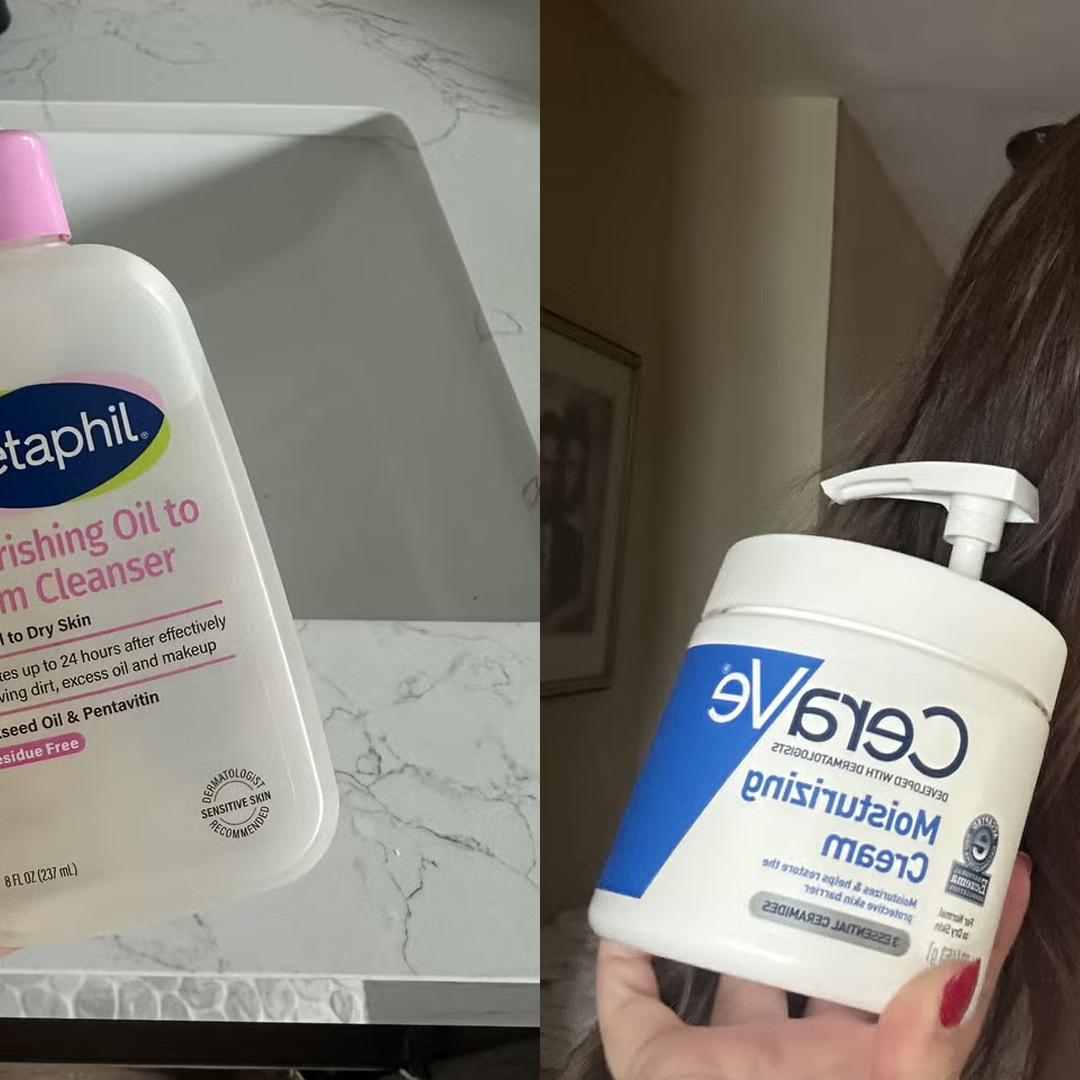
    Cetaphil Moisturizing Cream and CeraVe Moisturizing Cream tubs placed side by side on a beige linen background

    The cream with the heavier feel, the bigger occlusive load, and the smaller TikTok footprint is the one that earned permanent shelf space in my bathroom for body, and the one most readers expect to win for face is the wrong pick for half the people buying it. Cetaphil Moisturizing Cream and CeraVe Moisturizing Cream sit on the same drugstore shelf, in nearly identical white tubs, for nearly identical prices. After five months of using both on my NC45 neutral-warm skin (face first 30 days each, then body for the remainder), the answer is not “they are basically the same tub.” One is built around a glycerin and petrolatum occlusive structure with no real actives. The other is built around three ceramides and hyaluronic acid in a slower-release vehicle. On a deeper complexion that runs combination-oily on the T-zone and dry on the cheeks, that difference is not academic.

    Most reviews of these creams are written by people who tested only on face, only for a week, on one skin type. Moisturizer is hydration plus occlusion, barrier support, texture under makeup, and humidity behavior. I tested both as face cream first, then as body cream, tracking four specific things: pilling under foundation, T-zone behavior at hour six, eczema patch response on the back of my hands, and how each layered with chemical SPF the next morning. The verdict is split by use case, not by brand loyalty.

    Quick verdict if you only have 30 seconds

    CeraVe Moisturizing Cream wins for face on combination, dry, or barrier-compromised skin and is the better pick for anyone layering actives like retinol, niacinamide, or AHAs. Cetaphil Moisturizing Cream wins for body, eczema-prone hands, and the kind of deep-winter cracked-knuckle situation where you need a real occlusive seal more than you need active ingredients. For my face long-term, CeraVe stayed. For my body and post-shower routine, Cetaphil stayed. Both stayed in the rotation, but for genuinely different jobs.

    What they are and why they get compared

    Cetaphil launched in 1947 in a Texas pharmacy as a soap-free line for patients with eczema, rosacea, and post-procedure skin. The Moisturizing Cream came later, built on the same do-no-harm philosophy: a thick, fragrance-free, occlusive-leaning tub with glycerin, petrolatum, and dimethicone doing the heavy lifting. Galderma owns the brand. The pitch has run unchanged for almost 80 years – no fragrance, no harsh surfactants, no fancy actives, just a barrier seal that does the boring work.

    CeraVe launched in 2005 with a more modern pitch. Developed with dermatologist input, the brand built its identity on three ceramides (1, 3, and 6-II) plus hyaluronic acid, delivered through a patented MultiVesicular Emulsion that releases the actives slowly. L’Oreal acquired CeraVe in 2017 and the TikTok pipeline did the rest. The Moisturizing Cream is the flagship tub: ceramide-heavy, glycerin-rich, slightly thinner than Cetaphil, designed for dry-to-very-dry skin on face and body.

    Both are positioned for dry, sensitive, and barrier-compromised skin. Both retail around $16 to $19 for a 16oz tub at Target, Walmart, and Amazon. Both are dermatologist-recommended, fragrance-free, non-comedogenic. The packaging is so similar I have grabbed the wrong tub off the shelf, twice. This is exactly why the side-by-side question keeps getting asked.

    Side-by-side comparison

    Feature Cetaphil Moisturizing Cream CeraVe Moisturizing Cream
    Price (16oz tub) Around $16 Around $19
    Key actives Glycerin, petrolatum, dimethicone, sweet almond oil 3 ceramides (1, 3, 6-II), hyaluronic acid, glycerin
    Texture Thick, dense, slightly waxy Thick lotion, slightly whippy, easier to spread
    Occlusion level High – petrolatum-based seal Medium – barrier support without heavy occlusion
    Pilling under makeup Pills badly under powder foundation after 2 minutes No pilling under MAC Studio Fix at 7 minutes
    Fragrance None None
    Best primary use Body, hands, eczema patches Face, neck, layered with actives

    Cetaphil Moisturizing Cream: the occlusive heavyweight
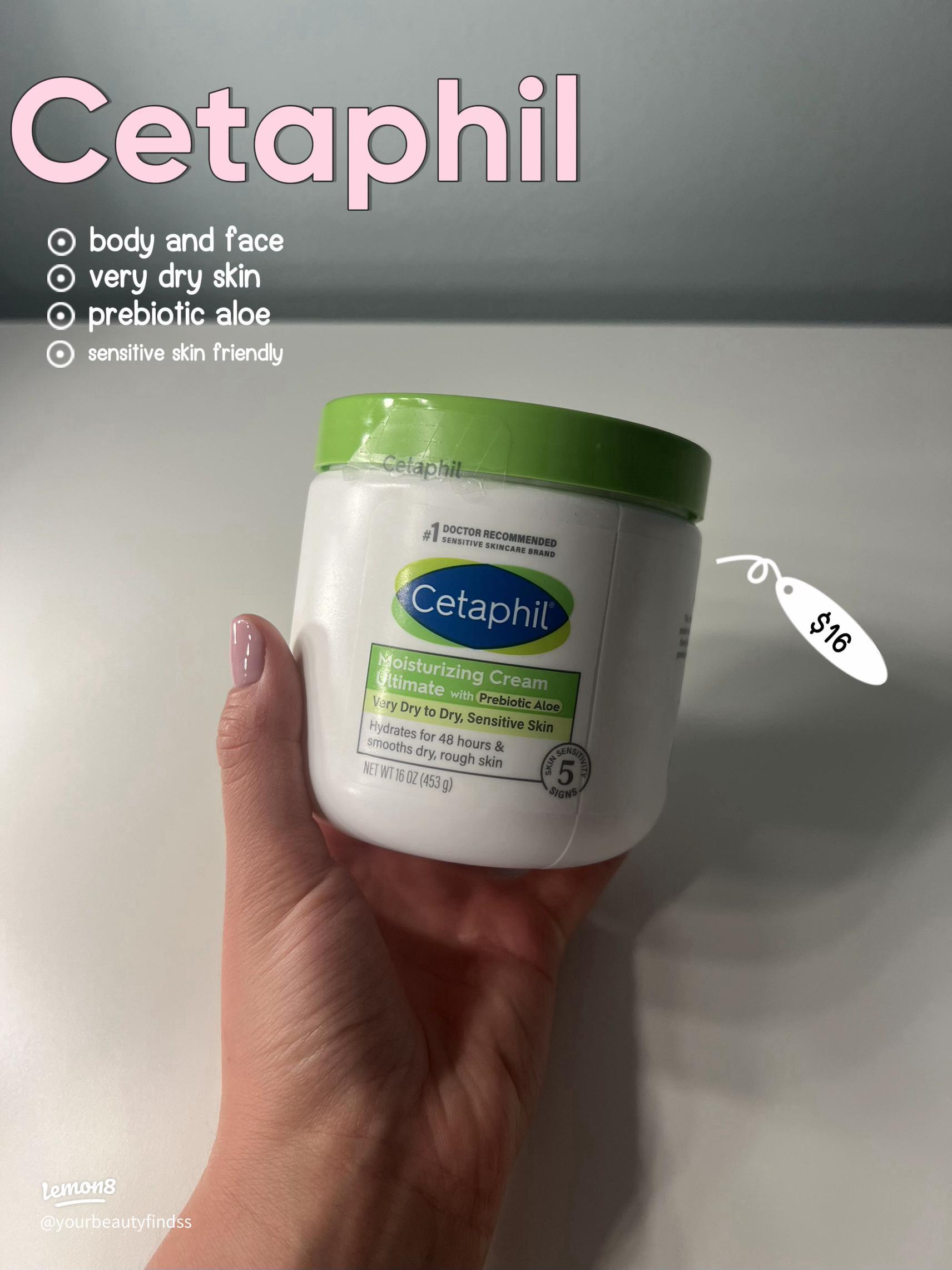
    Open Cetaphil Moisturizing Cream tub with a swipe of the thick cream across a glass surface

    Cetaphil Moisturizing Cream is the heavier, denser, more old-school formula. Scoop a fingertip out of the tub and you get a thick white cream that holds its shape on the spatula before it relaxes. The slightly waxy mouth-feel comes from petrolatum sitting close to the top of the ingredient list. On the skin it leaves a real film, and that film is the point.

    What worked: as a body cream this is one of the best occlusive seals in the drugstore tier. I have a patch of mild eczema on the back of my left hand that flares up in winter and after long days of dish soap. Four nights of a thick layer of Cetaphil after my shower, sealed under cotton gloves while I slept, cleared the patch faster than anything I have used in the last two years. On elbows, knees, and shins it holds moisture longer than any drugstore lotion I have tested. I can put it on at 8am and still feel hydrated skin at 6pm, which CeraVe could not match at the same dose.

    What did not work: on my face it was a disaster. The same petrolatum and dimethicone film that makes it a great body sealant pills under any powder product within two minutes. I tried it with MAC Studio Fix NC45 and with a thin dust of L’Oreal True Match powder. Every single time I got little gray flecks of product rolling off my cheekbones the moment I touched my face. It also sat on top of my skin instead of sinking in, which on a combination-oily T-zone meant a slick that made the rest of my routine slide. For face it is too occlusive for anyone whose skin is not in active eczema crisis.

    For body and eczema-patch use, Cetaphil Moisturizing Cream on Amazon ships in the 16oz tub at the lowest consistent price I have tracked, with Subscribe & Save knocking another 5 to 15 percent off depending on the month.

    CeraVe Moisturizing Cream: the ceramide tub doing real face work
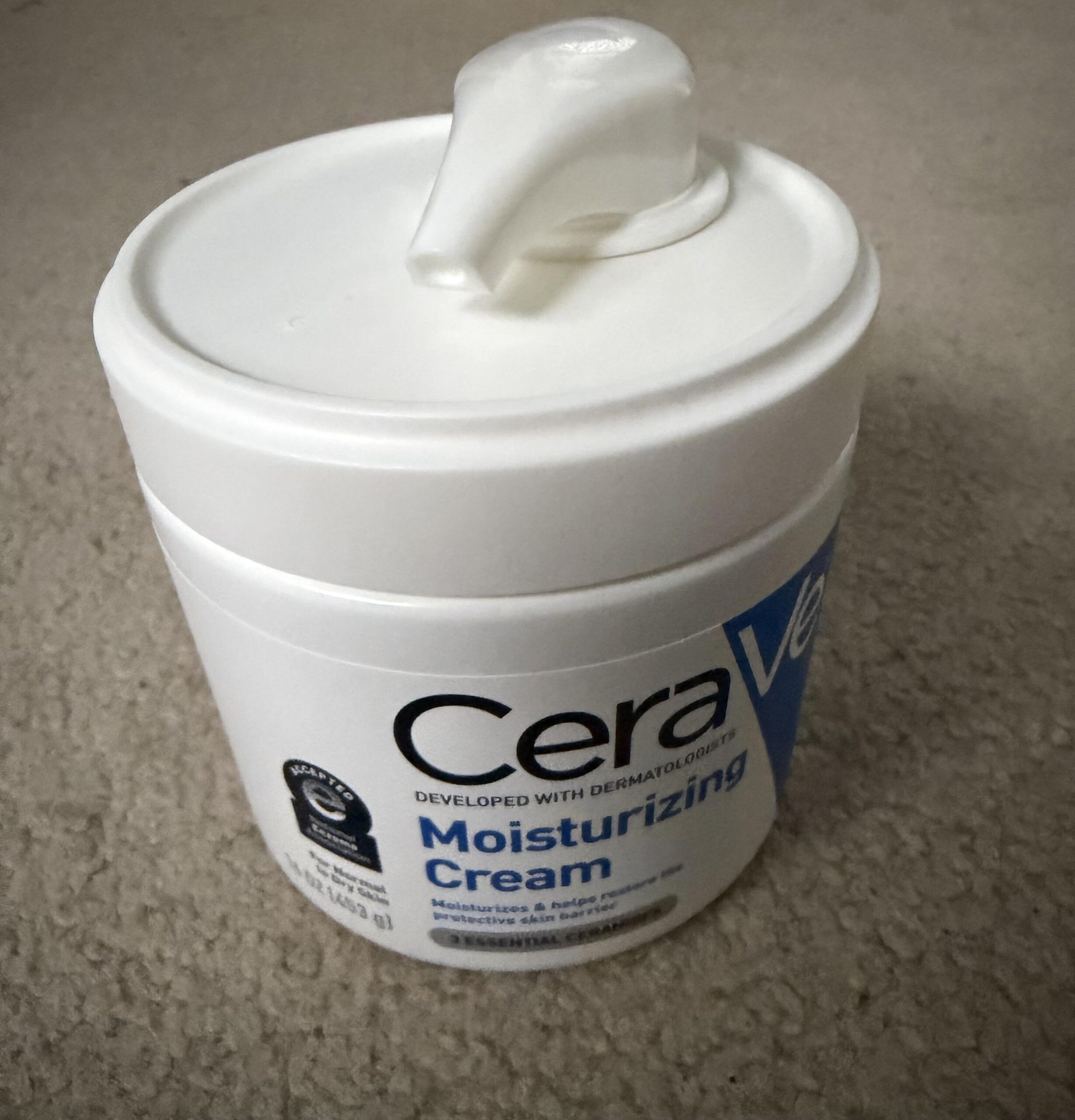
    Open CeraVe Moisturizing Cream tub with a dollop of the whippy cream on a glass surface

    CeraVe Moisturizing Cream looks like the same product in a different label. It is not. Scoop a fingertip out of the tub and you get a slightly whippy, lotion-adjacent cream that spreads and sinks in. Ceramides 1, 3, and 6-II are the lipids your skin barrier already uses, and the MultiVesicular Emulsion delivery system is one of the few things in drugstore skincare that has the clinical literature to back its marketing claim.

    What worked: on my face, this is one of the only thick creams I have used that did not pill under foundation. I gave it seven minutes to sink in before applying MAC Studio Fix NC45 and got zero flaking, zero rolling, zero gray flecks on my cheekbone when I touched my face. The slow-release ceramide load also showed up in my mid-afternoon barrier state. By hour six on a normal indoor day, my cheeks still felt comfortable rather than the slight tightness I get from gel moisturizers. On the T-zone it did not push my oil production higher.

    I tested it under La Roche-Posay Anthelios Melt-In Milk SPF 60 the next morning and it layered cleanly with no white cast and no slip. For anyone running a daily actives routine – retinol at night, niacinamide in the morning, weekly AHA – the ceramide replenishment CeraVe provides supports the barrier those actives wear down. This is the actual case for ceramides, and the cream is one of the cheapest ways to get them on your face.

    What did not work: on body it underperformed Cetaphil. The lighter texture that makes it ideal for face means it does not hold moisture on my shins or elbows the same way. On the eczema patch on my hand it helped, but did not clear it the way Cetaphil did under the same overnight-glove test. The hyaluronic acid is humectant, meaning in low-humidity winter heating it can pull water out of skin if nothing more occlusive is layered on top.

    For face use, CeraVe Moisturizing Cream at Target is the easiest pickup at the consistent $19 price point with the 90-day return policy if you react to it.

    Where they overlap and where they differ

    Both creams share the same baseline positioning: fragrance-free, dermatologist-recommended, non-comedogenic, drugstore-priced. Both use glycerin as a primary humectant. Both work as gentle starter moisturizers for anyone building a routine from scratch.

    The differences land in three places. First, occlusion profile – Cetaphil leans heavier on petrolatum and dimethicone, meaning a thicker seal, better for body and barrier crisis, worse for face under makeup. CeraVe uses a lighter occlusive load with ceramides doing the barrier work, suitable for face under makeup and for daily actives layering. Second, ingredient philosophy – Cetaphil is intentionally minimal, designed for skin that cannot tolerate anything. CeraVe is intentionally fortified to actively support a working barrier. Third, use case – Cetaphil shines for body and for the small group whose skin is so reactive even ceramides feel like too much. CeraVe shines for face and for the much larger group running actives.

    Price is real but not the deciding factor – Cetaphil runs roughly $3 cheaper per 16oz tub, which is rounding error in a yearly skincare budget. The lazy take is “they are interchangeable, get whichever is on sale.” They are not interchangeable.

    Which one for which person

    If you are building a face routine with actives – retinol, niacinamide, AHAs, vitamin C, anything from The Ordinary or Paula’s Choice – get the CeraVe Moisturizing Cream . The ceramide load is the genuine point, the texture sinks in within seven minutes, it layers under foundation without pilling, and it does not throw off sunscreen the next morning. For the NC40-to-NC50 range with combination-oily T-zone tendencies, it is one of the strongest drugstore face creams available.

    If you need an honest body cream that holds hydration for 10+ hours, or you have eczema patches on your hands, elbows, or shins that need a real occlusive seal at night, get the Cetaphil Moisturizing Cream . The petrolatum and dimethicone film does work that lighter lotions cannot. I keep one tub on my bathroom counter for face mornings, one on my nightstand for hand and elbow patches at night.

    If your skin is genuinely reactive – rosacea, eczema in active flare, post-procedure healing, or sensitivity that flags up at even ceramides and hyaluronic acid – default to Cetaphil for both face and body. The almost-no-actives formulation is the safer choice when your barrier cannot tolerate anything new. Once the flare calms, swap face back to CeraVe.

    On deep, melanin-rich skin like mine, both creams pass the white-cast test once they sink in. Cetaphil takes longer, which on darker skin can read as a slight gray sheen for the first five minutes – just give it the time. CeraVe sinks in faster and shows no cast at all.

    Frequently asked questions

    Can I use either as both a body and face cream?

    You can, but it is not optimal. CeraVe works on body but underperforms Cetaphil there. Cetaphil works fine on body but pills under foundation on face. Buy both if your budget allows – it is $35 total for nearly a year of supply. If you must pick one tub for both jobs, CeraVe is the better single-tub compromise because the face-pilling problem is a daily annoyance and the body underperformance is mild.

    Is either enough on its own, or do I need a serum?

    For hydration on dry skin, yes. Neither delivers actives, so if you have specific concerns – acne, hyperpigmentation, fine lines, texture – you will need a serum step before the cream. CeraVe is the better base for layering actives because the ceramide load supports the barrier those actives stress.

    How long should I wait before putting foundation on?

    For CeraVe, seven minutes is enough. I have tested it with a timer. For Cetaphil, do not put powder foundation on top at all – it will pill no matter how long you wait. If you must, give it 15 minutes minimum and set with a light spray of Mac Fix+ before powdering.

    Will either break me out if my skin is oily?

    Both are non-comedogenic and neither broke me out on my combination-oily T-zone over five months. CeraVe is the better choice for genuinely oily skin because the texture is lighter. If you are oily, also consider CeraVe PM Facial Moisturizing Lotion, which is even lighter and has niacinamide built in.

    Final pick

    For face, the winner is CeraVe Moisturizing Cream. The ceramide blend is real, it layers under makeup, and the barrier support shows up within a week of starting it. Worth the $19 every time. For body, hands, and eczema patches, the winner is Cetaphil Moisturizing Cream – the heavier occlusive seal is the right call for skin that needs sealing rather than fortifying. Buy CeraVe Moisturizing Cream at Target for face and Cetaphil Moisturizing Cream on Amazon for body. Morning layering order: gentle cleanser, hydrating toner, any active serum, CeraVe Moisturizing Cream, sunscreen, makeup. Save your money on prestige ceramide creams that charge $60 for the same three ceramides – spend it on a good chemical sunscreen and a real retinol instead.
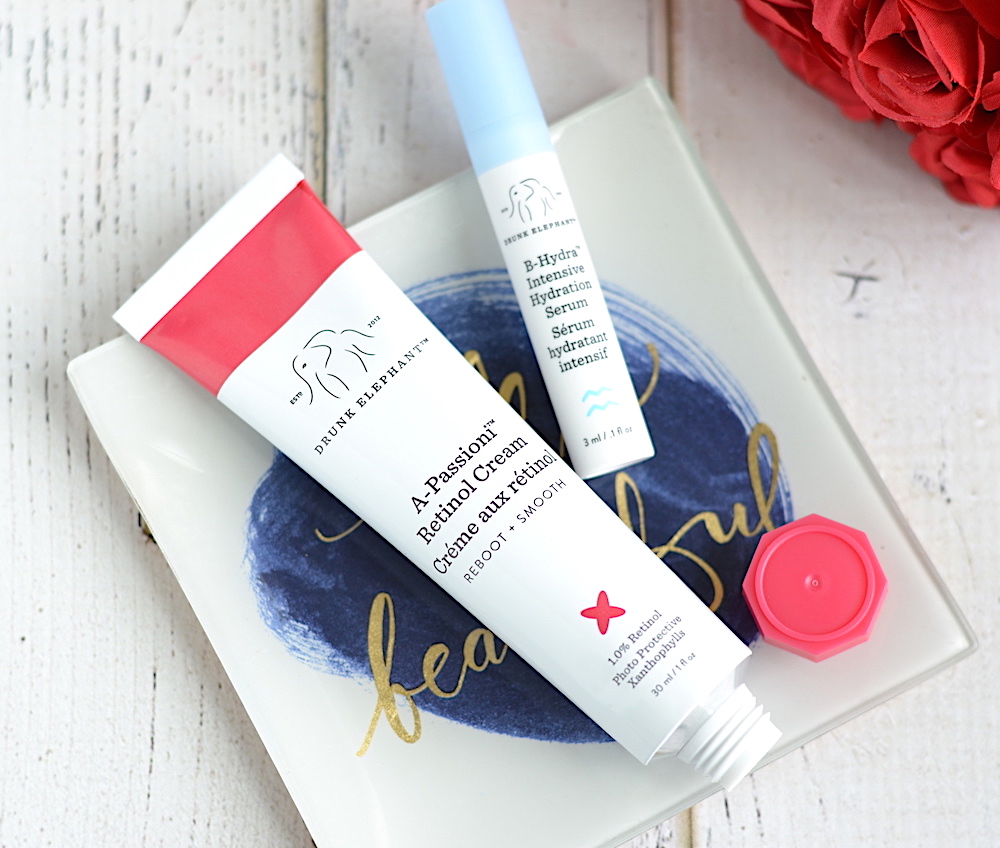
  • Drunk Elephant A-Passioni Retinol Review: The $74 Question, Settled

    Drunk Elephant A-Passioni Retinol Review: The $74 Question, Settled

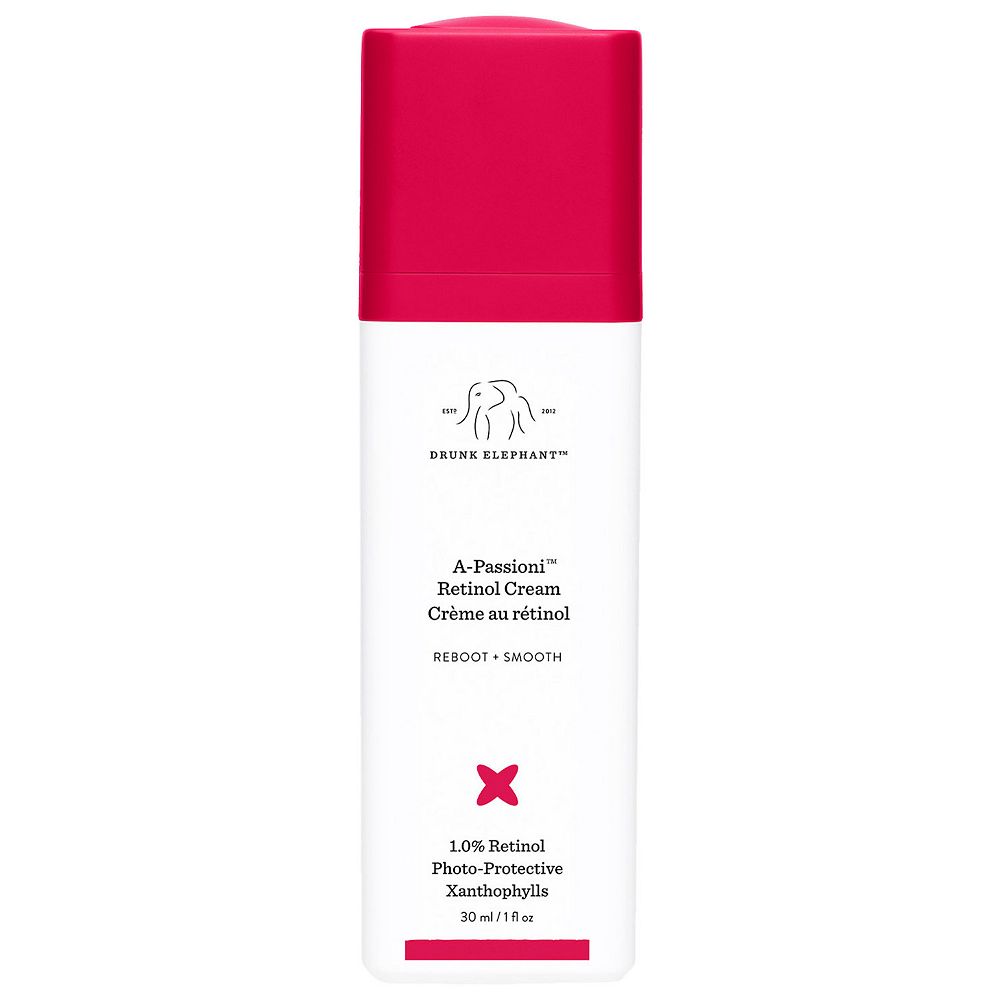
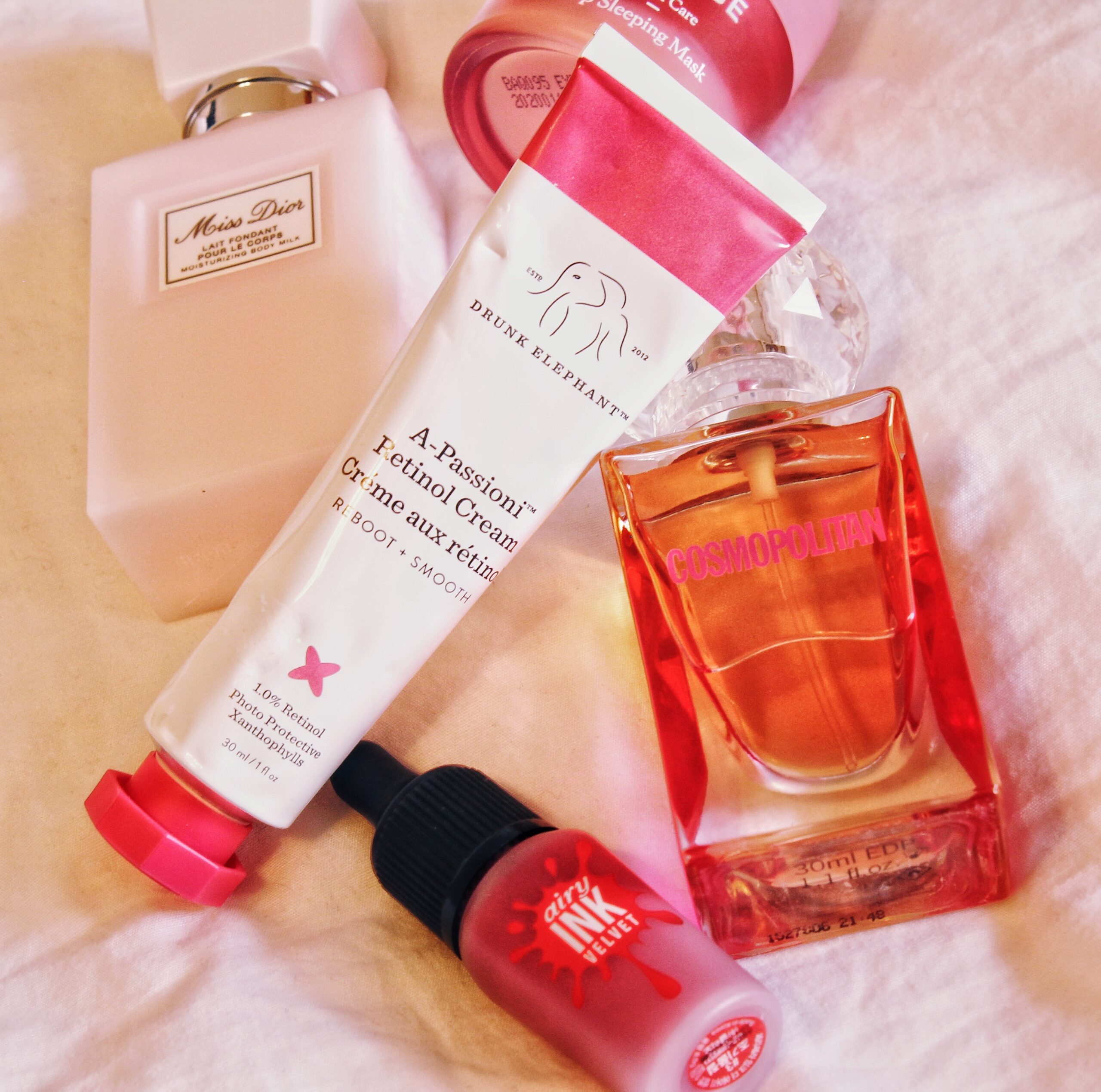
    Drunk Elephant A-Passioni Retinol Cream tube with a sample of cream swatched on deeper skin

    After three years of covering this category for readers who keep asking the same question, I can tell you Drunk Elephant A-Passioni is the retinol most often handed back to me with a quiet ‘was this worth it?’ My answer, on the record, is: sometimes, for a specific kind of buyer, at a specific point in a routine. It is not the strongest retinol you can buy at Sephora, it is not the gentlest, and it is not the cheapest. What it is – and this is the part the brand doesn’t lead with – is a fairly low-percentage retinol parked inside a heavy moisturizer base, which makes it forgiving for first-timers and underwhelming for anyone who has already worked up to a tolerance.

    For the reader who needs the context: I am NC45 with neutral-warm undertones, my skin reads as combination most months and oily in the Atlanta summer, and I have used retinoids on and off since I was twenty-three. The benchmark I hold this product against is what it is competing with on the shelf at $74, not whether it ‘works,’ because most retinols technically work given enough time. The question is whether this one earns the spend.

    Quick verdict

    Rating: 3.5 out of 5. A 1.0% encapsulated retinol in a cushioning moisturizer base, designed for retinol beginners and for anyone whose previous attempts at retinol ended in a face full of flaking. It does what it says, slowly. Best for: first-time retinol users, sensitive or dehydrated skin, and shoppers who want a one-bottle simple step. Skip if: you have built up a tolerance to 0.5% or higher and want visible texture change in under twelve weeks, or if you respond better to a serum-style retinoid you can layer your own moisturizer over. Where to buy: A-Passioni at Sephora , around $74 for 1 oz.

    What it is and where the brand context matters

    A-Passioni is Drunk Elephant’s flagship retinol, launched in 2019 as a 1.0% vegan retinol in a cream base built around what the brand calls ‘biocompatible’ ingredients. The formula combines retinol with peptides, vitamin F (essentially a blend of fatty acids), passion fruit oil, kale, winter cherry, and triglyceride-rich plant butters. The texture is closer to a moisturizer than a serum. You apply it as your last skincare step at night, and the cushioning base is supposed to buffer the irritation people typically associate with retinol.

    Drunk Elephant sits in the prestige-clean tier at Sephora, alongside Tatcha and Sunday Riley. A-Passioni, as far as I can tell from the ingredient deck on the current tube, is the same formula it was in 2020. What has changed is the competitive landscape – several brands have launched retinals and encapsulated retinols at lower prices in the last three years, which puts pressure on the $74 price tag in a way that did not exist when this product launched.

    My experience over two eight-week stretches

    I have used A-Passioni in two separate eight-week runs. The first was in 2023, when a publicist sent me a tube. The second was earlier this year, when I bought one with my own money to retest it against a CeraVe Resurfacing Retinol Serum I had been using since the summer. Both runs followed the same protocol: cleanse with a gentle gel cleanser, pat dry, apply a hydrating toner, wait two minutes, pea-sized pump of A-Passioni on the cheeks and forehead, gently pressed in. No additional moisturizer on top. Mornings, I paired with a La Roche-Posay Anthelios mineral SPF, because mineral sits better under my MAC Studio Fix Fluid in NC45 than chemical filters do.

    The first two weeks of each run, my skin did exactly what it should on a 1.0% retinol in a cushioning base: very little. No redness, no flaking, a faint tightness on the second and third nights that resolved by the fourth. Week three to four, the skin on my cheeks started looking smoother in side-lighting, which is the test I trust. My pores around the nose looked slightly tighter, and my hyperpigmentation along the jawline started to look one shade lighter.

    Where it got interesting was the comparison week. Six weeks into my 2026 run, I went back to the CeraVe Resurfacing Retinol Serum for two weeks just to test, and my skin texture continued to improve at roughly the same rate, on a product that costs $20. That is the data point I cannot get away from. If a $20 product is producing comparable results on my specific skin, the $74 product needs to be doing something dramatic for the difference. It was not.

    Caveat: my skin tolerates retinol well at this point. For someone whose skin is reactive, dehydrated, or freshly arriving at retinol, the cushioning base in A-Passioni does something the bare CeraVe does not. It buffers. It softens the introduction. That is real, and worth paying for if that is where you are starting.

    Drunk Elephant A-Passioni Retinol Cream as part of a nighttime skincare routine flat lay

    What works

    The buffering effect is real and is the single best argument for paying full price. Encapsulated retinol means the active is wrapped in a delivery vehicle that releases more gradually, which lowers the peak irritation window. Add the cushioning oil-and-butter base, and the product becomes one of the more comfortable retinol experiences at this strength. I have recommended this to two friends who had previously written off retinol after a bad week of flaking on something cheaper, and both of them stuck with A-Passioni past the four-week mark.

    The texture is one of the better ones in this category. It absorbs without the tacky film a lot of cream retinols leave behind, and it does not pill under SPF the next morning when I layer mineral filters on top. For anyone who wears foundation most days, the lack of pilling is not a small thing. Pilling forces a re-cleanse on a Tuesday morning when you do not have time for either.

    The ingredient deck is what Drunk Elephant fans pay for. No essential oils, no fragrance, no silicones, no SLS. If you are someone who has reacted to fragrance in skincare in the past, A-Passioni is a low-risk place to land. The packaging is opaque aluminum with a pump dispenser, which protects the retinol from light degradation. Retinol is famously unstable in clear glass, so opaque packaging is the bare minimum at this price tier and the brand gets it right.

    What does not work, honestly

    The price is the loudest objection and it is a fair one. $74 for 1 oz of 1.0% retinol is a premium spend in a category where credible alternatives exist between $14 and $30. The brand’s argument is that the cushioning base and the encapsulation justify the markup. That argument holds for retinol beginners. It does not hold for anyone whose skin has already adjusted to retinoids, because at that point you are paying for buffering you no longer need.

    The cushioning base, useful as it is, also limits how aggressive the product can feel. I noticed this in my second run particularly. After about six weeks, I wanted my retinol to do more than maintain – I wanted active texture change. A-Passioni at 1.0% in a cream base did not deliver that next level. To get there, I would either need to step up to a higher percentage or move to a serum-style delivery I could layer my own targeted moisturizer over. The product is, by design, a starting and maintenance retinol, not a heavy lifter.

    The shade-aware reader question: Drunk Elephant does not market this product with deeper skin tones in mind. The influencer panel they use leans fair-to-medium and the ‘before and after’ shots they circulate are not skewed toward NC40-and-deeper complexions. The product itself works on deeper skin, and I did not see any of the post-inflammatory hyperpigmentation flares retinol can cause when introduced too aggressively, but the brand’s marketing leaves a gap. If you need to see your skin tone reflected in the product imagery to feel confident about a $74 spend, A-Passioni does not give you that.

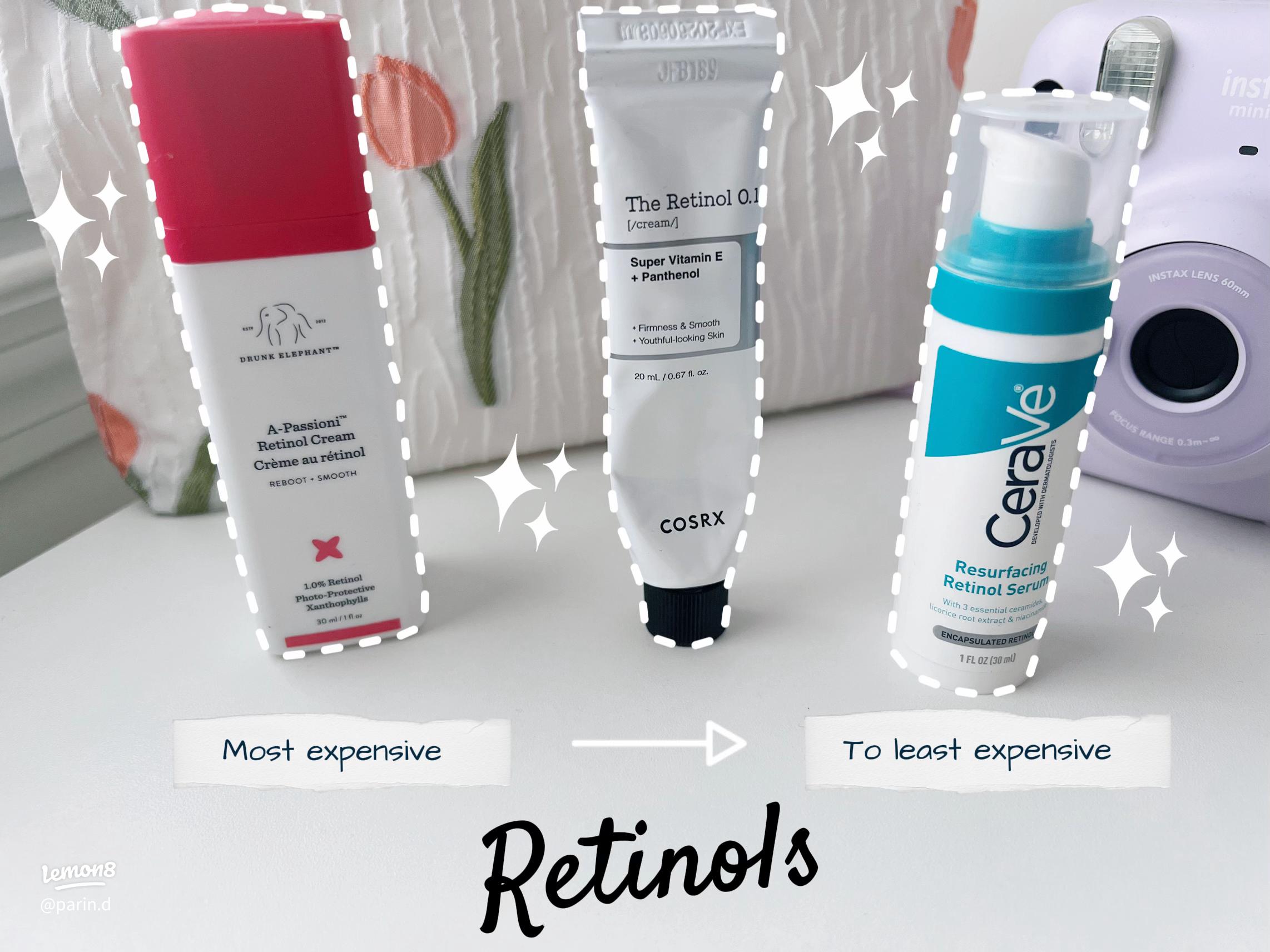
    Drunk Elephant A-Passioni compared to CeraVe Resurfacing Retinol Serum and The Ordinary Retinol in Squalane

    How it compares to the alternatives I actually use

    Three retinol comparisons I get asked about constantly, and the honest read on each.

    The Ordinary Retinol 0.5% in Squalane – around $9 for 1 oz at most retailers. A non-encapsulated retinol in a simple squalane base, sold at a strength close to A-Passioni’s. The Ordinary’s version is slightly more potent in feel because it is not encapsulated, which means more active is hitting the skin at once. That also means more irritation potential for first-timers. For an experienced retinol user, this is a credible $9 alternative to the $74 spend. For a beginner, it is too aggressive and will probably get returned in week two. Pick this if you have used retinoids before and want a no-frills option. The squalane base is nice. The price-to-result ratio is the strongest in the category. Find it at The Ordinary Retinol 0.5% in Squalane at Ulta .

    CeraVe Resurfacing Retinol Serum – around $20 for 1 oz. The closest thing to A-Passioni at a quarter of the price. It is encapsulated, uses ceramides and licorice root extract to support the barrier, and is specifically marketed for post-acne marks. I have used it for months. My honest take: for my hyperpigmentation along the jawline, it performs comparably to A-Passioni at the eight-week mark. The texture is thinner, which I prefer, but it can pill under sunscreen if you do not let it absorb fully. If your retinol goal is gentle, encapsulated, and effective on post-acne marks, this is the better value. Pick it up at CeraVe Resurfacing Retinol Serum on Amazon .

    Paula’s Choice 1% Retinol Treatment – around $58 for 1 oz. A 1.0% retinol in a slightly lighter cream base than A-Passioni’s, with added peptides and vitamin C. It sits in the same prestige-affordable tier and is arguably the closest direct competitor. I have used both back-to-back. Paula’s Choice feels slightly more clinical, less plush, and the results at eight weeks were similar. For $16 less, it does the same job with a marginally less cushioning base. If you like Drunk Elephant’s brand experience and want the pump dispenser and the heavier butter feel, A-Passioni wins. If you care about the result and the deck, Paula’s Choice is the smart pick. Shop it at Paula’s Choice 1% Retinol Treatment at Sephora .

    Who should buy it and who should not

    Buy A-Passioni if you are new to retinol and your skin has been reactive to actives in the past. The cushioning base genuinely lowers the barrier to entry. Buy it if you have sensitive or dehydrated skin and do not want to spend the first three weeks managing flaking. Buy it if you prefer a one-step product and do not want to layer a separate moisturizer on top. Buy it if the Drunk Elephant brand experience, the packaging, and the suspicious-6-free deck are part of what you are paying for, and you have decided that is worth $74 to you.

    Skip if you have already tolerated 0.5% retinol or higher and you want a product that pushes your routine forward, not one that maintains. Skip if you are price-sensitive and the CeraVe Resurfacing Retinol Serum at $20 will get you 85% of the benefit. Skip if you want to layer your own moisturizer on top of a serum-style retinol, because A-Passioni’s cushion was not designed for that workflow. Skip if you want a product with a strong track record of imagery and marketing aimed at deeper skin tones, because that is not what Drunk Elephant is currently doing.

    Where to buy and current pricing

    A-Passioni is $74 for 1 oz across major beauty retailers. It is most widely stocked at Sephora , which is the safest first-purchase retailer because of the 60-day return policy for Beauty Insider members. Ulta carries it during Drunk Elephant brand stock periods and occasionally bundles it in seasonal kits. Amazon stocks it via Drunk Elephant’s own storefront, but read seller details carefully because retinol bought from unauthorized sellers can be old, heat-exposed, or counterfeit. The brand’s site has the freshest stock if you want to verify batch.

    Frequently asked questions

    Will Drunk Elephant retinol cause hyperpigmentation on deeper skin tones?

    Not when introduced correctly. The risk of post-inflammatory hyperpigmentation on deeper complexions comes from over-using retinol too soon, not from retinol itself. A-Passioni’s encapsulated 1.0% formula is on the gentle end of the spectrum, which makes it a lower-risk starting point. Begin two nights a week, build to four, and pair with a barrier-supportive moisturizer if your skin signals stress. Always wear SPF 30 or higher in the morning.

    How long until I see results?

    Texture and pore appearance changes around week three to four with consistent use. Hyperpigmentation fading is slower – eight to twelve weeks for visible change on most skin, longer for deep-set acne marks. Anything claiming dramatic week-one results in this category is overselling.

    Can I use it with vitamin C or AHA exfoliants?

    Vitamin C in the morning, A-Passioni at night is the standard split and it works. AHA exfoliants like glycolic or lactic acid are harder to layer with retinol on the same night and can over-strip the barrier. If you use both, alternate nights – retinol Monday and Wednesday, AHA Tuesday and Thursday, with hydration on the rest.

    Is the Drunk Elephant brand worth the price tier in general?

    The brand has some standouts (Protini Polypeptide Cream is genuinely one of my favorites at the price point) and some products that are coasting on brand equity. A-Passioni falls in the middle. The formula is good. The price is high for what it delivers on already-acclimated skin. If you are buying into the brand for the first time, this is not the product I would lead with – Protini or the C-Tango eye cream are better introductions.

    Final verdict

    Worth the spend for retinol beginners and sensitive-skin shoppers who want a buffered, one-step retinol they can stick with past week four. Not worth the spend for experienced retinol users who would get more out of a serum-style delivery at a higher percentage, or for budget-conscious shoppers who can get 85% of the benefit from the CeraVe Resurfacing Retinol Serum at $20. If you fall in the first camp and the brand experience matters to you, pick up A-Passioni at Sephora and give it eight weeks on a slow ramp-up. If you fall in the second camp, save your money on A-Passioni and spend it on a real moisturizer to layer under a cheaper retinol. The retinol itself is mostly a percentage and a delivery system. The base around it is where the spend either earns out or does not.

  • Fenty Beauty Pro Filt’r Concealer Review: The Shade Range Isn’t the Story

    Fenty Beauty Pro Filt’r Concealer Review: The Shade Range Isn’t the Story

    Fenty Beauty Pro Filt'r Soft Matte Concealer in shade 410 on marble vanity

    The brand that gets credit for the most inclusive shade range in the industry is, on my face, the third-best concealer I keep on my vanity. Fenty Beauty’s Pro Filt’r Soft Matte Concealer launched in 2018 with 50 shades and changed the public conversation about how brands underserve deep complexions. The launch was a moment. The product is also a product, and after using shade 410 across two full tubes over fourteen months, I can tell you where it shines, where it doesn’t, and which two alternatives I reach for first when I’m doing a paying client. The shade range is real. The formula is a separate conversation.

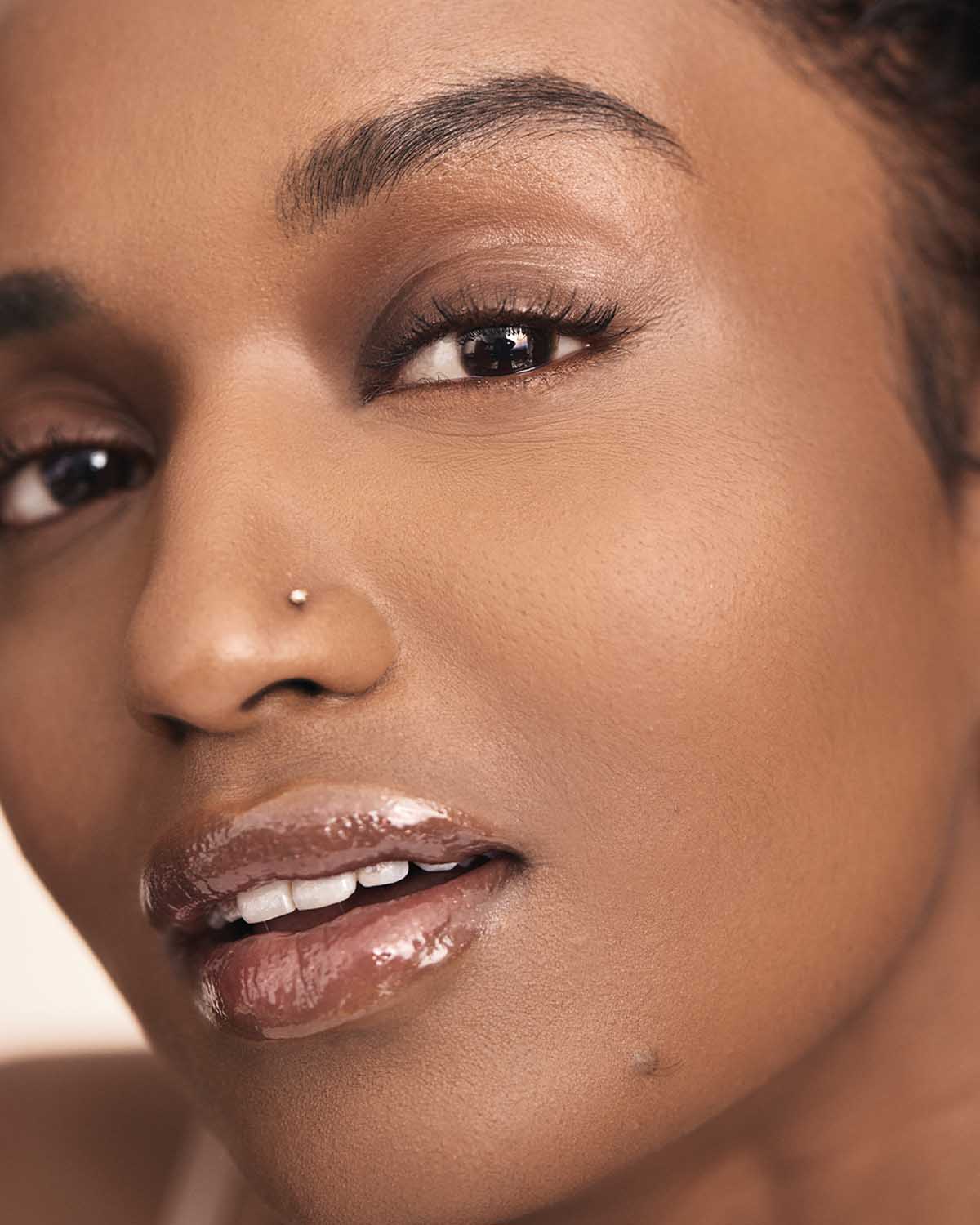
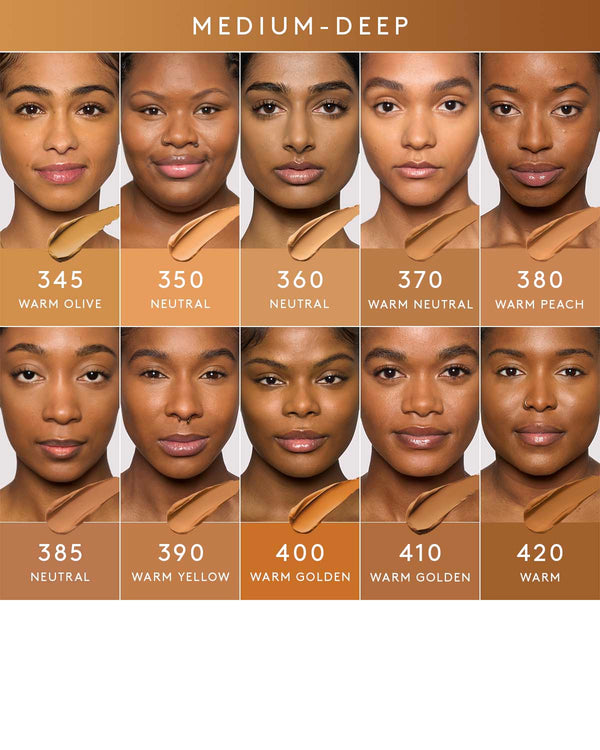
    Context on the face this review is written from: I’m NC45 in MAC’s range, which translates roughly to Fenty 380 to 410 depending on where my undertone falls. I’m neutral-warm with golden undertones – not olive, not pink-based. Biracial Black and Filipina, normal-leaning-dry through the cheeks, oily through the T-zone, with hereditary blue-purple undereye circles that need both color-correcting and coverage. I trained at MAC Pro in LA at 19 and did pro makeup commercially for four years before I started writing. This concealer is good. It is not the best one I own.

    Quick verdict

    Rating: 3.5 out of 5. Genuinely impressive shade range with 50 options that account for actual undertone variation, not just lightness. Formula is buildable, soft-matte, and forgiving on textured skin. Loses points for oxidation by hour four on warmer undertones, dryness around the eye area on anyone over 30, and a price that creeps above what the formula justifies. Best for: medium-deep to deep skin tones doing a daytime full-face look under three hours. Skip if: you have mature or dry undereye skin, or if you need transfer-proof wear past six hours. Where to buy: Fenty Pro Filt’r Soft Matte Concealer at Sephora , $30 for 0.27 oz.

    What it is and the brand context

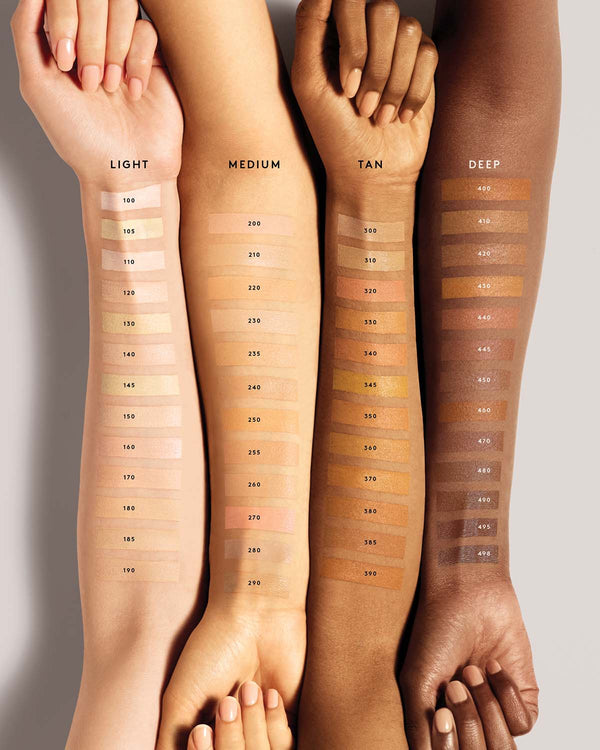
    Fenty Beauty launched in September 2017 with Pro Filt’r Soft Matte Longwear Foundation in 40 shades. The concealer followed in early 2018 with 50. Both products were formulated around the idea that shade matching for deep complexions had been treated as an afterthought for the previous thirty years of mass-market cosmetics. The concealer specifically was the first major drugstore-adjacent launch I can remember where deep shades had distinct neutral, warm, and cool variants instead of one generic “dark” bucket. The 400-range alone has nine shades. That’s more deep-tone options than most luxury brands carry across their entire complexion line.

    The formula is positioned as a medium-to-full coverage liquid concealer with a soft-matte finish, marketed as 16-hour wear and crease-resistant. The brand has reformulated quietly twice since launch, both times tightening the pigment load and adjusting the dry-down time. The version that ships in 2026 is not the version that shipped in 2018. If your last impression of this product was from the original launch, it’s worth reassessing.

    My experience across fourteen months

    I picked up my first tube in shade 410 in March 2025 after a client booking where my regular concealer ran out mid-job. I bought Fenty as the backup, used it on the client (medium-deep neutral-warm, close to my own depth), then kept using it on myself for the next eight months. Second tube went into rotation in November. So this review is anchored in two complete tubes of regular wear, not a one-week trial.

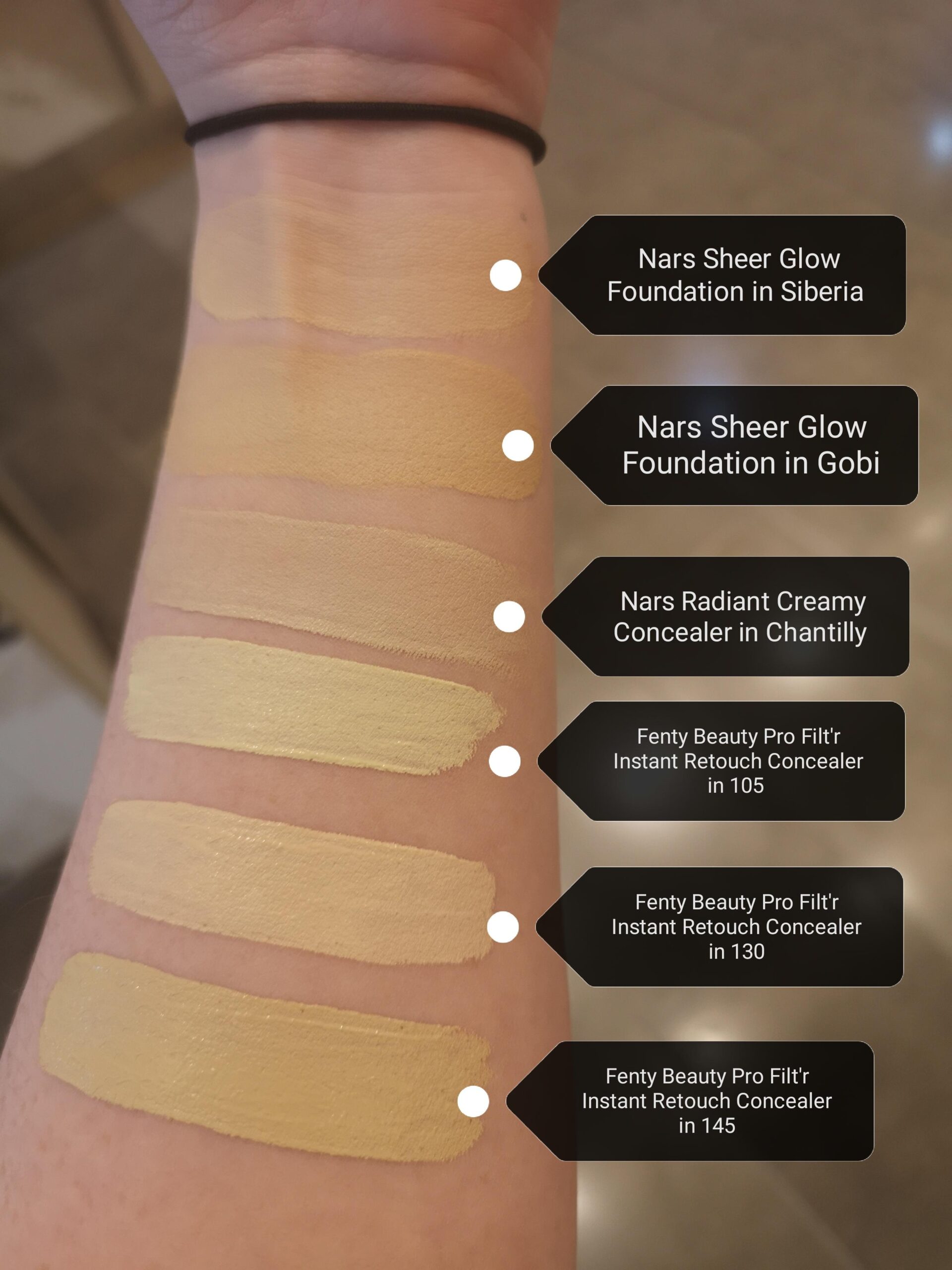
    What 410 looks like on my face: cool morning light, freshly applied, it matches almost perfectly. The pigment leans neutral with a touch of warmth, which is what my undertone needs to brighten the undereye without going gray. The dry-down takes about 90 seconds, generous compared to MAC Studio Finish (60 seconds) but workable. Once set with a translucent powder, it doesn’t move for about three hours. By hour four, I can see it shift warmer. By hour six, on my T-zone where I run oily, it has migrated into my smile lines. I’m 28, so this isn’t about deep texture – the formula just doesn’t have the staying power for a workday.

    On clients, I’ve used 380 and 410 on five different medium-deep faces, mostly for event makeup that needs to last four to six hours. It performs well on normal-to-combination skin. One client who runs very oily, it broke down at the chin by hour five. Another with hereditary darkness similar to mine, the coverage was clean at application but I had to set it heavier than usual to keep it from creasing into her inner corner by hour three. The lesson: this is a great mid-day concealer that wants to be a longwear concealer and isn’t quite there.

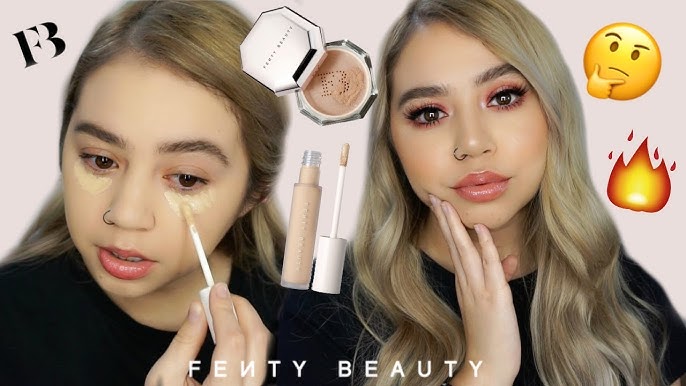
    The applicator is the unsung problem. The doe-foot is too wide for precise under-eye work and picks up too much product per dip. I dispense onto the back of my hand and apply with a small synthetic brush, which solves the precision issue but adds a step the packaging should have solved at the formulation stage. For a $30 concealer, the wand should be the right size.

    Fenty Pro Filt'r concealer applied under eyes on medium-deep neutral-warm skin

    What works

    The shade range remains genuinely the best in the industry for deep complexions, and the math behind it is what matters. Most brands launch with one or two “deep” shades that try to cover everyone from medium-deep to deepest. Fenty’s deep range distinguishes between warm-leaning, neutral, and cool-leaning at each depth level. For me at 410, the alternative would be Pat McGrath Skin Fetish Sublime Perfection in MD37 or MAC Studio Finish in NW45. Both work, but 410 is a tighter undertone match than either. That’s not nothing for anyone who has spent years mixing two concealers to fake a shade that should have existed.

    The coverage is genuinely buildable. One pass gives you a medium veil that evens out the undereye without looking like you’re wearing makeup. Two passes covers a brown spot or a darker discoloration. Three passes is too much for under-eye work but works for blemish coverage if you’re spot-treating. The formula doesn’t pill when layered, which is rare for a soft-matte product at this price.

    The dry-down behaves predictably on textured skin. I have a few small bumps near my hairline that other matte concealers settle into and emphasize. Fenty’s formula sets without doing that, which I credit to the slightly slower drying time. You have a window to blend it properly before it locks.

    The pigment load is honest. Some concealers swatch accurately and then sheer out to nothing on the face. This one delivers the shade you bought, which sounds like a low bar until you’ve spent $40 on a tube of something that vanished under powder.

    What doesn’t work, honestly

    Oxidation is the headline problem. On my warm undertone, 410 shifts about half a shade warmer between hour three and hour five. It’s not catastrophic – I’m not orange by the end of the day – but I notice it in photos and I notice it under bathroom lighting. For warmer-undertone medium-deep skin, this is the single biggest reason to consider a different formula. Cool-undertone wearers I’ve worked on don’t seem to see the same shift, which makes me think the oxidation is reacting with the warm pigment load specifically.

    The dryness around the eye area is the second issue, and this one gets worse the older you are. At 28, I’m fine through the lid and the inner corner, but my outer corner does dry down to a flat finish that needs hydration underneath to look comfortable. I’ve watched it look noticeably parched on two clients in their late 30s and early 40s, both of whom had no dryness issues with NARS Radiant Creamy on the same day. If you’re past 30 with any natural dryness around the eyes, this formula is going to fight you.

    The price has crept up. The concealer launched at $26 and is now $30. That’s not a huge jump on paper, but the formula hasn’t improved in a way that justifies it. Compared to drugstore alternatives that have closed the gap on shade range, the value proposition is narrower than it was in 2018. You’re paying for the brand, the shade match, and the soft-matte finish. You’re not paying for technology that drugstore brands can’t access.

    The packaging matters when you’re working professionally. The matte plastic tube scratches easily, and the labeling on the bottom (where the shade number lives) wears off after about three months of bag-rattling. By the end of the first tube, I had to remember 410 from muscle memory because the print had rubbed off. Not a deal-breaker. Annoying for $30.

    Fenty Pro Filt'r concealer compared to NARS Radiant Creamy and Maybelline Instant Age Rewind

    How it compares to alternatives

    I keep three concealers in my deep-shade rotation. Honest comparison of each against Fenty:

    NARS Radiant Creamy Concealer in Cafe or Cacao – $32 for 0.22 oz. The reason this one stays in my kit for client work is the finish. NARS reads as natural radiant skin where Fenty reads as set makeup. For mature skin, dry skin, or any look that needs to photograph soft, NARS wins. The shade range is shallower at the deepest end (30 shades vs 50) and Cacao is slightly too neutral-cool for me, so I warm it with a drop of foundation. Fenty 410 matches without mixing. But for any client over 35, I reach for NARS first.

    Maybelline Instant Age Rewind Eraser in Cocoa or Espresso – around $10 at most drugstores. The honest drugstore answer. The shade range is narrower (about 18 shades vs 50, with limited undertone variation), but the formula on medium-deep skin holds up better than the price suggests. The brightening effect is real. The depth ceiling stops around a Fenty 420 equivalent, so anyone deeper than medium-deep is out of luck. If you can use it, Instant Age Rewind delivers about 80% of what Fenty does for one-third the price. Real value gap.

    Pat McGrath Skin Fetish Sublime Perfection Concealer in MD30 or MD37 – $32 for 0.16 oz. Premium-tier alternative with the best dry-down of the three. Pigment payoff is dense without looking cakey. Fewer distinct undertone variants than Fenty in the deep range. For event makeup, photography, or any high-coverage moment, this is what I reach for. For everyday wear, the price-per-ounce ($200/oz vs Fenty’s $111/oz) is hard to justify unless you’re using it professionally.

    The pattern across my rotation: Fenty’s strength is shade matching for daytime wear on medium-deep complexions. The competitors win on specific use cases – NARS for radiance, Maybelline for value, Pat McGrath for longwear performance.

    Fenty concealer in a makeup artist's kit with synthetic brush, setting powder, and hydrating eye cream

    Who should buy it and who shouldn’t

    Buy if you’re medium-deep to deep with a warm-neutral or true-neutral undertone that has historically been hard to shade-match. Buy if your concealer needs are daytime – work, errands, brunch – and you don’t need it to last past hour five. Buy if you have normal-to-combination skin under 35 and you don’t have significant dryness around the eye area. Buy if you’re a makeup artist building a kit and you need a versatile mid-range concealer that covers the 400-shade range well.

    Skip if you’re over 35 with mature or dry undereye skin – the soft-matte finish will fight you, and NARS Radiant Creamy is the better answer for the same price. Skip if you have a strongly warm undertone that pulls orange easily – the oxidation will be noticeable by mid-afternoon. Skip if you need longwear past six hours for events or weddings – reach for Pat McGrath instead. Skip if you’re shade matching at the lighter end of the spectrum, where the formula’s strengths don’t show up as clearly and other brands have caught up on inclusivity.

    Where to buy and current pricing

    Fenty Beauty Pro Filt’r Soft Matte Concealer is $30 for the 0.27-oz tube at most major beauty retailers. Stock the full 50-shade range at Sephora (Beauty Insider members get 10-15% off during seasonal Beauty Insider sale events, plus a 60-day return policy if the shade doesn’t match), at Ulta (frequent bundle deals with Pro Filt’r foundation), and Amazon if you already know your shade and want fast shipping. Sephora is the safest first-purchase option because of the 60-day return window and the in-store shade-matching – if you’re between two shades, go to a Sephora and test on your jawline before committing.

    Frequently asked questions

    Does Fenty concealer oxidize?

    On warm undertones, yes, by about half a shade between hour three and hour five. On cool and neutral undertones, the shift is minimal or absent. If you’ve found that Fenty foundation oxidizes on you, the concealer will likely do the same, and you should size down a half-shade at purchase to account for it.

    Is Fenty concealer good for mature skin?

    Not the strongest option. The soft-matte finish accentuates fine lines and dry texture around the eye area, especially after hour four. For mature skin, NARS Radiant Creamy or a hydrating formula like Charlotte Tilbury Magic Away will perform better. Fenty works on mature skin if you prep the undereye with a heavy hydrator first, but it requires more work than a luminous formula does.

    What’s the difference between Fenty’s foundation shades and concealer shades?

    They use the same numbering system, but the concealer is meant to be applied a half-shade to full shade lighter than your foundation for brightening. If you wear Pro Filt’r foundation in 410, your concealer should be 380 for a brightened undereye effect or 410 for spot coverage that matches the rest of your face.

    Is it worth the $30 price tag?

    For the shade match on medium-deep complexions, yes. For the formula performance compared to drugstore competitors that have closed the inclusivity gap, the value is narrower. Maybelline Instant Age Rewind gets you 80% of the performance for one-third the price if your shade exists in the line. Fenty earns its premium when the shade range is the deciding factor.

    Final verdict

    Worth it for daytime wear on medium-deep complexions that have historically been hard to shade-match, with the caveat that you should save your money on Fenty if you’re over 35 with dryness, and spend it on NARS Radiant Creamy or Pat McGrath Sublime Perfection instead. The shade range is the reason to buy this concealer and the formula is the reason it doesn’t sit at the top of my kit. Buy one tube of Pro Filt’r Soft Matte Concealer at Sephora in your closest shade, give it two weeks of daytime wear, and you’ll know within the first week whether the oxidation and dry-down work for your skin. Layering order if you commit: hydrating eye cream first, color corrector under the inner corner if you need it, Fenty concealer applied with a small synthetic brush instead of the doe-foot, set with translucent powder pressed not swept. That’s the protocol that gets the most out of the formula.

  • Olaplex vs Briogeo: A Bond-Repair Comparison for Textured Hair

    Olaplex vs Briogeo: A Bond-Repair Comparison for Textured Hair

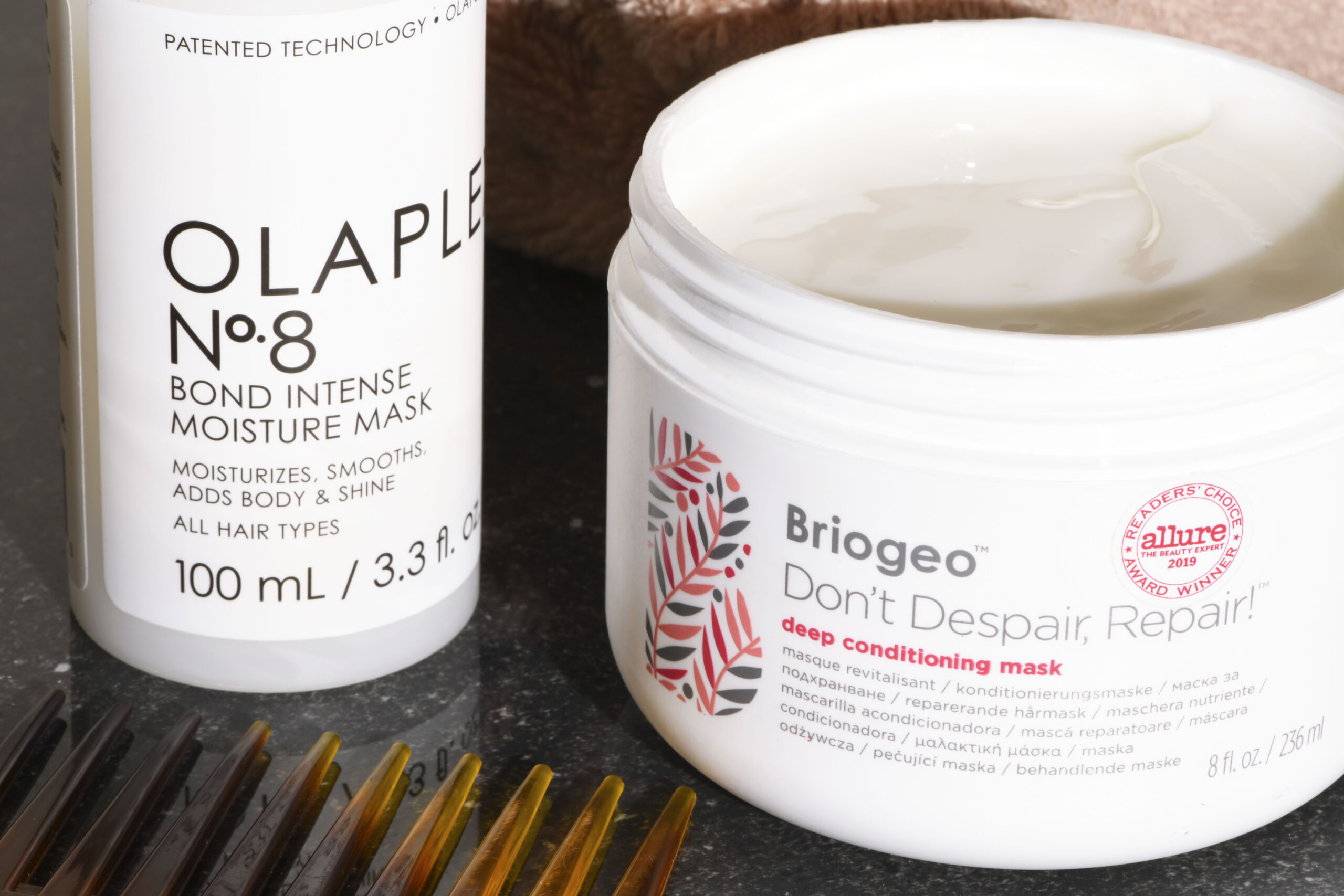
    Olaplex No. 3 and Briogeo Don't Despair Repair side by side on a beige linen background

    Bond-repair hair care became a $1 billion category on the strength of one brand’s patent and one viral hashtag, but the textured-hair conversation has been quietly arguing the case for a different formulation philosophy for years. Olaplex spent the last decade selling a single proprietary molecule (bis-aminopropyl diglycol dimaleate) as the only real fix for damaged bonds, while Briogeo built a cabinet of plant-derived masks and proteins that promise the same surface-level result with a softer ingredient list. Both brands sit on a lot of curly-haired readers’ shelves at some point. Both get recommended by the same hairstylists. And both are routinely misused on the wrong hair type, which is how you end up with low-porosity 4A coils that feel coated, gummy, or weirdly stiff a week after the treatment that was supposed to save them. The category deserves a real comparison, not another five-star praise piece, so here is the side-by-side that addresses what these two brands actually do on natural, low-porosity hair.

    Quick verdict

    For most low-porosity Type 3-4 hair, Briogeo Don’t Despair Repair is the better weekly mask – softer slip, better moisture, no protein-overload risk when used twice a month. Olaplex No. 3 is the better targeted treatment after a color appointment, a flat iron session, or a heavy protective-style takedown, used once every two to three weeks. Most readers buying one of these for general maintenance should start with Briogeo. Most readers who color, heat-style, or chemically process should keep a small bottle of Olaplex No. 3 in the cabinet alongside it. Full reasoning below.

    What they are and where they came from

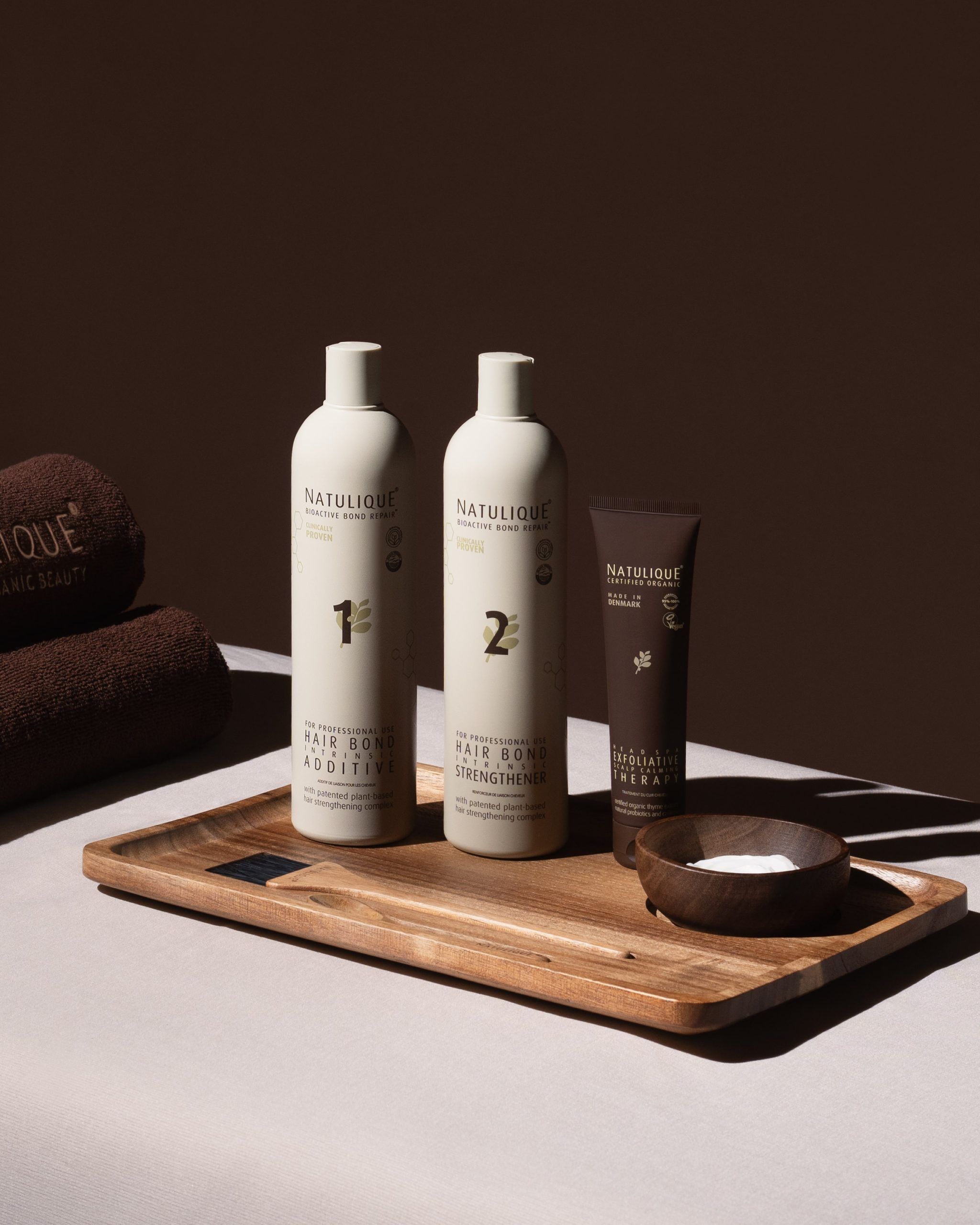
    Olaplex launched in 2014 around a single patented active. The original three-step system was sold to salons first (No. 1 and No. 2 are professional-only), with No. 3 Hair Perfector as the at-home version. The brand built itself on the bond-repair claim, meaning the molecule supposedly relinks broken disulfide bonds in the cortex of the hair shaft. Since 2014 the range has expanded into shampoos, conditioners, leave-ins, and the No. 8 mask and No. 9 serum, but the core pitch is still the same molecule doing the same job. Olaplex is sold direct, at Sephora, Ulta, and Amazon, and the No. 3 sits at around $30 for 3.3 oz.

    Briogeo launched the same year, founded by Nancy Twine, with a positioning closer to clean beauty than to lab science. The line built around plant proteins, B vitamins, biotin, rosehip oil, and algae extract rather than around one signature molecule. Don’t Despair Repair is the flagship mask in the strengthening range; Scalp Revival is the second pillar of the brand and a separate product category entirely. Briogeo sits at Sephora and Sephora-adjacent retailers, with Don’t Despair Repair at around $39 for 8 oz. The brand was acquired by Wella in 2022, which has not visibly changed the formulations as of this year.

    Side-by-side comparison

    Feature Olaplex No. 3 Hair Perfector Briogeo Don’t Despair Repair
    Price Around $30 for 3.3 oz Around $39 for 8 oz
    Format Pre-shampoo cream treatment Post-shampoo deep conditioning mask
    Core active Bis-aminopropyl diglycol dimaleate (patented bond builder) Rosehip oil, algae extract, biotin, vitamin B5, almond oil
    Recommended frequency Once a week max, sit 10-90 minutes Once a week, sit 10-30 minutes
    Protein load Bond-focused, low traditional protein Light protein from plant sources
    Best use case Post-color, post-heat, post-bleach repair Weekly moisture and slip for textured hair
    Return window 60 days at Sephora, 60 days at Ulta 60 days at Sephora, 60 days at Ulta

    Olaplex No. 3 on low-porosity 4A hair

    I have used Olaplex No. 3 across three different stretches of my hair journey – once during the year I was bleaching out brassiness, once after a flat-iron season where I was straightening monthly, and once as a general weekly add to my routine when I wanted to see what it did on otherwise undamaged hair. The verdict changes a lot depending on which version of my hair was using it.

    What works: when there is actual damage to address, this product earns its reputation. After the bleach year I would apply No. 3 on dry hair, in sections, sit with it for 45 minutes under a plastic cap, then shampoo and condition normally. The next-day curl pattern was visibly bouncier and the strand felt less like a dry rope. The post-flat-iron application gave me less heat-frizz on the next wash day and a curl pattern that snapped back faster than it had been. For a deep-conditioning step after real cuticle stress, the No. 3 does what it says.

    What does not work: on undamaged low-porosity 4A hair, I felt nothing for the first three uses, and after the fourth weekly application I felt my strands going stiff and stretched-out, the classic protein-overload feeling. Low-porosity hair already resists product penetration, so a strengthening treatment on a strand that does not need strengthening tips you toward stiffness fast. The smell is also clinical, almost chemistry-set, and the consistency is a thin cream that runs if you do not stay in sections. The bottle is also small for the price – 3.3 oz disappears in two applications if you have shoulder-length thick 4A hair.

    One real critique: the marketing pitches No. 3 as universally helpful, but the application instructions and the actual chemistry suggest it is meant as a targeted repair, not a maintenance step. If your hair is not chemically processed, heat-stressed, or otherwise structurally compromised, you are not the customer for this product even though the brand sells it like you are. Buy Olaplex No. 3 at Sephora if you want the easiest return path and the bundle pricing on the rest of the system.

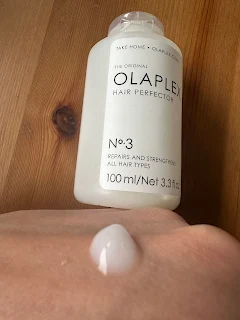
    Olaplex No. 3 Hair Perfector bottle held in hand in bathroom setting

    Briogeo Don’t Despair Repair on low-porosity 4A hair

    Briogeo Don’t Despair Repair has been in my weekly rotation, on and off, for about three years. It is the mask I reach for when my hair feels dry and dull but is not actively damaged – the in-between stretch most natural hair lives in for months at a time. The texture is a thick, creamy mask with real slip, the kind that lets a wide-tooth comb glide through a tangle on the first pass instead of yanking.

    What works: the moisture delivery. I apply it after shampoo on damp hair, work it through in four sections from root to tip, sit with it under a plastic cap for 20 minutes (sometimes with low heat from a steamer if I am being thorough), then rinse. The next-day curls are softer, more defined, and less thirsty-looking than they are without it. The slip is what sold me originally – detangling 4A coils with this mask in is the closest I get to a relaxing wash day. The 8 oz jar lasts me about ten weekly uses, which puts it at a better per-use cost than the No. 3 despite the higher sticker price.

    What does not work: the protein content is light but real, and if you stack this with other protein-heavy products in the same week (a hard protein treatment, a heavy gelatin or rice-water rinse), you can still overdo it on low-porosity hair. The packaging is the second issue – the jar opening collects product around the rim and gets sticky after a few uses, which is a small but real annoyance. And the smell, which Briogeo describes as a clean herbal, reads as a bit medicinal to me. Not bad, just not the comforting almond-and-honey smell of a Camille Rose Algae Renew mask, which is the closest direct competitor I would point a reader to.

    The real critique: it is a maintenance mask, not a damage repair, and the brand is honest about that in the product copy. If you have just colored, bleached, or heat-trained your hair, this mask alone is not going to undo the structural stress. Buy Briogeo Don’t Despair Repair at Sephora for the Beauty Insider points and the 60-day return window if it does not work for your texture.

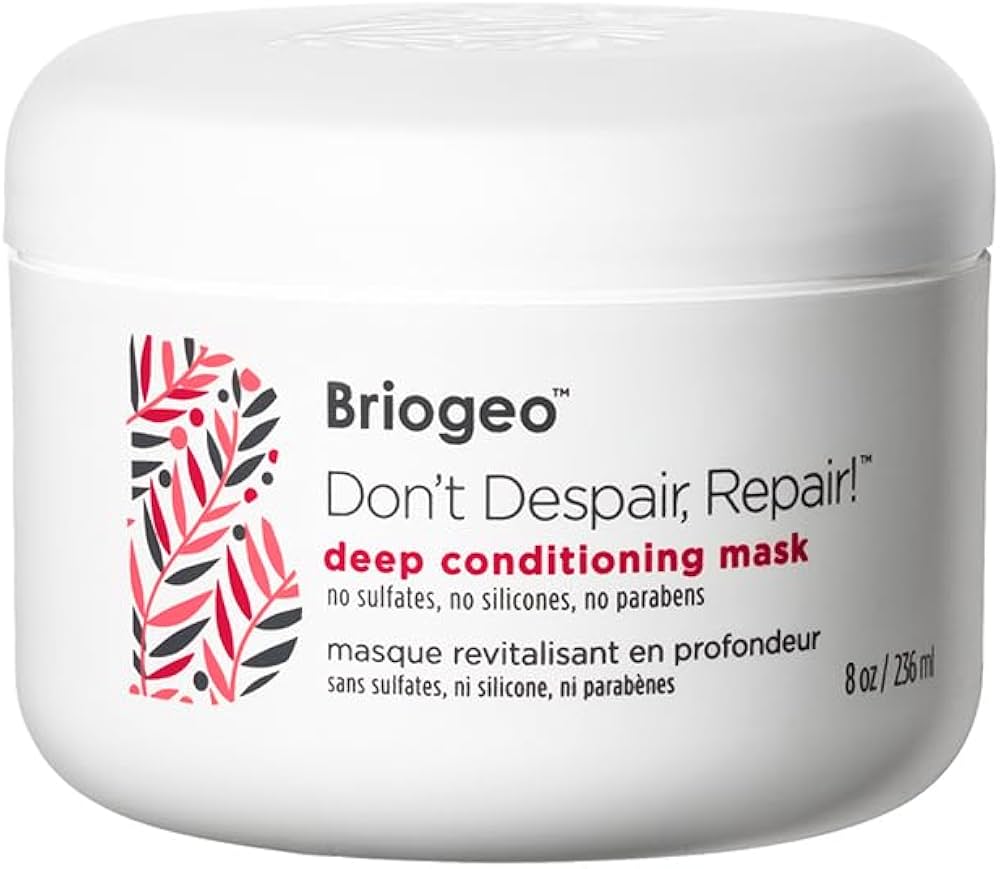
    Briogeo Don't Despair Repair jar open with creamy mask texture visible

    Where they overlap and where they differ

    Both brands sell a once-a-week deep treatment with a strengthening claim, both are widely stocked at Sephora and Ulta, both run in the $30 to $40 range, both are commonly recommended by stylists for textured hair, and both will leave most users with softer, more defined curls the day after use. That is the overlap, and it is enough to confuse a first-time buyer into thinking the choice does not matter.

    The differences are bigger than they look. Olaplex No. 3 is a pre-shampoo treatment, meaning you apply it to dry hair before you wash. Briogeo Don’t Despair Repair is a post-shampoo mask, applied on damp hair after cleansing. Olaplex is built around a single patented bond-repair molecule and is most useful after structural damage. Briogeo is built around plant proteins, oils, and vitamins and is most useful for ongoing moisture and slip. Olaplex is a small bottle that disappears fast. Briogeo is a larger jar with more cost-per-use efficiency. Olaplex smells like a chemistry product. Briogeo smells like a salon product. Both have generous 60-day return windows at Sephora and Ulta, which is the same window across the two retailers, but Ulta is faster to refund on a card and Sephora is more generous on partially-used product when you have Rouge status.

    The deciding question for most readers is whether your hair needs structural repair or weekly moisture, because these two products are aimed at different problems even though the marketing makes them sound like alternatives.

    Which one for which person

    If you have low-porosity Type 3-4 hair that is not chemically colored, not regularly heat-styled, and not coming out of a long protective-style takedown, buy Briogeo Don’t Despair Repair first. It addresses the dry, dull, hard-to-detangle problem that most natural hair runs into between wash days, and it does so without the protein-overload risk that low-porosity textures hit fast. Use it once a week, sit 20 to 30 minutes under a cap, rinse.

    If you color your hair regularly (highlights, full color, bleach), heat-style with a flat iron or blow dryer weekly, or have just taken down a four-week protective style that involved tension on the cuticle, buy Olaplex No. 3 . Use it every two to three weeks as a targeted treatment, not weekly. Apply on dry hair, sit 30 to 45 minutes, then shampoo and condition. Skip the weekly application schedule the bottle recommends if your hair is otherwise healthy.

    If you have high-porosity hair (color-treated, heat-damaged, or naturally porous), the calculus shifts slightly. Olaplex penetrates faster and gives more visible results on high-porosity hair than on low-porosity, so weekly use becomes more reasonable. Briogeo still earns the maintenance slot, but Olaplex earns more of the rotation.

    If you have the budget for both, the smart move is to rotate. Briogeo three weeks of the month for moisture and slip. Olaplex once a month, the week after a color appointment or after a heavy heat session. That is the pattern most textured-hair stylists I know quietly recommend when no one is filming.

    Frequently asked questions

    Can I use Olaplex and Briogeo in the same wash day?

    You can, but for most low-porosity 4A hair I would not. Stacking a pre-shampoo bond treatment with a post-shampoo deep conditioner in the same wash loads a lot of strengthening ingredients onto the strand at once, and low-porosity hair gets stiff fast with that combination. Pick one per wash day and alternate by week.

    Is Olaplex worth it if I do not color my hair?

    Mostly no. If your hair is virgin and you do not heat style, the No. 3 is a treatment your hair does not have a use for, and you will likely feel either nothing or the protein-stiff feeling after a few uses. The Briogeo mask is the better starting point for undamaged textured hair.

    Does Briogeo replace a protein treatment?

    No. Briogeo Don’t Despair Repair has plant proteins but is not a hard protein treatment. If your strands have lost elasticity and snap when stretched wet, you need a true protein treatment like Aphogee Two-Step or an at-home gelatin rinse, not the Briogeo mask. The mask is a moisture-and-slip product with a strengthening assist, not a structural fix.

    How long does each one last on the shelf?

    Both have a 12-month period-after-opening symbol. The Briogeo jar holds up well across that window if you scoop with a clean spatula instead of dipping fingers. The Olaplex bottle, because of the smaller size and the pump-cap design, usually empties within four to six months of regular use, so shelf life is rarely the deciding factor.

    Final pick

    For the average low-porosity Type 3-4 reader buying one product, Briogeo Don’t Despair Repair is the better starting point. Softer slip, better weekly moisture, larger jar, lower protein-overload risk. For readers with color-treated or heat-stressed hair, Olaplex No. 3 earns its spot in the cabinet alongside the Briogeo, used once every two to three weeks as a targeted repair instead of weekly maintenance. Save your money on the No. 3 if your hair is not damaged, and spend it on the Don’t Despair Repair plus a good leave-in like Pattern Beauty’s. Buy Briogeo Don’t Despair Repair at Sephora first, add the Olaplex No. 3 at Ulta later if your hair needs structural repair. Layering order on a Briogeo wash day: cleanse, mask 20 minutes, rinse, leave-in, curl cream, gel, air dry or diffuse.

  • CeraVe vs La Roche-Posay: 8 Months of Side-by-Side Use on NC45 Acne-Prone Skin

    CeraVe vs La Roche-Posay: 8 Months of Side-by-Side Use on NC45 Acne-Prone Skin

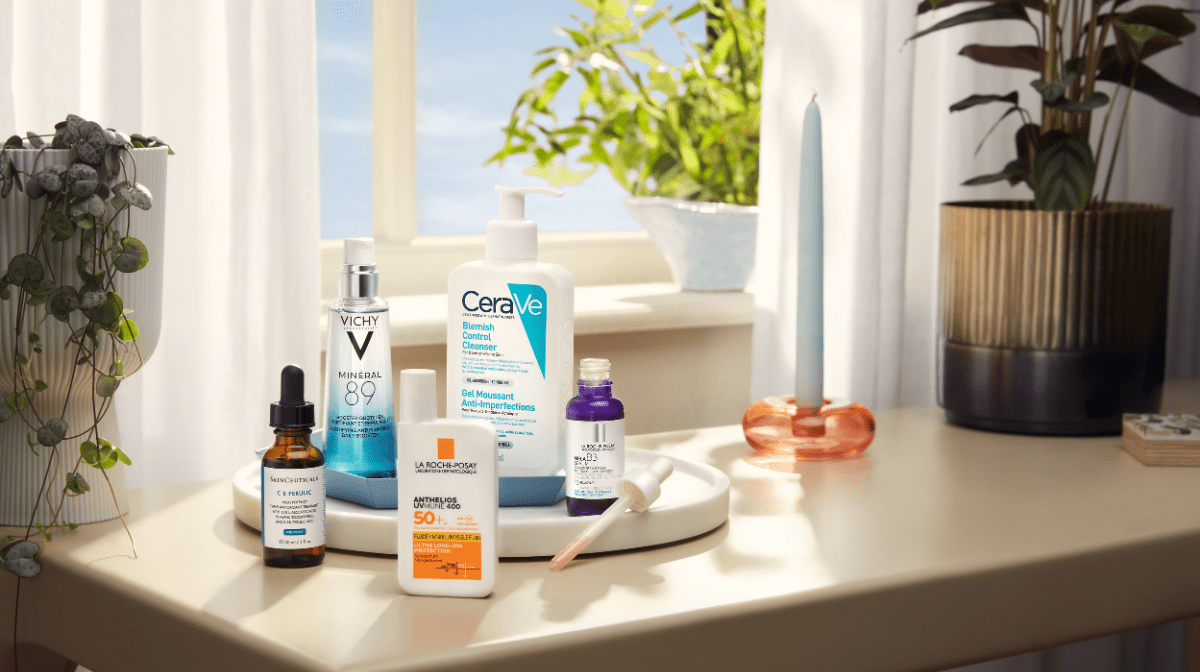
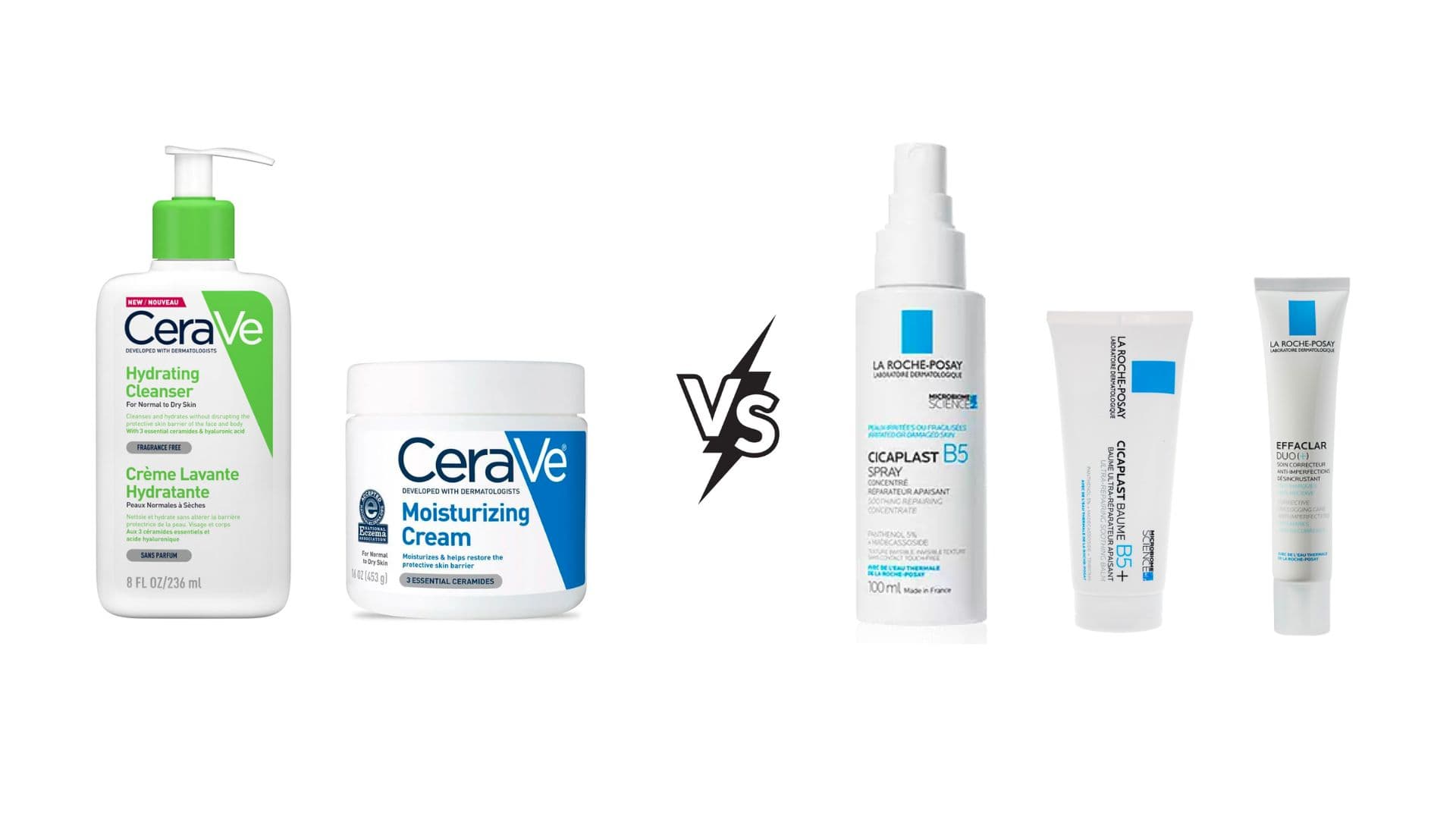
    CeraVe and La Roche-Posay skincare products arranged side by side for comparison

    The cheaper brand wins the daily-routine showdown, but not the categories most people assume. After eight months running both brands on the same NC45 acne-prone face – one side of my routine CeraVe, the other La Roche-Posay – the budget option took the basics and the premium option took the specialty work, which is the inverse of how most beauty editors frame this matchup. Anyone reading “drugstore skincare” thinkpieces would expect the $20 brand to lose the head-to-head against the $30 brand. That is not what happened on my skin. The categories split cleanly, the value math is not subtle, and the verdict is specific enough that I can tell you which jar to put in your cart at Target tonight.

    I am 28, biracial Black-Filipina, neutral-warm undertones, combination skin that runs oily in the t-zone and reactive to fragrance, with hormonal cystic breakouts along the jaw. Both brands sit in the same drugstore aisle, both market themselves as dermatologist-recommended and fragrance-free for sensitive and acne-prone skin, and both are owned by L’Oréal. They are also genuinely different products at different price points, and after eight months testing across cleansers, moisturizers, sunscreens, and treatment, the right answer depends on which step of your routine you are buying for.

    Quick verdict if you only have 30 seconds

    CeraVe wins for daily basics – cleanser, moisturizer, and body care. La Roche-Posay wins for sunscreen and targeted treatment products like the Effaclar Duo and the Cicaplast Baume. If you are building a full routine on a budget, CeraVe gets you 70 percent of the way there for half the spend. If you have a specific skin problem (sensitivity flares, post-acne marks, a need for elegant sunscreen texture under makeup), La Roche-Posay’s specialty pieces are worth the extra ten dollars. Buy both. Just buy the right pieces from each.

    What they are and where they come from

    CeraVe was launched in 2005 by dermatologists, built around a patented MultiVesicular Emulsion that releases three ceramides plus hyaluronic acid over time. L’Oréal acquired it in 2017. Its pitch is barrier-repair basics at drugstore prices, fragrance-free, non-comedogenic, and dermatologist-recommended for eczema, acne, and sensitive skin.

    La Roche-Posay is a French brand that has been around since 1975 and was acquired by L’Oréal in 1989. Its hero ingredient is Thermal Spring Water from the town of La Roche-Posay in central France, marketed for its selenium content. The product range is broader and pricier than CeraVe’s, organized around four specialty lines: Effaclar for acne, Toleriane for sensitivity, Anthelios for sunscreen, Cicaplast for repair. La Roche-Posay wins at the pharmacy counter where buyers want a specific corrective product. CeraVe wins at Target where buyers want a full routine and a $15 jar they can refill every two months without thinking.

    Side-by-side comparison

    Category CeraVe La Roche-Posay
    Price range $13 to $22 $18 to $42
    Hero ingredient Three ceramides plus hyaluronic acid, MVE delivery Thermal Spring Water with selenium, plus targeted actives
    Strongest category Cleansers and moisturizers Sunscreens and treatment products
    Fragrance Fragrance-free across most of the range Fragrance-free across Toleriane and Cicaplast lines
    Best for Daily routine basics on a budget Targeted concerns and sunscreen texture
    Where to buy Target, Walmart, Ulta, Amazon, drugstores Target, Ulta, Amazon, dermatologist offices

    CeraVe: the budget workhorse that earns its hype

    I have used the CeraVe Hydrating Cleanser ($15 for a 12-ounce bottle at Target) for four years on and off, and I tested it head-to-head against the La Roche-Posay Toleriane Hydrating Gentle Cleanser ($17 for 13.5 ounces) for the full eight months. The CeraVe is a low-foam, lotion-textured cleanser I use mornings and on non-makeup nights. It does not strip my skin, does not leave a film, and has reliably kept hormonal jaw breakouts from worsening during the week before my period. The Toleriane is functionally similar and arguably slightly more elegant in feel, but I cannot find $2 worth of skin difference between the two over four months of swapping sides.

    The real CeraVe win is the Moisturizing Cream ($19 for the 19-ounce tub at Target). I have spent more than $19 on a single ounce of moisturizer before, including a Drunk Elephant Lala Retro situation I do not want to talk about, and the CeraVe tub does what those creams do without the perfume notes or the markup. The texture is thick, occlusive enough to seal in actives, and rich enough to slug with on dry winter nights. I use it as a night moisturizer in the colder months and switch to the lighter CeraVe AM Facial Moisturizing Lotion ($18) for daytime in summer.

    What I do not love: the CeraVe serum dropper bottles feel cheap, which matters less than function but matters a little. The Resurfacing Retinol Serum at $20 is meaningfully gentler than the La Roche-Posay Retinol B3 at $42, but the La Roche-Posay version delivers visibly faster results on my post-acne marks. For a beginner retinoid CeraVe wins on tolerability. For someone with three years of retinol use already under their belt, the La Roche-Posay version actually moves the needle.

    The CeraVe Moisturizing Cream is the single best dollar-for-dollar product in this comparison. I keep a tub on my bathroom counter and a smaller jar in my travel kit and I have never regretted the purchase. Pick up the 19-ounce CeraVe Moisturizing Cream tub at Target – the bigger size is significantly better value per ounce than the squeeze tube.

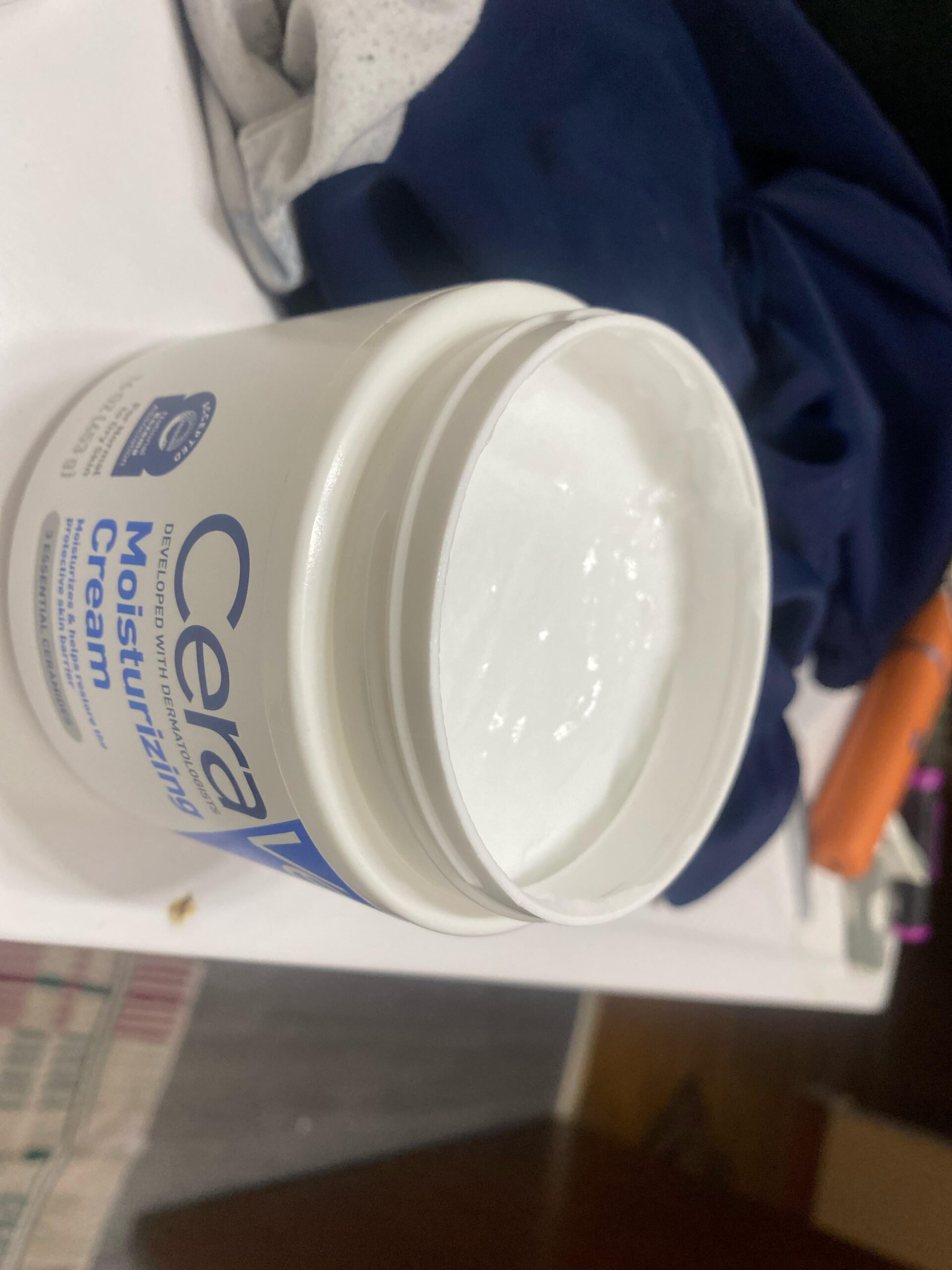
    CeraVe Moisturizing Cream tub open showing the thick cream texture

    La Roche-Posay: the specialty pick that earns the extra ten dollars

    The La Roche-Posay Anthelios Melt-In Milk Sunscreen SPF 60 ($36 for 5 ounces at Ulta) is the reason this brand is in my routine at all. I have tried most drugstore mineral and chemical sunscreens sold in the U.S. and most of them either pill under foundation, leave a gray cast on my NC45 skin, or feel greasy enough that I cannot wear them under a full face. The Anthelios Melt-In Milk genuinely disappears on my undertone, layers under Fenty Pro Filt’r 480 without pilling, and lasts an eight-hour workday without breaking down. I wore it nine hours under makeup at a wedding in August and my skin still looked freshly set at 11pm.

    CeraVe’s sunscreen line (Hydrating Mineral SPF 30 and the AM Facial Moisturizing Lotion with SPF 30) is fine but the mineral version leaves a cast on my undertone, and I do not trust SPF 30 on a face that gets ten hours of Atlanta sun in a typical week. The Anthelios SPF 60, applied at the recommended amount, is the sunscreen I trust under makeup.

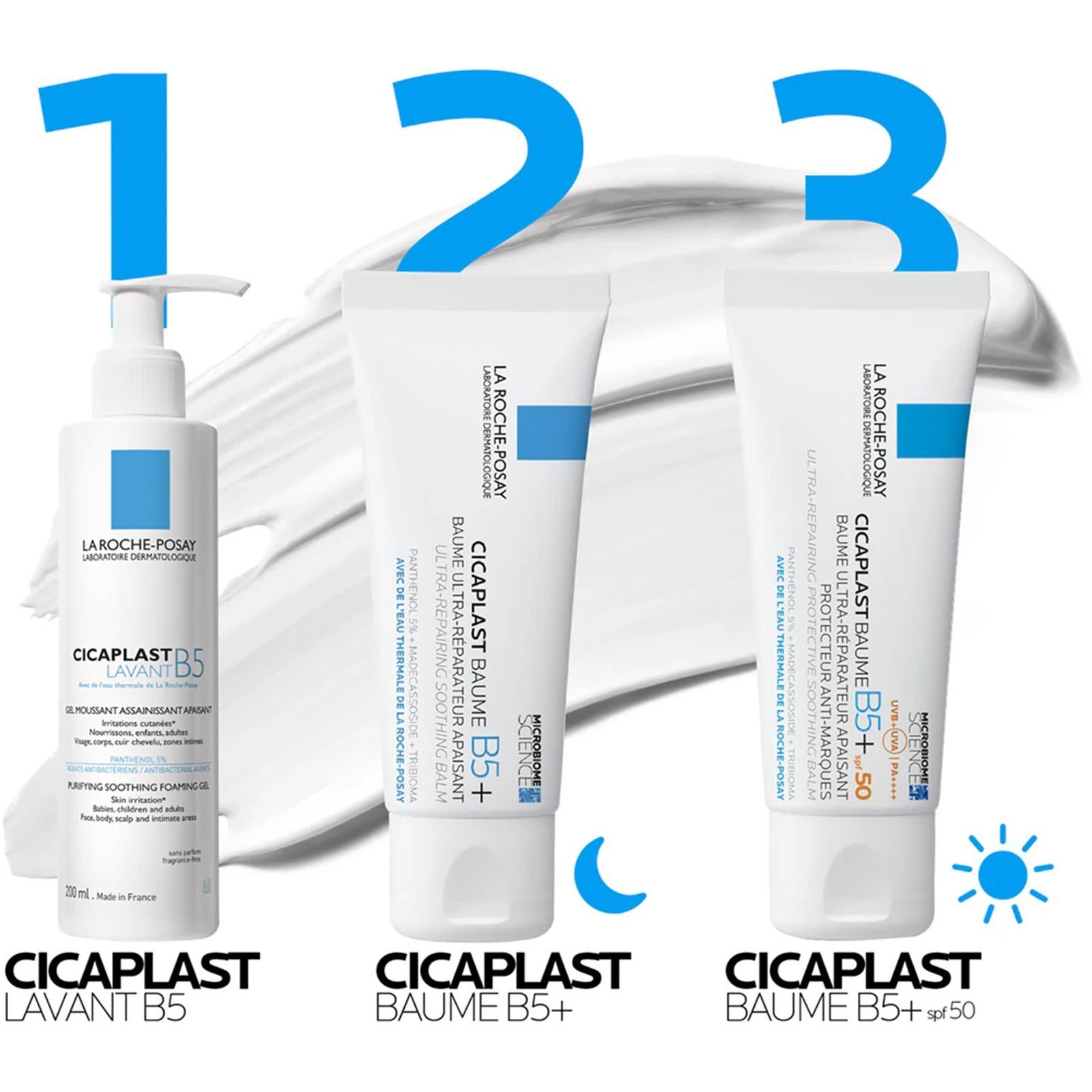
    The other La Roche-Posay product that earns its price is the Cicaplast Baume B5 ($17 for 1.35 ounces). This thick, fragrance-free balm was formulated for post-procedure skin (after a peel or a derm appointment) and doubles as the best spot treatment I have used for newly healing acne marks. I dab it on a freshly-popped pimple at night and the next morning the surface is calmer, less inflamed, and the post-acne mark fades faster over the following two weeks than it would with just a moisturizer. CeraVe’s Healing Ointment is comparable in function but heavier – good for cracked lips, less appropriate for layering into a facial routine.

    The Effaclar Duo ($35) is the third La Roche-Posay product I will keep buying. It is a benzoyl peroxide treatment at 5.5 percent with LHA and niacinamide, and it has been my hormonal-cyst spot treatment for three years. CeraVe’s Acne Foaming Cream Cleanser with benzoyl peroxide works on surface acne but does not have the same effect on deep cystic spots. For the specific problem of a cyst on the jawline at 2am the night before a shoot, the Effaclar Duo is what I reach for. The La Roche-Posay Anthelios is at Ulta with the 60-day return window , which matters for sunscreens since you sometimes need a couple of weeks to know if one works under your makeup.

    La Roche-Posay Anthelios sunscreen, Effaclar Duo, and Cicaplast Baume B5 product trio

    Where they overlap and where they actually differ

    The overlap is real. Both brands are fragrance-free across most core lines, both are non-comedogenic, both are dermatologist-recommended for sensitive and acne-prone skin, and both are owned by L’Oréal. For a basic three-step routine (cleanser, moisturizer, sunscreen), either brand gets you a functional setup. The CeraVe Hydrating Cleanser plus Moisturizing Cream versus La Roche-Posay Toleriane Hydrating Gentle Cleanser plus Toleriane Double Repair comparison is close enough that I could not pick a winner on skin results alone. The CeraVe versions are cheaper. That is the deciding factor.

    The differences show up in three places. First, sunscreen elegance – the Anthelios line is meaningfully better under makeup than CeraVe’s sunscreen lineup, especially on deeper skin tones where chemical filters with no white cast are the goal. Second, targeted treatment – the Effaclar Duo and Cicaplast Baume B5 do specific work CeraVe does not have a one-to-one equivalent for. Third, sensory experience – La Roche-Posay’s textures are slightly more pharmacy-shelf feeling. That last one is not worth ten extra dollars on a face wash you use twice a day, but it might be worth it on a moisturizer you smooth in slowly every night.

    Which one for which person

    If you are building a full skincare routine from scratch and you are working with a budget under $60, go almost entirely CeraVe. Hydrating Cleanser, Moisturizing Cream, Resurfacing Retinol Serum for nights, and one La Roche-Posay Anthelios sunscreen for days. That is a four-product routine for around $90 total that will outperform most $300 skincare regimens on combination acne-prone skin.

    If you have a specific skin concern – persistent post-acne marks, hormonal cystic acne, sensitivity flares, sunscreen pilling under makeup – lean La Roche-Posay for the corrective pieces and keep CeraVe for the basics. Toleriane Double Repair for sensitivity, Effaclar Duo for hormonal spots, Cicaplast Baume B5 for recovery, Anthelios for daily sun protection. The corrective products are the ones where the higher price actually returns a visible difference in eight weeks.

    If you have very dry skin with actual flaking, the CeraVe Moisturizing Cream tub will outperform most La Roche-Posay options at the same price point. The ceramide-and-hyaluronic delivery system is genuinely effective at barrier repair. For oily skin types who break out under heavy moisturizers, the La Roche-Posay Toleriane Sensitive Fluide is the lighter pick and worth the upgrade over the CeraVe AM lotion.

    If you are dealing with deeper skin tones and sunscreen white cast is your biggest barrier to consistent SPF use, Anthelios Melt-In Milk is the answer. CeraVe’s mineral options leave a cast on NC40 and above. This is a formulation question, not a budget question.

    Frequently asked questions

    Are CeraVe and La Roche-Posay basically the same because they share a parent company?

    They share L’Oréal as a parent but they are genuinely different formulation philosophies and different price tiers. The CeraVe ceramide delivery system is patented and not used in the La Roche-Posay lineup. La Roche-Posay’s Thermal Spring Water is specific to their range. Same parent, different missions: CeraVe is daily-routine basics, La Roche-Posay is pharmacy specialty.

    Can I use both brands in the same routine without overdoing actives?

    Yes, and this is what I do. The hero pairing for combination acne-prone skin: CeraVe Hydrating Cleanser in the morning, CeraVe Moisturizing Cream at night, Anthelios sunscreen daily, Effaclar Duo on hormonal spots. None of these actives conflict and it costs about $90 for a four-product routine that lasts two to three months.

    Which brand is better for deeper skin tones?

    Anthelios for sunscreen, no question – the chemical filter formula leaves no white cast on NC40 and above. CeraVe’s basics are color-neutral and work for any skin tone. Sunscreen is the only category where the question matters.

    Is the CeraVe Moisturizing Cream really comparable to luxury moisturizers at five times the price?

    For barrier repair function, yes. I have used $80 Drunk Elephant moisturizers, $54 Kiehl’s jars, and the $200 La Mer a friend gave me at a wedding. None of them outperformed the CeraVe tub on dryness or overnight slugging. They smell better and the textures are more refined. They do not work better on my skin.

    Final pick

    CeraVe wins the value head-to-head and earns the bigger share of my daily routine, which is the inverse of what most beauty editors would tell you about a $20 brand versus a $30 brand. Buy CeraVe for cleanser, moisturizer, and body care. Buy La Roche-Posay for sunscreen and targeted treatment. The combined routine costs less than $100 for two to three months of product and outperforms premium skincare lines on combination acne-prone skin. My layering order on a morning my skin is behaving: CeraVe Hydrating Cleanser, La Roche-Posay Toleriane Hydrating Gentle Cleanser only if my skin feels stripped, CeraVe AM Facial Moisturizing Lotion, La Roche-Posay Anthelios Melt-In Milk on top. Save your money on $80 luxury moisturizers, spend it on the Anthelios sunscreen and a tub of CeraVe Moisturizing Cream you can refill without thinking. Grab the CeraVe Moisturizing Cream on Amazon if you have Prime, or pick both brands up at Target where the Effaclar Duo is in stock with their 90-day return policy .