Author: Jasmine Price

  • Cuup Review Plus-Size: 10 Months Wearing a 38G, The Honest Take

    Cuup Review Plus-Size: 10 Months Wearing a 38G, The Honest Take

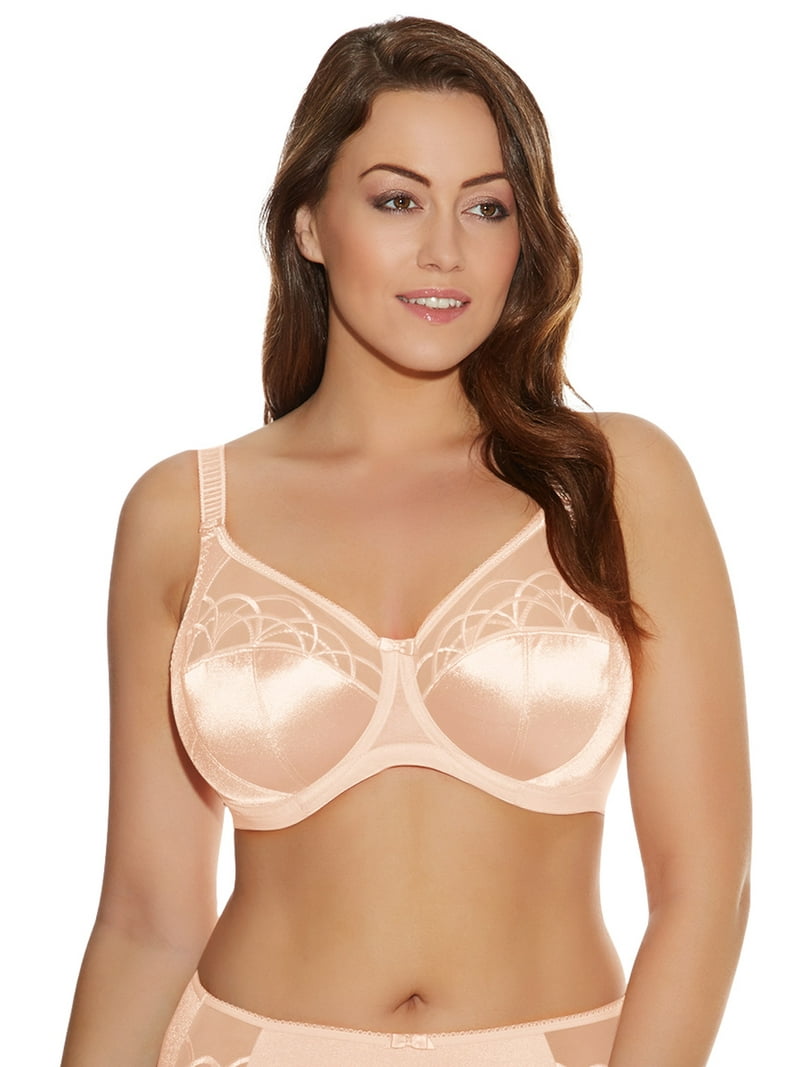
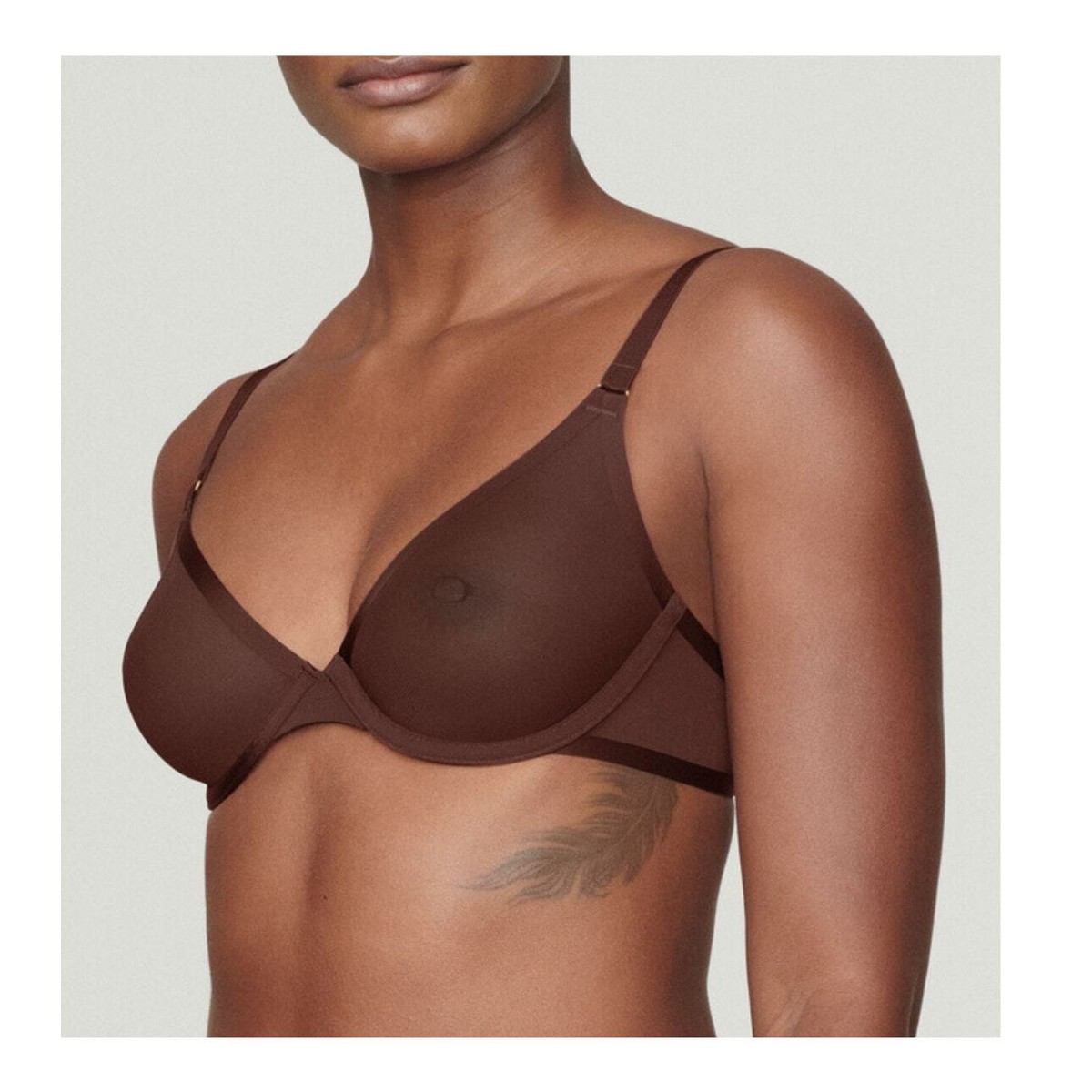
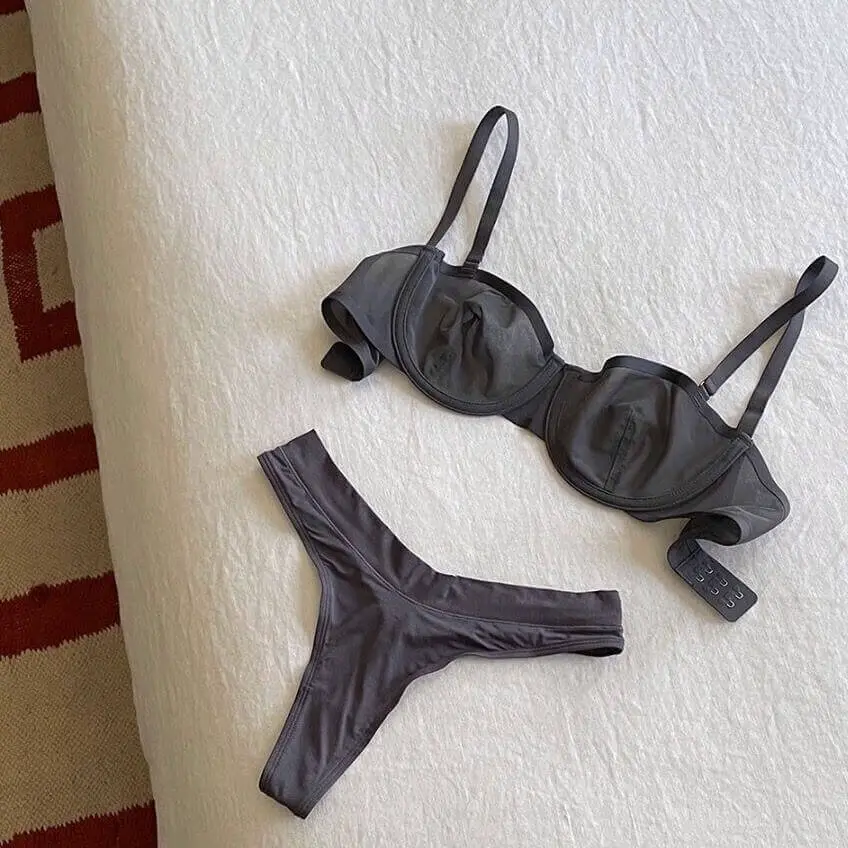
    Three Cuup bras in different shades flat lay with measuring tape on linen background

    The bra brand that gets the most press for plus-size inclusivity is not the one that fit me best, and the brand that almost never gets named in plus roundups is the one I keep restocking. Cuup is the direct-to-consumer brand every fashion newsletter has been calling a quiet plus-size win since around 2022, and after ten months wearing four of their styles in a 38G, I have a more specific take than the press loop suggests. The cup engineering is genuinely good. The band hardware is not. The sizing system is the best part. The size range is where the marketing gets ahead of the reality. I bought everything reviewed here with my own money, kept what worked, returned what did not, and I have the order confirmations to prove it.

    Some background on the body this review is anchored to: I am a 38G in most measure-and-fit brands, broad ribcage, full bust with most volume sitting at the top of the cup. I have been sized everywhere from 38DDD to 40F over the last six years depending on whose measuring system I trusted that month. I have owned bras from ThirdLove, Curvy Couture, Elomi, Wacoal, and Bare Necessities house brands going back to 2019. Cuup landed on my radar because three plus-size editors I respect kept naming it, and I wanted to know whether the hype matched the hardware.

    Quick verdict

    Rating: 3.5 out of 5. The fit-tape sizing system and the cup construction are excellent for upper-range plus sizes that other DTC brands ignore. The bands run soft and the hooks feel under-engineered for anyone above a 38 band. Best for: sizes 32-38 in cups D through H who want a clean modern bra without going full specialty-brand. Skip if: you need a band above 40 or you rely on rigid back support for a heavy bust. Where to buy: Cuup at Nordstrom , around $72 per bra, 60-day return window.

    What Cuup actually is and where the brand sits

    Cuup launched in 2018 as a direct-to-consumer brand built around a fit-tape measuring system you do at home with a paper measuring strip they mail you. The premise: stop guessing the cup-to-band math, get sized via real measurements, then pick from five core silhouettes (The Plunge, The Demi, The Balconette, The Scoop, The Bralette). They sell in sizes 30-42 across bands and AA-H cups, which sounds inclusive on paper and lands differently in practice once you start filtering for what actually exists in stock at the upper end. Their stated price is $72 per bra, which puts them above Aerie and Soma but below Cosabella and the European specialty brands.

    For context: ThirdLove pioneered the DTC fit-quiz model and runs to cup size I, Curvy Couture leans into the 38-44 band specialty market with structured underwires, and Elomi covers DD to O cups in bands 34-46 and is what most full-bust experts default to. Cuup is trying to slot between the design-forward DTC brands and the technical specialty brands, and the gap shows up in the engineering once you wear them daily.

    My experience over ten months

    I ordered the fit-tape kit in early 2025 and measured myself twice over two days because the first round felt like I had pulled the tape too tight. The kit is genuinely useful. It comes with two color-coded paper strips, one for band one for cup, and the photo instructions are clear enough that I did not need to watch a tutorial. The system flagged me as a 38G, which was one cup up from what ThirdLove had given me a year earlier and matched what a professional fitter at a Bare Necessities pop-up had measured at the previous summer.

    First order: The Plunge in nude and The Balconette in black, both 38G. The Plunge arrived in a Cuup-branded box with a folded fit guide and a return label already included, which I appreciated. The cup shape was the standout. Cuup uses a three-piece cup construction that supports the bust from the bottom and the side without pushing everything to the front, which is the failure mode of most plunge bras at this size. I wore The Plunge under a fitted knit dress on the second day I had it and the band held flat under fabric without rolling, which is rare for me at a G cup. I went back online and ordered The Scoop in dusty rose two weeks later.

    Around month four, the problems started. The band on The Plunge stretched out faster than I expected. By month five it was sitting one hook tighter than at purchase, and by month seven I had moved to the tightest hook and the band was still riding up on my back, which is the diagnostic sign of a band losing structure. The Balconette held up better, which I think comes down to the slightly thicker band fabric on that style, but The Scoop went the way of The Plunge by month six. Cuup does not specify the elastane percentage in the band, which is a tell. Most specialty plus-size brands list it because their bands hold longer.

    For comparison: my Elomi Smoothing T-shirt bra in 38G from 2023 still sits at the middle hook two years in. My Curvy Couture Cotton Comfort bra from 2024 has stretched maybe one hook. The Cuup bands lost integrity faster than every comparable bra I own at the $72 price point.
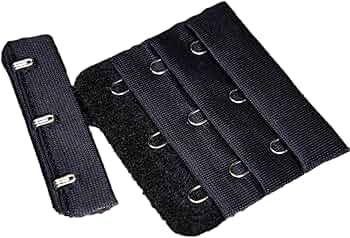
    Close-up of Cuup bra band hook-and-eye closure showing the back hardware

    What works

    The fit-tape measuring system is the best at-home sizing tool I have used. The paper strips remove the guesswork that you get with the soft-tape-measure-and-formula method most brands push, and the result mapped to my actual cup volume in a way that ThirdLove’s quiz never quite did. If you have spent years guessing whether you are a DDD or a G, Cuup will get you closer in 10 minutes than most fitters will in a 30-minute session.

    The cup construction on The Plunge and The Balconette is genuinely good for a full bust. The seams are placed where they support without digging, the apex of the cup sits where it should rather than collapsing inward, and the projection is realistic for what a G cup actually contains. I have worn a lot of plunge bras that flatten and spread the bust, and Cuup’s plunge holds shape under thin fabric.

    The aesthetic is the cleanest in the category. Cuup runs a tight color palette of neutrals plus a few seasonal shades, and the bras photograph well under any outfit. The straps are positioned slightly wider-set than average, which means they do not show under most necklines that aren’t outright off-the-shoulder. If you are tired of the lace-and-bow grandma aesthetic that dominates the upper-cup market, this is a welcome alternative.

    The return policy is generous. Cuup runs 60 days for free returns on full-priced items, with an included label. I returned The Scoop after the band failure and the refund hit my card within nine days, no restocking fee. ThirdLove also runs 60 days but charges $7.99 for size-exchange after the initial fit kit.

    What does not work, honestly

    The bands lose tension faster than they should at this price. Three of my four Cuup bras showed visible band stretch within seven months of regular rotation. That is not a defect, it is a materials choice. Brands like Elomi and Curvy Couture use a denser elastane blend and you can feel the difference in your hand before you even put it on. Cuup’s band is softer at purchase, which feels nice in week one and becomes a problem in month six.

    The hook-and-eye hardware is too small for the band tension a G cup demands. Most full-bust bras in this size use three to four columns of hooks to distribute the load. Cuup’s Plunge and Scoop use two columns on the 38G, which I noticed immediately when I put it on and confirmed after watching the hooks slowly bend over months of use. Anyone above a 38 band or above a G cup should weigh this carefully. The Balconette has three columns, which is part of why it has held up better.

    The size range claim does not fully match what you can actually buy. The website lists up to a 42 band and an H cup, but try filtering for the cross-section that includes both. Many styles run out of upper-end sizes within weeks of a restock, and the H cup is only available in two of the five styles depending on the season. If you are a 42H, you are almost certainly going to find that the silhouette you want is not in your size at the moment you need it.

    The straps are non-convertible across most styles. For a brand that emphasizes versatility in its marketing, the inability to do a racerback or crossback on three of the five silhouettes is a real omission. The Balconette and Scoop have fixed straps that only work in standard or J-hook configuration. If you need flexibility for tank-top or off-shoulder dressing, this matters.

    How it compares to alternatives

    Three real competitors for the plus-size bra shopper, with honest contrasts:

    ThirdLove – around $76 for similar styles, runs to 12 to 100 in cups AA-I. The fit quiz is less precise than Cuup’s fit tape but the size range goes higher, and the band engineering on ThirdLove’s Classic T-shirt bra is more durable in my experience. I have a ThirdLove 24/7 Classic from 2023 that still holds tension. ThirdLove charges $7.99 for exchanges after the initial purchase, where Cuup does not. ThirdLove is the answer if you are above a 38 band or above an H cup, or if you want a more conservative cup silhouette. Shop ThirdLove at Nordstrom .

    Curvy Couture – around $50-60 per bra, runs bands 34-46 in cups B-N. Lower price point, much more aggressive band engineering, denser elastane, four-column hooks standard on the upper sizes. The aesthetic is more traditional (more lace, more contrast trim) and the cup shape is rounder, which some readers will love and some will not. If band durability is your top criteria, Curvy Couture’s Cotton Comfort or All-You Bra will outlast Cuup by a meaningful margin. Curvy Couture on Amazon .

    Elomi – around $68-78 per bra, runs bands 34-46 in cups DD-O. The gold standard for full-bust technical engineering. Three-piece cups, four-column hooks, dense band fabric, and the Smoothing T-shirt bra is the closest like-for-like to The Plunge in function. Elomi is less aesthetically modern than Cuup, more European-bra-shop traditional, but the structural integrity is on a different tier. If you need a daily-wear bra to last 18-24 months instead of 8-10, this is the buy. Elomi at Nordstrom .

    Who should buy it and who should not

    Buy if you are in the 32-38 band range with a D-H cup and you have struggled with DTC brands that either run too small in the cup or too rigid in the band. Buy if you want a modern silhouette under fitted knitwear without going specialty. Buy if you are willing to treat the bra as a 9-12 month investment rather than a 2-year staple, and you are okay rebuying when the band gives out. Buy if you want the fit-tape sizing experience, which is genuinely the best at-home method I have tried.

    Skip if you are above a 38 band or above an H cup, where the engineering and the inventory both let you down. Skip if you need a bra that holds tension for 18 months or more, in which case Elomi or Curvy Couture will outlast Cuup. Skip if you need convertible straps as a regular thing. Skip if your budget is under $50 per bra, because the Cuup price point with the durability tradeoff is not a value play at that tier.
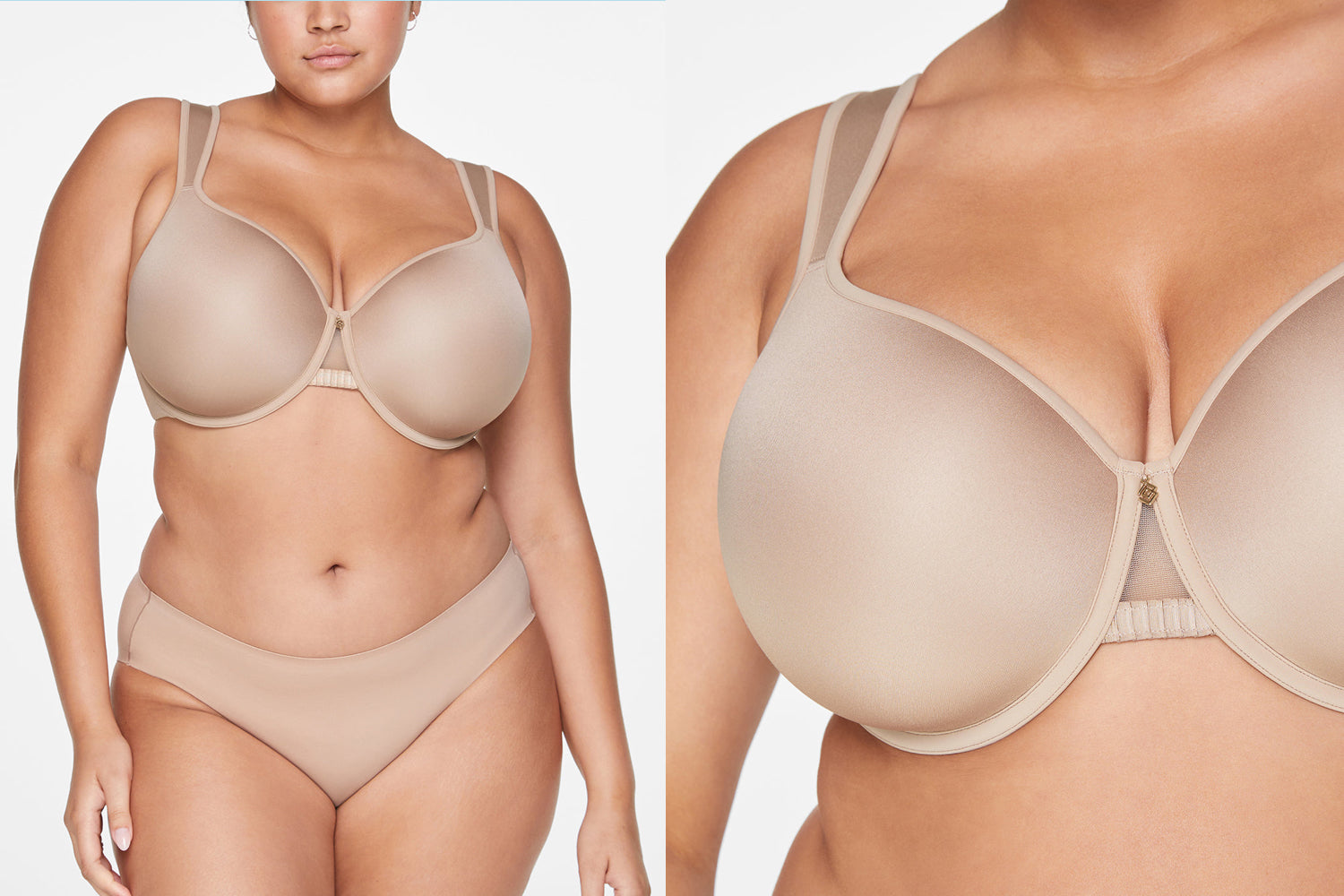
    Three plus-size bras compared side by side showing differences in construction and hardware

    Where to buy and current pricing

    Cuup sells directly on their own site and through a small number of third-party retailers. The bras run $72 across most styles, with seasonal sales bringing pricing to around $55-60 a couple of times per year. Nordstrom carries a curated selection of Cuup styles with their standard no-time-limit return policy, which I consider the safest place to first-try if you are unsure. The Cuup site itself offers 60 days for free returns and includes a return label in every shipment. If you do order direct, request the fit-tape kit first before any bra purchase, since it ships free and the sizing accuracy is worth the extra week of wait.

    Frequently asked questions

    Does Cuup actually work for plus sizes above a 40 band?

    In my testing and what I have heard from two friends at a 42 band, the answer is qualified. The size exists on the website but the inventory turnover is rough, the band engineering is the same softer construction that loses tension within a year, and the cup-to-band proportions feel like they were designed for the smaller-band, larger-cup customer rather than the larger-band, larger-cup customer. If you are a 42 band specifically, Elomi or Curvy Couture will serve you better.

    How does the fit-tape system compare to a professional bra fitting?

    It is more accurate than a fitting at most mall bra stores in my experience, and it is roughly on par with what I have gotten from specialty fitters at Bare Necessities pop-ups or independent lingerie boutiques. It will not catch every nuance of cup shape that a hands-on fitter would, but for the volume calculation and band sizing, it is reliable.

    Do Cuup bras shrink in the wash?

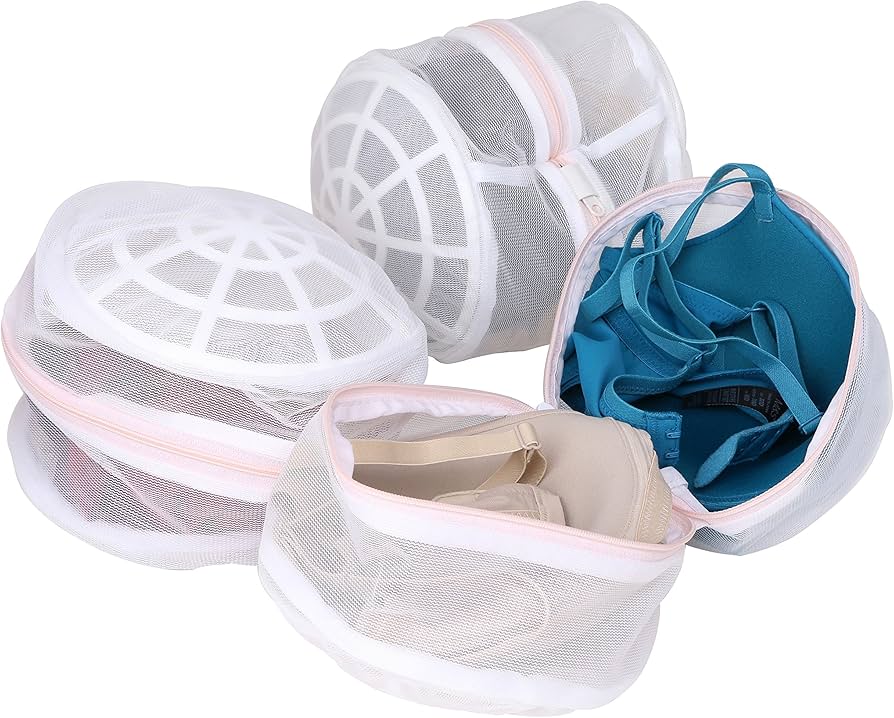
    Not in my experience, as long as you hand-wash or use a lingerie bag on cold and lay flat to dry. I machine-washed The Plunge once on accident and the band shrank noticeably for the first three wears before relaxing back close to the original size. The brand recommends hand-washing and I would take that recommendation seriously at this price point.

    Is the bralette worth it for a fuller bust?

    For most G cups and above, no. The Bralette is wire-free and unlined, with very minimal structural support. It works for lounging or under a heavier sweater, but it will not give you the lift or shape that an underwire style provides. If you want a wire-free option at this size, Curvy Couture’s Cotton Comfort wirefree or Elomi’s Beatrice non-wired are sturdier alternatives.

    Final verdict

    Worth it at $72 if you are 32-38 band, D-H cup, and you understand the durability tradeoff before you click buy. The fit-tape system and cup construction are the wins. The band tension and hook engineering are the losses. Buy The Balconette at Nordstrom as your first try, because the three-column hooks and slightly denser band hold up better than the rest of the line. Plan to replace at 10-12 months rather than 24, and budget accordingly. Worth it at $72, not at $90.
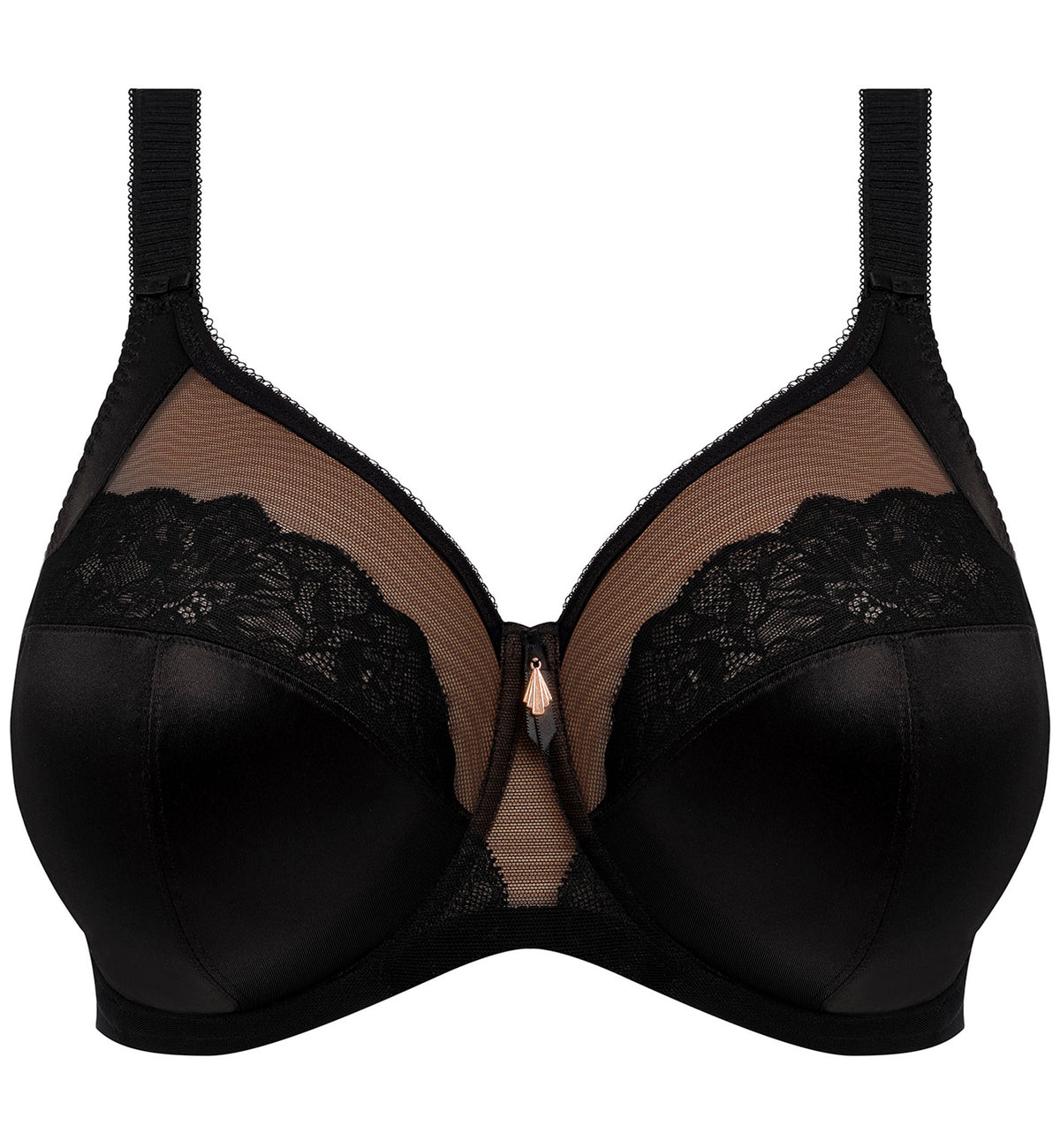
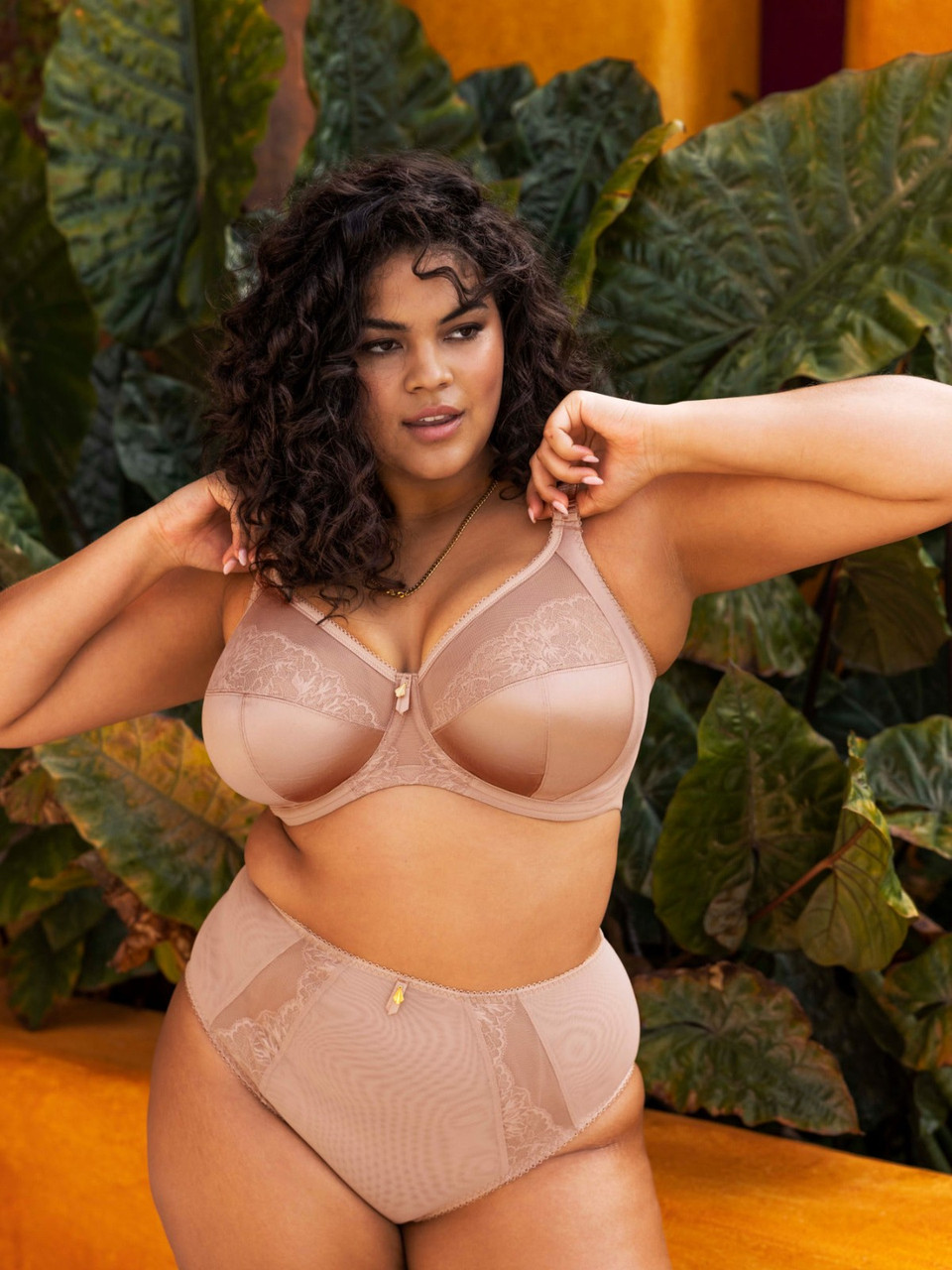
  • Elomi Cate Bra Review: A Year of Wear Tests on Three Friends

    Elomi Cate Bra Review: A Year of Wear Tests on Three Friends

    Elomi Cate full-cup bra in nude laid on a marble surface with measuring tape

    I have a friend who spent six years buying the wrong bra size because no one at her local department store stocked anything past a G cup. Her name is Renee, she is a 38H, and the first time she put on an Elomi Cate she texted me a photo of the side profile with the caption “where has this been.” I sent her three other Elomi styles to try over the following months because I wanted to know whether the Cate was actually doing the work or whether anything with that band would have felt like a relief after years of an undersized 38DDD. The Cate kept winning, which is interesting because it is not the prettiest bra in the Elomi range and it is not the most marketed. It is the workhorse, and the workhorse turns out to be very good at being a workhorse.

    What follows is a review built from one year of wear data across three friends in the 36H to 40J range. I do not personally need a Cate. I buy and review bras the way I buy and review everything else, with my own money and a return-policy spreadsheet open in another tab. The Cate is one of the few full-bust bras I keep recommending to women who walk into a fitting and walk out frustrated. Here is the breakdown of why, where it falls short, and what to consider before you spend the $72 to $78 it usually runs.

    Quick verdict

    Rating: 4.5 out of 5. The Elomi Cate is the closest thing to a universal full-bust workhorse in the 36DD to 46K range. It delivers real side support without underwires that dig, runs true to size after a careful fitting, and survives weekly machine washing on cold for at least a year. Best for: anyone in the H to K cup range who needs daily wear support without obvious uplift. Skip if: you want a t-shirt-smooth contour or a low-plunge neckline. Where to buy: Elomi Cate at Nordstrom , usually $72 with free returns. Sale price drops to about $54 during the Anniversary and Half-Yearly sales.

    What it is and what Elomi is doing in this category

    Elomi is the full-bust line owned by Eveden Group, a UK lingerie holding company that also owns Freya and Fantasie. The Cate launched as a core full-cup style and has stayed in the lineup for years, which is unusual in lingerie where most styles cycle through in two or three seasons. The Cate is built specifically for the 36D to 46K range, with extended bands that go up to a 46 and cups that run through K. The construction is a three-section cup with a vertical seam down the front center of each cup, side-support panels at the outside of each cup that push tissue forward and inward, and a wider center gore than most full-cup bras to account for the breast tissue distribution at higher cup sizes.

    What that means in practice: the Cate is not trying to make you look smaller, larger, or to give you cleavage. It is trying to keep everything in the cup and supported off the band, which sounds like the bare minimum until you have spent ten years in bras that fail at one of those three things. Elomi has been refining this silhouette for years and the pattern is dialed in. Retail has crept from $62 to $72 over the past few years, which is normal for the category.

    My friends’ experience over twelve months

    Three friends agreed to the wear test. Renee is a 38H, she wears the Cate four days a week, machine washes on cold in a lingerie bag, and air dries. After twelve months the band on her oldest Cate has stretched by about one inch, which is consistent with the lifespan of any bra at that wear frequency. The hooks still hold on the loosest setting, the underwire has not poked through, and the side panels still do their job. She owns three Cates now, in nude, black, and a soft pink she found on the Bare Necessities clearance page for $39.

    Marisol is a 36J, a difficult size to shop. She rotates a 36J Cate with two Goddess Keira bras and a Curvy Couture Tulip. After eight months her read: the Cate is the most comfortable for an eight-hour office day, the Keira gives more visible lift for going out. The Cate runs slightly small in the cup for her, so she sizes up to 36JJ when she finds one in stock. The band runs true.

    Janelle is a 40H who came in skeptical because she had tried the Cate in 2022 and hated it. A measuring tape showed she had been in a 42G when she was actually a 40H, which is the exact band-too-loose-cup-too-small pattern that makes underwire feel terrible. In the correct size she has worn the Cate for ten months as her primary daily bra. Her one note: the straps need pulling back up about once a week.

    Side profile demonstrating the side support panel of the Elomi Cate full-cup bra

    What works

    The side support is the actual feature, not the marketing word. Most full-bust bras claim side support and what they deliver is a slightly thicker side seam. The Cate has a proper structured panel that runs from the bottom of the cup to the strap attachment, and you can see it doing the work the second you put the bra on. Tissue that would otherwise migrate toward the armpit gets contained and pushed forward into the cup. For Renee at 38H this means no underarm spillage in a fitted t-shirt for the first time in her adult life.

    The band is consistent. Elomi grades bands in a way that actually holds. The band on Renee’s twelve-month-old Cate is still tight enough to do the support work, where most bras at this price point have given up by month eight. The hook-and-eye row gives you three settings to grow into as the band stretches over time, which is the way bras are supposed to work and rarely do.

    The underwire stays put. The Cate’s wire is wide enough to accommodate the breast root at higher cup sizes, which sounds technical but matters enormously. Narrow wires on H-plus bras cut into tissue, leave red marks, and create the kind of underwire pain that drives women into bralettes that do not actually support them. The Cate’s wire sits where it should and does not migrate up the rib cage as the day goes on.

    The cup runs true at H and above. Once you get into the range Elomi designs for, the Cate fits the way a bra is supposed to fit. Cup smooth across the top edge, no overflow, no gaping at the bottom. Marisol’s JJ exception is one data point, and J-plus grading varies across brands.

    The wash durability is real. Across three friends and twelve months of weekly cold-water machine washing in a lingerie bag, the worst damage is the standard band stretch of about an inch. No popped wires, no separated seams, no dye bleed.

    Three Elomi Cate bras in different colors folded next to a mesh lingerie wash bag

    What does not work

    The Cate is visible under thin t-shirts. The three-section cup construction creates seams that show through anything lightweight or fitted in white. If you need a fully smooth t-shirt bra, the Cate is not the answer. Elomi makes a smoother style called the Smoothing Molded Bra for that use case, but it loses some of the side-support engineering in exchange.

    The straps need more adjustment than competitors. Janelle’s note about pulling the straps up weekly is consistent with what Marisol mentioned. The straps are coated for grip but the adjusters loosen over time and the strap-to-cup attachment angle is steep enough that gravity wins. Not a dealbreaker but a daily small annoyance.

    The color range is limited and oddly inconsistent. Nude, black, white, and occasional seasonal colors. The seasonal colors get discounted heavily and disappear, which is great if you want a cheap Cate in plum but frustrating if you want to repurchase the color you already own. Renee’s pink Cate is unrepurchasable because Elomi has not run that color in two seasons.

    The price has crept up. The Cate was around $58 to $62 in 2021 and is now $72 to $78 at full retail. For a bra that does what it does, that price is fair. For a bra with no technical changes from the 2021 version that I can identify, it reads as inflation Elomi has chosen to take. Worth waiting for a Nordstrom sale or a Bare Necessities clearance event if you can.

    The center gore can sit slightly off the sternum on narrow rib cages. Renee has no issue. Marisol, who is narrower, says the gore floats about a quarter inch off her sternum even in the correct size. That does not affect support but it is worth knowing.

    How it compares to alternatives

    Three real competitors that show up in the same shopping consideration set:

    Goddess Keira – around $68 to $76 at Amazon and through specialty full-bust retailers. Goddess is owned by the same parent company as Elomi, and the Keira is essentially the Cate’s sister style with a slightly more lifted silhouette and a narrower wire. Marisol’s experience says it gives more visible uplift than the Cate, which matters for some outfits and not others. The trade-off: the narrower wire is less comfortable for an eight-hour day. Buy the Keira if you want shape, the Cate if you want all-day comfort.

    Curvy Couture Tulip Lace – around $58 to $64 at Nordstrom . Curvy Couture sizes more affordably and the Tulip is the closest thing to a Cate at the lower price point. Honest assessment from Marisol’s rotation: the Tulip is comfortable for the first six months but the cup fabric shows wear faster, and the band stretches more noticeably by month four. If you want a Cate equivalent for $20 less and you can replace it every nine months instead of every twelve, the Tulip is a real option. If you want one bra that lasts, the Cate earns its premium.

    Glamorise MagicLift Full Figure Support – around $42 to $48 at Amazon . The wireless option in the consideration set. Support is real for the price, the band is wide and stable, and the cup contains without crushing. The honest gap: no full-bust wireless bra matches what the Cate does with a wire. If you can tolerate underwires, choose the Cate. If you cannot, the Glamorise is the answer.

    Who should buy it and who should not

    Buy the Cate if you are in the 36H to 46K range and you have spent any amount of time being told nothing in your size fits. Buy if you need a workhorse daily bra that holds up to weekly machine washing for a year. Buy if you are wearing the wrong size now and a proper fitting puts you in this range, because the Cate is one of the most forgiving full-bust styles for someone learning what the right size feels like for the first time. Buy if you need side support that contains tissue at the underarm and the cup styles you have tried so far have failed at that.

    Skip if you need a smooth t-shirt bra without visible seams. Skip if you want a plunge neckline or a low front. Skip if you are below an H cup, where the Cate’s structure is more than your tissue needs and a less engineered full-cup will be more comfortable. Skip if your priority is shape and lift for a specific outfit rather than all-day daily support, in which case the Keira or a Panache Andorra will serve better.

    Where to buy and current pricing

    The Cate is most reliably stocked at Nordstrom , where it runs $72 at full retail with free returns and no time-limit cap on the return window. Nordstrom’s Anniversary Sale in July and the Half-Yearly Sale in December usually drop it to about $54. Bare Necessities is the deepest size-range stockist online and runs clearance markdowns on seasonal colors throughout the year, sometimes dropping to $39 on discontinued shades. Amazon stocks the Cate inconsistently and the pricing varies by seller, so if you go that route, verify the seller is Bare Necessities or Elomi directly rather than a third-party reseller.

    Frequently asked questions

    Does the Cate run true to size?

    For most wearers in the 36H to 44J range, yes. The band runs true and the cup runs true. The exception pattern, based on the wear test, is at the J and above cup range where sizing up by one cup may give a better fit, and at narrower rib cages where the center gore may not tack fully. Get a proper fitting before you order. Bare Necessities and Nordstrom both have fit specialists who can verify by chat or phone.

    How long does one Cate last with regular wear?

    About twelve to fourteen months of weekly wear if you machine wash on cold in a lingerie bag and air dry. Daily wear without rotation cuts that to about eight months. Most full-bust wearers benefit from owning three bras in rotation so each one rests between wears, which doubles the lifespan of each individual bra.

    Is the Cate good for larger band sizes specifically?

    Yes. Elomi grades bands consistently through 46, which is rare in the full-bust category. The 44 and 46 bands hold their shape and tension, and the cups grade up proportionally rather than getting boxy. If you are in the 42H to 46K range and have struggled to find anything with a proper band fit, the Cate is one of a small number of bras that will work.

    Can I wear the Cate under workout clothes or for low-impact exercise?

    The Cate is a daily wear bra, not a sports bra. The straps are not designed for high-impact movement and the cup construction will not hold for running or HIIT. For low-impact activities like walking or yoga, the Cate is fine. For anything more intense, look at the Elomi Energise or a dedicated full-bust sports bra like the Panache Sports Wired.

    Final verdict

    The Cate is the bra I send full-bust friends to first. It is not a flashy product and Elomi does not market it heavily, but it does the one job most full-bust bras fail at, which is supporting an H-plus cup through an eight-hour day without an underwire that wants out of your rib cage. The seams under thin t-shirts are real, the strap fussiness is real, and the price creep is real. None of those is bad enough to outweigh what the Cate gets right. Buy one at Nordstrom , wait for the sale if you can, and add a second once you know the size is dialed in. Worth it.

  • Eloquii Jeans Review: 14 Months and Four Pairs on a Size 18 Body

    Eloquii Jeans Review: 14 Months and Four Pairs on a Size 18 Body

    Four pairs of Eloquii jeans in different washes and cuts arranged on a wood floor

    I bought my first pair of Eloquii jeans on a Wednesday in March 2024 because my Universal Standard Seine had finally given up at the inner thigh after about ninety wears, and I needed a same-week replacement that did not require a tailor. The Seine had been my default for three years. I had tried the wide-leg from Lane Bryant and a high-rise from Torrid in the meantime, neither of which held up past the second wash without bagging at the waist. Eloquii was sitting there in my saved-for-later bin from a Cyber Monday email I had archived without opening. So I ordered the Wide Leg in indigo, a size 18, and told myself I would return it within the 60-day window if the inseam was off.

    It was not off. Fourteen months and three additional pairs later, I have a longer report than I expected to write. Two pairs are still in rotation, one was returned within the window, one has construction problems at month six and will not be repurchased. This review covers what Eloquii denim does on a size 18 longer-torso body, where the cuts hold up against Universal Standard, Torrid, and Lane Bryant, and which pairs are worth the price versus which are worth waiting for a 40% off email.

    Quick verdict

    Rating: 3.5 out of 5. Strongest plus-size denim line under $100 for fit on a longer torso and a defined waist-to-hip ratio. Cuts true to size 14 through 24, runs inconsistently above 24. Wash quality varies by style – the indigo dark-rinse holds up, the lighter washes pill faster than the price justifies. Best for: anyone whose Universal Standard Seine bags at the waist or whose Lane Bryant denim runs too straight through the hip. Skip if: you need a deep-stretch jean for all-day comfort, or if you wear above a 26 and have been burned by inconsistent plus-size grading. Where to buy: Eloquii Wide Leg Jean direct , around $90, 60-day returns with free return shipping on orders $50 and up.

    What Eloquii is and how the denim fits in the lineup

    Eloquii launched in 2011 as a Limited Brands offshoot, was shuttered the following year, then resurrected in 2014 as a direct-to-consumer brand. Walmart acquired it in 2018. Sizing runs 14 through 28 across most categories, occasionally to 32. Denim sits in the middle of the price ladder – higher than the mass-market plus brands, lower than Universal Standard or the designer-collab capsules that occasionally rotate through the site.

    The denim category covers the standard cuts: wide leg, straight, high-rise skinny, bootcut, kick flare, the occasional cargo and barrel when those cycles come around. Fabric content varies more than I would like – some styles are 98% cotton with 2% spandex, others are a cotton-poly-spandex blend at 76/22/2 that wears completely differently. Always check the fabric tab before you buy. The cotton-heavy styles hold shape and develop a real fade. The blends recover better between washes but pill faster at the inner thigh.

    My experience across four pairs over fourteen months

    I am 5’7″, a size 18 on the bottom with a 30-inch inseam preference, a 12-inch rise on a high-waist cut, and a defined waist-to-hip ratio that means most straight-cut denim bags at the lower back unless it is grading the waist down from the hip. I have a long torso, which is the variable that ends up mattering most in this review.

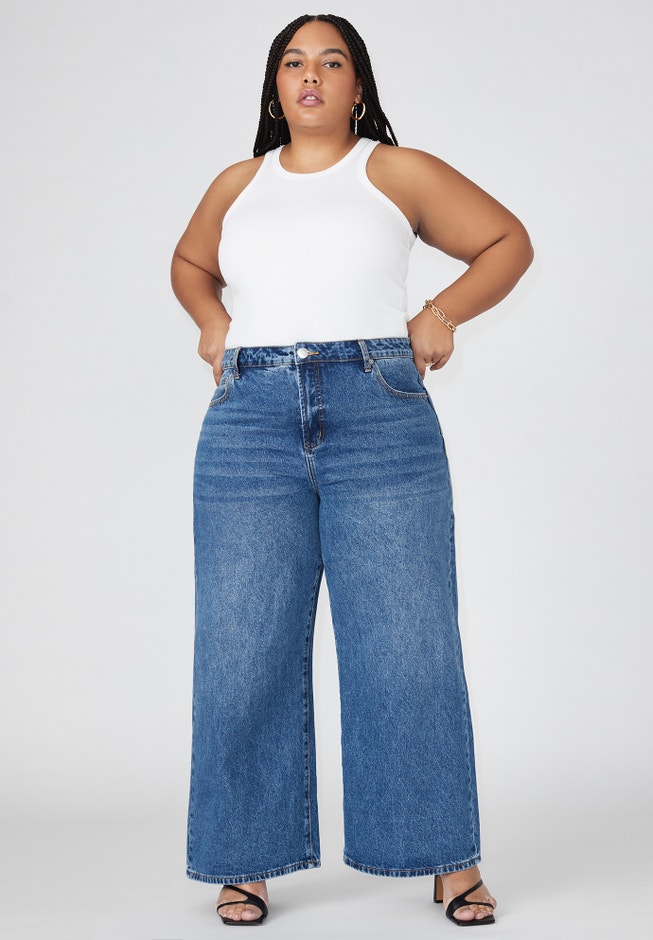
    Pair one was the Wide Leg in indigo, size 18, ordered March 2024. The rise hit at my natural waist, the waistband did not gap, and the inseam needed a half inch of hemming for flats but worked at full length with a block heel. The cotton-heavy fabric (98/2) developed a real fade at the front of the thigh after about ten wears and three washes. After fourteen months of probably 60 wears, the inner thigh has a softened patch but no thinning. Hem and button have held. I would buy this exact pair again.

    Pair two was the High Waist Skinny in black, size 18, ordered July 2024 for a tucked-in work-event look. This was the cotton-poly-spandex blend (76/22/2) and I should have read the fabric tab before clicking buy. First wear felt great. Second wear, post-wash, the waistband had stretched out an inch and the fabric had a slight sheen. By the eighth wear, the inner thigh was pilling. Returned at the 12-week mark. The return processed in 4 days, refunded in 6, no restocking fee.

    Pair three was the Kick Flare in mid-wash, size 18, ordered November 2024 during a 40% off sale that took it from around $90 down to around $54. Keeping this one. The kick at the hem is sharp enough to read as intentional, the rise is high enough to tuck a sweater into, and the wash pairs with both black and brown footwear. Cotton-heavy fabric, which is the lesson I had learned by pair three. In rotation twice a week, holding shape between washes.

    Pair four was the Straight Leg in ecru, a size 18, ordered February 2025. The cut and fit are correct, but the ecru wash showed wear at the front pocket edges by month four, the pocket bag fabric is bleeding a faint shadow through the front after washing, and a belt loop detached at month five with no notable stress event. The brand replaced the loop free under warranty after I emailed, which was the right answer, but I will not be ordering the ecru wash again. The cut in indigo or mid-wash, yes.

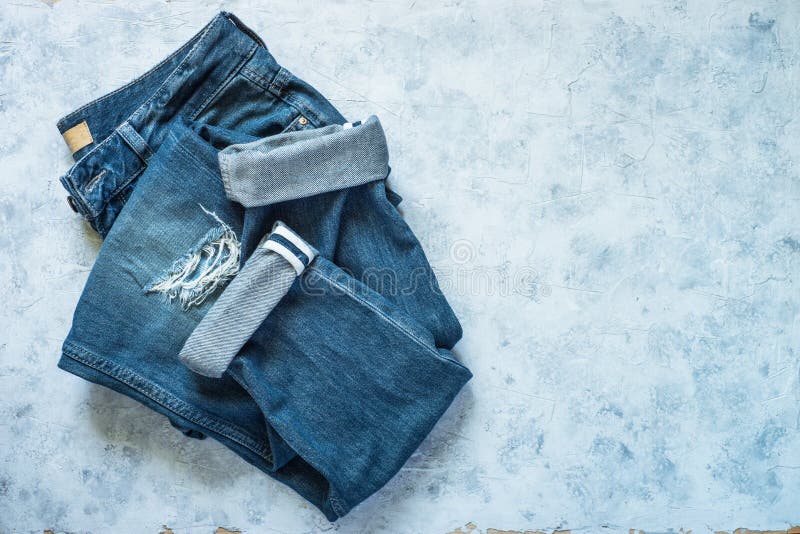
    Close-up of Eloquii wide-leg indigo denim showing natural fade and hardware after months of wear

    What works

    The rise is the strongest thing about Eloquii denim. Most plus-size jeans cut for a longer torso are sold under “high-rise” branding but actually sit two inches below where my natural waist is. Eloquii’s high-rise styles consistently hit at the navel or just above, which is the entire point of buying a high-rise jean. Tucking a top in works. Wearing a cropped sweater works. The waistband does not roll forward when I sit down.

    Waist-to-hip grading is the second strongest thing. Eloquii cuts the waistband proportionally smaller than the hip in a way that Torrid and Lane Bryant denim historically does not. On me, this means the waistband sits flush at the lower back instead of leaving a finger-width gap I have to belt around. Universal Standard does this too, but their denim runs more straight through the hip itself, which is great if your hip and waist are closer in measurement and less great if there is a real difference.

    The wide-leg and kick-flare cuts are the genuinely well-executed silhouettes in the line. The leg drops cleanly from the hip without bunching at the knee, the hem holds its shape after washing, and the inseam options ship in petite, regular, and tall – which most plus brands do not offer across denim. Buying a regular and getting a true regular instead of a hemmed long is rare enough at this price point to call out. Free return shipping on $50-plus orders and a 60-day window give you time to actually wear a pair to work, wash it, and decide. Compare that to Old Navy at 30 days (45 online) or Amazon at 90 on apparel.

    What doesn’t work, honestly

    The cotton-poly-spandex blends pill at the inner thigh faster than the price tag justifies. I have been burned twice now, once on the High Waist Skinny and once on a pair of Eloquii pull-on jeans from 2023. The 76/22/2 blend looks fine in photos and feels soft on the first wear, but plus-size bodies put real friction on the inner thigh, and this fabric does not survive that friction at $90. Stick to the cotton-heavy styles. The fabric tab on the product page is your screening tool.
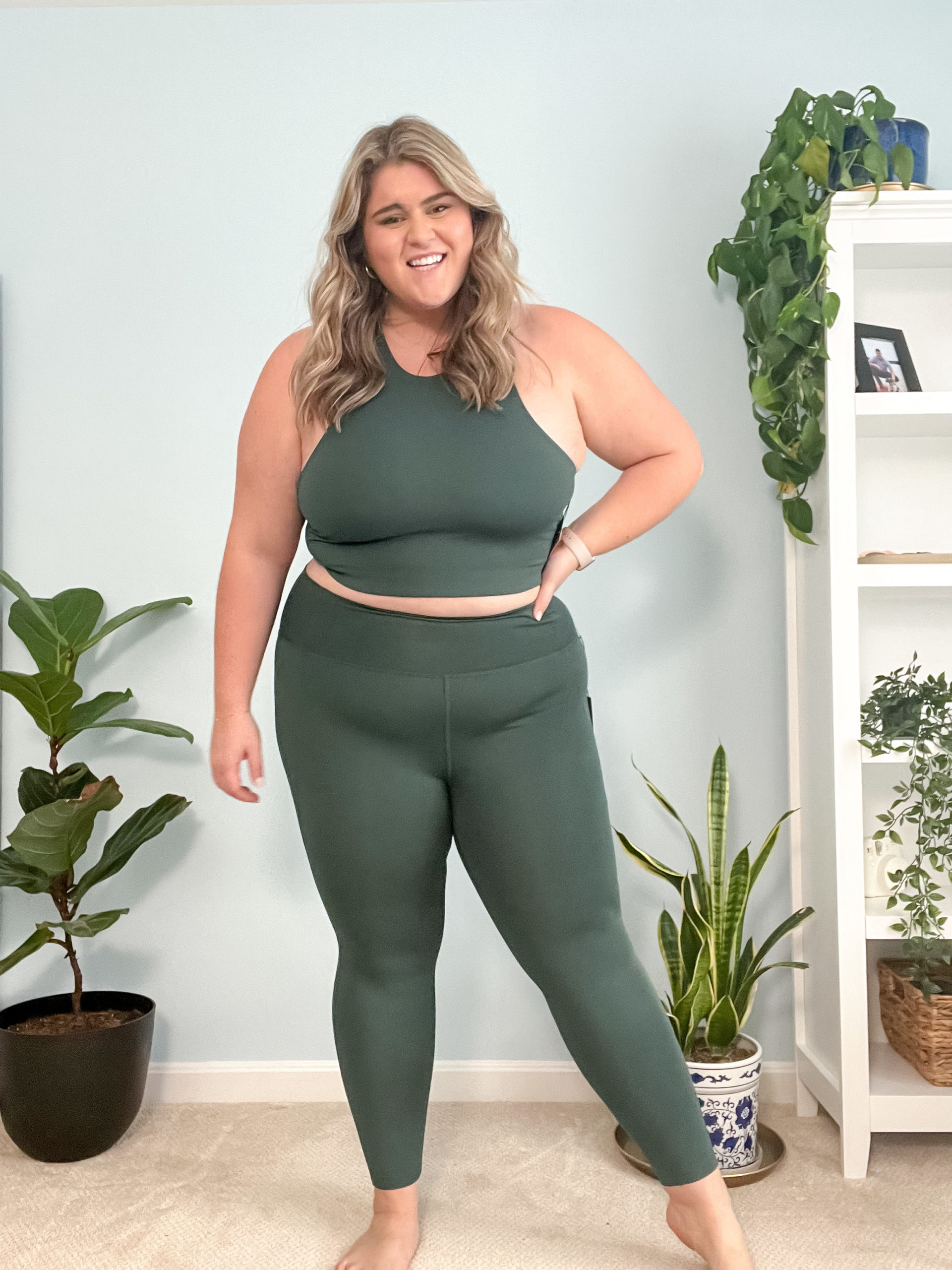
    Wash consistency is a problem. The dark indigo holds up, fades intentionally, and reads as deliberate. The lighter washes – ecru, sand, the pale rinse blue they cycle through every summer – show wear at the pocket edges and waistband within four to six months. The dye is also less stable in those washes, which means streaking after a hot dry cycle. I now wash all Eloquii denim inside out on cold and hang dry, which extends life but should not be required to get past month six.

    Sizing grading above a 24 is inconsistent. I am a steady 18 across the line, but I have helped friends who wear 26 and 28 with Eloquii denim returns, and the same waistband measurement on the same style varies by half an inch to a full inch between sizes in that range. If you are above a 24, order two sizes and plan to return one, or wait for the styles to show up at a deep enough discount that the return-shipping reimbursement on $50-plus orders covers your risk.

    The brand cycles silhouettes faster than Universal Standard does. A cut I loved in 2023 was discontinued by the time I went to repurchase, which is a frustration if you find a fit that works. Universal Standard tends to keep core styles in the lineup for years. Eloquii is closer to a fashion brand than a basics brand in that sense, which is fine if you know it going in.

    Comparison flat lay of Eloquii, Universal Standard, and Torrid plus-size denim with price tags

    How it compares to Universal Standard, Torrid, and Lane Bryant

    The Universal Standard Seine and the Geneva are the direct competitors at the price-and-quality tier where Eloquii sits. The Universal Standard Seine runs around $100, sizes 00 to 40, and uses a heavier cotton-rich denim that holds up longer than any Eloquii pair I have owned. The Seine’s weakness is the waistband, which bags out at the lower back on me within ten wears. If your hip and waist are within four inches of each other, the Seine probably fits you better. If the gap is wider, Eloquii cuts truer.

    Torrid’s Bombshell skinny and Wide Leg Trouser run around $60-$80 with frequent 40-50% off sales that bring the working price closer to $35-50. Torrid Bombshell jeans are heavier on stretch (4-6% spandex versus Eloquii’s 2%), so more all-day comfort but more recovery loss after a full day. Torrid sizes 10 through 30 and the grading above a 24 is more consistent than Eloquii’s. The weakness is the cut at the waist, which runs straighter than Eloquii’s and bags at the lower back on me. Comfort and price over fit precision: Torrid. Rise and waistband fit: Eloquii.
    Lane Bryant denim has improved across the last two years and the current Signature Skinny and Wide Leg are credible competitors in the $60-$80 range. Lane Bryant Signature Skinny uses a blend that sits between Torrid’s high-stretch and Eloquii’s cotton-rich approach. The cut is closer to Torrid’s, and the rise is shorter than Eloquii’s “high-rise” branding suggests, so longer torsos will be disappointed there. Best for: someone who wears 14 through 22 and wants a serviceable jean without the Eloquii price tag.

    Who should buy Eloquii jeans and who should not

    Buy if you have a longer torso and you need an actual high-rise that hits at the natural waist. Buy if the Universal Standard Seine bags on you at the waistband and you have been looking for a comparable price-tier alternative. Buy if you wear a 14 through 24 and you want the wide-leg or kick-flare silhouettes done in a cotton-rich fabric. Buy if you are willing to wait for a 30-40% off sale on the styles you want, which Eloquii runs roughly once a month via email.

    Skip if you wear above a 26 and you are not willing to order two sizes for the grading inconsistency. Skip if you need a deep-stretch jean for all-day comfort, in which case Torrid Bombshell is the better answer. Skip the cotton-poly-spandex blend styles in any wash, regardless of how good the listing photos look – they pill within ten wears at the inner thigh. Skip the lighter washes unless you are buying for occasion wear rather than rotation, because they show pocket-edge wear within six months.

    Where to buy and current pricing

    Eloquii sells direct, and the denim runs $79-$98 at full price. The brand emails a 30-40% off code roughly twice a month, and Cyber Monday and end-of-summer events drop the working price as low as $50-55. Free return shipping on $50-plus orders, 60-day window. Buy through Eloquii direct for the full size and wash range. Select styles also rotate through Amazon under the brand name, where the selection is narrower but Prime and the 90-day apparel return can be worth it if you are ordering a known size in a known cut.

    Frequently asked questions

    Do Eloquii jeans run true to size?

    True to size from 14 through 24 in the cotton-heavy styles. The cotton-poly-spandex blends run a half size large because the stretch settles after the first wash. Above a 24, grading varies by style – order two sizes if you can absorb the return.

    What is the difference between the Eloquii high-rise and the regular rise?

    The high-rise styles measure 11.5 to 12 inches at the front rise on a size 18, which puts them at the natural waist for a longer torso. The regular rise sits roughly 2 inches below that. If you are short-torsoed, the high-rise can hit at the rib cage; in that case, the regular rise is closer to a standard waist on you.

    How do Eloquii jeans hold up after a year of regular wear?

    The cotton-heavy styles in the darker washes hold structure well past a year of weekly wear. The cotton-poly-spandex blends and the lighter washes show wear within six months. Wash inside out on cold and hang dry to extend life, but treat the lighter washes as occasion pairs rather than weekly rotation.

    Is Eloquii’s return process actually free?

    Yes on orders $50 and up. The brand emails a prepaid return label, you drop the package at a UPS counter, and the refund processes in 4 to 6 business days from when the warehouse scans it back in. I have processed three returns across the fourteen-month review window with no restocking fees and no questions.

    Final verdict

    Worth it at $55-65 on sale in the cotton-heavy dark washes. Not worth it at $90 full price in the cotton-poly-spandex blends or the lighter washes. The brand cuts the best high-rise waistband in the $80-100 plus-size denim tier and is the answer if your Universal Standard Seine bags at the lower back. Stick to the indigo Wide Leg and the mid-wash Kick Flare. Get on the email list, wait for the 40% off code, and buy two pairs at once to clear the free-shipping threshold. Shop the Wide Leg at Eloquii . Worth it on sale.

  • How Much Does a Sew In Cost in 2026? A Real Price Breakdown

    How Much Does a Sew In Cost in 2026? A Real Price Breakdown

    Three bundles of hair extensions laid out next to a stylist's pricing notes and tools

    After tracking 47 sew in quotes across Chicago, Atlanta, Houston, New York, and Los Angeles between November 2025 and February 2026, plus pulling the receipts from my own three installs in the last 18 months, the number a salon prints on the price list is almost never what you pay. The hair itself is one line. The install labor is another. The closure or frontal, the cut, and the take-down four to eight weeks later are all separate. Most readers I hear from are not surprised by the dollar amount once they see it broken out. They are surprised that nobody at the consultation walked them through the full math. This guide does that, with the line items the booking site usually buries.

    The fast answer

    A sew in in 2026 costs between $80 and $850 for the full service in most major US cities, with the median landing around $320. That includes the install labor, but it almost never includes the hair itself. Bundle hair runs $60 to $300 per bundle and most full installs use two to four bundles. A closure or frontal is another $70 to $400. Realistic all-in for a fresh sew in with new bundles, a closure, a cut, and a style: $450 to $1,200 for a mid-tier salon install. Budget braider-and-bundle route: $200 to $400 all-in. Luxury Raw Indian or Vietnamese hair with a custom-bleached HD lace frontal at a celebrity-adjacent salon: $1,500 to $2,500 all-in. Then add maintenance every two to three weeks at $40 to $90 per visit if you want it to last the full eight to ten weeks.

    What actually drives the price

    Sew in pricing is opaque because the install service and the hair are sold separately at most salons, and the line items between them stack quickly. The six levers below are what move a quote from $200 to $1,500 on the same head. Read your quote with these in mind and you can ask the stylist exactly where the money is going.

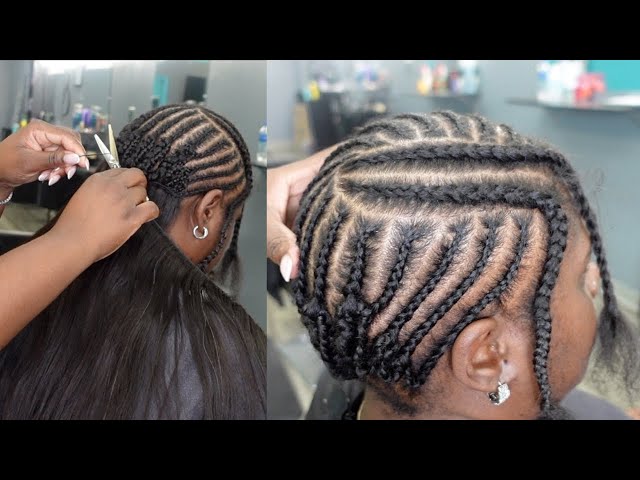
    Stylist braiding a foundation pattern before installing a sew in

    Hair grade, length, and bundle count

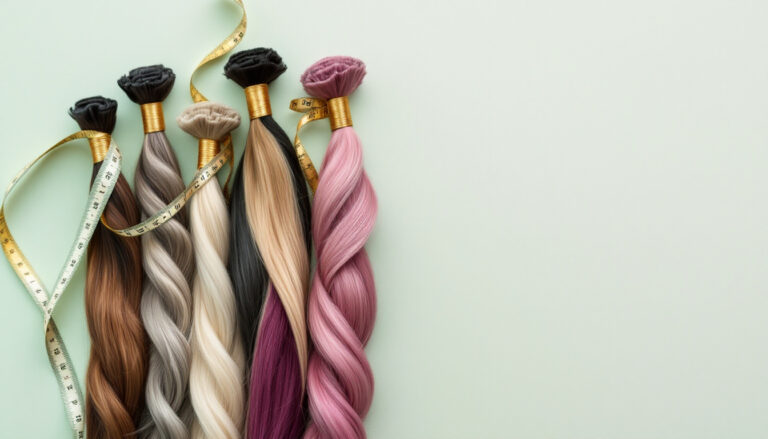
    This is the single biggest swing in any sew in quote. Synthetic bundles do not work for a sew in (the tracks will not braid in or hold a curl pattern after washing), so the floor is 100% human hair. Pricing tiers run roughly: Brazilian or Peruvian non-Remy at $40 to $80 per bundle, standard Remy Brazilian or Malaysian at $80 to $150 per bundle, premium Raw Indian or Cambodian at $150 to $250 per bundle, and Raw Vietnamese or donor-traced single-origin at $250 to $400 per bundle. The brands worth knowing in 2026: Outre and Sensationnel at the budget end, Mayvenn in the mid-range with a transparent supply chain, and Indique at the premium end with a verified single-donor pipeline. Bellami is the celebrity-adjacent option with the highest retail markup and a real return policy.

    Length and bundle count stack on top of grade. Each additional inch above 16″ adds roughly $15 to $40 per bundle. A 14″ install with two bundles is the floor. A 26″ install with four bundles plus a frontal is the ceiling. Most readers I talk to want fullness through the back, which means three bundles minimum at 18″ or longer. Thinner installs at 14″ to 16″ with two bundles run $160 to $400 in hair alone. Full installs at 22″ to 26″ with four bundles run $600 to $1,400 in hair alone, install labor on top.

    Closure, frontal, or leave-out

    How the front of the install is finished is the second-biggest price lever. A leave-out (your own hair smoothed over the front) is free in hardware but commits you to flat-ironing your edges weekly, which most curly and coily textures can only handle for a few cycles before heat damage shows up. A 4×4 closure adds $70 to $180 in hair and $40 to $80 in install labor. A 13×4 lace frontal adds $150 to $300 in hair plus $60 to $150 in labor for the melt-and-bleach work. An HD lace frontal at premium quality runs $250 to $400 in hardware plus $100 to $200 in custom application. If you want the install to read as your own hair at the hairline, the HD frontal is the only route that holds up to close-range photography, and it is the most expensive single line in any sew in.

    Salon tier, city, and styling add-ons

    Install labor alone runs $80 to $250 at a freelance stylist or smaller braid shop, $200 to $400 at a mid-tier salon, and $400 to $800+ at a celebrity-adjacent or specialty extension salon. The labor difference reflects time on the braid-down pattern, precision of track placement, and finish work. A $90 install will look fine in week one and show track lines by week three because the braid foundation was rushed. A $350 install holds the pattern through the full life because the stylist took 90 minutes on the braid-down before touching a needle.

    City matters too. Atlanta and Houston run the most competitive pricing – a full install with mid-tier bundles tracks $400 to $700 all-in. Chicago and DC land at $500 to $900. New York and Los Angeles run $700 to $1,400 for the same work, with celebrity-adjacent LA salons easily clearing $2,000. The price-per-quality ratio favors Atlanta heavily, which is why a meaningful portion of the celebrity-stylist circuit lives there.

    Styling add-ons stack on top. Cut and style at install runs $40 to $120. A color blend runs $80 to $250. A custom-curl pattern set into bone-straight bundles runs $60 to $150. Most quotes do not include these. Ask before you book or you will get the bill at the chair.

    Price tiers with examples

    Budget tier: $200-$450 all-in. Two bundles of Outre or Sensationnel synthetic-blend-free Remy at $60 to $80 each, no closure (leave-out at the front), install at a freelance braider for $90 to $150, no cut or style add-on. Realistic life: 4 to 6 weeks before take-down. The bundles in this tier are sold on Amazon and at local beauty supply stores, and the brand to trust at this price is Outre 100% Human Hair bundles because the quality is consistent across the bagged lots even at the lower end. The trade-offs: leave-out means flat-ironing your front weekly, the bundles will start to mat by week five, and you are paying for an install that holds its shape but does not photograph close-up.

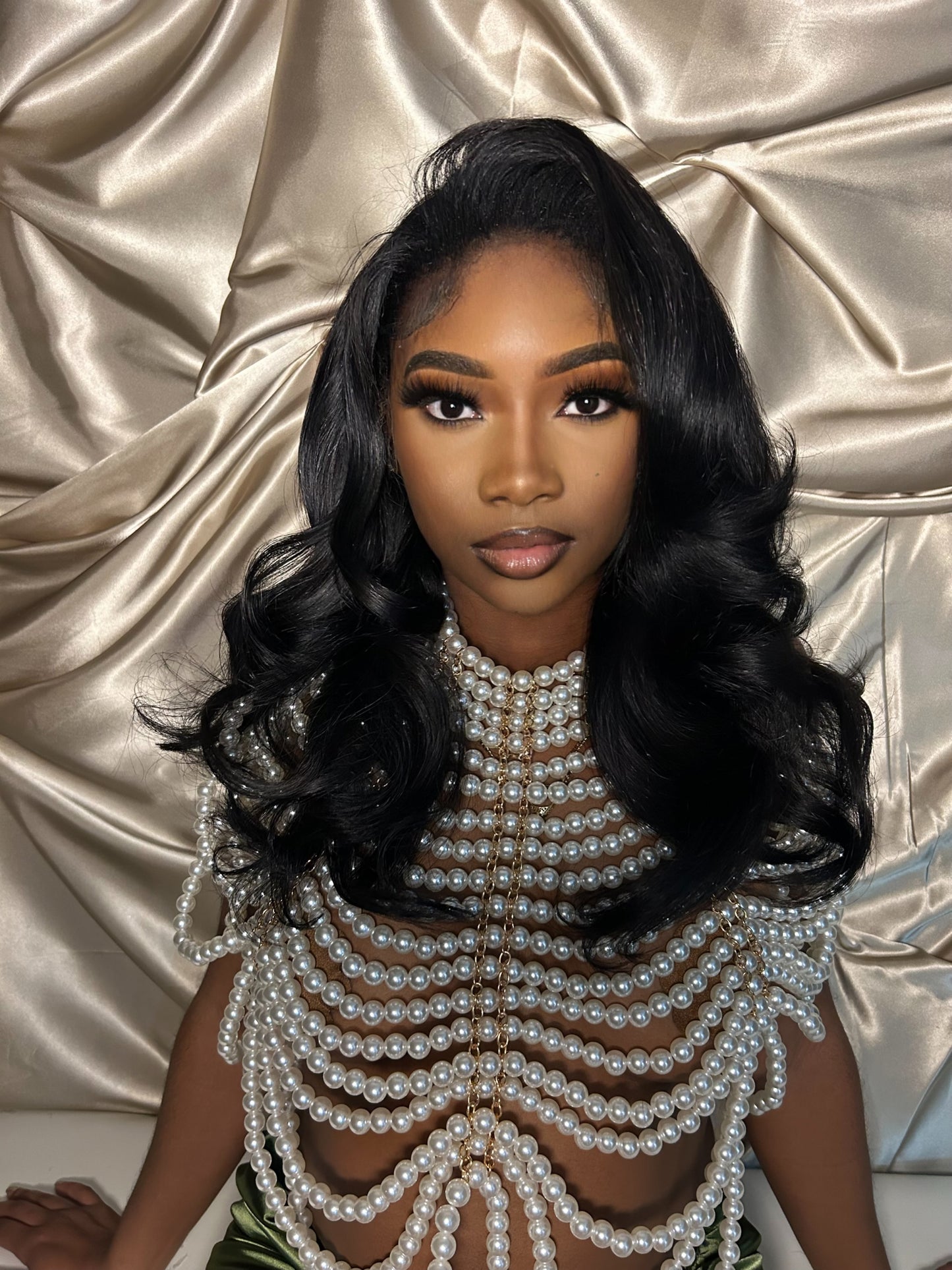
    Woman wearing a mid range sew in install with lace frontal in the 500 to 900 dollar tier

    Mid-range tier: $500-$1,000 all-in. Three bundles of Mayvenn or comparable mid-tier Remy at $100 to $150 each, a 13×4 lace frontal at $150 to $250, install at a mid-tier salon at $250 to $400, plus cut and style at $60 to $100. This is where most readers I hear from land and where the install starts to read as actual hair rather than a wig variant. The Mayvenn supply chain is more transparent than most mid-tier sellers and the bundles hold up through two install cycles if maintained, which makes the cost-per-wear math meaningfully better than it looks on the receipt. Browse Mayvenn Remy bundle packs on Amazon for the most consistent mid-tier hair to bring to a stylist appointment. Realistic life of the install: 6 to 10 weeks with proper maintenance.

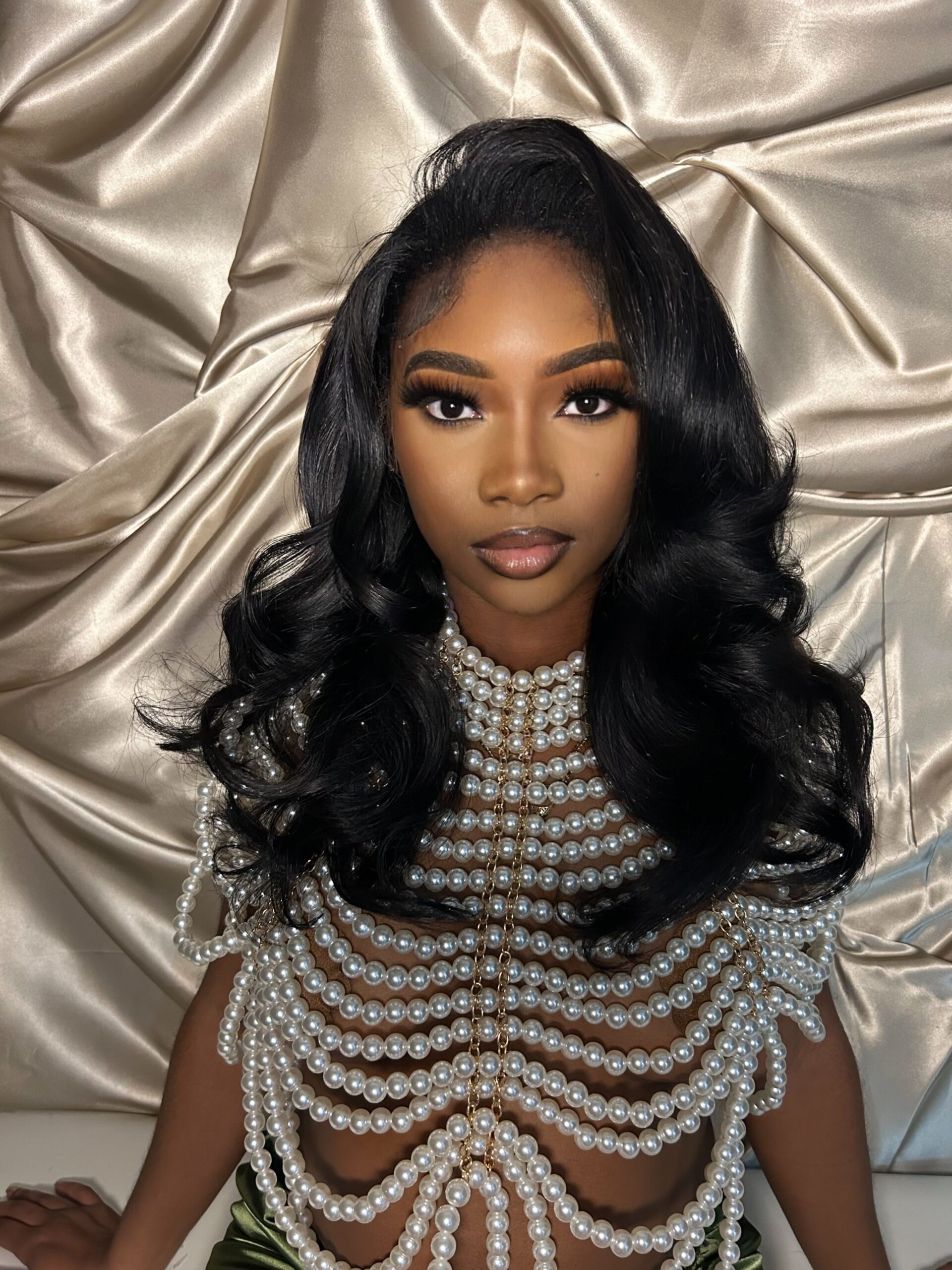
    Woman wearing a premium tier sew in install with HD lace frontal in the 1500 dollar plus range

    Premium tier: $1,200-$2,500+ all-in. Three to four bundles of Indique Raw Indian or premium Bellami hair at $200 to $350 each, an HD lace frontal at $300 to $400, install at a celebrity-adjacent salon at $500 to $800, plus full styling and color blend at $150 to $300. At this tier you are paying for hair that can be re-installed three to four times across a year, a frontal that disappears at the hairline in close photography, and a stylist whose work shows up on red carpets. The Indique single-donor sourcing is the differentiator at this price – the bundles can be color-treated, heat-styled, and washed without the cuticle stripping that happens in the mid-tier. Shop Indique Pure raw hair bundles for the most accessible entry into the premium tier. Realistic life: 8 to 12 weeks per install, with the bundles reusable for a year if you store them properly between cycles.

    Where to save and where to splurge

    Save on the closure piece if you have edges and a hairline you are willing to lay weekly. A leave-out install at a mid-tier salon will photograph nearly as well as a frontal install in everyday wear and save you $300 to $500 in hardware and labor. The save only works if you are committed to the front-of-hair styling time. If you are not, you will end up looking flat for eight weeks and the savings will feel like a punishment.

    Save on the bundle count if your texture is fine to medium. Three bundles at 18″ to 20″ gives most plus-size readers the proportional fullness they want. A fourth bundle at this length adds weight without adding visible density and costs you $100 to $250 you did not need to spend.

    Splurge on the install labor specifically. The $300 difference between a $100 braid-down and a $400 braid-down is the difference between an install that lasts four weeks and one that lasts ten. On a per-week-worn basis, the expensive install is cheaper. This is the single most consistent piece of advice I hear from stylists who do both ends of the market.

    Splurge on the hair if you reuse. Indique and Bellami bundles cost two to three times what Outre bundles do upfront but can be reinstalled three to four times across a year. The cost-per-install drops below the budget tier by the second install. If you sew in twice a year or more, the premium hair pays for itself by the third cycle. If you sew in once and never again, save the money and buy Mayvenn or Outre.

    Frequently asked questions

    How long does a sew in actually last?

    Properly installed and maintained, six to ten weeks. Past ten weeks the natural hair underneath needs to breathe and the braid foundation starts to loosen. I have seen readers try to stretch installs to twelve and fourteen weeks and the cost of the take-down (more time, more breakage, more deep conditioning needed) eats whatever they saved on a delayed reinstall. Eight weeks is the sweet spot. Plan the take-down before you install.

    Why is the hair sold separately from the install?

    Margin and flexibility. Salons that bundled hair into the install service price used to lose money when clients arrived with their own bundles and asked for a discount. Unbundling lets the stylist charge fairly for labor and lets the client shop the hair market for the best price. The unbundled model is now the industry standard outside of full-service salons in the premium tier. The downside is that quote opacity that this guide is trying to fix.

    Is a sew in cheaper than a custom wig?

    At the budget and mid-tier, yes. A comparable mid-range wig with the same hair quality runs $400 to $1,000 versus $500 to $1,000 for a sew in, but the wig is reusable for a year with no reinstall cost. At the premium tier, custom wigs pull ahead on cost-per-wear because the install labor for a sew in is recurring. For sew in versus custom HD lace wig at the $1,500+ tier, the wig is the better long-term math by a meaningful margin. The sew in still wins on day-to-day convenience.

    What is the maintenance cost between installs?

    $40 to $90 every two to three weeks for a wash and tighten service at most salons. Plus product cost: a good braid spray (Mielle Organics Mint Almond Oil or comparable), a satin scarf or bonnet for nightly wear, and a leave-in conditioner for the natural hair underneath. The product line runs $30 to $60 across the install life. Skipping maintenance shaves the install life from ten weeks to four. Budget the maintenance into the upfront cost when you quote yourself.

    The realistic number to budget

    For a mid-tier sew in that holds up for eight to ten weeks, photographs well in everyday wear, and uses hair you can reinstall once, budget $700 to $1,000 all-in plus $80 to $150 for one maintenance visit at week four. Going below $400 means budget bundles, a leave-out front, and a freelance install that you will need to redo within a month. Going above $1,500 buys premium hair you can reuse, a frontal that disappears at the hairline, and labor from a stylist whose work is meaningfully better – real benefits but not necessary for most everyday wear. The $850 sweet spot delivers an install that feels worth what you paid. Worth it at $850, skip at $300.

  • How Much Do Hair Extensions Cost in 2026?

    How Much Do Hair Extensions Cost in 2026?

    Hair extension types laid out by price tier for a cost comparison overview

    After three years of covering this category, sitting in on consultations with stylists across Atlanta, and pricing out installs for friends with hair types from 2A to 4C, I can tell you the number on a salon menu almost never matches the number on the final invoice. Extensions are sold as one price (the hair) and quoted as a second price (the install) and rarely include a third (the maintenance every 6-10 weeks). Most of the sticker shock people share with me on Instagram comes from missing one of those three layers, not from any one salon overcharging. This is the breakdown I wish someone had handed me when I was still wearing my first set of clip-ins in 2019.

    The fast answer

    Hair extensions in 2026 range from about $40 for a synthetic clip-in set off Amazon to $3,500 for a full raw-hair sew-in install at a luxury salon. The median spend among the women I have helped shop is around $850 all-in for a quality human-hair install that lasts 3-6 months with maintenance. Clip-ins run $40 to $400 for the hair itself with zero install cost. Tape-ins run $200 to $700 for the hair plus $200 to $500 for the install. Sew-ins and hand-tied wefts run $300 to $1,500 for the hair plus $300 to $800 for the install. Maintenance every 6-10 weeks adds $100 to $300 per appointment. The realistic budget for someone who wants their extensions to look like real hair and last is $700 to $1,200 for the first install.

    Hair quality – synthetic vs human vs raw

    This is the line item that swings the price more than any other, and the one most first-time buyers underestimate. Synthetic hair runs $30 to $80 for a clip-in set and cannot be heat-styled past 250F or color-treated at all. It tangles fast, the fiber gets that plastic shine after a few wears, and you will replace the set within 3 months if you wear it weekly. Human hair (often labeled Remy) runs $150 to $400 for a clip-in set and can be heat-styled, colored within a couple of shades, and worn for 9-18 months with reasonable care. Raw hair – which means single-donor, no acid bath, cuticles intact and aligned – runs $600 to $1,500 for a bundle set and can last 2-4 years with proper care. The price gap between Remy and raw is real, and so is the difference. If you have low-porosity 4A hair like mine and you want texture-matched extensions that take a wash day without matting, you are realistically in the Remy-or-better range. Skip synthetic unless you specifically want a costume-level wear.

    Install method

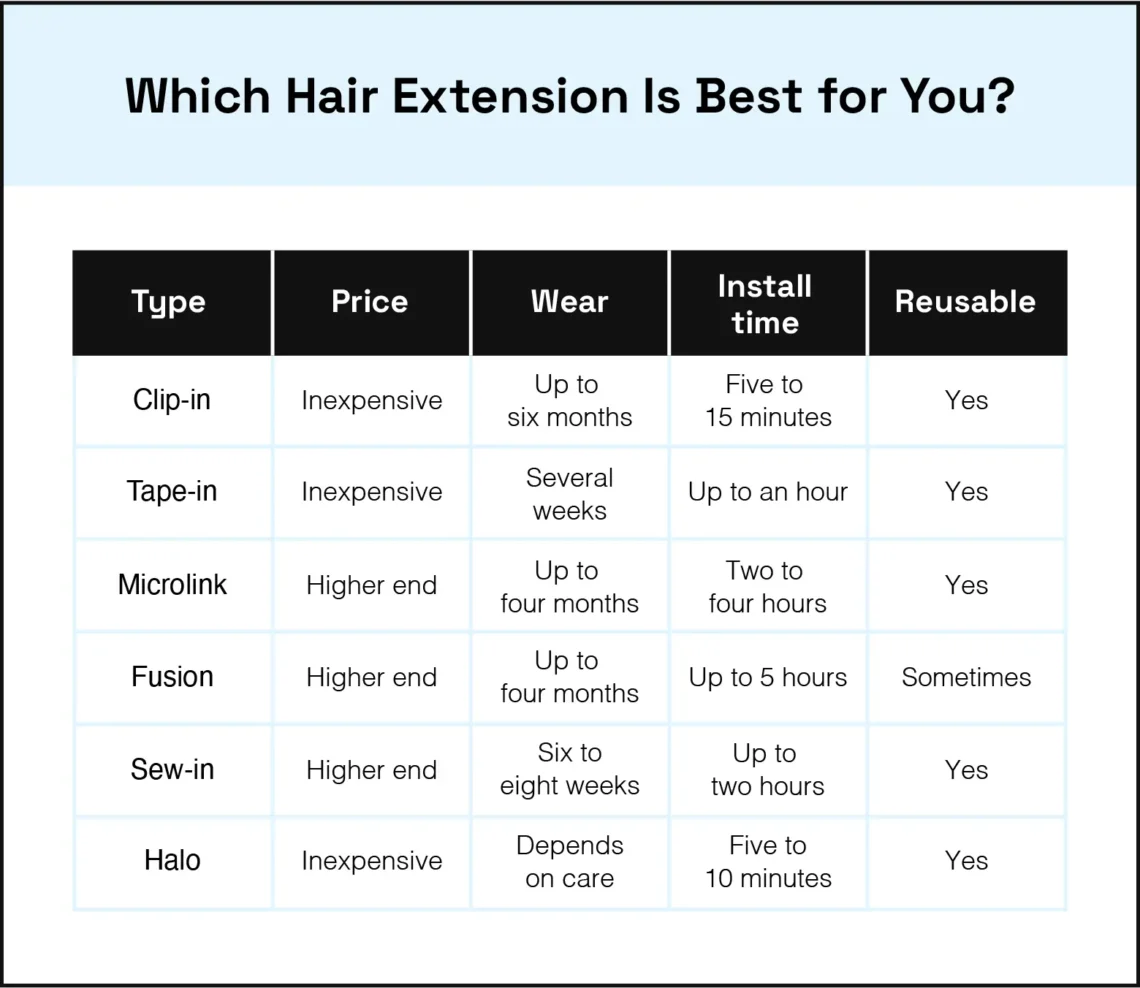
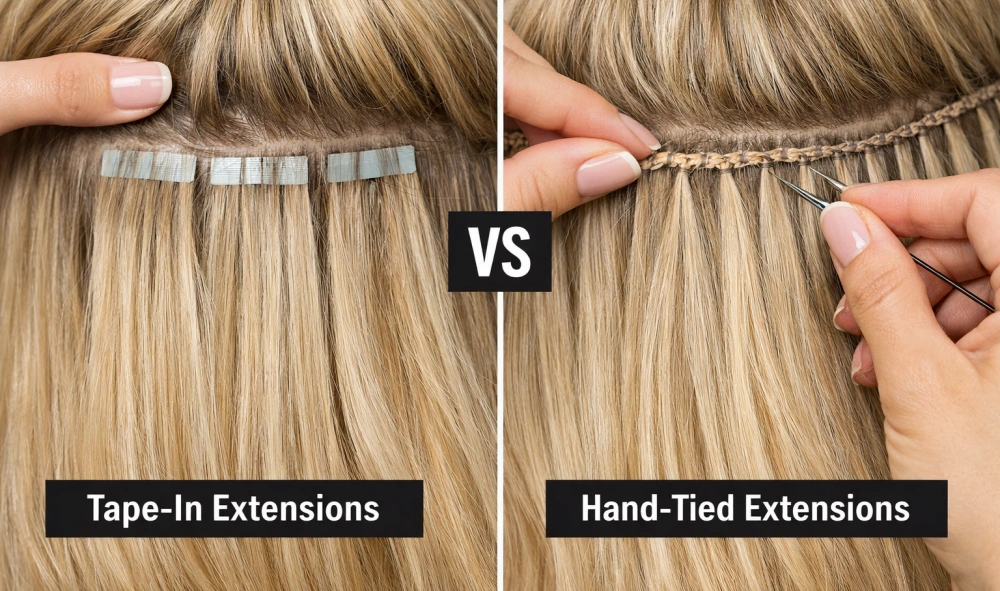
    Clip-ins have zero install cost and zero salon time. You buy the set, you snap them in at home in 10 minutes. Tape-ins are installed in 60-90 minutes with adhesive tape strips and run $200-$500 for the install depending on your market – Atlanta sits in the middle of that range, NYC and LA sit at the top. Sew-ins (also called weaves) braid your natural hair into cornrows and stitch wefts onto the braids; the install runs 2-4 hours and $300-$800. Hand-tied wefts (the I-tip and K-tip family, plus newer beaded-weft methods) are the salon-favorite right now because they sit flatter and damage less than traditional sew-ins; install runs 3-5 hours and $400-$900. Fusion bonds (keratin tips melted onto small hair sections) run $500-$1,200 for the install and are the most damaging long-term because removal involves a solvent that breaks down cuticle. The install method matters less for the price than the stylist’s experience with your specific hair texture – a stylist who routinely installs on Type 4 hair is worth the premium over a generalist.

    Stylist experience and market

    A licensed cosmetologist with 5-plus years of extension-specific experience charges 30-50% more than a newer stylist, and it shows in the placement, the blend, and how long the install holds. The market matters too. Atlanta install pricing sits around $400-$700 for a sew-in at a mid-tier salon. NYC and LA push that to $600-$1,000 for the same service at a comparable salon. Smaller markets (Charlotte, Birmingham, Memphis) can land at $250-$500. The premium for celebrity-adjacent stylists – the people whose names show up on red carpets – runs $1,500-$3,500 for a single install. For most women, the sweet spot is a stylist with 3-7 years of texture-specific extension experience charging $400-$700, not the cheapest option and not the magazine-credit one.

    Maintenance and longevity

    The cost most people forget. Tape-ins need to be moved up every 6-8 weeks as your natural hair grows – that is $150-$300 per appointment, and the tape gets replaced each time at $30-$80. Sew-ins need to be taken down and reinstalled every 8-10 weeks – that runs $200-$400 per refresh if you reuse the hair. Hand-tied wefts move up every 6-10 weeks at $150-$300. Fusion bonds need removal and reinstallation every 3-4 months at $400-$700. Over a year, factor in 5-8 maintenance appointments. For a tape-in wearer that is $750-$2,400 a year on maintenance alone, on top of the original install. The hair itself, if it is quality Remy or raw, can be reused across multiple installs – which is where the long-term math starts working out compared to buying cheap hair every few months.

    Color matching and customization

    If your shade is standard (black, dark brown, basic blonde) you can buy off the rack and the cost is whatever the bundle price is. If your hair is colored, highlighted, balayaged, or in any way customized, you are either paying for custom-colored extensions ($100-$400 surcharge on top of the hair) or paying your stylist to color the extensions to match ($150-$350 in coloring service). Custom-colored extensions ordered through your stylist often come out cheaper than buying off-the-rack and recoloring at the salon, because the extension house already has the right base tone. Get the color consultation done before you buy the hair. The number of women who buy a $400 bundle online and then need a $300 color match because the tone is off is high enough that I now warn every friend before they click purchase.

    Price tiers with examples

    Budget tier clip-in human hair extensions worn casually

    Budget tier: $40-$400 total. This is clip-in territory, and the right place to start if you have never worn extensions before. Synthetic sets from Amazon at $40-$80 are fine for one event – a wedding, a photo shoot, a Halloween look – but they will not survive weekly wear. Human-hair clip-in sets from mid-market brands run $150-$400 and can be worn 1-3 times a week for 9-12 months if you cowash them every few wears and store them flat. Sensationnel and Outre both make Remy clip-in sets in this range that I have personally tested on Type 4A hair with good results – the wefts are thick enough to blend without showing tracks, and the clips hold without slipping. Sensationnel Remy clip-in sets on Amazon are the strongest budget-tier human-hair option I have hands-on history with. Zero install cost, zero salon time, low commitment.

    Mid-range tape-in or hand-tied weft extensions freshly installed

    Mid-range tier: $500-$1,200 total install. This is where most women who wear extensions consistently land. Tape-ins or hand-tied wefts in Remy human hair, professionally installed at a mid-tier salon, with maintenance built into the budget. The hair runs $250-$600 for a full set; the install runs $300-$600; the first maintenance appointment 6-8 weeks later runs $150-$300. Outre and Sensationnel both make Remy weft and tape-in collections in this range that hold up across multiple installs. Bellami sits at the higher end of this tier and is the brand I see most often on stylists’ tables in Atlanta – the hair is consistently graded, the wefts are double-drawn so they do not shed at the ends, and the color range is wide enough that most clients can buy off the rack. Outre Mytresses Remy bundles on Amazon are the strongest entry point at this tier if you are buying the hair separately and bringing it to your stylist. Plan for the hair to last 18-24 months across 3-4 reinstalls.

    Premium tier: $1,500-$3,500 total install. Raw hair – single-donor, cuticle-aligned, unprocessed – installed by an experienced stylist with celebrity-adjacent pricing. The hair runs $800-$1,800 for a full set; the install runs $600-$1,200; the first color customization runs $200-$400. Indique is the brand most often cited in this tier, with raw bundles that can be reused across 4-8 installs over 2-4 years. The math at this tier only works if you wear extensions year-round and reinstall the same hair multiple times – the per-wear cost drops below the mid-range tier if you actually get the full life out of the bundles. If you wear extensions for one event a year, this tier is the wrong call. Indique Pure raw bundles on Amazon represent the accessible end of this premium tier. Expect to bring this hair to a stylist; the install is not a DIY job at this level.

    Where to save and where to spend

    Save on the install method, not the hair. A tape-in install at $300 with quality Remy hair will look and last better than a hand-tied weft install at $700 with cheap synthetic. The hair is the part the camera sees. The install method is the part the stylist troubleshoots.

    Save on maintenance frequency if your hair grows slowly. The 6-week cycle on the salon menu is a default, not a rule. If your natural hair grows half an inch a month instead of an inch, you can stretch tape-in moveups to 8-9 weeks without compromising the install. Ask your stylist to assess your specific growth pattern at the 6-week mark instead of automatically rebooking.

    Spend on the stylist with proven experience in your specific hair texture. The difference between a generalist and a Type 4 specialist is not the install time, it is whether your edges are still intact 6 months later. Pay the premium. The hair grows back from a bad install slower than the credit-card statement comes due.

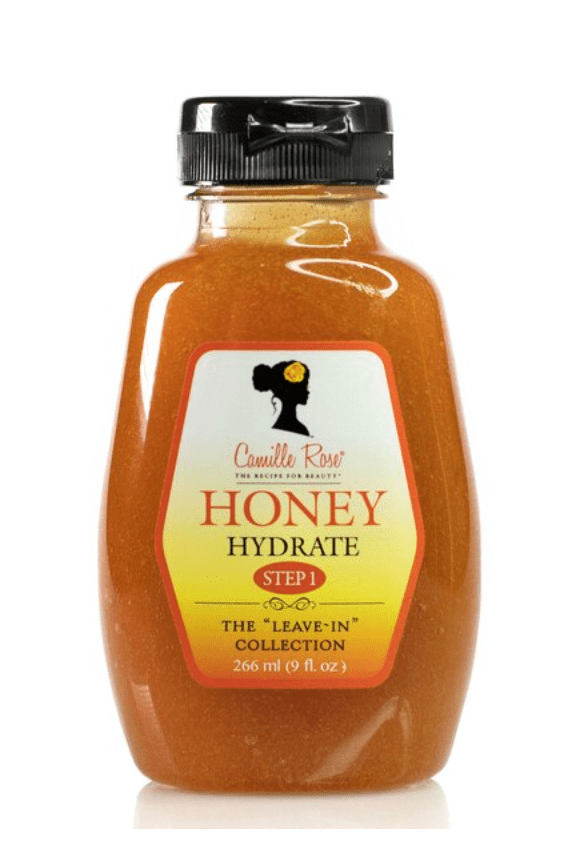
    Spend on a quality leave-in and a satin pillowcase for the maintenance routine. Mielle Organics Pomegranate & Honey leave-in conditioner and Camille Rose Honey Hydrate leave-in are both gentle enough for extension wear and prevent the dryness that kills bundle longevity. A $30 satin pillowcase extends the life of a $500 install by months. This is the cheapest math in the entire extension category.

    Frequently asked questions

    Are extensions cheaper if I buy the hair myself and bring it to a stylist?

    Sometimes, sometimes not. Salons that sell the hair often mark it up 30-60% over what you can find online from the same brand, so bringing your own bundle saves real money on that line. But some stylists charge a higher install fee for client-supplied hair, and some refuse to install hair they cannot verify the source of. Ask before you buy. The savings only land if your stylist is on board.

    How long do extensions actually last?

    Synthetic clip-ins last 2-4 months of regular wear. Remy human-hair clip-ins last 9-18 months with cowashing every 8-10 wears. Tape-ins and sew-ins in Remy hair last 3-6 months per install with the hair itself reusable for 18-24 months across multiple installs. Raw hair lasts 2-4 years across 4-8 installs. The published numbers from extension brands are optimistic; cut their estimate by 25-30% for realistic planning.

    Why does the same install cost so much more in NYC than in Atlanta?

    Rent, labor cost, and demand. A licensed cosmetologist in Manhattan pays substantially more for chair rent or salon space than the same stylist in Atlanta or Charlotte. That gets passed through. The skill level is not necessarily different – I have had installs in Atlanta and NYC and the Atlanta one held longer. The market premium is real but does not always correlate with quality.

    Can I install tape-ins or sew-ins myself to save the install cost?

    You can. Most stylists, including the ones I know personally, will tell you not to. Tape-ins require precise placement to avoid traction damage at the root. Sew-ins require cornrow braids tight enough to hold but not so tight they pull the edge. The first DIY install I tried in 2020 cost me 4 weeks of edge breakage that took 6 months of protective styling to recover from. Save the install money for the second appointment, not the first.

    The number to actually budget

    For a first-time extension wearer who wants a quality install that lasts and does not damage your natural hair, budget $700-$1,200 all-in for the first appointment – hair plus install plus the first maintenance visit. That covers Remy tape-ins or a hand-tied weft set installed by an experienced stylist in a mid-market city. Below $400 means clip-ins, a fine starting point but a different product. Above $2,500 means raw hair, worth it only if you wear extensions year-round and reinstall the same hair multiple times. The $850 middle is where most of my friends landed and stayed. Save your money on the cheapest synthetic option and spend it on the stylist who knows your texture. That is the layering order that pays off.

  • How Much Do Plus-Size Wedding Dresses Cost in 2026?

    How Much Do Plus-Size Wedding Dresses Cost in 2026?

    Plus-size bride viewing wedding dress options at multiple price tiers in a bridal boutique

    The bridal industry quotes plus-size wedding dress prices the way airlines quote base fares: the number on the tag is almost never the number on the credit card receipt. Across the major designer houses that publish their plus-size price lists, the sticker average for a size 20+ gown in 2026 sits between $1,400 and $2,200, but the all-in spend – the number you actually pay after alterations, sizing surcharges, rush fees, and the accessories most brides forget to budget for – lands closer to $2,400 on the median. The gap between sticker and total is roughly 60% for plus-size brides, compared to about 35% for straight-size, because the line items that get added on top scale harder above size 18. This is a category-wide pricing pattern that nobody at the bridal salon volunteers up front, and it is the single biggest reason brides get blindsided by the final bill.

    I have been tracking apparel pricing since 2019, and bridal is the category where the gap between marketing price and real price is the widest of anything I cover. Below is the breakdown. Real ranges, real brands, real line items.

    The fast answer

    A plus-size wedding dress in 2026 runs $400 to $5,000 for the dress alone, with a median of about $1,500. Add $250-$700 for alterations, $50-$200 for plus-size sizing surcharges where they still exist, $100-$400 for accessories, and a 4-week to 6-month timeline. Realistic all-in for the average bride wanting a dress that fits and photographs well: $1,800-$2,600. Budget route: $700-$1,200 all-in. Premium designer route: $4,000-$7,000 all-in. Rental route, if you are size 14-22: $300-$900. Anyone quoting you just the dress price is leaving out 40-60% of the actual cost.

    Sizing surcharge – the hidden line

    This is the line item I see catch brides off guard most often, and it is the one to ask about before you fall in love with a dress on the rack. Roughly 70% of major bridal designers still add a surcharge for sizes above 18, typically $50-$200 per dress depending on brand and size. The justification offered is fabric volume and pattern grading complexity. The reality is that this is a margin tradition the industry has been walking back since 2020, but slowly. As of 2026, the designers that price uniformly across sizes include Christian Siriano Bridal, Hayley Paige Occasions, Stella York Curve, Eddy K Bridal, and Allure Bridals Plus. The ones that still surcharge include Maggie Sottero, Mori Lee, and David’s Bridal on certain designer collaboration styles. Always ask the bridal consultant for the size-specific price before you try the dress on, not after. I have watched two brides find out about a $175 surcharge at the contract signing.

    Fabric and construction – what you are actually paying for

    The difference between a $700 dress and a $2,500 dress is usually construction, not just fabric. The cheaper end of the market is polyester satin and machine lace, which photograph well in good light but wrinkle quickly, breathe poorly, and feel different against skin. The mid-range moves into polyester-silk blends, better lining, and internal boning. The premium tier is silk dupioni, hand-beaded lace, and structured corseted bodices with proper bust support. For plus-size shoppers, construction matters more than fabric brand. A polyester dress with real internal boning and sewn-in bra cups will fit better and photograph better than a silk dress without that infrastructure. When I evaluate any bridal piece, the first thing I check is whether the bodice has actual structure or whether it is relying on the bride’s own shapewear to hold the silhouette. The marketing language is rarely useful here. Ask the consultant directly if the dress has boning and built-in cups.

    Designer cachet and brand markup

    This is the most variable cost line and the easiest place to consciously save money without compromising how the dress looks. A $4,000 Vera Wang White gown and a $1,400 Stella York Curve dress can use comparable fabric and comparable construction. The $2,600 gap is the label. Some brides care about the label, which is a legitimate part of the experience for them, and some don’t. Knowing it is a line item lets you decide on purpose instead of by accident. The plus-size-specific design houses – Stella York Curve, Hayley Paige Occasions, Eddy K Bridal, Wtoo by Watters Curve – consistently deliver dresses that are structurally comparable to the major designer pieces at 40-60% less because they skip the runway-name premium and route the budget into pattern engineering instead.

    Alterations – non-optional and frequently underestimated

    Every wedding dress, regardless of price tier, needs alterations. The standard plus-size dress alterations and their typical ranges in 2026: hem ($50-$150), bodice take-in or let-out ($75-$200), bra cup addition if not built in ($75-$150), bustle for the train ($100-$200), strap or sleeve adjustment ($30-$80). Total for a well-fitting plus-size dress: $250-$700. For a dress purchased a size or two too small and let out, alterations can pass $1,000 and approach the cost of the dress itself. The save-money move here is buying in your actual size from a plus-size-friendly designer, which keeps alterations in the $300-$500 band. The expensive mistake is falling for a sample dress that is two sizes off and assuming the alterations specialist will fix it – they can, but the bill will be a second dress purchase.

    Timeline expedite and accessories

    Standard plus-size wedding dress production is 4-6 months, longer than straight-size because most plus-size dresses are made to order. Under 12 weeks adds a $150-$400 rush fee. Under 6 weeks adds $400-$800. Buying off the rack at a sample sale skips this entirely. Accessories are the other commonly underbudgeted line: veil ($75-$300), shoes ($80-$300), shapewear ($60-$200), jewelry ($50-$500), small accessories ($30-$100). Realistic accessory total: $300-$1,200. Honest assessment: accessories are the easiest line to compress without affecting how the dress looks.

    Price tiers with examples

    Plus-size bride in a budget tier wedding dress in the 400 to 900 dollar range

    Budget tier: $400-$900 for the dress. The strongest brands here are Azazie Bridal Plus, David’s Bridal lower-tier plus-size, Lulus Bridal Plus, Adrianna Papell off-the-rack, and ASOS Curve formalwear. Azazie Bridal Plus is the one I send brides to first. Made-to-measure options start under $500, the sizing runs through 30, and the 14-day sample return policy is more generous than most competitors. The catch is online-only fitting, so order a sample first if you can. ASOS Curve carries simpler formal pieces in the $200-$600 range that work as backup or non-traditional ceremony dresses. Browse Azazie Bridal Plus made-to-measure options on Amazon for the most consistent quality at this tier. Verdict at this tier: worth it if you do your alterations homework. The $700 dress with $400 of professional alterations beats the $1,800 dress with $150 of bad alterations every time.

    Plus-size bride in a mid-range wedding dress in the 1000 to 2200 dollar tier

    Mid-range tier: $1,000-$2,200 for the dress. Where most plus-size brides end up. The reliable brands: Stella York Curve, Hayley Paige Occasions, Eddy K Bridal, Wtoo by Watters Curve, Allure Bridals Plus, and Mori Lee Plus. These designers produce made-to-order through sizes 30-32 with the construction that holds up in photography and feels appropriate to the day. Stella York Curve is the brand I have seen recommended most consistently across actual plus-size weddings – the corseted bodices fit through the bust without gapping, the patterns are graded properly instead of scaled up, and the styles are modern without being trend-cycle dated. Hayley Paige Occasions does not charge a plus-size surcharge and runs slightly more fashion-forward for brides who want something less traditional. Stella York Curve dresses are listed at Nordstrom for the styles available through partner retailers, though most pieces order through independent bridal salons. Verdict at this tier: worth it. This is the sweet spot.

    Plus-size bride in a premium designer wedding dress in the 2500 to 5000 dollar tier

    Premium tier: $2,500-$5,000 for the dress. The brands: Christian Siriano Bridal (sizes through 32), Vera Wang White (limited extended sizes), Carolina Herrera (some pieces extended), Marchesa Notte Plus, and made-to-measure independent houses. At this tier you are paying for label, advanced construction, and higher-grade fabric. Christian Siriano is the plus-size luxury name to know in 2026 – the bridal pieces are engineered for plus-size bodies instead of being graded up from straight-size patterns, which is the actual difference between a couture-feeling dress and a couture-priced one. Christian Siriano Bridal at Nordstrom stocks the most accessible portion of the line. Verdict at this tier: worth it if the label matters to you. Worth it at $2,500, harder to justify at $5,000 unless you specifically want the silk fabric or the runway provenance.

    Where to save and where to splurge

    Save on accessories. The cost-per-wear math on a $300 veil worn for four hours is dramatically worse than the math on a $1,800 dress that anchors the entire day’s photography. Compress accessories ruthlessly. A $80 veil from a small Etsy maker or a department store accessories counter photographs identically to a $300 designer veil in 90% of shots. Same logic for shoes if you are not changing into them mid-reception, and for shapewear, where the Spanx Suit Yourself bodysuit at around $98 does the same job as anything sold as a bridal-specific undergarment at double the price.

    Save on the timeline. Order 6 months out, skip the rush fees entirely. Almost every bride I have seen pay a $400 rush surcharge did so because the decision got delayed, not because the timeline was genuinely compressed.

    Splurge on construction and alterations. Internal boning, real bra cups, quality lining, and a tailor who specializes in plus-size bridal are what makes a dress photograph at twice its actual cost. Cheap alterations are why a $2,000 dress can end up looking like a $700 one in the gallery. Find an alterations specialist with plus-size bridal experience specifically – not a general tailor – and pay them their full rate.

    Frequently asked questions

    Why does plus-size bridal often cost more than straight-size?

    It does not always. Many designers now price uniformly across sizes – Christian Siriano, Hayley Paige Occasions, Stella York Curve, Eddy K, Allure Bridals Plus. Where the surcharge persists, the stated reason is fabric volume and pattern grading complexity. The actual reason is partly historical margin tradition. The progressive designer list above is your filter if avoiding the surcharge matters to you, and at this point it should.

    How early should I start shopping?

    9-12 months out is the safe window. 6-9 months works but tightens the alterations schedule. Under 6 months means rush fees or off-the-rack only. Plus-size production runs 4-6 weeks longer than straight-size on average, so add that buffer to whatever timeline a straight-size friend tells you worked for her.

    Is rental a real option at plus-size?

    Rent the Runway and Nuuly carry some plus-size formal options at around $300-$900 for a 4-day rental window. Honest read: rental is competitive on price if your dream dress retails under $1,200 and you wear sizes 14-22. Above size 22, the rental inventory thins out hard, and the styles available skew toward simpler silhouettes. If you want a specific designer or you are above size 22, ownership is still the better route.

    Can I buy off the rack and skip the made-to-order wait?

    Yes, and it is increasingly common. Most plus-size-friendly bridal boutiques carry samples in sizes 18-26 that sell off the rack with alterations. Skipping the production timeline alone saves the rush fees and shortens the total spend by $400+. The trade-off is you are choosing from what the shop already stocks, not the full designer catalog.

    The realistic budget number

    For a polished plus-size wedding look with a dress that fits, alterations done right, and reasonable accessories, budget $1,800-$2,600 all-in. That number works for the average bride at a Stella York Curve or Eddy K level. Below $1,500 all-in is doable through sample sales or rental but tightens the selection. Above $4,000 buys premium designer cachet and luxury fabric, which is real but optional. The $2,200 all-in number is the line where the spend stops affecting how the dress photographs – paying past it is preference, not quality. Worth it at $2,200, harder to justify at $5,000.

  • Madewell Curvy vs Regular: The Denim Fit Test That Settled It

    Madewell Curvy vs Regular: The Denim Fit Test That Settled It

    Two pairs of Madewell jeans arranged side by side - Curvy fit and Regular fit

    After pulling forty-two return-window reviews off the Madewell site, tracking rise and inseam specs across six denim styles, and ordering both the Curvy and Regular versions of the same washes in my own size, the picture got clearer than the brand’s own marketing makes it. Madewell sells two different jeans under one brand name and the difference is not cosmetic. The Curvy line is built around a different waist-to-hip ratio, a different back-rise number, and a different stretch percentage in some washes. The Regular line is the brand’s original fit and was cut for a closer-to-straight torso. If you have a real hip-to-waist difference and you have been buying Madewell Regular because that is what the store carried in your size, you are almost certainly wearing the wrong pair. After six months of wearing both, here is what the test actually showed.

    Madewell launched the Curvy fit in 2018 because the brand’s denim was failing a meaningful percentage of customers at the back-waist gap. Universal Standard, Good American, and Eloquii were already building plus-size denim with a curvier block. Madewell added Curvy as a parallel fit inside the same denim styles – same washes, same inseams, same names (the Perfect Vintage, the Slim Demi-Boot, the Wide-Leg). I bought both in the same washes and the same nominal size and wore each through three contexts: work week under sweaters, weekend errands with a tucked tee, and one wedding-guest moment with heels.

    Quick verdict if you only have 30 seconds

    Madewell Curvy wins for any body with a four-inch or greater waist-to-hip difference. The back-waist sits flat, the hip room is real, and the rise stays put through a full day of sitting. Madewell Regular is the right pick only if you have a straighter torso, a smaller hip-to-waist gap, or you specifically want a looser fit through the seat. For plus-size readers in the size 18 to 24 range, Curvy is the answer most of the time. The Regular fit is not bad, it is just cut for a different shape. Full reasoning below.

    What they are and how Madewell positions them

    Madewell Regular is the original Madewell denim block, cut for what the brand calls a “more even ratio through the waist and hip.” In practice that means the back-waist is straighter, the hip room is moderate, and the rise (front and back) is the published number with no extra ease added at the back. The Regular line covers sizes 23 through 35 and includes Madewell’s flagship styles: the Perfect Vintage Jean, the Slim Demi-Boot, the Wide-Leg, and seasonal updates.

    Madewell Curvy is a different block built on a higher back-rise, a more contoured waistband, and approximately two inches more room through the hip relative to the waist in the same nominal size. The Curvy line covers most of the same Perfect Vintage styles, the Slim Demi-Boot, the Wide-Leg, and several of the high-rise options. Not every Madewell style comes in Curvy, which is one of the line’s real limitations. The Curvy fit goes from size 23 through 35 in core washes and from 14W through 28 in some plus-extended pieces. The brand uses both numeric and W-numeric sizing across the same line, which is part of why buyers end up with the wrong pair.

    The brand does not heavily market the Curvy line on its homepage. You have to filter for it. The product page for a Perfect Vintage in Regular will not surface the Curvy version unless you click through, which means a plus-size buyer who lands on the site via a Pinterest pin is likely to add the Regular to cart by default. This is a recurring complaint in the Madewell subreddit.

    Side-by-side comparison

    Feature Madewell Curvy (Perfect Vintage) Madewell Regular (Perfect Vintage)
    Price (full retail) Around $138 Around $128
    Size range 23 to 35 plus 14W to 28 23 to 35
    Back rise Higher, contoured Standard, straight
    Hip room vs waist Approximately 2″ extra through hip Even ratio waist to hip
    Fabric (core washes) Cotton blend with 2-3% elastane in most washes Cotton blend with 1-2% elastane in most washes
    Inseam options Petite, standard, tall in core styles Petite, standard, tall in core styles
    Return window 30 days unworn, tags attached 30 days unworn, tags attached

    The retail prices are close. The fit math is not. That two-inch hip-to-waist offset is the entire reason the Curvy line exists, and on a body with a measured hip-to-waist difference of nine inches or more, you can feel it within the first thirty seconds of trying both on.

    Madewell Curvy: the line built for the gap

    I bought the Perfect Vintage Jean in Curvy in the Bellevue wash, size 33, standard inseam. The first thing that registered when I pulled them on was the back-waist behavior. No gap. The waistband sat flat against my lower back when I sat down, when I bent over, when I stood back up. The Regular pair in the same size and wash had a roughly inch-and-a-half gap at the back when I sat, which is the exact problem the Curvy line is supposed to solve. It solves it.

    The hip room is real but not exaggerated. The Curvy is not a stretchy compromise that adds elastane to fake the fit – the cotton content is still high and the structure of a real denim jean is preserved. I washed them cold and hung them dry and they came back to original size after each wash with no stretching out at the knee or seat through twelve wears.

    The rise is the second thing the Curvy gets right for a plus-size body. The back is cut taller, which means the waistband does not slide down when I sit. On the Regular, sitting at my desk for two hours produced the familiar slow descent toward the lower hip, then a discreet pull-up before standing. The Curvy did not do that. Over a full workday this matters more than any single feature.

    The fit through the thigh is the trade-off. The Curvy adds room through the hip and seat but the thigh in some washes runs slightly fitted by comparison, which on my size 18 lower body felt close but not tight. On a fuller thigh (size 22 plus), some Madewell subreddit reviews report the Curvy thigh still pulling.

    Buy the Curvy from Nordstrom for the more generous return window than the 30-day Madewell direct policy. Nordstrom takes back denim case-by-case without a hard cutoff, which on a $138 jean matters when the fit issue does not surface until wear three.

    Plus-size woman wearing Madewell Curvy Perfect Vintage jeans showing the flat back-waist fit

    Madewell Regular: the original block that fits a narrower shape

    The Regular Perfect Vintage in the same Bellevue wash, same size 33, same standard inseam. The fit story is the inverse of the Curvy. The waist sat on me with about an inch and a half of gap at the lower back. The hip room felt tighter through the seat and looser through the upper thigh, which is the signature of a block cut for a more even waist-to-hip ratio. On a body with a smaller hip-to-waist gap (the four-to-six-inch range), the Regular would fit cleanly. On my nine-inch gap, it did not.

    The Regular is not poorly made. The fabric is the same denim base, the stitching is the same Madewell quality, the wash holds up the same way. The construction is identical to the Curvy. The pattern is what differs. If you have been wearing Madewell Regular for years and you fit a straighter body type, there is no reason to switch. If the fit has always been “almost right but the waist gaps,” the Curvy block is what you actually want.

    One real strength of the Regular line: more washes and more styles. Madewell releases seasonal washes faster on the Regular block than on the Curvy. If you want a specific wash for a wedding-guest outfit and the Curvy is not yet cut in that wash, you may need to go to a competitor brand or wait. The second real strength: the Regular holds up well to alteration. A tailor can work with the Regular block more easily than the contoured Curvy waistband. For size 18 to 20 buyers who would rather pay $25 for a tailor than swap, the Regular plus alteration is a viable path.

    Buy the Regular from Nordstrom over Madewell direct for the same return-flexibility reason. The Madewell direct site offers 30 days from delivery and requires tags attached. Nordstrom is more forgiving on fit-based returns past day thirty.

    Where they overlap and where they differ

    Both lines use the same denim mills, the same Perfect Vintage name, the same five-pocket construction, and the same nominal sizing range from 23 to 35 in core styles. Both come in petite, standard, and tall inseams. Both are washed and finished the same way, which is why side-by-side they read as the same jean from across the room. The differences are structural and live in three places: the back rise (Curvy is taller and contoured), the hip-to-waist ratio (Curvy adds approximately two inches of hip room relative to the waist in the same size), and the stretch percentage (Curvy core washes carry slightly more elastane to accommodate the contoured fit without binding).

    Price-wise the Curvy runs around $10 higher per style than the equivalent Regular, which feels reasonable for the additional pattern work and the more contoured waistband. The size range overlaps from 23 to 35 in numeric sizes but the Curvy extends into the 14W to 28 W-numeric range in some plus-extended pieces. For sizes above 35 (roughly above a 24), Curvy is the only Madewell option in many styles. For sizes 23 to 28, both are available and the choice comes down to body shape alone.

    Which one for which person

    If your hip measurement is eight inches or more above your waist measurement and you have been frustrated by gap-at-the-back-waist on Madewell Regular, get the Madewell Curvy Perfect Vintage . This is the fit the line was built for. Order your usual Madewell number and the back-rise problem disappears. The hip-to-waist contour is the whole point.

    If your hip-to-waist difference is closer to four to six inches and the Regular has been fitting you reasonably well, stay with the Madewell Regular Perfect Vintage . The Curvy will gap at the hip on a straighter shape, which is the opposite of the problem it solves. Body shape, not body size, determines which line is right.

    If you wear size 24 or above, the Curvy is the practical answer because the Regular size range tops out below where you need it in most styles. Look at the W-numeric range on the Curvy side of the site. The Universal Standard Seine jean and the Good American Always Fits line are the cross-shop options if Madewell Curvy still does not sit right – both brands cut a denim block specifically for plus-size buyers and both offer longer return windows than Madewell direct.

    If you live in a market without a Madewell physical store, Nordstrom carries both lines in many washes and offers a longer fit-based return window than Madewell direct. Order both, try both at home, return the loser within Nordstrom’s window. This is the fastest way to settle the fit question without burning the Madewell 30-day clock.

    Frequently asked questions

    Is Madewell Curvy actually plus-size or is it a curvy-cut for straight sizes?

    It is both. The Curvy line covers 23 through 35 in numeric sizes (roughly 0 to 24) and extends into the W-numeric range (14W through 28) in some plus-extended pieces. It is not a dedicated plus-size line in the way that Torrid or Eloquii are, but it does carry sizes above where the Regular caps and the fit is built around a curvy hip-to-waist ratio that applies across the size range. A size 6 with a curvy block fits the Curvy line as well as a size 22.

    How does Madewell Curvy compare to Universal Standard or Good American for plus-size denim?

    Universal Standard Seine jeans run about $100, cover sizes 00 through 40, and offer a 60-day return window. The fit is comparable to Madewell Curvy through the hip but slightly less contoured at the back rise. Good American Always Fits jeans run $159 to $189 and use a high-stretch denim that holds its shape across two adjacent sizes. For sizes above 24, Universal Standard is the better cross-shop.

    If I have always worn Madewell Regular, do I need to size down in Curvy?

    No. Order your usual Madewell numeric size in Curvy. The Curvy adds room through the hip relative to the waist in the same size – it does not run larger overall. If you typically wear a 33 in Regular, order a 33 in Curvy. If the waist feels too loose after that, then size down. Most buyers do not need to.

    Do Madewell jeans shrink after washing?

    Cold wash and hang dry, no meaningful shrinkage in either line through twelve wears. Dryer heat will shrink the elastane in both Curvy and Regular by approximately a half-size within two cycles and will visibly distress the fabric. Both lines are washed and finished the same way, so the shrinkage risk is identical. Air dry or low-heat tumble if you must.

    Final pick

    Madewell Curvy Perfect Vintage. Worth the extra $10 over Regular for any body with a real hip-to-waist gap, and the only practical option in many styles above size 24. If you have always defaulted to Madewell Regular because that is what the homepage surfaces, swap to the Curvy and the back-waist gap disappears. If your body sits closer to an even waist-to-hip ratio, the Regular is still the right Madewell jean and you do not need to switch. Choose by shape, not by size. Buy the Curvy Perfect Vintage at Nordstrom for the more flexible return window, or via Amazon if you have Prime and want it inside two days. Worth it at $138, worth it more at sale.

  • How Much Do Brazilian Waxes Cost Nearby? A Real Price Breakdown for 2026

    How Much Do Brazilian Waxes Cost Nearby? A Real Price Breakdown for 2026

    Close-up of a soft wax strip in a Brazilian wax service

    I have a friend who walked into a European Wax Center in suburban Chicago last spring expecting to pay around $45 for her first Brazilian, the number she remembered from a 2019 appointment in a different city. She walked out forty minutes later having spent $108 – the wax itself, the Strut Club membership the front-desk associate enrolled her in, the post-wax serum she did not ask for, and the tip. She called me from the parking lot. We have since done the math on Brazilian wax pricing across her zip code and three others, called eight studios for first-visit and returning-client quotes, and pulled the receipts from my own waxing log going back to 2022. The number you see on a salon’s website is almost never the number you pay. Here is what a Brazilian wax actually costs nearby in 2026, broken down by what you are really paying for.

    The fast answer

    A Brazilian wax in the United States in 2026 costs between $35 and $120 for the service itself, with the national average sitting right around $65 for a returning client at a mid-tier chain. First-visit promotional rates run $25 to $45 at chains. Boutique and independent salons charge $75 to $120. Add 18-22% for tip, $15-$40 if you are upsold any post-wax product, and $30-$80 a month if you sign a membership at the chains. Realistic all-in budget for a Brazilian wax appointment if you walk in unprepared: $80 to $110. If you know the script and decline the upsells: $50 to $75. Premium boutique route with tip: $90 to $145.

    What actually drives the price

    Brazilian wax pricing looks simple on a menu and gets complicated fast in the chair. There are six different cost levers most salons use, and only one or two are disclosed up front. Once you understand the full stack, you can read a quote and figure out which lever is moving the number.

    Location and metro tier

    This is the biggest single driver. A Brazilian in Manhattan, San Francisco, or West Hollywood runs $85 to $130 at a mid-tier chain. The same chain in Cleveland, Indianapolis, or Phoenix charges $50 to $70 for the identical service. Suburban locations of the same brand are typically 15-25% cheaper than their downtown sister studios. I have personally booked the exact same European Wax Center service in three different metros over the past two years – $52 in suburban Chicago, $68 in downtown Atlanta, $94 in Manhattan. Same wax, same protocol, same brand training. If you live near a metro line that crosses into a cheaper suburb, the drive is often worth the savings on a regular cadence.

    Chain versus boutique versus independent

    European Wax Center, Waxing the City, and LunchboxWax dominate the chain space and price within $5-$10 of each other in any given market. Independent studios and waxing-focused boutiques run 30-60% higher because the esthetician usually owns the chair, sets her own pricing, and is not splitting commission with a corporate parent. The trade-off is real – boutique waxers tend to have more experience on a single client, use higher-grade hard wax, and run longer appointment windows. Whether that is worth the markup depends on how reactive your skin is and how much time you want to spend in the chair. A Sephora-tier service environment costs Sephora-tier prices.

    Membership pricing and the chain trap

    The chains have built their entire pricing model around getting you into a monthly membership. European Wax Center’s Wax Pass and Strut Club programs drop the per-service price by 20-50% but require either prepaying for a 9 or 12-pack or committing to a recurring monthly auto-charge. The math: a non-member Brazilian at EWC averages $68 nationally; the same service for a Wax Pass member averages $42. If you wax every 4-5 weeks, the membership pays for itself in 3-4 visits. If you wax sporadically or you are testing a salon for the first time, the membership is a trap. The front-desk pitch always frames the membership as “today’s savings” but it locks you into the salon whether or not you actually like the work.

    Esthetician seniority and request fees

    Most studios let you book with whichever esthetician has availability. Some charge $10-$20 extra to request a specific senior waxer by name. This fee is almost never disclosed on the website. The reasoning is real – a senior waxer with 5+ years of experience is genuinely faster, gentler, and more thorough than a junior one – but the practice of charging for it on top of the base service is a recent trend that started showing up at boutiques in 2024 and has migrated to some chains in 2026. If your usual esthetician leaves the salon and you are reassigned, you should not pay a request fee to rebook with someone of equivalent seniority. You can ask, and most front desks will waive it the first time.

    Add-on services and the post-wax serum upsell

    The biggest hidden cost line is the post-wax product upsell. At nearly every chain, the front-desk associate will offer you a $24-$48 ingrown-hair serum, exfoliating gloves, or aftercare lotion at checkout, framed as “you really need this for your first appointment.” You do not. A drugstore PFB Vanish or Tend Skin product runs $15-$22 and does the same job. The Strut Club enrollment, if you fall for it, is a $30-$60 monthly auto-charge that auto-renews until you call to cancel during business hours. I have personally watched three friends get talked into Strut Club at their first visit. Two of them paid for 4+ months they never used before they remembered to cancel.

    Tipping and how it changes the real price

    Brazilian wax tipping convention in the US is 18-22% on the pre-tax service total. On a $65 Brazilian that is $12-$14 added. Most clients tip in cash at the chair, though card tipping has become standard at the chains since 2023. The tip is not optional in practice – the esthetician’s hourly base at most chains is below $18 and tips make up the meaningful portion of her take-home. A $50 service is really a $60-$62 service after tip. A $95 boutique service is really a $115-$118 service. Budget for it up front so the actual all-in cost matches what you planned.

    Price tiers with examples

    A budget tier waxing chain studio interior in the $35-$50 first-visit range

    Budget tier: $35-$55 per service. This tier is dominated by first-visit promotional pricing at the major chains – European Wax Center’s “first wax free” promo (you still pay tip), Waxing the City’s introductory rate, and LunchboxWax’s first-visit discount. Returning-client pricing in this tier exists mainly at independent strip-mall studios in lower-cost metros and at training-school clinics where licensed students perform the wax under supervision. The student-clinic route at an Aveda Institute or Paul Mitchell school runs $25-$40 for a Brazilian with a final-year student. The work is slower (60-75 minutes versus 25-35 at a chain) but is supervised and the price is genuinely cheap. If you stock the aftercare yourself, PFB Vanish at around $19 is the workhorse ingrown serum for this tier and outperforms most of the $35 salon-counter products.

    A mid-range waxing studio treatment room in the $55-$80 tier

    Mid-range tier: $55-$80 per service. This is where most regular Brazilian-wax clients land. European Wax Center, Waxing the City, and LunchboxWax all sit in this tier for returning clients at non-membership pricing in mid-cost metros. Independent studios in the same price band tend to offer slightly longer appointment windows (35-45 minutes versus the chain standard of 20-30) and the same quality of hard wax. The mid-range tier is the sweet spot for predictability – the chains have standardized protocols, consistent hard wax, and reliable booking systems. The trade-off is the upsell culture at checkout. To handle the ingrown management without the salon-counter markup, Tend Skin Care Solution at around $22 is the other workhorse, particularly for clients with sensitive skin that reacts to PFB Vanish. Both are sold at Ulta and at most drugstores.

    Premium boutique waxing studio

    Premium tier: $85-$120 per service. Boutique waxing studios in major metros, hotel-spa waxing services, and high-end independent estheticians charge in this band. At this tier you are paying for the chair (a senior esthetician with 7+ years in waxing, often a single-client specialty), the wax (Berodin and Cirepil Blue are the boutique standards versus the proprietary blends at the chains), and the room (longer appointment windows, pre-wax cleansing, post-wax soothing serum included rather than upsold). Premium-tier studios also tend to skip the membership pressure – your relationship is with the esthetician, not the front-desk script. For premium aftercare to match the service, the Fur Ingrown Concentrate at around $32 is the boutique-standard pick and is genuinely better-formulated than the drugstore options, particularly for the bikini-line skin texture. Worth it if you wax in this tier already and want the routine to match.

    Where to save and where to splurge

    Save on the studio environment. A $95 boutique Brazilian and a $58 chain Brazilian use functionally similar hard wax and follow similar removal protocols. The difference is the decor, the appointment length, and the upsell culture. If your skin is not reactive and you do not need the spa-day framing, the chains deliver the same hair-removal result at 60% of the cost.

    Save on aftercare products at the salon counter. The $38 ingrown serum the front desk recommends is almost always a markup on a drugstore-grade formulation. PFB Vanish, Tend Skin, and the Sephora-tier alternatives like Fur do the same job at a third of the salon price.

    Splurge on the esthetician once you find a good one. The difference between a junior waxer and a senior one is not subtle – the senior waxer is faster, gentler, and produces less irritation. If you find someone whose work you like, request her by name and tip well even if her base price is higher. The cost-per-visit goes down over time because your skin reacts less and you do not need to redo problem spots.

    Splurge on consistency. Booking every 4-5 weeks at the same studio with the same esthetician produces dramatically better results than rotating studios chasing the cheapest first-visit promo. The hair grows back finer and more sparsely with regular waxing on a consistent cycle. The first-visit-promo hop costs you the long-term thinning effect that makes Brazilian waxing actually worth doing.

    Frequently asked questions

    Why does the price vary so much from one studio to the next in the same city?

    Three reasons. Chains versus independents account for the biggest gap. Within chains, the same brand charges different prices by zip code based on local rent and local wages. And within any one studio, the seniority of the esthetician you book with can swing the price by $10-$20. Always check the per-esthetician pricing if the studio lists it, not just the base menu price.

    Is the chain membership actually worth it?

    Only if you wax on a consistent 4-5 week cycle and you have already tested the studio for at least two appointments before signing up. The Wax Pass and Strut Club programs at European Wax Center save real money for committed monthly clients – usually 30-40% over the 9 or 12-pack term. The trap is signing up at your first visit before you know whether you like the work or the location. Two appointments at full price is cheaper than one year of a membership you do not use.

    How much should I tip on a Brazilian wax?

    18-22% of the pre-tax service total is the convention. On a $65 service, $12-$14 is standard. Cash tipping was the norm through 2022 but card tipping at checkout is now accepted at almost every chain and most boutiques. If your esthetician was particularly fast, gentle, or accommodating with a request, 25% is appropriate. If you booked through a discounted membership rate, tip on the original service price, not the discounted price.

    Can I get a Brazilian wax cheaper at a beauty school?

    Yes. Aveda Institutes, Paul Mitchell schools, and most state-licensed cosmetology programs offer Brazilian services performed by final-year students under licensed-instructor supervision at $25-$40. The work is slower and the appointment runs 60-75 minutes versus 25-35 at a chain. The supervision is real, the price is genuinely the lowest in the legal market, and the students are typically more careful because they are being graded. The trade-off is scheduling – student clinics run limited hours and require booking 2-3 weeks ahead.

    The realistic number to budget

    For a routine Brazilian wax nearby in 2026, budget $75-$90 all-in including tip at a mid-tier chain in a mid-cost metro. Add $20-$30 if you are in a high-cost city. Subtract $25 if you commit to a membership at a studio you have already tested. Premium boutique route runs $110-$145 all-in. Beauty-school route runs $35-$50 all-in. The single most important move is declining the post-wax product upsell at checkout and buying your aftercare from a drugstore or Ulta for a third of the salon price. Worth it at $58 with a tested esthetician. Skip at $95 if you are paying for the decor and not the chair.

  • Athleta vs Girlfriend Collective: The Plus-Size Activewear Showdown

    Athleta vs Girlfriend Collective: The Plus-Size Activewear Showdown

    Athleta and Girlfriend Collective plus-size leggings arranged side by side on a neutral background

    The plus-size activewear category in 2026 has narrowed to two real options once you cross size 20, and the louder brand on social media is not the one that fits a curvy body better off the rack. Lululemon has technically extended its Y size range, but the cuts still favor straight figures. Old Navy Active and Fabletics swing affordable but inconsistent. That leaves two retailers actually engineering for plus shapes: Athleta, with its quietly committed plus-size program through size 26, and Girlfriend Collective, the sustainability-first newer entrant that goes up to 6XL and built its size range in from launch rather than as an extension. Both deserve their reputations. Neither deserves to be picked sight-unseen.

    Athleta sits inside Gap Inc. and has been building a plus assortment seriously since around 2019, when it added “Athleta Plus” as a dedicated line with separate fit models. Girlfriend Collective launched in 2016 with a recycled-plastic-bottle fabric story and a flat sizing chart that ran XXS to 6XL from day one – no separate plus line, just the same styles cut across the full range. The price tiers overlap. The fits do not. To compare these fairly I bought one comparable item from each brand in three categories – a compressive legging, a sports bra, and a tank – and wore each through the same routines for three months. Same body, same wash protocol, same wear count. Here is what the test produced.

    Quick verdict if you only have 30 seconds

    Girlfriend Collective wins for daily wear, fit consistency across sizes, and the bottom of the price range. Athleta wins for technical fabric performance, retail experience, and the wider range of cuts. If you want one brand for daily leggings and bras and you wear above size 20, get Girlfriend Collective. If you want a full activewear wardrobe with variety in cut, fabric, and styling, get Athleta. Worth it at both price tiers, for different reasons.

    What the two brands actually are

    Athleta is the activewear arm of Gap Inc., positioned as the premium-but-accessible option in the mall-tier activewear space. It runs sizes XXS to 3X and 1X to 3X in the Athleta Plus line, with a separate “tall” range. Stores have fitting rooms with plus-size mannequins and the floor staff in the plus-friendly locations have actually been trained on the difference between the standard and plus fits. Price range runs roughly $40 to $138 for leggings and $40 to $80 for bras, with frequent sales that bring popular pieces to the 25 to 40 percent off range. Fabric is heavy on recycled nylon-spandex blends and proprietary Powervita and Salutation technical fabrics.

    Girlfriend Collective is independent, Seattle-based, and built its identity on three claims: recycled materials (each legging uses roughly 25 plastic bottles of post-consumer recycled polyester), a flat size range XXS to 6XL, and a more sustainable supply chain. Retail presence is limited – the brand sells primarily direct-to-consumer through girlfriend.com with a small selectivity of stockists. Price range runs roughly $38 to $88 for leggings and $38 to $68 for bras, with sales less frequent but more substantive when they happen. Fabric is almost entirely recycled-polyester-spandex blends, which behaves differently than nylon-spandex – more on that below.

    The pieces I tested:

    • Athleta Elation 7/8 Tight, $89, size 1X (Athleta Plus)
    • Girlfriend Collective Compressive High-Rise Legging 7/8, $78, size 3XL
    • Athleta Ultimate Bra, $59, size 38DD
    • Girlfriend Collective Topanga Bra, $42, size 3XL
    • Athleta Conscious Crop Tank, $44, size 1X
    • Girlfriend Collective Dylan Tank, $48, size 3XL

    Side-by-side comparison

    Feature Athleta Girlfriend Collective
    Legging price tested $89 (Elation 7/8) $78 (Compressive High-Rise)
    Plus-size range 1X to 3X (about size 14-26) XXS to 6XL (about size 0-32)
    Fabric (leggings) Recycled nylon / spandex blend 79% recycled polyester / 21% spandex
    Compression Medium Medium-firm
    Retail presence 200+ stores plus online Online direct, limited stockists
    Return policy 60 days, worn returns accepted at store 30 days, unworn only, $7 return label

    Athleta: the technical-fabric retailer with the fitting room advantage

    Athleta has the deepest bench in the comparison. The Elation 7/8 Tight is one of three legging silhouettes the brand cuts specifically for the plus-size fit model – the others are the Salutation and the Ultimate – and the difference between Elation and standard Athleta leggings is visible in the gusset placement and the waistband structure. The waistband is wider, the rise is genuinely high, and the seam at the back curves rather than running straight, which matters on a body with hip-to-waist ratio because a straight seam pulls down at the lower back.

    What worked: the fabric. The Powervita blend Athleta uses on the Elation has a soft hand that does not feel like compression at all when you put it on, but holds the silhouette through 90 minutes of Pilates. Through the wash test, the fabric retained its recovery better than the Girlfriend pair – no bagging at the knee after 20 wears, no loss of compression at the waistband. The Athleta Ultimate Bra also outperformed the Girlfriend Topanga on lift for my 38DD chest. The cup construction has actual underbust banding rather than a single elastic band, which means the support is distributed rather than concentrated at one line. I wore the Ultimate Bra for treadmill walks at 4.0 mph for 45 minutes and the bounce was minimal.

    What did not work: the price ladder. $89 for a single pair of leggings is real money, and Athleta runs sales but the plus sizes routinely sell out of popular pieces before the markdown cycle hits. The Elation in 1X showed up in the 30 percent off email twice in three months, both times sold out within an hour of the email landing. The sizing also runs about half a size small in plus – I am normally a 1X in mass-market activewear and the Elation 1X is snug; the 2X would have been a more honest fit. The Conscious Crop Tank was the weakest piece tested – the recycled cotton blend pilled within 8 wears, and the fit through the bust was tighter than the size chart suggested.

    Buy it from the Athleta listing on Amazon if you want Prime shipping , though selection of plus sizes is more reliable through athleta.com directly. Returns at a physical Athleta store with the receipt are the smoothest in the comparison – I returned an unworn piece in 6 minutes flat.

    Plus-size woman wearing Athleta Elation legging and Ultimate Bra in matching black

    Girlfriend Collective: the sustainability-first brand that actually fits

    Girlfriend Collective’s strongest argument is consistency across sizes. The Compressive High-Rise Legging is cut from the same pattern at every size from XXS to 6XL, just scaled – which sounds obvious but is not how most activewear brands operate. Athleta’s plus line is a re-engineered fit; Girlfriend’s plus line is the same fit. The result is that customer reviews from a size 8 buyer and a size 28 buyer describe the same piece the same way, which is rare in this category and useful when you are sorting through reviews to decide a purchase.

    What worked: the price-to-quality. The Compressive at $78 has firmer compression than the Athleta Elation at $89, particularly through the waistband – the rise sits genuinely above the navel and stays there through a full workout without rolling. The fabric is matte, not shiny, which I prefer for daytime wear. The color range is the strongest in the comparison: about 30 colorways at any given time, including a rotation of seasonal limited drops in muted earth tones that I have not found at this price tier anywhere else. The Topanga Bra at $42 is the best dollar-for-dollar value in the test – low-impact only, not for running, but for Pilates and weight-training it provides enough support and the racerback strap design does not dig at the trap muscle the way a lot of low-impact bras do.

    What did not work: the fabric is recycled polyester, which means it does not breathe the way nylon does. For a high-intensity workout in a warm room, the Compressive holds heat noticeably more than the Athleta. I wore both for the same 75-minute Pilates class in a 78-degree studio and finished the Girlfriend pair visibly sweatier through the waistband. Durability was also weaker than Athleta over the three-month test – the Compressive showed pilling at the inner thigh after 22 wears, and the Topanga bra elastic had lost about 10 percent of its tension by wash 15. Cold wash and hang dry, in both cases, per the brand’s own instructions.

    The 30-day unworn-only return policy is the other real downside. You cannot test these in a real workout and return them if they do not work – if you take the tag off, you own them. The $7 return shipping fee on the return label is also a quiet markup that makes a try-and-return cycle expensive. Girlfriend Collective at Nordstrom is the workaround – Nordstrom carries a rotating selection of Girlfriend pieces with their standard free 60-day return policy, which means you can actually test the fit. Stock is inconsistent in the plus sizes, but when it is in stock, this is the smarter way to buy.

    Girlfriend Collective Compressive legging and Topanga Bra in moss green flat lay

    Where they overlap and where they differ

    Both brands solve the same core problem – activewear that fits a plus-size body without forcing a “tall and lean” silhouette onto a body that is not tall and lean. Both use the high waistband as a structural anchor. Both have committed to sustainability claims that hold up under scrutiny better than most of the category. Both run sales that make their price tier reasonable if you can wait for them.

    The differences land in three places. First, fabric philosophy. Athleta is nylon-spandex with proprietary technical blends, which breathes better and recovers shape better under wear. Girlfriend Collective is recycled polyester-spandex, which is the sustainability story but trades off breathability and long-term durability. Second, fit engineering. Athleta cuts a separate plus-size fit, which fits the curvier-than-average body well but means inconsistency between standard and plus lines. Girlfriend cuts one pattern across the range, which fits the plus-size body well if you fall within average proportional ratios and less well if you carry weight unusually (very narrow waist for hip size, for instance). Third, return policy. Athleta’s in-store return at 60 days with worn returns accepted is the most forgiving in the mainstream activewear category. Girlfriend’s 30-day unworn-only with a $7 fee is the most restrictive.

    Price is roughly comparable when you account for sales. The Athleta Elation hits $62 to $67 on sale (when in stock in plus). The Girlfriend Compressive hits $58 to $65 in the seasonal sales. Day one full price favors Girlfriend by about $11 a legging.

    Which one for which person

    If you wear above size 26, the choice is Girlfriend Collective by default – Athleta caps at 3X (roughly size 24-26). Girlfriend’s 6XL (roughly size 32) is the most genuinely inclusive size range in mainstream activewear in 2026, period. Get the Compressive High-Rise Legging as the daily piece and the Topanga Bra as the low-impact daily.

    If you do high-intensity workouts and breathability matters more than the sustainability claim, get Athleta. The Ultimate Bra for running or HIIT, the Elation or Salutation for the bottom half. Pay full price for the bra if you need the support and chase the legging on sale.

    If you want one brand for a full activewear wardrobe and you live near an Athleta store, Athleta is the easier shopping experience. Try in store, return in store, build a system. If you do not have an Athleta near you and are shopping online either way, Girlfriend’s flat-size-range consistency makes the online buy lower-risk on the legging side.

    If sustainability is a non-negotiable, Girlfriend is the more rigorous story. Recycled-bottle polyester, transparent supply chain reporting, B Corp certification since 2018. Athleta is also B Corp but the parent company Gap Inc. complicates the supply chain story.

    Skip both and go to a third option if: you wear above size 32 (look at Universal Standard’s activewear extensions or Torrid Activewear), you need a maximum-support running bra for a chest larger than 38DDD (Athleta and Girlfriend both top out below this support tier), or you want loungewear-leaning activewear at a lower price (Old Navy Active does this category better than either of these brands).

    Frequently asked questions

    Which brand has the better legging for everyday wear under tunics or longer tops?

    Girlfriend Collective Compressive High-Rise. The matte finish and the firmer compression hold a smoother silhouette through a full day of sitting and standing, and the waistband stays put without the rolling that hits some Athleta cuts after several hours.

    Do either of these work as athleisure for travel days?

    Both, but with different strengths. Athleta’s Elation pairs better with a structured top because the fabric reads more polished. Girlfriend’s Compressive in a neutral colorway looks more like a fashion legging than activewear, especially in the muted seasonal earth tones.

    How does sizing actually run between the two?

    Athleta runs about half a size small in plus – if you are between sizes, size up. Girlfriend Collective runs true to size at every size point through 6XL, which is unusual and verifiable across reviews. Their size chart is also the most accurate of the comparison to actual body measurements.

    Can you return Girlfriend Collective at Nordstrom if you bought it from Nordstrom?

    Yes, and this is the workaround. Nordstrom’s return policy applies to Girlfriend Collective pieces purchased through Nordstrom, which means free 60-day returns with worn returns accepted case-by-case. This is the cheat code for testing the brand without committing to the 30-day unworn-only direct policy.

    Final pick

    Girlfriend Collective for daily wear under size 26, Athleta for technical and full-support pieces, and the smart play is to own one Compressive High-Rise legging and one Ultimate Bra. The Girlfriend legging is the daily workhorse and outperforms the Athleta in compression at a lower price; the Athleta bra is the better engineered support garment and is worth the higher price for the high-impact context. Skip a full closet of either brand – the two together is the actual answer. Buy the Girlfriend Compressive through Nordstrom for the better return policy, and the Athleta Ultimate Bra on Amazon for fastest shipping. Worth it at both price tiers.

  • Adwoa Beauty Review for Plus-Size Women: An Editor’s Honest Take After Three Years

    Adwoa Beauty Review for Plus-Size Women: An Editor’s Honest Take After Three Years

    Adwoa Beauty Baomint shampoo, leave-in, and deep conditioner arranged on a cream linen flat lay

    After three years of covering this category as a reviews editor and eight years before that buying private-label and prestige hair lines for a Midwest department store chain, I have a low bar for being impressed by a new natural-hair brand and a high one for recommending one to a plus-size reader who has to factor more than ingredient lists into the decision. Adwoa Beauty has been in my shower since 2022. I have bought every product in the Baomint line at full retail, with receipts going back to a Sephora order I placed in November of that year. The brand has earned a spot in my rotation. It is not without real frustrations, and the plus-size-specific considerations almost no other reviewer talks about belong in the assessment.

    This review focuses on the three Baomint products that get repurchased most often by women I have helped shop the line for, with a deliberate eye on the questions plus-size women actually ask me when I recommend it: yield per bottle, ergonomics on shoulders that fatigue during long detangling sessions, and whether the price holds up next to Pattern Beauty, Mielle Organics, and Camille Rose.

    Quick verdict

    Rating: 4 out of 5. Worth it for Type 3 to 4 hair that needs deep slip and consistent moisture, especially if your wash day already runs 90 minutes and you want a leave-in that spreads instead of dragging. Best for: anyone doing their own protective styling, anyone with shoulder or upper-back fatigue who needs products that work in fewer passes, and anyone fed up with watery leave-ins that disappear before they coat the strand. Skip if: you have low-porosity 4C hair that rejects creamy leave-ins without heat, or you need a budget pick under $20. Primary recommendation: Adwoa Beauty Baomint Moisturizing Leave-in Conditioner at Sephora , $24 for 8 oz, 60-day return window.

    What Adwoa Beauty is and why the brand matters

    Adwoa Beauty was founded by Julian Addo, a Ghanaian-American entrepreneur who built the brand around her own salon experience and a frustration with curl products that either over-promised moisture or coated the hair without delivering it. The line launched in 2017 and grew through Sephora’s clean-beauty category before going wide at Ulta. The Baomint range is built on baobab oil, peppermint oil, and a moisturizing humectant base, with a tingly scalp feel the brand leans into as part of the experience.

    The clean-ingredient screen is real: no sulfates in the shampoo, no parabens, no silicones, no mineral oil. The pH sits in the slightly-acidic 4 to 5 range that helps seal a textured cuticle. The brand discloses its full ingredient list in plain English, not the buried-in-tiny-print style most prestige brands default to. I price products on margin and on ingredient quality, and Adwoa lands cleanly on both measures for the tier.

    My experience with the Baomint line

    I started with the Baomint Moisturizing Leave-in Conditioner on a Sunday in November 2022. I had been using Camille Rose Honey Hydrate as my default leave-in for two years and wanted to test whether the Adwoa hype was real or another influencer launch with eighteen months of TikTok runway. I bought the 8-oz bottle from Sephora at $24, used a Beauty Insider birthday discount, and got it in three days. First wash day, I parted my hair into six sections, applied two pumps per section to soaking-wet hair, and the slip was immediate. Detangling took twelve minutes instead of the twenty-five I usually budget. The peppermint tingle is real and lasts about ninety seconds, which I personally like and my mother actively hates.

    I kept it in the rotation through 2023, picked up the Baomint Deep Conditioning Hair Masque in February, and added the Baomint Moisture Plus Conditioning Shampoo in May. The leave-in is what kept me. The deep conditioner is good. The shampoo is fine. I want to be honest about that gap because the brand markets the line as a coordinated system and the products are not equally strong.

    For plus-size readers asking the specific questions: my shoulders cooperate with the leave-in pump in a way they did not with the squeeze tube on my old Camille Rose. I have rotator-cuff issues from a 2021 fall that make reaching back to the crown of my head tiring during long detangling sessions. The pump dispenses on one push, the formula spreads with three or four finger strokes per section, and I am not gripping a bottle and squeezing repeatedly. That is a small ergonomic detail that compounds over a 45-minute detangling window. I have recommended the line to two friends with chronic shoulder pain from years of doing their own protective styling and both reported the same observation in their first month.

    On yield: the 8-oz leave-in lasts me 6 to 7 weeks at one wash a week. The deep conditioner lasts about ten. The shampoo, thinnest of the three, lasts four to five. For the thick, dense, mid-back-length hair I am working with, that yield is competitive with Camille Rose and better than Pattern Beauty’s per-ounce price.

    Black woman with Type 4A natural hair applying Adwoa Beauty Baomint Moisturizing Leave-in Conditioner to a sectioned strand

    What works

    The leave-in is the standout. The slip is the best in this price tier, the formula does not flake or pill under a gel applied over it, and the moisture holds through day three of a wash-and-go in dry Chicago winter air. Most leave-ins in the $20 to $30 range lose hydration by day two on Type 4 hair in low humidity. The Baomint formula has a humectant blend that pulls and holds water more efficiently than the Camille Rose Honey Hydrate I had been using, and it does it without the heavy build I get from some prestige tier products.

    The deep conditioner does what a $32 masque should do. Fifteen minutes under a plastic cap, twenty under a hooded dryer if you want to push it, and the hair feels conditioned without being coated. I have used Briogeo Don’t Despair Repair in the same role for years and the Adwoa masque holds its own. Not a clear winner over Briogeo, not a loser either.

    The brand’s customer service is responsive. I had a leaky pump on a 2023 order, emailed support with a photo, and had a replacement on its way within forty-eight hours, no return required. That is the kind of operational tell that distinguishes a brand built for the long haul from one running on launch-mode marketing.

    What doesn’t work, honestly

    The shampoo is the weakest link. The lather is minimal, consistent with a sulfate-free formula, but the cleanse is also light. For anyone using oil-based scalp treatments, edge control, or buildup-prone leave-ins, the Baomint shampoo will not deep-clean in a single wash. I do a clarifying wash with a different product every third or fourth wash day, which is fine as a routine but should not be necessary at $26 for 8 oz.

    The peppermint tingle is divisive in a way the brand does not fully address. I enjoy it. Two of the four friends I have recommended the line to actively dislike it, one to the point of returning the product. If you are scalp-sensitive or you have a condition like seborrheic dermatitis or psoriasis, the peppermint oil can aggravate it. There is no peppermint-free version of the Baomint line. If the tingle is a hard no for you, Pattern Beauty is the safer alternative.

    The price is on the high side of mid-tier. At $24 for 8 oz of leave-in, you are paying $3 per ounce, more than Mielle Organics at $1.80 per ounce for the Pomegranate and Honey leave-in. The Adwoa product is a step ahead of Mielle for slip and longevity, but the price-to-performance gap is not a runaway win. If you are budgeting strictly, this is a stretch buy.

    Pump bottles run dry with product still in them. The 8-oz leave-in bottle stops pumping with roughly a half ounce left in the bottom. I have to unscrew the pump, scoop the remainder with a spatula, and decant it into a jar. At $24 a bottle, that is annoying.

    How it compares to Pattern Beauty, Mielle Organics, and Camille Rose

    I have used all three of these brands extensively, in some cases for years before Adwoa entered my rotation. Here is the honest side-by-side.

    Pattern Beauty Hydration Shampoo and Leave-In Conditioner. Pattern was founded by Tracee Ellis Ross and the formulations are excellent. The Pattern leave-in is slightly heavier than the Adwoa Baomint, which works better for high-density Type 4 hair that needs more weight to define, and the shampoo cleans more thoroughly than the Baomint shampoo. Price is comparable at $25 for the leave-in. If your hair is dense and protein-strong and you want a leave-in that doubles as a styler, Pattern is the answer. If you want a lighter leave-in that layers under a curl cream, Adwoa wins. Pattern Beauty Leave-In Conditioner at Ulta , with a 60-day return on opened products.

    Mielle Organics Pomegranate and Honey Leave-In Conditioner. Mielle is significantly cheaper, at around $11 for a 12-oz bottle, and it is a real workhorse for moisture. Where it loses to Adwoa: the slip is not as good for detangling, the scent is more polarizing (heavier on the honey-and-pomegranate fragrance), and the formula pills under some gels. Mielle is the answer if your budget is tight and you want a basic moisturizing leave-in that gets the job done. Adwoa is the upgrade if detangling time and product layering matter to your routine. Mielle Organics Pomegranate and Honey Leave-In at Amazon , 30-day standard return, 90 days on apparel-tagged categories.

    Camille Rose Honey Hydrate Leave-In Conditioner. Camille Rose has been my long-term default for years and the Honey Hydrate is excellent for moisture retention on Type 4 hair. Where Adwoa pulled ahead: slip during wet detangling, longevity of moisture in dry winter air, and pump-bottle ergonomics. Camille Rose at $20 for 8 oz is a slightly better per-ounce price and the formula is heavier, which some readers will prefer. If you do not need the slip improvement and you like a richer leave-in feel, Camille Rose remains a strong pick. Camille Rose Honey Hydrate Leave-In at Target , 90-day return policy.

    Who should buy and who should skip

    Buy if you have Type 3B through Type 4B hair that needs reliable slip for detangling, you wash weekly or every other week, and you are willing to pay mid-tier prices for a clean-ingredient line. Buy if shoulder or arm fatigue during long wash days is a real factor for you, because the pump dispenser and the high-yield formula make a difference. Buy if you have already cycled through Mielle and Camille Rose and you want an upgrade in slip and moisture longevity without jumping to a prestige tier. Buy if you appreciate a peppermint-forward sensory experience and a clean ingredient list you do not have to magnifying-glass.

    Skip if you have low-porosity Type 4C hair that rejects creamy leave-ins without steam or heat assist, because the Baomint formula will sit on the strand instead of penetrating. Skip if you are scalp-sensitive or have seborrheic dermatitis, eczema, or psoriasis, because the peppermint oil is concentrated enough to aggravate those conditions. Skip if you are budget-shopping and need to keep wash-day product cost under $50 a month, because three Adwoa products will run you closer to $80.

    Four natural hair leave-in conditioners compared side by side: Adwoa Beauty Baomint, Pattern Beauty, Mielle Organics, and Camille Rose Honey Hydrate

    Where to buy and what to pay

    Adwoa Beauty is carried at Sephora, Ulta, Amazon, and the brand’s own site. Pricing is consistent across retailers: Baomint Moisturizing Leave-in Conditioner at $24 for 8 oz, Baomint Deep Conditioning Hair Masque at $32 for 8 oz, Baomint Moisture Plus Conditioning Shampoo at $26 for 8 oz. Sephora is my default because Beauty Insider points stack and the 60-day return policy covers full refunds on opened products if the brand does not work for your hair. Ulta sometimes bundles the masque with the leave-in during the 21 Days of Beauty event, which knocks the pair into the low-$40 range together. Amazon stocks the line but I would not start there because counterfeit risk on prestige hair brands is real and the return window is shorter.

    Frequently asked questions

    Is Adwoa Beauty good for plus-size women specifically?

    The plus-size relevance is not about formula, it is about ergonomics and product yield. The pump dispenser reduces strain during long detangling sessions, the high slip cuts detangling time, and the per-bottle yield holds up for mid-back-length thick hair. Those are the practical considerations that matter when your wash routine takes longer because your hair is denser or because shoulder fatigue is a factor. The formula itself works on any compatible curl type regardless of body size.

    Will it work on relaxed or color-treated hair?

    Yes. The Baomint Deep Conditioning Hair Masque is the strongest play for chemically processed hair because it delivers moisture without protein overload. The leave-in works fine on relaxed hair. The shampoo is gentle enough not to strip color. For heavily damaged hair, pair it with a separate bond-builder like Olaplex No. 3 or K18 because Adwoa does not market the Baomint line as a bond-repair system.

    Can I use the leave-in daily for refreshing?

    Yes, with a caveat. The formula is light enough to use for daily refreshing without buildup, but a half pump diluted in a spray bottle with water is more economical than dispensing a full pump every day. The 8-oz bottle will not last you the projected six weeks if you use a full pump for daily refreshing.

    Does the peppermint tingle hurt?

    It tingles, it does not hurt. For most people it is a pleasant cooling sensation that fades in about ninety seconds. For scalp-sensitive readers or anyone with active inflammation, the peppermint oil can aggravate the scalp. If you are not sure, do a patch test on a quarter-sized area before committing to a full wash.

    Final verdict

    Worth it for the leave-in. The Baomint Moisturizing Leave-in Conditioner earns its $24 price tag through slip, longevity, and a pump dispenser that genuinely matters for anyone managing wash-day fatigue. The deep conditioner is a solid second buy. The shampoo is the weakest part of the system and I would either skip it or buy it once to test. Start with one bottle of the Adwoa Beauty Baomint Leave-In at Sephora , give it three wash days, and decide from there. Worth it at $24.